• See More

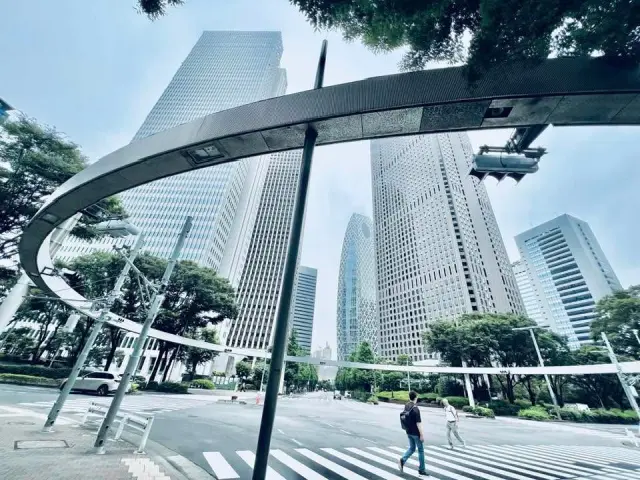
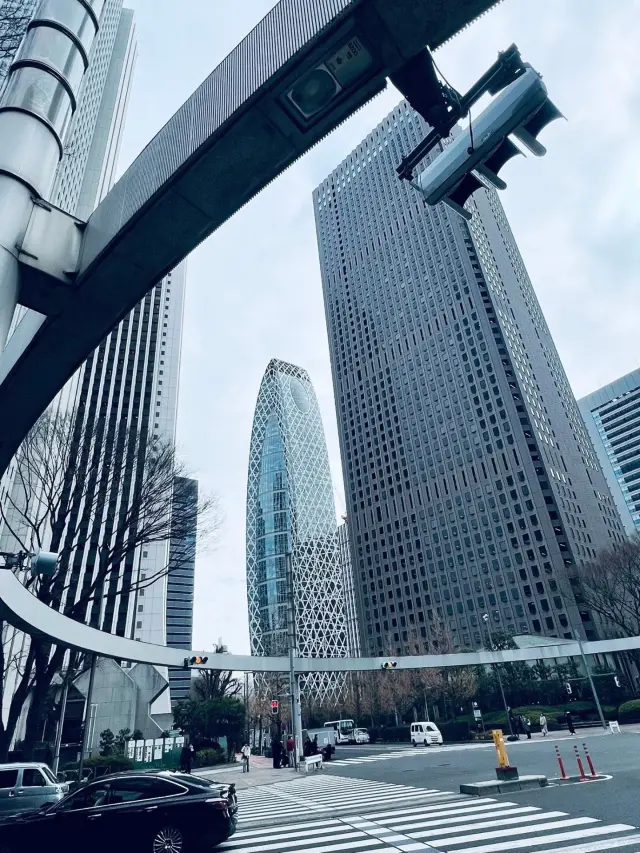
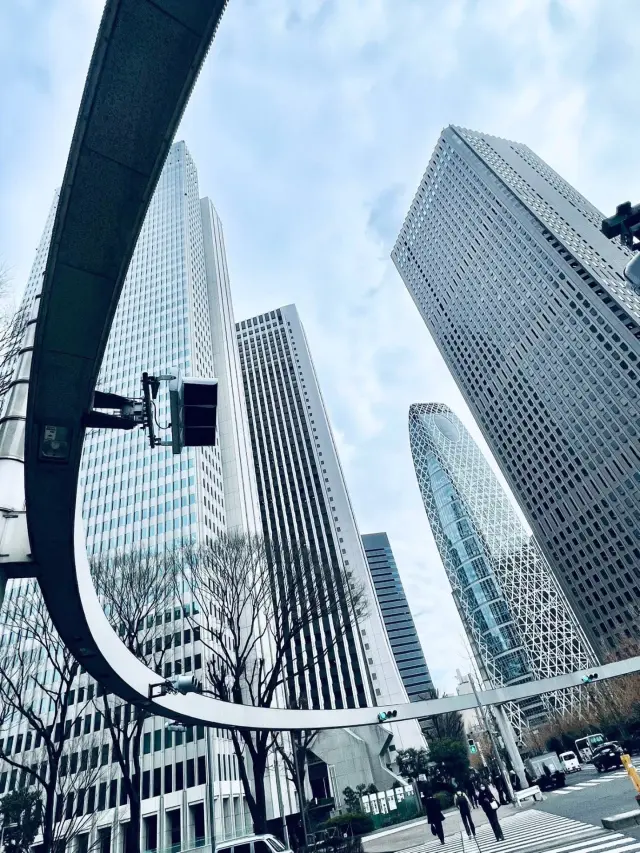
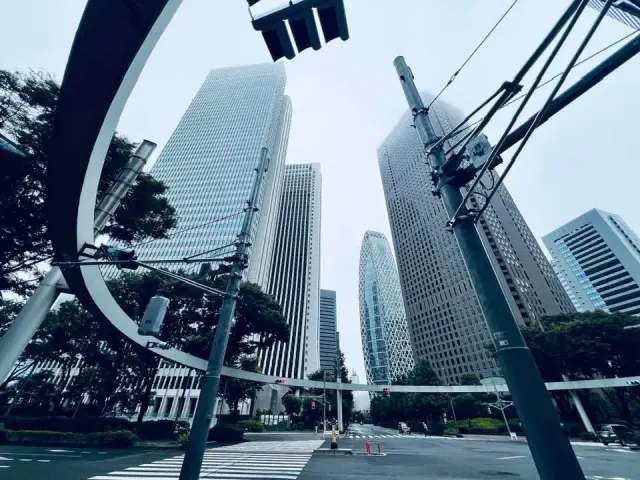
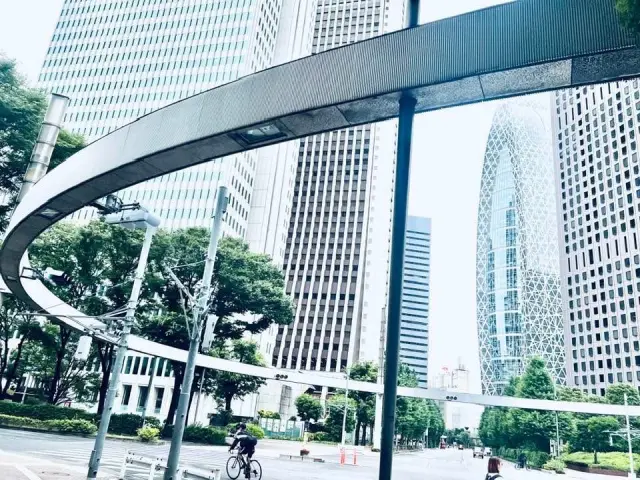
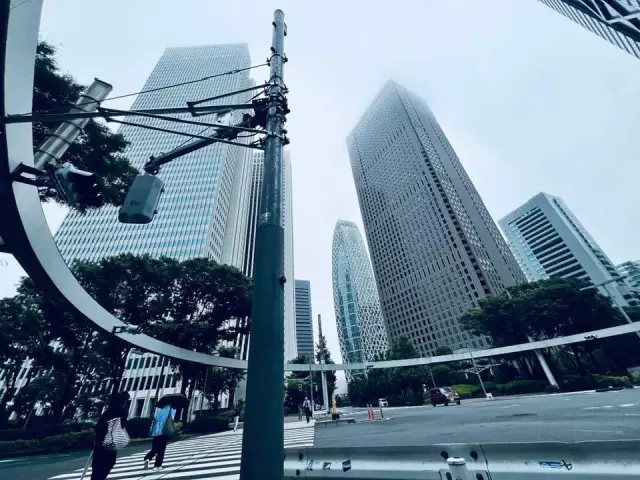
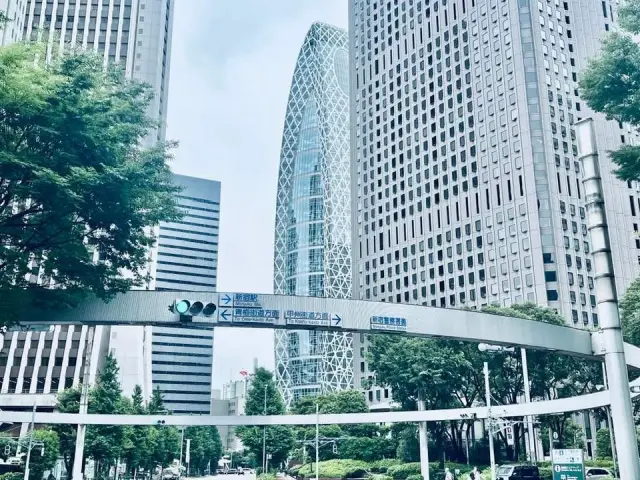
    Although it is located at the intersection on the west side of the Shinjuku Overpass (Shinjuku Ōgādo), it is more than just a support structure for traffic signs—it is a multifunctional architectural installation that combines traffic lights, streetlights, and an urban landmark.

    Highlights of the Nishi-Shinjuku Sign Ring:
    Core function: To improve the streetscape and consolidate the previously cluttered wires and signs, the ring suspends traffic lights, streetlights, and various traffic signs from a circular beam measuring 54 meters in diameter.
    Design specifications: The ring is suspended about 15 meters above the ground and was designed as a symbolic “gateway” to the skyscraper district of Shinjuku’s subcenter.
    History: It was completed in 1991 as part of the “Intersection Gateway Project” (Kōsaten Gate Keikaku).
    Location: It is located at the Shinjuku Ōgādo West intersection, a major traffic junction connecting Ōme Kaidō and the west exit of Shinjuku Station.

    Because of its highly futuristic appearance, this circular structure often appears in photography, movies, and anime scenes related to Tokyo or Shinjuku (such as Your Name).

Other Reviews by Norton Liang

  • Tokyo Metropolitan Government Building Observation Deck

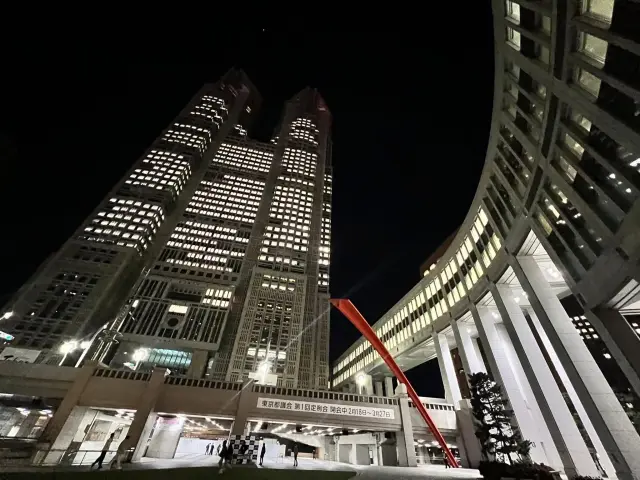
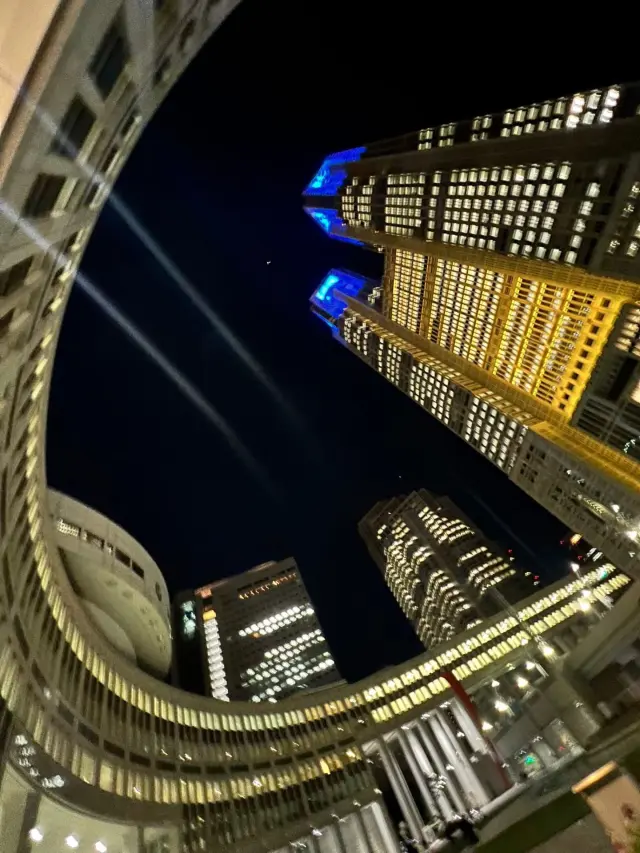
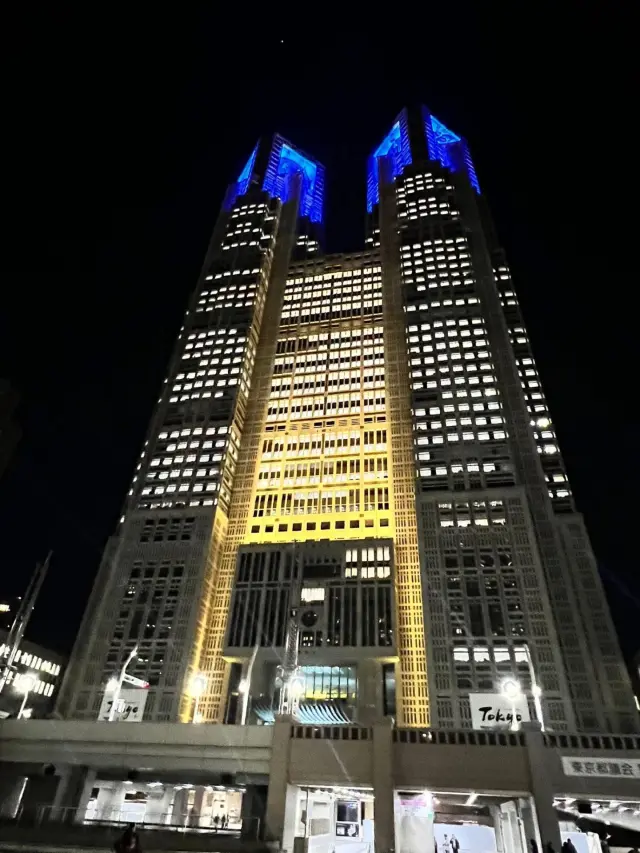
    The Tokyo Metropolitan Government Building, located in Shinjuku, is Tokyo’s centralized administration complex, comprised of three buildings: the First Main Office Building, the Second Main Office Building, and the Metropolitan Assembly Building. The First Main Office Building is home to a 45th floor Observation Deck, which is accessible by dedicated elevator on the 1st floor. In just 55 seconds the dedicated elevator will whisk you into the skies, to a height of 202 meters above ground and the sprawling view of Tokyo below.

    • Shinjuku, Okubo, Yoyogi, Yotsuya
    • Observatories
    See More

    The Tokyo Metropolitan Government Building, located in Shinjuku, is a top free spot for panoramic views of the Tokyo skyline.

    🏙️ Observation Deck Information (45th Floor)
    The Tokyo Metropolitan Government Building has a South Observation Deck and a North Observation Deck, both accessible by dedicated elevators from the 1st floor of the First Main Office Building.

    Hours: Usually 9:30 a.m.–10:00 p.m. (last admission at 9:30 p.m.).
    Note: The operating hours of the South and North Observation Decks may alternate, so it is recommended to check the Tokyo Metropolitan Government's official website or X (formerly Twitter) for real-time updates before visiting.
    View highlights: On clear days, you can see Mount Fuji, as well as Tokyo Tower, Tokyo Skytree, and the Shinjuku skyline.
    Reservations and admission: Free admission and no reservation required. Bags must be inspected before entry.

    🎨 Nighttime Only: Projection Mapping Show (TOKYO Night & Light)
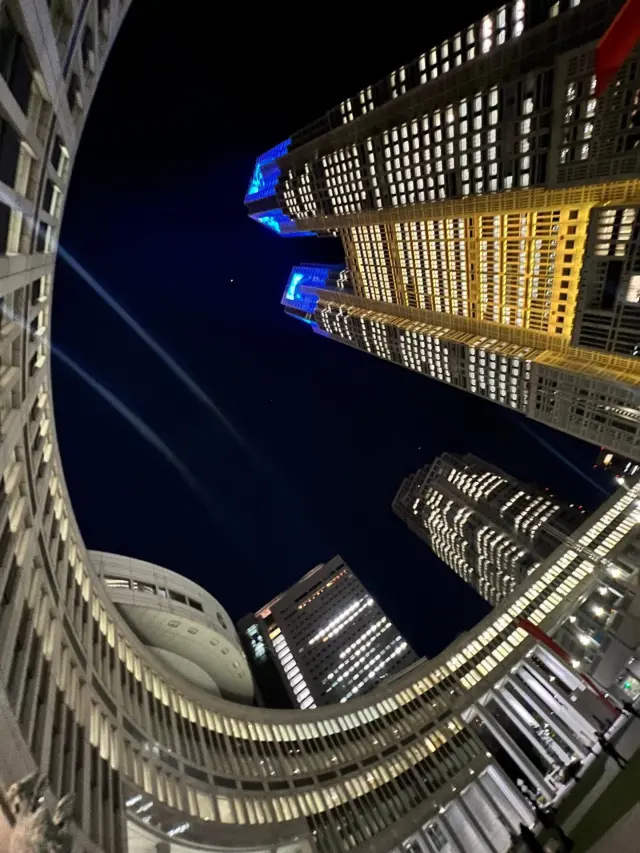
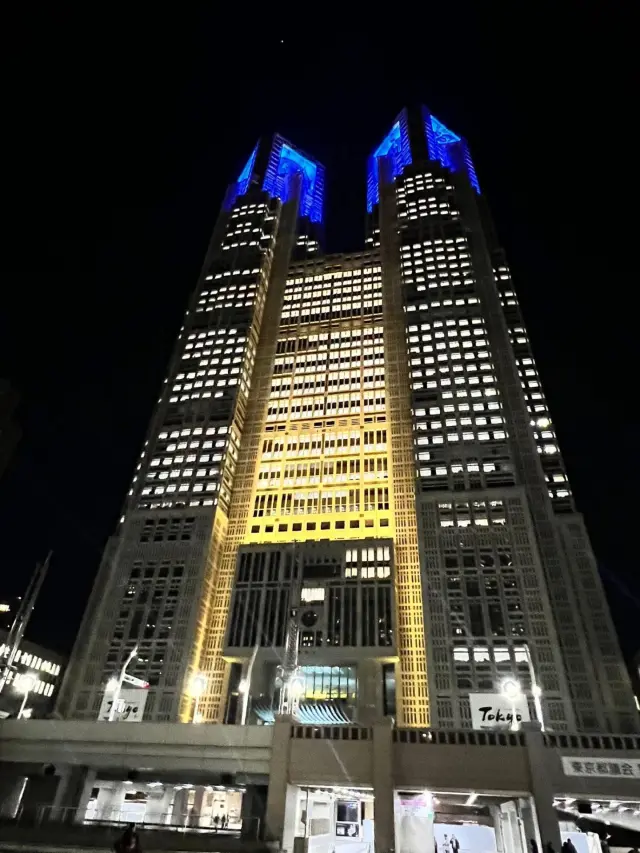
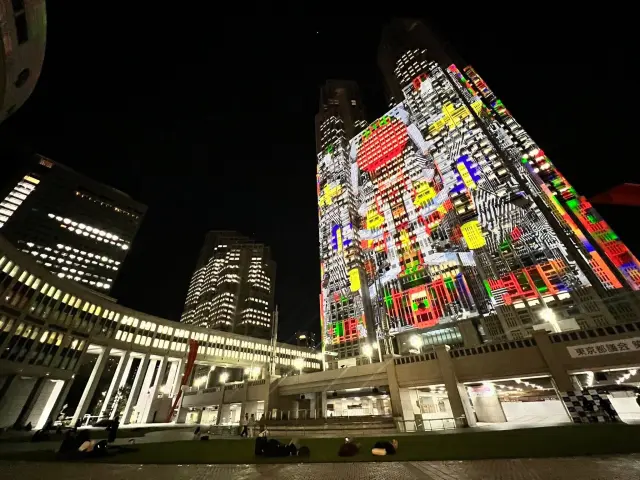
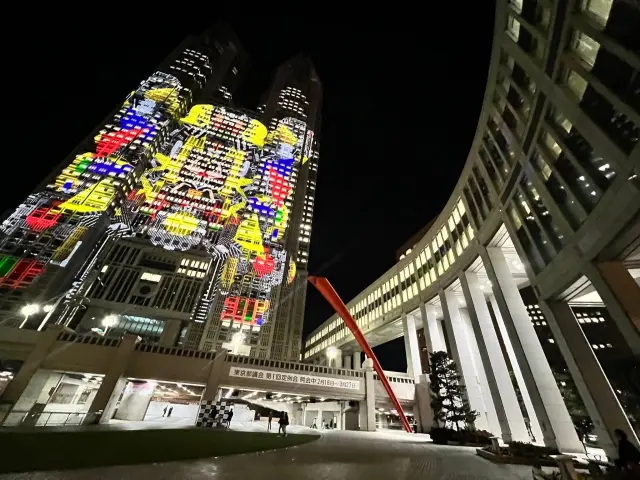
    The exterior of the Tokyo Metropolitan Government Building features the world's largest architectural projection mapping show, certified by Guinness World Records:
    Showtimes: Begins every night at 6:00 p.m. (or 6:30 p.m., depending on the season), with a show every 30 minutes. Each show lasts about 15 minutes, and performances continue until 9:30 p.m.
    Viewing location: Tomin Hiroba (Citizens' Plaza), directly in front of the Tokyo Metropolitan Government Building.
    Special shows: Limited-time themes, such as Godzilla or Pokémon, are often featured on weekends.

    🍱 Hidden Experience: Staff Cafeteria (32nd Floor)
    If you visit during the daytime on a weekday, I recommend eating at the staff cafeteria on the 32nd floor. The food is reasonably priced and the views are beautiful. General visitors can enter by registering on the 1st floor and receiving a temporary pass, giving them a glimpse into the daily lives of Japanese government employees.

  • Kobe Port Tower

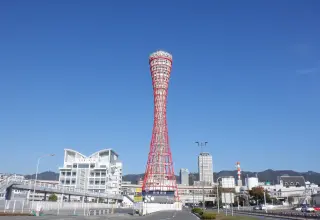
    Rising over Kobe Harbor, this port tower is known as the “Beauty of the Iron Tower” for its graceful hyperboloid shape-like an elongated drum-and its vivid red exterior. Loved by locals as a symbol of Kobe since its debut in 1973 (1963), it reopened after Approx. 2.5 years of seismic reinforcement and renovation, with a grand renewal in April 2024.

    • Kobe
    • Observatories
    See More

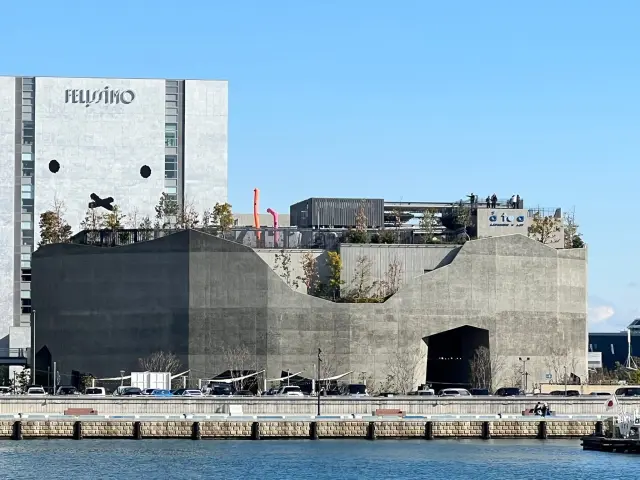
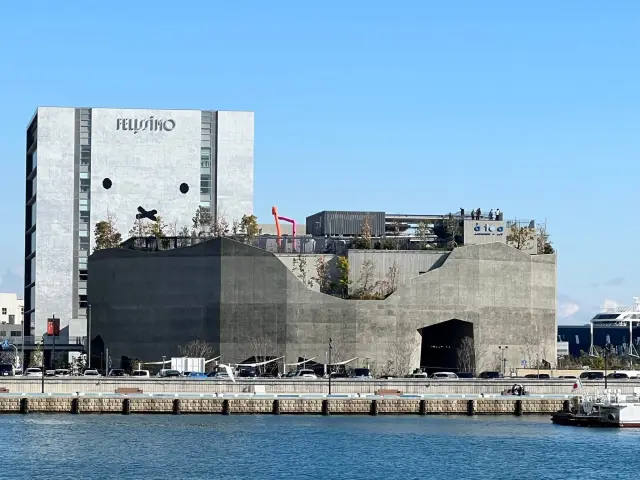
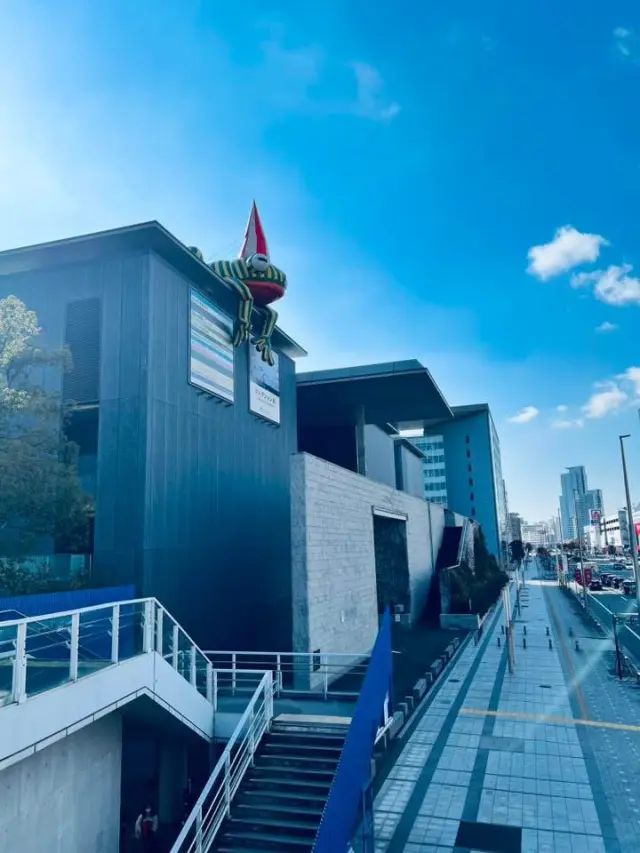
    Located in the Shinko Pier No. 1 area of Kobe Port, the Kobe Port Museum is a cultural complex that includes átoa, a space combining an aquarium and digital art. The high-rise building behind it with the famous smiling-face logo is Stage Felissimo, the headquarters of the well-known lifestyle goods brand FELISSIMO.
    I. Architectural design features of the Kobe Port Museum
    * Biomimicry and geological imagery of “uplifted earth”
    * The texture of fractured earth: Rather than the smooth glass curtain walls commonly seen on commercial buildings, the exterior is designed to resemble enormous, rugged layers of concrete rock. Its jagged, V-shaped geometric fractures symbolize faults and rock strata that have been “uplifted” to the surface by crustal movement and tectonic pressure in nature.
    * Waterjet Wash method: After pouring the concrete, the architectural team at Taisei Design used high-pressure water to wash away the surface cement, exposing the aggregate made with local soil and stone that was mixed into the concrete from the first floor to the top floor. This gives the building natural textures and a primal vitality, as if it had been eroded by sea winds and formed through layers of geological deposits over thousands of years.
    * The interplay of nature, light, and nature
    * The open rooftop garden and geometric openings above the building allow sunlight to pour into the interior, blending the harbor scenery, water—the átoa aquarium—and imagery of rocky strata. This gives the cold modern building materials an organic quality, like “breathing rock.”
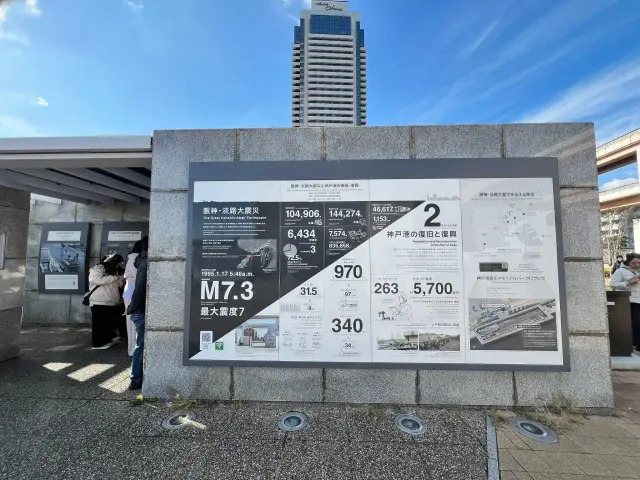
    II. The significance of rebirth after the 1995 Great Hanshin Earthquake
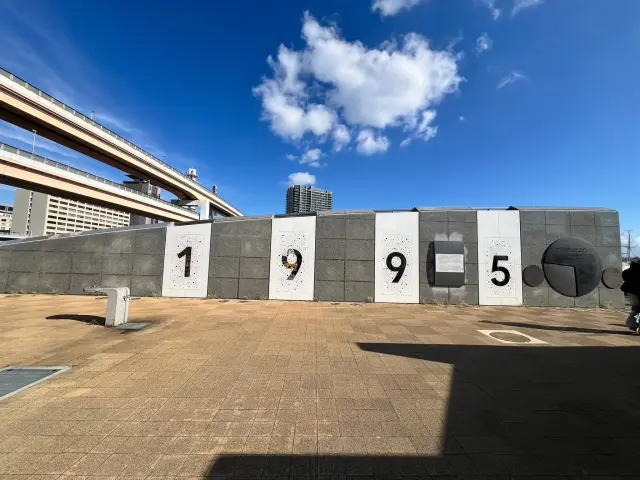
    The Great Hanshin Earthquake that struck on January 17, 1995, devastated the port city of Kobe. At the time, Kobe Port’s wharf facilities, foundations, and historic buildings suffered tremendous damage. The construction of this building in the port area carries profound symbolism of “rebirth”:
    * Confronting and transforming the trauma of the earth’s crust
    * The earthquake is a painful memory caused by movement along faults in the earth’s crust. The Kobe Port Museum openly uses “faults,” “uplifted earth,” and “torn rock strata” as its architectural vocabulary, symbolizing how “the city rises again from the trauma of the earth’s shaking and is reborn from the faults.”
    * From devastated ruins to “new life through culture and art”
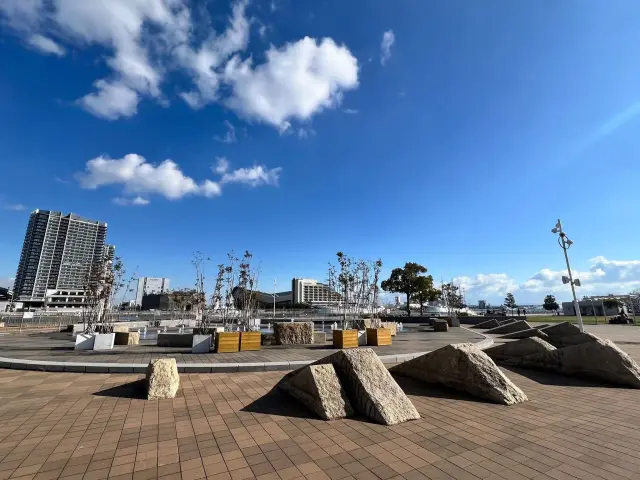
    * The Shinko Pier area of Kobe Port, once severely damaged, was formerly dominated by industrial warehouses and logistics wharves. As part of Kobe Port’s redevelopment plan, this complex bringing together art, marine life at átoa, food, and culture marks the port area’s transformation from its traditional industrial functions and the shadow of the earthquake into a new-era living room filled with creativity, aesthetics, and vitality.
    * Resilience through harmonious coexistence between people and nature
    * The people of Kobe showed tremendous resilience after facing such a massive natural disaster. The building deliberately gives its concrete surfaces a naturally rugged texture and plants trees and greenery on the rooftop, symbolizing that “even after the earth splits apart, life and greenery can still sprout and flourish again through cracks in solid rock.” It embodies the unyielding spirit of the city of Kobe.

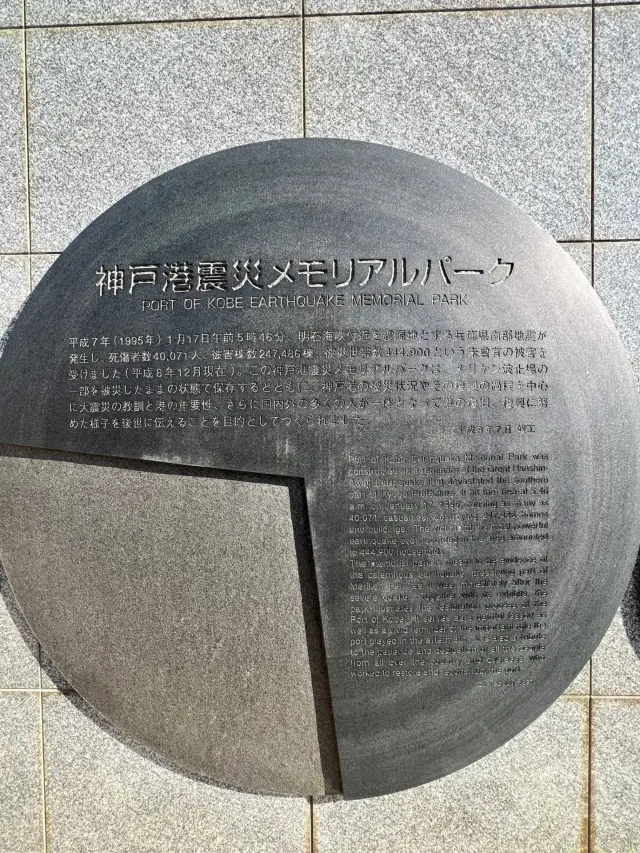
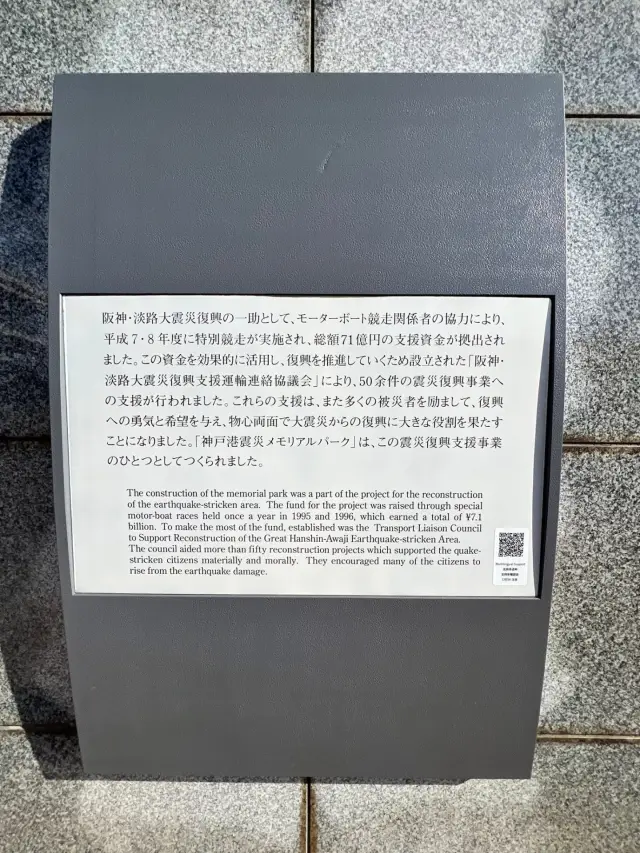
    Port of Kobe Earthquake Memorial Park: The damaged wharf has been preserved as it was after the 1995 Great Hanshin Earthquake, serving as a historical record and memorial.
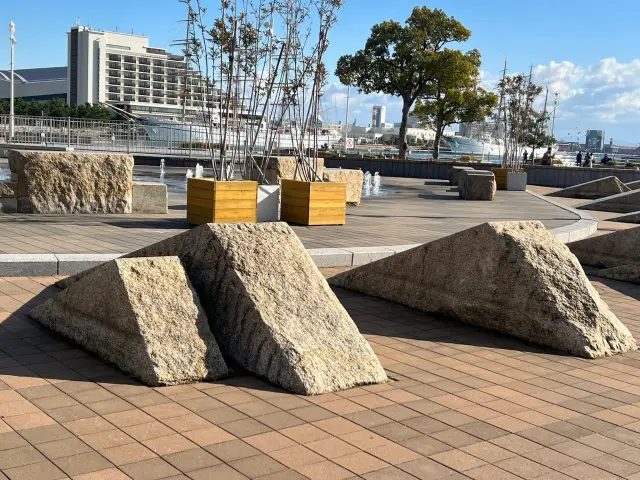
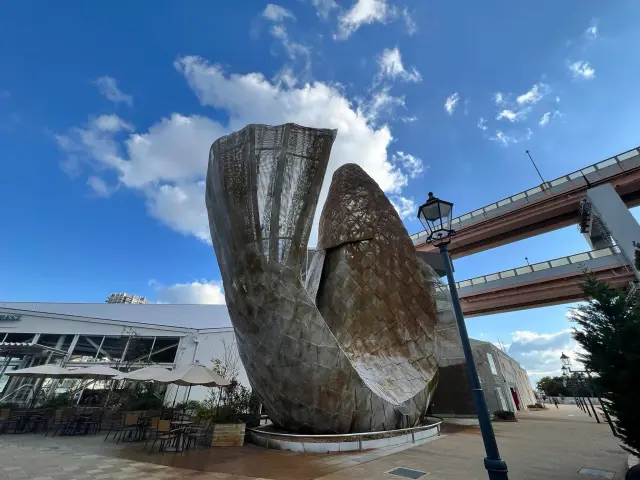
    Public art and sculptures: Several modern artworks are scattered throughout the park, including the “Fish Dance” sculpture designed by Philip Johnson.
    Waterfront walks and coffee: It is very relaxing to stroll along the seawall promenade in the sea breeze or enjoy coffee at the nearby Starbucks.
    Nearby facilities
    Kobe Harborland: A large nearby commercial district with shopping malls, restaurants, and a Ferris wheel, where you can also shop and dine.

  • Hyogo Prefectural Museum of Art

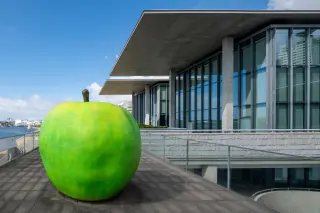
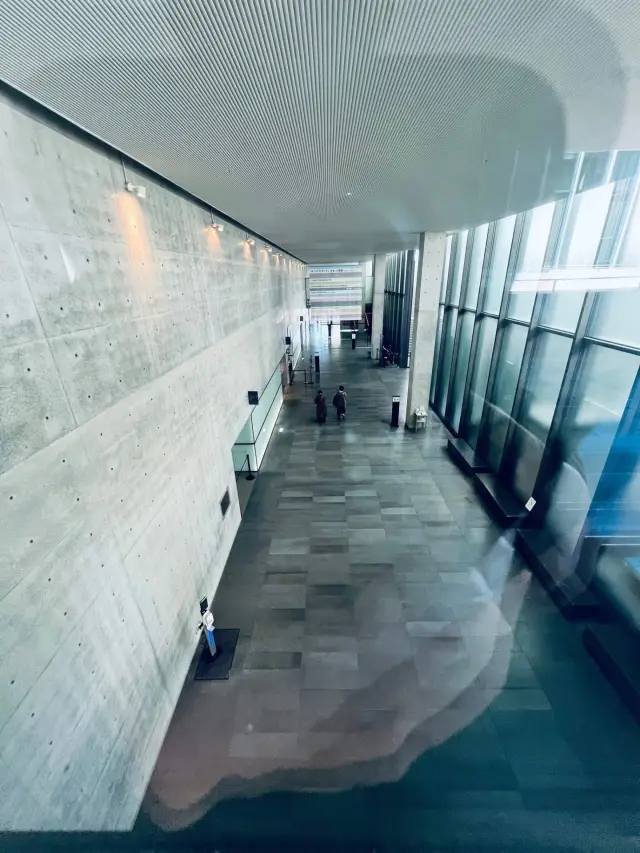
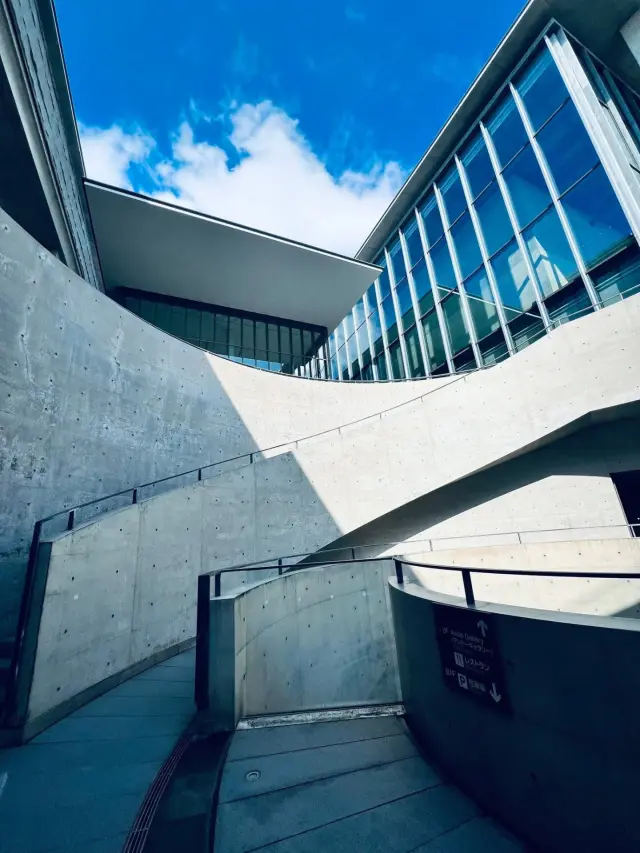
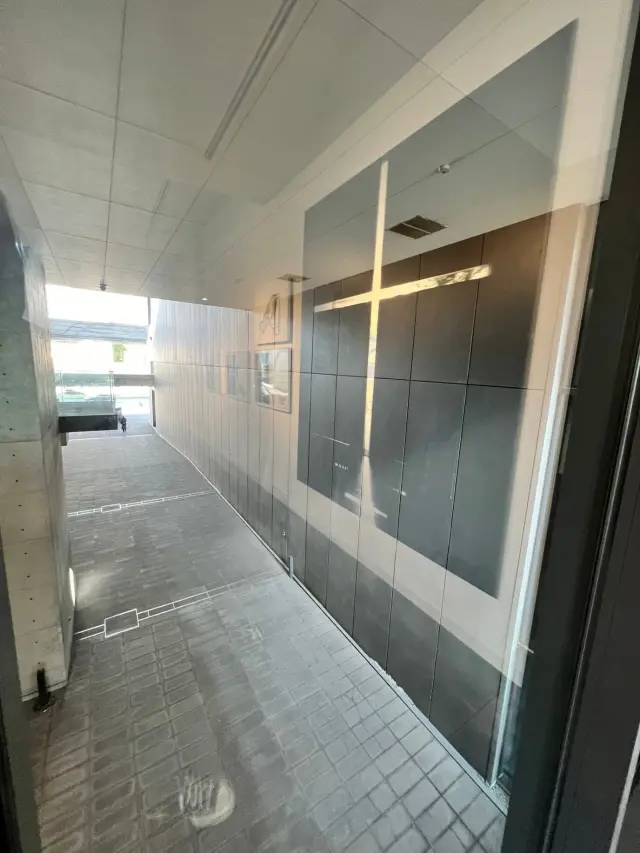
    An art museum located in HAT Kobe in Kobe, Hyogo Prefecture. Opened in 2002 as a symbol of cultural recovery from the Great Hanshin-Awaji Earthquake, it is known for its architecture by architect Tadao Ando and its collection of modern and contemporary art from Japan and abroad.
    • Kobe
    • Museums
    See More

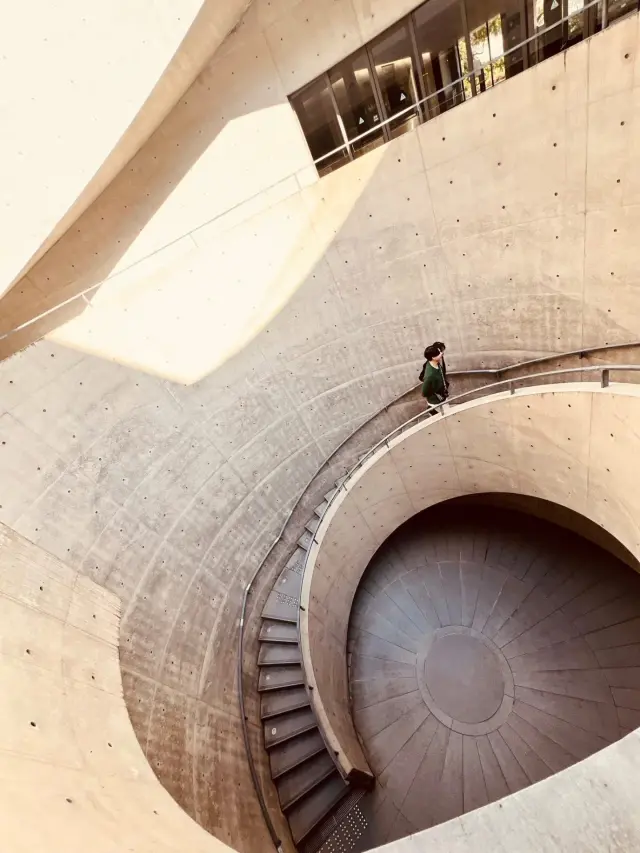
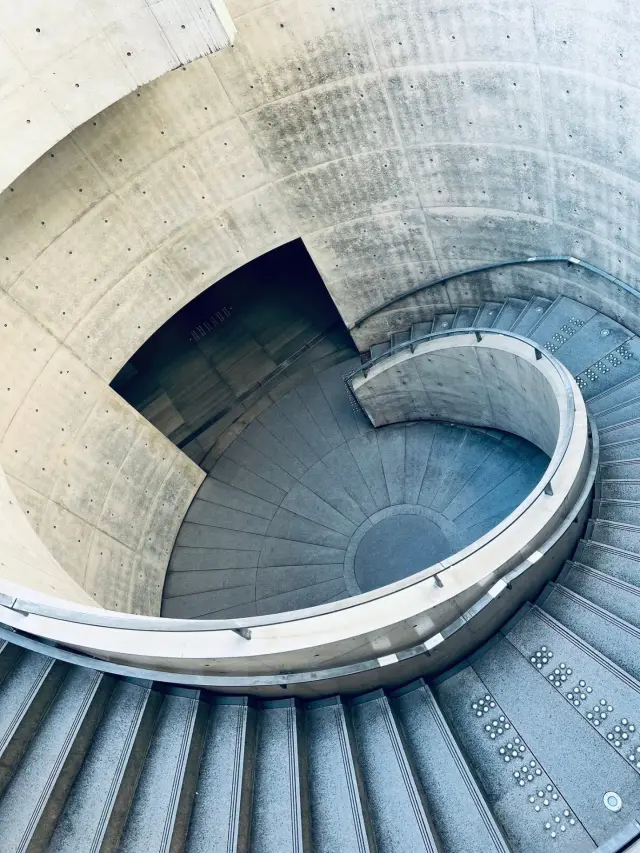
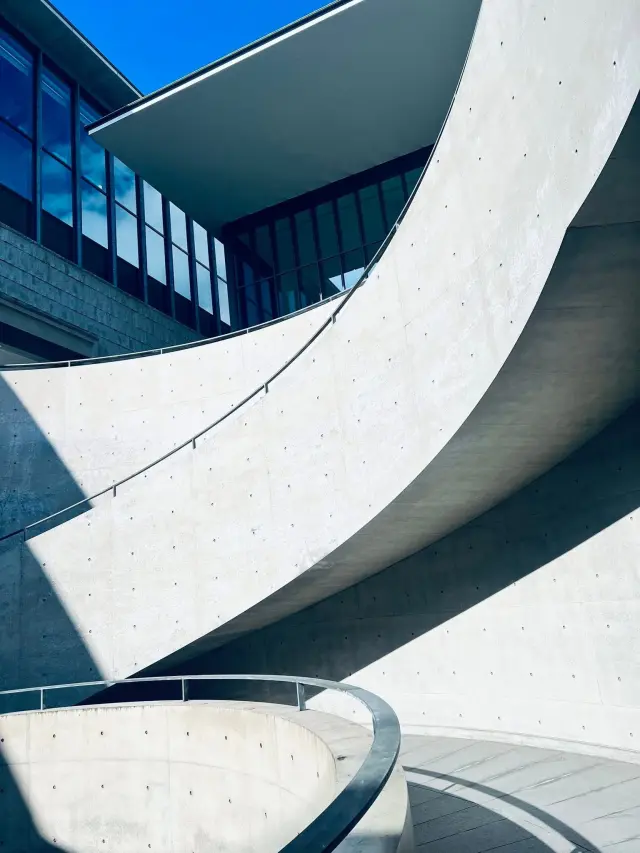
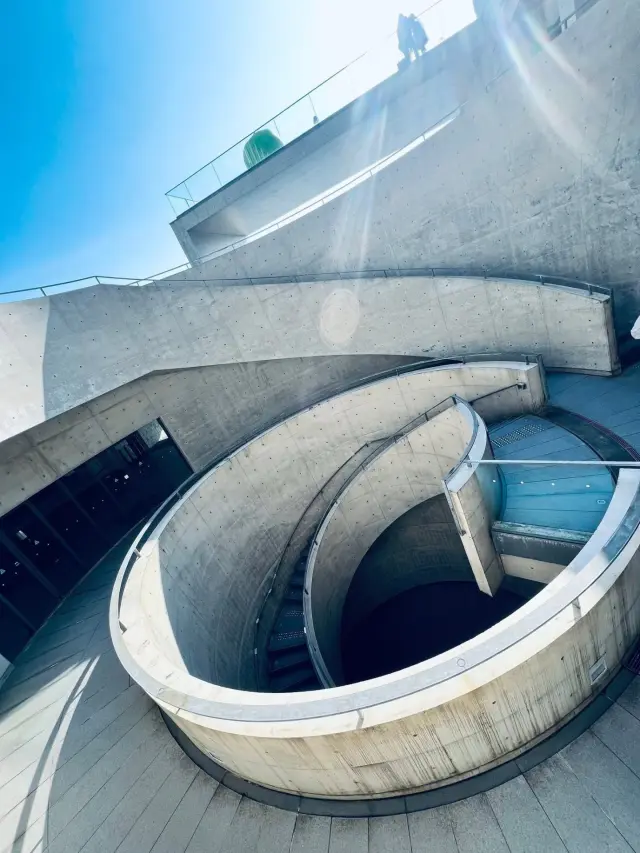
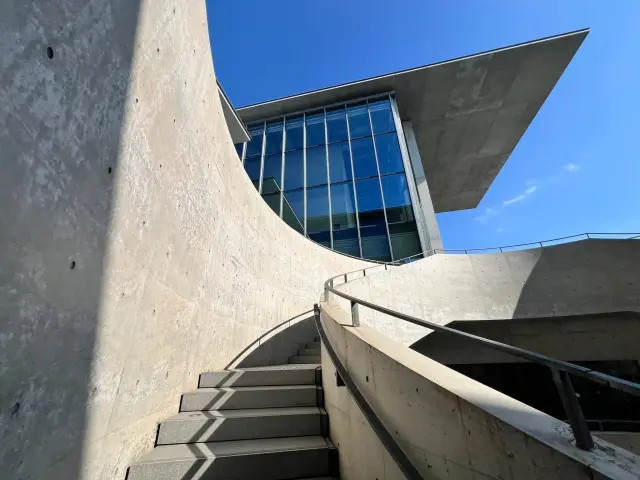
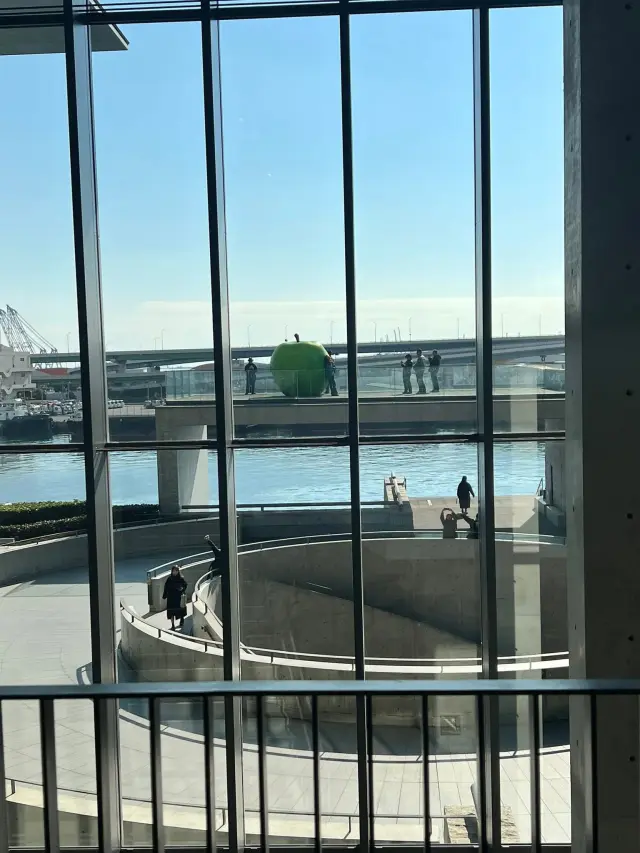
    In Tadao Ando's architectural designs, the “spiral” is an important element, especially in the Circular Terrace at the Hyogo Prefectural Museum of Art.
    The spiral design of the Hyogo Prefectural Museum of Art
    Circular Terrace/spiral staircase: This is one of the museum's signature features, connecting the underground parking lot, the first-floor entrance hall, the gallery wing, and the second-floor outdoor space.
    Spatial experience: This open spiral design is more than just a passageway; it is also an architectural statement. As visitors walk along the stairs, they can experience the rich spatial layers created by light and shadow changing over time and feel the connection between the architecture and the views of the sea and mountains.
    Geometry, light, and shadow: Tadao Ando is skilled at using simple geometric forms, such as circles and squares, and exposed concrete, combining them with natural elements such as light, wind, and water to create a unique sense of space. The spiral staircase embodies fluidity and connectivity, blending form and function.
    Other notable spiral designs
    In addition to the Hyogo Prefectural Museum of Art, Tadao Ando has also used spiral designs elsewhere:
    He Art Museum (Shunde, China): The building is based on stacked circular discs, with a pair of double-helix staircases at its core resembling the structure of DNA. Natural light pours in through the central atrium, creating a sense of sacredness.
    Through these spiral designs, Tadao Ando challenges the static geometry of traditional architecture, pursues dynamic balance, and creates rich, multilayered spatial experiences.

Hokkaido Tohoku Kanto Chubu Hokuriku Kansai Chugoku Shikoku Kyushu Okinawa