Canal City Hakata, Fukuoka’s liveliest entertainment complex, immediately draws you in with its spectacular, winding, reddish-brown wave-shaped building! The entire mall is cleverly built around a semi-open-air artificial canal about 180 meters long. Water flows leisurely through the center of the mall, while curved terraces rise in layers on both sides, like a miniature Venice hidden in the heart of the city, full of flowing lines and modern beauty. Head to the central Sun Plaza and enjoy the cool breeze, and you can always feel the open and lively shopping atmosphere.
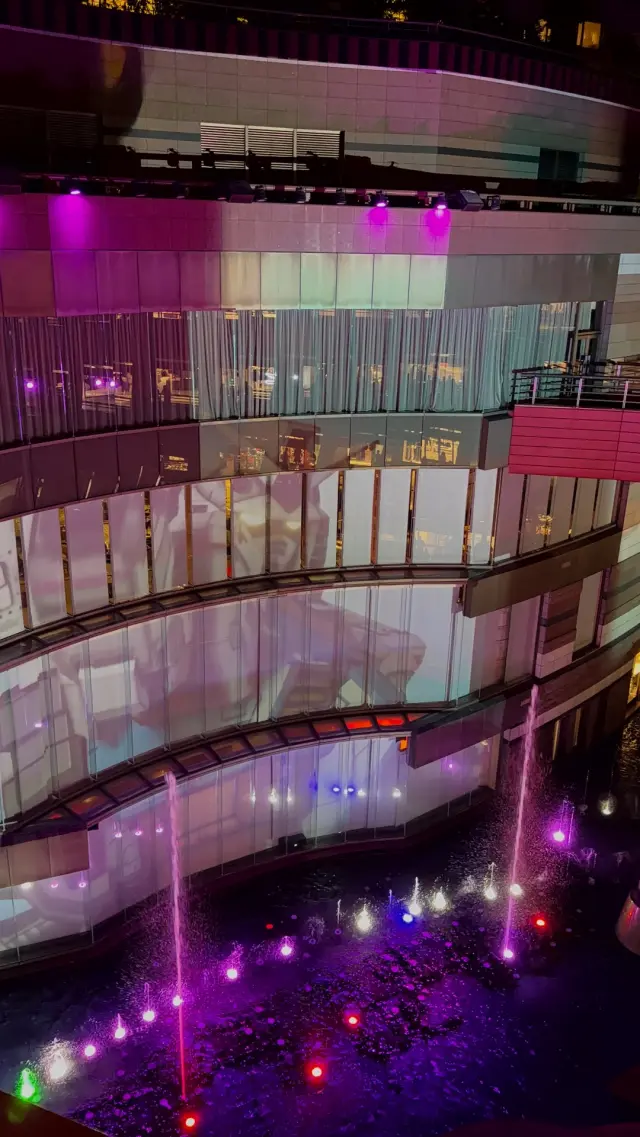
The biggest highlight of Canal City is definitely the fountain show held at regular intervals in the central pool! Accompanied by powerful, rhythmic music, dozens of jets sway gracefully at times, then shoot several stories high like rockets, with the spray sparkling brightly in the sunlight. At night, there’s also a 3D water-screen projection mapping show that incorporates the building’s glass exterior. Dazzling lights, three-dimensional projections, and dancing water fill the air, instantly transforming the entire mall into a huge outdoor fantasy theater. The visual effects are incredibly impressive!
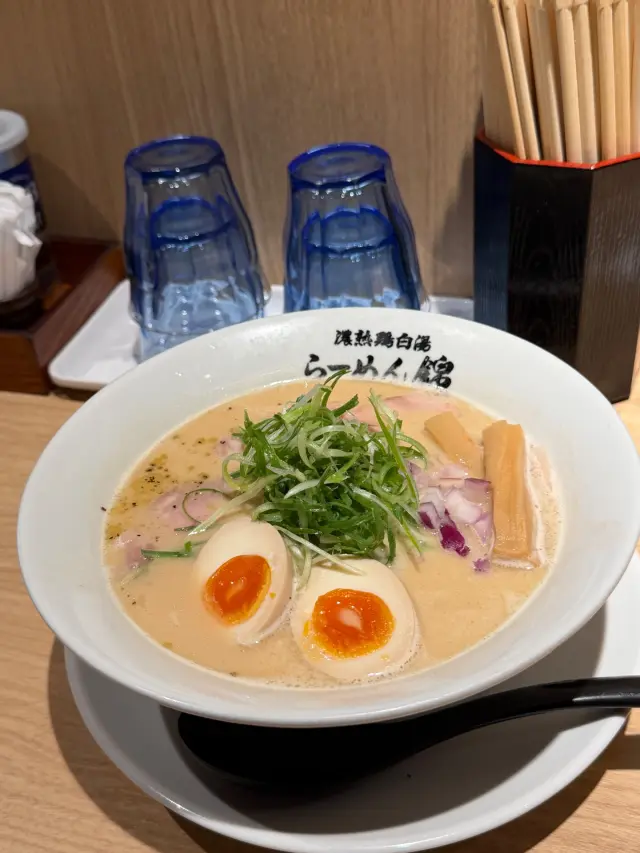
Besides taking photos and watching the shows, this place is also a shopping paradise packed with food, drinks, and entertainment. On the fifth floor is Ramen Stadium (ラーメンスタジアム), a must-visit for ramen fans from all over Japan, bringing together extremely popular shops from Hokkaido to Kyushu that usually have long lines. Whenever you need a break from shopping, you can choose a rich tonkotsu or flavorful miso ramen and dig in. The mall also has a huge JUMP SHOP, a Disney Store, Sanrio, a large Donguri Republic, and all kinds of trendy clothing and accessories. There’s so much to browse and buy that you could easily spend the whole day here!
Canal City Hakata | Review by Jk
Other Reviews by Jk
-
Yasaka Koshindo
A temple built in a famous tourists spot in Kyoto called Higashiyama, where other famous sights such as the Kiyomizu Temple and Yasaka Shrine are located. The official name of the temple is "Daikokusan Kongoji Koshindo,” but is well-known as "Yasaka Koshin-san" in the local area. It is said that this was where the Koshin faith, which derived from Chinese Taoism, first started in Japan, and is also one of the three Koshin in Japan.
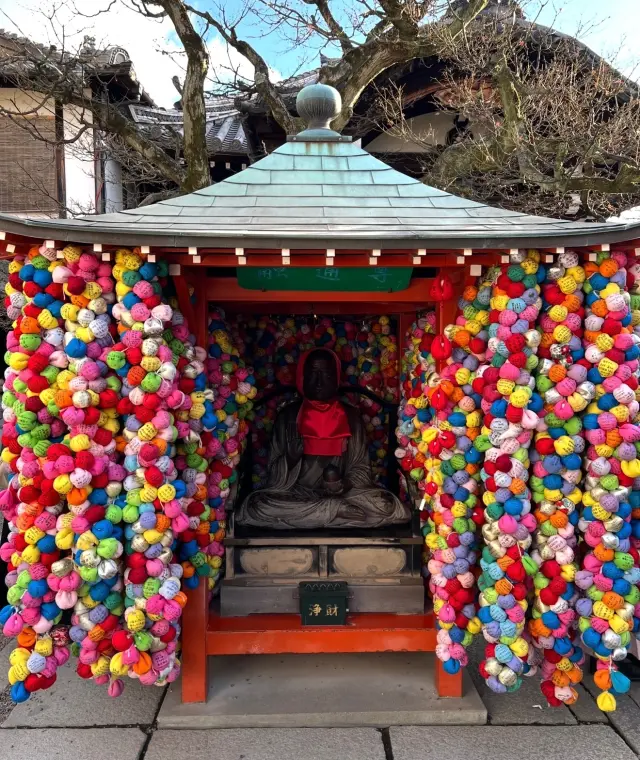
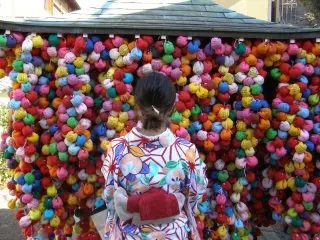
Turn into a small alley in Kyoto’s Higashiyama district and you’ll find Yasaka Koshindo, where your eyes are instantly bombarded with an unbelievable explosion of color! This tiny temple hidden next to Yasaka Pagoda is basically Kyoto’s dreamiest Instagram photo spot. As soon as you enter the courtyard, you’ll see the eaves and wooden racks covered with strings of colorful, round cloth balls called “kukurizaru” (tied monkeys). Red, yellow, blue, and green are all woven together, looking super vibrant and super cute in the sunlight! These cloth balls actually represent monkeys with their hands and feet tied, symbolizing the restraint of inner greed and desire. Just write your wish on the blank side of a cloth ball and tie it up yourself, and your wish will come true. The whole concept is both interesting and full of ceremony!
-
-
Himuro Shrine (Nara Prefecture, Tenri City)
Located in Fukuzumi-cho, Tenri City, a place known as the origin of ice storage in Japan, the site boasts over 20 historical ice storage (Himuro) sites. Deeply connected to the Imperial family, the shrine, believed to have been established around 414 AD, is considered the head shrine of all Himuro Shrines across the country.
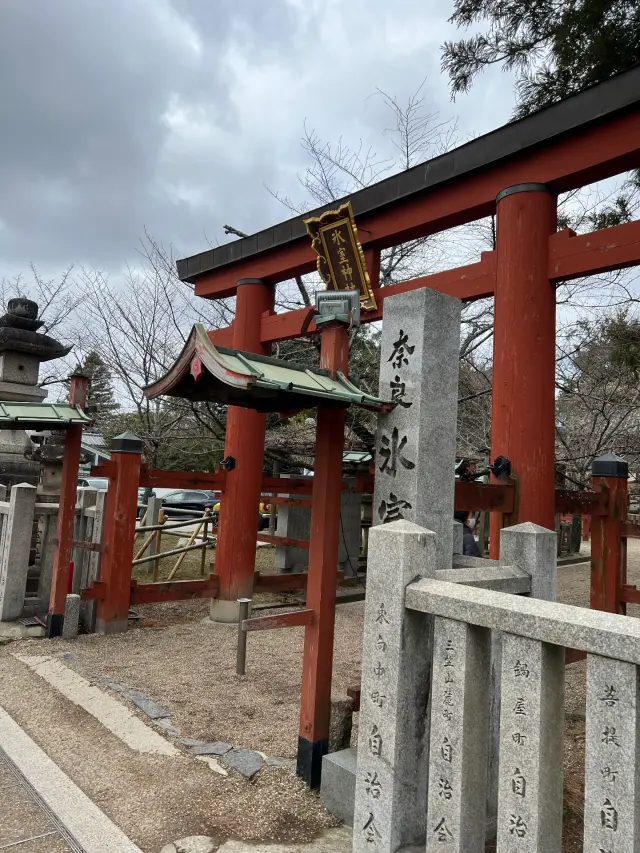
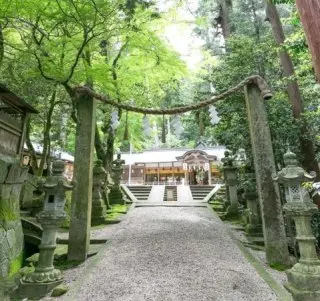
Directly across from the Nara National Museum and next to the Great South Gate of Todaiji Temple, Himuro Shrine is a refreshingly cool hidden spot with an unexpectedly cute contrast along a stroll through Nara Park! In ancient times, this shrine was dedicated to the guardian deity of ice making and ice storage, and now it’s a major pilgrimage site for ice manufacturers, drink shops, and even famous shaved ice shops from all over Japan. Once you pass through the wooden torii gate, the atmosphere inside is peaceful and elegant. The wildest and most clever thing is that they actually have an extremely rare “ice fortune” here! Place a blank fortune slip on the large block of pure ice prepared by the shrine to chill it, and the hidden fortune slowly appears like magic. It feels cool and refreshing to the touch in summer, while in winter the whole experience still feels ceremonial. It’s so much fun that you can’t help wanting to draw one and try your luck!
-
-
Todaiji Temple
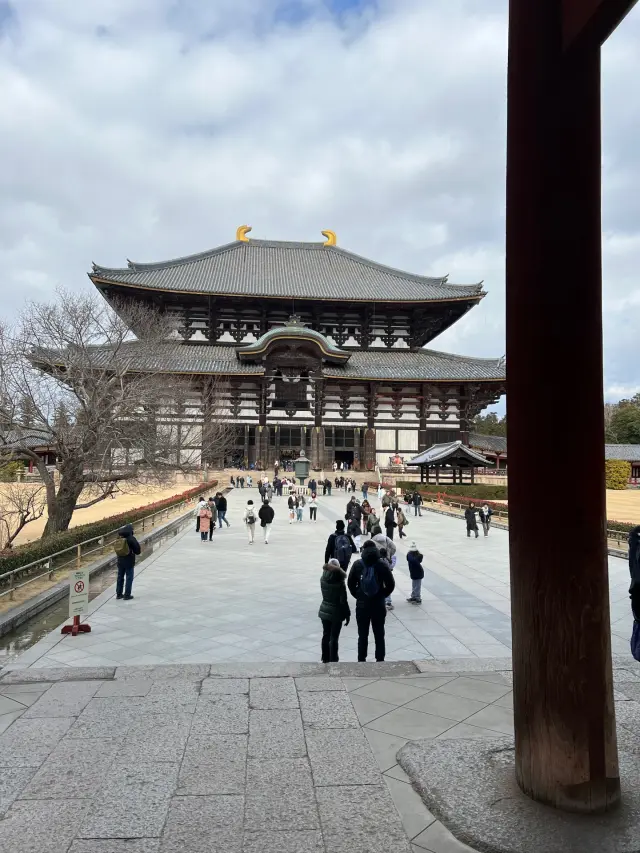
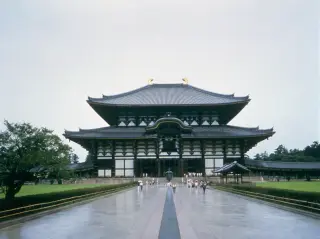
The Great Buddha Vairocana was commissioned by Emperor Shomu during the Nara period and consecrated in 752. The temple complex took nearly 40 more years to complete, making Todaiji one of Nara's most prominent temples. It continued to prosper under generous protection even after the capital was moved from Heijo-kyo.
Inside the hall, there’s also a classic must-try highlight that really tests your size and flexibility: the “Great Buddha’s Nostril” hole at the bottom of the thick wooden pillar behind and to the right of the Great Buddha! Legend says the hole is exactly the same size as the Great Buddha’s nostril. If you can successfully squeeze through it, you’ll be free from illness and misfortune for the entire year and receive good luck and blessings. You’ll often see kids slip through in a second like eels, while adults get stuck and make everyone burst out laughing. The atmosphere is super cheerful! If you still have energy after touring the Great Buddha Hall, I highly recommend walking up to Nigatsudo Hall, located partway up the hill nearby. From its large wooden terrace, you can take in the entire city of Nara and the distant mountains without paying an admission fee. At dusk, the sunset is as beautiful as a painting!
-