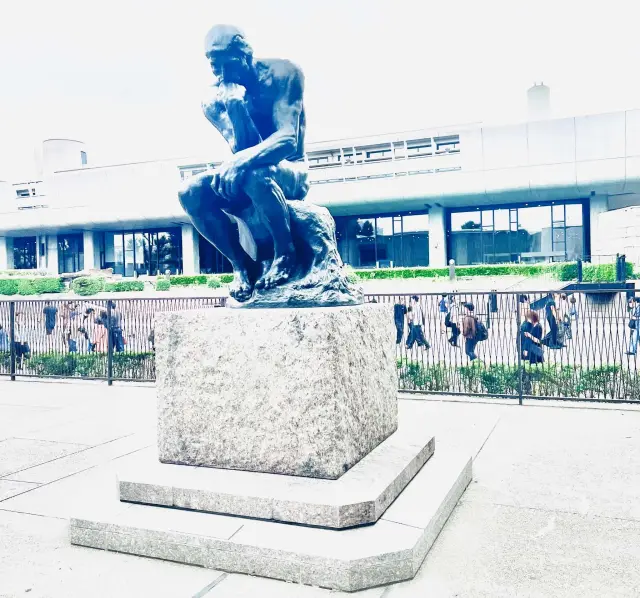
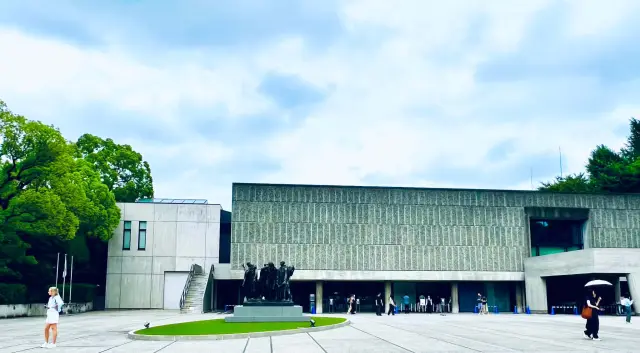
In Japan, the incorporation of Western literary figures or meanings into architectural design stems from the active adoption of Western culture during Japan’s modernization period (the Meiji and Taisho eras), as well as the integration of international architectural styles after the war. This fusion sometimes takes the form of direct decorative references and sometimes a deeper translation of spatial concepts.
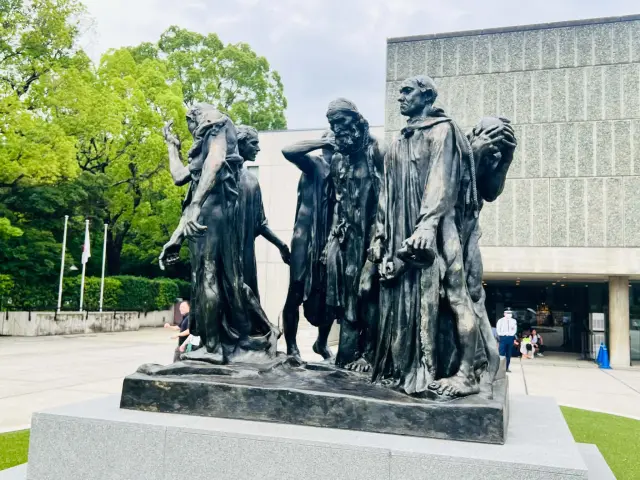
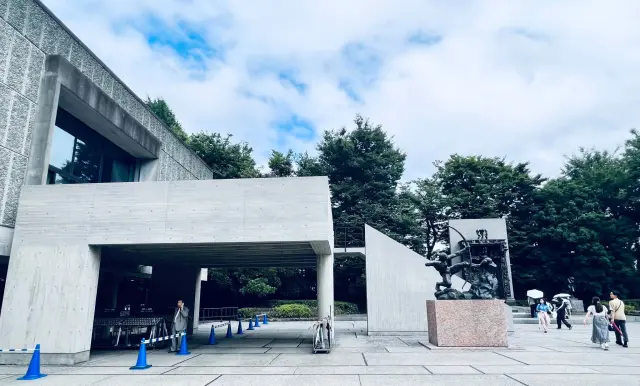
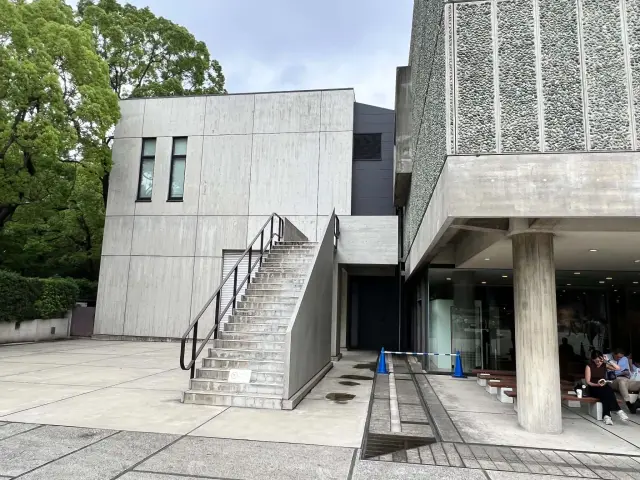
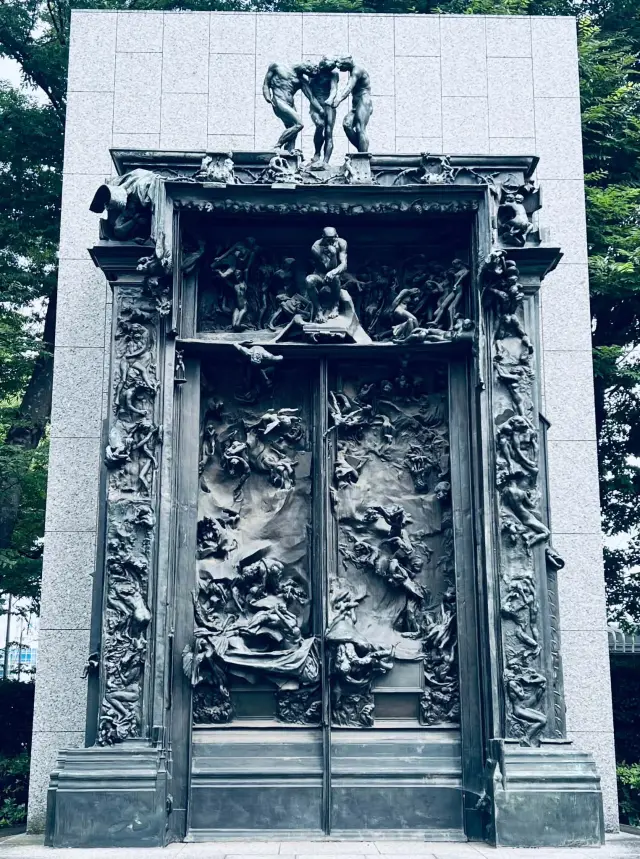
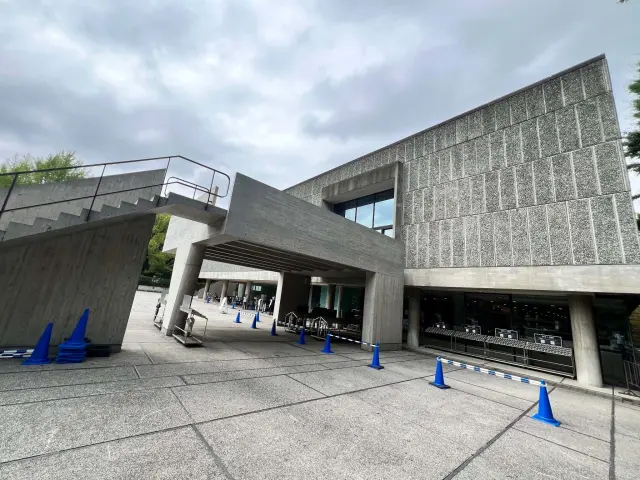
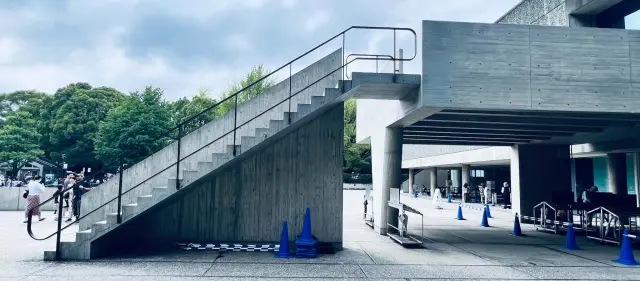
Classic sculptures in the forecourt of The National Museum of Western Art in Ueno
1. #Rodin’s The Gates of Hell
Literary source: Dante’s Divine Comedy, Inferno
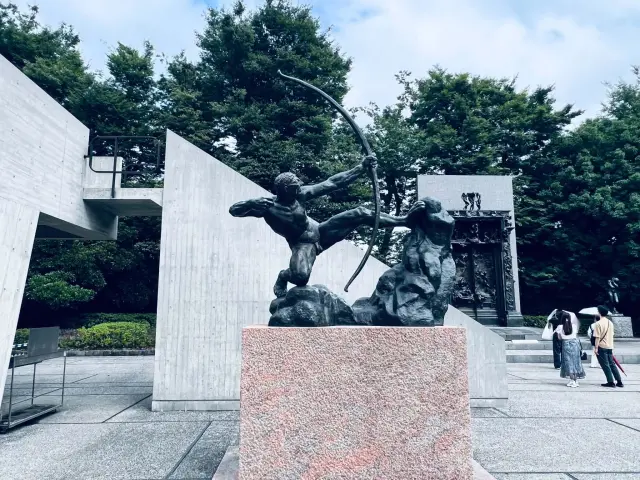
2. French master sculptor **Emile-
Antoine Bourdelle (a former assistant to Rodin)**, Hercules the Archer
HerculestheArcher)
: Depicts the Greek mythological hero Heracles shooting monstrous birds.
Incidentally, being able to see works by both master and student echoing each other in the museum forecourt is an artistic scene in Ueno that is well worth stopping to appreciate.
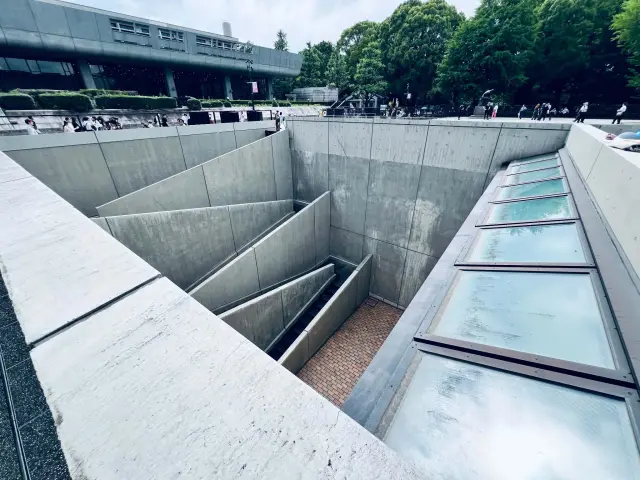
◎Also located in Ueno Park, in the sunken pool (a moat-shaped landscape feature) at #Tokyo Bunka Kaikan, directly across from The National Museum of Western Art.
3. A work by the renowned American female sculptor Anna Hyatt Huntington (1876-1973), #Diana (Diana
Mythological background: Diana (Roman mythology: Diana/Greek mythology:
#Artemis) is the goddess of the moon and the hunt, as well as the guardian of chastity and forests
Other Reviews by Norton Liang
-
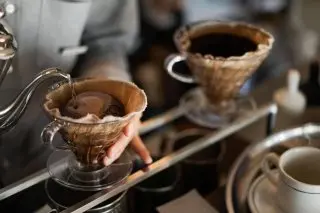
Morihiko
Morihiko, widely popular not only in Sapporo but across Hokkaido, began in 1996 as a small coffee shop housed in a wooden cottage tucked away in an alley. Surrounded by seasonal beauty-crocuses in spring, lush ivy in summer, wild grapes in autumn, and snow in winter-Morihiko offers a unique atmosphere for enjoying coffee year-round.
我要推薦 ⭐️⭐️⭐️⭐️⭐️⭐️
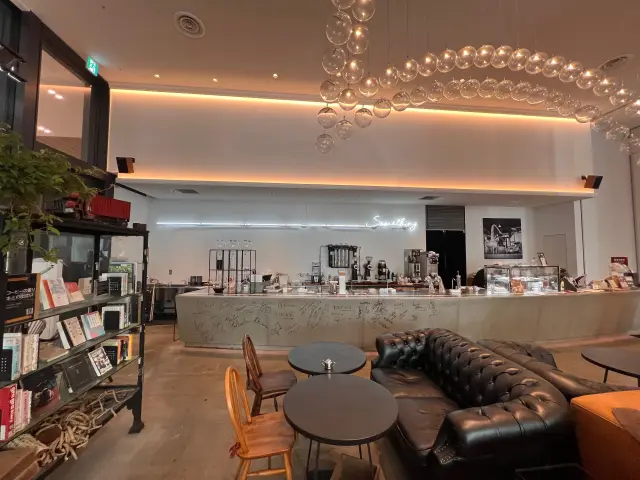
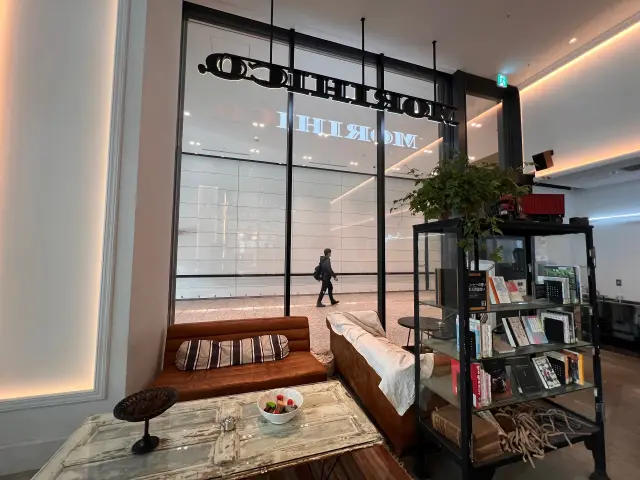
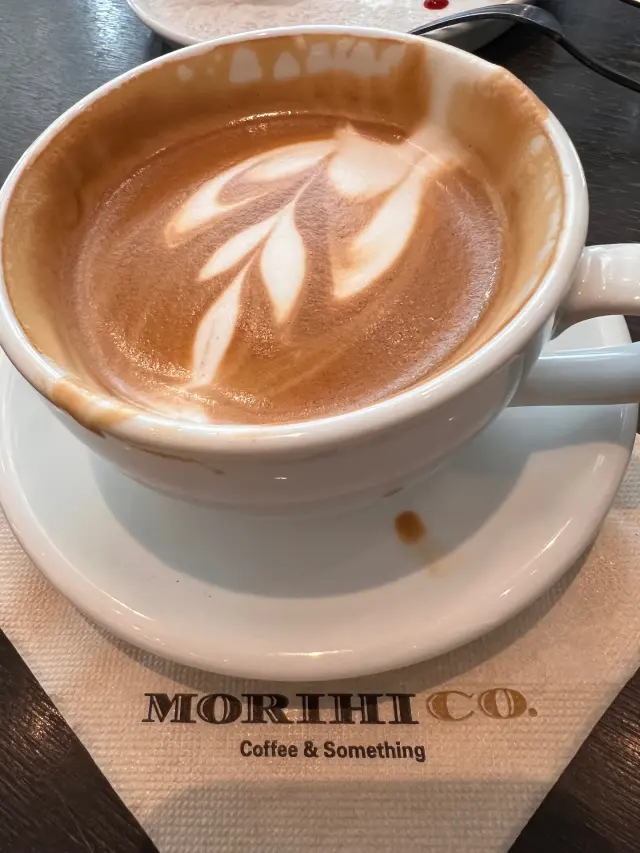
位於 #札幌市民交流廣場(Sapporo Community Plaza)與 #札幌文化藝術交流中心(#SCARTS)內的 #MORIHICO. #藝術劇場店(MORIHICO. STAY&COFFEE / 藝術劇場分店),完美體現了北海道精品咖啡龍頭「#森彥(MORIHICO.)」將自然、藝術與咖啡生活融為一體的品牌美學。
這間分店將粗獷的北海道自然元素帶入現代感十足的藝文建築中,從空間設計到品牌理念都極具看點:
1. 戲劇性的空間美學:挑高門面、樹藤鐵門與雲朵燈飾
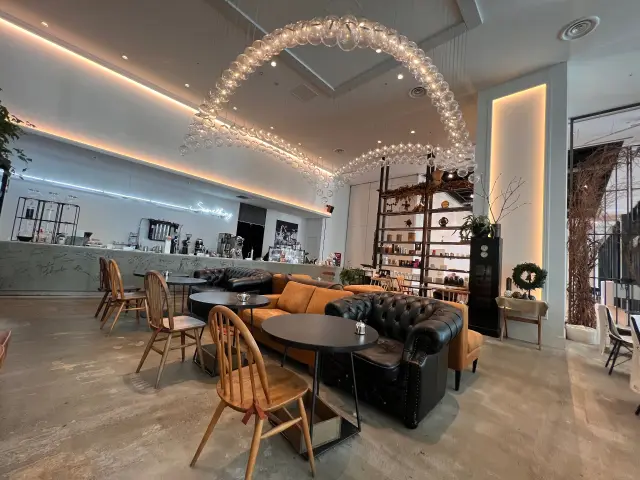
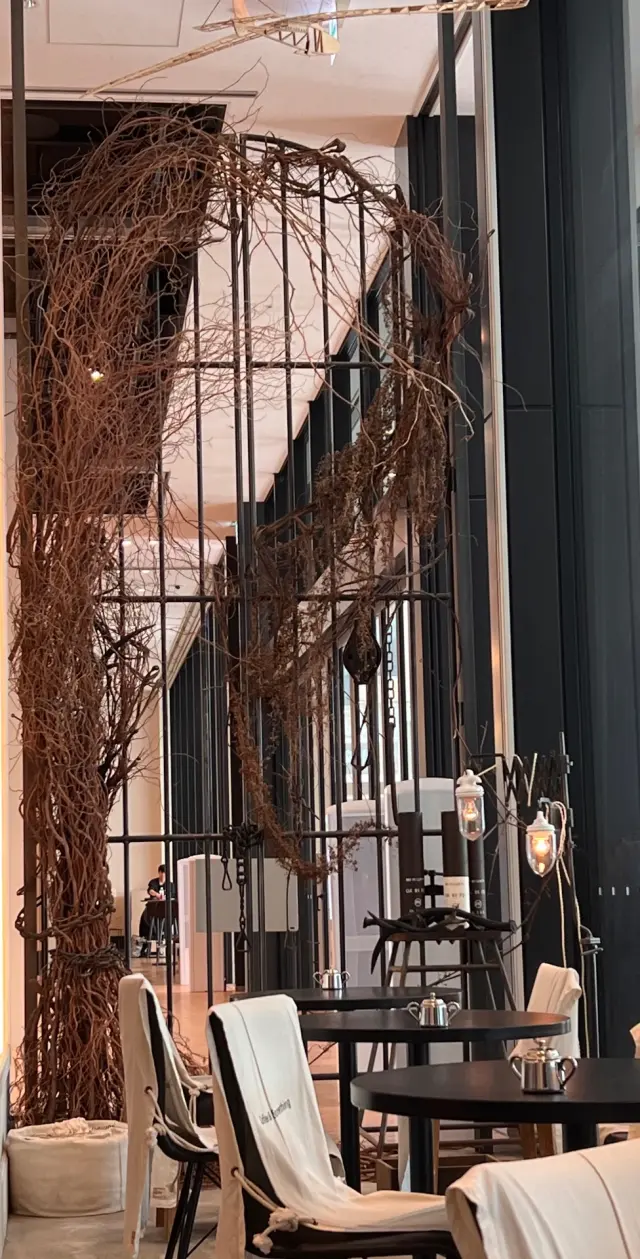
* 森林系樹藤大門:店面入口最吸睛的是極具視覺張力的挑高拱形鐵門,厚實的黑色鍛鐵上纏繞著大量來自北海道山林的天然枯藤與樹枝,並搭配復古滑輪與鐵鍊裝置,宛如通往秘境森林的入口,與建築本身的現代感形成強烈卻和諧的對比。
* 藝術感十足的挑高空間:店內擁有極佳的挑高與大面積落地窗,引入充足自然光。天花板垂掛著由無數透明玻璃球組成的弧形藝術吊燈,宛如漂浮在空中的光之雲朵或水滴,營造出劇院般的夢幻氛圍。
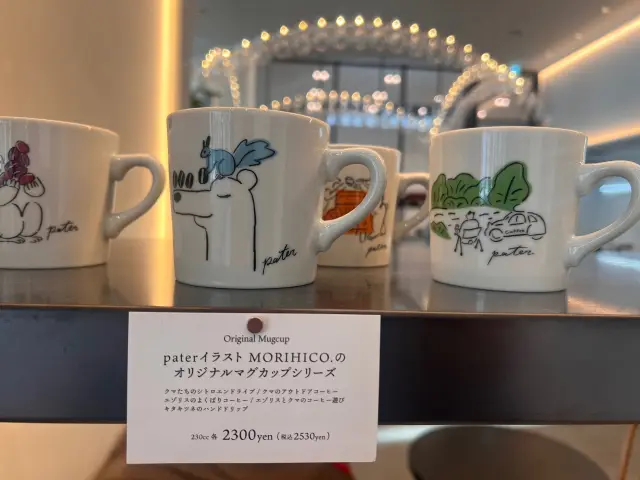
* 復古與現代交織的陳設:座位區混搭了深色經典 #切斯特菲爾德(#Chesterfield)皮革沙發、焦糖色絨布沙發與溫潤木椅;一旁的頂天立地鐵件層架上,不僅整齊陳列著自家烘焙咖啡豆與周邊商品,頂端同樣點綴著乾燥樹藤與復古人台模型,處處是細節。
2. 職人級咖啡與季節限定甜點
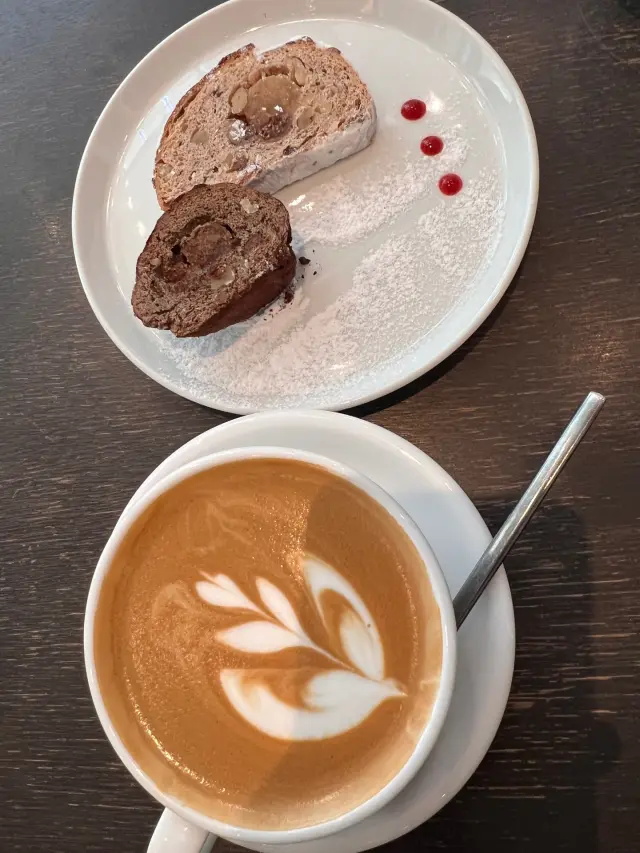
* 細膩的咖啡工藝:無論是拉花細緻、奶泡綿密且帶著深焙堅果香氣的拿鐵,或是冬季限定的「#黑蘭姆酒維也納咖啡(Einspänner with Dark Rum)」--在深焙黑咖啡上覆蓋滑順的香緹鮮奶油並灑上可可粉,酒香與咖啡醇厚感交織,都能喝出森彥對烘焙與萃取的堅持。
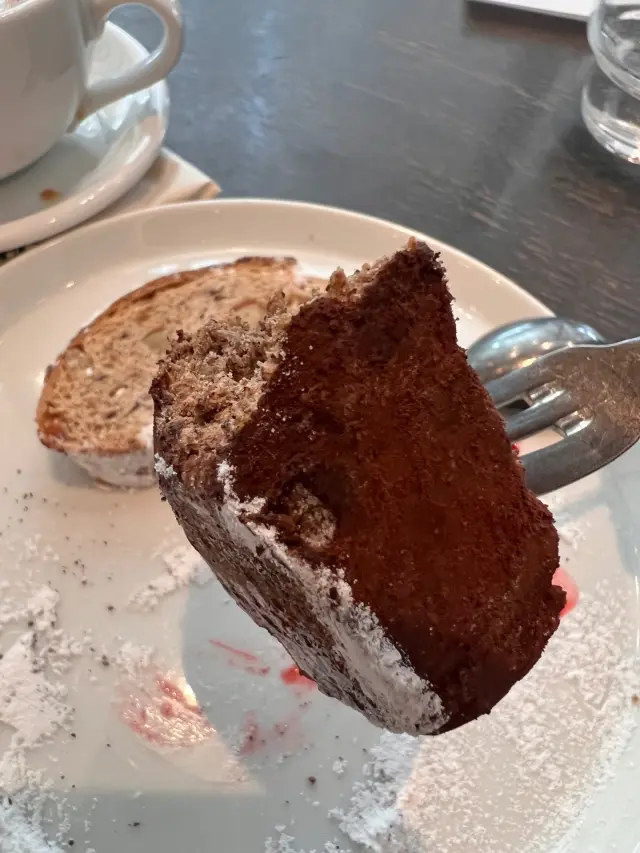
* 儀式感滿滿的甜點擺盤:點選德國傳統聖誕麵包「#史多倫(#Stollen)」拼盤(包含原味與可可風味)時,盤面上會細心灑上宛如北海道初雪的糖粉,再點綴三滴鮮紅果醬,讓日常午茶瞬間變成一件藝術品。
3. 像藝術雜誌般的免費期刊與永續理念
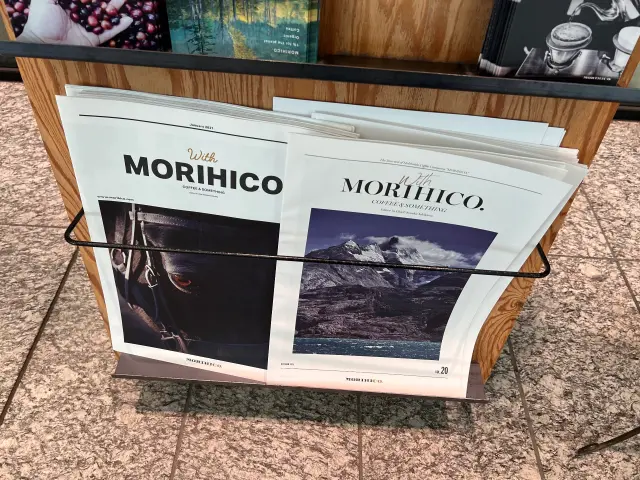
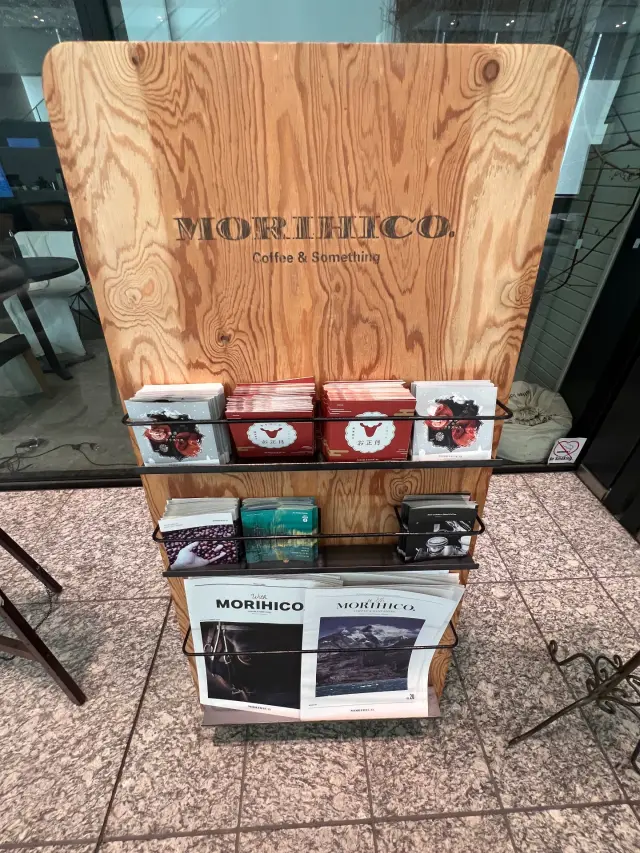
* 《With MORIHICO.》品牌刊物:店內免費取閱的期刊《With MORIHICO. COFFEE & SOMETHING》在排版、紙質與攝影上完全比照獨立藝術雜誌規格。封面常以北海道的壯闊山脈、雪景或馬匹等自然意象為主角,
⭐️傳遞「#咖啡不僅是飲品,#更是連結人與風土的媒介」。* #對北海道大地的熱愛與環境承諾:刊物架上方同時展示著森彥參與 「1% for the Planet」(將部分銷售額捐贈給環保組織)的有機咖啡系列,從選豆、包裝設計到空間裡大量運用天然枯藤與回收老件,都能深刻感受到品牌對永續環境與北海道這片土地的敬意與深厚情感。
-
-
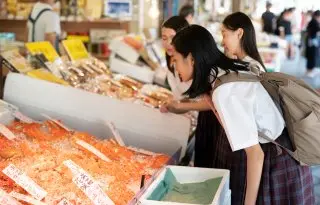
Sapporo Nijo Fish Market
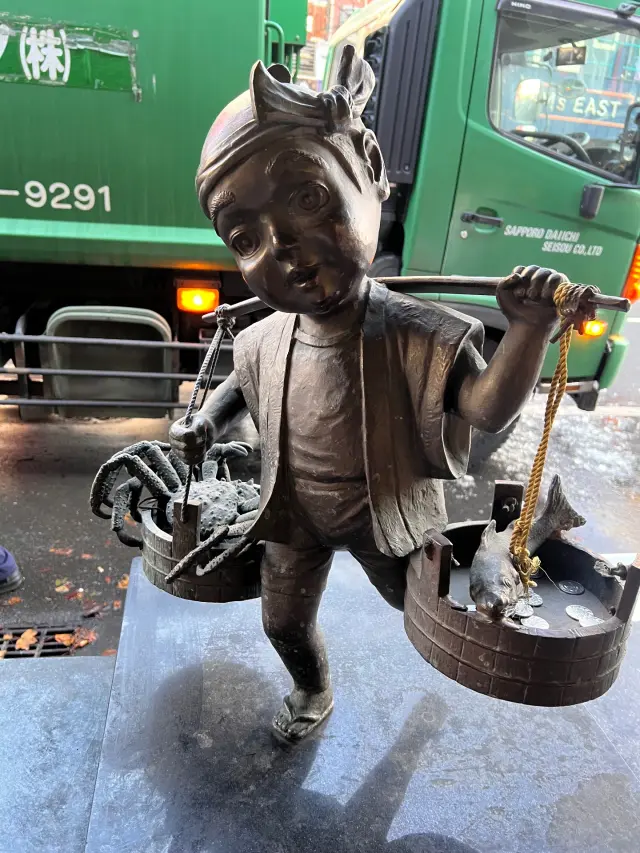
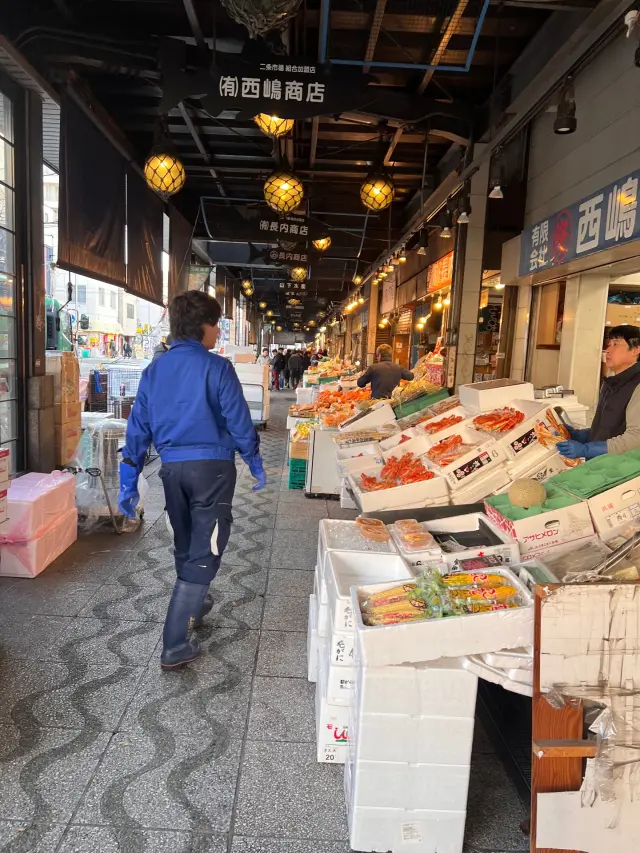
"Sapporo Nijo Fish Market" is said to have been established in the early Meiji period (1868-1912) when fishermen from Ishikari Beach started selling fresh fish. Today, the market is home to not only fresh fish stores but also fruit and vegetable stores, taverns, etc., and is loved not only by tourists but also by locals as the kitchen of Sapporo citizens.
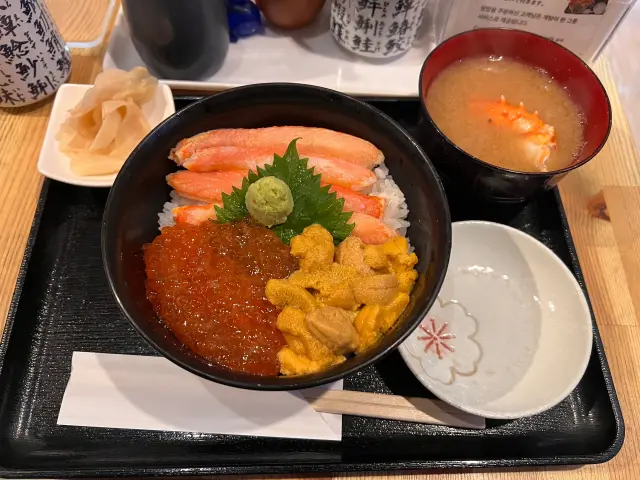
The heart and culinary highlight of #札幌二條市場 (#NijoMarket): that three-color seafood bowl covered with golden uni, glistening salmon roe, and sweet crabmeat. Just looking at the photo makes your mouth water—the Hokkaido bafun uni or purple uni has none of that alum-like chemical taste, and its rich sweetness melts on your tongue. It truly lives up to the name “gift from the sea.”
This “kitchen of Sapporo”
1. History and local character: a century of unchanged Showa-era warmth
Nijo Market originated in the early Meiji period, when fishermen from Ishikari Beach began setting up stalls along the Sosei River to sell fresh fish. After more than a century of changes, it has become the most iconic traditional seafood market in central Sapporo.
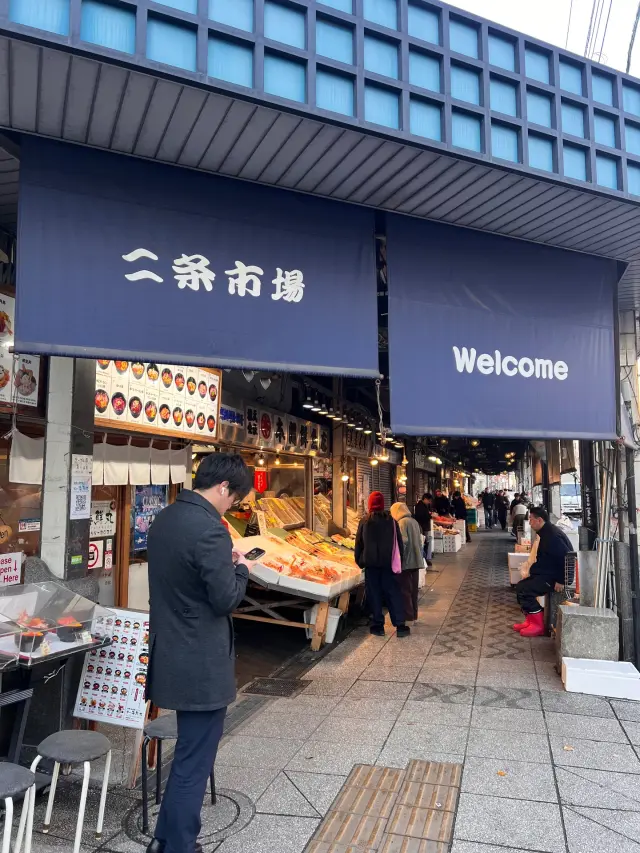
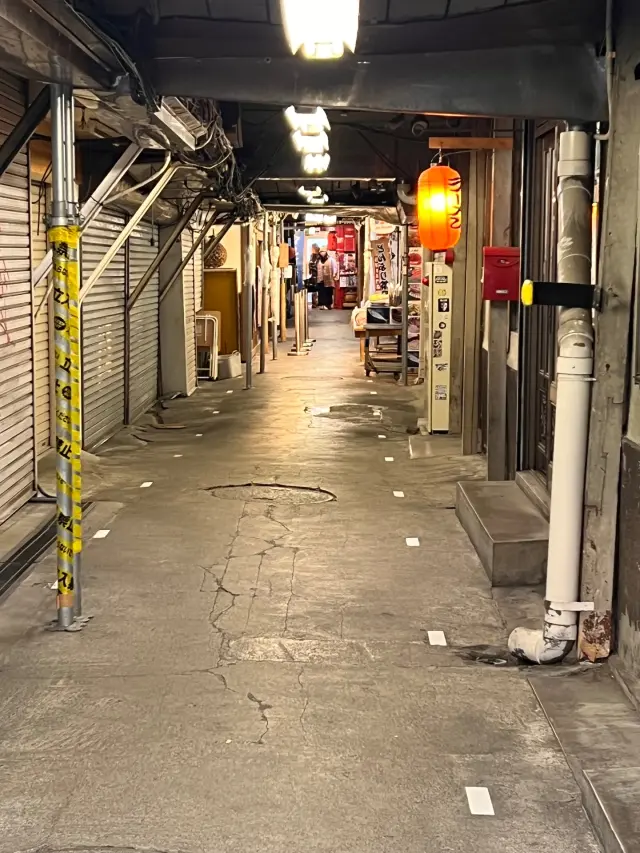
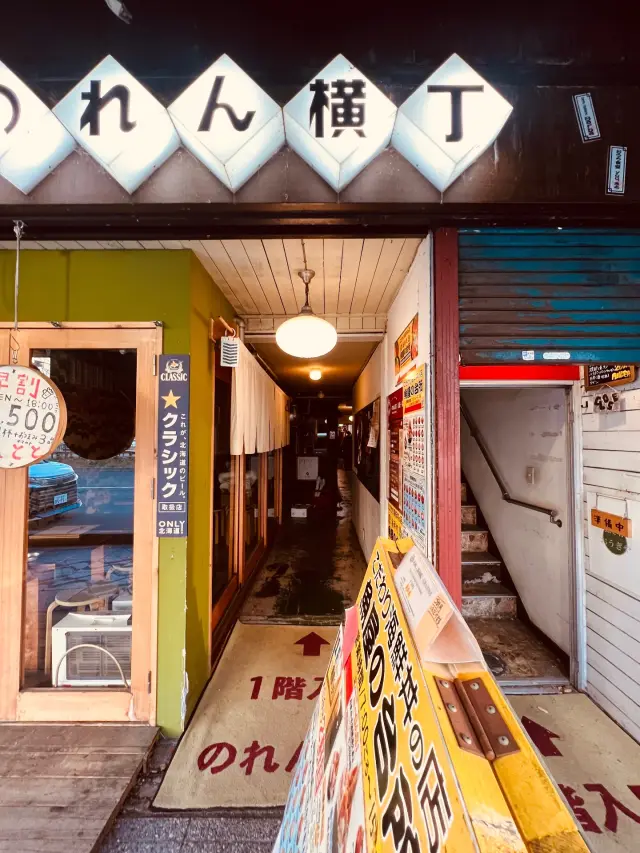
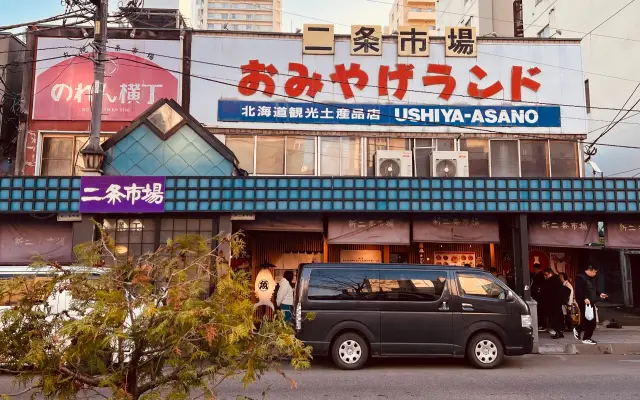
* Retro streets and alleys: You can see the iconic blue-green checkered awnings and the “Shin Nijo Market” sign, all filled with a nostalgic Showa-era atmosphere. Step into the market’s narrow alley, “#のれん横丁(暖簾橫丁),” where the crisscrossing overhead pipes, dim yellow lighting, and red lanterns perfectly preserve the lively, down-to-earth feel of an old-fashioned market.
* A treasure trove of souvenirs and dried goods: The market has souvenir shops such as “#おみやげランド( USHIYA-ASANO),” as well as traditional seafood vendors along the street like “株式会社 海鮮 山幸.” Styrofoam boxes out front are neatly filled with impressive king crabs (#タラバガニ), #毛蟹, and boxes of tempting golden fresh uni and scallops, giving you an immediate sense of Hokkaido’s abundant seafood.2. The star of the show: market food through the camera lens
Nijo Market’s biggest appeal is the freshness of seafood delivered “straight from the source to the table,” and it is already bustling at breakfast time:
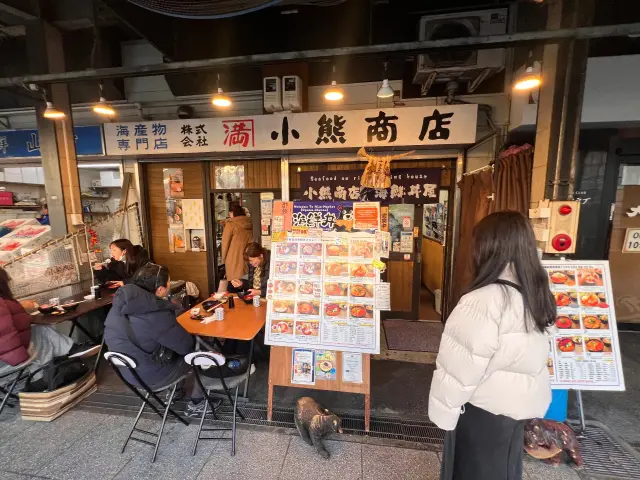
* The ultimate seafood bowl (#第一海鮮丸): The place visited here, Daiichi Kaisenmaru (#DaiichiKaisenmaru), is a very popular seafood bowl restaurant in the market. The “uni + salmon roe + crabmeat” three-color bowl I ordered was the height of luxury—the distinct grains of savory, salty salmon roe bursting in your mouth, paired with delicate, sweet crab leg meat, followed by a large spoonful of creamy, silky uni with no fishy taste at all. Together with the miso soup served on the side with a whole piece of crab (#鐵砲汁), it makes for the most authentic Sapporo morning ritual.
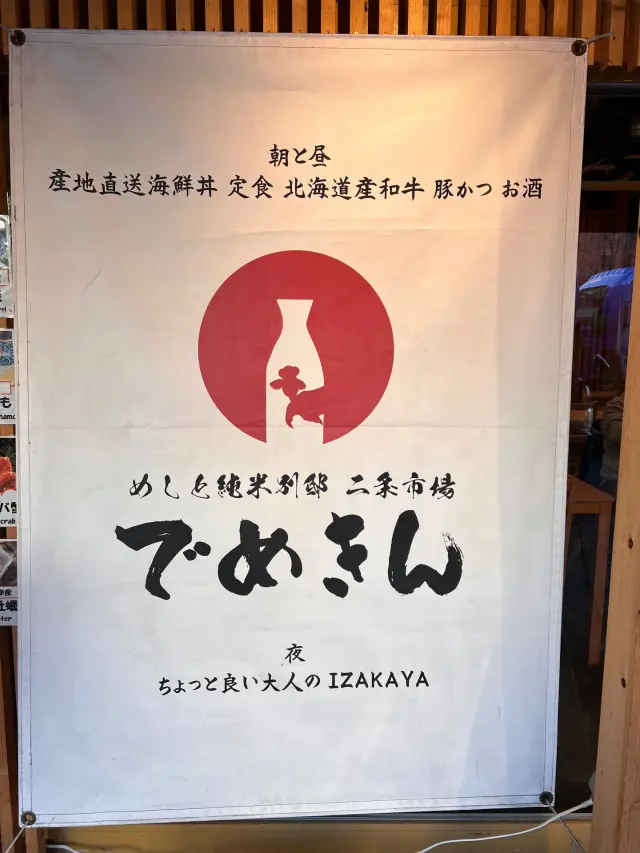
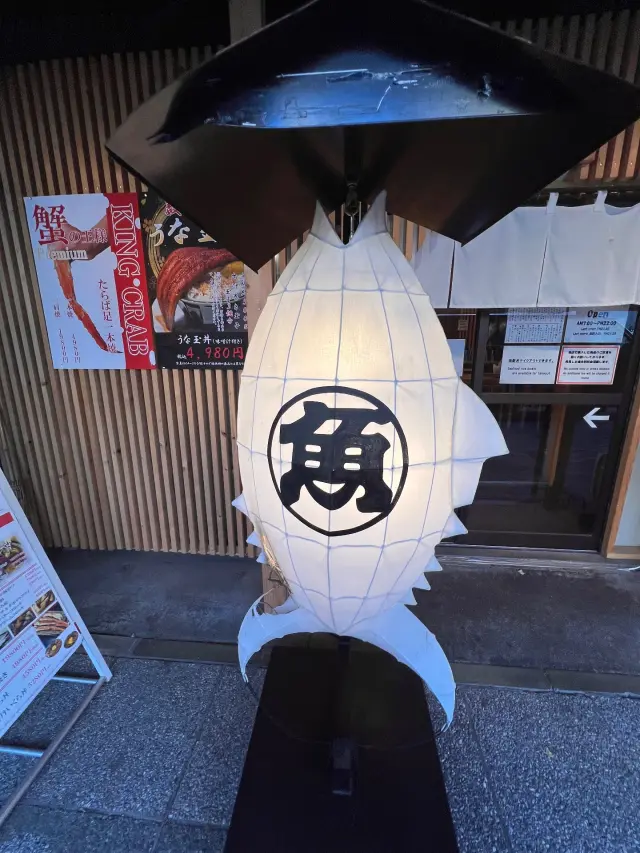
* A distinctive restaurant and bar that transforms from day to night: The market also has places blending old and new, such as “めしと純米別邸 二条市場 でめきん.” During the day, it serves seafood bowls made with ingredients delivered directly from the source, Hokkaido wagyu, and tonkatsu set meals. At night, it transforms into an “izakaya for adults,” where sipping Japanese sake such as Kakurei offers a different kind of experience.
3. Practical tips for visiting the market
* Best time to visit: The market gradually begins opening around 7:00 a.m. Many well-known restaurants, such as Daiichi Kaisenmaru, often have lines during peak dining hours, and some places close or take a break at around 2:00 or 3:00 p.m. (just like the “締切 CLOSED” sign you photographed hanging at the entrance). I recommend visiting between 8:00 and 10:30 a.m. for breakfast or brunch, when the full selection of ingredients is available and the crowds are relatively manageable.
* Excellent location: It is right in central Sapporo, only about a 3- to 5-minute walk from Odori Park and the Tanukikoji Shopping Street. After eating, you can take a walk to digest your meal and continue shopping along the way.* Shipping seafood souvenirs: If you find a whole king crab or boxed uni you like at a seafood vendor such as “海鮮 山幸” or “マルタイ水産,” most shops offer refrigerated delivery within Japan (they can ship directly to your hotel in another Japanese city or to the airport). However, if you plan to take it back to Taiwan, remember to check the entry quarantine regulations for fresh seafood and meat. Dried kombu, scallop snacks, or vacuum-packed processed products are the safest choices.
On this Sapporo trip, besides the uni bowl, what? -
-
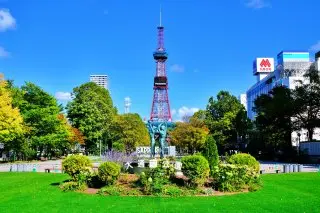
Sapporo TV Tower
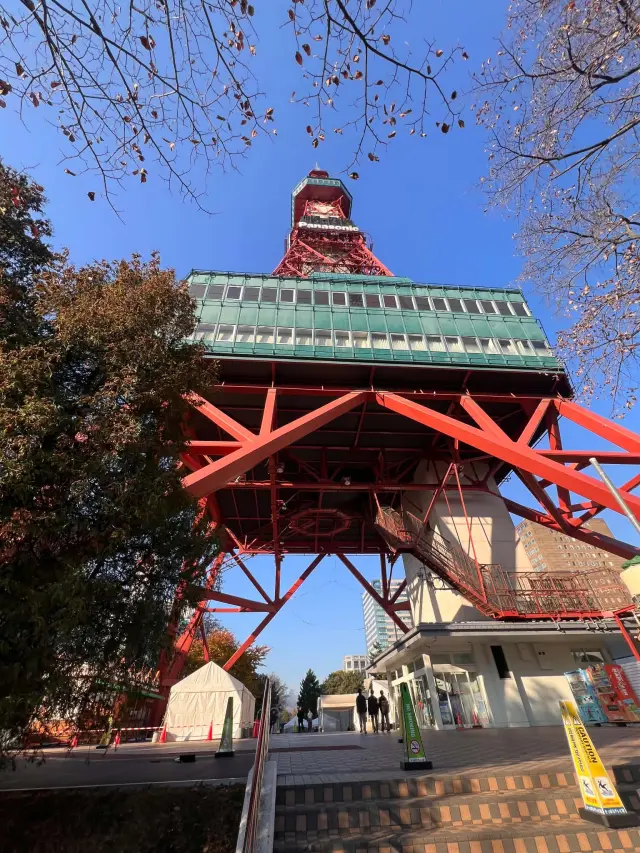
Built in 1956 at Nishi 1-chome, the starting point of Odori Park, Sapporo TV Tower has watched over the city’s development ever since. Today, it remains a familiar Sapporo landmark loved by locals and visitors alike.
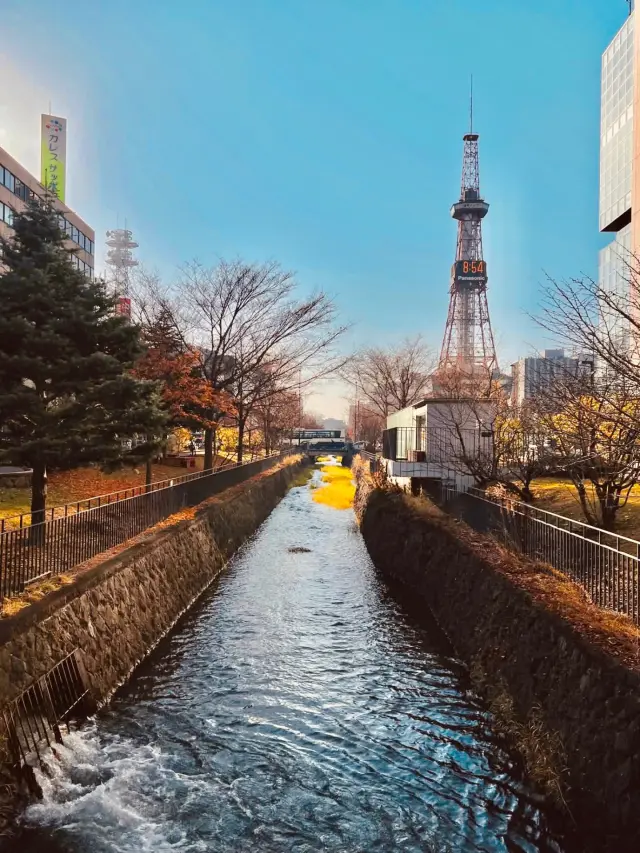
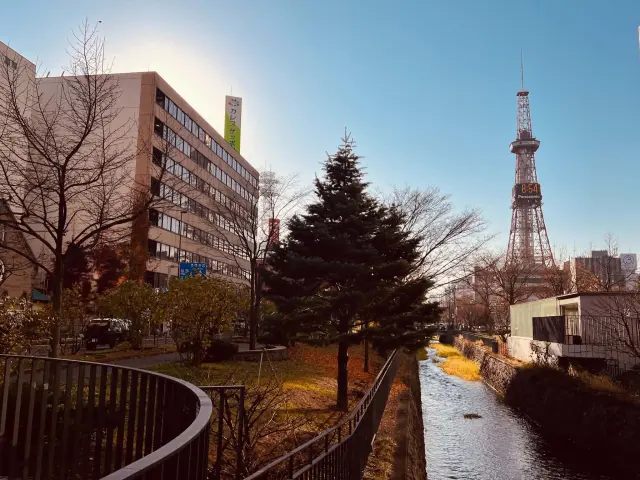
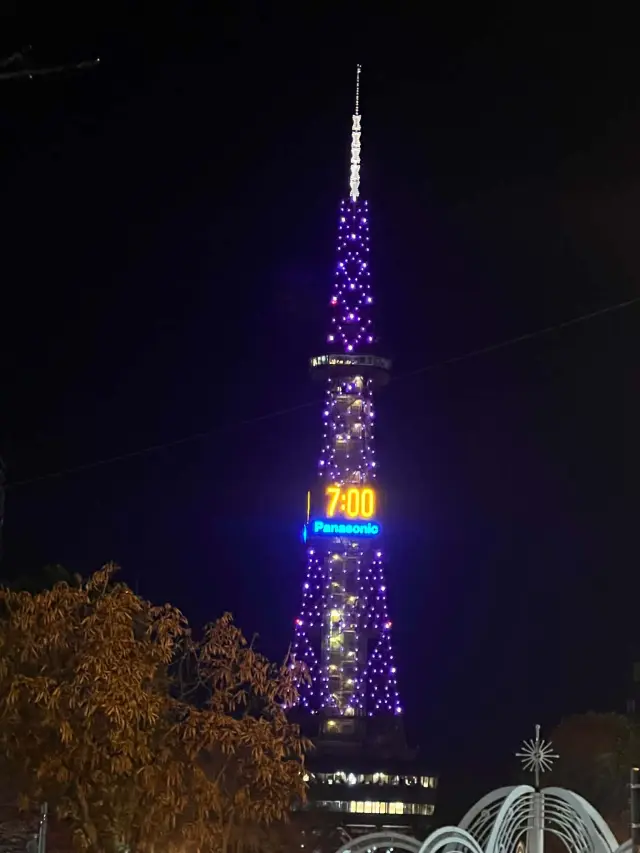
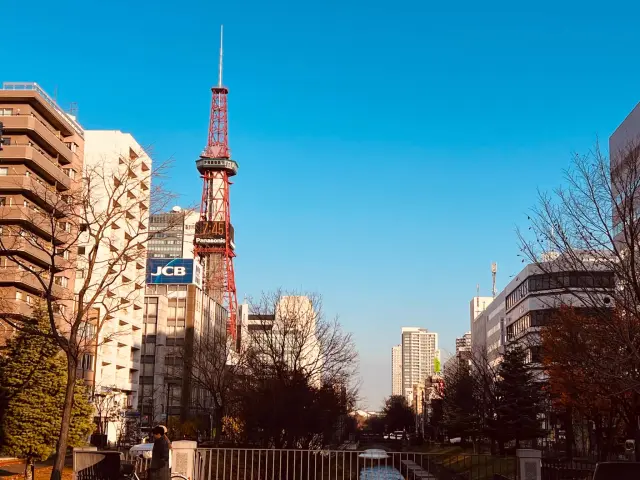
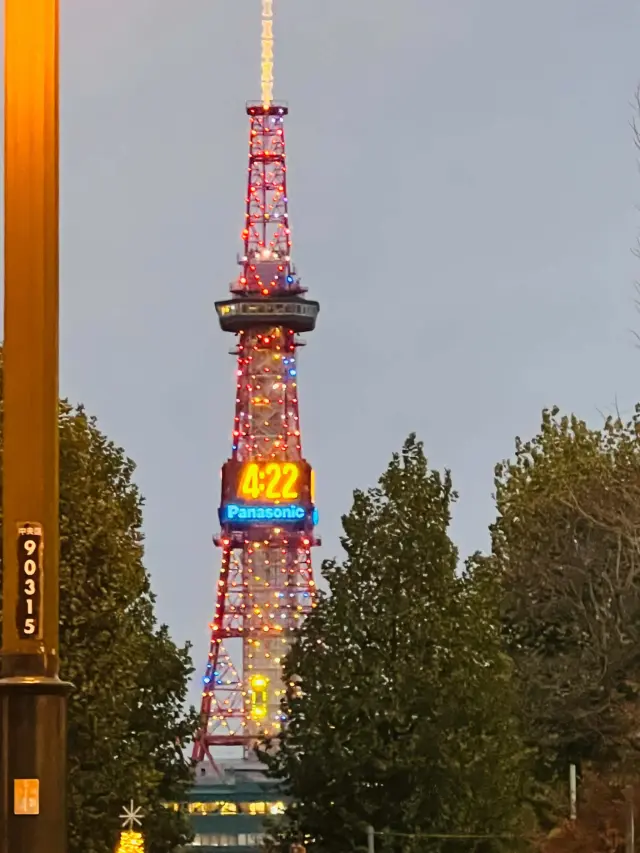
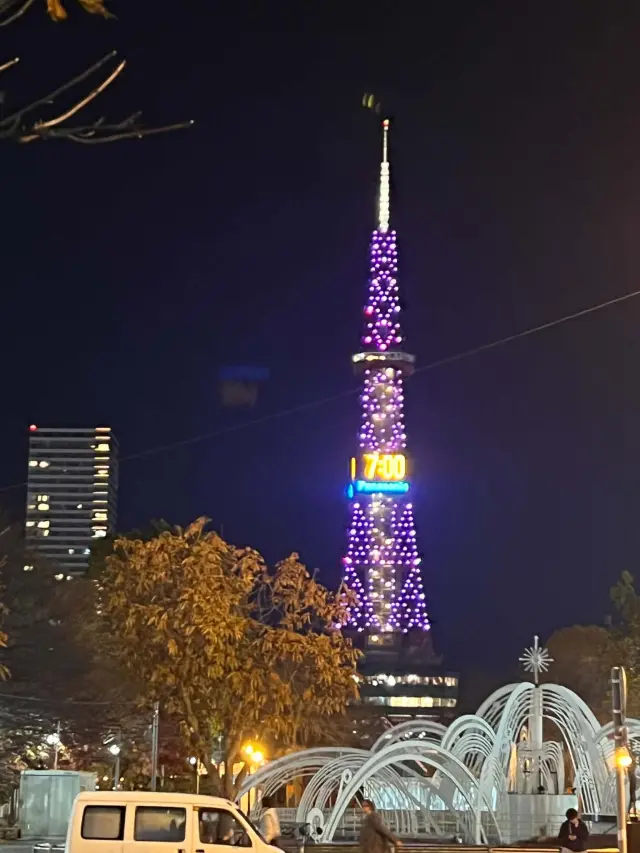
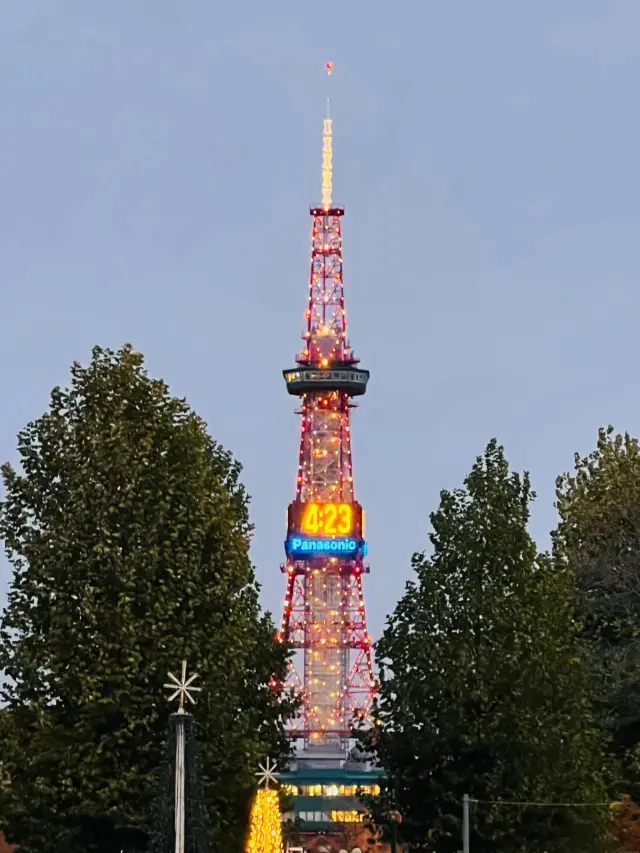
🗼#札幌's most iconic landmark—#札幌電視塔 (#さっぽろテレビ塔). “Walking along the river” refers to Sosei River Park (#創成川イースト / #SoseiRiverPark), which runs north to south through the city center beside the TV Tower.
Together, these two places create one of the most classic and relaxing scenes of everyday life in central Sapporo:
⭐️1. The star of the photos: Sapporo TV Tower (east end of Odori Park)
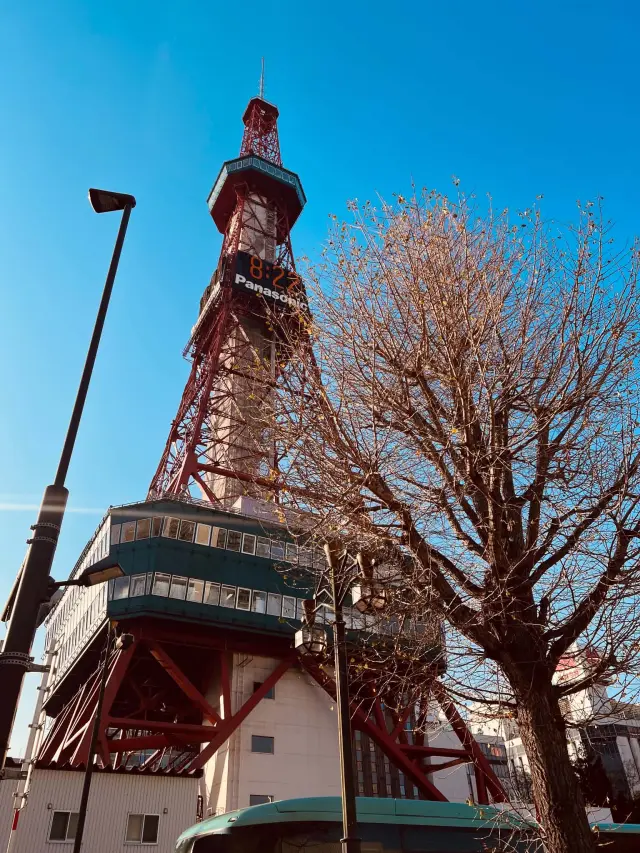
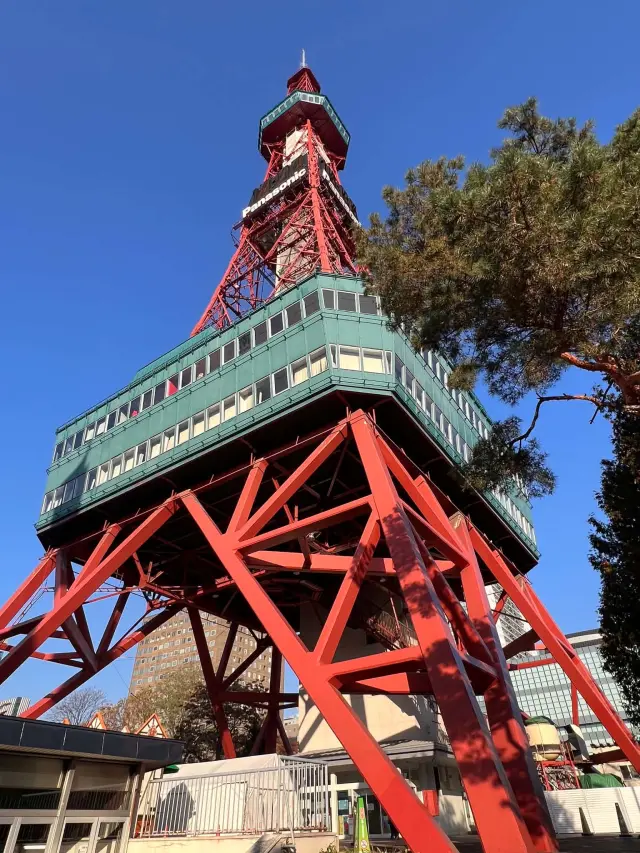
* History and design: Built in 1957, the 147.2-meter-tall tower was designed by Tachu Naito, the architect who designed Tokyo Tower, and is known as one of the “Six Tower Brothers.”
* Different charms by day and night: As shown in photos taken at different times, the red-and-white steel structure looks very sharp against the blue sky during the day. In the evening (after about 16:30) and at night, the tower is illuminated in colors that change with the seasons and festivals. Along with the “Panasonic” digital clock around the middle of the tower, it’s a classic backdrop for Sapporo residents checking the time and meeting up.* View from the observation deck: About 90 meters above the ground, the observation deck offers a 360-degree view of Odori Park stretching straight into the distance, Mount Teine, and the vast sea of silvery-white lights during the winter Snow Festival.
⭐️ 2. A super chill riverside: Sosei River Park
* An urban oasis: The Sosei River is an artificial canal excavated during the Meiji period as part of Sapporo’s development. It was once surrounded by overpasses and roads, but after the roads were moved underground and the landscape was redesigned, it became a waterside park about 820 meters long.
* The walking experience: Walking south from the TV Tower toward the #狸小路 or #二條市場 area, you’ll pass lilacs, bush clover, and other plants associated with Hokkaido, as well as many sculptures by Hokkaido artists. The early morning air is crisp and clear, and there’s almost none of the tourist bustle on the red-brick paths, letting you experience the most authentic side of everyday life in Sapporo.🚶♀️Recommended route for nearby stops (all within a 5–10-minute walk)🚶♀️
If you enjoy the relaxed pace of this area, you can plan a half-day walk along the river like this:
* Morning or evening walk: Start at Sapporo TV Tower and stroll south through Sosei River Park, taking photos of the tower’s reflection and the streetscape from different angles along the way.
* Local food break: Around South 3 is Nijo Market, which has more than 100 years of history. You can have a bowl of fresh sea urchin and salmon roe over rice, or enjoy freshly grilled scallops with a beer.
* Artsy cafés and shopping: Turn west into the Tanukikoji Shopping Street (blocks 5–7 have a particularly retro feel), or find an independent café in the alleys on the east side of the Sosei River (Sosei East), sit down, and watch the street scene. -