The National Museum of Western Art

Verified [Verified] denotes information that has been published with confirmation of its owing parties.

The National Museum of Western Art

Part of a World Heritage Site, this Le Corbusier-designed museum houses a wealth of Western art.

3.25 4

Last update :

Located in leafy Ueno Park, this museum specializes in Western art, as its name suggests. Its collection is based on the Matsukata Collection, which was returned to Japan as a gift from the French government. The collection focuses on French art, including paintings by Impressionists such as Renoir, Van Gogh, and Monet, works by Picasso, and sculptures by Rodin. The permanent exhibition also features works dating from the Middle Ages to the 20th century, along with donated works and pieces on long-term loan. A special exhibitions wing opened in 1997. Around three times a year, it hosts exhibitions organized jointly with newspaper companies and other organizations, featuring works borrowed from museums in Europe, the United States, and elsewhere.

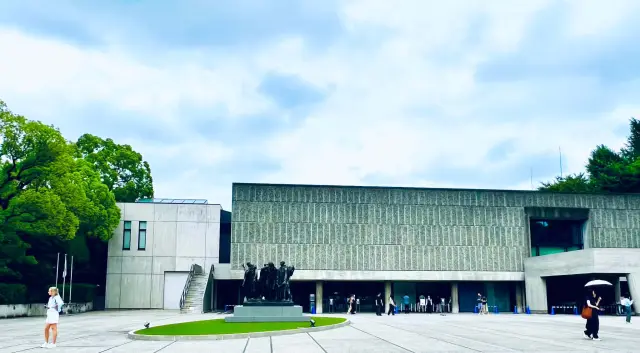
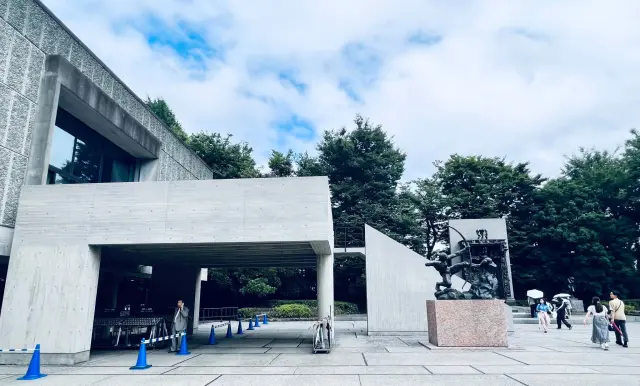
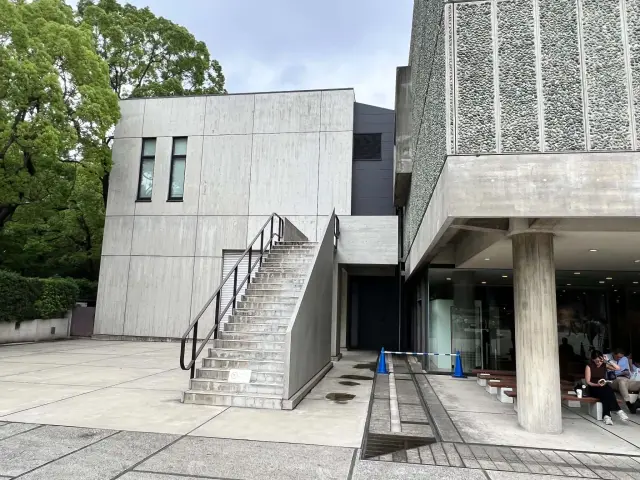
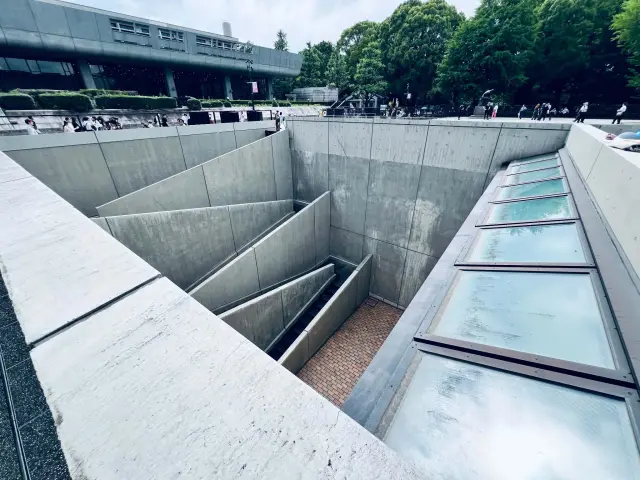
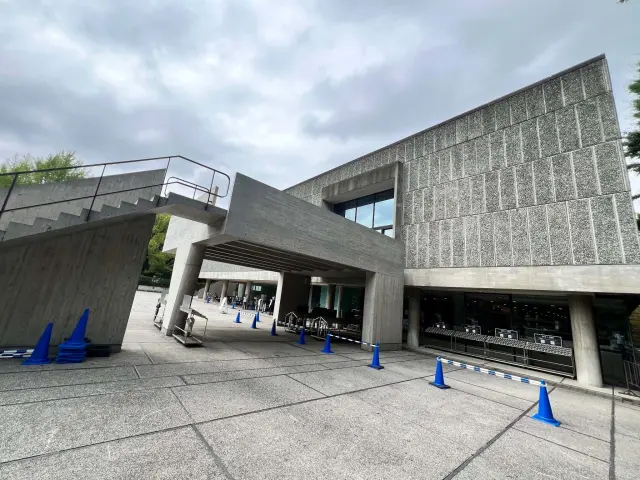
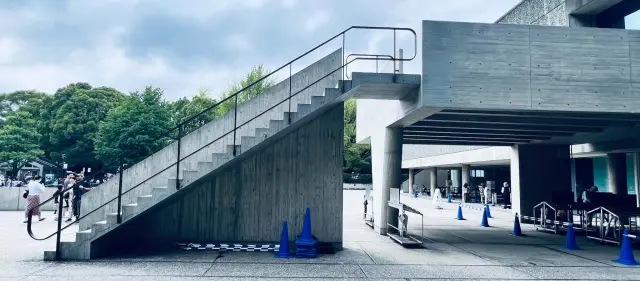
The building itself is as artistically significant as the works in the museum’s collection. The Main Building, completed in 1959, was designed by Le Corbusier. In July 2016, “The Architectural Work of Le Corbusier, an Outstanding Contribution to the Modern Movement,” which includes the National Museum of Western Art as one of its component sites, was inscribed on the World Heritage List.

Highlights

  • A museum exhibiting Western paintings and sculptures.
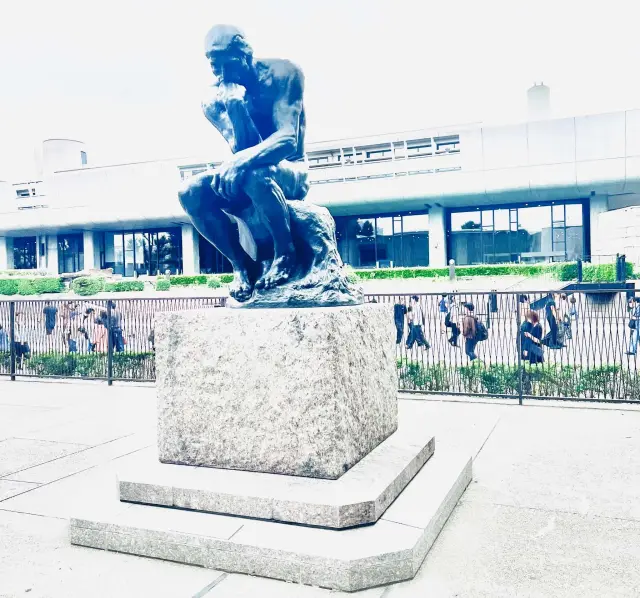
  • The permanent exhibition features paintings by Monet, Renoir, Van Gogh, Picasso, and others, as well as sculptures by Rodin.
  • Special exhibitions are held around three times a year.
  • The building, designed by Le Corbusier, is recognized as part of a World Heritage Site.

Photos

  • The Main Building, designed by Le Corbusier. Photo courtesy of the National Museum of Western Art

    The Main Building, designed by Le Corbusier. Photo courtesy of the National Museum of Western Art

  • An art space filled with natural light. Photo courtesy of the National Museum of Western Art

    An art space filled with natural light. Photo courtesy of the National Museum of Western Art

  • The New Wing was completed in 1979, the museum’s 20th anniversary year. Photo courtesy of the National Museum of Western Art

    The New Wing was completed in 1979, the museum’s 20th anniversary year. Photo courtesy of the National Museum of Western Art

  • Kojiro Matsukata, who assembled the Matsukata Collection and served as the first president of Kawasaki Dockyard Co., Ltd. (now Kawasaki Heavy Industries, Ltd.). Photo courtesy of Kawasaki Heavy Industries, Ltd.

    Kojiro Matsukata, who assembled the Matsukata Collection and served as the first president of Kawasaki Dockyard Co., Ltd. (now Kawasaki Heavy Industries, Ltd.). Photo courtesy of Kawasaki Heavy Industries, Ltd.

  • The museum shop sells a wide variety of items, including products inspired by Monet’s “Water Lilies.” Photo courtesy of the National Museum of Western Art

    The museum shop sells a wide variety of items, including products inspired by Monet’s “Water Lilies.” Photo courtesy of the National Museum of Western Art

  • Take a break between viewing the artworks at CAFÉ Suiren. Photo courtesy of the National Museum of Western Art

    Take a break between viewing the artworks at CAFÉ Suiren. Photo courtesy of the National Museum of Western Art

Reviews

4

Some reviews are AI-translated.

  • See More

    In Japan, the incorporation of Western literary figures or meanings into architectural design stems from the active adoption of Western culture during Japan’s modernization period (the Meiji and Taisho eras), as well as the integration of international architectural styles after the war. This fusion sometimes takes the form of direct decorative references and sometimes a deeper translation of spatial concepts.
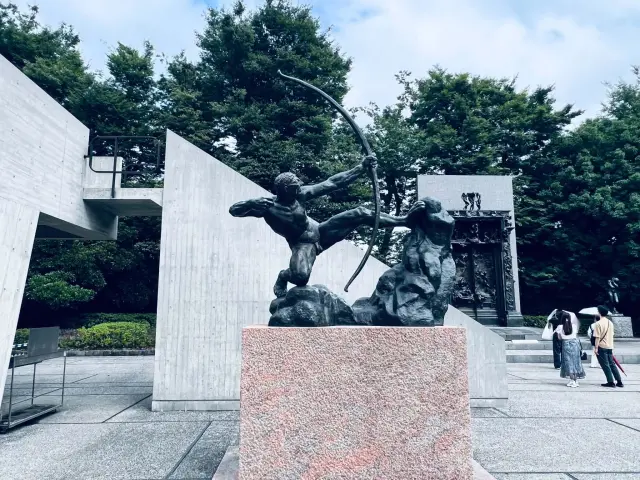
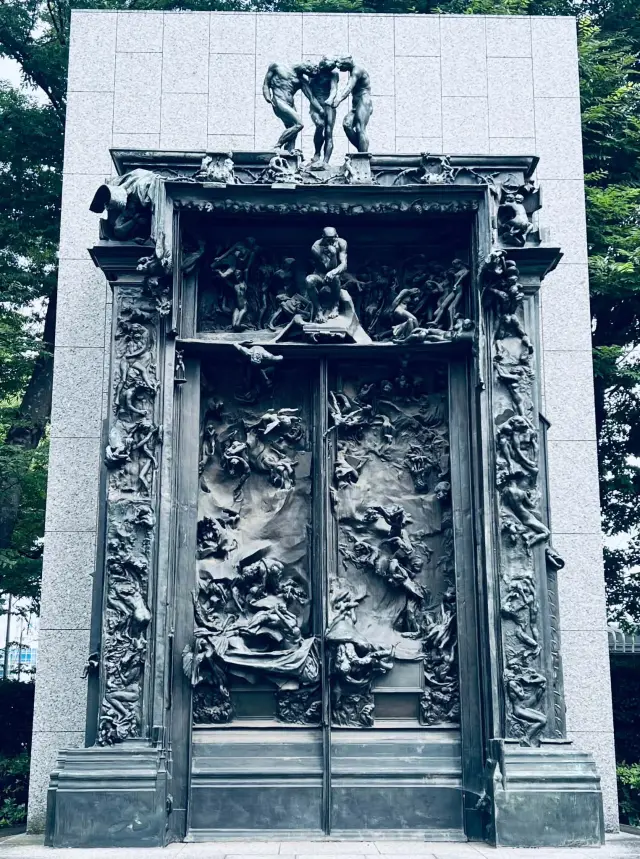
    Classic sculptures in the forecourt of The National Museum of Western Art in Ueno
    1. #Rodin’s The Gates of Hell
    Literary source: Dante’s Divine Comedy, Inferno
    2. French master sculptor **Emile-
    Antoine Bourdelle (a former assistant to Rodin)**, Hercules the Archer
    HerculestheArcher)
    : Depicts the Greek mythological hero Heracles shooting monstrous birds.
    Incidentally, being able to see works by both master and student echoing each other in the museum forecourt is an artistic scene in Ueno that is well worth stopping to appreciate.
    ◎Also located in Ueno Park, in the sunken pool (a moat-shaped landscape feature) at #Tokyo Bunka Kaikan, directly across from The National Museum of Western Art.
    3. A work by the renowned American female sculptor Anna Hyatt Huntington (1876-1973), #Diana (Diana
    Mythological background: Diana (Roman mythology: Diana/Greek mythology:
    #Artemis) is the goddess of the moon and the hunt, as well as the guardian of chastity and forests

  • See More

    If you like the history of Western art, the National Museum of Western Art is worth a visit. Its collection focuses mainly on European paintings and sculptures, with works ranging from the Middle Ages to the modern era, including pieces by well-known artists such as Monet and Renoir. The building itself is also worth seeing. It was designed by French architect Le Corbusier and is included as part of the UNESCO World Heritage Site “The Architectural Work of Le Corbusier.”

  • See More

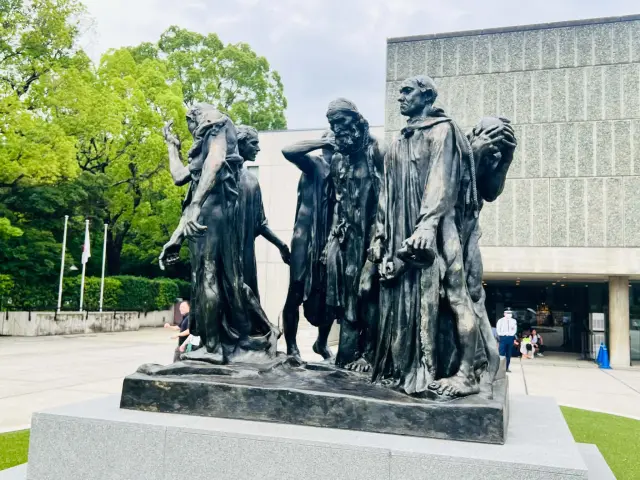
    The building itself is a work of art, and the Rodin sculptures outside are definitely worth seeing.

Details

Name in Japanese
国立西洋美術館
Postal Code
110-0007
Address
7-7 Ueno Park, Taito City, Tokyo
Phone
050-5541-8600 (Hello Dial)
Admission (tax included)
Adults: ¥500 (university students: ¥250)
High school students and younger, visitors under 18 or aged 65 and over, visitors with disabilities, and one accompanying caregiver are admitted free of charge. Please present a student ID, proof of age, or disability certificate.
Closed on
Mondays (or the following weekday when Monday is a national holiday)
Hours
9:30 a.m.–5:30 p.m.; Fridays and Saturdays: 9:30 a.m.–8:00 p.m.
Last admission is 30 minutes before closing.
Access
(1) 1-minute walk from the Park Exit of JR Ueno Station
(2) 7-minute walk from Keisei Ueno Station on the Keisei Electric Railway
(3) 8-minute walk from Ueno Station on the Tokyo Metro Ginza and Hibiya Lines
Credit Cards
Accepted
Official website
Official website (Japanese)
Hokkaido Tohoku Kanto Chubu Hokuriku Kansai Chugoku Shikoku Kyushu Okinawa