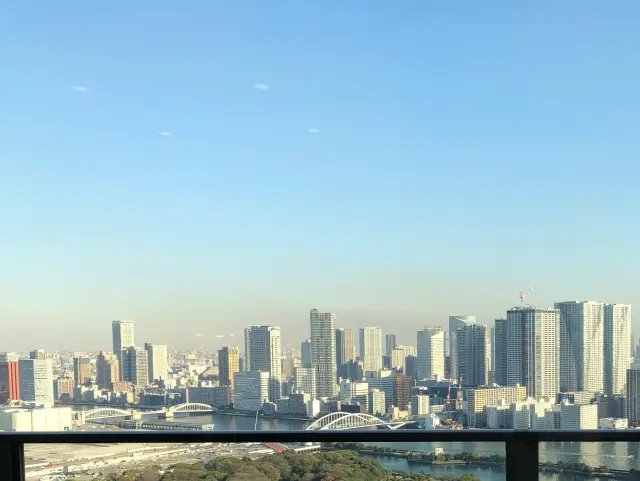
While looking out over the Sumida River from a high-rise near Hamamatsucho Station, I could see Kachidoki Bridge in the distance. Its elegant design left a deep impression on me. I later learned that the bridge was built in 1940 and designed as a double-leaf bascule bridge whose center could be raised to allow large ships to pass. It was once Japan's largest movable bridge. Nearby is the free Kachidoki Bridge Museum, housed in a former electrical substation, which displays the power-generating equipment, machinery, and valuable historical materials used at the time. At night, the illuminated bridge is reflected on the river, making the scenery even more romantic and giving it a charm all its own!
Kachidoki Bridge | Review by Linda Liao
Other Reviews by Linda Liao
-

Inokashira Park
Inokashira Park, stretching across Musashino City and Mitaka City in Tokyo, opened in 1917 as the first imperial gift park in Japan, and celebrated its 100th anniversary in 2017.
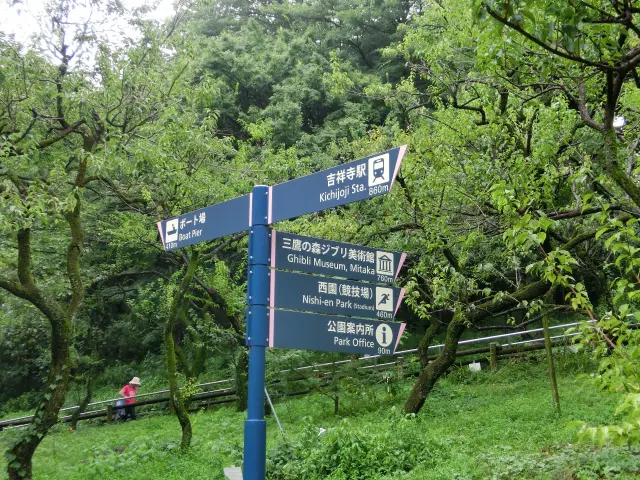
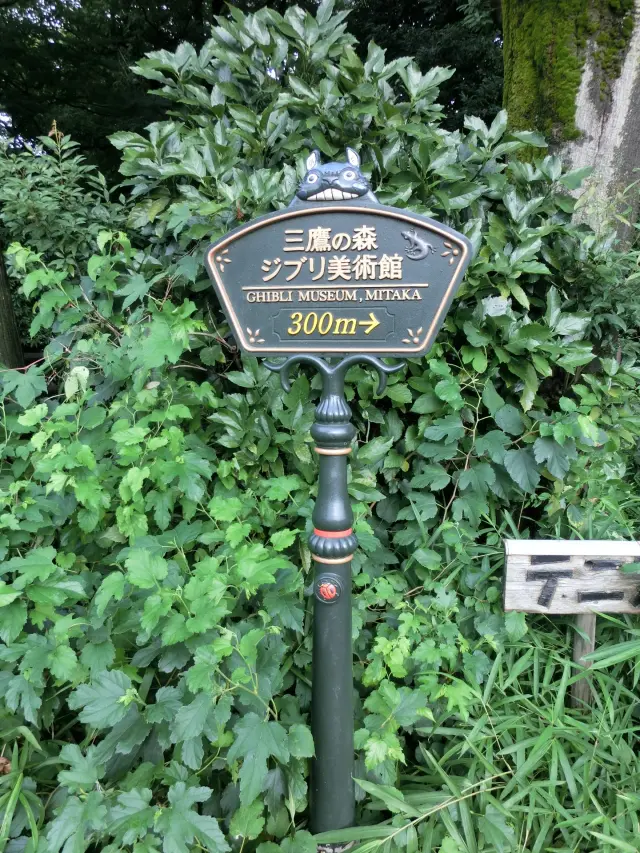
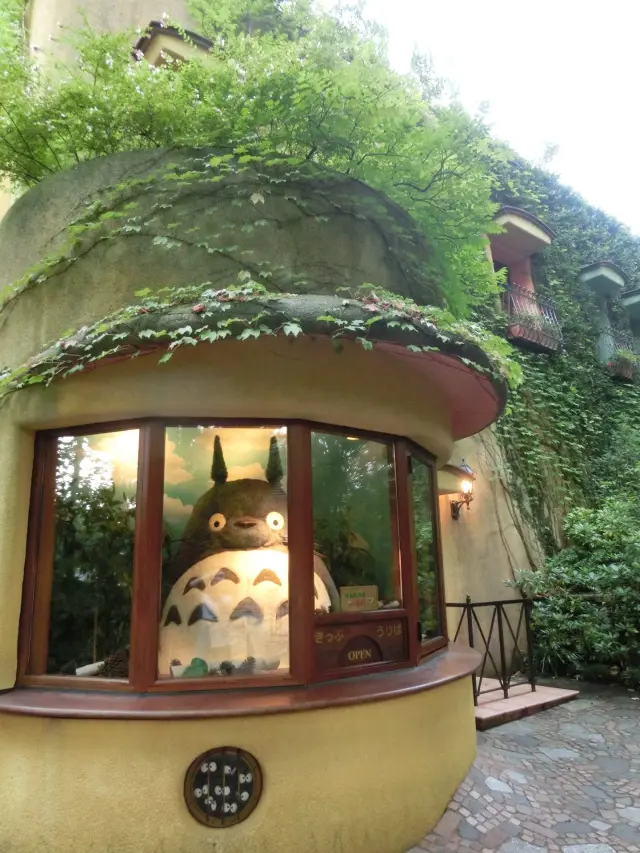
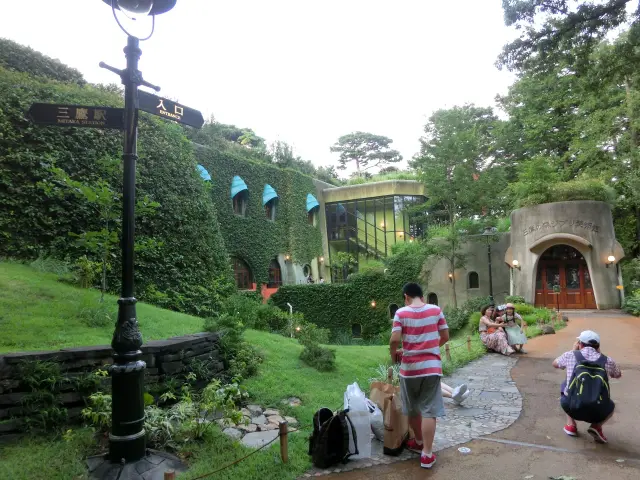
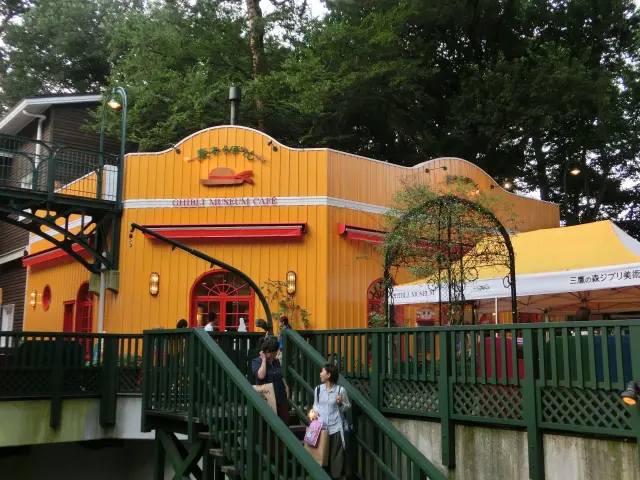
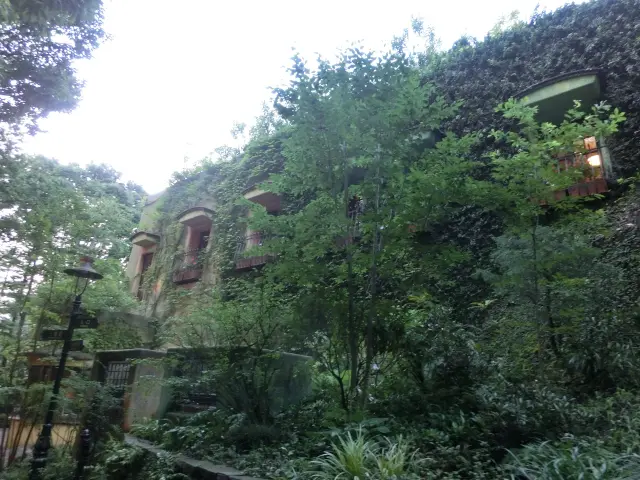
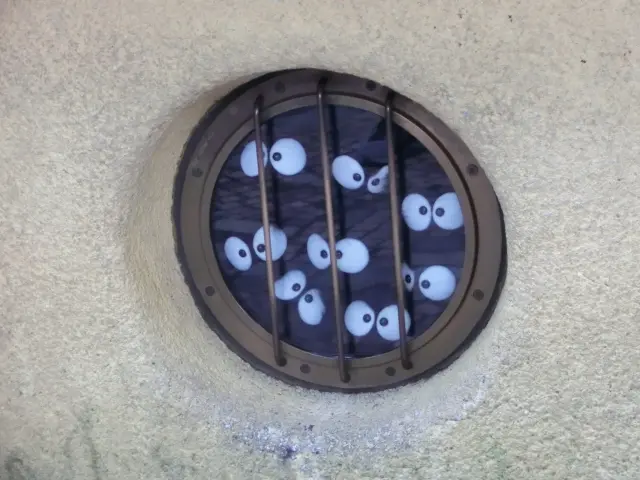
On my first visit to Inokashira Park, what I looked forward to most was visiting the Ghibli Museum, Mitaka! As a fan of Hayao Miyazaki's animated films, this is definitely a pilgrimage site that movie fans should visit. The museum is tucked away amid the greenery of the park, surrounded by trees, making it feel as though you've actually stepped into the forest from My Neighbor Totoro. The museum building itself is also full of thoughtful touches. The stained-glass windows cast colorful light and shadows, and when you look up, you can see a ceiling covered with animated characters. In the central hall, spiral staircases and elevated walkways intertwine to create a maze-like space.
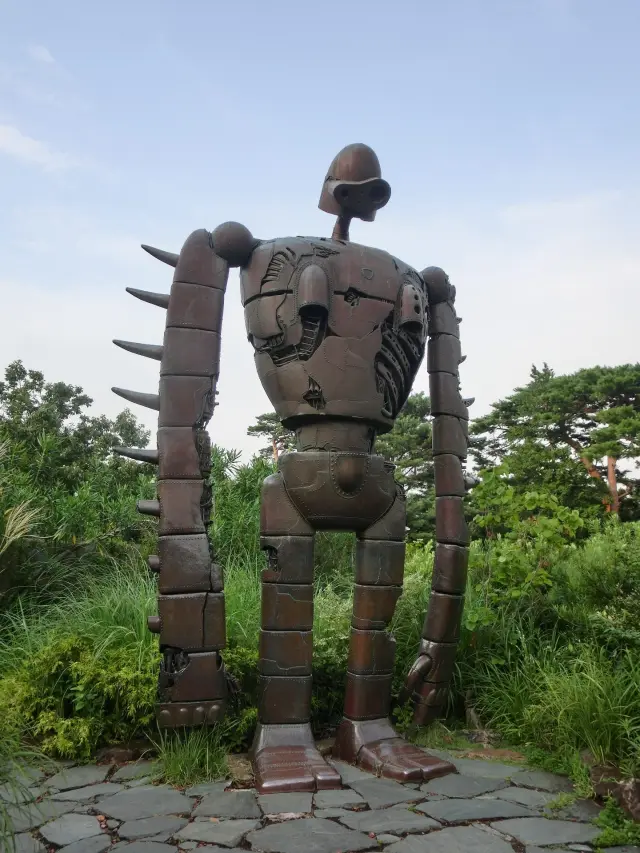
The permanent exhibition, "Where a Film Is Born," recreates an animation studio, with manuscripts, art supplies, and all kinds of inspirational materials scattered across the desks, offering a glimpse behind the scenes of animation production. On the second floor, there is also a furry Cat Bus, where children happily climb in and out, as if you can see adorable little Mei among them. The rooftop garden is the one thing you absolutely shouldn't miss. The giant Robot Soldier from Castle in the Sky stands quietly there, with the Laputa stone monument nearby, creating a mysterious atmosphere. Adults and children alike can temporarily leave their worries behind, rediscover their inner child, and immerse themselves in the magical world created by Hayao Miyazaki, making it hard to leave~
-
-

Tokyo Character Street
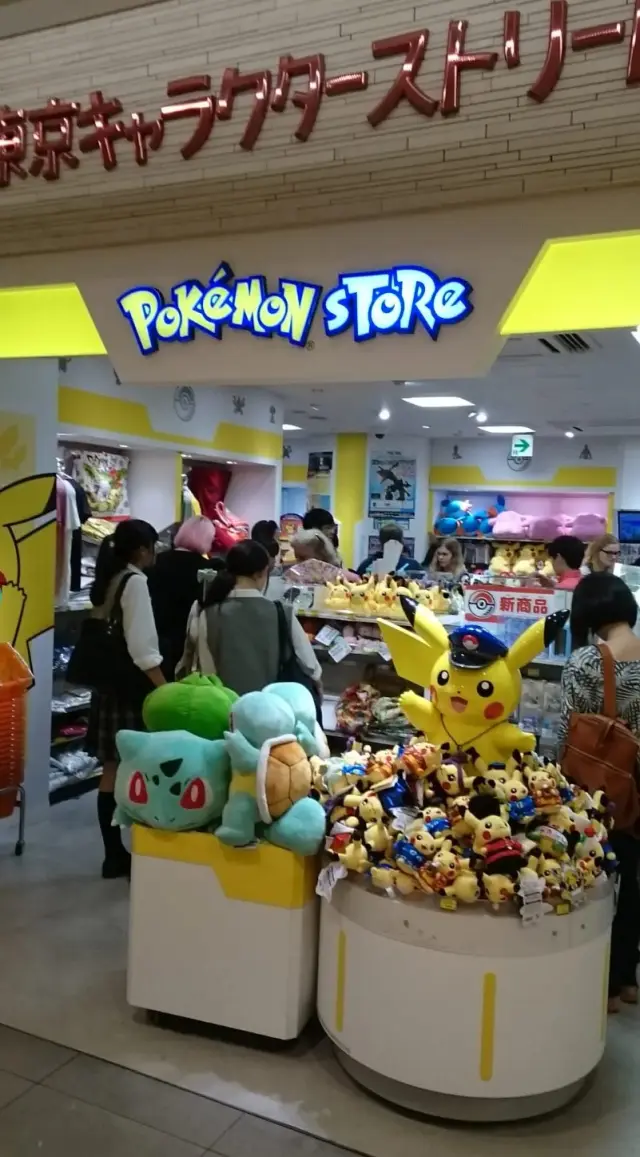
Tokyo Character Street is located in a corner of "First Avenue Tokyo Station", a commercial facility directly connected to Tokyo Station. Located just outside the "Yaesu Underground Central Exit ticket gate", the street is home to a collection of character stores featuring the popular domestic and international characters such as "Pokémon," "Crayon Shin-chan," "Pretty Cure," "Sumikkogurashi," and more. Some items are only available at "Tokyo Character Street", making it an irresistible space for anime and manga enthusiasts.
If you want to browse merchandise from all the most popular cartoon characters in one place, Tokyo Character Street is the place to go! It’s truly a paradise of cuteness, with surprises in every store. Crowds of shoppers pack the stores, happily picking out merchandise while exclaiming, “Kawaii!” The lively atmosphere makes it hard not to get excited too. On my first visit, I headed straight to the Pokémon Store. The dazzling selection of plush toys and merchandise was almost overwhelming, and there were also limited-edition Pikachu items worth collecting. Ghibli fans can hunt for treasures at Donguri Republic, while fans of Snoopy, Rilakkuma, or One Piece can also find dedicated stores. There are also limited-time pop-up shops, so every visit feels fresh.
-
-

Kyoto Oharibako
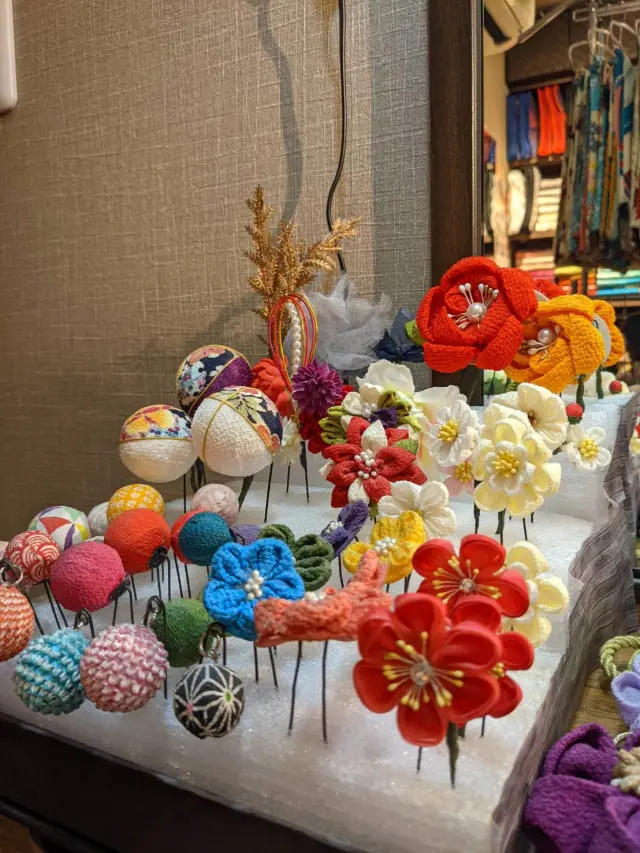
Located near Daitoku-ji, "Tsumami Zaiku" is a specialized store with an integrated workshop. Tsumami Zaiku is a traditional Japanese craft that dates back to the middle of the Edo period, using small pieces of cloth folded and pinched to create motifs like flowers and birds, which are then used to adorn combs and hairpins. The vibrant beauty, as seen on maiko's hairpins, is captivating.
Anyone who has ever tried wearing a Japanese kimono will surely be familiar with these delicate Japanese floral hairpins~ Once you've put on the kimono and styled your hair, adding a beautiful floral hair accessory instantly gives the whole look an extra touch of elegance. If you're in Kyoto, consider booking a workshop to experience the fun of traditional fabric flower-making. They use finely textured, lightweight, and smooth habutae silk with a natural sheen. With skillful folding, it can be transformed into delicate flower petals and is also a common material used for maiko hair accessories. A patient instructor provides guidance, so even those with no crafting experience can participate with confidence. The finished piece is small and cute, and it can also be made into a special hair accessory for a child. It's definitely a travel keepsake filled with Kyoto charm!
-