🌲 “Hidden” in nature, blending past and present
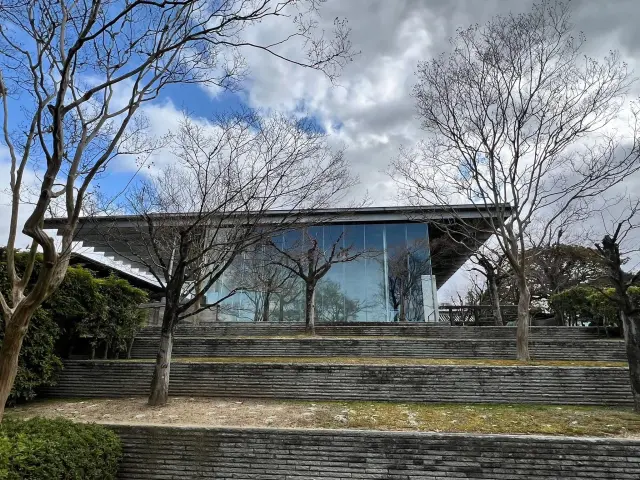
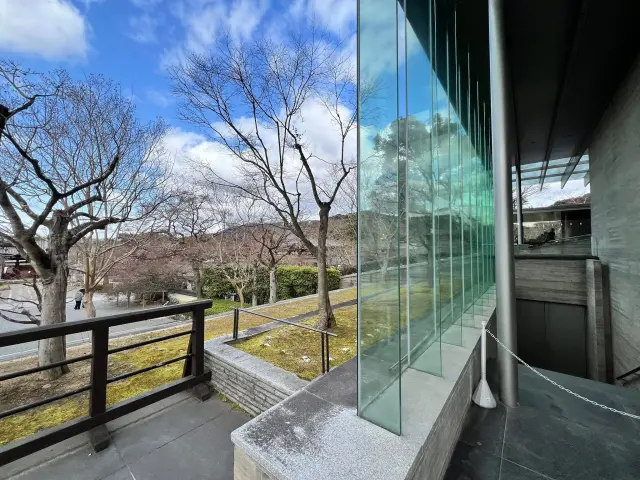
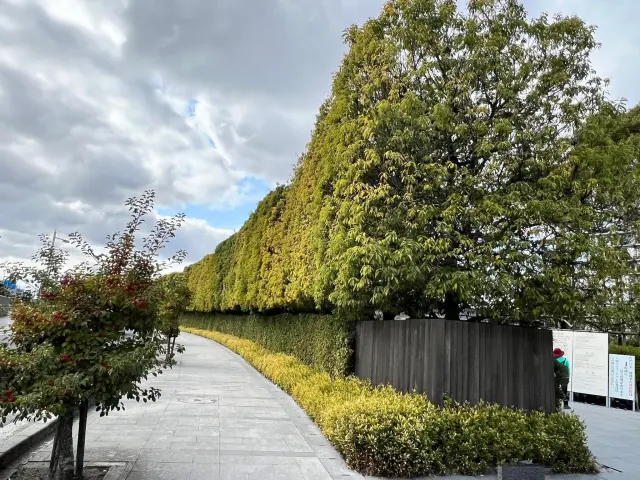
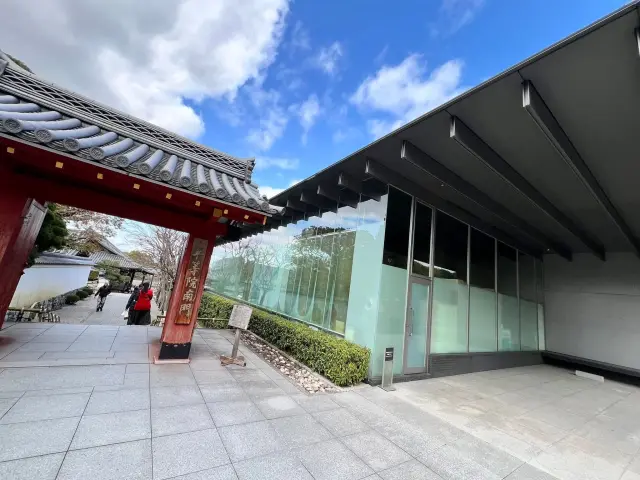
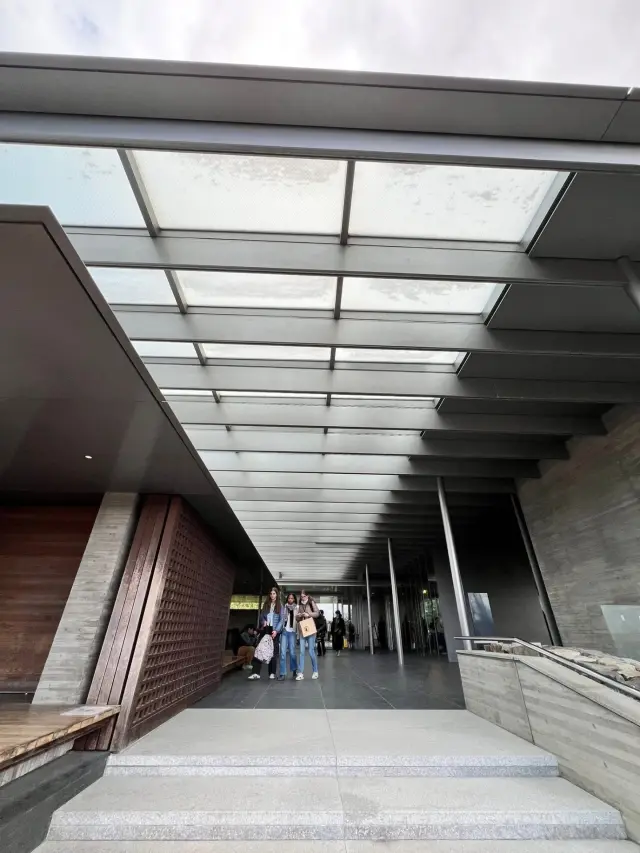
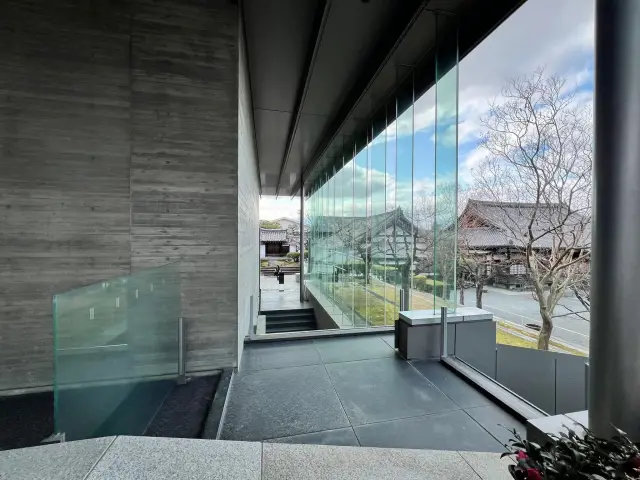
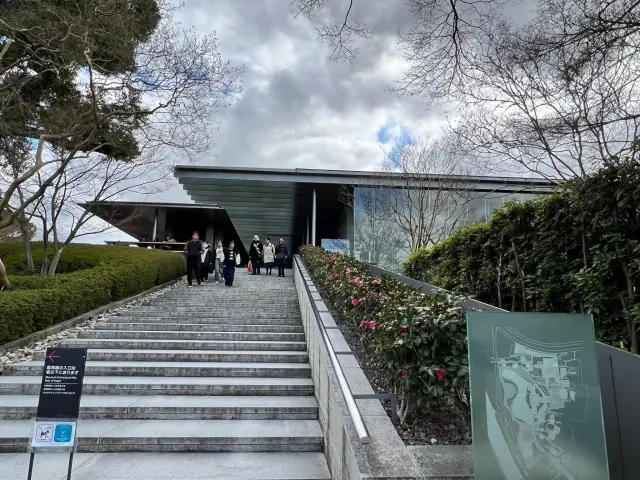
Hoshokan was designed by renowned Japanese architect Akira Kuryu. To preserve the rustic scenery and historic atmosphere of the World Heritage Site Byodoin Temple, most of the building is buried underground, while its exterior features a minimalist modern design using exposed concrete, dark steel framing, and expansive glass curtain walls. Amid this ancient historic setting, it presents a refined yet humble contemporary aesthetic.
🌊 Glass curtain walls blending reality and reflection
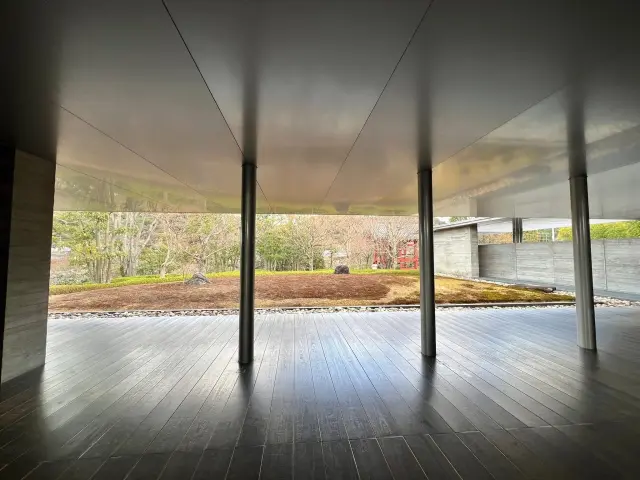
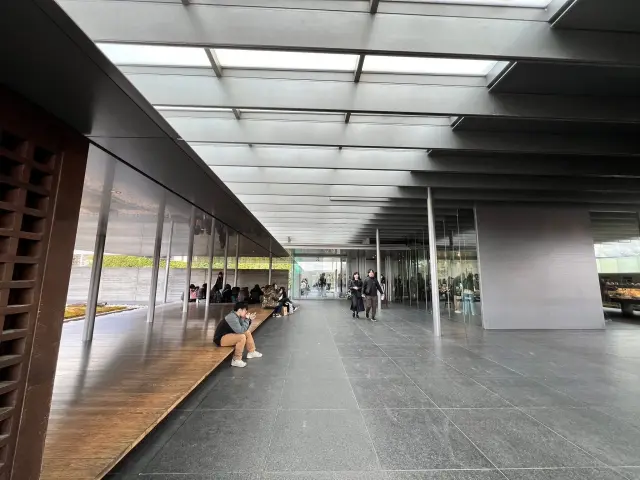
The expansive, ultra-transparent glass walls seamlessly bring the outdoor dry landscape garden, red maples, greenery, and the changing light of the seasons into the interior. Inside the museum, natural light flows through the canopy, eaves, and corridors and reflects off the glass, creating a visually open space with a remarkable sense of depth.
❤️ A tranquil space for quiet reflection
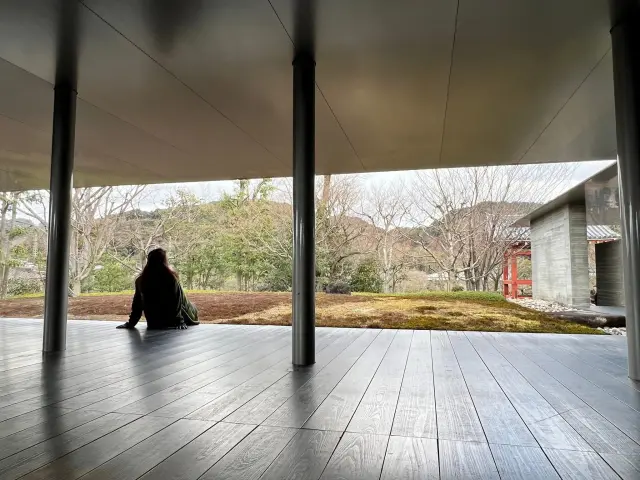
The semi-outdoor corridors and wooden platforms offer visitors an excellent place to clear their minds. Sitting beneath the eaves and gazing out at the garden and distant mountains, surrounded by the solemn presence of the National Treasure Bodhisattva on Clouds statues and temple bell housed in the museum, naturally washes away distracting thoughts and brings a sense of peace and serenity reminiscent of the Heian-period Pure Land.
Byodoin Temple Museum Hoshokan | Review by Norton Liang
Other Reviews by Norton Liang
-

Byodoin Omotesando
This historic Omotesando (main approach) leads to the main gate of the World Heritage Site, Byodoin Temple. Located just a 10-minute walk from JR Uji Station and immediately across the Uji Bridge from Keihan Uji Station, it is easily accessible from both stations.
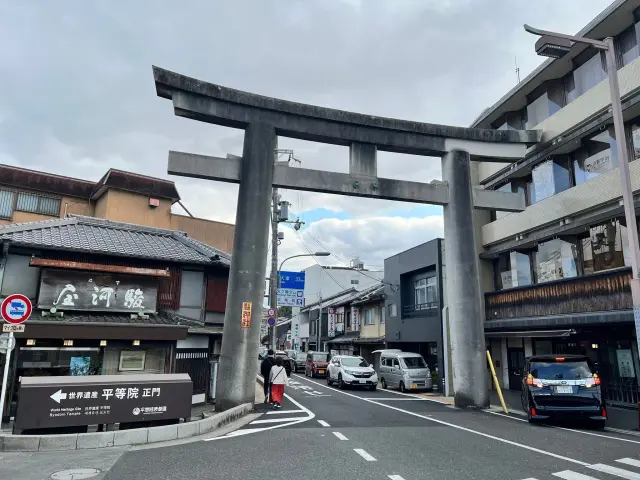
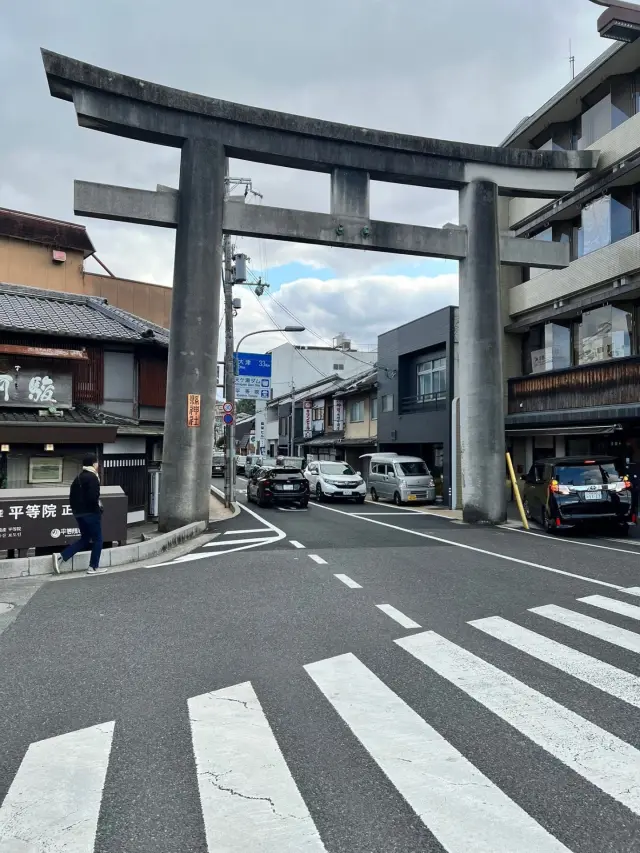
The towering, massive stone torii gate is an important entrance to Byodoin Omotesando, which leads to the World Heritage Site Byodoin Temple, as well as Agata Shrine.
Although the torii is enormous and imposing, its subdued gray stone blends seamlessly with the traditional machiya buildings and modern streets, reflecting the unique understated character and tranquility of Uji, Kyoto.* Byodoin Omotesando in Uji: After passing through the torii gate, you enter one of Japan’s well-known streets for fragrant aromas. The street is lined with many long-established tea shops and matcha dessert shops, and as you stroll along, you can smell the rich aromas of roasted tea and sencha.
* Long-established shop by the entrance: The prominent historic wooden building at the lower left of the torii is Surugaya, a long-established wagashi shop. Known for traditional Uji tea sweets, matcha dango (cha-dango), and tea yokan, it is a popular shop where many visitors stop to sample treats or buy souvenirs as soon as they enter Omotesando.
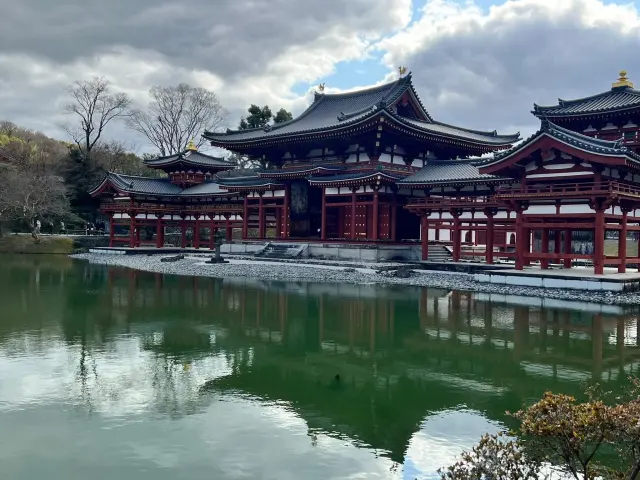
* Nearby landmarks: Following Omotesando leads to Byodoin Temple, a World Heritage Site with more than 1,000 years of history. It was once a villa of the Fujiwara clan during the Heian period and is home to the famous Phoenix Hall. This torii is also the grand torii gate of Agata Shrine, an important local shrine. -
-

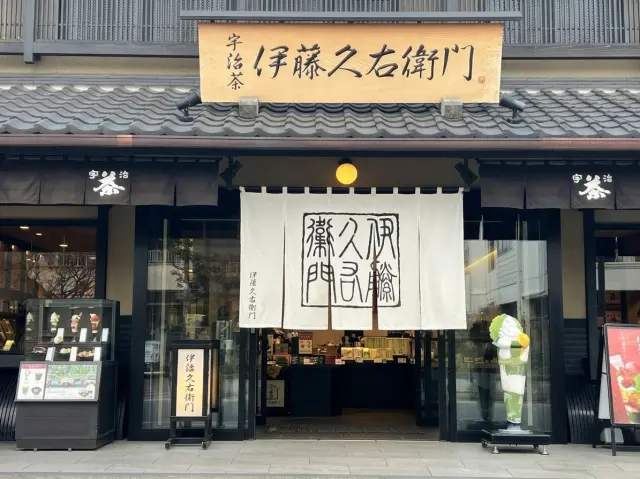
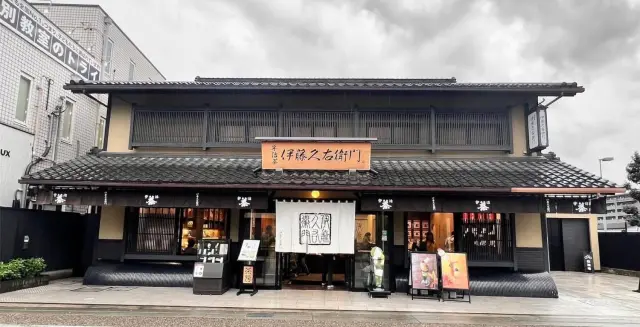
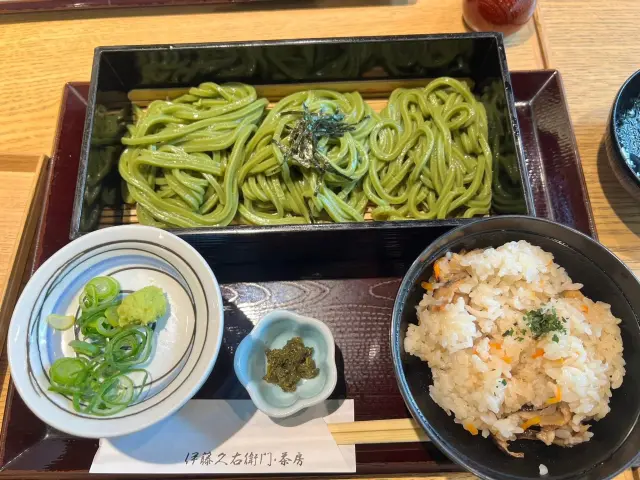
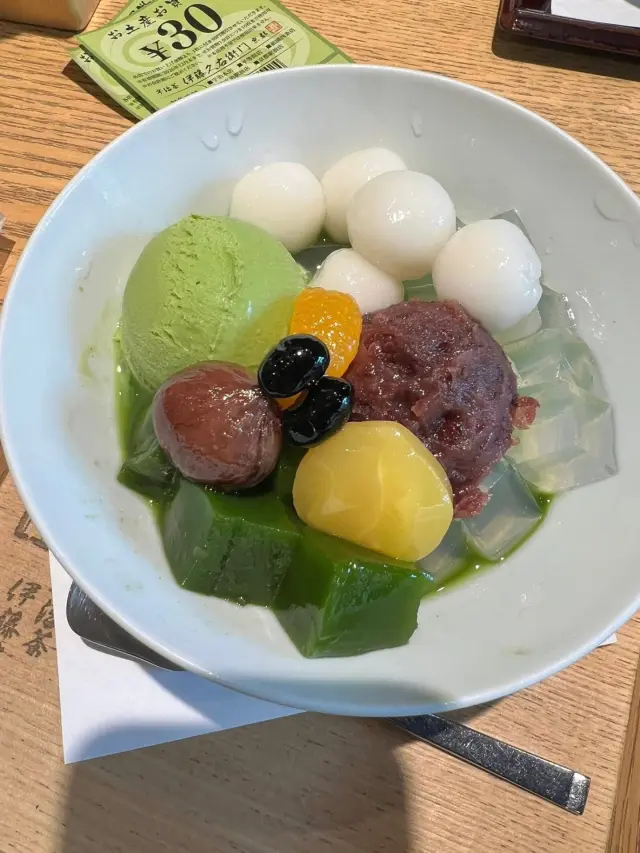
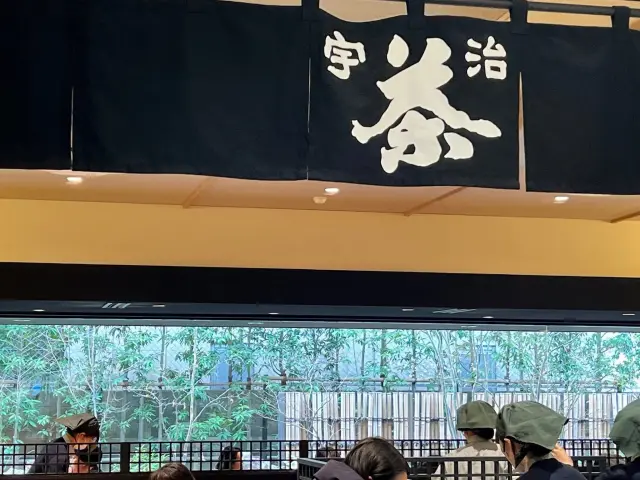
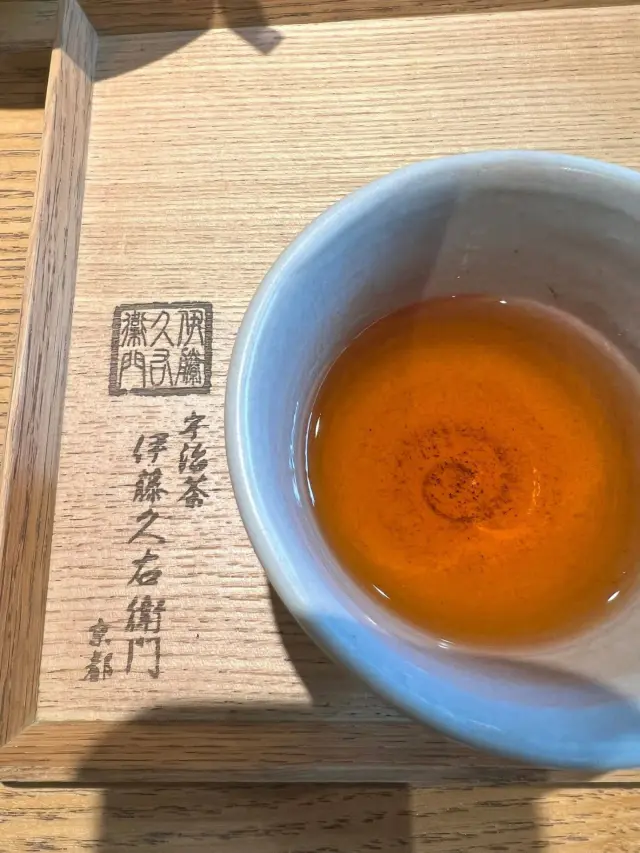
Itohkyuemon Uji Main Store Tea Room
Itohkyuemon, a long-established tea shop founded in 1832 (Tenpo 3), is located in Uji, one of Japan's leading producers of high-quality tea leaves. While preserving the traditions passed down since its founding, the shop continuously develops new matcha sweets, introducing new values of tea to the world.
Uji is a must-visit for matcha🍵 lovers!
Once you leave Uji Station🚉 and cross the street, this famous shop is the first one you'll see!
It's always crowded.
It's always so hard to choose,
with so many matcha🍵 products and tea leaves you'll want to take home!
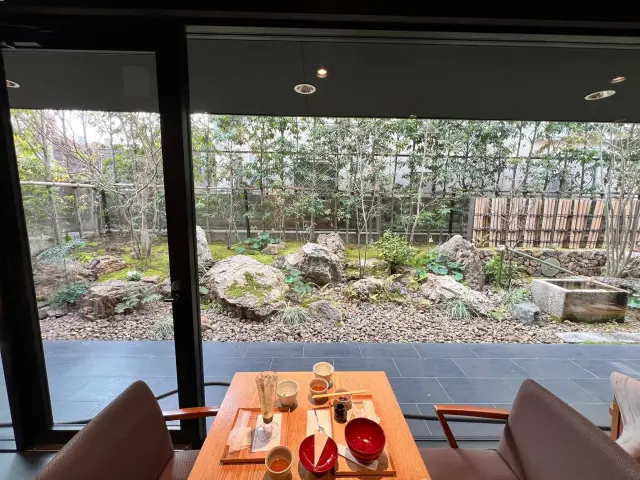
It's also worth taking your time and enjoying them in the shop.
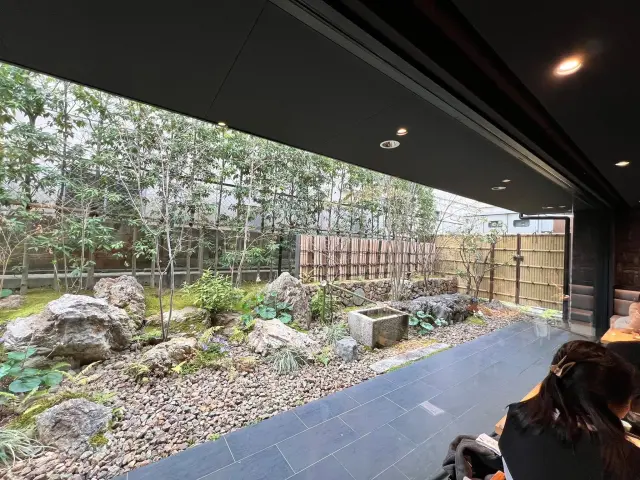
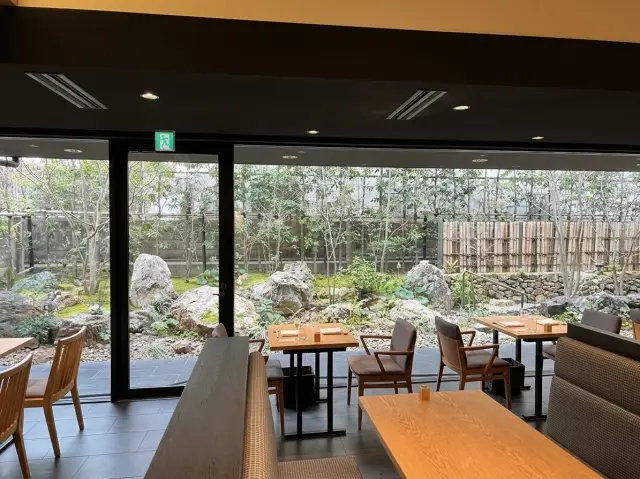
The atmosphere of the Japanese garden
is definitely a plus! -
-
Uji Bridge (Kyoto)
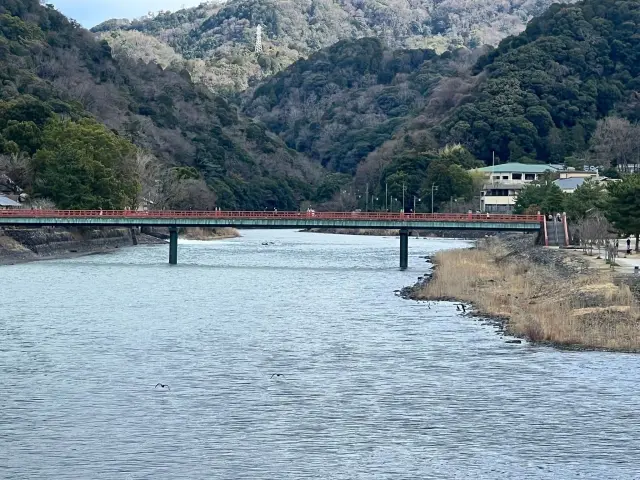
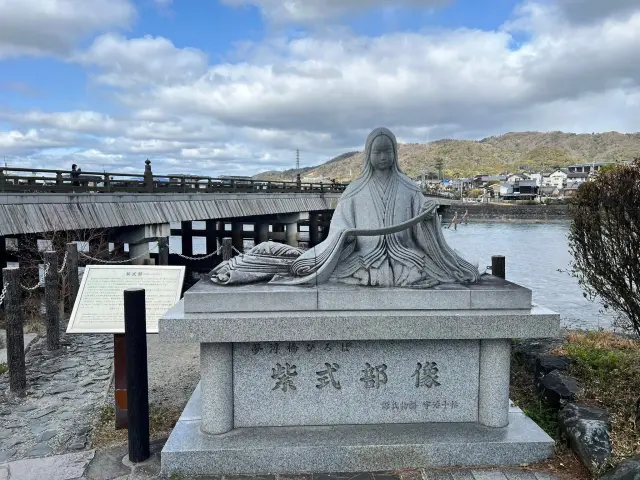
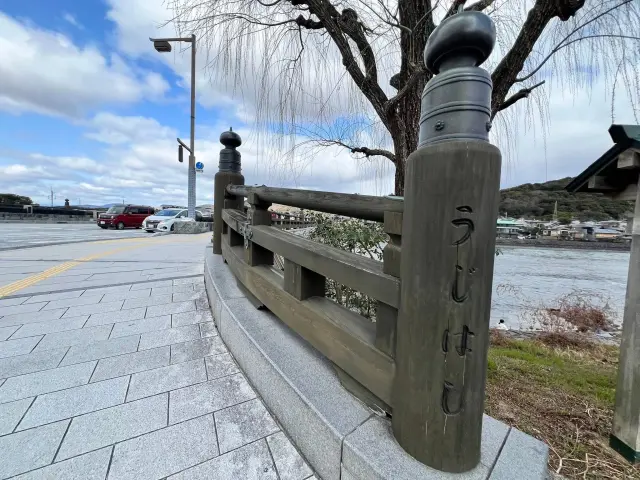
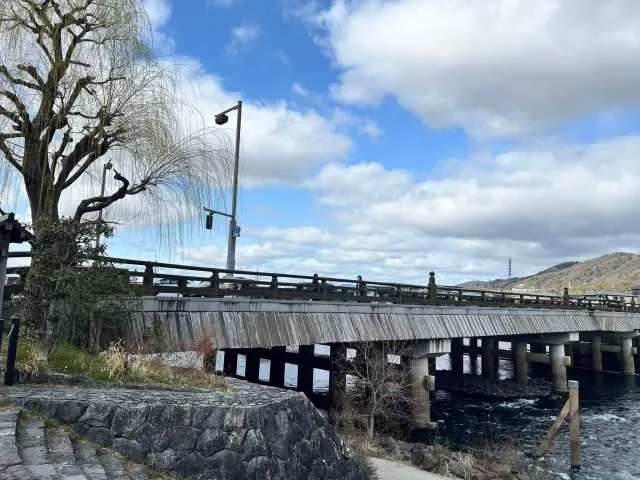
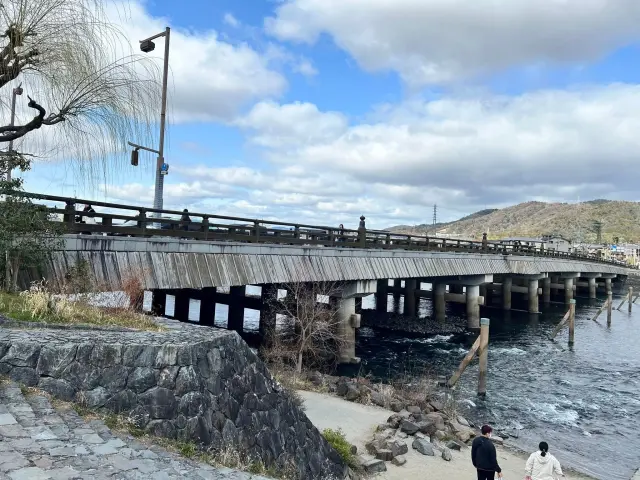
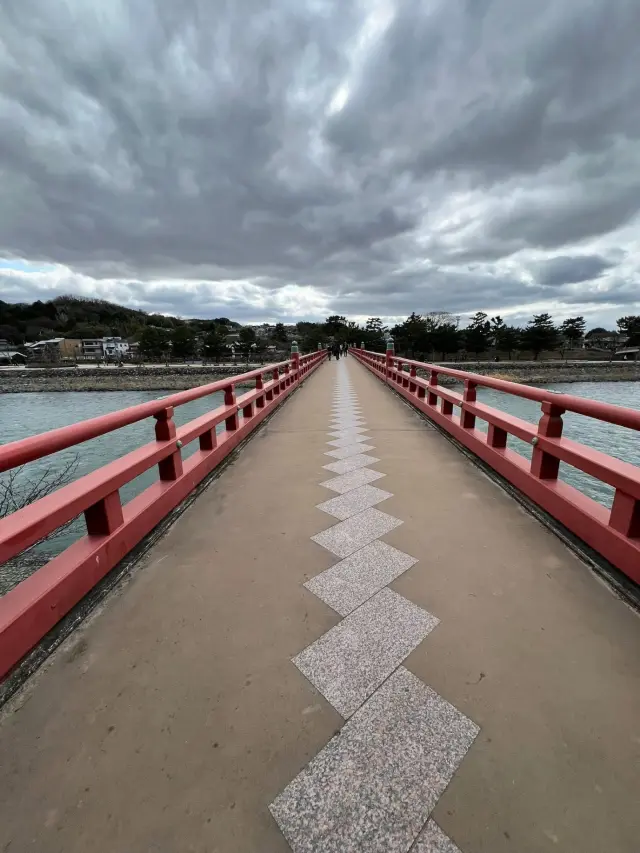
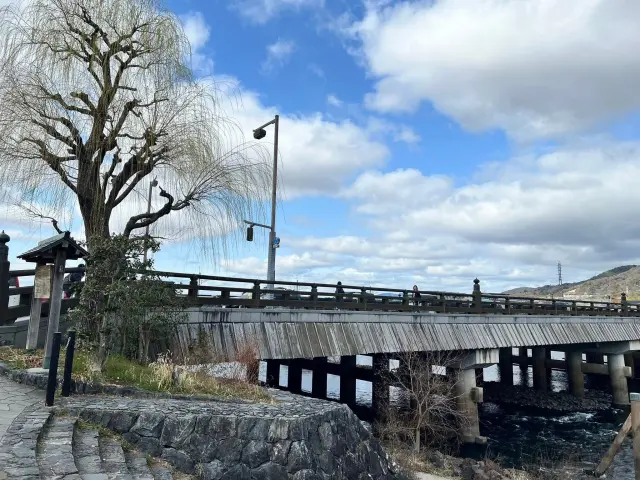
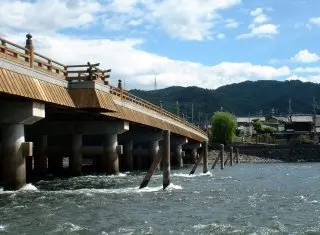
Stepping out of the ticket gates at Keihan Uji Station, the first thing that catches your eye is Uji's landmark, the Uji Bridge. According to the "Uji Bridge Monument" at Hashidera Hojo-in, it is said to have been built in the second year of the Taika era (646) during the Asuka period by a monk named Doto from the Nara temple of Gango-ji, making it one of Japan’s three ancient bridges alongside the Seta no Karahashi and Yamazaki Bridge.
Uji is the main setting of the final ten chapters of the Japanese literary classic The Tale of Genji, known as the “Ten Uji Chapters.” The area is filled with tangled love and resentment, fate, and the sorrow of impermanence (mono no aware).
* The statue of Murasaki Shikibu quietly gazes at the Uji River, as if immersed in a connection to history🔗.
Since ancient times, Uji Bridge has been an important transportation route connecting Kyoto and Nara. It is also a symbolic place in literary works where many characters part, meet, or experience emotional turning points.
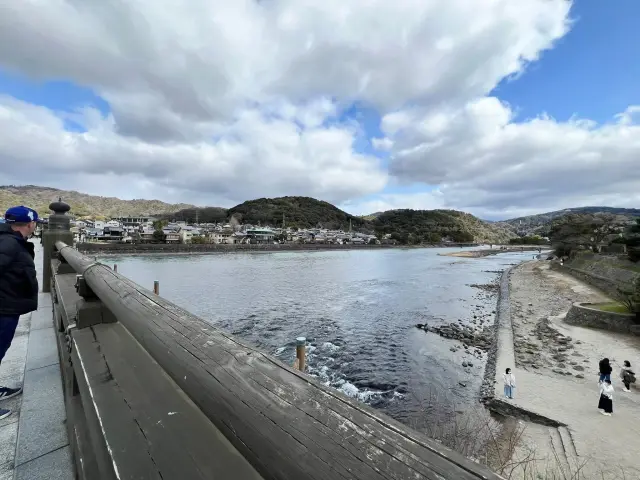
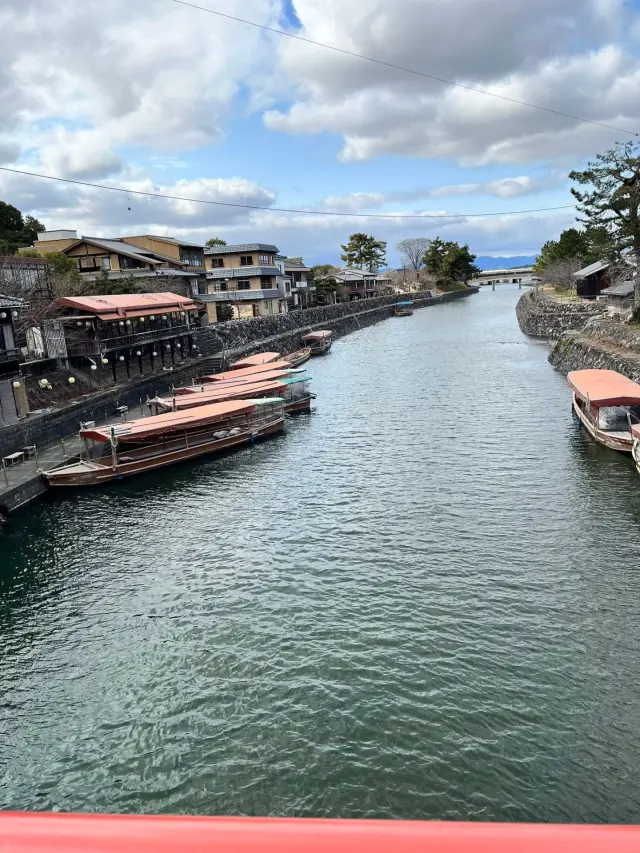
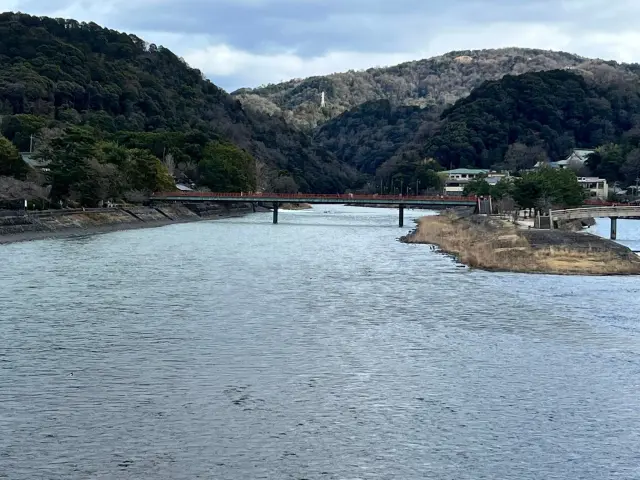
* The magnificent force of intertwined mountains and river: The bright red bridge spans the wide, fast-flowing Uji River, with layers of lush green mountains rolling across the distant background. The composition of distant mountains, greenery, and a vast expanse of water conveys the calm yet grand majesty of Japan's natural scenery.
The rapid current of the Uji River contrasts sharply with the steady flow of pedestrians on the bridge and the tranquil green mountains in the distance. Shifting clouds and sunlight falling across the mountaintops and water add a rugged, powerful, epic atmosphere, making you feel as though you have stepped into the long flow of history. -