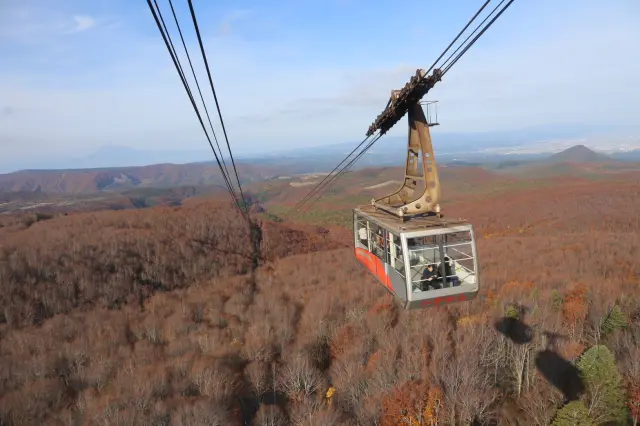
Aomori is beautiful in the fall. After visiting the Oirase Stream, we made a special trip to ride Aomori’s famous Hakkoda Ropeway. This route has been operating since 1968. It was originally built for backcountry skiers and hikers, but now it’s a must-visit landmark for enjoying the scenery in every season, and it also makes it easy for tourists like us to head up the mountain and take in the views.
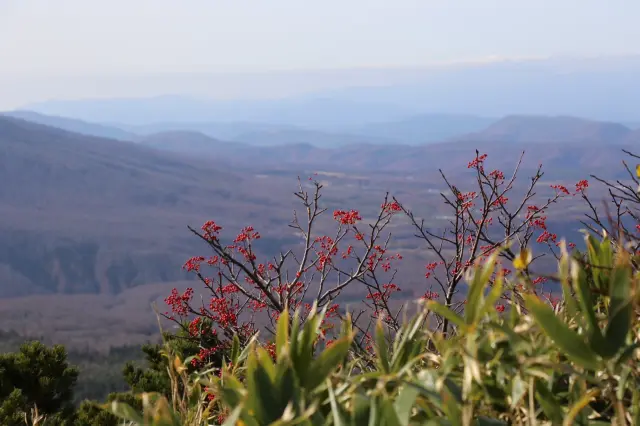
The ride takes about ten minutes. As the gondola steadily climbs, the vast sea of beech trees below turns dark brown in the fall, and in the distance, you can clearly see downtown Aomori and Mutsu Bay. The view is extremely expansive. After arriving at the mountaintop station at an elevation of about 1,300 meters, we stepped onto the trail and were immediately surrounded by alpine vegetation. Although most of the leaves had already fallen, we were lucky to see bright red rowan berries on the branches, adding splashes of color among the dwarf bamboo and standing out vividly beneath the blue sky. From the summit, you can easily take in the layered peaks of the Hakkoda Mountains. There’s a kind of desolate autumn beauty to it, offering a different side of Aomori.
Hakkoda Ropeway | Review by 一個漸漸喜歡上慢旅的人
Other Reviews by 一個漸漸喜歡上慢旅的人
-
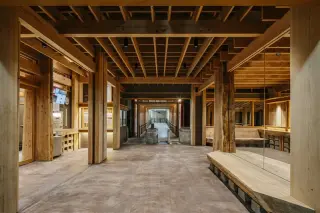
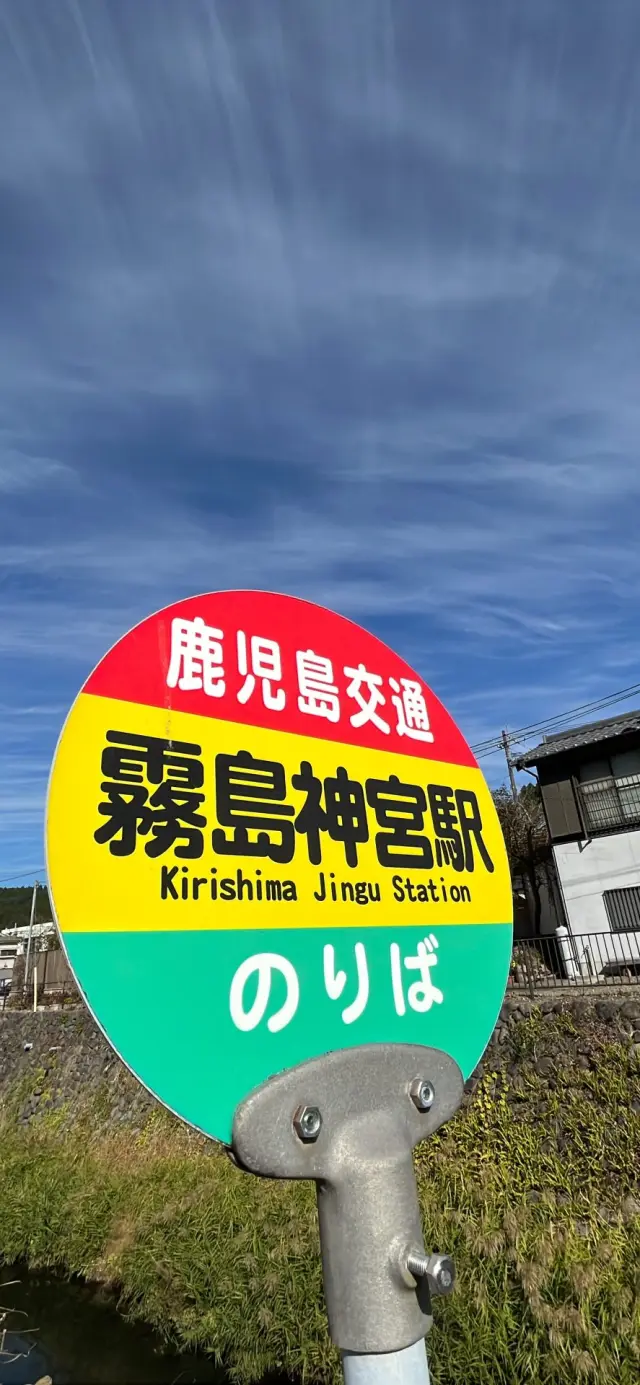
Kirishima-Jingu Station
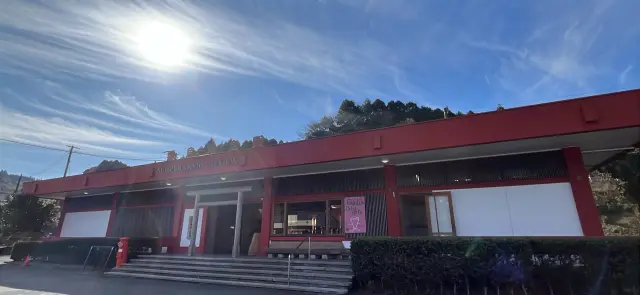
Kirishima-Jingu Station is the closest station to Kirishima Shrine, which is designated as an Important Cultural Property of Japan. The station was newly renovated and reopened on March 22, 2024, using nearly 100% locally sourced cedar wood from Kagoshima Prefecture. Inspired by the surrounding forests near Kirishima Shrine, the station building features a symbolic “sacred tree” standing 4 meters tall, cut from the experimental forest of Kagoshima University’s Faculty of Agriculture. The result is a warm, tranquil atmosphere filled with the scent of wood.
To visit Kirishima Shrine, I took the JR train from Miyazaki and arrived in Kagoshima. As soon as I stepped out of Kirishima-Jingu Station, its distinctive vermilion design immediately caught my eye. Even before visiting the shrine, I could already feel its strong atmosphere. The station first opened in 1930 and was recently renovated. It retains its classic shrine-inspired colors and now houses several small shops, including a French savory crepe shop and stores selling handmade goods, giving the old station a much more artsy feel.
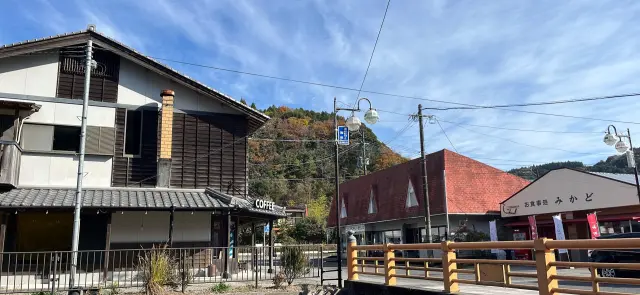
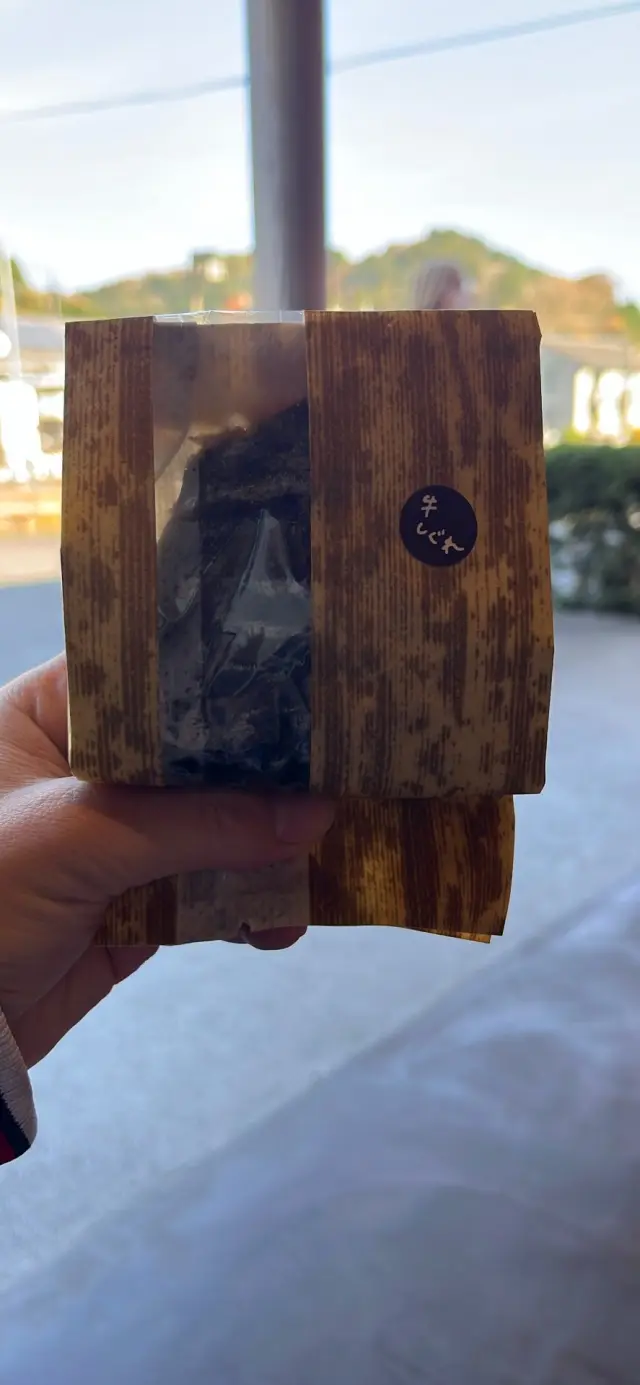
While waiting for the bus up the mountain, I walked outside the station and crossed a small bridge, where I found a simple, peaceful streetscape. I also stopped by Mikado, an old restaurant with a nostalgic Showa-era feel, and got a rice ball wrapped in traditional bamboo leaf to go. I sat inside the station and enjoyed the sunshine and food. The savory-sweet, flavorful beef went perfectly with the plump rice. As I ate in the sunlight in front of the station, even an adorable cat was drawn over, leaving me with a heartwarming local memory from this short trip to Kirishima. -
-
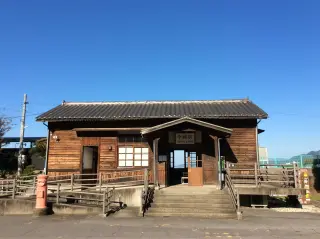
Chiwata Station
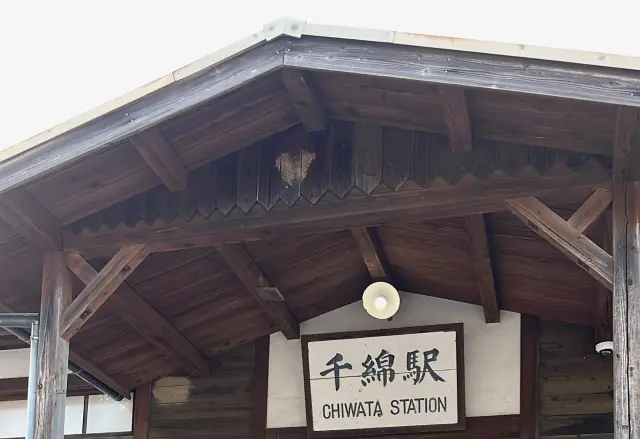
A station on the JR Omura Line, which runs along the coast of Higashisonogi Town in Nagasaki Prefecture. The wooden station building, built in 1928, has retained much of its old-time charm over the years and carries a nostalgic atmosphere. The station’s greatest appeal is its one-of-a-kind scenery, where the sea and railway come together. The calm waters of Omura Bay stretch out before you, and from the platform, you can feel time slow down along with the scent of the sea.
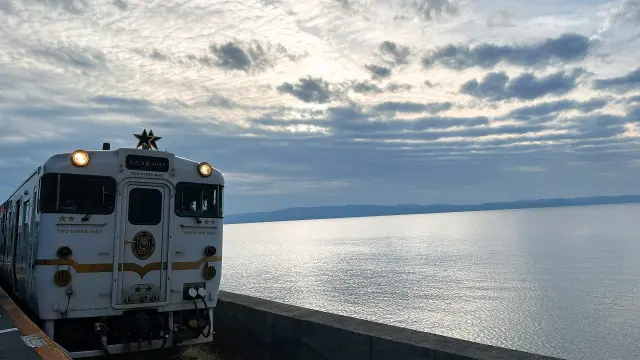
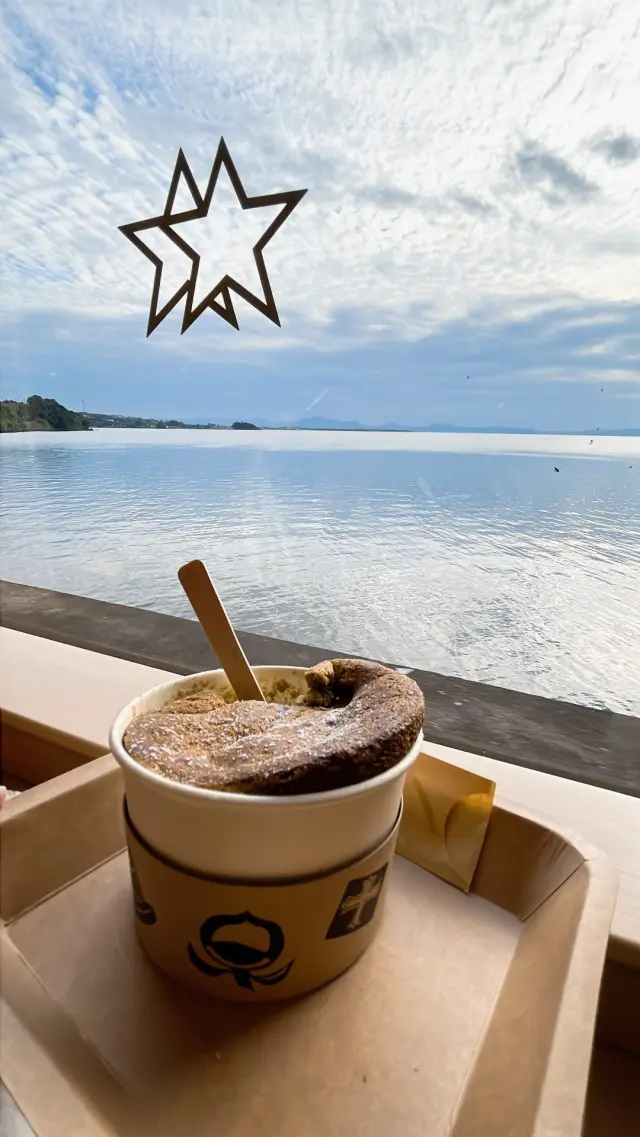
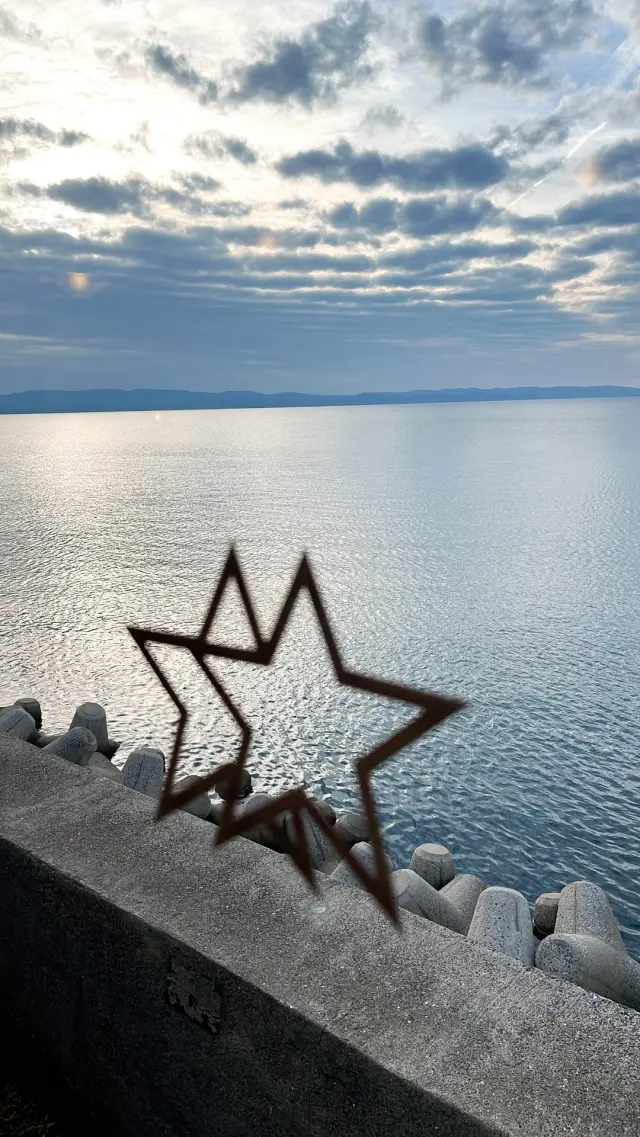
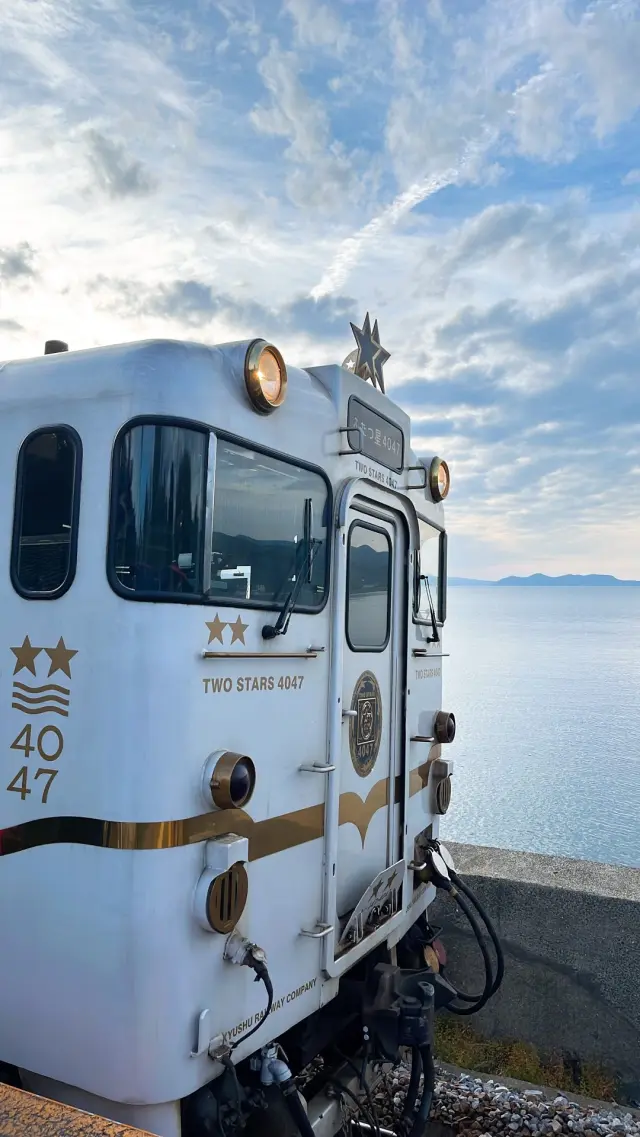
What I love most is riding unique sightseeing trains in Kyushu, especially the Futatsuboshi 4047, which follows different routes in the morning and afternoon, each with its own highlights. Even though this was already my third time riding the Futatsuboshi 4047, as the train traveled along the Omura Line and I looked through the Futatsuboshi logo on the window at the sparkling sea outside, I couldn't help but look forward to the scenery ahead.
The most unforgettable stop on this trip was Chiwata Station in Nagasaki, known as the “station closest to the sea.” This small seaside station opened back in 1928, and its old wooden station building still retains a strong sense of Showa-era nostalgia. What makes it especially unique is that one side of the platform sits right next to the seawall of Omura Bay, with no buildings blocking the view, so you can feel the sea breeze as soon as you step off the train. The afternoon Futatsuboshi 4047 thoughtfully stops here for about ten minutes, giving everyone time to get off, walk around, and take photos. Seeing the white locomotive with gold trim quietly parked beside the sea and sky, with the evening sunlight sparkling on the water, was so beautiful that I couldn't stop taking photos and didn't want to get back on the train. I really love these wonderful moments of traveling by train and quietly lingering at this little unmanned station. -
-

Suizenji Jōjuen Garden
This strolling garden makes use of natural spring water. Its history began when Hosokawa Tadatoshi, the first lord of the Hosokawa clan, built a teahouse here where groundwater from Mount Aso rises to the surface. The third lord, Hosokawa Tsunatoshi, later undertook extensive landscaping, and the garden came to be known as Jōjuen after a poem by Tao Yuanming.
Another famous attraction in central Kumamoto. If you like Japanese gardens, you shouldn't miss it. I took a walk around Suizenji Jōjuen Garden while visiting Kumamoto in mid-March and was lucky enough to have beautiful weather with the cherry blossoms in full bloom. The entire garden was incredibly pleasant to walk through. It was originally a teahouse built during the Edo period by Hosokawa Tadatoshi, the first lord of the Higo-Kumamoto Domain. After successive lords continued to expand and renovate it, it became the Momoyama-style strolling garden it is today, incorporating spring water from Mount Aso. Looking at the photos, I suddenly felt that its use of borrowed scenery seemed somewhat similar to Sengan-en.
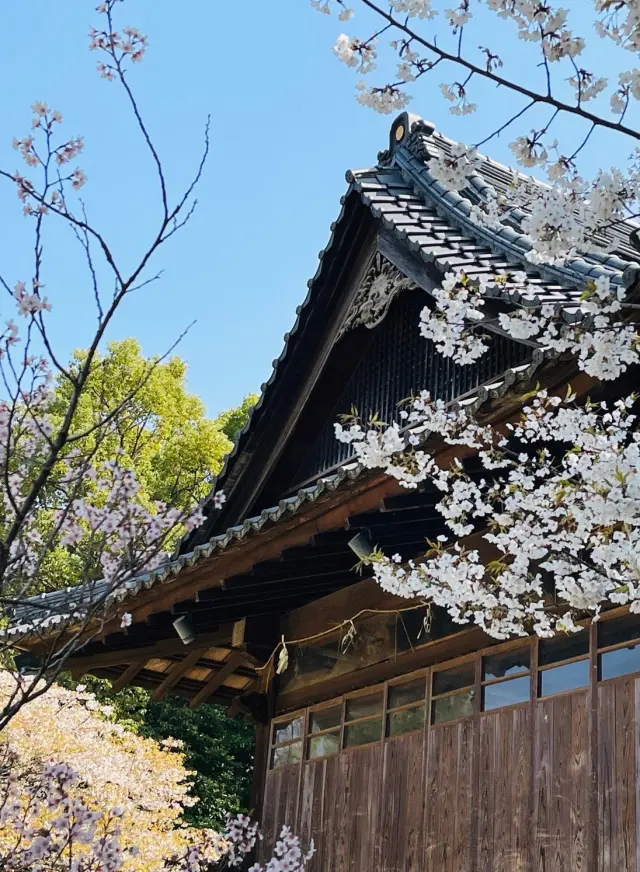
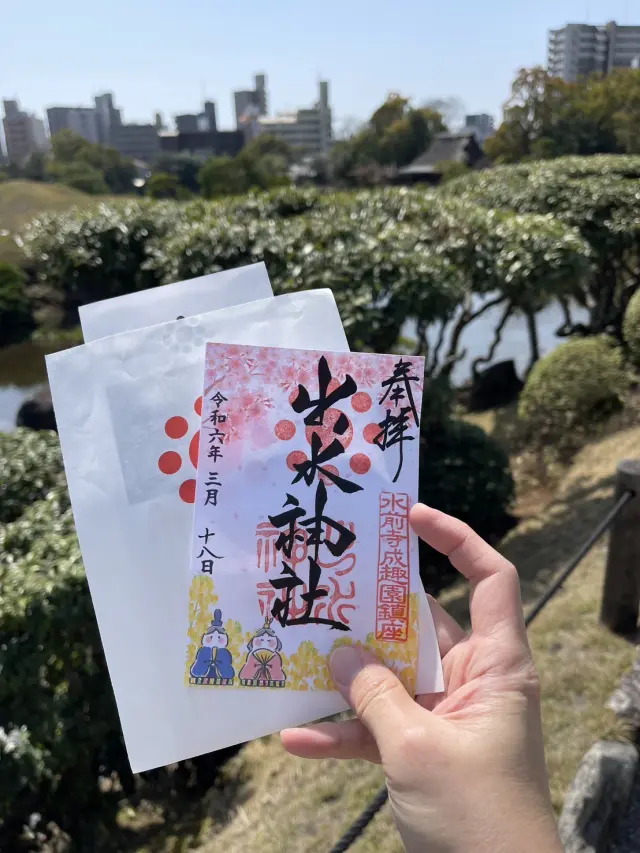
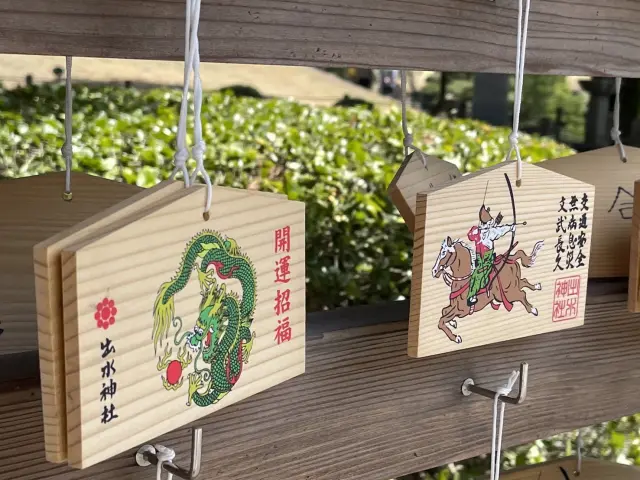
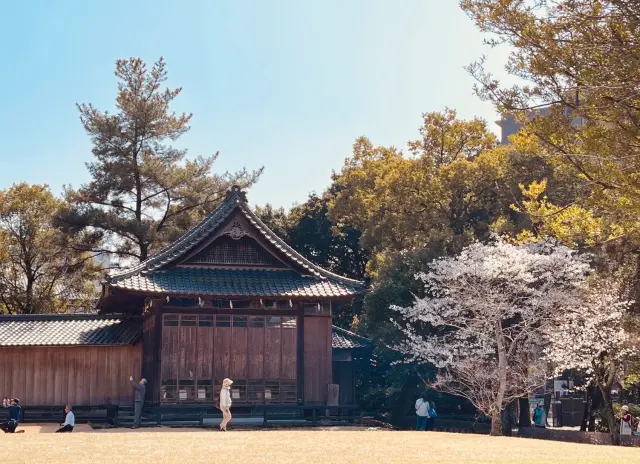
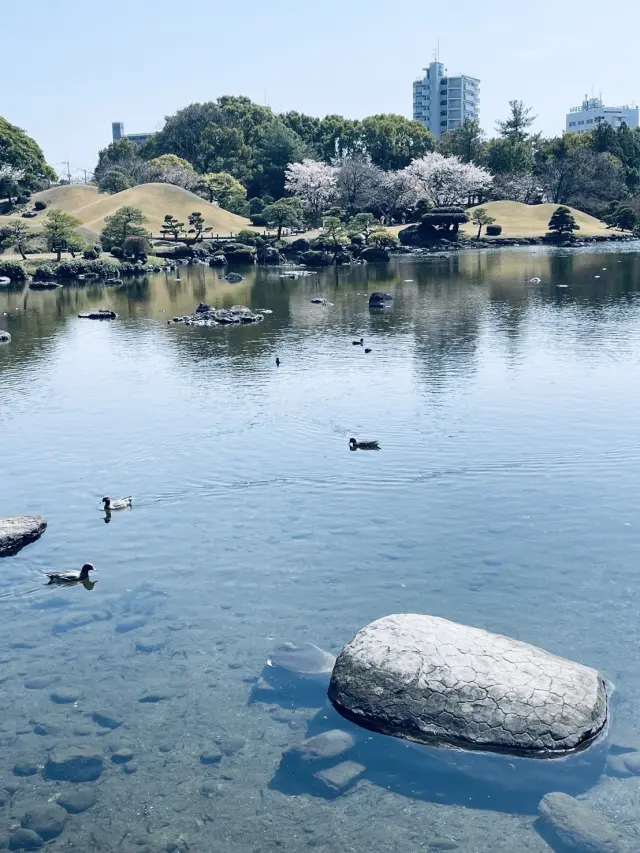
Strolling slowly along the pond, the most eye-catching sight was the crystal-clear spring-fed pond. Ducks swam leisurely in the water, while the grassy slope on the opposite shore was trimmed into a cute little hill modeled after Mount Fuji. Together with the pale pink spring cherry blossoms in the distance, the view had a wonderful sense of depth. After wandering around, I reached Izumi Shrine on the north side of the garden, which enshrines the successive feudal lords. White cherry blossoms were in full bloom beside the rustic wooden Noh theater, making every photo look poetic. Before leaving, I also picked up a March-only goshuin featuring the Hosokawa family's nine-star crest and Girls' Day hina dolls, and admired the detailed blue dragon and horseback archery designs on the ema wall. It was a wonderful spring memory and a very nice attraction in central Kumamoto to visit while traveling there. -