

There are plenty of souvenir shops to choose from. If you have time, it's nice to stroll around and browse.
GRANSTA TOKYO | Review by Sieńko Chen


Other Reviews by Sieńko Chen
-
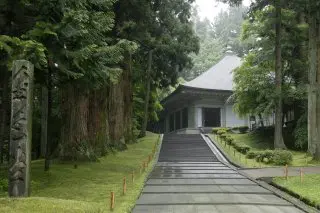
Chuson-ji Temple
Chuson-ji Temple, founded in 850 AD, owns over 3,000 national treasures and important cultural properties and is also registered as a World Heritage site. This temple was built to transmit the powerful wish to comfort the spirits of those killed in the Tohoku War, no matter which side they were on.
The cedar-lined avenue on both sides has really fresh air. It's a very pleasant walk.
-
-
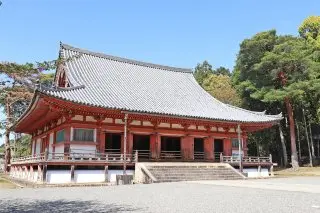
Daigoji Temple
Daigoji Temple was founded in 874 (Jogan 16), during the early Heian period, by Shobo, also known as Rigen Daishi. A grand-disciple of Kobo Daishi Kukai, he is regarded as a key figure in the revival of Shugendo. Daigoji is the head temple of the Daigo school of Shingon Buddhism. Its grounds cover approximately 1,630 acres across Mount Daigo, making it one of the largest temple complexes in Kyoto. The grounds are divided into Kami-Daigo at the top of the mountain and Shimo-Daigo at its foot, with more than 80 halls and pagodas scattered throughout. The temple initially developed around Kami-Daigo. It later received the strong patronage of Emperor Daigo as an imperial temple, and an extensive temple complex was established at the foot of the mountain.
Sitting under the cherry blossoms, enjoying a special bento, you can really feel the spirit of spring in Kyoto.
-
-

Kyoto Gyoen
The premises has the Kyoto Imperial Palace at the center in which Meiji Emperor lived until he moved to Edo, surrounded by the town where the homes of aristocrats lined up. In Meiji Period, the premises were turned into the Kyoto Gyoen Park. Kyoto Imperial Palace and Kyoto Sento Imperial Palace are still used by the imperial families.
This is a fantastic spot to see cherry blossoms in Kyoto. The weeping cherry trees are especially gorgeous.
-


