

The majestic mountain scenery around Lake Biwa, including Mt. Hiei, Omi Fuji, and the Hira mountain range, is truly moving.
Lake Biwa | Review by Sam Lin
Other Reviews by Sam Lin
-
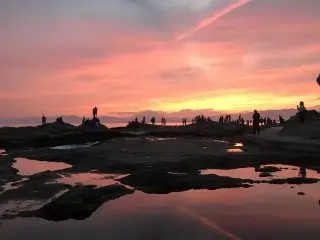
Chigogafuchi
Chigogafuchi is a rocky, wave-cut platform on the southwestern side of Enoshima, formed by the uplift caused by the 1923 Great Kanto Earthquake. Its name comes from Shiragiku, a young acolyte who trained at Shōjō-in, a temple associated with Tsurugaoka Hachimangu Shrine in Kamakura. According to legend, while visiting Enoshima on a pilgrimage, Shiragiku caught the attention of Jikyū, a high-ranking monk from Kōtoku-an at Kencho-ji Temple. Overwhelmed by the monk's feelings, Shiragiku threw himself into the sea from this spot.
Visiting here lets you enjoy stunning coastal views. Overall, it's an ideal travel spot that combines natural beauty, historical legends, and a relaxing atmosphere.
-
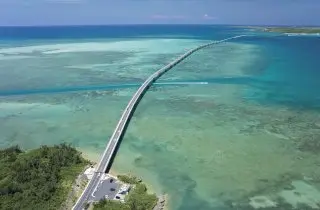
Miyako Island
The Miyako Archipelago is located in the middle of the Ryukyu Arc that arcs from Okinawa Island to Ishigaki and Iriomote Islands. Miyako Island is the main island among eight islands of various sizes, including Ikema Island and Ogami Island.
The waters around Miyako Island are full of vibrant coral reefs and colorful marine life. It's a fantastic spot for diving and snorkeling.
-
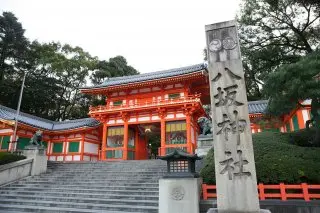
Yasaka Shrine
Yasaka Shrine enshrines Susanoo-no-Mikoto, Kushiinadahime-no-Mikoto, and Yahashira-no-Mikoto. It is the head shrine of approximately 2,300 Yasaka shrines and other related shrines throughout Japan that enshrine Susanoo-no-Mikoto. The shrine is said to have originated in 656, when a deity from Mount Gozu in the ancient Korean kingdom of Silla was enshrined here.
There are all kinds of food stalls lining both sides of the alley. It feels just like a Taiwanese night market—something you rarely see in Japan.