

Takeo Onsen Travel Guide: Discover History and Relaxation in a Traditional Hot Spring Town
With over 1,300 years of history, Takeo Onsen is renowned for its soft, soothing waters. Long celebrated as a "beauty-enhancing hot spring," its waters leave the skin feeling smooth and moisturized.
The hot spring town is also home to impressive architecture, including buildings designated as Important Cultural Properties of Japan.
This guide introduces the best hot springs to enjoy and the architectural highlights to explore in Takeo Onsen, helping you make the most of your visit.
What is Takeo Onsen Like?
Takeo Onsen is located in Takeo City, in the western part of Saga Prefecture.
With a history spanning more than 1,300 years, the hot spring's origins are steeped in legend. According to tradition, Empress Jingu, consort of Emperor Chuai, struck a rock with the shaft of her spear while returning from a military expedition to Korea, causing hot spring water to gush forth. This legend gave rise to the name "Tsukasaki Onsen," by which Takeo Onsen is also known.
Over the centuries, Takeo Onsen is said to have welcomed notable historical figures, including the legendary swordsman Miyamoto Musashi and the German physician Philipp Franz von Siebold, who helped introduce Western knowledge to Japan.
The hot spring waters are mildly alkaline and classified as simple hot springs, traditionally believed to help relieve fatigue and nerve pain. Known for their excellent heat-retaining properties, the waters feel exceptionally soft on the skin, leaving it feeling smooth and moisturized.
The town is also home to several buildings designated as Important Cultural Properties of Japan. Among them, the magnificent Takeo Onsen Romon Gate, reminiscent of a mythical dragon palace, is a must-see. As one of the town's most recognizable landmarks, it's well worth a visit.
Another highlight of Takeo Onsen is its wide selection of facilities offering day-use bathing. With affordable options and no overnight stay required, visitors can easily enjoy hopping between different hot spring baths.

Access to Takeo Onsen
We'll explain how to get to Takeo Onsen from Kyushu Saga International Airport, which serves international flights.
Although more expensive, taking a limited express train is faster and requires fewer transfers.
- Route
-
1. Take a bus from Kyushu Saga International Airport to Saga Station.
2. At Saga Station, transfer to the Limited Express Relay Kamome and get off at Takeo-Onsen Station. - Hours
- Approx. 1 hour 30 minutes
Best Time to Visit Takeo Onsen
If you're planning a trip to Takeo Onsen, fall and winter are the best seasons to visit.
There's something especially relaxing about soaking in a hot spring on a chilly day, particularly in an open-air bath. The chance to enjoy beautiful seasonal scenery, including autumn foliage, adds to the experience.
Keep in mind that Saga can also see snowfall around the beginning of the year. Even so, a snow-covered hot spring town has a charm all its own and is well worth experiencing.
2 Must-See Important Cultural Properties in Takeo Onsen
Takeo Onsen offers more than just relaxing hot springs. The town is also home to impressive historic architecture, including two buildings designated as Important Cultural Properties of Japan.
These iconic landmarks are among Takeo Onsen's most notable attractions. Be sure to take some time to appreciate the town's architectural heritage alongside its famous hot springs.
Takeo Onsen Romon Gate: The Symbol of Takeo Onsen
Located about a 15-minute walk from JR Takeo-Onsen Station, the Takeo Onsen Romon Gate is a striking landmark known for its vibrant vermilion exterior, reminiscent of a mythical dragon palace.
Designated as an Important Cultural Property of Japan, the gate was constructed without the use of a single nail. Its impressive architecture combines grandeur with intricate beauty.
The gate was designed by Kingo Tatsuno, a Saga Prefecture-born architect best known for designing Tokyo Station. Completed in 1915, it was built to serve as a centerpiece of Takeo Onsen as the area developed into a thriving hot spring town and tourist destination.

Takeo Onsen Shinkan: A Glimpse into the Taisho Era
Takeo Onsen Shinkan is located just beyond the Takeo Onsen Romon Gate.
Also designed by Kingo Tatsuno and completed in 1915, the building is designated as an Important Cultural Property of Japan, just like the gate. This traditional Japanese-style structure stands out for its striking combination of vermilion, white, and deep green.
Originally used as a public bathhouse, the building was eventually closed due to deterioration and other factors before undergoing extensive restoration.
Today, it serves as a museum dedicated to the history of Takeo Onsen, where visitors can explore fascinating historical exhibits, including a bathroom originally built for Emperor Taisho.

3 Must-Visit Public Bathhouses in Takeo Onsen
A sotoyu is a public bathhouse that offers bathing facilities without overnight accommodations, allowing visitors to enjoy the hot springs on a day-use basis.
Takeo Onsen is home to numerous sotoyu, each with its own distinctive features and attractions. What they all have in common is the chance to unwind in a setting steeped in history.
Here, we introduce some of the best public bathhouses in Takeo Onsen and what makes each one special. There are plenty of other places to enjoy a relaxing soak without staying overnight, so it's worth exploring more options if you have the time.
1. Motoyu: Japan's Oldest Surviving Wooden Hot Spring Bathhouse
Motoyu is located within the grounds just beyond the Takeo Onsen Romon Gate.
The bathhouse features two baths at different temperatures, with waters traditionally believed to help relieve nerve pain, muscle aches, and joint pain.
Built in 1876, Motoyu is Japan's oldest surviving hot spring bathhouse still in operation. Its greatest charm lies in the opportunity to soak in the soothing waters while surrounded by a nostalgic atmosphere steeped in history.
The warmth of the wooden architecture and the high ceilings create a wonderfully spacious and inviting setting. Motoyu is undoubtedly one of the highlights of any visit to Takeo Onsen.

2. Saginoyu: Relax in an Open-Air Bath and Sauna
Like Motoyu, Saginoyu is located within the grounds beyond the Takeo Onsen Romon Gate.
With its stylish interior and refined atmosphere, Saginoyu offers a completely different experience from the nostalgic charm of Motoyu. Visiting both is a great way to appreciate their contrasting styles.
Saginoyu also serves as the bathing facility for Romontei, a traditional Japanese inn, giving it a more upscale, ryokan-like atmosphere than a typical public bathhouse.
The facility features an open-air bath and a sauna, while its hot spring waters are traditionally believed to help relieve sensitivity to cold and fatigue.

3. Tonosama-yu: Bathe Like a Feudal Lord
Tonosama-yu is another sotoyu, or public bathhouse, located within the grounds beyond the Takeo Onsen Romon Gate.
Originally built in the mid-Edo period (1603-1868) as a private bath for the Nabeshima clan, who ruled Takeo at the time, it offers a glimpse into the bathing traditions of Japan's feudal lords.
The bathhouse's most striking feature is its elegant, all-marble bathtub, adorned with a beautiful black-and-white checkerboard pattern.
The renowned German physician Philipp Franz von Siebold is also said to have bathed here, with his visit documented in his travel account, Edo Sanpu Kikou.
The hot spring waters are traditionally believed to help relieve nerve pain and symptoms associated with sprains.

3 Must-Visit Attractions Near Takeo Onsen
Takeo Onsen and its surrounding area offer plenty of fascinating attractions worth exploring.
If your schedule allows, consider spending a night in Takeo Onsen and taking the time to visit some of the nearby attractions introduced below. An overnight stay also gives you more time to relax and enjoy the hot springs at your own pace.
1. Mifuneyama Rakuen
Completed in 1845 after three years of construction, this magnificent garden was created by Shigeyoshi Nabeshima, the 28th lord of Takeo, with the dramatic cliffs of Mount Mifune, a symbol of the area, serving as its borrowed scenery.
The garden features a large central pond surrounded by winding paths, inviting visitors to explore its expansive grounds. Covering approximately 150,000 tsubo (about 495,000 square meters), the site is roughly equivalent in size to 10 Tokyo Domes.
Home to hundreds of thousands of plants, the garden is a popular destination for enjoying beautiful seasonal flowers throughout the year, attracting visitors in every season.

2. Takeo City Library and Historical Museum
Takeo City Library offers a fresh take on the traditional library, featuring a TSUTAYA bookstore selling books, magazines, and lifestyle goods, along with a café.
The spacious, wood-accented interior creates a warm and inviting atmosphere, while towering bookshelves reaching up to the second-floor ceiling make for a truly impressive sight.
Now one of Takeo's must-visit attractions, the library welcomes both locals and travelers to enjoy the space in their own way, whether browsing travel guidebooks for sightseeing ideas or unwinding over a cup of coffee.

3. Takeo Shrine
A historic shrine with 1,200 years of history, located at the eastern foot of Mt. Mifune.
Its main enshrined deity, Takeuchi no Sukune, is known as Japan's longest-living deity and is said to grant blessings for success in battle, good fortune, and protection from misfortune.
It is also one of the venues for the event "Takeo no Akari Meguri," when famous sites around the city are illuminated on weekends from July to November from sunset to 10pm each year, and limited-time amulets are also available at Takeo Shrine during the event.
Be sure to also look for the Meoto Hinoki, a pair of cypress trees joined together at the base, said to reflect the divine power of the enshrined Emperor Chuai and Empress Jingu.

FAQ about Takeo Onsen
Q
What makes Takeo Onsen special?
Takeo Onsen is known for its soothing hot springs, traditionally believed to help relieve joint and muscle pain, as well as its beautiful historic architecture.
Q
Can you enjoy Takeo Onsen without staying overnight?
Yes, Takeo Onsen has several day-use bathing facilities, each offering a unique atmosphere and bathing experience.
Summary
This guide has explored the highlights of Takeo Onsen, from its famous hot springs to its historic landmarks and nearby attractions.
While Takeo Onsen is renowned for its skin-softening waters, often celebrated as a "beauty-enhancing hot spring," its appeal extends well beyond the baths. The town is also home to beautiful architecture, including buildings designated as Important Cultural Properties of Japan.
With a rich history and a long list of notable visitors over the centuries, Takeo Onsen is well worth adding to your Japan travel itinerary.
For more inspiration, be sure to check out our guide to some of the best sightseeing spots in Saga Prefecture.
Author
Writers & Editors
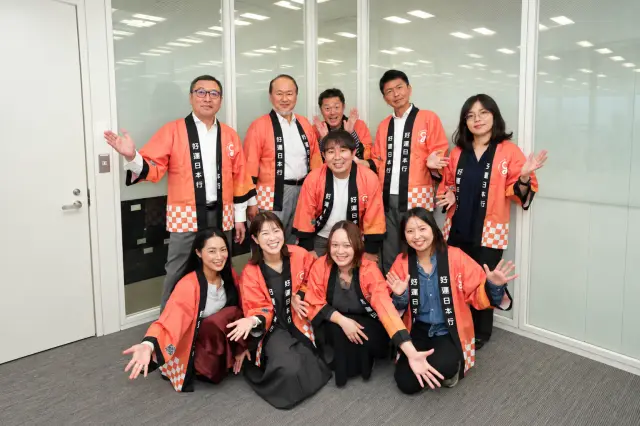
GOOD LUCK TRIP Editors
Sharing lesser-known ways to experience Japan with the world!