
Ocean Views, International Flair, and Animal Encounters: 13 Family-Friendly Attractions in Nagasaki
Surrounded by the sea and dotted with islands large and small, Nagasaki Prefecture offers a different character in every area—from Nagasaki’s cityscape, where traces of international influence remain, to the seascapes of Kujukushima and the magnificent nature of Unzen.
There are also plenty of family-friendly attractions, including aquariums, animal encounters, theme parks, and historic neighborhoods. Share your amazement at the scenery and talk about new discoveries as you experience Nagasaki together as a family.
3 Tips for Making the Most of a Family Trip to Nagasaki
In addition to natural landscapes shaped by the sea, mountains, and volcanoes, Nagasaki Prefecture is home to aquariums, theme parks, and historic sites.
Here are three tips to keep in mind before your trip so the whole family can make the most of Nagasaki.
1. Focus on One Area and Enjoy the Scenery Along the Way
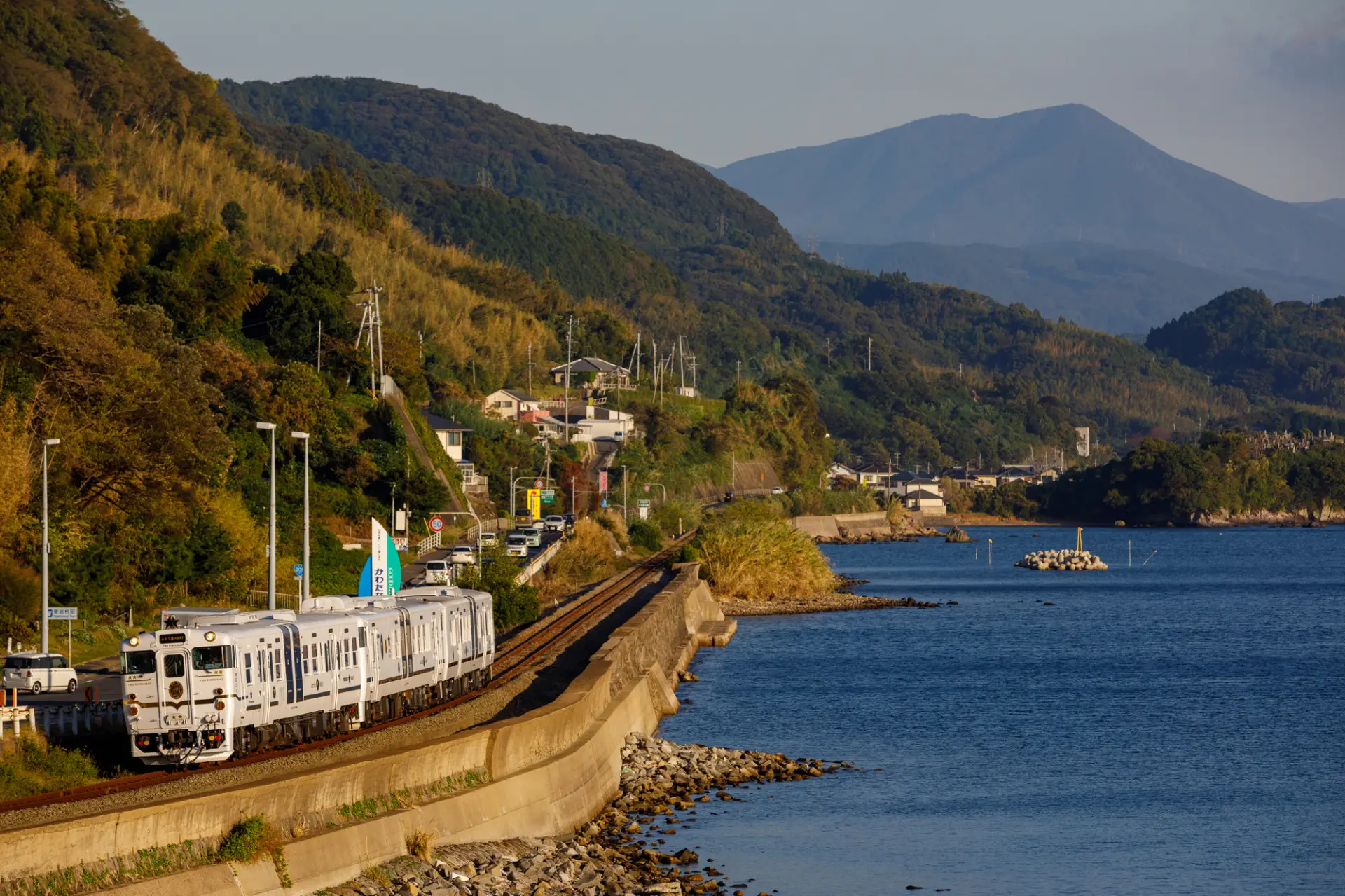
The scenery and experiences vary greatly among Nagasaki City, Sasebo, Saikai, and Unzen. Rather than trying to see everything in one trip, choose a base and combine destinations within the surrounding area.
Distinctively Nagasaki scenery unfolds along the way, from coastal roads to views of islands through the train or car window. Enjoying the journey itself is part of the appeal of traveling through Nagasaki, a prefecture surrounded by the sea.
2. Combine Different Experiences, from Wildlife and Nature to History
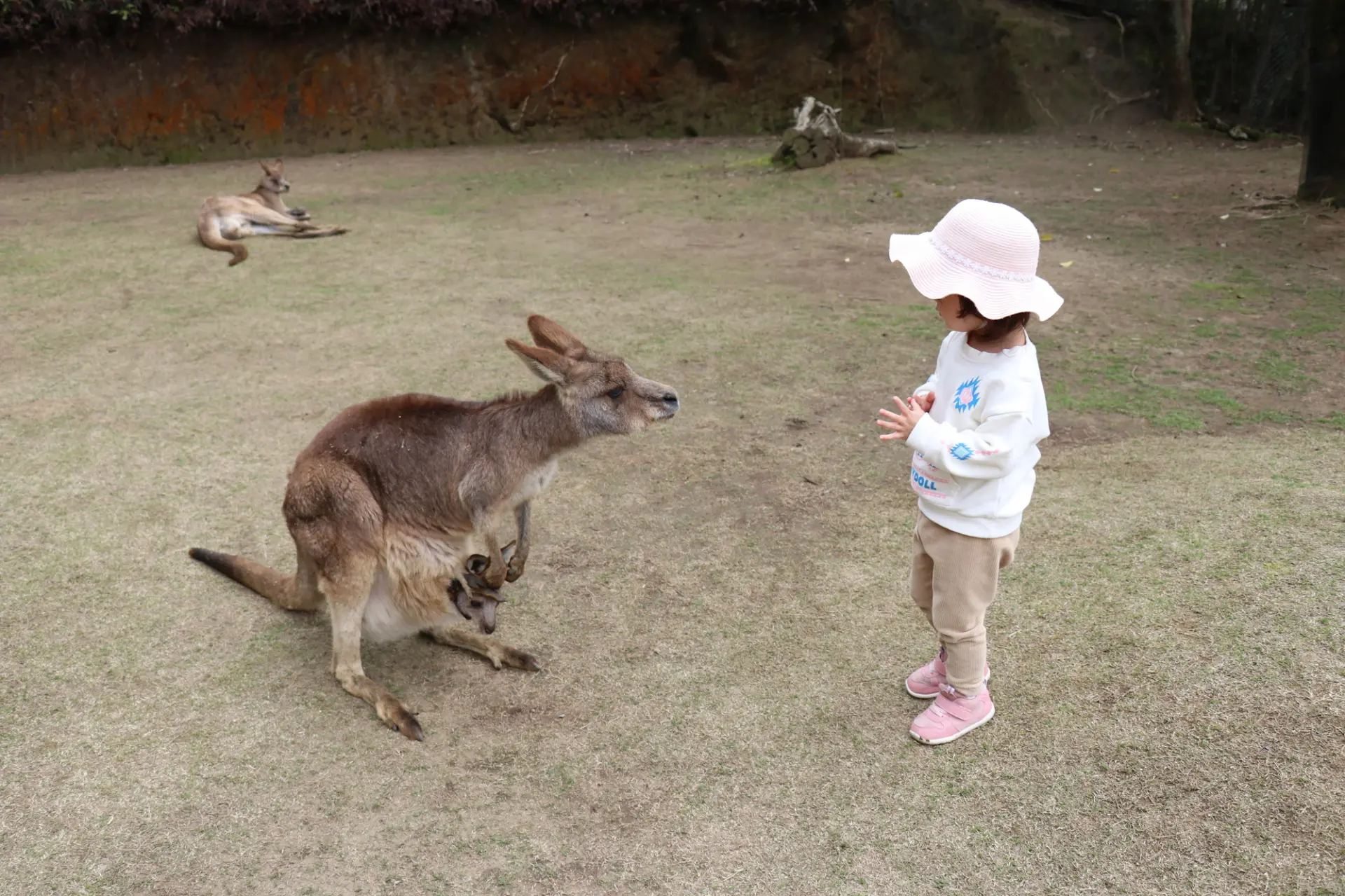
Families have a wide range of sightseeing options, including aquariums, animal encounters, theme parks, historic sites, and art museums.
By combining experiences that captivate children with culture and scenery that interest adults, you can create a Nagasaki trip that suits everyone in the family.
3. Balance Outdoor and Indoor Attractions
Along with opportunities to explore neighborhoods, visit observation decks, and see scenic natural sites, Nagasaki Prefecture has indoor facilities such as aquariums and art museums.
Combining time outdoors amid expansive ocean and mountain scenery with time spent viewing exhibits indoors adds a pleasant change of pace to your trip.
13 Nagasaki Attractions for a Family Outing
Nagasaki Prefecture is known for its diverse scenery, including European-inspired streets and traces of international influence, seascapes dotted with islands large and small, and natural landscapes shaped by volcanic activity.
There are also plenty of hands-on experiences beyond sightseeing, including aquariums and zoos where visitors can see animals up close, as well as theme parks. Here are some recommended attractions in Nagasaki Prefecture for a family trip.
1. Huis Ten Bosch (Sasebo City)
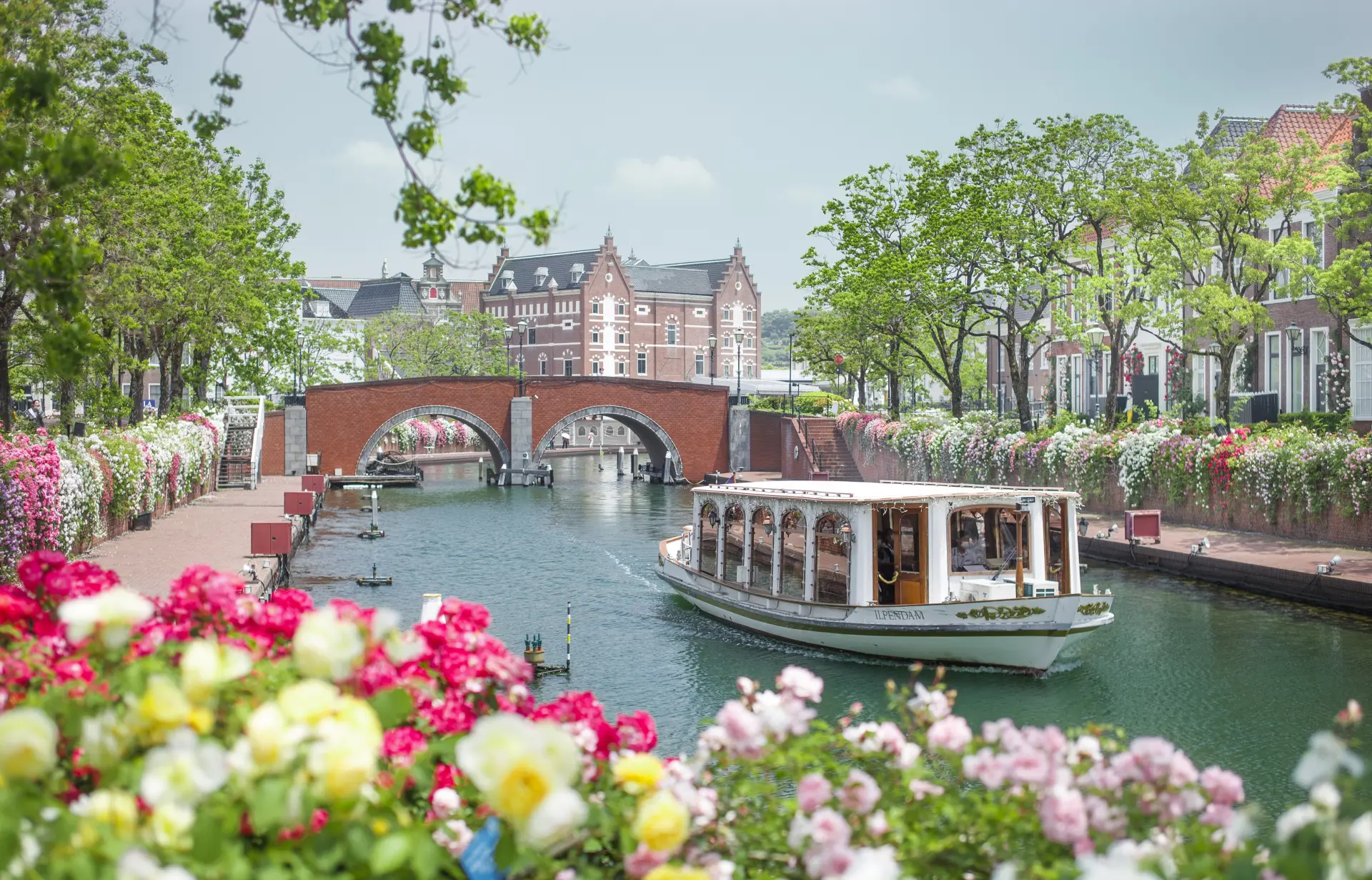
Japan’s largest theme park features European-inspired streets along canals connected to the sea. There are many ways to spend your time, from strolling beside the canals to watching full-scale shows. Seasonal flowers and light displays decorate the park throughout the year, and there is also a wide variety of state-of-the-art attractions.
Walk through the streets together and have each family member look for their favorite spot.
- Name in Japanese
- ハウステンボス
- Postal Code
- 859-3243
- Address
-
1-1 Huis Ten Bosch Town, Sasebo City, Nagasaki
Google Maps - Telephone
- 0570-064-110 (A general guidance call)
- Holiday
- Open every day
- Business Hours
-
9:00am - 9:00pm (Varies by season)
* Check the official website for more details. - Admission
-
1 Day Passport: 18 years old and over: 7,600 yen, junior high and high school students: 6,600 yen, elementary school students: 5,000 yen, 4 years old to less than elementary school students 3,800yen, 65 years old and over: 5,900 yen, 3 years old and under free
* Check the official website for more details. - Access
- 5 minutes walk from JR Huistenbosch Station
- Credit Cards
- Accepted
- Official Website
- Official Website (English)
2. Kujukushima Aquarium Umi Kirara (Sasebo City)
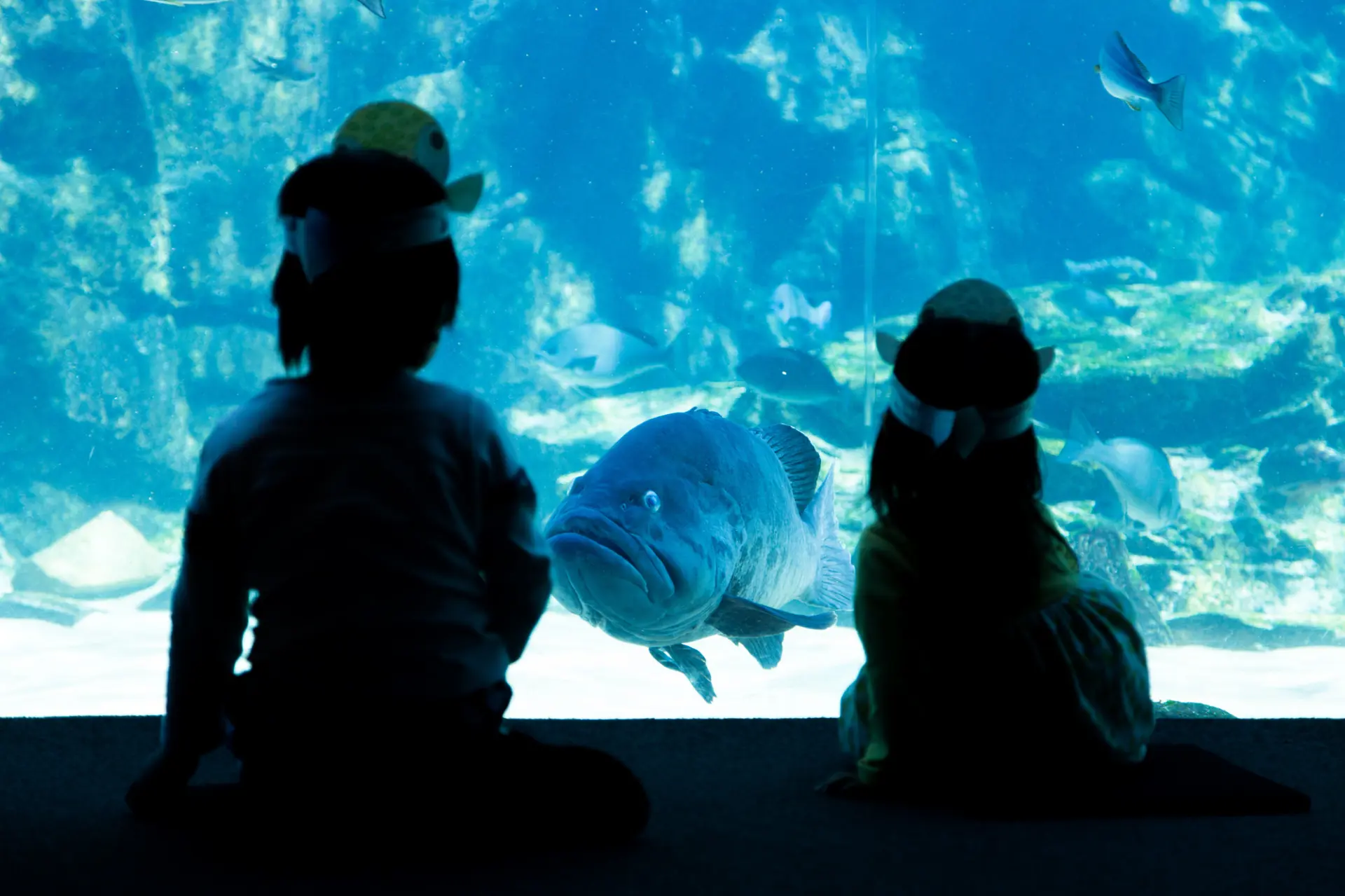
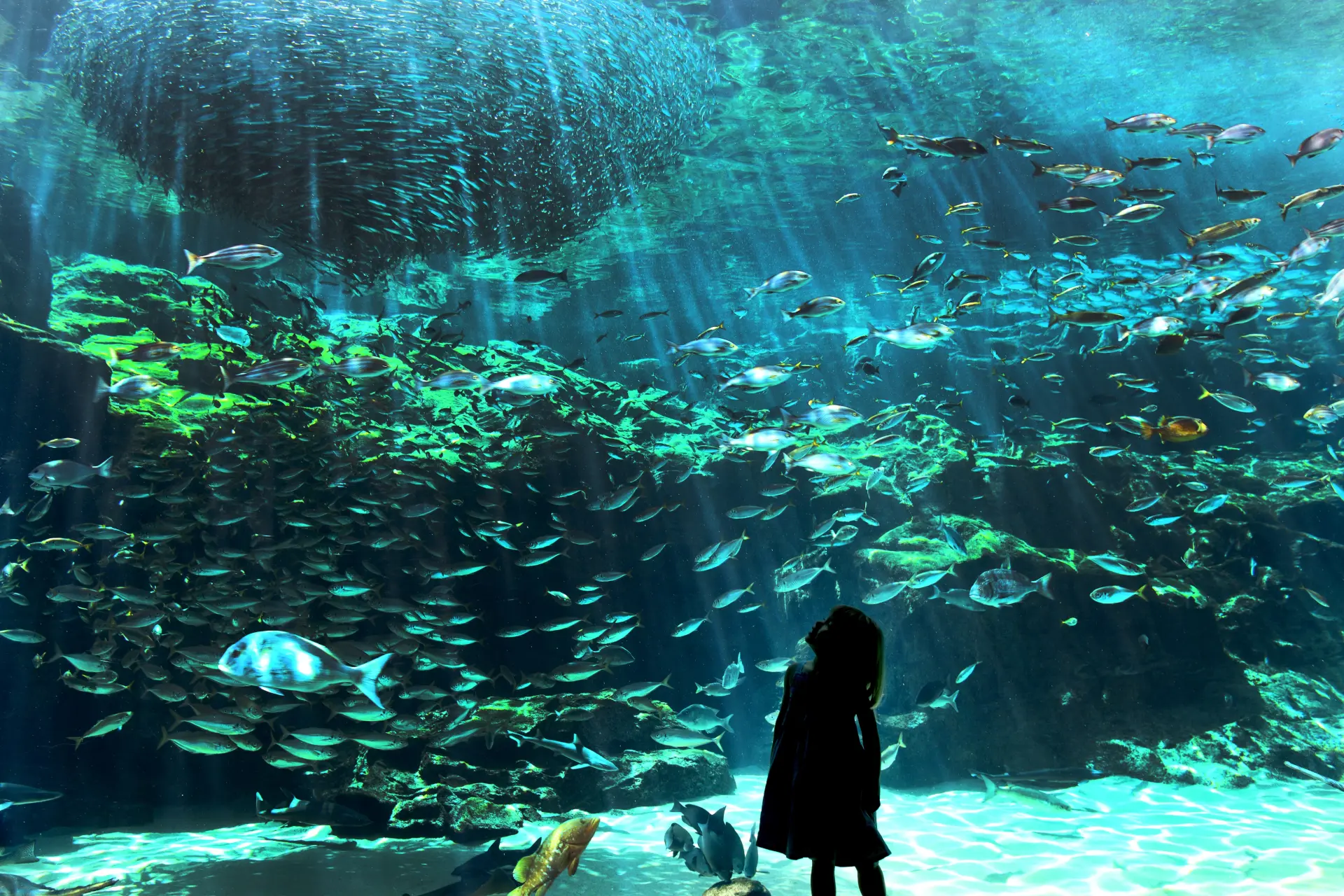
This aquarium is located within Kujukushima Pearl Sea Resort. Its attractions, including a large tank recreating Kujukushima Bay and exhibits featuring dolphins and jellyfish, offer plenty for families to talk about.
It also has a variety of casual hands-on programs, such as the Feeding Observation Tank, where visitors can feed the fish, and a pearl harvesting experience in which participants remove a pearl from an Akoya oyster.
- Name in Japanese
- 九十九島水族館海きらら
- Postal Code
- 858-0922
- Address
-
1008 Kashimaecho, Sasebo City, Nagasaki
Google Maps - Telephone
- 0956-28-4187
- Closed
- Open every day
- Business Hours
-
9:00am - 6:00pm (Admission allowed until 5:30pm)
※November to February 9:00am - 5:00pm (Admission allowed until 4:30pm) - Admission
-
Adults 1,470yen, Children (4 yrs - junior high) 730yen, Seniors (over 70, ID required) 1,250yen, Under 3 yrs free
*Discounts for disabled persons with an ID: Adults 730yen, Children 370yen - Access
- 18 mins by rapid bus from JR/Matsuura Railway Sasebo Station, get off at "Pearl Sea Resort/Kujukushima Aquarium" stop, then a short walk.
- Credit Cards
- Accepted
- Official Website
- Official Website (English)
3. Nagasaki City Dinosaur Museum (Nagasaki City)
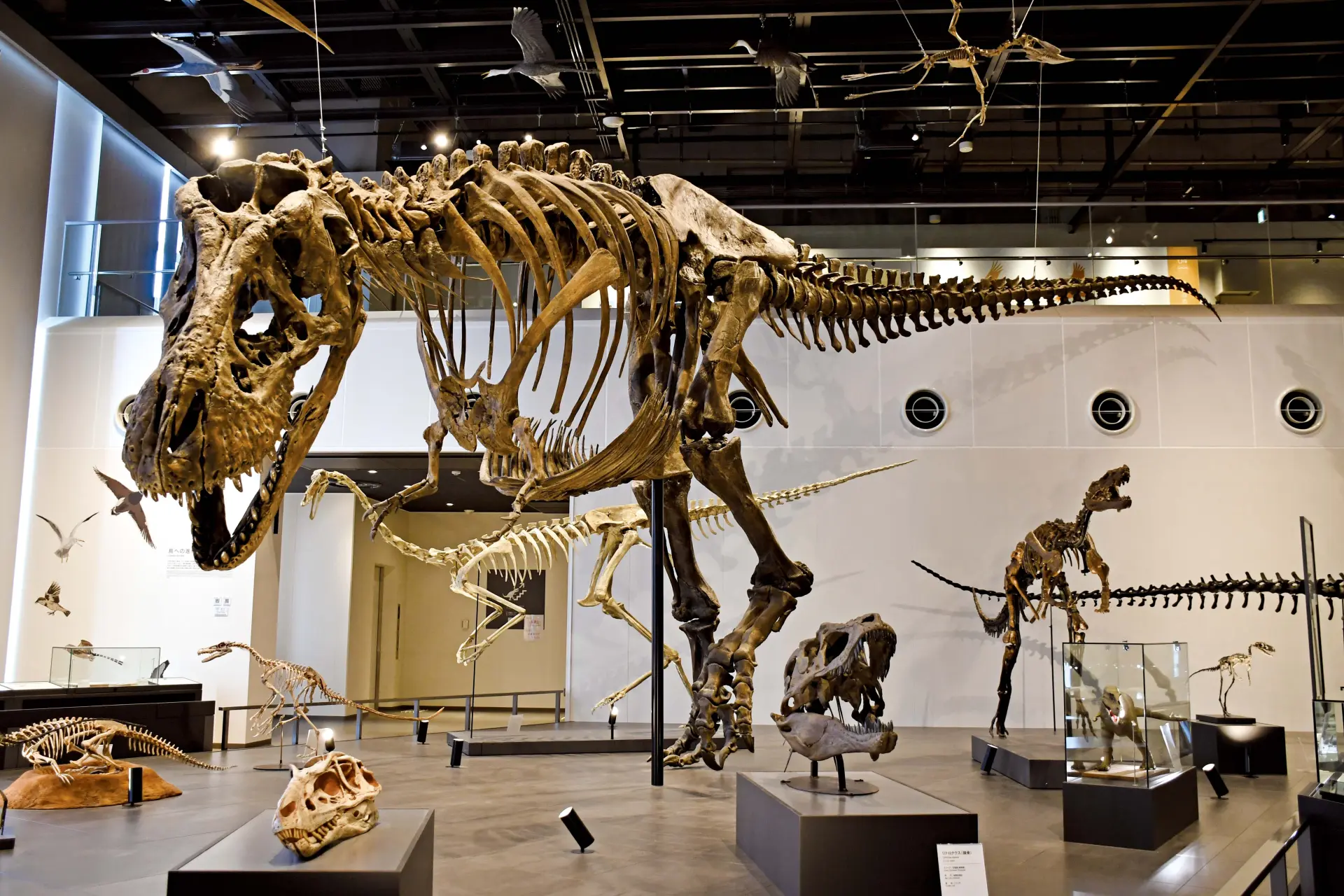
The Nagasaki Peninsula contains geological strata dating back 81 million years to the age of the dinosaurs. This museum dedicated to dinosaurs displays around 180 specimens, with a focus on fossils discovered in the area.
Visitors can touch real fossils and see a replica of one of the world’s largest Tyrannosaurus specimens, as well as impressive robotic dinosaurs, giving parents and children a glimpse into the age of dinosaurs.
- Name in Japanese
- 長崎市恐竜博物館
- Postal Code
- 851-0505
- Address
-
568-1 Nomomachi, Nagasaki City, Nagasaki
Google Maps - Telephone
- 095-898-8000
- Holiday
-
Closed Every Monday (Except On Public Holidays)
Open On Mondays During Spring Break, Golden Week, Summer Vacation, And Winter Vacation
December 31 – January 1 - Hours
- 9:00am - 5:00pm (Admission allowed until 4:30pm)
- Admission
- Adult: 500 yen, Elementary or junior high schooler, preschooler: 200 yen,
- Directions
- Approx. 5-minute walk from “Kyoryu park-mae” stop on Nasaki Bus.
- Credit Cards
- Accepted only at the store
- Official Website
- Official Website (Japanese)
4. Nagasaki Bio Park (Saikai City)
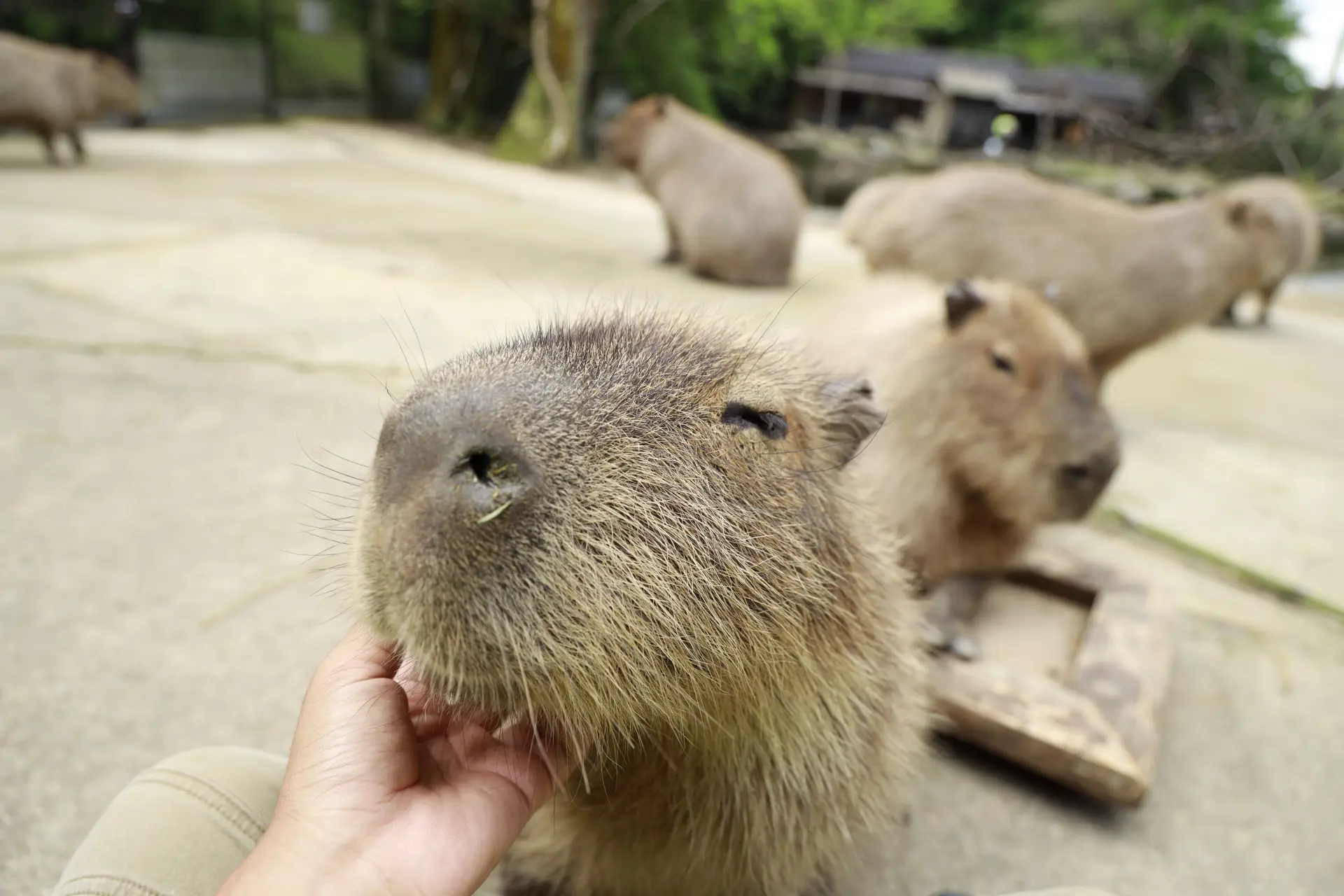
Through animal feeding and seasonal harvesting activities, parents and children can have fun while observing living creatures up close. Another highlight is the ecological exhibits, which recreate near-natural environments where the animals can live freely.
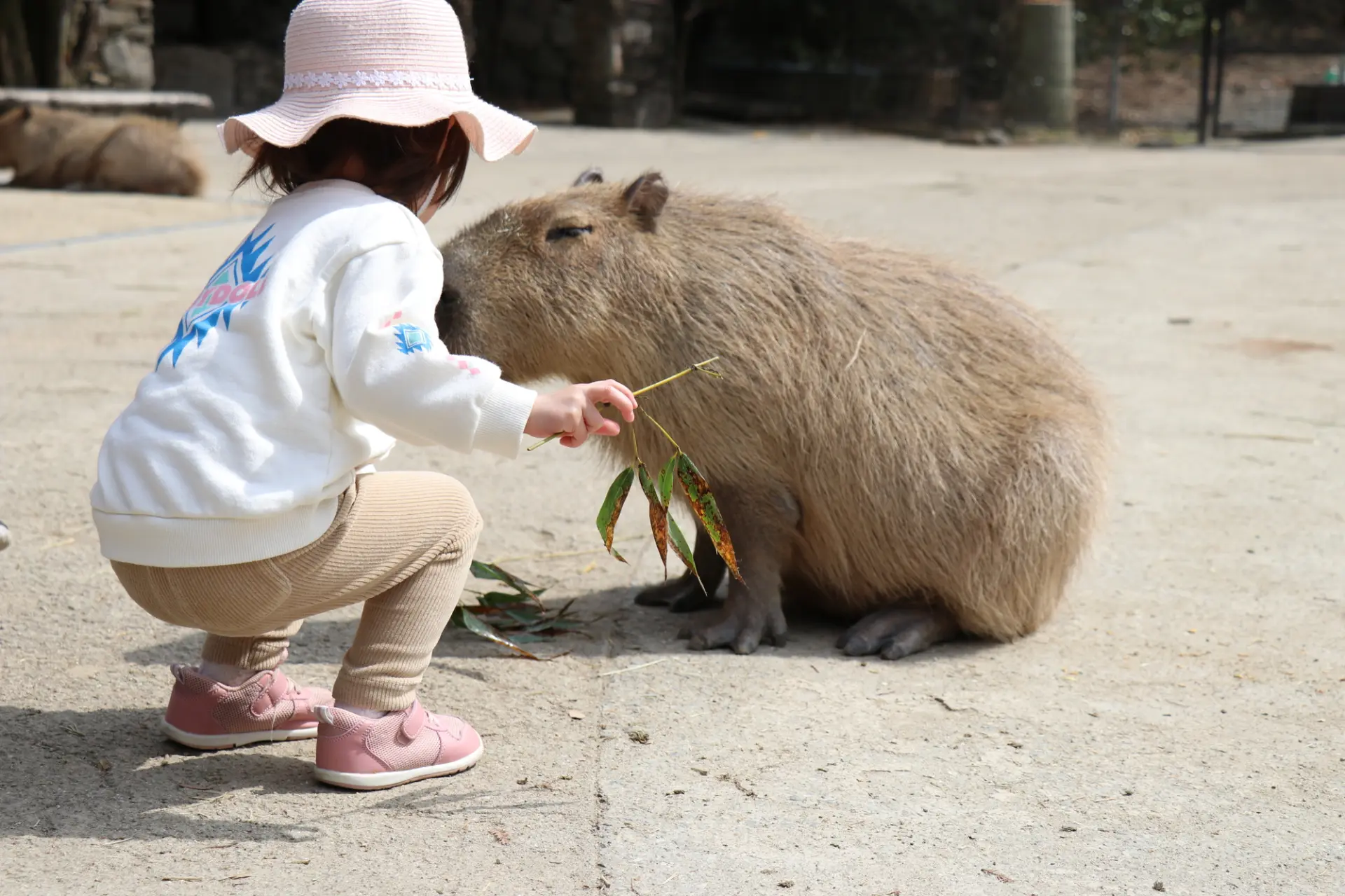
Visitors can interact with a wide variety of animals, from popular favorites such as lemurs, meerkats, and capybaras to larger animals such as tapirs.
- Name in Japanese
- 長崎バイオパーク
- Postal Code
- 851-3302
- Address
-
2291-1 Seihichonakayamago, Saikai City, Nagasaki
Google Maps - Telephone
- 0959-27-1090
- Closed
- Open every day
- Business Hours
- 10:00am - 5:00pm (Admission allowed until 4:00pm)
- Admission
- Adults 2,100 yen, Junior and senior high school students 1,500 yen, 3 years old to elementary school students 1,100 yen
- Directions
- About a minute walk from a bus station of Nagasaki City bus,BIO PARK.
- Credit Cards
- Accepted
- Official Website
- Official Website (English)
5. Nagasaki Penguin Aquarium (Nagasaki City)
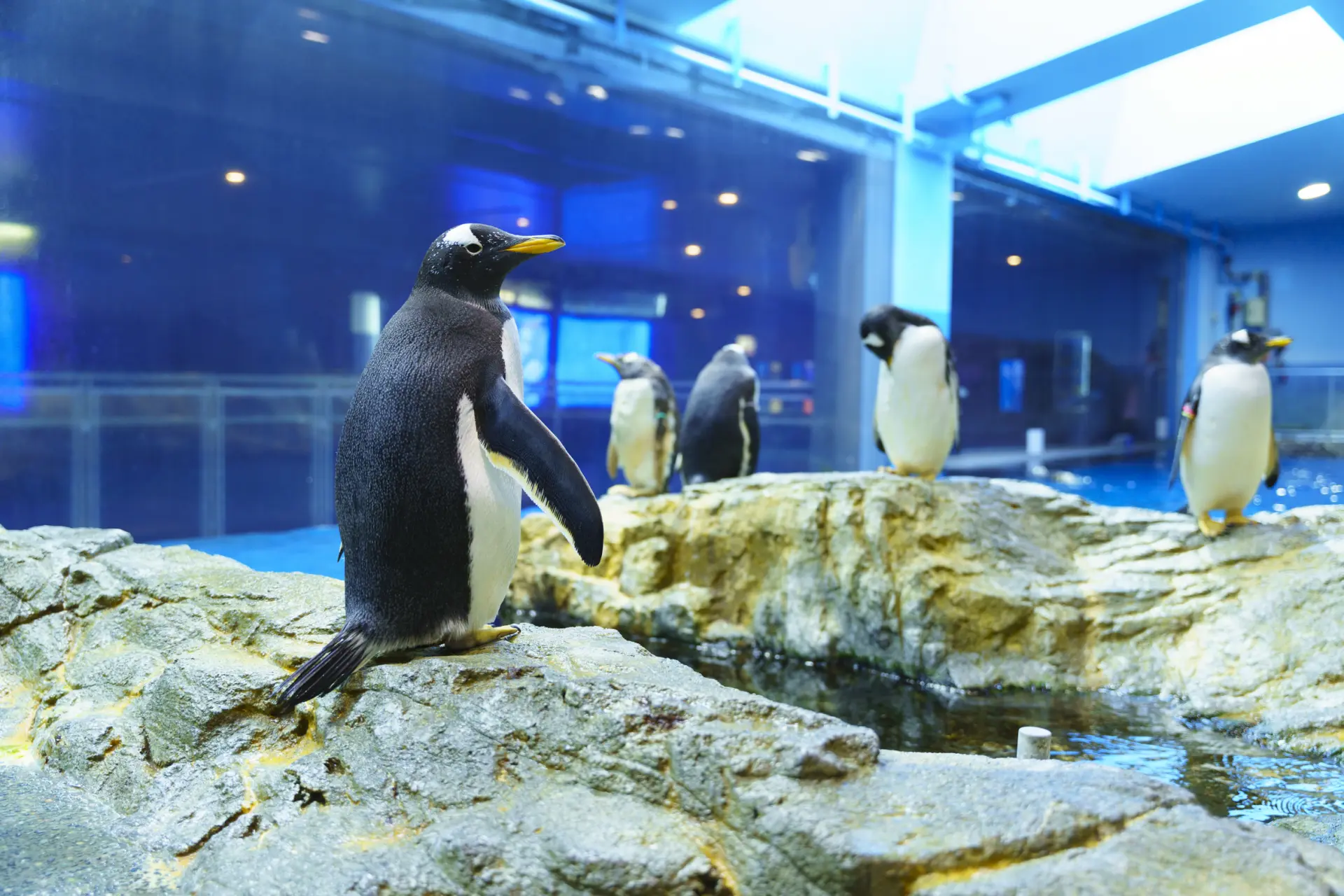
About a 20-minute drive from central Nagasaki City, Nagasaki Penguin Aquarium overlooks Tachibana Bay and, as its name suggests, specializes in penguins.
Visitors can closely observe penguin behavior in exhibits such as the 4-meter-deep Subantarctic Penguin Pool and a habitat where temperate-zone penguins can be viewed from multiple directions. Other highlights include exhibits of fish from Nagasaki’s waters and an outdoor area recreating the traditional satoyama countryside landscape.
- Name in Japanese
- 長崎ペンギン水族館
- Postal Code
- 851-0121
- Address
-
3-16 Shukumachi, Nagasaki City, Nagasaki
Google Maps - Telephone
- 095-838-3131
- Closed
- Open every day
- Business Hours
- 9:00am - 5:00pm
- Admission
- Adults: 800 yen, Elementary school-high school students : 400 yen
- Access
- 30 minutes by Nagasaki Prefecture Bus from JR Nagasaki Station, get off at "Penguin Suizokukan-mae" bus stop, then a short walk
- Credit Cards
- Accepted
- Official Website
- Official Website (Japanese)
6. Glover Garden (Nagasaki City)
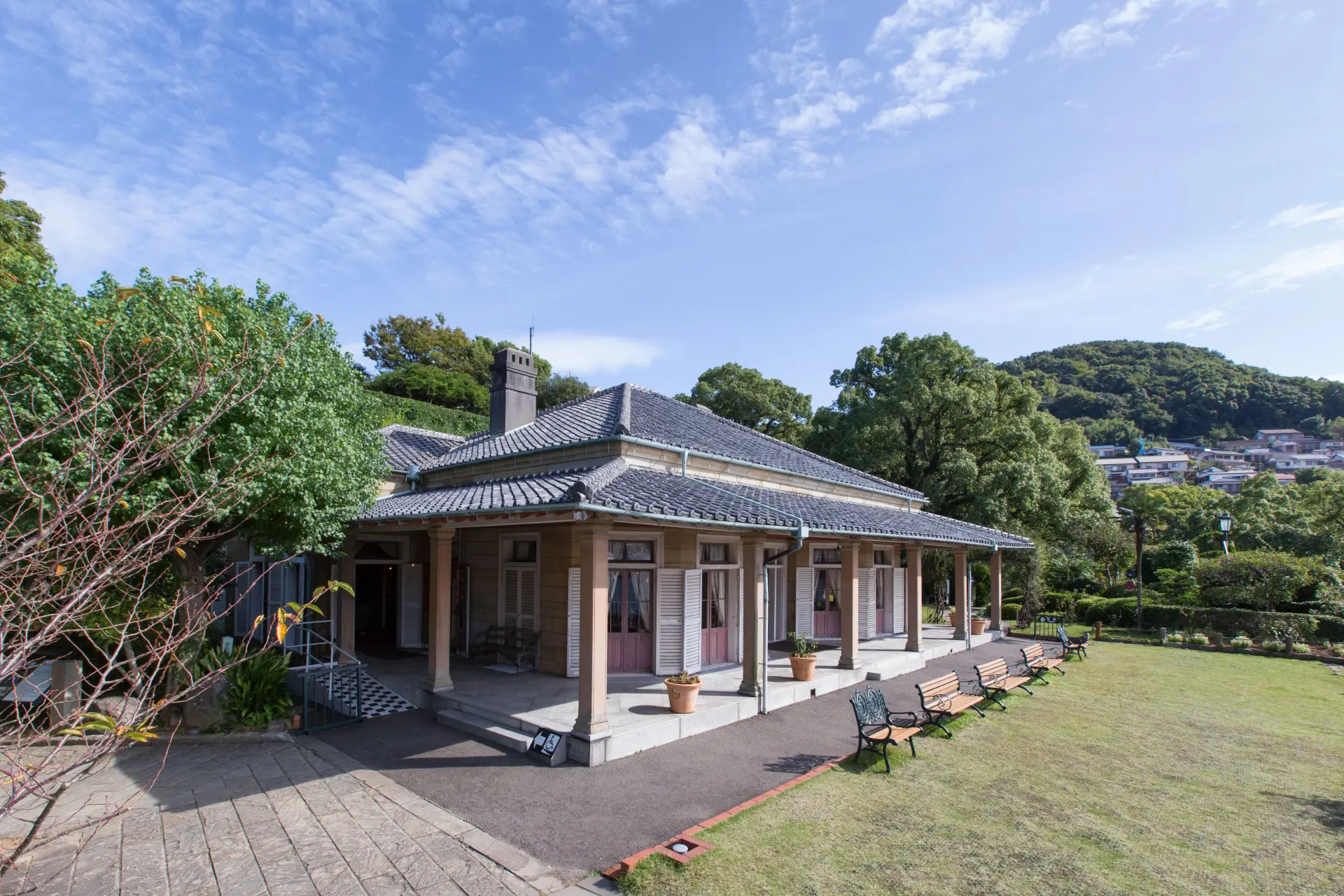
This open-air museum preserves the former settlement of merchants who crossed the sea to Nagasaki more than 160 years ago. Located on a hill overlooking Nagasaki Port, the garden contains Western-style buildings from the Meiji period, including the Former Glover House, a World Heritage property.
Take a walk through the garden as a family, admiring the harbor views and the architectural details of its Western-style buildings.
- Name in Japanese
- グラバー園
- Postal Code
- 850-0931
- Address
-
8-1 Minamiyamatemachi, Nagasaki City, Nagasaki
Google Maps - Telephone
- 095-822-8223
- Closed
- Open every day
- Business hours
-
8:00am - 6:00pm
July 16th-October 9th: 8:00am - 9:30pm
(Last admission is 20 minutes before closing) - Admission
-
Adults 1,300 yen,
Elementary, junior high, and high school students 650 yen - Directions
- At Nagasaki Electric Railway’s Ishibashi Station, get on the Glover Sky Road for 7 min.
- Credit Cards
- Accepted
- Official Website
- Official Website(Japanese)
7. Nagasaki Shinchi Chinatown (Nagasaki City)
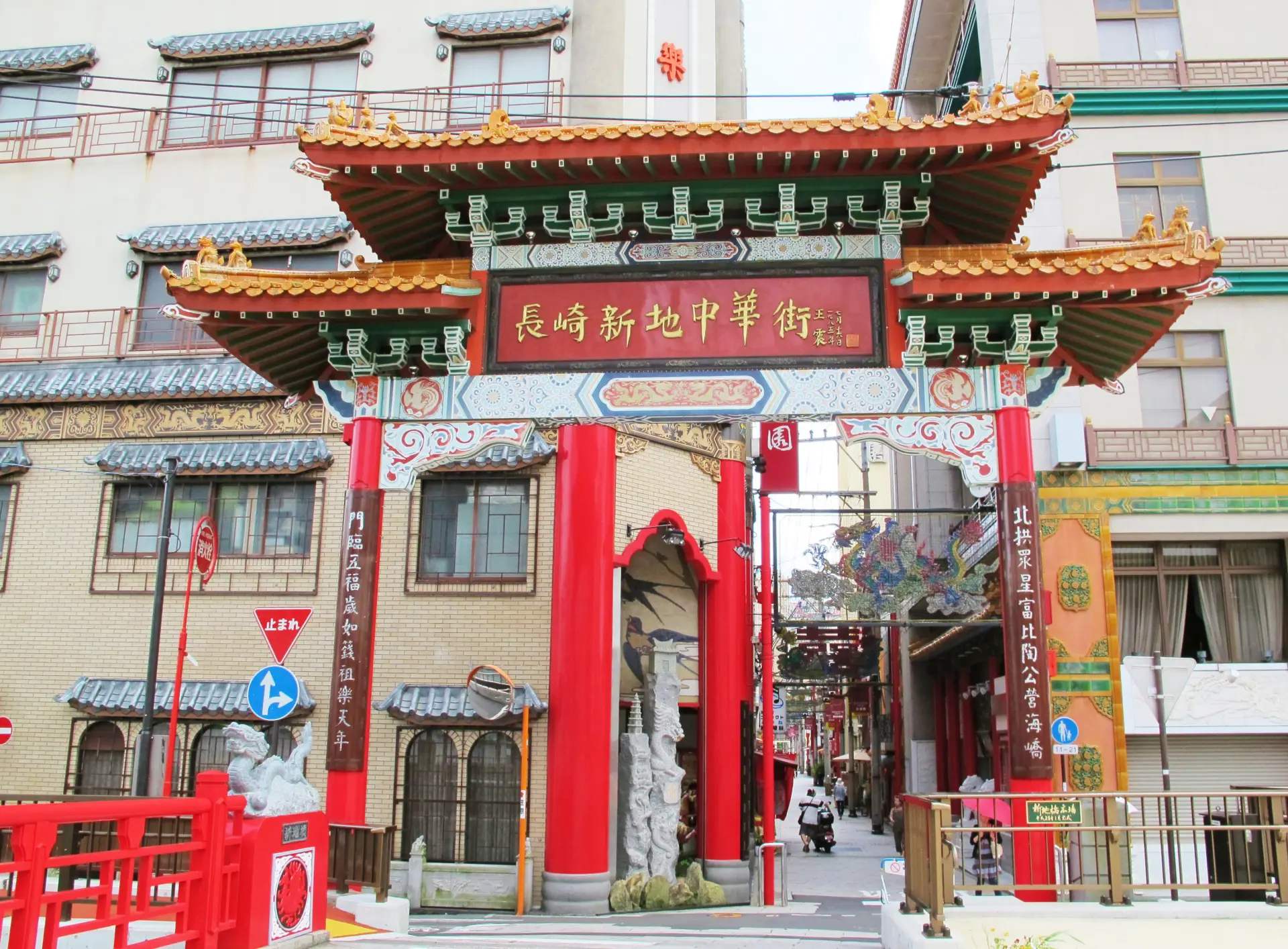
Nagasaki Shinchi Chinatown is considered one of Japan’s three major Chinatowns, along with those in Kobe and Yokohama.
Though relatively small and compact, it has around 40 establishments selling Chinese cuisine, sweets, and goods along cross-shaped streets extending approximately 250 meters from east to west and north to south. Browsing for tempting dishes is part of the fun, and sampling foods together or searching for favorite flavors can become a memorable part of a family trip.
- Name in Japanese
- 長崎新地中華街
- Postal Code
- 850-0842
- Address
-
Shinchimachi, Nagasaki City, Nagasaki
Google Maps - Telephone
- 095-822-6540 (Nagasaki Shinchi Chinatown Shopping Street Association)
- Holiday
- Varies by store
- Hours
- Varies by store
- Direction
- 2 min. walk from Shinchi Chukagai streetcar stop.
- Credit Cards
- Varies by store
- Website
- Official Website (Japanese)
8. Nagasaki Prefectural Art Museum (Nagasaki City)
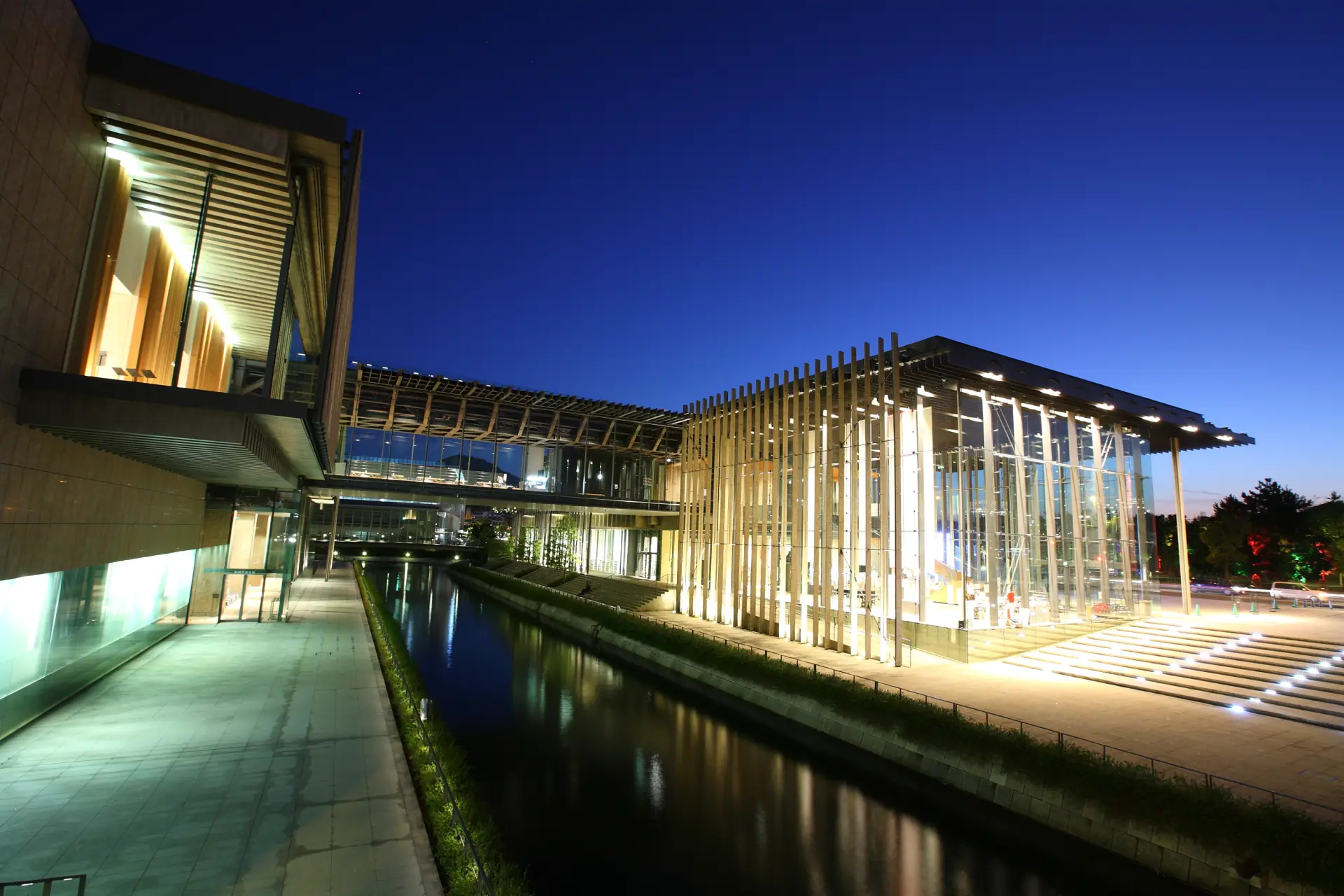
The building, designed by Kengo Kuma, features corridors, a rooftop garden overlooking Nagasaki Port, and a waterfront café. The museum houses around 9,000 works, focusing primarily on art connected to Nagasaki. Its collection of Spanish art, ranging from medieval Christian works to modern and contemporary pieces, is among the largest of any museum in Asia.
After viewing the works, parents and children can talk about the colors and shapes that left the strongest impression.
- Name in Japanese
- 長崎県美術館
- Postal Code
- 850-0862
- Address
-
2-1 Dejimamachi, Nagasaki City, Nagasaki
Google Maps - Telephone
- 095-833-2110
- Closed
- Closed on the 2nd and 4th Monday of each month (If a holiday falls on a Monday, closed the following Tuesday)
- Business hours
- 10:00am - 8:00pm
- Admission
- General admission for the collection exhibition is 420 yen, university students and seniors (ages 70 and over) 310 yen, elementary, junior high, and high school students 210 yen
- Directions
-
1) A 2-minute walk from the "Medical Center" tram stop
2) A 3-minute walk from the "Dejima" tram stop - Credit Cards
- Accepted
- Website
- Official Website (English)
9. Peace Park (Nagasaki City)
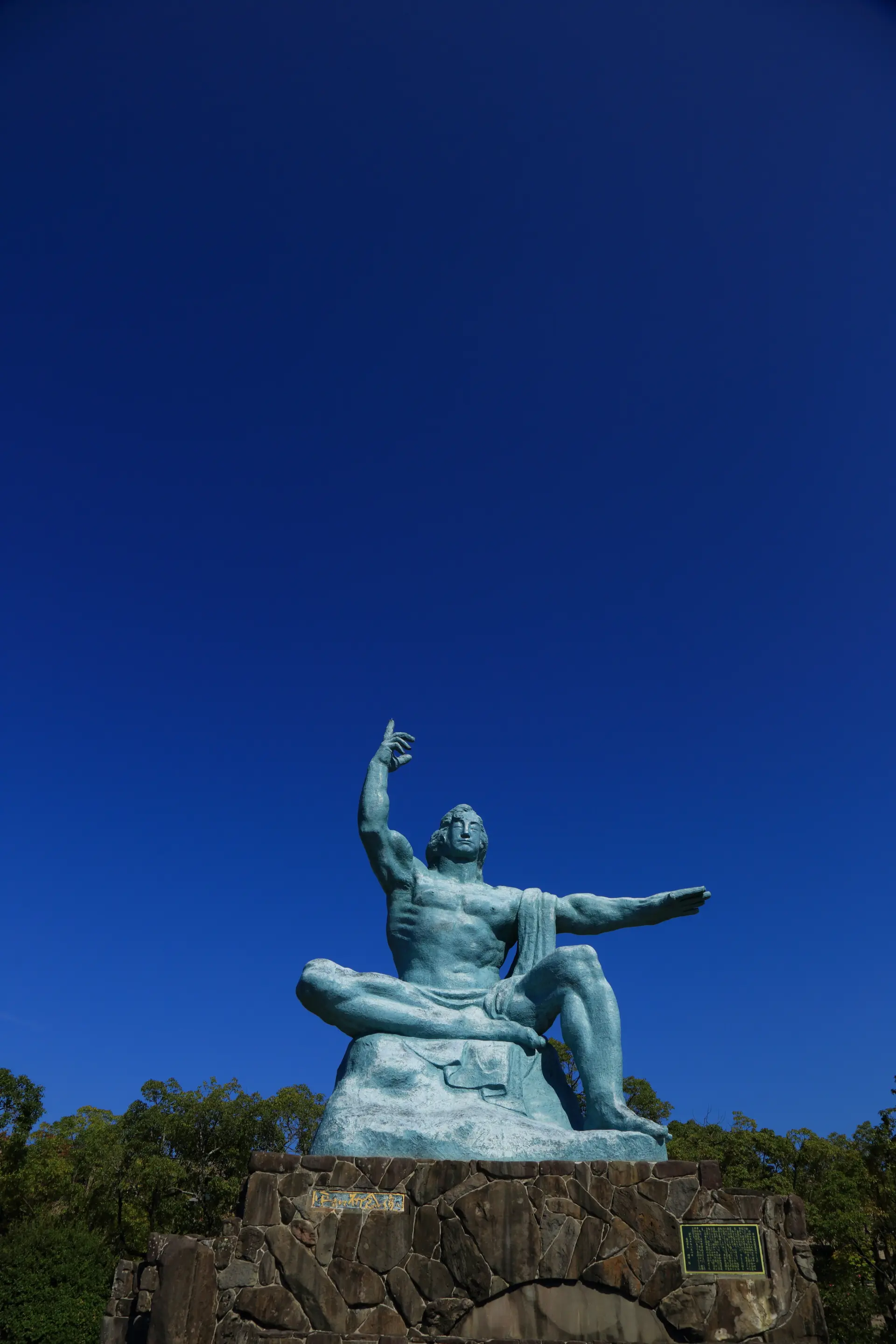
Peace Park is located on a hill in the Matsuyama-machi area of Nagasaki City. It was established in 1951 to convey the threat of the atomic bomb, pray for the victims, and express a wish for lasting world peace. Surrounded by greenery, the park contains the Peace Statue, Fountain of Peace, and Hypocenter Monument, all of which communicate the importance of peace.
A family walk through the park offers an opportunity to learn about Nagasaki’s history and reflect on peace.
- Name in Japanese
- 平和公園
- Postal Code
- 852-8118
- Address
-
Matsuyamamachi, Nagasaki City, Nagasaki
Google Maps - Telephone
- 095-829-1162 (the general affairs section in Nagasaki city office)
- Hours
- Always open
- Directions
- A two-minute walk from the Heiwa-koen station on the tramway.
- Official Website
- Official Website (English)
10. Gunkanjima (Hashima Island) (Nagasaki City)
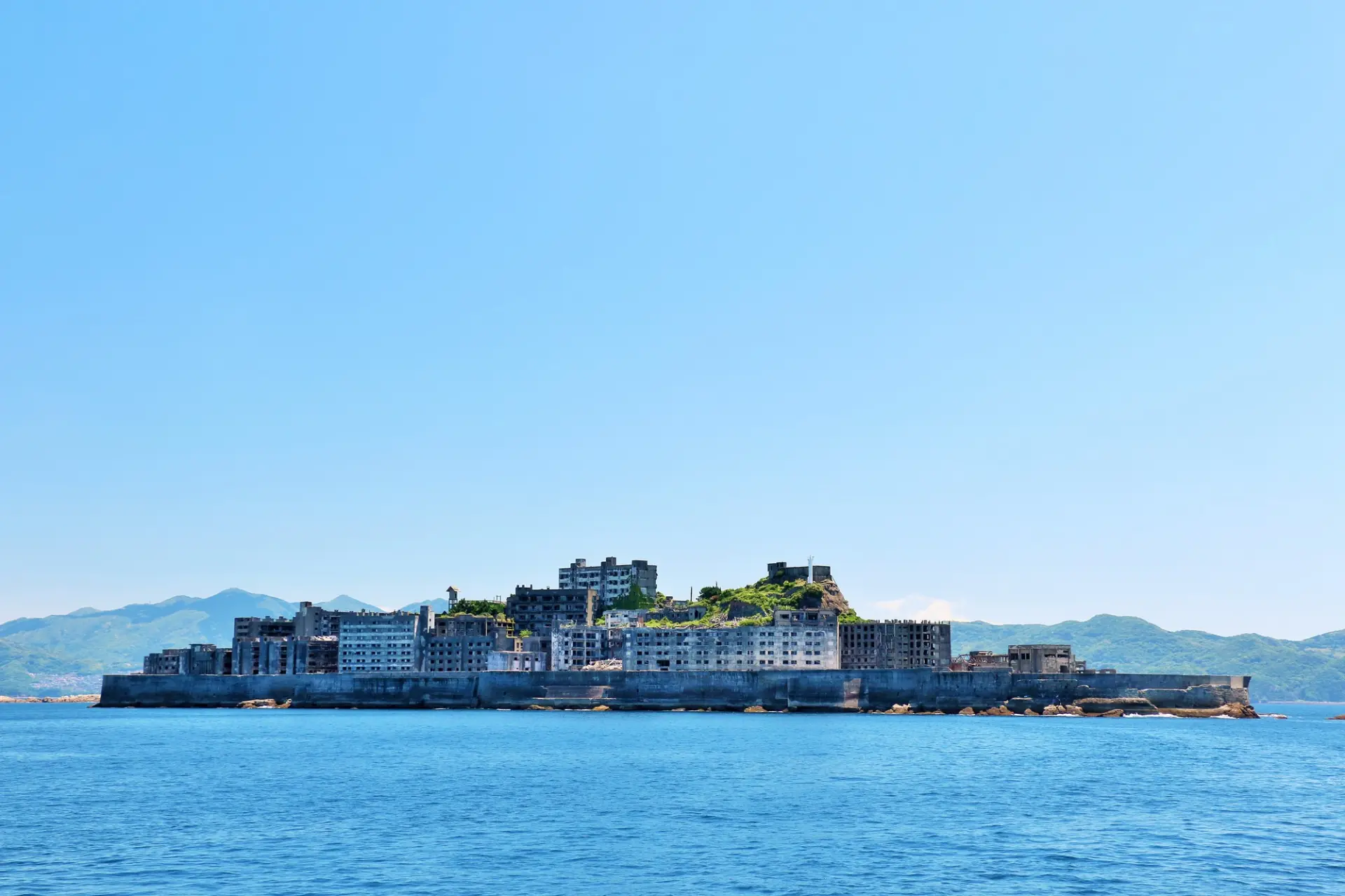
Hashima Island, commonly known as Gunkanjima, is an uninhabited island about 18 kilometers offshore from Nagasaki Port. It once flourished as a coal-mining island and was home to many residents.
It became known as Gunkanjima, or “Battleship Island,” because its seawalls and rows of high-rise apartment buildings gave it the appearance of a battleship. In 2015, it was registered as a component of the World Cultural Heritage Site “Sites of Japan’s Meiji Industrial Revolution,” and cruises provide a way to learn about the island’s history and distinctive landscape.
- Name in Japanese
- 軍艦島(端島)
- Postal Code
- 851-1315
- Address
-
Hashima, Takashima-cho, Nagasaki City, Nagasaki
Google Maps - Tel
-
095-822-8888 Nagasaki City Call Center "Ajisai Call"
*For visiting Gunkanjima, you need to participate in a landing tour operated by various shipping companies. However, please note that landing on the island may be affected by weather conditions. For reservations or inquiries about the boat service, please contact the shipping companies directly.
Following shipping companies:
Yamasa Kaiun Co., Ltd. Tel.095-822-5002 https://www.yamasa-kaiun.net/
Gunkanjima Cruise Co., Ltd. Tel.095-827-2470 https://www.gunkanjima-cruise.jp/
Seaman Company Tel.095-818-1105 https://www.gunkanjima-tour.jp/
Gunkanjima Concierge Tel.095-895-9300 https://www.gunkanjima-concierge.com/
The Seventh Ebisu Maru Tel.090-8225-8107 http://www.7ebisumaru.com/cruise/ - Official Website
- Official Website (English)
11. Mt. Inasa Observatory (Nagasaki City)
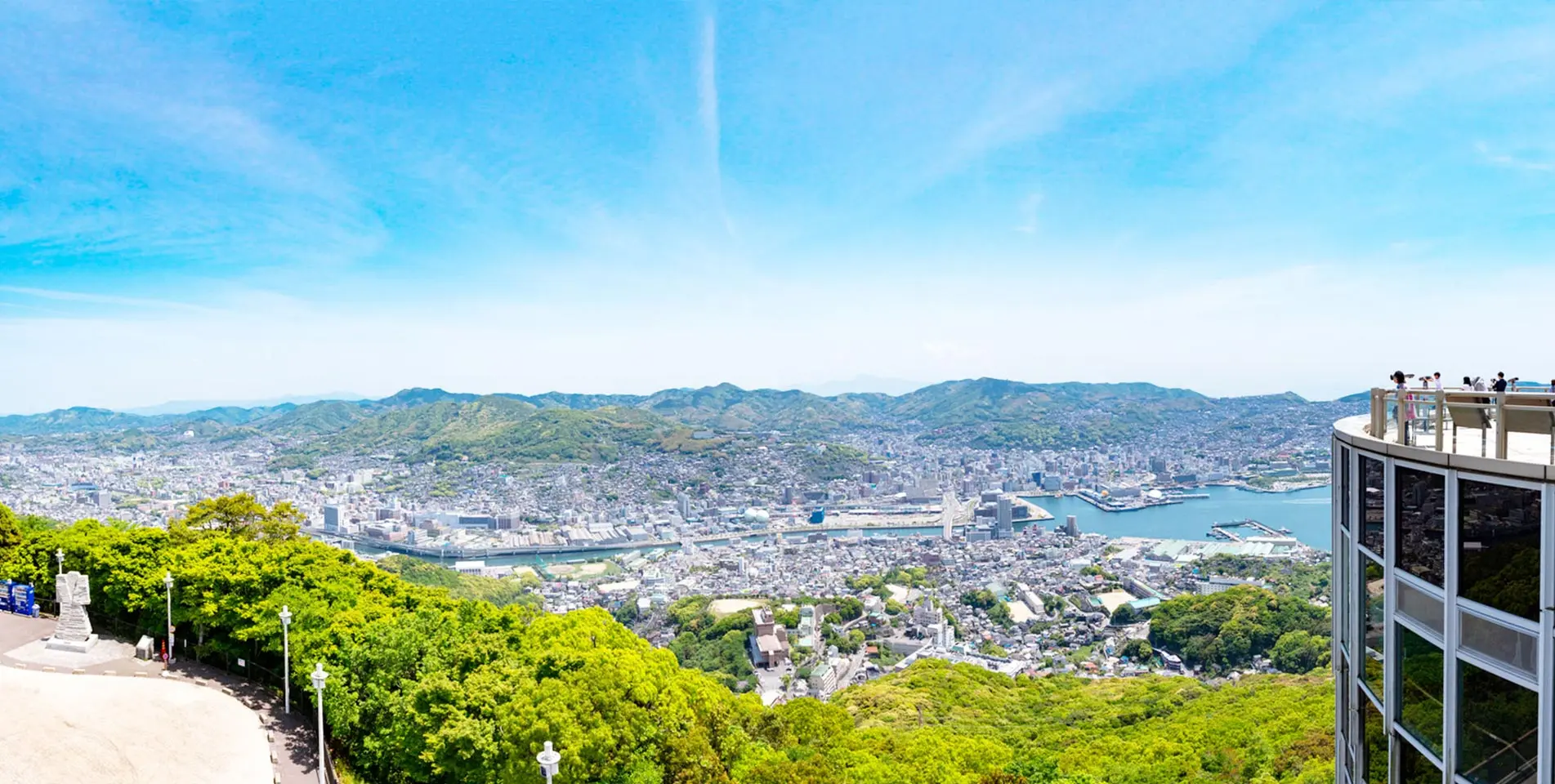
Mt. Inasa Observatory offers panoramic views of the port city’s terrain by day and the lights spreading across its slopes at night. It stands at the summit of 333-meter-high Mt. Inasa in central Nagasaki City.
The view extends across Nagasaki Bay to Unzen, Amakusa, and the Goto Islands. The changing scenery can also be appreciated on the way to the summit aboard the slope car or ropeway.
- Name in Japanese
- 稲佐山展望台
- Postal Code
- 852-8011
- Address
-
364 Inasamachi, Nagasaki City, Nagasaki
Google Maps - Telephone
- 095-861-7742 (Inasa-yama Park Office)
- Closed
- Open every day
- Hours
-
8:00am - 10:00pm
Nagasaki Inasayama Slope Car or the ropeway: 9am -10pm
The rooftop of Inasayama Observatory is always open - Admission
-
The Observatory: Free
Nagasaki Inasayama Slope Car, Round Trip: Adults (12 and over) 1,000 yen, Children (ages 6-11) 500 yen
Ropeway, Round Trip: Adult 1,900 yen, Elementary schooler 950 yen - Directions
- From the Nagasaki Bus’ Route 3 or 4 ”Ropeway-mae” Stop ride the ropeway for 5 min.
- Credit Cards
- Accepted
- Official Website
- Official Website(Japanese)
12. Unzen Jigoku (Unzen City)
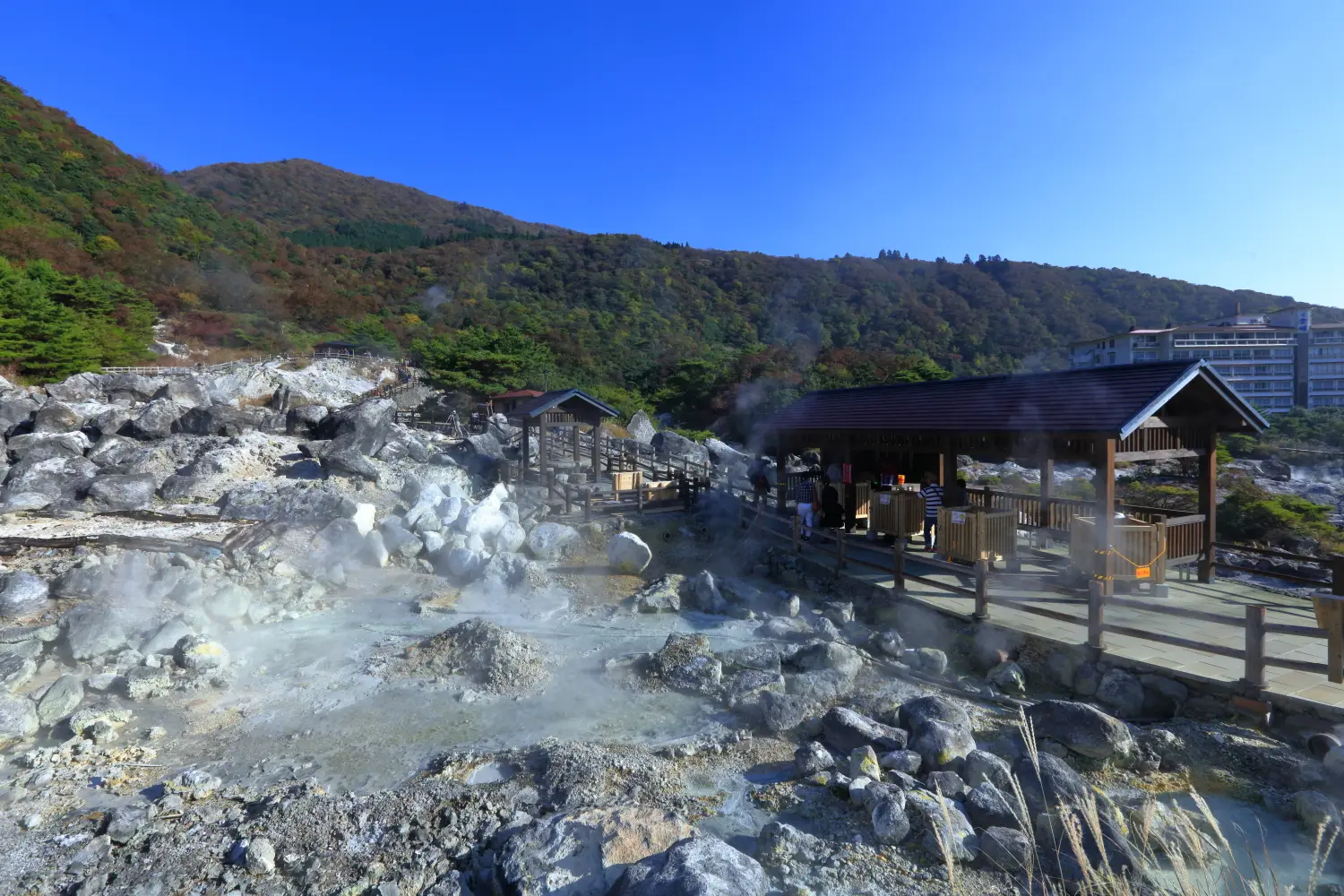
More than 30 geothermal sites, including Daikyokan Jigoku and Oito Jigoku, are scattered along the walking trails. This is one of the best-known attractions in the Unzen Onsen area. Accompanied by the smell of sulfur, clouds of white volcanic steam billow from the ground, creating a scene worthy of the name “jigoku,” or hell.
As they feel the geothermal heat and steam, parents and children can experience the power of the earth created by volcanic activity.
- Name in Japanese
- 雲仙地獄
- Postal Code
- 854-0621
- Address
-
320 Obamachounzen, Unzen City, Nagasaki
Google Maps - Telephone
- 0957-73-3434 (Unzen Tourist Association)
- Business Hours
- Open Everyday
- Directions
-
1) Get on the bus bound for Unzen at the JR Isahaya station, ride for an hour and 20 minutes, get off at “Uzen Oyama no Johokan Mae (Unzen Visitor Center)”, and walk for 3 minutes.
2) About an hour and 10 minutes by car from Nagasaki airport. - Official Website
- Official Website (Japanese)
13. Unzen Ropeway (Unzen City)
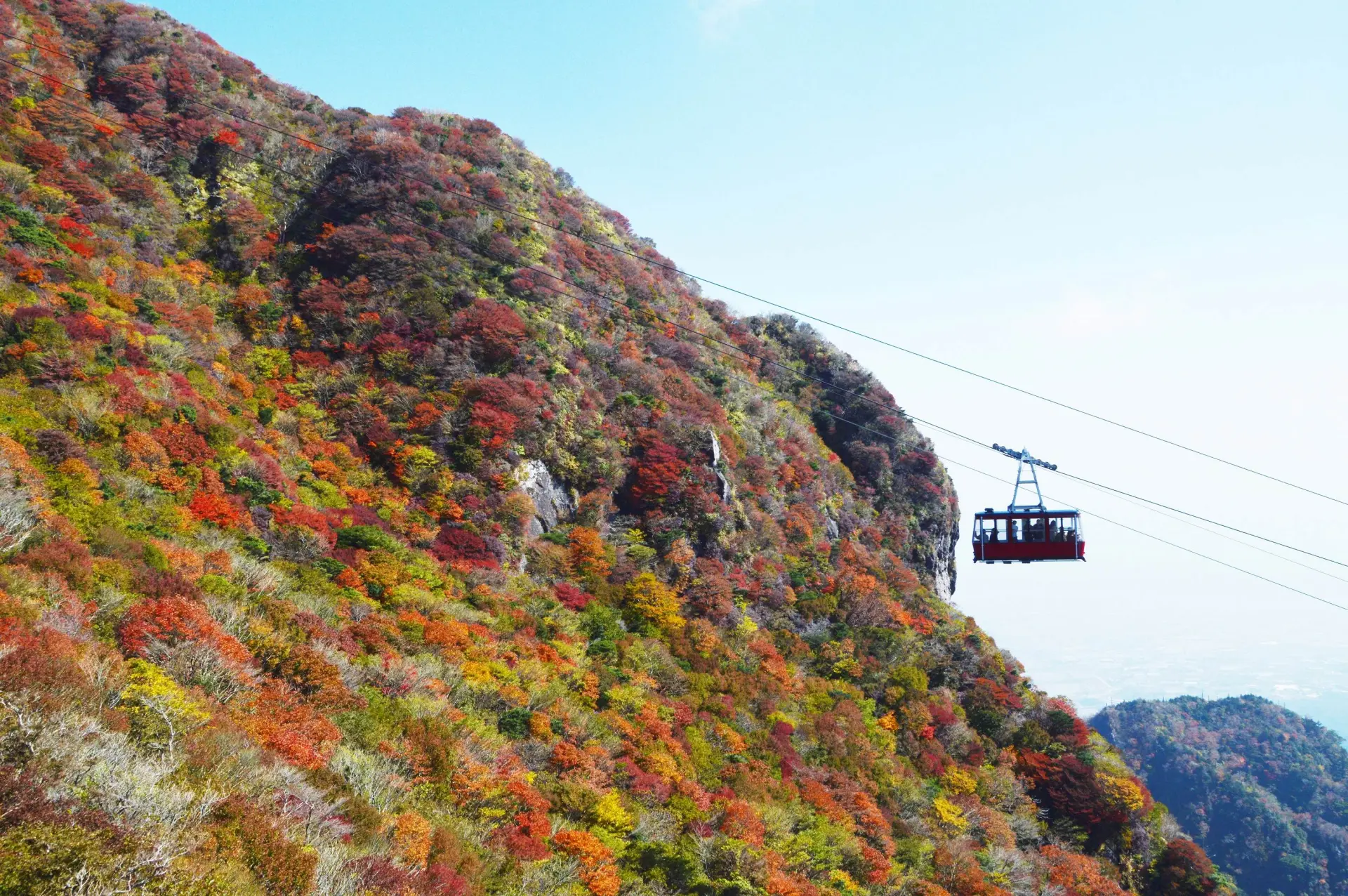
This approximately 500-meter-long ropeway connects Nita Pass Station and Myokendake Station. It climbs an elevation difference of about 174 meters in approximately 3 minutes.
From the summit, visitors can take in panoramic views of Mt. Fugen and the Shimabara Peninsula. The scenery changes with the seasons, from Miyama Kirishima azaleas coloring the mountainsides in spring and Japanese dogwood blossoms in early summer to autumn foliage and frost-covered trees in winter.
- Name in Japanese
- 雲仙ロープウェイ
- Postal Code
- 854-0621
- Address
-
551 Unzen, Obama-cho, Unzen City, Nagasaki
Google Maps - Phone
- 0957-73-3572
- Closed on
- Open daily (service may be suspended in severe weather)
- Hours
-
〔Summer (April 1–October 31)〕8:51am–5:23pm (last uphill ride 5:03pm)
〔Winter (November 1–March 31)〕8:51am–5:11pm (last uphill ride 4:51pm) - Admission
-
Round trip: Adults 1,500 yen, children 750 yen
One way: Adults 830 yen, children 420 yen - Access
- Approx. 1 hour to Unzen from Isahaya IC by car or bus, then Approx. 15 minutes to Nita Pass by taxi or other transportation
- Credit Cards
- Not accepted
- Official website
- Official website (Japanese)
3 Recommended Places to Stay for a Family Trip to Nagasaki
Choose from an island resort in Nagasaki Port, a hotel next to Huis Ten Bosch, or a hot spring inn surrounded by the nature of Unzen.
Selecting accommodations that suit the area you plan to explore makes the stay itself another part of the travel experience. Here are three recommended places to use as a base for a family trip.
1. i+Land nagasaki (Nagasaki City)
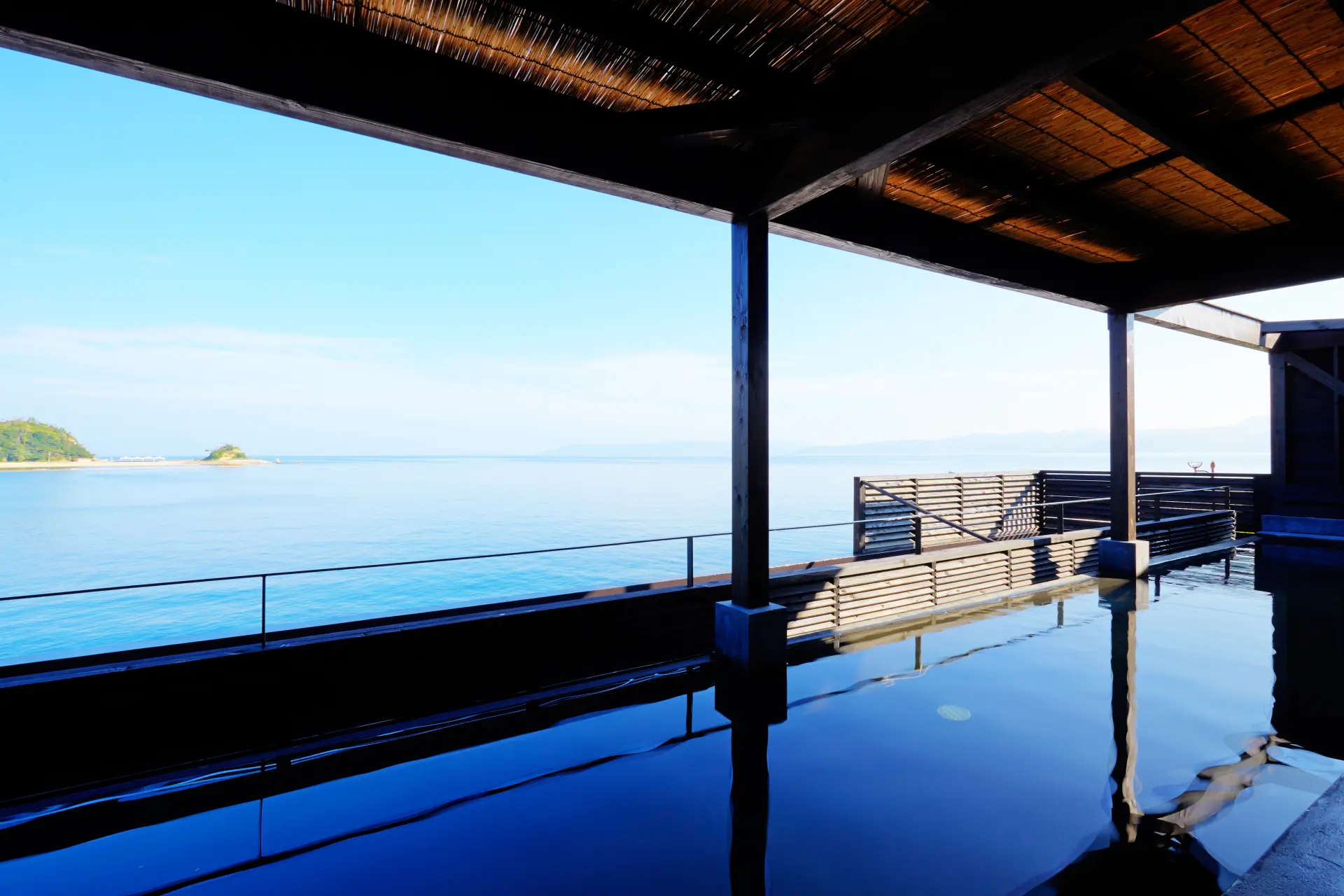
In addition to an all-weather hot spring spa open year-round and open-air baths overlooking the sea, the resort offers a wide range of seasonal water sports and bicycle rentals. Spanning an entire small island off Nagasaki Port, it features a variety of entertainment options throughout the island.
After a day of marine activities, unwind in the hot springs. This resort lets families fully experience the relaxed pace of island life.
- Name in Japanese
- i+Land nagasaki(アイランドナガサキ)
- Postal Code
- 851-1201
- Address
-
1-3277-7 Iojimamachi, Nagasaki City, Nagasaki
Google Maps - Telephone
- 095-898-2202
- Closed
- Open every day
- Business hours
-
Spa: 9:00 a.m. - 11:00 p.m.
Marine Sports & Field Activities: 9:00 a.m. - 6:00 p.m. - Prices
-
Weekdays: 1,000yen / Weekends & Holidays: 1,200yen
(Includes Natural Hot Spring Bath, BOOK & Bedrock Terrace, and Spa Theme Park)
Banana Boat: 1,500yen (10 min.)
Jet Ski Experience: 2,000yen (10 min.) - Directions
- Approximately 45 minutes by free shuttle bus from JR Nagasaki Station (Nagasaki Main Line).
- Credit Cards
- Accepted
- Official Website
- Official Website (English)
2. Hotel Okura JR Huis Ten Bosch (Sasebo City)
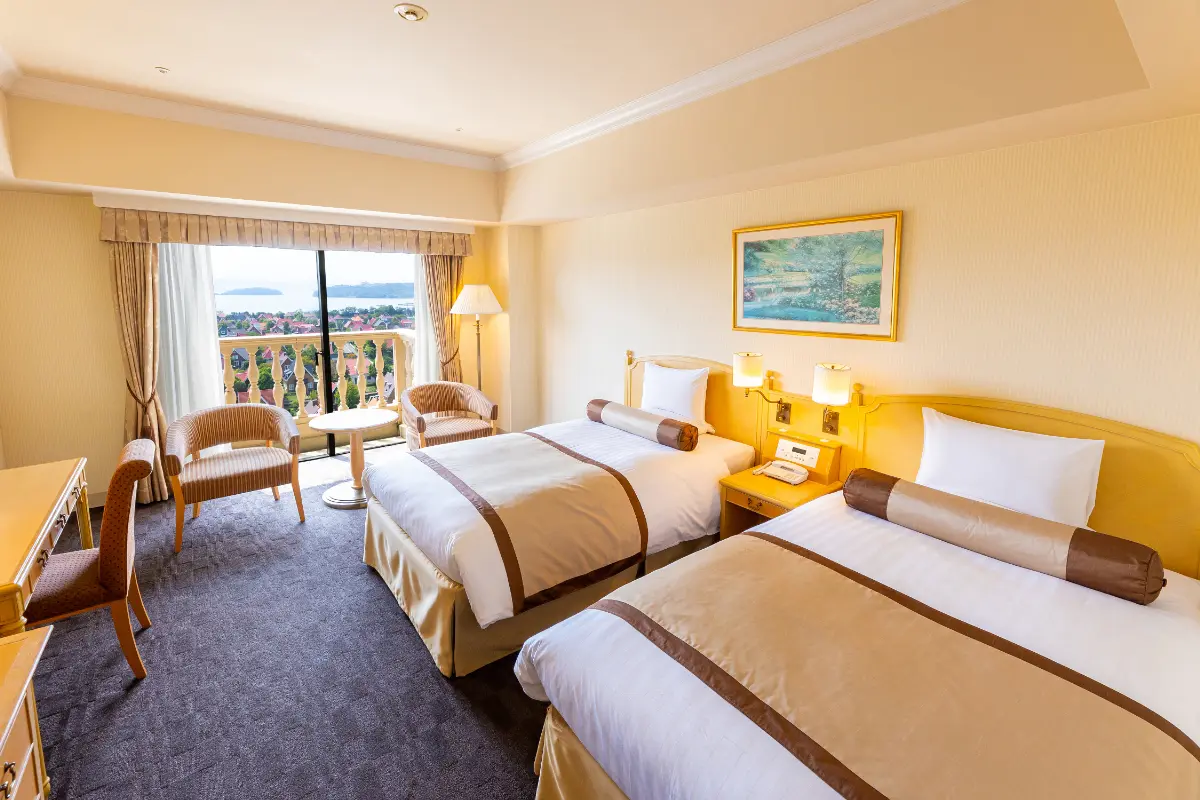
Hotel Okura JR Huis Ten Bosch is an official hotel next to Huis Ten Bosch, with an impressive exterior that complements the park’s European-inspired streets. Complimentary children’s sleepwear and bed rails are available to borrow, making the hotel a convenient base for families visiting the theme park.
The hotel also features Kotono-yu, a golden-colored natural hot spring rich in iron and manganese, where guests can bathe in free-flowing water directly from the source.
- Name in Japanese
- ホテルオークラJRハウステンボス
- Postal Code
- 859-3296
- Address
-
10 Huis Ten Bosch-machi, Sasebo, Nagasaki
Google Maps - Phone
- 0956-58-7111
- Check-in
- 3:00 p.m.
- Check-out
- 11:00 a.m.
- Rates
-
Standard Park View Twin room, 4th–6th floors: from ¥13,500 per room for 2 guests
Reference rate only; rates vary, so please inquire for details
Photos show a Superior Park View Twin room on the 7th–9th floors - Access
-
1) About a 5-minute walk from Huis Ten Bosch Station on the JR Omura Line
2) About a 15-minute drive from Daito IC on the Nishi-Kyushu Expressway - Credit Cards
- Accepted
- Official website
- Official website (Japanese)
3. Unzen Mikado Hotel (Minamishimabara City)
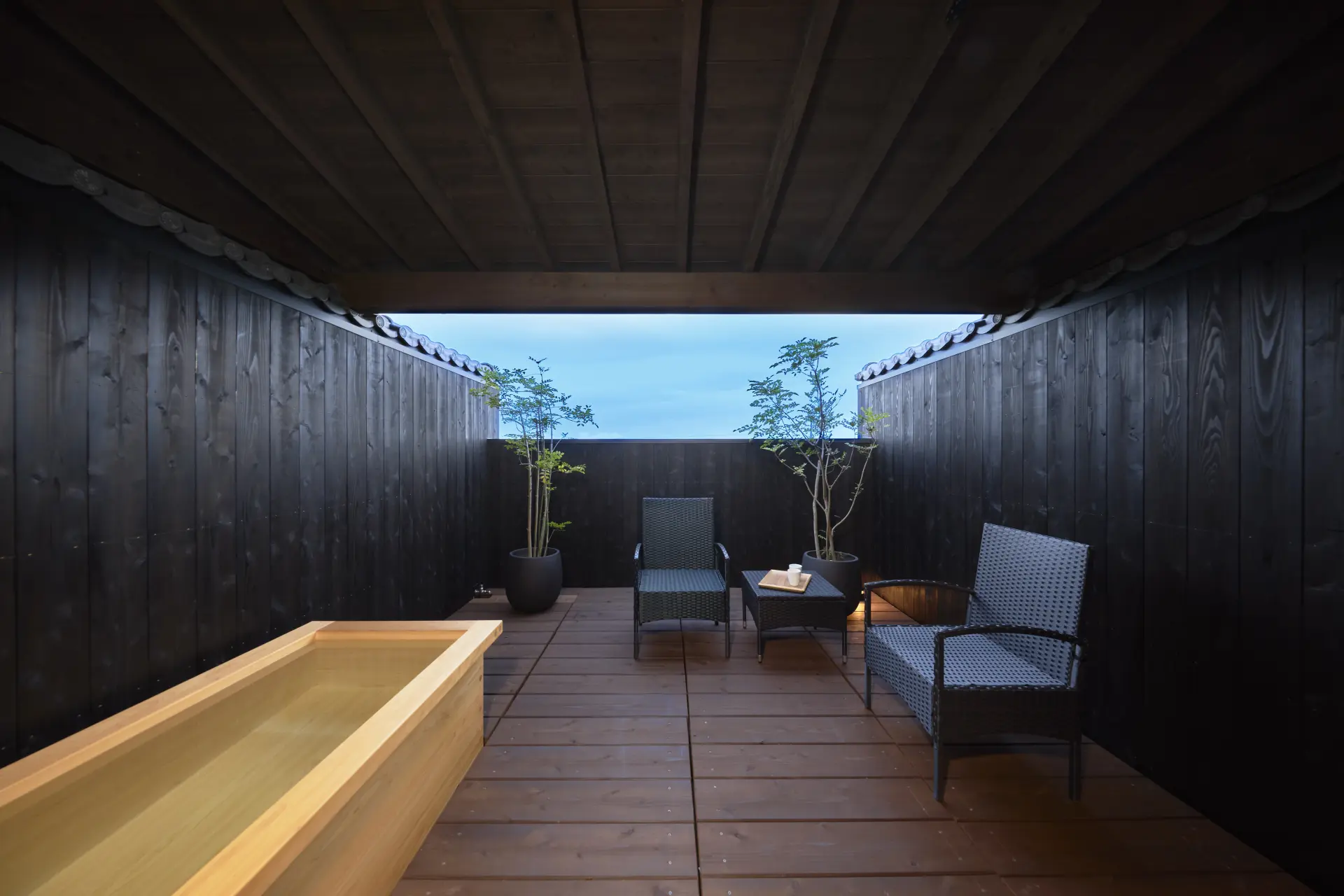
Unzen Mikado Hotel is a hot spring inn surrounded by the natural scenery of Unzen on the Shimabara Peninsula in Nagasaki Prefecture. Decorated with massive pieces of fine timber, the hotel offers a distinctive selection of guest rooms, primarily Japanese-style rooms.
In addition to an elaborate buffet, a highlight is Tenku no Yu, a natural free-flowing hot spring overlooking the Ariake Sea and starry sky. The hotel can also accommodate multigenerational family trips, offering lively meals and time surrounded by nature.
- Name in Japanese
- 雲仙みかどホテル
- Postal Code
- 859-1501
- Address
- 5292-2 Kou, Fukae-cho, Minamishimabara-shi, Nagasaki
- Phone Number
- 0957-61-1162
- Check-in
- 3:30 pm
- Check-out
- 10:00 am
- Room Rate
-
For 1 night with 2 meals: from 14,000 yen (before tax and excluding the bathing tax).
Rates vary by season and plan. - Credit Cards
- Accepted
- Official Website
- Official website(Japanese)
- Notes
- Free parking available (200 spaces)
A 2-Day, 1-Night Nagasaki Family Itinerary Featuring Ocean Views and International Flair
Travel from European-inspired streets to a city where Nagasaki’s distinctive history and culture remain alive.
On the first day, explore the attractions and picturesque streets of Huis Ten Bosch, then stay at a hotel overlooking the park. On the second day, travel to Nagasaki City and visit Peace Park and Glover Garden before sampling the food and strolling through Nagasaki Shinchi Chinatown.
Set out on a 2-day, 1-night family trip to experience two different sides of Nagasaki: a vibrant theme park and historic city streets.
- Day 1
- JR Huis Ten Bosch Station → Huis Ten Bosch → Stay at Hotel Okura JR Huis Ten Bosch
- Day 2
- Hotel Okura JR Huis Ten Bosch → JR Huis Ten Bosch Station → JR Nagasaki Station → Peace Park → Glover Garden → Nagasaki Shinchi Chinatown → JR Nagasaki Station
Frequently Asked Questions About Visiting Nagasaki as a Family
Q
Do I need a car to get around Nagasaki?
Major attractions in Nagasaki City and Sasebo can also be reached by train or local bus. A rental car makes travel easier if your itinerary covers multiple areas or combines destinations in Saikai and Unzen.
Q
Are there attractions to visit on rainy days?
Yes. Indoor attractions include Kujukushima Aquarium Umi Kirara, Nagasaki Penguin Aquarium, and Nagasaki Prefectural Art Museum.
Q
Which area is easiest to explore on a 2-day, 1-night trip?
It is easiest to focus on one area, such as Nagasaki City or the Sasebo and Huis Ten Bosch area. If you want to combine multiple areas on a 2-day, 1-night trip, consider places with convenient public transportation connections, such as Nagasaki City and Sasebo.
Summary
Nagasaki Prefecture reveals a different character in every area, from streets that retain traces of international influence to the seascapes of Kujukushima and the volcanic landscapes of Unzen.
There are many ways to experience the prefecture, including theme parks, aquariums, animal encounters, history, and art. The changing scenery of cities, sea, and mountains is another feature of this region. Choose destinations that suit your family and set out together to discover Nagasaki’s many sides.