
A Two-Day Itinerary for Exploring Historic Tsushima Island, Surrounded by Nature
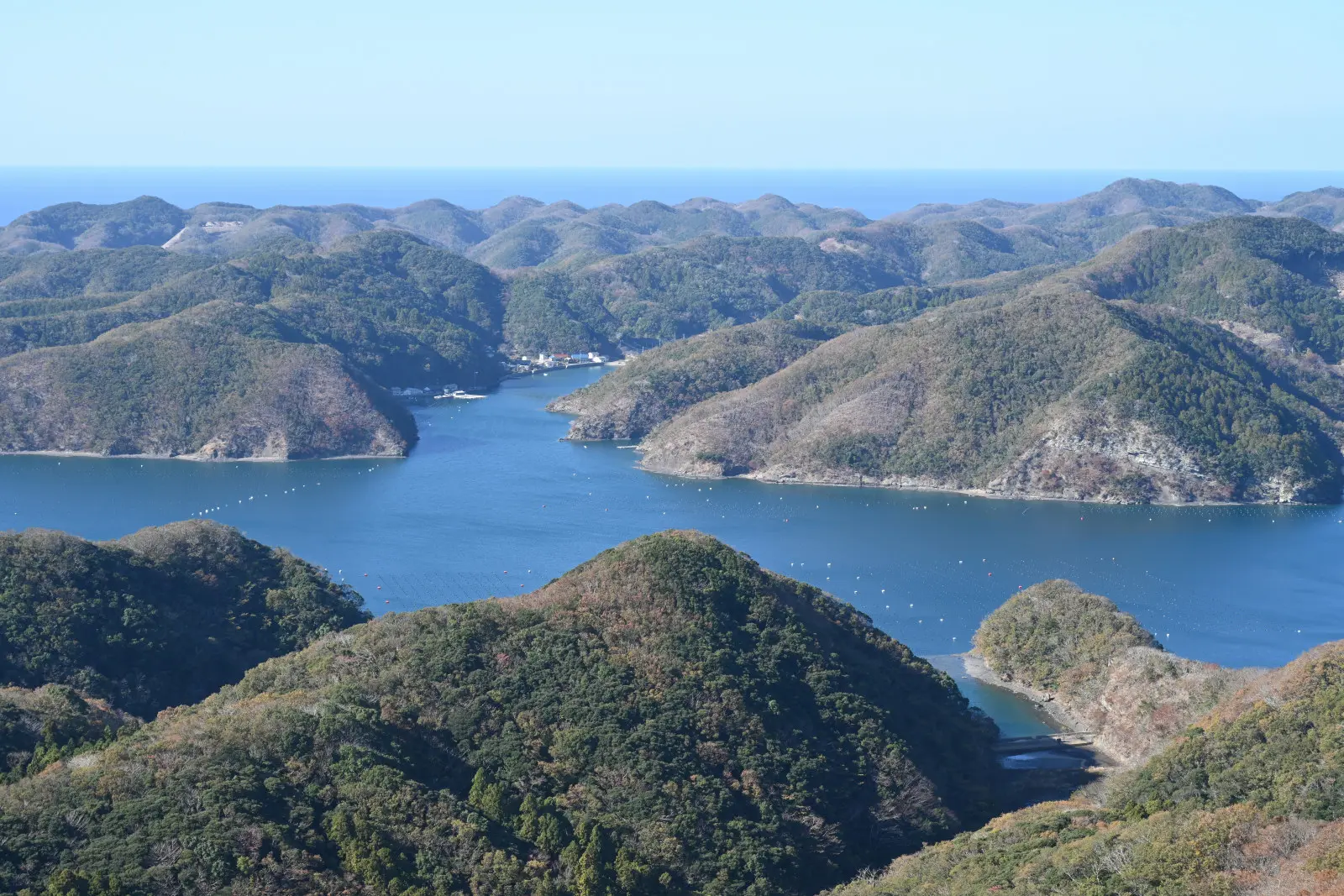
Tsushima Island, referred to below as Tsushima, is a border island in the Korea Strait between Japan and South Korea. Its intricate coastline and abundant natural environment, with forests covering 90% of the island, provide habitats for endemic species such as the Tsushima leopard cat.
Tsushima is also historically significant and offers many historic sites to explore. This two-day itinerary introduces the island’s history, nature, and cuisine.
What Is Tsushima Like?
Tsushima is a long, narrow island covering 695.74 sq km, slightly smaller than Amami Oshima in Kagoshima Prefecture. It extends approximately 82 km from north to south and 18 km from east to west and has a well-developed ria coastline. As of the end of September 2026, it had a population of 25,954 and is administered as Tsushima City in Nagasaki Prefecture. The island’s main urban center is Izuhara in the south, where many of its historic attractions are concentrated.
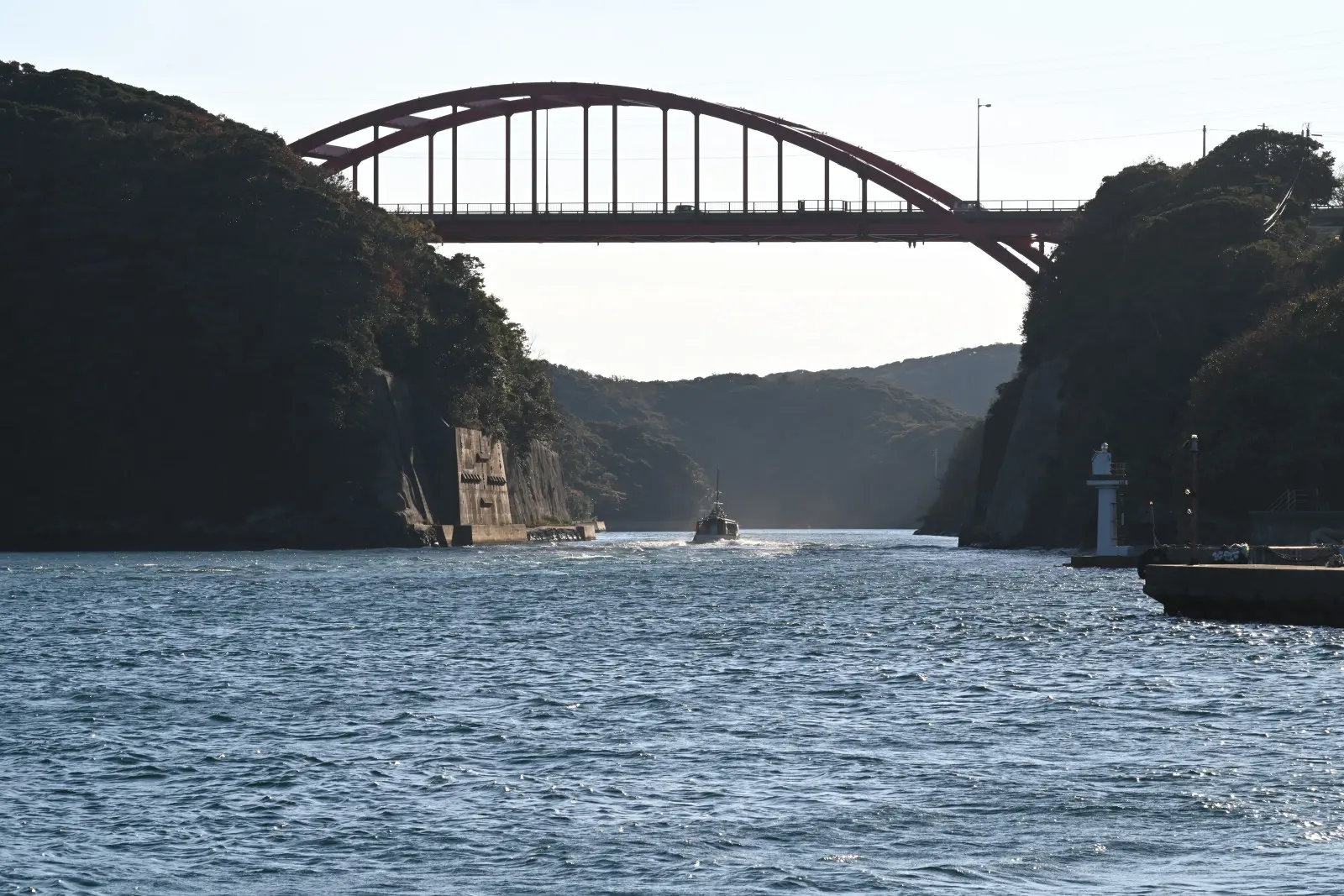
Izuhara is approximately 120 km from Fukuoka City in a straight line, while Hitakatsu Port, the northern gateway to the island, is about 64 km in a straight line from Busan Port in South Korea. Tsushima therefore lies closer to South Korea than to Japan’s main islands. The main island was once a single landmass, but in 1901, the Manzeki Seto Canal was excavated in preparation for war with Russia, dividing it into Kamijima and Shimojima.
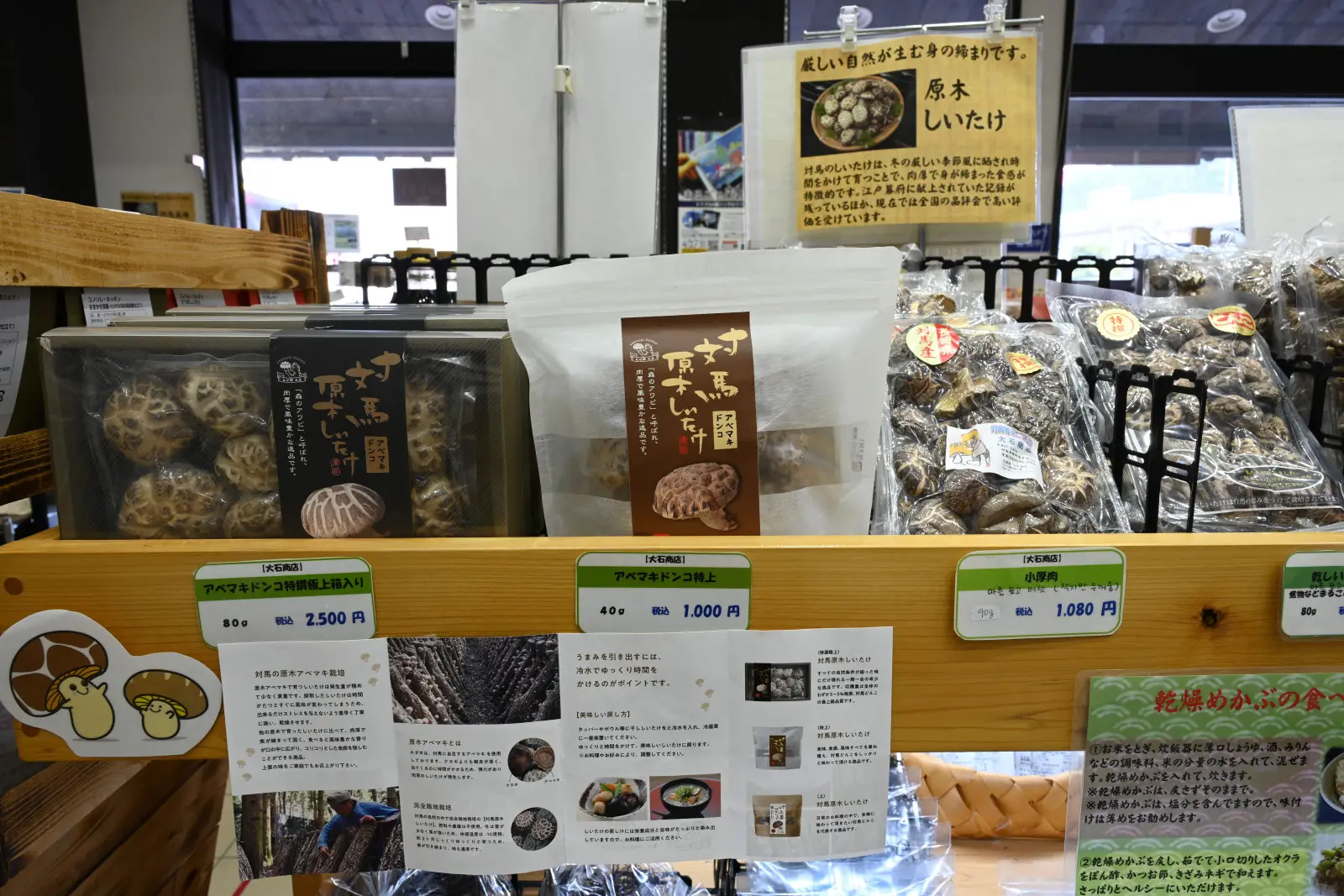
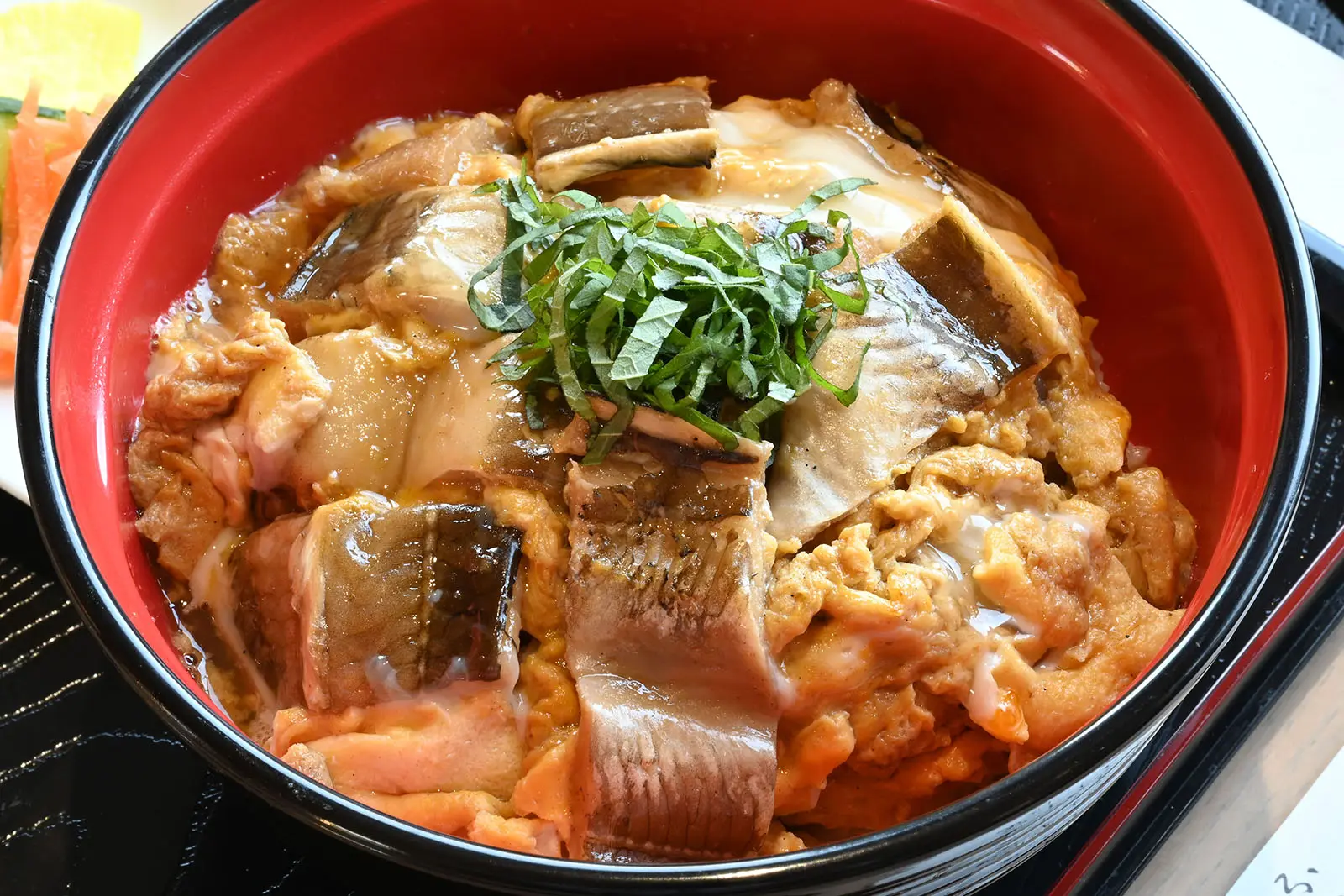
The waters around the island are rich fishing grounds. Conger eel caught off western Tsushima is particularly well known as one of the island’s signature seafood products. Shiitake mushrooms are another Tsushima specialty. The island produces more than 90% of Nagasaki Prefecture’s log-grown dried shiitake mushrooms, which are known for their thick texture and excellent flavor.
Tsushima’s Important Role in National Defense and Trade
Tsushima has appeared in historical records since ancient times because of its strategic importance for both trade and defense. The islanders’ way of life and Tsushima’s heavily forested terrain were described in the section commonly known as the “Gishi Wajinden,” found in Volume 30 of the third-century Chinese historical text “Records of the Three Kingdoms.”
Tsushima assumed its important role in border defense during the seventh century. Japanese forces sent by the Yamato court fought alongside Baekje against Tang China and Silla. After their defeat at the Battle of Baekgang, Kaneda Castle was built on Tsushima to strengthen its defenses, and border guards known as sakimori were stationed there.
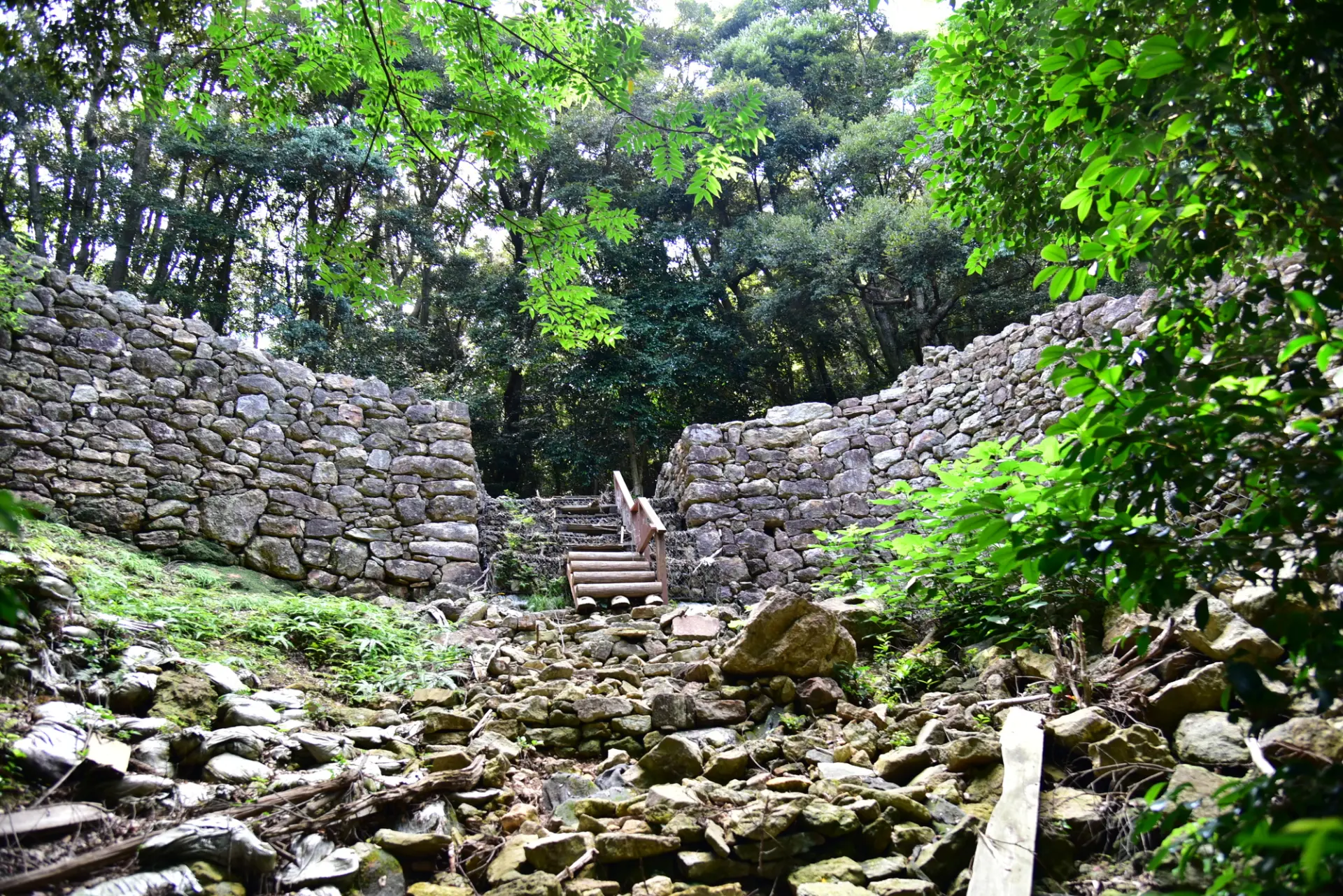
In 1274, during the Kamakura period, Tsushima became the site of fierce fighting during the Mongol invasions of Japan. Mongol and Goryeo forces first landed on Tsushima as part of their attack on Japan, an event known as the Bun’ei Campaign. They were met by only a little over 80 mounted warriors, who were killed in battle against the much larger army. The island suffered extensive damage. The video game “Ghost of Tsushima” is based on this invasion and features real locations on Tsushima.
Tensions with the Korean Peninsula continued as both sides carried out attacks. Diplomatic relations were restored with the Treaty of Eisho, also known as the Imsin Agreement, in 1512. However, relations were severed again when Toyotomi Hideyoshi ordered the invasion of Korea in 1592.
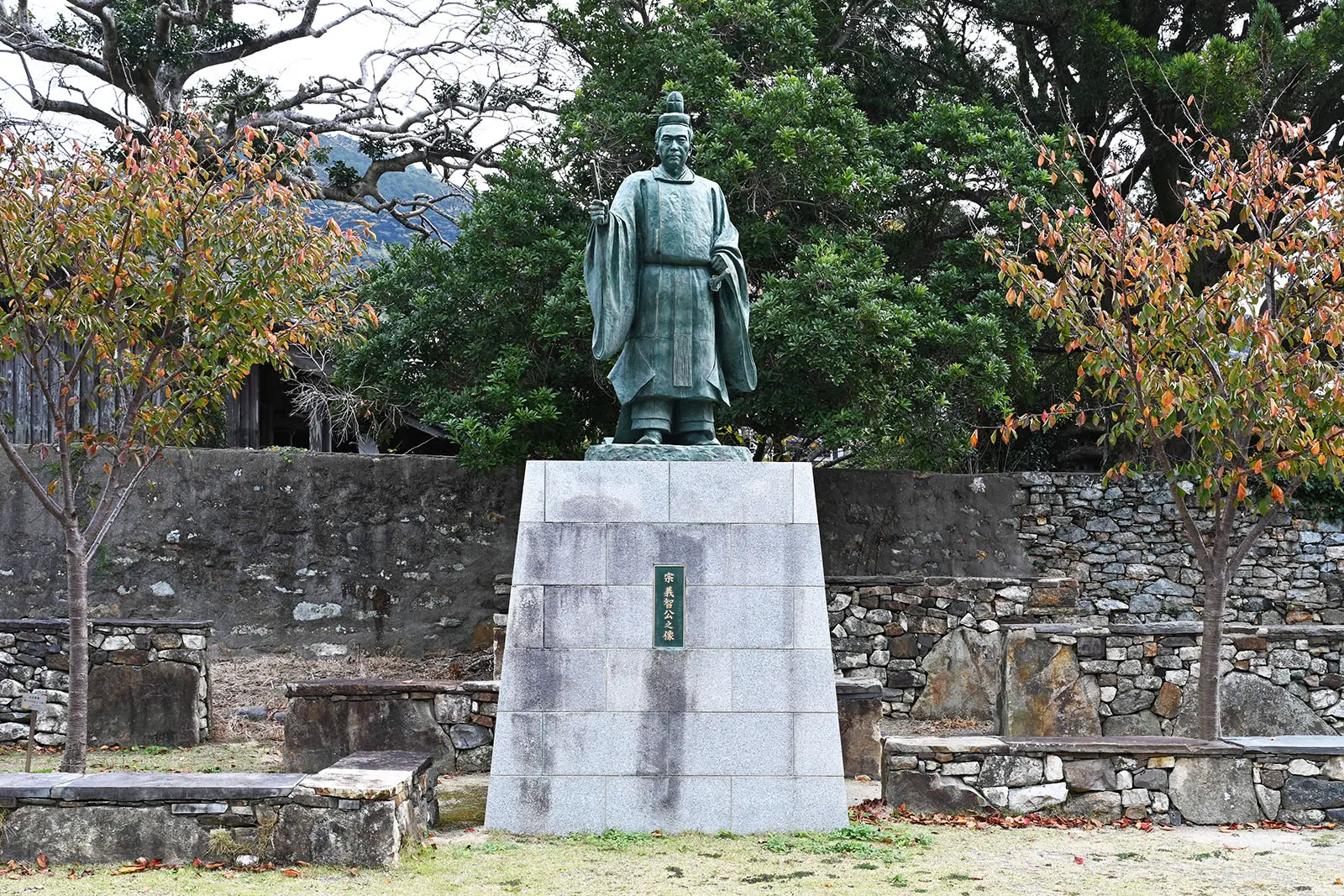
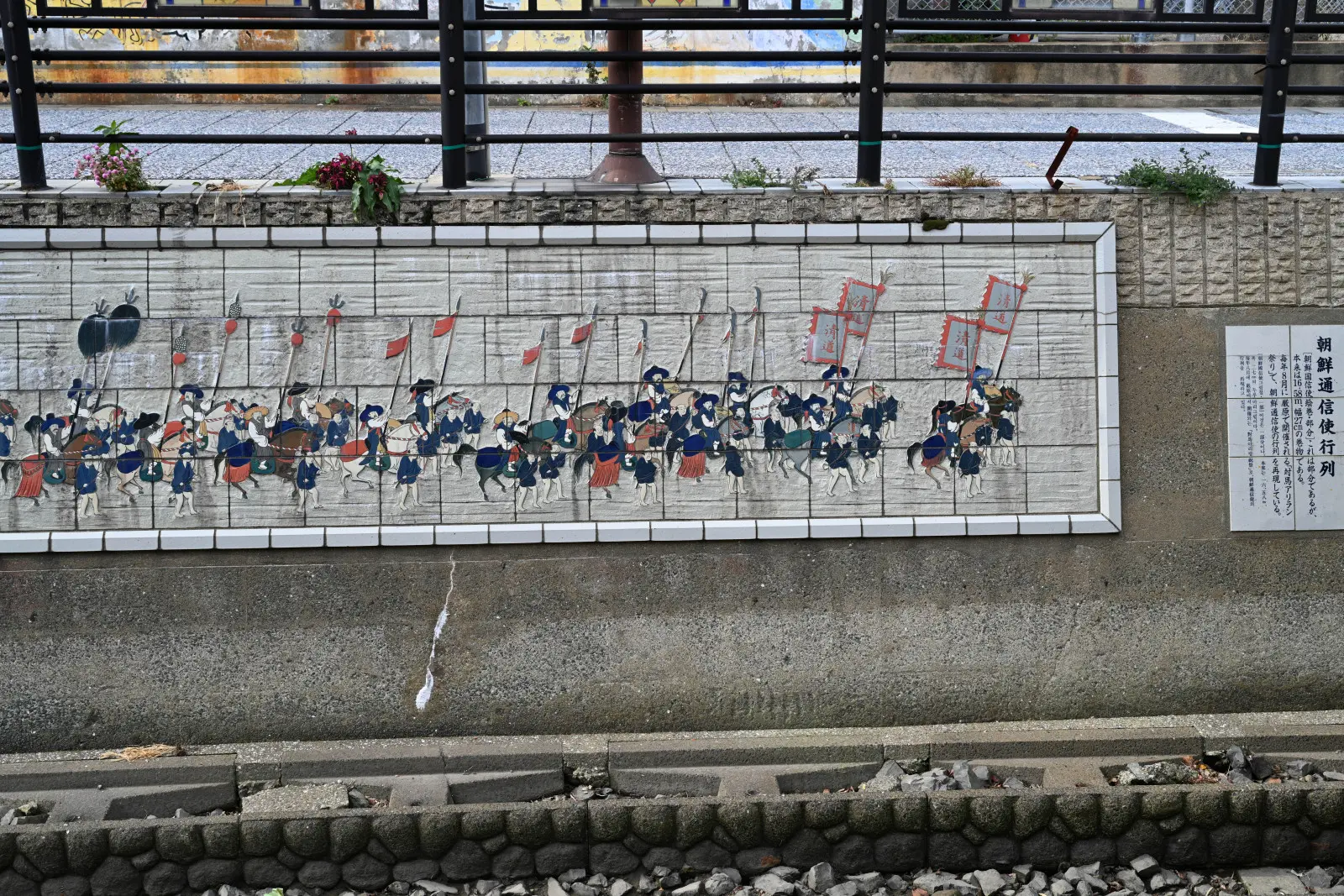
So Yoshitoshi, the lord of the Tsushima Domain at the time, participated in the invasion of Korea. However, he strongly hoped to restore diplomatic relations with Korea for the sake of the island’s development. Through the Tsushima Domain’s efforts to rebuild relations, the first Korean diplomatic mission arrived in Japan in 1607. In 1609, the Kiyu Agreement, also known as the Keicho Treaty, was concluded as a peace treaty with Korea. For the next 200 years, the Tsushima Domain was responsible for receiving Korean diplomatic missions traveling to Edo.
Tsushima again drew major historical attention over the two days of May 27 and 28, 1905, during the Meiji period. The Japanese Combined Fleet defeated Russia’s Baltic Fleet off Tsushima as it headed toward Vladivostok, helping Japan secure victory in the Russo-Japanese War, which had begun in 1904.
Tsushima’s Distinctive Natural Environment
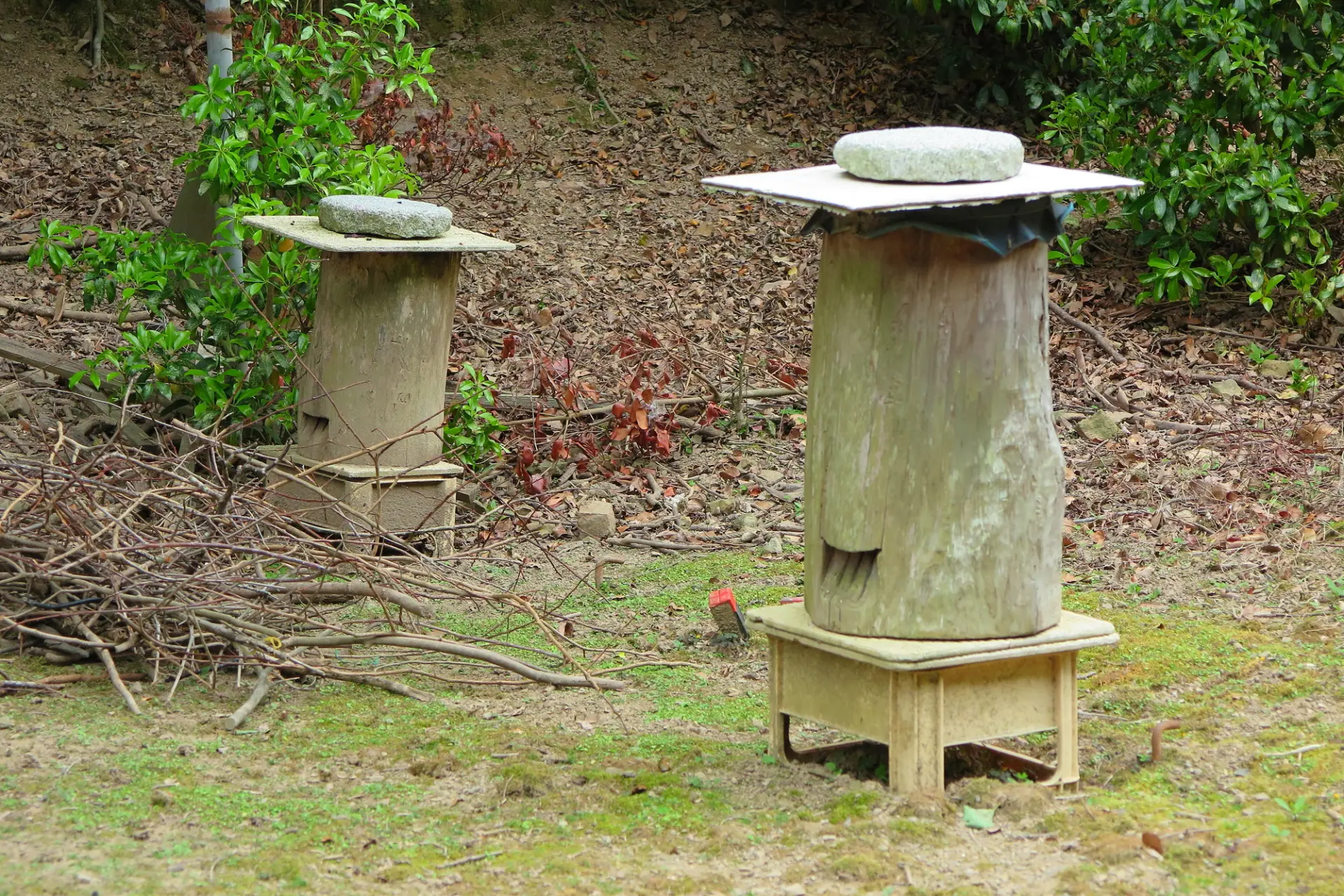
Tsushima was once connected to the Eurasian continent, and plants and animals with continental origins still survive on the island. At the same time, it is home to species related to those found in Kyushu, giving Tsushima a highly distinctive ecosystem. Another notable feature is that no Western honey bees live on the island; only Japanese honey bees are found here.
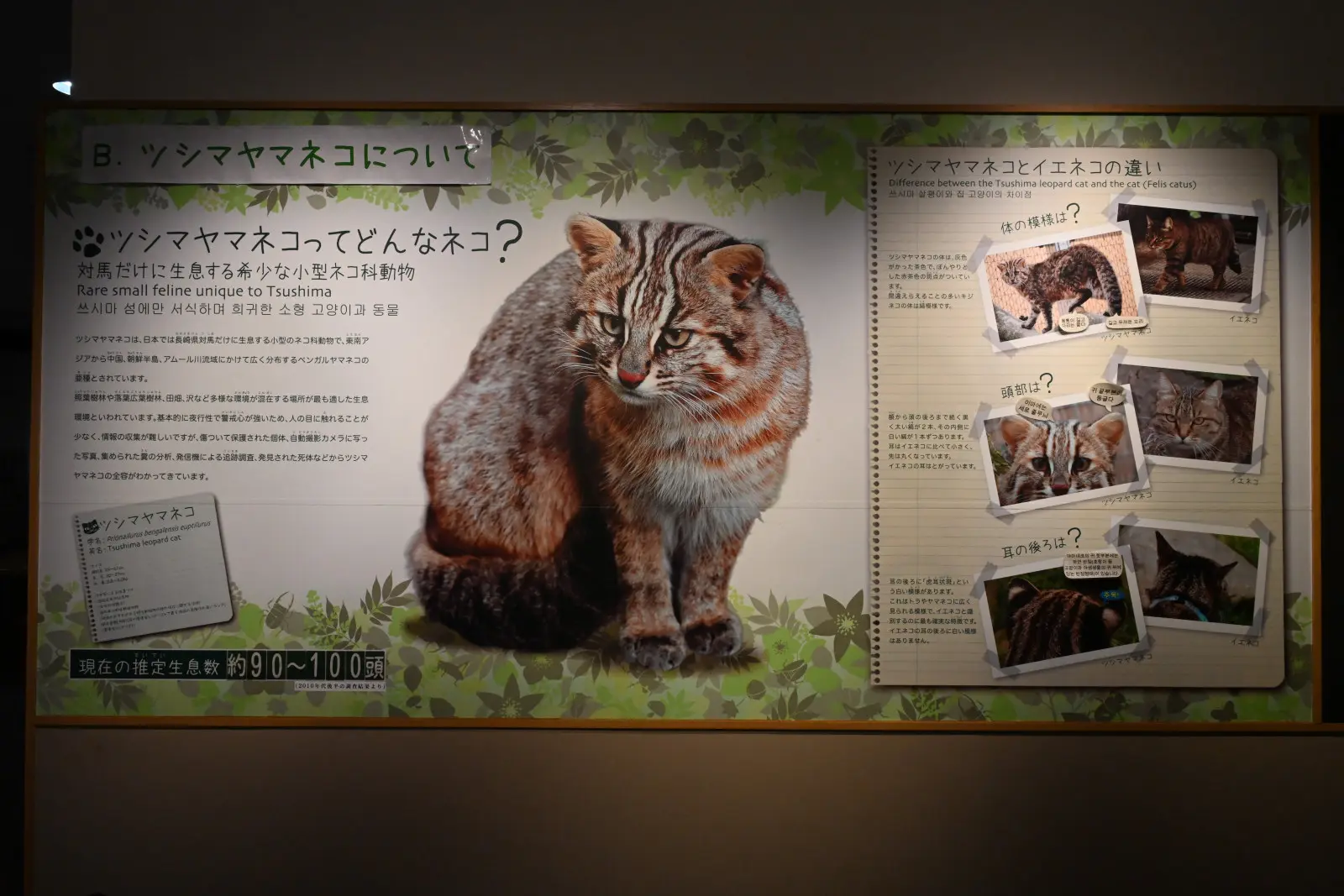
The Tsushima leopard cat, which could be considered the symbol of the island, is an endemic species found nowhere else. It is believed to have crossed over by land more than 100,000 years ago, when Tsushima was connected to the continent, and then evolved independently on the island. Its population has declined because of habitat degradation, traffic accidents, and other factors. The Ministry of the Environment’s Red List classifies it as Critically Endangered, meaning that it faces an extremely high risk of extinction in the wild in the very near future.
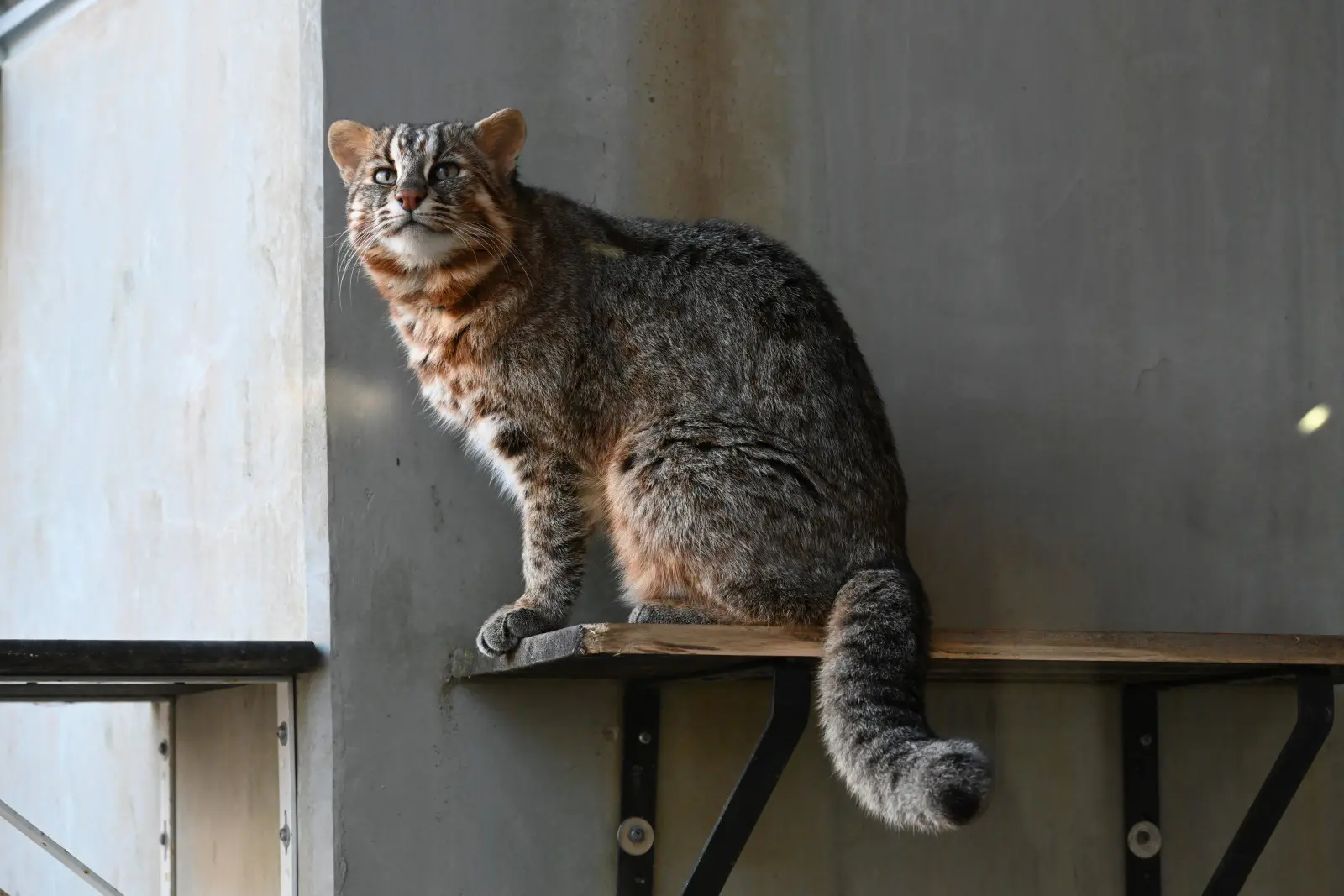
Conservation and research efforts are currently underway to help the cats survive in their natural habitat. Their decline is thought to have been halted, but females give birth to only one to three kittens, fewer than domestic cats, so continued measures are needed to prevent the species from becoming extinct.
At first glance, a Tsushima leopard cat may resemble a stocky domestic cat. However, even kittens raised in captivity do not become accustomed to humans, and their behavior differs greatly from that of domestic cats.
Tsushima’s Climate and the Best Time to Visit
A warm ocean current flows near the island, giving Tsushima a mild maritime climate. As on Japan’s main islands, summers are hot and winters are cold, but extreme heat and snowfall are uncommon.
Spring and fall are considered the best seasons to visit because of the comfortable weather. If you want to spend time by the sea, however, the summer vacation season in July and August is recommended.
Fall is both the season for foliage and the harvest. Taishu soba, a buckwheat variety native to Tsushima, is harvested then, and honey from Japanese honey bees is collected just once each fall. Winter is a good season for seafood and freshly harvested soba.
Getting to Tsushima by Air or Sea
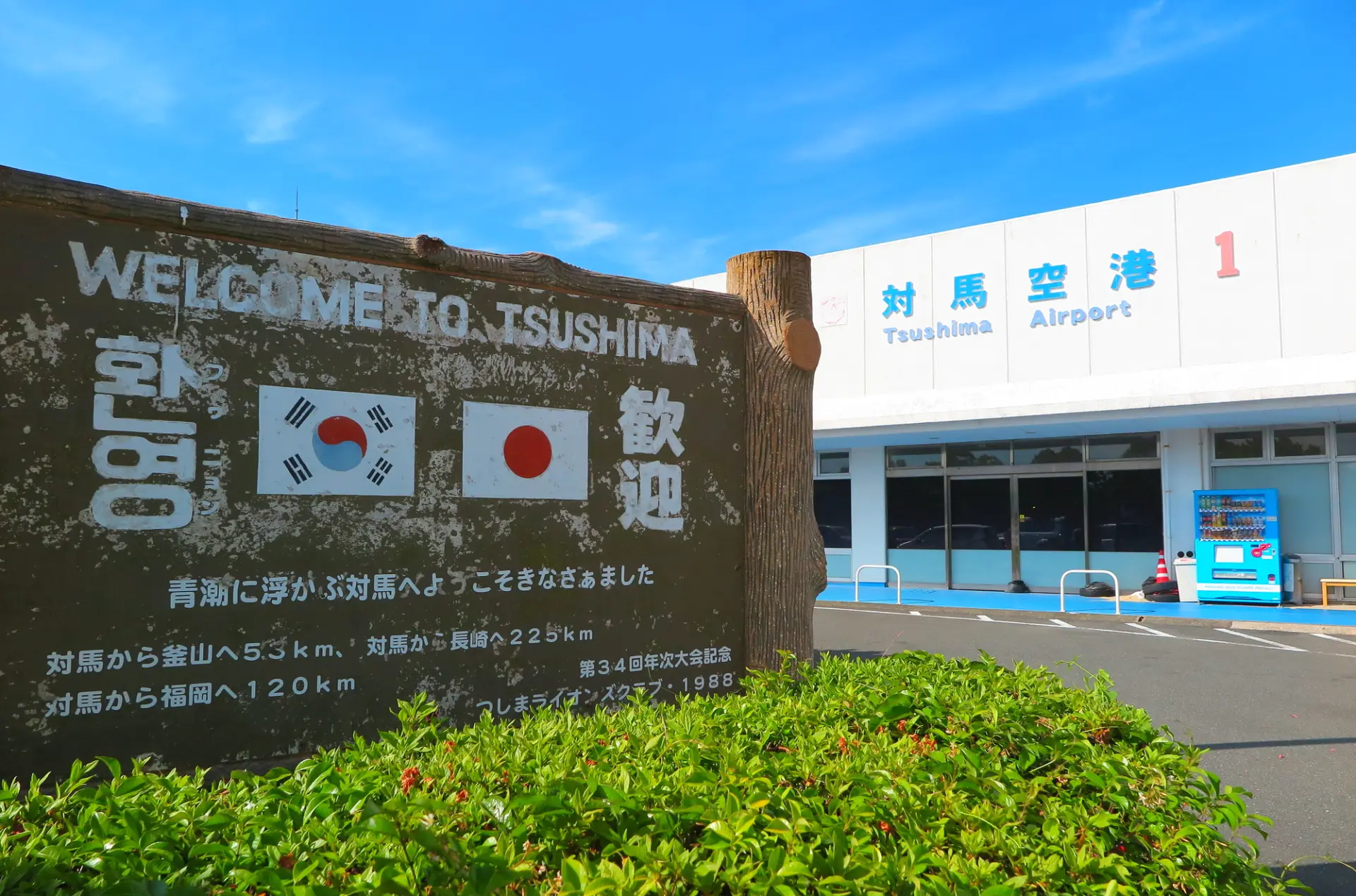
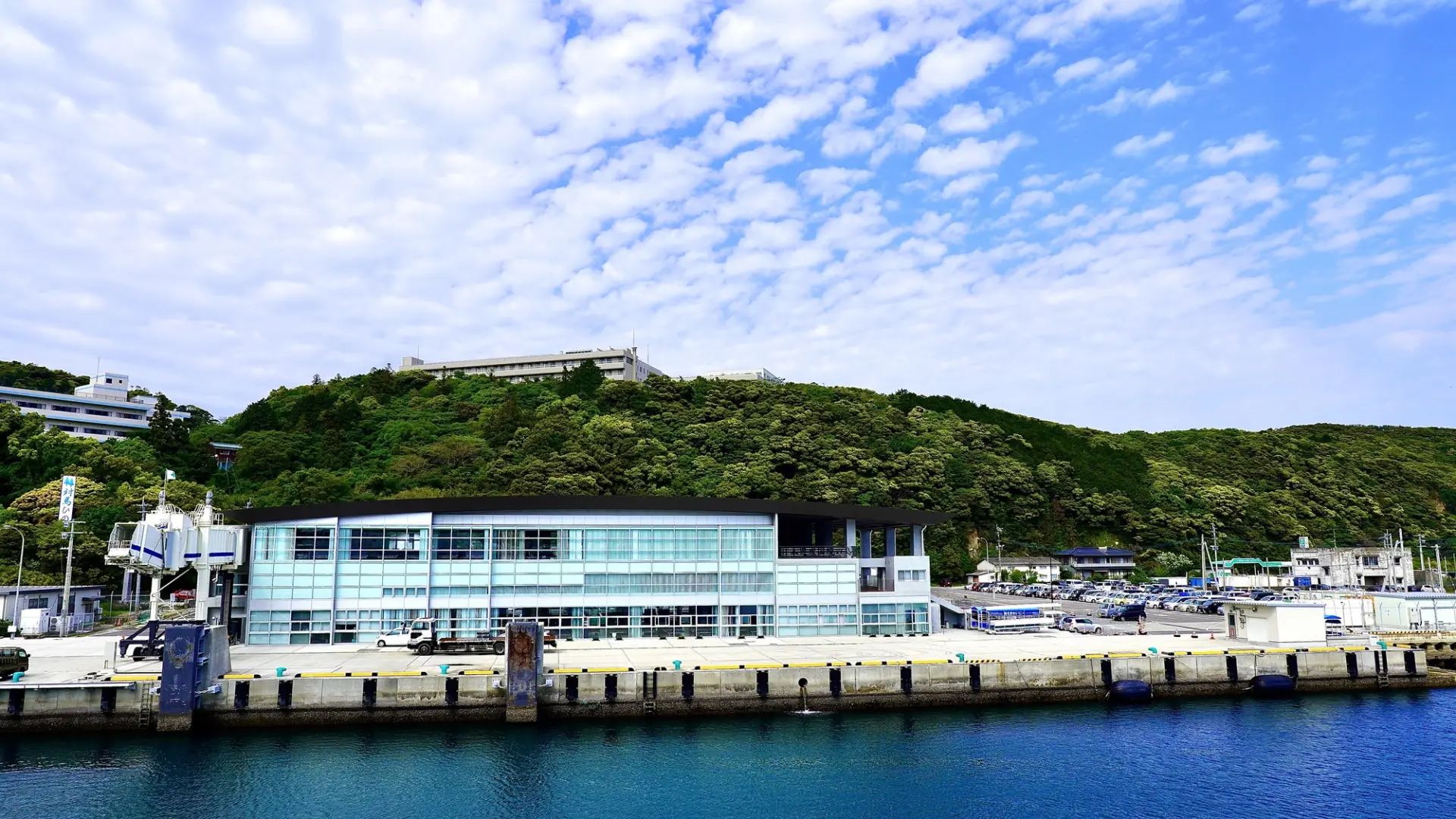
Tsushima can be reached by air from Fukuoka Airport or Nagasaki Airport, or by sea from Hakata Port.
Flights are operated by ORC Oriental Air Bridge. The flight takes approximately 35 minutes from either Fukuoka or Nagasaki. Izuhara is about a 20-minute drive from Tsushima Airport. There are two round-trip flights per day between Fukuoka and Tsushima, and two to four round-trip flights per day between Nagasaki and Tsushima: four during the summer Obon period and two in November and December.
When planning connections from other parts of Japan, a manageable itinerary is to travel to Tsushima via Nagasaki and return via Fukuoka Airport. The morning flight from Fukuoka Airport departs during the 7:00 a.m. hour, making same-day connections from other parts of Japan impossible. Except from late October through mid-December, a flight departs Nagasaki Airport at 11:00 a.m., allowing connections from flights arriving from elsewhere in Japan, according to the fall and winter 2026 schedule.
On the return trip, travelers connecting through Nagasaki Airport can continue to the Tokyo or Osaka areas the same day. Those connecting through Fukuoka Airport can continue to Tokyo, Nagoya, or Osaka.
Sea services are operated by Kyushu Yusen. Izuhara can be reached via Iki Island by ferry in approximately 4 hours and 40 minutes, with two round trips per day, or by jetfoil in approximately 2 hours and 15 minutes, with one round trip per day. There is also one daily round trip to Hitakatsu Port, taking approximately 4 hours and 55 minutes. However, it arrives at 3:25 a.m., and passengers must disembark either at that time or at 7:00 a.m.
Getting Around Tsushima
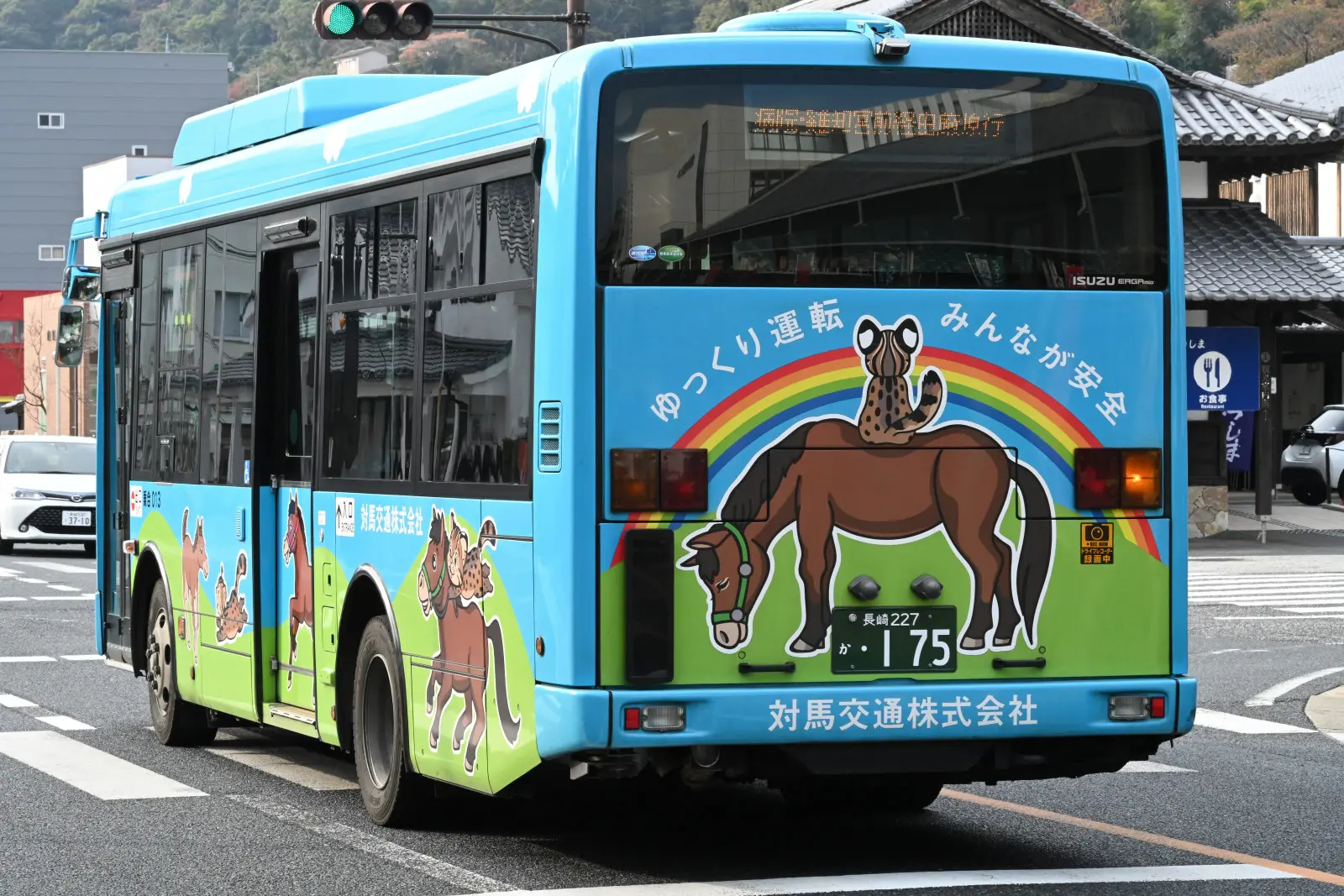
Local buses, taxis, and rental cars are available. Although local buses serve various parts of the island, they are not well suited to sightseeing. Bus stops are not necessarily located near attractions, and transfer times are often inconvenient when traveling to the next destination.
It takes nearly two hours to reach the northern part of the island. Renting a car is the most practical way to explore Tsushima.
Seven Places to Visit on a Two-Day, One-Night Trip
If you fly to Tsushima from elsewhere in Japan, you can begin sightseeing in the early afternoon on the first day and spend the entire second day exploring. Although it is not recommended, a day trip is possible if you limit your visit to the historic attractions around Izuhara. This article introduces places that can be visited at a comfortable pace when traveling by air.
1. Banshoin Temple
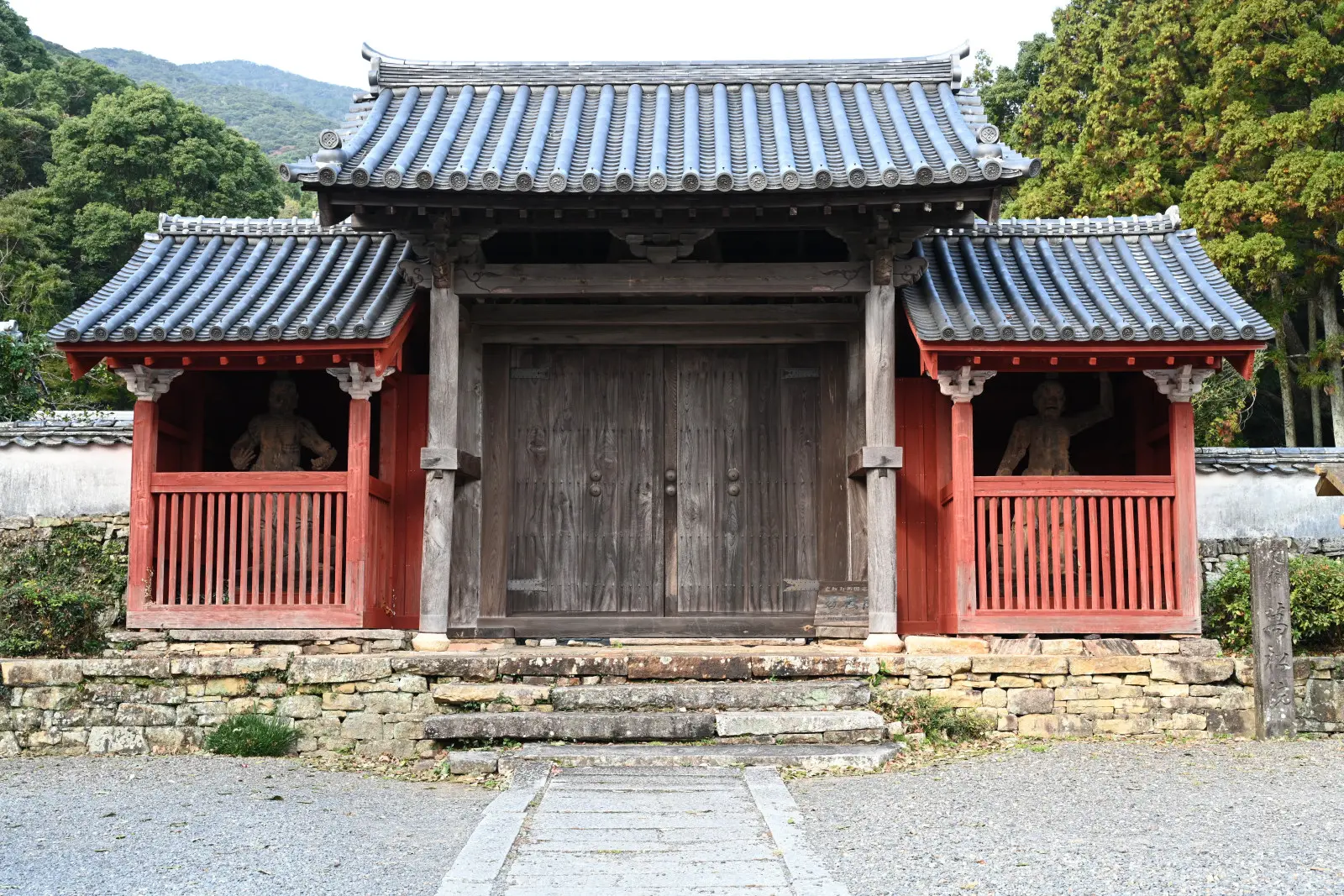
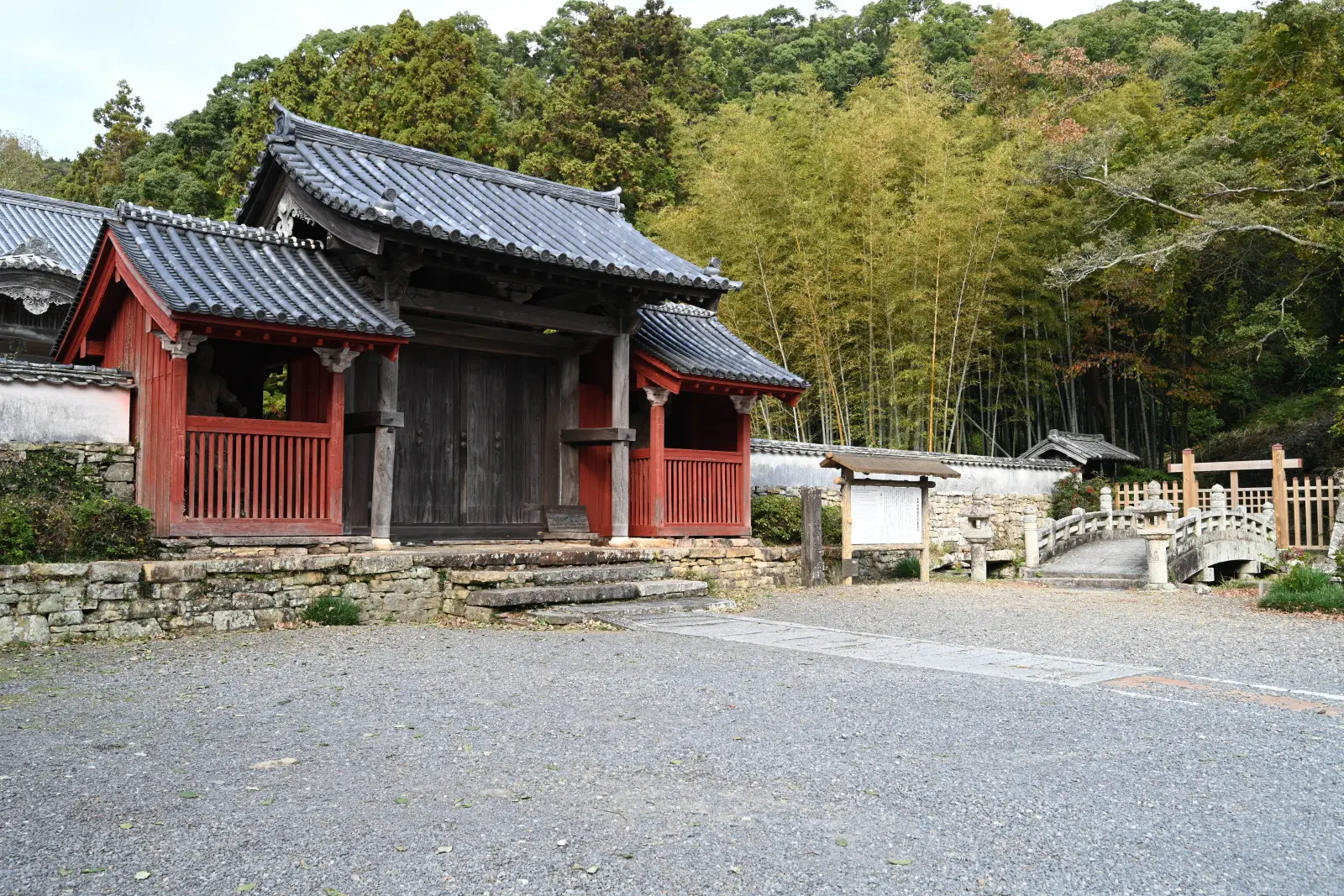
Banshoin Temple is the family temple of the So clan. It was founded by So Yoshinari, the eldest son of So Yoshitoshi, to pray for his father’s repose. Although the main hall was repeatedly damaged by fire, the temple gate retains its original appearance and is the oldest surviving wooden structure on Tsushima.
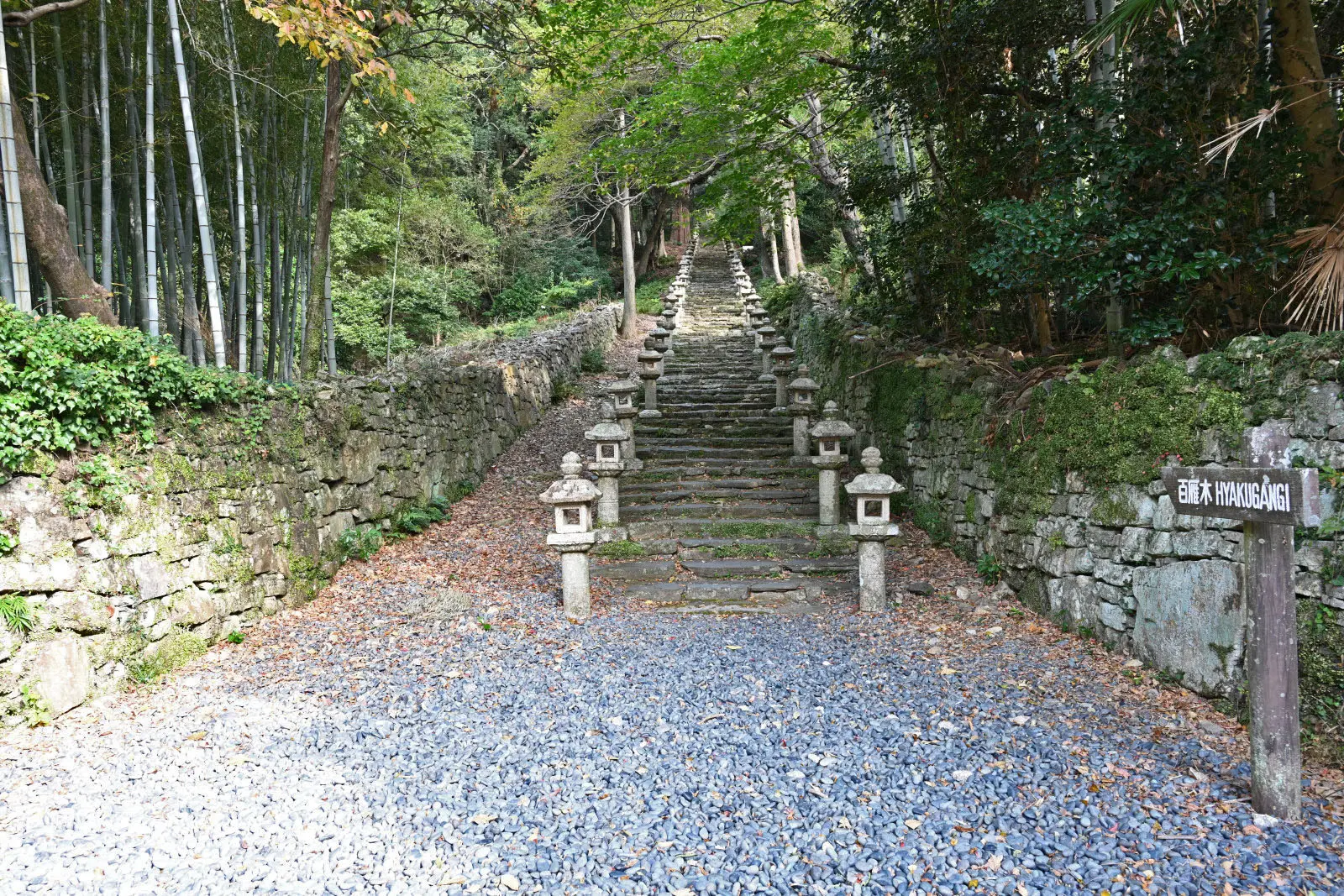
Beyond the right side of the temple gate is a 132-step stone staircase known as Hyakugangi, which leads to Otamaya, the burial ground of the So family. Together with the cemeteries of the Maeda Domain in Kanazawa, Ishikawa Prefecture, and the Mori Domain in Hagi, Yamaguchi Prefecture, it is considered one of Japan’s three great feudal burial grounds and is designated a National Historic Site.
The burial ground contains three towering cedar trees that predate the temple. At the top of the stairs, visitors are greeted by an imposing view.
2. Samurai Residences in the Nakamura District
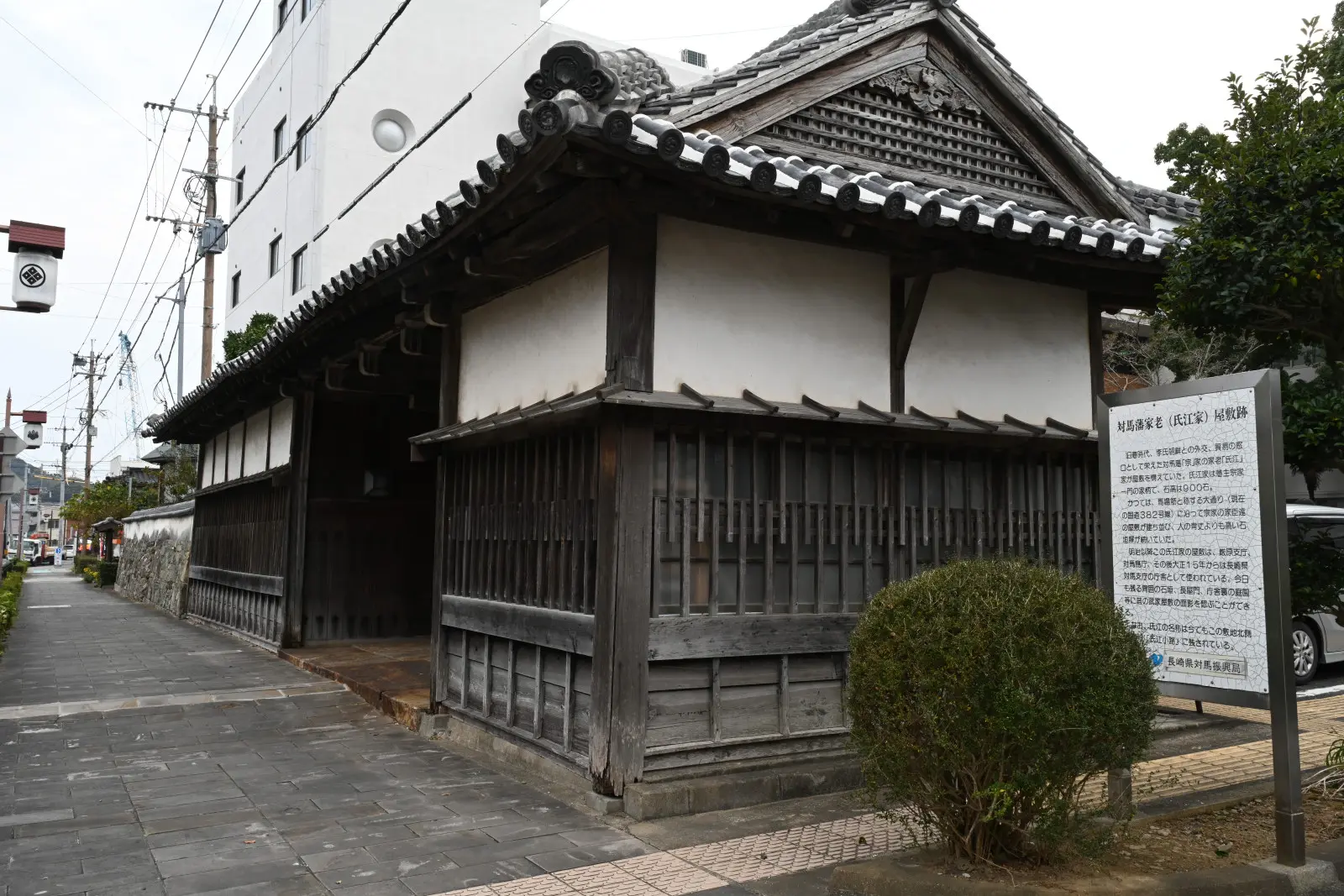
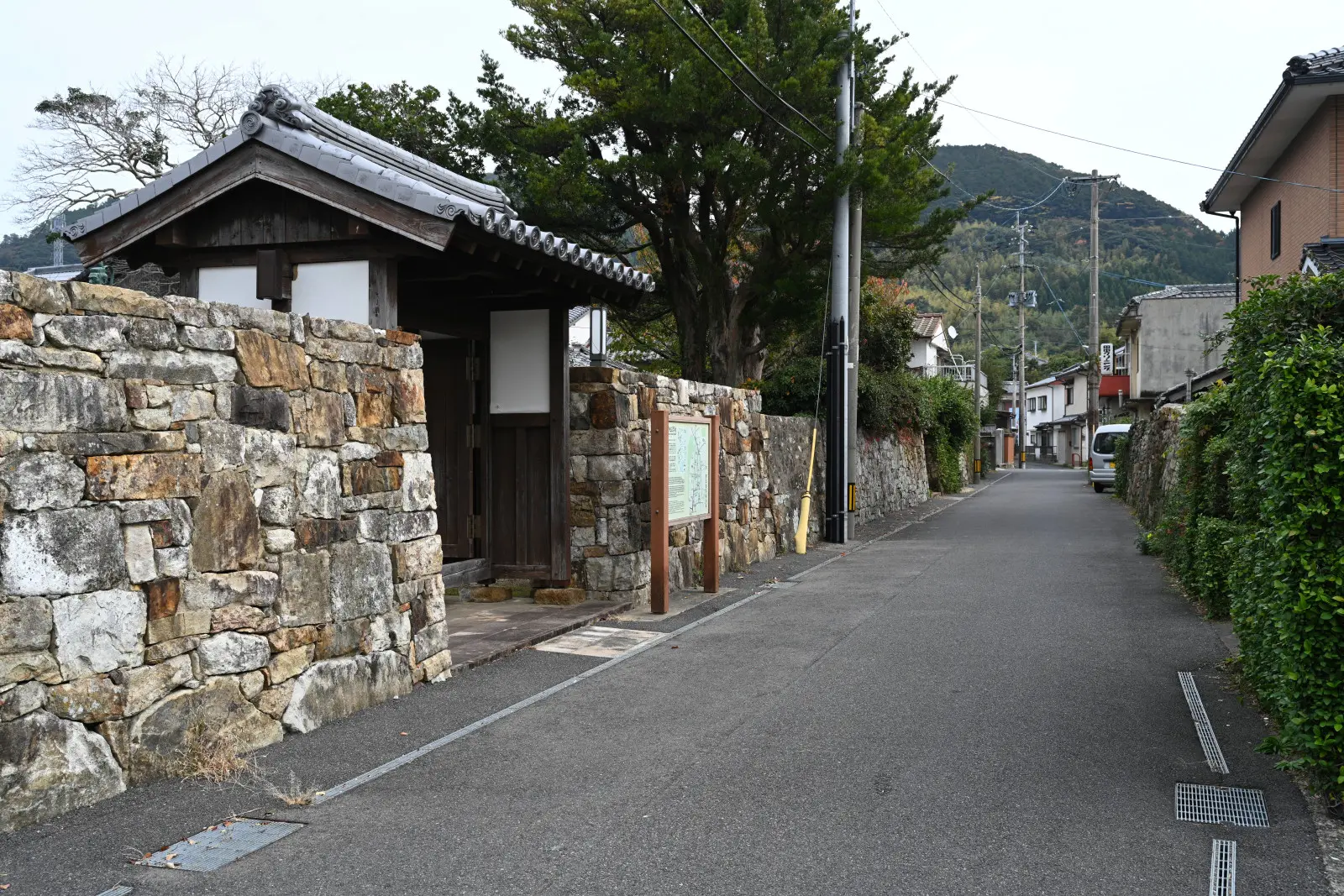
Izuhara developed during the Edo period as the castle town of the 100,000-koku So Domain. The Nakamura district, northeast of Hachimangu Shrine, retains elements of its historic streetscape, and its stone walls have been preserved and restored. This is a residential neighborhood, and many of the houses behind the stone walls are private homes. Local residents worked with the municipal government on a 10-year project to preserve the district’s appearance.
A particularly good area to explore is the alley reached by following the road south of the plaza containing the statue of Lord So Yoshitoshi, known as Samurai Residence Street, and turning left at the first corner.
3. Kaneishi Castle Ruins
This is the site of a residence built by So Masamori in 1528. So Yoshizane expanded it in 1665 and added a turret gate to the main entrance, after which it became known as Kaneishi Castle. However, no castle keep was ever built.
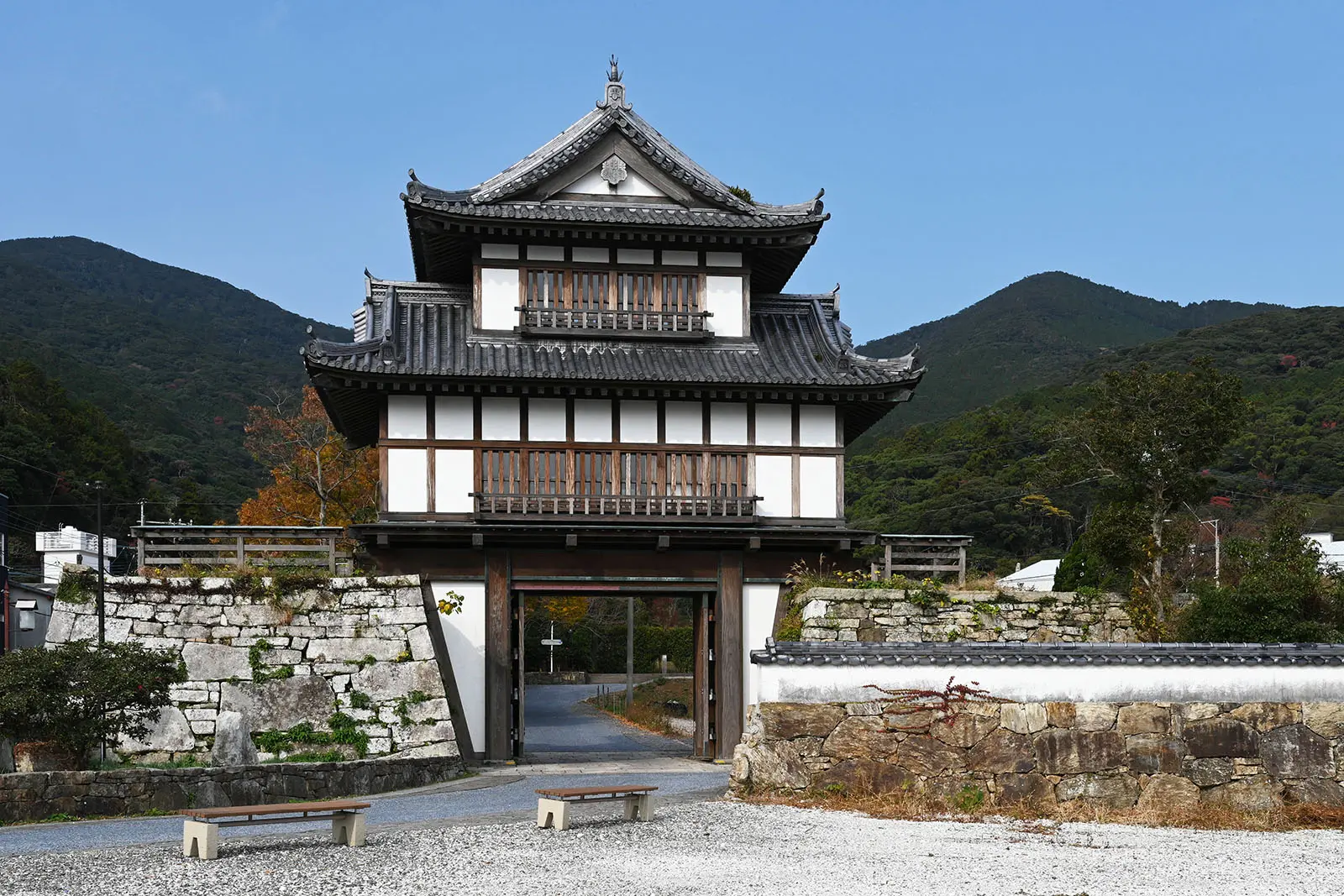
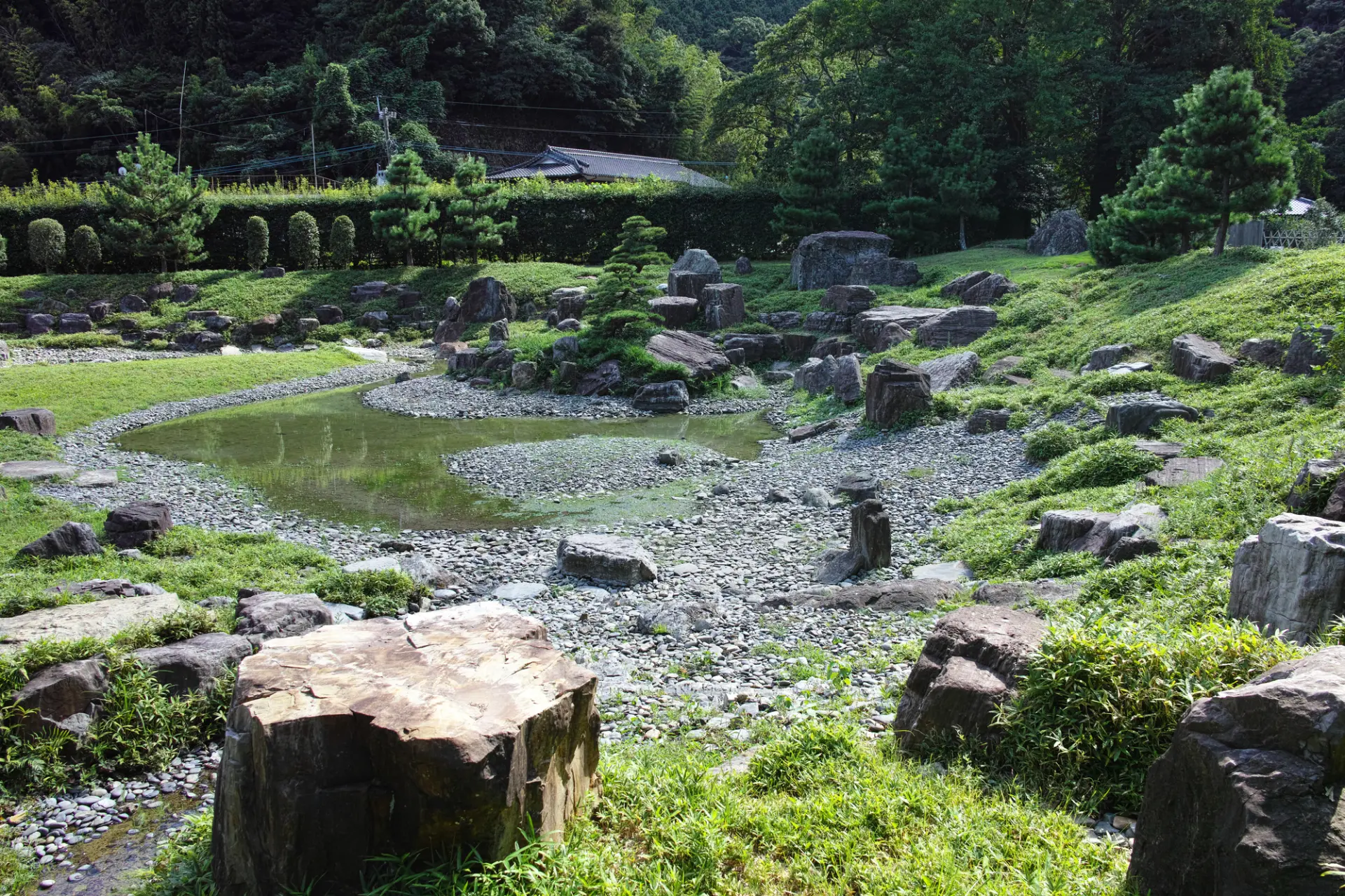
Today, visitors can see the turret and castle walls reconstructed in 1990, as well as the garden. Kaneishi Castle was designated a National Historic Site in 1995. Excavations conducted at the time revealed the garden’s outstanding design and construction techniques, leading to its restoration. The Former Kaneishi Castle Garden was designated a National Place of Scenic Beauty in 2007.
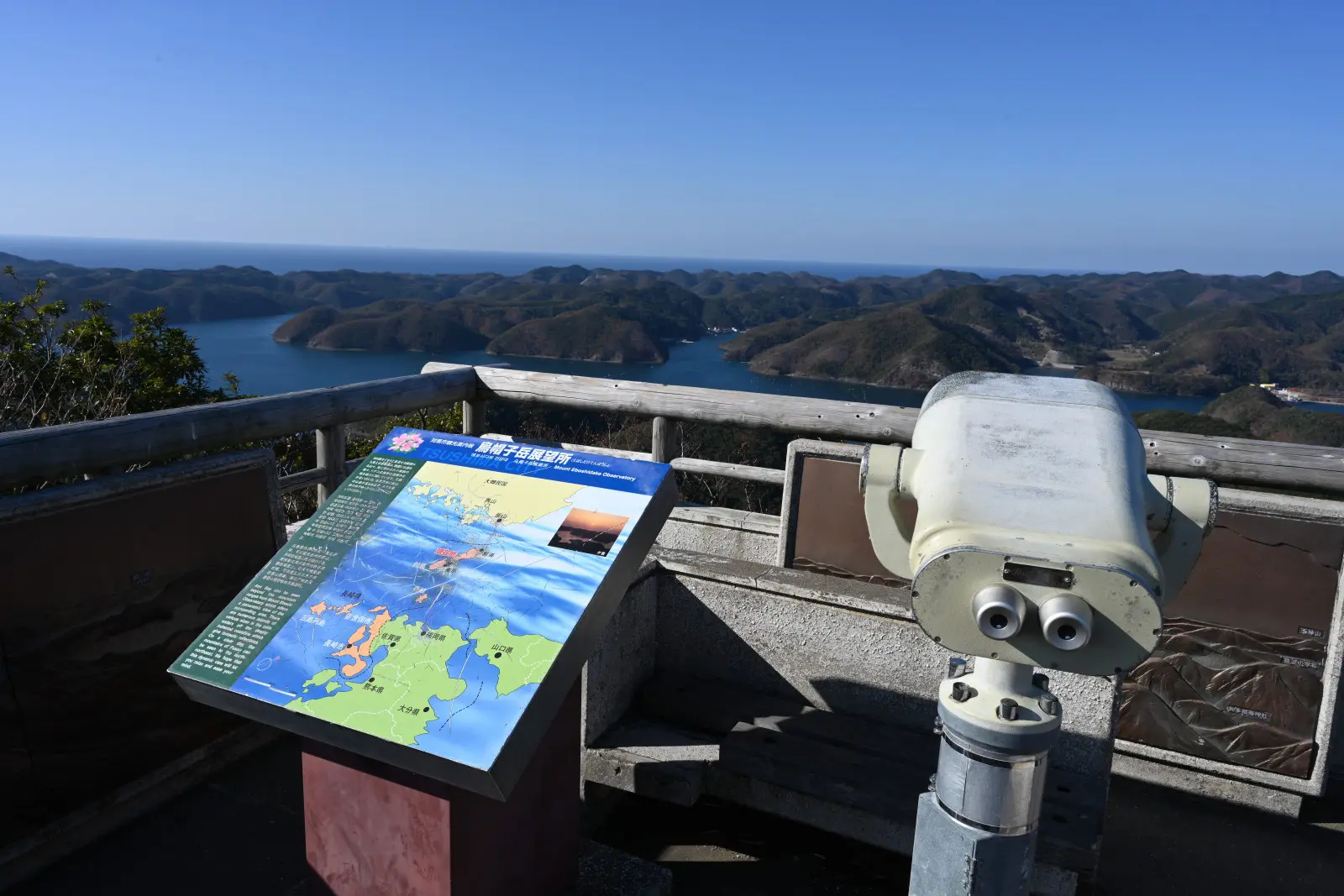
4. Mount Eboshi Observatory
This observation deck offers panoramic views of Aso Bay and its well-developed ria coastline. It stands at an elevation of 176 m. From the parking lot, climb the stepped path for a few minutes and then ascend the concrete observation deck for a 360-degree view.
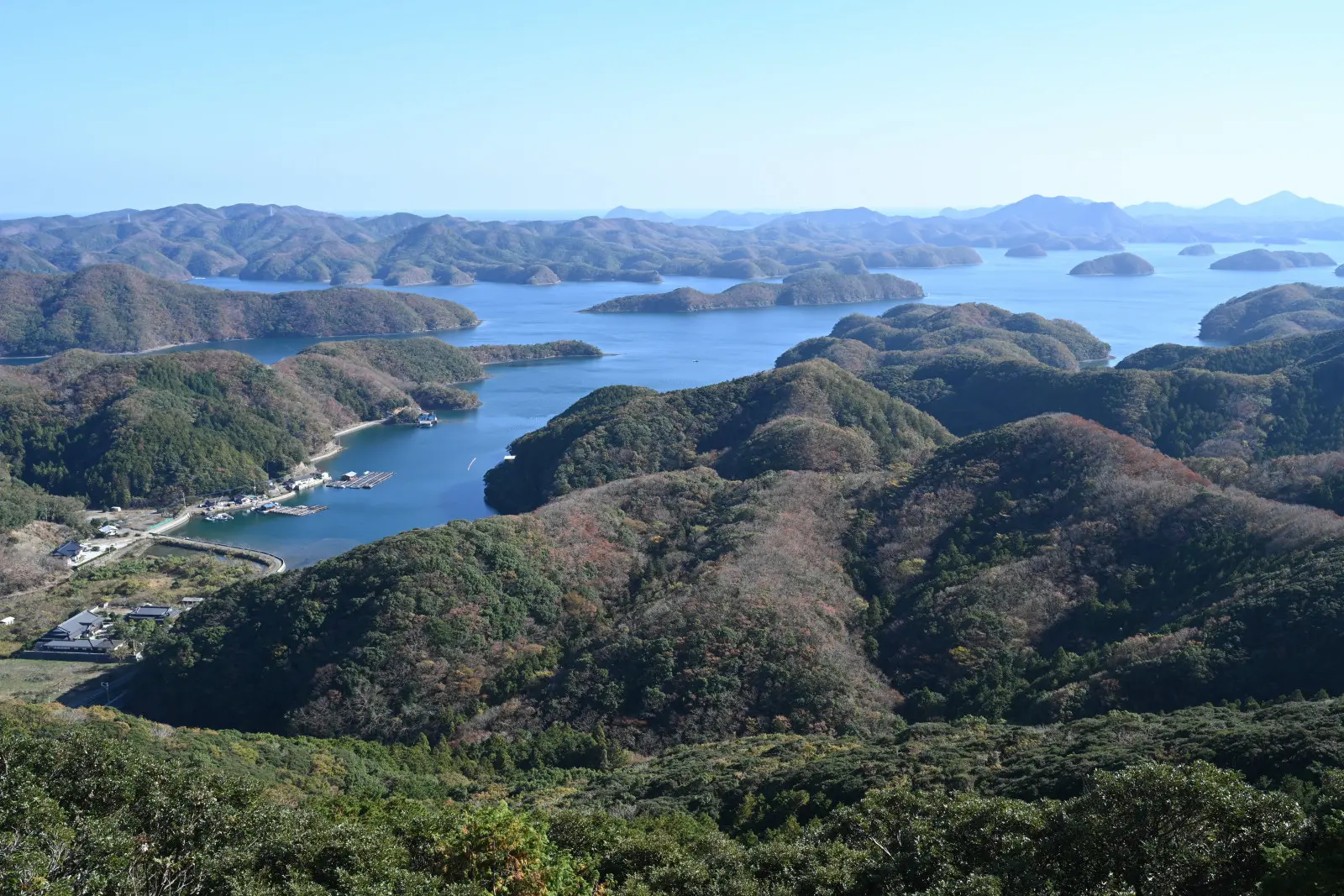
The observatory cannot be reached by public transportation, but the view is among the finest on Tsushima. Tour buses also visit, but the road near the summit is narrow. When driving a rental car, watch carefully for oncoming vehicles.
5. Tsushima Wildlife Conservation Center
This center provides opportunities to learn about the Tsushima leopard cat and the island’s natural environment. Detailed exhibits explain the species’ current circumstances and characteristics, as well as Tsushima’s ecosystem.
The center previously exhibited a living Tsushima leopard cat. However, Kanata, the fourth cat to be displayed there, became ill in 2026 and died on September 13. As of November 2026, no plans for another live exhibit have been announced. The center is also temporarily closed for renovations from November 1, 2026, through March 2, 2027.
Although it takes nearly two hours to reach the center from Izuhara, it is particularly worthwhile for anyone interested in understanding Tsushima’s natural environment. Consider visiting after the facility reopens.
6. Saozaki Park
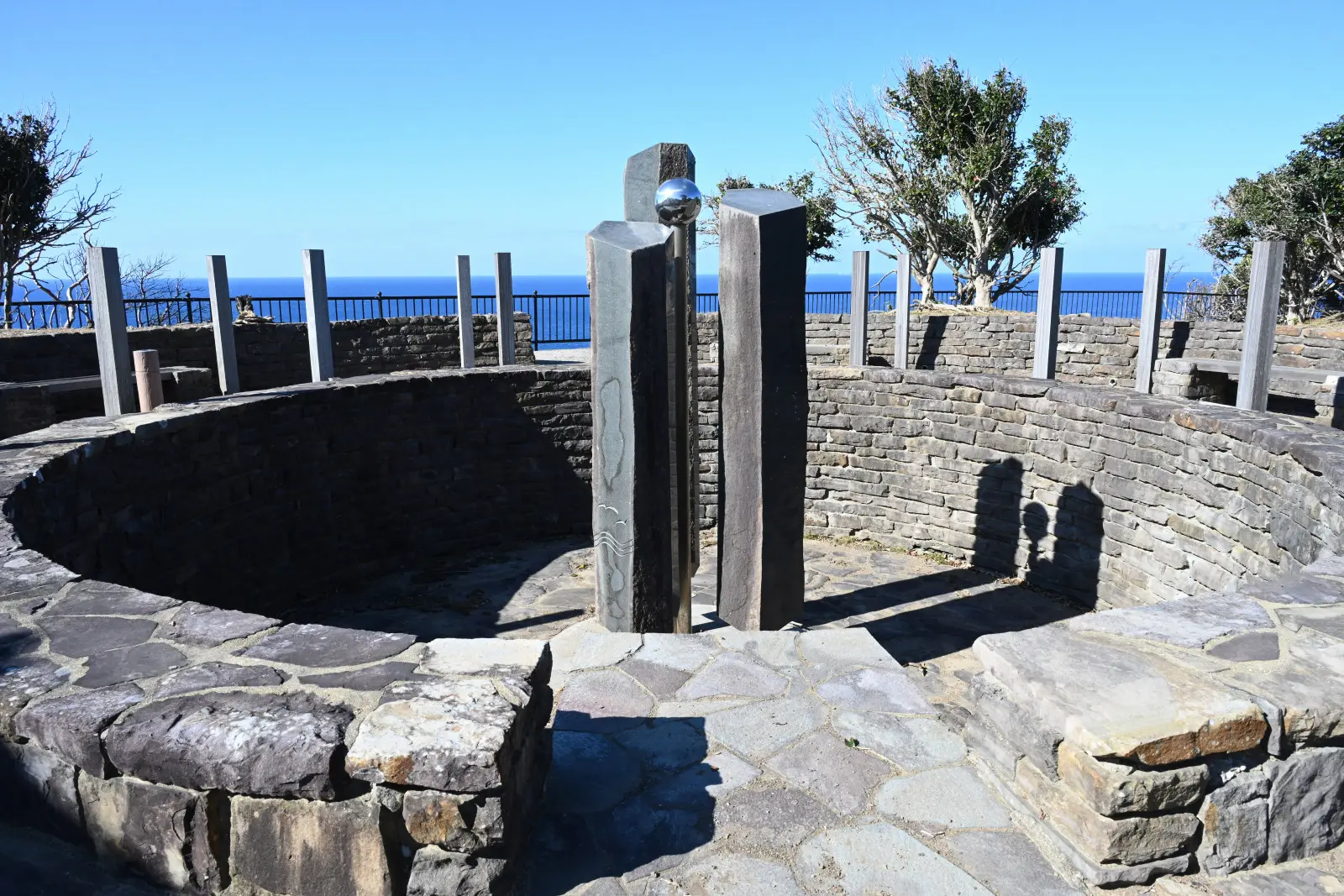
This expansive park is located at the northwesternmost point of the island. When conditions are favorable, the city of Busan in South Korea can be seen from here. Attractions include a lighthouse, a monument marking Japan’s northwesternmost point, and the remains of coastal artillery batteries. The Tsushima Wildlife Conservation Center occupies one corner of the park.
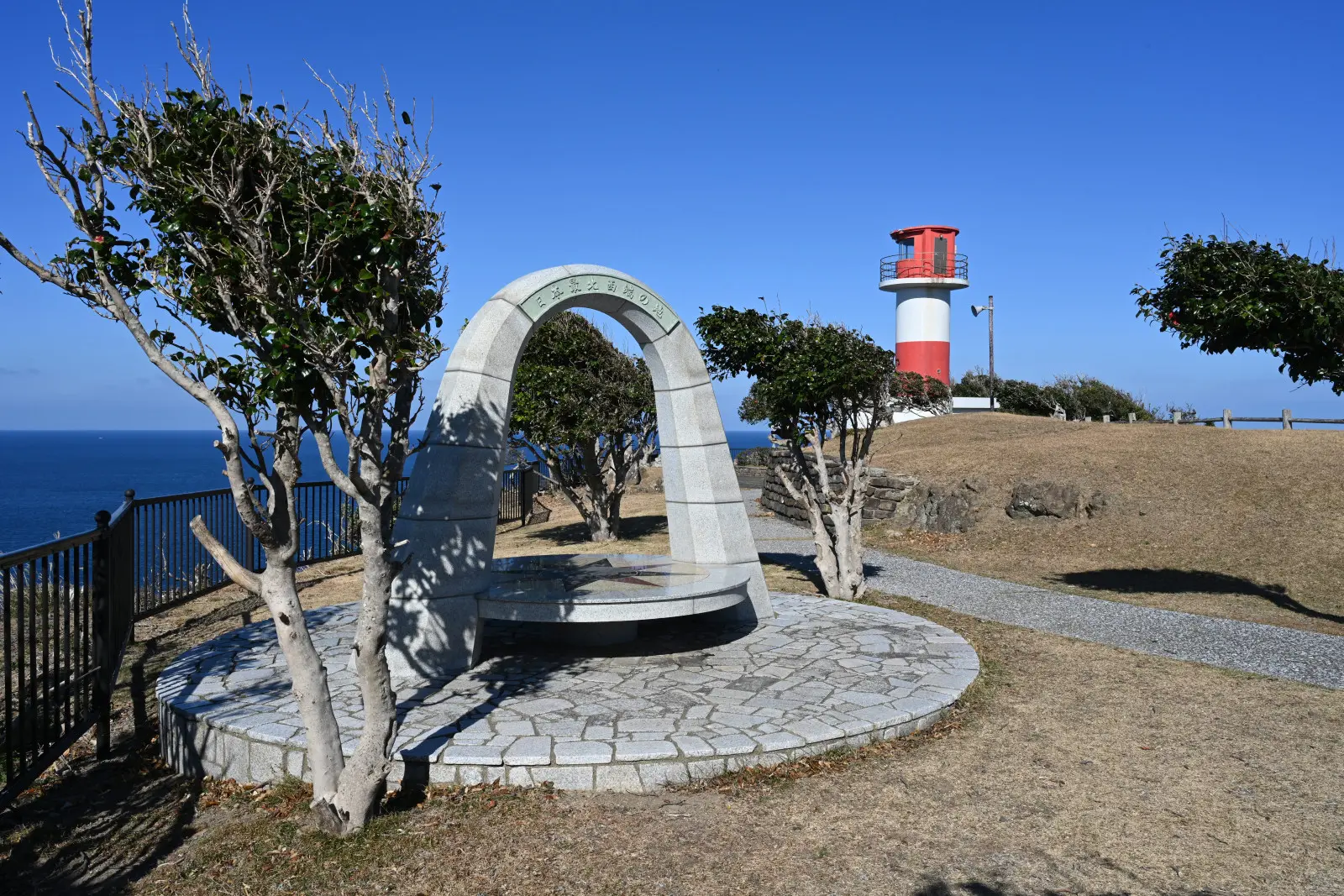
A quick photo stop does not take long, but allow 20 to 30 minutes if you want to explore the battery ruins and the remains of an underground observation post. Those interested in wartime history should plan a little extra time here.
7. Foreign Country View Hill Observatory
Several places in northern Tsushima offer views of the city of Busan in South Korea. Two well-known viewpoints are the Korea Observatory near the island’s northern tip and the Foreign Country View Hill Observatory. Because it is easier to combine with other attractions, the Foreign Country View Hill Observatory is a good place to visit first.
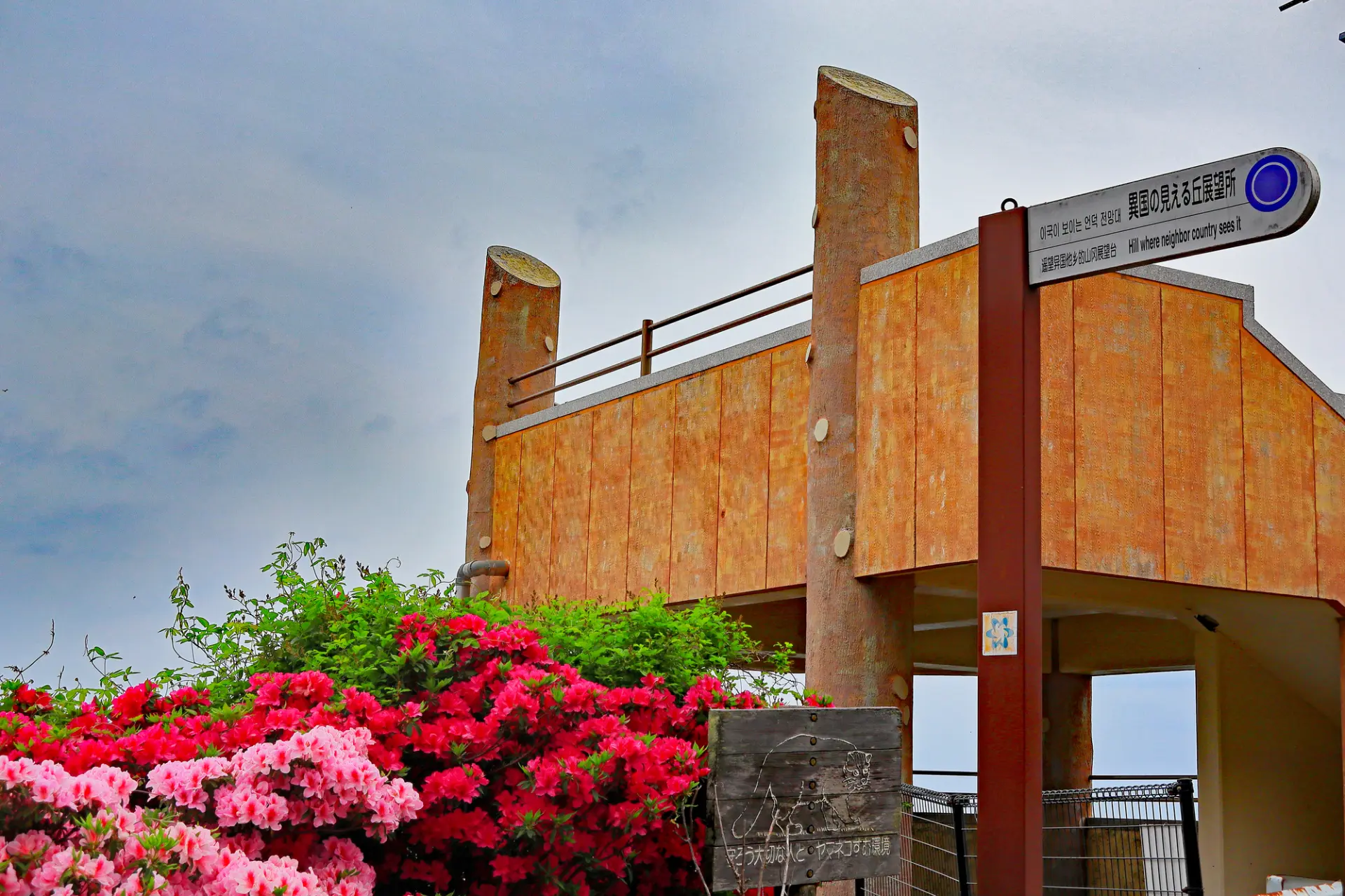
When using a cell phone in this area, be careful because it may connect to a South Korean network and incur expensive international roaming charges.
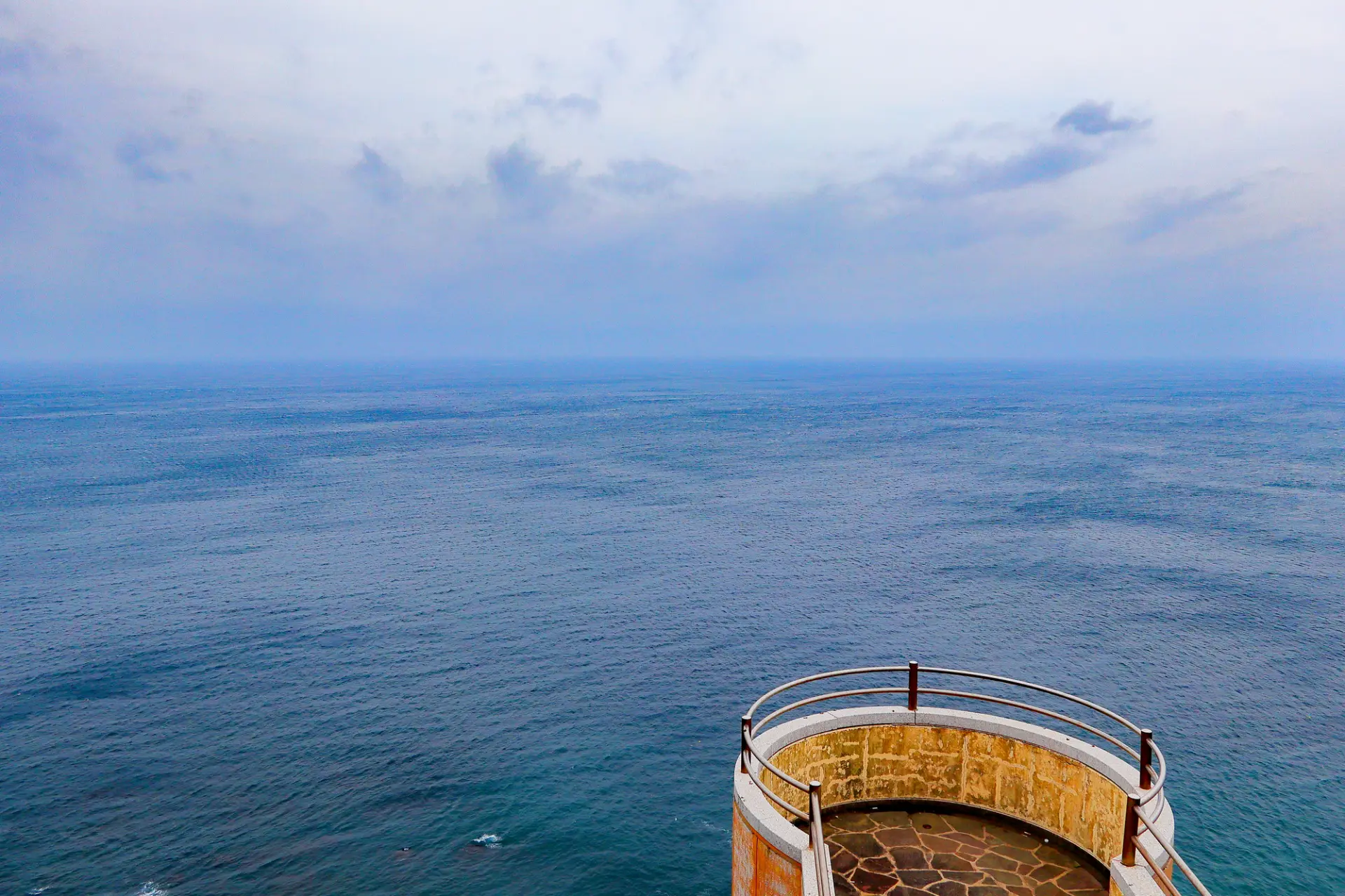
Tsushima’s Local Specialties and Cuisine
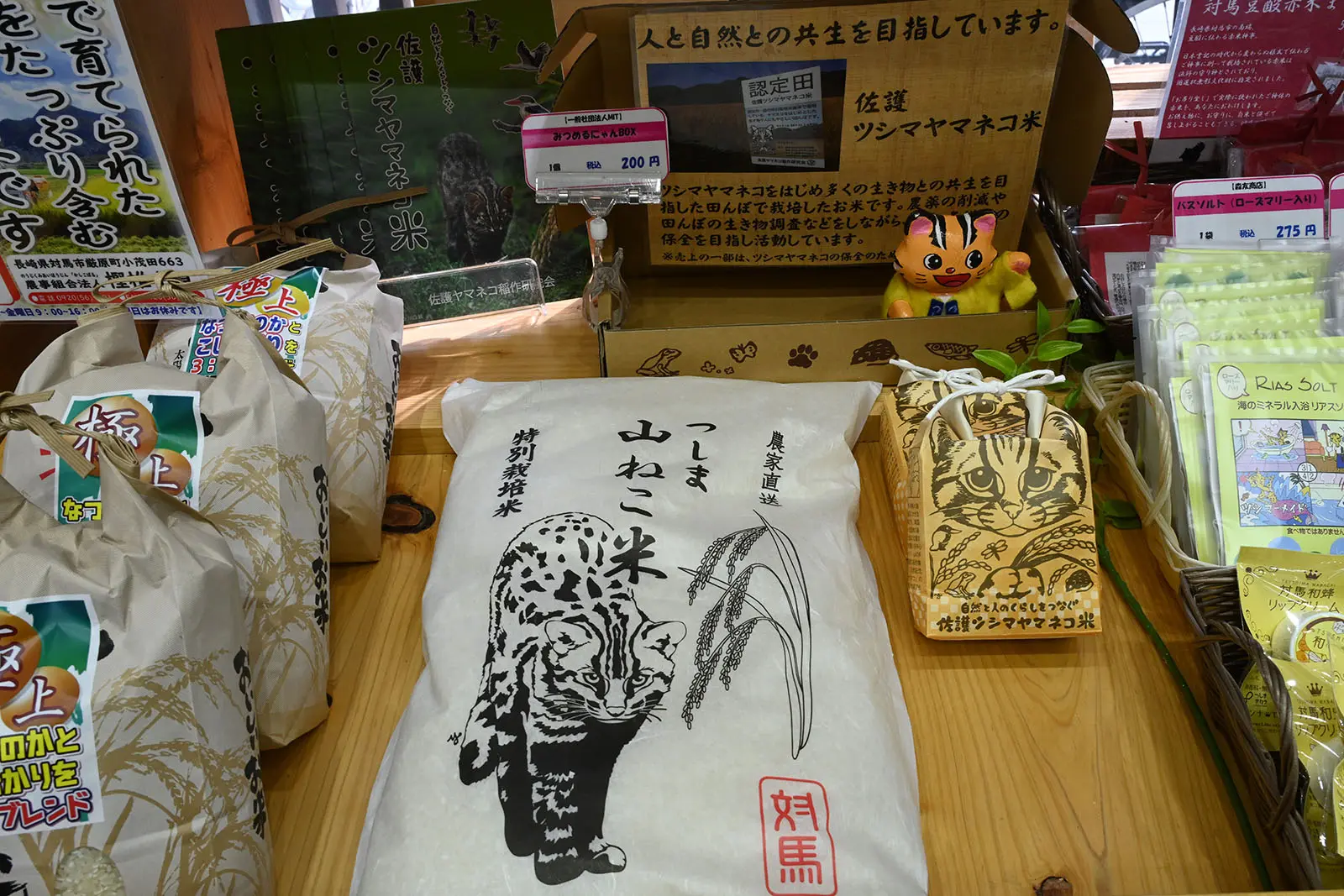
Although Tsushima is a large island, most of it is mountainous, and only 1.3% of its total area is suitable for cultivation. Even so, farming was once extensive enough to support local self-sufficiency, with buckwheat and barley grown on farmland created in the mountains.
Today, the number of people working in agriculture has fallen to one-fifth of its 1970 level, but local varieties of rice and buckwheat are still cultivated.
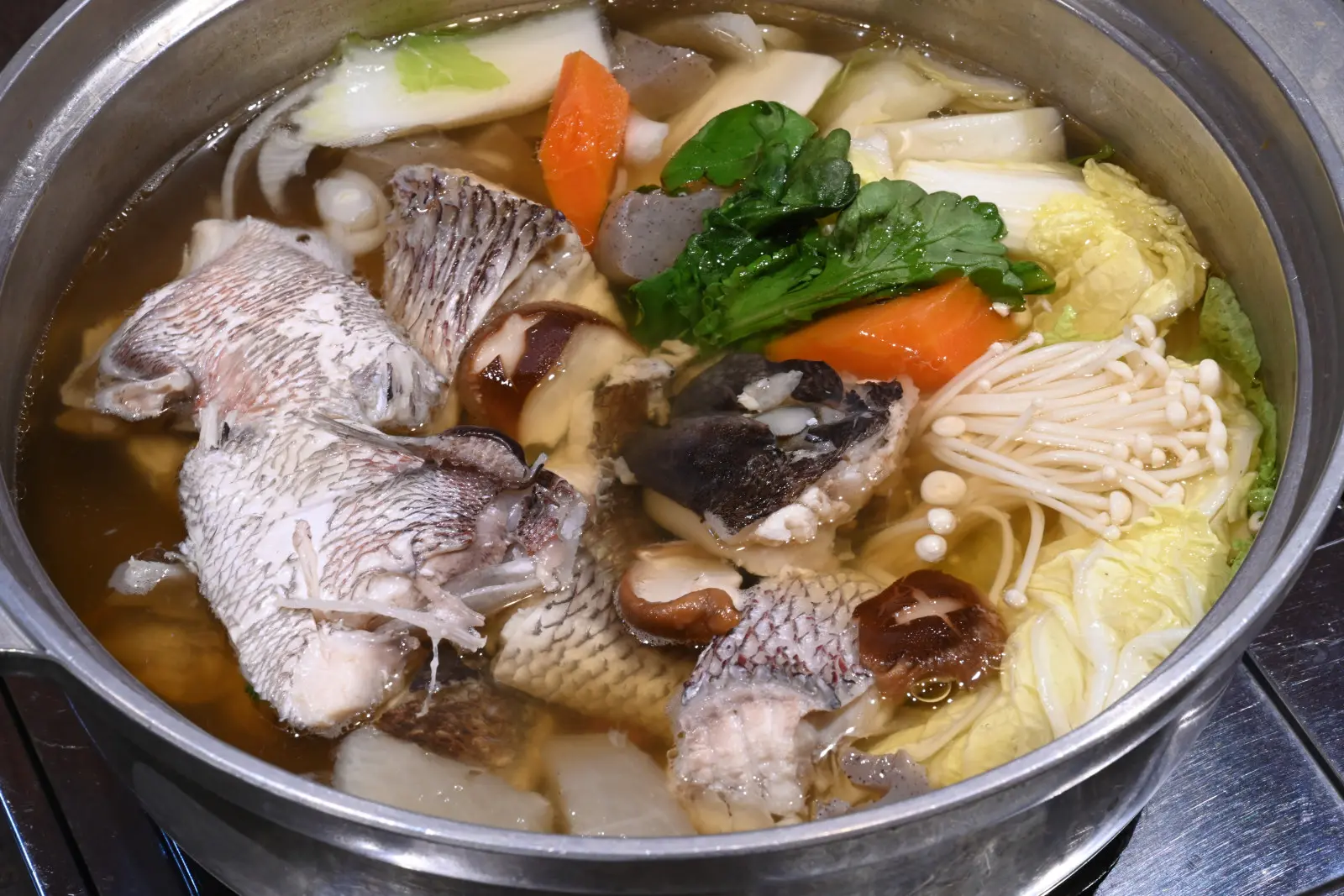
Warm currents mix with coastal waters around Tsushima Island, creating an abundance of plankton and small fish. Combined with the complex seafloor topography, this supports rich marine resources. Restaurants on the island serve exceptionally fresh fish that can be difficult to find in the Tokyo metropolitan area.
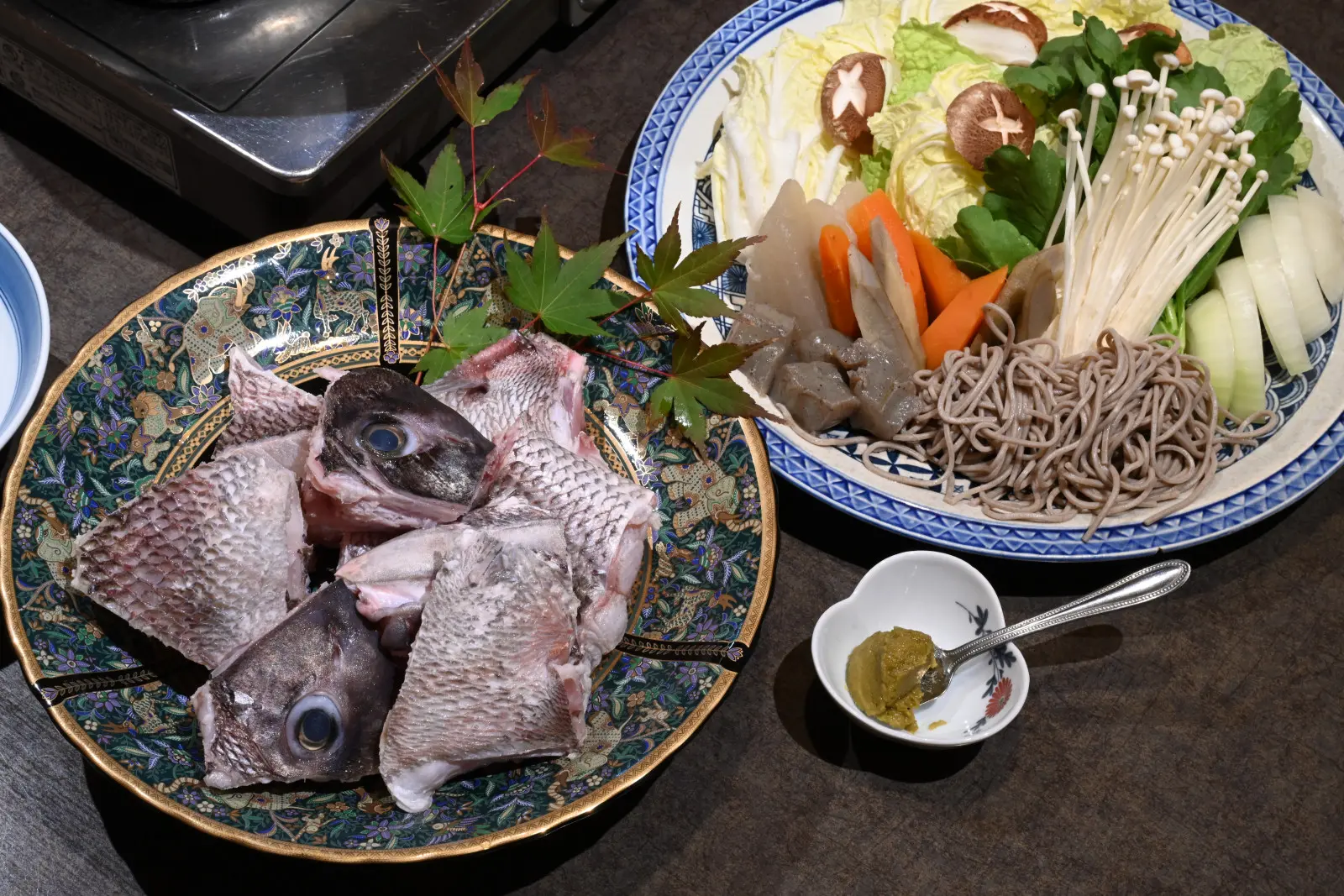
Tsushima’s regional dishes include Korean-influenced tonchan-yaki, the hot pot dish iriyaki, and ishiyaki, in which seafood is grilled on heated stones. Packaged tonchan-yaki is also sold as a souvenir.
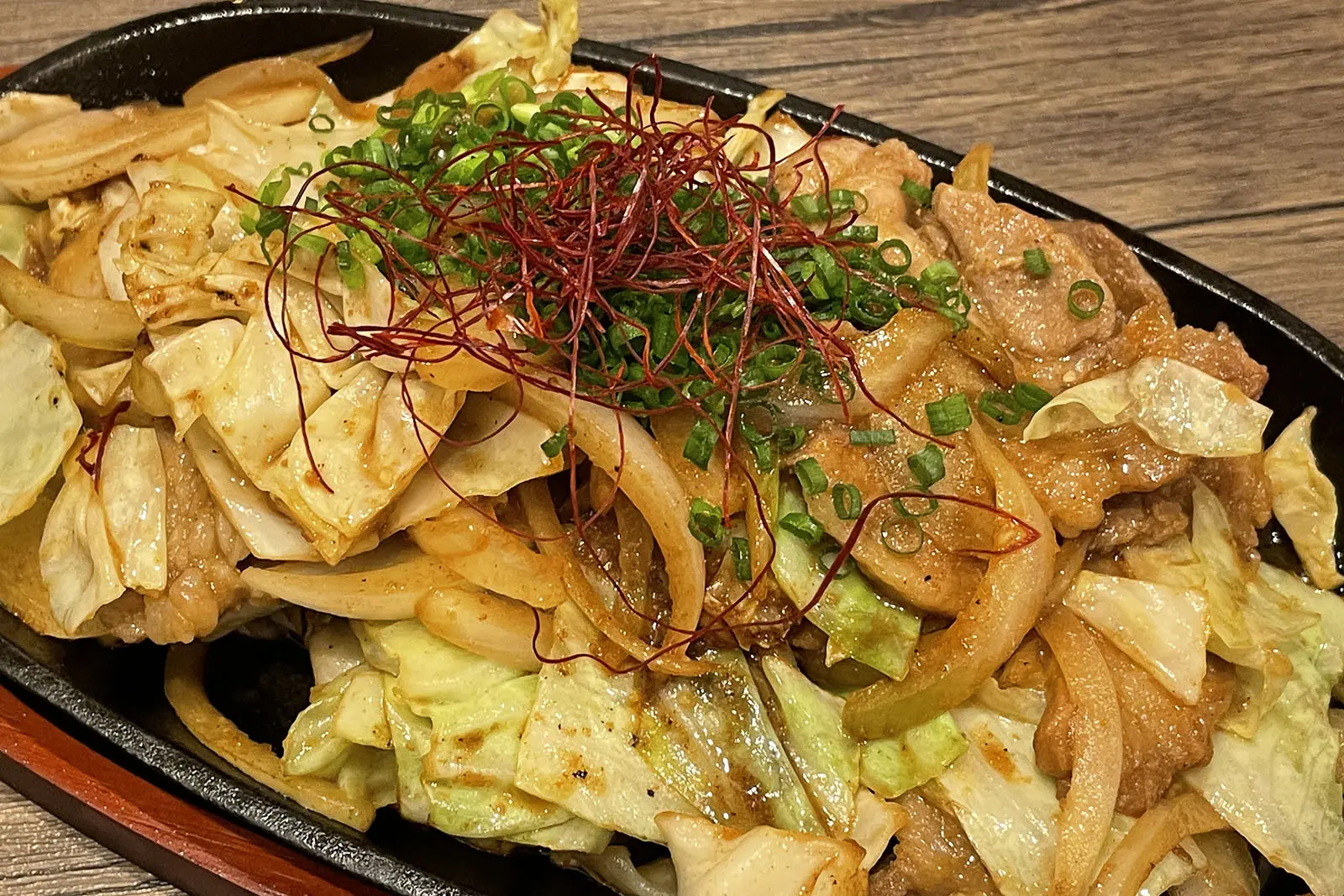
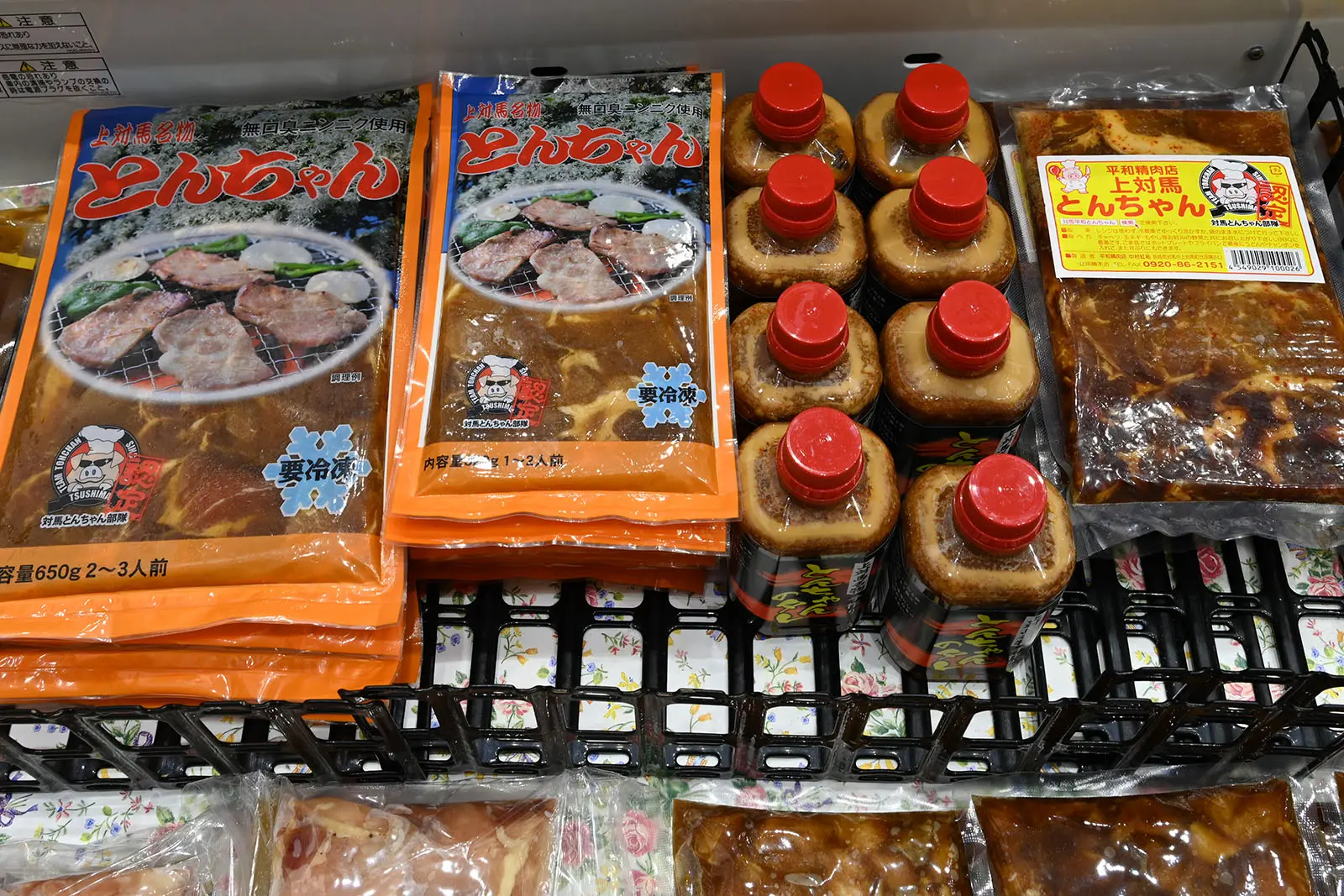
Restaurants are concentrated in Izuhara, Mitsushima near the airport, and the area around Hitakatsu Port. Their number drops sharply once you leave National Route 382 between Izuhara and Hitakatsu. If you plan to explore the north, check in advance which restaurants will be open that day.
Where to Stay on Tsushima Island
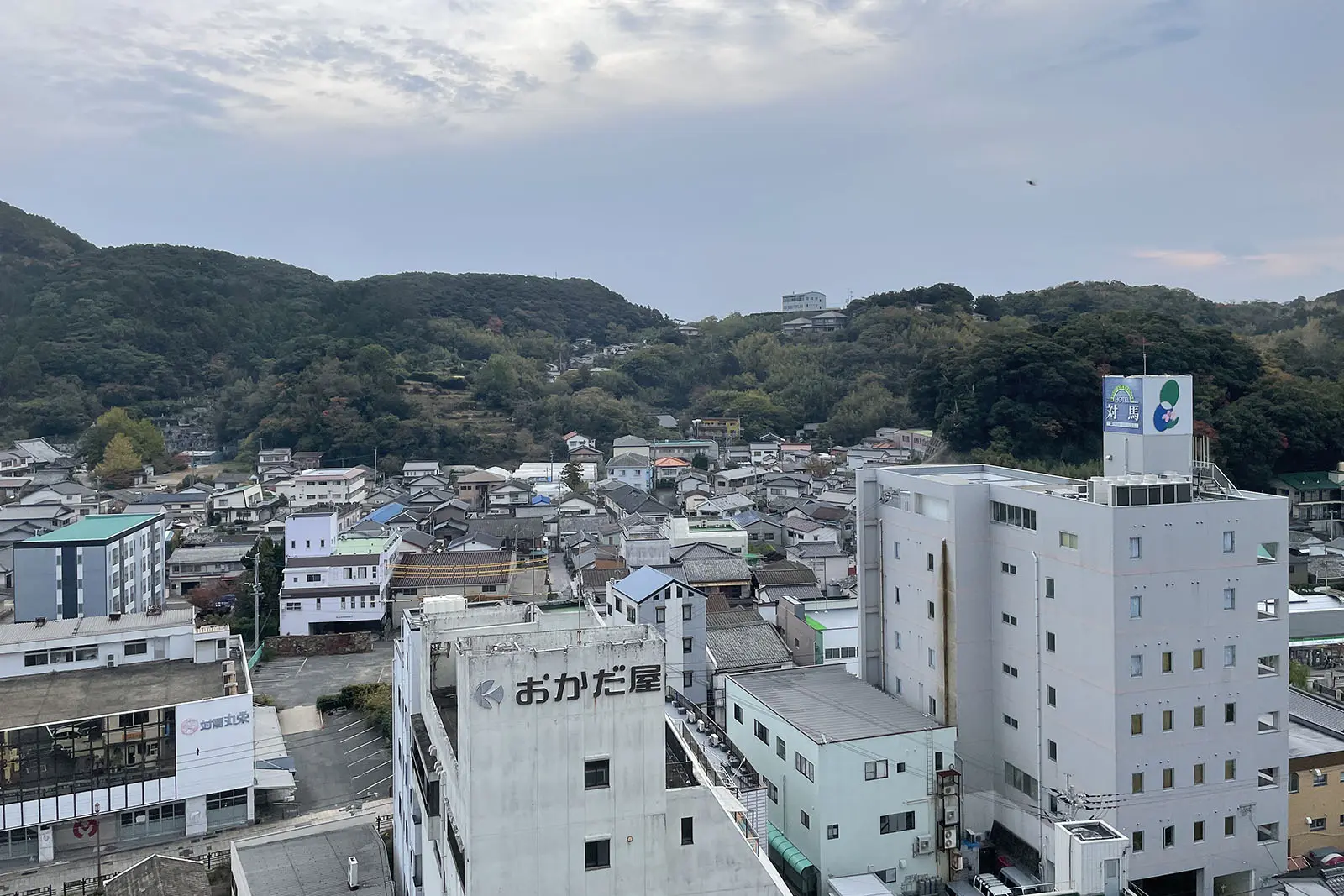
Hotels, traditional inns, and guesthouses can be found between Izuhara and the airport, as well as around Hitakatsu Port. Toyoko Inn chain hotels are located in both Izuhara and Hitakatsu. Although the Hitakatsu area has a good range of accommodations, staying around Izuhara is generally the most convenient choice unless you have a specific reason to focus on northern Tsushima, or Kamijima. Izuhara also has plenty of restaurants, so finding somewhere to eat is not difficult even if you book a room without dinner.
Two-Day, One-Night Tsushima Island Itinerary
This itinerary assumes that you will fly to Tsushima, use public transportation on the first day, and rent a car on the second. You could rent a car from the first day, but Izuhara can easily be explored on foot, so you would have little use for it other than traveling from the airport into town.
Trekking at Kaneda Castle or Mount Shiratake and kayaking in Aso Bay are also recommended for experiencing Tsushima’s natural environment, but each requires at least half a day. They can be included comfortably in a three-day, two-night itinerary, so consider extending your stay if time allows.
Day 1
-
10:30 a.m.
Arrive at Tsushima Yamaneko Airport on the flight from Fukuoka, or at 11:35 a.m. on the flight from Nagasaki
Eat a boxed lunch purchased in advance - 12:10 p.m. Board a scheduled local bus at Tsushima Yamaneko Airport
- バスで32分
- 12:42 p.m. Arrive in Izuhara
- 徒歩やタクシー
- Leave your luggage at your accommodations and begin sightseeing
- 徒歩や車で5〜15分
- 1:00 p.m. Gather information in the Tourism Room at the Fureai-dokoro Tsushima Tourist Information Center, approximately 20 minutes
- 徒歩すぐ
- Kaneishi Castle Ruins, approximately 30 minutes
- 徒歩すぐ
- Banshoin Temple, approximately 50 minutes
- 徒歩約15分
- Samurai residences in the Nakamura district, approximately 40 minutes
- 徒歩約10〜15分
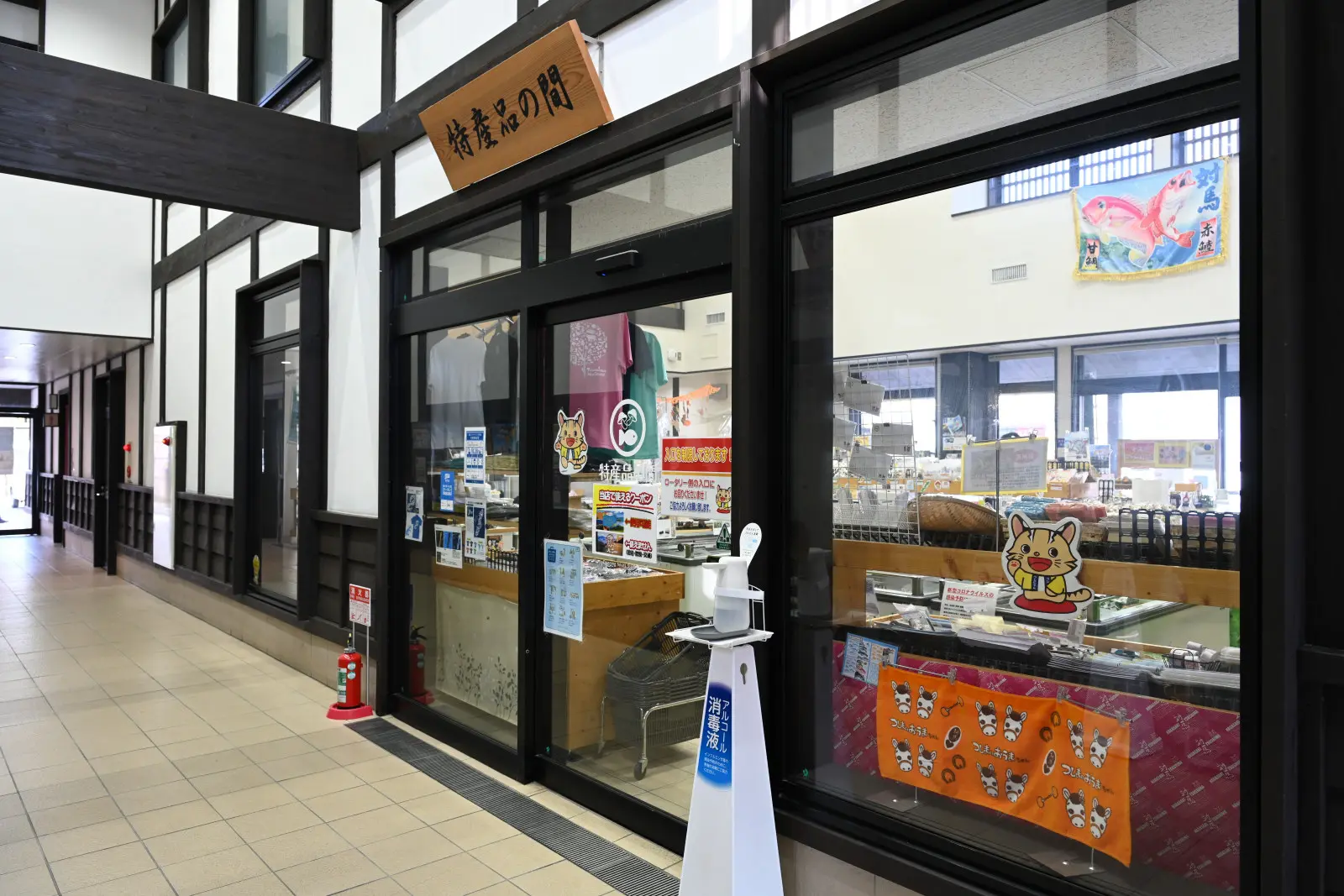
- Shop for souvenirs in the Local Products Room at the Fureai-dokoro Tsushima Tourist Information Center
- After 5:00 p.m. Have dinner at Ajidokoro Senryo, which serves everything from local cuisine and seafood to yakitori, Chinese dishes, and Western-style food
Day 2: Visit Northern Tsushima, or Kamijima
- 8:00 a.m. Depart from the Izuhara area
- 車で約2時間
- 10:00 a.m. Foreign Country View Hill Observatory
- 車で約15分
- Saozaki Park parking lot
- 徒歩約10分
- Saozaki Park and the monument marking Japan’s northwesternmost point, approximately 15 minutes
- 徒歩約10分
- 11:00 a.m. Tsushima Wildlife Conservation Center, approximately 40 minutes
- 徒歩数分
- Saozaki Park parking lot
- 車で約1時間
- 1:00 p.m. Have lunch in the Toyotama area around Nii Port. Anagotei, closed Tuesdays through Thursdays, is recommended
- 豊玉地区から車で約15分、徒歩数分
- 2:30 p.m. Mount Eboshi Observatory, approximately 30 minutes
- 徒歩数分、車で約50分
- Return the car to the rental company
- レンタカー会社の送迎で空港へ
- 4:30–5:00 p.m. Arrive at the airport
The Tsushima Wildlife Conservation Center is temporarily closed from November 1, 2026, through March 2, 2027. If visiting Tsushima during this period, adjust your itinerary by traveling farther north to the Korea Observatory or visiting another attraction.
Frequently Asked Questions About Visiting Tsushima Island
Q
How can I see a wild Tsushima leopard cat?
Tsushima leopard cats are extremely cautious and begin becoming active around sunset. Because the chances of encountering one by accident are low, joining a guided tour is recommended.
Q
What itinerary works well for visiting both Iki and Tsushima?
It is easier to plan your itinerary if you visit Iki first and then take a high-speed boat to Tsushima. You can arrive in Tsushima in the evening and begin sightseeing early the next morning.
Q
What is the recommended way to reach Tsushima?
If traveling from another part of Japan, flying to Tsushima with a connection in Fukuoka or Nagasaki is recommended. If you plan to stay in Hakata, taking a high-speed boat is also a convenient option.
Q
What should I be careful of when driving on Tsushima?
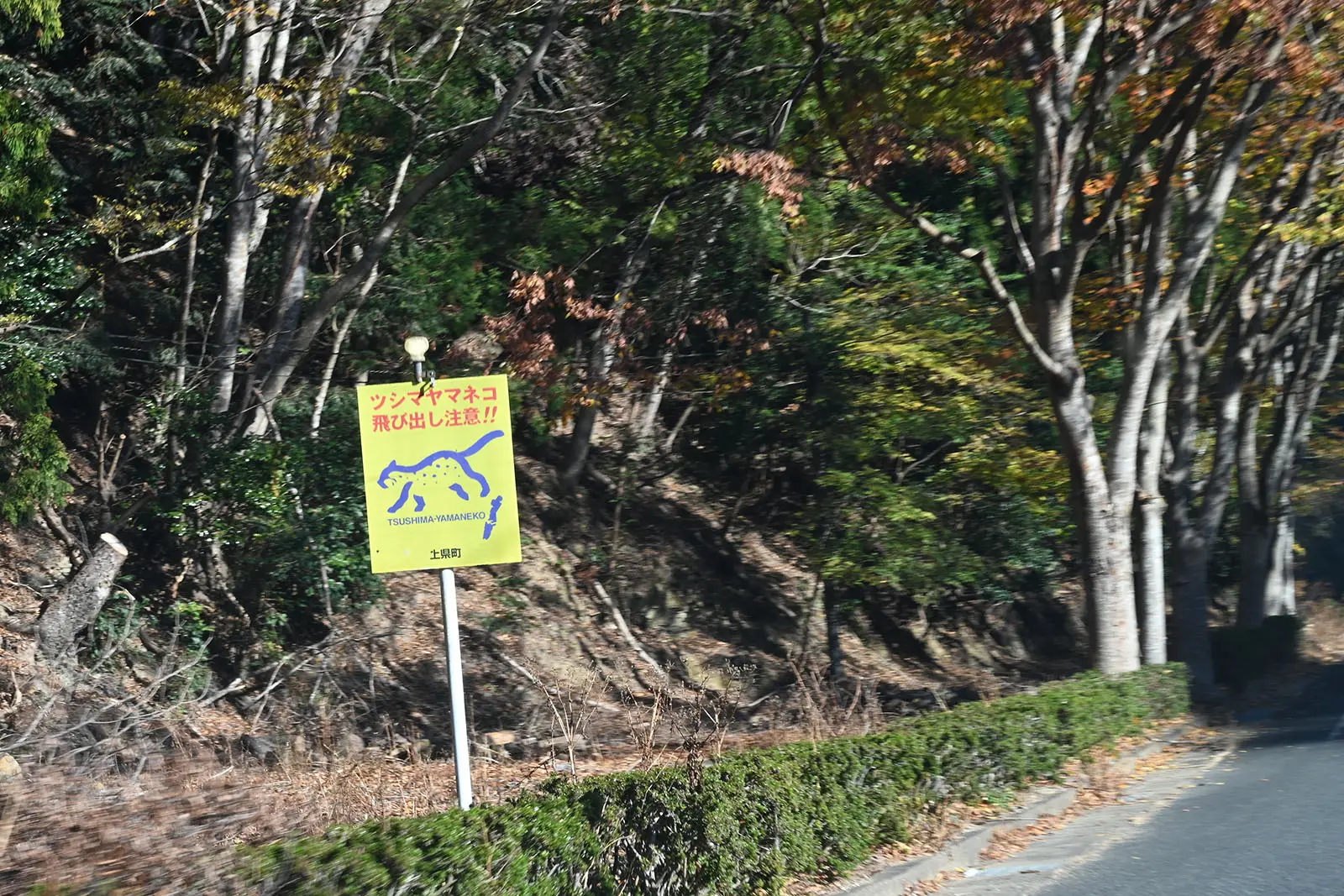
On Kamijima, watch for Tsushima leopard cats suddenly entering the road. Some roads leading to tourist attractions are also narrow. Cell phone reception is unavailable along certain northern sections of National Route 382, so drive carefully to avoid an accident.
Summary
Tsushima’s location near South Korea makes its identity as a border island especially apparent. Because the island covers a large area and most attractions outside Izuhara are far apart, planning a sightseeing itinerary may be more difficult than on other islands. However, its history and natural environment have a character and depth not found elsewhere.
Tsushima offers many opportunities to explore its history, nature, and cuisine in depth. If possible, plan a longer stay and take your time discovering what the island has to offer.

Author
Photographer & Writer
Hiroaki Oyamada
A photographer and writer who loves nature and is passionate about sharing the emotions and inspiration found through travel.
Supervising Editor
Writers & Editors
GOOD LUCK TRIP Editors
Sharing lesser-known ways to experience Japan with the world!