
Beginner’s Guide to the Shikoku Pilgrimage: How to Start, Costs, Etiquette, and Completion
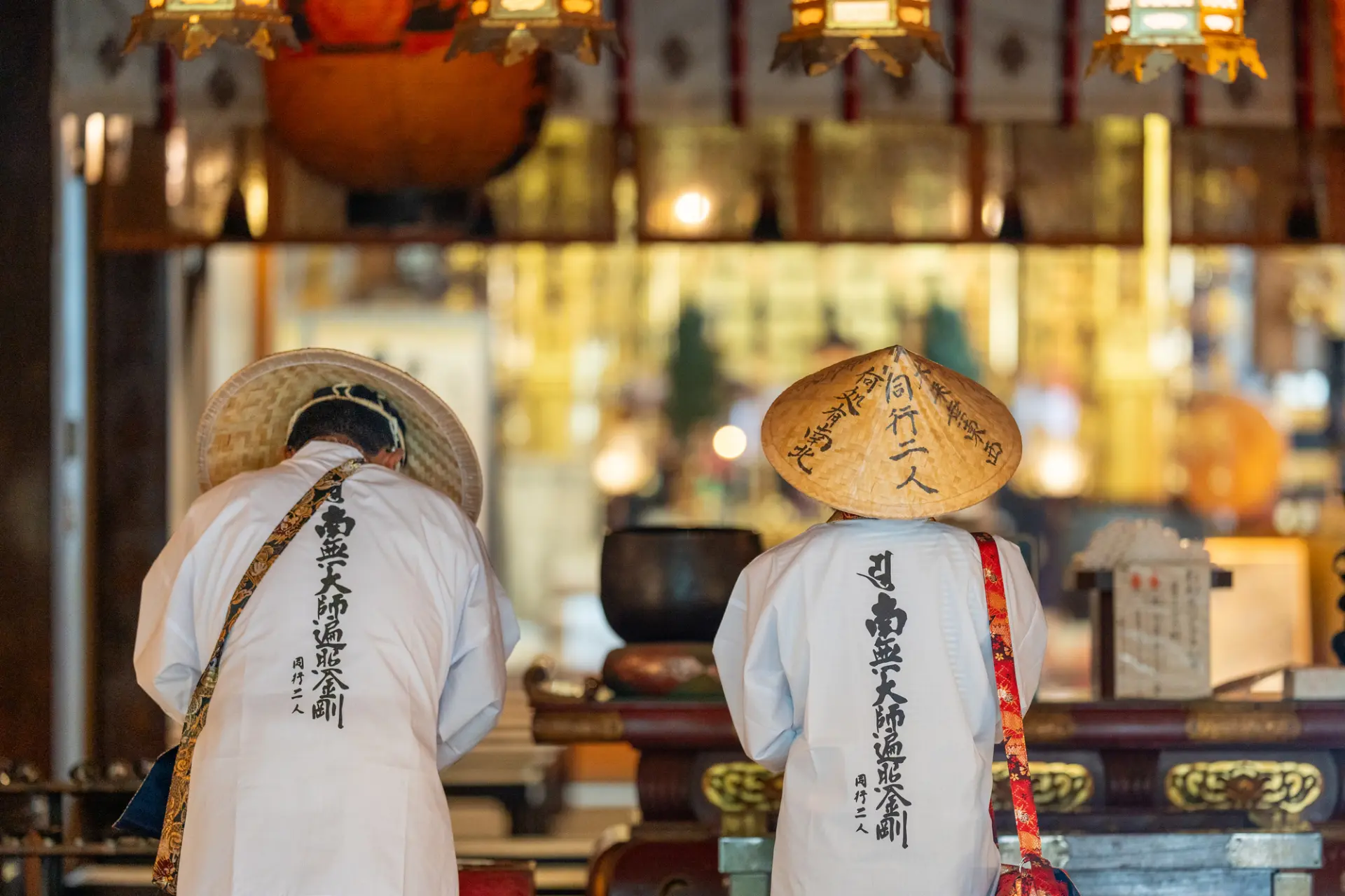
The Shikoku Pilgrimage, or Ohenro, takes pilgrims to 88 sacred sites associated with Kobo Daishi Kukai. Although the entire route covers approximately 1,200–1,400 km, it is not a journey reserved for a select few. Regardless of faith, Buddhist denomination, or age, anyone can begin at their own pace without visiting every temple in a single trip. However, first-time pilgrims should learn a few things before setting out.
This article provides a broad introduction to the pilgrimage, including ways to travel the route, estimated time and costs, worship etiquette and manners, and beginner-friendly courses. Use it to find an approach suited to your fitness level and schedule, then take your first step with a manageable plan.
What Is the Shikoku Pilgrimage?
The Shikoku Pilgrimage, also known as Ohenro, is a journey of prayer to 88 sacred sites associated with Kobo Daishi Kukai. The route covers approximately 1,200–1,400 km across the four prefectures of Tokushima, Kochi, Ehime, and Kagawa, with pilgrims visiting each temple along the way. Said to have a history of around 1,200 years, it is now embraced not only as a journey to deepen one’s faith but also as an opportunity to experience Shikoku’s nature, history, and culture. First, here are four perspectives that explain the fundamentals of the pilgrimage.
Kobo Daishi Kukai and the Shikoku Pilgrimage
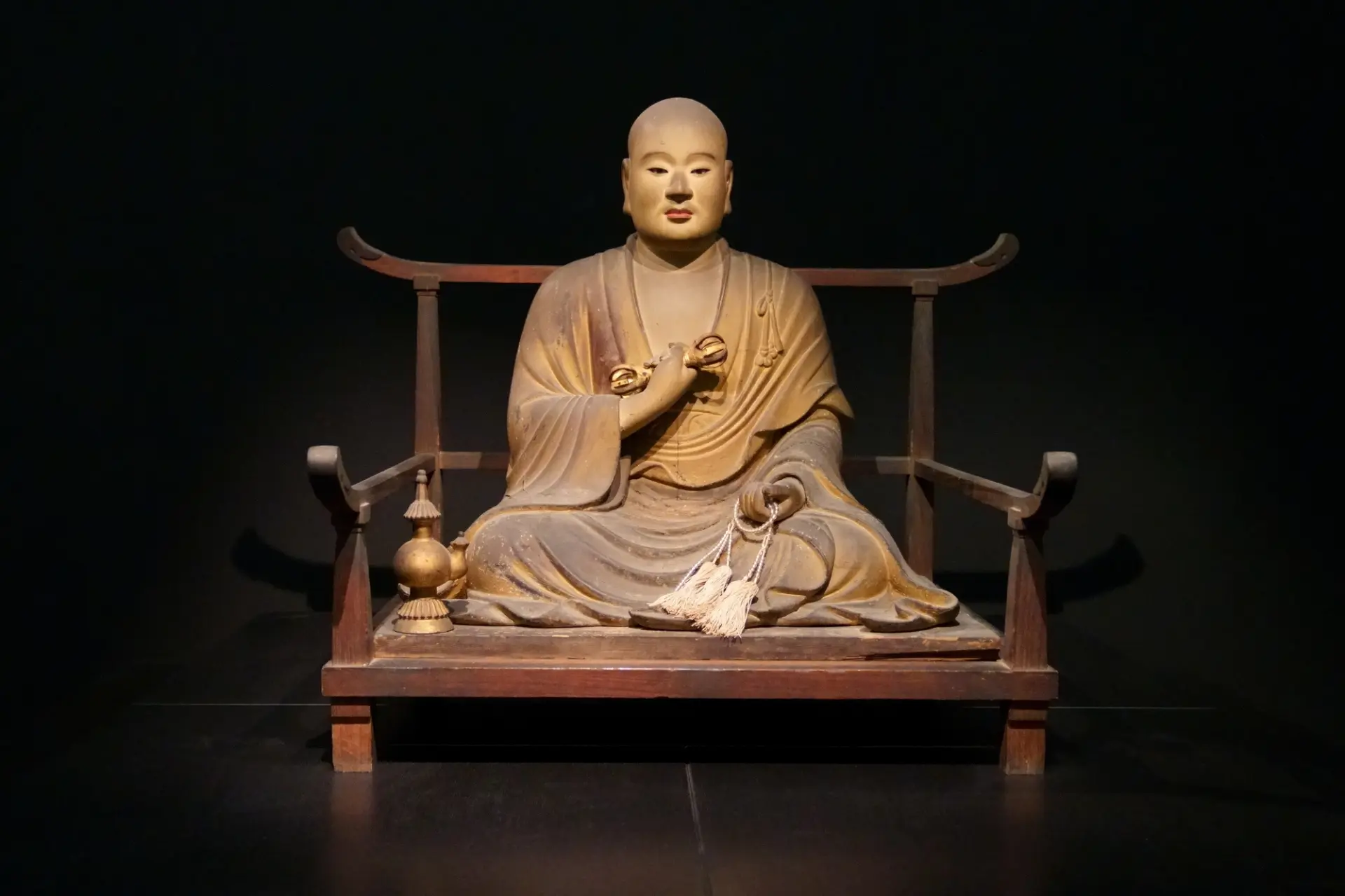
Kobo Daishi Kukai was a Buddhist monk born in 774 in Sanuki Province, present-day Zentsuji City in Kagawa Prefecture. He traveled to Tang China to study esoteric Buddhism and is known for founding the Shingon school after returning to Japan. He is believed to have trained throughout Shikoku from a young age, and visiting places associated with him became the religious foundation of the Shikoku Pilgrimage. There are several theories about when the pilgrimage began, but it gradually took shape through the activities of worshippers and religious practitioners.
The pilgrimage was initially undertaken mainly by ascetics, but it gradually spread among the general public during the Edo period (1603–1868). In 1687, the monk Shinnen published the Shikoku Henro Michishirube, a guide listing temple numbers and pilgrimage routes. It laid the foundation for the Shikoku Pilgrimage.
What Are the 88 Sacred Sites of Shikoku?
The 88 Sacred Sites of Shikoku are a group of 88 pilgrimage temples spread across the island’s four prefectures. Each temple is known as a fudasho, or numbered pilgrimage temple, and pilgrims, also called ohenro-san, travel throughout Shikoku while praying to each temple’s principal deity and Kobo Daishi. The term fudasho is said to come from the former practice of pilgrims nailing wooden name slips to temple pillars as proof of their visit.
| Prefecture | Temple Numbers | Number of Temples |
|---|---|---|
| Tokushima Prefecture | Nos. 1–23 | 23 temples |
| Kochi Prefecture | Nos. 24–39 | 16 temples |
| Ehime Prefecture | Nos. 40–65 | 26 temples |
| Kagawa Prefecture | Nos. 66–88 | 23 temples |
| Total | Nos. 1–88 | 88 temples |
Shikoku’s Four Prefectures as Places of Awakening, Training, Enlightenment, and Nirvana
Together with their former provincial names, Shikoku’s four prefectures are divided into four training grounds representing stages on the path to enlightenment.
The journey from Temple No. 1 to Temple No. 88 is likened to a progression from uncertainty toward enlightenment, symbolizing spiritual growth through pilgrimage.
| Prefecture and Former Province | Training Ground | Meaning |
|---|---|---|
| Tokushima Prefecture, Awa | Training Ground of Hosshin, or Awakening | Awaken the desire for enlightenment and resolve to begin the journey |
| Kochi Prefecture, Tosa | Training Ground of Religious Practice | Put Buddhist teachings into practice and cultivate the body and mind |
| Ehime Prefecture, Iyo | Training Ground of Bodai, or Enlightenment | Seek enlightenment and deepen Buddhist wisdom |
| Kagawa Prefecture, Sanuki | Training Ground of Nehan, or Nirvana | Represent the enlightened state of freedom from worldly desires and uncertainty |
The Purpose and Meaning of the Pilgrimage and the Teaching of Dogyo Ninin
The ways in which people undertake the pilgrimage have expanded over time. Once centered on the journeys of ascetic monks, it now attracts people for many reasons, including self-discovery, renewal, and an interest in culture. Whatever the motivation, the fundamental practice is to bring one’s hands together at each temple and pray to its principal deity and Kobo Daishi.
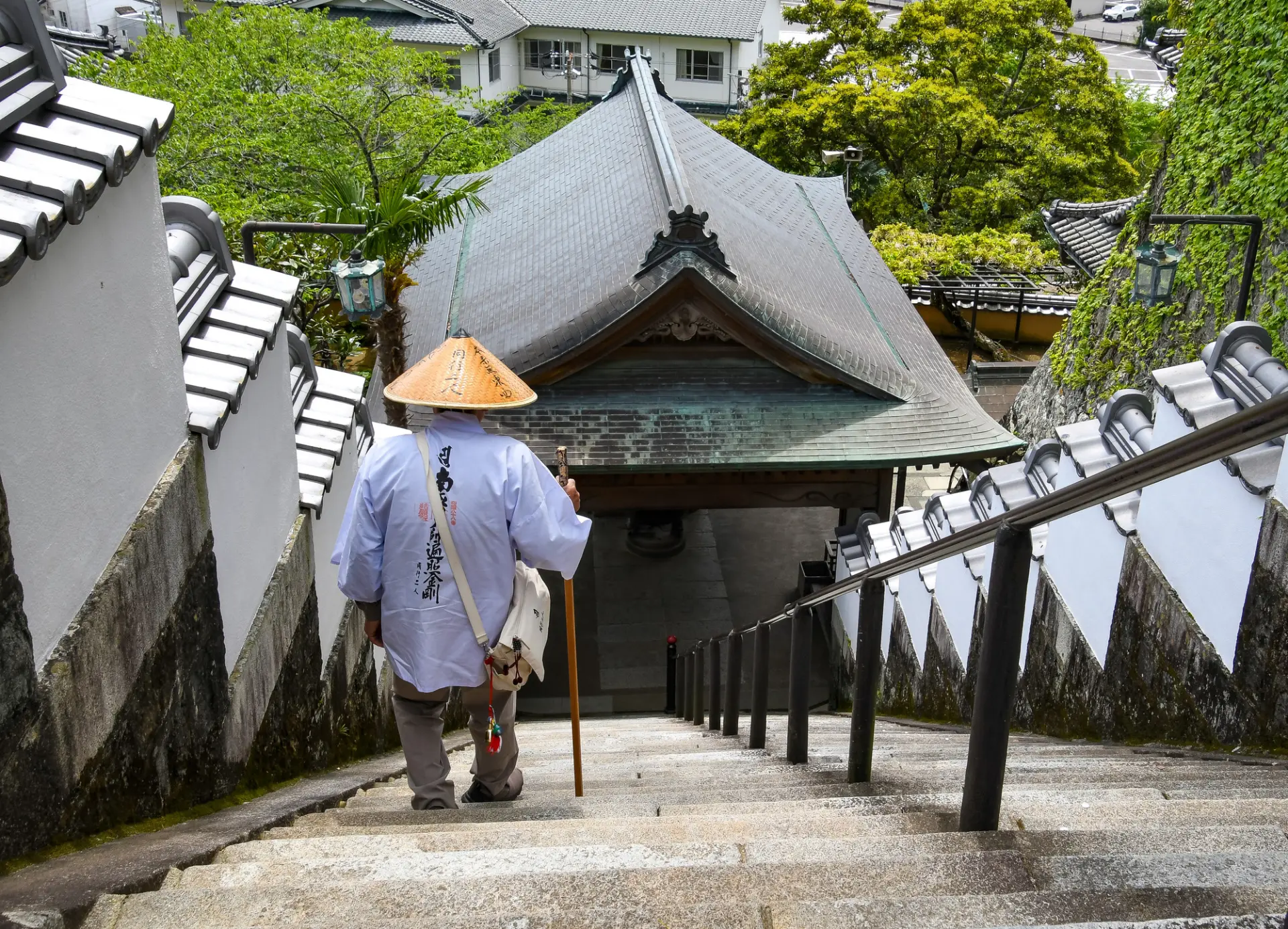
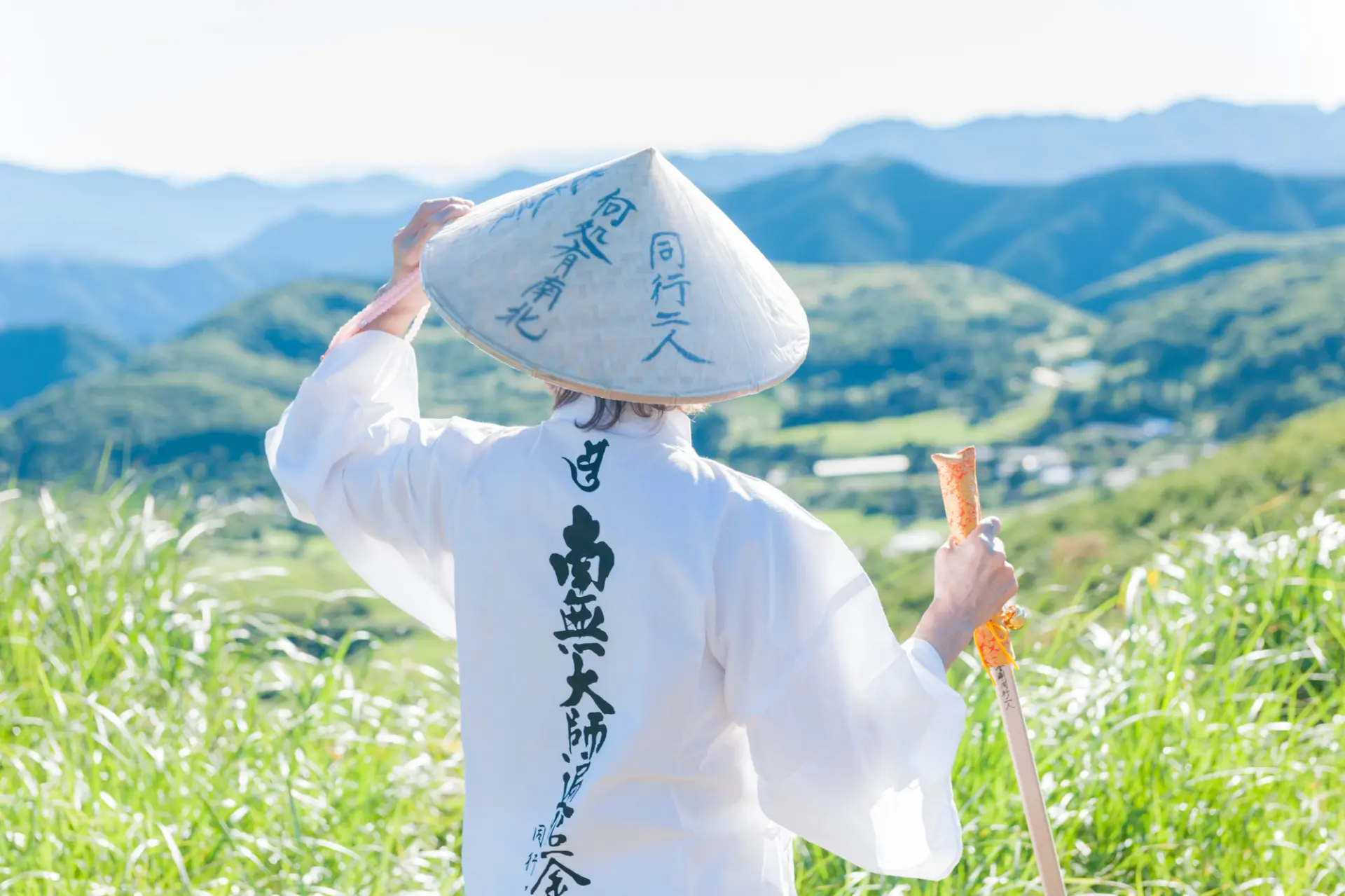
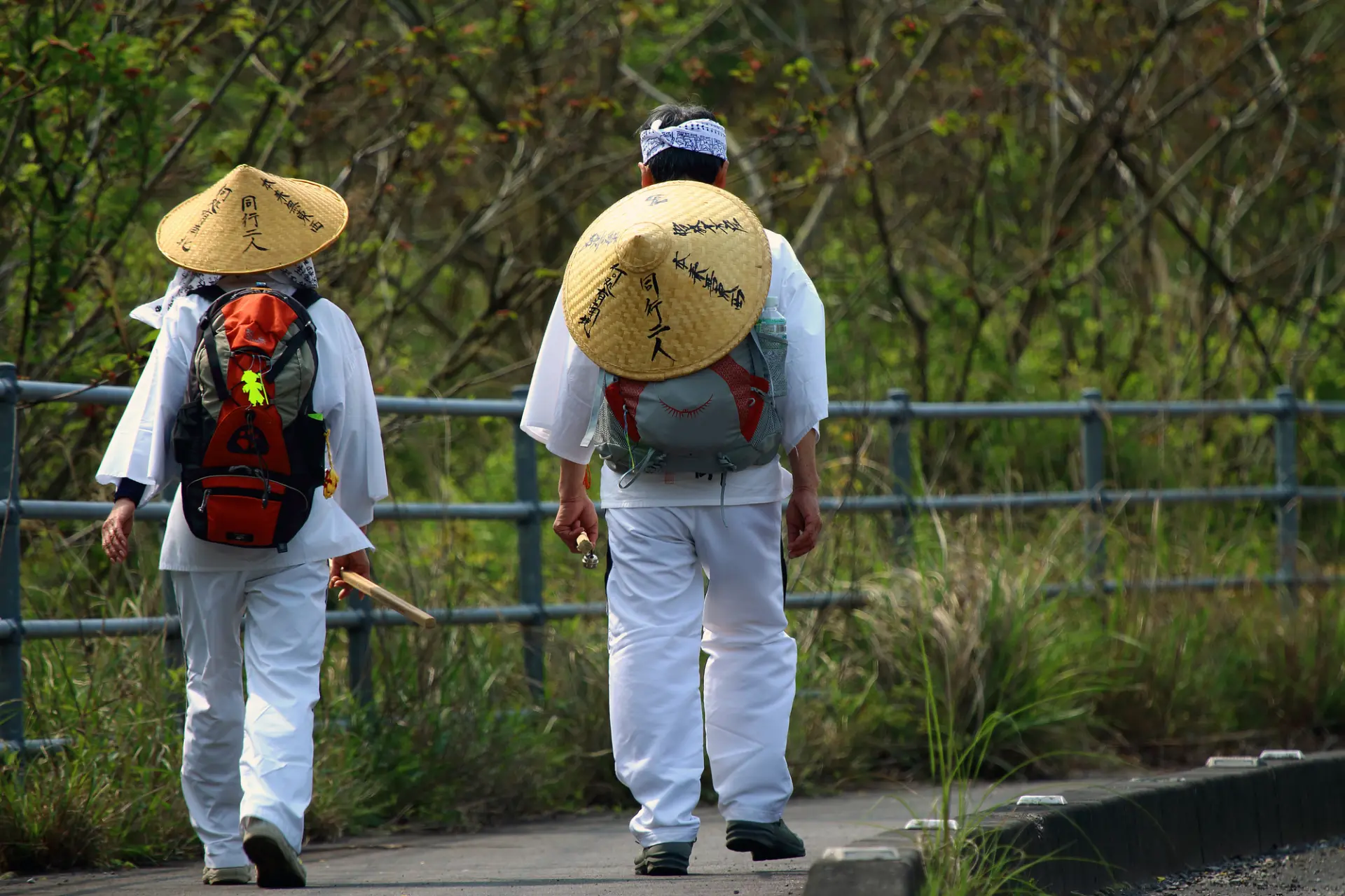
One concept at the heart of the pilgrimage is dogyo ninin, meaning “two traveling together.” It expresses the belief that Kobo Daishi is always beside each pilgrim, walking the route with them. Even those traveling alone are never truly alone—a belief distinctive to the Shikoku Pilgrimage.
Why the Shikoku Pilgrimage Appeals to Beginners
The Shikoku Pilgrimage is also a journey for experiencing the traditions passed down through its temples and communities while spending time in your own way. The word “pilgrimage” may suggest severe religious training, but everyone has different goals and approaches, and there is no requirement to travel in exactly the same way. Encounters with people along the route also add depth to the experience. Here are some of the qualities that first-time pilgrims should know about.
Reflect on Yourself Through Prayer
At each pilgrimage temple, visitors bring their hands together and pray quietly. Many people are so busy with work, household responsibilities, and daily tasks that they have little time to reflect on their feelings. Moments of worship offer an opportunity to step away from everyday life and reconsider where you are. People pray for many reasons, including hope for the future, their family’s health, or the repose of someone who has died. Even without a specific wish, there is meaning in calming your mind and bringing your hands together. It can also be helpful to put some distance between yourself and your smartphone and focus on the scenery before you. Rather than rushing to find a special answer, take time to consider what matters to you. Each moment of reflection becomes part of the inner journey.
Experience Shikoku’s Nature, History, and Culture
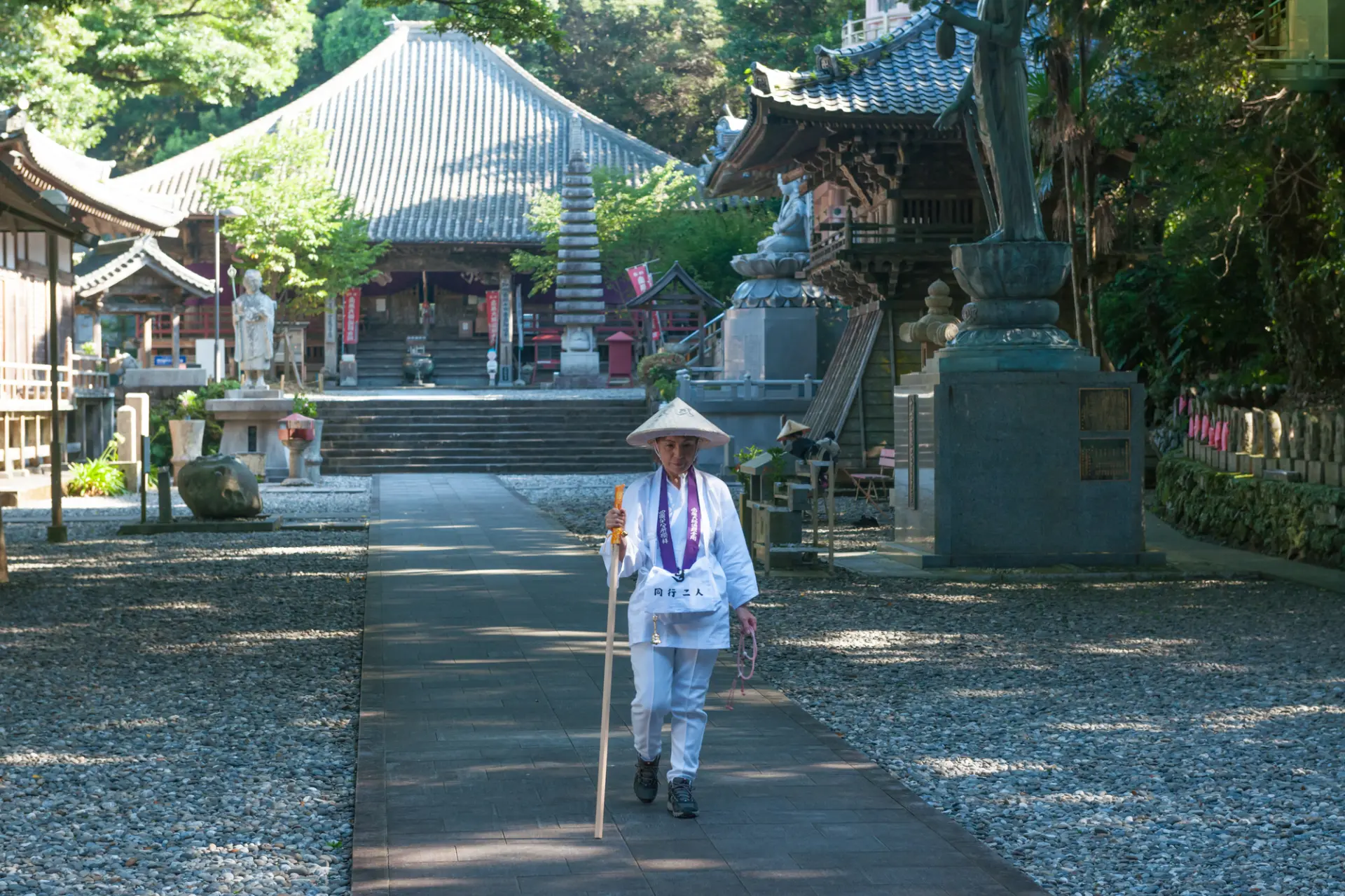
The pilgrimage route passes through Shikoku’s varied landscapes. Pilgrims can take in changing scenery, from expansive coastal views and quiet mountain approaches to narrow streets in local towns. Each temple also has its own history and cultural attractions, including main halls, Buddhist statues, and historic structures. Every temple has a different atmosphere, and its character becomes clearer as you continue the journey. Learning about a temple before visiting may give the experience an entirely different impression.
Another attraction is the opportunity to discover local food culture along the way. As well as being a spiritual journey, the pilgrimage is a way to experience Shikoku itself through specialties such as Kochi’s seared bonito and Ehime’s mandarin oranges.
Experiencing the region’s environment and everyday life firsthand, and finding your interests expanding along the way, is another pleasure of the pilgrimage.
Connect with Local People
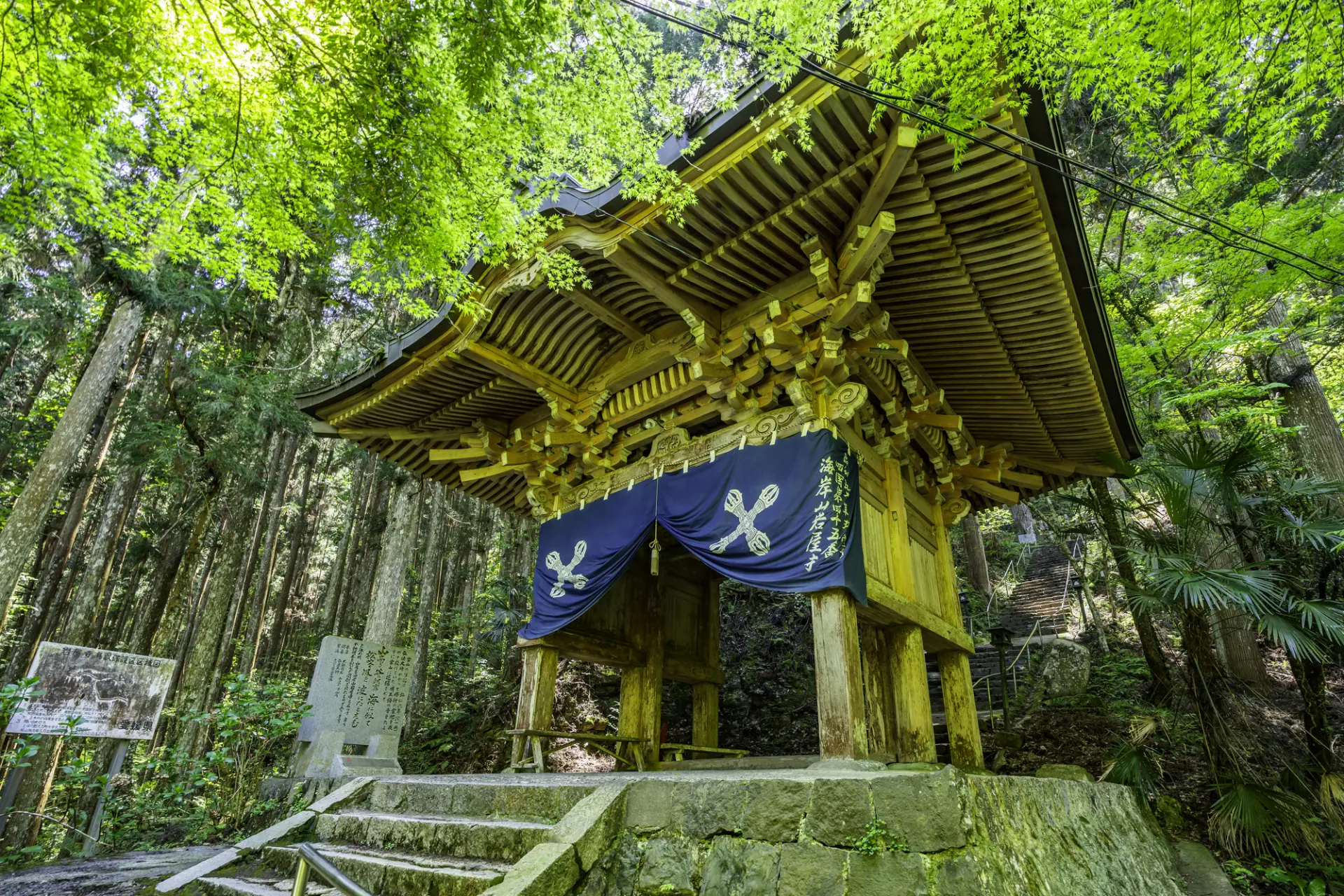
Shikoku has a long-standing tradition known as osettai, in which local people warmly welcome pilgrims. Although it is no longer practiced as widely as it once was, it takes many forms, including offering food and drinks, providing directions, or giving pilgrims a place to rest. This hospitality is offered freely, without expecting payment, and is rooted in faith and goodwill. It also carries the meaning of allowing the giver to accumulate religious merit and asking the pilgrim to worship on their behalf. Such acts offer valuable support to those traveling the long route. Conversations with accommodation hosts and stories shared by local residents can also become lasting memories. The opportunity to feel connected with others is part of the pilgrimage’s appeal.
Ways to Complete the Pilgrimage: Jun-uchi, Gyaku-uchi, Toshi-uchi, Kugiri-uchi, and Ikkoku Mairi
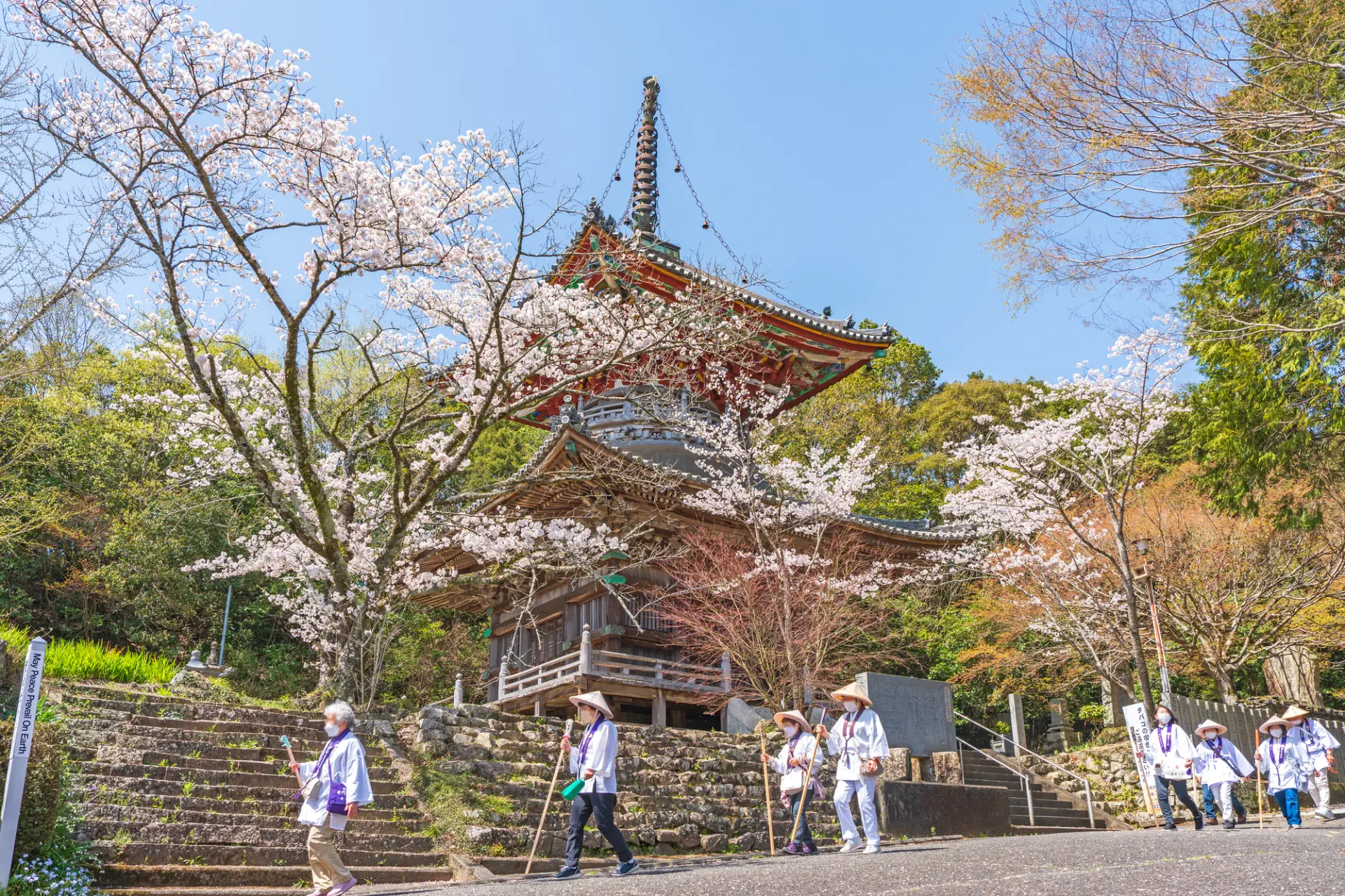
The Shikoku Pilgrimage can be completed in several ways, depending on the order in which the temples are visited and how the itinerary is divided. There is no need to travel the entire pilgrimage route in one trip, and visitors are free to decide which areas to cover. The ability to plan around the time available, personal fitness, and the purpose of the journey is another defining feature. Start by learning the differences between the main pilgrimage styles and select the one that suits you.
Jun-uchi and Gyaku-uchi
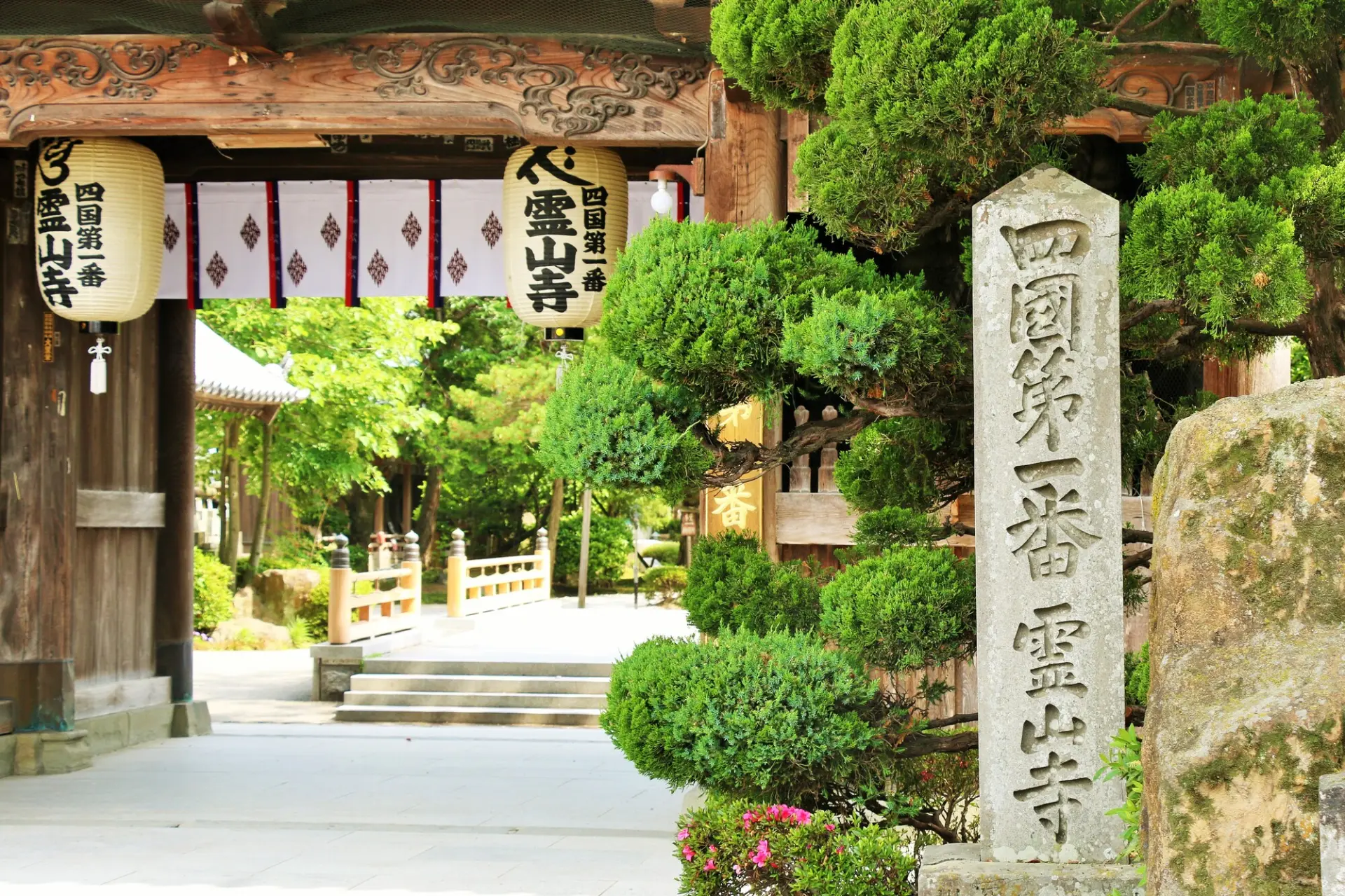
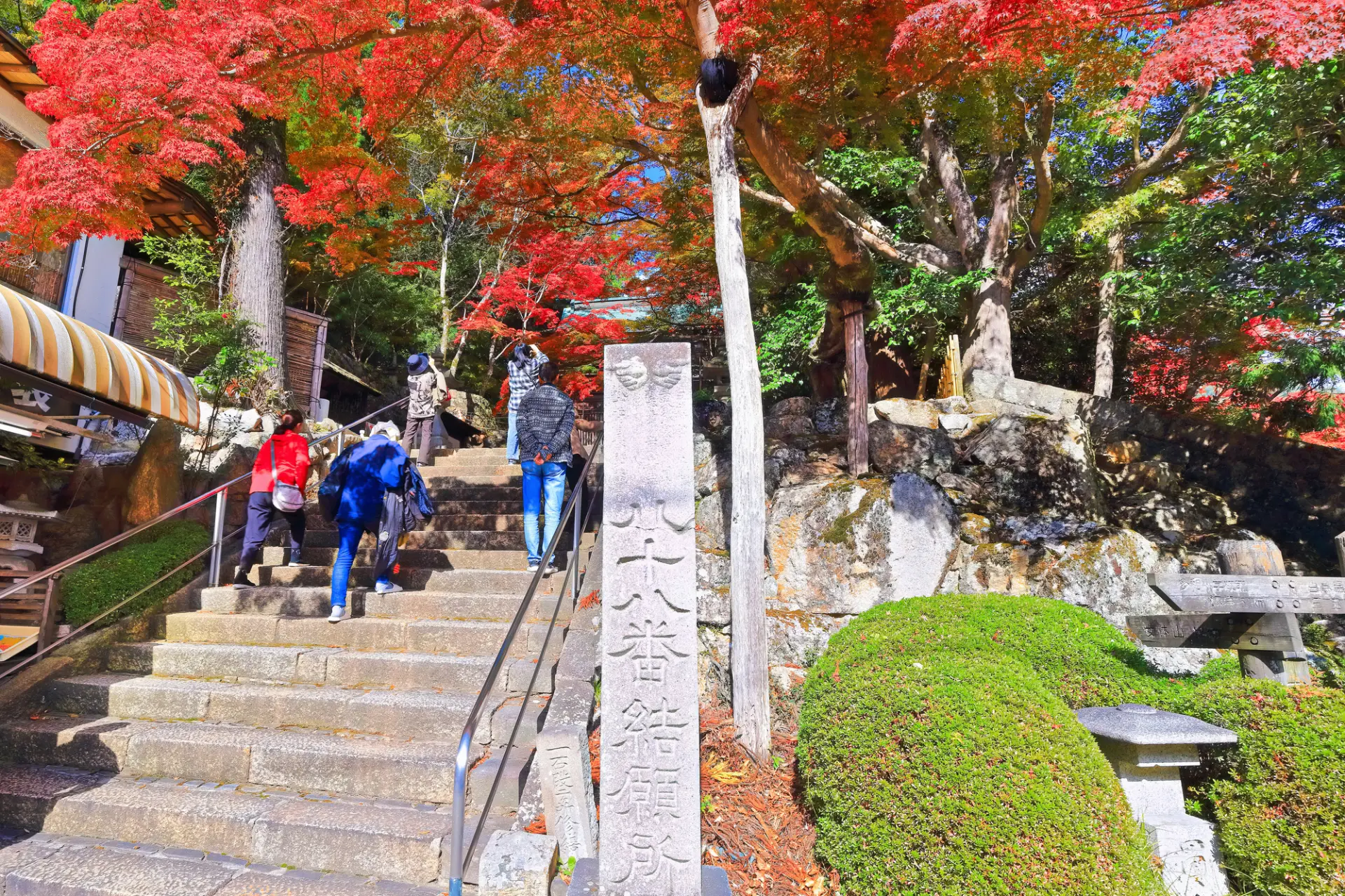
Jun-uchi is the standard clockwise route, beginning at Ryozenji, Temple No. 1 in Tokushima Prefecture, and finishing at Okuboji, Temple No. 88 in Kagawa Prefecture. Because the temples are visited in numerical order, pilgrims can follow signs and guidebooks, making the route relatively easy for first-time visitors to plan. It is also the most common way to complete the pilgrimage.
Gyaku-uchi follows the route in reverse, traveling from Temple No. 88 back to Temple No. 1. According to tradition, completing the reverse route during a leap year earns the same merit as completing the standard route three times. This belief is also connected with the legend of Emon Saburo and Kobo Daishi. It is a religious tradition rather than a formal pilgrimage rule. Traveling freely without following numerical order is known as midare-uchi.
Toshi-uchi and Kugiri-uchi
Toshi-uchi means visiting all 88 sacred sites in a single journey. Kugiri-uchi divides the full route into several separate trips. Pilgrims may resume each trip from the point where the previous one ended or choose sections that suit their circumstances. Kugiri-uchi is a good option for first-time pilgrims who are uncertain about undertaking a lengthy journey.
| - | Toshi-uchi | Kugiri-uchi |
|---|---|---|
| Method | Visit all 88 temples in a single pilgrimage | Divide the full route into several trips |
| Time Required | Requires an extended vacation; the exact time varies greatly by transportation method | Can be completed gradually over weekends and holidays |
| Best For | People with sufficient time who want to travel throughout Shikoku in one journey | People who find it difficult to take a long break from work or family responsibilities |
| Features | Offers an immersive experience and a strong sense of accomplishment | Allows pilgrims to proceed comfortably according to their own schedule and pace |
Ikkoku Mairi
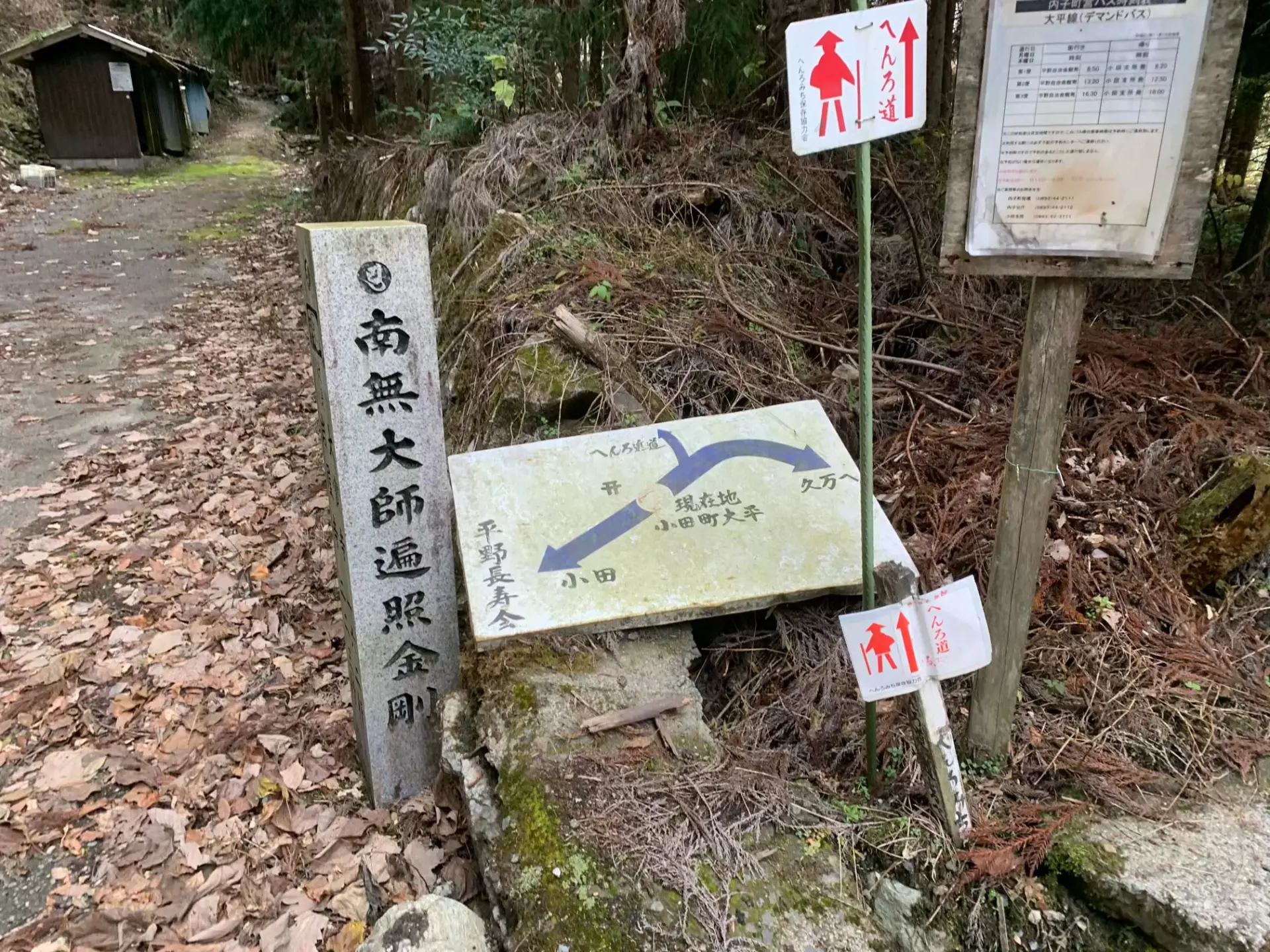
Ikkoku mairi divides the pilgrimage temples into the four former provinces of Awa, Tosa, Iyo, and Sanuki, allowing pilgrims to complete one province at a time. It is a form of kugiri-uchi and corresponds to the four training grounds of Awakening, Religious Practice, Enlightenment, and Nirvana described above. Completing one province at a time makes it easier to set long-term goals for the journey. For example, pilgrims may visit Awa first and Tosa on their next trip. Each region also differs in its number of temples, scenery, and route, allowing visitors to experience the character of each area.
Getting Around the Shikoku Pilgrimage: Comparing Five Styles
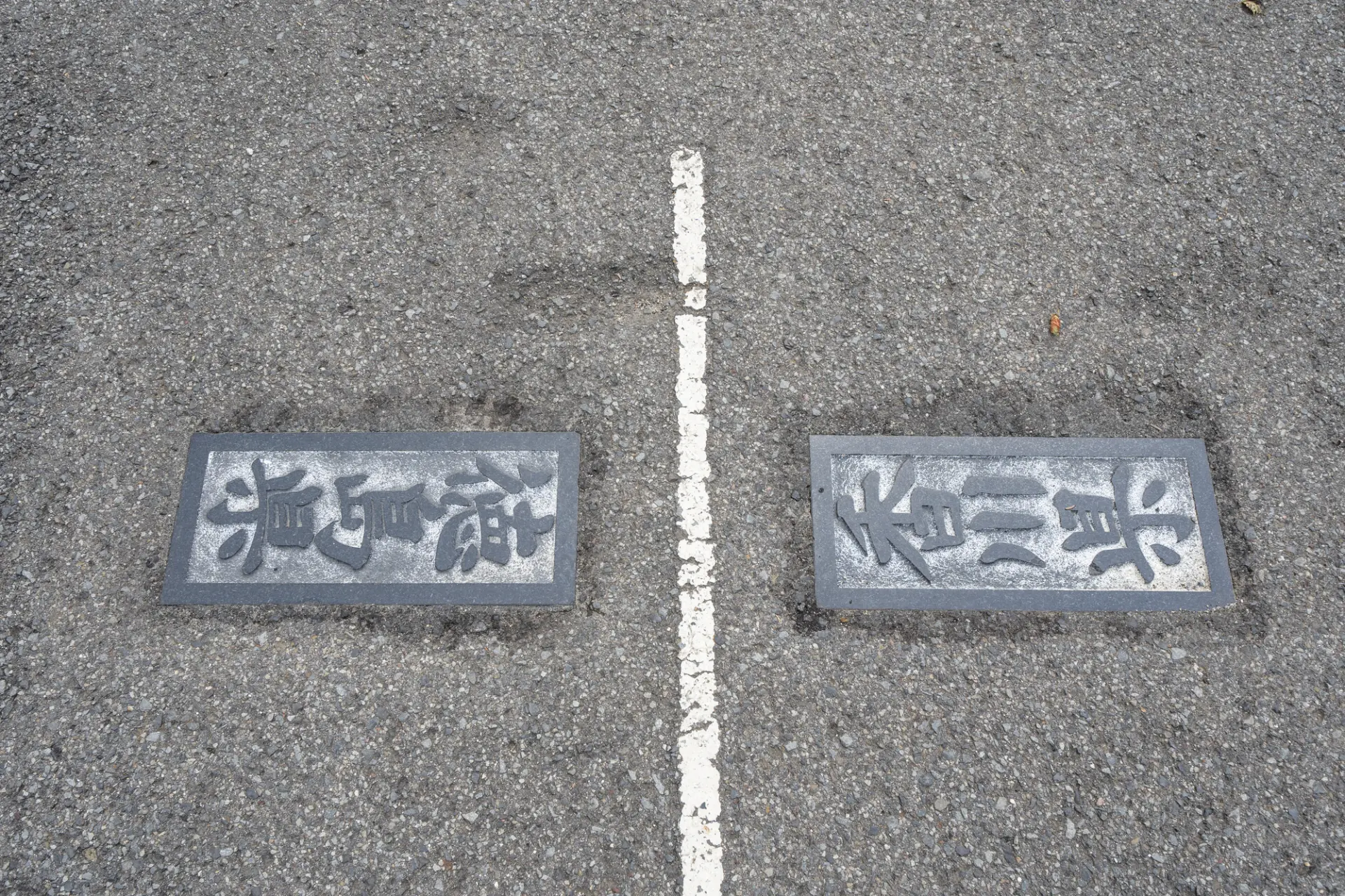
Walking is not the only way to visit the 88 Sacred Sites of Shikoku. Today, pilgrims can travel by car, bicycle, motorcycle, public transportation, or organized tour. The pace, view of the landscape, physical demands, and overall experience vary depending on the method selected. Pilgrims may also combine different forms of transportation rather than relying on only one. The five main styles are outlined below.
| Transportation | Main Advantages | Best For |
|---|---|---|
| Walking | Offers closer contact with nature and more interaction with local people | People with sufficient time and fitness who want to travel slowly |
| Car | Provides efficient transportation and makes it easy to visit other attractions | Confident drivers who want to complete the route in a relatively short time |
| Bicycle or Motorcycle | Covers more ground than walking while still allowing travelers to experience the scenery | Experienced riders who value mobility |
| Bus and Train | Eliminates the burden of driving and makes use of public transportation | People who prefer not to drive and want to combine public transportation with walking |
| Pilgrimage Tour | Transportation and itineraries are arranged for participants | First-time pilgrims concerned about preparation and travel arrangements |
Walking Pilgrimage
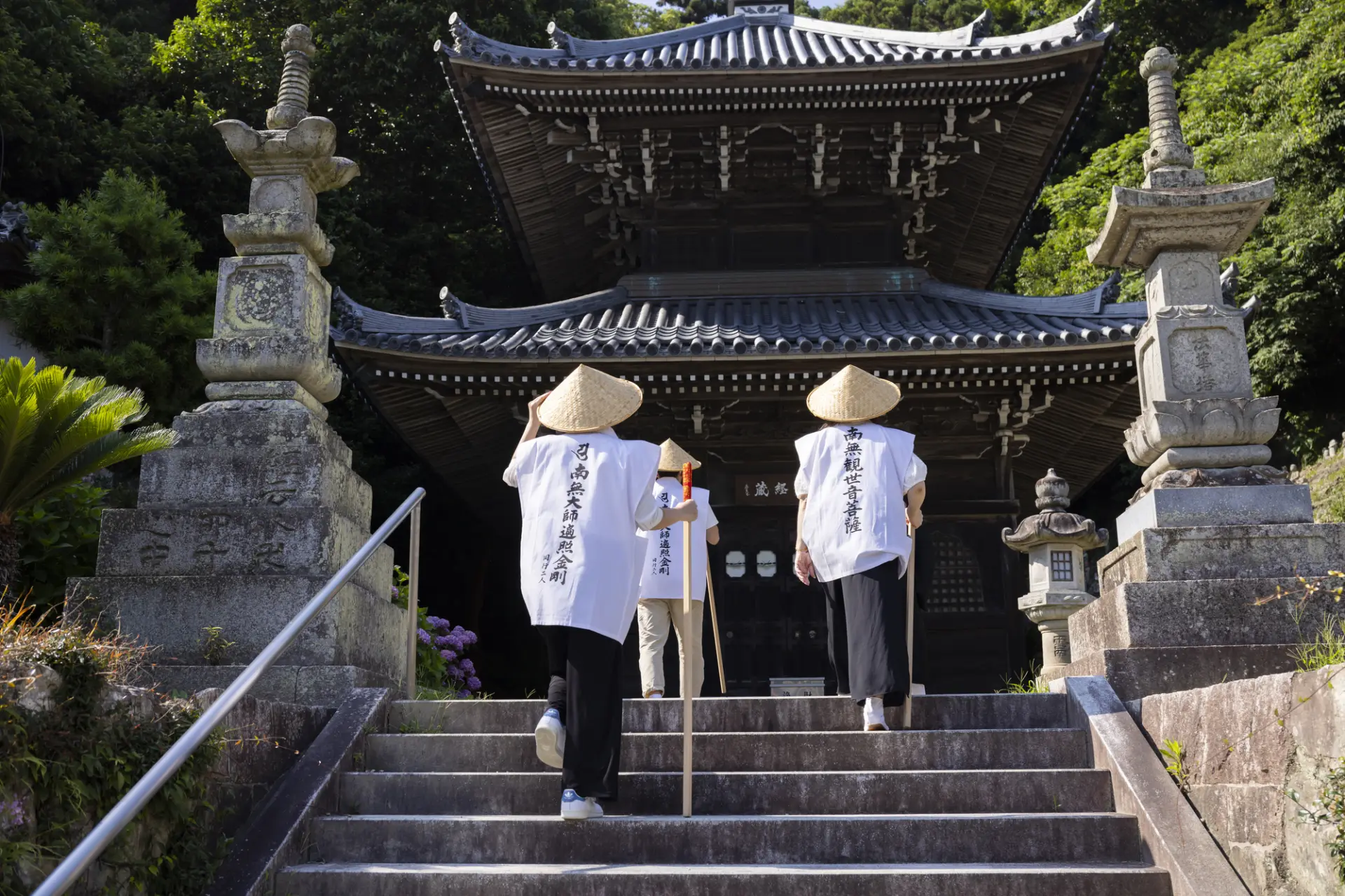
A walking pilgrimage is the traditional way to follow the pilgrimage route on foot from one temple to the next.
Its appeal lies in experiencing Shikoku’s natural surroundings up close while meeting local residents and other pilgrims along the way. Walking makes it easier to notice small communities and old route markers that might be missed by car, providing more opportunities to experience the region’s history and everyday life. Reaching a temple after covering a long distance on foot also brings a strong sense of accomplishment.
However, walking the entire route requires considerable time and stamina. Pilgrims are directly exposed to the weather, and some sections include mountain paths and steep slopes, making careful preparation and health management essential. Beginners should start with a short, relatively level section and gradually increase their walking distance.
Car or Rental Car Pilgrimage
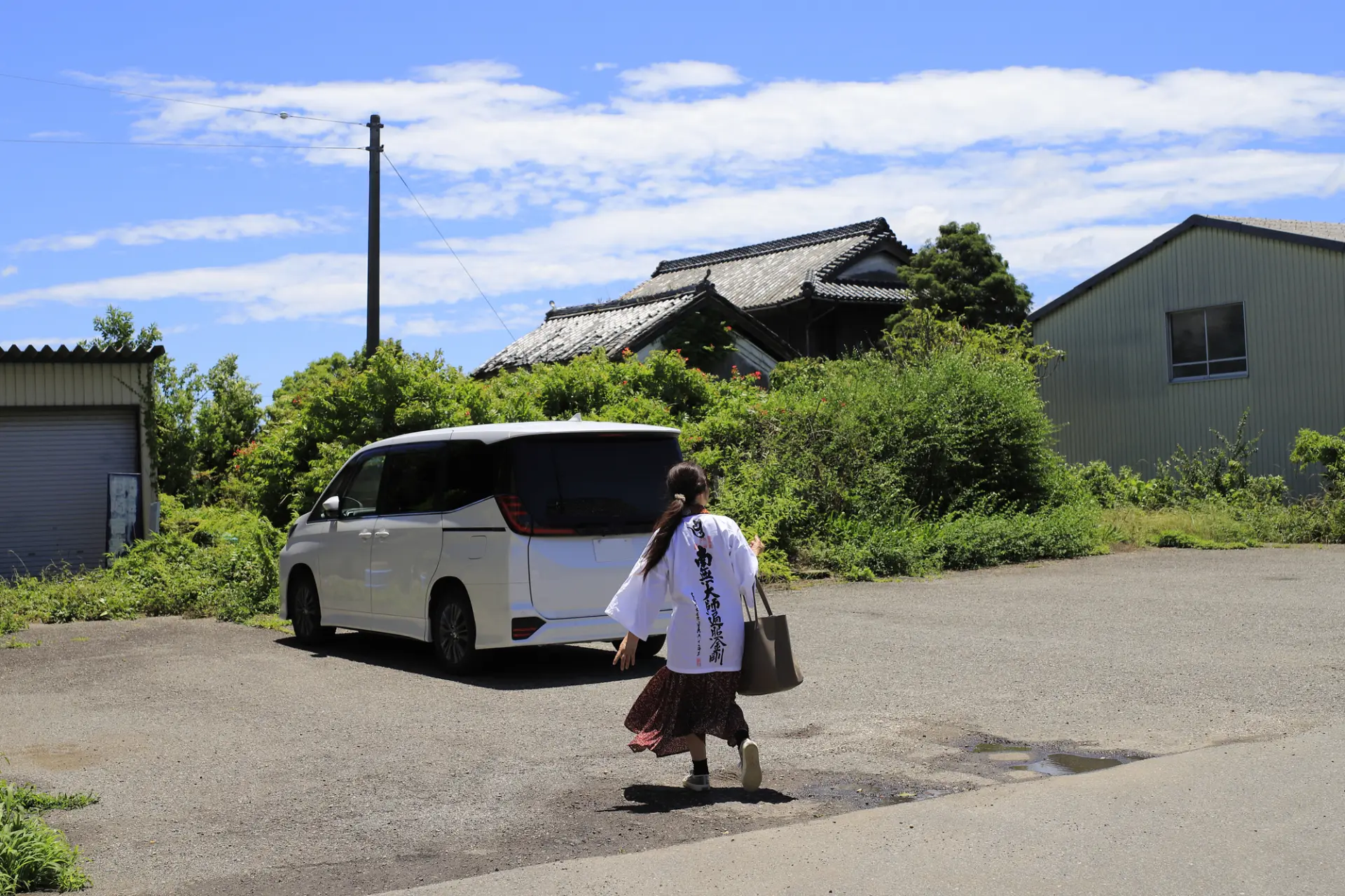
A car pilgrimage involves visiting the temples in a personal vehicle or rental car. Travel times are shorter than on a walking pilgrimage, making it easier to visit temples efficiently on a limited schedule. Luggage can remain in the car, allowing pilgrims to worship without carrying a heavy load and leaving more time for meals and sightseeing. Another advantage is the freedom to plan without being restricted by public transportation schedules.
However, there may be fewer opportunities to take in the scenery slowly or interact with local people. Driving in an unfamiliar area can also be more tiring than expected. Pilgrims should check road conditions as well as parking locations and restrictions. Those renting a car should also confirm pickup and return locations and business hours in advance.
Bicycle or Motorcycle Pilgrimage
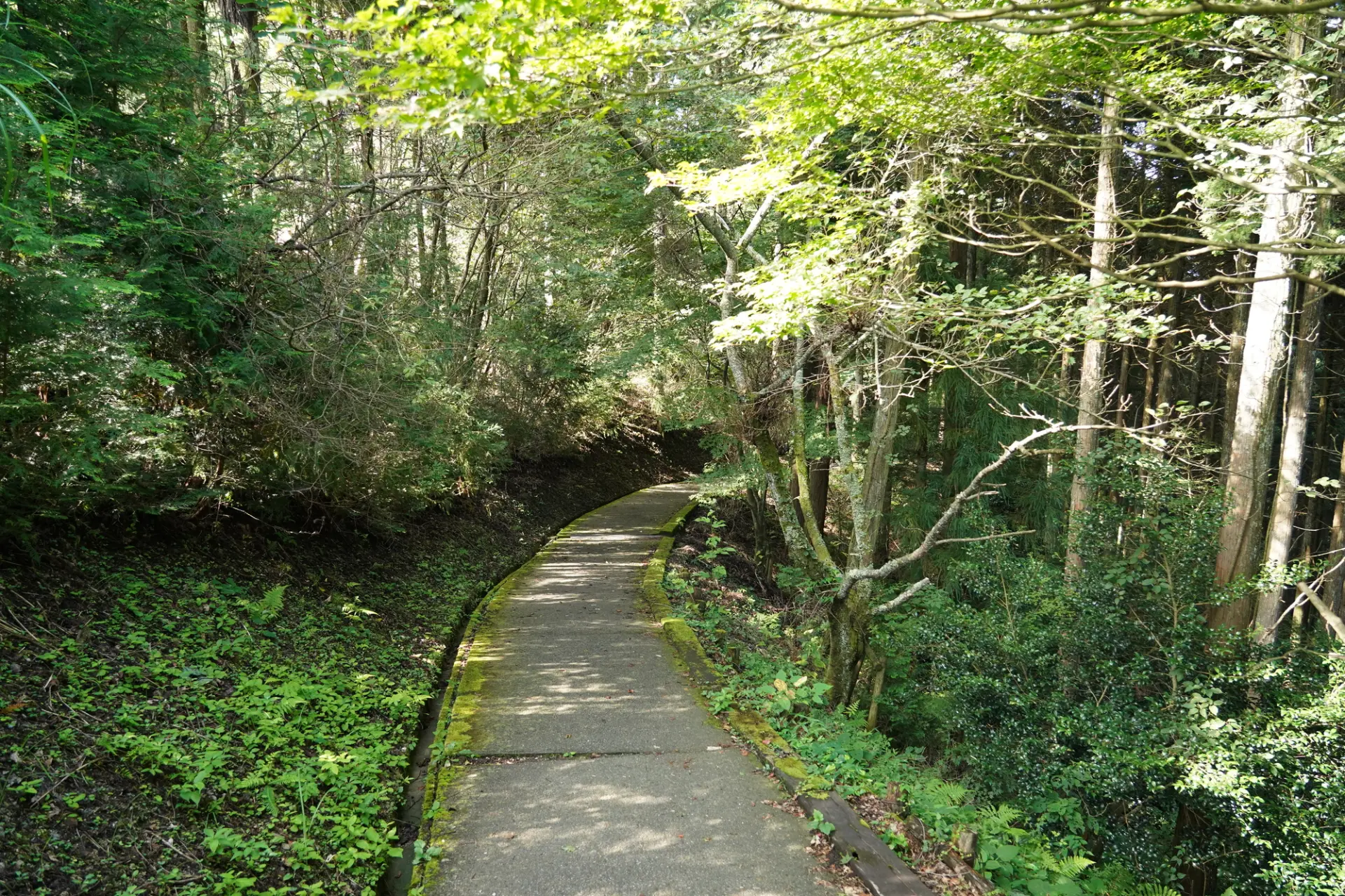
A bicycle or motorcycle pilgrimage combines the close connection of walking with the mobility of traveling by car. Riders can directly experience the wind, scents, and changes in temperature while covering a broader area than they could on foot.
The maneuverability of two-wheeled transportation also makes it easy to stop at places of interest.
However, Shikoku’s mountainous terrain includes many long slopes, and extra care is required because of reduced visibility and difficult road conditions in the rain. Bicycles and motorcycles also have less luggage capacity than cars, so belongings should be kept light and compact.
Bus and Train Pilgrimage
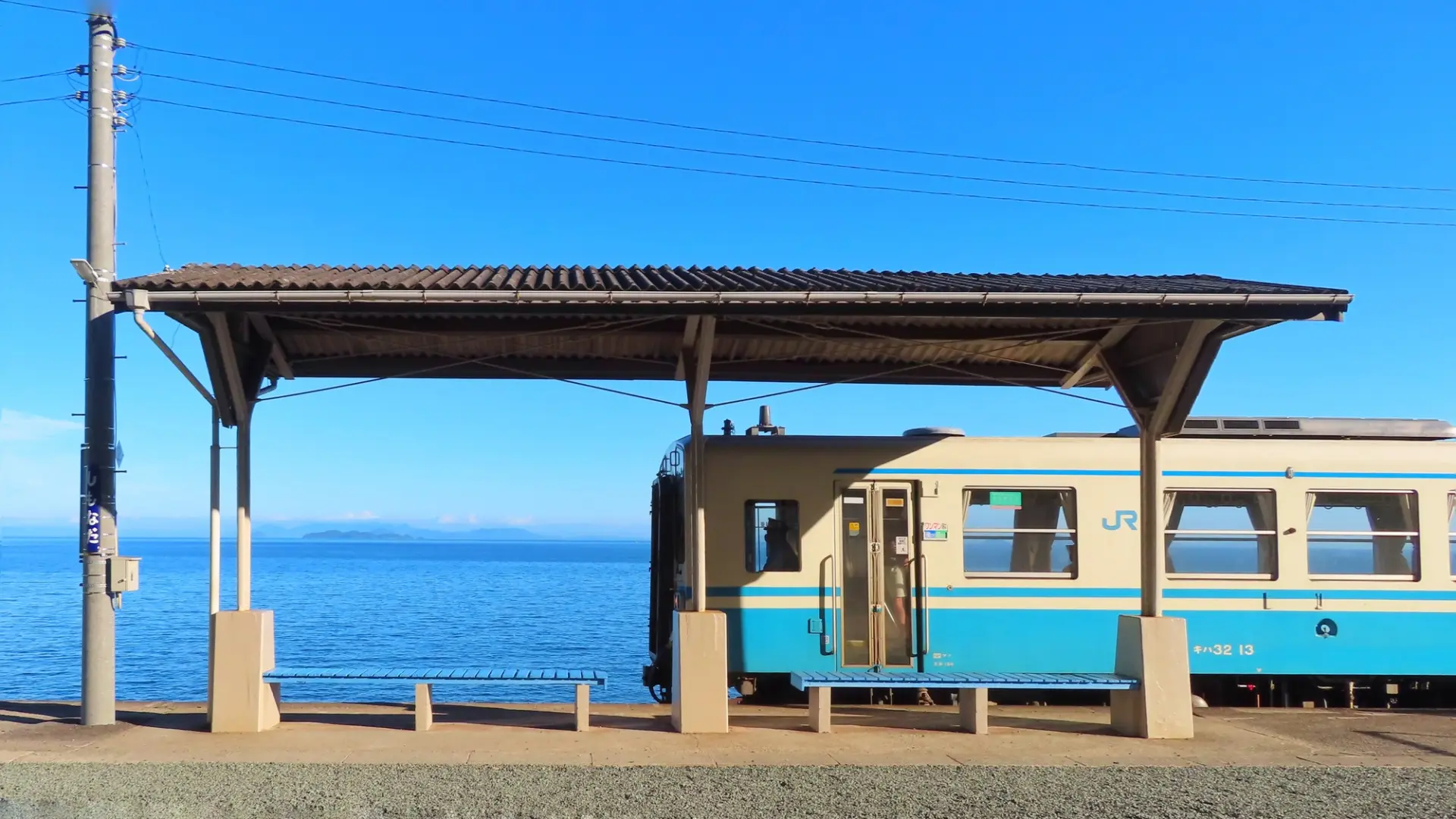
A bus and train pilgrimage uses public transportation to travel between temples. Shikoku has JR trains, private railways, and local buses, allowing visitors to reach multiple temples from stations and bus stops. Travelers can appreciate the scenery from the window and proceed at a relatively flexible pace.
However, some routes operate infrequently, and certain temples are difficult to reach using public transportation alone. Transfers and waiting times may also limit the number of temples that can be visited in one day. Using taxis where necessary is recommended.
Pilgrimage Tours
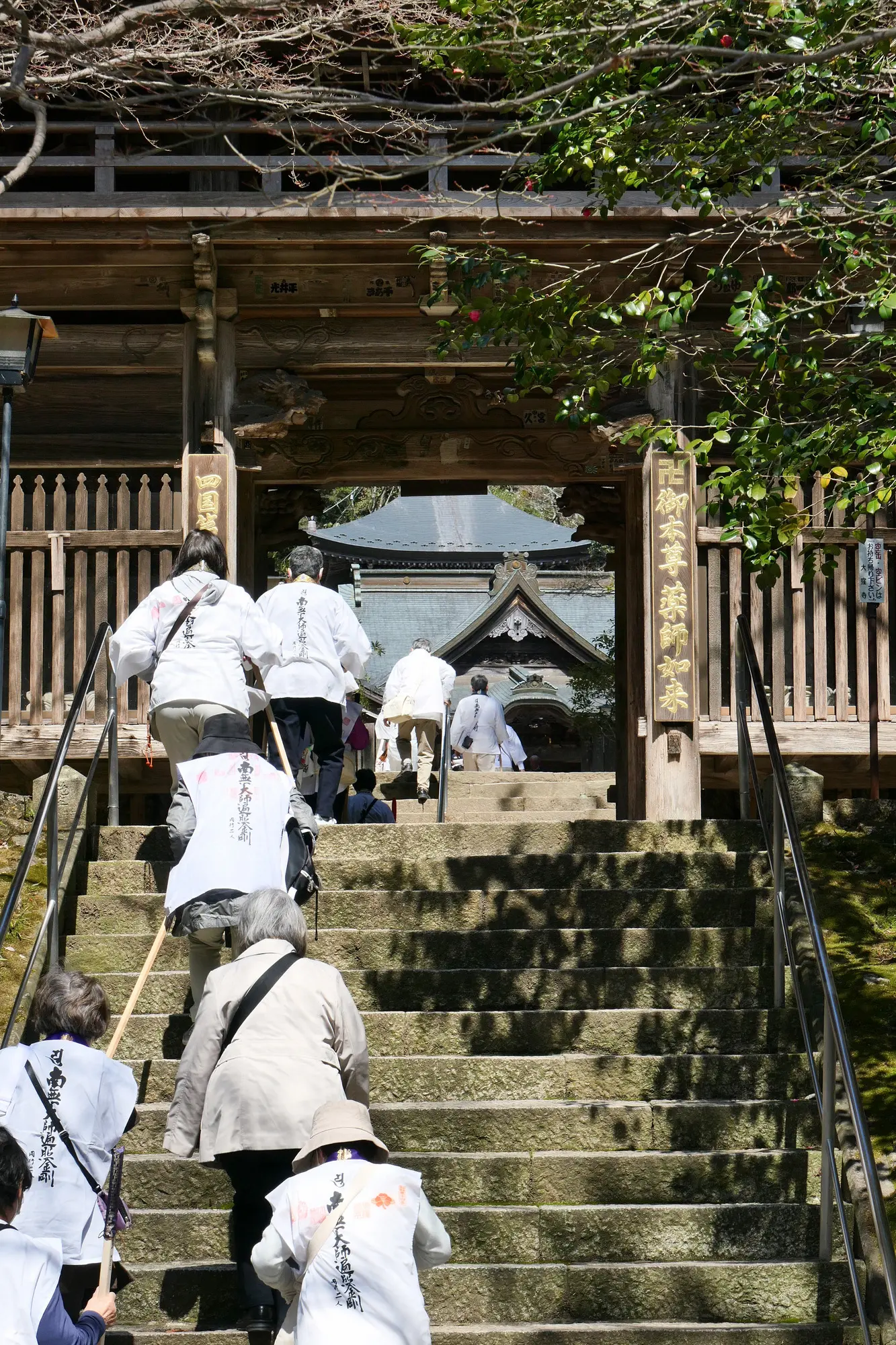
Pilgrimage tours are organized by travel agencies and other companies. The temple itinerary and transportation are arranged in advance, and accommodations and meals are often included. Because they reduce uncertainty and logistical demands, tours are accessible to first-time pilgrims. Options include day trips, tours accompanied by a guide or certified pilgrimage leader known as a sendatsu, and plans that accept solo participants. Details, duration, and prices differ by tour, so look for one that suits your needs. Keep in mind, however, that fixed schedules offer less freedom during the journey.
Estimated Time and Cost of the Shikoku Pilgrimage
The time and expense required are major considerations when planning a pilgrimage. Both vary according to transportation, accommodations, and other choices, but understanding the approximate figures in advance makes it easier to create a suitable plan. The following sections outline the time required to visit all 88 temples, major expenses, and sample budgets.
How Long Does It Take to Visit All 88 Temples?
The number of days required to visit all 88 Sacred Sites of Shikoku varies by transportation method. The general estimates below are useful, but it is best to allow extra time for unexpected circumstances.
| Transportation | Estimated Time for a Continuous Pilgrimage | Notes |
|---|---|---|
| Walking | Approximately 45–60 days | Assumes around 20–30 km per day; varies according to fitness and trail conditions |
| Car or Motorcycle | Approximately 10–14 days | Assumes visits to around 6–9 temples per day |
| Bicycle | Approximately 20–40 days | Varies according to slopes, route, and fitness |
| Bus and Train | No standard estimate | Varies greatly according to service frequency, transfers, and walking sections |
| Tour | Approximately 9–12 days | Depends on the travel company’s plan, including continuous and divided itineraries |
Times may vary because of weather delays, rest days, and the amount of time spent at each temple.
Estimated Expenses and Budget
The main pilgrimage expenses are transportation, accommodations, meals, nokyo fees, and pilgrimage gear. The total varies greatly according to accommodations, meals, and transportation, and generally increases with the length of the journey. The approximate breakdown is as follows.
| Category | Estimate | Notes |
|---|---|---|
| Accommodations | Approximately ¥4,000–¥12,000 per night |
Temple lodgings, guesthouses, hotels, and other options Varies depending on whether meals are included |
| Meals | Approximately ¥2,000–¥5,000 per day | Meals not included with accommodations, drinks, snacks, and other food |
| Nokyo Fees |
¥44,000 for all 88 temples at ¥500 each Fees differ for hanging scrolls and white pilgrimage garments |
Fee for calligraphy and goshuin seals in a nokyocho pilgrimage book |
| Pilgrimage Gear | Approximately ¥15,000 or more |
Nokyocho, white pilgrimage vest, staff, sedge hat, and other items Standard hiking equipment is not included |
| Transportation | Varies by method and departure point | Round-trip transportation to Shikoku, fares within Shikoku, rental car fees, fuel, tolls, and other expenses |
| Other | Varies by person and services used | Offerings, daily necessities, miscellaneous expenses, and emergency funds |
Based on the figures above, the estimated total cost by travel style is as follows.
| Style | Duration | Estimated Total |
|---|---|---|
| Continuous walking pilgrimage | Approximately 50 days | Approximately ¥450,000–¥600,000 |
| Continuous rental car pilgrimage | Approximately 12 days | Approximately ¥250,000–¥400,000 |
| Two-day, one-night divided pilgrimage by rental car, covering around 10 temples | 2 days | Approximately ¥30,000–¥60,000 |
Approximate cost per person. Round-trip transportation to Shikoku, souvenirs, and similar expenses are calculated separately. The total varies according to accommodations, meals, and other choices.
Short Pilgrimage Courses and Experiences for Beginners
Even those interested in Ohenro may find the idea of immediately visiting all 88 temples daunting. Starting with a shorter itinerary is one option. Several courses cover a handful of temples in about a day, providing a suitable introduction to the pilgrimage. Visiting the temples in person also helps travelers understand the worship procedure and the differences between individual temples. Here are four courses that are accessible to beginners.
Introductory Walking Pilgrimage
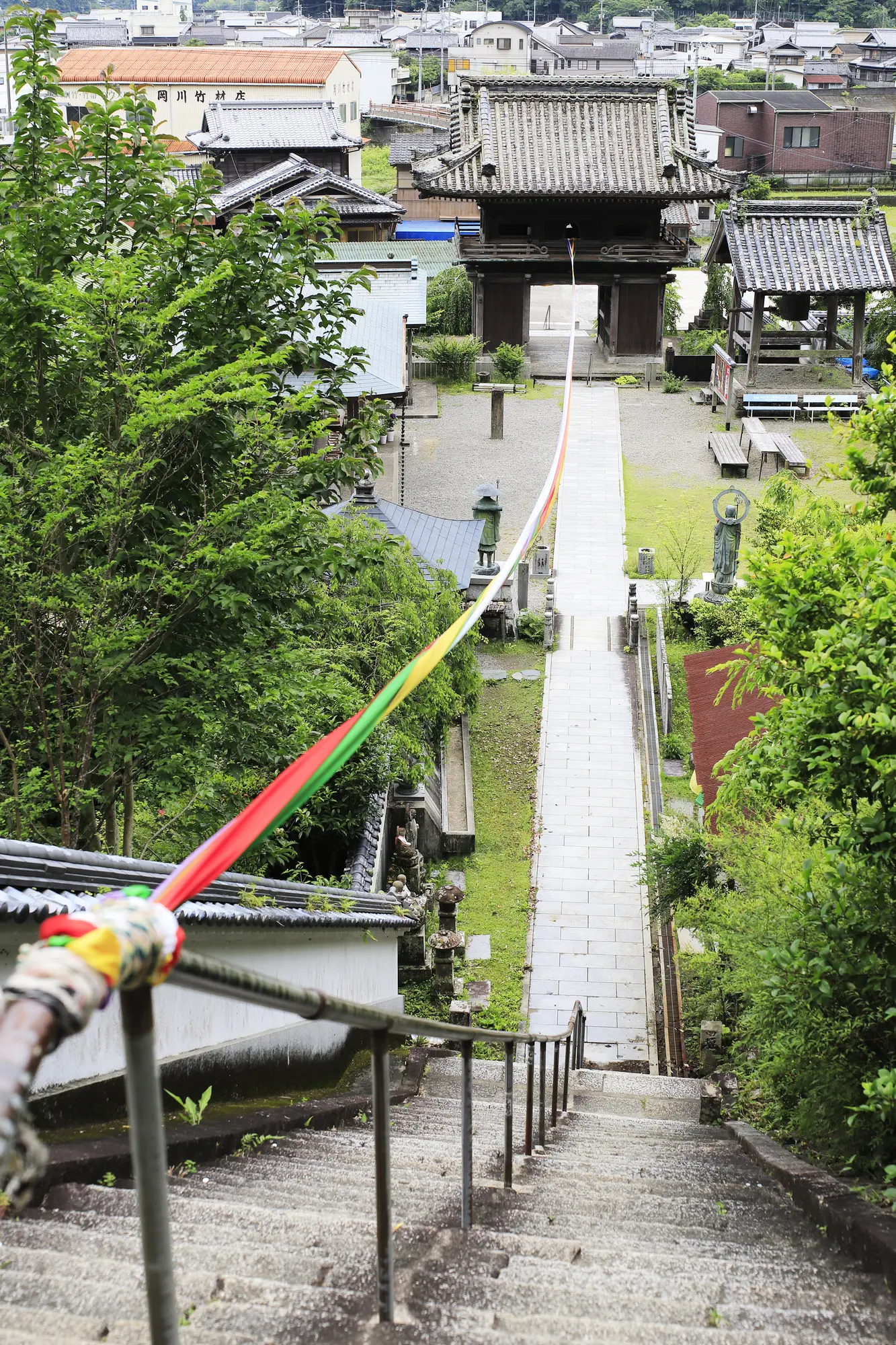
Those who want to experience a full-scale walking pilgrimage should consider Tokushima Prefecture’s introductory walking course. Designed for beginners, it visits the temples in order from Ryozenji, Temple No. 1, to Jizoji, Temple No. 5. The entire route is approximately 11 km, with individual walking sections taking around 25–90 minutes. Because most of the route is relatively level, it is approachable for first-time pilgrims. Those concerned about their fitness or schedule can also use buses, taxis, or other transportation for some sections. The route includes attractions at each temple, so visit them one at a time while discovering your own comfortable walking pace.
Tokushima Five-Temple Pilgrimage
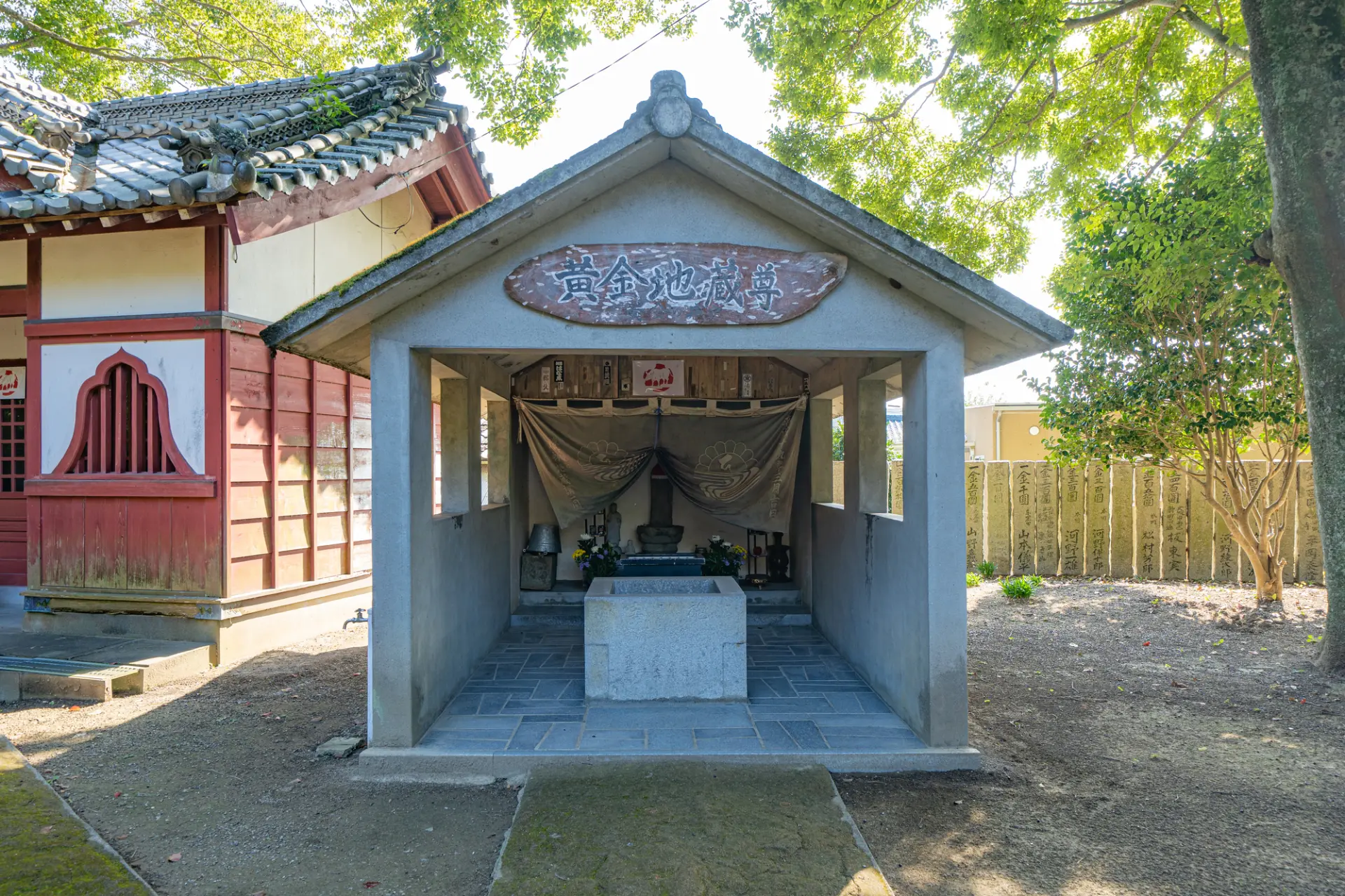
The Tokushima Five-Temple Pilgrimage visits five temples in Tokushima City, from Dainichiji, Temple No. 13, to Idoji, Temple No. 17. The temples are located relatively close together within the city, and the area has long been known for this five-temple pilgrimage. The full route is approximately 8 km and takes about 6 hours at a leisurely walking pace. Its level roads make it possible to experience the pilgrimage like a city walk, and it is also suitable as a section of a divided pilgrimage. Each of the five temples belongs to a different Buddhist school or has a different principal deity, allowing visitors to discover their individual character. Rental bicycles are also available around Tokushima Station, making it easy to plan around the traveler’s preferred transportation method.
Zentsuji Seven-Temple Pilgrimage
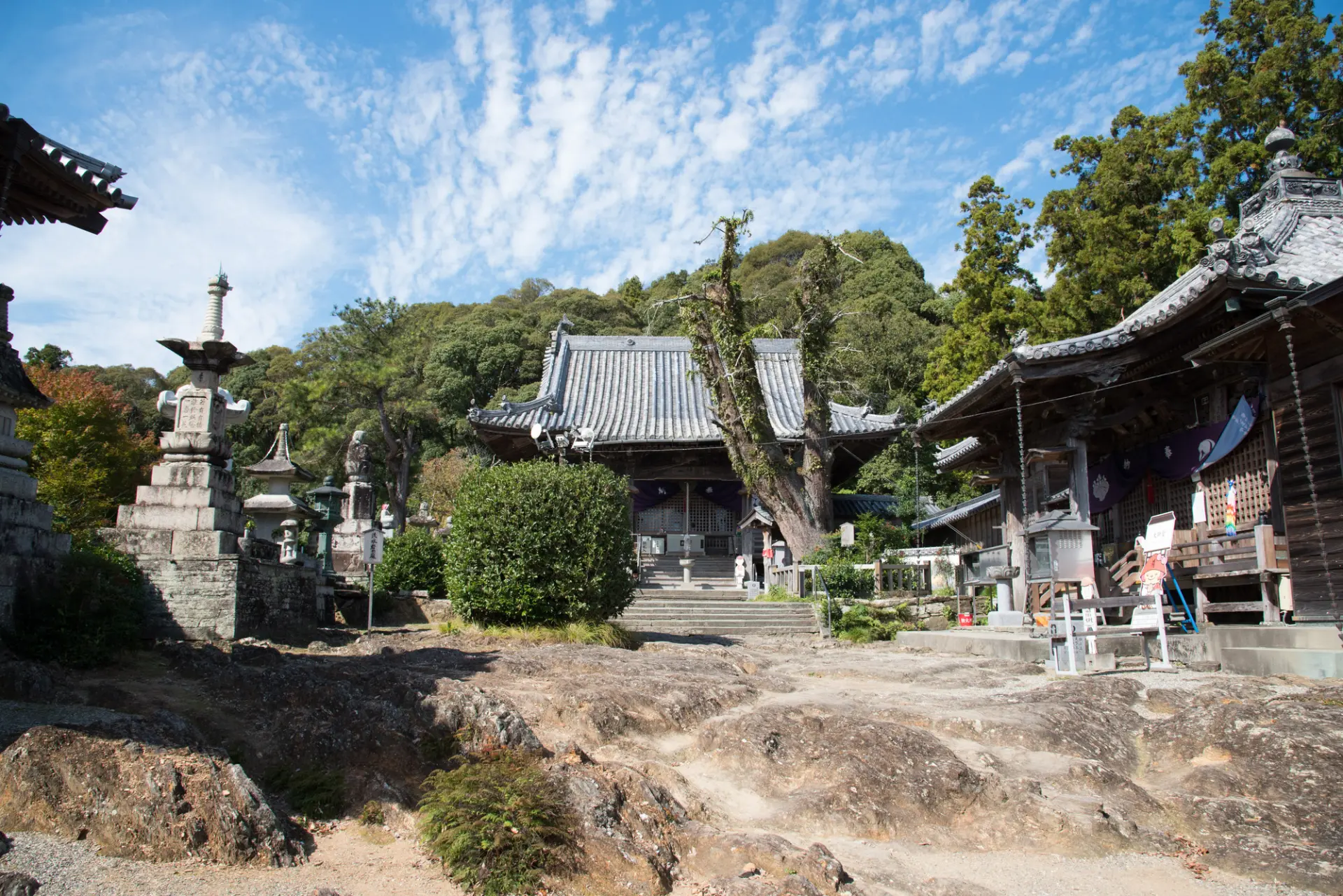
The Zentsuji Seven-Temple Pilgrimage covers seven temples in and around Zentsuji City, Kagawa Prefecture, from Iyadaniji, Temple No. 71, to Doryuji, Temple No. 77. This approximately 16 km pilgrimage has been popular since the Edo period. It can be completed by car or bicycle in one day, while a leisurely two-day, one-night walking pilgrimage is another recommended option. Zentsuji, Temple No. 75, stands at Kukai’s birthplace and is the head temple of the Zentsuji branch of Shingon Buddhism. Each temple enshrines a nadebotoke statue representing one of the Seven Gods of Fortune, and tradition holds that visiting all seven brings seven kinds of good fortune. The route also offers views of the Sanuki Plain and rural hills, along with regional food culture, making it suitable for beginners who want to combine the pilgrimage with a broader trip through Shikoku.
Eastern Sanuki Five-Temple Pilgrimage
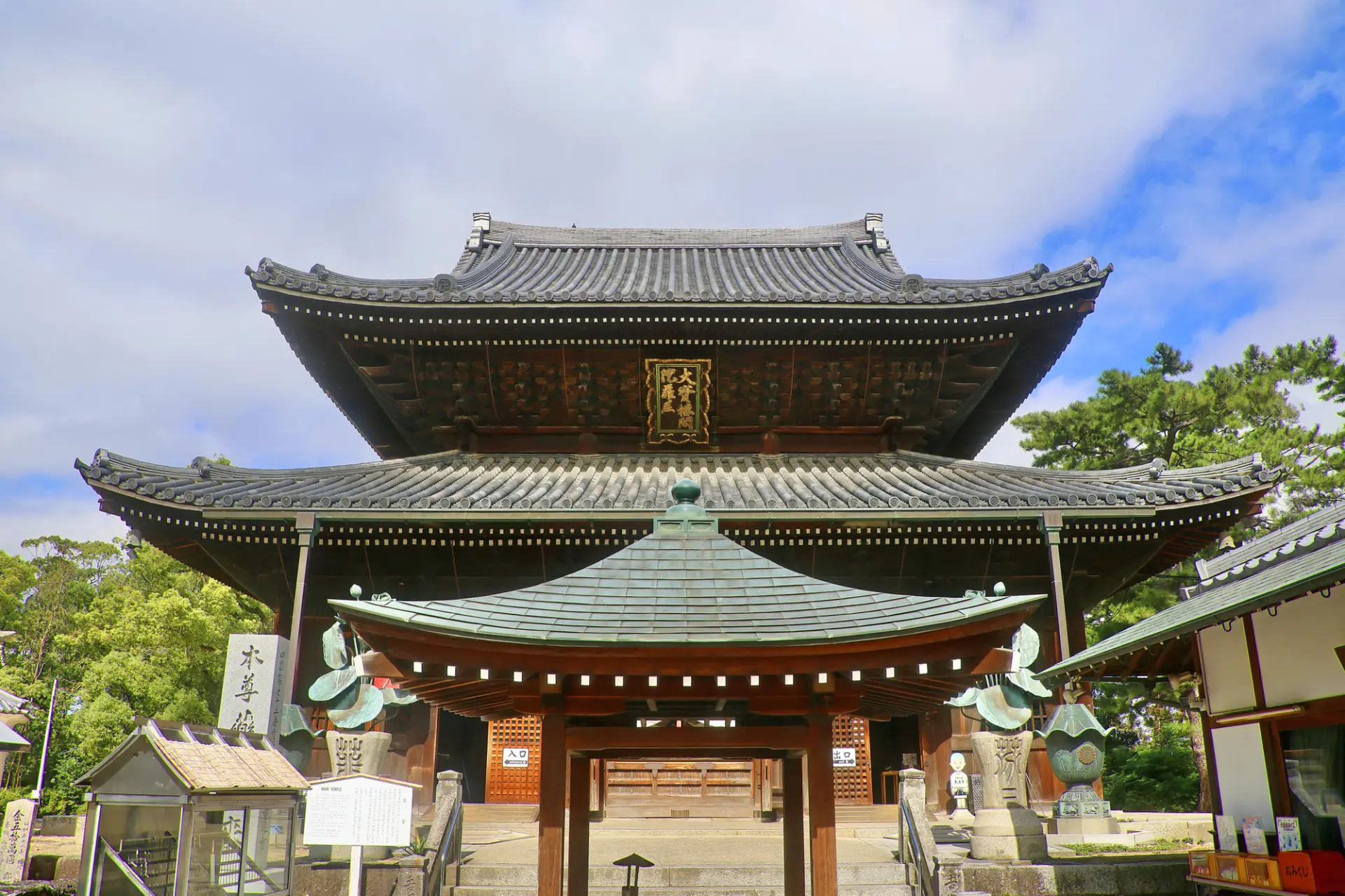
The Eastern Sanuki Five-Temple Pilgrimage visits five temples in eastern Kagawa Prefecture, from Yashimaji, Temple No. 84, to Okuboji, Temple No. 88. This route concludes the standard clockwise pilgrimage and is also known as the Agari Gokaji, or Final Five Temples. It offers a meaningful route for those praying for the fulfillment of a heartfelt wish. The journey takes approximately one day by car or around a day and a half on foot. Along the way, visitors can discover scenery associated with the Genpei War, views of Mount Goken, the legend of the female diver and the stolen jewel, and other historical and local attractions connected with each temple. It is recommended for those who want to unwind amid peaceful scenery.
What Is Osunafumi? An Accessible Way to Experience the Shikoku Pilgrimage
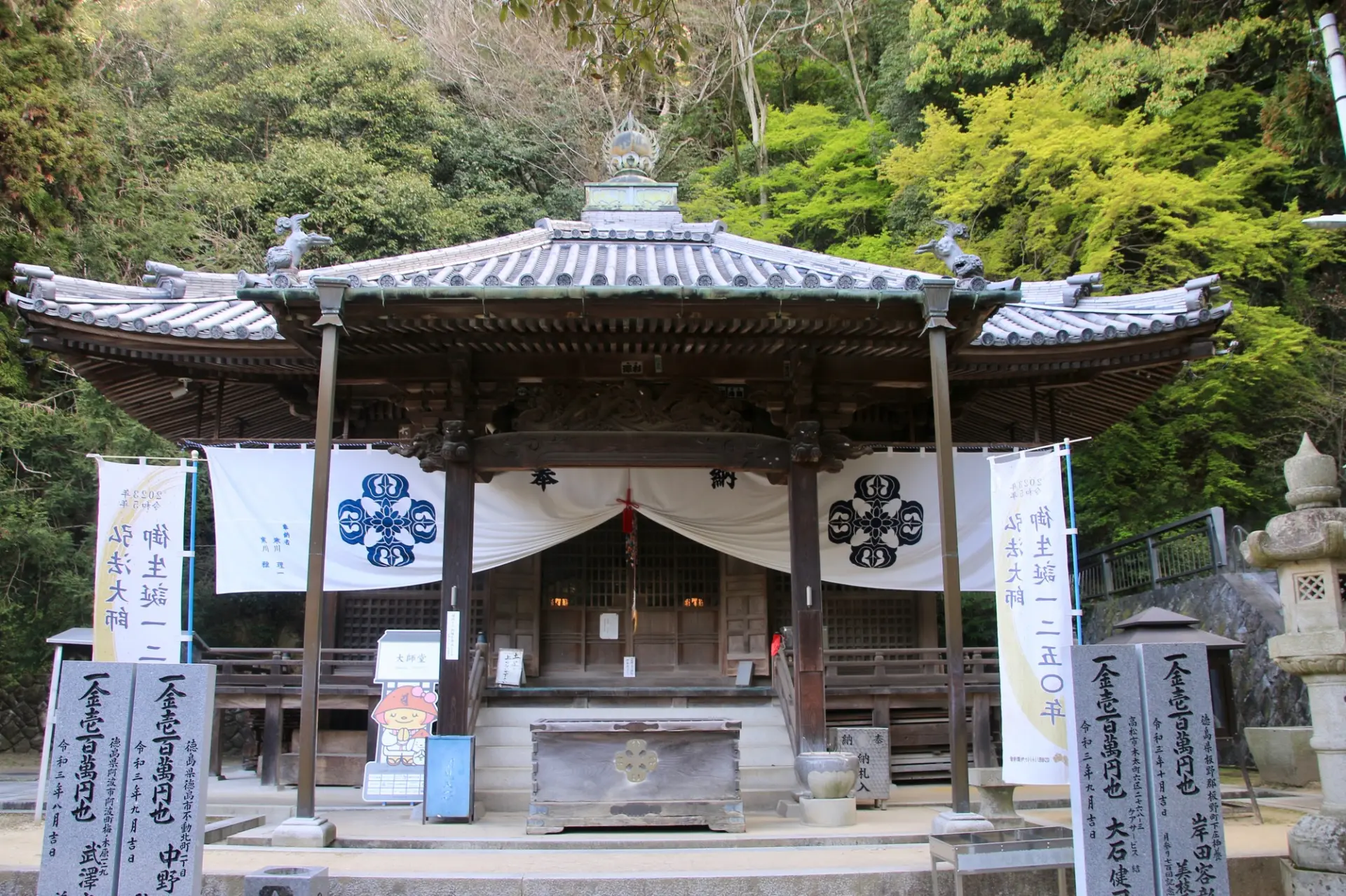
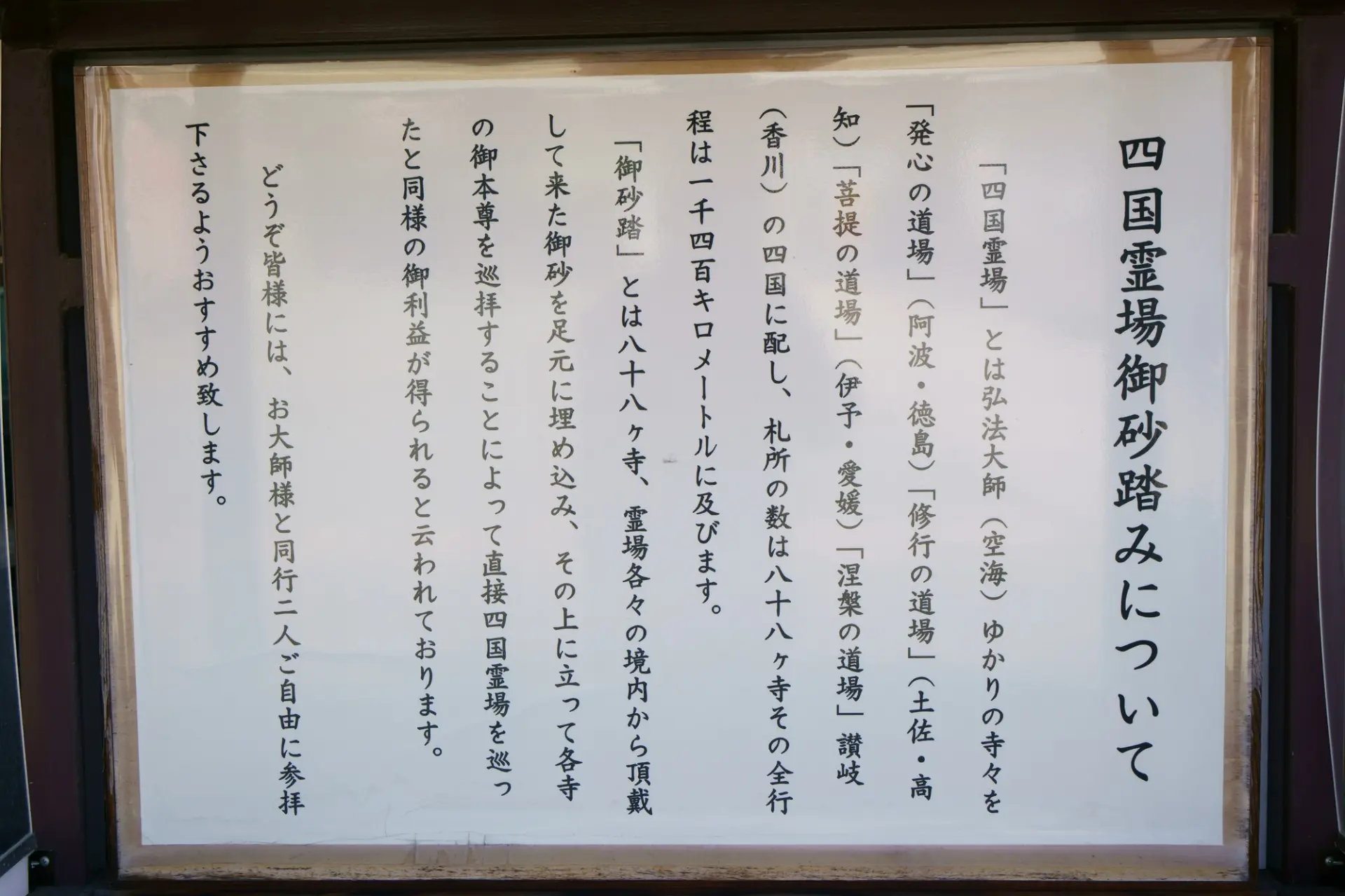
Osunafumi is a form of worship in which participants visit representations of the 88 temples in order while stepping on sand collected from each sacred site. It is said to have been created during the Edo period for people who could not travel to Shikoku for various reasons.
Replica pilgrimage sites and osunafumi halls were established throughout Japan, displaying Buddhist statues or images representing each temple’s principal deity with sand from the corresponding temple placed before them. Worshipping at these sites is said to bring the same religious merit as completing the actual Shikoku Pilgrimage. Today, the experience is available at Zentsuji, Temple No. 75, Okuboji, Temple No. 88, and temples throughout Japan, sometimes as a limited-time event. Before beginning a full pilgrimage, consider trying osunafumi to experience its atmosphere.
Preparation, Clothing, and Accommodations for the Shikoku Pilgrimage
In addition to deciding how to complete the pilgrimage, travelers should prepare in advance for the season, clothing, belongings, and accommodations. Beginners in particular may be uncertain about what to bring or where to stay. The following sections provide useful information to know before departure.
The Best Times for the Shikoku Pilgrimage
Spring, from March through May, and fall, from September through November, are recommended because the weather is relatively mild.
Pilgrims can experience Shikoku’s natural scenery, including cherry blossoms and fresh greenery in spring and colorful foliage in fall. These seasons are especially suitable for walking because moderate temperatures reduce physical strain over long distances. In summer, take precautions against heatstroke and dehydration. In winter, be aware of snow and icy roads in mountainous areas. Because the climate and weather differ by region, check forecasts and road information before departure and prepare suitable seasonal equipment.
Pilgrimage Gear and Its Purpose: White Vest, Staff, Nokyocho, and More
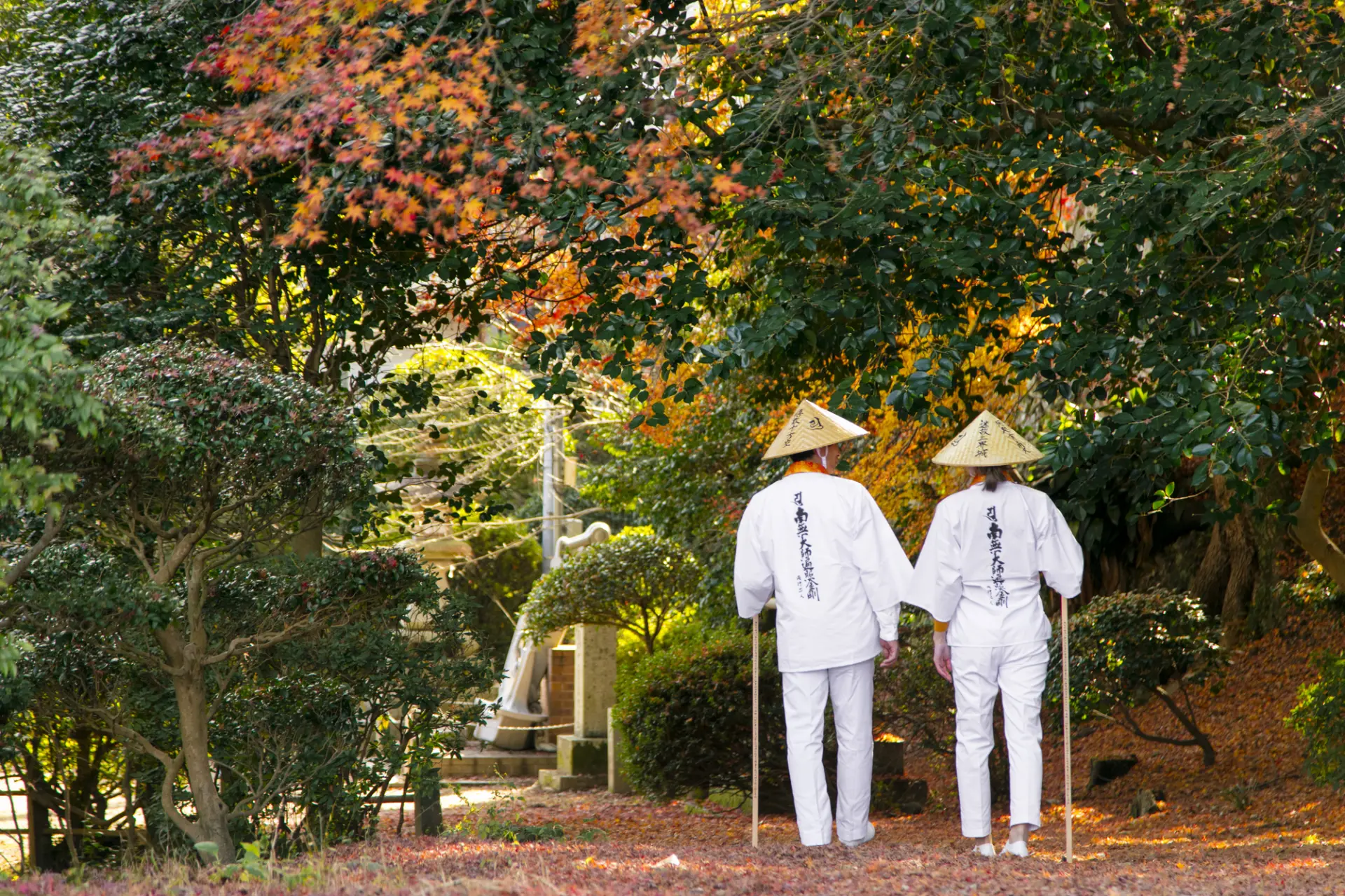
The Shikoku Pilgrimage has traditional garments and worship items used by pilgrims. Each has its own meaning and purpose, and wearing or carrying them can help prepare the mind for the journey. However, there is no need to purchase everything at the beginning; choose items suited to your pilgrimage style.
The main items are listed below. They can be purchased at stores near the entrance to Ryozenji, Temple No. 1, at Buddhist supply stores throughout Shikoku, and online.
| Item | Purpose and Meaning |
|---|---|
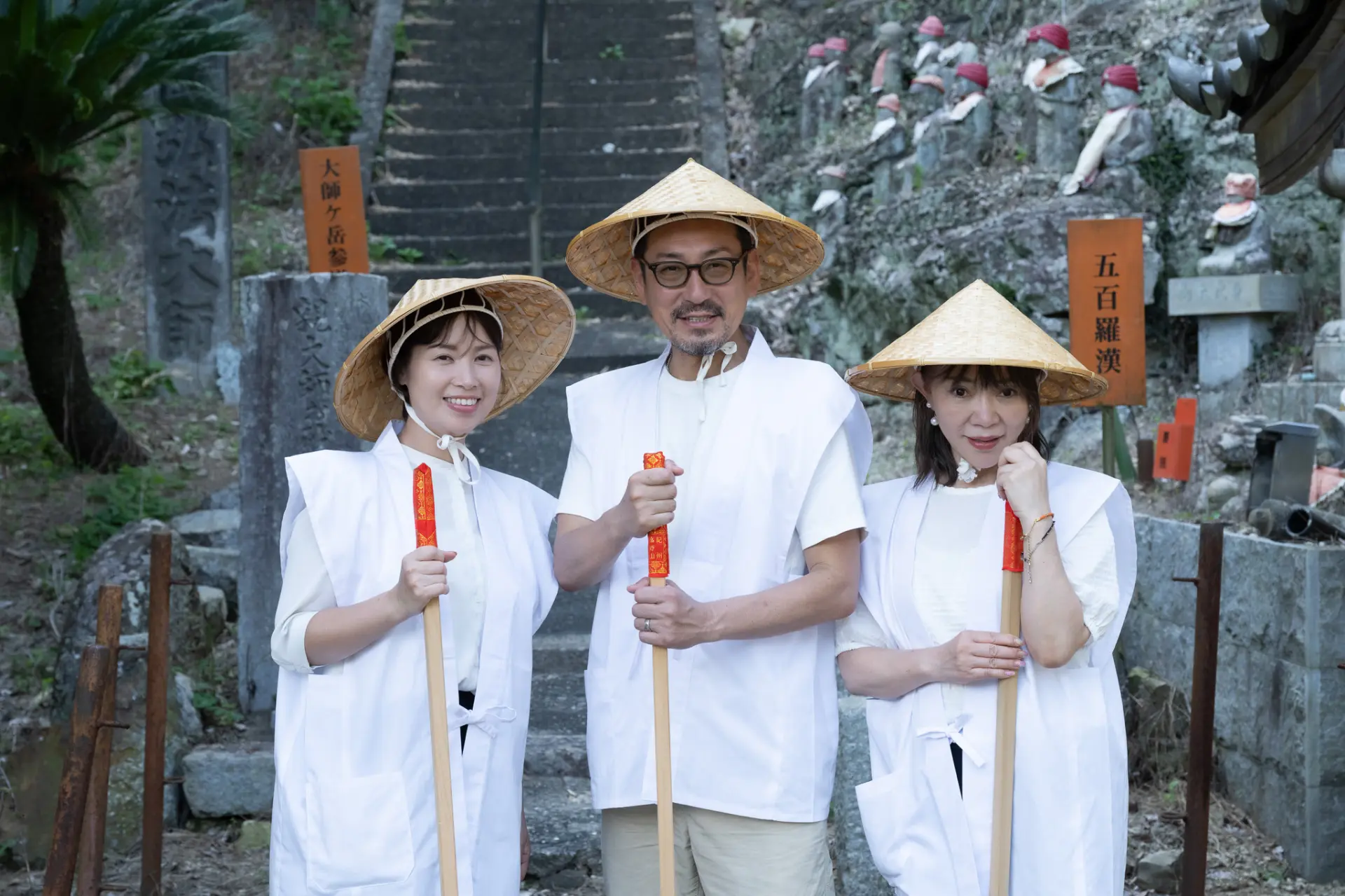
| Byakue, white pilgrimage vest | Traditional clothing worn by pilgrims over their everyday clothes. |
| Wagesa | A simplified Buddhist stole used for worship and worn around the neck. |
| Sugegasa, sedge hat | A hat that protects the head from sunlight, wind, and rain. It bears inscriptions such as dogyo ninin and Sanskrit characters representing Kobo Daishi. |
| Kongo-zue, pilgrim’s staff | A staff regarded as a symbol of Kobo Daishi that also provides support while walking. |
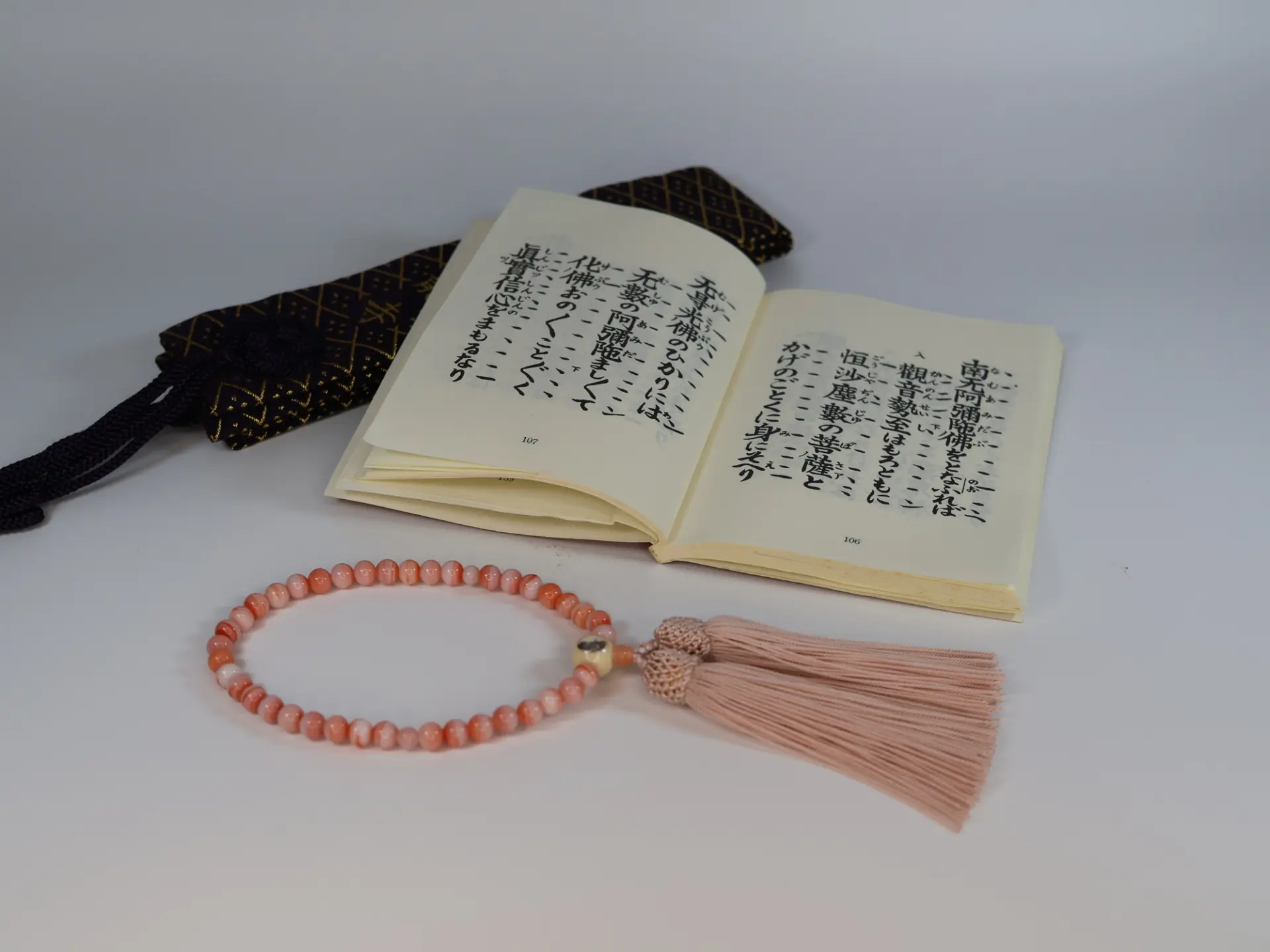
| Juzu, Buddhist prayer beads | Buddhist prayer beads used during worship and sutra recitation. |
| Kyohon, sutra book | A book containing texts recited during worship, including the Heart Sutra and mantras for each temple’s principal deity. |
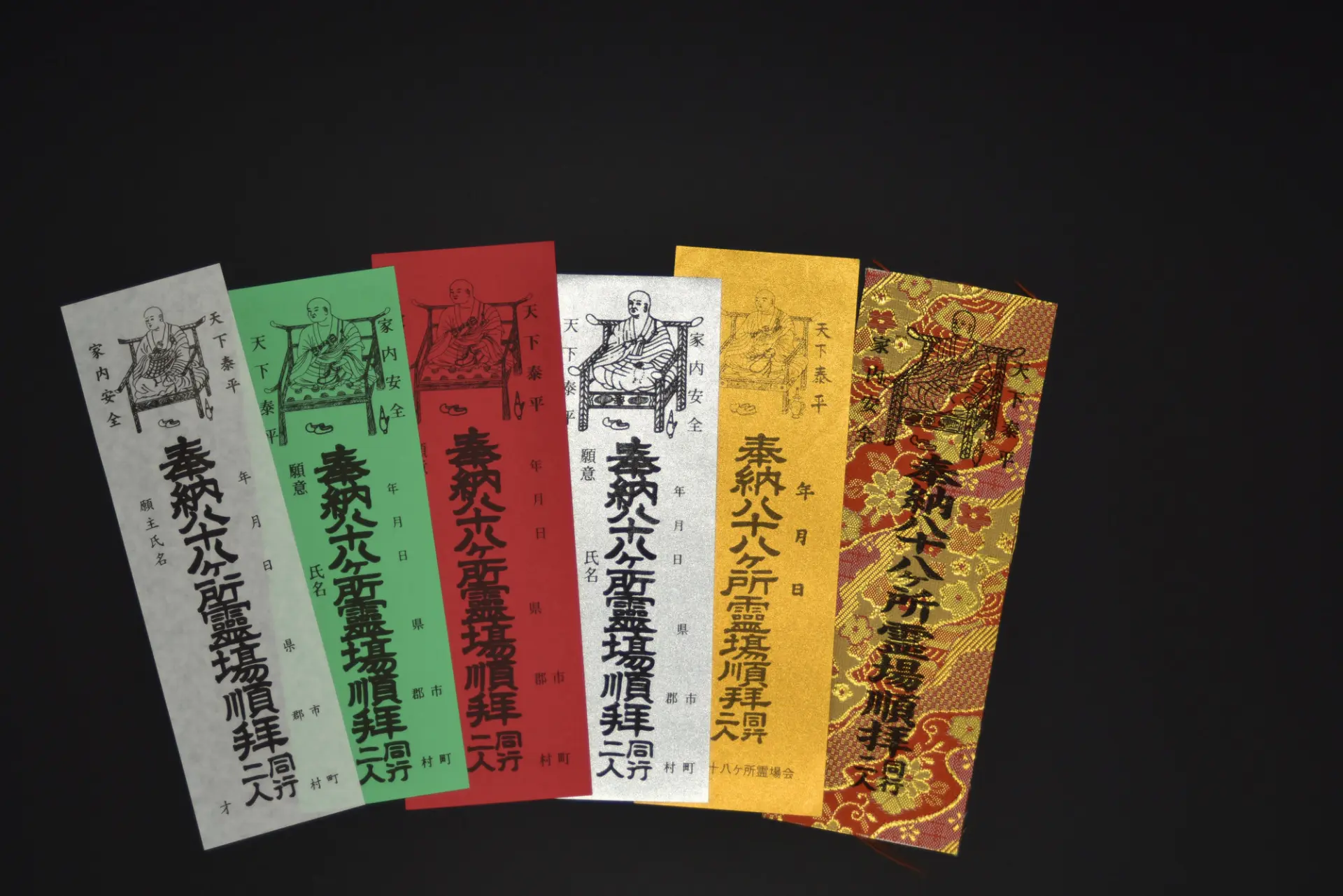
| Osamefuda, name slip | A slip bearing the pilgrim’s name and wishes, deposited at the Main Hall and Daishi Hall. |
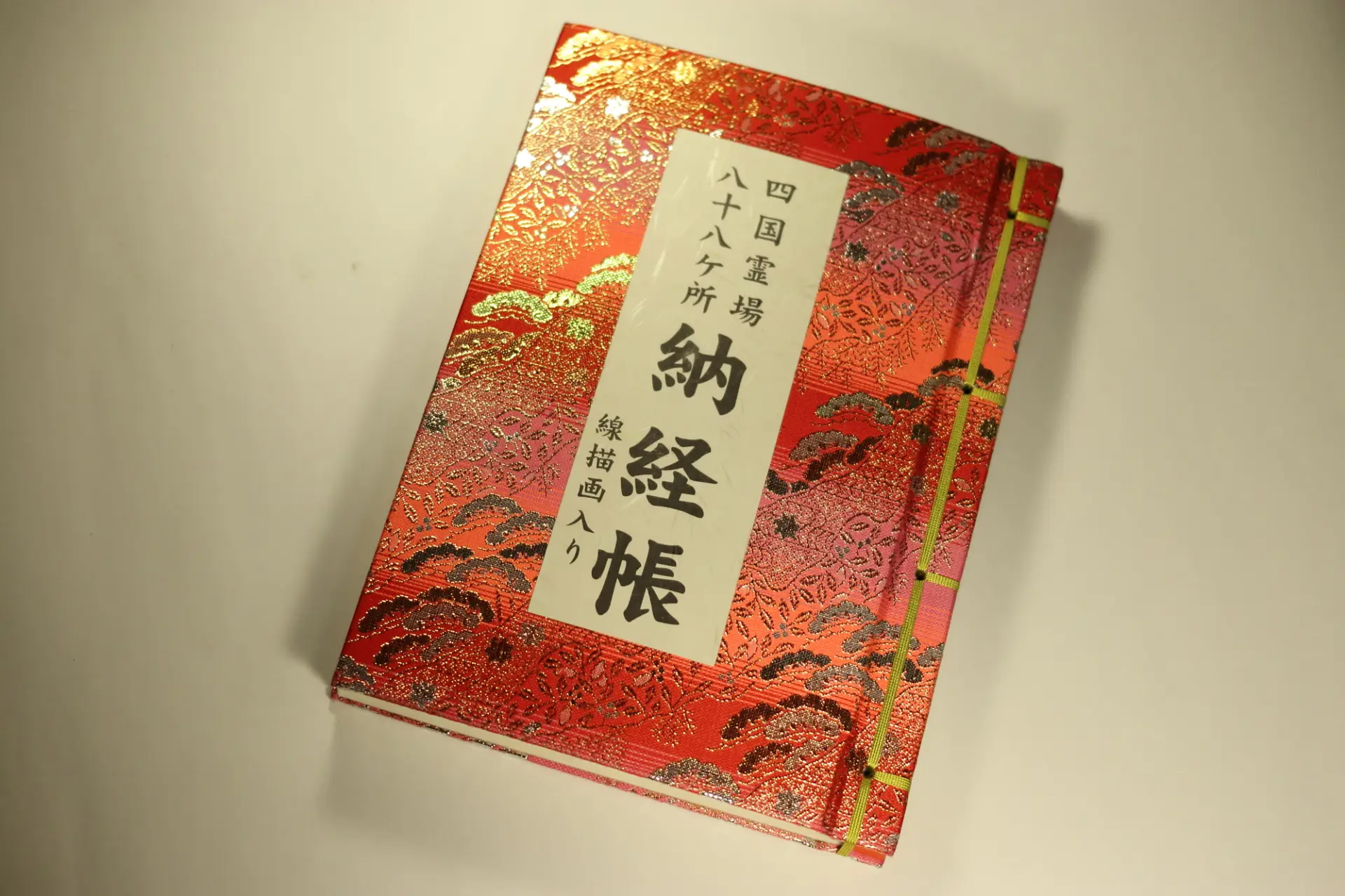
| Nokyocho, pilgrimage stamp book | A book in which pilgrims receive calligraphy and goshuin seals as proof of their worship and sutra offerings. |
| Zudabukuro, pilgrim’s bag | A bag used to carry worship items such as the nokyocho, sutra book, and incense. |
Suitable Clothing and Comfortable Walking Shoes
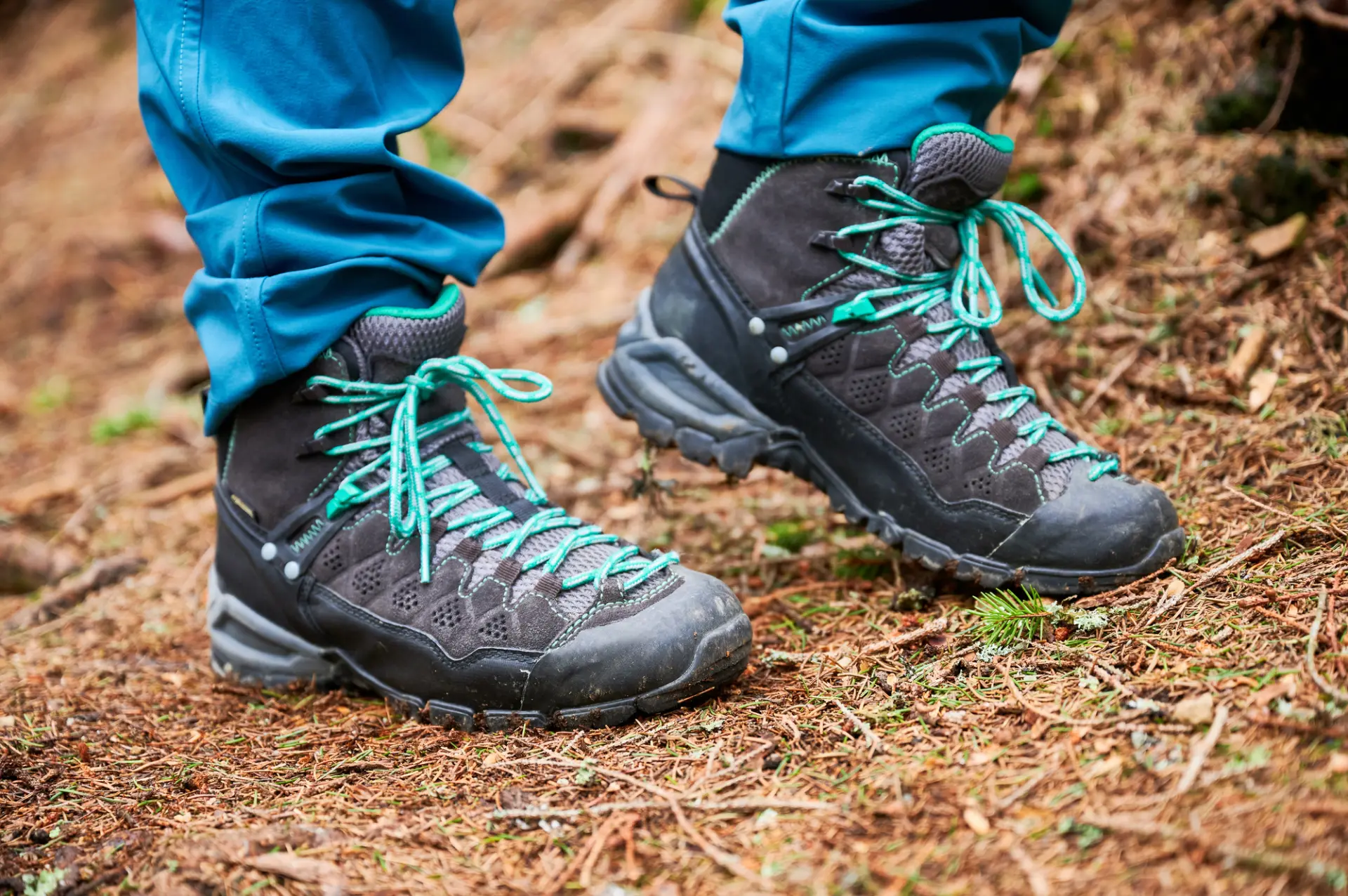
There is no strict dress code, and visitors may worship in everyday clothing or hiking and outdoor wear. Wearing a white pilgrimage vest, wagesa, sedge hat, and pilgrim’s staff creates the traditional Ohenro appearance. It also makes it easier for others to recognize you as a pilgrim and may encourage them to speak to you. The important thing is to dress respectfully for a temple while remaining comfortable during long periods of travel. Walking pilgrims should choose moisture-wicking, quick-drying clothes and an outer layer that is easy to remove. Dressing in layers makes it possible to adjust to changes in activity and temperature. Suitable footwear includes comfortable, broken-in sneakers, walking shoes, or hiking shoes that fit properly. Because some sections include mountain trails and stone steps, select lightweight, cushioned shoes with good traction.
What to Bring
In addition to specialized pilgrimage gear, travelers need ordinary items for transportation and overnight stays.
Walking pilgrims in particular spend long hours on the move, so it is important to avoid carrying too much weight. The main items are listed below.
| Item | Selection Tips and Uses |
|---|---|
| Backpack | Choose one that fits your body; approximately 25 liters is a useful guideline for a walking pilgrimage |
| Water Bottle and Drinking Water | Carry enough to stay hydrated regularly |
| Rain Gear | A poncho or rainwear that also covers the backpack is convenient |
| Change of Clothes and Socks | For replacing items soaked by sweat or rain |
| Cash | For offerings, nokyo fees, and payments at cash-only businesses |
| Portable Battery | For checking maps and transportation information and making emergency calls |
| First-Aid Supplies and Medication | Adhesive bandages, athletic tape, regular medication, and similar items |
| Other Useful Items | Towel, energy snacks, insect repellent, portable toilet, plastic bags, and similar supplies |

What Is a Shukubo? Staying at a Temple and Important Considerations
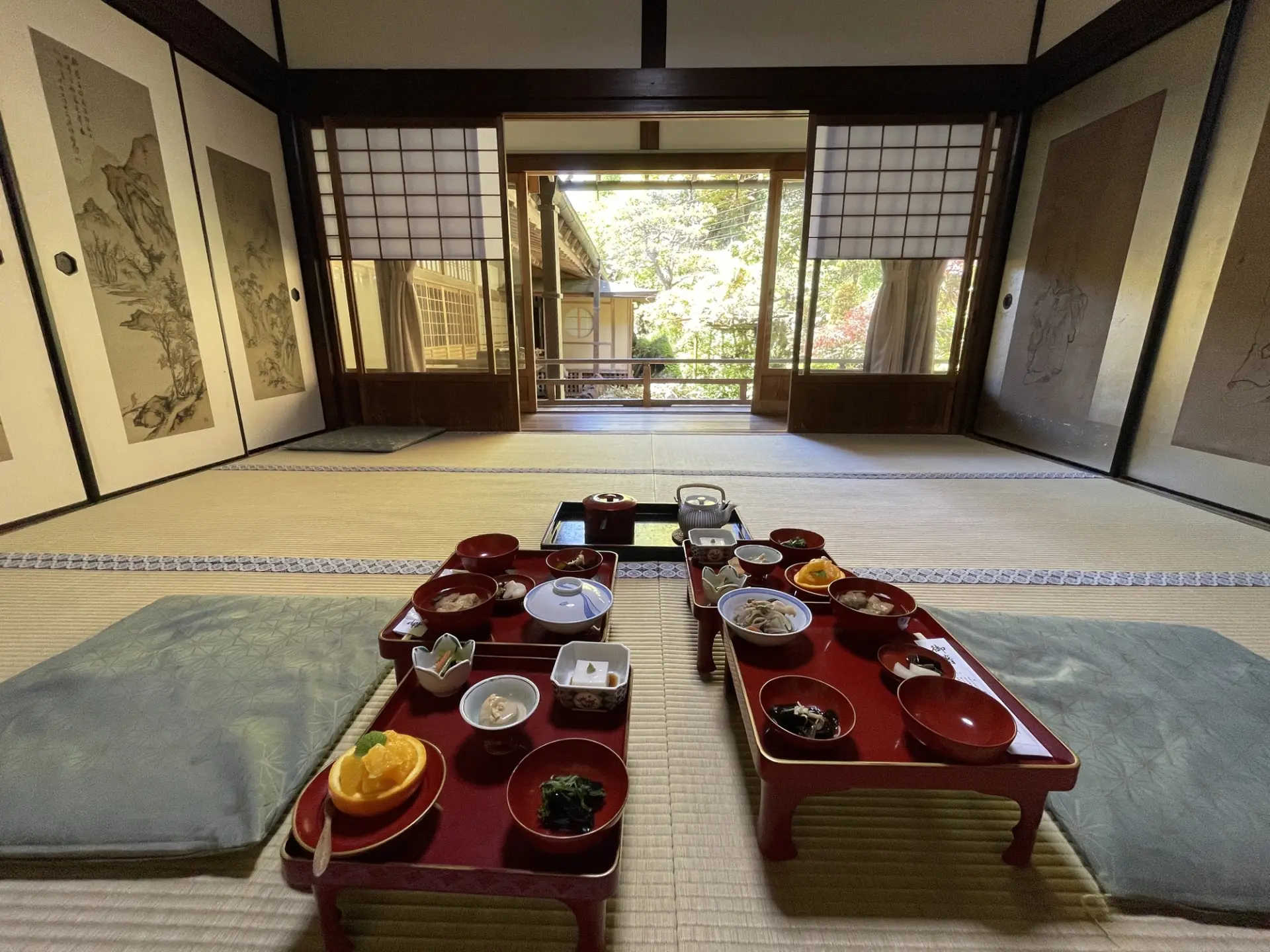
A shukubo is accommodation operated by a temple. Originally intended for monks in training and temple visitors, many now accept general travelers and pilgrims. In addition to offering a peaceful environment, some provide opportunities to attend early-morning services or sutra recitations and serve meals such as traditional Buddhist vegetarian cuisine.
Advance reservations are generally required. Facilities and conditions vary, and shukubo may differ from ordinary hotels by having shared restrooms, curfews, or designated lights-out times. Guests must follow the rules and remain considerate of the temple. Those who find these conditions unsuitable may prefer a guesthouse or business hotel.
Worship Etiquette and Basic Manners at Pilgrimage Temples
The Shikoku Pilgrimage has a basic worship procedure to follow from arrival at a temple until departure. It may feel unfamiliar at first, but once the sequence becomes clear, worship will gradually feel more comfortable. There is no need to perform every step perfectly; it is fine to learn over time. The general procedure is introduced below.
Worship Procedure
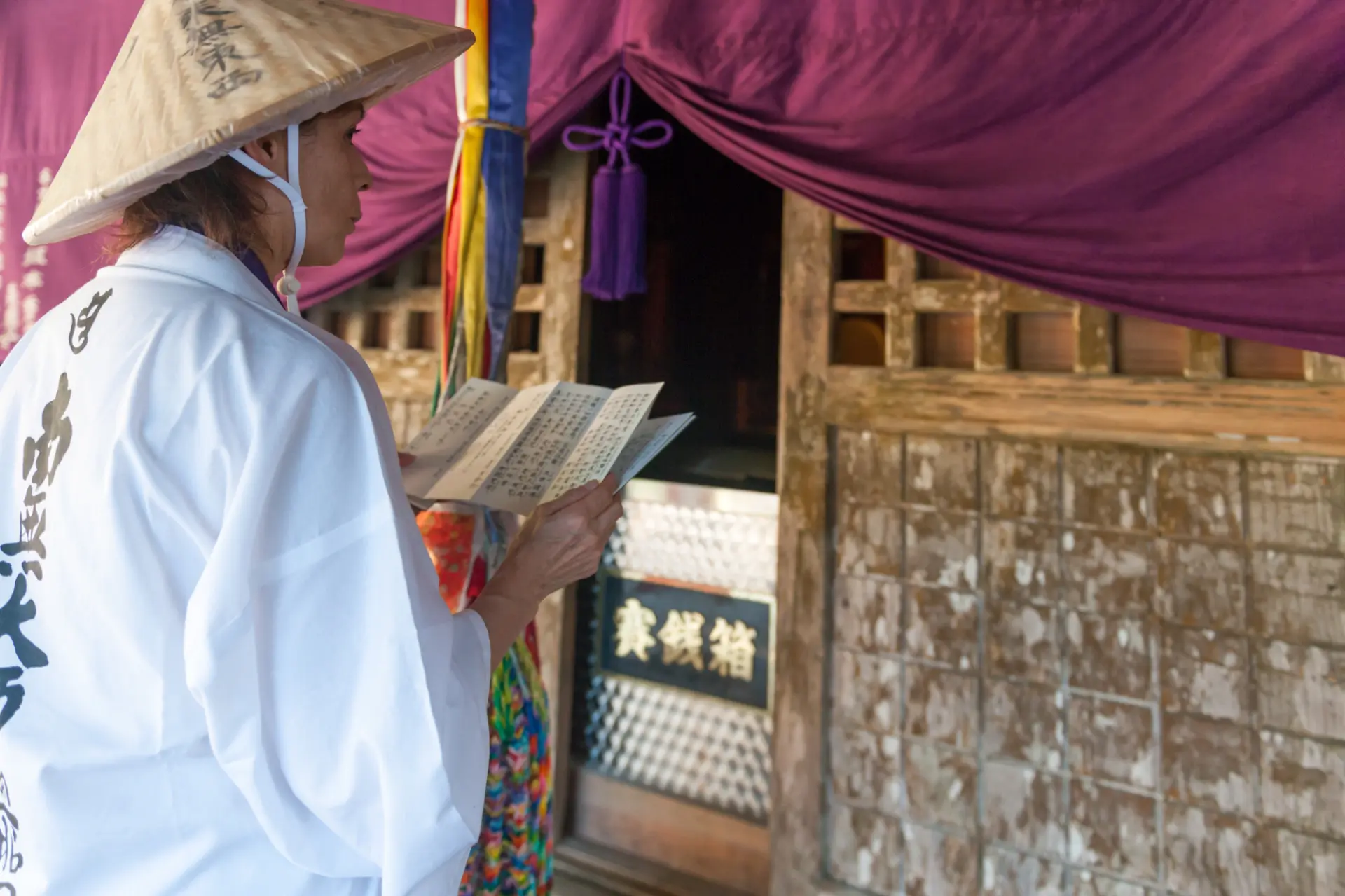
After arriving at a pilgrimage temple, prepare yourself with the awareness that you are entering sacred grounds. When reciting sutras or bringing your hands together in prayer, stand where you will not obstruct other visitors.
The general procedure is as follows.
| Order | Etiquette and Notes |
|---|---|
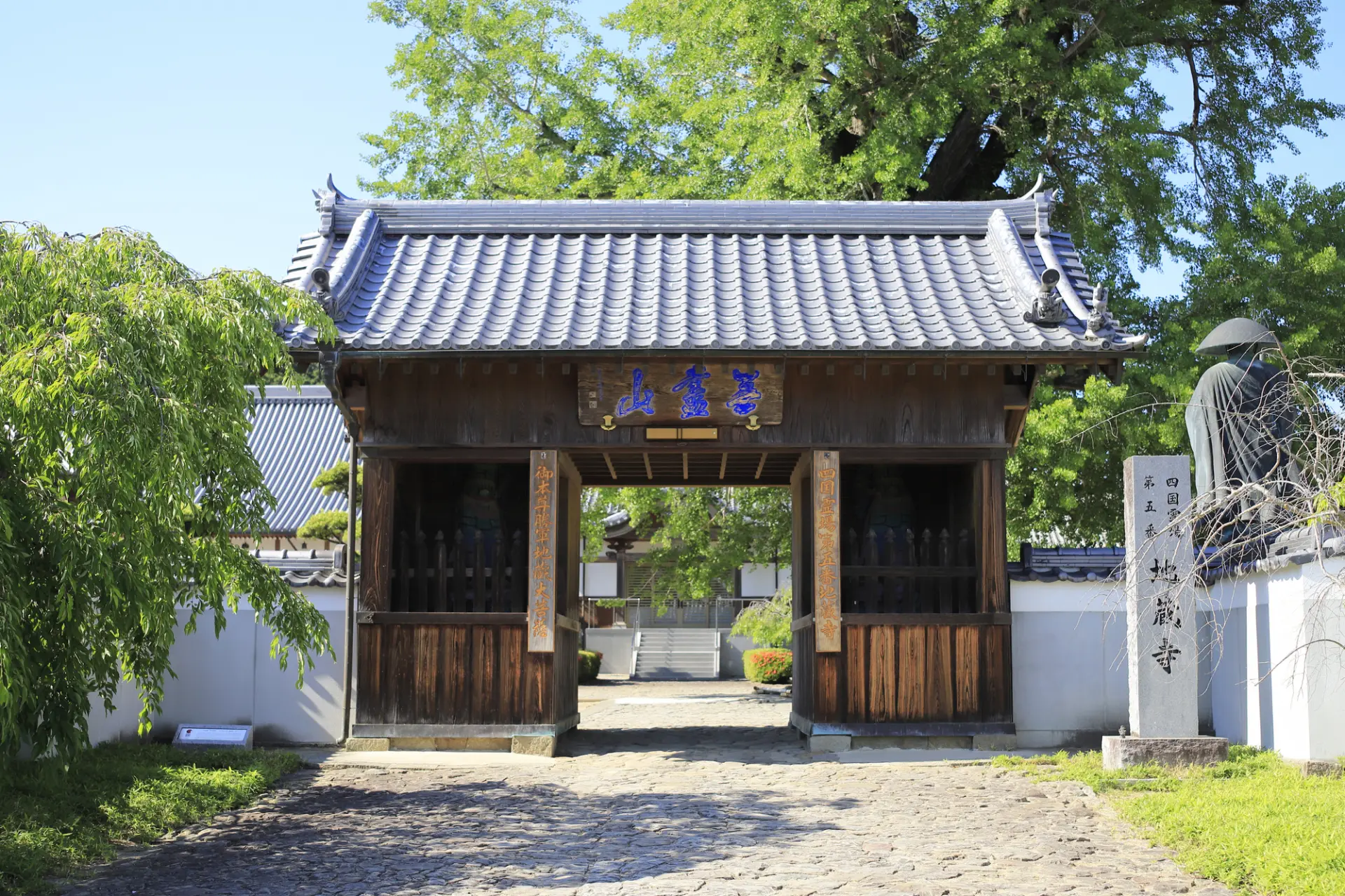
| 1. Temple Gate | Stop before the gate, bring your hands together, bow once, and enter the temple grounds |
| 2. Purification Basin | Use the ladle to wash your left hand and then your right. Pour water into your left hand to rinse your mouth, then rinse the ladle at the end |
| 3. Bell Tower |
At temples where visitors are permitted to ring the bell, ring it once before worship A bell rung after worship is known as a modori-gane and is considered unlucky, so it should be avoided |
| 4. Main Hall |
Worship in the following order: candle, incense, name slip, monetary offering, hands together, and sutra recitation Light candles with your own lighter or matches rather than transferring the flame from another visitor’s candle |
| 5. Daishi Hall |
Worship Kobo Daishi using the same procedure as at the Main Hall Omit the principal deity’s mantra during sutra recitation |
| 6. Nokyo Office | Present your nokyocho, pay the designated nokyo fee, and receive the goshuin seals |
| 7. Temple Gate | Turn toward the temple grounds, bring your hands together, bow once, and leave through the gate |
Check each temple’s visiting hours and nokyo office hours in advance.
When visiting in everyday clothing, avoid revealing attire such as tank tops and sandals.
Except for the traditional sedge hat, it is customary to remove hats during worship and at the nokyo office.
Basics of Buddhist Sutra Recitation
Otsutome, also called gongyo, is the sequence of reciting sutras and offering prayers to the Buddha and Kobo Daishi at the Main Hall and Daishi Hall. Because pilgrims can read from a sutra book, there is no need to memorize the texts. Some people also choose to pray silently rather than reciting aloud. Beginners should keep a sutra book on hand and participate only to the extent that feels manageable. In the standard service order provided by the Association of the Shikoku 88 Temple Pilgrimage, the mantra of the principal deity is recited three times at the Main Hall, while the honorific invocation “Namu Daishi Henjo Kongo” is recited three times at the Daishi Hall.
What Are the Ten Wholesome Precepts?
The Ten Wholesome Precepts, or Juzengai, are ten Buddhist teachings that encourage virtuous conduct. They have long served as a code of behavior for pilgrims and are included in the service order recommended by the Association of the Shikoku 88 Temple Pilgrimage. They are not simply words to recite during worship, but principles to keep in mind both during the pilgrimage and in daily life. The precepts are divided into three relating to physical actions, four relating to speech, and three relating to the mind.
| Precept | Meaning |
|---|---|
| Fusessho | Respect the lives of all living beings |
| Fuchuto | Do not steal and treat the belongings of others with care |
| Fujain | Practice restraint in sexual conduct |
| Fumogo | Do not lie or deceive; strive to speak the truth |
| Fukigo | Avoid pretentious or frivolous speech and speak sincerely |
| Fuakku | Avoid hurtful words and choose compassionate language |
| Furyozetsu | Do not use divisive or two-faced speech that damages relationships |
| Fukendon | Do not be greedy or covetous; appreciate what you have |
| Fushinni | Do not be consumed by anger; maintain a calm mind |
| Fujaken | Abandon mistaken views and strive to see things correctly |
How to Receive Nokyo and Goshuin Temple Seals
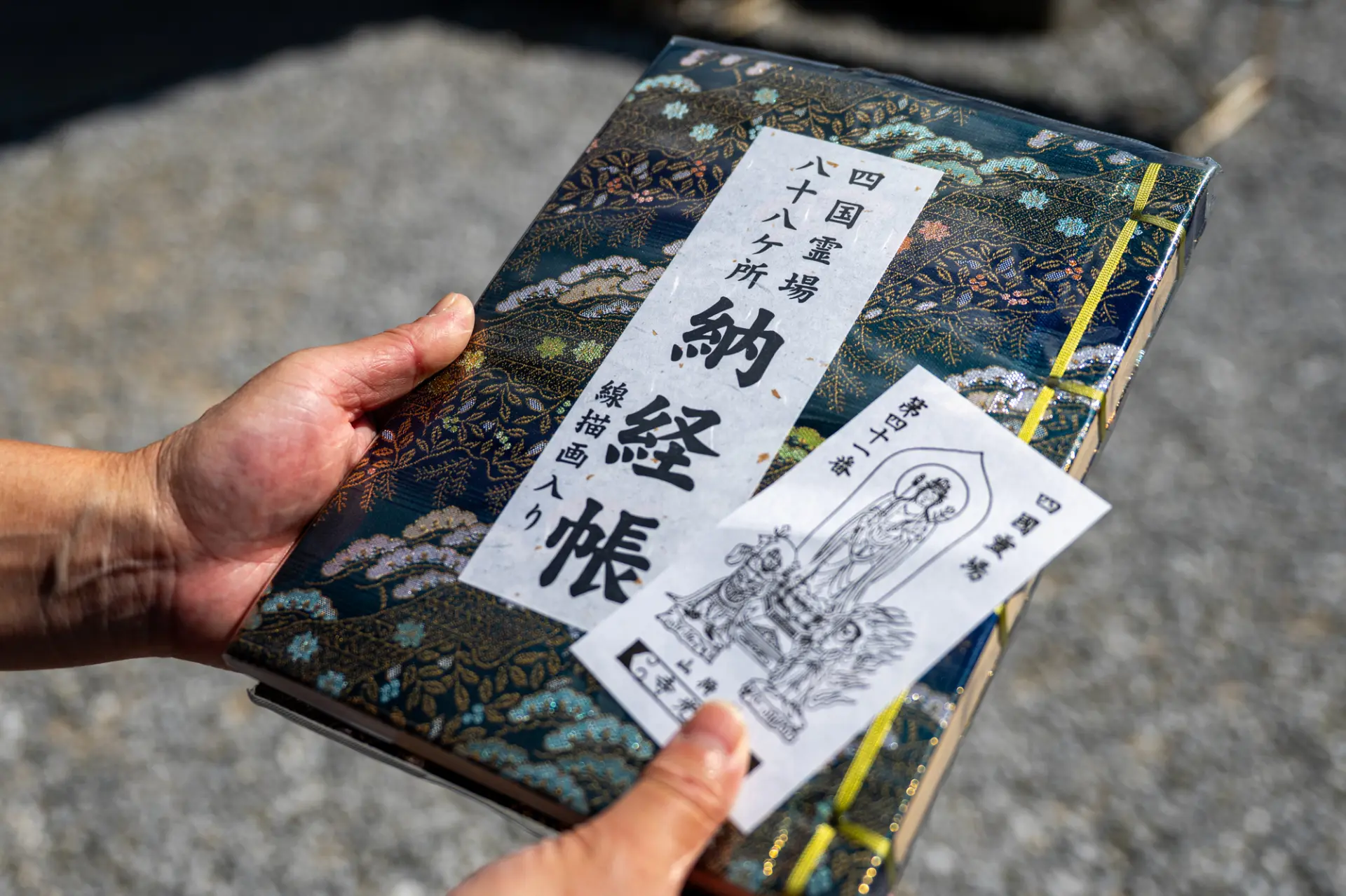
Nokyo refers to offering sutra recitations or copied sutras to each temple’s principal deity and Kobo Daishi, then receiving calligraphy and goshuin seals at the nokyo office as proof of the offering. It represents a spiritual connection with the Buddha and differs in meaning from a souvenir stamp at an ordinary tourist attraction. Open the nokyocho to the appropriate page and present it with the designated fee. The temple number, temple name, a Sanskrit character representing the principal deity, and other elements will then be written and stamped on the page. As of 2026, the standard nokyo fee is ¥500 per temple for a nokyocho, ¥700 for a hanging scroll, and ¥300 for a white pilgrimage garment. A repeated seal added to a nokyocho on the second and subsequent visits costs ¥300. First-time visitors should remember to bring their nokyocho and prepare coins to make the process smoother.
Tips for a Safe and Comfortable Pilgrimage
The Shikoku Pilgrimage involves many situations requiring more stamina and attention than ordinary travel, including long-distance transportation, mountain walking, and driving in unfamiliar areas. A manageable plan and careful health management are essential for a safe journey. It is also important to respect local communities and observe basic manners. Keep the following points in mind and travel with time and peace of mind to spare.
Plan a Manageable Itinerary and Look After Your Health
The most important rule is not to overexert yourself. Avoid trying to visit too many temples or cover too much distance in a single day. Plan a flexible itinerary that includes your intended arrival time at your accommodations and sufficient rest breaks. Those planning a walking pilgrimage can prepare by gradually increasing their walking distance before departure. During the pilgrimage, drink water regularly and replace salt when perspiring heavily. If you experience dizziness, a headache, nausea, or similar symptoms, stop walking immediately and move to a cool location, as these may be signs of heatstroke. If your condition does not improve and continuing feels difficult, consider changing your plans or temporarily suspending the pilgrimage.

Observe Traffic Laws and Local and Temple Etiquette
The pilgrimage route passes not only through temple grounds but also along national and prefectural highways, roadsides, and residential communities. Whatever transportation method you use, always follow traffic laws and make safety your highest priority. Walking and cycling pilgrims can be difficult for drivers to see at dusk or at night, so wearing bright colors, adding reflective materials, and using lights can help prevent accidents. Many pilgrimage paths are also part of the everyday living environment of local residents. Avoid littering and entering private property, and refrain from making noise early in the morning or late at night.
Observing these manners is part of being a pilgrim welcomed by local communities. Follow each temple’s instructions while on its grounds, and greet other visitors when passing so that everyone can have a pleasant experience.
How to Receive Osettai Hospitality
When offered osettai hospitality, the basic custom is to express your gratitude and accept it appreciatively. It is traditional to give one osamefuda name slip in return, so carrying a few extras is helpful. If you cannot accept because of your health, allergies, or other circumstances, it is also acceptable to explain briefly and decline politely. Osettai is not an expected service but an act of personal goodwill. Remember to remain grateful and value the warm interaction.
After Visiting All 88 Temples: The Meaning of Kechigan and Mangan
The long journey through the 88 Sacred Sites of Shikoku reaches an important milestone when all the temples have been visited. This is known as kechigan. The pilgrimage may then be concluded with a visit of gratitude to Okunoin at Mount Koya, known as mangan. However, interpretations of these terms vary, and they are sometimes used almost interchangeably. Understanding their meanings can help you decide how to conclude your pilgrimage.
Kechigan: Completing All 88 Sacred Sites of Shikoku
Visiting all 88 Sacred Sites of Shikoku is known as kechigan, meaning the fulfillment or completion of a vow. There are no rules regarding the order of the temples or the method of transportation. Nor must the route be completed in a single trip; pilgrims can select the approach that suits them, including jun-uchi, gyaku-uchi, and kugiri-uchi. Making a vow at the beginning of the pilgrimage is known as hotsugan. On the standard clockwise route, Ryozenji, Temple No. 1, is the place where the pilgrimage begins, while Okuboji, Temple No. 88, is the place of completion. Okuboji can issue a paid certificate of completion upon request. Pilgrims may also dedicate the kongo-zue staff that accompanied them on their journey at the Hojodo beside the Daishi Hall. Reflect on the route traveled and savor the joy of completing the journey safely as you mark this important milestone.
Mangan: A Visit of Gratitude to Okunoin at Mount Koya
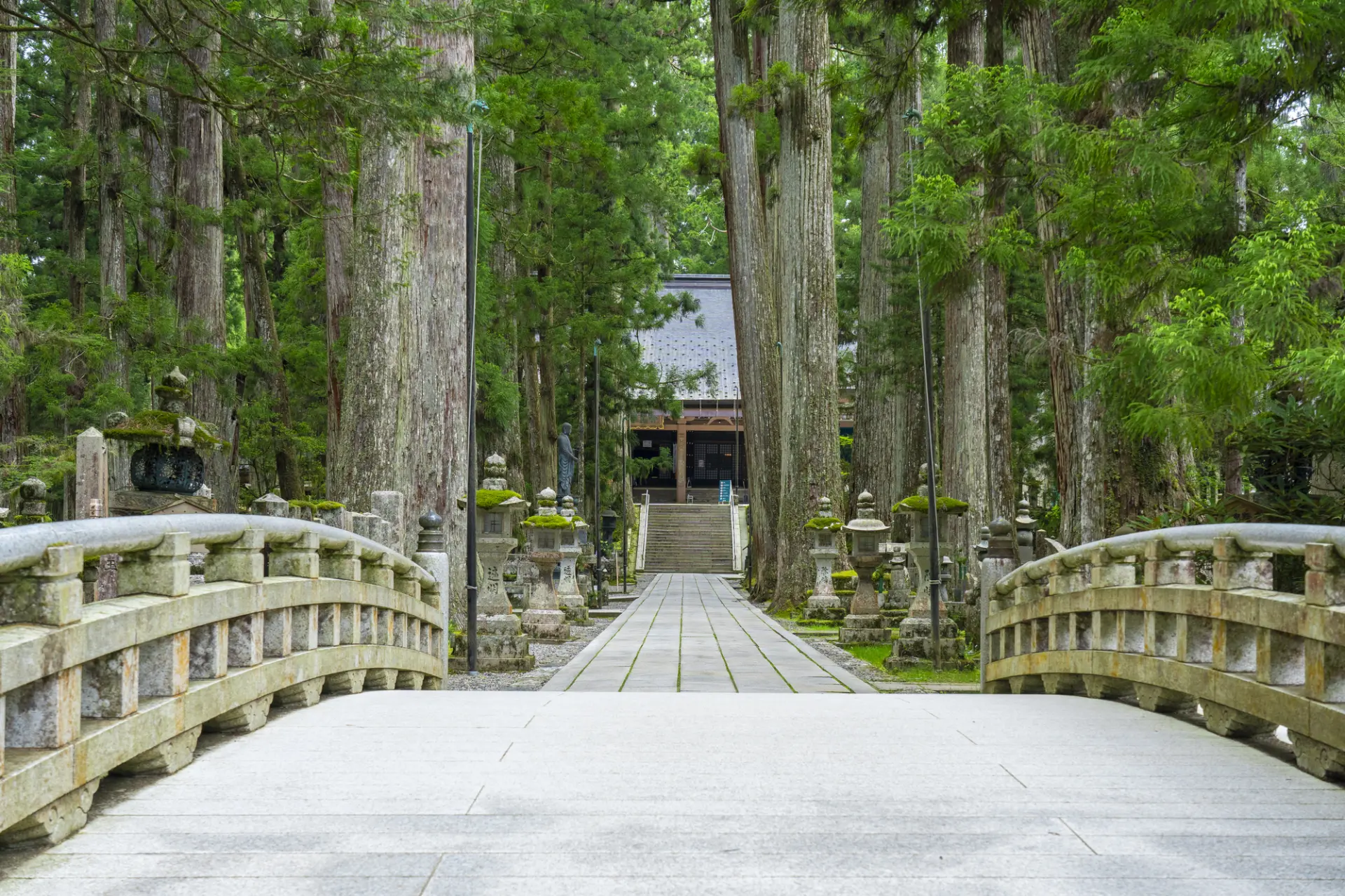
In one common usage, mangan refers to visiting Okunoin at Mount Koya in Wakayama Prefecture after completing the 88 Sacred Sites of Shikoku, reporting the safe completion of the journey to Kobo Daishi, and expressing gratitude. Mount Koya is a sacred center of Shingon esoteric Buddhism founded by Kobo Daishi, and his mausoleum is enshrined at Okunoin. Visitors who bring their nokyocho can also receive a goshuin seal there.
However, mangan can be interpreted in several ways, and a visit to Mount Koya is not mandatory. Some pilgrims travel there immediately after completing the route, while others visit on a later date or return to the temple where they began to express gratitude. Kechigan and mangan are also sometimes used almost synonymously, making a strict distinction difficult. Offer thanks in the manner that feels right to you and bring your pilgrimage to a close.
Frequently Asked Questions About the Shikoku Pilgrimage
Q
Do I have to visit all 88 temples?
No. There are many ways to complete the pilgrimage, including kugiri-uchi, which divides the route into several trips. Start with a manageable section suited to your available time and fitness.
Q
Which temple should I start from?
There is no required order, so you may start from any temple. Beginners are advised to begin at Ryozenji, Temple No. 1 in Tokushima Prefecture, because guidebooks and route markers are readily available.
Q
Do I need to memorize the sutras?
No. You can recite them while reading from a sutra book, so first-time pilgrims do not need to worry about memorization. What matters is understanding the worship procedure and praying sincerely to the Buddha and Kobo Daishi.
Q
Can I make the pilgrimage regardless of my faith or Buddhist denomination?
Yes. Anyone may undertake the pilgrimage, regardless of faith or denomination, as long as they respect the temples and follow proper worship etiquette. People also make the pilgrimage for many different reasons.
Q
Can I complete the pilgrimage alone?
Yes. However, it is important to make safety preparations, such as reserving accommodations in advance and planning a flexible itinerary. If you feel uncertain, consider joining an organized tour.
Q
Are pilgrimage items such as a white vest required?
No. There are no absolute rules concerning clothing or pilgrimage gear, and visitors may worship in everyday clothes. Wearing a white pilgrimage vest and carrying a kongo-zue staff can provide a stronger sense of the traditional Ohenro experience.
Summary
This article has introduced the fundamentals of the Shikoku Pilgrimage, along with its appeal, different pilgrimage styles, and transportation options. The idea of visiting 88 temples may seem overwhelming, but the sacred sites are remarkably varied, ranging from historic temples deep in the mountains to temples standing in urban neighborhoods. Each preserves its own history and culture. Along the route, pilgrims can experience the warmth of local people through traditions such as osettai while also finding time for personal reflection. There are no restrictions regarding the purpose of the journey or religious denomination, so why not begin with a short section? Value a spirit of gratitude and experience the pilgrimage in your own way. Also see the following article featuring popular sightseeing destinations across Shikoku’s four prefectures.
Author
Writers & Editors
GOOD LUCK TRIP Editors
Sharing lesser-known ways to experience Japan with the world!