Things to Do
Shrines & Temples
-
-
-
-

Yamanashi
Shrines & Temples
Arakurayama Sengen Park
3.55 13A Popular Spot for Sakura Cherry Blossoms, a Pagoda and Mount Fuji.
Related Articles
-

A Guide to Arakura Fuji Sengen Shrine: Panoramic Views of Iconic Japanese Scenery
Arakura Fuji Sengen Shrine offers breathtaking, quintessentially Japanese scenery, where Mount Fuji, one of Japan’s most iconic symbols, harmonizes beautifully with torii gates and cherry blossoms. This article covers how to get to Arakura Fuji Sengen Shrine, highlights within the shrine grounds, and nearby sightseeing attractions. Read on before your visit to discover more about the shrine and make the most of your time there.
-

Experience the Breathtaking Beauty of the Mountains! 32 Tourist Spots in Yamanashi
Surrounded by majestic mountains such as Mt. Fuji, Yatsugatake, and the Southern Alps, Yamanashi offers stunning views in every season. The picturesque landscapes featuring Mt. Fuji and the lakes are a must-see. In this article, we'll introduce you to the best spots to enjoy Yamanashi's natural beauty, along with recommended accommodations, dining, and shopping areas.
-

Enjoying a Beautiful View of Mt. Fuji in Yamanashi Prefecture’s Fujiyoshida – Arakurayama Sengen Park
If you walk about 10 minutes from the Fujikyuko Line’s Shimoyoshida Station, in Fujiyoshida, Yamanashi Prefecture, then climb 398 steps, you will reach Arakurayama Sengen Park, a must-visit location. This is an admission-free park giving where you can enjoy a fine view of Mount Fuji and commanding a panoramic view of Fujiyoshida.
-

Enjoy Nature in All Seasons! Top 17 Popular Tourist Spots Around Lake Kawaguchiko
Lake Kawaguchiko, where you can see the “upside-down Fuji,” one of Japan's most scenic views, is easily accessible from the city center and is a popular tourist destination for enjoying the natural scenery throughout the seasons. There are accommodations where you can soak in open-air hot springs with views of Mt. Fuji and dining options where you can savor Yamanashi's gourmet cuisine, offering a variety of enjoyable experiences.
-

It's Sakura Season at Arakurayama Sengen Park in Fujiyoshida City, Yamanashi Prefecture!
All over Japan, Sakura (cherry blossoms) are reaching full bloom earlier than usual this year. Today, I'd like to introduce the Sakura at Arakurayama Sengen Park (nicknamed the Memorial Tower). It's located at the foot of Mount Fuji in Fujiyoshida City, Yamanashi Prefecture.
-
-

Yamagata
Shrines & Temples
Yama-Dera (Hōjusan Risshakuji Temple)
3.52 13Climb 1,015 Stone Steps to Reach the Top to Worship! A Temple Said to Cut Out Bad Relationships.
Related Articles
-

In Awe of Sheer Nature: Top 18 Autumn Foliage Spots in Tohoku
Tohoku is a destination replete with unbeatable nature and remarkable spots to catch vibrant leaves in autumn. Across the region you’ll find an array of foliage spots so vast it may be hard to pick, with anything from mountains blanketed in autumn colors, beautifully tinted valleys and mountain roads perfect for a drive amidst the autumn scenery, to lakeshores adorned in seasonal hues and more.
-

Yamadera in Yamagata Prefecture, with Stunning Scenery Throughout the Seasons
Yamadera is located in Yamagata City of Yamagata Prefecture. The temple’s official name is Hōjusan Risshakuji Temple. This ancient temple has been worshipped for many years, and it is believed that climbing the 1015 stone steps to worship at the summit helps to cut bad relationship ties. The temple offers stunning scenery throughout each season of the year, so enjoy this showcase of the seasonal views!
-

15 Things to Do in Yamagata
Yamagata is blessed with beautiful natural scenery, including mountains such as Mt. Zao and Mt. Gassan, both of which are listed among Japan's 100 Famous Mountains, and the Mogami River, affectionately known as the Mother River. In addition to its stunning natural beauty, Yamagata is home to many traditional hot spring towns and historic buildings. Visiting Yamagata lets you enjoy both picturesque landscapes and the charm of traditional Japan.
-

Yamagata Prefecture’s “Yamadera” – Amazing Snowy Scenery!
You can reach Yamadera Station from Tokyo Station by taking the Yamagata Shinkansen for 2 hours and 30 minutes, then changing to the Senzan line at Yamagata Station and riding for about 20 minutes.
-
-
-
-
-
-
-

Kagawa
Shrines & Temples
Kotohiragu Shrine
3.47 12Known as "Konpira-san," it is one of the most famous spiritual spots in Shikoku.
Related Articles
-

One of Kagawa’s Top Power Spots! A Sightseeing Guide to Kotohiragu Shrine
Known by the affectionate nickname “Konpira-san,” Kotohiragu Shrine is one of Kagawa’s most iconic historic shrines. It is especially famous for its long stone staircase leading up to the main shrine, with plenty to enjoy along the way, including natural beauty, tradition, and cultural richness. The lively atmosphere, filled with many visitors, also makes for a pleasant worship experience. This article introduces the highlights and charms of Kotohiragu Shrine. It covers the key points so even first-time visitors can enjoy it, so be sure to read to the end.
-

[Ritsurin Garden Visitor Guide] A Scenic Spot Where You Can Experience Japanese Atmosphere and Culture
Ritsurin Garden is a place where you can enjoy scenery full of Japanese charm and experience Japanese culture across its vast grounds. It changes with the seasons, and even a short walk reveals landscapes with different kinds of beauty. Here is useful information to know before your visit, including the best seasons to go and the garden’s highlights.
-
-
-
Okazaki, Ginkakuji, Ohara
Shrines & Temples
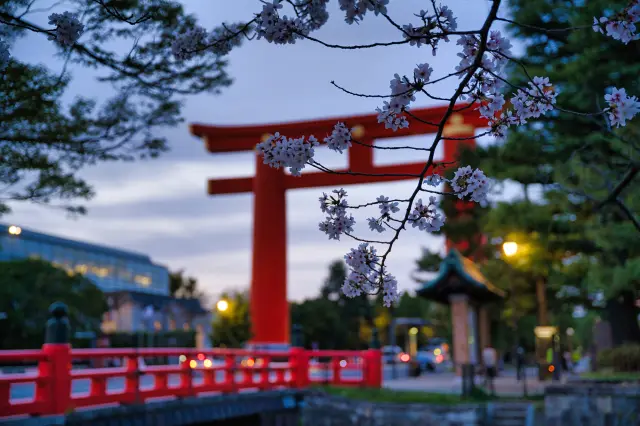
Heian Jingu Shrine
3.42 9A stunning tourist spot in Kyoto renowned for its beautifully vermilion-painted buildings.
Related Articles
-

A Sightseeing Guide to Heian Jingu Shrine, Where You Can Experience Deep History and Natural Beauty
Heian Jingu Shrine is known for its beautiful, vividly vermilion buildings. Among Kyoto’s many shrines and temples, it is one of the sightseeing spots you should especially make time to visit. In addition to its historic buildings designated as Important Cultural Properties, it also features a Japanese garden with appeal in every season, offering plenty to see. This article introduces the basic information, highlights, and more about Heian Jingu Shrine in detail. We’ll also cover nearby sightseeing spots and local food, so use this as a guide when visiting Heian Jingu Shrine.
-

Kansai, where you can “Experience the Real Japan” that you have been looking for.
The Kansai region is a “treasure house of Japanese culture” with a rich cultural resource remaining from its history as a former prosperous capital. There is a new, high-quality cultural tour that offers multiple cultural experiences in special settings with top-notch people who have mastered culture, art, or faith rooted in the Kansai region. Here are some travel reports from actual tour participants. Take part in this tour that is sure to become a once-in-a-lifetime precious trip.
-

Meet "real Japan" in Kansai - an exclusive experience.
Kansai Region hosted a capital city in ancient times and has served as the nation’s hub. It has produced many types of culture, which are handed down to this day. Touring the Kansai Area allows you to trace back the source of Japanese culture. The guide by the Japanese-culture-and-arts expert and the exclusive space are woven together into this acclaimed video. Enjoy a simulated cultural experience in the space usually closed off from the public.
-

[Kyoto Cherry Blossom Viewing Tour] Spring in full bloom!
If you feel a hint of spring, why don't you go to Kyoto?Cherry blossoms in Kyoto usually begin blooming around the end of March and are at their best from early to mid-April. Kyoto, the ancient capital of Japan, is known for its elegant scenery. Enjoy walking around the historic shrines and temples and the streets where you can feel the careful lifestyle of the people and visit the best cherry blossom viewing spots.
-
-

Kumamoto
Shrines & Temples
Aso Shrine (Kumamoto)
3.42 9The esteemed shrine that quells the land of fire, Aso.
Related Articles
-

Aso Travel Guide: Experience the Power and Grandeur of an Active Volcano
Mount Aso is a symbol of Kumamoto Prefecture and one of Japan’s most prominent active volcanoes. In addition to its magnificent scenery, one of its greatest attractions is the opportunity to see an active volcanic crater up close. A visit to Mount Aso offers an unforgettable opportunity to experience the raw power of nature firsthand. This guide covers the essential information you need to know about Mount Aso, along with recommended sightseeing spots and the best times of year to visit. Read on before your trip to make the most of your visit to Mount Aso.
-

Enjoy One of Kumamoto’s Top Power Spots! A Travel Guide to Aso Shrine
Aso Shrine is dedicated to as many as 12 deities and still preserves the region’s volcanic worship traditions. It’s also famous as a power spot where you can receive blessings of many kinds. To help you fully enjoy one of Kumamoto’s top power spots, we’ll introduce the must-see highlights and nearby sightseeing spots to know. Explore not only the grounds of “Aso Shrine,” but also the many attractive places around it.
-
-
-
-
-
-
-