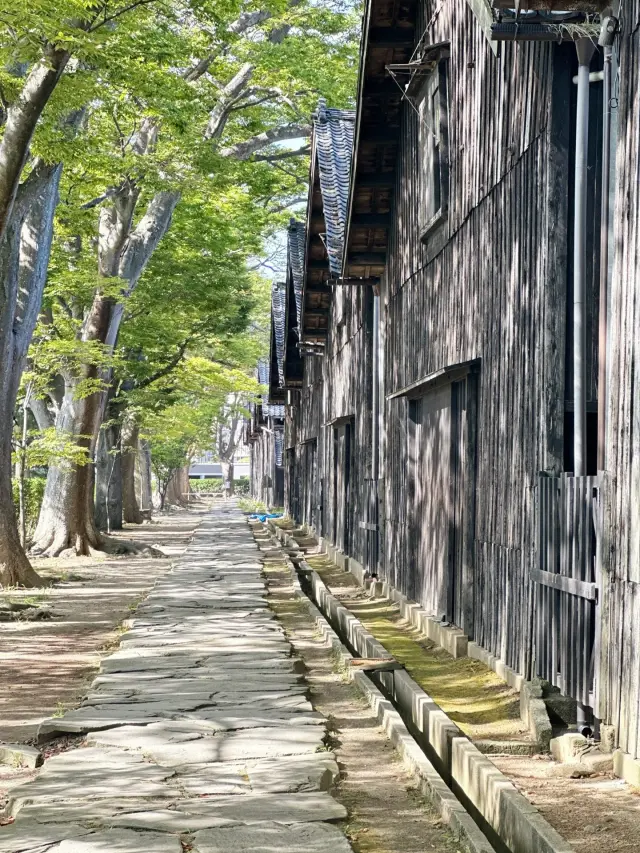
When I visited the Sankyo Soko storehouses, the long row of old rice warehouses lined up beside the magnificent zelkova-lined path created such an amazing atmosphere. Every quick photo looked like a movie still. Walking through the area, I could really feel Sakata’s former prosperity as a major rice hub, and also appreciate the charm of these historic buildings being preserved to this day.
Sankyo Soko | Review by Kim
Other Reviews by Kim
-
Inuyama Castle
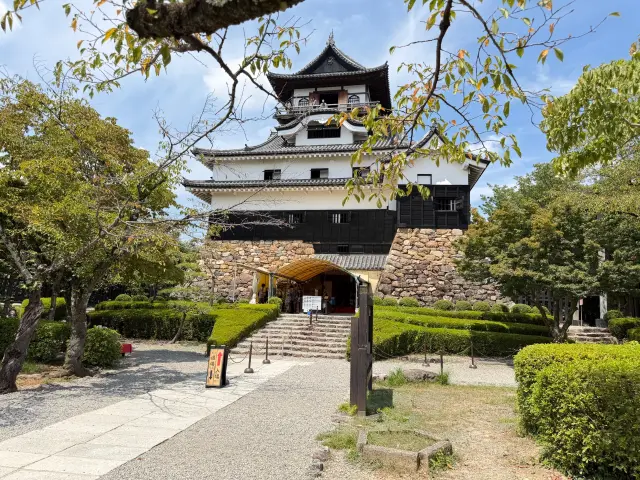
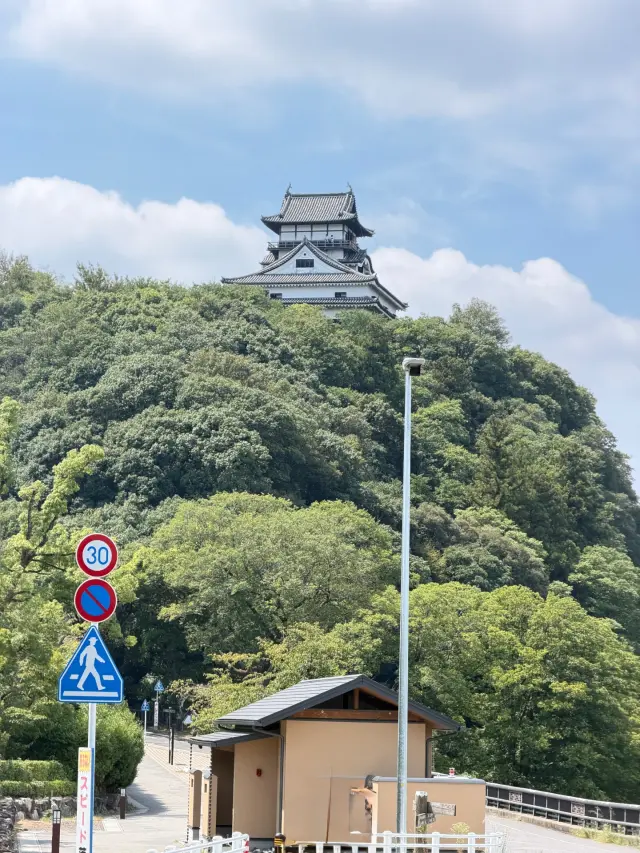
The Inuyama Castle keep is one of five deemed national treasures in Japan. It’s especially famous for remaining today as the oldest watchtower-style keep in Japan. It’s said it was built in 1537 by Oda Nobuyasu, the father of Oda Nobunaga.
Inuyama Castle had even more character than I imagined. Walking all the way up through the castle town and seeing this small, historic keep really gave me the feeling of an old Japanese castle.
After climbing to the top of the keep, the view was very expansive. You could see the Kiso River and the streets below Inuyama Castle. Looking out from the top floor, the old castle, river, and entire landscape came into view all at once. It was really beautiful! -
-
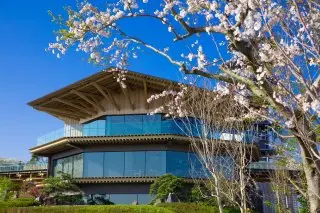
Nihondaira Yume Terrace
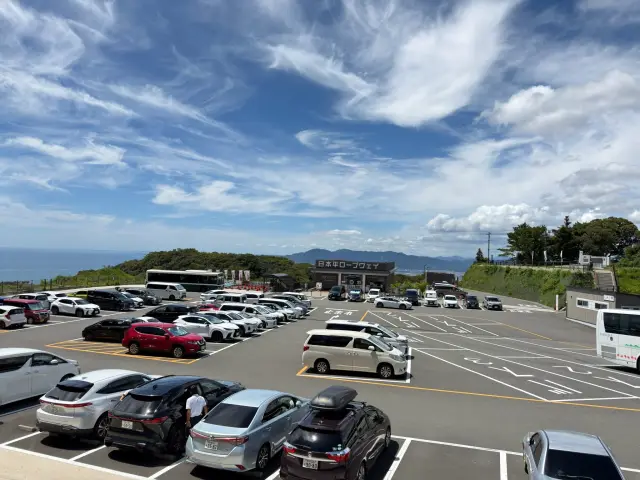
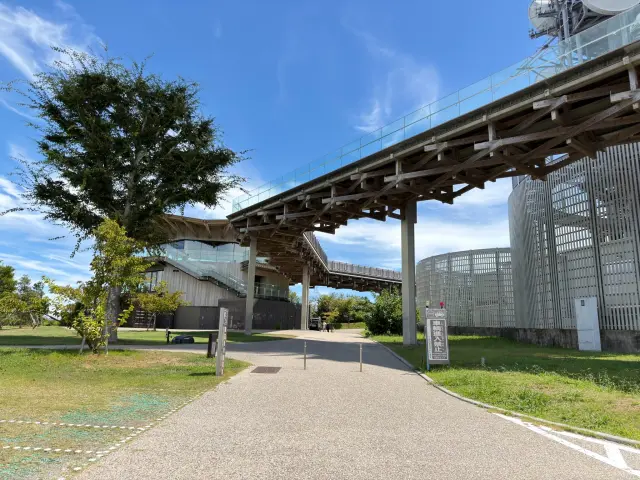
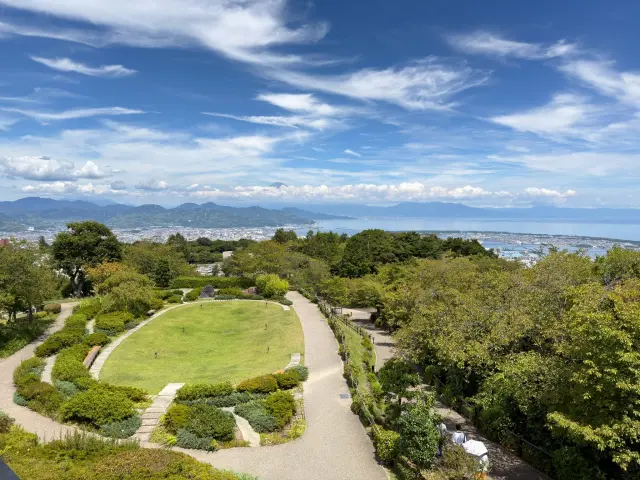
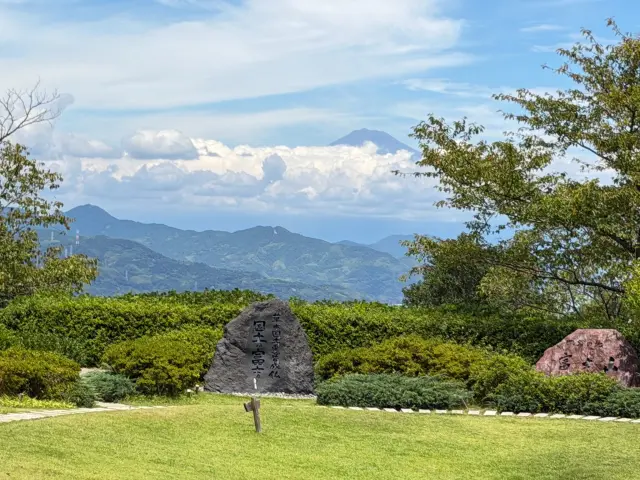
Located atop Nihondaira-a 307-meter-high hill in Shizuoka City that once ranked No.1 in the “Japan Tourist Destination 100 Contest”-Nihondaira Yume Terrace is a scenic observation and lookout point that opened in 2018. Make your way here for views of Mt. Fuji, Suruga Bay, and Miho no Matsubara that are all worth the travel, plus multiple vantage points across its beautifully designed spaces.
Nihondaira Yume Terrace is located at the summit of Nihondaira, not far from Nihondaira Station on the ropeway to Kunozan Toshogu Shrine, so it's perfect for stopping by after riding the ropeway. The best part is the scenery! When the weather is good, you can see Mt. Fuji, Suruga Bay, and Miho no Matsubara, with a wide-open 360-degree view.
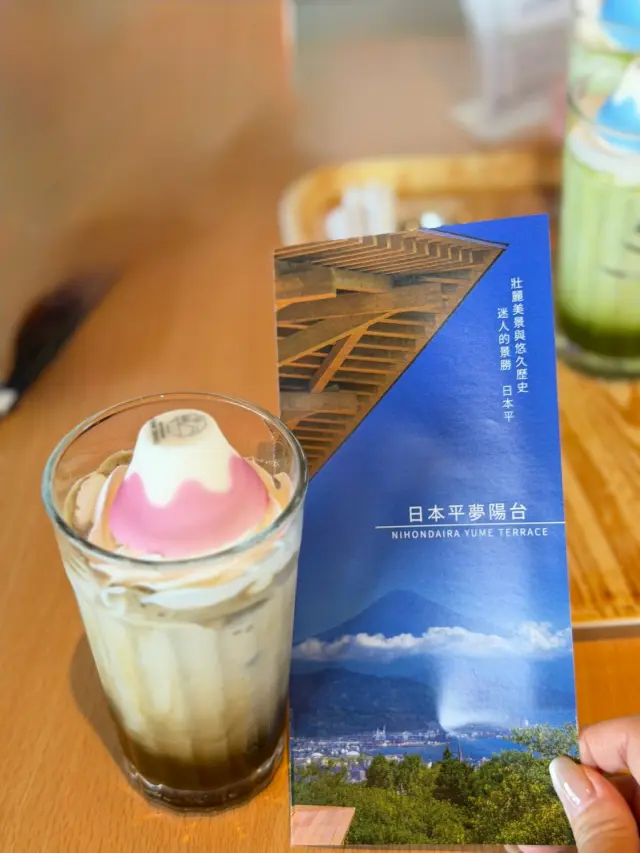
You don't need to plan anything special here. Just feeling the breeze and slowly taking in the mountain and ocean views is very relaxing. I also highly recommend the café inside. Find a seat, have a cup of coffee, and enjoy the scenery—it's truly leisurely. -
-
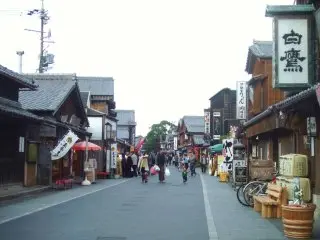
Oharai Machi, Okage Yokocho
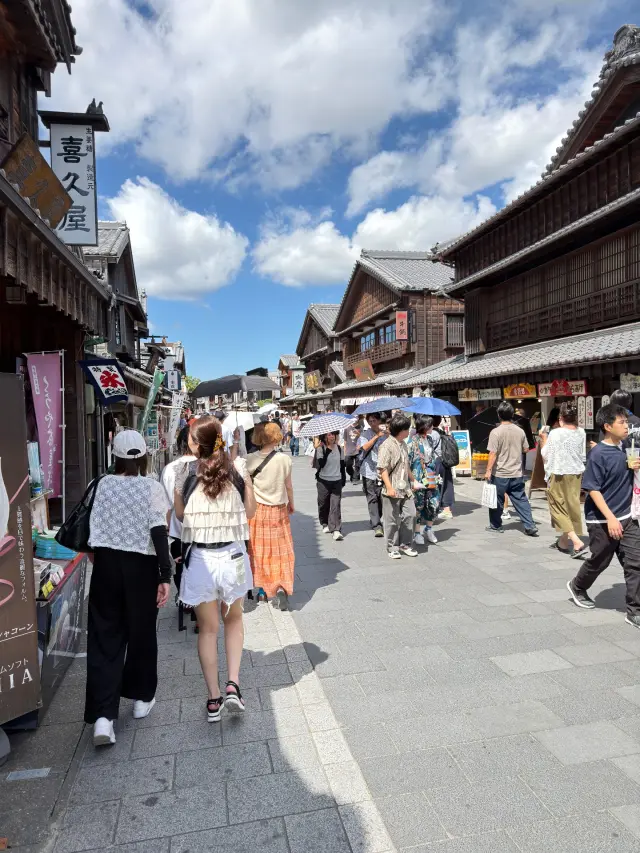
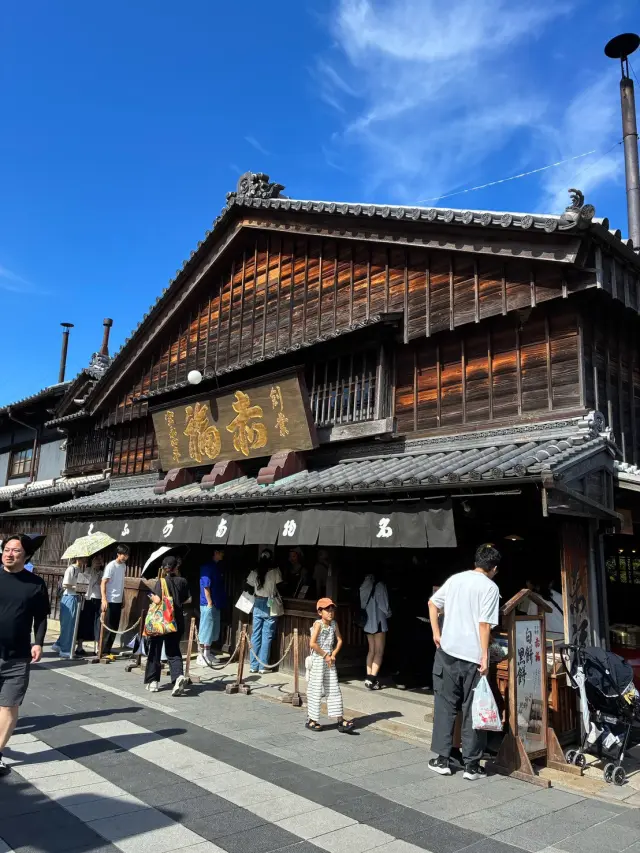
In front of the Inner Shrine of Ise Jingu Shrine, there's a street called Oharai Machi that bustles with numerous worshippers every year. From the Edo Period to early Meiji Period, many people called Onshi lived here and performed Shinto dance and music for their worshippers (Oharai), thus, the name Oharai Machi is believed to have come about.
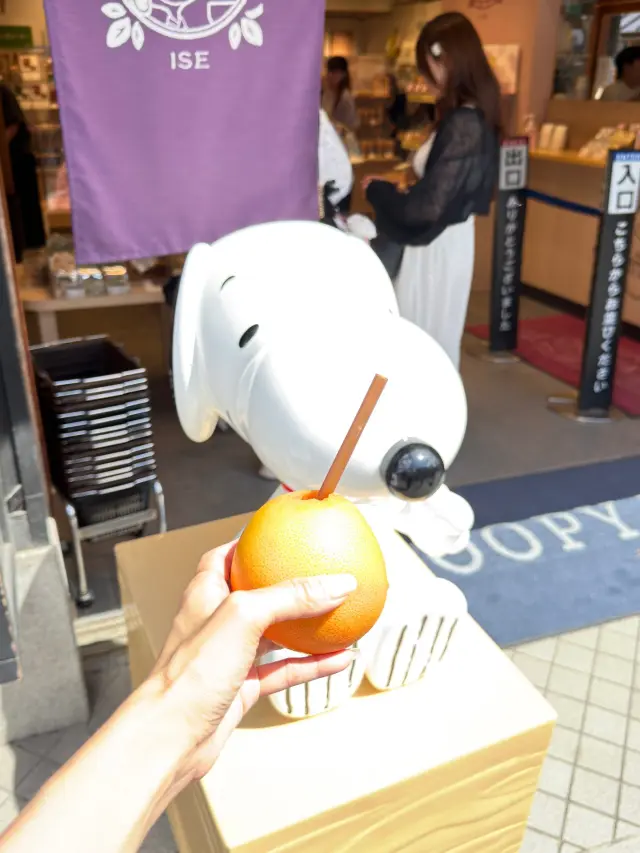
Okage Yokocho recreates the atmosphere of the Edo period and brings together some of the most iconic local foods from Ise and Mie Prefecture. As soon as you enter, it feels like stepping back into an old Japanese street, with wooden buildings and traditional shops one after another, filling the whole street with nostalgia.
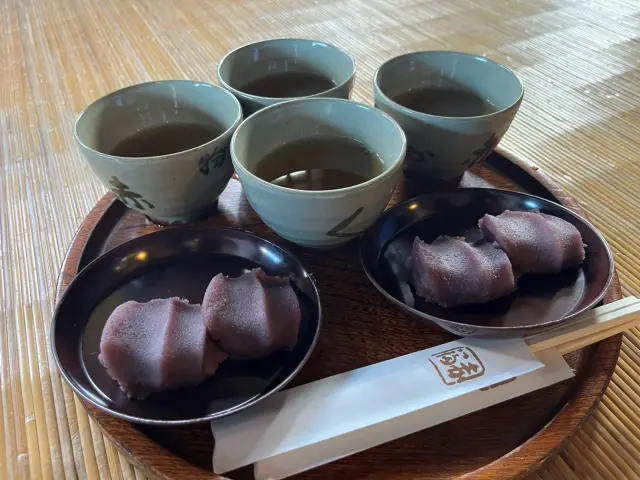
Stroll around, grab a bite whenever something catches your eye, and shop for Ise specialties to take home. The whole street feels lively yet relaxed. -