• See More

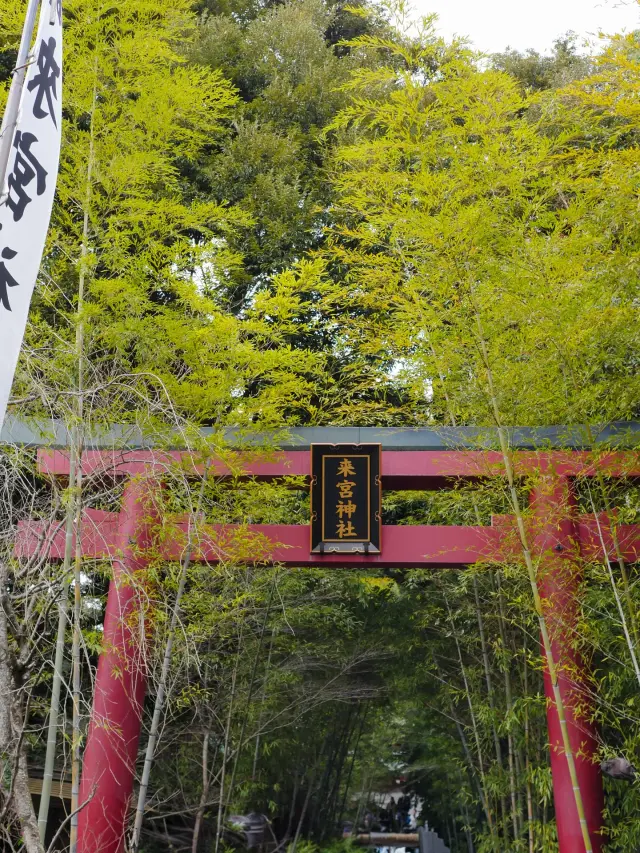
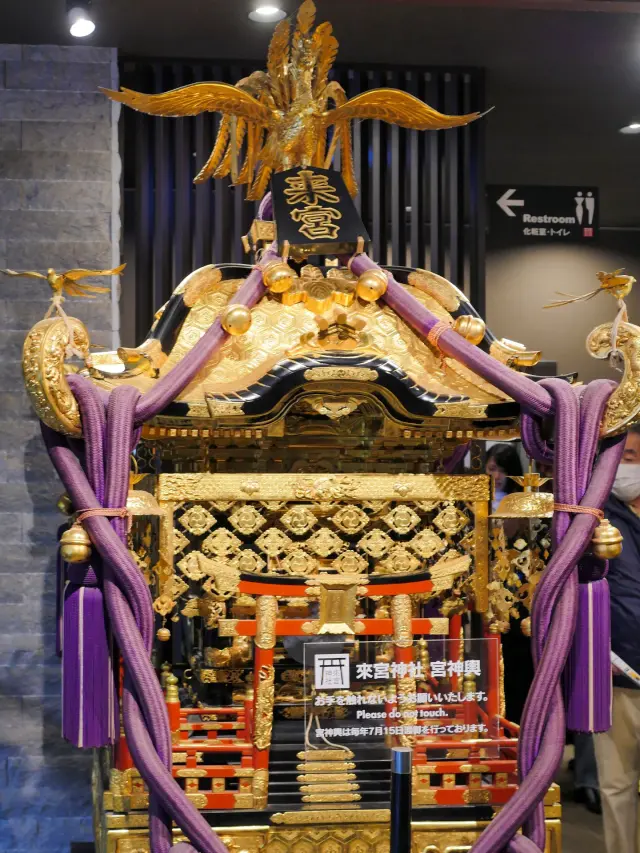
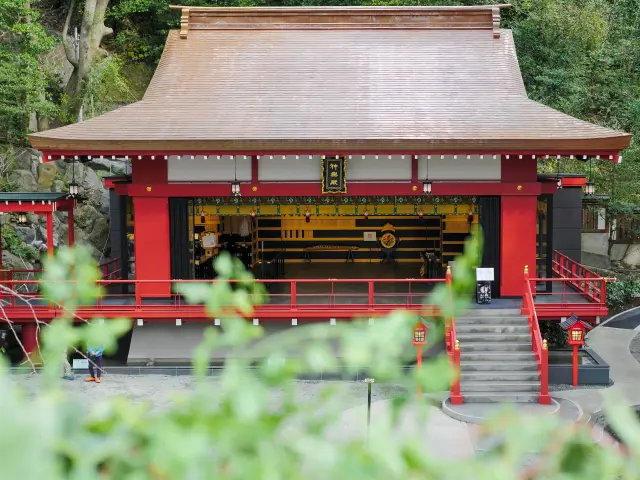
    Kinomiya Shrine is an important guardian shrine in the Atami area and the head shrine of all Kinomiya shrines nationwide. It gets very crowded on holidays, and you can really feel the authority of the head shrine.

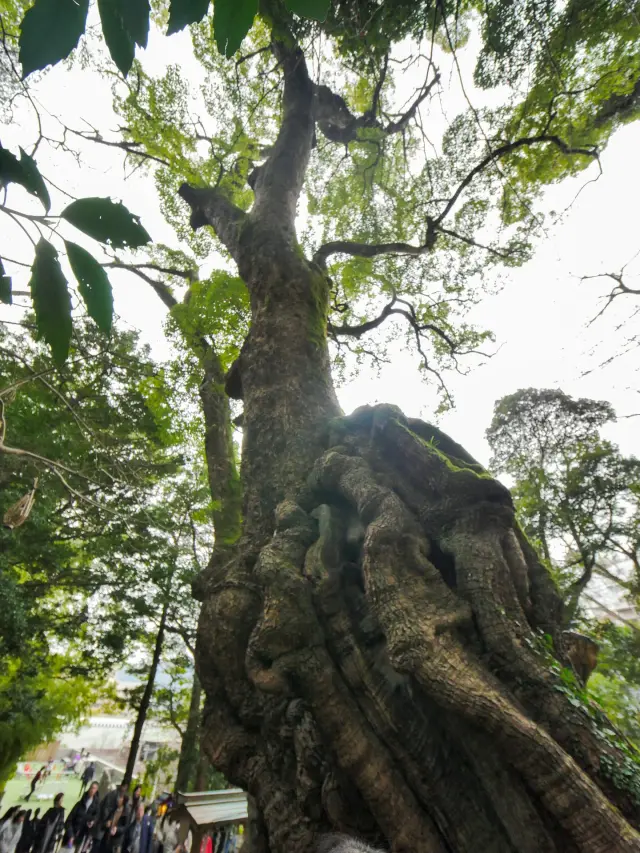
    The grounds are famous for the great sacred camphor tree, which is said to be over 2,000 years old. They say that walking around it once can add one year to your life. There is also a slightly smaller camphor tree that is still over 100 years old. Both were stunning to see because the sacred trees are so impressive.

    The shrine office is also very modern, with a vibe like a stylish shop in Ginza. In addition to charms, they have many fresh and creative designs for matchmaking items. I told myself I wouldn’t buy anything, but I still couldn’t resist bringing one home.

    What was a little special this time was that the fortune I drew at the shrine was unexpectedly accurate. It gave me a small sense of good luck for the rest of my trip.

Other Reviews by Holly

  • Kurashiki Denim Street

    Kurashiki Denim Street is a specialty spot for denim from Kojima, Kurashiki City, known as the birthplace of Japanese-made jeans. It offers a wide range of denim products, including Kojima-made jeans, bags, accessories, and interior goods, with easy-to-shop sections for men, women & kids, and miscellaneous goods. One of its charms is being able to casually experience “Kurashiki denim” while comparing differences in texture and finish.

    • Okayama
    • Miscellaneous Goods
    See More

    Kurashiki Denim Street is located in the Kurashiki Bikan Historical Quarter. I had seen it featured on a Japanese TV show before, and it is best known for its blue “denim buns” and “denim soft-serve ice cream.” But after seeing the actual color, I suddenly lost my appetite and decided not to try them after all.

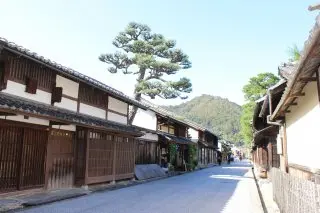
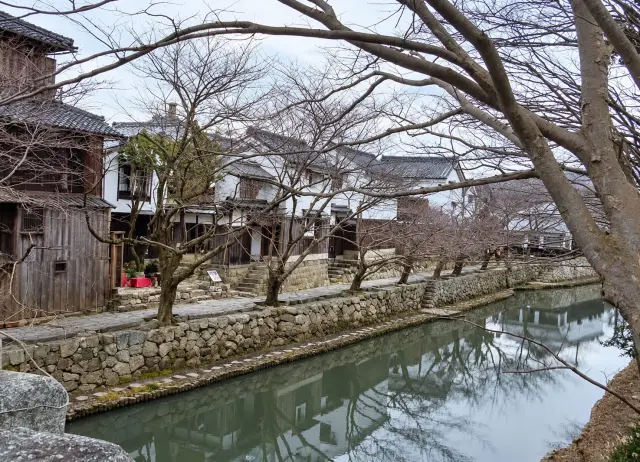
    Although it is called “Denim Street,” it is actually more like a small alley-style shopping area with denim products from brands based in Kojima. Everything throughout the area, from the signs and decorations to the merchandise, uses a lot of blue, making it stand out sharply amid the white walls and black roof tiles of the Kurashiki Bikan Historical Quarter.

    What is interesting about this place is that it is not just a “blue photo spot.” It is genuinely connected to Kurashiki’s local industries. Kojima in particular has a long history of developing textile- and denim-related industries and is also an important birthplace of domestically produced Japanese jeans. So the abundance of denim elements in Kurashiki is not a forced tourism theme, but part of the local industry.

    Once, while riding the train, I happened to see high school students heading home from school, and their uniform jackets had a denim-like look. That was something I never could have imagined when I was a student. It was really unique to see the local industry blend so naturally into everyday life.

    If your itinerary does not leave enough time for a separate trip to Kojima, Kurashiki Denim Street is a good alternative for a simple introduction to denim culture. People interested in jeans, canvas, and fabric products will find more to browse. Even for general tourists, it can be treated as a small, highly distinctive spot within the Bikan Historical Quarter.

    As a side note, the public restroom near the back of Denim Street is also very nicely designed and blends harmoniously with the surrounding scenery. Even small details like this make it clear that Kurashiki puts a lot of care into its tourist spaces.

  • Shoren-in Monzeki Temple

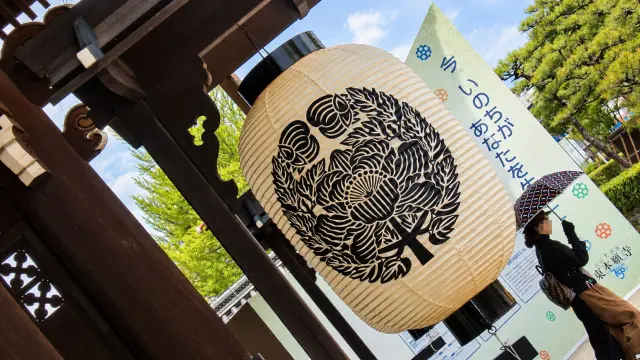
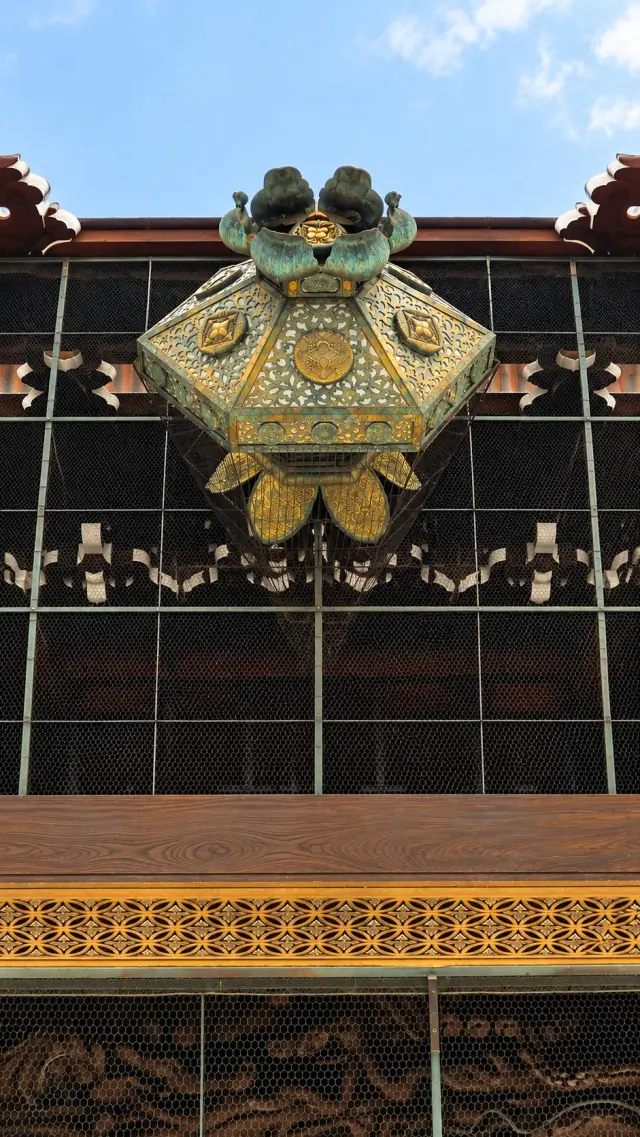
    One of the head temples of the Tendai sect, this temple has long-standing ties to the Imperial family. Its principal image is the Shijoko Nyorai Mandala, and it houses the National Treasure Ao Fudo Myoo, one of Japan’s three great Fudo Myoo statues. It began as a residence for monks of Enryaku-ji Temple on Mount Hiei, and was once home to eminent monks including Saicho and Ennin. A monzeki temple is a temple where members of the Imperial family or court nobility served as head priest.

    • Gion, Higashiyama, Yamashina
    • Shrines & Temples
    See More

    If you want to collect goshuin at Shoren-in Monzeki Temple, I would personally recommend visiting during the day. During special nighttime viewings, the goshuin available at the temple office are more likely to be prewritten. If you want one written for you on the spot, you have a better chance during the day.

    The nighttime illumination is certainly beautiful, and the garden and buildings take on a very quiet, mysterious atmosphere under the dim lighting. However, the drawback is also obvious: many of the architectural details are difficult to see. If your main purpose is to appreciate Shoren-in itself, including its temple buildings, painted sliding panels, and gardens, I would actually recommend visiting during the day.

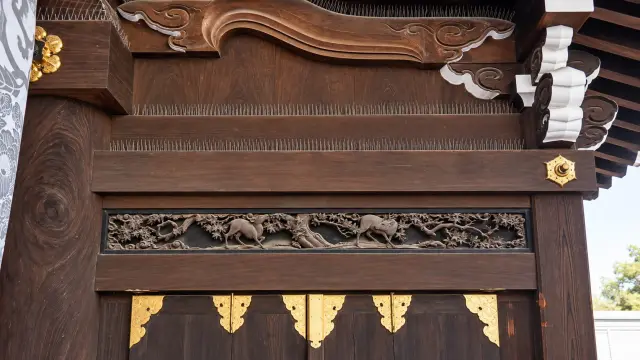
    In addition to Kachoden Hall, Kogosho, the Main Hall, and Shinden Hall, Shoren-in’s grounds include a strolling pond garden centered on Ryujin Pond, traditionally said to have been designed by Soami. There is also the Kirishima Garden, which is traditionally associated with Kobori Enshu. These are all better appreciated slowly during the day, especially the details of the gardens, the proportions of the buildings, and the borrowed scenery, much of which is lost under the nighttime lighting.

    Special nighttime viewings also usually cost a little more than regular daytime admission, so unless you are visiting specifically for the illumination, I personally think the overall value is better during the day. Of course, if you really enjoy the quiet and slightly mysterious atmosphere of temples at night, Shoren-in’s illumination is still worth experiencing once.

    At the time, I did not have enough photography experience, and looking back now, I feel like I did not make the most of the illumination that evening. Shoren-in’s nighttime lighting is dim to begin with. In many areas, instead of lighting up an entire building, it uses localized lighting to create atmosphere. So if you want to take photos, it is best to prepare a camera or phone with good low-light capabilities. If there is not even much moonlight that day, the demands on your equipment and your ability to hold it steady will be even greater.

  • Nanjo Art Museum

    An art museum located in Nanjo City in southern Okinawa’s main island. Rather than simply viewing works in exhibition rooms, it presents itself as a “scenic art museum” where visitors can experience art through nature, architecture, and spaces of everyday life. The permanent exhibition room features a wide range of works by contemporary artists from Japan and abroad, including pieces by Yayoi Kusama, Park Seo-Bo, and Zhang Xiaogang.

    • Naha, Shuri, Itoman, Nanjo
    • Museums
    See More

    The main reason I made a special trip to the Nanjo Art Museum this time was that the “Mika Ninagawa Exhibition with EiM: Dancing with Shadows in the Light” happened to be on. During the exhibition, the museum extended its hours into the evening, which made planning my itinerary much easier. The biggest advantage here is that it isn’t too crowded. You can take your time in each exhibition area without constantly being pushed along by the people behind you, making it easier to fully appreciate Mika Ninagawa’s use of color, flowers, light, and shadow.

    I especially like the way she photographs flowers. Later, I even tried using some of her ideas for composition and lighting when photographing Atami-zakura cherry blossoms, and unexpectedly got several photos that I was very happy with. The exhibition wasn’t limited to the indoor spaces either. Some of the works extended outdoors and into the views through the windows. With mountains on one side of the Nanjo Art Museum and the ocean on the other, the exhibition blended very well with Okinawa’s natural environment. If you aren’t in a hurry, it’s a nice place to find somewhere to sit and simply enjoy the ocean view.

    The Nanjo Art Museum is in a relatively remote location in Chinen, Nanjo City, near the World Heritage Site Sefa-Utaki. I had originally planned to visit Sefa-Utaki as well, but I got a little lost while riding there on a scooter and ran out of time, so I had to give up. The ticketing and administrative area is also distinctive, built from shipping containers. Electronic ticketing and various payment methods are mainly used, and the overall process is very convenient. Since it isn’t as easy to stop by as a museum in the city, I’d recommend checking the current exhibition first and making the trip only if it genuinely interests you. Otherwise, the museum itself is just okay.

    There was also a memorable little moment during this visit. Just before I was about to leave, someone by the café suddenly started playing the piano and singing an Okinawan folk tune. It gave the previously quiet museum a more down-to-earth atmosphere and became the most memorable part of my visit.

Hokkaido Tohoku Kanto Chubu Hokuriku Kansai Chugoku Shikoku Kyushu Okinawa