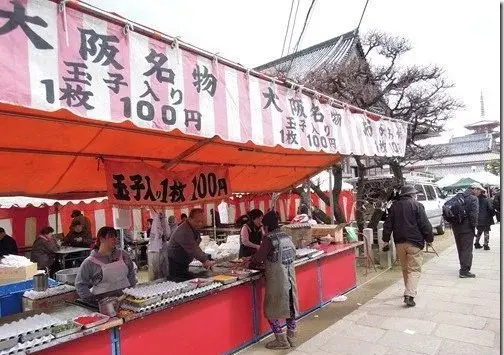
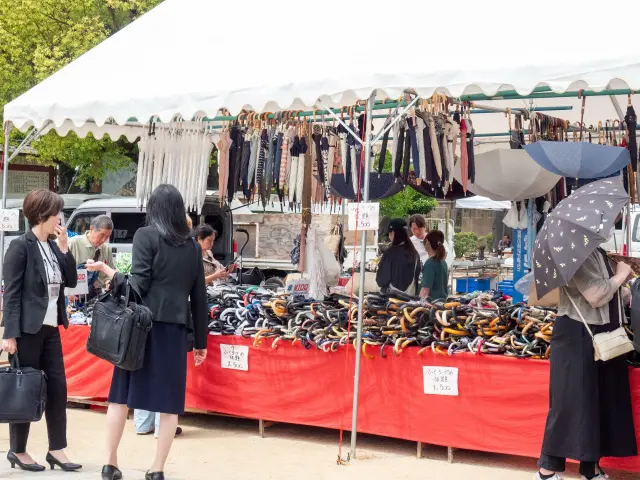
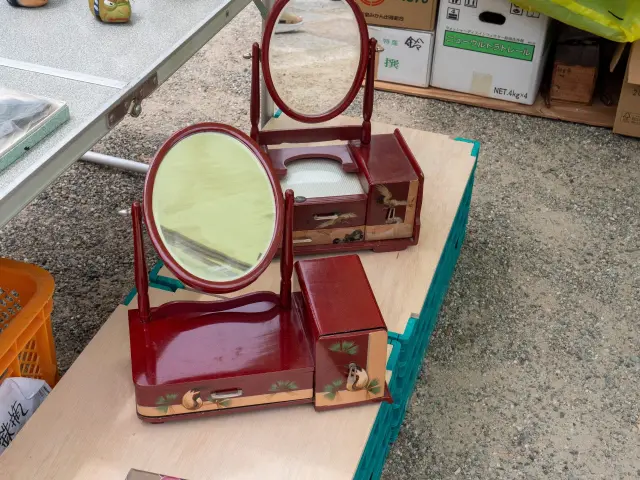
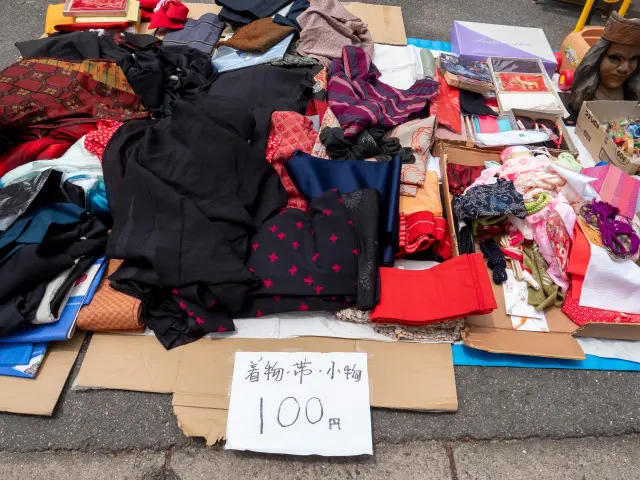
If you like antiques, secondhand kimono, vintage household items, or flea markets full of everyday character, the market at Shitennoji Temple in Osaka is worth planning a special trip for. While researching, I found that there are markets on both the 21st and 22nd. I originally thought they would be about the same, but after visiting, I found clear differences in the crowds, number of stalls, and overall atmosphere.
The Daishi-e on the 21st is the largest. It has almost everything, including antiques, vintage items, secondhand kimono, clothing, household goods, and food stalls. The temple grounds are packed with stalls and people, like a large flea market combined with a festival. The atmosphere is lively and energetic, but it's also more crowded, so you may not always be able to stop and look closely at something you like. To see everything, it's best to allow at least half a day, or even plan to spend the entire day there.
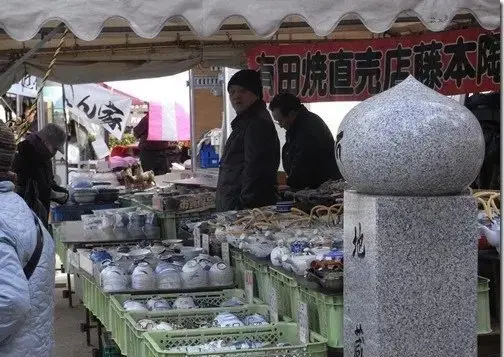
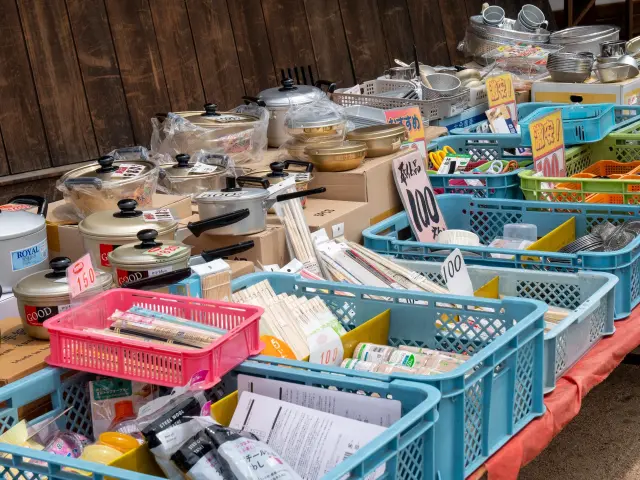
The Taishi-e on the 22nd has a completely different feel. The first time I went, I briefly wondered if the event had been canceled because the crowd was so much smaller than on the 21st. You can sense the difference even on the way there. After shopping there twice, I feel this is probably what the Taishi-e is normally like. Although there isn't as much variety as on the 21st, there are still plenty of antiques, vintage items, and secondhand goods. Without the crowds pushing around you, you can take your time and make several rounds. However, there are far fewer food vendors, so I recommend bringing some snacks just in case.
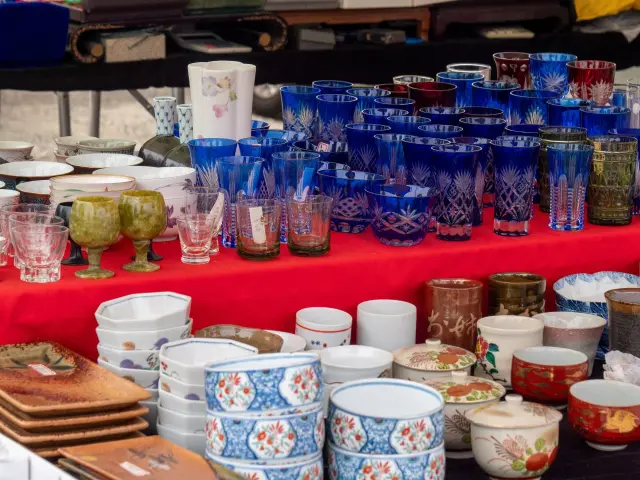
Although the 22nd is less crowded, I actually bought even more things that day than on the 21st. I think it's probably because my view wasn't constantly blocked by people, and I could crouch down and slowly look through the old items laid out on cloth, making it easier to find things I truly liked. I've found reasonably priced Edo Kiriko glassware, vintage tableware, and a maxi dress that suited me here. I had more fun treasure hunting than on the 21st.
If you want a lively market with a full range of stalls and a festival-like atmosphere, I recommend going on the 21st. If you prefer quietly hunting for treasures and don't want to squeeze through crowds, the 22nd is actually more comfortable. Each day's market has its own appeal. For anyone who likes antiques, kimono, and vintage items, Shitennoji Temple is worth a special trip for a leisurely visit, no matter which day you happen to go.
Shitennoji Temple | Review by Holly
Other Reviews by Holly
-
Okayama Castle
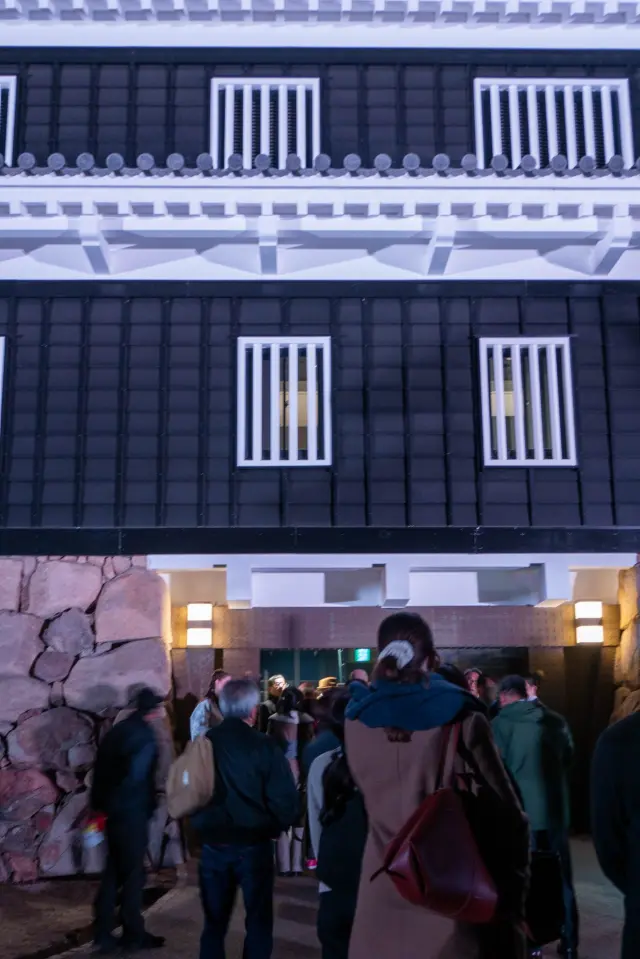
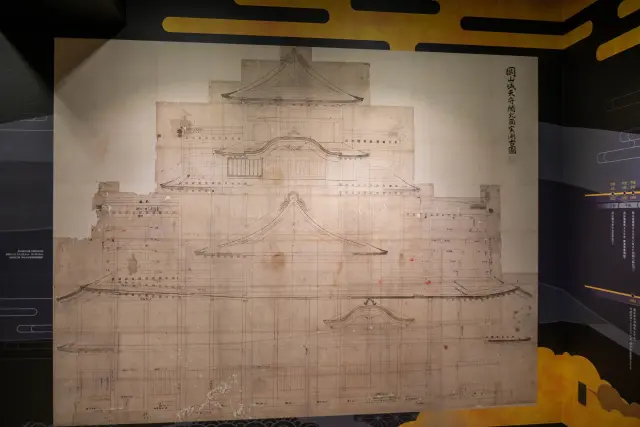
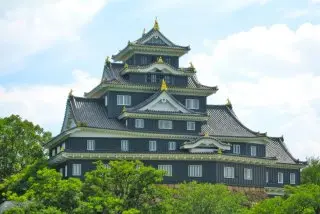
This castle was created by Warlord Hideie Ukita in 1597. The main castle was built on top of a hill named Okayama, and the Tensyu (castle tower), was built in front of the Asahikawa River. The adjacent castle town was created with merchants and craftsmen.
The main reason I visited Okayama Castle this time was to attend a local sake event held inside the castle at night. You can take the streetcar to Shiroshita Station and then walk about 10 minutes to Okayama Castle. However, if you come at night, the route from Shiroshita Station to the castle isn’t particularly well lit. I found this stretch of the walk a little scary, and the lighting only noticeably increased after I actually entered the Okayama Castle and Ujo Park area. If you’re visiting at night, I recommend having your phone’s flashlight ready so you can at least feel safer while walking.
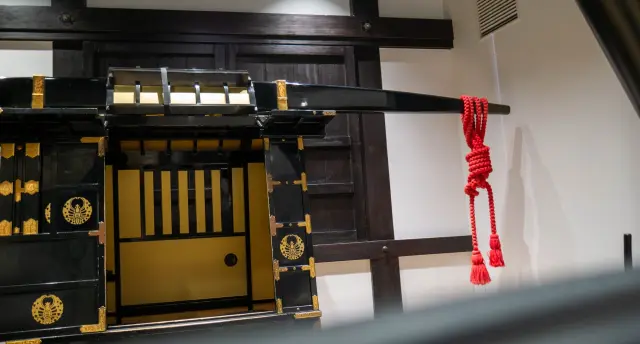
The castle tower you see at Okayama Castle today is a reconstruction. The original tower was destroyed in the 1945 air raid on Okayama and wasn’t rebuilt until 1966. Once inside, I felt it was more like a history museum themed around Okayama Castle. In addition to historical exhibits, there are also plenty of interactive activities and experiences, such as trying on samurai and princess costumes and riding in an Edo-period palanquin.
If you collect stamps from Japan’s 100 Famous Castles, you can get the Okayama Castle stamp here as well. The stamp is currently located near the reception area on the first basement floor. However, since it’s inside the paid area, you still need to purchase admission to use it. If you have the Okayama Enjoy Pass, you can use it here to redeem a package that includes admission to the Okayama Castle tower and a seasonal fruit parfait at Ujo Cafe.
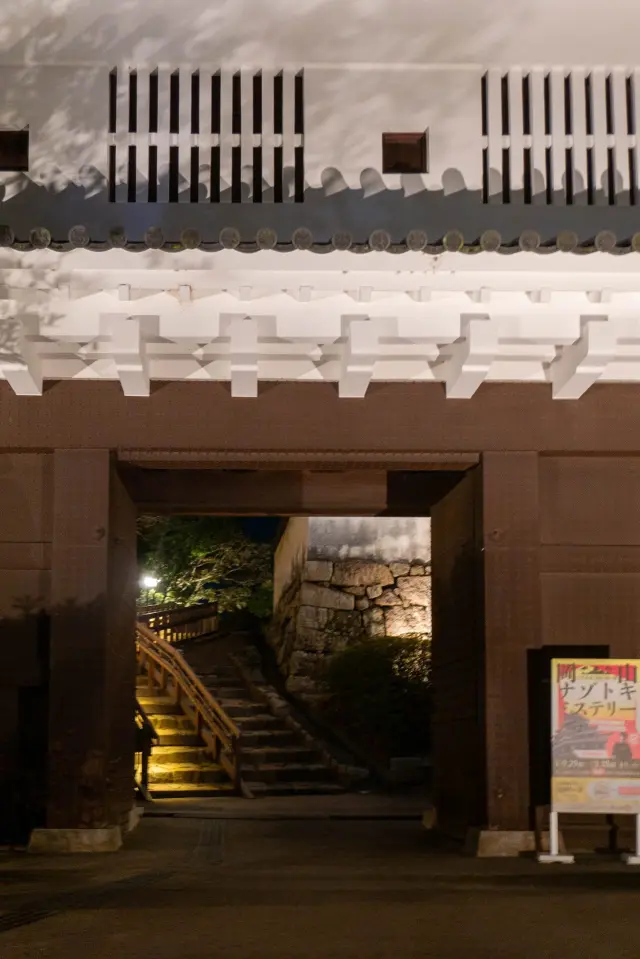
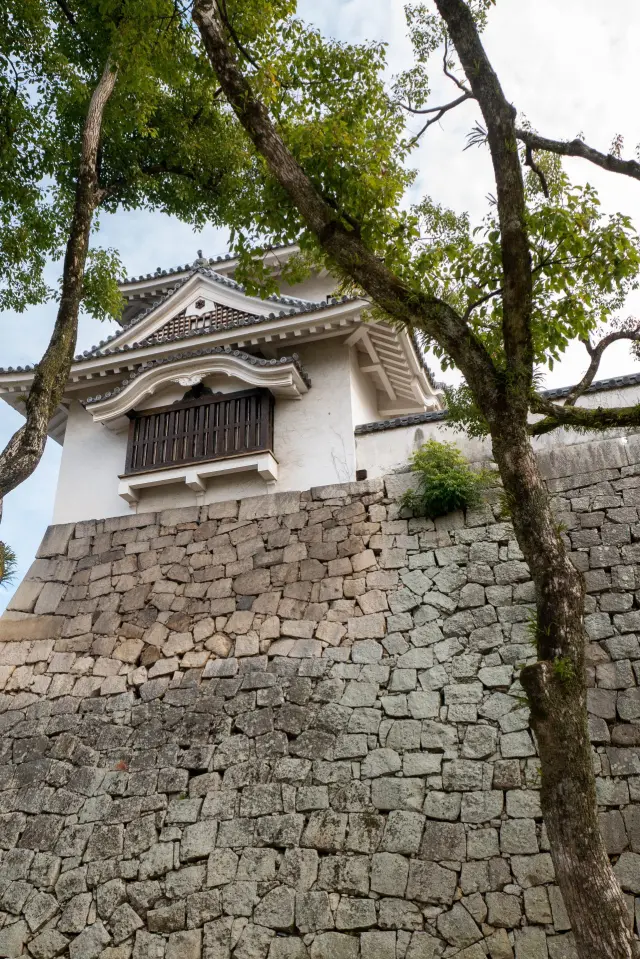
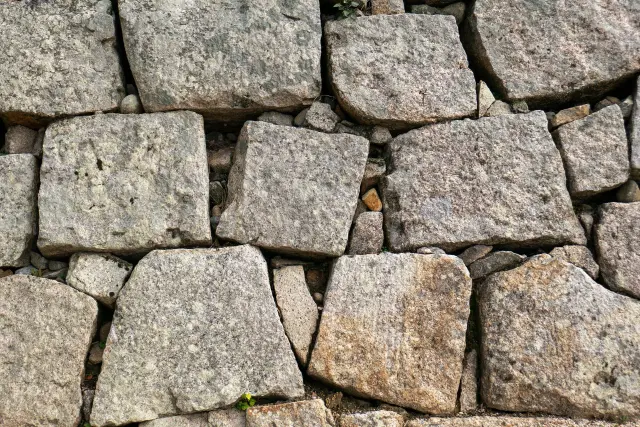
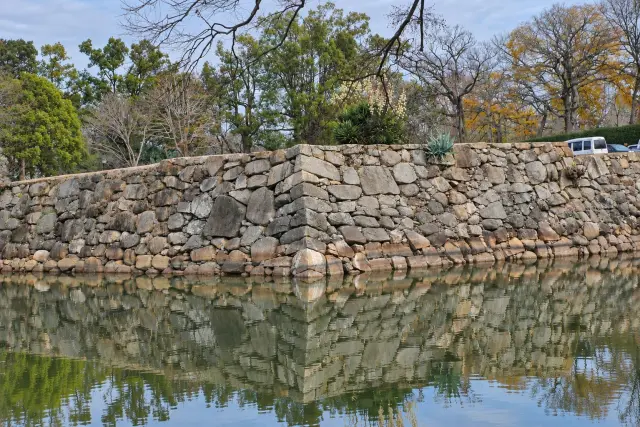
However, rather than the castle tower itself, I found the truly interesting parts of Okayama Castle to be the remaining stone walls and castle ruins around it. The honmaru still has stone walls from different periods. You can see traces of the castle construction from the time of Ukita Hideie, sections left from later expansions by the Ikeda clan, and even excavated stone walls and markings left by stonemasons. Looking closely at the stone walls actually gives you a stronger sense of how Okayama Castle changed under different lords and through different eras. Compared with the reconstructed castle tower, I personally felt that these unassuming stone walls and ruins were more distinctive of Okayama Castle. -
-
Mt. Otowa Kiyomizu-dera Temple
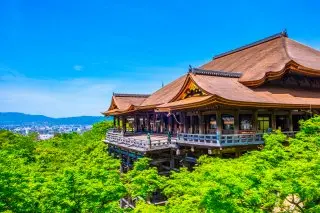
Opened in the year 778, the temple was registered as a UNESCO World Cultural Heritage Site in 1994. In the 130, 000 m2 area of the precincts spread out on the hillside of Mt. Otowa, there are more than 30 cathedrals and monuments, including national treasures and important cultural properties.
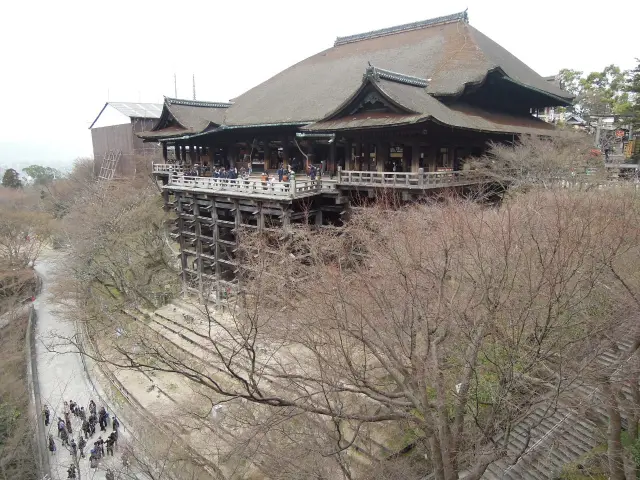
Kiyomizu-dera is always crowded, but even so, I still highly recommend that first-time visitors to Kyoto come here at least once. The temple’s architecture is truly distinctive, especially the Main Hall and Kiyomizu Stage, which were built into the mountainside. Actually standing there and experiencing their scale is completely different from simply looking at photos.
However, if you’re traveling with older people, I’d recommend taking their stamina into consideration. Kiyomizu-dera is located at the foot of Mt. Otowa, after all, and entering from the regular visitor entrance still involves walking uphill for a while. The temple has actually made considerable efforts to improve accessibility. Wheelchairs can enter via the emergency access road above Chawan-zaka, and there is also a step-free route near the Main Hall. Compared with other temples I’ve visited, the accessibility here is quite comprehensive. However, because of the temple’s sloping terrain and historic buildings, making it completely accessible is still difficult.
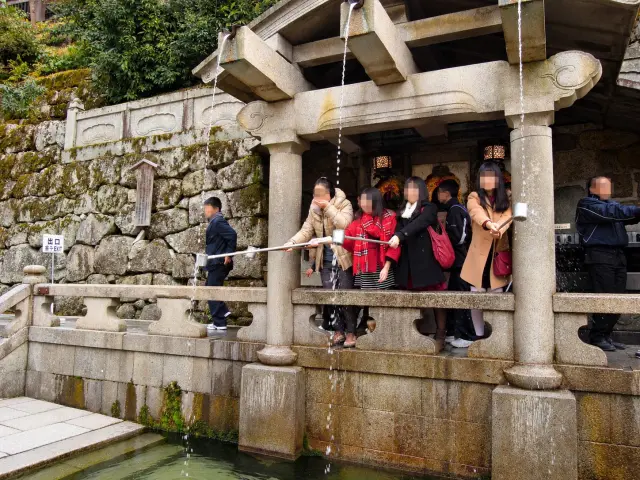
The temple grounds are also larger than you might expect, and since this is one of Kyoto’s most popular attractions, you may have to wait in line in many places. Otowa Waterfall, for example, is very popular, and each of its three streams is associated with a different wish, so you’ll usually see people lined up there. If you want to avoid the crowds as much as possible, arriving earlier or later may help, but Kiyomizu-dera is so popular that you may still encounter quite a few visitors even around 8:00 a.m. Still, the experience is usually better than during the busiest hours of the day.
As for transportation, I personally wouldn’t recommend driving. There is no parking lot on the temple grounds. Although there are Kyoto municipal parking lots and other privately operated lots nearby, spaces can be hard to find during busy periods. Even if you do manage to park, you’ll still have to walk some distance uphill, since you can’t drive directly up to the temple gate. -
-
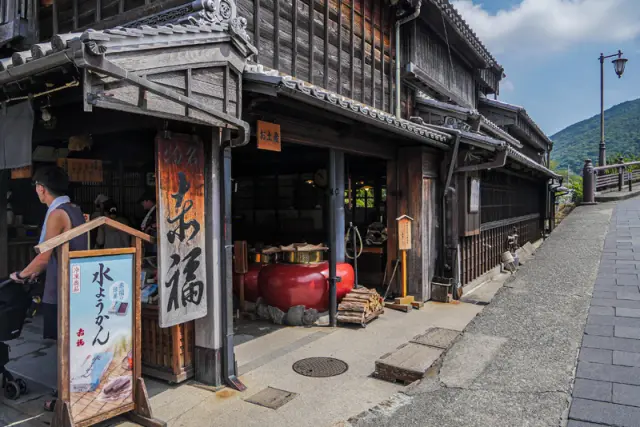
Akafuku-Main store
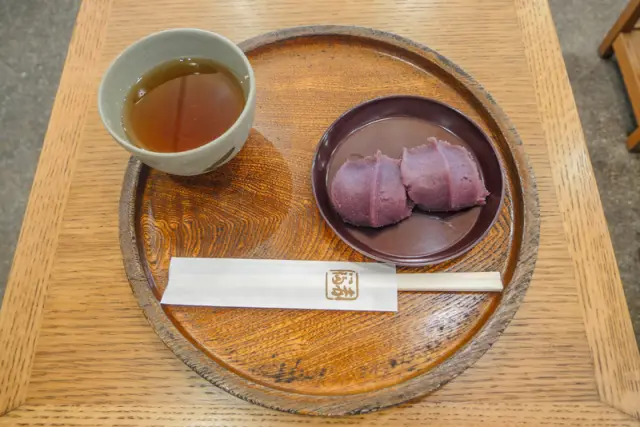
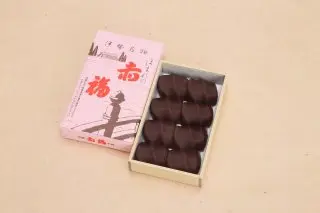
Founded in 1707, during the early Edo period, this long-established store has been welcoming visitors to Ise Jingu shrine for centuries with its famous "Akafuku Mochi." This traditional Japanese sweet consists of a mochi rice cake topped with smooth sweet bean paste, and its shape is distinctive. The three lines on the bean paste represent the pure flow of the Isuzu River that runs through the sacred grounds of Ise Jingu, while the white mochi symbolizes the pebbles at the riverbed.
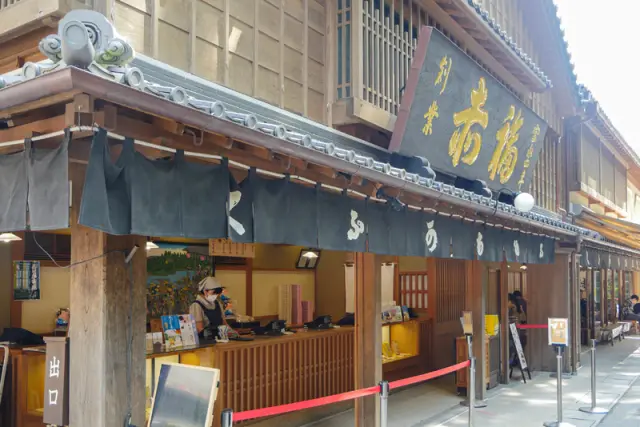
After entering Oharai-machi, turn right and you'll see it. The Akafuku Main Store is actually very easy to find. This is Akafuku's flagship location, and the timing of my visit was pretty good, so the line wasn't too outrageous. However, if it's very crowded and you're not set on eating at the main store, I don't think you need to spend all your time waiting here. There are other Akafuku shops nearby to choose from.
As for the Akafuku Mochi itself, I think its strongest point is actually the red bean paste. If the bean paste is strained too finely, it's easy to lose the aroma of the beans along with it. But if you try to preserve that aroma, it's difficult to make the paste this smooth. Akafuku balances the two very well. The texture is extremely delicate, but it doesn't just taste sweet—you can still taste the aroma of the azuki beans themselves. This seemingly simple wagashi actually requires a great deal of skill in handling red beans, and I think Akafuku is truly impressive in that regard.
What surprised me most was that it wasn't as sweet as I'd imagined. It's still sweet, but when paired with the hot tea provided, the sweetness is softened and everything comes back into balance. I really admire how Akafuku gets the level of sweetness just right.
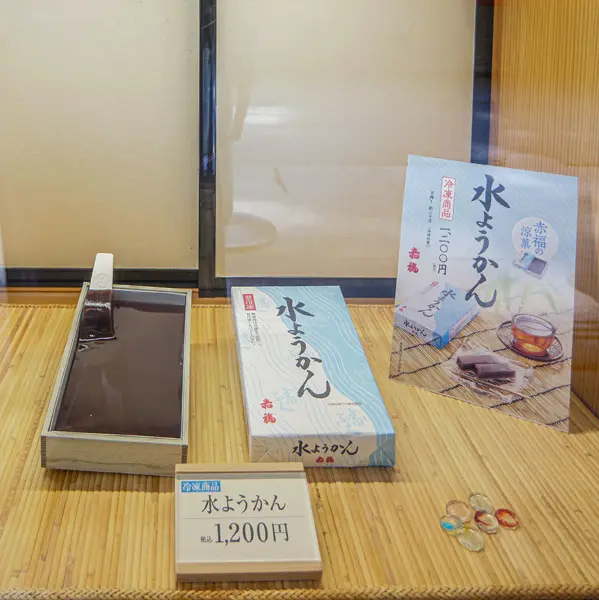
When I visited, they also happened to have the seasonal summer Akafuku Mizu-Yokan. Akafuku Mizu-Yokan is made with azuki beans from Hokkaido and prepared as a whole slab poured into a single box, and it has very good reviews. I really wanted to buy it, but it's a frozen product that has to be kept cold. The problem was that I visited in August and still had a full itinerary after making the purchase, eventually heading all the way to Osaka. A frozen product was simply not practical to buy. If it had come in a smaller box, I could have found a place to sit after walking around Okage Yokocho and finished it right there. But it was a large 320g box, and no matter how much I can handle sweets, there was no way I could finish it all at once. In the end, I had to tearfully give up on it. -