Shitennoji Temple

Verified [Verified] denotes information that has been published with confirmation of its owing parties.

Shitennoji Temple

Prince Shotoku had this first Japanese Buddhism temple built. One of the oldest architectural styles in Japan, Shitennoji Temple Building Layout, can be seen on the temple grounds. There are also valuable treasures from the founding time.

4.18 6

Last update :
Supervised by :  Shitennoji Temple

Prince Shotoku, the father of Japan’s Buddhism, had this first Japanese Buddhism temple built in 593. In the 8th century, the respect for him has changed into a religion, which is still active to this day. Since the temple was built by Prince Shotoku, it was reestablished as Washu (Japanese religion) in 1949.

The building layout on the grounds is called Shitennoji Style Temple Building Layout, known as one of Japan’s oldest architectural styles. From south to north, the middle gate, five-story pagoda, Golden Hall and worship hall stand in a line, surrounded by the corridor, which is seen in China and Korean Peninsula, suggesting the connection between ancient Japan and the continent. Though damaged by numerous disasters and wars, the support from people made repeated restorations possible.

A five-story pagoda is the symbol of this place. While it was being built, Prince Shotoku wished to save six realms/ways (hell, hunger, animals, demons, humans and heaven) and placed six tokens of Buddha’s ashes and six pieces of his hair inside the foundation stone, thus called “Six Way Saving Pagoda.” The interior, the 8th restoration, is open to the public and the top floor gives you a view over Osaka City. Besides the main hall, the Treasure Hall with valuable national treasures and important cultural properties, 10,000m² Gokuraku-jodo-no-niwa (Garden of Paradise) with a lovely pond to stroll around, and more spots are enjoyable to visit.
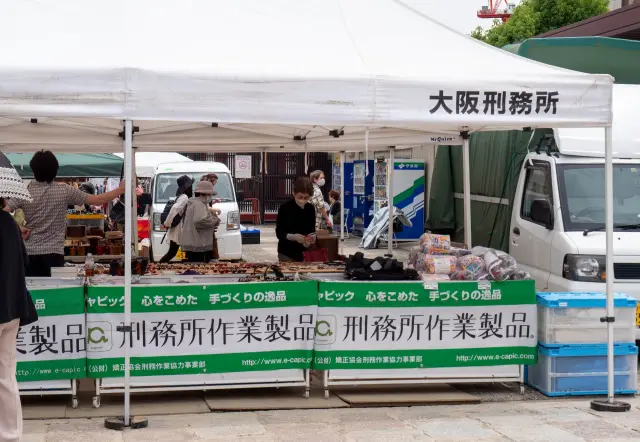
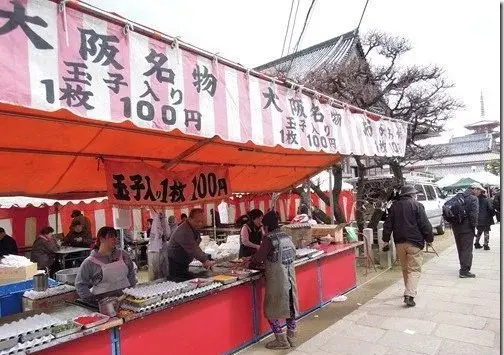
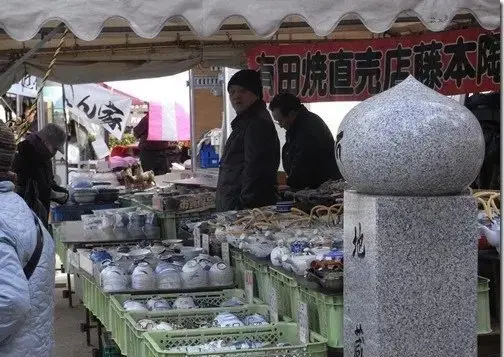
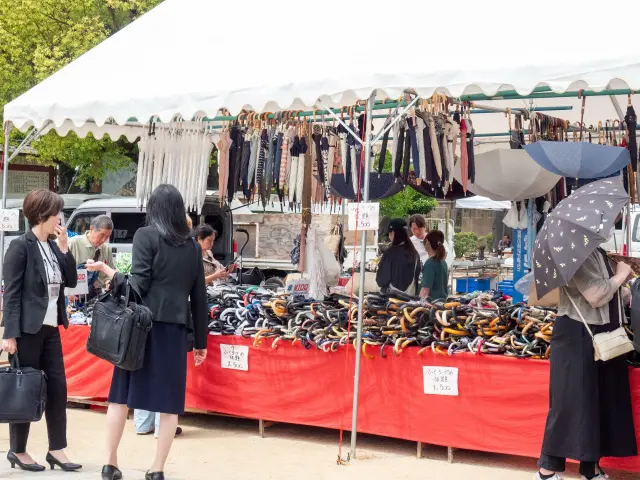
Buddhist services are held every 21st and 22nd. On the 22nd, there is a fair with almost 300 booths on the premises.

Highlights

  • Prince Shotoku had this first Japanese Buddhism temple built.
  • The historic temple with the original ground plan and treasures in store.
  • Five-story pagoda, the symbol of this temple, is open to the public. The top floor offers a view over Osaka City.
  • A fair on every 21st and 22nd on the temple grounds. Have some fun.

Photos

  • Five-story pagoda is the symbol of the temple

    Five-story pagoda is the symbol of the temple

  • The big west gate called Gokuraku-Mon

    The big west gate called Gokuraku-Mon

  • The Treasure Hall

    The Treasure Hall

  • Elegant Garden of Paradise

    Elegant Garden of Paradise

  • Prince Shotoku deceased on the 22nd. Every month on the 22nd, booths go up.

    Prince Shotoku deceased on the 22nd. Every month on the 22nd, booths go up.

  • Night View of Shitennoji Temple (pixta)

    Night View of Shitennoji Temple (pixta)

Reviews

6

Some reviews are AI-translated.

  • See More

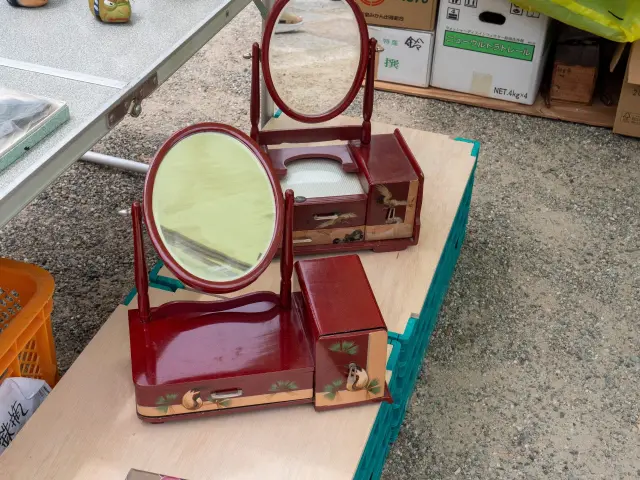
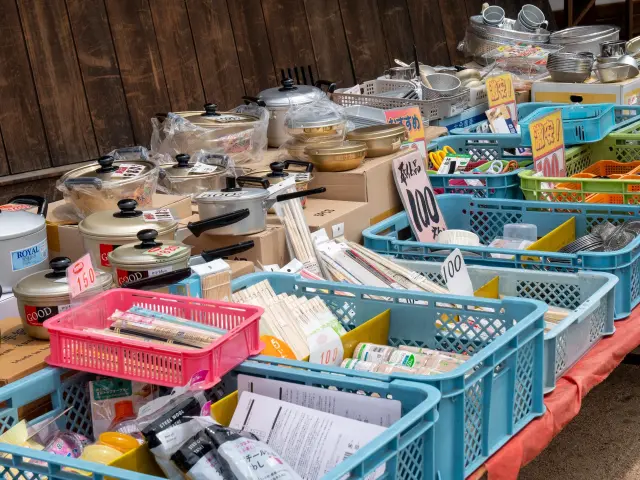
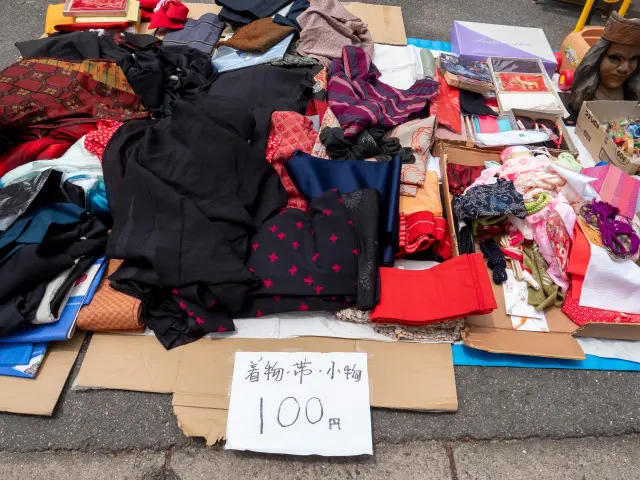
    If you like antiques, secondhand kimono, vintage household items, or flea markets full of everyday character, the market at Shitennoji Temple in Osaka is worth planning a special trip for. While researching, I found that there are markets on both the 21st and 22nd. I originally thought they would be about the same, but after visiting, I found clear differences in the crowds, number of stalls, and overall atmosphere.
    The Daishi-e on the 21st is the largest. It has almost everything, including antiques, vintage items, secondhand kimono, clothing, household goods, and food stalls. The temple grounds are packed with stalls and people, like a large flea market combined with a festival. The atmosphere is lively and energetic, but it's also more crowded, so you may not always be able to stop and look closely at something you like. To see everything, it's best to allow at least half a day, or even plan to spend the entire day there.
    The Taishi-e on the 22nd has a completely different feel. The first time I went, I briefly wondered if the event had been canceled because the crowd was so much smaller than on the 21st. You can sense the difference even on the way there. After shopping there twice, I feel this is probably what the Taishi-e is normally like. Although there isn't as much variety as on the 21st, there are still plenty of antiques, vintage items, and secondhand goods. Without the crowds pushing around you, you can take your time and make several rounds. However, there are far fewer food vendors, so I recommend bringing some snacks just in case.
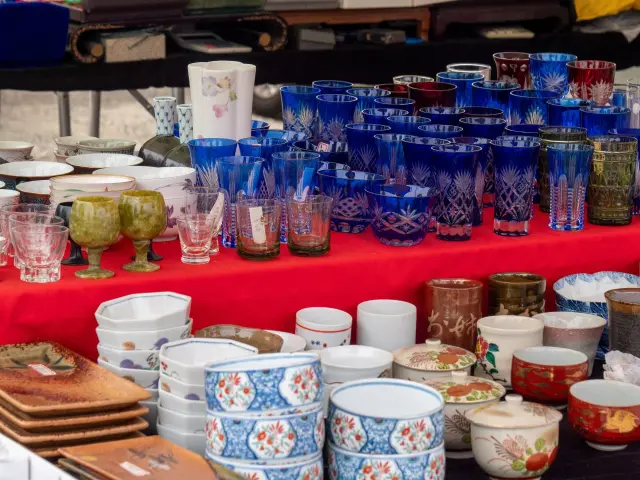
    Although the 22nd is less crowded, I actually bought even more things that day than on the 21st. I think it's probably because my view wasn't constantly blocked by people, and I could crouch down and slowly look through the old items laid out on cloth, making it easier to find things I truly liked. I've found reasonably priced Edo Kiriko glassware, vintage tableware, and a maxi dress that suited me here. I had more fun treasure hunting than on the 21st.
    If you want a lively market with a full range of stalls and a festival-like atmosphere, I recommend going on the 21st. If you prefer quietly hunting for treasures and don't want to squeeze through crowds, the 22nd is actually more comfortable. Each day's market has its own appeal. For anyone who likes antiques, kimono, and vintage items, Shitennoji Temple is worth a special trip for a leisurely visit, no matter which day you happen to go.

  • See More

    The temple grounds are huge. Once you enter, you can really feel the peaceful and solemn atmosphere. You can easily combine this with a half-day trip to Tsutenkaku and Shinsekai nearby.

  • See More

    There’s a stone torii gate right in front of Shitennoji’s entrance, which is a pretty historic landmark. Torii gates ⛩ are usually placed in front of Japanese shrines or temples, and the whole hillside is filled with them. Many were donated by people who made wishes and wanted to give back ❤️. It’s also a popular photo spot.

  • See More

    It's pretty amazing that such a complete temple has been preserved in a modern and bustling city like Osaka!

  • See More

    Shitennoji Temple holds an important place in the area. The temple itself isn't very big, but there's a flea market nearby that draws a lot of people.

Details

Name in Japanese
和宗 総本山 四天王寺
Postal Code
543-0051
Address
1-11-18 Shitennoji, Tennoji-ku, Osaka City, Osaka
Telephone
06-6771-0066
Holiday
Open every day
Hours
October-March 8:30am - 4:00pm, April-September 8:30am - 4:30pm
*May vary from building to building
Admission
Central Temple: Adult 500 yen, High school student 300 yen, Middle schooler and younger Free
Garden: Adult 500 yen, High school student 200 yen, Elementary school/ middle school student 200 yen
Treasure Hall: Adult 500 yen, High school student 300 yen, Middle schooler and younger Free
Directions
1) From Osaka Metro Tanimachi Line, Shitennoji-mae Yuhigaoka Station, walk 5 min.
2) From JR or Osaka Metro, any line, Shitennoji Station, walk 12 min.
3) From Kintetsu Minami-Osaka Line, Abenobashi Station, walk 14 min.
Official Website
Official Website (Japanese)
Hokkaido Tohoku Kanto Chubu Hokuriku Kansai Chugoku Shikoku Kyushu Okinawa