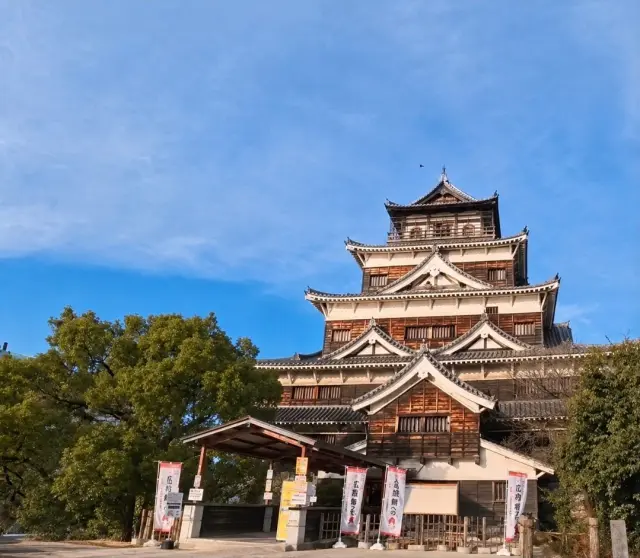
Walking into Hiroshima Castle isn't just about admiring a castle; it feels more like reading the history of the city.
**Hiroshima Gokoku Shrine**, located within the castle grounds, is where the Hiroshima Toyo Carp hold their annual prayers for victory. It also has super-cute carp-themed charms and fortune slips that baseball fans definitely shouldn't miss. Hiroshima Gokoku Shrine stands on the former site of Hiroshima Castle, and its current buildings were relocated here after the atomic bombing.
Hiroshima Castle is surrounded by a moat. If you have enough time, I highly recommend taking a sightseeing boat and slowly enjoying the view of the castle tower reflected on the water. The perspective is completely different from the view on land. Along the way, you can also see stone walls bearing traces of the atomic bombing and trees that were exposed to the blast yet have survived to this day, letting you enjoy the scenery while reflecting on the years this city has lived through.
I really like Hiroshima Castle. It isn't as lively as Osaka Castle or as magnificent as Himeji Castle, but it has a greater sense of peace and history. Here, you can slow down, take a walk, snap some photos, and experience Hiroshima's unique charm. ❤️
Hiroshima Castle | Review by Queenie
Other Reviews by Queenie
-
Shonan Kaigan Park
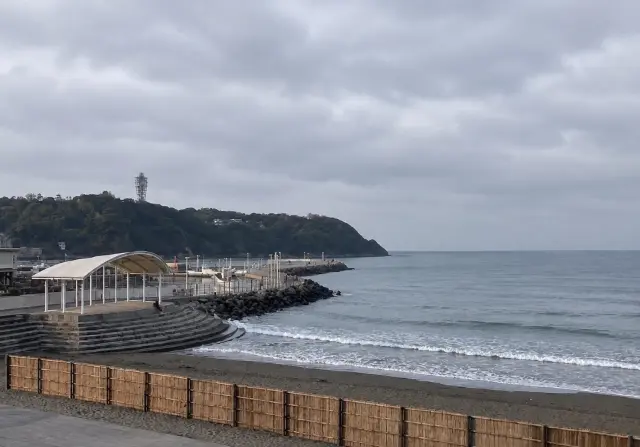
This park stretches approximately 2 km along Kugenuma and Katase beaches in Fujisawa City. It includes Fountain Park, Children's Square, Water Plaza, Sea Breeze Terrace, and Surf Village (the park management office), as well as popular attractions such as the Enoshima Aquarium and Nagisa Experience Learning Center.
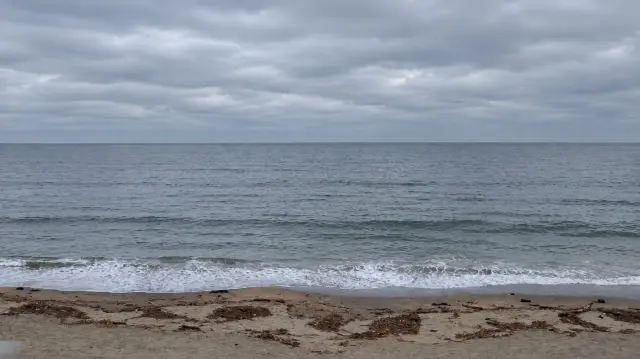
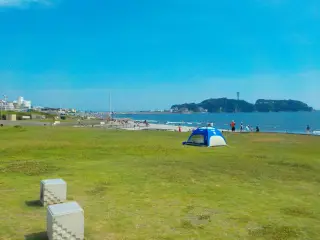
When I arrived at Shonan Kaigan Park, I was really looking forward to seeing Shonan’s beautiful coastal scenery. Unfortunately, the weather wasn’t very good that day, and the whole sky was gray and hazy, which was a bit disappointing.
This is one of Kanagawa’s most iconic coastal attractions. In the summer, many people come to swim and enjoy the sunshine and beach. When the weather is nice, you may even be able to see Mount Fuji in the distance. Just imagining it is beautiful!
I heard that clear winter mornings, when the air is clearer, are a good time to see Mount Fuji. Although the weather wasn’t great this time, it was still very relaxing to stand by the shore, watch the waves, and feel the sea breeze.
That’s just how traveling is. Sometimes the weather doesn’t cooperate, leaving you with a little regret. Maybe that’s a reason to visit Shonan again next time!
-
-

Sankeien Garden
Sankeien is a Japanese Garden built by Hara Sankei, an entrepreneur who was also a man of culture. Extending over an expanse of 175,000 square meters, many important cultural assets were relocated here from Kyoto and Kamakura. They have been masterfully arranged throughout the garden.
On this trip to Yokohama, I made a point of visiting Sankeien Garden because I’ve always loved historic Japanese architecture. I always feel that every old building has a piece of history behind it that’s worth taking the time to appreciate.
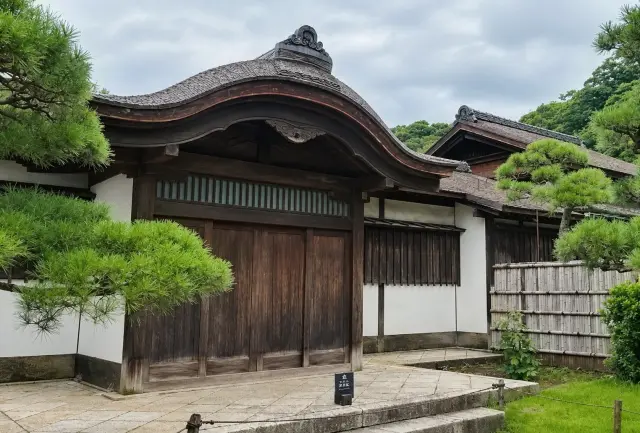
When I entered Sankeien Garden, I found many historic buildings that had been relocated here from different parts of Japan, some even dating back to the Edo period. These buildings were not originally built here. They were dismantled, transported, and then reassembled and restored. Just thinking about that process makes it seem like an incredibly difficult undertaking!
After surviving major earthquakes and air raids during World War II, it’s remarkable that these buildings have been preserved and that we have the chance to see them in person today. Thinking about how many people worked to preserve this cultural heritage so these old buildings could remain to this day was very moving.
Whenever I see traditional Japanese gassho-zukuri buildings, with their thick thatched roofs and simple exteriors, I can’t help imagining how people endured the cold winters in the days before heating.
Because of this, the more I looked, the more I felt that architecture is not just about houses. It is closely connected to the climate, terrain, way of life, and culture of the time, and every design has a reason for being there.
As for the garden scenery, I personally felt that compared with the refined and intricate Japanese gardens in Kyoto, Sankeien Garden’s landscaping was not as distinctive. Instead, it was the historic buildings relocated here from different places that made me stop and admire them.
Admission was only JPY 900, which I didn’t think was expensive. There weren’t many visitors when we went, so we took the garden map provided at the ticket counter and slowly walked around, following the signs and taking our time. It was quite relaxing.
What left the strongest impression on me during this visit to Sankeien Garden was not how beautiful the garden was, but that these old buildings, weathered by the passage of time, could still stand intact before my eyes. Being able to step into this piece of history and experience the architecture and lifestyles of different eras was a very special part of the trip.
-
-

Lake Sagami
This manmade lake was finished along with the dam in Sagamiko, the northwestern part of Kanagawa Prefecture. The lake was completed when Sagami Dam was built in 1947. This lake was the first built by a dam construction after WW2, that was still called a lake while being manmade. Today you’ll find cruise boats, rowboats, paddles boats and more.
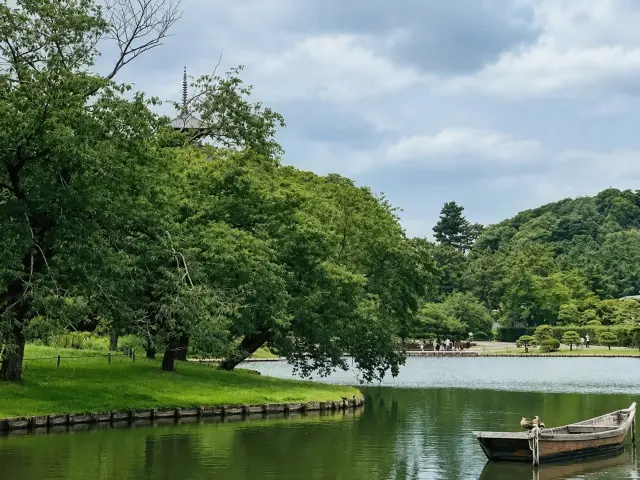
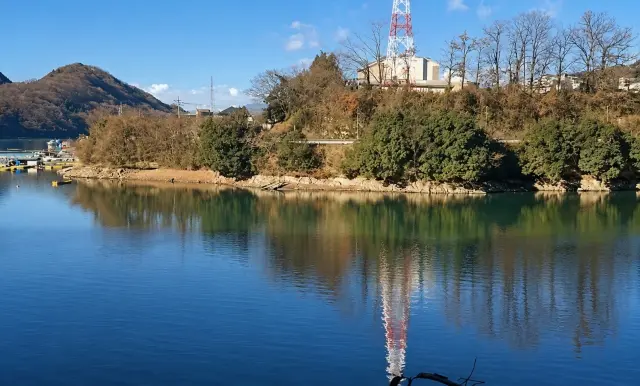
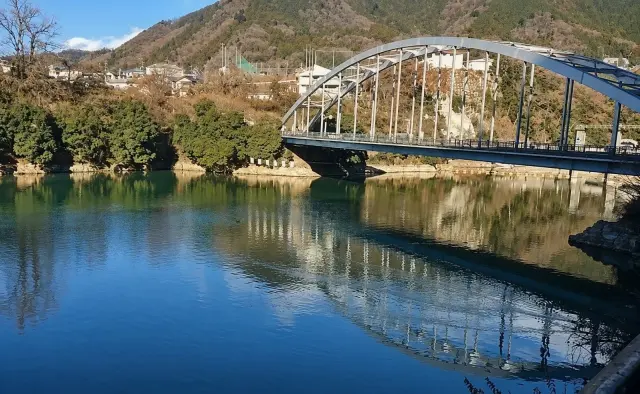
On this visit to Lake Sagami, the scenery was really nice! The lake was very calm, and when the weather was good, the blue sky and mountains were reflected on the water, making it especially beautiful in photos.
Lake Sagami is a man-made lake formed after a dam was built, and it is surrounded by forests and mountains. The whole area feels very pleasant. There are also sightseeing boats, as well as restaurants nearby, making it a good place for a leisurely walk and some sightseeing.
It takes about 10 minutes to walk here from JR Sagamiko Station, so it’s fairly convenient. There weren’t many people when we visited, so we could take our time enjoying the lake views and taking photos without dealing with crowds. It felt especially relaxing. Each season also has its own beauty, with flowers in spring, greenery in summer, and fall foliage in autumn. They’re all very nice.
-