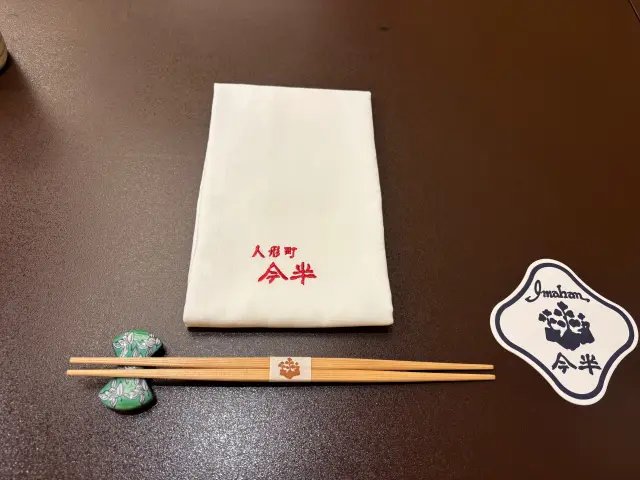
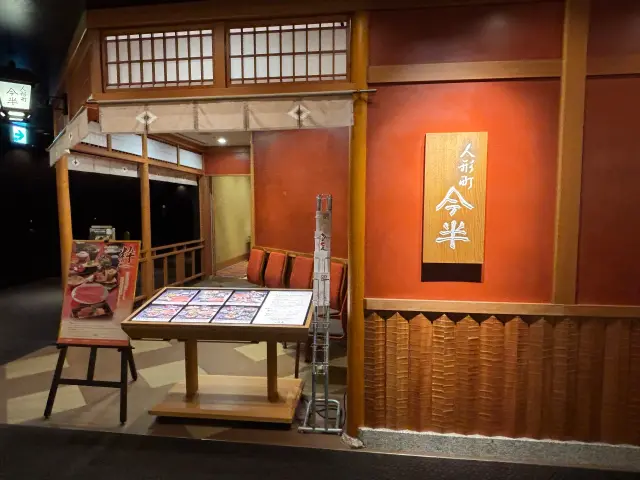
Ningyocho Imahan is a long-established upscale sukiyaki and shabu-shabu restaurant founded in 1895, with a history spanning more than a century. This time, I visited the location in Tobu Department Store Ikebukuro, ready to enjoy a delicious wagyu meal.
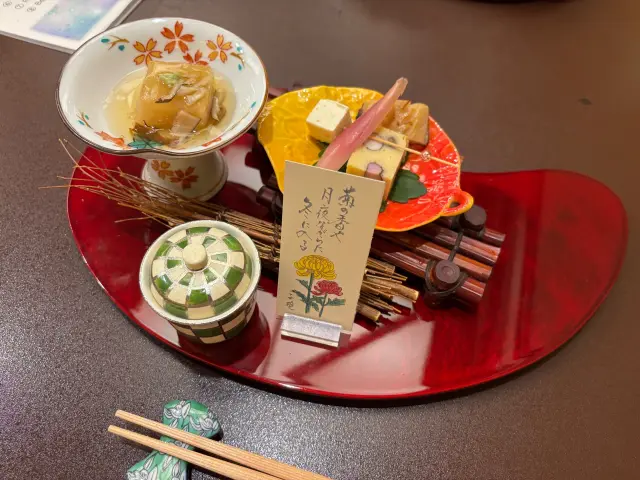
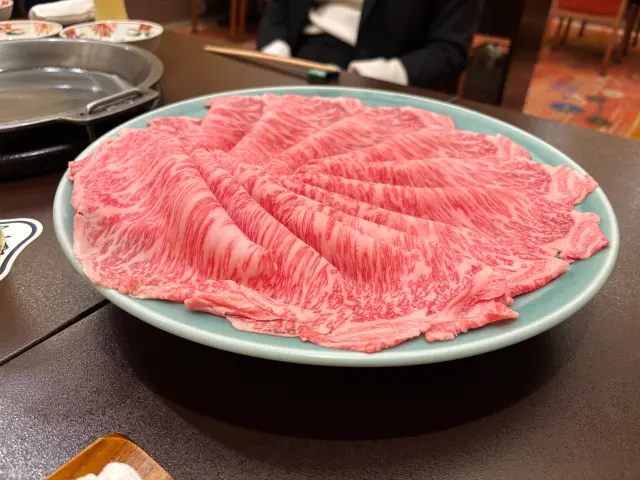
The food was not only delicious but also beautifully presented. The slices of wagyu from Kagoshima had evenly distributed marbling and an especially tempting pink color. Just seeing them brought to the table was enough to whet my appetite.
Since it's an upscale restaurant, attentive tableside service is usually provided. Guests only need to sit back comfortably and watch the staff skillfully cook the ingredients. Once the meat and other ingredients are cooked to perfection, you can elegantly dig in!
Ningyocho Imahan, Ningyocho Honten / Kisentei, Ningyocho Honten | Review by Linda Liao
Other Reviews by Linda Liao
-
Dōgo Onsen Honkan
Boasting a history of roughly 3,000 years, Dōgo Onsen is considered by many to be Japan’s oldest hot spring. Its iconic symbol, the Dōgo Onsen Honkan, was rebuilt in 1894 as a public bathhouse and is designated as an Important Cultural Property of Japan. After six years of extensive preservation and restoration work, the wooden three-story bathhouse fully reopened in 2024, offering a renewed experience designed to soak in the historical beauty up close.
Dōgo Onsen is one of Japan's oldest hot springs, and its old wooden architecture easily brings to mind the bathhouse from Spirited Away.
The Dōgo Onsen Honkan we see today mainly took shape after a major renovation in 1894. With over a century of history, it has also become an important cultural building in Japan.
Starting in 2019, Dōgo Onsen Honkan underwent extensive preservation and restoration work and did not fully reopen until 2024. In addition to restoring the old building, the renovation added modern features such as earthquake resistance and air conditioning, making it more comfortable for visitors.
After the renovation, although the facilities are now more complete, it has lost a little of the nostalgic atmosphere unique to an old hot spring. Ticket prices have also been adjusted, with the basic bathing fee increasing from JPY 460 to JPY 700. I guess that's the price of changing times! -
-
Dogo Park (Yuzuki Castle Ruins)
Covering approximately 8.6 hectares, Dogo Park is a spacious urban park developed on the nationally designated Yuzuki Castle Ruins. The entire park occupies the former site of a castle that stood from the early 14th to the late 16th century, and remnants such as earthen ramparts and moats can still be seen today. The site is protected as a National Historic Site under the name Yuzuki Castle Ruins. The park has an almost tortoiseshell-shaped layout about 350 meters in diameter, with a central hill rising roughly 30 meters. From the observation deck, visitors can enjoy panoramic views over the Matsuyama Plain, making it a popular scenic viewpoint.
Dogo Park is close to the Dogo Onsen shopping street. You can usually see many local residents walking and chatting here, giving it a relaxed atmosphere. We visited in early spring this time, before the cherry blossoms were in full bloom.
There are also many cute little shops around the park. That day, we casually stopped by Yukemuri Cafe to take a break and escape the heat. The cafe's seating area is on the second floor, and the interior has a retro style. Sitting by the window and looking through the gridded window frame, we could see the street and the hot spring district. As we enjoyed our food and quietly gazed outside, the fatigue that had built up during the trip seemed to slowly fade away. -
-
IYOTETSU Tram
This tram system operates mainly in central Matsuyama City in Ehime and is operated by IYOTETSU. Its predecessor began operations in 1888, and it has developed into one of Japan’s longest-running urban transportation systems. Today’s tram system is centered on Matsuyama City Station and consists of six routes. Multiple lines support travel around the city, including a loop line that circles major downtown areas and routes heading toward Dogo Onsen.
When sightseeing in Matsuyama, Ehime Prefecture, don't miss the retro Botchan Train. Full of Meiji-era charm, this train is famous because of Natsume Soseki's classic novel Botchan. It travels slowly around Dogo Onsen, Okaido, and Matsuyama City Station, accompanied by the gentle sound of its whistle, making you feel as though you've traveled back a hundred years. You're more likely to see it on weekends and holidays, and its retro design has also become a popular sight for locals and tourists eager to take photos〜
-