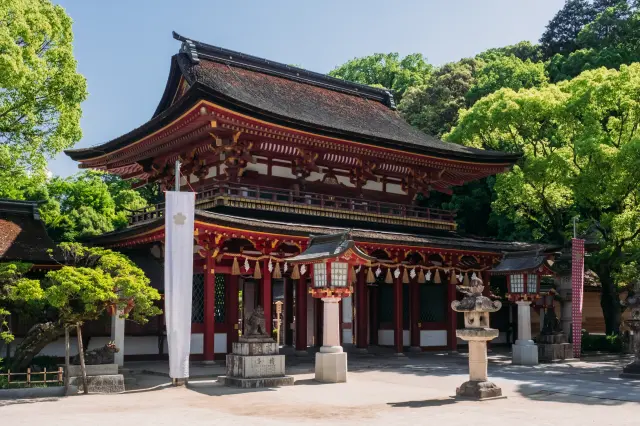
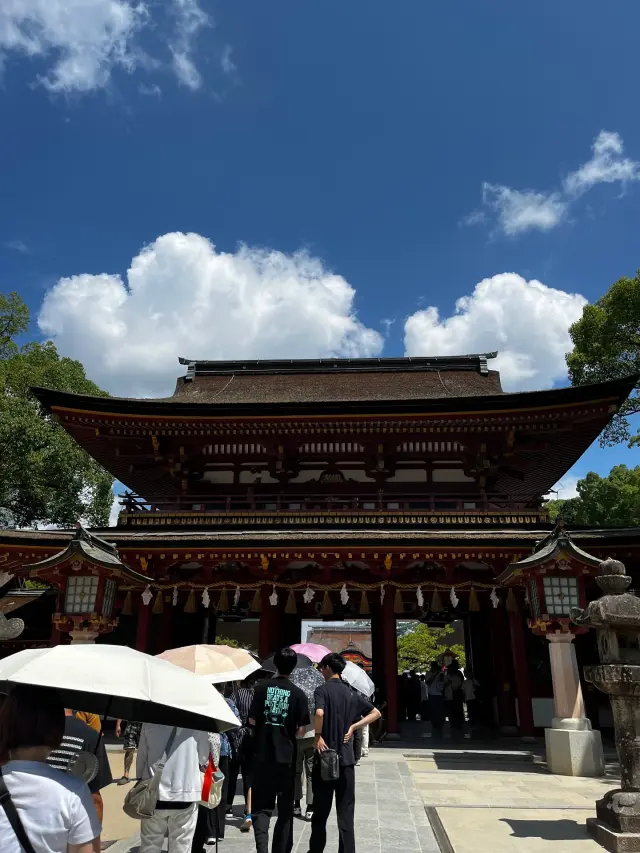
When visiting Fukuoka, Dazaifu Tenmangu Shrine is a stop you shouldn't miss. It enshrines Sugawara Michizane, the “god of learning, culture, and the arts,” and is an important sacred site of Tenmangu worship in Japan, attracting large numbers of visitors each year.
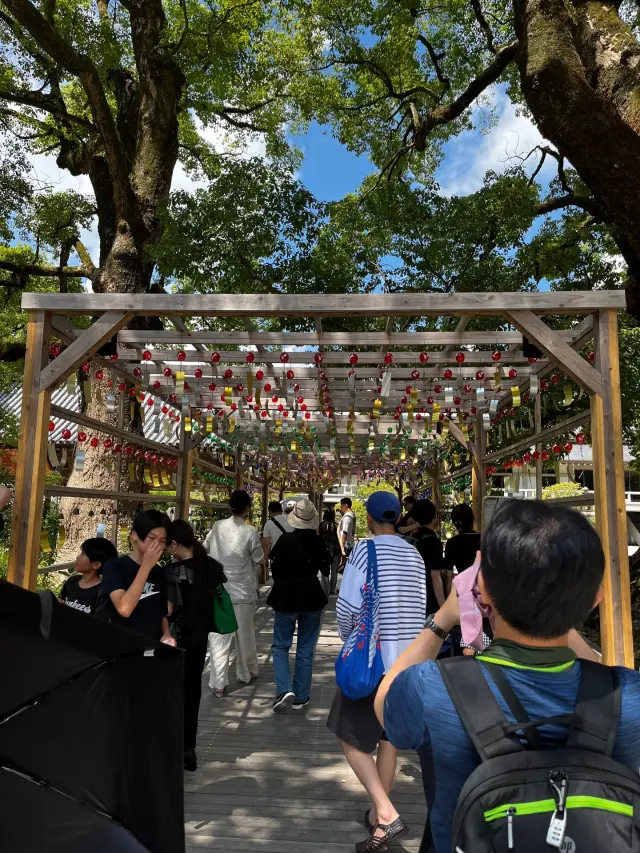
Walking along the approach, you'll find one souvenir, dessert, and snack shop after another. Even before entering the shrine, the lively street scene draws you in, with tradition and modernity naturally coexisting here.
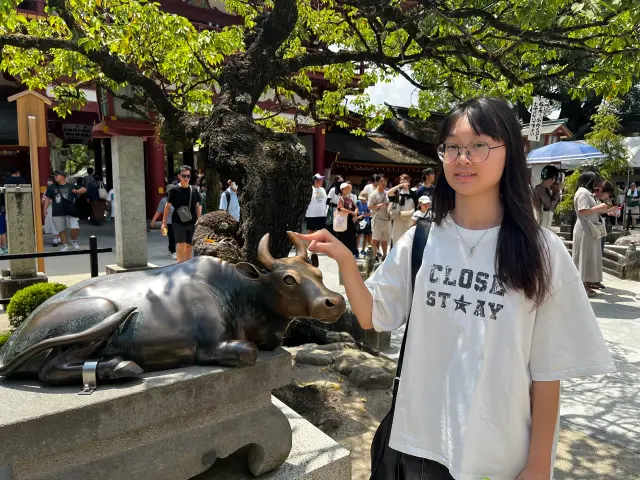
The first thing you'll encounter is the iconic sacred ox statue. There's always a long line at the one near the entrance, as legend says rubbing the ox's head brings wisdom. Look closely and you'll see that its head and horns have been polished to a shine by countless hands—apparently, plenty of people want to become smarter.
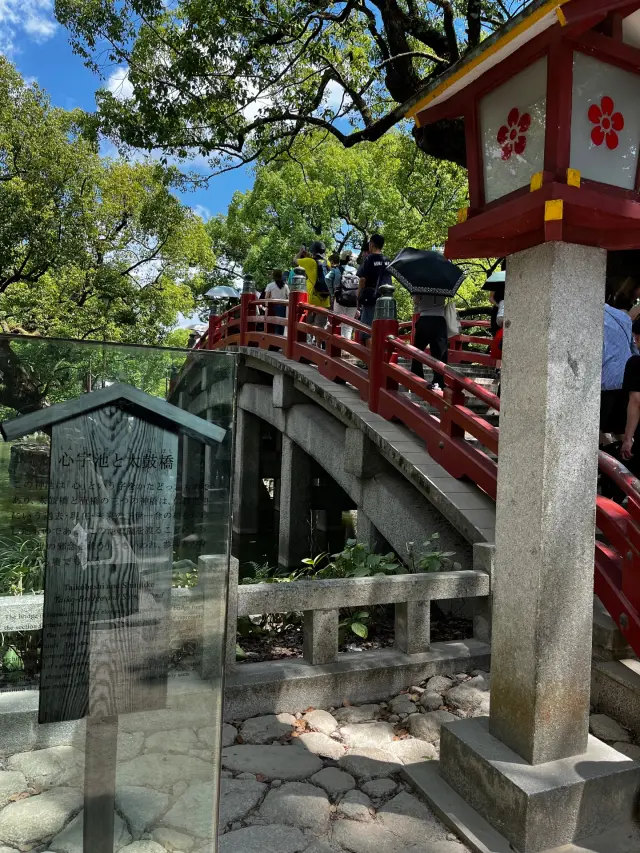
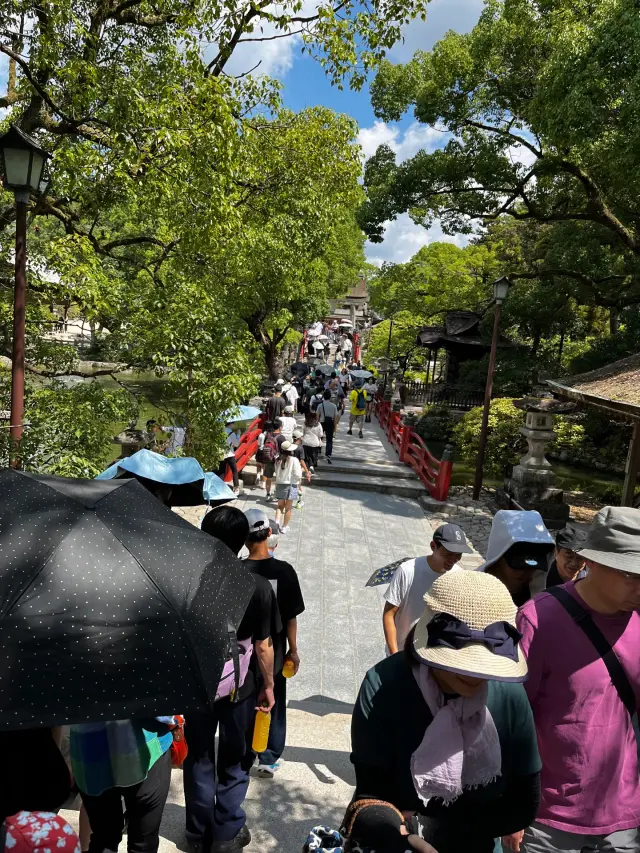
Further ahead are Shinji Pond and the arched bridges. The three vermilion bridges symbolize the past, present, and future, and crossing them also represents gradually approaching the sacred presence of the deity.
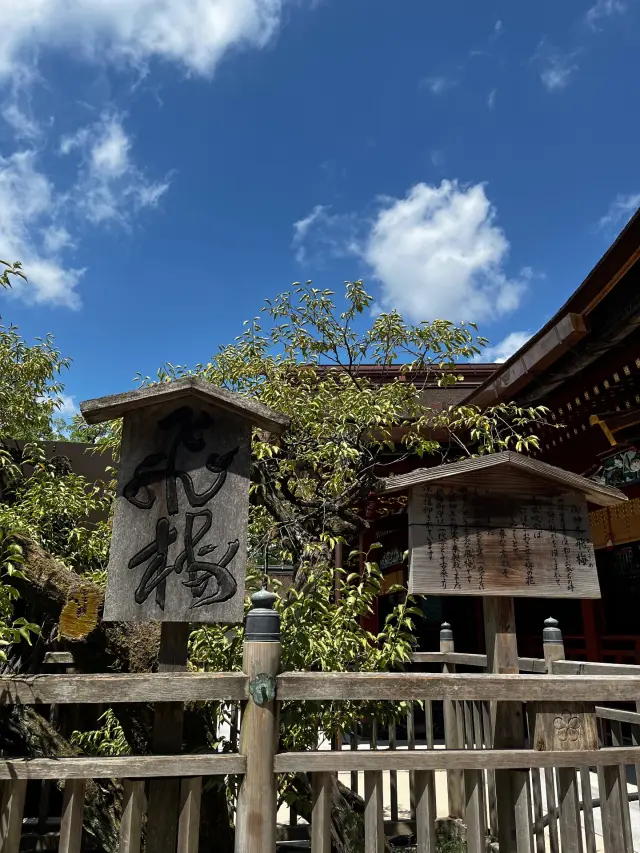
The “Flying Plum Tree” to the right of the main sanctuary is also not to be missed. Legend says that when Sugawara Michizane left Kyoto, the plum tree, longing for its master, flew to Dazaifu overnight, giving rise to the legend of the “Flying Plum Tree.” Renovations to the main sanctuary are now in their final stages. During the work, a temporary hall designed by architect Sou Fujimoto has served as the place of worship, creating an interesting scene where a traditional shrine and modern architecture come together.
After paying your respects, don't forget the amulets and goshuin shrine seal. Academic success amulets are the most popular, but there are also amulets for health and longevity, traffic safety, finding love, and more.
Once you leave the shrine, the food tour is just beginning. Dazaifu's specialty, umegae mochi, is best eaten hot. Despite the word “ume,” or plum, in its name, it doesn't actually contain any plum. It's made with a glutinous rice cake exterior wrapped around sweet red bean paste and stamped with a plum blossom pattern. The outside is slightly crisp, while the filling is warm and sweet. Eating it as you walk is the most authentic Dazaifu experience.
When your feet get tired, you can also take a break at the Starbucks designed by Kengo Kuma. The traditional wooden lattice structure extends from the entrance into the store, with interlocking wood creating a distinctive, warm space.
A visit to Dazaifu Tenmangu Shrine connects sights and food all along the way, from the sacred ox, arched bridges, and Flying Plum Tree to amulets, umegae mochi, and Starbucks. It may seem like a sightseeing stroll, but every spot holds a story about Sugawara Michizane. Perhaps that's what makes Dazaifu a place people want to visit again and again.
Dazaifu Tenmangu Shrine | Review by 周黛西
Other Reviews by 周黛西
-
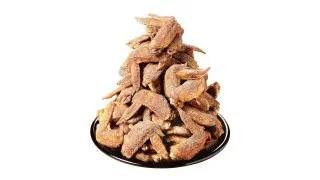
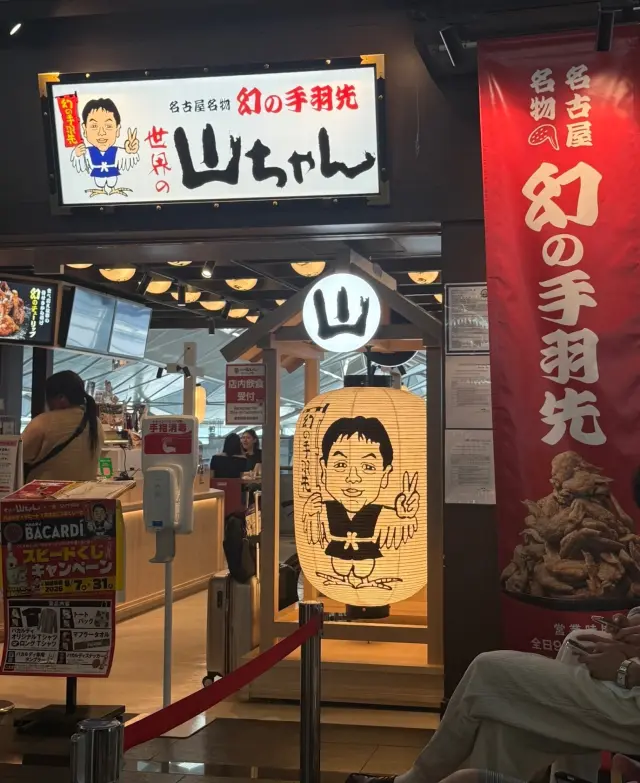
Sekai no Yamachan Main Store
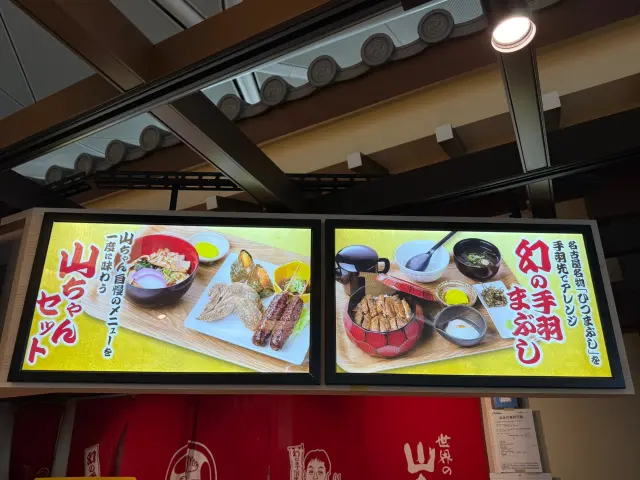
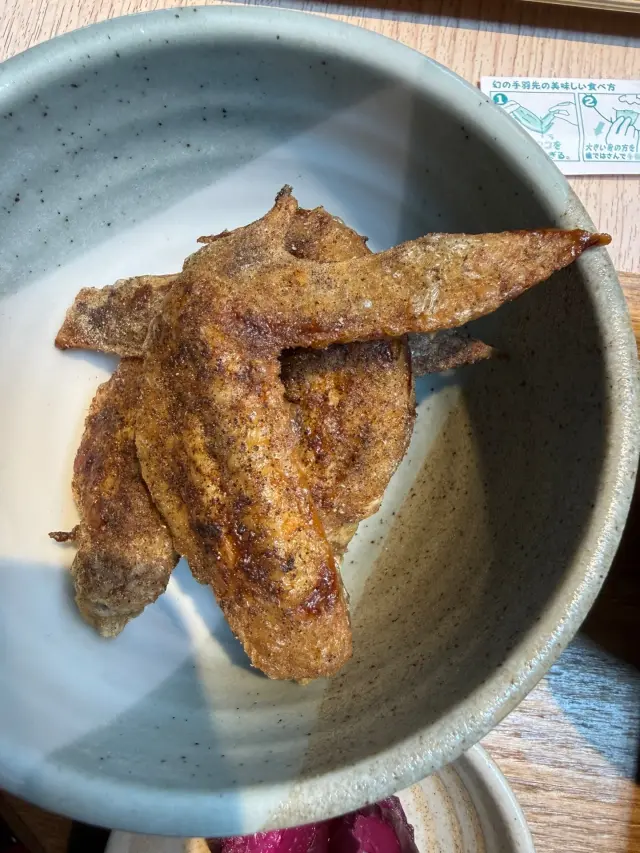
The specialty of this restaurant is the "Maboroshi no Tebasaki", which would make you absolutely addicted for its spiciness and flavor of the "Maboroshi no Kosho(Phantom pepper)" and "Hiden no Tare(Secret sauce)".
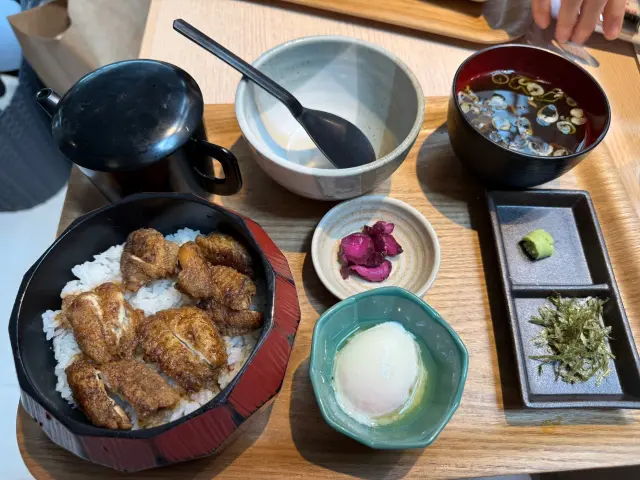
A friend recommended Sekai no Yamachan as a must-eat in Nagoya, especially their signature tebasaki—fried chicken wings. If you want something lighter with more variety, order one of their set meals. The chopstick sleeve has fun illustrations showing “How to Enjoy Maboroshi no Tebasaki.” Follow the instructions and you can eat the wings completely clean〜 The outside is crispy without being greasy, while the meat is tender and juicy. The salty, fragrant pepper seasoning has a slight kick that leaves you licking your fingers and wanting more.
Besides the fried chicken wings, we also had miso fried pork skewers and fried shrimp rice balls that day. Very satisfying! Although Sekai no Yamachan also has a location in Taipei, when you're in Nagoya, you have to eat it locally for the real experience.
-
-
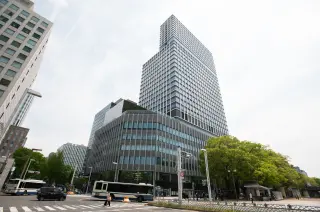
Chunichi Building
Chunichi Building, which opened in April 2024, is a mixed-use complex in the Sakae area of Nagoya. From B1F to 5F, it offers a wide variety of shops, including restaurants, cafes, general goods stores, and local product shops, and its greatest appeal is that visitors can enjoy food, shopping, and sightseeing all in one place. Directly connected to the underground mall and easy to access, it is also conveniently located as a base for sightseeing.
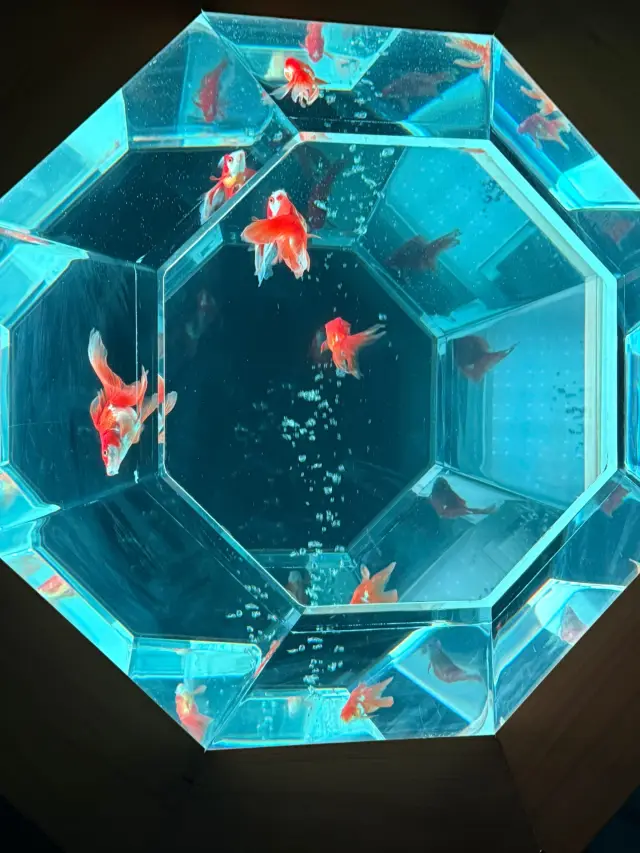
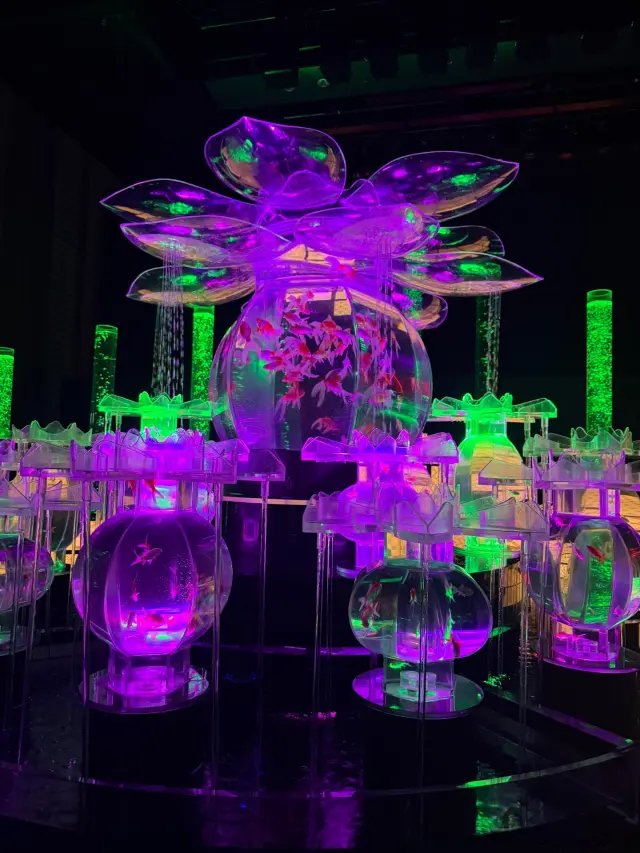
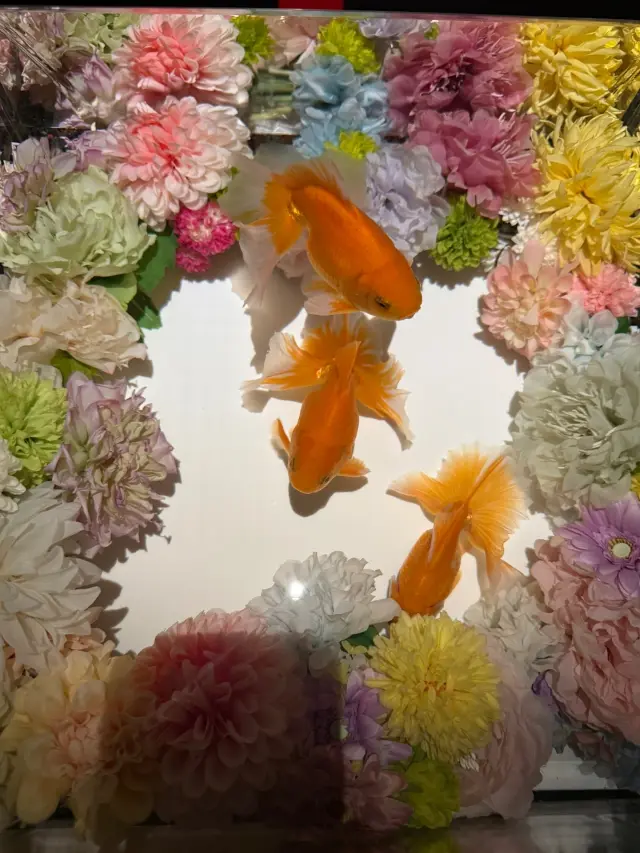
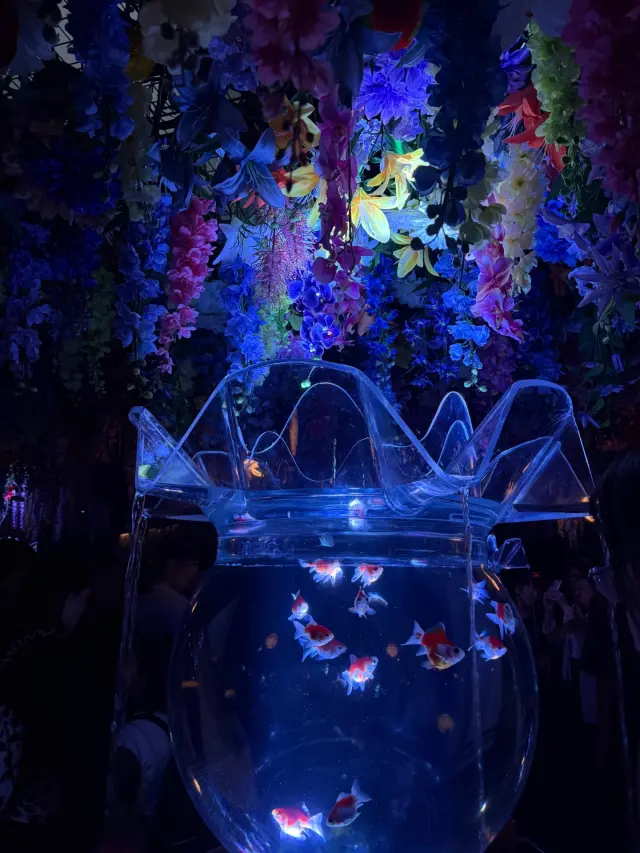
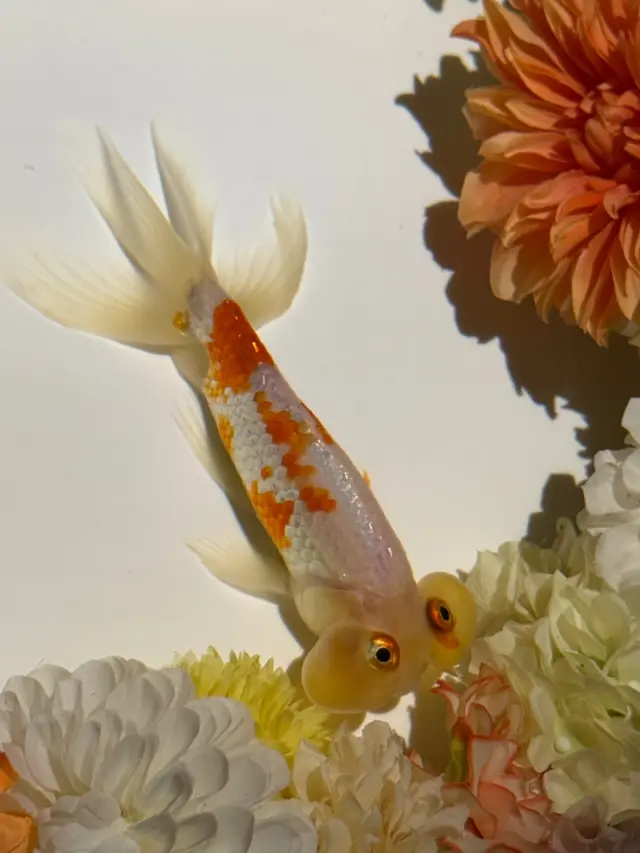
Drawn in by the “Art Aquarium Exhibition Nagoya 2026” poster at the entrance of the Chunichi Building, I went inside and bought a ticket to see the exhibition combining goldfish, aquarium art, lighting, music, fragrances, and more. It was eye-opening.
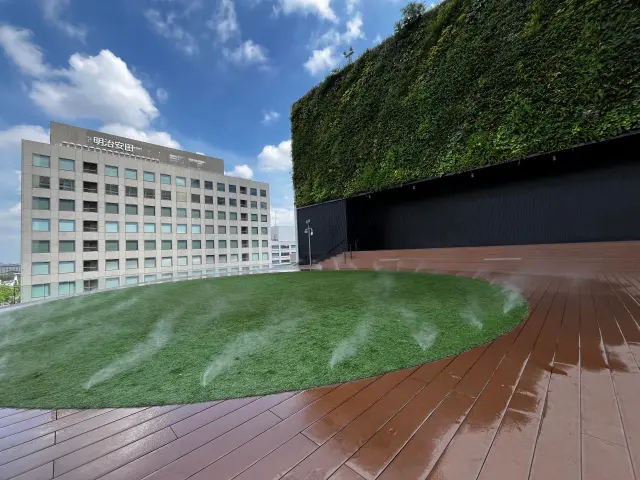
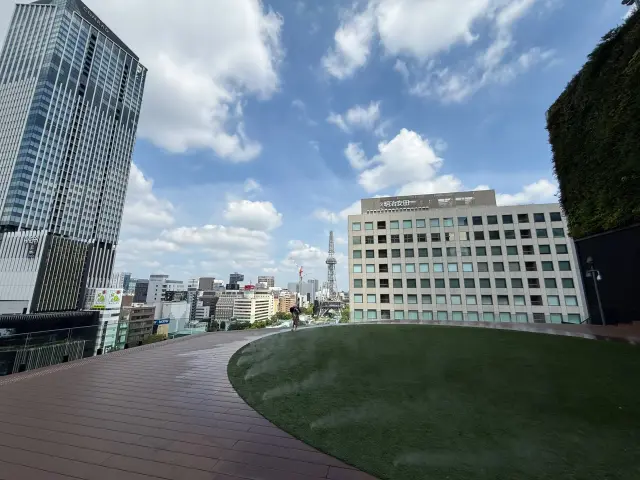
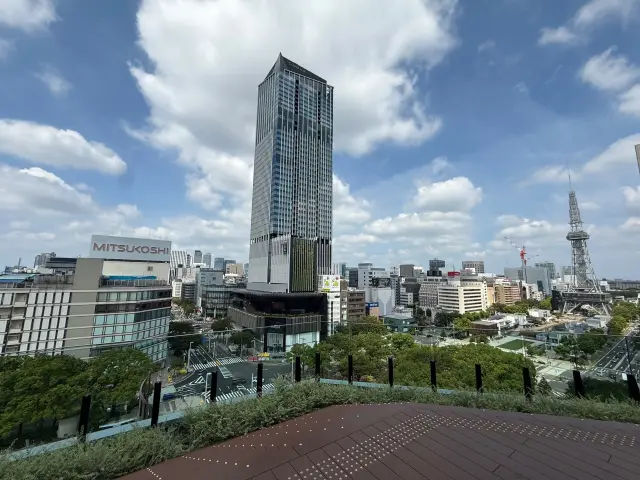
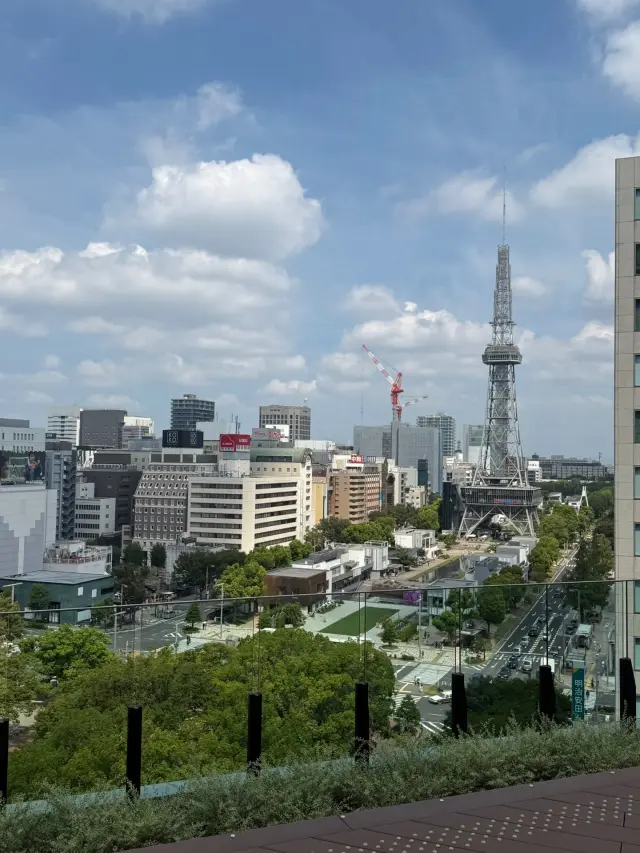
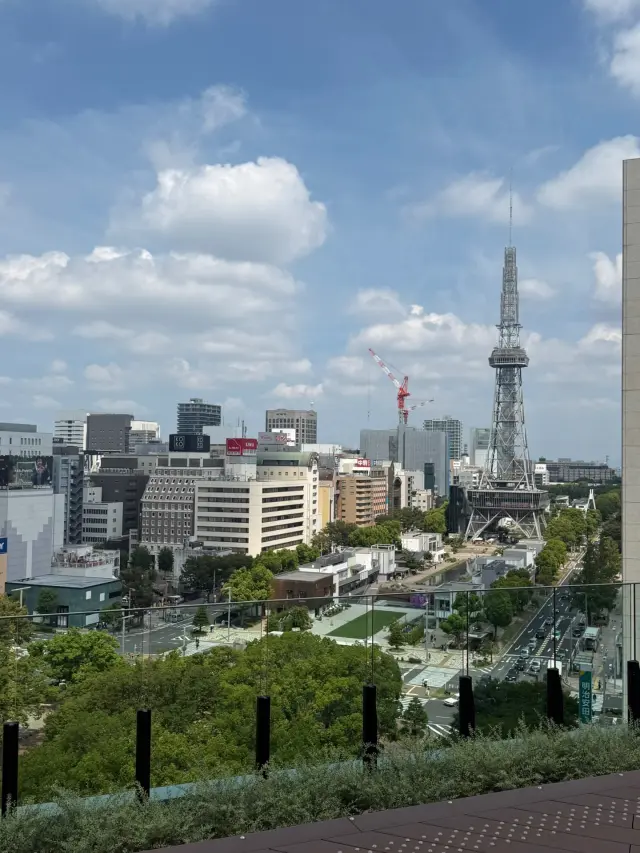
After leaving the exhibition, I went up to the observation deck on the 7th floor. I didn’t expect to find such a great view overlooking downtown Sakae and the city streets. Those who aren’t afraid of heights might want to get a little closer to the parapet for a bird’s-eye view.
The building has well-known outdoor brand stores and popular home goods shops, as well as all kinds of restaurants on B1. Before heading home, I walked around, did some shopping, and had a cup of Blue Bottle Coffee, bringing my summer 2026 trip to Japan to a perfect close. -
-
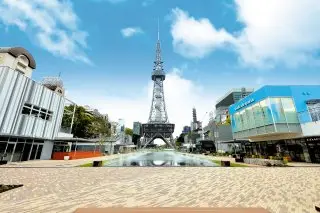
Hisaya-odori Park
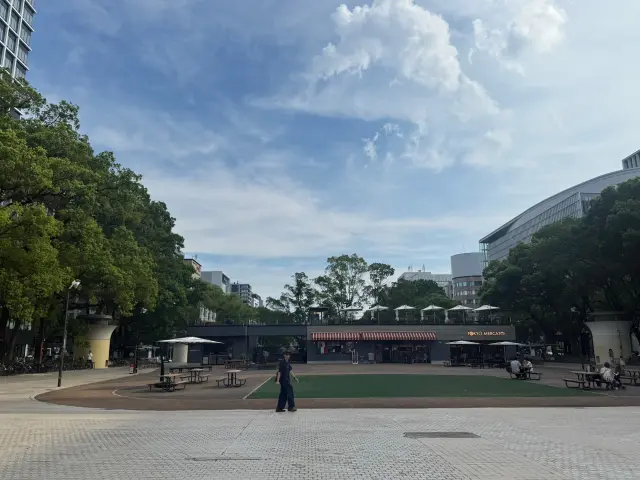
Hisaya-odori Park is a long, linear urban park located along Hisaya-odori Avenue, recognized as one of Japan's "100 Best Roads." Combining parkland with commercial amenities, visitors can enjoy shopping and dining amidst lush greenery.
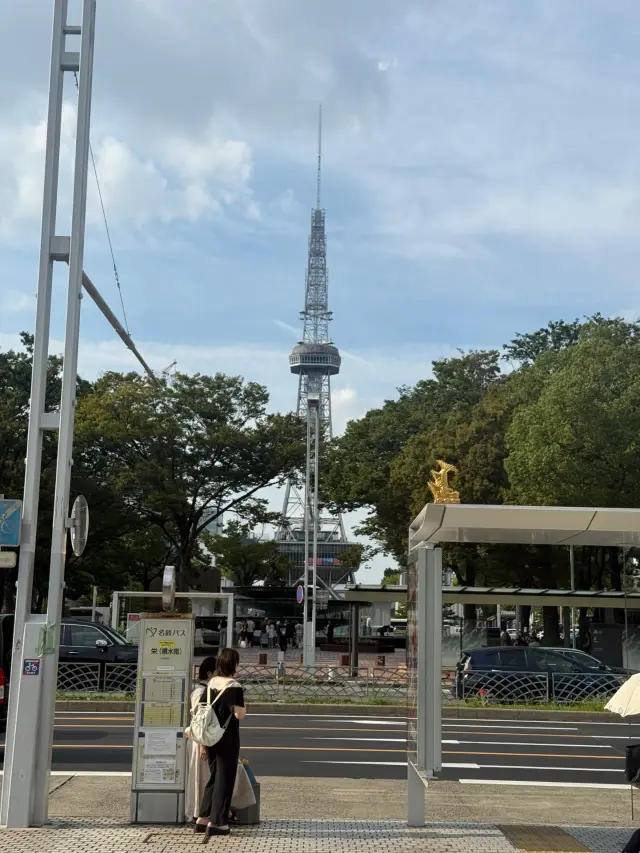
A major city needs a park that can breathe, and Hisaya-odori Park in Nagoya not only has trees but also green spaces. The fountain and TV tower also make you want to stop and take them in.
-