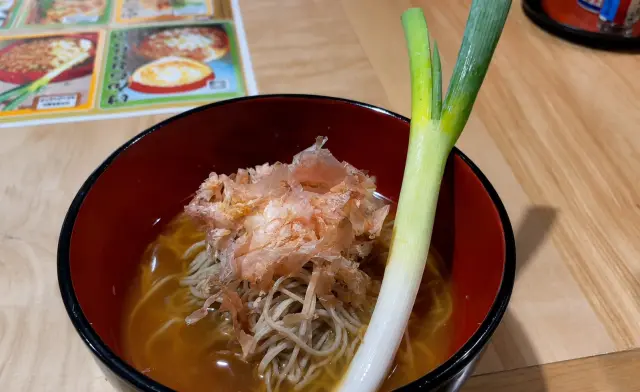
Misawaya in Ouchijuku—when visiting this post town that preserves its Edo-period streetscape, of course you have to try the very distinctive “Takato Soba”! It was my first time seeing soba eaten with a green onion instead of chopsticks, and it was really unique. The cold soba had a lot of grated daikon, and the spiciness became quite noticeable toward the end; the other bowl of soba in hot broth was nice and warming. Personally, I thought the portions were a little large, but the vegetable tempura was delicious, and there was also a very unusual fried red bean bun that wasn’t greasy or too sweet. Overall, it was a very distinctive experience, and I recommend giving it a try when you visit Ouchijuku!
Ouchijuku Misawaya | Review by 王小鈞
Other Reviews by 王小鈞
-
HOTEL METROPOLITAN TOKYO MARUNOUCHI
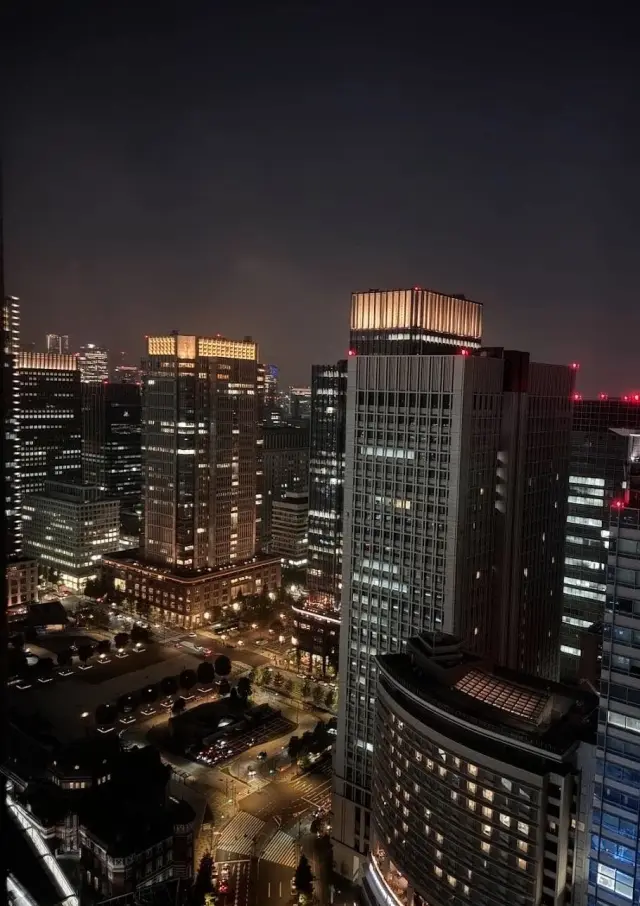
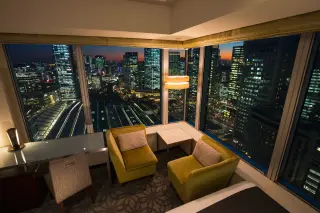
Directly connected to JR Tokyo Station's Nihonbashi Exit via a private elevator to the hotel lobby, this hotel offers unparalleled convenience, making it an ideal base for sightseeing. Located on the 27th to 34th floors of the 35-story Sapia Tower, it boasts spectacular views.
When traveling independently in Tokyo, where you stay is really important! This time I stayed at Hotel Metropolitan Tokyo Marunouchi, and the location couldn’t be better. It’s just a few steps from the Nihonbashi Exit of JR Tokyo Station, and the convenience of getting around makes it easy to highly recommend.
There are plenty of places to shop around the hotel, as well as tons of dining options. Whether you’re taking the train to different attractions or coming back at night to shop and grab a late-night snack, it’s extremely convenient and a great choice for independent travelers!
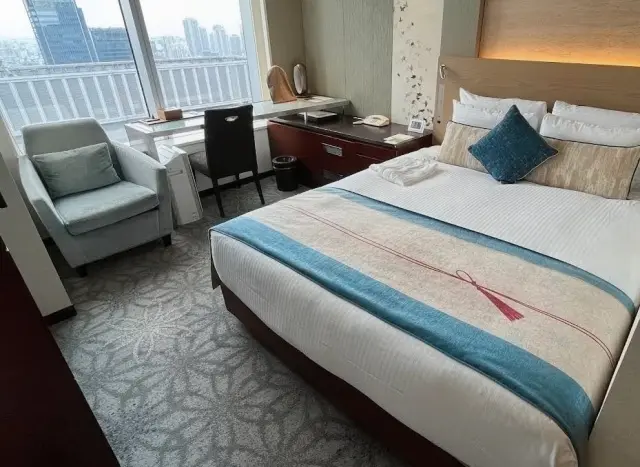
The hotel is on the upper floors, and the room was bright with a great view from the window. It was spacious and comfortable without feeling too cramped. My favorite thing was sitting on the small sofa by the window, enjoying the Tokyo cityscape and a relaxing stay.
There’s also a super cute little highlight! Since the hotel is part of the JR East Group, there’s actually a model railroad displayed in the center of the lobby, with a little train slowly running around the tracks. It makes you want to stop and watch, and train enthusiasts will definitely love it.
This stay was not only convenient for transportation, but the accommodations were also very satisfying! If you’re looking for a hotel near Tokyo Station that’s convenient for shopping and dining and also offers city views, this one is really worth adding to your list.
-
-
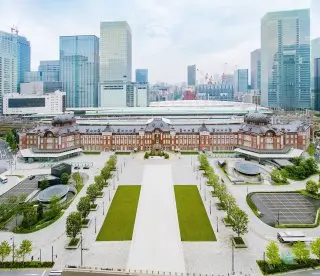
Tokyo Station: Marunouchi Station Building
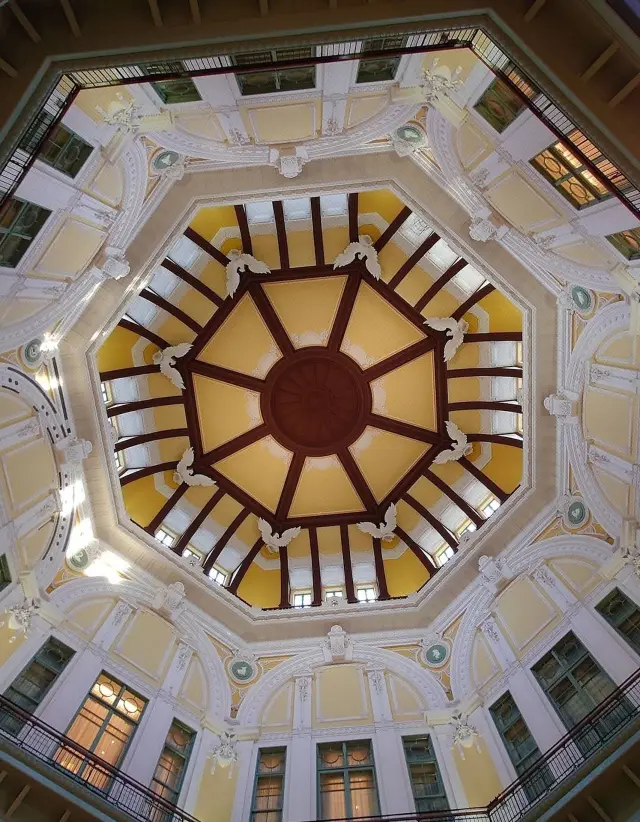
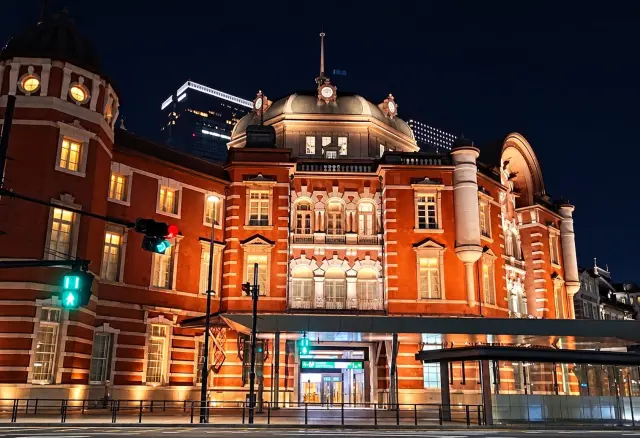
The construction of Japan’s front gate, Tokyo Station, began in March, 1908 and it was opened in December, 1914. Kingo Tatsuno, the pioneer of modern architecture in Japan, designed it. The steel-framed, brick Marunouchi Station building was burned on the roof and interior in the 1945 air raid.
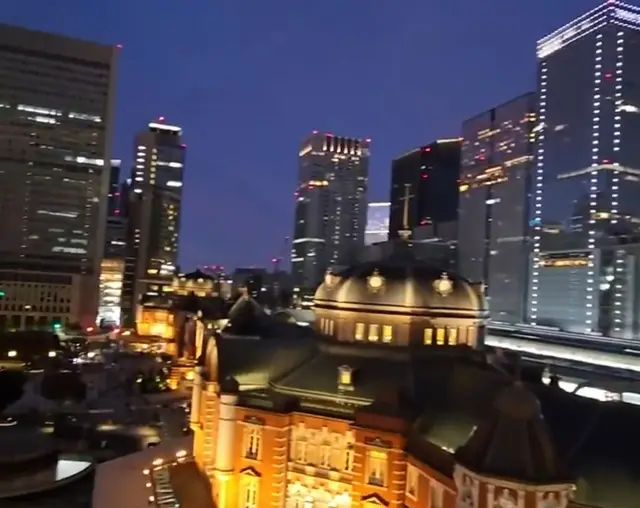
When visiting Tokyo, you absolutely shouldn’t miss this historic and charming landmark—the Tokyo Station Marunouchi Station Building! My hotel was near Tokyo Station, so every morning when I went out and every evening when I returned, I could enjoy the station’s beauty at different times of day. I really never got tired of looking at it.
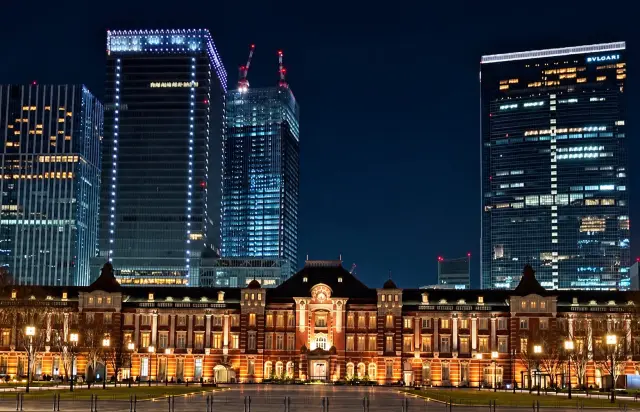
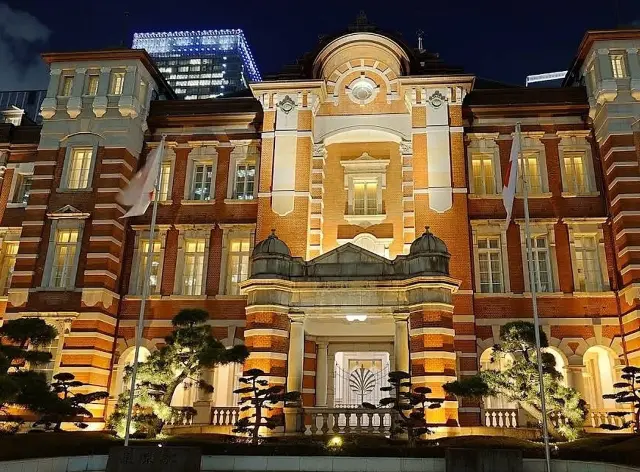
This century-old red-brick building has regained its elegant, classical appearance after restoration. It looks stately and refined during the day. At night, warm yellow lights illuminate the entire building, making the red-brick exterior even more captivating against the night sky. Together with the spacious plaza in front, it feels like stepping into a movie scene. It’s so romantic that you can’t help but stop and admire it.
Tokyo Station isn’t just a major transportation hub; it’s also a paradise for shopping, food, and souvenirs! Inside the station are shopping areas such as GRANSTA Tokyo, offering everything from popular sweets and specialty snacks to all kinds of souvenirs. There’s so much to see, eat, and buy that it’s easy to go overboard shopping. I even thought it was more exciting than the airport duty-free shops (laughs).
The station is divided into the Marunouchi side near the Imperial Palace and the Yaesu side near Nihonbashi. Knowing the entrances, exits, and connecting passages on both sides makes shopping and catching trains much more convenient.
Admire the century-old architecture during the day, enjoy the dazzling night view in the evening, and stock up on Japanese souvenirs while you’re there. Tokyo Station is definitely worth setting aside time to explore!
-
-
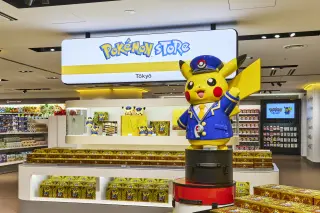
Pokémon Store Tokyo Station
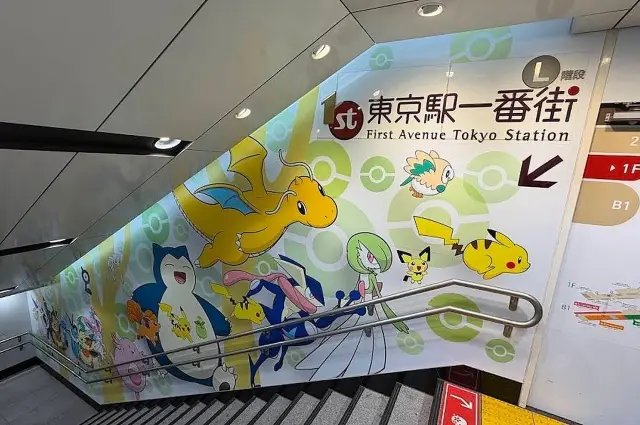
Pokémon Store Tokyo Station is located inside Tokyo Station Ichibangai, a commercial complex directly connected to Tokyo Station. The store is open from 10:00 to 20:30, Monday through Sunday. Store holidays follow the closure schedule of the facility. It is accessible in about a one-minute walk from the Nihonbashi Exit of Tokyo Station.
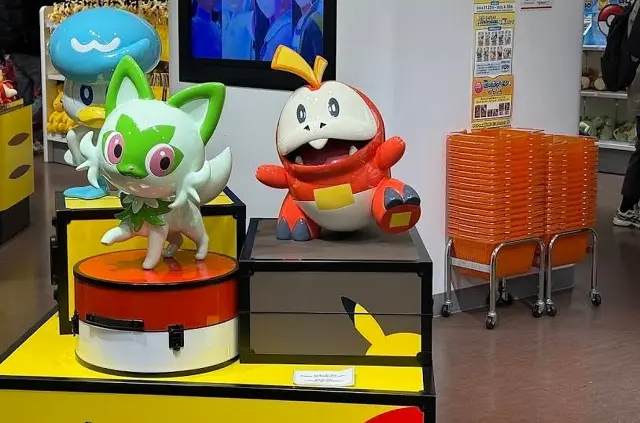
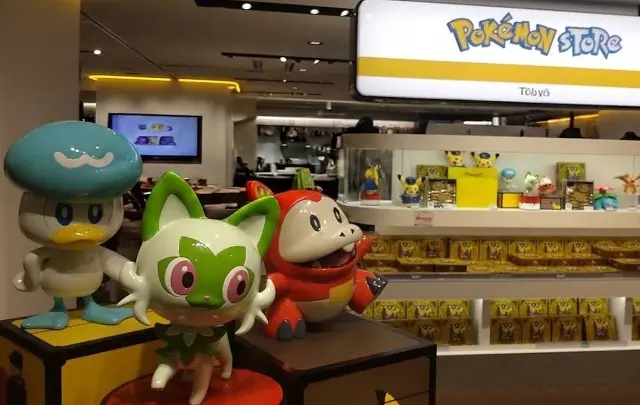
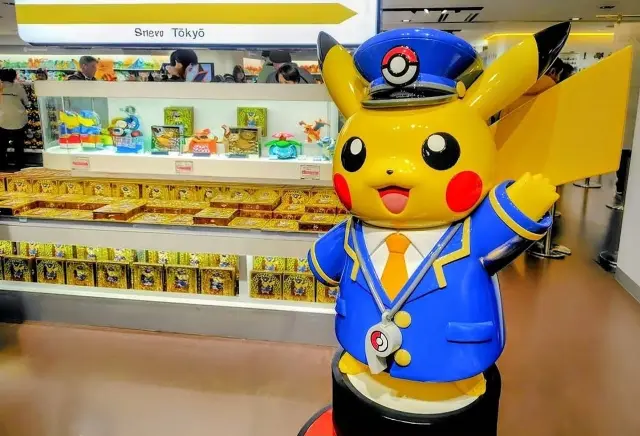
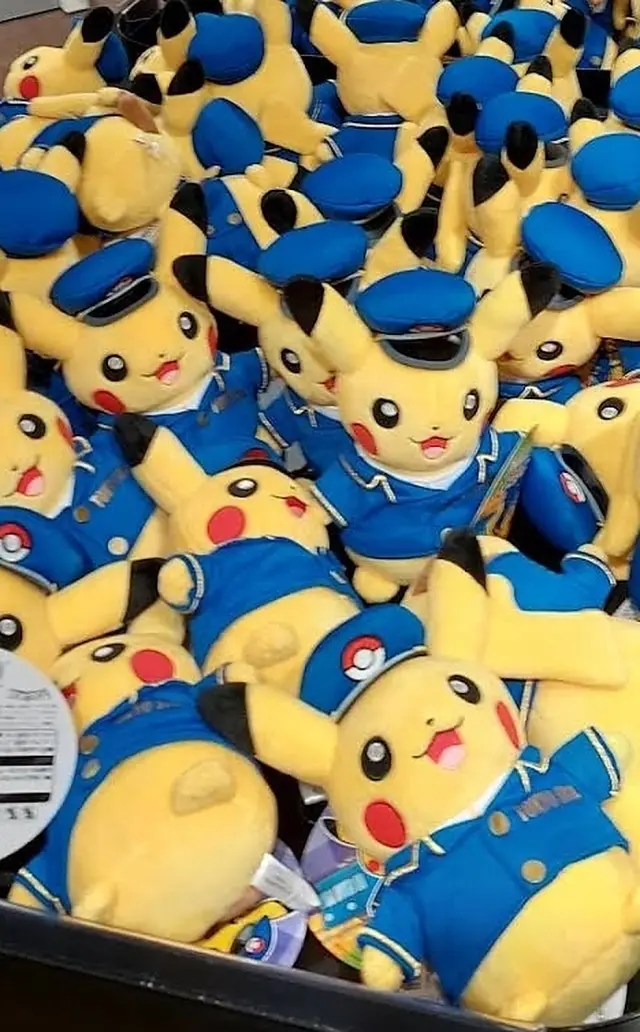
When you come to Tokyo Station Ichibangai, of course you can’t miss the Pokémon Store, a favorite among Pokémon fans! I made a special trip to browse the store this time and pick out a gift for my nephew. As soon as I walked in, I was drawn to all the Pokémon merchandise, especially the wide variety of Pikachu items. They were so cute that I couldn’t help taking a few extra looks!
Although the Pokémon Store at Tokyo Station isn’t very large and left me wanting to see more, there are still plenty of items worth hunting for. In particular, some of the store-exclusive snack gift boxes have super cute packaging, making them great either to collect for yourself or give as gifts.
The most tempting items are the Tokyo Station exclusives. For anyone who likes collecting Pokémon merchandise, they’re definitely worth checking out! Bringing home both memories of the trip and a favorite character makes them feel especially meaningful as souvenirs.
While you’re shopping or catching a train at Tokyo Station, remember to make time for a little treasure hunting. You might find a small Pokémon item that catches your eye, too!
-