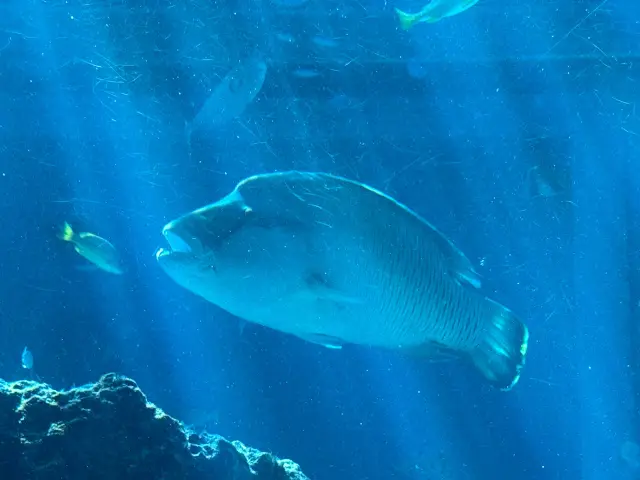
As soon as you walk in, you see local Okinawan coral and small fish. The water is extremely clear, and natural light comes in from above, making the whole tank sparkle. Watching the little fish dart in and out of the coral is really relaxing.
But the truly impressive part is the Kuroshio Sea tank. The moment you turn the corner and see that huge glass wall, you can't help but say, "Wow." You're completely surrounded by blue. Seeing the whale sharks in person, they're unbelievably huge, slowly swimming overhead, while rays circle around them like they're flying. The immersive feeling is something photos simply can't capture. I found a seat and just zoned out, watching them swim back and forth. Time flew by, and I didn't want to leave at all.
The deep-sea fish in the area afterward looked pretty unusual, and the dim lighting was a big contrast with the earlier sections. Overall, it was really worth the visit. Just sitting in front of the main tank and watching the whale sharks swim around was worth the price of admission.
Okinawa Churaumi Aquarium | Review by Eddie
Other Reviews by Eddie
-

Ameyoko Shopping Street
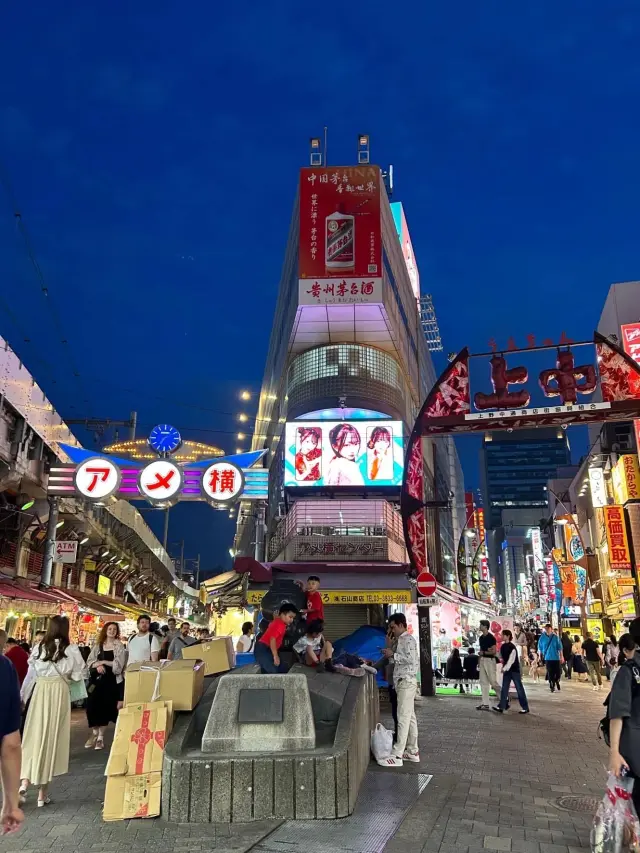
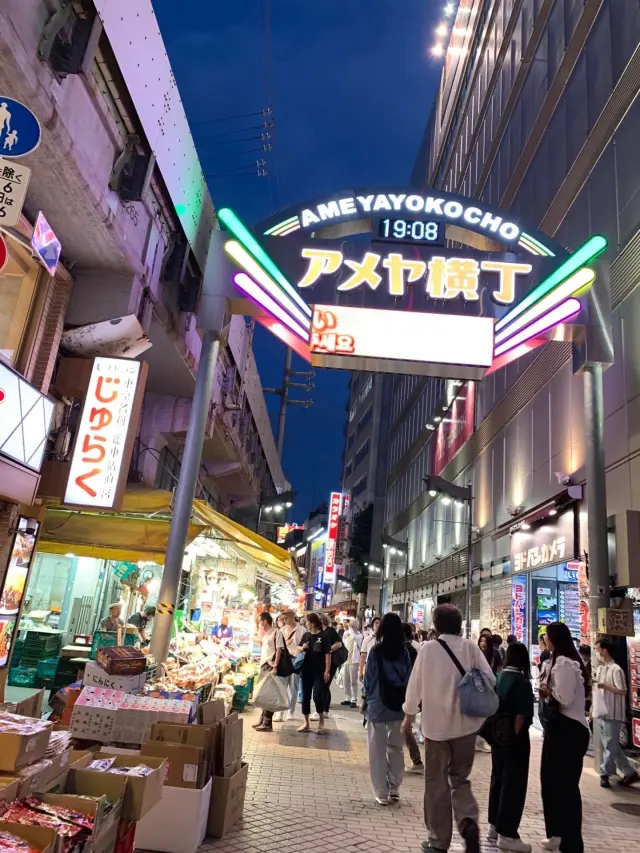
The Ameyoko Shopping Street, affectionately known as "Ameyoko," stretches approximately 500m between JR Ueno Station and JR Okachimachi Station, with around 400 shops lining the street. It features a variety of businesses, including food and confectionery, clothing, general goods, and jewelry stores.
Standing in front of the Ameyoko Center Building, you’re met with the classic Y-shaped fork: on the left is Ameyoko, running alongside the elevated railway with trains rumbling overhead, while on the right is Ueno Chuo-dori Shopping Street (Uechun), marked by its bright red arch. The neon signs and electronic billboards along the entire street light up all at once, filling the night sky with a lively, slightly magical glow.
The crowds were even denser than I expected. There were office workers fresh from work, briefcases in hand, heading out for another round; tourists weaving through the crowd with shopping bags; and people sitting on outdoor barstools, drinking and chatting away. The air was filled with the smoky aroma of grilled chicken skewers, steam from hot soups drifting out of izakayas, and the sound of shopkeepers energetically calling out in Japanese. The whole atmosphere was noisy and full of the raw vitality of old downtown Tokyo.
Once you enter Uechun, signs for sneaker stores, vintage clothing shops, drugstores, and ramen shops stretch down both sides of the street. There’s absolutely no need for a carefully planned route. Just wander around, check out the stalls with lines along the street, or duck into an izakaya that catches your eye for a draft beer and a few yakitori skewers. This is Tokyo at night at its most authentic and down-to-earth. -
-

Kurashiki Ivy Square
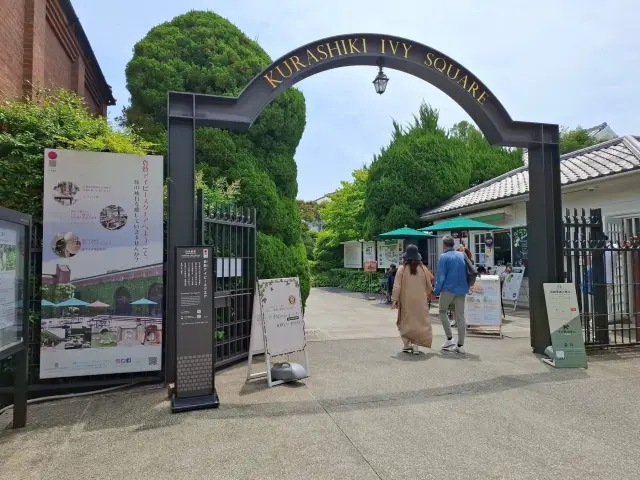
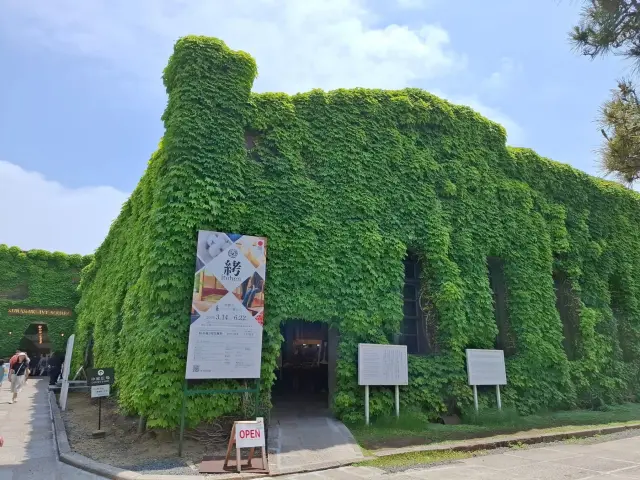
The main factory of the Kurashiki Spinning Mill, founded in 1889, has been turned into a tourism and cultural complex, the Kurashiki Ivy Square. The facility is a reproduction of a British factory. The replicated red brick buildings with lush green ivy vine presents a classical but modern atmosphere.
After walking through the white-walled streets along the Kurashiki River and turning into Kurashiki Ivy Square, your view is suddenly filled with vast red-brick walls covered in green ivy.
The site was converted from an old textile mill dating back to the Meiji period. Its towering chimney, sawtooth-roofed factory buildings, and spacious courtyard all have a strong European-style vintage feel. Sunlight filters through the ivy leaves onto the brick pavement, and it feels great to simply find a corner to sit and enjoy the breeze.
It’s quieter than the bustling riverside and has the calm, dignified atmosphere of an old factory. When strolling around the Bikan Historical Quarter, it’s worth setting aside half an hour to wander around and take a few nice photos. -
-

Deai Bridge
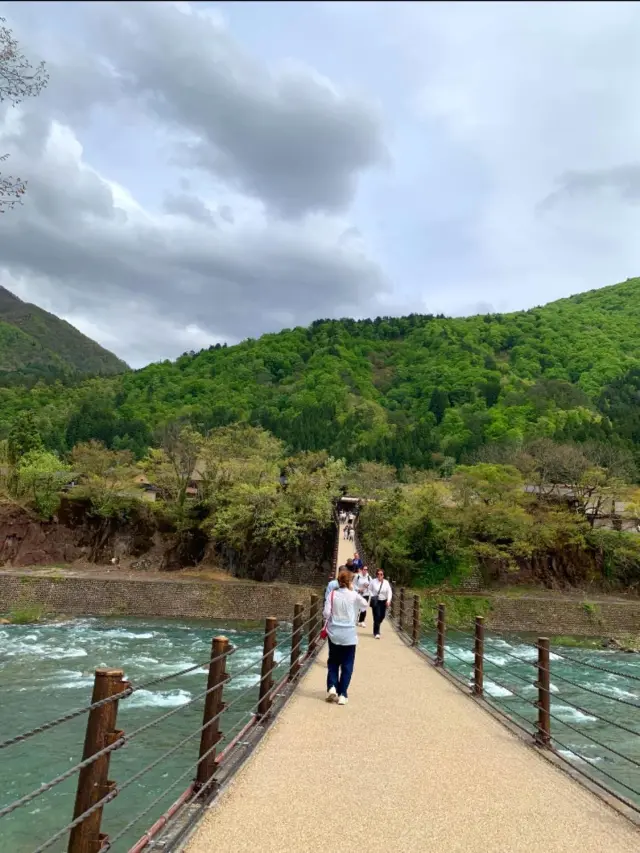
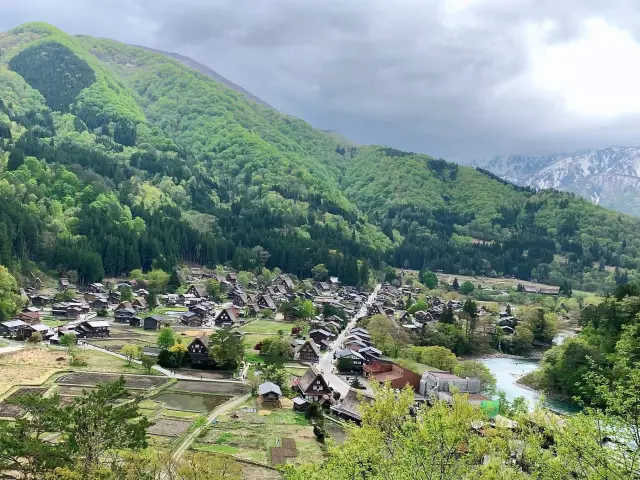
Deai Bridge is a 107-meter-long suspension bridge that leads to the Shirakawa-go gassho-zukuri village, a registered World Heritage site. The bridge connects the convenient public parking area, 'Village-Operated Sesaragi Park Parking Lot', to the village, and crossing the bridge brings you to the entrance of the village.
As I crossed Deai Bridge, the mountain breeze blowing toward me still carried a slight chill.
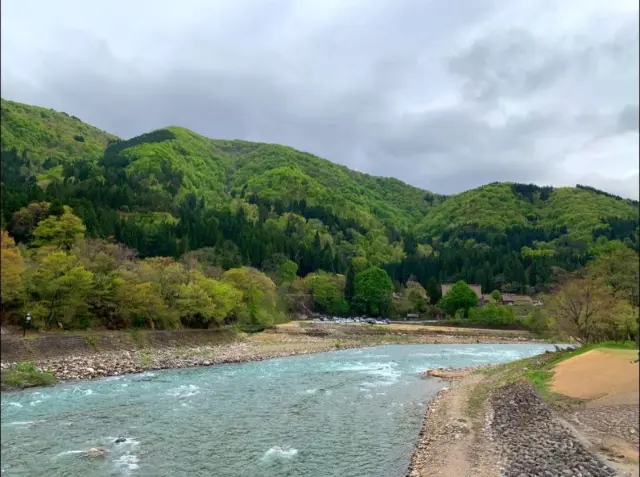
The water of the Shokawa River below was so clear it shimmered, with a faint blue-green hue. The rushing sound of the water blocked out all the noise from outside the village. The entire mountain before me had just taken on a fresh layer of green, with soft, pale new leaves interspersed among the dark cedar trees, creating distinct layers.
Even though the sky was slightly overcast and there was no bright sunshine, the clean, refreshing air and expansive river view still made me stop in the middle of the bridge. Before I even entered the gassho-zukuri village, this mountain and river scenery had already calmed my mind. -