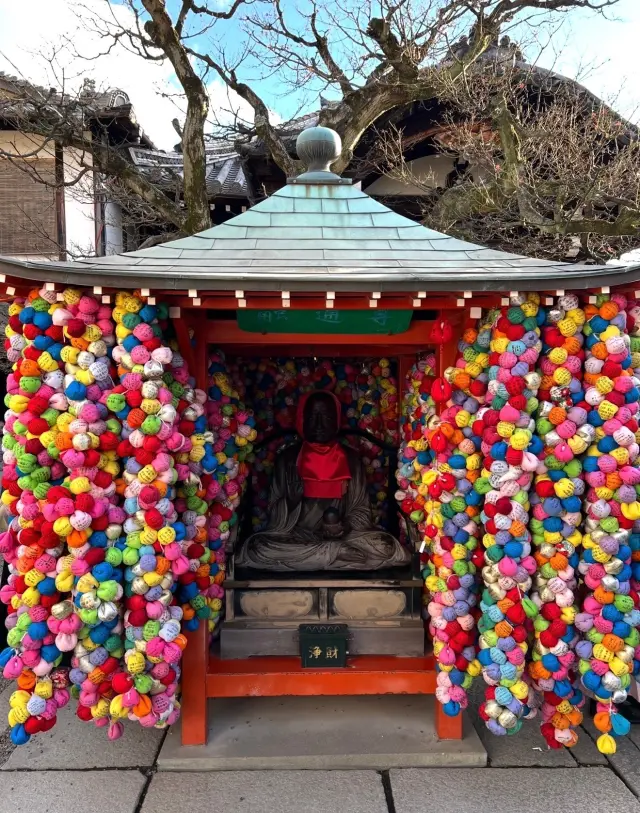
Whenever you're strolling through Kyoto's Higashiyama district and come across a small, colorful temple filled with a playful and prayerful atmosphere, you'll know you've arrived at Yasaka Koshindo, a hugely popular photo spot in recent years! As soon as you reach the entrance, your eyes are immediately drawn to the strings packed with brightly colored ball-shaped cloth charms.
This temple, formally named Kongoji, is one of the birthplaces of Japan's Koshin faith. The most eye-catching things upon entering the grounds are the colorful, cute cloth figures shaped like monkeys with their hands and feet bound. These are local prayer charms called kukurizaru. It is said that if you write your wish on one and give up one of your desires, your wish will come true. With countless colorful figures hanging together, they not only look great in photos but also create a soothing and distinctive sense of prayer and ritual.
Although the temple grounds aren't very large, it's conveniently located near Hokan-ji Temple (Yasaka Pagoda), making it an easy stop while walking around the area. The rustic wooden main hall, paired with the multicolored prayer charms, gives this historic temple an entirely different sense of lively energy.
I highly recommend adding Yasaka Koshindo to your itinerary for photos and prayers while exploring Kyoto's Higashiyama district. Not only can you take home a cute prayer monkey charm, but you can also add colorful and unique memories to your trip to the ancient capital!
Yasaka Koshindo | Review by Jk
Other Reviews by Jk
-
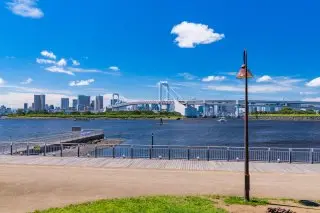
Odaiba Marine Park
Odaiba Seaside Park is home to an approximately 800m artificial beach "Odaiba Beach" and a rocky shore "Isohama Zone" where you can fish. In addition to enjoying fishing and water sports, there are cafes and restaurants where you can relax. It's a popular spot that both adults and children can enjoy.
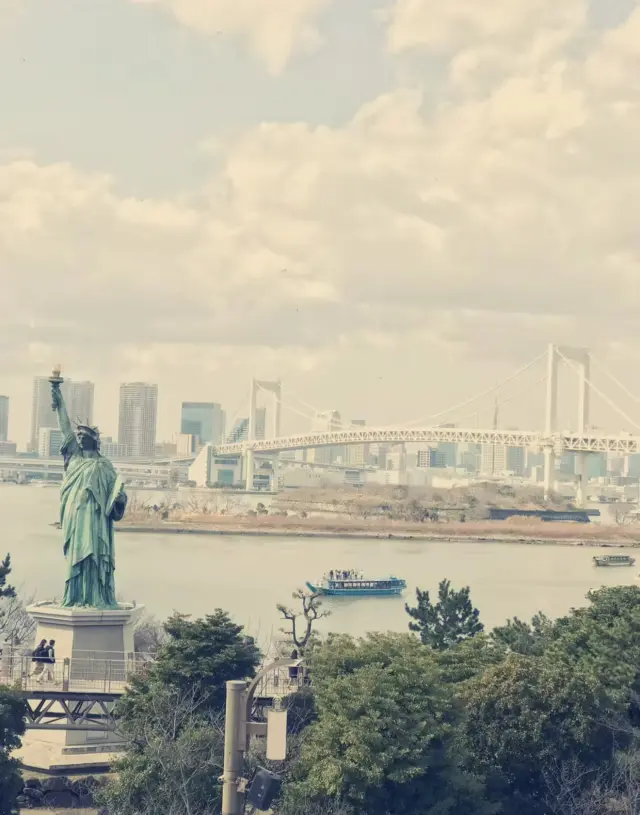
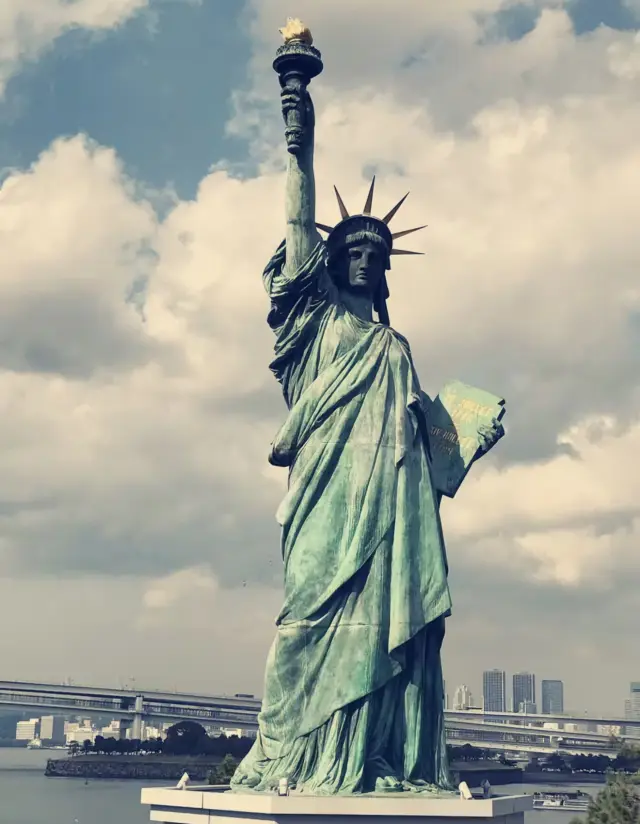
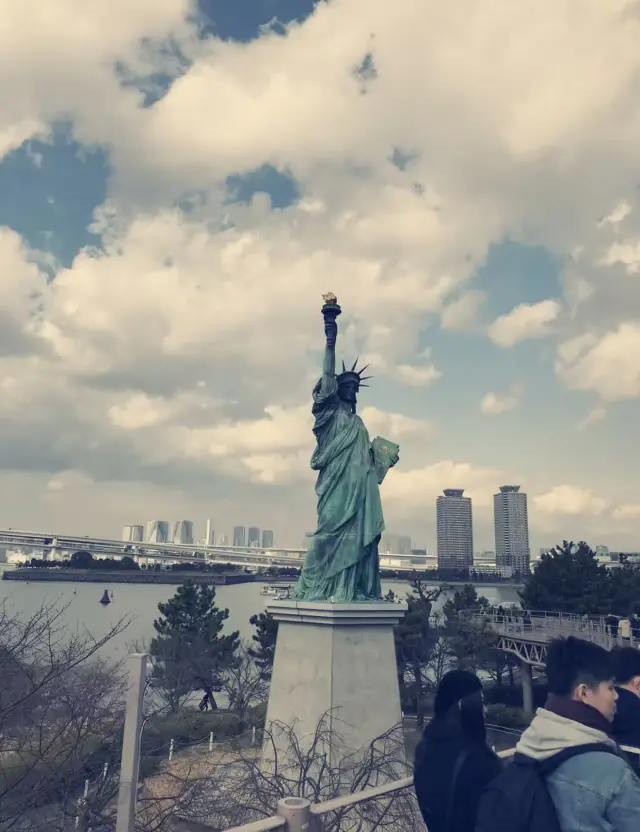
From the skywalk at Odaiba Seaside Park, the entire sweeping view of Tokyo Bay opens up right before your eyes, and the first thing that grabs your attention is definitely the striking Statue of Liberty! There’s no need to fly all the way to New York—you can see a full-scale replica of the iconic statue right here in Tokyo, standing tall with a golden torch raised in her right hand and the Declaration of Independence in her left. The folds and texture of her bronze-green robe are incredibly detailed, and with the blue sky and thick white clouds behind her, the whole scene feels both exotic and futuristic.
Walk along the wooden boardwalk, and the photo angle is simply unbeatable! If you stand in the right spot, you can fit the blue-green Statue of Liberty, the white Rainbow Bridge stretching across the bay, and the dense skyline of downtown high-rises in the distance all into one shot. Sightseeing boats and yakatabune leisurely glide across the water from time to time, leaving long ripples behind them and instantly adding a relaxed, pleasant sense of movement to the otherwise still scenery.
At the observation deck directly in front of the statue, look up at her imposing expression and the seven-pointed crown radiating from her head, which looks especially three-dimensional in the sunlight. The area is always crowded with visitors from around the world, all trying to find the right angle for selfies by the railing. With the lively atmosphere and the cool sea breeze blowing toward you, leaning against the railing after a long walk, enjoying the breeze, and looking out at the distant ocean instantly makes all your accumulated travel fatigue disappear.
Wander down the steps, and right beside them is a wide, clean artificial beach and a neat, tree-lined walkway. With fine sand under your feet and the sound of waves hitting the shore in your ears, you can look up and see a modern bridge and skyscrapers while still feeling as relaxed as if you were on an island vacation. This contrast between the city and nature is exactly what makes Odaiba so charming. Whether you come during the day to see the impressive Statue of Liberty beneath the blue sky and white clouds, or stay until evening to watch the sunset turn the entire Rainbow Bridge golden, Odaiba Seaside Park is definitely a god-tier place for a stroll where simply walking around will put you in a much better mood! -
-
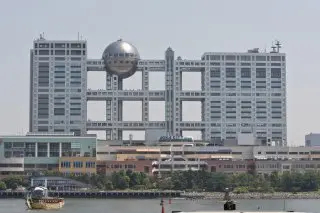
Fuji TV Headquarters Building
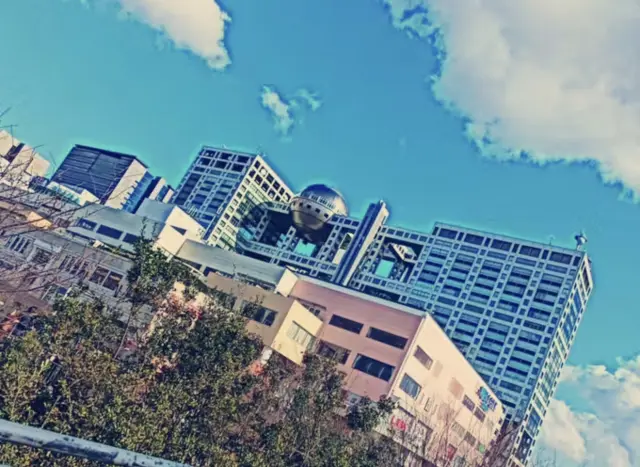
With the futuristic impression of its silver sphere, the Fuji Television Headquarters, designed by architect Kenzo Tange, is a landmark of Odaiba. There is also a floor offering tours of the TV station.
The moment you look up and see that building, you really can’t help but say, “Wow!” The entire Fuji TV Headquarters looks just like a secret base from a sci-fi movie. The most outrageous feature is the enormous silver sphere wedged right into the middle. It gleams like a spaceship that could launch at any moment and is incredibly eye-catching!
Ride the long outdoor escalator slowly upward, with the street views beside you and the sea breeze blowing past, and you’ll feel completely relaxed. The best part is heading straight inside that huge sphere! From the circular observation deck, the whole of Tokyo Bay and Rainbow Bridge spread out below your feet. When the weather is good, you can even see Tokyo Tower far in the distance. The view is so expansive that you’ll want to stand there zoning out for several more minutes.
There’s also so much to explore inside the building, with tons of elements from anime and Japanese dramas that everyone grew up watching. There are sets and photo areas featuring series like One Piece and Chibi Maruko-chan, and you can’t help stopping to take photo after photo as you walk around. The merchandise shop will also make you itch to buy something.
Afterward, you can wander over to the nearby seaside park for a walk in the ocean breeze and see the Statue of Liberty and the giant Gundam nearby. The whole outing offers unbeatable ocean views and plenty of photo opportunities while being both fun and relaxing. You really can’t miss this place when visiting Odaiba! -
-
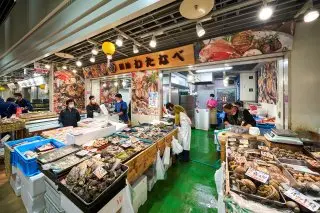
Tsukiji Outer Market
Over 400 food shops and restaurants gather speciality shops. Suppliers, general shoppers for daily food, and tourists searching for specialty food always crowd even though after a change of the location of the central wholesale market from Tsukiji to Toyosu in October, 2018.
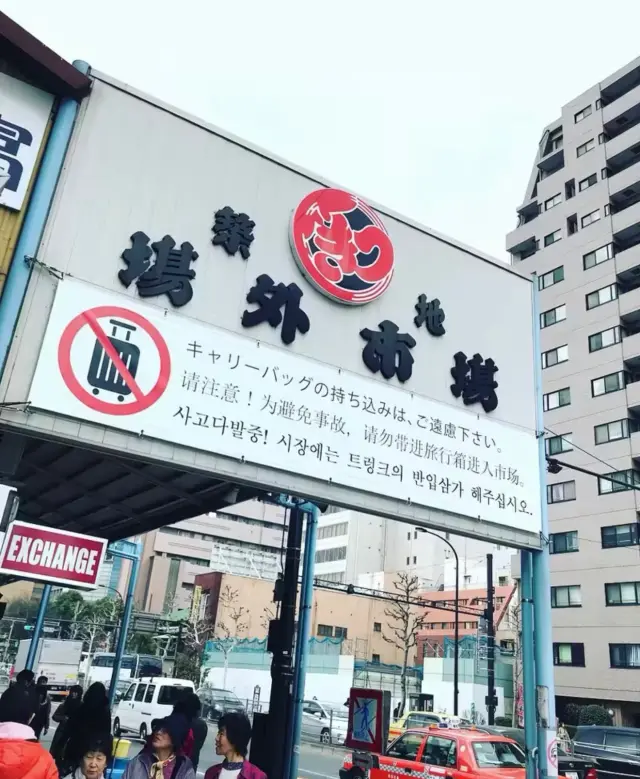
The moment I saw the huge archway topped with the red “Tsukiji Outer Market” sign, my appetite and exploration radar instantly kicked into high gear! At the entrance, there was even a prominent sign prohibiting suitcases, because the narrow lanes were already packed solid with food lovers and tourists from around the world. The calls of vendors in Japanese mixed with the sizzling sounds of charcoal grills, making the whole place lively, noisy, and bursting with energy! Even though the wholesale market has relocated, Tsukiji Outer Market remains Tokyo’s most intense and passionate pilgrimage destination for seafood lovers!
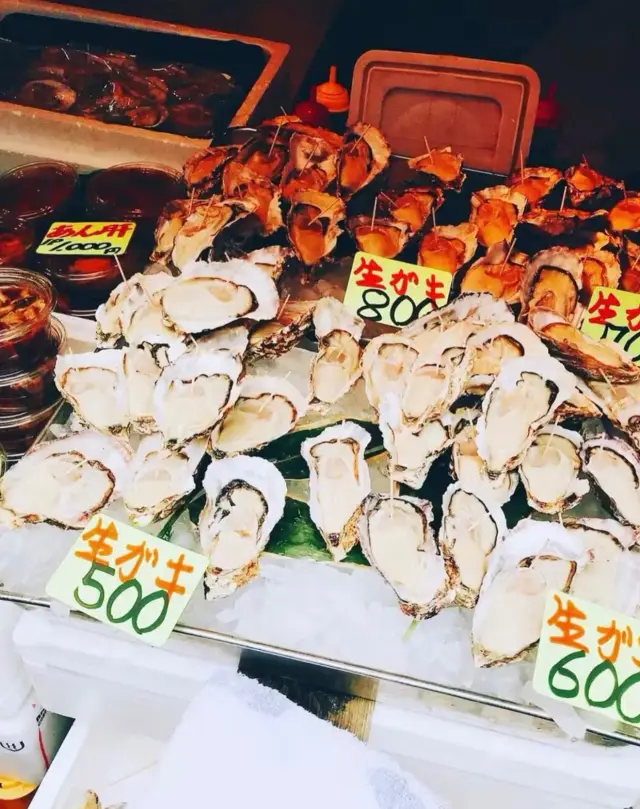
Following the crowd into the lanes, I was met with an almost ridiculously dazzling array of seafood stalls! Beds of crushed ice were covered with freshly shucked jumbo oysters, each one plump, full, and glistening, while nearby were small mountains of richly colored monkfish liver. Without a second thought, I picked out a large oyster. The vendor deftly handed it to me with a bamboo skewer, added a few drops of lemon juice, and I slipped the whole thing into my mouth. The rich, sweet taste of the sea and its silky texture instantly exploded across my tongue. It was so fresh, without even a hint of fishiness—just pure sweetness and a satisfying crispness. After finishing it, I couldn’t help closing my eyes and exclaiming with delight!
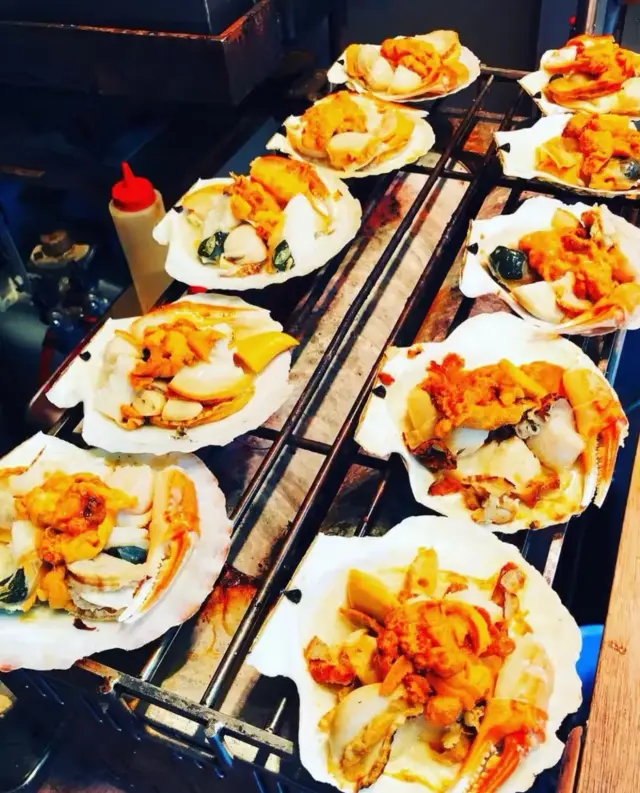
After the oyster, I turned a corner and was immediately hit by wave after wave of irresistibly smoky charcoal-grilled aromas! The grill was lined with steaming white scallop shells, each packed with thick scallops and crab sticks. The most outrageous part was the thick layer of rich, golden sea urchin spread on top! As everything cooked over the intense heat of the charcoal, piping-hot juices bubbled and sizzled around the edges of the shells, while the sea urchin released an incredibly rich aroma. I took the luxurious charcoal-grilled seafood scallop and dug into a huge bite while it was still hot. The springy scallop and sweetness of the crab, paired with the intensely creamy flavor of the melted sea urchin, were incredible. The broth was so delicious that I couldn’t bear to waste a single drop. My mouth was filled with an extravagantly sweet taste of the sea, and the satisfaction was completely off the charts!
The most enjoyable thing about exploring Tsukiji is this laid-back rhythm of holding freshly grilled seafood in one hand while weaving through the narrow, traditional lanes. Besides oysters and scallops topped with sea urchin, both sides are lined with piping-hot, freshly cooked tamagoyaki, richly marbled Kuroge Wagyu beef skewers, and long-established traditional shops displaying plump tuna nigiri everywhere you look. Every shop seems to beckon to the stomachs of passersby. The thrill of feasting on premium seafood everywhere you turn makes this absolutely one of Tokyo’s most irresistible and unforgettable food paradises! -