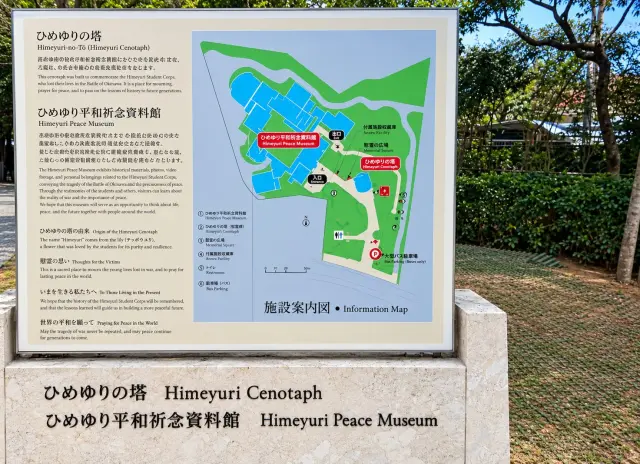
When visiting Okinawa, besides enjoying the beautiful ocean views, I also recommend visiting the Himeyuri Cenotaph and the Himeyuri Peace Museum. They document the history of the Himeyuri Student Corps during the Battle of Okinawa through photos, written accounts, and valuable materials, offering a deeper understanding of that painful period. Although the visit was emotionally heavy, it made me appreciate the value of peace even more.
Other Reviews by wendy
-
Kinkaku-ji
During the Muromachi Period, the 3rd Ashikaga shogun, Yoshimitsu, made an abode in this temple called Kitayamadono. It was named as Rokuon-ji after the posthumous name of Yoshimitsu. He had also built Shokoku-ji Temple, and Rokuon-ji, his retirement home, was turned into a branch temple of Shokoku-ji.
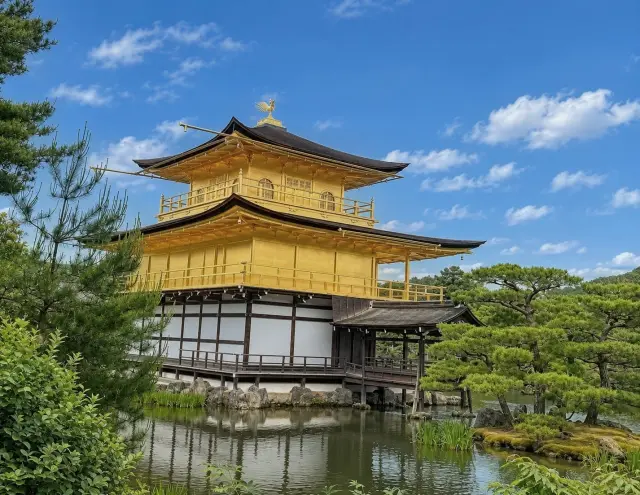
When traveling to Kyoto, Kinkaku-ji really is a must-visit attraction, and I finally got to see it in person this time.
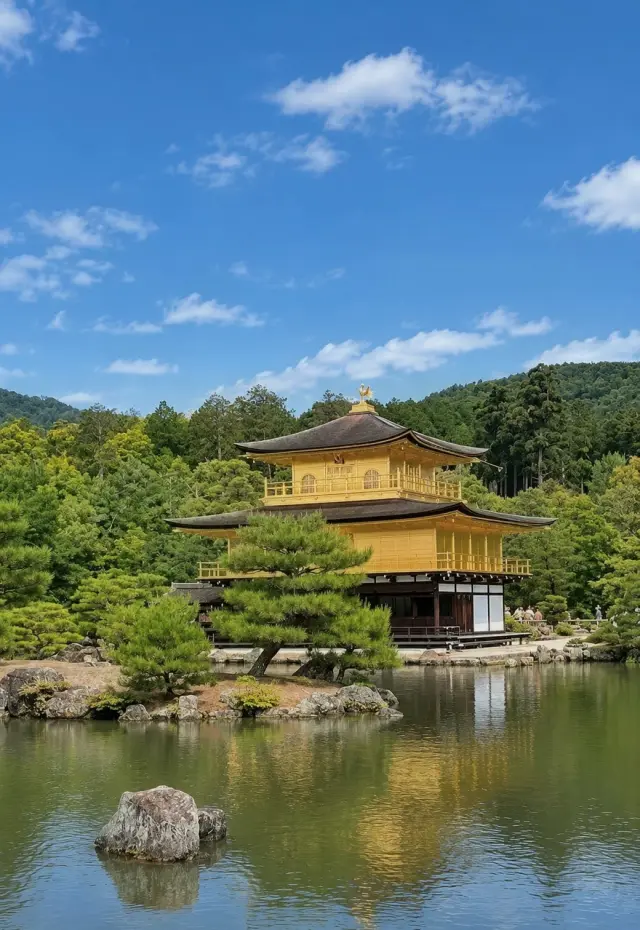
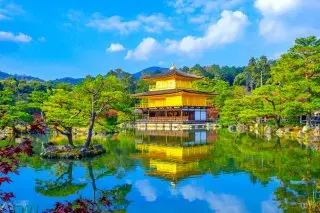
As soon as I entered, I saw the golden pavilion reflected in the pond. It was truly beautiful and felt different from seeing it in photos. The grounds aren't very large, so you can walk around at a leisurely pace, take photos, and finish in about an hour.
You can buy a ticket on-site for JPY 500. There were a lot of visitors that day, and almost everyone gathered by the pond to take photos. However, since you're taking pictures from across the water, you don't really get other people in the shot, so it's actually easy to take a photo of just Kinkaku-ji.
There were also waterfowl leisurely swimming around the pond, and together with the surrounding greenery, the scenery was very pleasant. They also sprayed mist to cool the area, so it didn't feel too hot or stuffy while walking around.
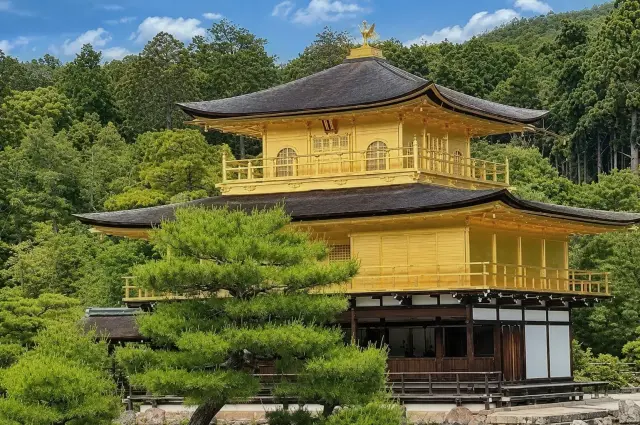
I visited in the afternoon this time, when it was more crowded, so I still had to wait a little to take photos. Kinkaku-ji really is beautiful, especially when the sunlight hits the golden building and makes the whole thing sparkle.
If I have another chance to visit, I'd like to try going early in the morning to avoid the crowds. I'm also hoping to capture a beautiful reflection of Kinkaku-ji in the water.
-
-
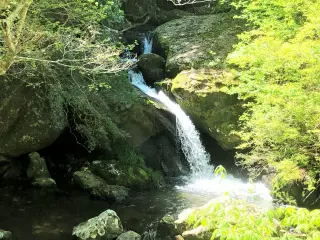
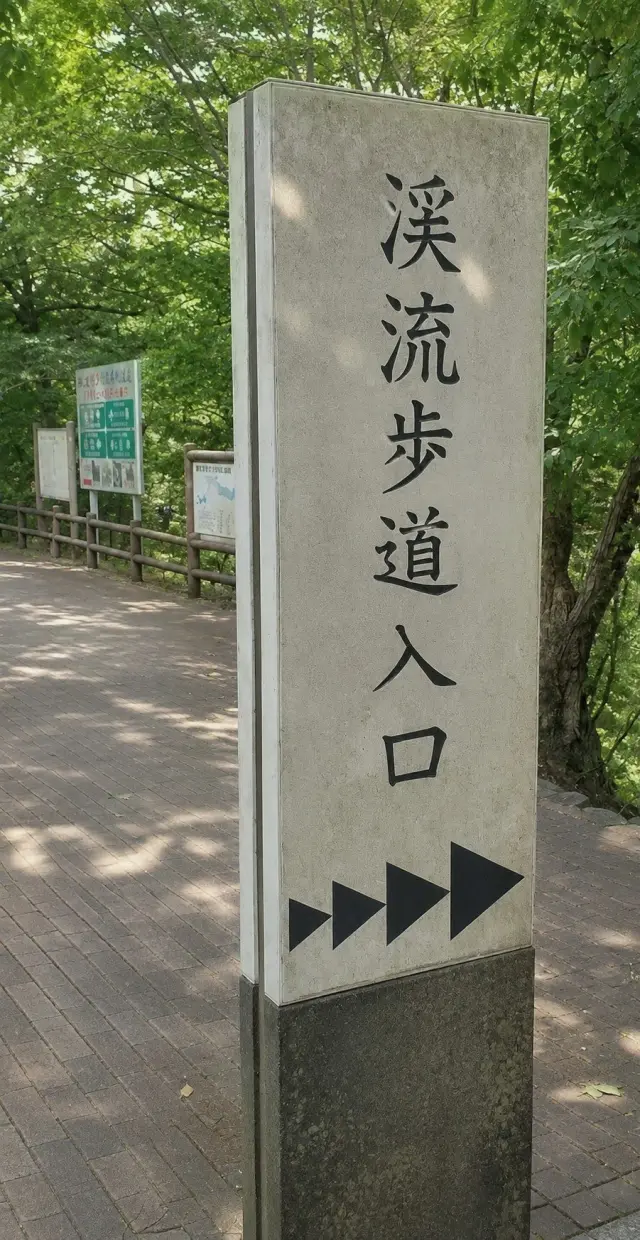
Kyoto Prefectural Rurikei Natural Park
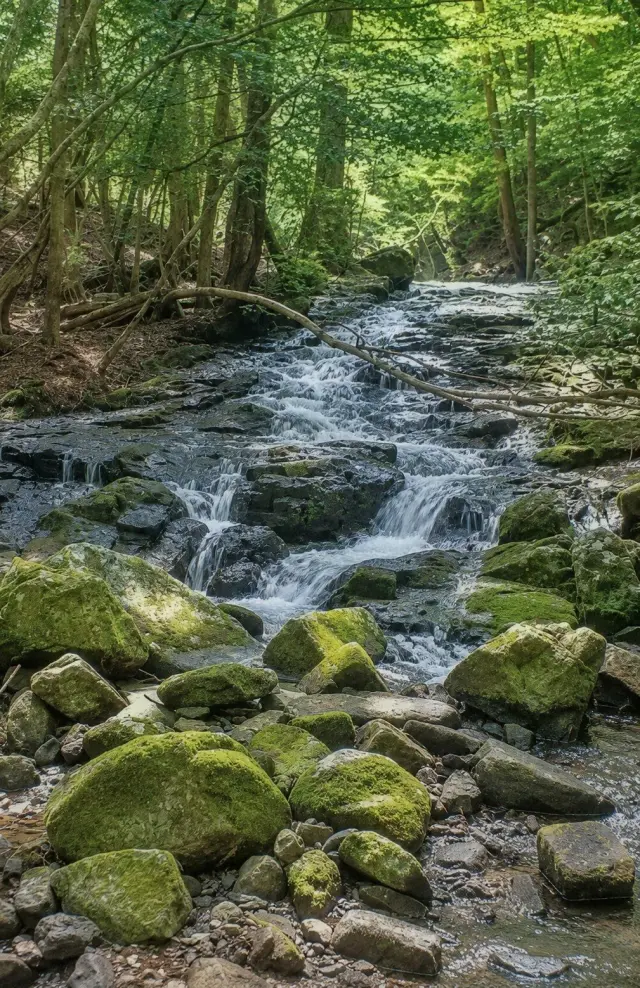
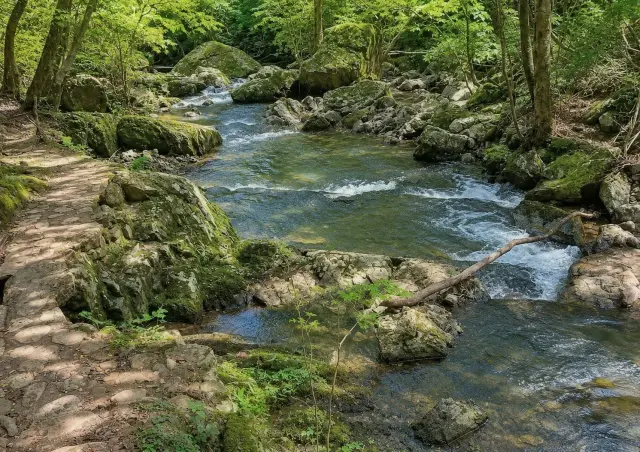
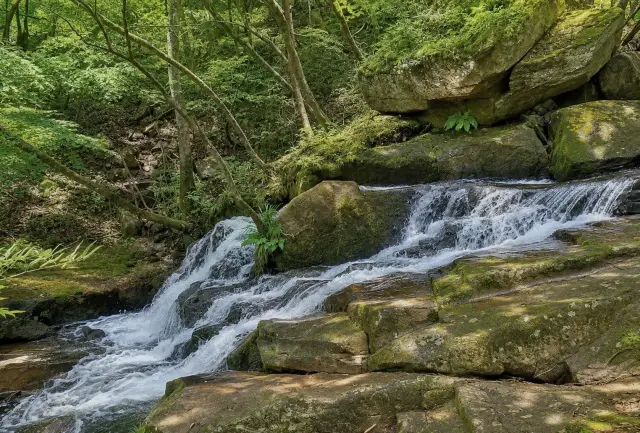
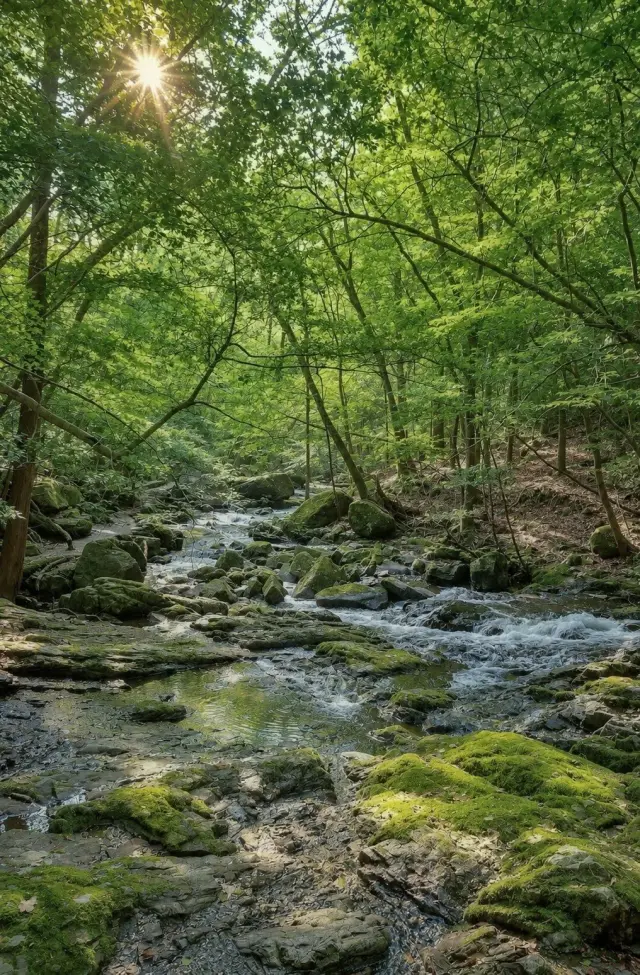
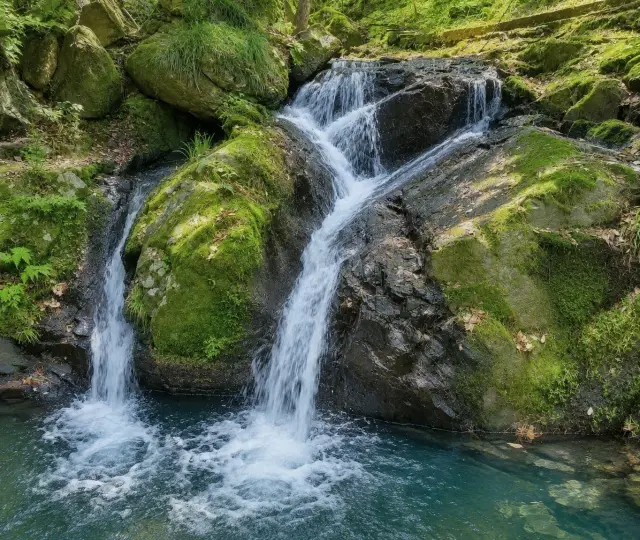
The main attraction is a gorge stretching Approx. 4 km, formed by erosion on a highland slope at an elevation of 500 m. The clear flowing water and the scenery created by the trees on both banks are filled with natural beauty in every season. In spring, fresh greenery emerges along the valley, making it a refreshing place for a walk in the soft sunlight.
I originally thought the scenery wouldn’t be anything special since it’s not far from the city, but once I entered Rurikei Natural Park, I felt completely surrounded by nature. Walking slowly along the trail, you can get a close-up view of the stream, waterfalls, and surrounding greenery. Listening to the sound of the flowing water felt especially pleasant and relaxing.
The trail isn’t very long. With a few stops along the way, you can finish it in about an hour, so it’s a great place for a walk when you’re not in a hurry. There weren’t many noisy crowds, which made it feel even more peaceful and let me fully enjoy the scenery in front of me.
There wasn’t anything special planned for this visit. I simply walked into the woods, looked at the stream, and enjoyed the breeze, but it unexpectedly turned out to be a very soothing place.
-
-
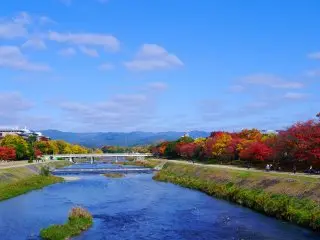
Kamogawa (Kyoto)
Kamogawa has its head in Mt. Sajikigatake, runs through Kyoto north to south, and merges into Katsura River in Toba. Near Shijo, there is downtown such as Gion on the east side and Kawaramachi on the west, the main commercial area representing Kyoto.
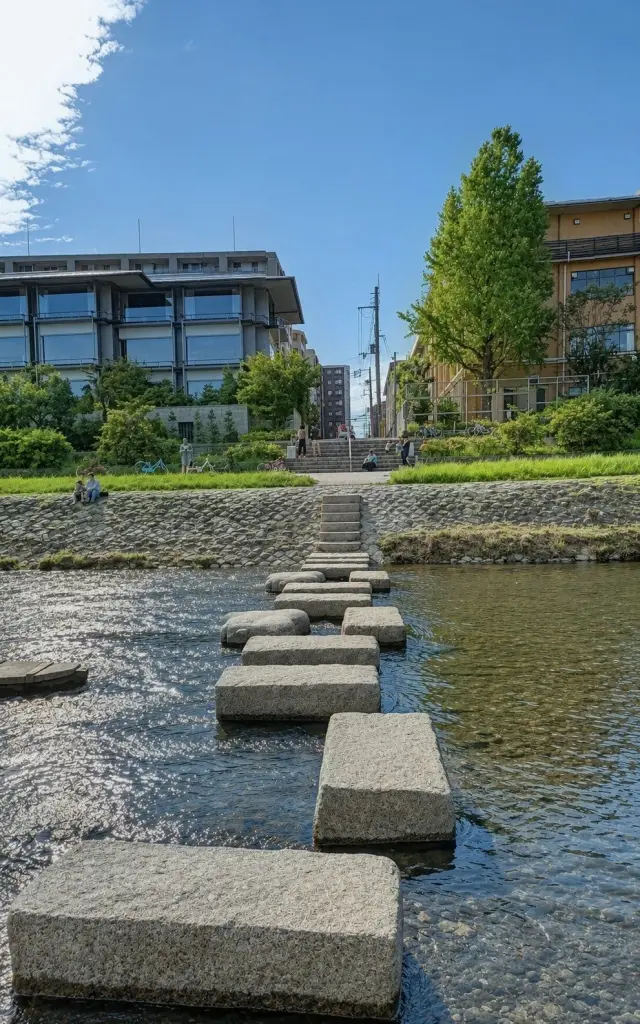
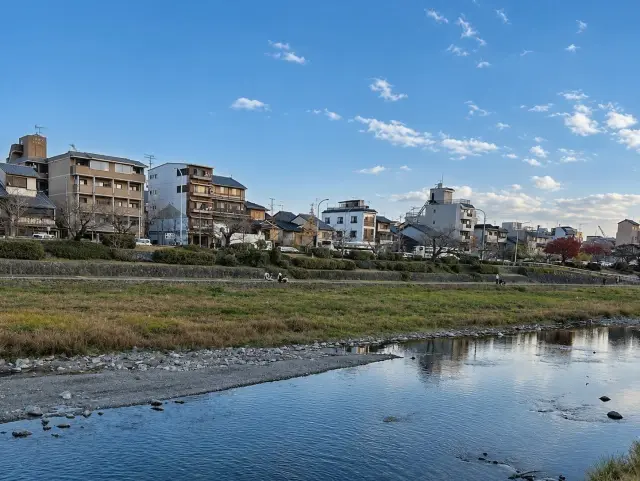
When traveling to Kyoto, the Kamo River is also a place you have to visit! This time, when I actually walked along the river, my first impression was that the scenery felt very relaxing. The water flowed gently, with people walking along both banks and others sitting by the river to rest. It was less bustling than the city and had a more laid-back, carefree atmosphere.
The weather that day was very nice. With the blue sky and riverside scenery, it was really enjoyable to stroll along the river and take photos. The Kamo River is also a famous spot in Kyoto for viewing cherry blossoms and fall foliage. Unfortunately, my visit didn't coincide with either season, so there were no cherry blossoms or colorful maple leaves to add to the scenery. Still, even the ordinary riverside views are well worth a visit.
If I get the chance, I hope to come back during cherry blossom season or fall foliage season to see the Kamo River in a different season.
-