If you have plenty of time in Okinawa, I really recommend walking straight from Kokusai Street to Naminoue Shrine.
It only takes about 15 to 20 minutes, and as soon as you turn into the side streets, it gets so much quieter. The streets are lined with ordinary little Japanese houses, with lots of potted plants by the doors, and every now and then you’ll see a few small shisa ornaments sunning themselves on the rooftops. Get a drink you like from a vending machine and slowly wander around while sipping it, listening to the bird sounds from the traffic lights at the intersections. It really gives you the illusion that you’re temporarily living nearby.
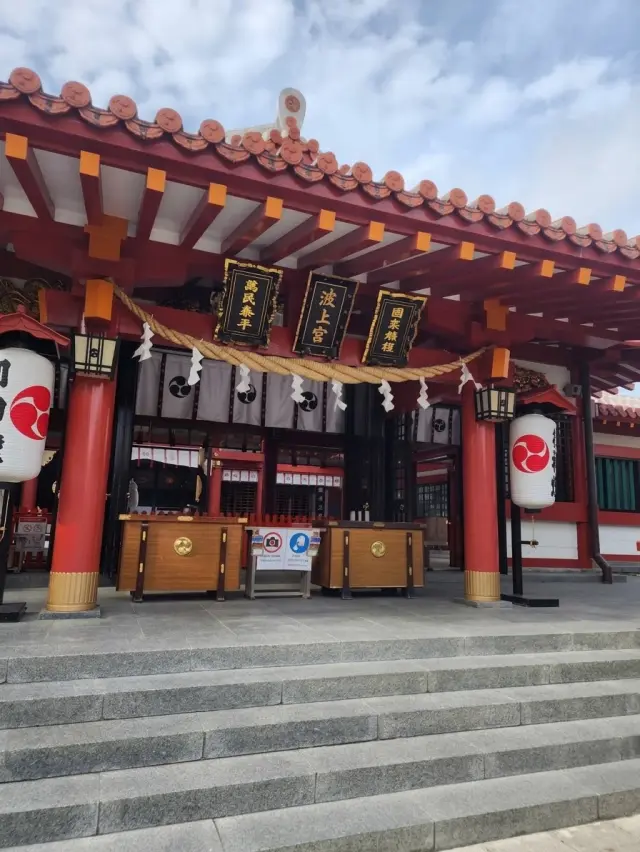
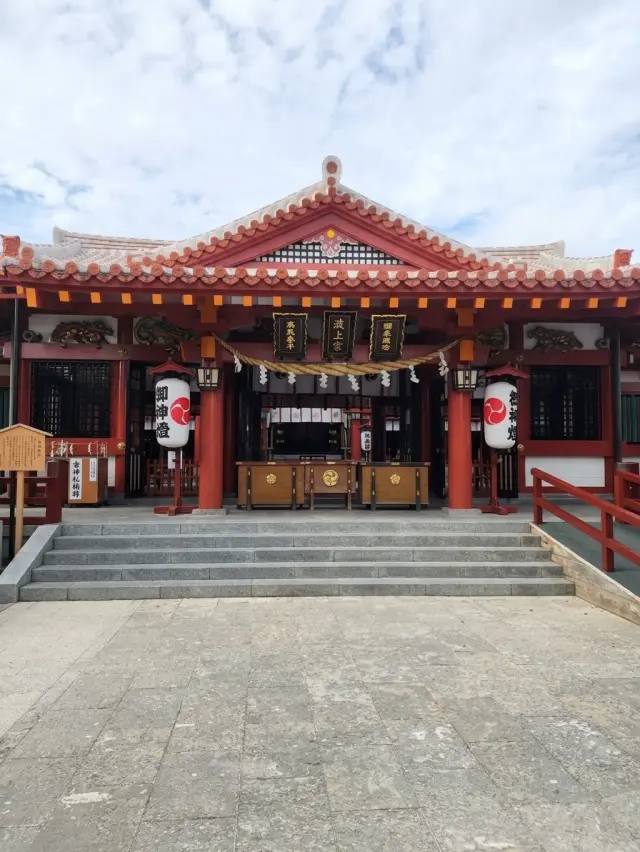
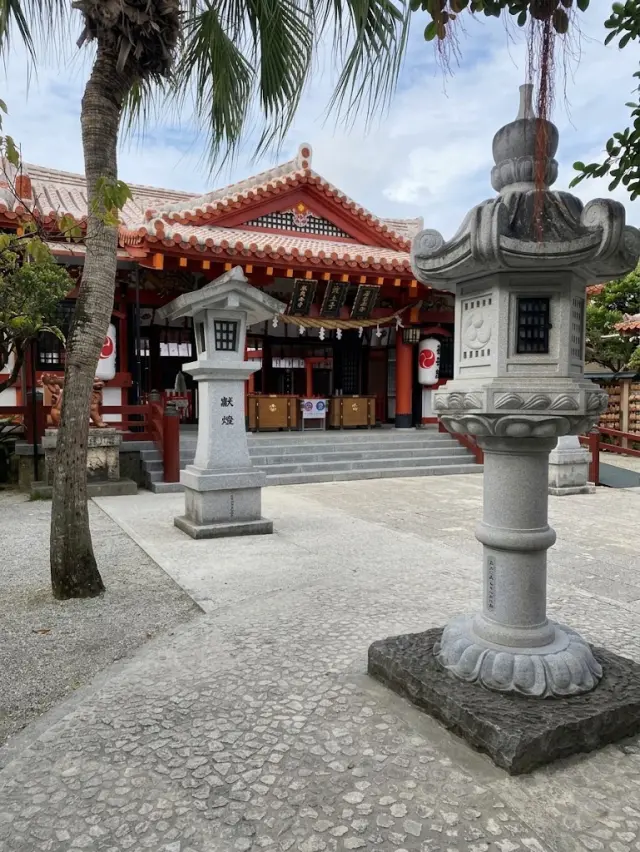
Once you reach Naminoue Shrine, say a prayer and buy a little schoolbag-shaped omamori. Then follow the path down beside it to Naminoue Beach, take off your shoes, and step into the water. It feels so good, and the breeze in September is just right.
Compared with constantly taking transportation and rushing from one attraction to another, aimlessly walking through the local side streets is actually the most relaxing.
Naminoue Shrine | Review by Eddie
Other Reviews by Eddie
-

Hanazono Shrine
From long ago, the shrine located here has held an important Shinto deity for all of Shinjuku. It exists quietly among the shopping malls and eateries lining Shinjuku's downtown streets.
A red-and-white shrine hidden in the heart of bustling Shinjuku! A walk around Tokyo’s Hanazono Shrine
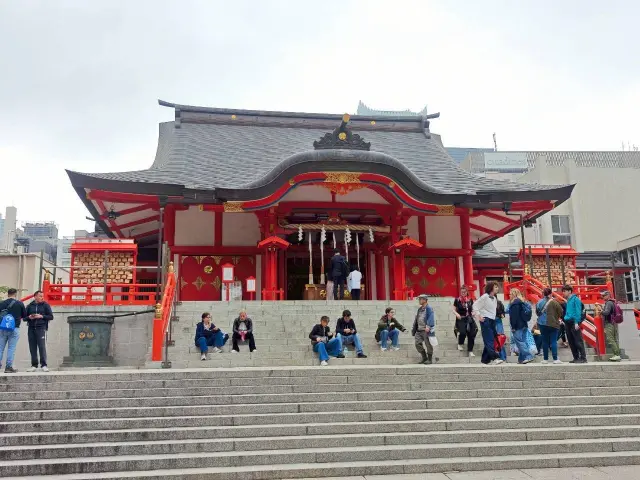
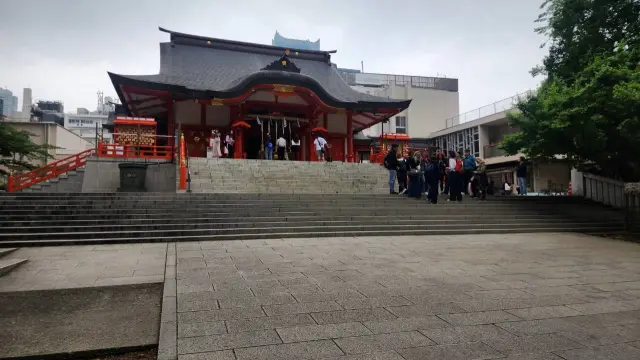
While walking around Shinjuku’s Kabukicho, just turn a corner and you’ll see the very eye-catching Hanazono Shrine. Outside, the busy commercial district is packed with people, cars, and tall buildings, but the moment you step inside, it becomes much quieter. The vermilion shrine buildings and long row of stone steps create a striking contrast in the middle of the city.
This is the main guardian shrine of the Shinjuku area, where people mainly pray for prosperity in business and good luck. Next to it is Geino Asama Shrine, and I heard that many Japanese entertainers and theater workers make a special trip here to pray for success in their careers. It was cloudy when I visited, but the red-and-white buildings still looked very bright in photos. Both sides were covered with rows of ema plaques, and quite a few international tourists were sitting on the stone steps, resting and zoning out. The atmosphere was pretty laid-back.
If you happen to get tired while shopping in Shinjuku, there’s no need to set aside a lot of time. It’s a comfortable little spot where you can stop by to pray, sit down and catch your breath, then continue exploring.
📍 Location Information
Hanazono Shrine
Address: 5-17-3 Shinjuku, Shinjuku-ku, Tokyo -
-
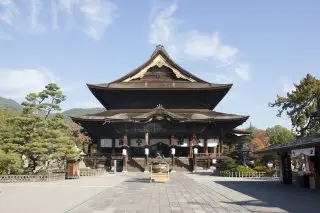
Zenkoji Temple
This historical large-scaled temple is about 59,000 square meters (about 5.9 ha) and was founded 1400 years ago. Many Buddhist facilities fill the compound. Some of them are; Daikanjin and Daihongan (they are also independent temples), and guests' quarters. This temple was founded at a specific time before the various subsects of Buddhism came into being. Some of the worshippers were those with power at the time, such as Minamoto no Yoritomo and Tokugawa Ieyasu , as well as the common people.
A must-visit ancient temple in Nagano! A firsthand look at Zenkoji Temple’s Sanmon Gate
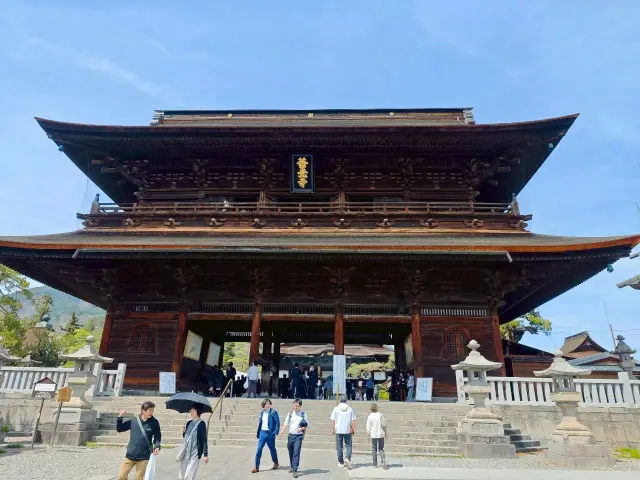
When visiting Nagano City, Japan, many people are sure to include Zenkoji Temple, which has a history of more than 1,400 years. As you walk along Nakamise Street, the first thing you’ll see is this enormous two-story wooden Sanmon Gate. I was lucky to have great weather that day. Against the blue sky, the dark wooden structure and nearby stone lanterns looked quite impressive in person.
This gate was built in the middle of the Edo period and is now designated an Important Cultural Property of Japan. If you walk closer and look up at the plaque reading “Zenkoji” in the center, there’s an interesting little detail: the brushstrokes actually contain the shapes of five pigeons, which is why it’s called the “Pigeon Character Plaque.” From a distance, the character “Zen” also looks a little like a cow’s face, matching the local legend about being led by an ox to worship at Zenkoji Temple.
In Japan, people often say that you should visit Zenkoji Temple at least once in your lifetime because, since ancient times, it has welcomed worshippers regardless of Buddhist sect or gender. Besides taking photos of this large wooden gate from below, if you have enough time, you can also buy a ticket and climb to the second floor. In addition to statues of Manjushri Bodhisattva and the Four Heavenly Kings, you can look down over the entire approach and the city from above. The view is pretty good.
📍 Location Information
Zenkoji Temple, Nagano (Sanmon Gate)
Address: 491-i Motoyoshicho, Nagano, Nagano Prefecture, Japan -
-

Former Shibuya River Promenade (Cat Street)
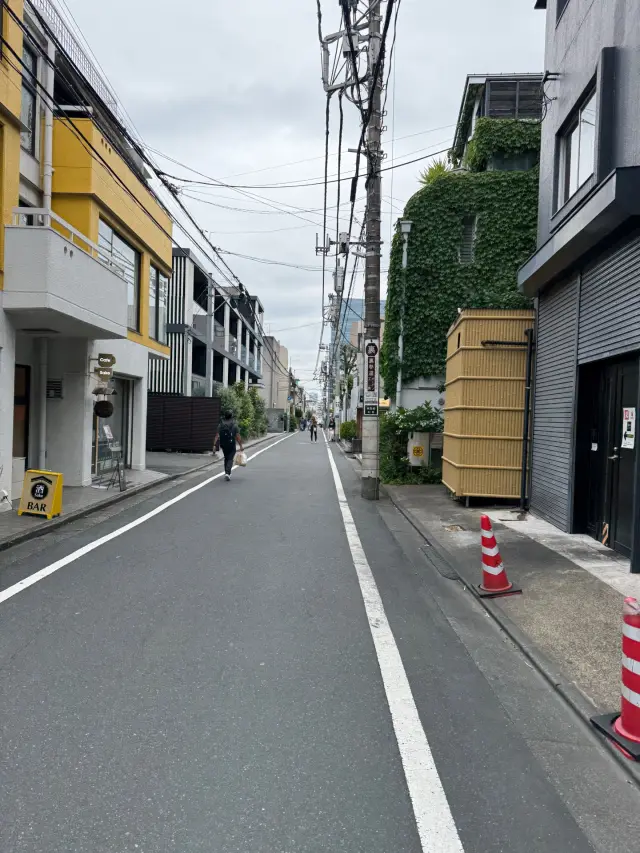
A promenade on a side street one block away from the main avenue connecting Shibuya and Harajuku. Part of the Former Shibuya River Promenade, which extends from near the Jingumae Police Box, is popularly known as Cat Street and is lined with shops that are especially popular among young people. There are various theories about the nickname’s origin, including that there were many cats in the area and that the street was as narrow as a cat’s forehead.
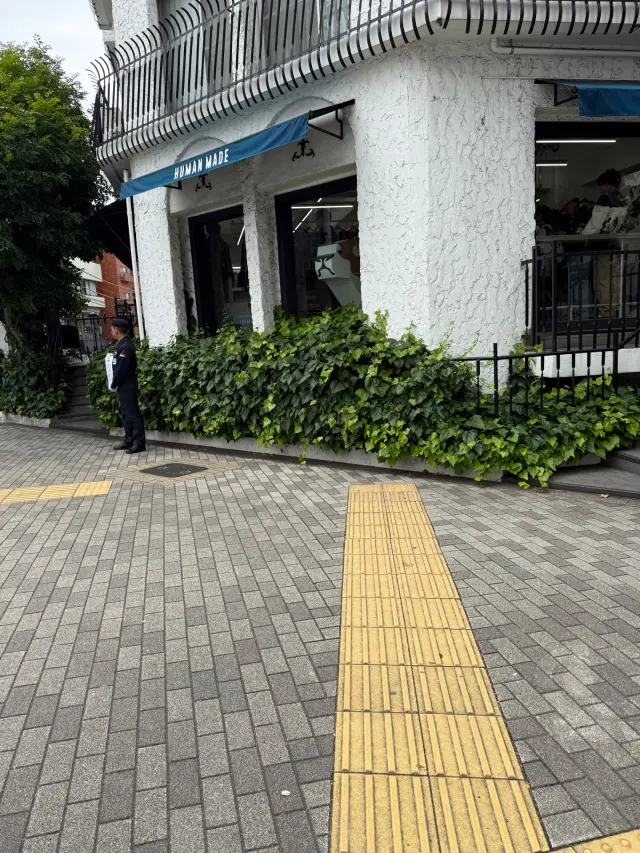
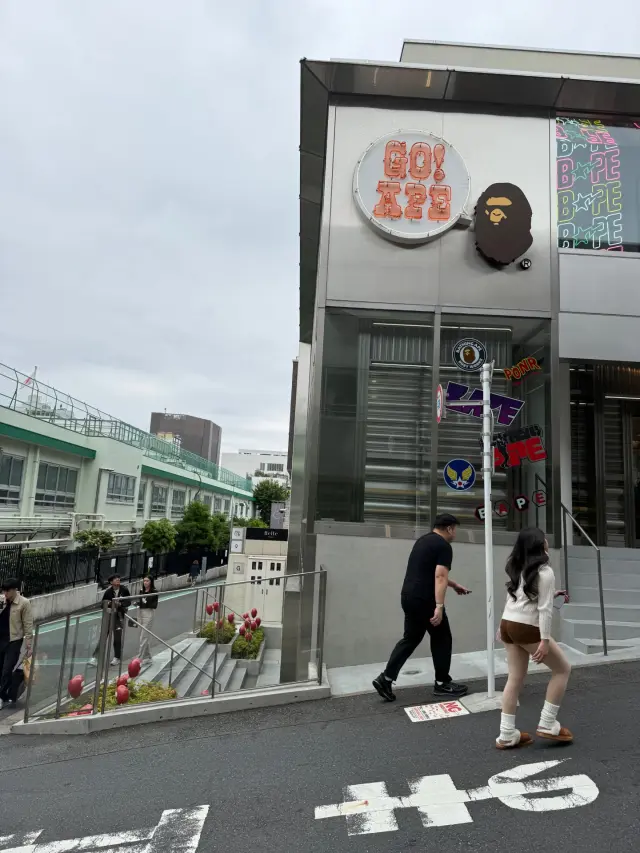
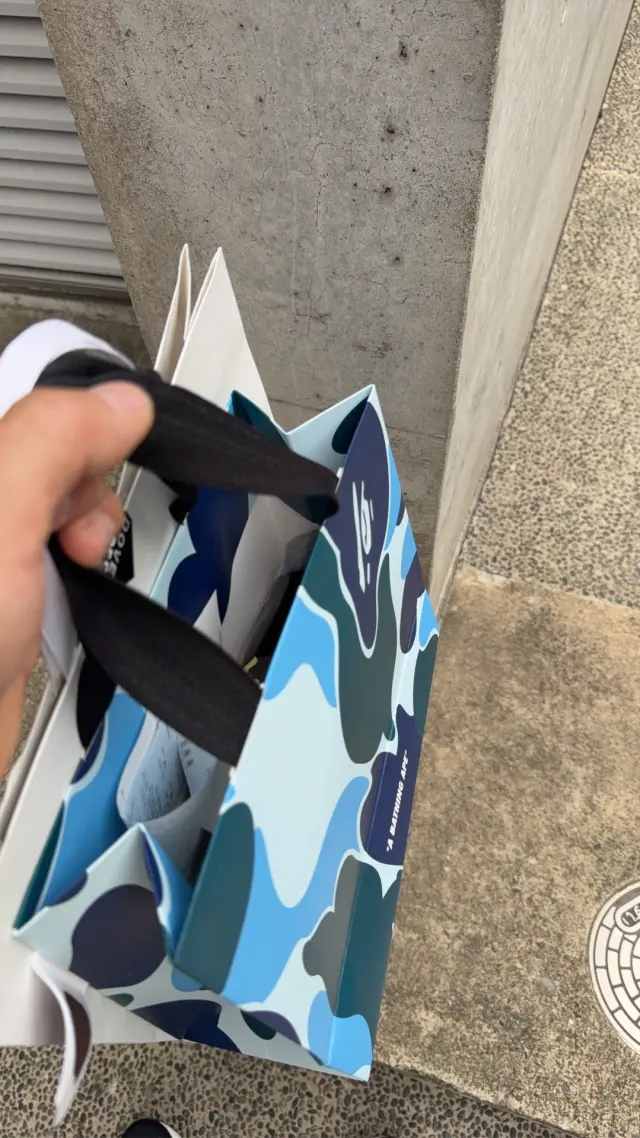
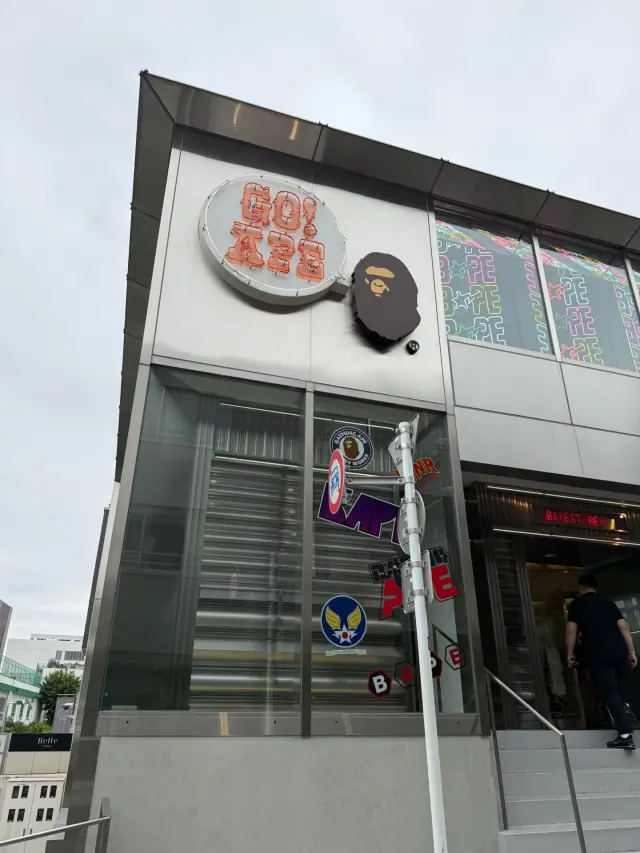
Walking through the streets of Harajuku in Tokyo, I saw quite a few familiar streetwear brands along the way, such as BAPE and HUMAN MADE. For anyone who likes Japanese streetwear culture, this place is really appealing.
What struck me even more was how similar these streets looked to the Japanese street scenes I saw in magazines as a child. I used to flip through magazines and read about Harajuku's street culture, clothing brands, and young people's fashion. Back then, I could only admire it from afar. I never imagined that years later, I would actually have the chance to walk these streets myself.
For a moment, it felt like I was a student again, remembering the days when I used to read those magazines. Some places can still bring back memories from years ago when you finally visit them in person. This trip to Harajuku wasn't just about shopping. It felt more like fulfilling a small childhood wish.
-