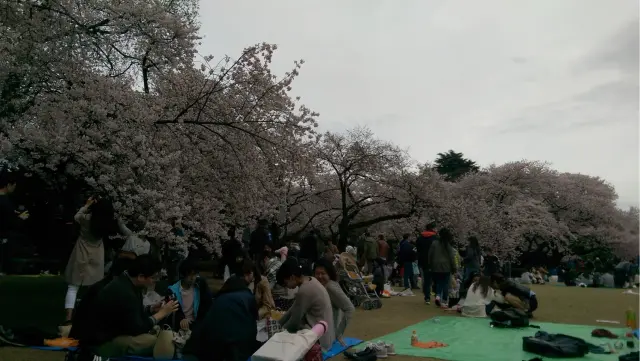
Shinjuku Gyoen is one of Tokyo’s premier cherry blossom viewing spots, with nearly 1,000 cherry trees of more than 65 varieties planted across its expansive lawns. From the early-blooming kanzakura and Kawazu cherry trees to the final display of Somei Yoshino and double-flowered cherry blossoms, the different varieties bloom one after another. The garden combines Japanese, English landscape, and French formal garden designs, creating enchanting scenery. Every spring, visitors and local residents bring picnic blankets and sit beneath the cherry trees, enjoying food and the romantic views while taking in the feeling of spring in Tokyo.
Shinjuku Gyoen National Garden | Review by Linda Liao
Other Reviews by Linda Liao
-

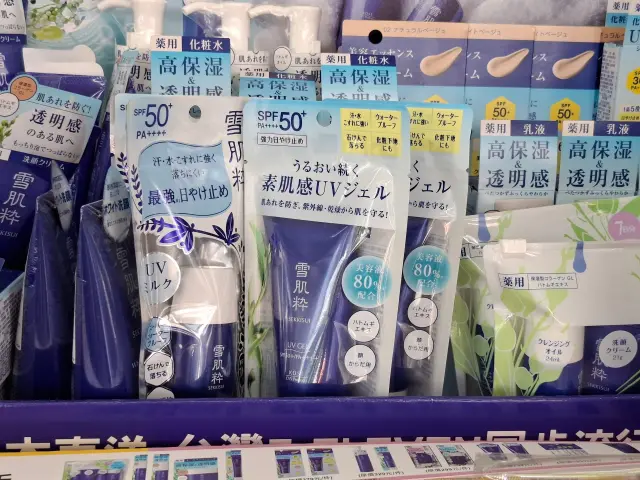
SEKKISUI All-in-one gel (Sales name:SEKKISUI Brightening Essence Gel M) [Quasi-Drug]
Adlay extract (coix seed) infused with Japanese and Chinese herbal extracts come together in SEKKISUI, the skincare brand that leaves skin feeling supple and bright. The brand was borne in joint development with Seven-Eleven, meaning its wallet-friendly, pocket-friendly and easily found in convenience stores.
Japan's SEKKISUI 5-in-1 skincare product is perfect for people looking for a simple skincare routine! One bottle takes care of the toner, lotion, serum, cream, and face mask steps, so you don't have to spend too much time applying multiple products one after another. You can use it right after washing your face to hydrate your skin and keep it soft and moisturized. It's very convenient when you're in a hurry in the morning or want to pack light for an international trip, making skincare easy.
-
-
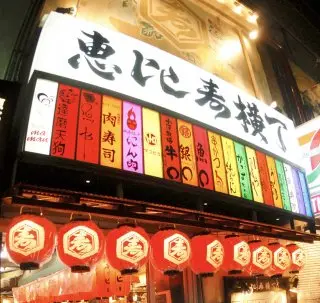
Ebisu Yokocho
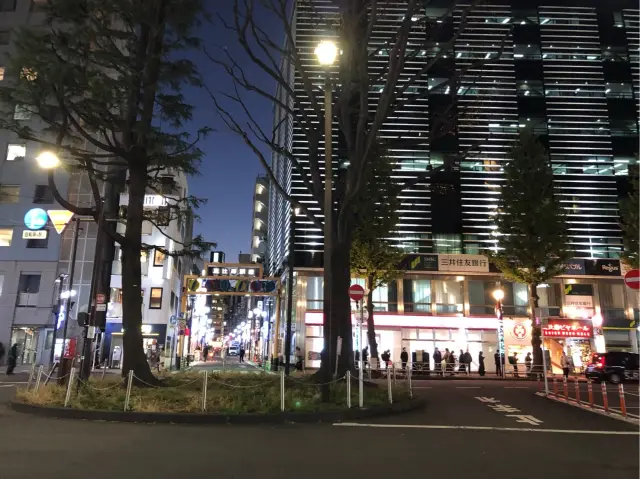
A bar district with 20 restaurants. The former "Yamashita Shopping Center" was a public market, and the sign at the entrance is reminiscent of the Showa period. The stores are small, ranging in size from 10-16m2, and are lined up in a tight row in the alley. This appearance of the market is also nostalgic for the older generation and fresh for the younger generation.
After browsing Atre Ebisu in the evening, if you’re looking for a late-night bite, take a walk around the station. Along Ebisu Ginza Street by the west exit, there are izakayas, seafood restaurants, bars, and other places, creating an especially lively atmosphere at night. Near the east exit, Ebisu Yokocho has even more Showa-era charm, with small eateries clustered together offering everything from grilled skewers and oden to teppanyaki and meat dishes. It’s fun just to walk around and look.
-
-
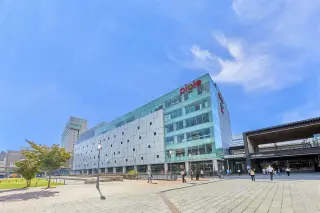
Piole Himeji
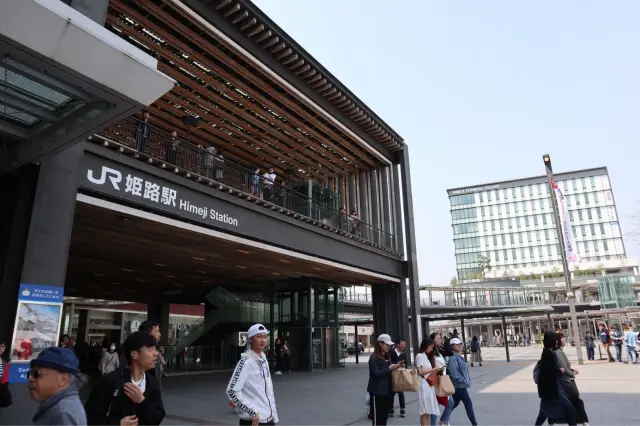
A large shopping complex adjacent to JR Himeji Station. It consists of five sections: Piole 1, Piole 2, Piole 3, the Omiyage-kan, and the Gochiso-kan. Approx. 200 shops across a wide range of categories are gathered here, from popular fashion brands to interior goods, beauty, outdoor gear, miscellaneous goods, and cafe restaurants.
Piole Himeji is located right next to JR Himeji Station and directly connected to it, making it very convenient to get to. It’s also an important shopping destination in central Himeji. The complex has stores selling clothing, household goods, cosmetics, souvenirs, and food, so it’s convenient whether you want to shop, eat, or pick up local Himeji specialties. Since it’s right by the station, it’s a great place to stop by whether you want to grab something to eat after arriving in Himeji or shop before heading back after visiting Himeji Castle.
-