
A Complete Guide to Shibuya Scramble Crossing, the World's Most Famous Intersection
Shibuya Scramble Crossing is one of Tokyo's signature cityscapes and became famous worldwide through its appearances in movies.
Crowds cross day and night, attracting many tourists in its own right.
Here are some recommended viewpoints and nearby attractions to help you make the most of your visit to Shibuya Scramble Crossing.
What Is Shibuya Scramble Crossing Like?
Located northwest of JR Shibuya Station, its official name is Shibuya Ekimae Crossing.
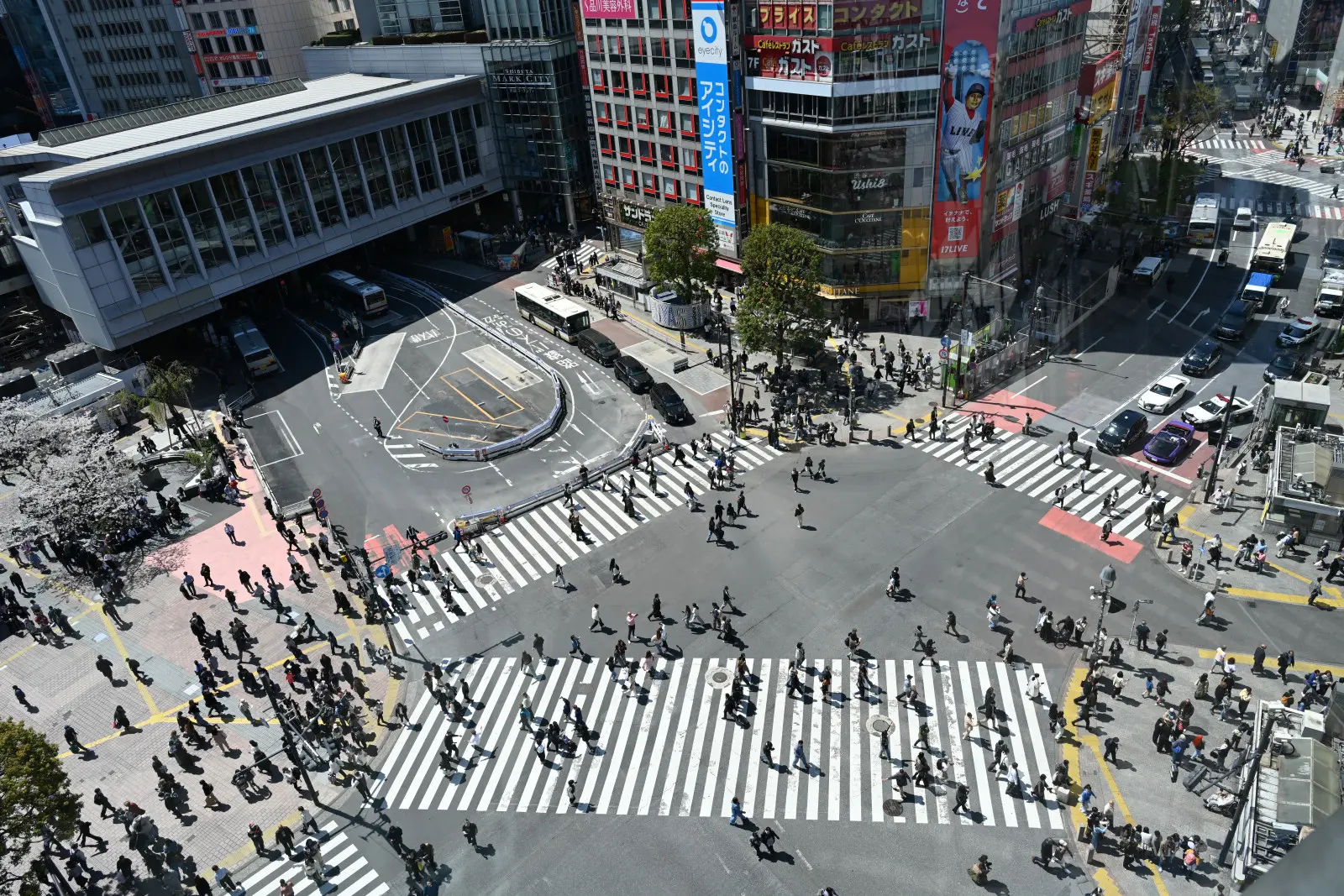
It has five crosswalks, allowing pedestrians to walk in whichever direction they choose.
The crowds that begin moving as soon as the pedestrian lights turn green are known as an iconic Tokyo scene, appearing almost daily in news footage, especially weather reports.
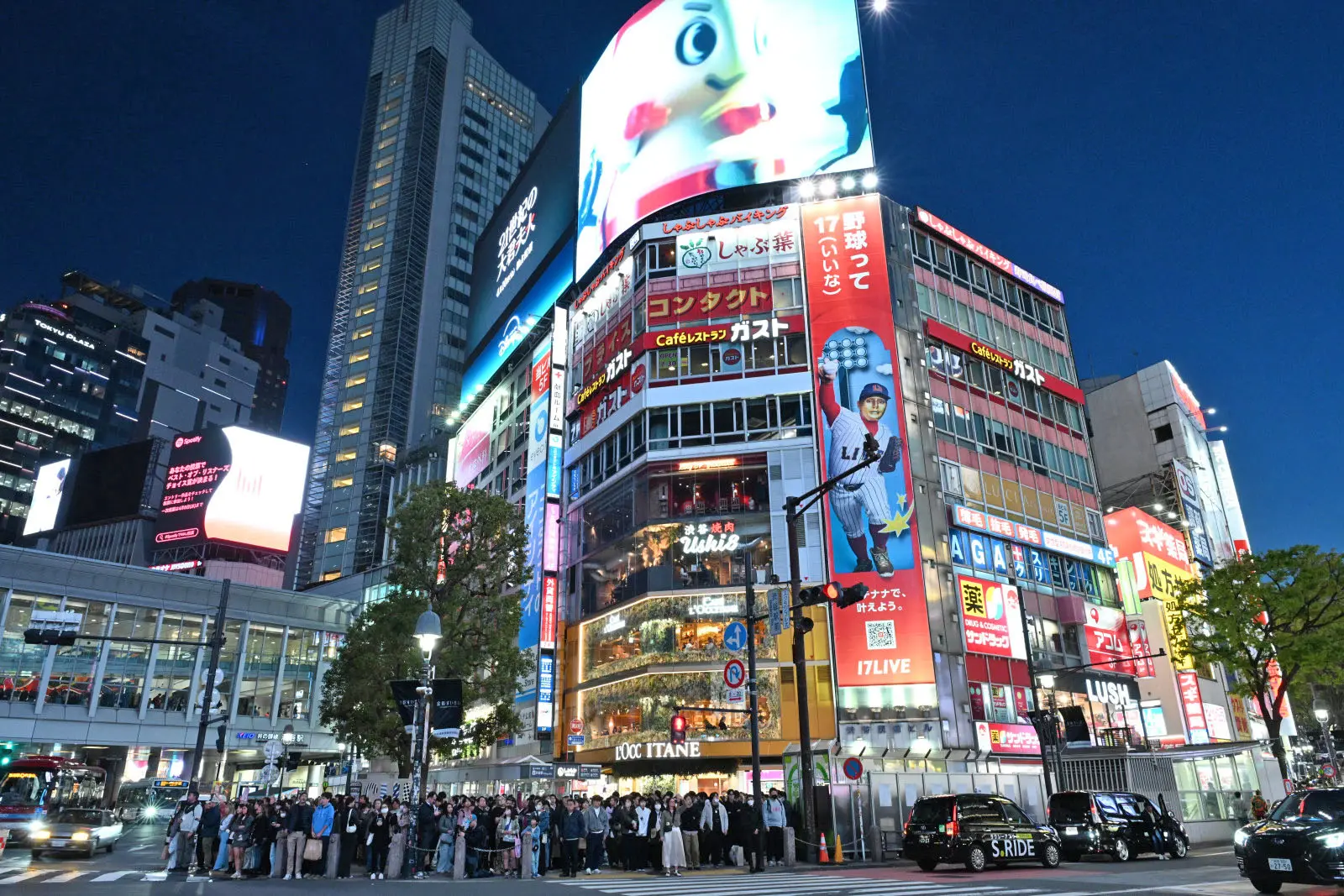
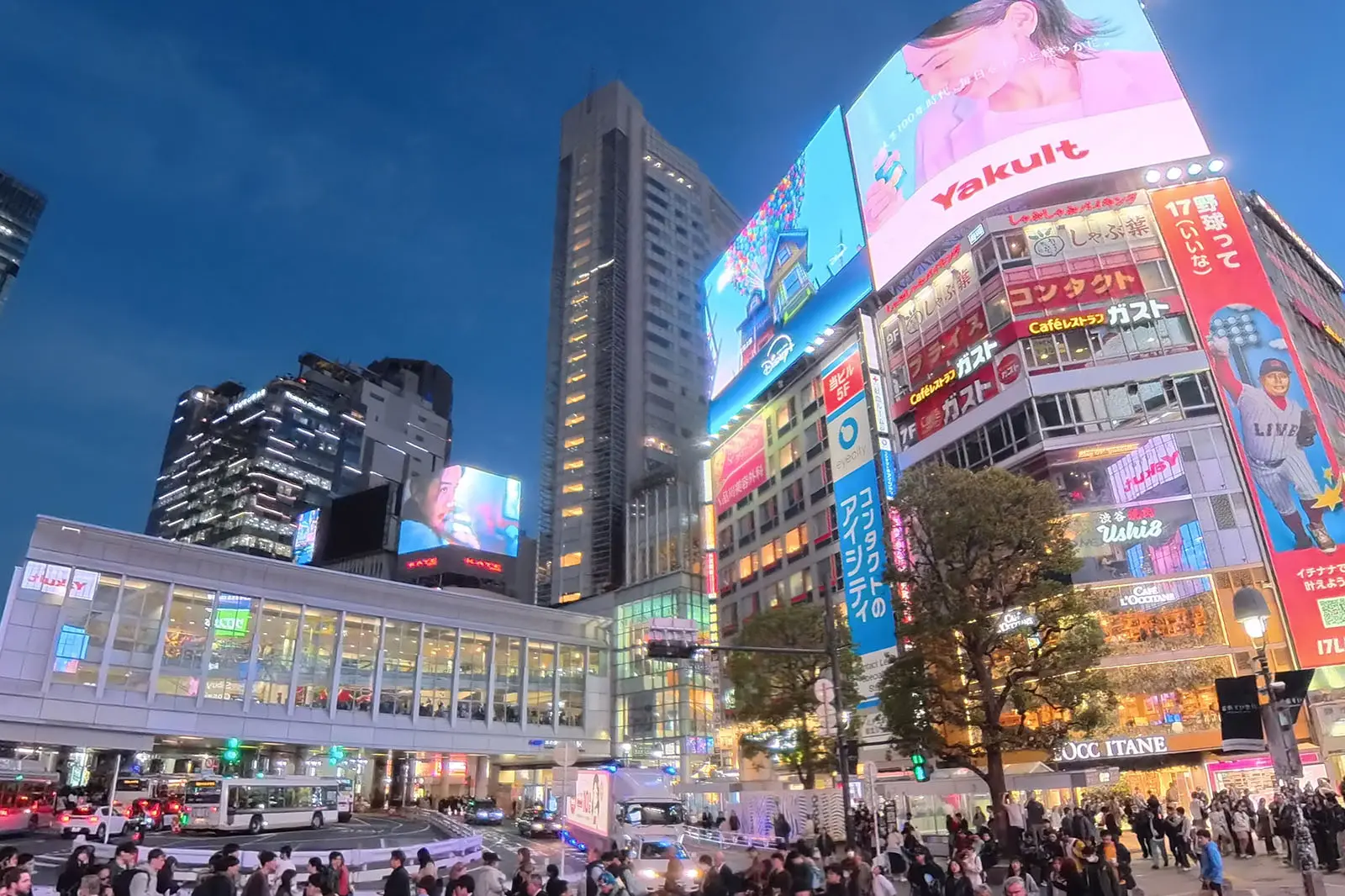
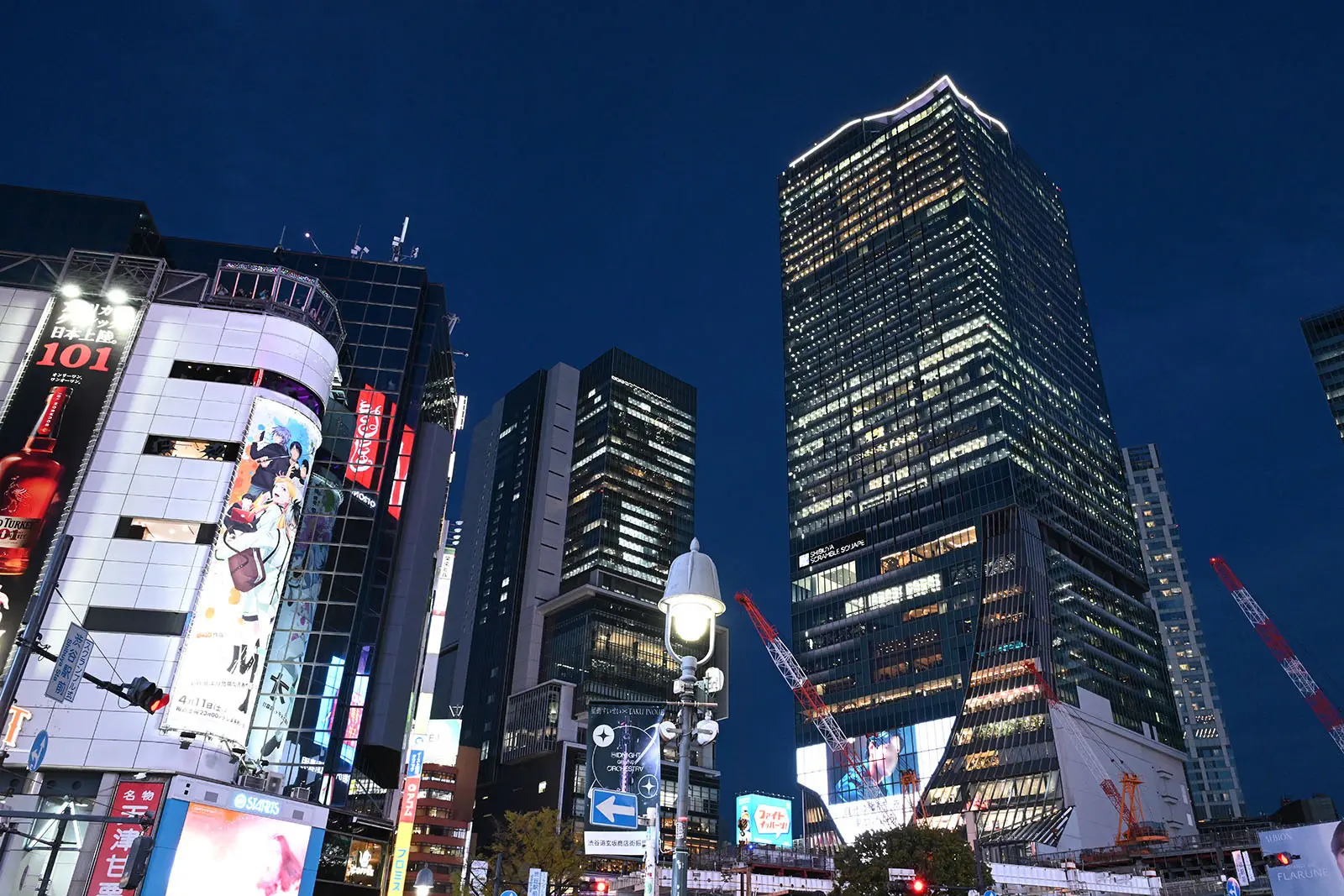
Because so many people use the crossing, the surrounding buildings display enormous digital advertisements, creating an even livelier scene at night.
When Is the Best Time to Visit?
Shibuya Scramble Crossing and the surrounding neighborhood draw large crowds day and night.
The best time to visit depends on your plans.
Here is a comparison of daytime and nighttime visits.
Visit During the Day for Smaller Crowds and More Relaxed Sightseeing
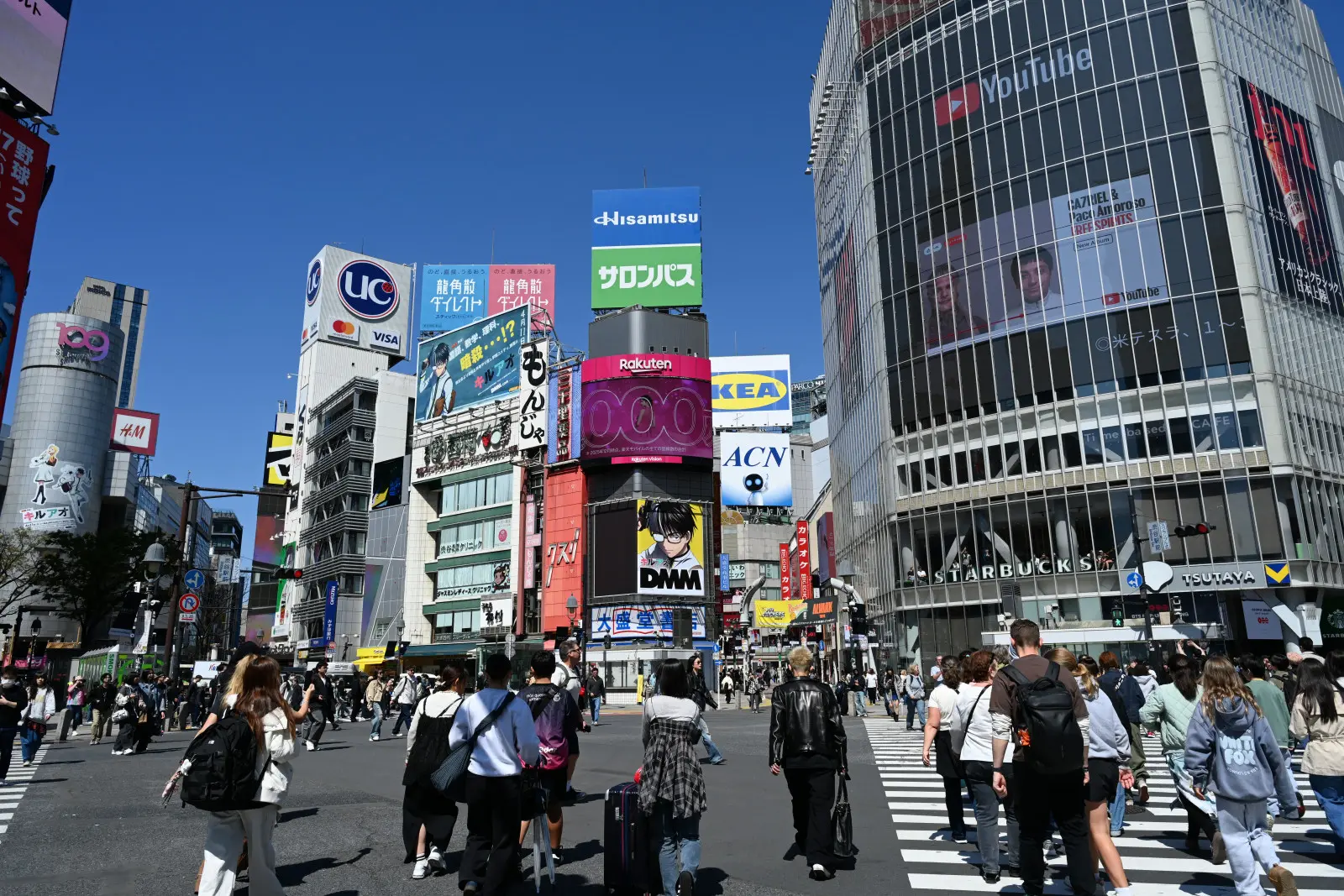
Daytime is recommended if you want to browse the surrounding stores or take commemorative photos at the crossing.
At night, you can experience the bright city lights and urban bustle, but the crowds may make it difficult to explore at a relaxed pace.
Many people visit from the morning on weekends and holidays, but popular stores and restaurants nearby are relatively calm during the day on weekdays.
If your main goal is to take commemorative photos at the crossing, aim to visit around 11:00 a.m. from fall through spring, when the days are shorter.
This is especially important in February, when sunlight reaches the entire crossing for only a limited time and large shadows fall across the pavement.
Nights Are Popular, with the Crossing, Shops, and Restaurants All Bustling
Night is the most popular time among tourists, and around sunset, so many visitors gather that it can be easy to get separated from your group.
If you want to experience the city at night, an evening visit is the way to go.
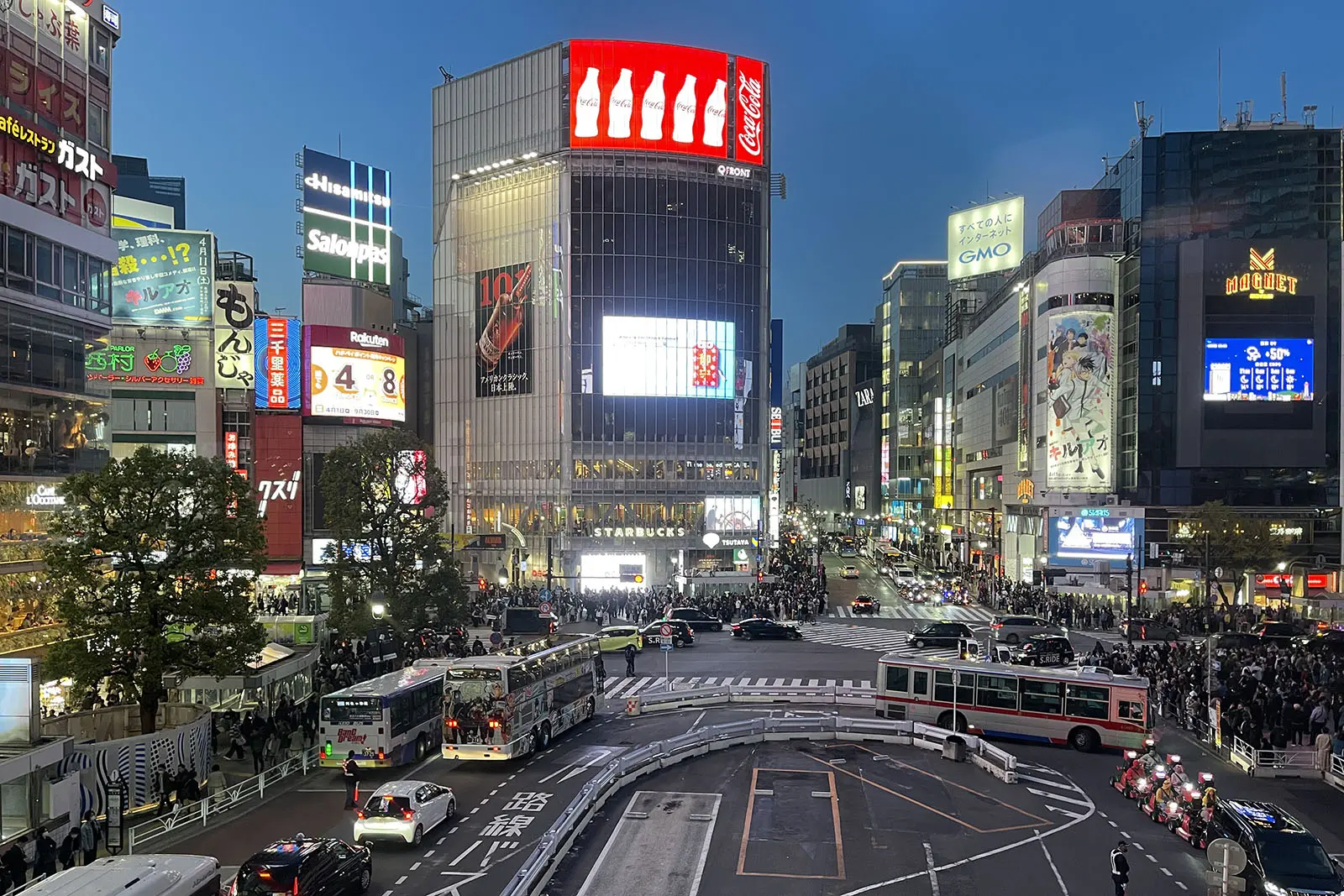
For attractive night photos, the best time is just after sunset while some light remains in the sky, so plan to arrive shortly before sundown.
Shibuya Nonbei Yokocho, which retains the atmosphere of Japan's Showa era (1926–1989) from more than 40 years ago, also comes alive at night.
How to Reach the Scramble Crossing from Shibuya Station
The Scramble Crossing is directly in front of JR Shibuya Station's Hachiko Exit, and several subway exits are nearby. However, depending on which line you use, finding your way there can be difficult.
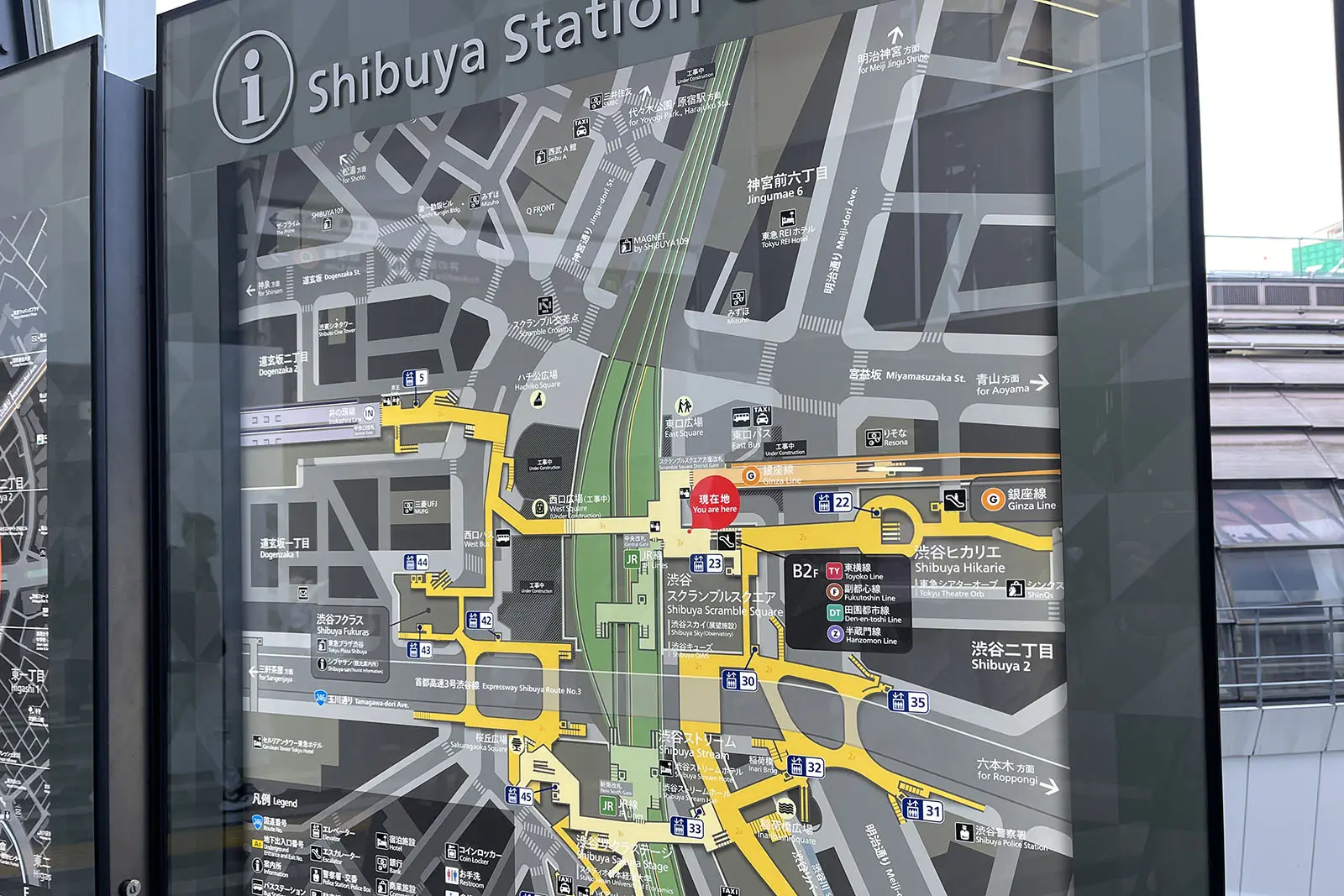
If you can take a JR line to Shibuya, the easiest route is to head for the Hachiko Gate near the north end of the platforms, toward Shinagawa, then turn left after passing through the gate and continue to the Hachiko Exit.
If you take the subway, use exits A3–A8 or A12 from the Hanzomon or Fukutoshin lines. The Ginza Line, however, does not connect to the subway exits, so you must descend to street level from the station's upper level, on the third floor.
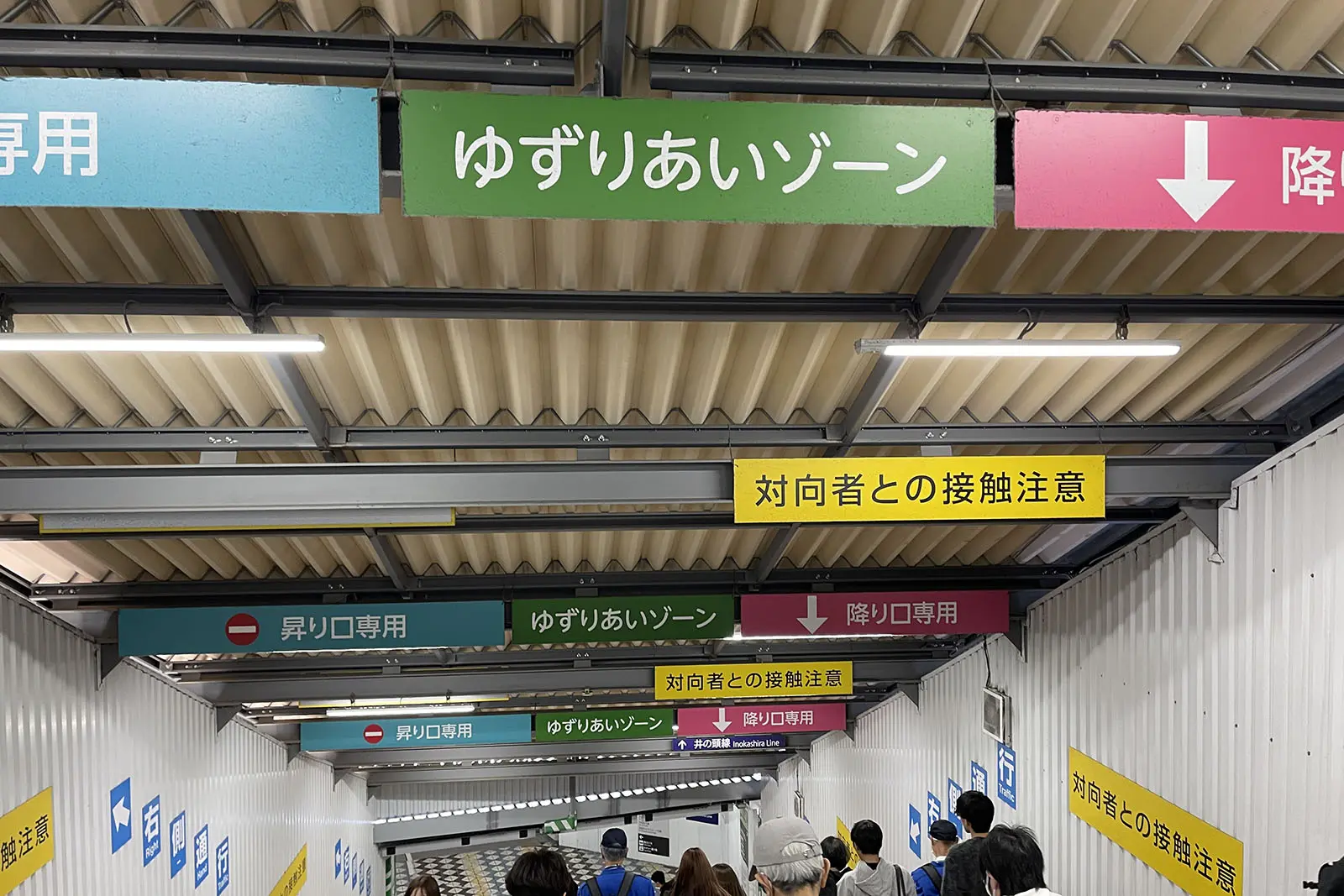
A staircase leading to street level is located partway along the passageway from the Ginza Line toward Shibuya Mark City. However, the surrounding area remains under construction, and there are no signs at the entrance indicating that it is the closest exit to Hachiko Square (information current as of summer 2026).
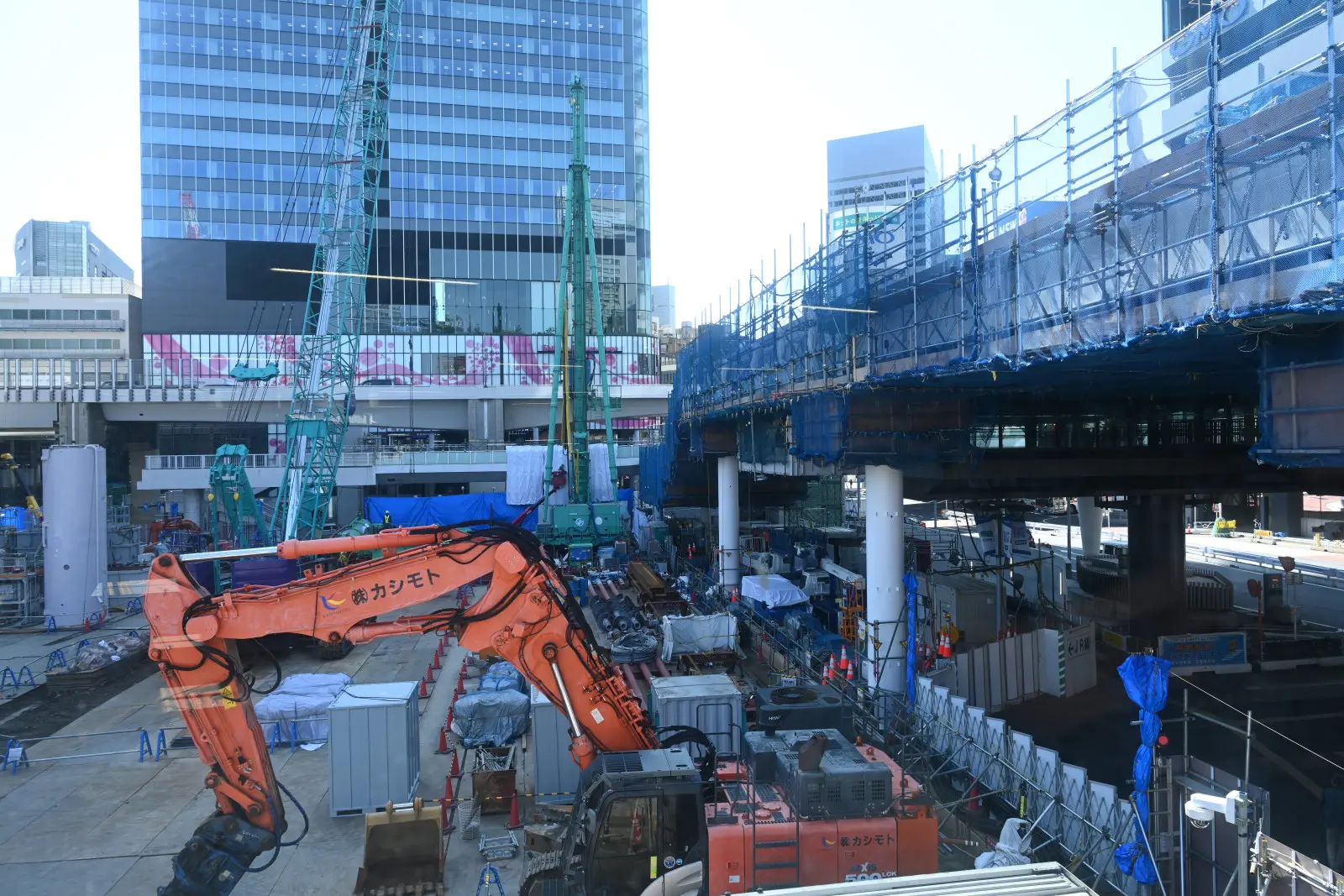
This exit is not shown on the station maps provided by the various railway operators. Although it involves a slight detour, a safer option is to head toward Shibuya Mark City and use the street-level exit near the Keio Inokashira Line.
Recommended Routes by Train Line
| Line | Recommended Route to the Scramble Crossing |
|---|---|
| JR Yamanote Line, Saikyo Line, and Shonan-Shinjuku Line | Exit through the Hachiko Gate near the Shinagawa end of the platforms and turn left |
| Tokyo Metro Hanzomon Line (platform on B3), Tokyu Toyoko Line, and Den-en-toshi Line | Take the elevator near the Futako-tamagawa end of the platform up to B2. After passing through the ticket gate, take another elevator to street level |
| Tokyo Metro Ginza Line (third floor above ground) and Keio Inokashira Line (second floor above ground) | From the Ginza Line, head toward Shibuya Mark City and take the escalator near the Inokashira Line ticket gates to street level. From the Inokashira Line, turn left after exiting the ticket gates and take the escalator to street level |
| Tokyo Metro Fukutoshin Line (platform on B5) | Take the elevator near the middle of the platform up to the ticket gates on B2. After passing through the gates, follow the signs toward exits A3–A8 |
How to Photograph Shibuya Scramble Crossing
Most tourists visiting Shibuya Scramble Crossing enjoy taking photos while crossing and watching the crowds move in every direction at once.
Here are some tips for photographing the crossing.
Photograph It from Above
For a commemorative photo of yourself, walk to the middle of the crossing and take a picture with your preferred group of buildings in the background.
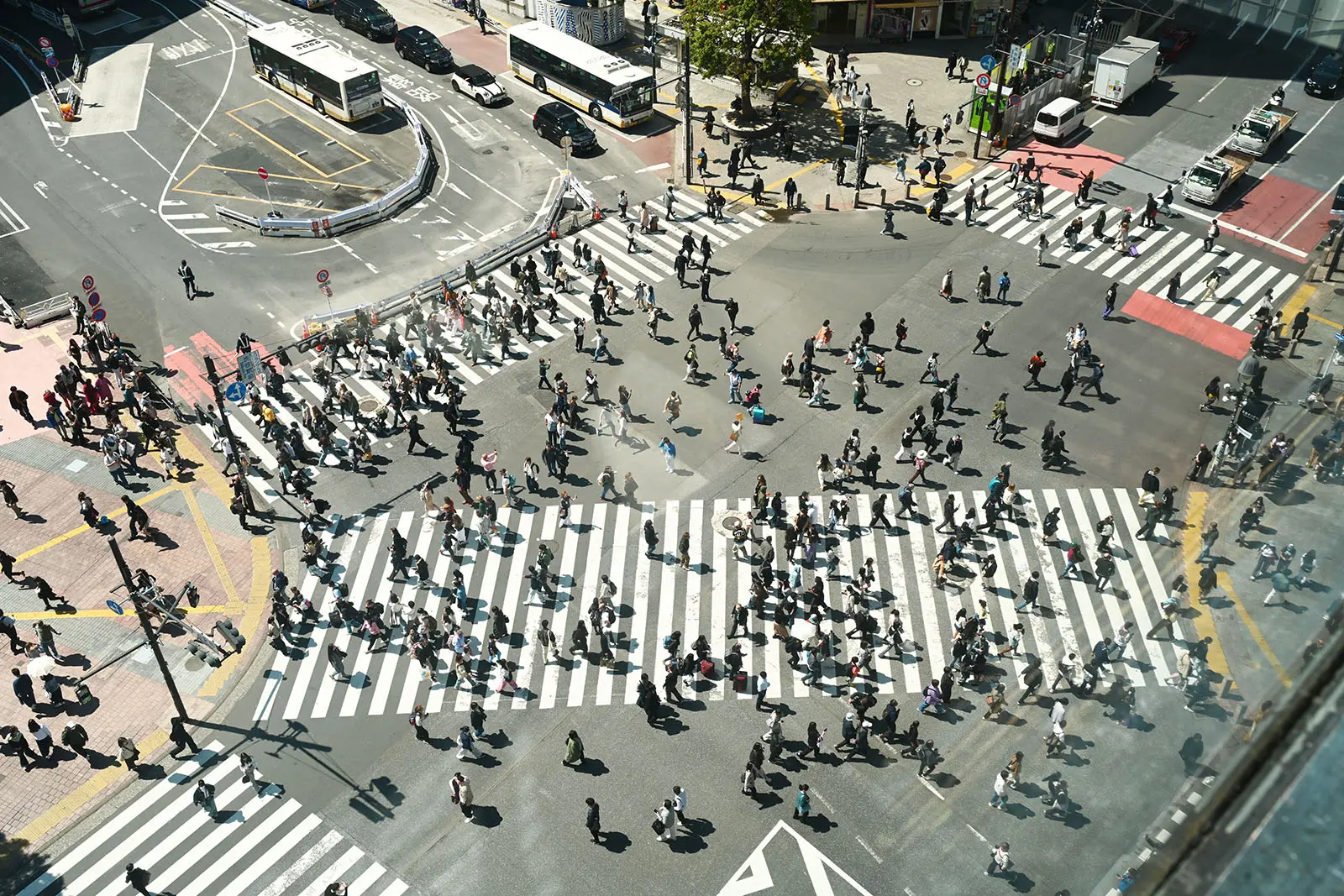
However, photos taken at street level make it difficult to convey the scale and density of the crowds.
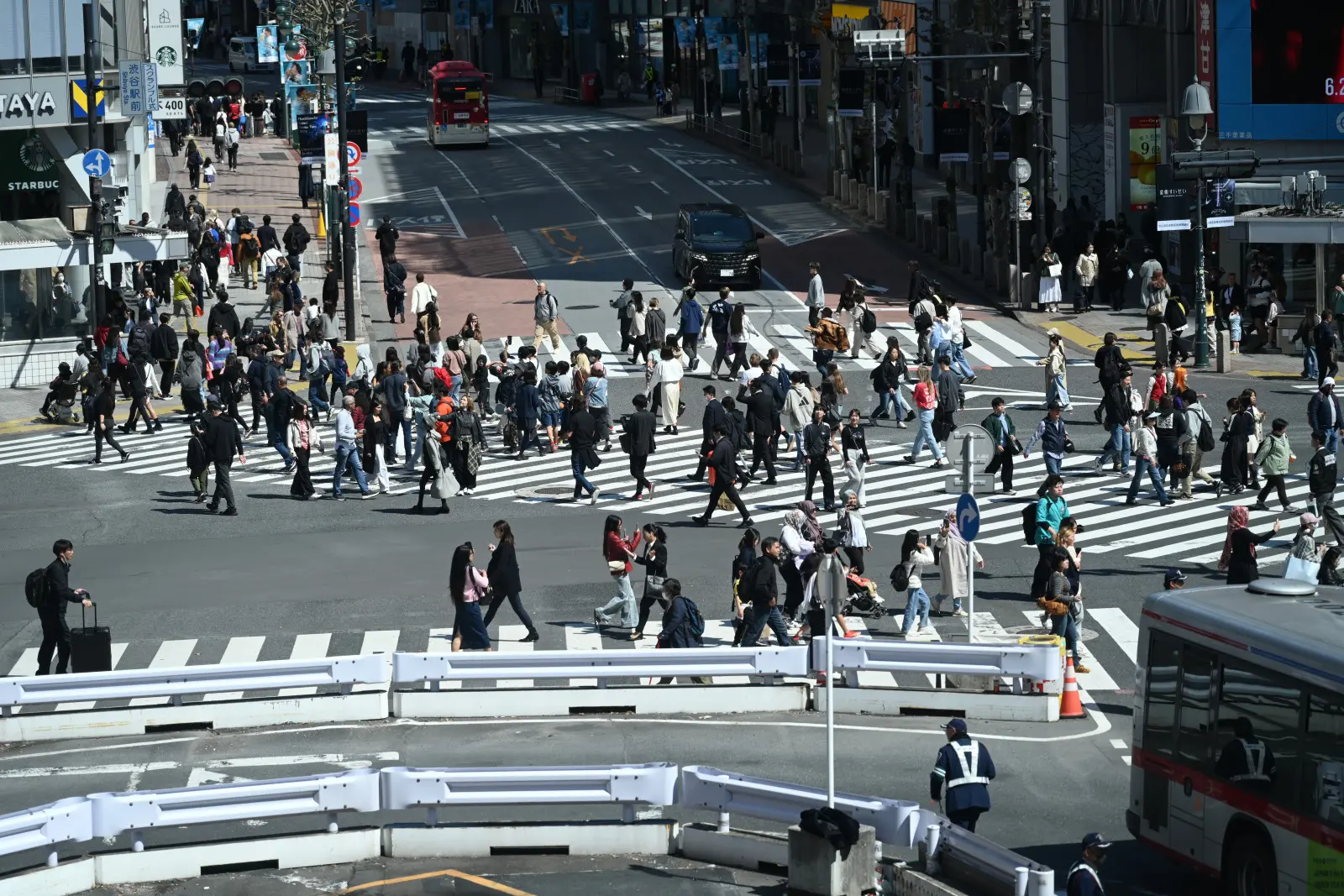
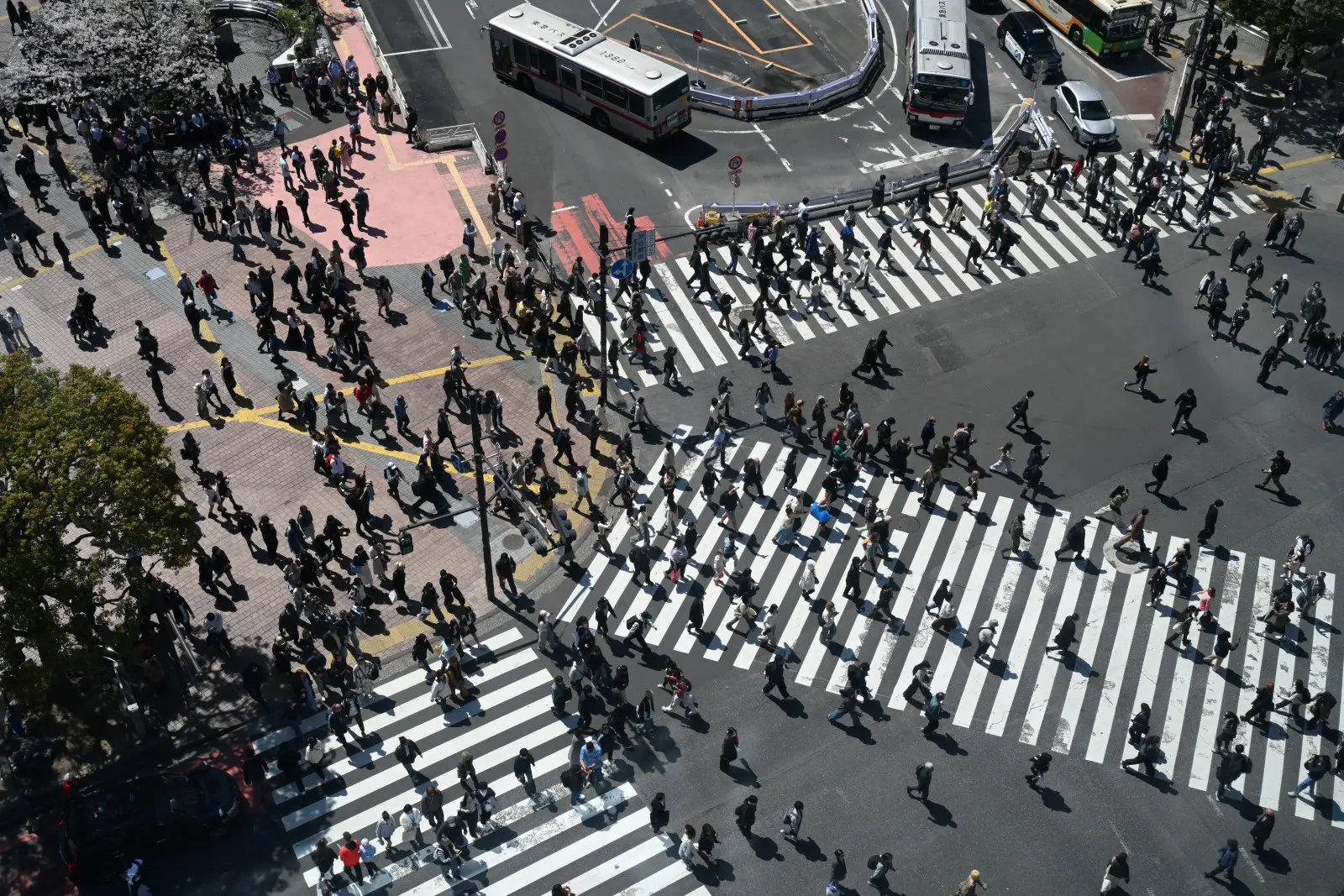
To capture the many people flowing through the crossing, move to a location overlooking it and shoot from above with a telephoto lens.
Photograph It by Day and by Night
You can photograph crowds crossing Shibuya Scramble Crossing both day and night.
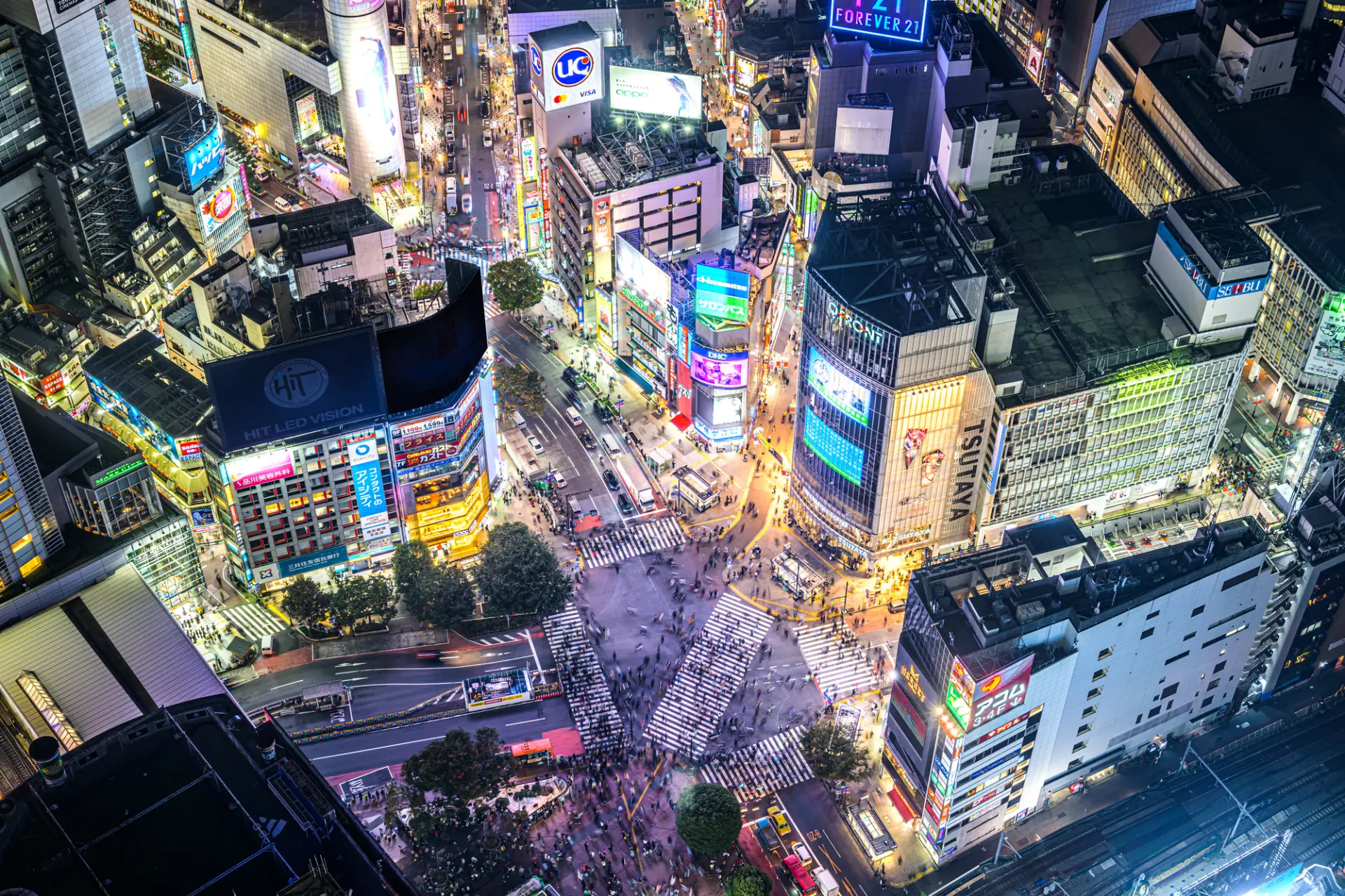
At night, the illuminated buildings add color to the scene, creating striking images of the city.
The photos below were taken from the same position and angle during the day and at night, highlighting the neighborhood's different moods.
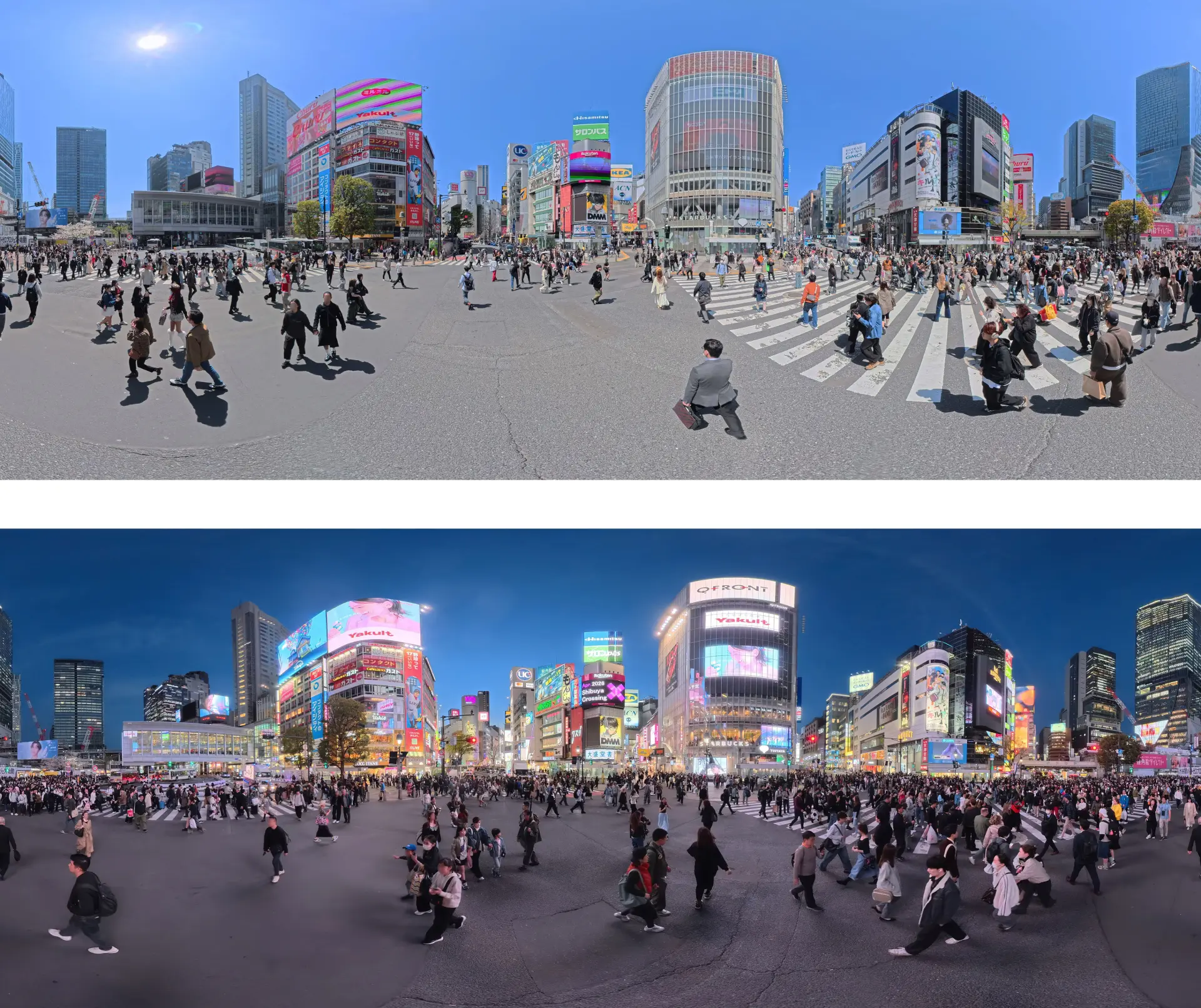
For nighttime photography, aim for just after sunset to capture the sky in a deep shade of blue.
As more time passes after sunset, the sky approaches black, and the outlines of the buildings may blend into the background.
The difference in the sky's color may not seem dramatic to the naked eye, but photographs can capture a much more vivid blue than expected.
Use a 360-Degree Camera
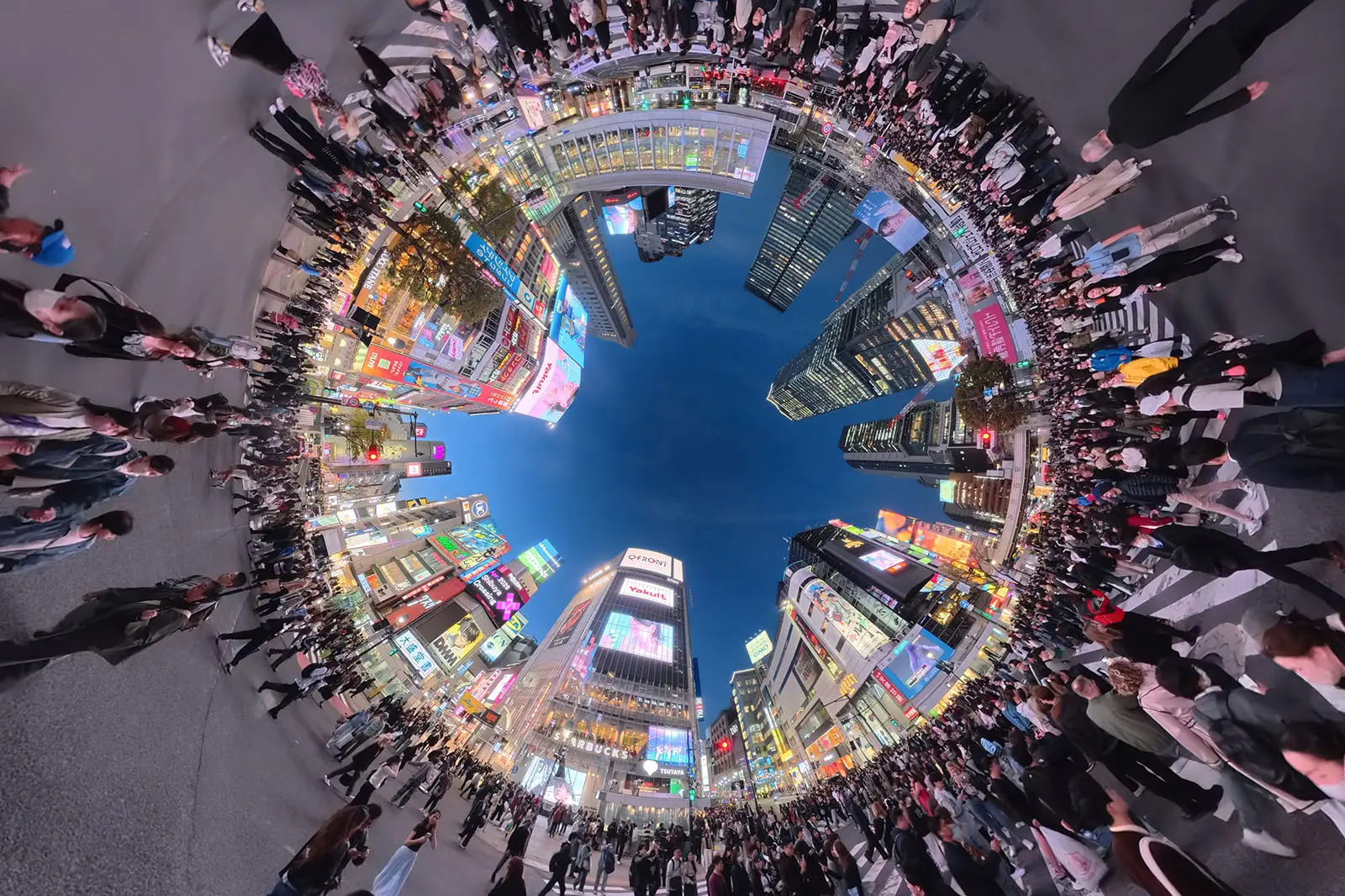
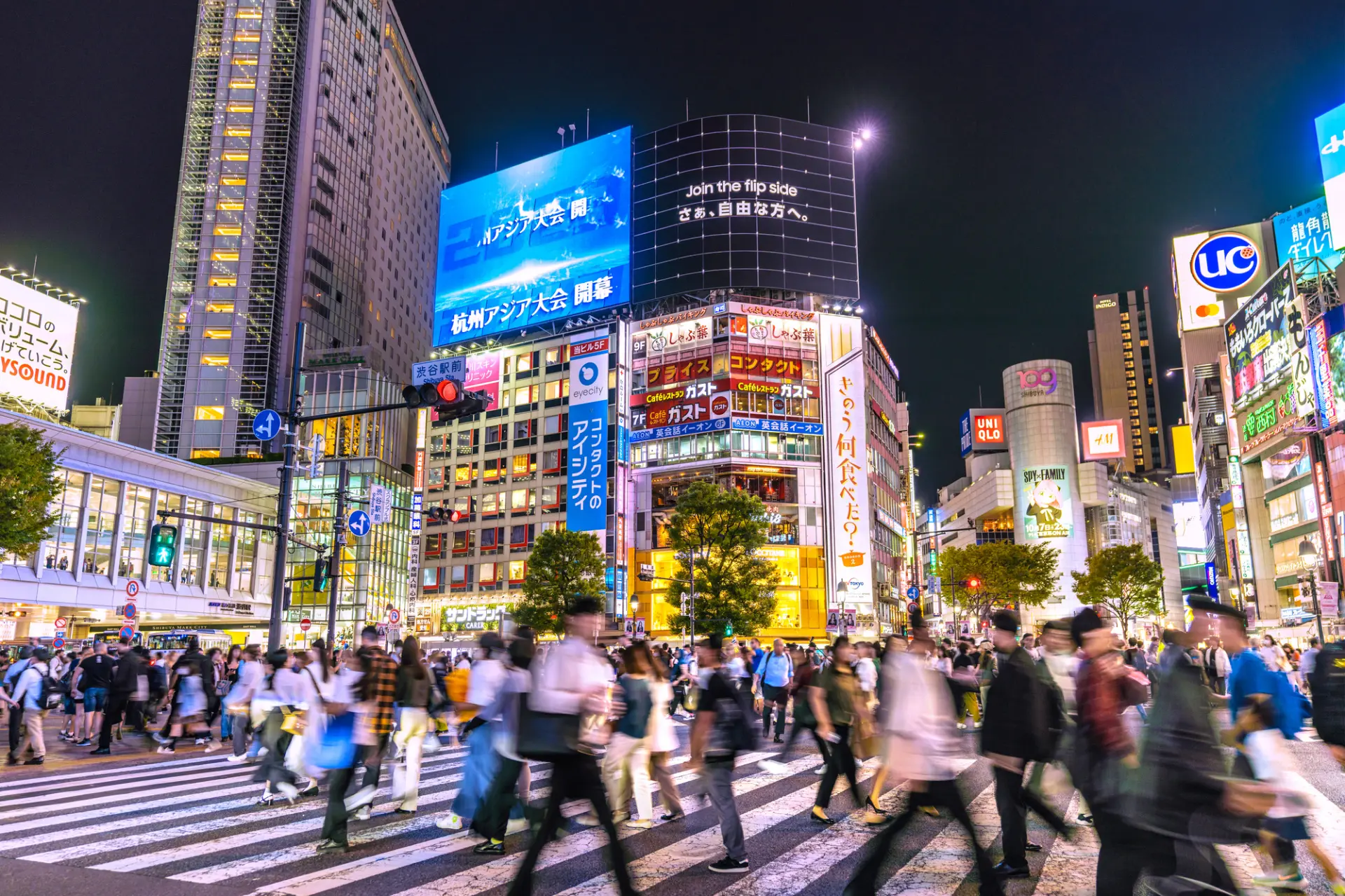
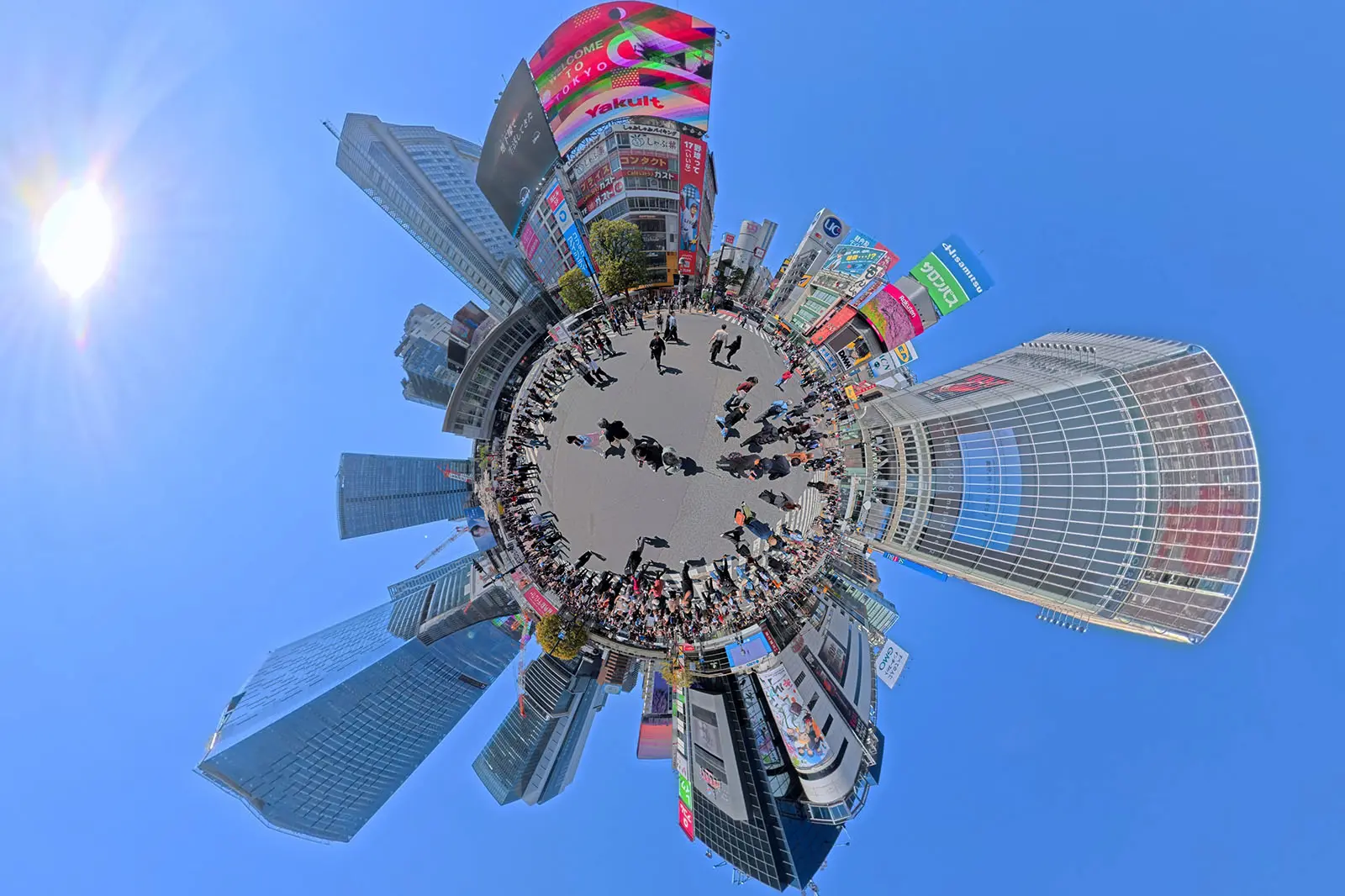
A 360-degree camera, now commonly used as an action camera, can capture everything around the crossing in a single shot.
You can freely reframe the footage using the app provided by the camera manufacturer.
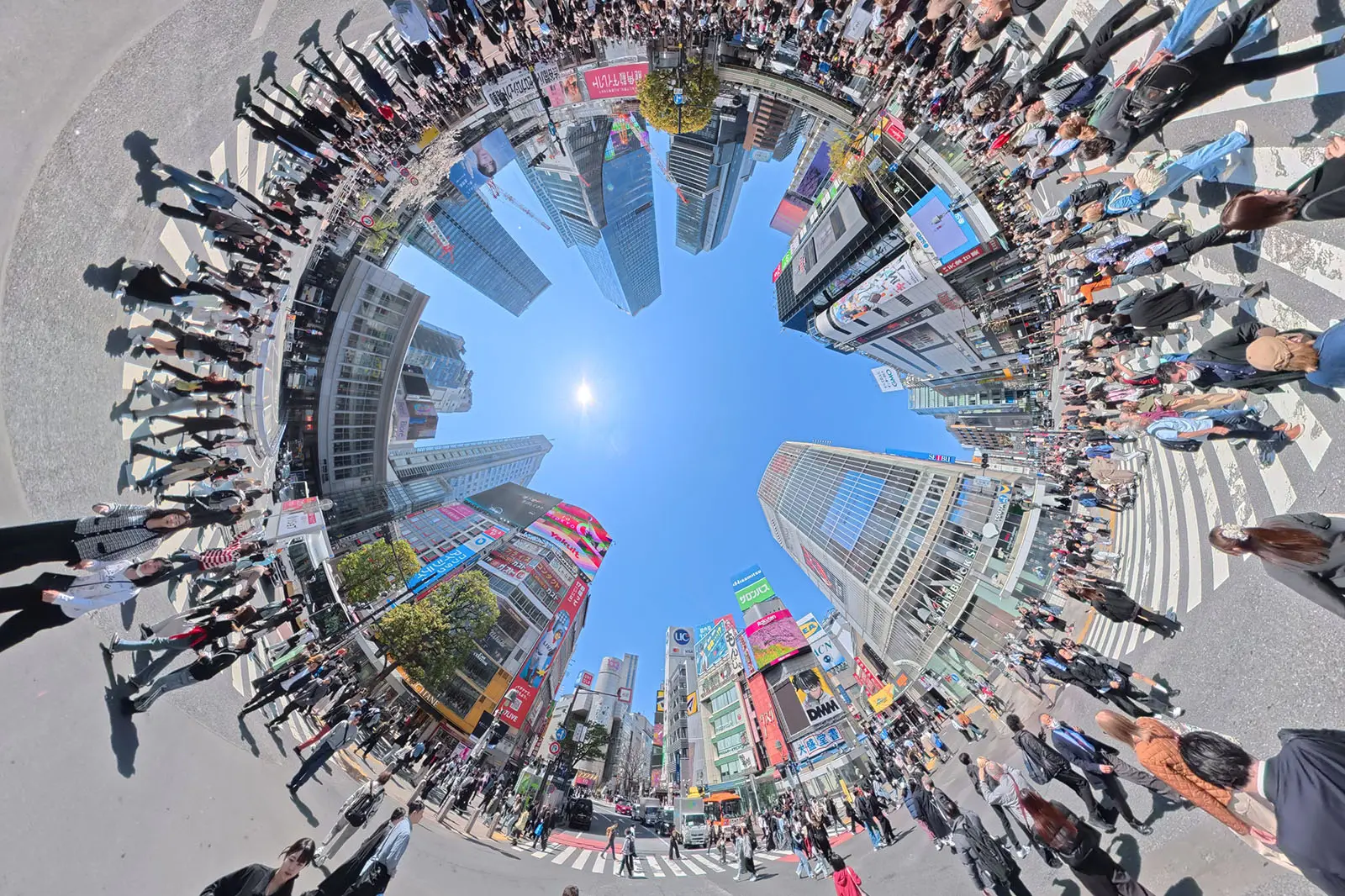
You can create eye-catching images such as a "little planet," with buildings appearing to rise in every direction from the ground, or panoramic photos that capture the entire 360-degree view in one image.
3 Recommended Photography Spots Overlooking the Crossing
The Scramble Crossing is surrounded by buildings, some of which have observation areas.
Some restaurants and cafes have window seats overlooking the crossing, but there is no guarantee that one will be available when you arrive.
Here are some recommended spots where you can photograph the crossing from above without a long wait.
Passageway to the Keio Inokashira Line (Shibuya Mark City Connecting Passageway)
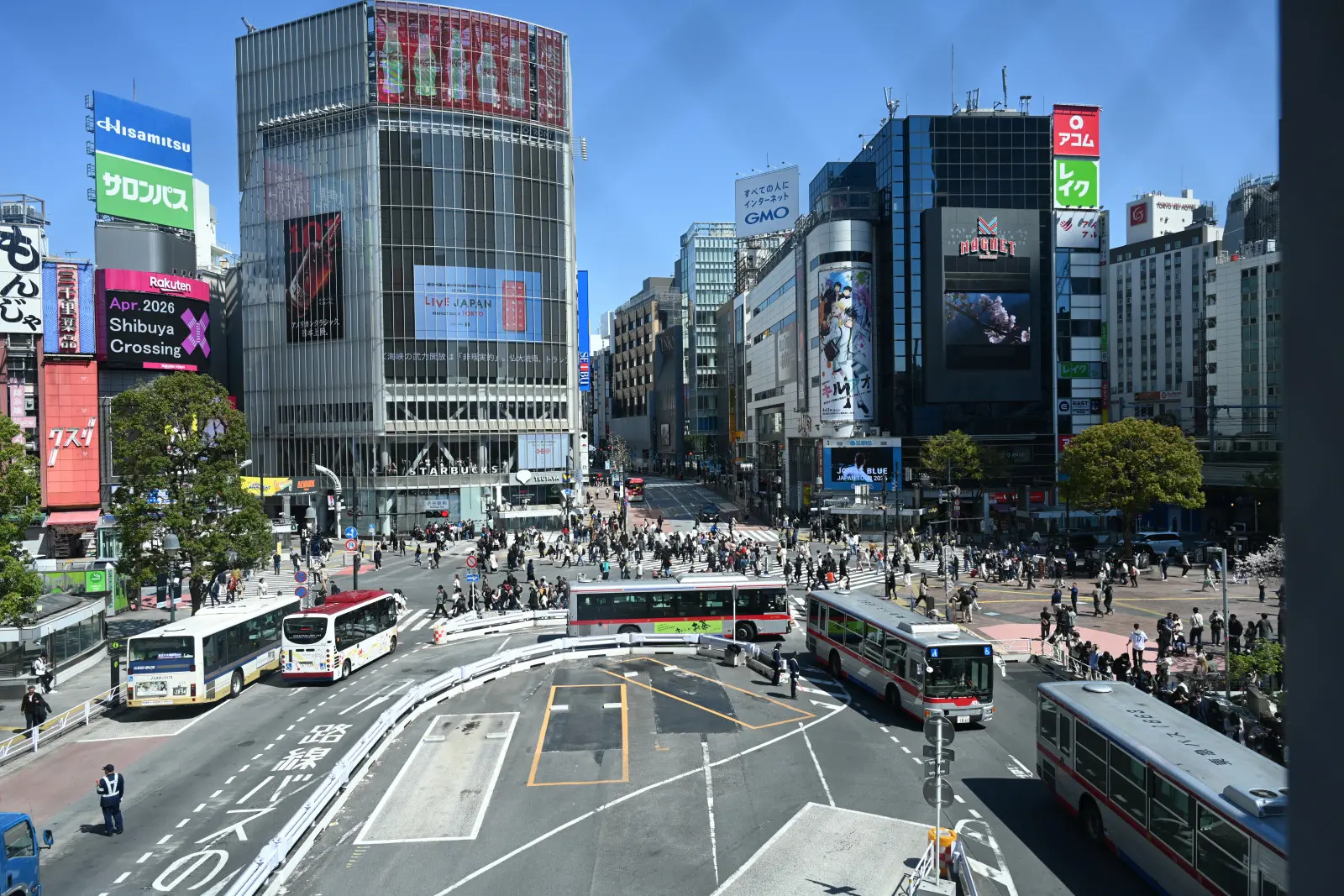
The passageway over the road lined with bus stops, south of the Scramble Crossing, offers a free view of the crossing from above.
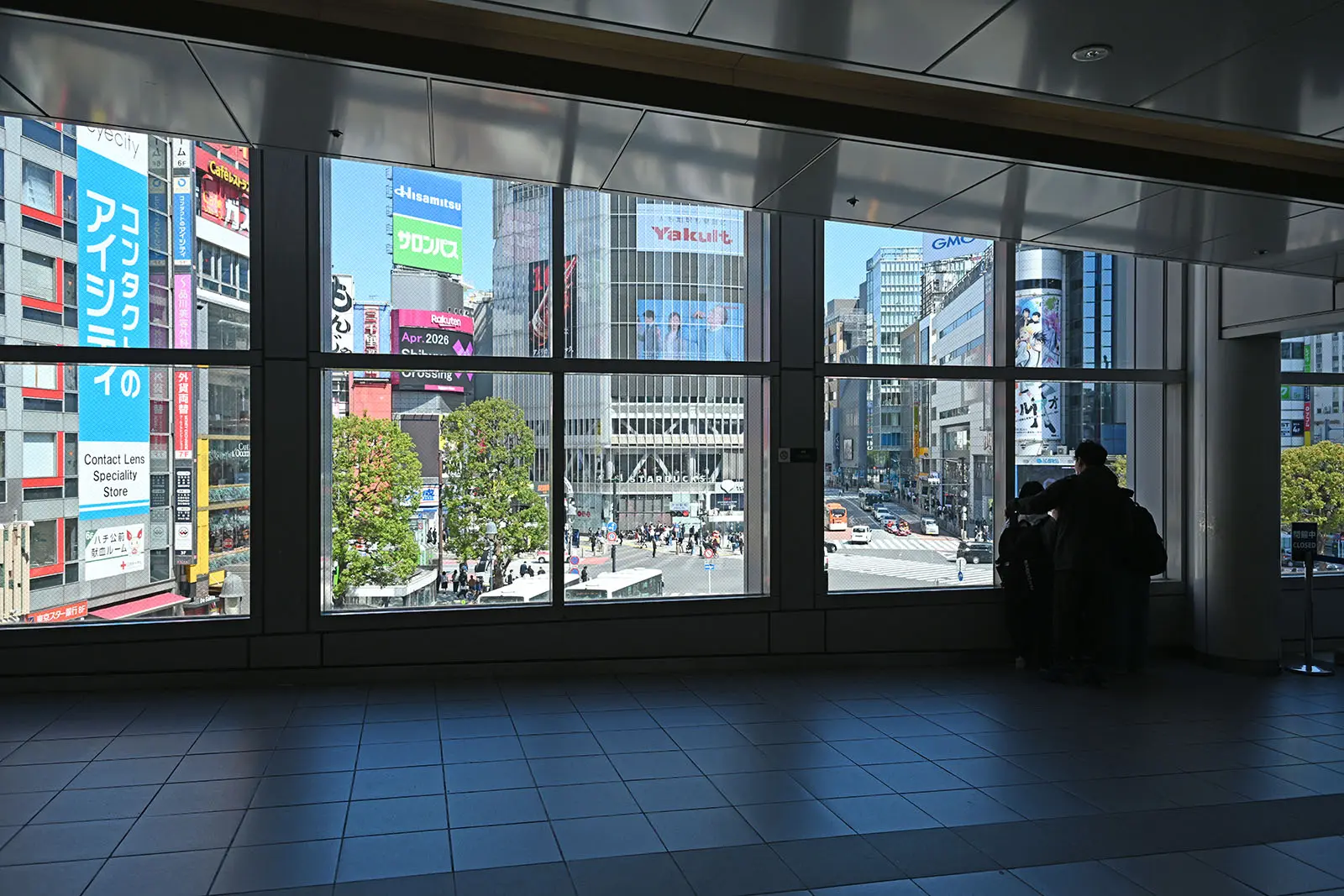
At certain times, many tourists crowd around the windows, but a little patience will usually reveal an open space.
The passageway's glass windows contain wire mesh. When taking photos, position your phone's lens between the wires, or use a wide aperture to blur the mesh in the foreground.
On the opposite side of the passageway from the windows overlooking the Scramble Crossing is The Myth of Tomorrow, an enormous mural by artist Taro Okamoto. Do not miss it.
CROSSING VIEW & ROOFTOP LOUNGE MAG 8
This observation point is located on the roof of MAGNET by SHIBUYA 109, at the northwest corner of Shibuya Scramble Crossing.
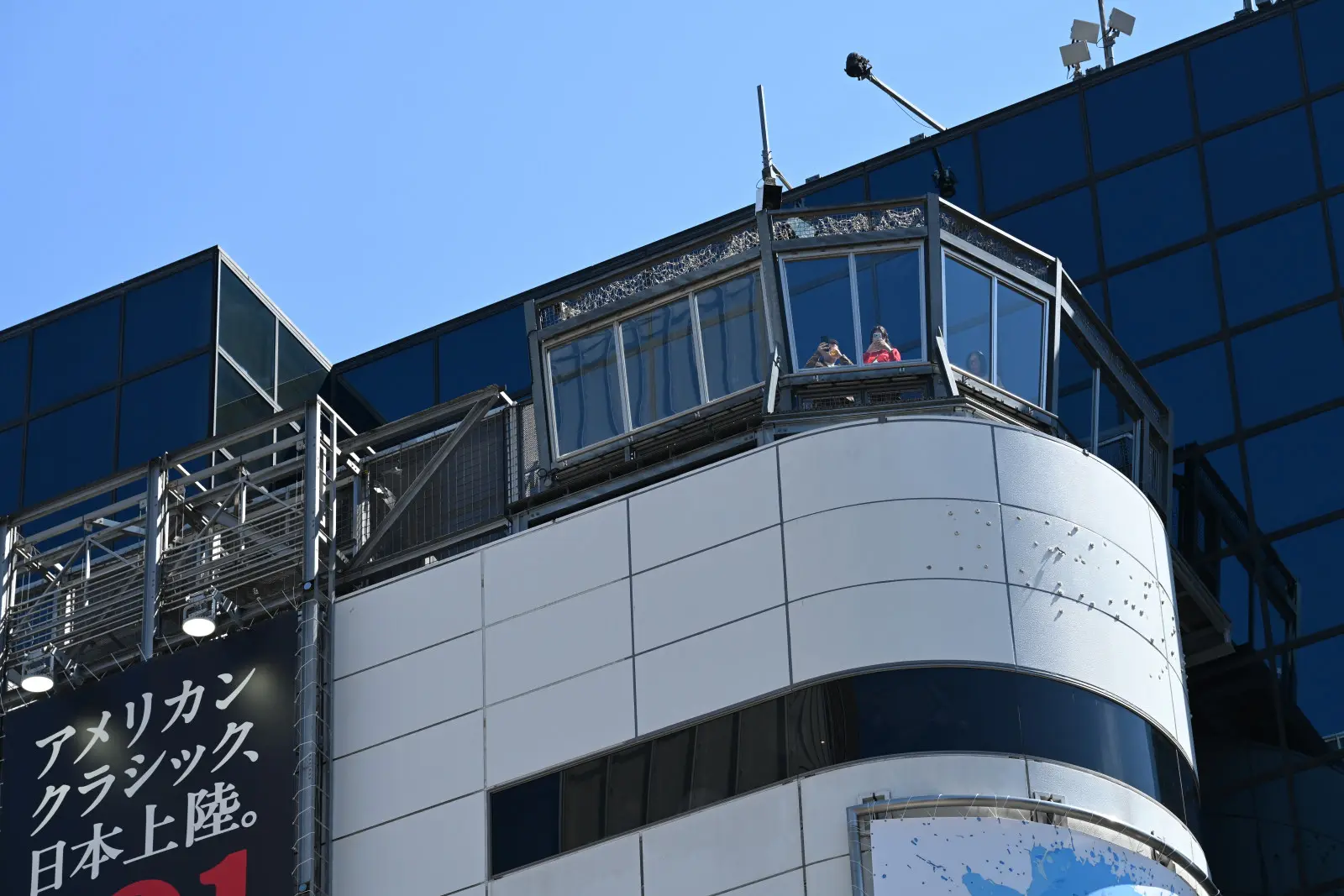
It overlooks the crossing from an ideal distance for photography, and you can also relax with drinks and light meals.
Admission is required and includes one drink. For an additional fee, there is also a service that takes a photo of you against the backdrop of Shibuya Scramble Crossing, as if it had been shot by a drone.
SHIBUYA SKY (Shibuya Scramble Square)
This observation facility is accessed by a dedicated elevator and escalator from the 14th floor of Shibuya Scramble Square.
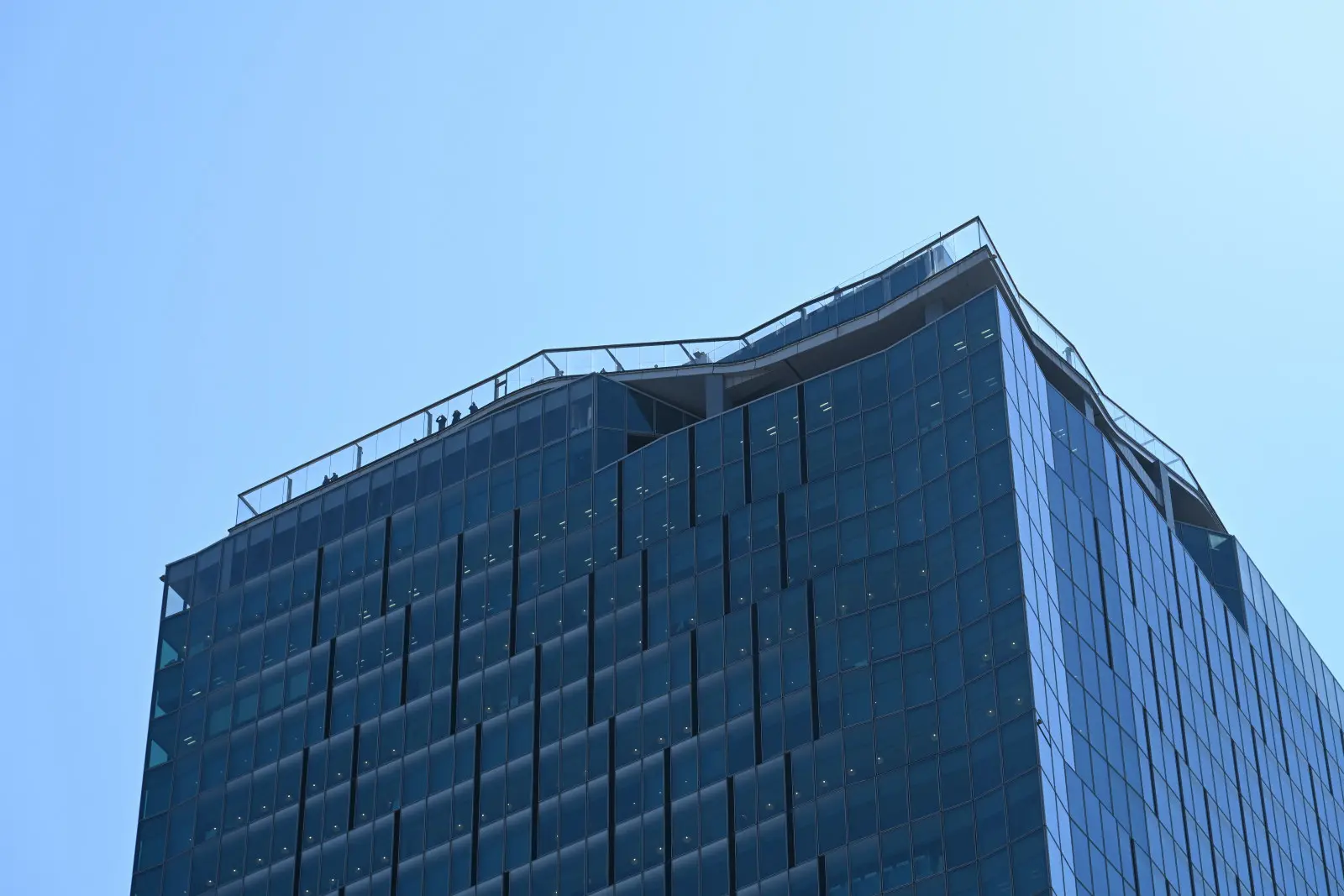
It is divided into three sections, with 360-degree views from the rooftop.
As one of Tokyo's most popular observation spots, it requires a timed-entry reservation.
Popular nighttime slots can sell out quickly, so book as soon as you decide to visit.
Items that may be brought onto the rooftop are restricted. Permitted photography equipment includes cameras with neck straps, compact cameras small enough to fit in a pocket, and smartphones.
Photography Precautions
More tourists photograph Shibuya Scramble Crossing at night than during the day, and many people run toward the center as soon as the signal changes.
Some start running without carefully checking their surroundings, so if you plan to take photos within the crossing at night, pay close attention to the people around you.
You may enter the crossing while the pedestrian signal is green, but lying on the road or climbing nearby structures such as utility poles and fences may result in police action.
7 Places to Visit Near Shibuya Scramble Crossing
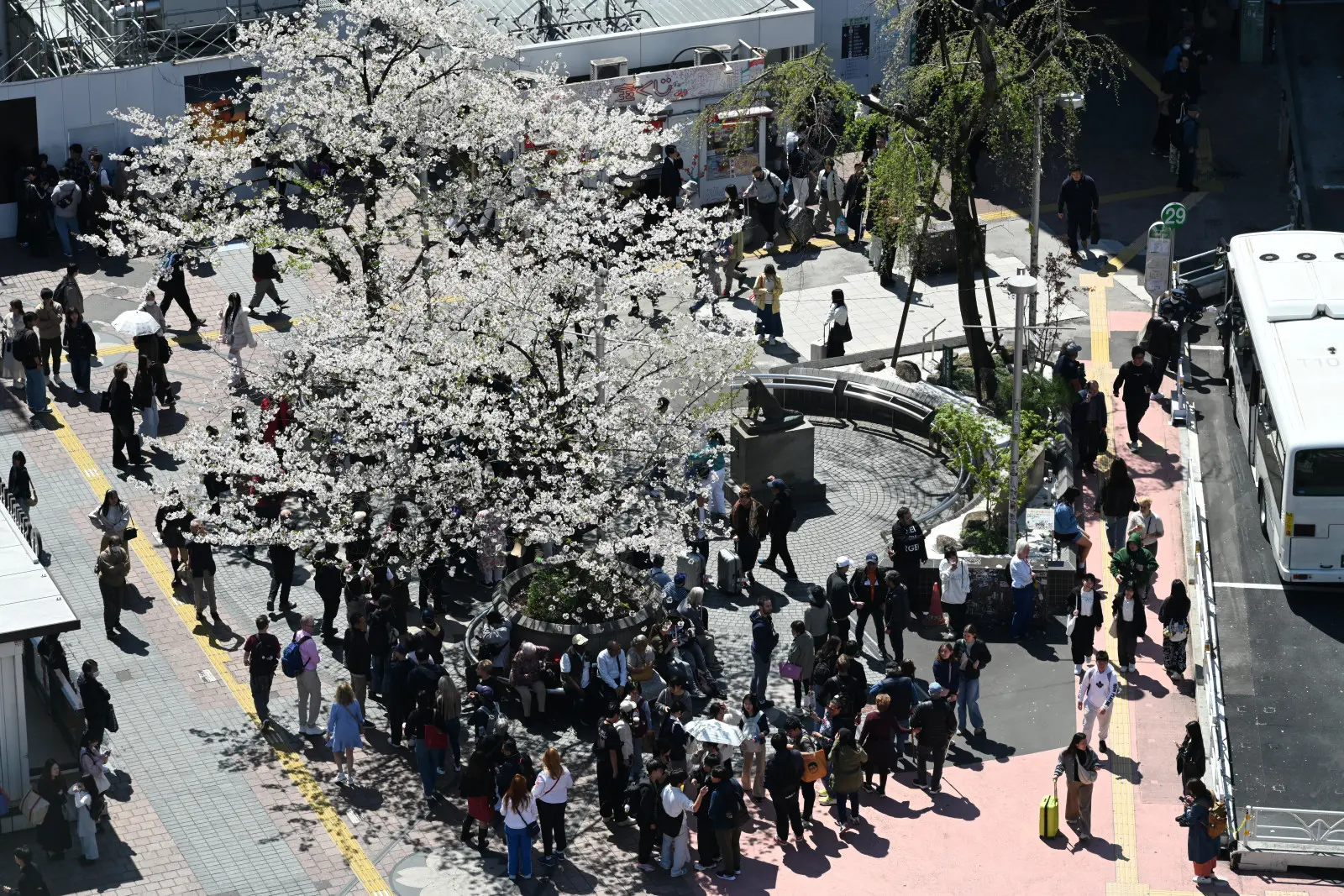
1. Hachiko Statue
Shibuya's most popular meeting spot now almost always has a line of tourists waiting to take commemorative photos.
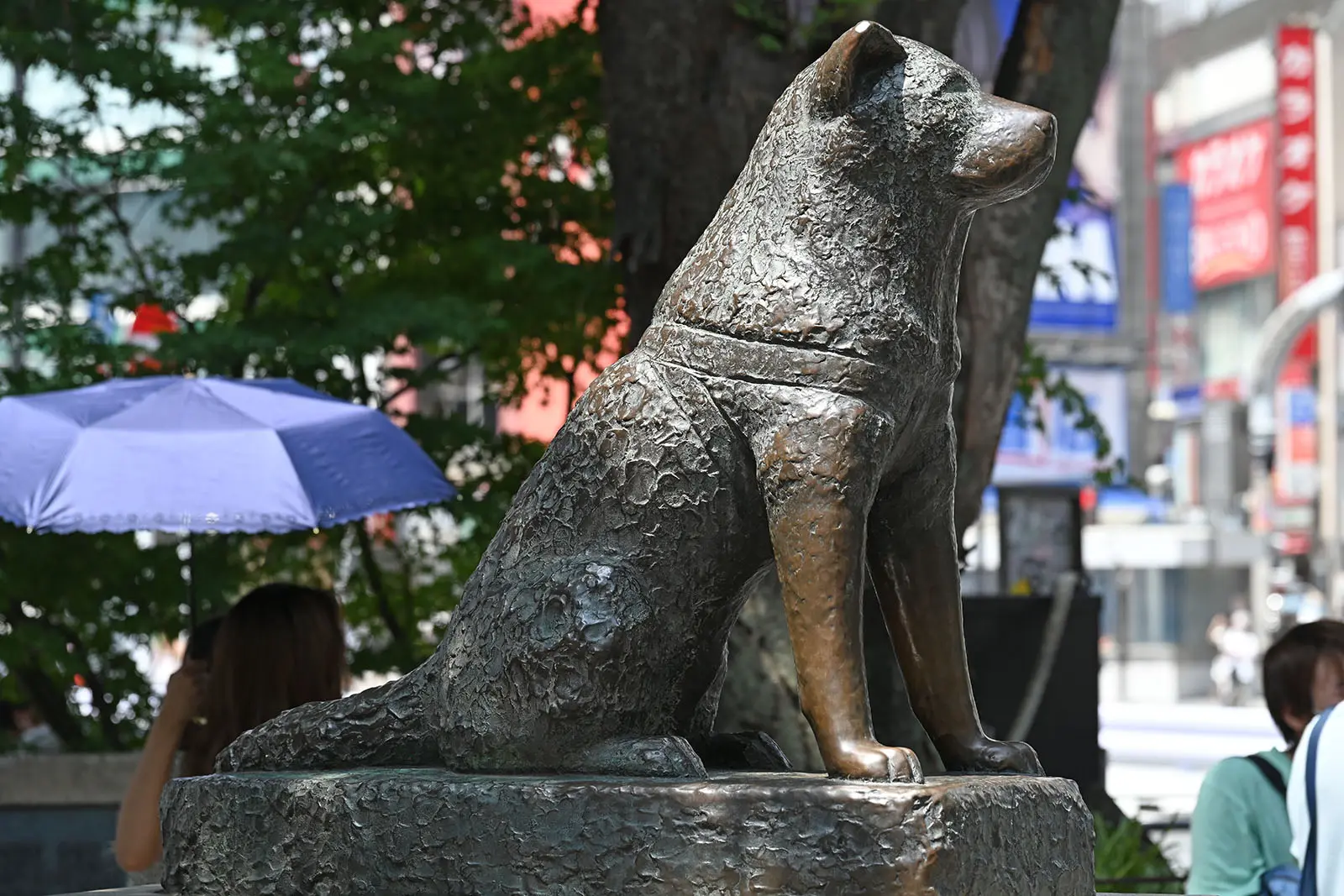
Hachiko was a male Akita dog who continued waiting at Shibuya Station for his deceased owner to return for 10 years, from 1925 to 1935.
He was also the central figure in the Japanese film Hachiko Monogatari and the Hollywood film Hachi: A Dog's Tale.
The original Hachiko Statue was erected in 1934 but was removed under a wartime metal collection order during World War II. The second statue, erected in 1948, still stands in front of Shibuya Station today.
2. MAGNET by SHIBUYA 109
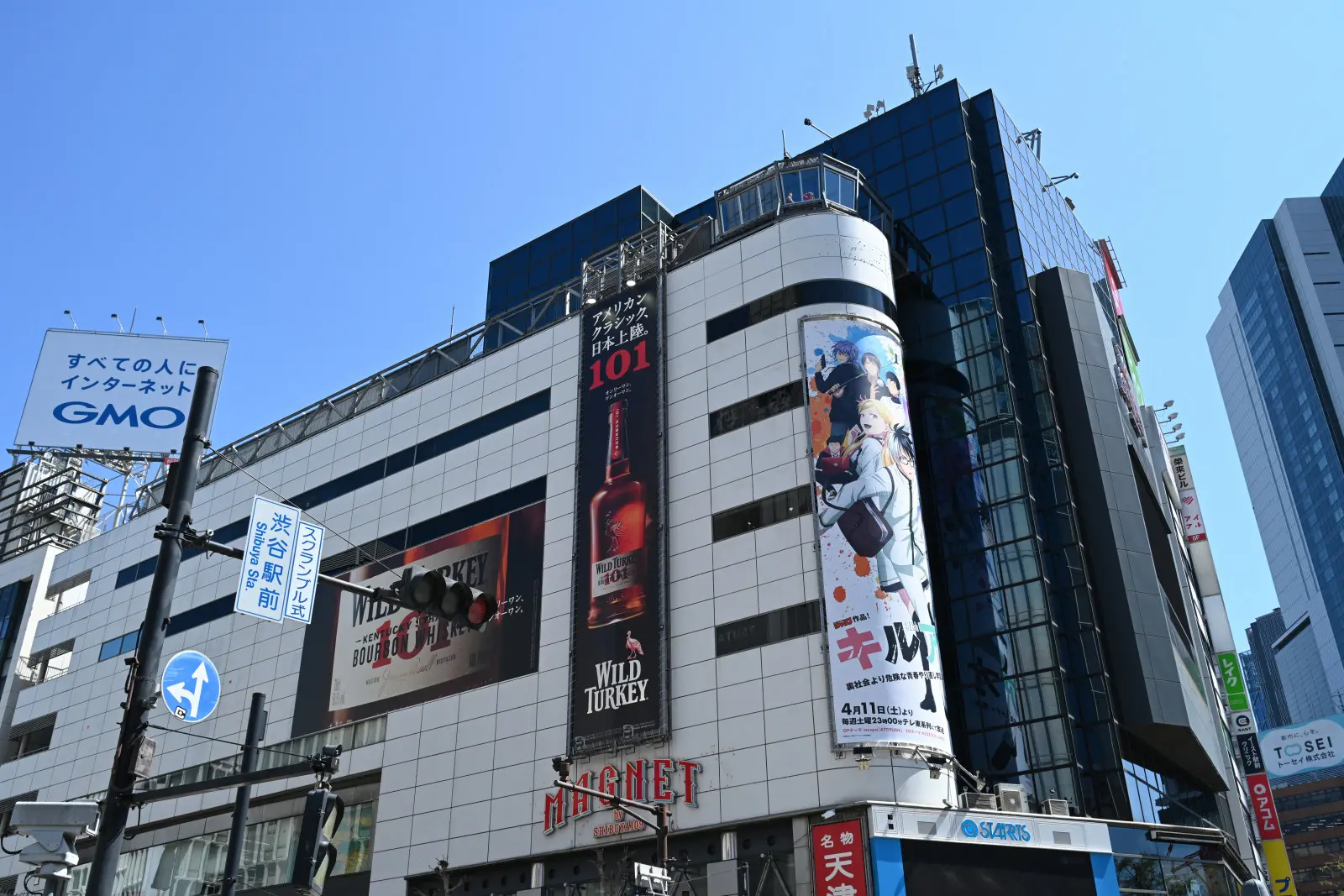
This commercial building overlooks Shibuya Scramble Crossing.
Its rooftop lounge offers views of the crossing, while stores throughout the building sell apparel, character merchandise, anime goods, and more.
The rooftop lounge also has an air-conditioned area, making it a good place to rest while taking in the view.
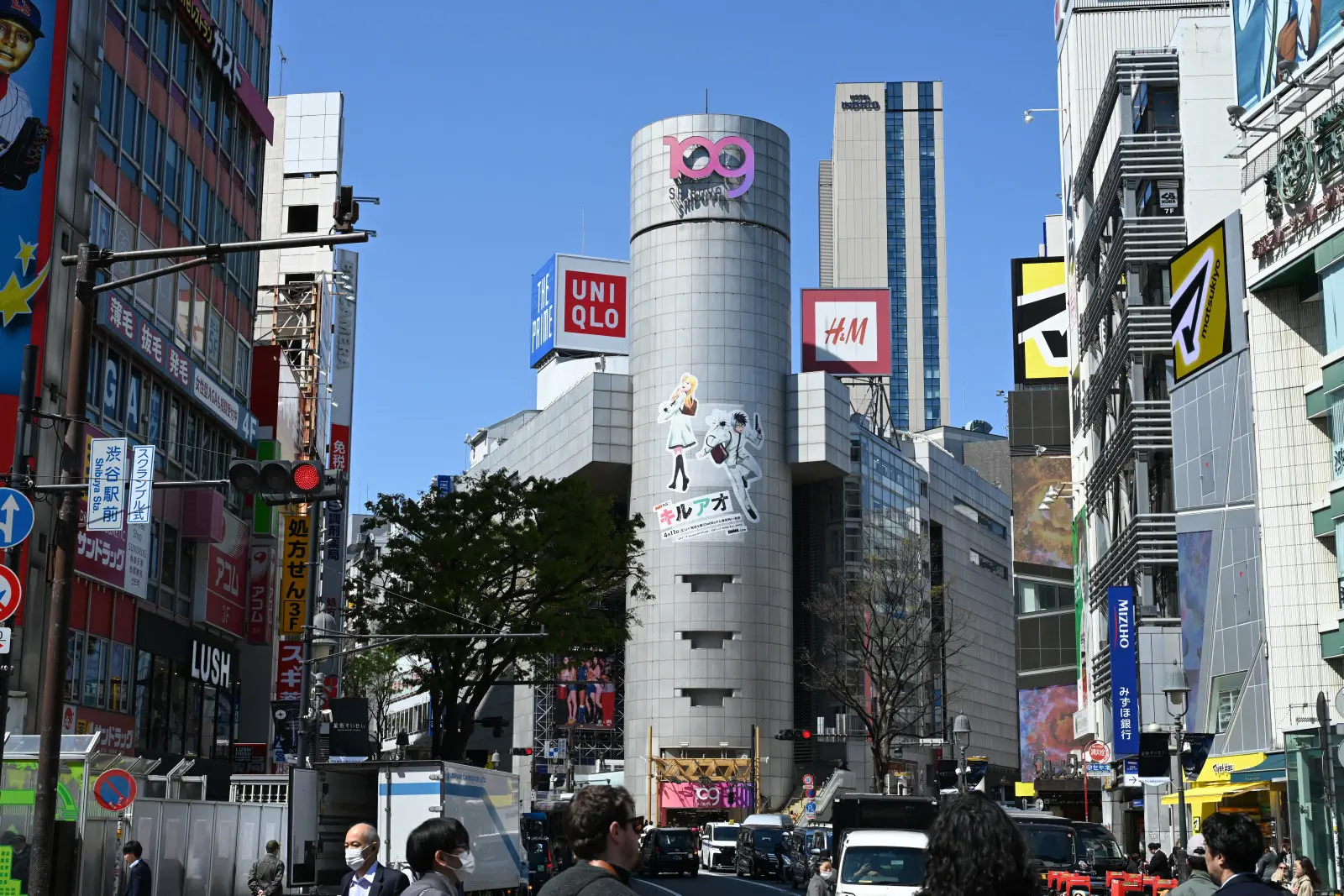
3. SHIBUYA109 Shibuya
One of Shibuya's landmarks, this distinctive cylindrical building stands at the point where two streets diverge.
From the 1990s through the 2000s, it produced a succession of popular sales staff known as "charismatic clerks." Today, its stores continue to lead fashion trends among teens and people in their 20s.
Each floor has its own carefully designed theme, with details throughout the stores intended to engage visitors.
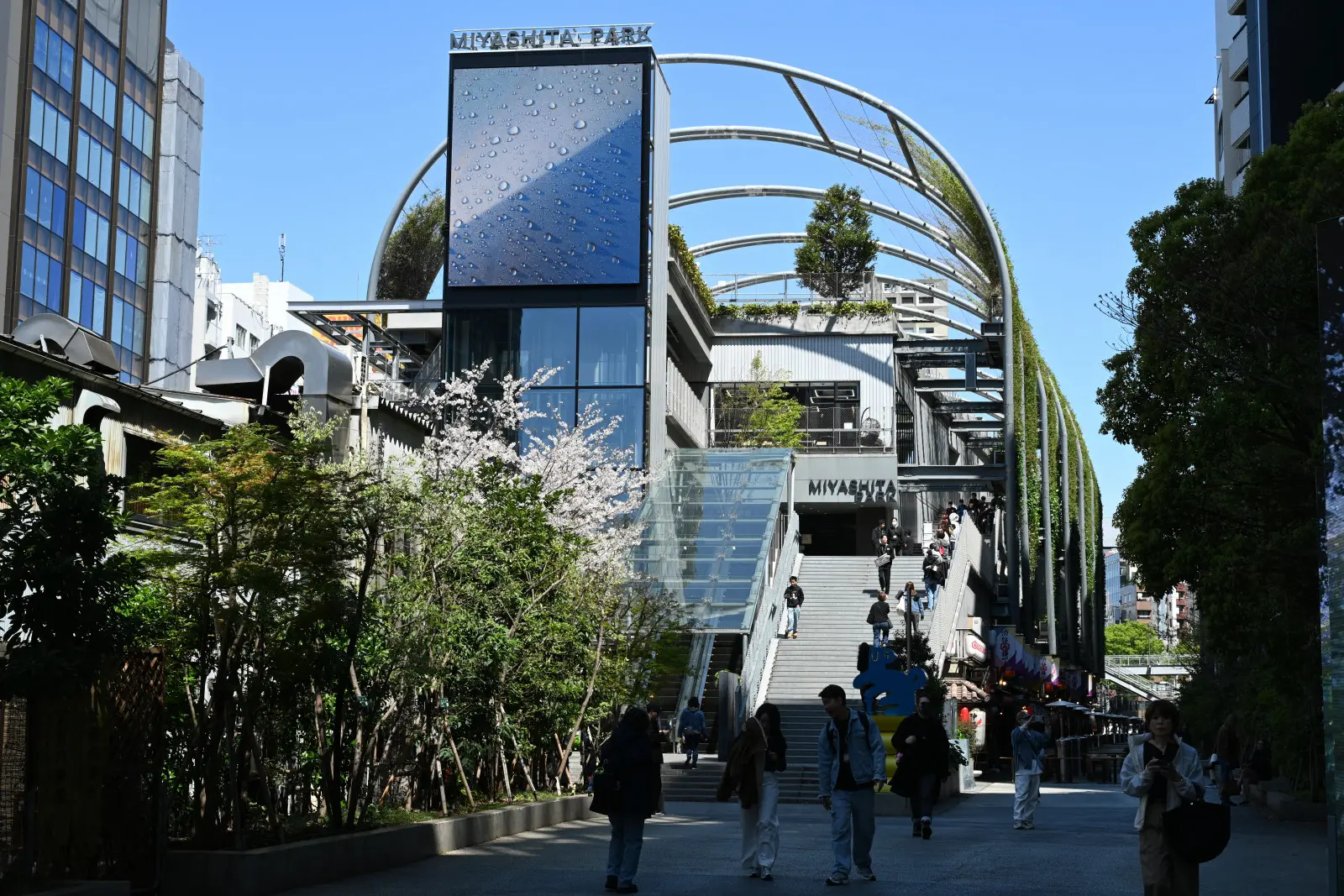
4. MIYASHITA PARK
Once Tokyo's first elevated park, stretching alongside the JR Yamanote Line tracks, it has been transformed into a commercial complex with a hotel while retaining a park on its rooftop.
Designed as a new "street" approximately 330 m long, it features a distinctive mix of luxury and streetwear brands as well as restaurants.
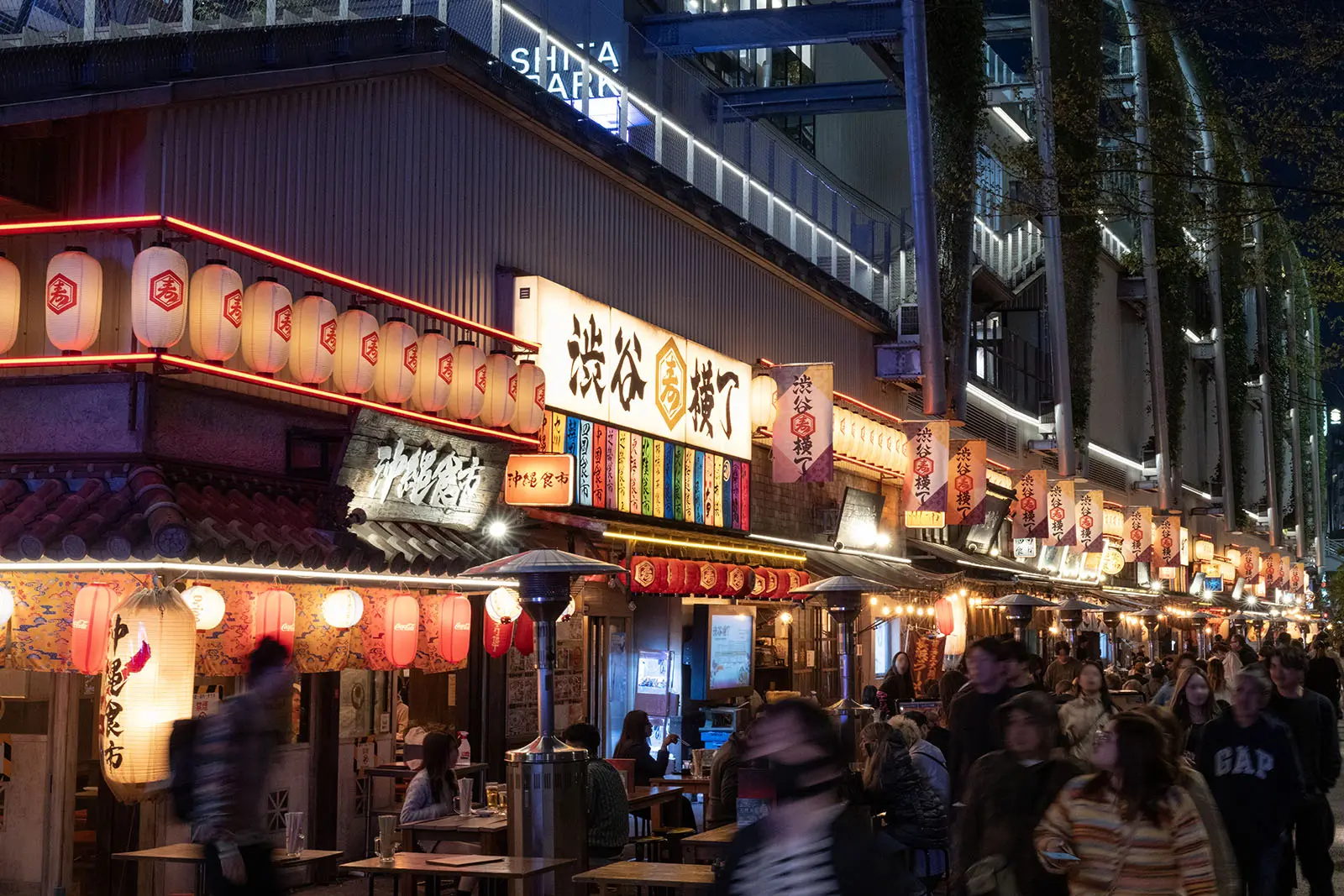
5. Shibuya Yokocho | Shibuya Izakaya & Food Court
Located on the first floor of MIYASHITA PARK's South Building, this food court serves regional specialties and comfort foods from across Japan.
Its restaurants are divided by region and cuisine, with a lively design reminiscent of festival food stalls.
If you cannot decide what to eat, come here and hop from one restaurant to another until you find a favorite dish.
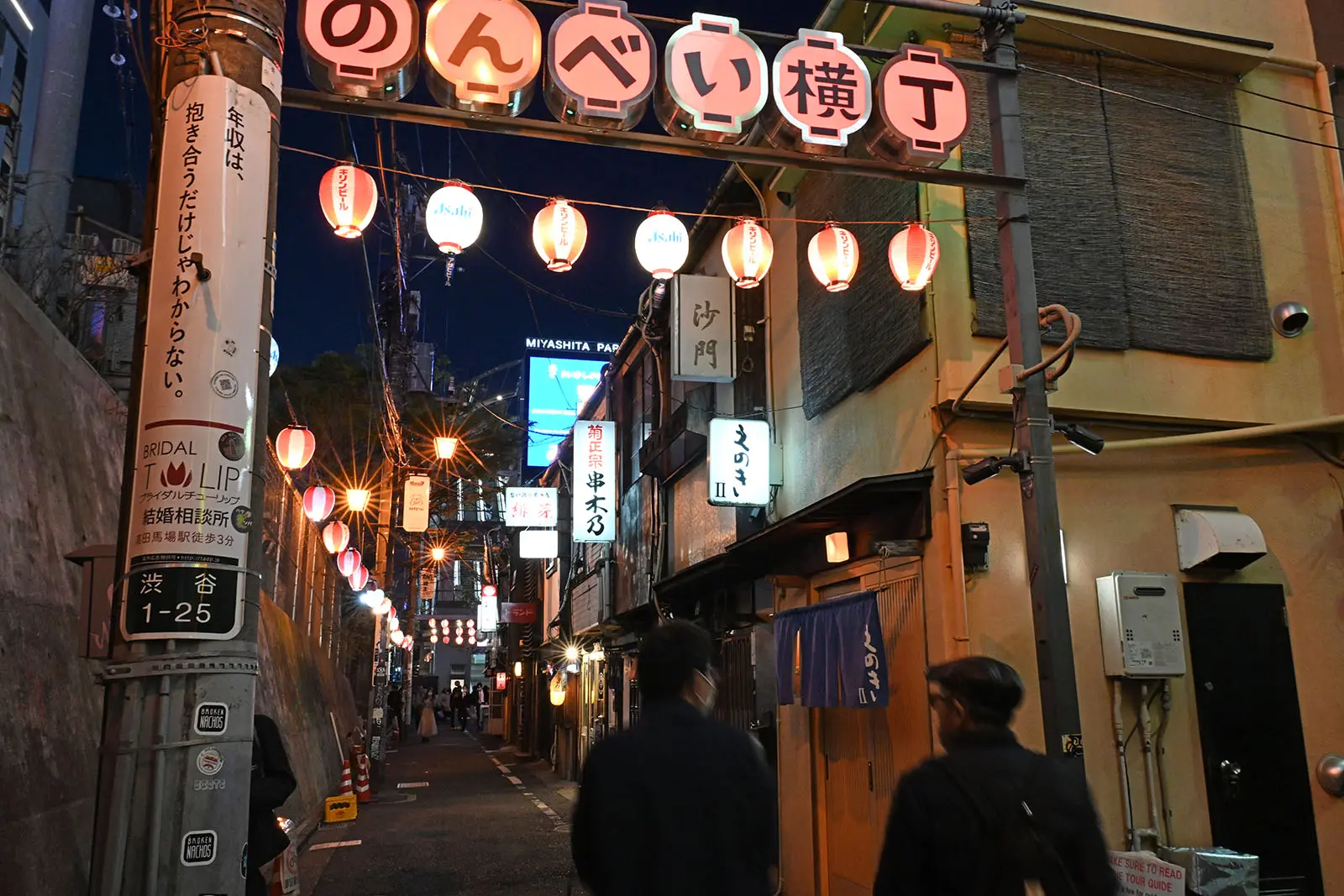
6. Shibuya Nonbei Yokocho
This drinking alley retains such a strong Showa-era atmosphere that it is hard to believe it is right next to Shibuya Station.
Its rows of compact establishments make it fun to visit several places and sample a variety of cuisines.
7. Shibuya Scramble Square
Directly connected to Shibuya Station, this large mixed-use complex has seven basement floors and 47 floors above ground, making it the tallest landmark building in the Shibuya area.
Its commercial facilities span B2 through the 14th floor. The complex also includes the collaborative innovation facility SHIBUYA QWS, premium offices, and SHIBUYA SKY on the top floor.
In addition to fashion and general merchandise stores, it has an extensive selection of sweets shops, restaurants, and other dining options.
Frequently Asked Questions About Visiting Shibuya Scramble Crossing
Q
Is there anywhere to store large luggage?
Coin lockers are available at JR Shibuya Station and in several locations along the underground passageways.
Some nearby stores also offer luggage storage for everything from suitcases to smaller bags.
Visit the official ecbo cloak luggage storage website.
Q
Which subway exits are closest to the crossing?
Exits A5a, A6b, and A7a bring you to street level directly in front of the crossing.
There is also an elevator near exit A6a.
Q
Is it better to visit during the day or at night?
Visit at night if you want to walk through a lively, brightly illuminated neighborhood. Visit during the day for more relaxed sightseeing, shopping, and dining.
Q
Are any events held at Shibuya Scramble Crossing?
No events are held at Shibuya Scramble Crossing itself.
Once a year in summer, the Shibuya Bon Odori festival is held nearby on Dogenzaka and Bunkamura-dori Street. Visit at that time if you want to experience the event.
Visit the official Shibuya Bon Odori website.
Summary
Shibuya Scramble Crossing now attracts tourists from around the world.
However, it is not an event space but an intersection on a public road.
You may take commemorative photos, including selfies, while the pedestrian signal is green, but move promptly to the sidewalk when the signal changes.
The area around the crossing is filled with stores offering a glimpse of Japan's latest fashion and culture.
Countless distinctive establishments are just a few minutes' walk away, so take time to explore the neighborhood and go shopping as well.

Author
Photographer & Writer
Hiroaki Oyamada
A photographer and writer who loves nature and is passionate about sharing the emotions and inspiration found through travel.