
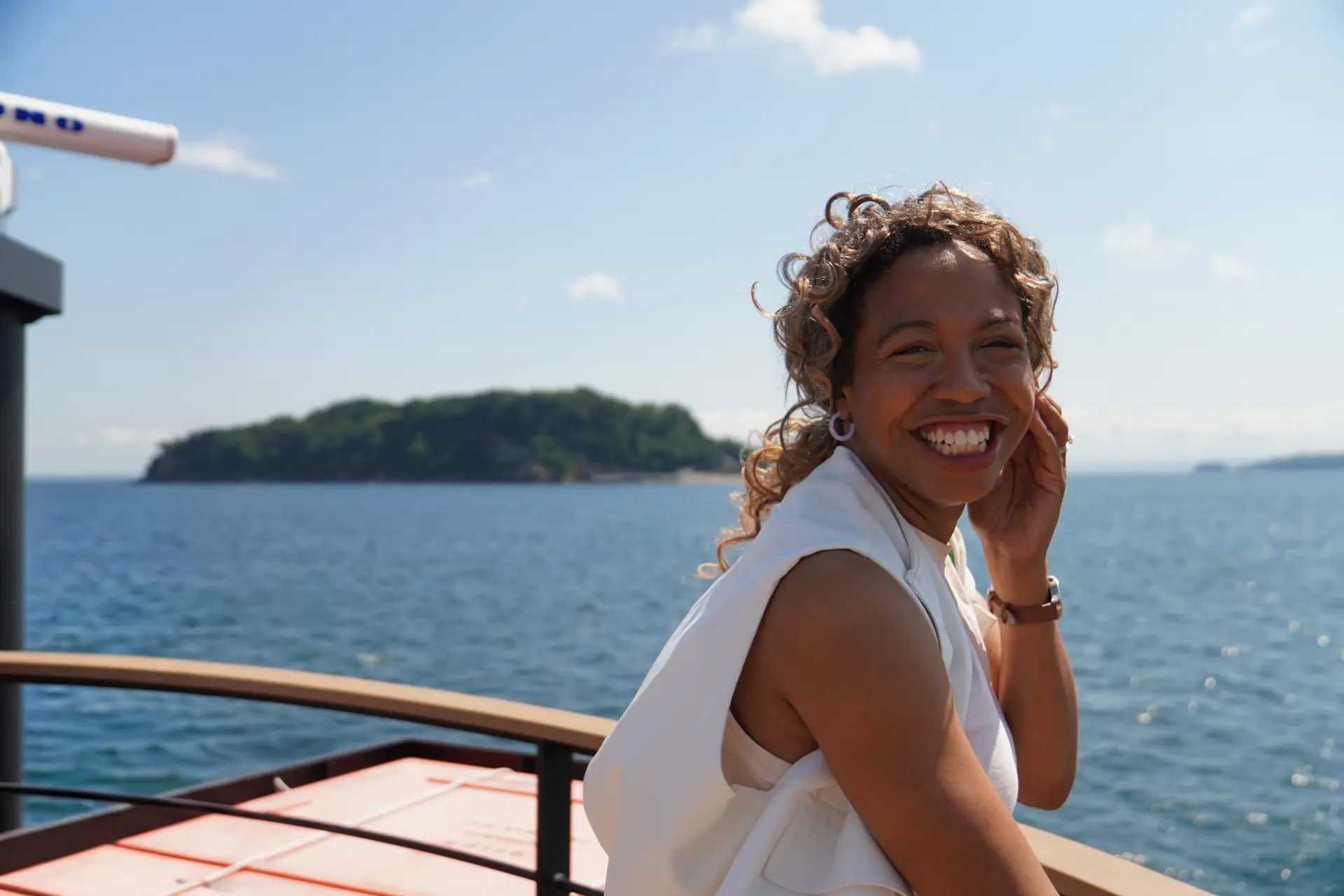
Across Tokyo Bay by Rail and Ferry: A Two-Day, One-Night Journey Linking the Miura and Boso Peninsulas
Stroll through towns on the Miura Peninsula, explore an uninhabited island in Tokyo Bay, then cross the water to the Boso Peninsula. Did you know that the starting point for this adventure is only about 50 minutes by train from Shinagawa Station in Tokyo? This two-day, one-night itinerary takes you around two areas bordering Tokyo Bay: the Miura Peninsula and the Boso Peninsula. From local food and town walks to hiking and boat trips, the route combines everyday discoveries with a sense of adventure. Set off and savor the romance of travel.
The Railways on This Itinerary: The Keikyu Line and JR Uchibo Line
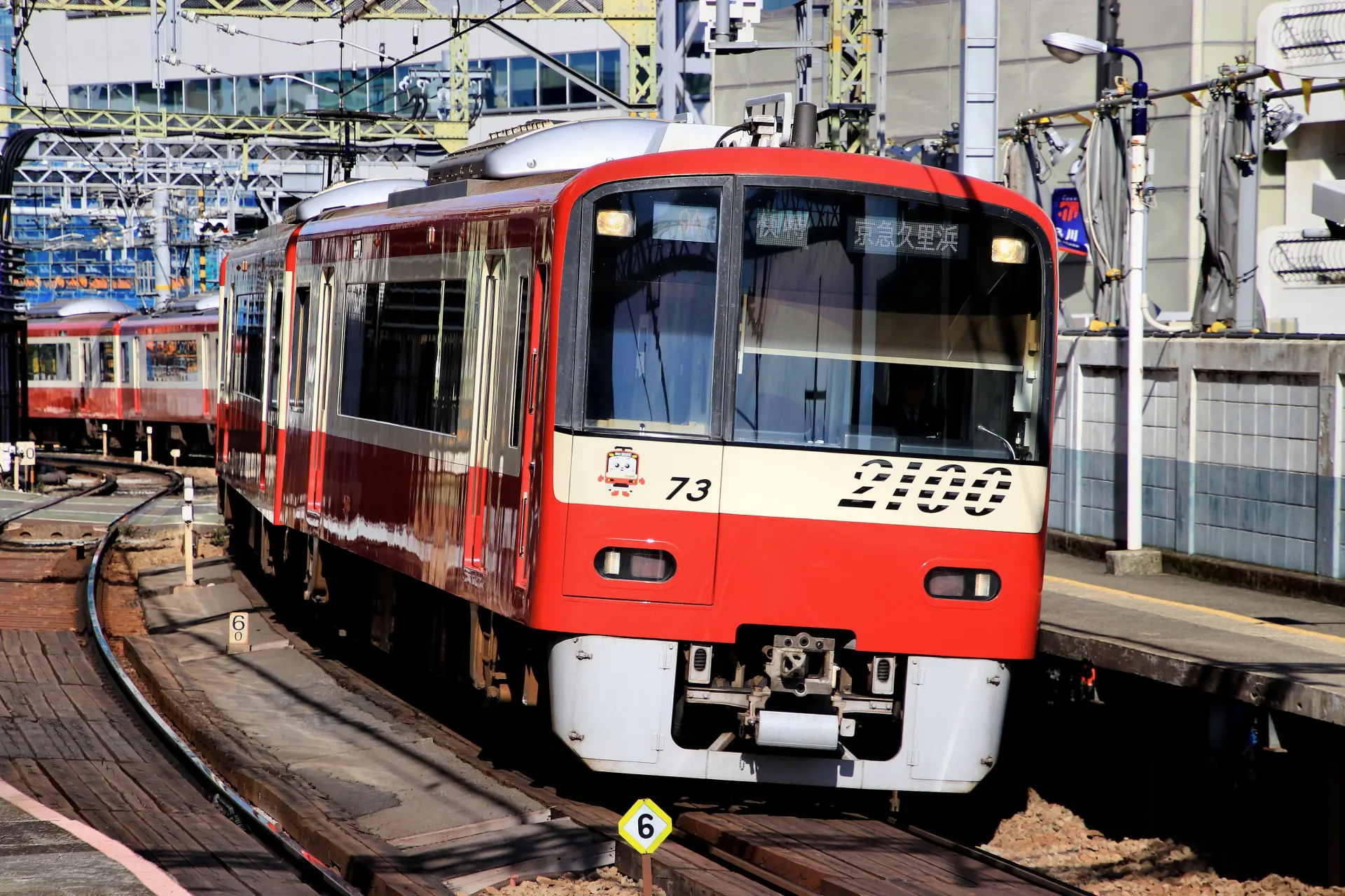
The Keikyu Line links central Tokyo with Yokosuka and the Miura Peninsula, with its main line running from Sengakuji Station to Uraga Station via Shinagawa and Yokohama. Limited express services can take you from central Tokyo to Kanagawa’s coastal towns in under an hour. The JR Uchibo Line, meanwhile, runs from Soga Station in Chiba south along the western side of the Boso Peninsula to Awa-Kamogawa Station. Much of the route follows Tokyo Bay, offering sea views as you explore the peninsula by train. This trip combines the Keikyu Line between central Tokyo and the Miura Peninsula with the JR Uchibo Line on the Boso Peninsula. Between the two peninsulas, you cross the water on the Tokyo Bay Ferry. Connecting trains and boats lets you make a circuit around Tokyo Bay.
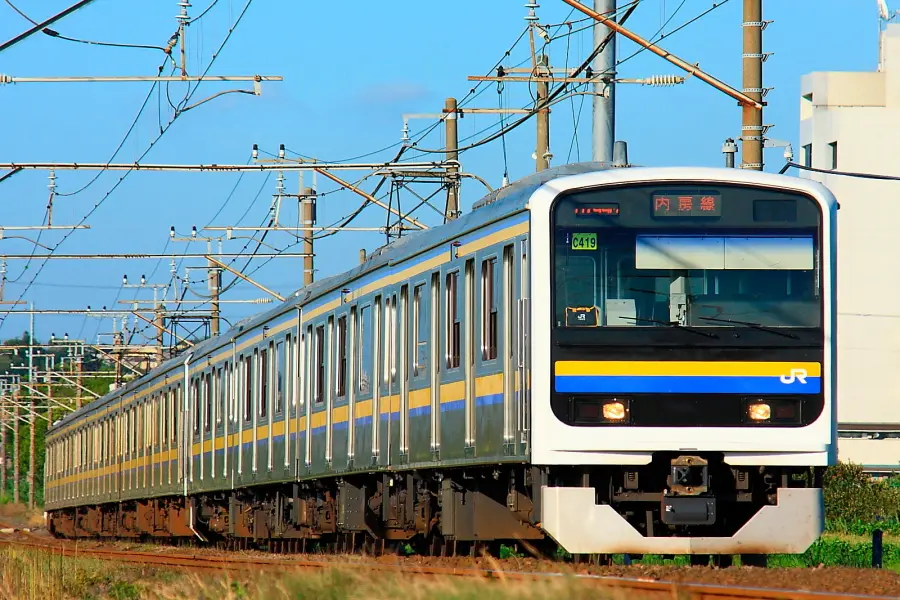
The Sazanami limited express connects Tokyo and Kimitsu. On selected operating days, the Shinjuku-Sazanami limited express also runs between Shinjuku and Tateyama.
A Two-Day, One-Night Itinerary: Explore Sarushima, Cross Tokyo Bay by Ferry, and Head to Mt. Nokogiri
This two-day, one-night itinerary links the Miura and Boso peninsulas by Keikyu train, the JR Uchibo Line, and the Tokyo Bay Ferry. On Day 1, explore an uninhabited island and the port town of Yokosuka before crossing Tokyo Bay by boat. On Day 2, discover history and nature at Mt. Nokogiri on the Boso Peninsula, then return to Tokyo on the JR Uchibo Line. Enjoy the different scenery and cultures on either side of the bay as you travel by rail and sea.
Day 1 | Explore Yokosuka and Enjoy a Journey across the Bay
Your trip begins at Shinagawa Station in Tokyo. Spend the first day exploring Miura Peninsula highlights, including Sarushima, Tokyo Bay’s largest uninhabited island, and Yokosuka’s Dobuita Street, where Japanese and American cultures meet. From island trails to streets with an international atmosphere, discover Yokosuka’s many sides. After enjoying the Miura Peninsula, board a ferry across Tokyo Bay. Take in dramatic views that can only be seen from the water, making the journey itself part of your memories.
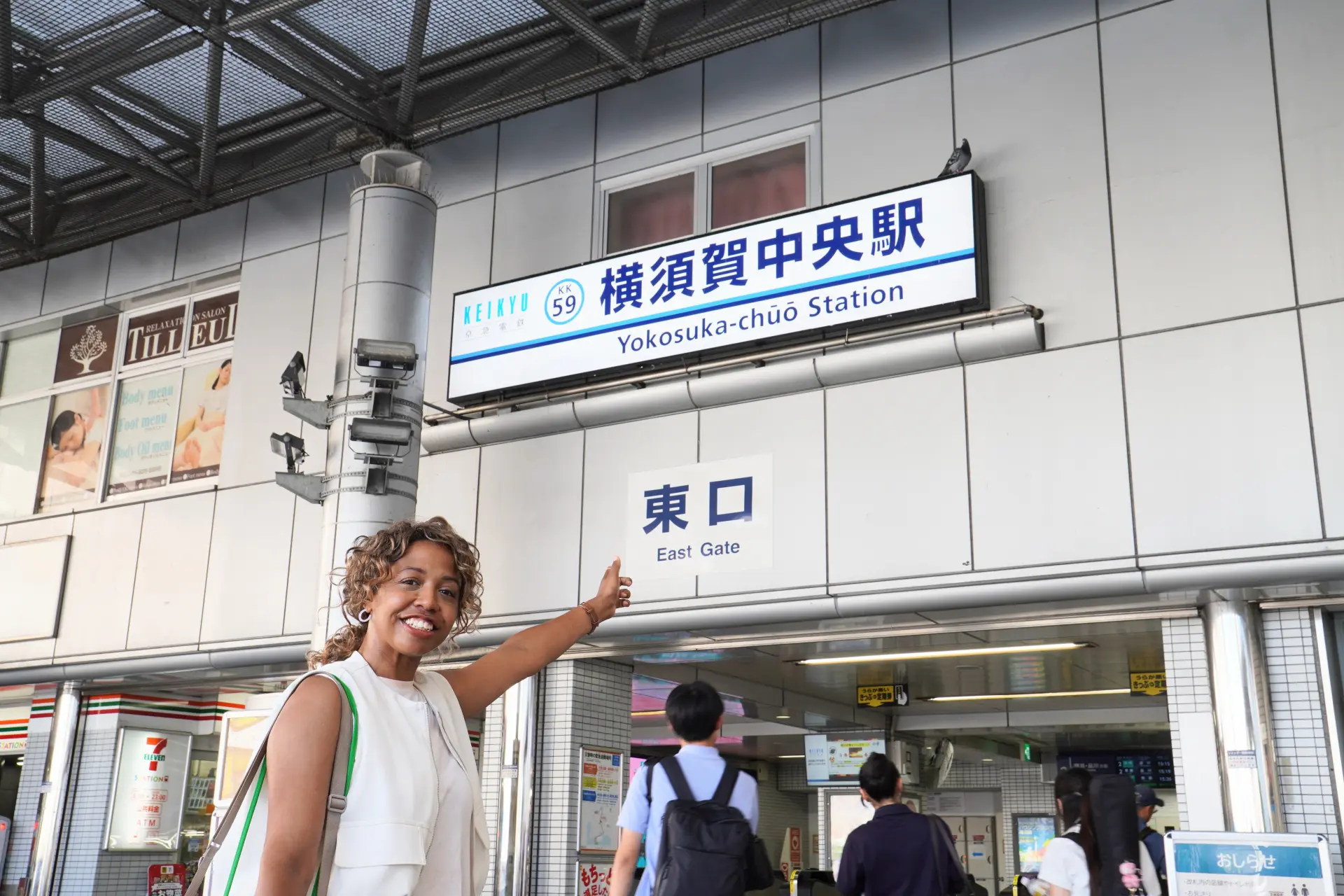
Take the Keikyu Line from Shinagawa to Yokosuka-chuo Station
From Shinagawa Station, a Keikyu Limited Express (Kaitoku) train takes about 50 minutes to reach Yokosuka-chuo Station. When you arrive, leave large bags in the station lockers so you can explore unencumbered. Be careful not to confuse it with the similarly named JR Yokosuka Station, which would leave you with a much longer walk to the center of town.
Take a Ferry to Sarushima Island
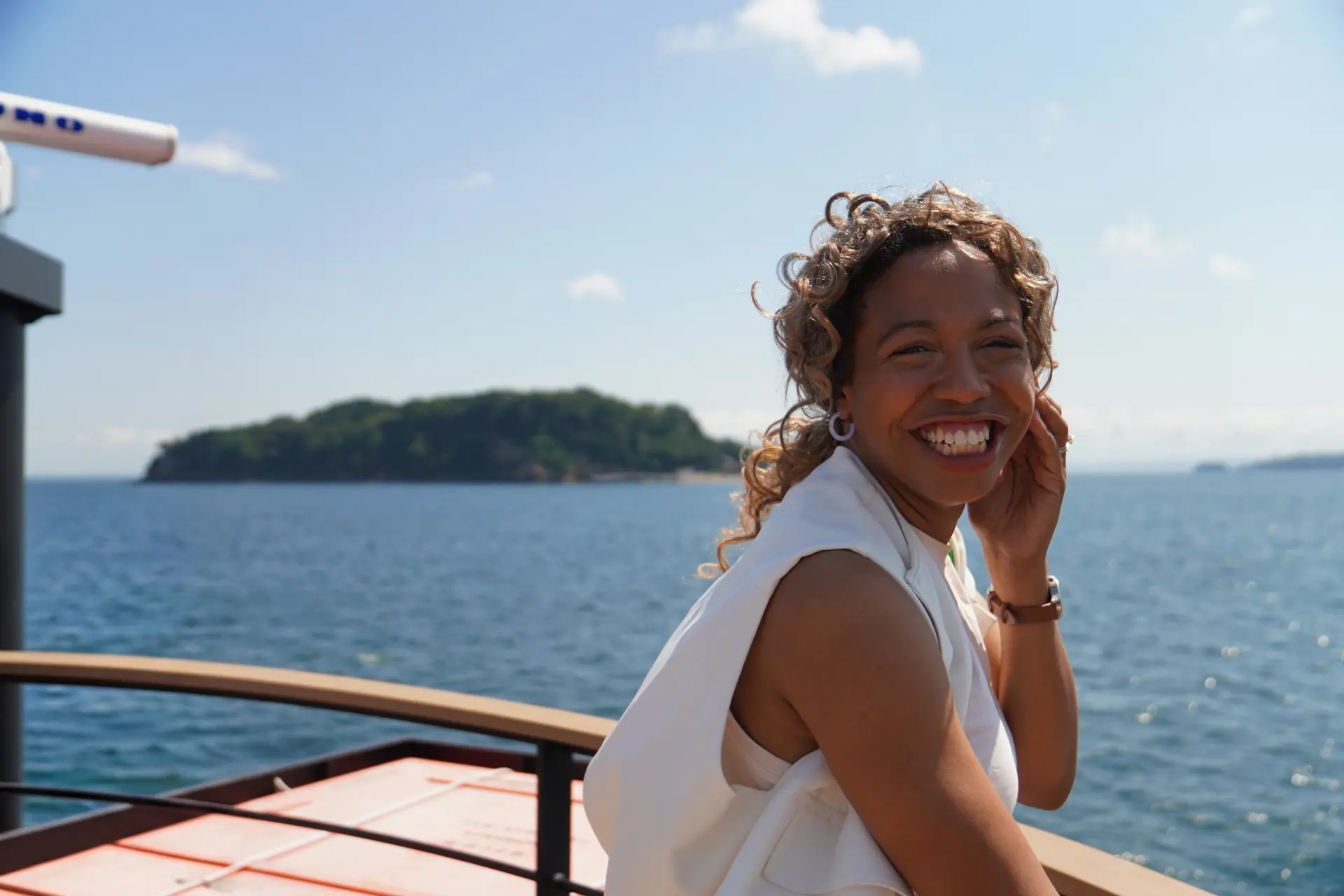
Mikasa Terminal is a 15-minute walk from Yokosuka-chuo Station. Board a ferry here for Sarushima, Tokyo Bay’s largest uninhabited island. The crossing takes just 10 minutes, but if you are prone to seasickness, consider bringing motion sickness medication.
Explore Sarushima, Tokyo Bay’s Largest Uninhabited Island, and Its Military Remains
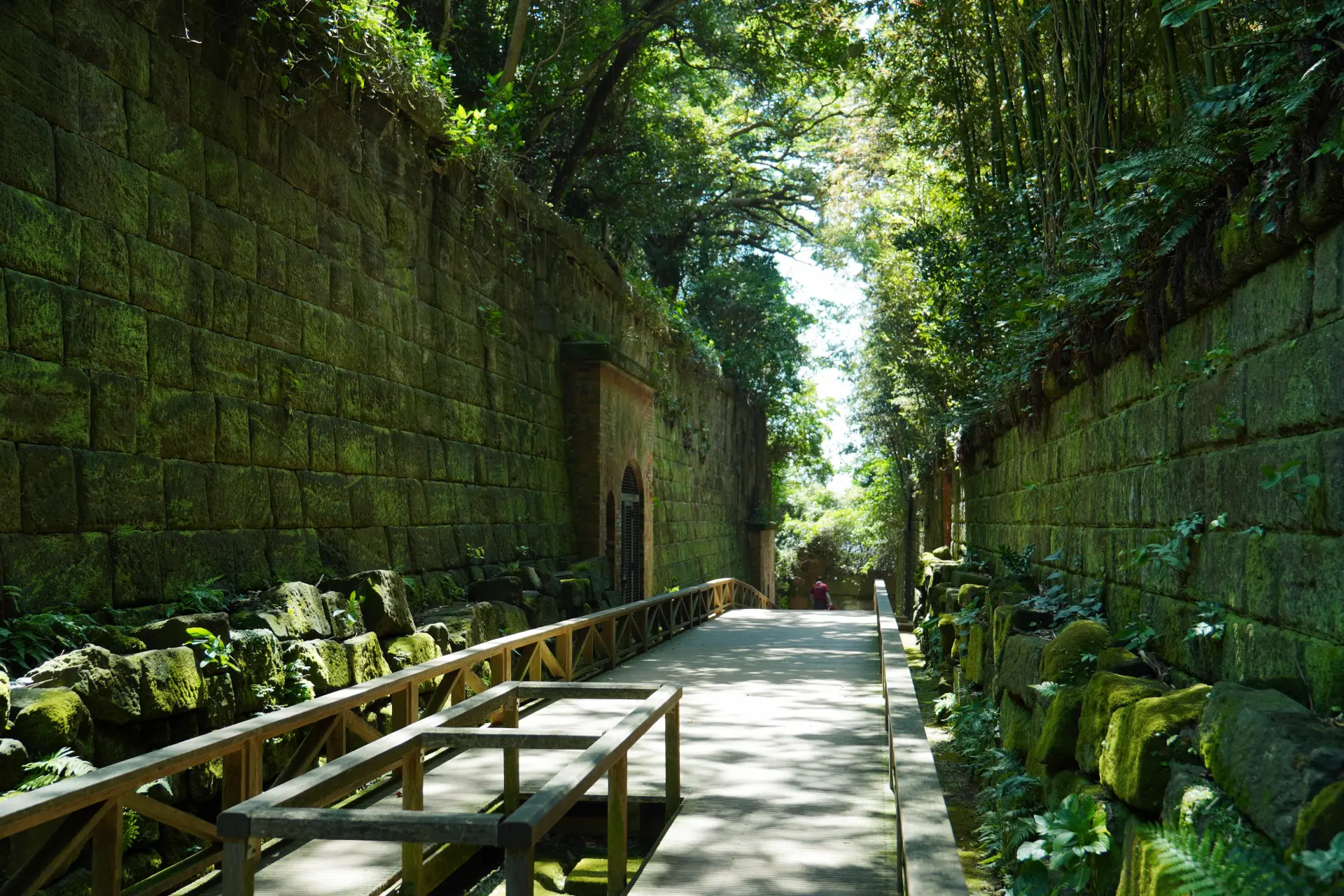
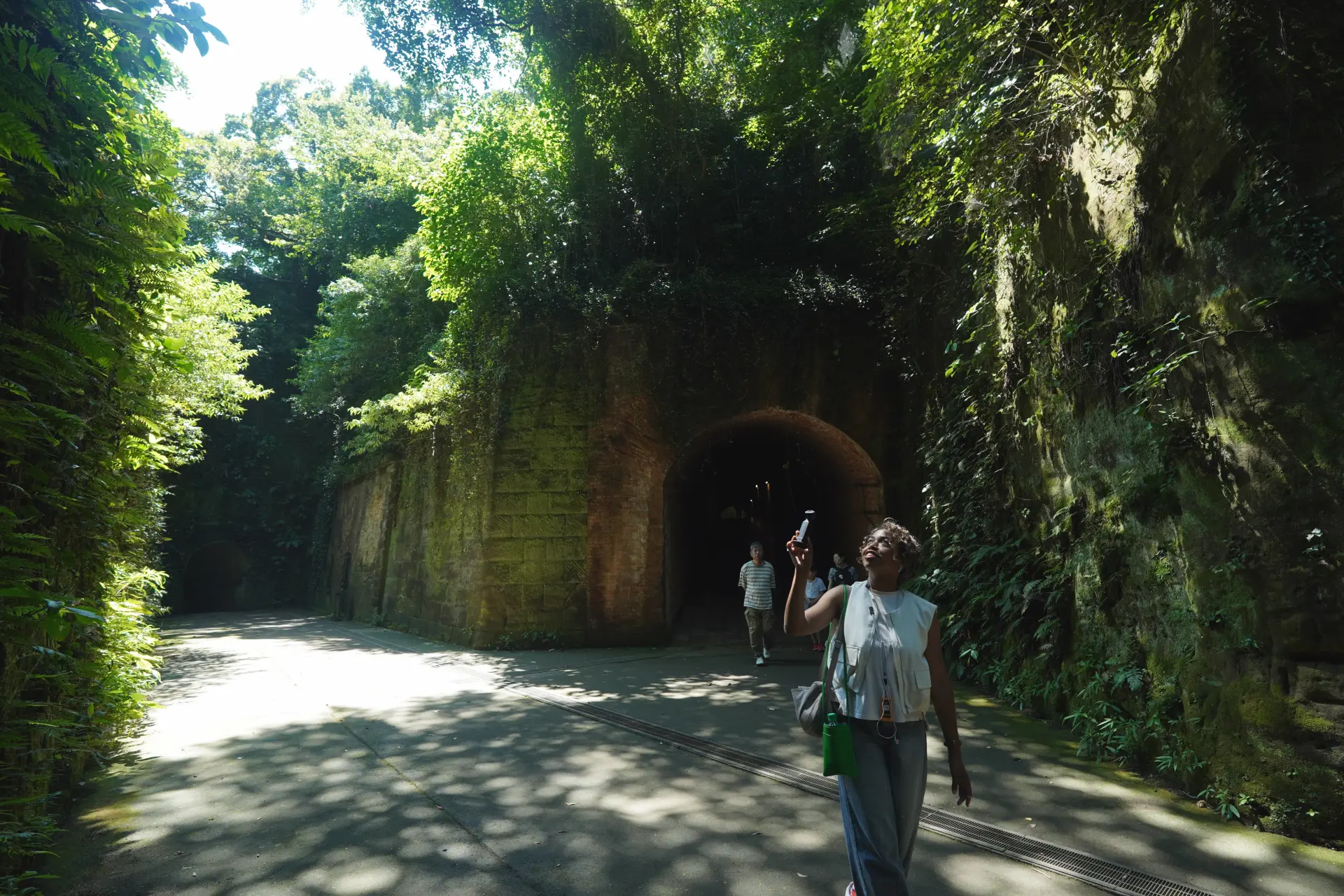
Sarushima is an uninhabited fortress island recognized as part of Japan Heritage, with numerous military remains. Its brick barracks, ammunition stores, and former gun emplacements survive from that era, creating an atmospheric landscape that feels like a setting from a Japanese anime. Just 10 minutes from Yokosuka, it is a place where you can feel as though you have entered another world.
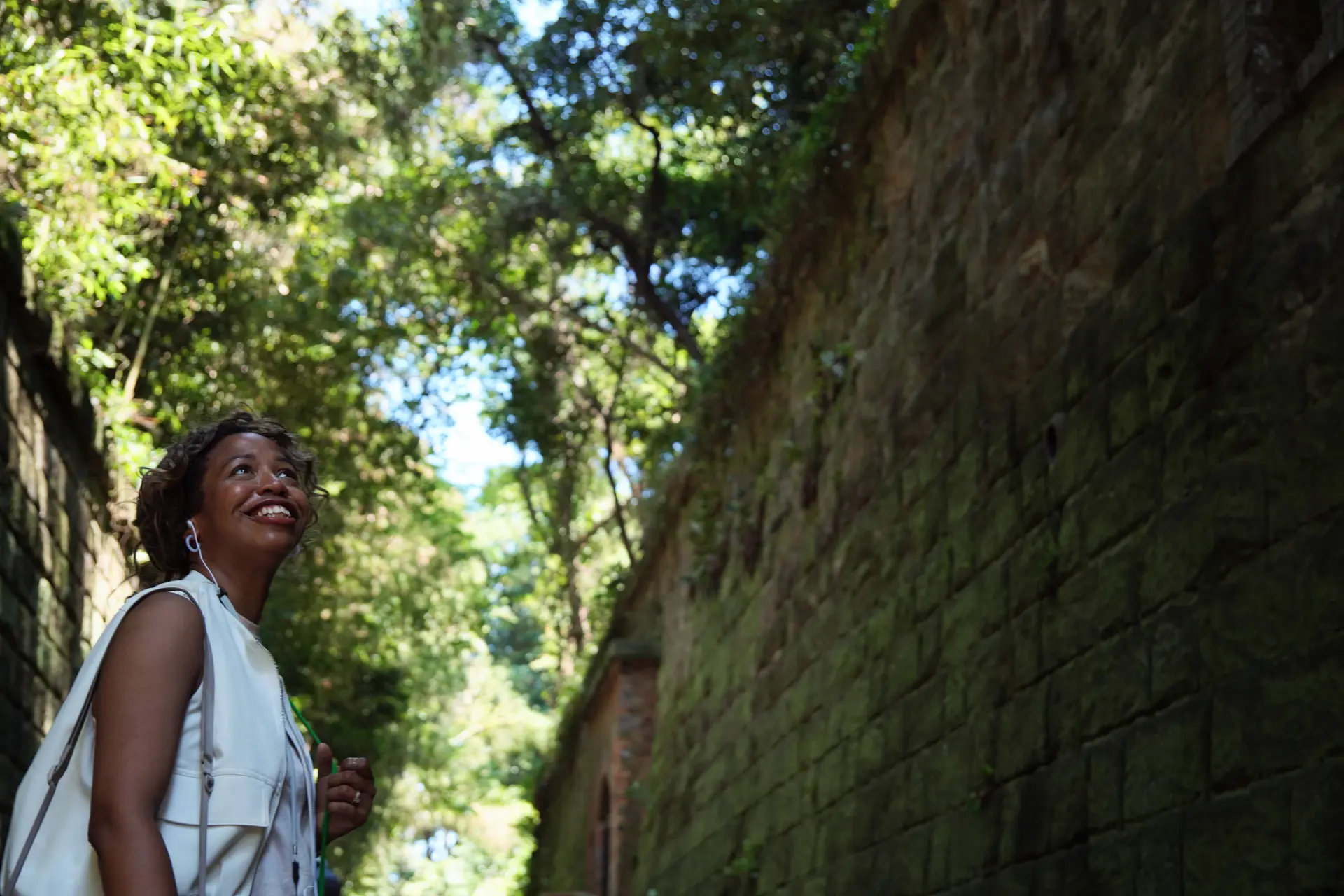
The island is compact, covering about 55,000 square meters with a circumference of around 1.6 km. A circuit takes about 30 minutes, or around an hour at a leisurely pace. Join the Sarushima Island Exploration Tour for a professional guide’s insights into the buildings’ history and other fascinating details, adding another layer to your visit. Tours booked on the day are generally conducted in Japanese.
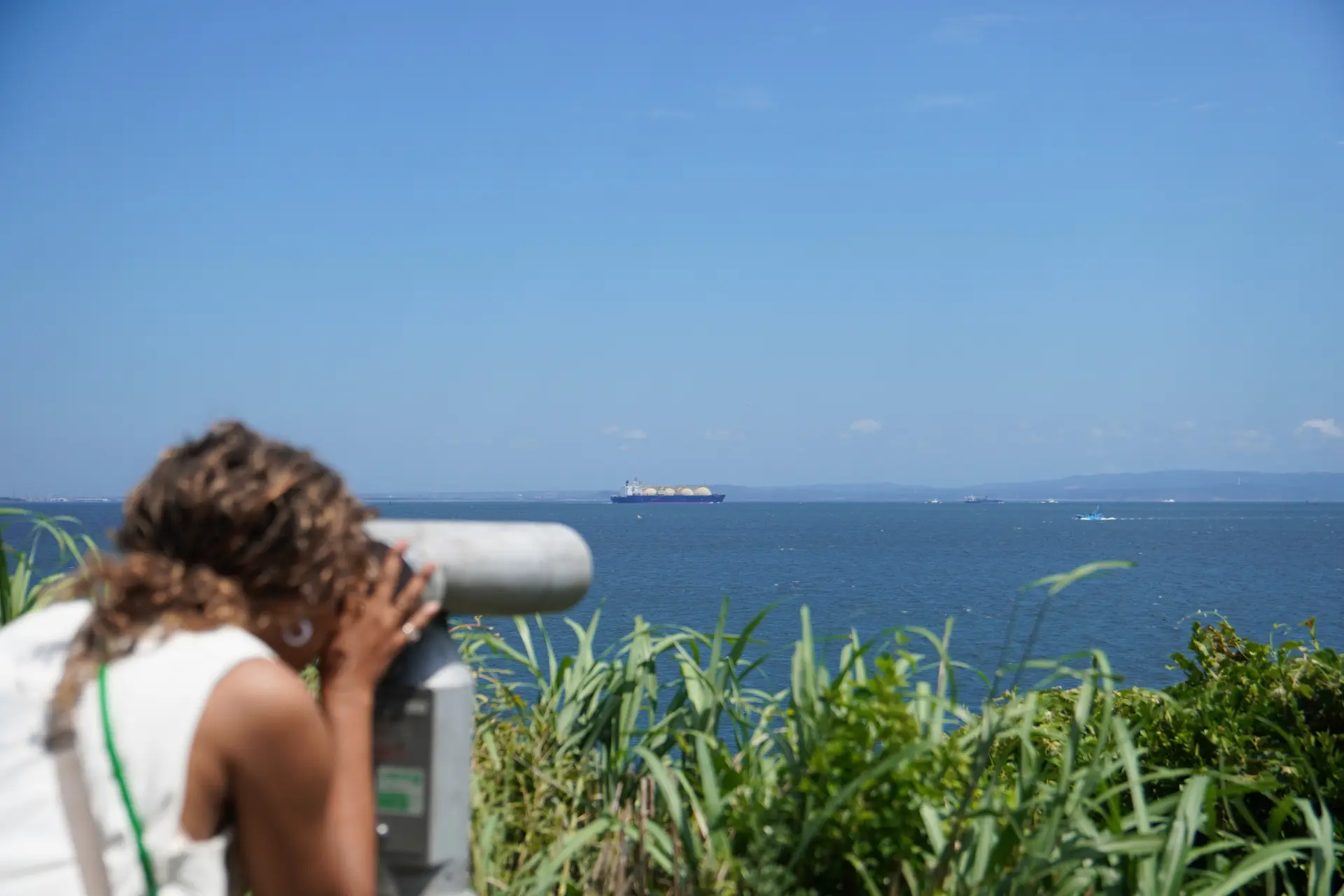
Lunch at Restaurant LAUNA, Known for Its Generous Portions
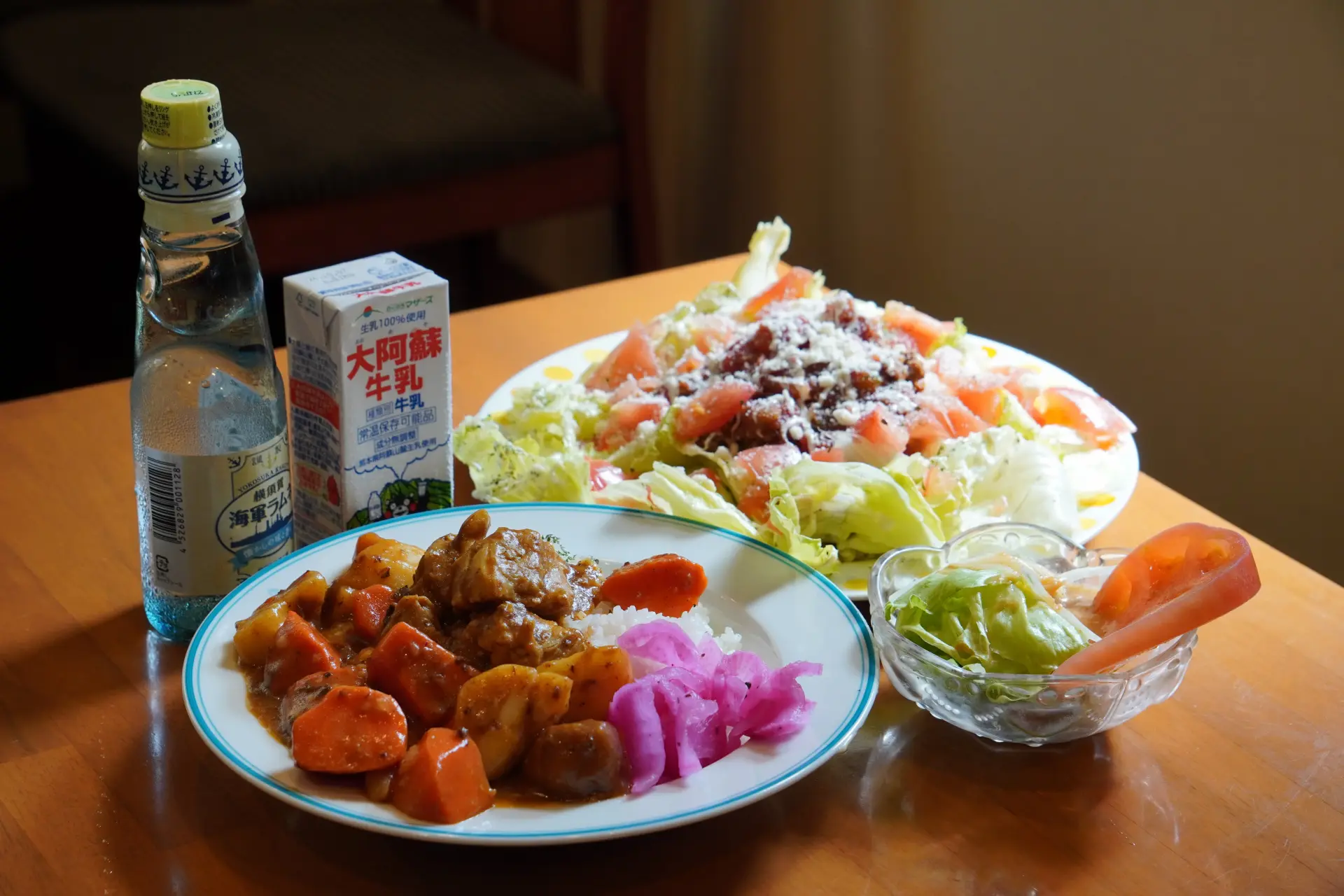
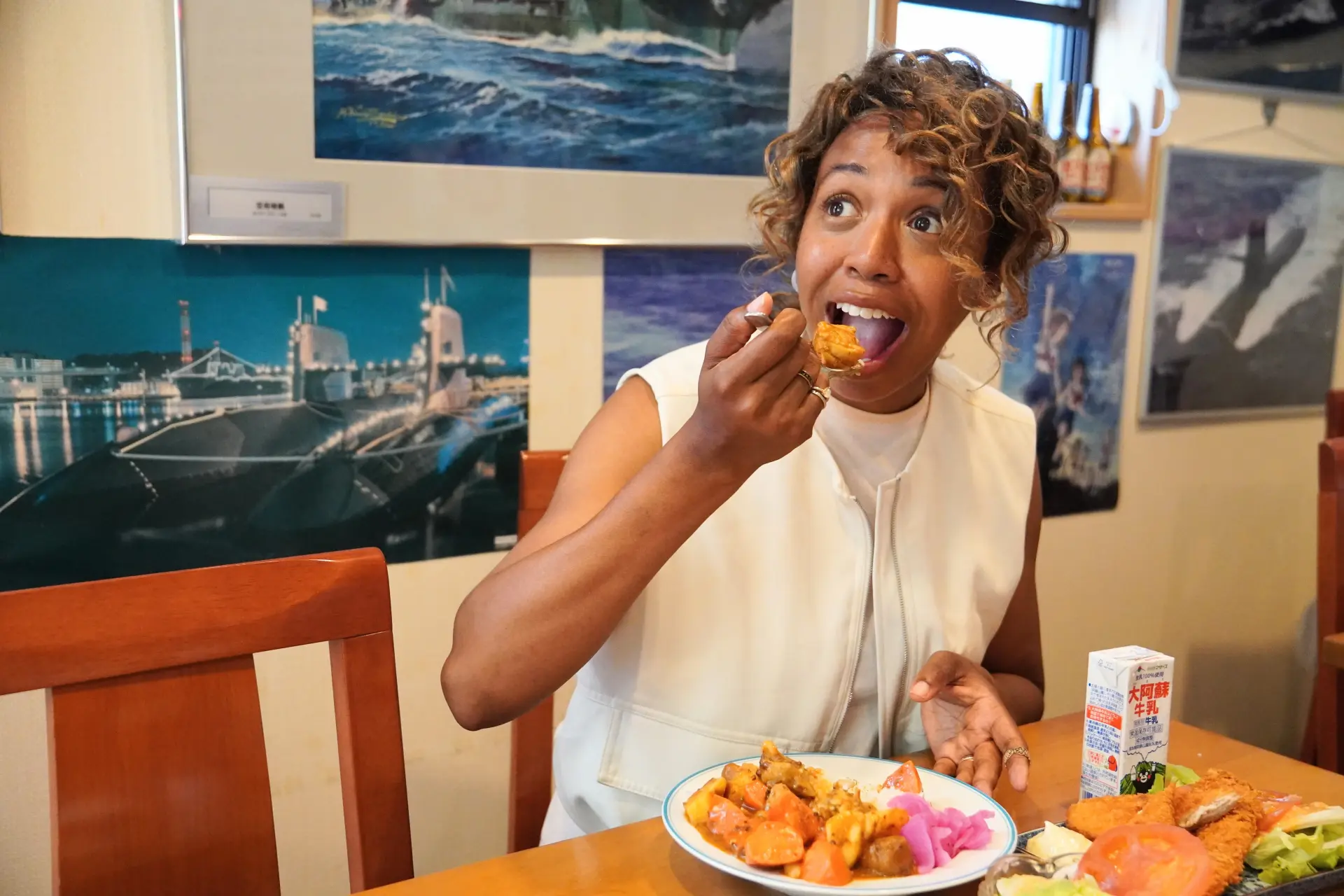
After returning to Yokosuka from Sarushima, stop for lunch at Restaurant LAUNA, which brings together local specialties such as Yokosuka navy curry and Yokosuka Navy Burgers. Almost everything at LAUNA comes in generous portions, and its Navy Burger measures about 20 cm across. Fuel up with a hearty lunch and enjoy the restaurant’s generous hospitality before heading to your next stop.
Stroll along Dobuita Street, the Birthplace of Sukajan
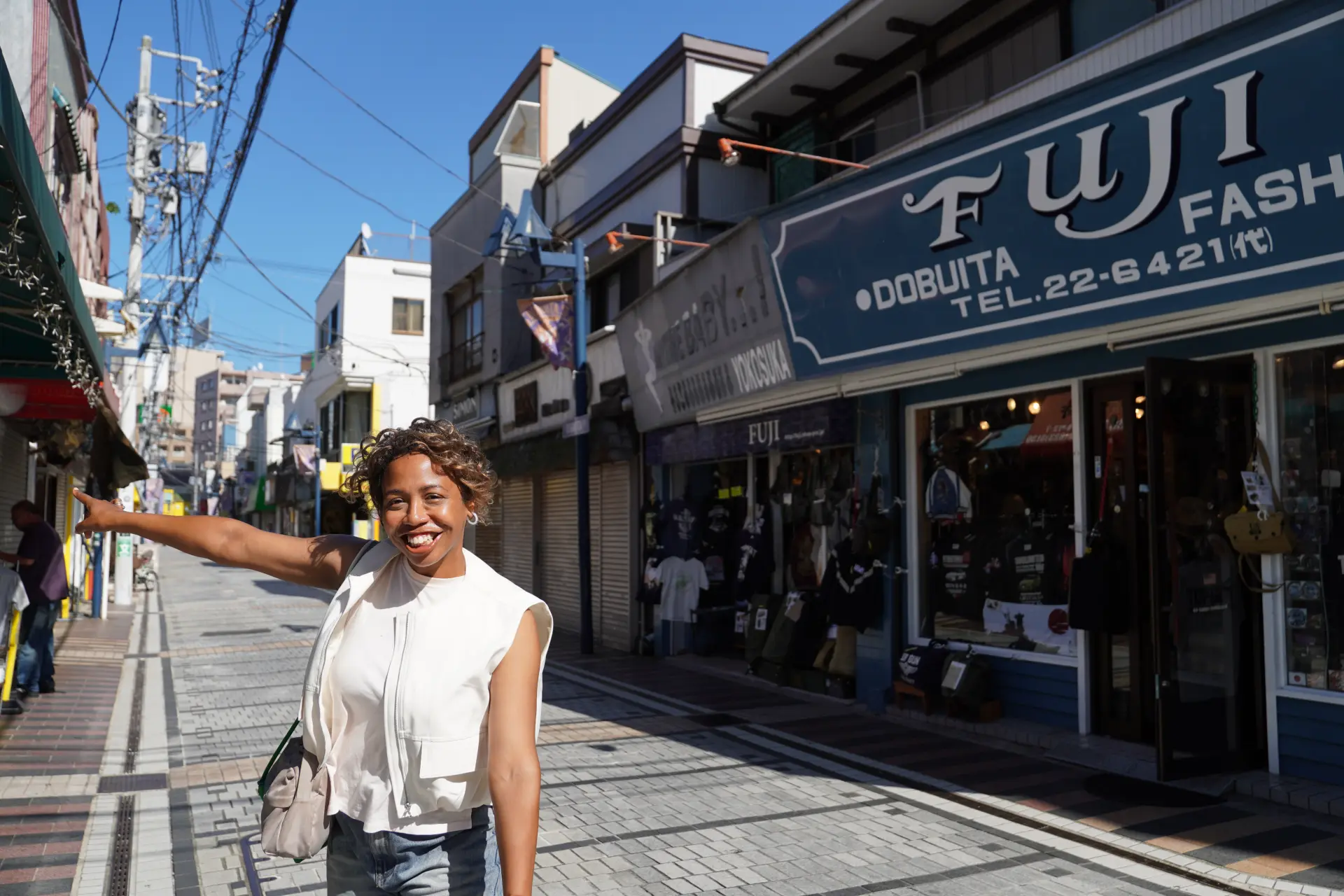
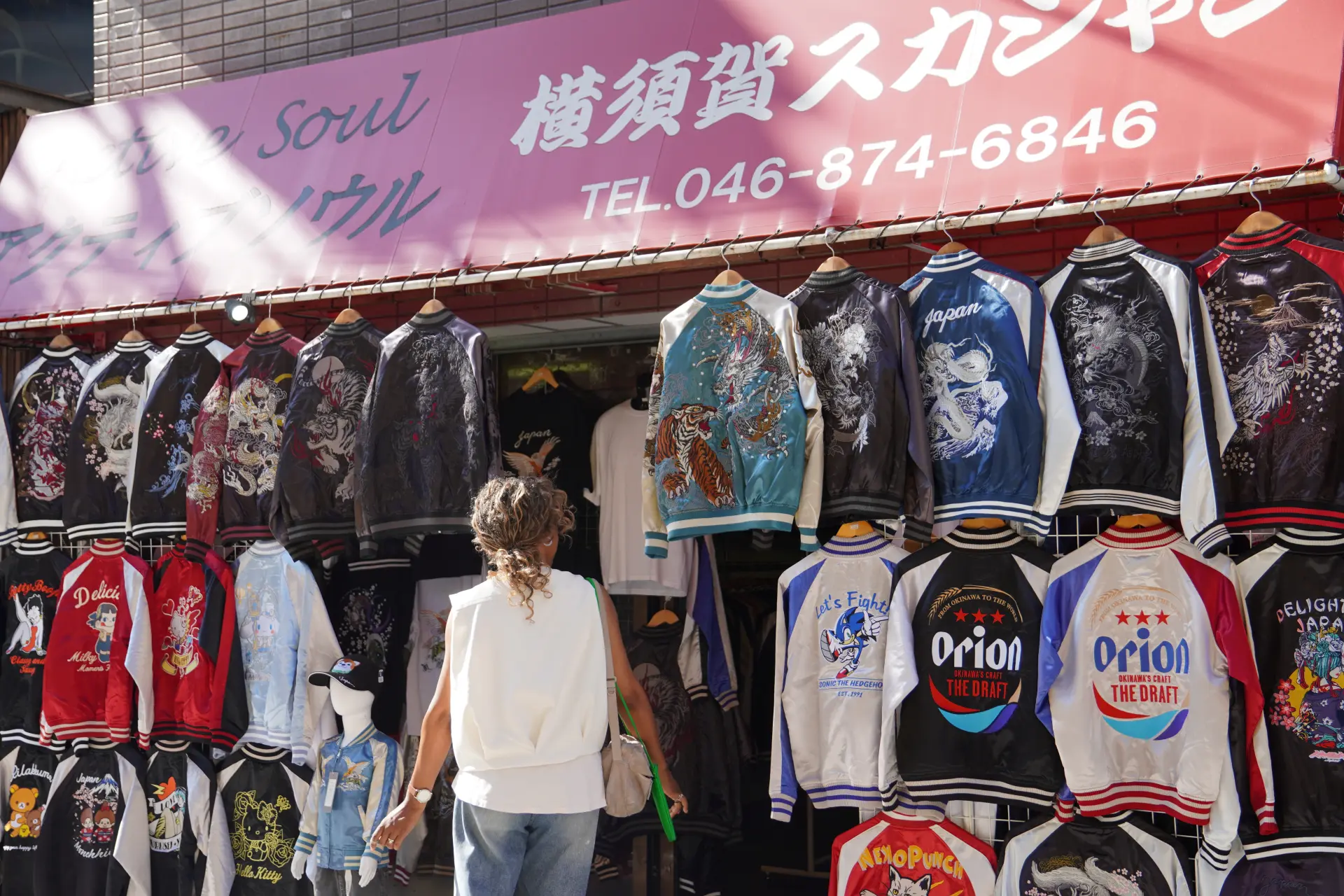
One of Yokosuka’s best-known products is the sukajan, or souvenir jacket, made with shiny fabric and bold embroidery. Dobuita Street, where these jackets originated, is a shopping street with an international atmosphere blending Japanese and American cultures. Browse sukajan stores, military goods stores, and foreign-style bars and restaurants as you enjoy its distinctive character.
Take the Keikyu Line to Keikyu Kurihama Station
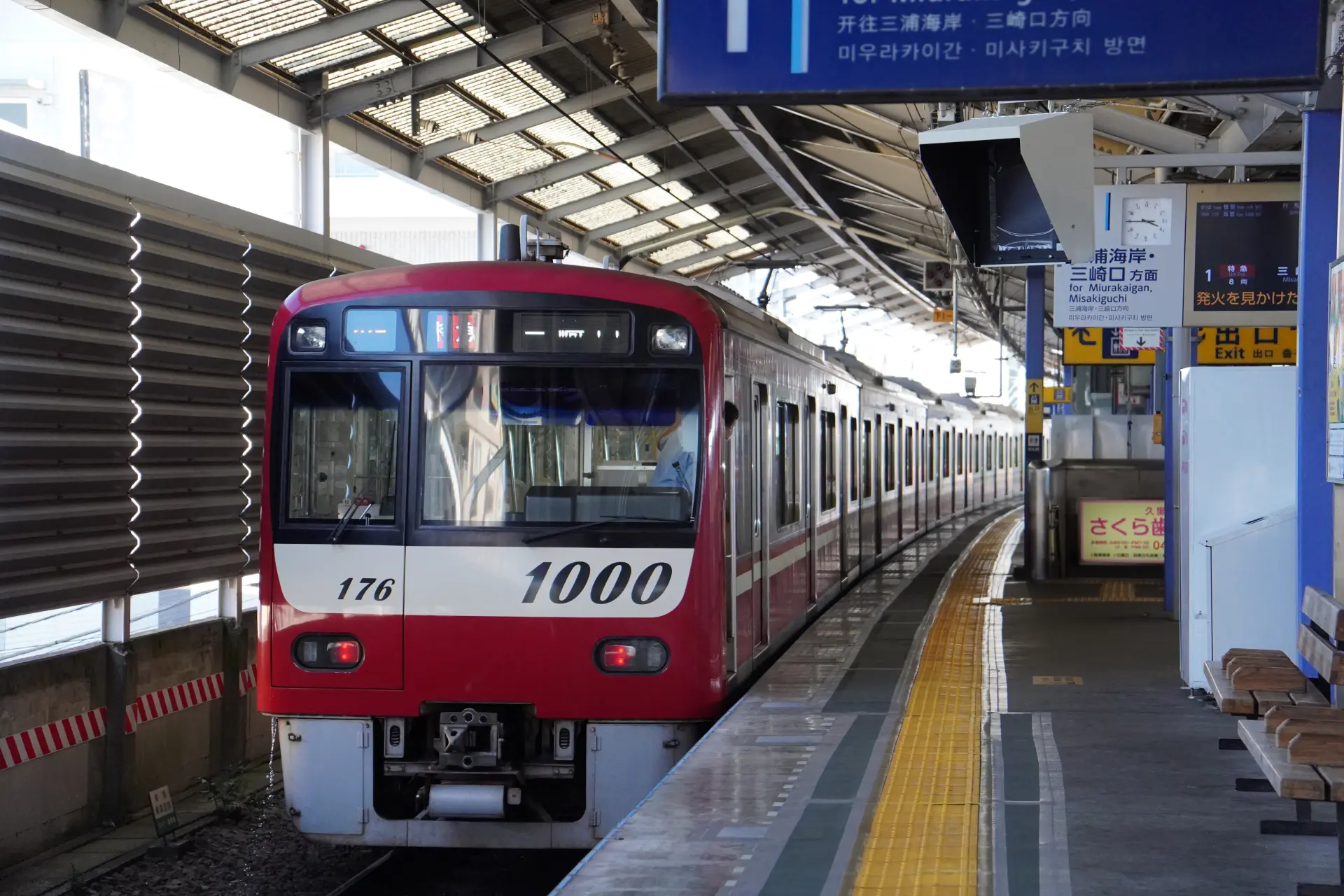
Return to Yokosuka-chuo Station and take a Keikyu train to Keikyu Kurihama Station. From the bus stop in front of the station, board a bus bound for the Tokyo Bay Ferry to reach Kurihama Port.
Cross the Water from Kanagawa to Chiba
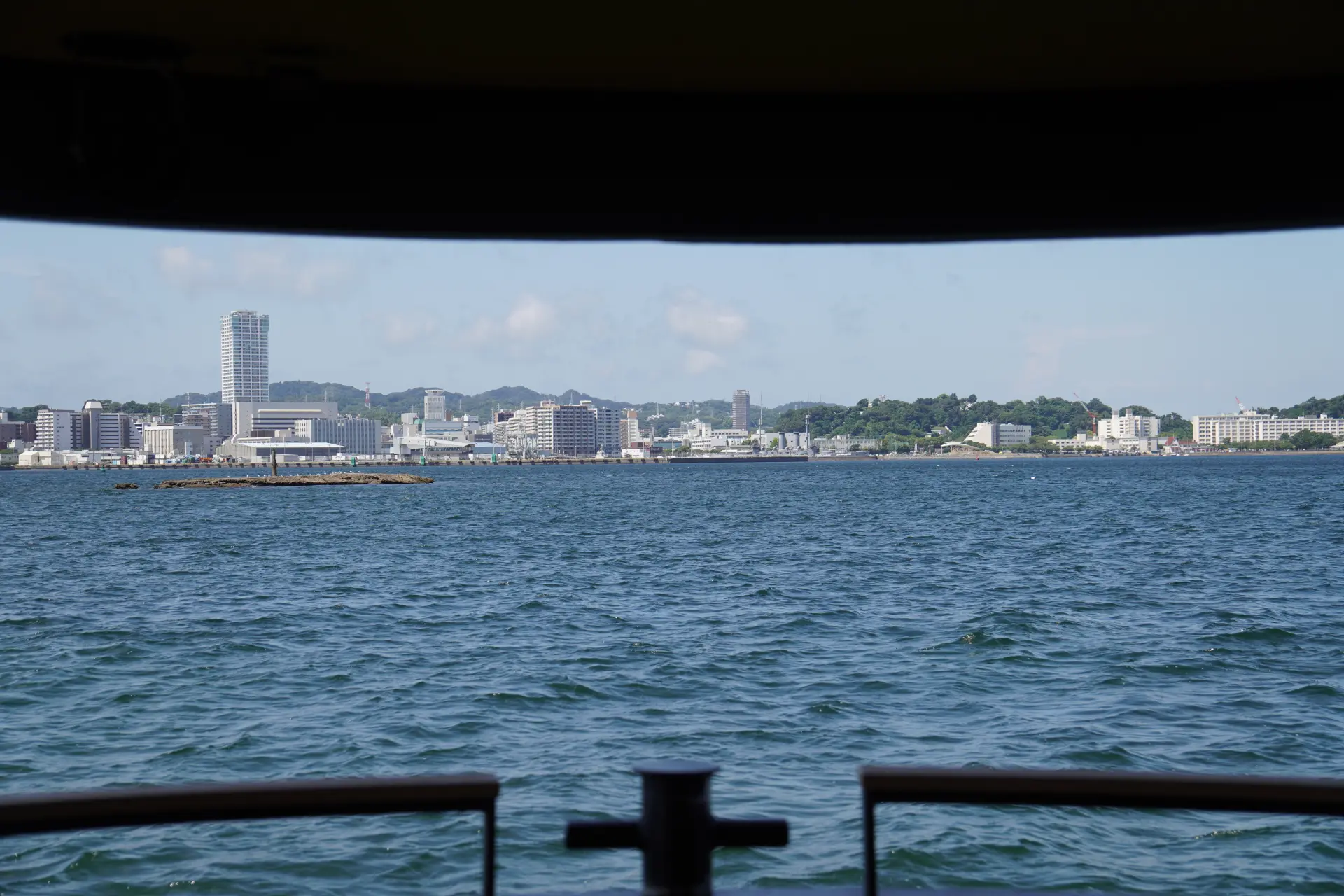
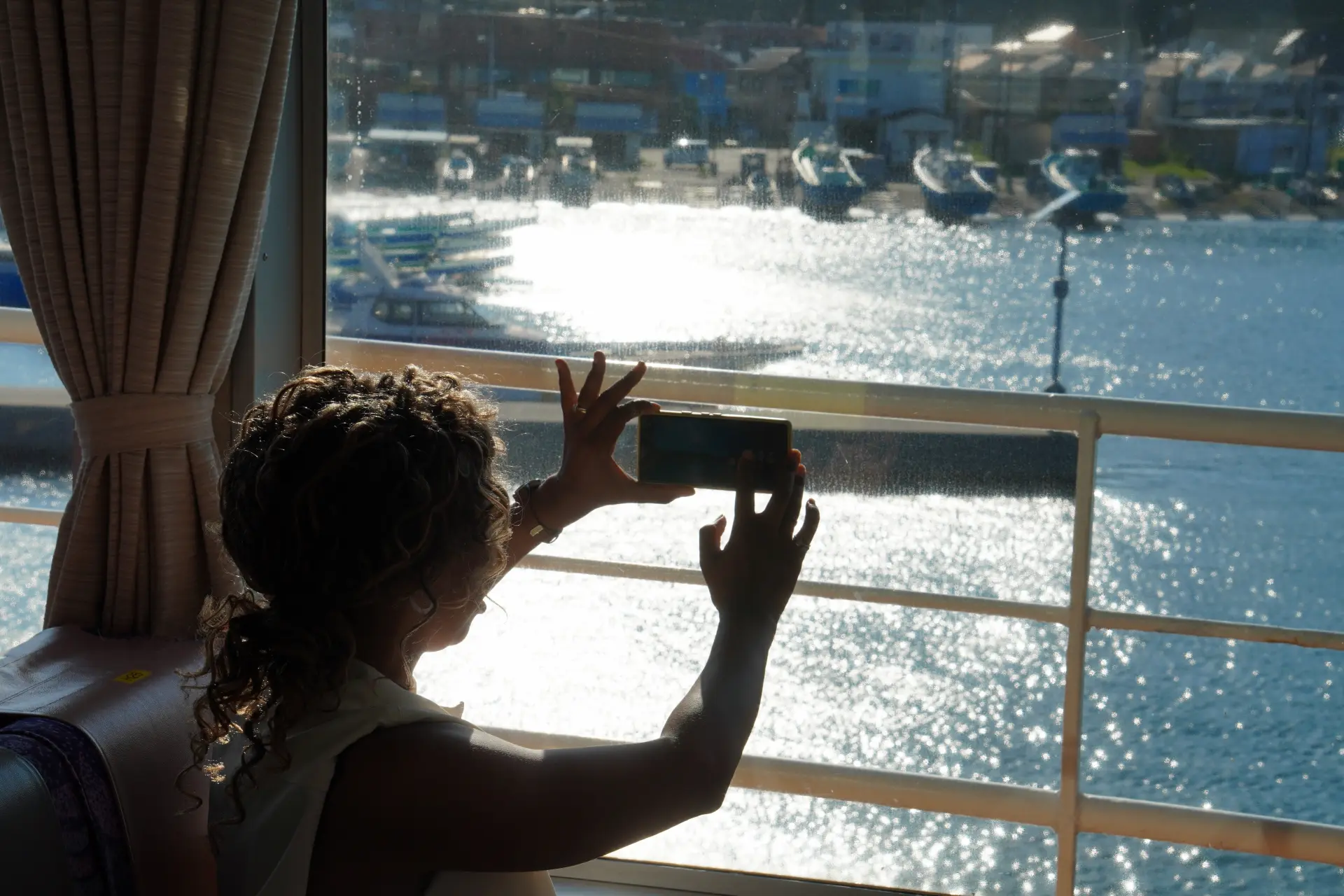
Board the Tokyo Bay Ferry at Kurihama Port for Kanaya Port on Chiba’s Boso Peninsula. Enjoy the sea breeze and changing scenery on this approximately 40-minute cruise across Tokyo Bay.
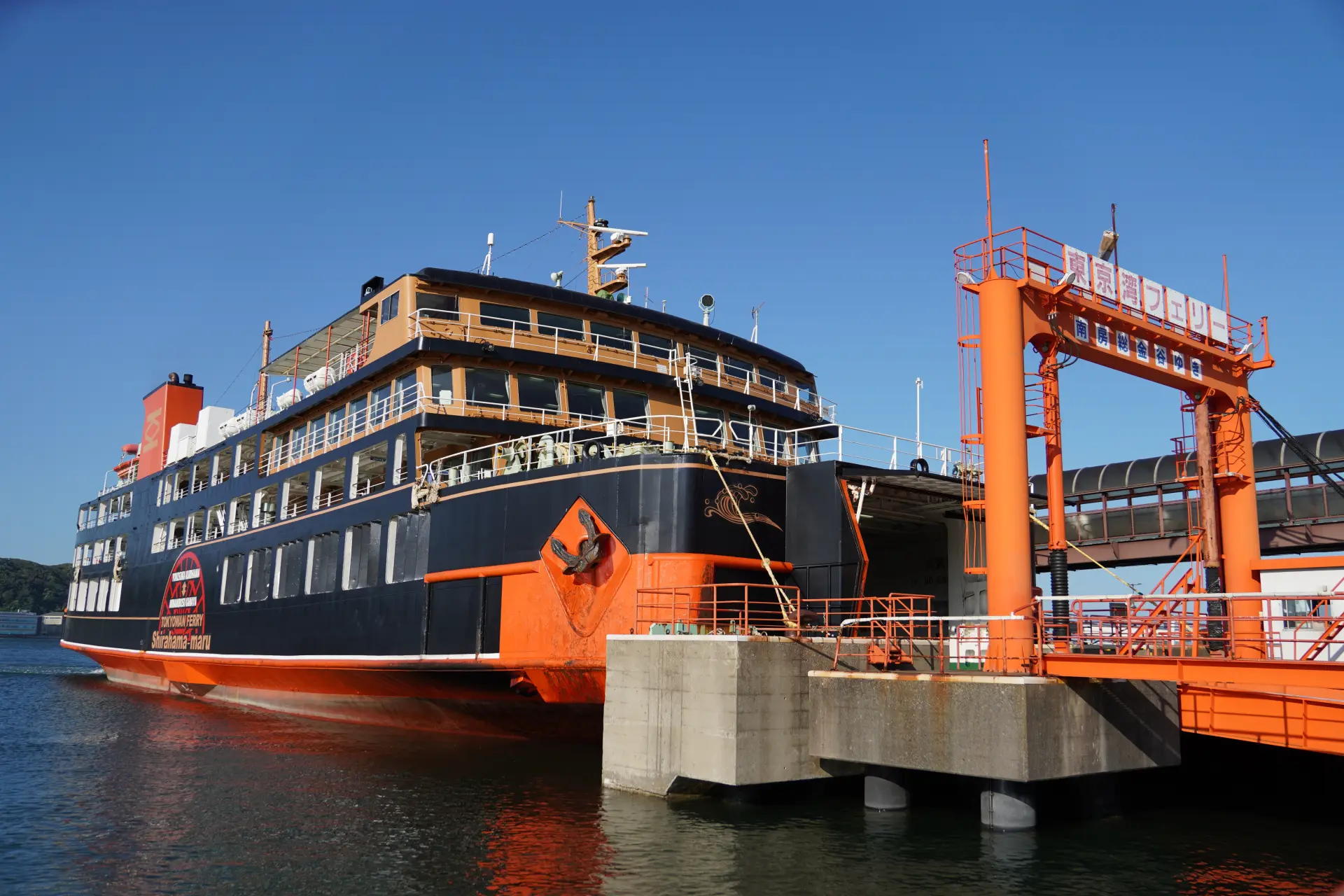
Tickets can be purchased at the terminal. Some sailings can become crowded during busy periods such as Golden Week, so checking with the operator in advance can give you peace of mind.
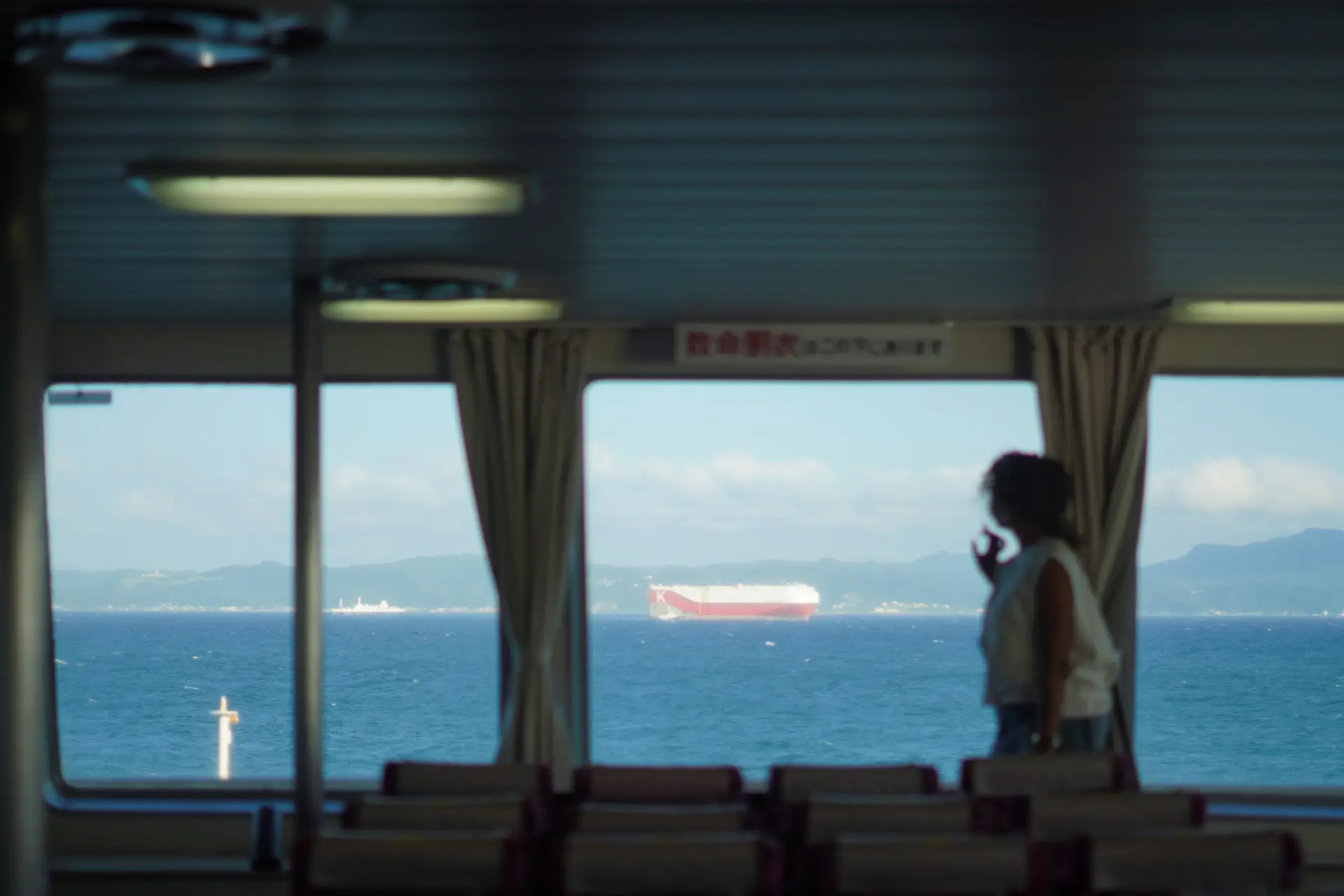
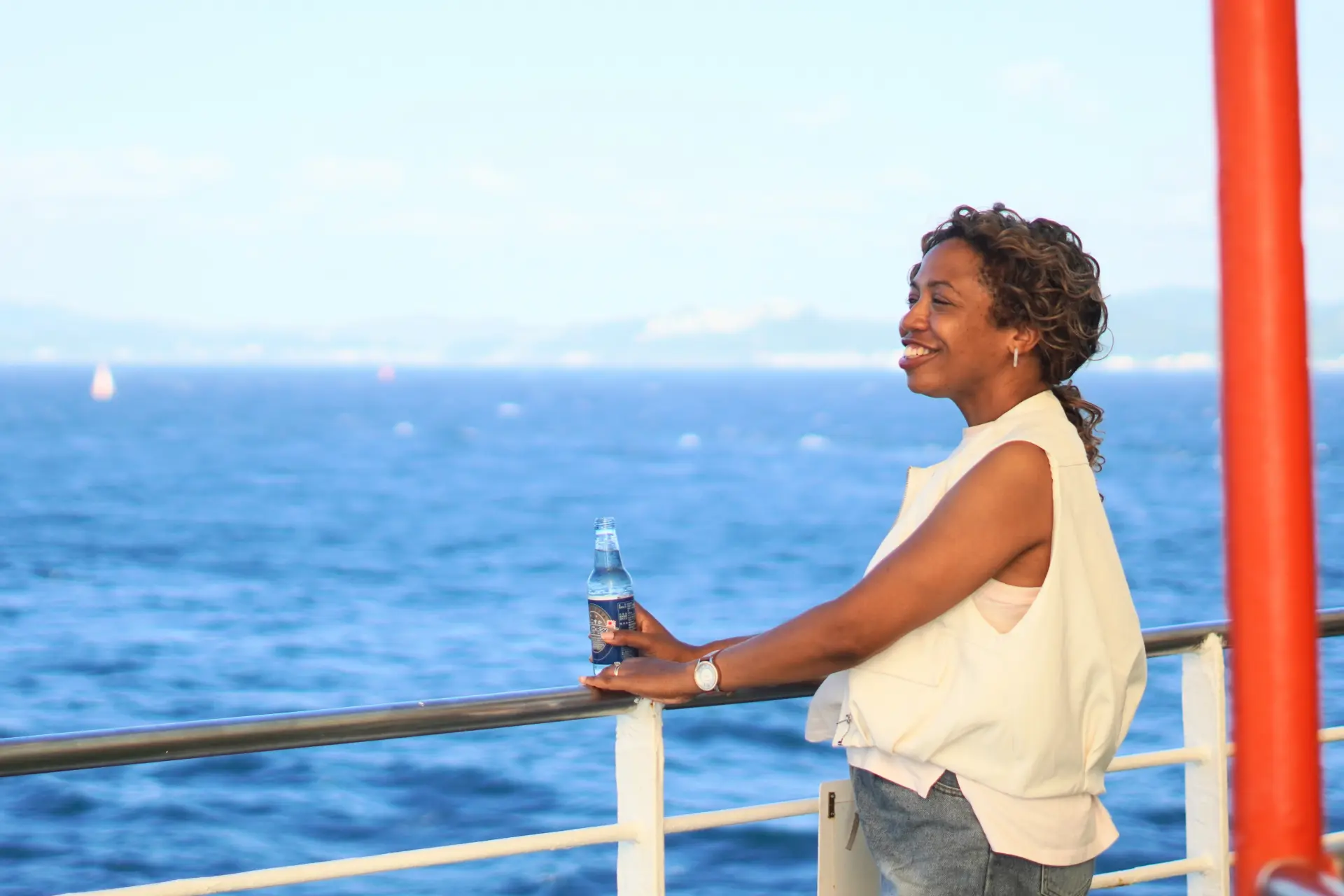
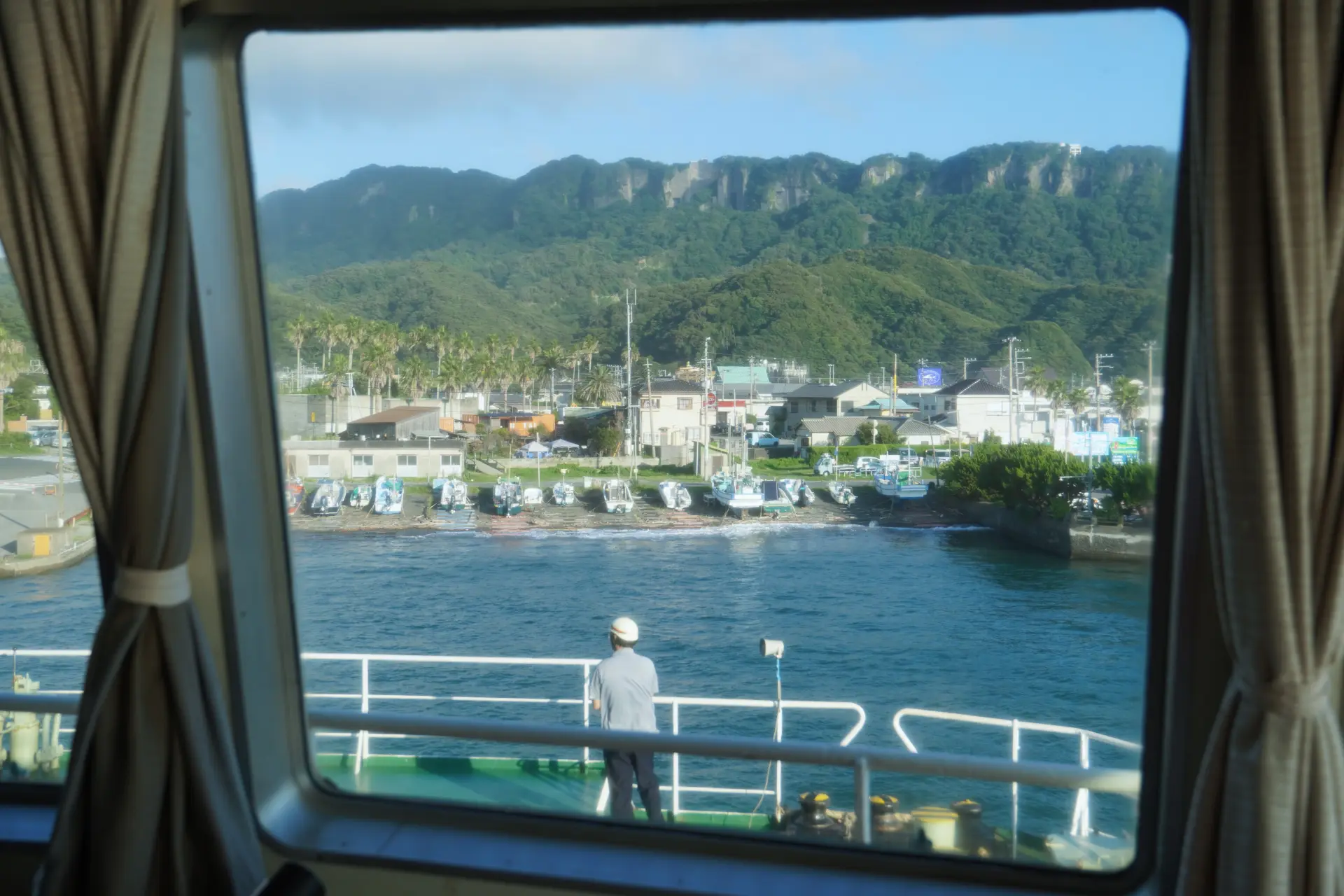
Kurihama Port has an urban feel, with numerous buildings around it. Kanaya Port has a relaxed atmosphere, with mountain views and small houses. Feeling as though you have traveled far away in just 40 minutes is one of the pleasures of a Tokyo Bay Ferry journey.
Stay at BAYSIDE KANAYA, Where Every Room Has an Ocean View
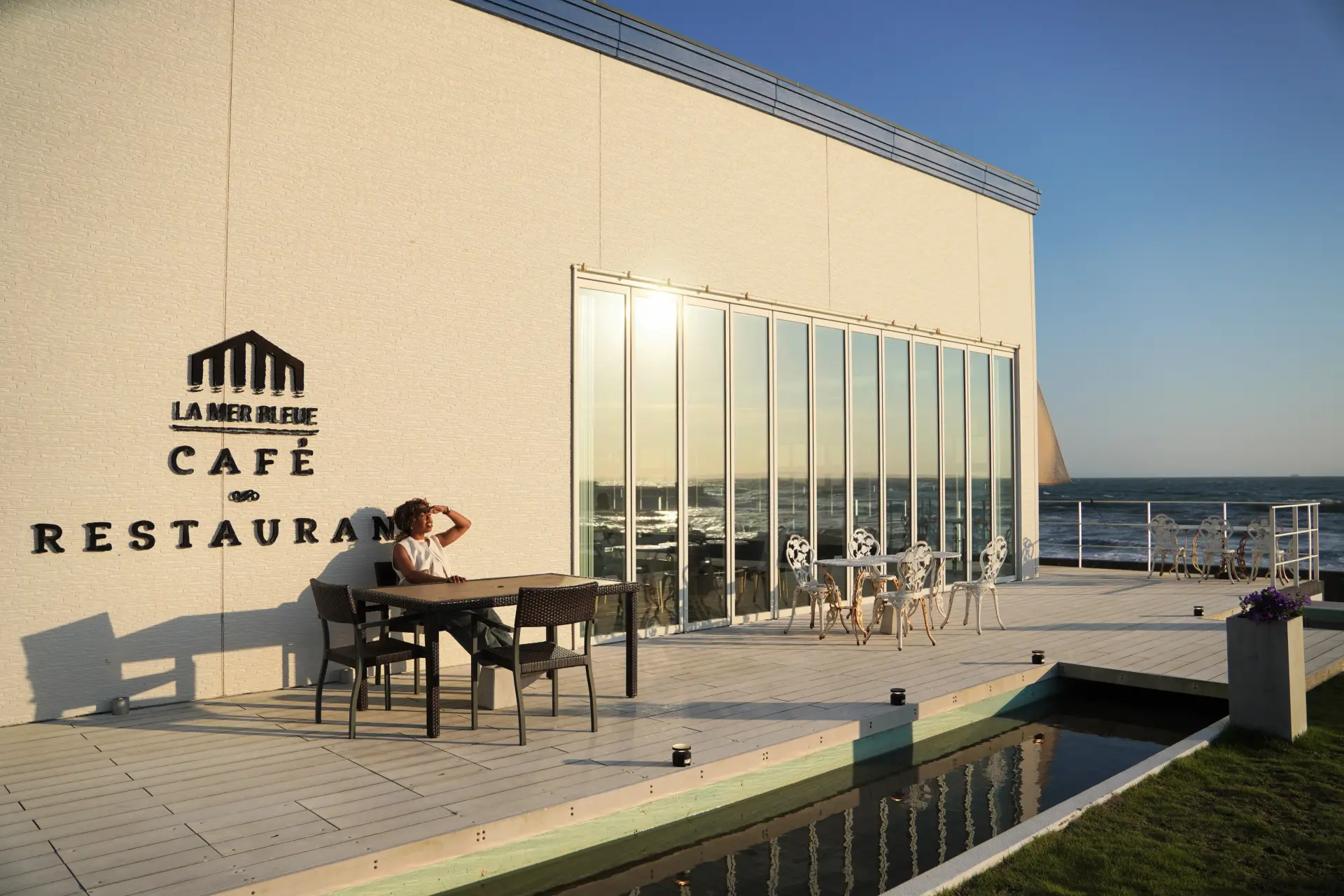
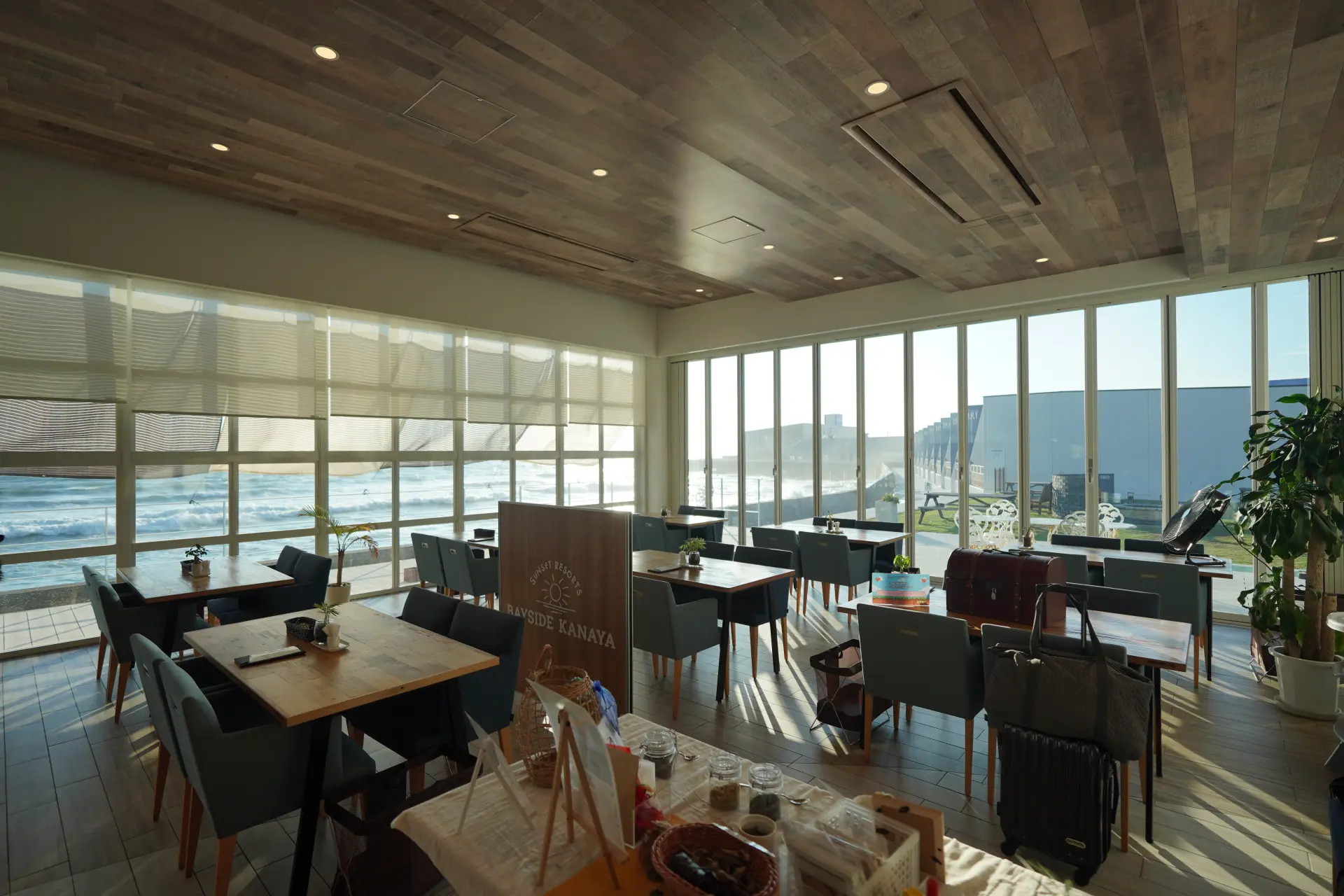
Spend the night at BAYSIDE KANAYA, a five-minute walk from Kanaya Port. Combining elements of a resort hotel and a glamping retreat, it enjoys a superb location overlooking Tokyo Bay with Mt. Nokogiri as its backdrop.
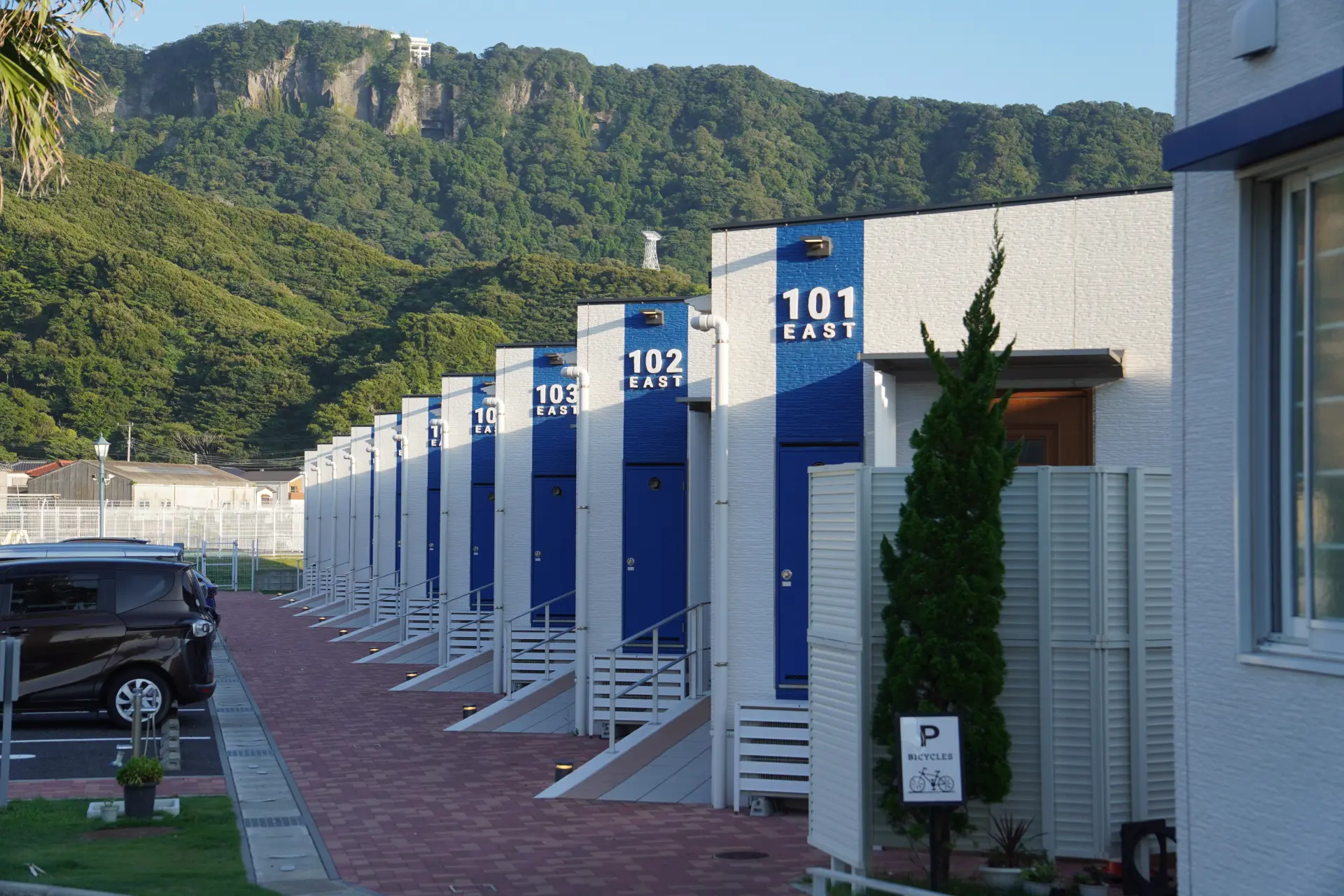
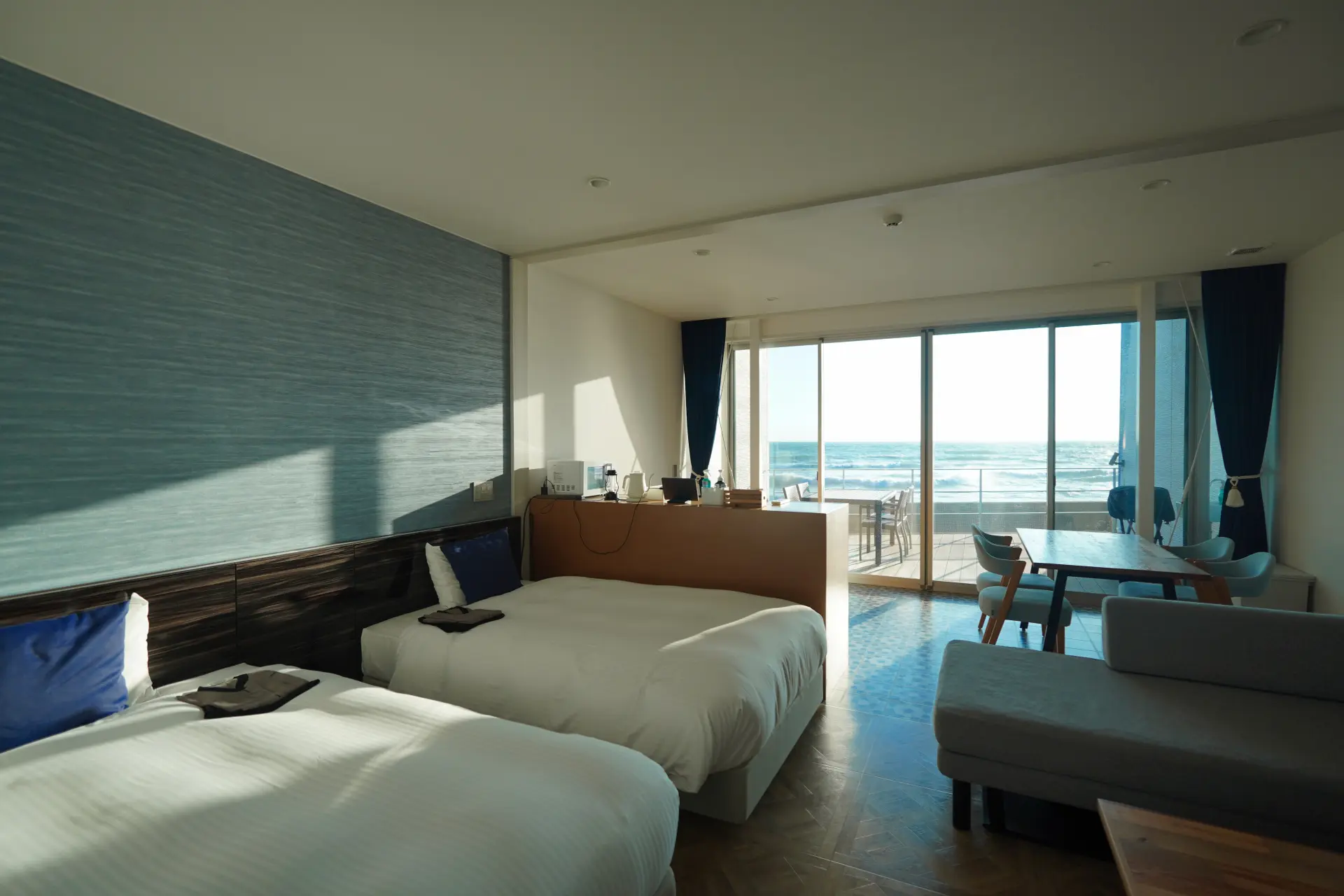
Welcome drinks exclusively for overnight guests and s’mores-making around a campfire are among the services that add to the stay, creating an indulgent, almost all-inclusive feel. The property also offers private sauna rentals by the hour, making it a lovely choice for a special stay with someone close to you.
- Japanese Name
- BAYSIDE KANAYA(ベイサイドカナヤ)
- Postal Code
- 299-1861
- Address
-
2171 Kanaya, Futtsu City, Chiba Prefecture
Google Map - Phone
- 0439-27-1415
- Check-in
- 3:00 pm
- Check-out
- 11:00 am
- Official Website
- Official Website
Day 2 | Discover History at Mt. Nokogiri Nihon-ji Temple
On the second day, hike around the grounds of Nihon-ji Temple, which has a history of around 1,300 years. Walk through Mt. Nokogiri’s rich natural surroundings, visit historical treasures such as the Great Buddha and groups of stone statues, and enjoy spectacular views of Tokyo Bay and Mt. Fuji. After descending, stop for lunch at a stylish café popular with locals. Finish the journey in comfort with a Green Car ride home, watching the scenery from your seat.
Join a Guided Tour of Nihon-ji Temple, Kanto’s Oldest Imperially Commissioned Temple
Begin Day 2 at Sanroku Station, the lower station of the Nokogiriyama Ropeway. Enjoy sweeping views over Tokyo Bay during the approximately four-minute ride through the air.
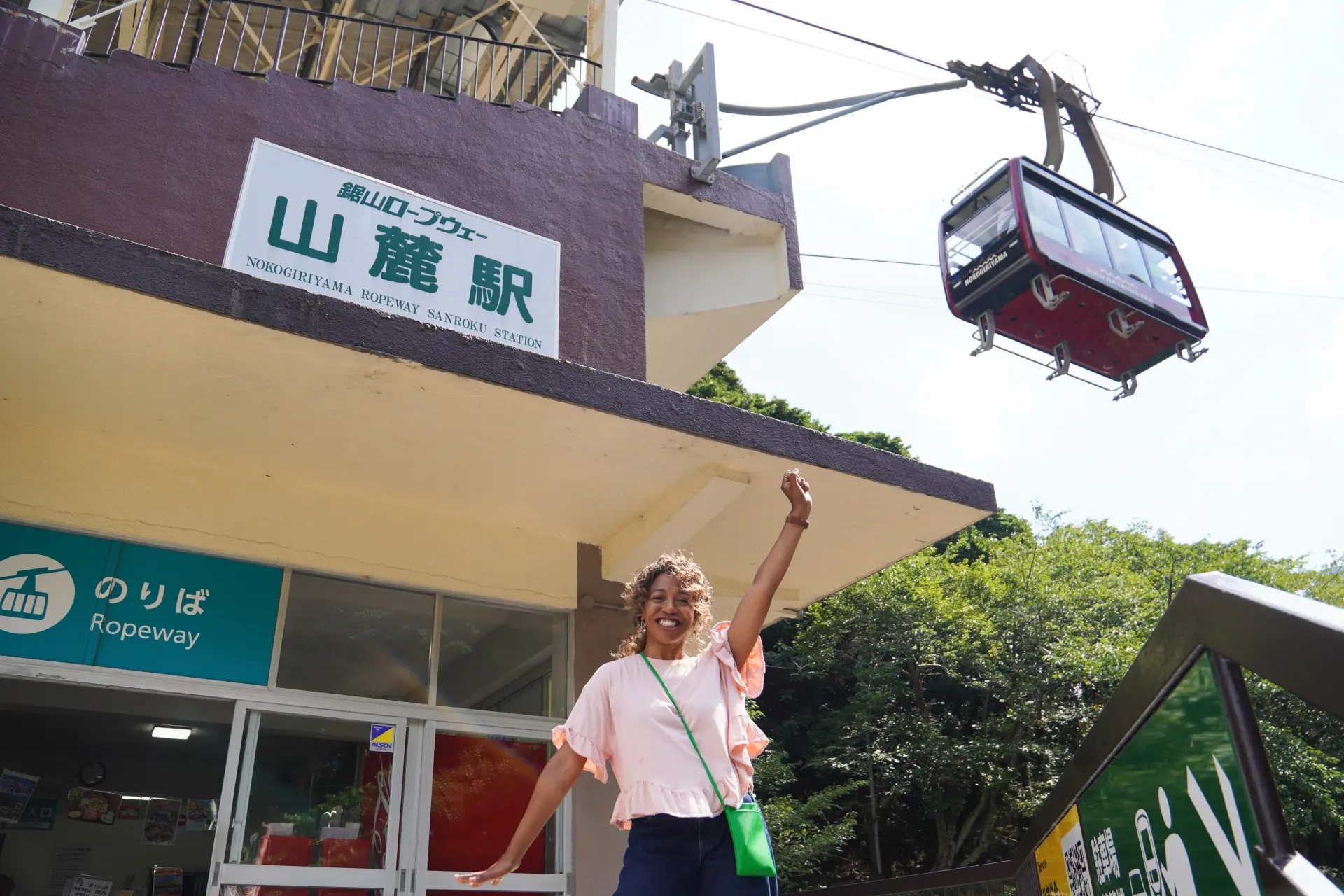
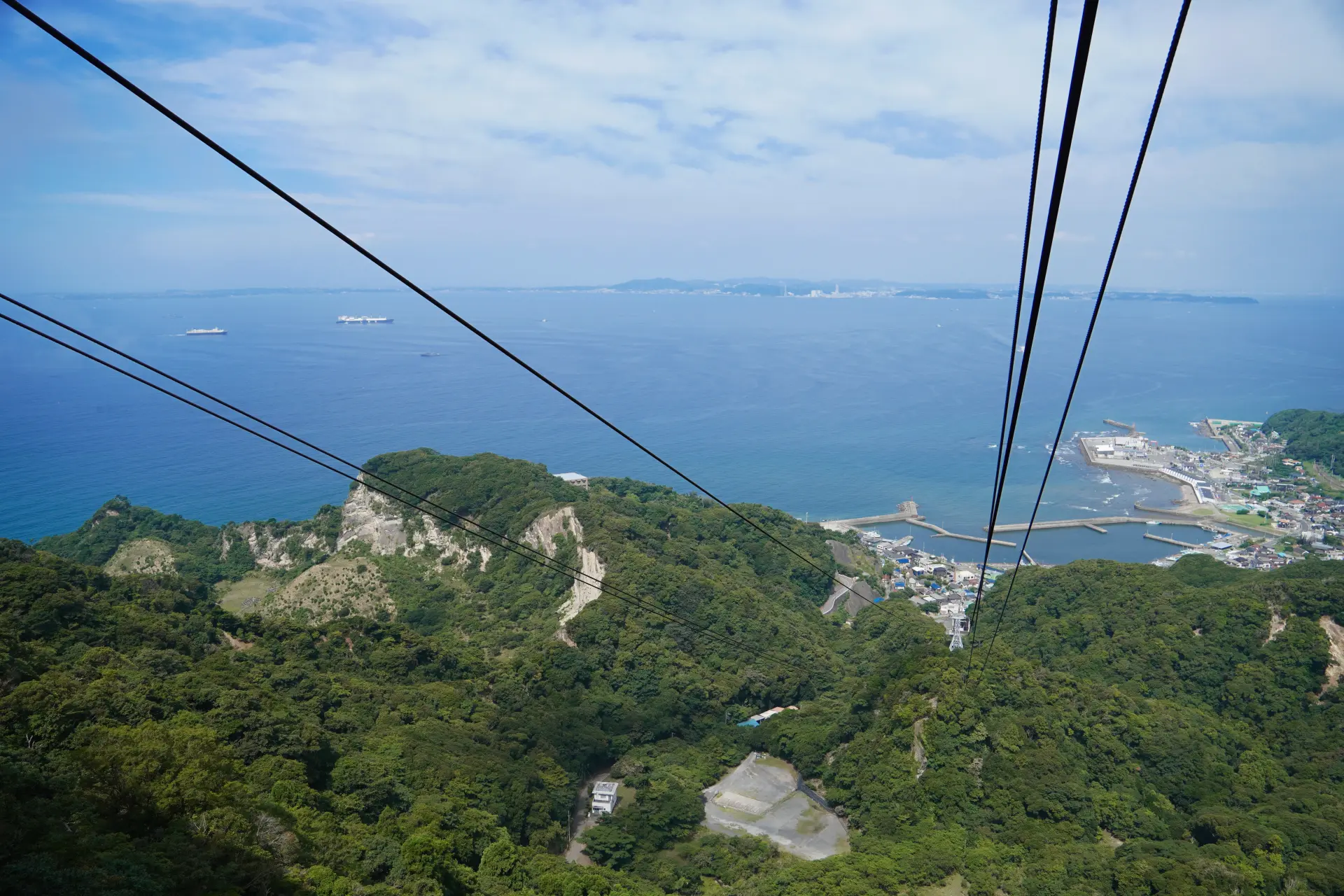
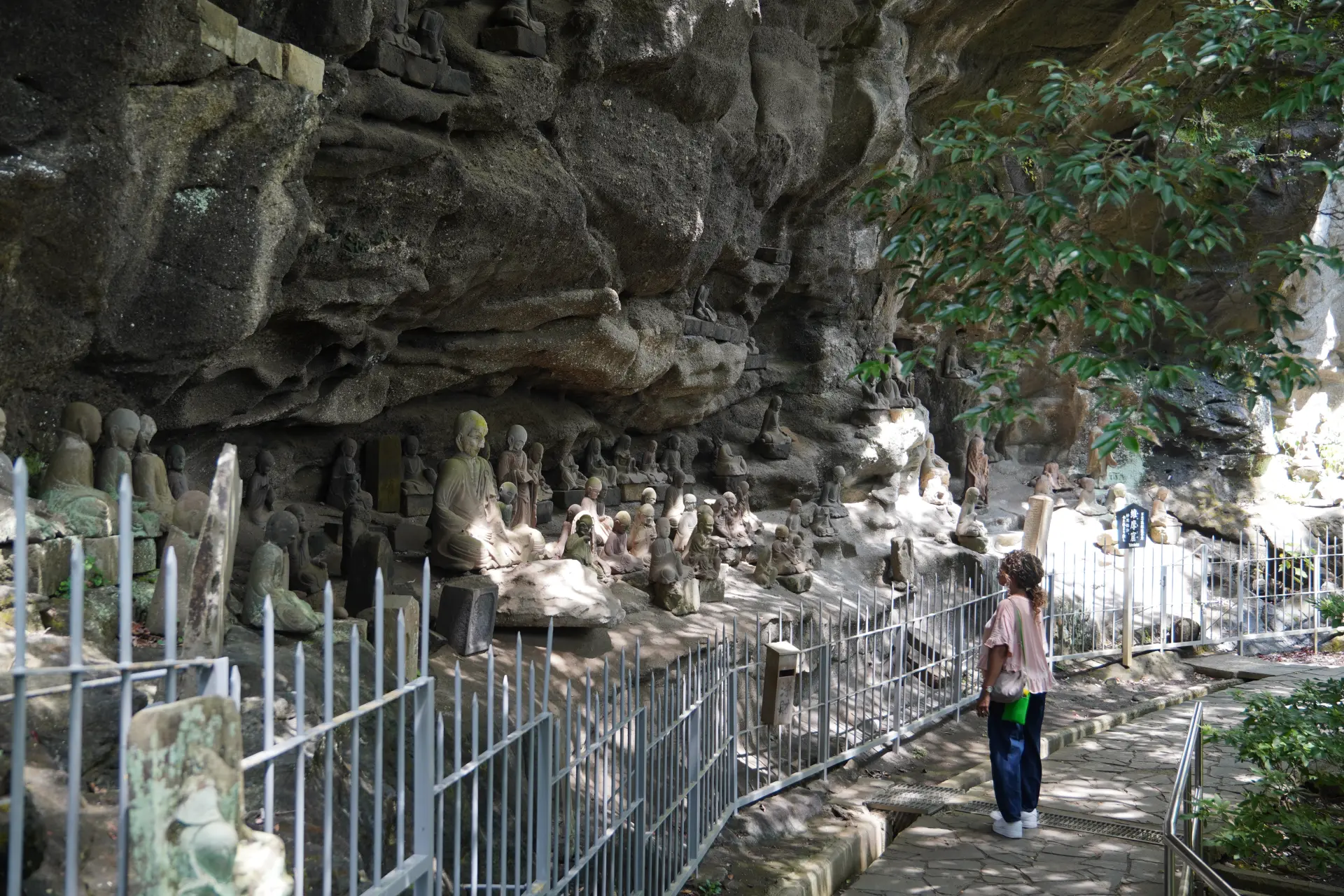
Mt. Nokogiri Nihon-ji Temple spreads across the southern slopes of Mt. Nokogiri (Nokogiriyama). With a history of around 1,300 years, it is Kanto’s oldest imperially commissioned place of worship. Such a designation refers to a shrine or temple established by order of an emperor or retired emperor to pray for matters such as peace in the country and the prosperity of the imperial family. Spanning over 100,000 tsubo—roughly 330,000 square meters—the grounds are dotted with sights including Japan’s largest rock-carved Buddha, Hyakushaku Kannon, Jigoku Nozoki (“Peek into Hell”), and Sengohyaku Rakan, a collection of 1,500 stone arhat statues.
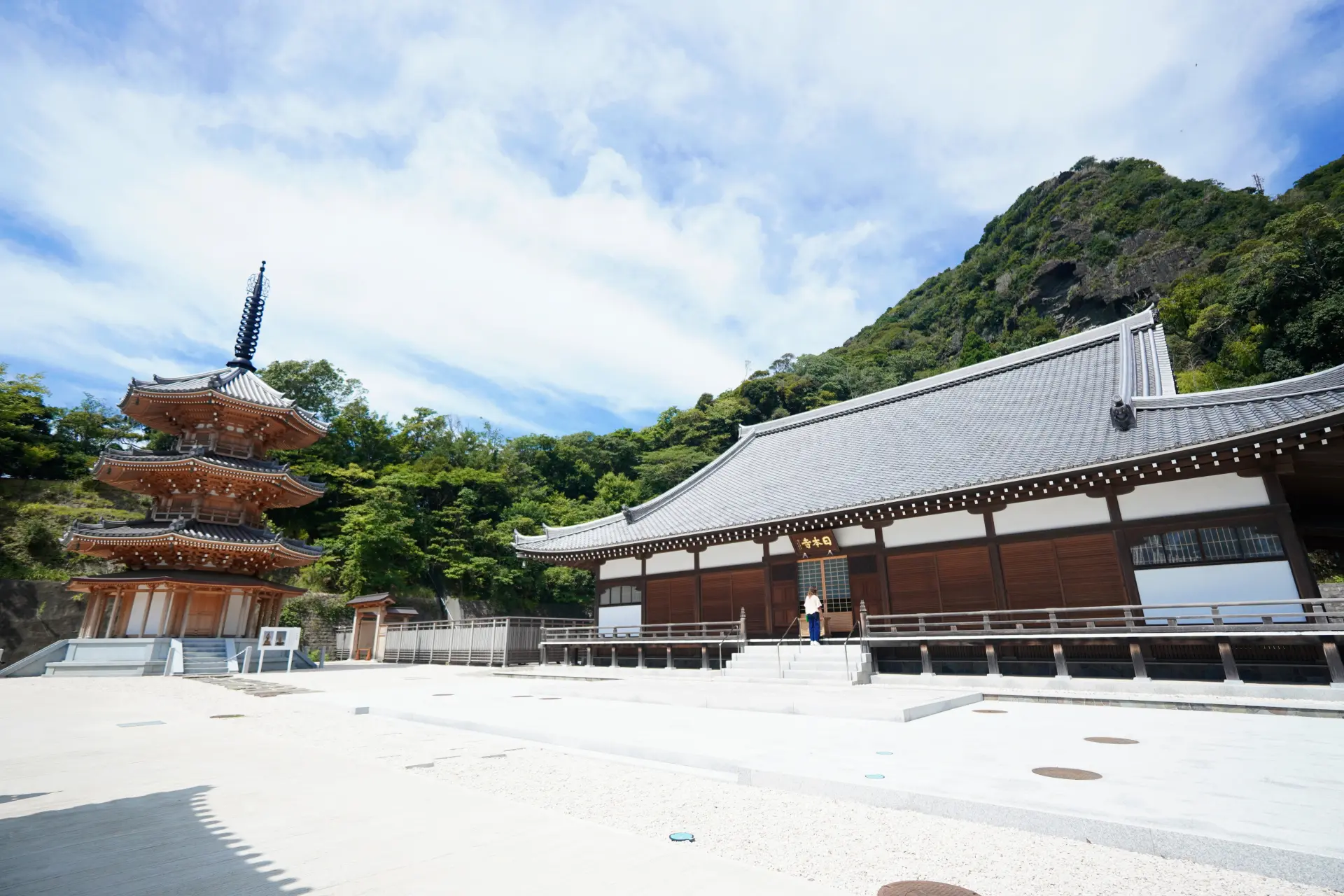
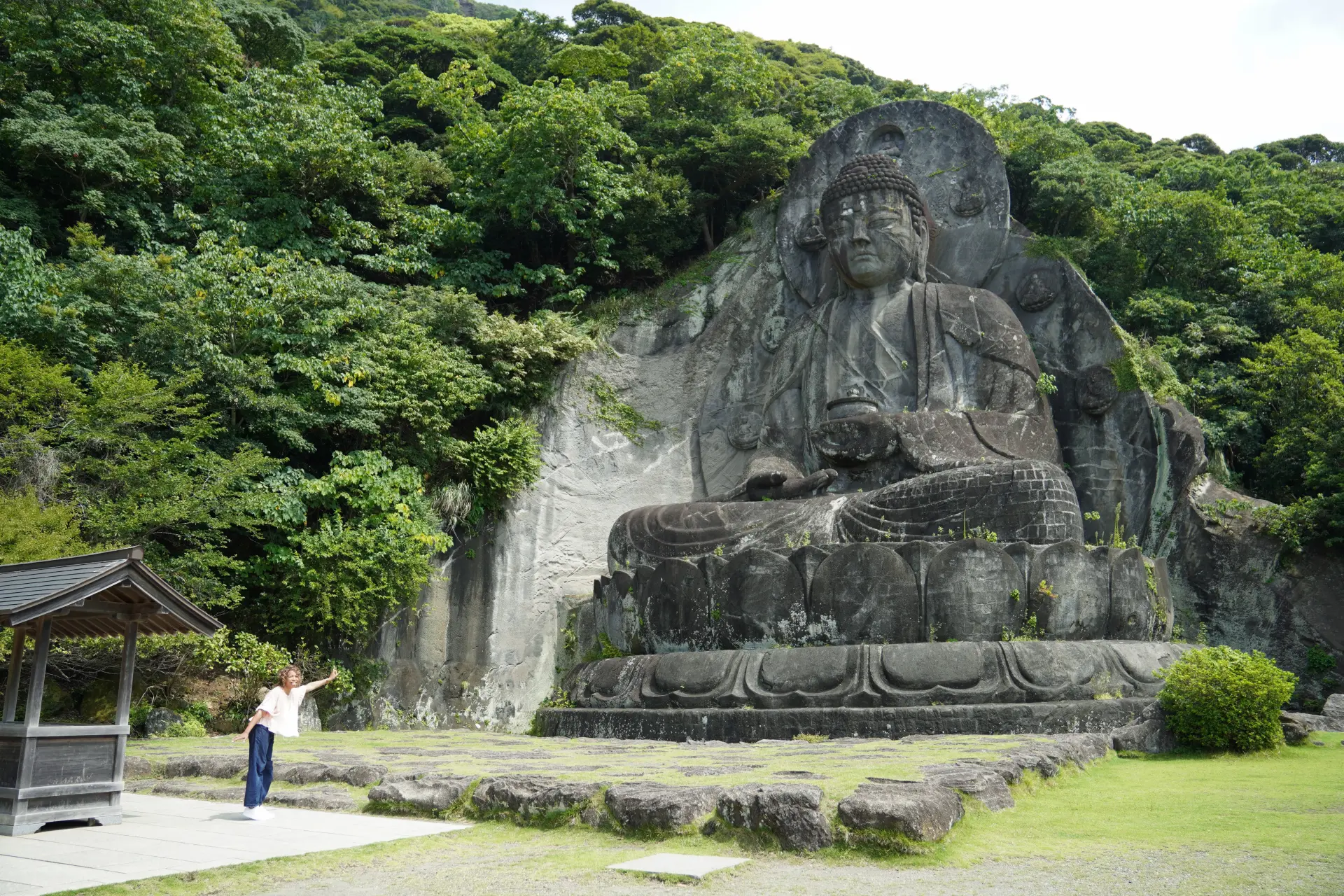
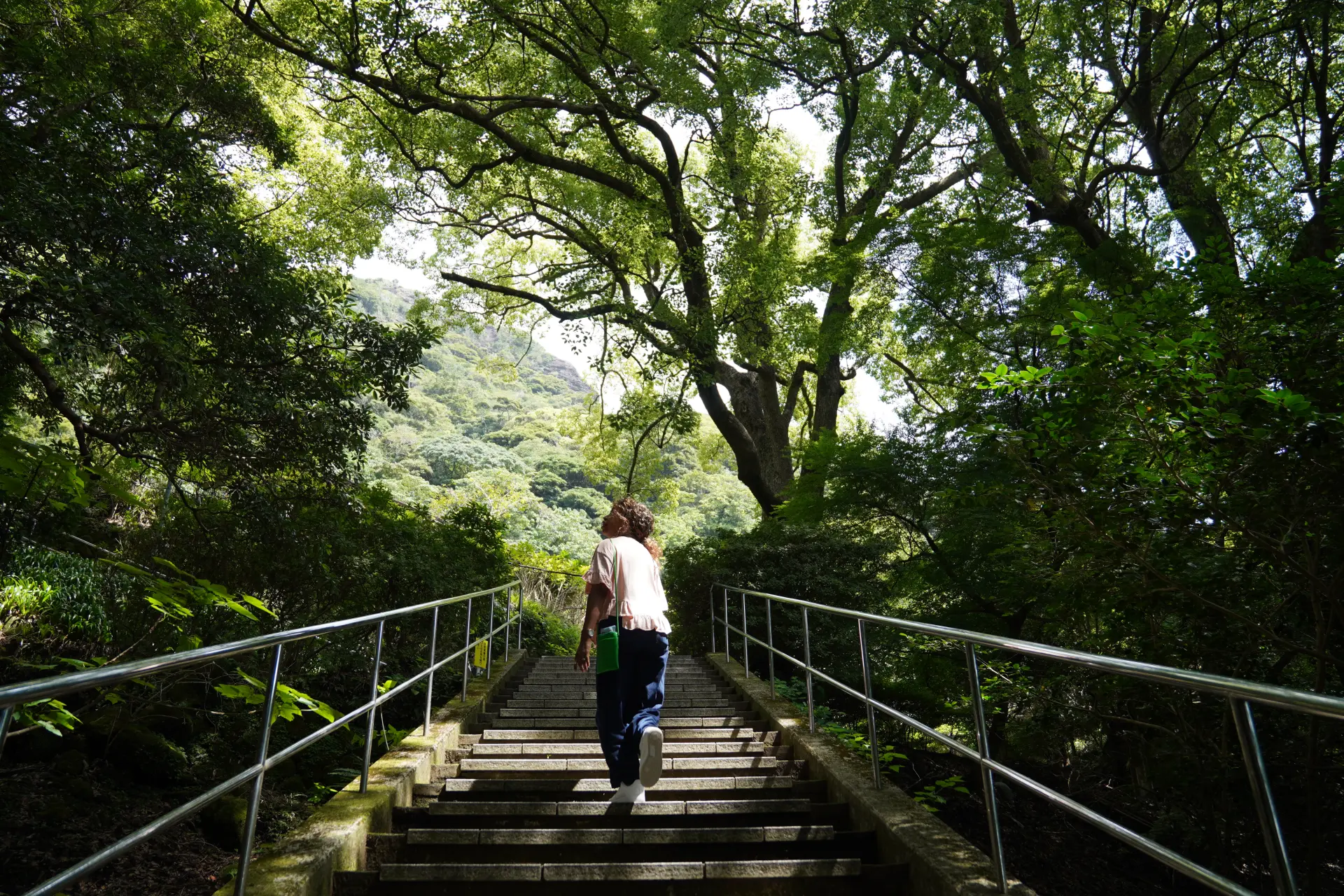
For an efficient visit, consider a tour with WeGuide NOKOGIRIYAMA, which specializes in guiding on Mt. Nokogiri. You can hike while learning about Nihon-ji Temple and Buddhist history. There is plenty of walking, with many climbs and descents, so wear comfortable clothing and shoes.
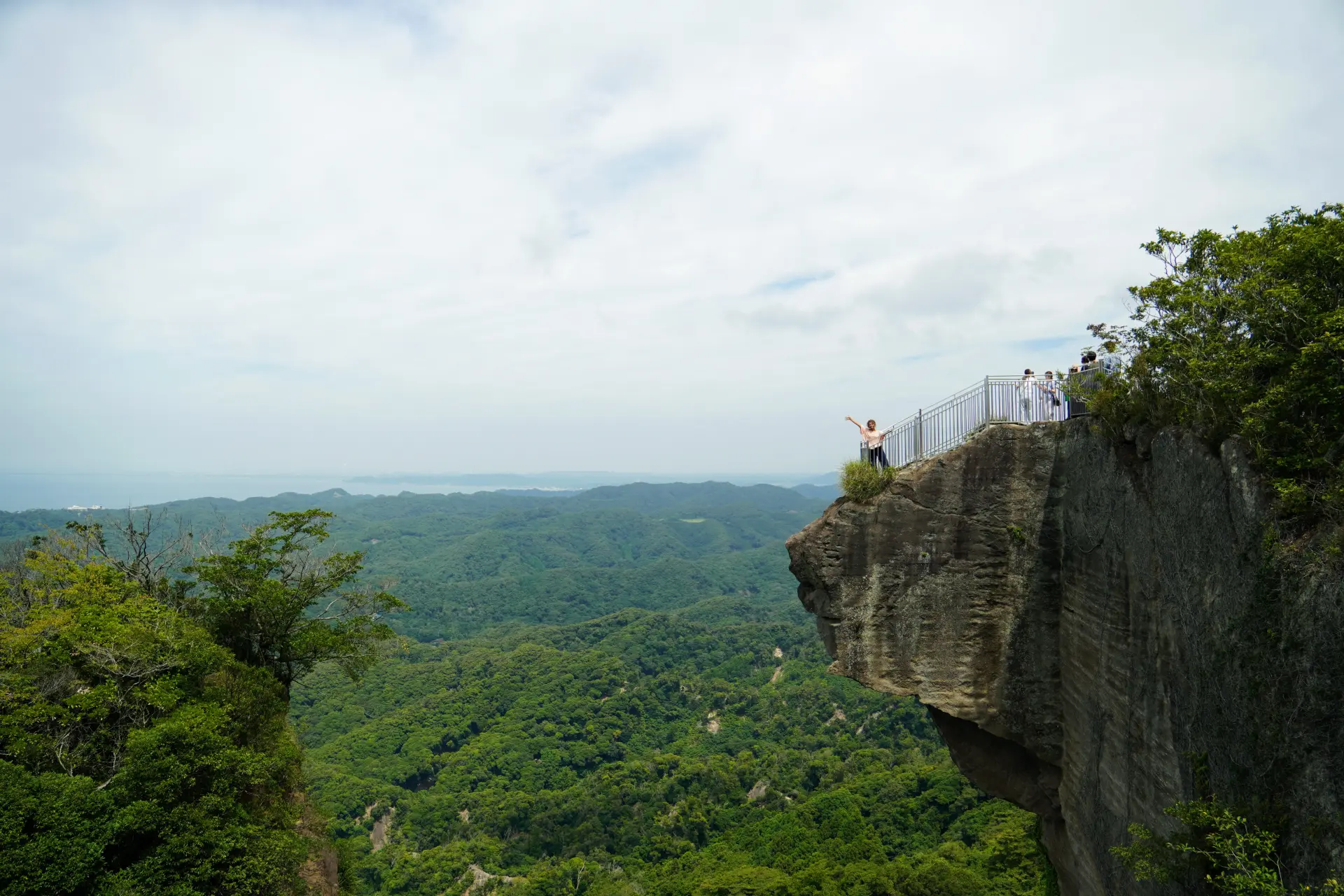
The most popular stop on a walk around Nihon-ji Temple is Jigoku Nozoki. Walk to the tip of the rock jutting out from the cliff for spectacular views ahead and a thrilling drop below. According to our WeGuide guide, the clear winter air can reveal not only Mt. Fuji across Tokyo Bay but also Japan’s Southern Alps rising beyond it.
Lunch at NON, a Café with a Nostalgic Atmosphere
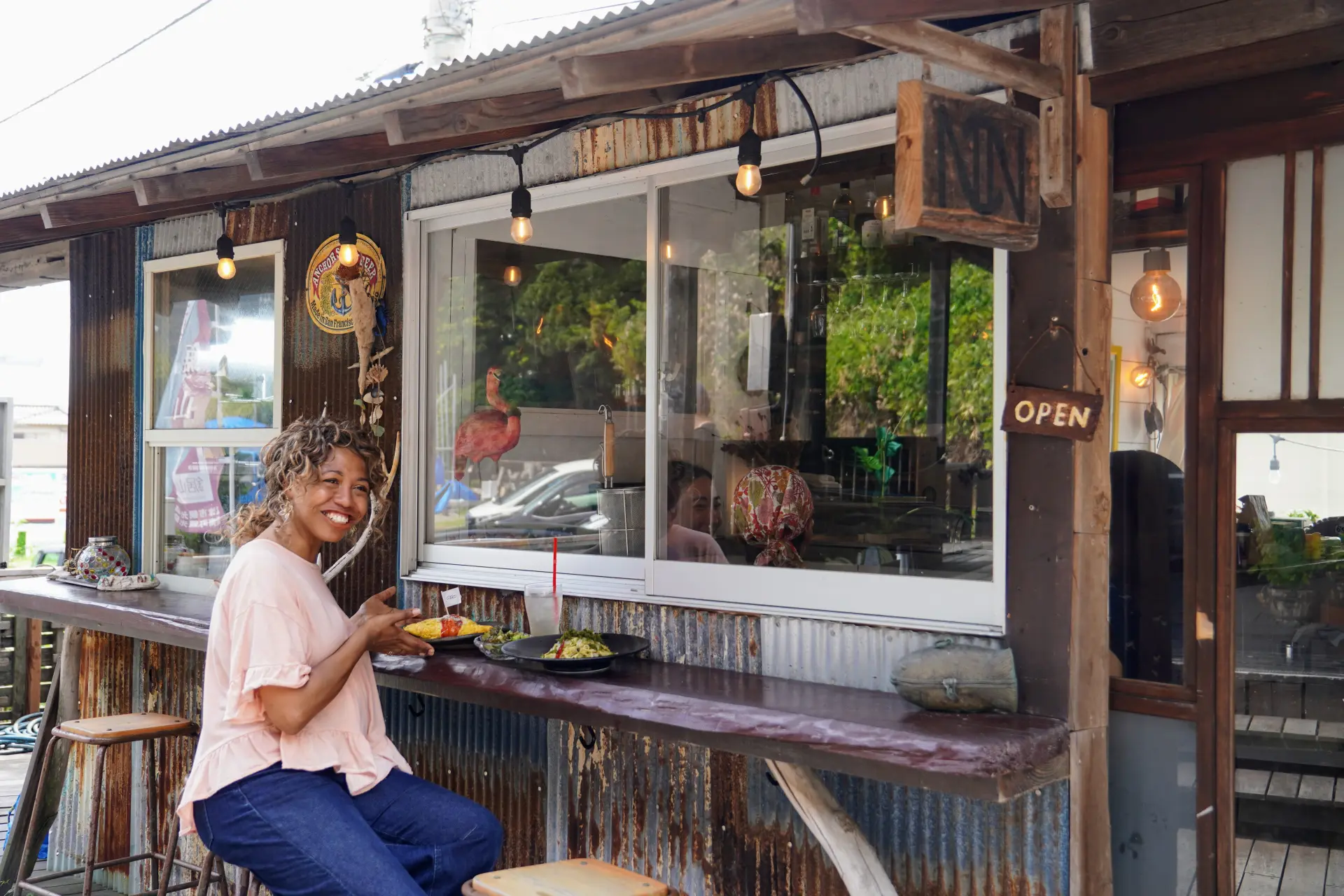
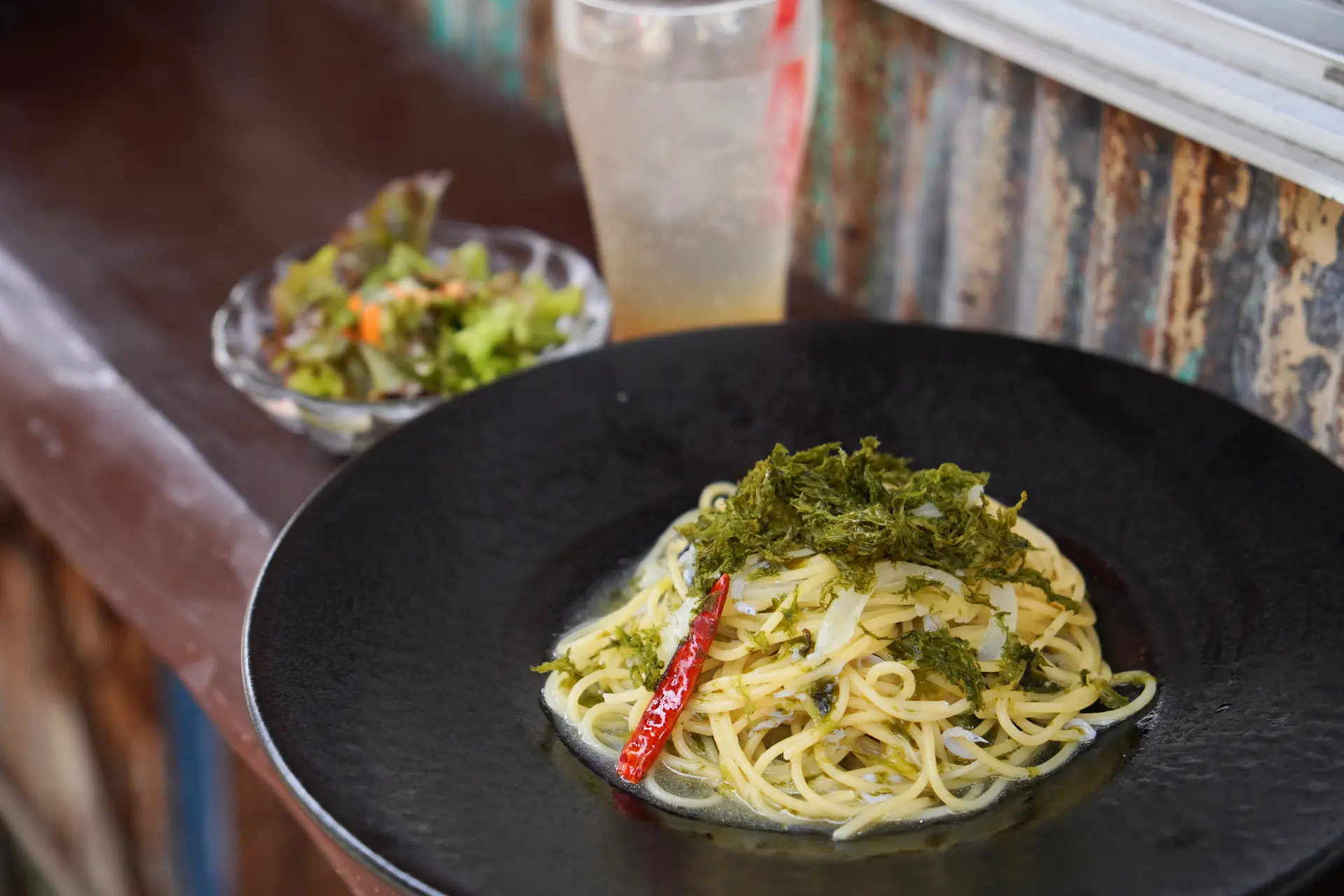
After coming down the mountain, head to NON, a café just a short distance from the port. Its popular Peperoncino with Futtsu Nori and Shirasu has a gentle flavor that highlights the aroma of nori seaweed. Enjoy lunch in the nostalgic interior, styled like a traditional house, as you unwind after your hike. Shirasu are whitebait, the small fish used in the dish.
- Japanese Name
- NON
- Postal Code
- 299-1861
- Address
-
Building B, 2133-5 Kanaya, Futtsu City, Chiba Prefecture
Google Map - Phone
- 070-9172-4572
- Hours
- 11:00 am–4:00 pm, 6:00–9:00 pm
- Closed
- Tuesdays and the first and third Wednesdays of each month
- Official Social Media
- Official Social Media
Return to Tokyo on the JR Uchibo Line in Green Car Comfort
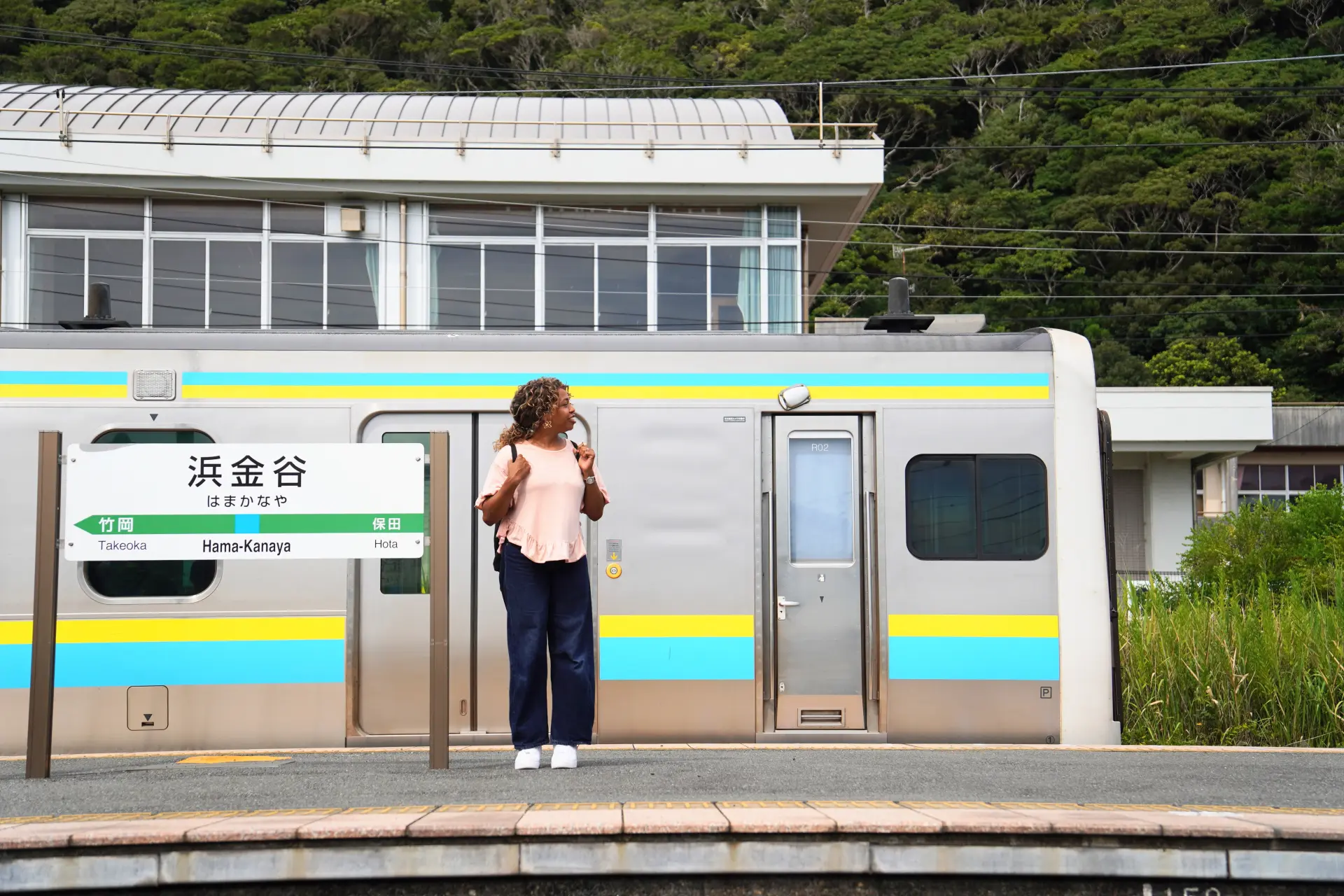
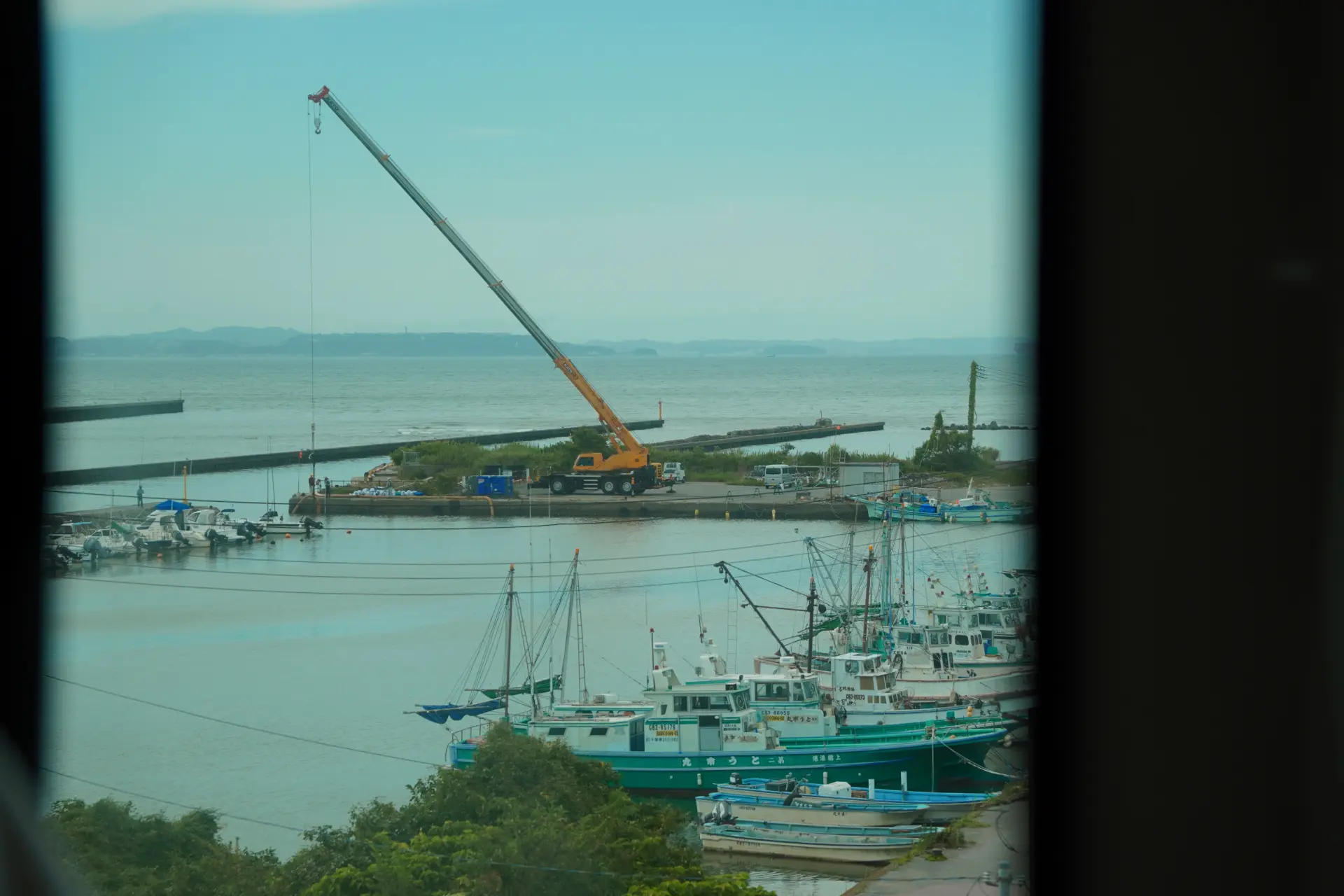
Board a Tokyo-bound Uchibo Line train at JR Hama-Kanaya Station. A retro shop in front of the station and a school gymnasium just behind it, where students may wave to passing travelers, add to the local charm. For sea views along the Uchibo Line, sit on the left-hand side facing the direction of travel.
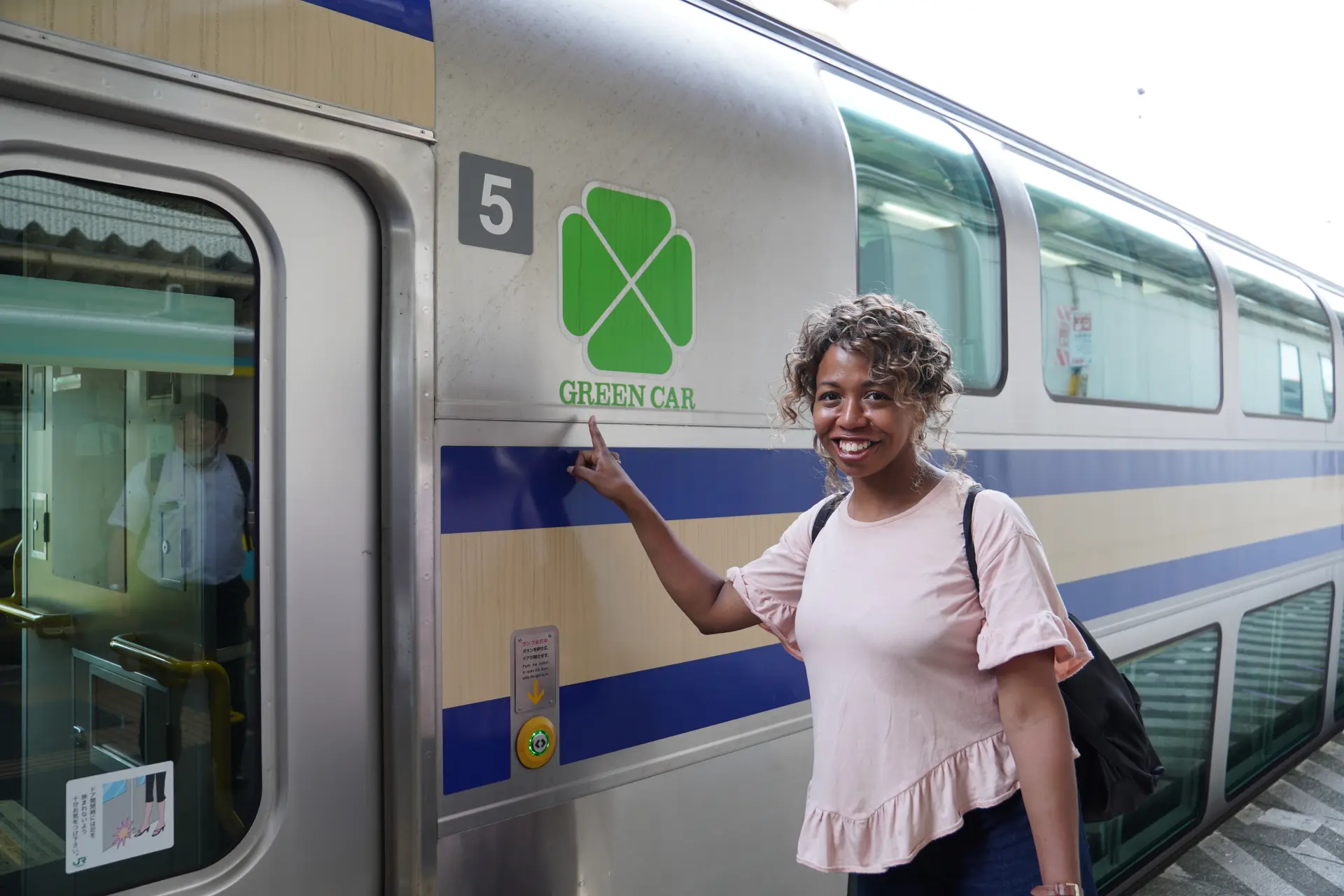
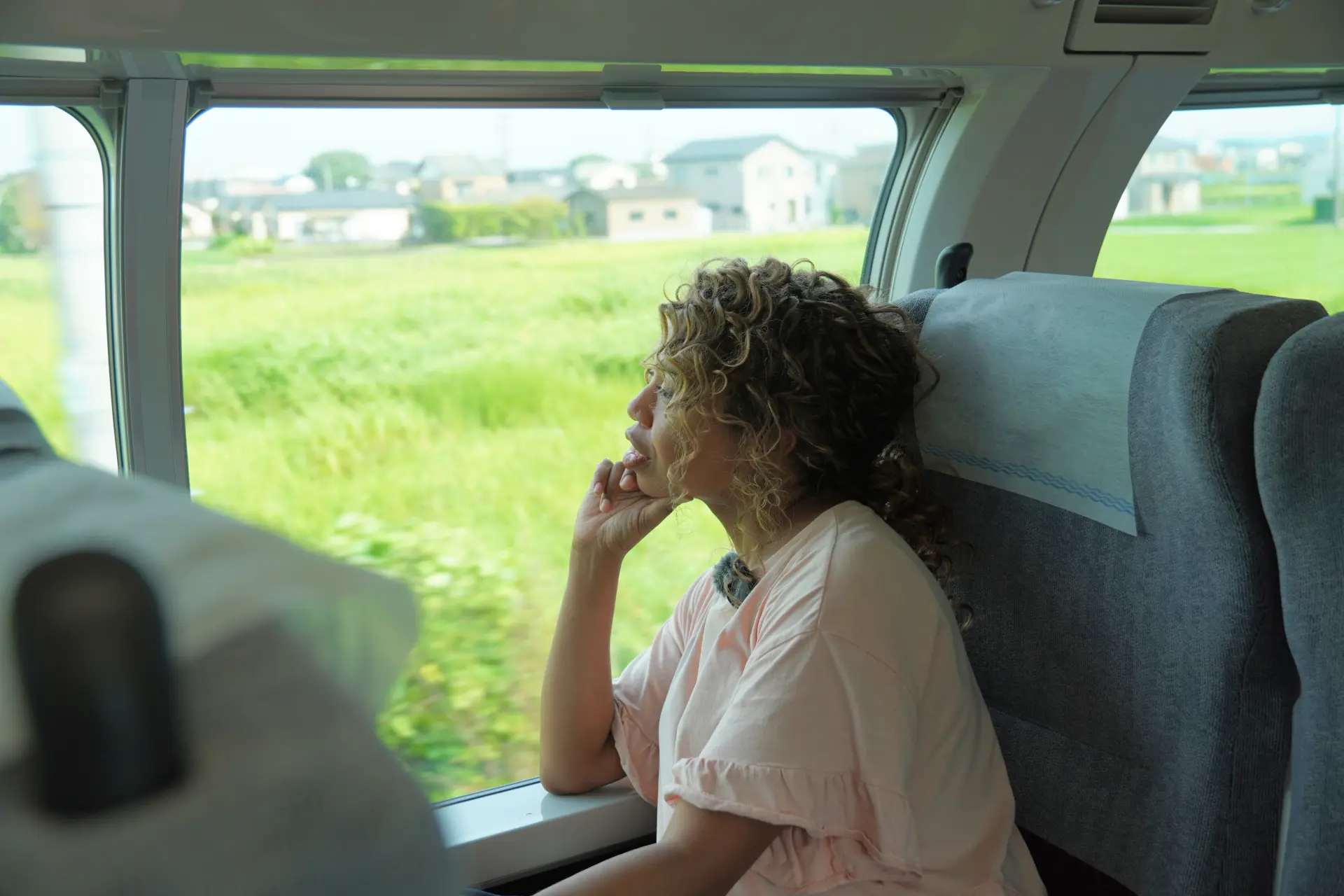
Take a local train from Hama-Kanaya to Kimitsu, then transfer to a Tokyo-bound train with Green Cars for a relaxing journey home. Green Cars offer a higher level of comfort and service than ordinary cars. Although there is an additional charge, the wider, reclining seats make it easy to settle back. A Green Car ticket is required. You can buy one after boarding, but it costs more, so purchase yours at a ticket machine or through an app before getting on the train.
Tips for Enjoying This Itinerary
Bring clothing and shoes suitable for walking, as the route includes hikes of an hour or more on Sarushima and at Nihon-ji Temple. Nihon-ji has particularly steep climbs and descents, with many steep flights of stairs, so hiking shoes are a good choice. During the hot, humid months from June through September, also take precautions against heatstroke.
Across Tokyo Bay by Rail and Ferry: Access and a Two-Day, One-Night Itinerary
Here is the full two-day, one-night route across Tokyo Bay linking the Miura and Boso peninsulas, from start to finish. The access details and travel times for each stop can help you plan your own journey.
Getting to the Starting Point and Traveling On from the Finish
Start | Shinagawa Station
Reach Shinagawa from Haneda Airport on the Keikyu Line, or from Narita Airport using Keikyu, JR, or other rail connections. It is also easy to reach from elsewhere in Tokyo, making it a convenient starting point for this trip.
Finish | Tokyo Station
Suggested Itinerary
Day 1
- 9:00 am Depart from Shinagawa Station
- About 50 minutes to Yokosuka-chuo Station on the Keikyu Line
- 10:30 am Board a ferry from Mikasa Terminal to Sarushima
- About a 15-minute walk from Yokosuka-chuo Station
- 10:40 am Arrive on Sarushima
- 1:00 pm Return to Yokosuka for lunch at Restaurant LAUNA
- About a 10-minute walk from Mikasa Terminal
- 2:00 pm Explore Dobuita Street
- 3:00 pm Travel from Yokosuka-chuo Station to Keikyu Kurihama Station
- 4:15 pm Board the Tokyo Bay Ferry
- About 10 minutes by bus from Keikyu Kurihama Station
- 4:55 pm Arrive at Kanaya Port
- 5:00 pm Check in at BAYSIDE KANAYA
Day 2
- 9:30 am Check out and head to Sanroku Station on the Nokogiriyama Ropeway
- 10:00 am Join WeGuide’s “Nihon-ji: An Edo-Period Theme Park” Tour
- 12:45 pm Lunch at NON
- 2:00 pm Board the JR Uchibo Line at Hama-Kanaya Station, changing at Kimitsu for Tokyo
- 4:30 pm Arrive at Tokyo Station
Frequently Asked Questions about This Rail-and-Ferry Itinerary
Q
Can I follow this route with large bags?
The itinerary involves a lot of walking, including hikes, so we recommend leaving large bags in coin lockers at stations or other suitable locations.
Q
Can I enjoy the route in the rain?
WeGuide’s Nihon-ji Temple tours are canceled in rainy weather. You can explore independently, but for safety we recommend a raincoat that leaves both hands free.
Q
Where can I buy train tickets?
Tickets are available at stations and online. They often cannot be purchased at unstaffed stations, so check in advance when and where to buy them.
Summary
From Yokosuka’s streets and the exploration of Sarushima to a ferry crossing of Tokyo Bay and a hike around Mt. Nokogiri and Nihon-ji Temple, this two-day, one-night trip brings together the Miura and Boso peninsulas on opposite sides of the water. Travel just a little beyond Tokyo by rail, and you can discover local culture, history, and abundant nature. Combining the Keikyu Line, JR Uchibo Line, and ferry creates a distinctive rail-and-sea journey across Tokyo Bay. On your next trip, venture beyond your usual Tokyo sightseeing and discover this adventurous route.
*This article was produced by the Greater Tokyo Tourism Organization, a general incorporated association, with support from the comprehensive DMO support program.
Author
Writers & Editors
GOOD LUCK TRIP Editors
Sharing lesser-known ways to experience Japan with the world!