
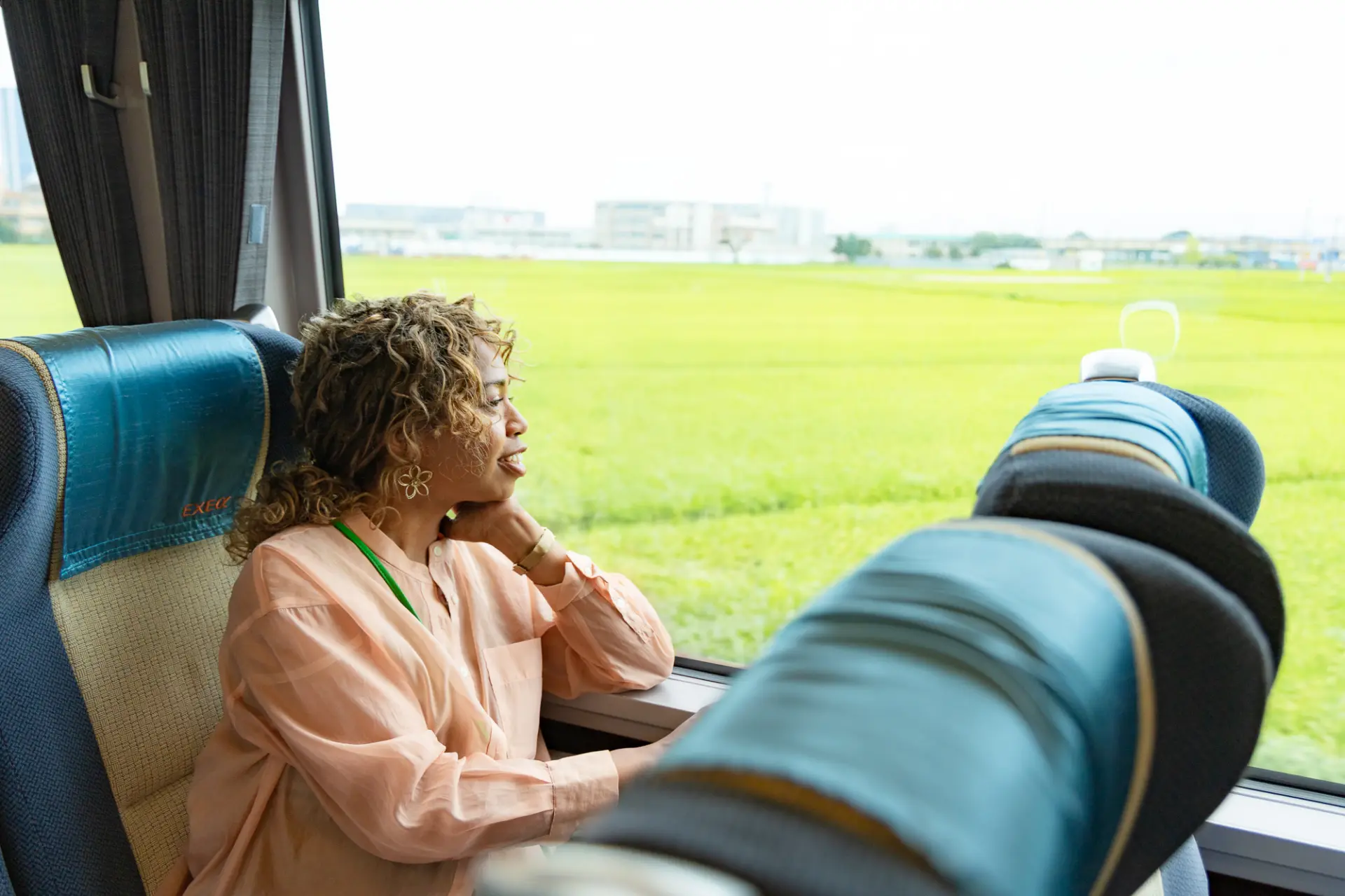
Follow an Edo-Era Pilgrimage Trail: A Day Trip into Oyama’s Sacred Traditions and Rural Culture
About an hour from Shinjuku Station in Tokyo, lush mountains and nostalgic streets await beyond the city. The Oyama area of Kanagawa Prefecture has welcomed visitors on the Oyama Pilgrimage for more than 400 years. Today, it remains a popular destination for experiencing natural beauty, history, and culture. This day-trip itinerary from Shinjuku introduces Oyama Afuri Shrine, Koma Sando, and Tougakubou, known for its tofu kaiseki cuisine. Join us for a short escape to Oyama, where nature surrounds you and history brings a sense of romance to the journey.
The Railway on This Itinerary: The Odakyu Line
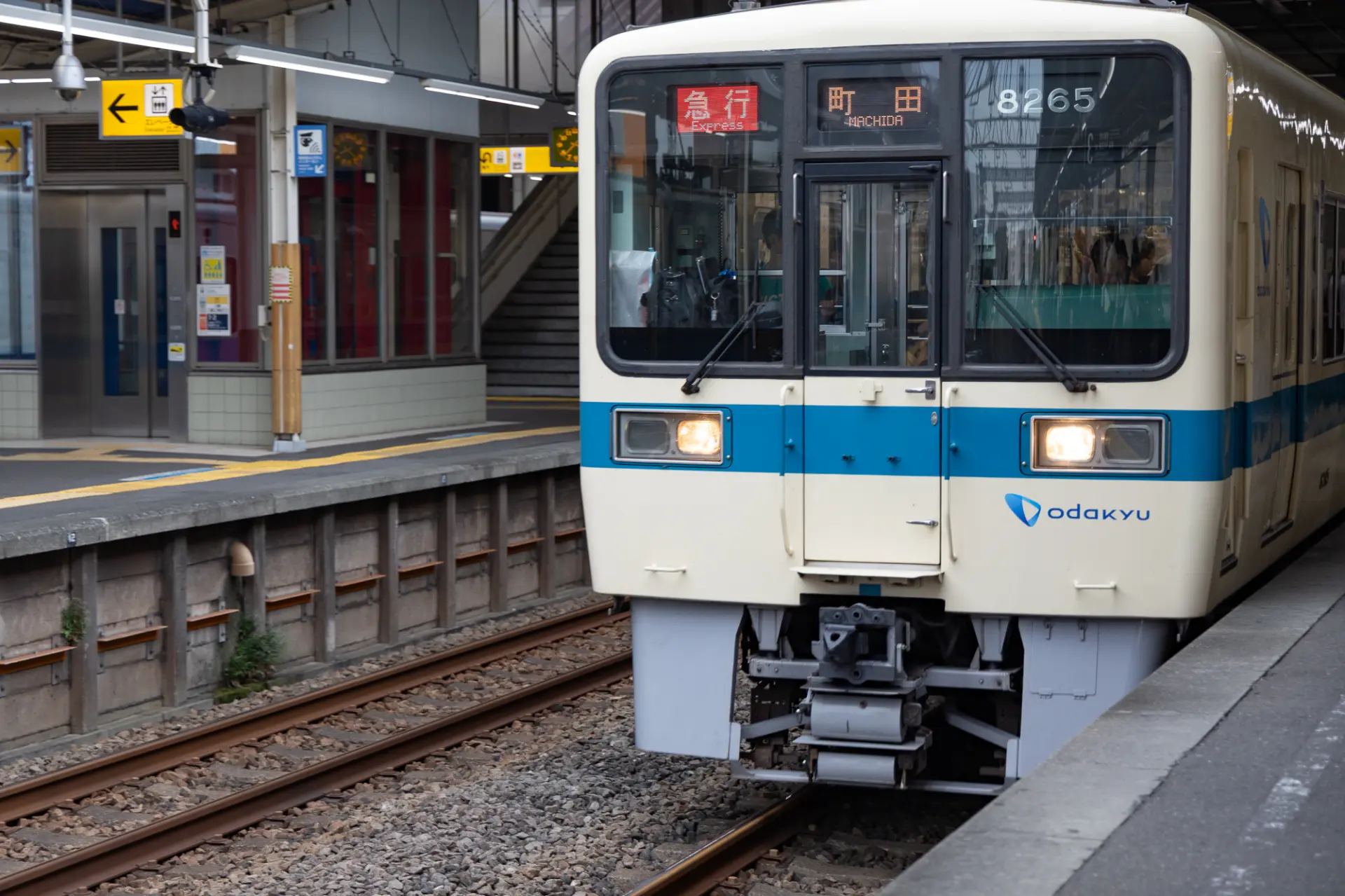
The Odakyu Line is essential to this trip, connecting Shinjuku Station in Tokyo with Odawara Station in Kanagawa Prefecture. Shinjuku is a vast terminal served by many lines, with convenient connections from Haneda and Narita airports. Isehara Station, the gateway for this trip, is about an hour from Shinjuku. This easy access makes the line a convenient choice for a day exploring Oyama’s nature, history, and culture. On the way from Shinjuku toward Hakone, you pass through Isehara, the gateway to Oyama Afuri Shrine.
Make the Journey Part of the Fun with a Relaxed Romancecar Ride
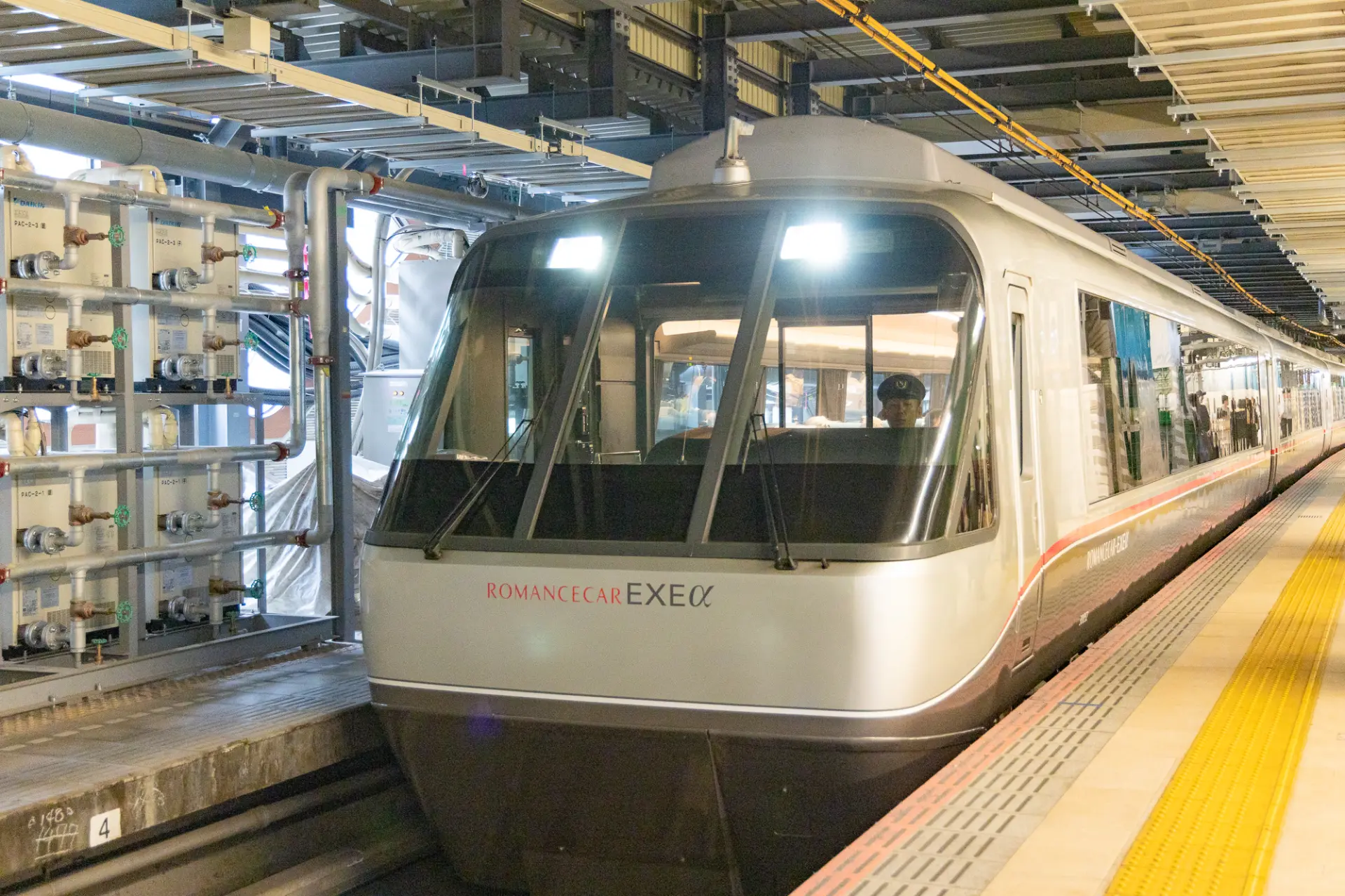
If the schedule works for you, consider the Odakyu Limited Express Romancecar. Operated by Odakyu Electric Railway, this limited express has reserved seating throughout, so you can sit back and relax. The EXEα (30000 series) we rode had a stylish interior with wood-toned details. Its soft, plush seats were comfortable enough to make us wish for a longer ride.
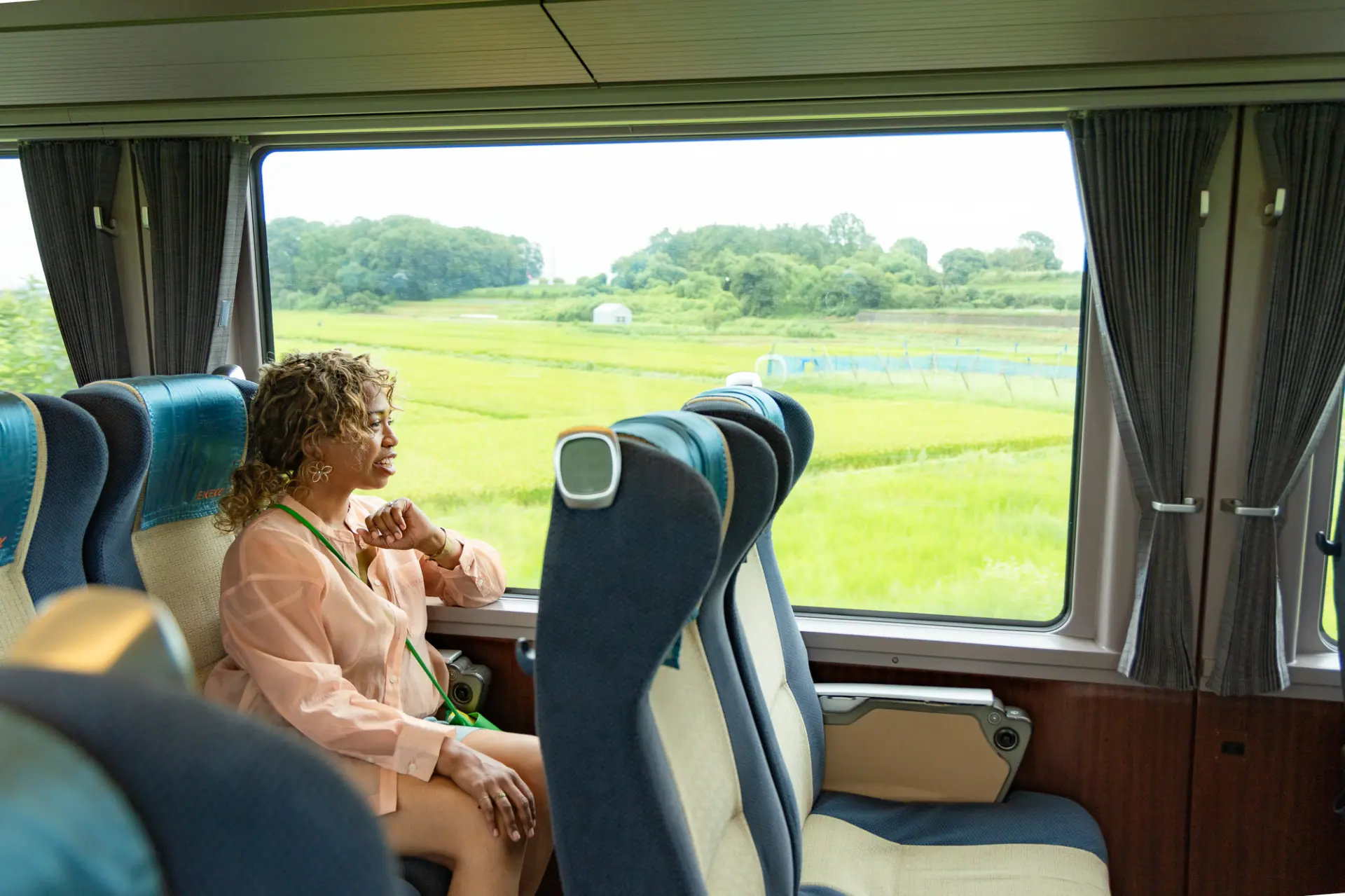
Useful travel features include space for large bags and power outlets at the seats. Settle into the comfortable surroundings and look forward to the day ahead as you travel to Isehara, the gateway to Oyama.

A Day-Trip Itinerary: Walk Koma Sando, Visit Oyama Afuri Shrine, and Enjoy Tofu Cuisine
Oyama drew many visitors on the Oyama Pilgrimage during the Edo period (1603–1868). Pilgrims are said to have spent days walking from Edo, now Tokyo, to reach Afuri Shrine. At a time when Edo’s population was around one million, Oyama attracted some 200,000 visitors each year. The pilgrimage route still preserves traditions passed down from that era, from its approach streets and pilgrims’ lodgings to its food culture. Follow traces of the path once walked by Edo’s people and discover Oyama’s distinctive nature and culture.
Experience Traditional Japanese Atmosphere on Koma Sando
Koma Sando leads uphill from the foot of Mt. Oyama. Souvenir shops and places to eat line its 362 stone steps, creating a nostalgic Japanese scene.
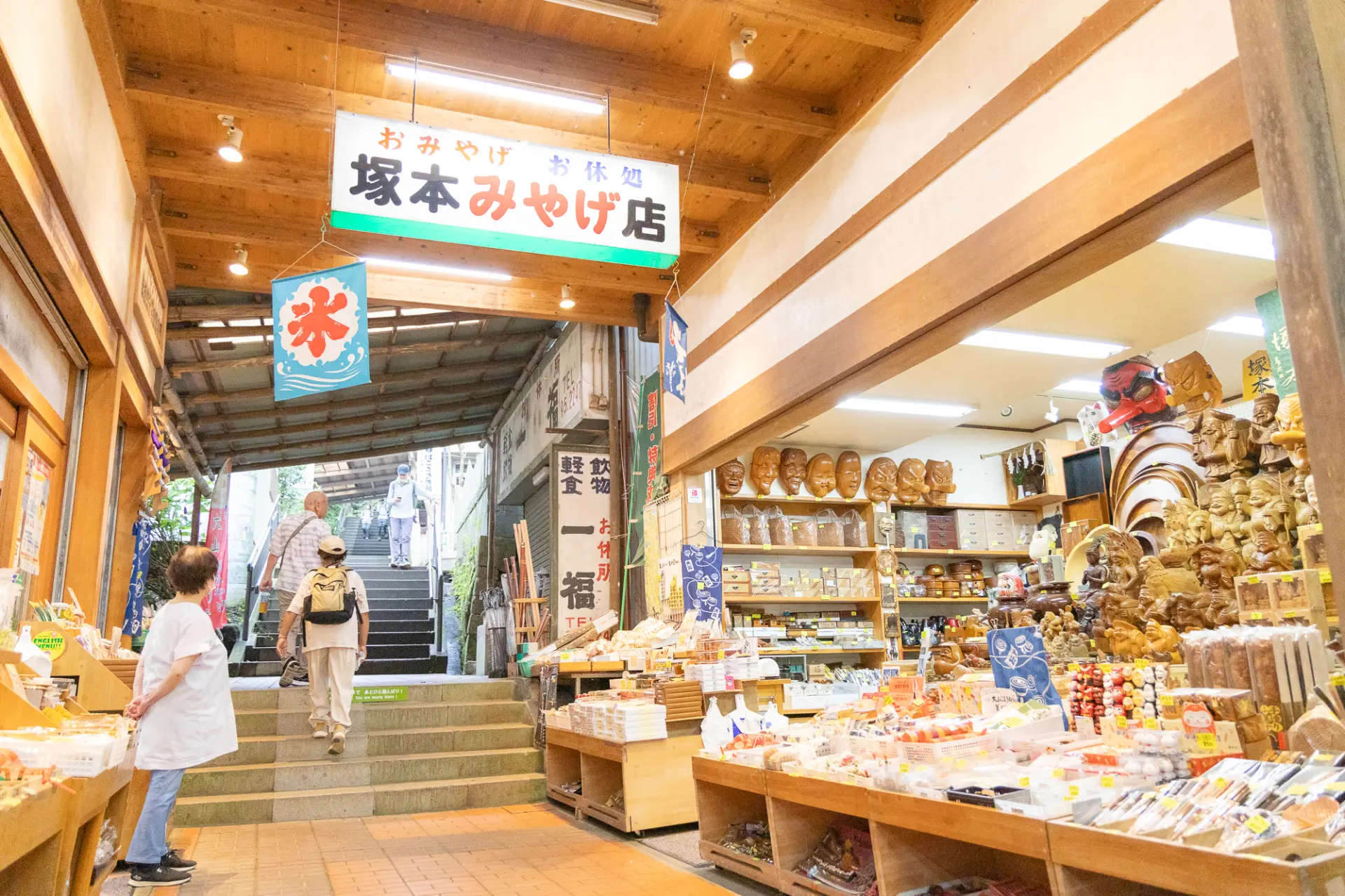
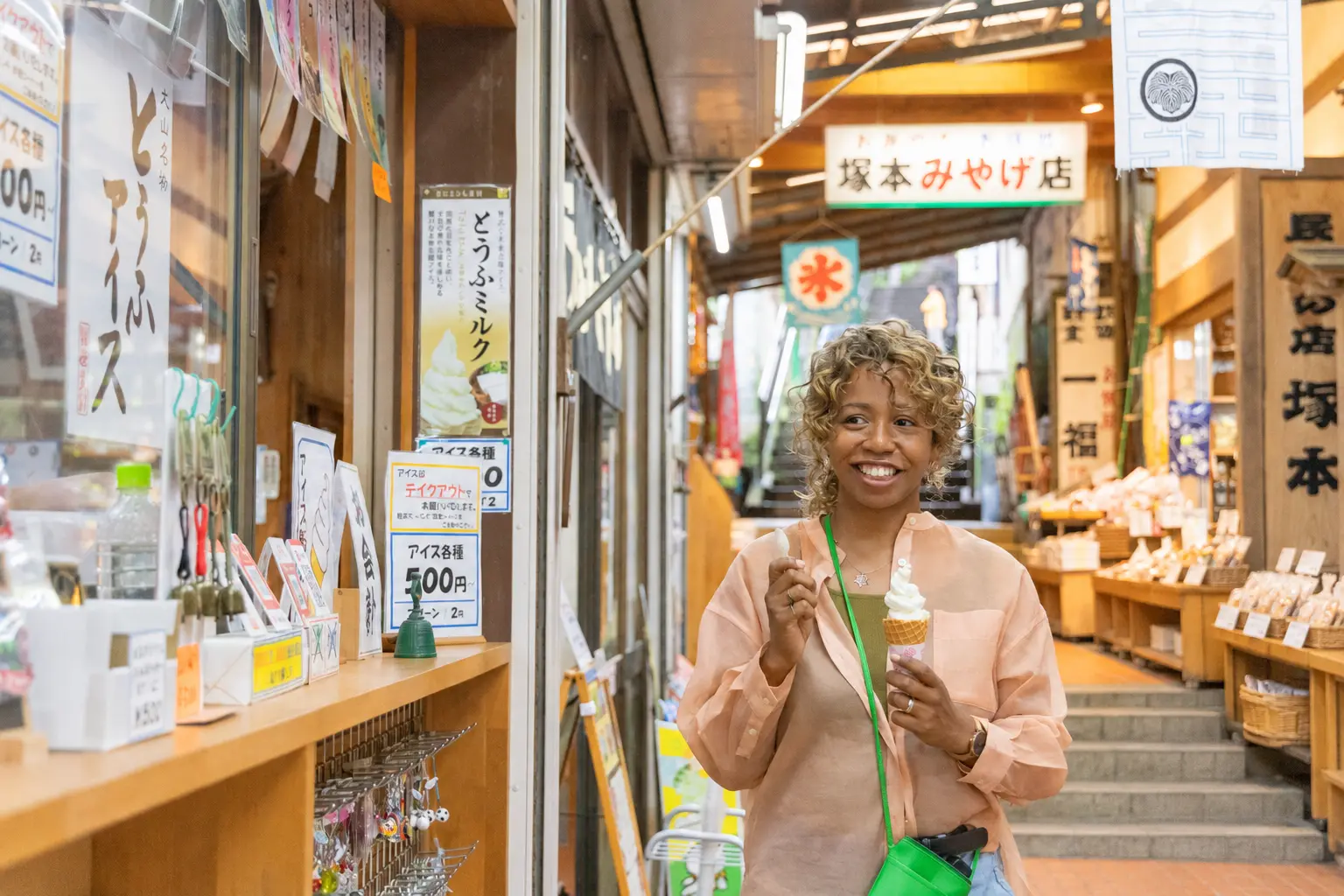
As you climb the steps and browse the storefronts, you will find local flavors such as treats made with Oyama tofu, kyara-buki (butterbur stems simmered in soy sauce), and tama konnyaku (konjac balls). One that caught our attention was tofu soft-serve ice cream. Its mellow soybean richness gives way to a clean finish, with a gentle, unpretentious flavor.
Look down at the landings and you will notice colorful tiles depicting spinning tops.
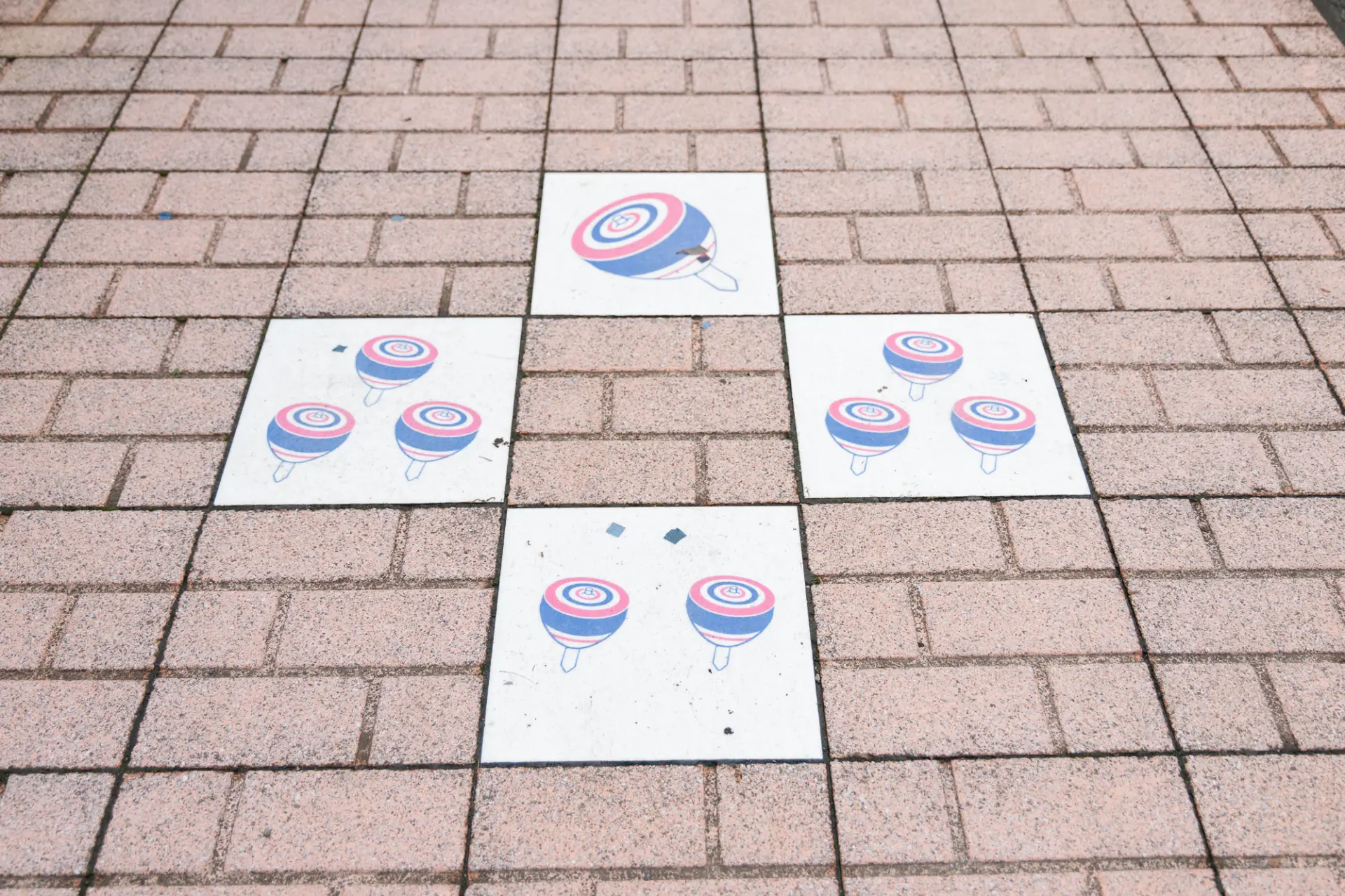
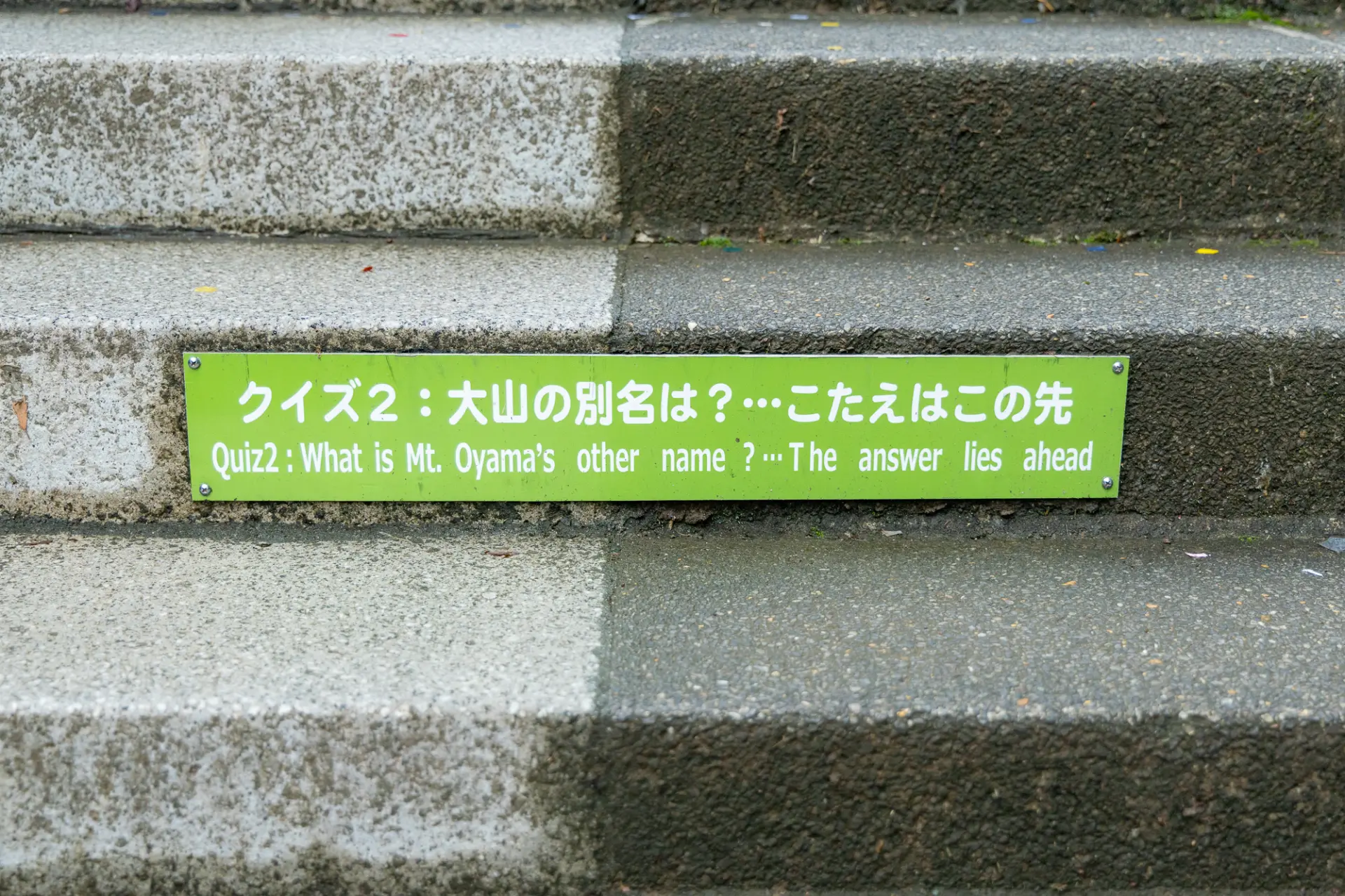
The street takes its name from Oyama-koma, traditional wooden spinning tops made in the area. Their spinning is associated with things running smoothly and money flowing, making them longstanding symbols of good fortune. Spinning-top tiles are set into all 27 landings, and the steps also feature quizzes about Oyama. Even the walk up the mountain becomes part of the fun on Koma Sando.
- Japanese Name
- こま参道
- Postal Code
- 259-1107
- Address
-
Oyama, Isehara City, Kanagawa Prefecture
Google Map - Phone
- 0463-73-7373 (Isehara City Tourism Association)
- Hours
- Open at all times; individual shop hours vary
- Closed
- Varies by shop
- Official Website
- Official Website
Ride the Oyama Cable Car Up through the Forest
At the top of Koma Sando’s steps, the Oyama Cable Car awaits. It climbs from the foot of the mountain through rich natural surroundings. The car sets off slowly, and greenery fills the windows as you emerge from a tunnel. Fresh spring foliage, autumn colors, and dreamlike misty-day scenery reveal different sides of Oyama depending on the season and weather.
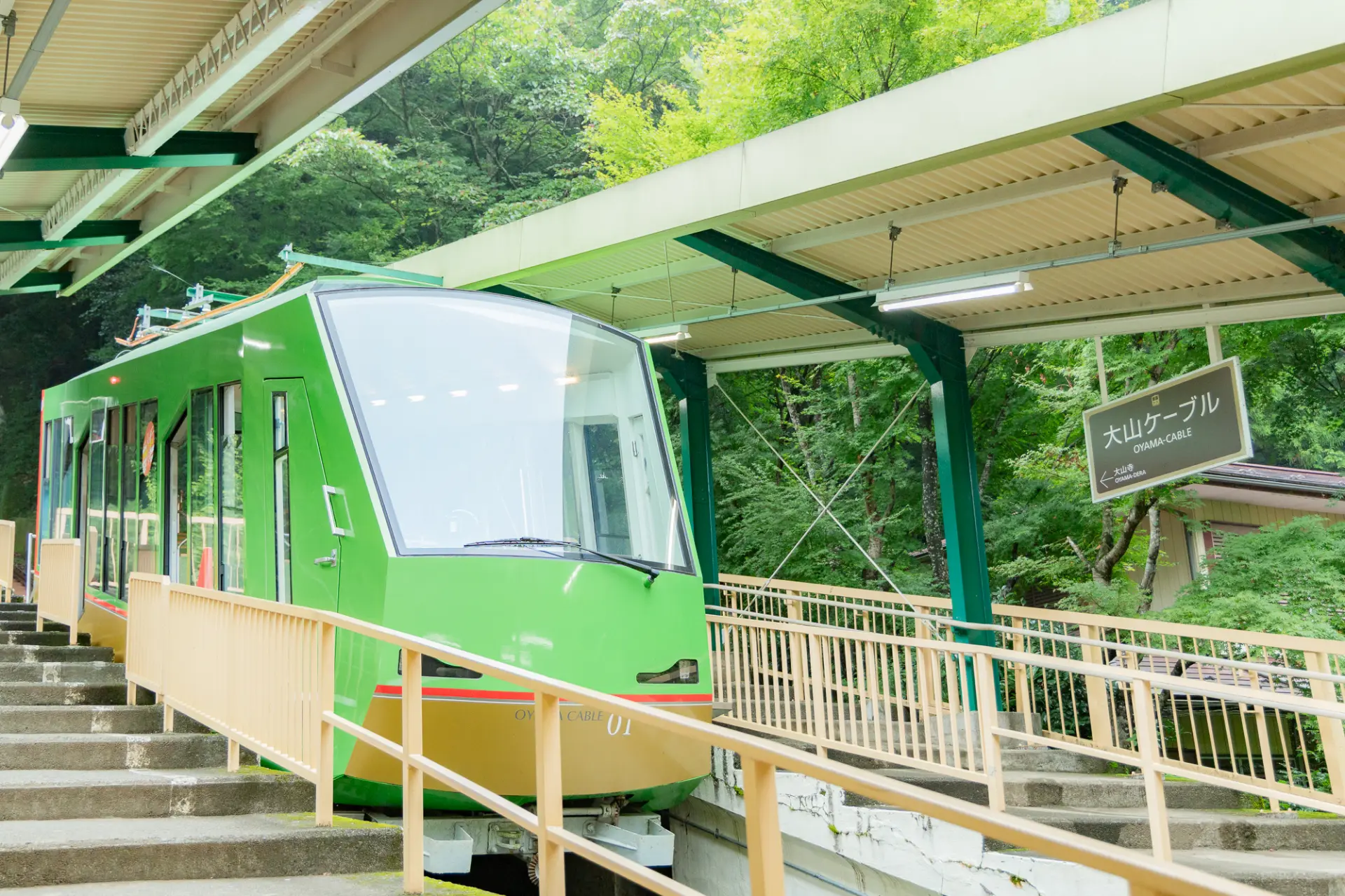
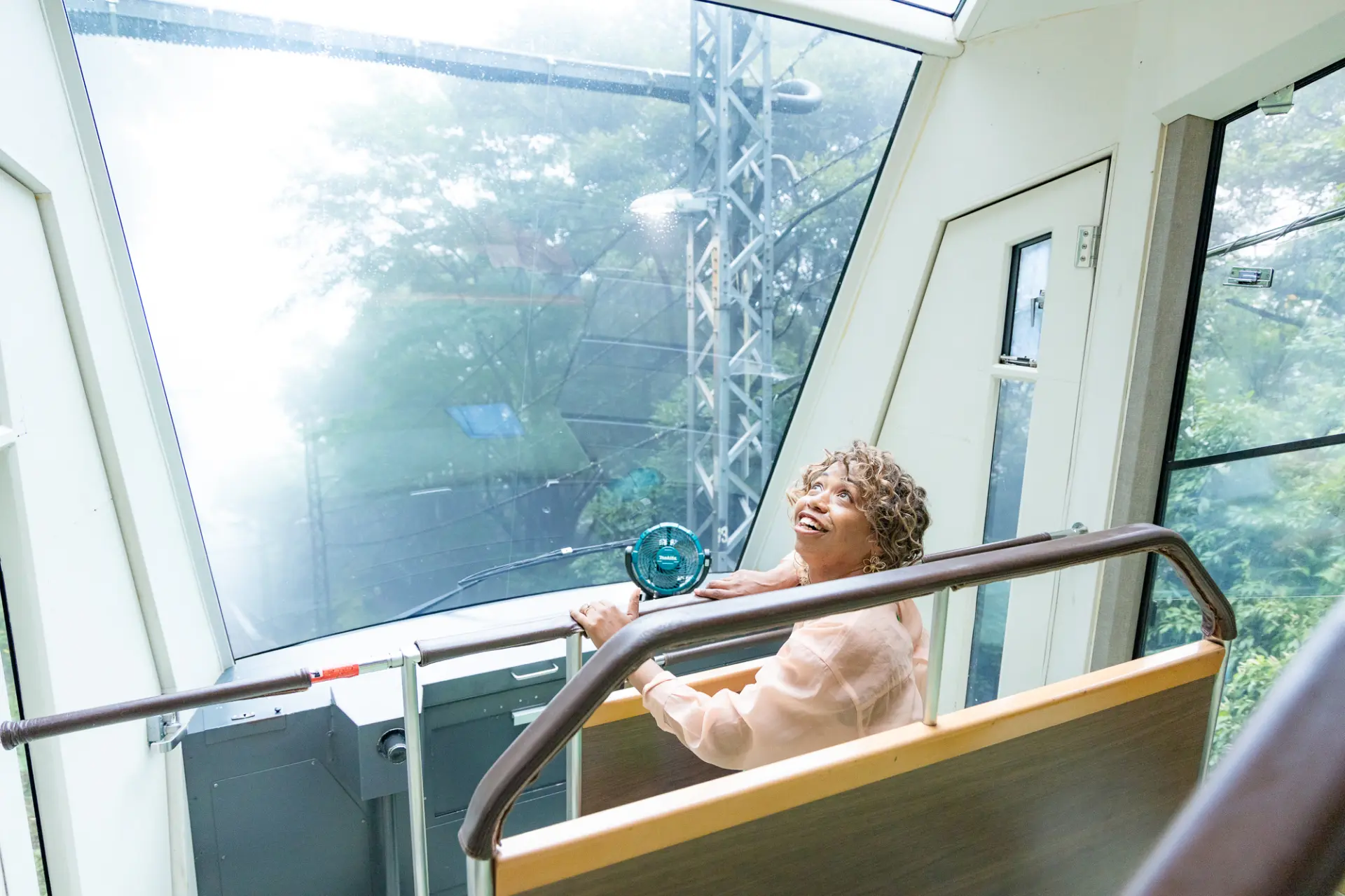
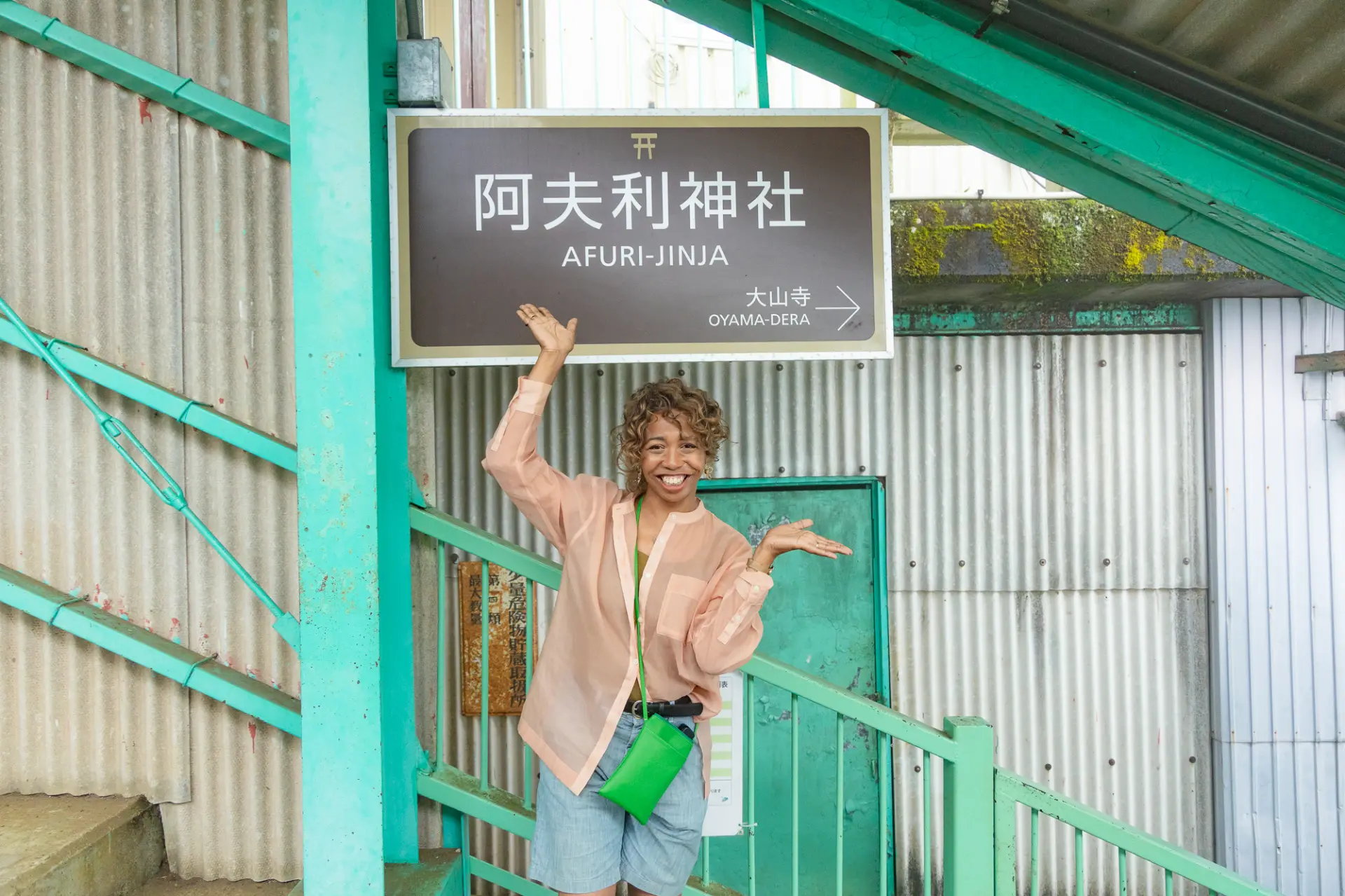
Lost in the scenery, you may find the approximately six-minute ride passes in a flash. At the final stop, Afuri-jinja Station, you step into mountain air that feels noticeably cooler and clearer than at the foot of the mountain.
- Japanese Name
- 大山ケーブルカー
- Postal Code
- 259-1107
- Address
-
667 Oyama, Isehara City, Kanagawa Prefecture
Google Map - Phone
- 0463-95-2040
- Hours
- 9:00 am–4:30 pm; Saturdays, Sundays, and public holidays: 9:00 am–5:00 pm. Hours may be extended during autumn foliage season and other periods.
- Closed
- Irregular closures; services may be suspended in heavy rain, strong winds, lightning, or other adverse conditions
- Official Website
- Official Website
Visit Oyama Afuri Shrine, a Spiritual Destination Sought by Edo’s Pilgrims
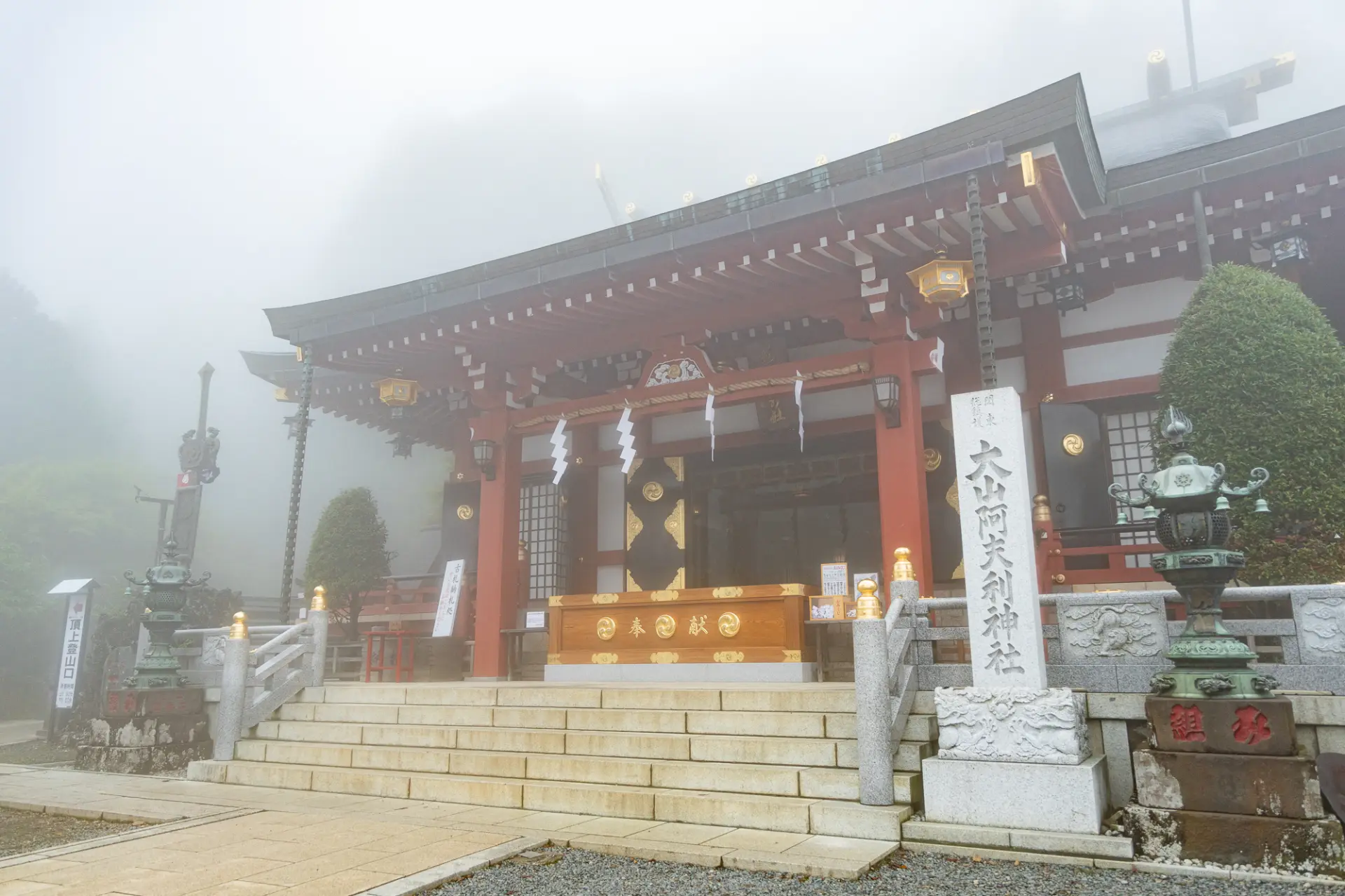
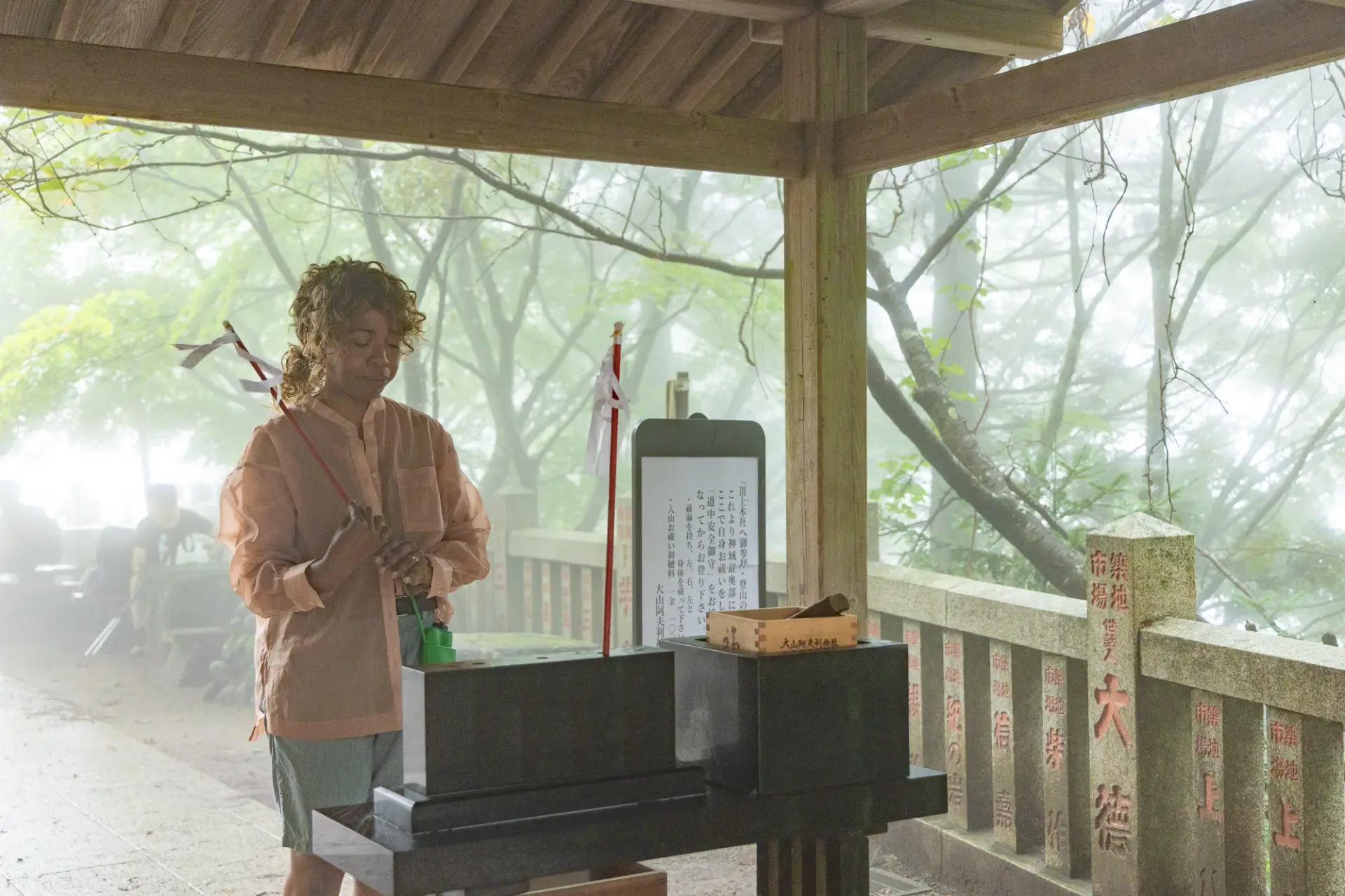
After leaving the cable car and climbing a flight of stone steps, you reach Oyama Afuri Shrine, the main destination of the Oyama Pilgrimage. This historic shrine is said to have been founded around 97 BCE and to date back more than 2,200 years. During the Edo period, many pilgrims headed here, carrying huge wooden swords to Oyama to offer at the shrine. Reaching the mountain took days on foot. Standing where those pilgrims once arrived may give the scenery before you a different meaning.
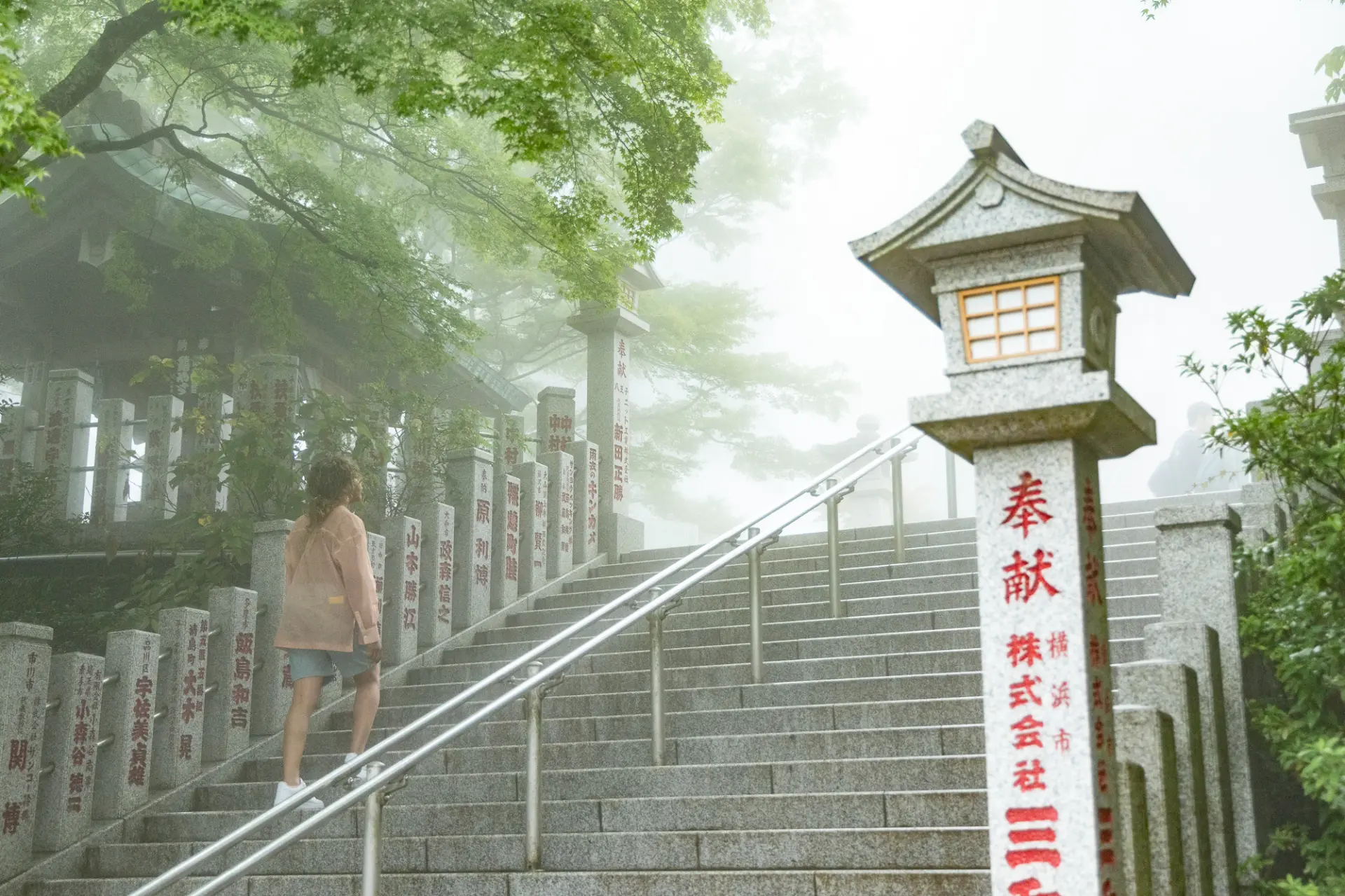
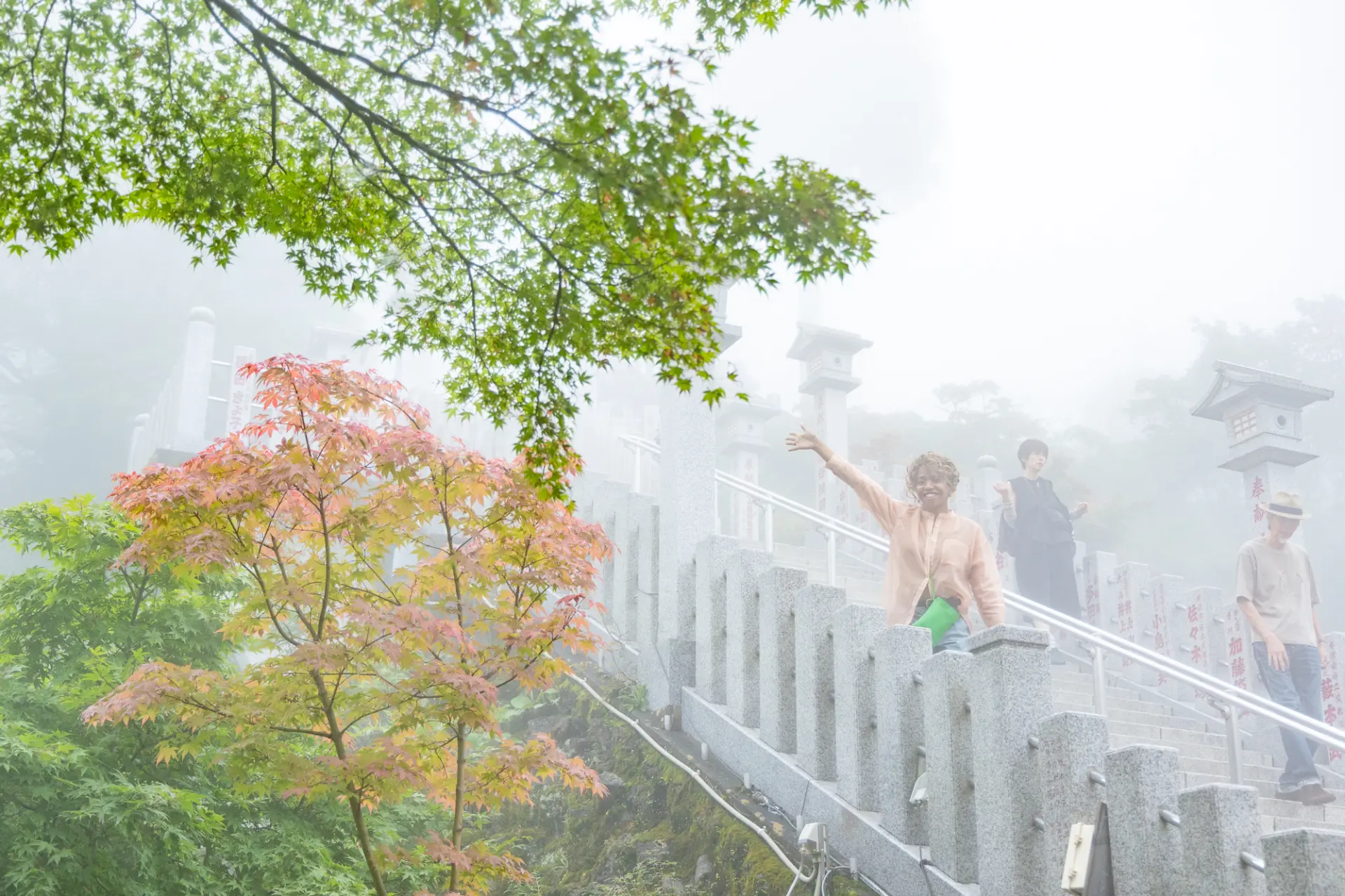
On clear days, the grounds can offer sweeping views of the Sagami Plain, Sagami Bay, Enoshima, and the Miura Peninsula. The weather was uncooperative on our visit, but the torii gate emerging through the mist felt mysterious, as if we had wandered into another world.
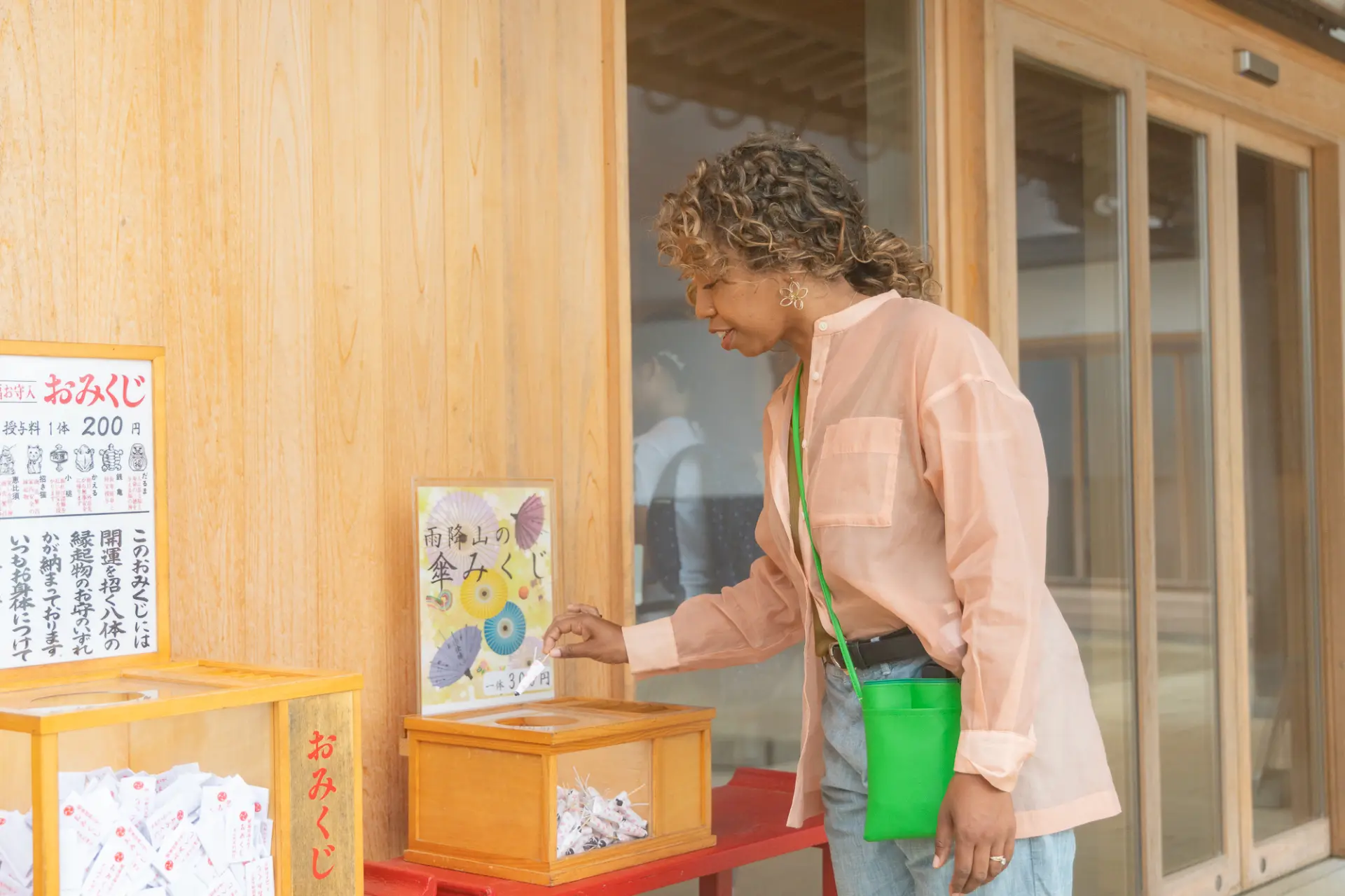
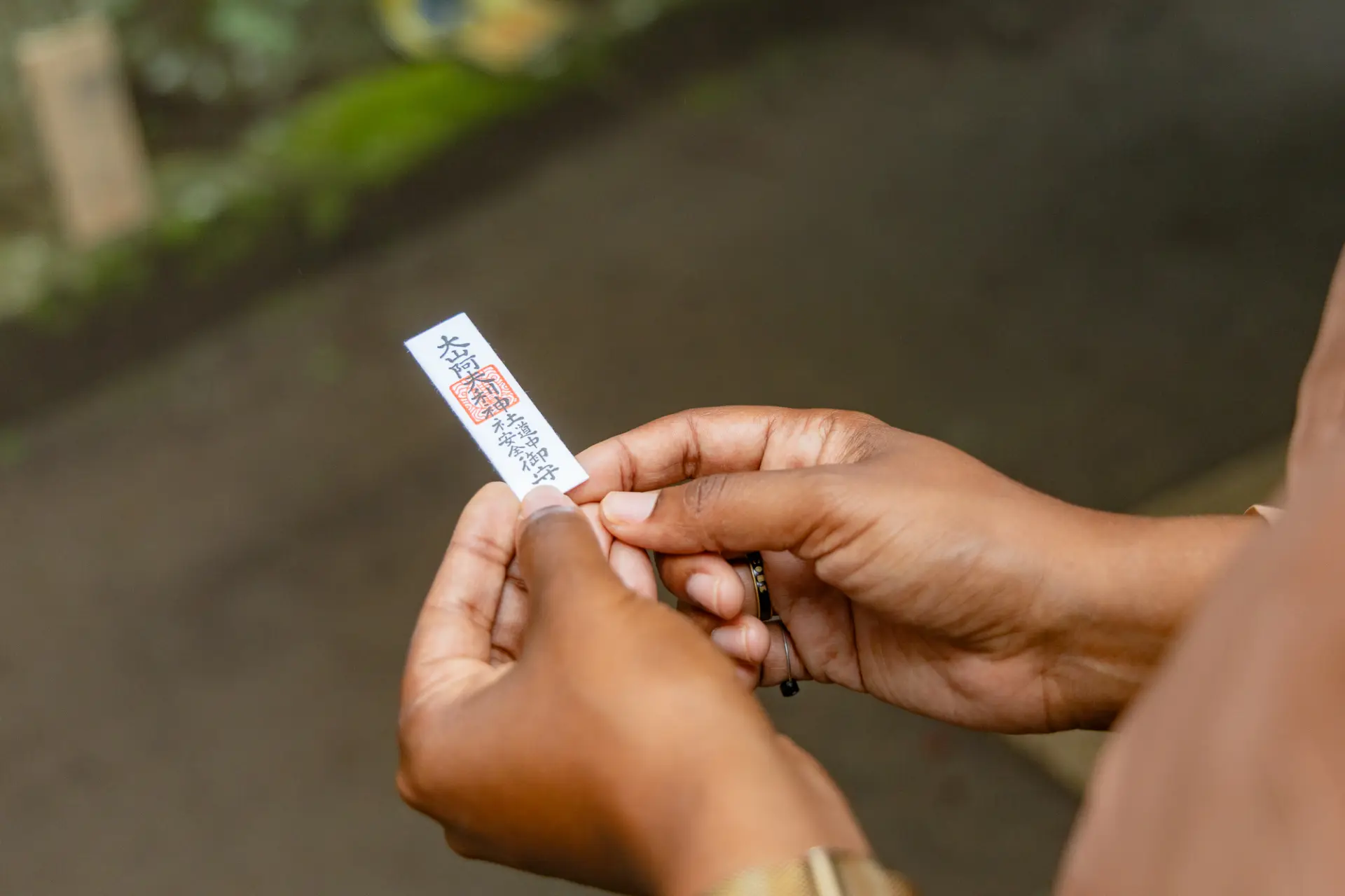
After paying your respects, take time to explore the grounds. Kasa-mikuji, fortunes written on miniature Japanese umbrellas, make memorable keepsakes. You will not know which color or pattern you have until you open the umbrella. Its widening shape is considered auspicious, symbolizing good fortune unfolding.

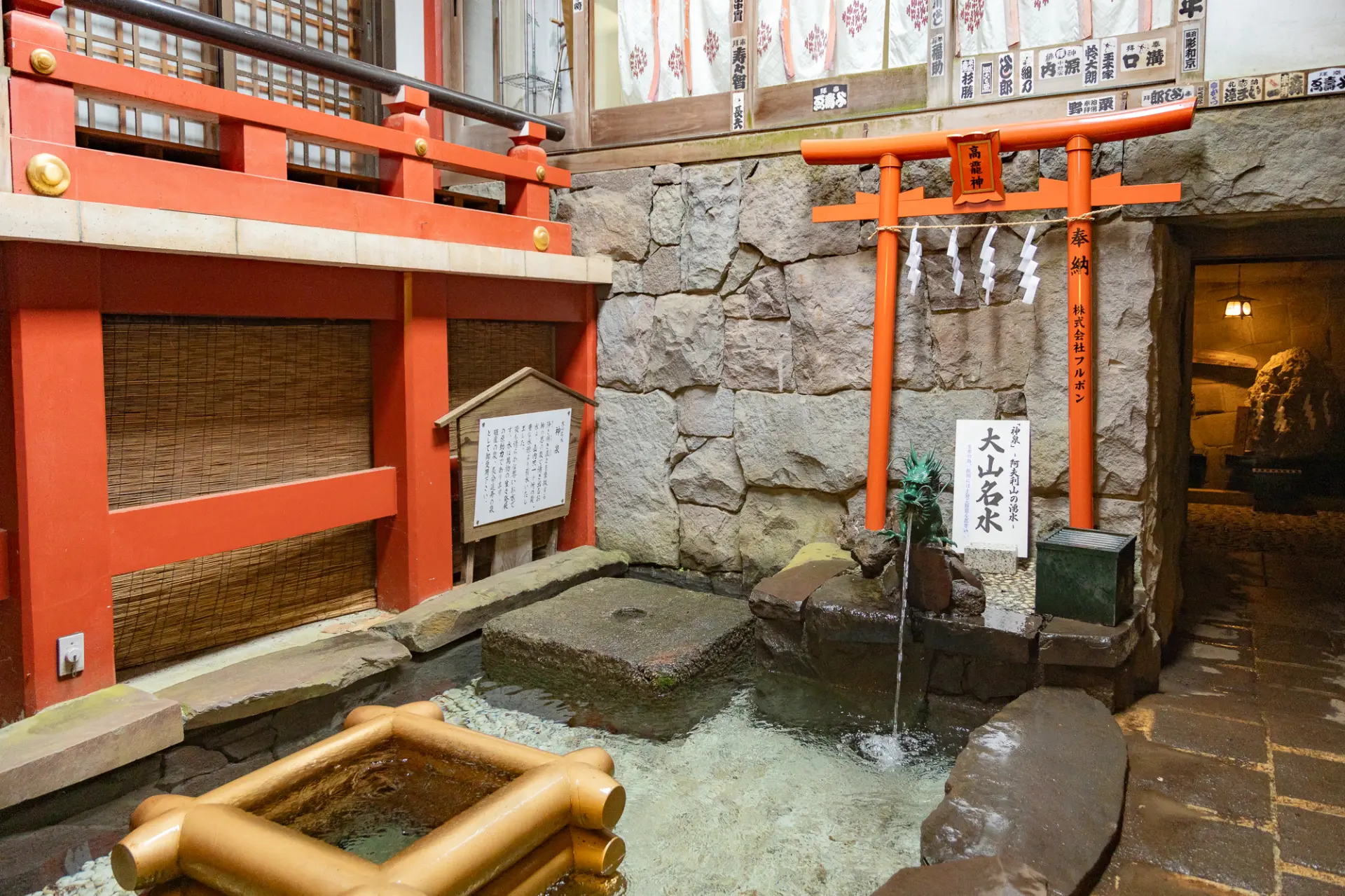
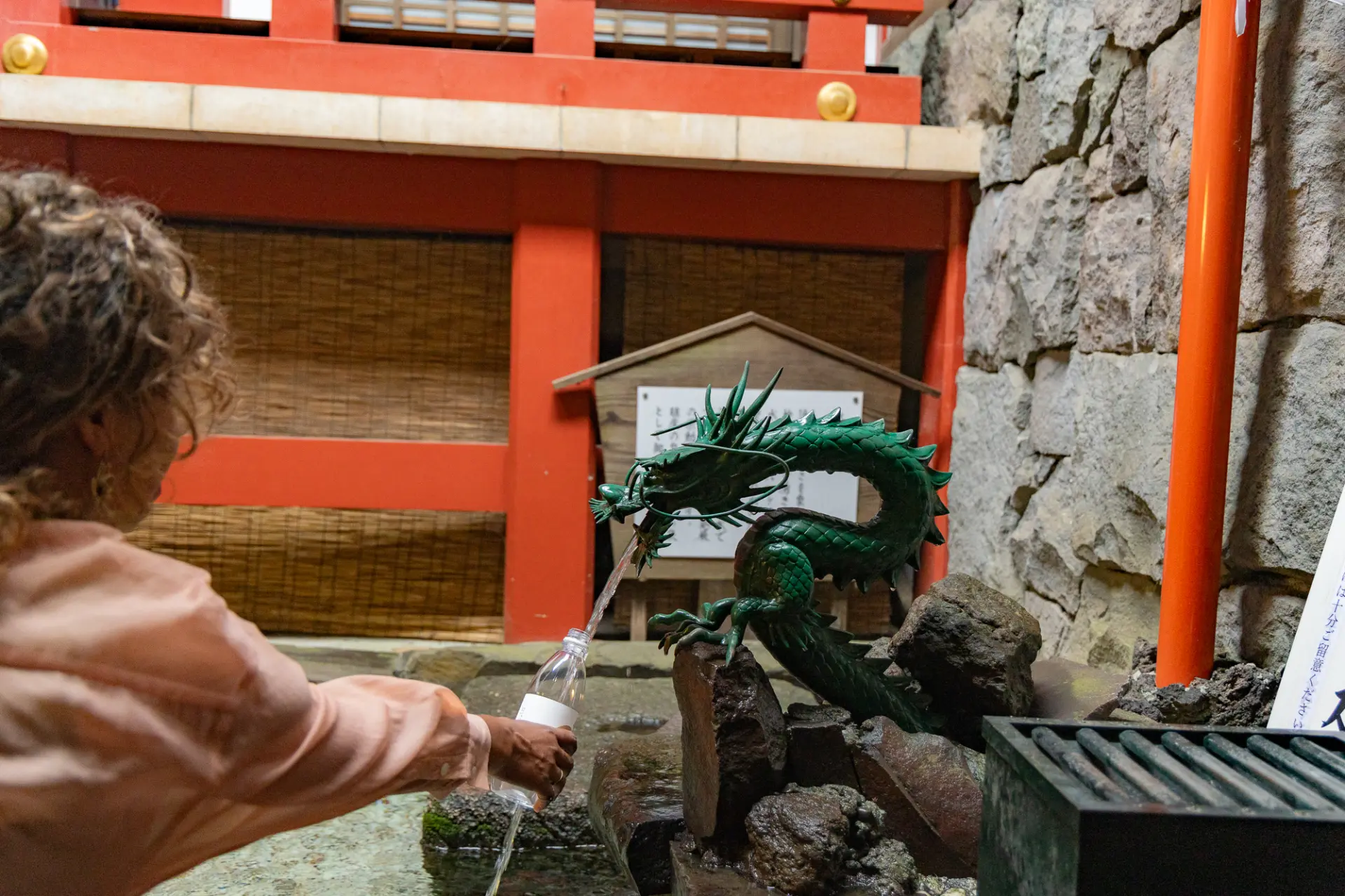
Follow the underground passage between the worship hall and the talisman and goshuin seal counter to reach Shinsen spring water, flowing from the mouth of a dragon. Rising from beneath Mt. Oyama, the water has a mild flavor and soft mouthfeel—a welcome refreshment after your walk. You can also fill a plastic bottle or another container to take home.
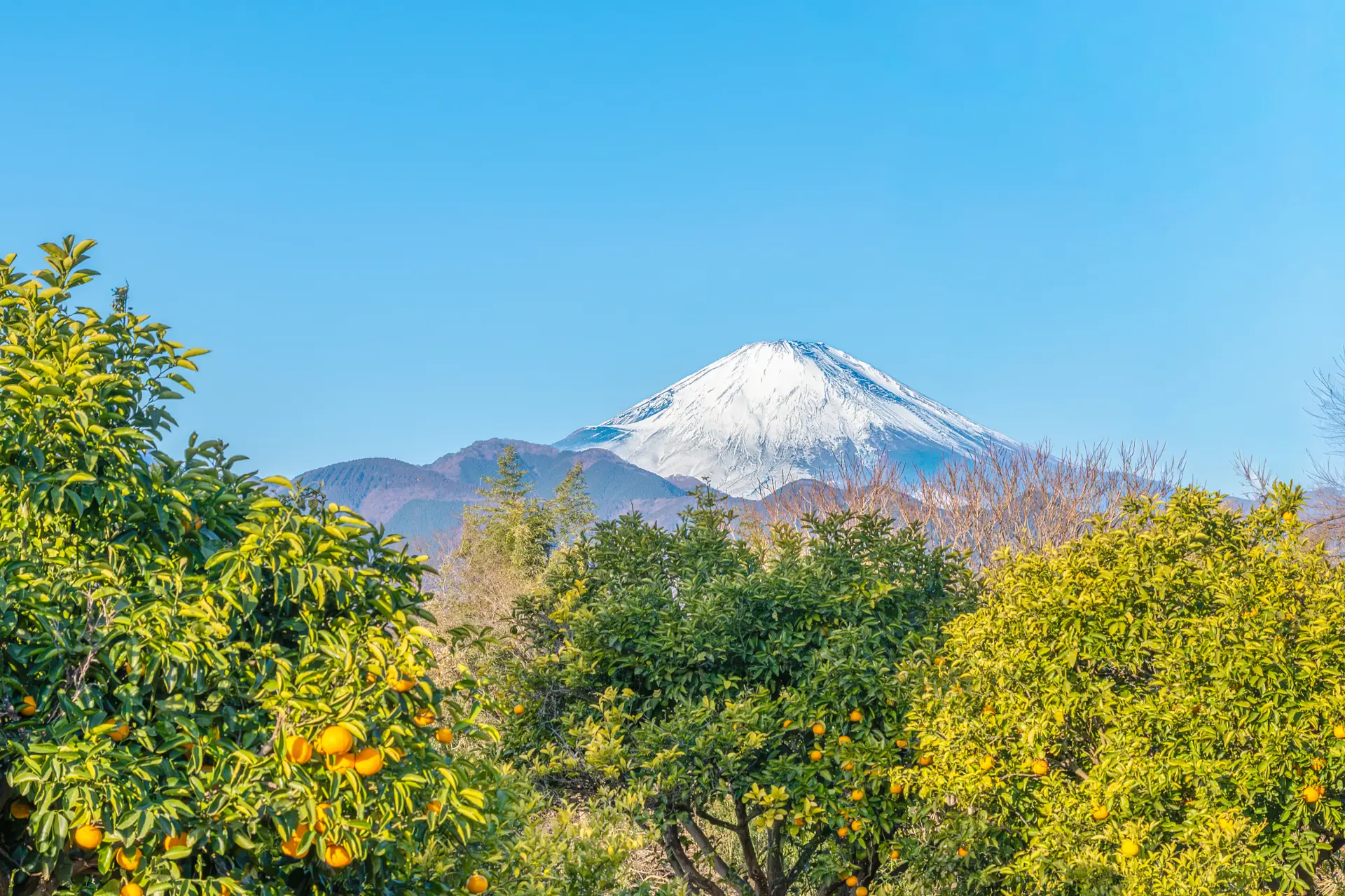
Reaching Honsha (Main Shrine) at the summit takes about 90–120 minutes each way. Along the route are the Meotosugi cedars, around 500–600 years old, and viewpoints of Mt. Fuji, with plenty of nature to enjoy as you climb. This is a mountain hiking trail, so be sure to bring appropriate gear.
Taste Oyama Tofu at Tougakubou, with over 400 Years of History
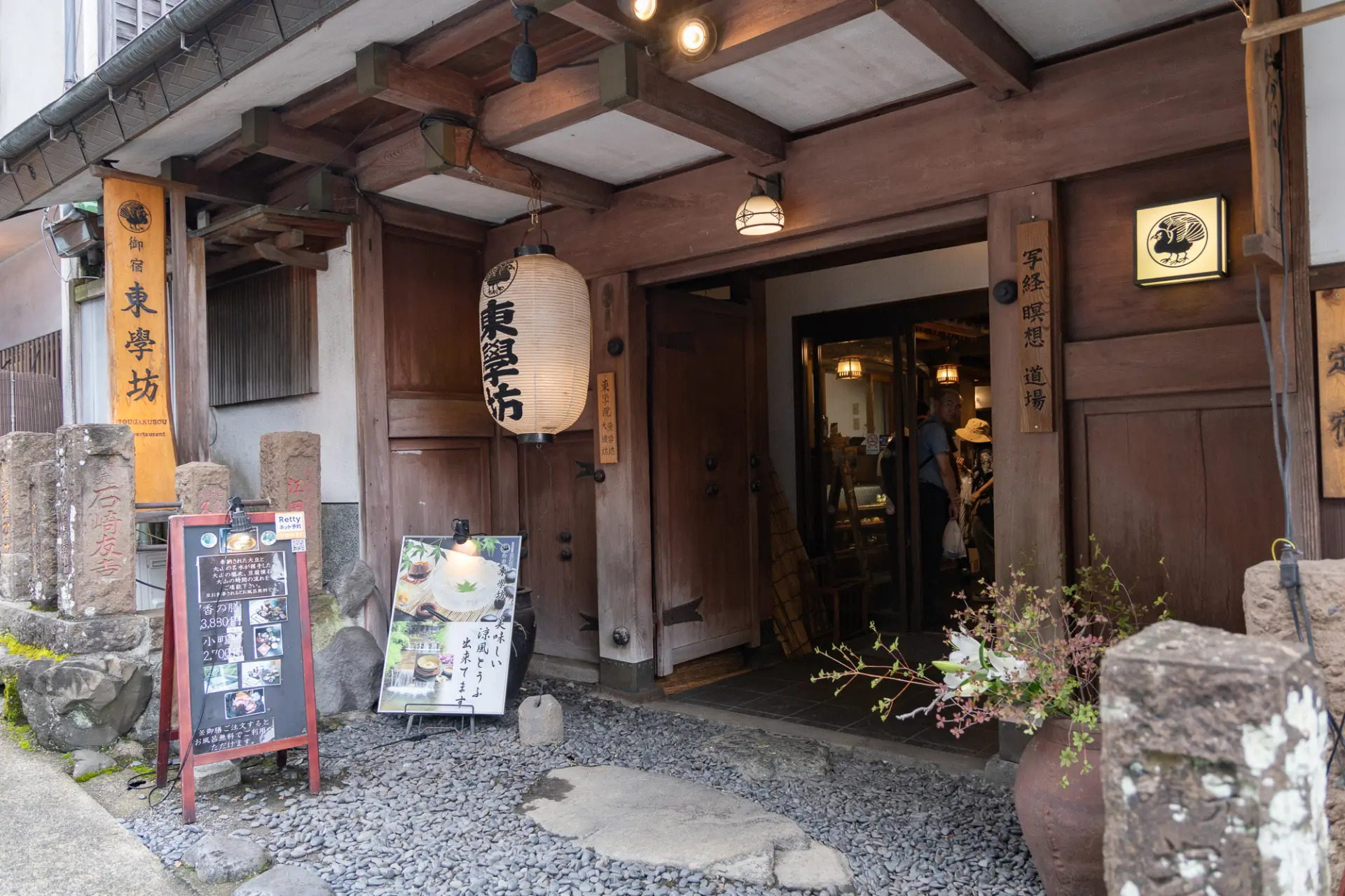
Oyama tofu is a local specialty worth trying during your visit. Its origins are closely tied to the history of the Oyama Pilgrimage. During the Edo period, visitors made offerings of grain and vegetables instead of money. Soybeans were especially common because they were easy to sell for cash. Combined with Oyama’s abundant spring water, these soybeans gave rise to the area’s distinctive tofu cuisine. One place to try it is Tougakubou, a shukubo, or pilgrims’ inn, with over 400 years of history. It preserves recipes handed down by the previous generation and continues to serve traditional flavors today.
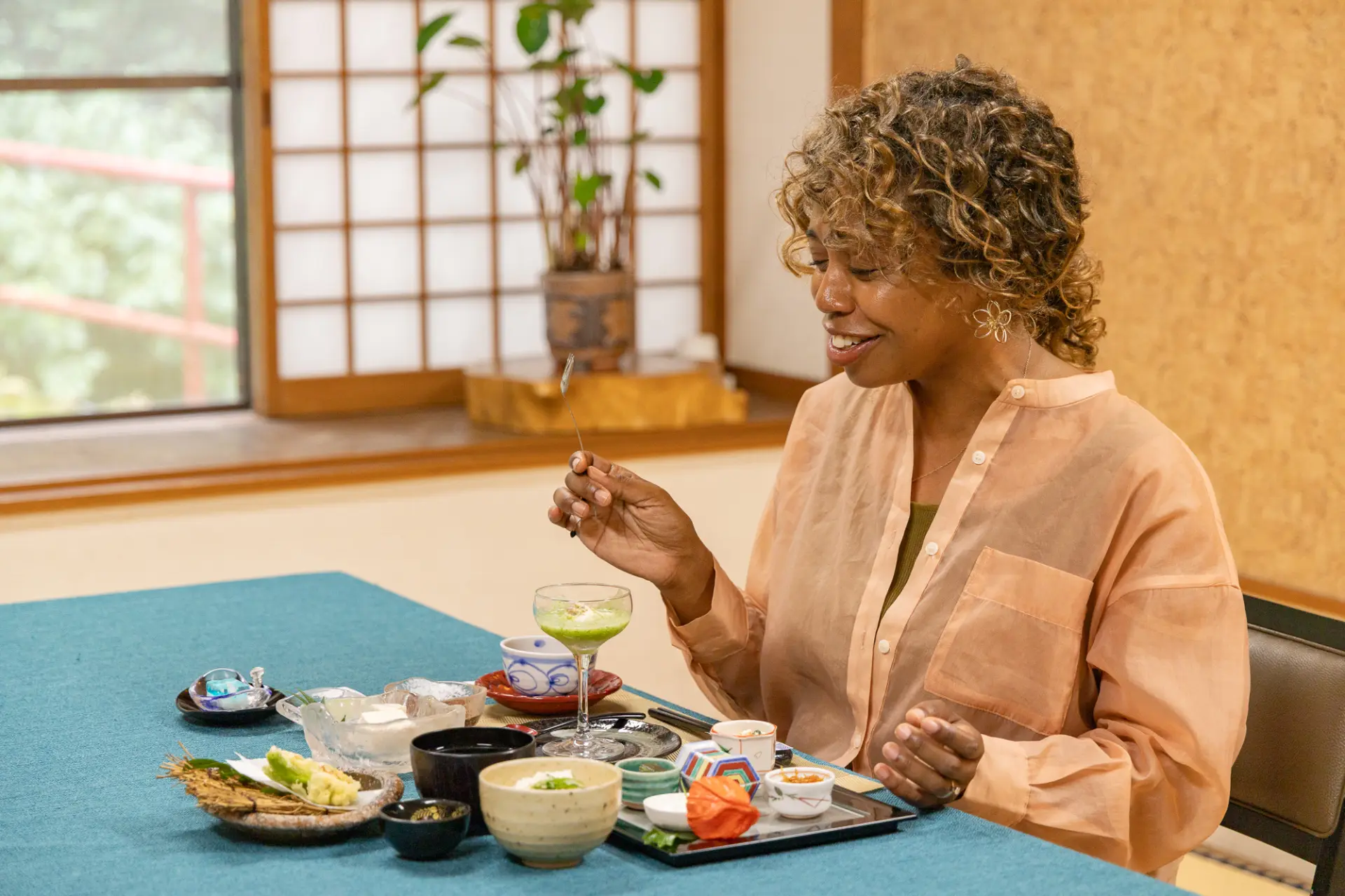
We tried the six-dish Komachi Set, which presents tofu in a variety of preparations, including okara (soy pulp) salad, miso-marinated tofu, hiyayakko (chilled tofu), and tempura made with seasonal ingredients. The menu changes with the seasons, adding the pleasure of discovering flavors specific to the time of year.
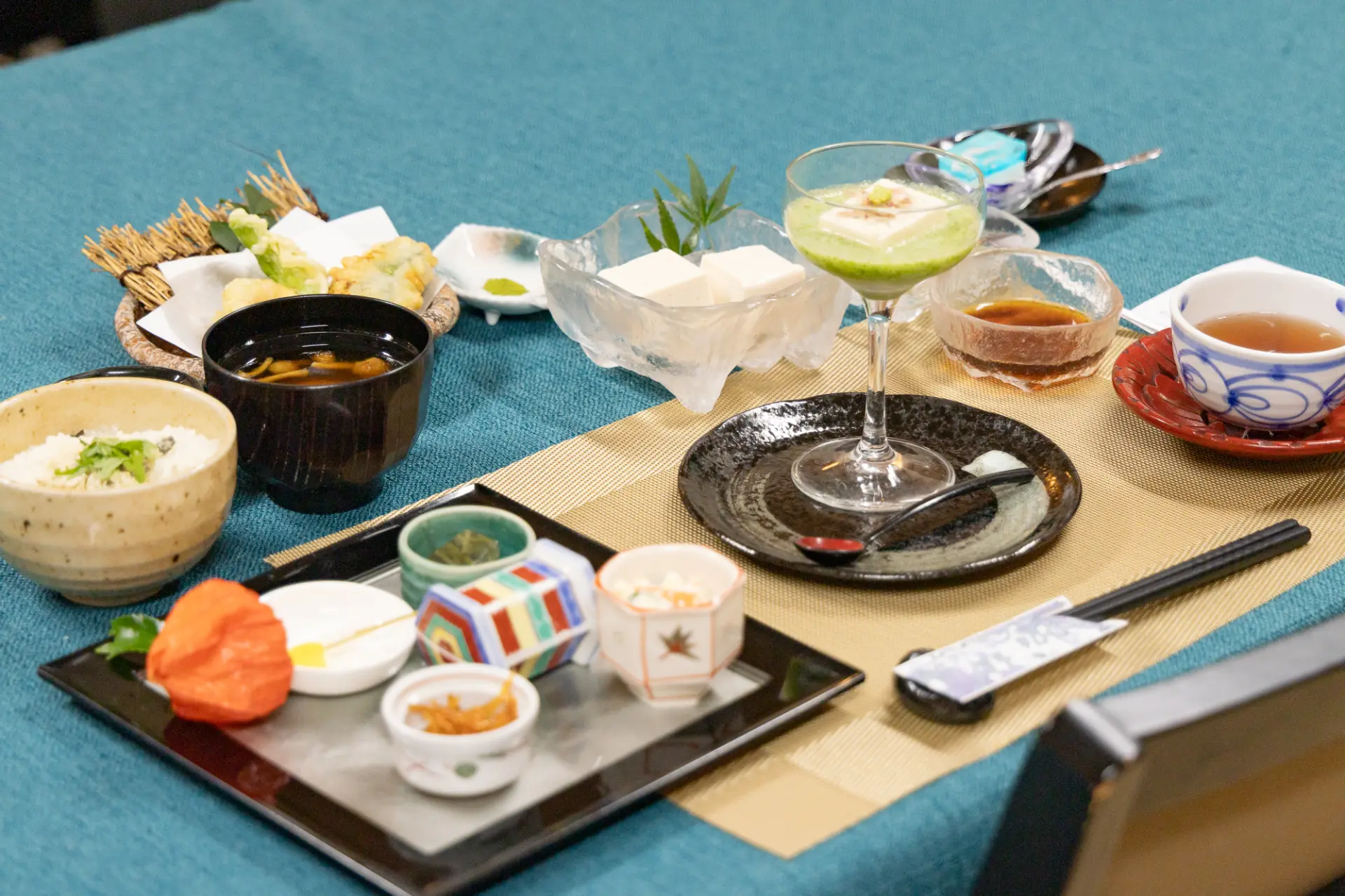
The simplest dish, chilled tofu, left a particularly strong impression. Its mellow soybean sweetness and rich flavor spread across the palate. It even prompted a surprised comment from our team: “It tastes like butter—I’d love to spread it straight onto bread.” The tofu served at Tougakubou is made fresh every day at a tofu shop run by the owner’s older brother. That freshness brings out a concentrated soybean flavor.
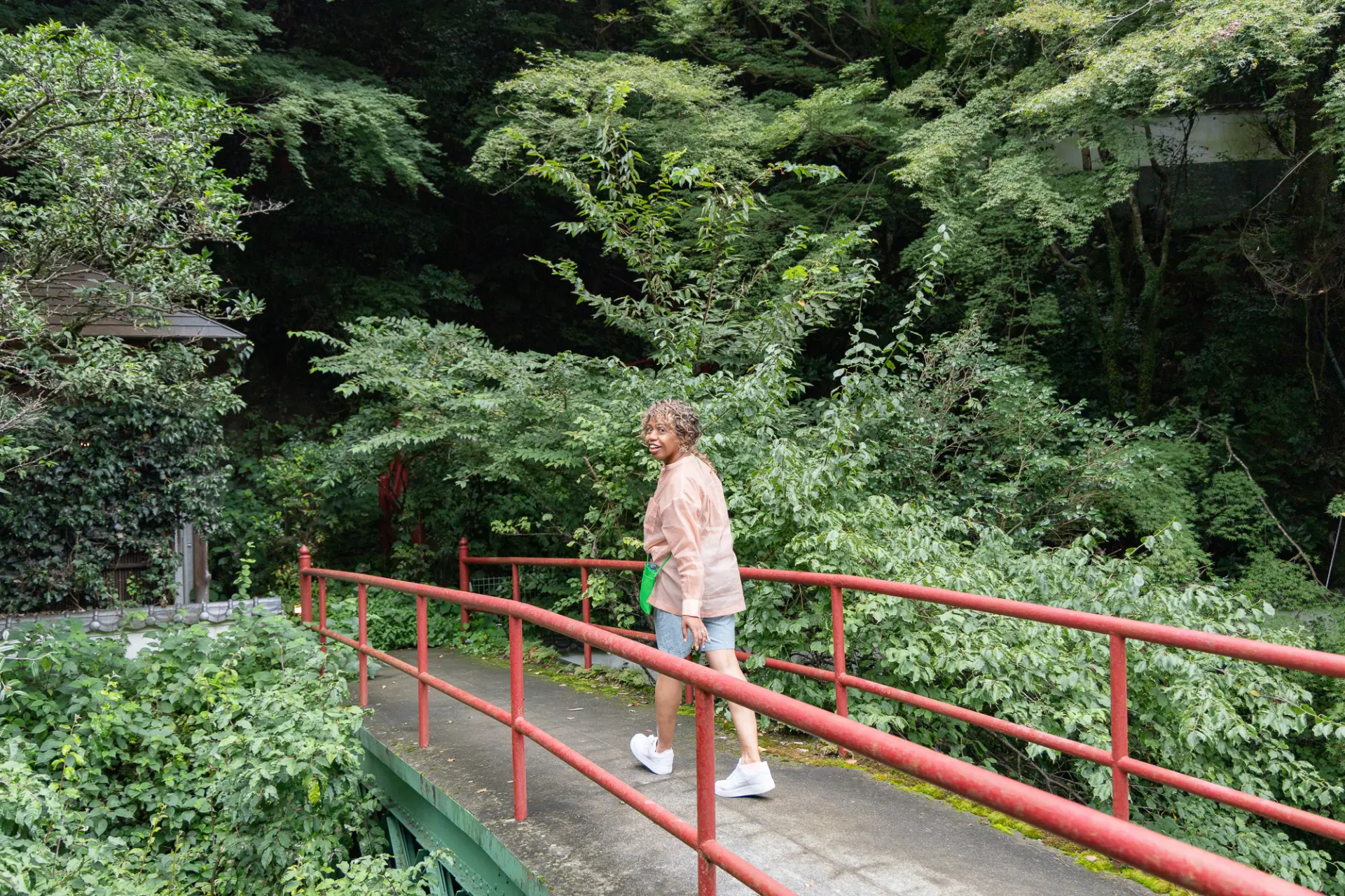
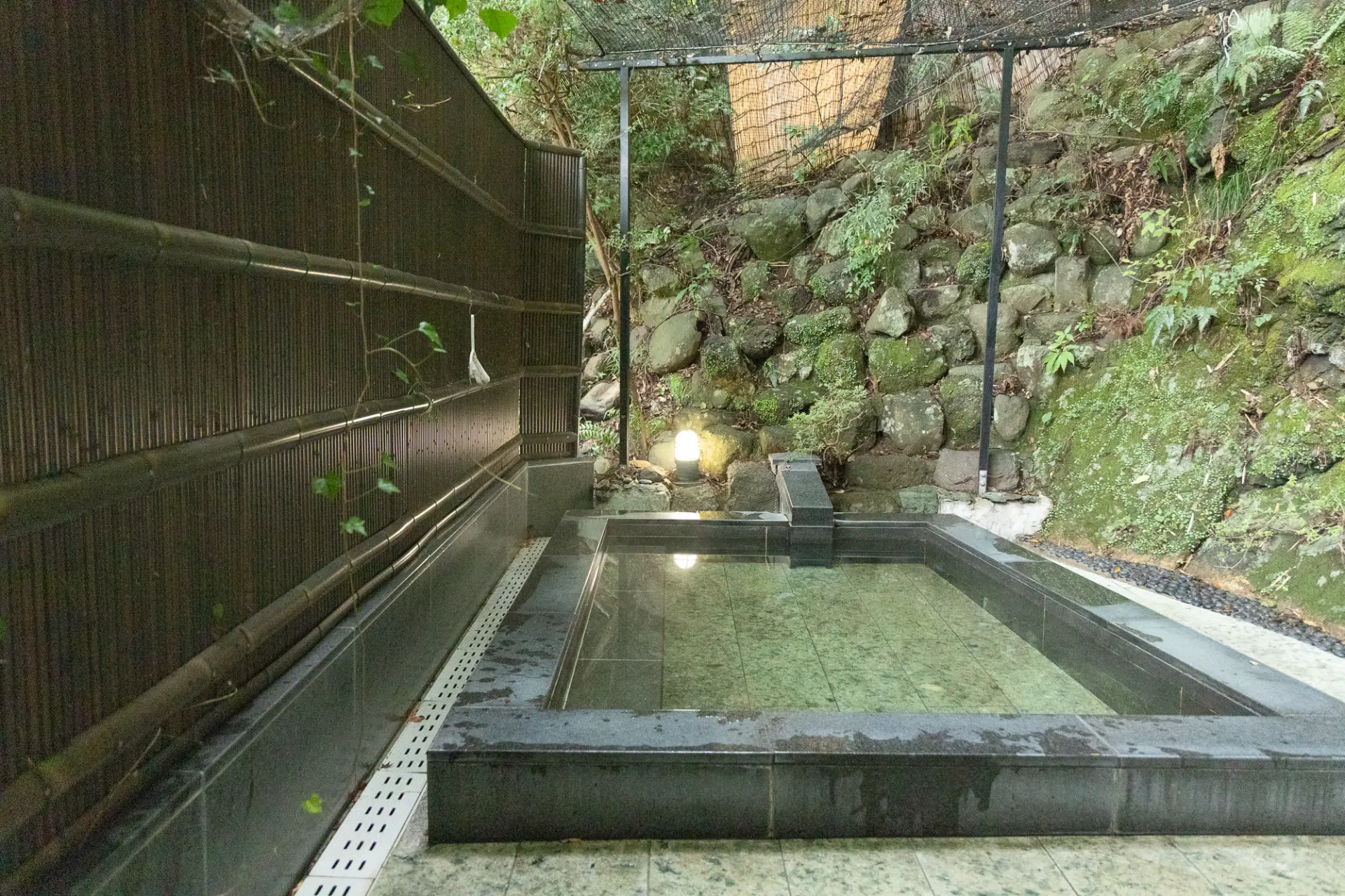
Lunch guests can also use the hot spring bath free of charge. Pair your meal with a relaxing soak in the quiet bath surrounded by rock walls.
- Japanese Name
- 東學坊
- Postal Code
- 259-1107
- Address
-
437 Oyama, Isehara City, Kanagawa Prefecture
Google Map - Phone
- 050-5303-6550
- Hours
- 12:00 pm–8:00 pm (last order 7:00 pm)
- Closed
- Mondays–Wednesdays. Open on public holidays, with closure the following day instead.
- Official Website
- Official Website
Tips for Enjoying This Itinerary
There are three points to keep in mind when visiting the Oyama area. A little preparation will help you travel comfortably and get good value.
1. Explore from Shinjuku with the Tanzawa-Oyama Freepass
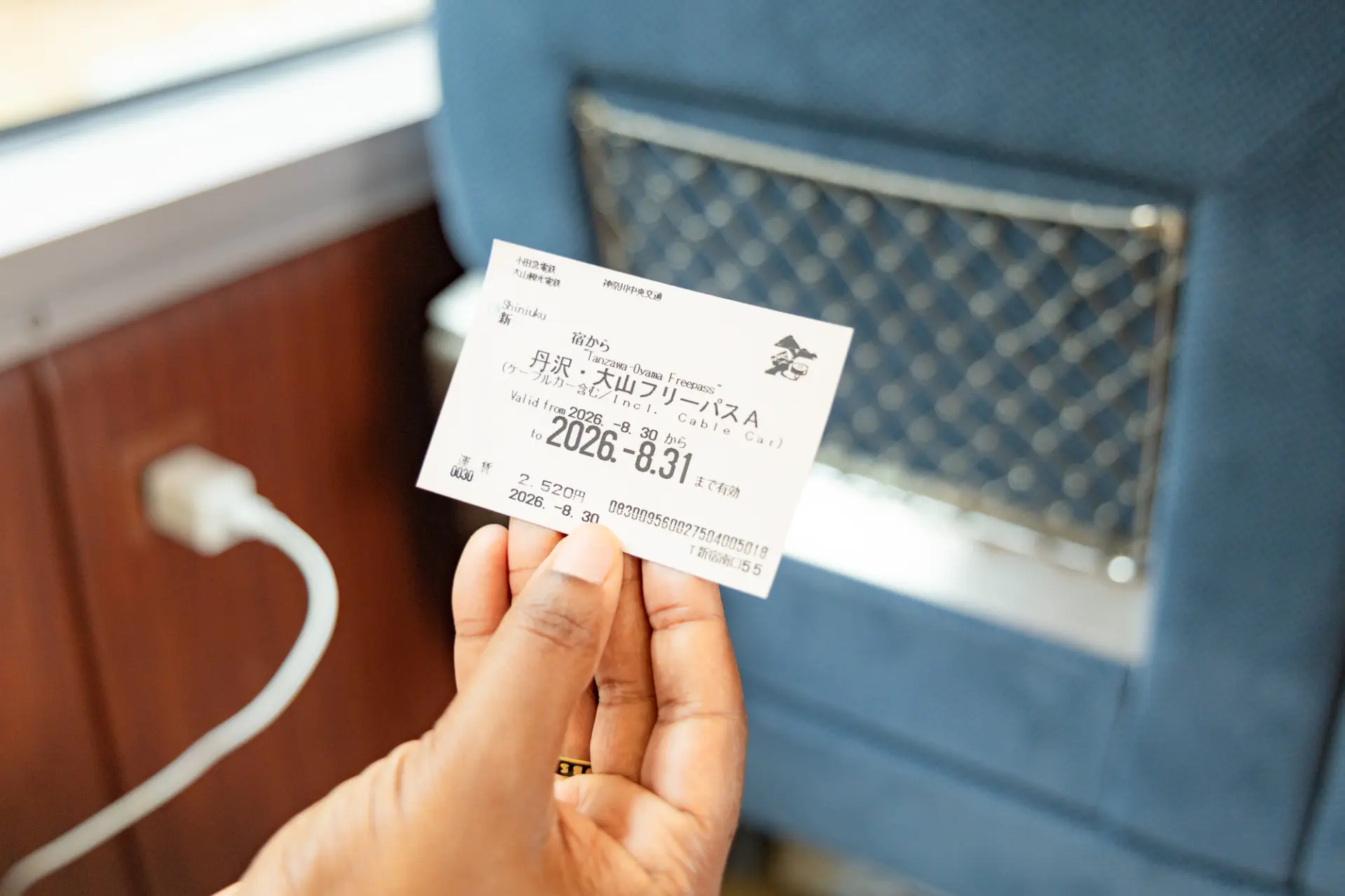
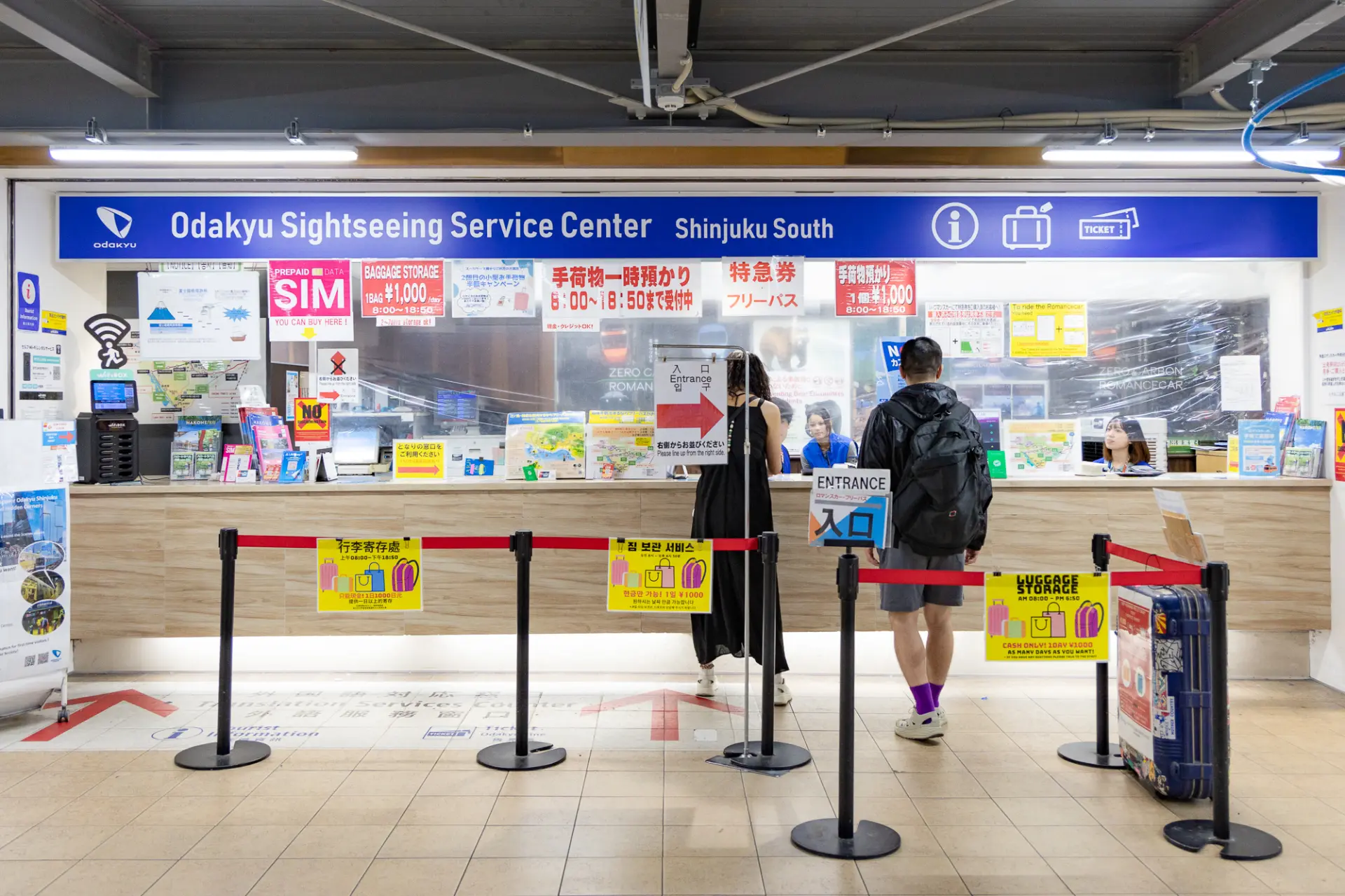
The Tanzawa-Oyama Freepass is a convenient choice for exploring Oyama. It combines a round-trip Odakyu Line ticket from Shinjuku to Isehara with train and bus travel within designated areas, plus special benefits at participating nearby facilities. If you plan to ride the cable car to Oyama Afuri Shrine, Ticket A is convenient because it includes cable car travel. A separate limited express ticket is required if you want to take the Romancecar.
2. Bring Comfortable Shoes and Rain Gear
Keep the following items in mind when packing for Oyama.
Comfortable shoes:
There are many stairs, so travel light and wear shoes that are easy to walk in.
Rain gear:
Afuri Shrine is also known as Amefuriyama, “the rainy mountain,” so bring an umbrella or raincoat in case of sudden rain.
Warm clothing:
It gets cooler at higher elevations, so an extra layer may be useful depending on the season.
3. Reserve Your Romancecar Seats Online in Advance
All Romancecar seats are reserved, and you need to buy a limited express ticket before boarding. With e-Romancecar, you can reserve and purchase tickets without registering as a member. If you pay by credit card, there is no need to collect a paper limited express ticket at the station. Once your plans are set, booking early is a good idea, especially for weekends and busy travel seasons.
Access and Itinerary for a Day Trip to Historic Oyama on the Odakyu Line
The places introduced here can all be visited in one day using trains, buses, and the cable car. Here is how to travel from Shinjuku for a day exploring Oyama’s nature, history, and food culture.
Getting to the Starting and Finishing Point
Shinjuku is about 40 minutes from Haneda Airport via the Keikyu Line and JR Yamanote Line, or about 90 minutes from Narita Airport on the Narita Express. From Tokyo Station, the JR Chuo Line (Rapid) takes around 14 minutes, while the Yamanote Line takes about 30–35 minutes.
Suggested Itinerary
- 8:30 am Depart from Shinjuku Station
- About one hour to Isehara Station on the Odakyu Limited Express Romancecar
- 10:25 am Travel from Isehara Station to the Oyama area
- About 25 minutes by local bus from Isehara Station’s North Exit to Oyama Cable Bus Stop
- About a 15-minute walk from Oyama Cable Bus Stop to Oyama-Cable Station
- 11:20 am Ride the Oyama Cable Car up the mountain
- About six minutes from Oyama-Cable Station to Afuri-jinja Station
- 11:30 am Visit Oyama Afuri Shrine
- About six minutes by cable car from Afuri-jinja Station back to Oyama-Cable Station
- 1:00 pm Explore Koma Sando
- About a 15-minute walk from Koma Sando
- 2:00 pm Lunch and a hot spring bath at Tougakubou
- About 30 minutes by bus from Atagodaki bus stop to Isehara Station
- 3:40 pm Depart from Isehara Station for Tokyo
- About one hour to Shinjuku Station on an Odakyu Rapid Express train
- 4:45 pm Arrive at Shinjuku Station
Extend Your Trip with a Visit to the Shibusawa Hills
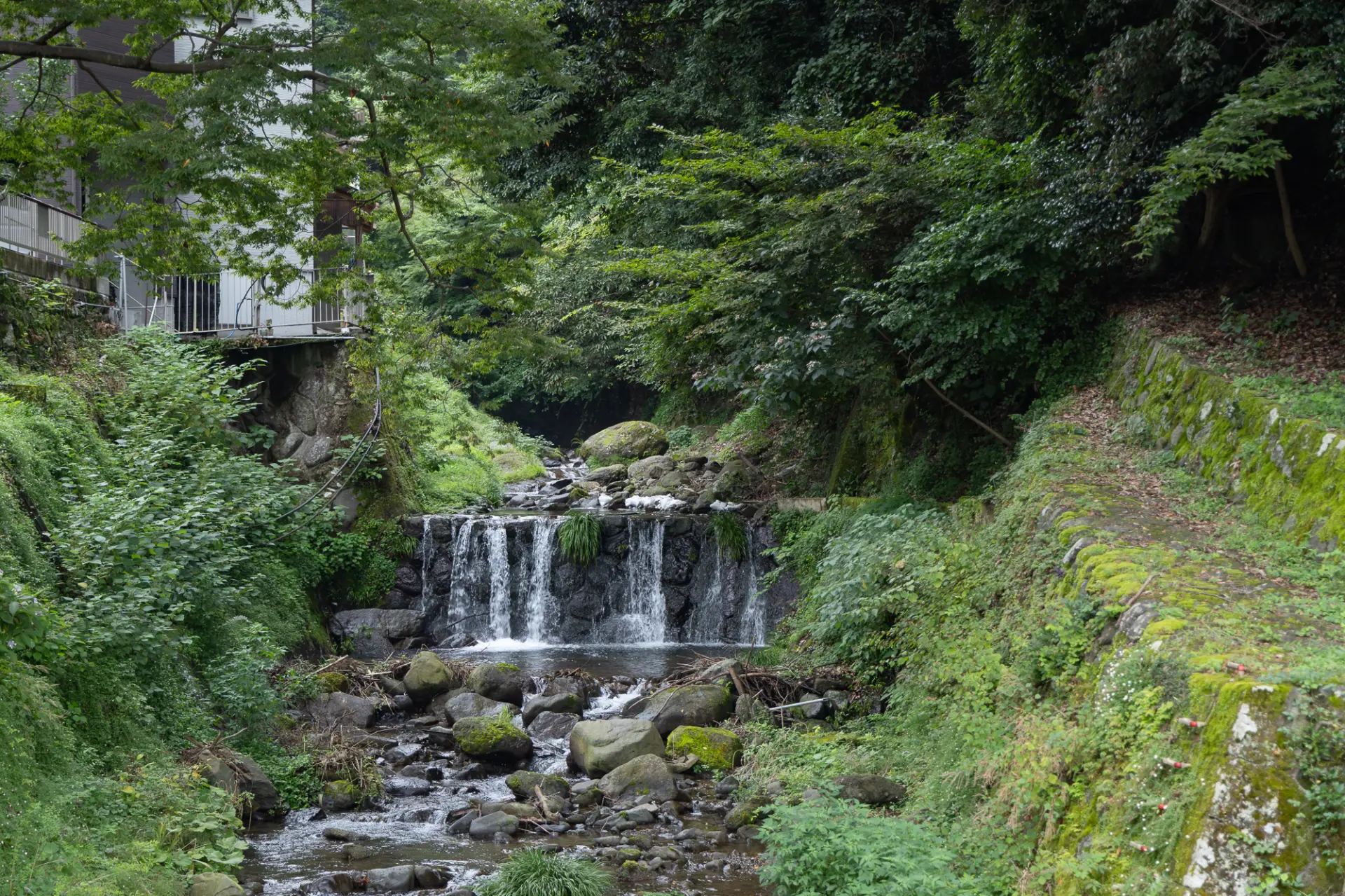
The Tanzawa-Oyama Freepass is valid for two days, so if you have time, consider exploring the Shibusawa area the next day. The Shibusawa Hills, reachable on foot from Shibusawa Station, offer hiking routes suitable for beginners. Walk with views of the Tanzawa Mountains as you enjoy seasonal flowers and nature. Double-flowered cherry blossoms and canola flowers in spring, fresh greenery in summer, and buckwheat flowers in autumn bring different scenery with each season.
Frequently Asked Questions about This Oyama Itinerary
Q
Are there any places I should book in advance?
We recommend booking Tougakubou in advance. You can enjoy tofu kaiseki meals such as the “Fragrance” Course.
Q
What is the difference between an Odakyu Rapid Express train and the Romancecar?
The main differences are the fare and whether seats are reserved. Rapid Express services require only a regular ticket, and seats are not reserved. The Romancecar requires a limited express ticket in addition to a regular ticket, and all seats are reserved. Choose the Romancecar if you would like to relax in a seat and enjoy the journey itself, or a Rapid Express service if you prefer to keep travel costs down.
Summary
People from Edo once spent days walking the road to Oyama. Today, it is an easy trip of about an hour by train from Shinjuku. A traditional approach street, a cable car climbing through the forest, a shrine wrapped in mist, and tofu cuisine passed down alongside the Oyama Pilgrimage all await. Step away from the city, surround yourself with nature, and discover the history and romance of a journey whose roots reach back to the Edo period.
*This article was produced by the Greater Tokyo Tourism Organization, a general incorporated association, with support from the comprehensive DMO support program.
Author
Writers & Editors
GOOD LUCK TRIP Editors
Sharing lesser-known ways to experience Japan with the world!