
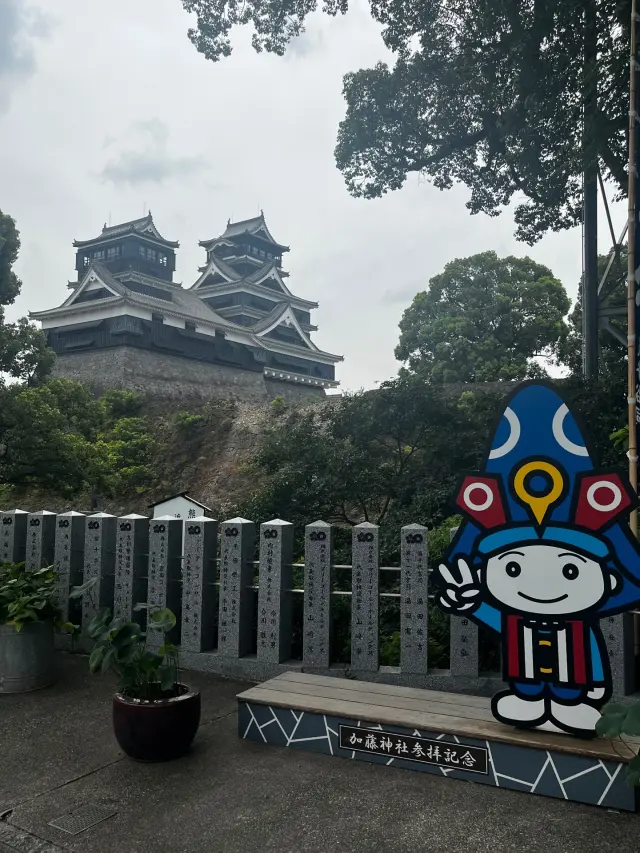
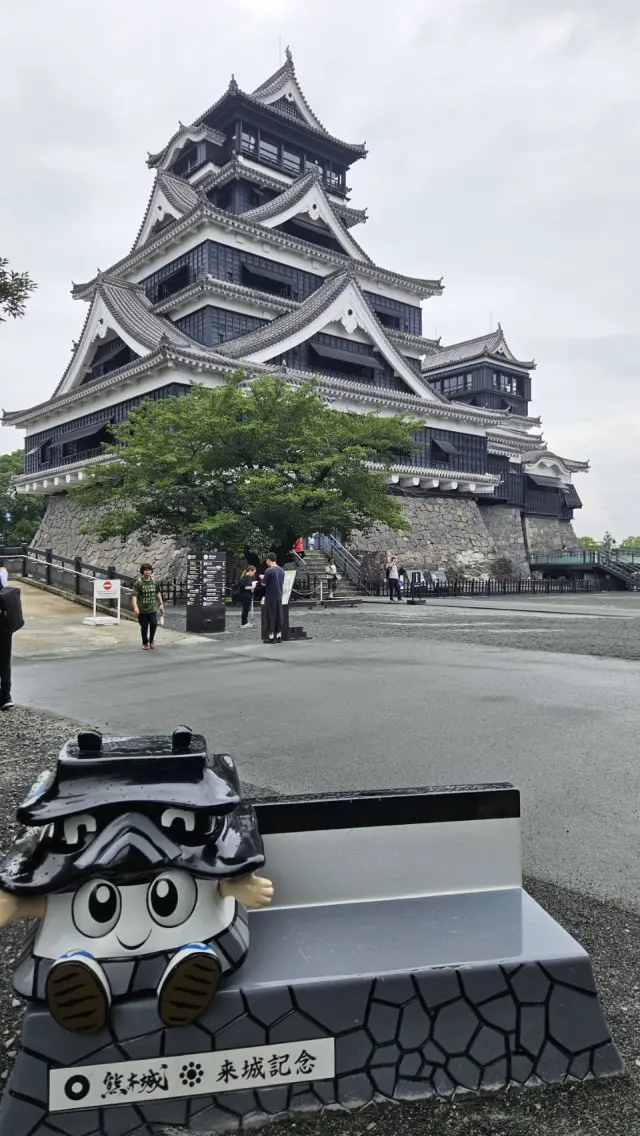
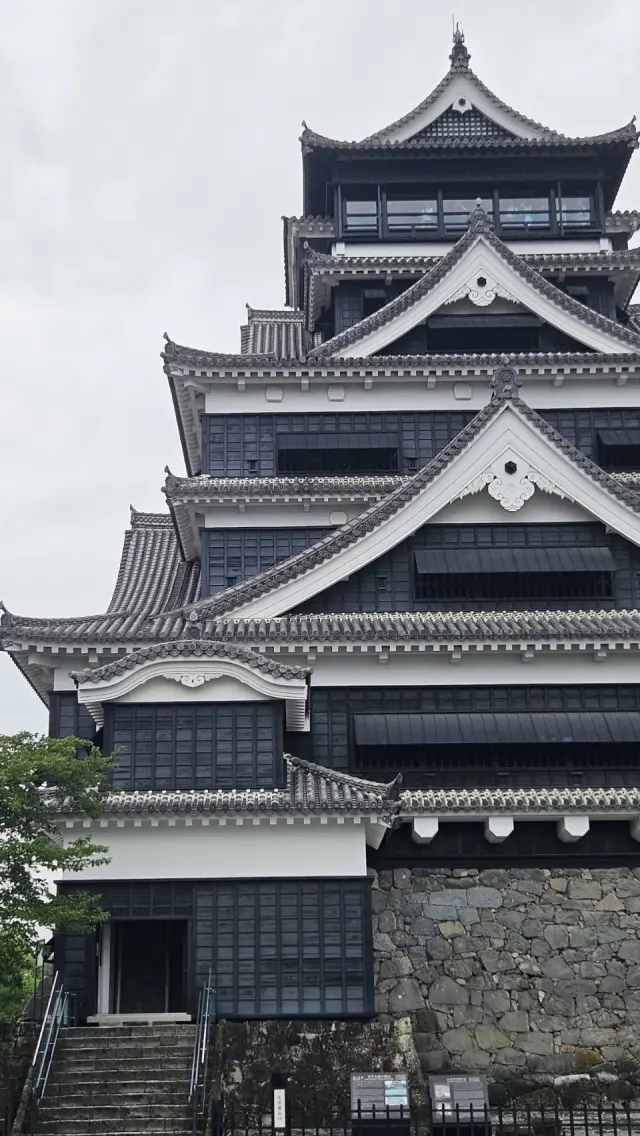
Kumamoto Castle, which is currently being restored, is scheduled to open on August 13. Since I was already there, I took a detour through the grounds of Kato Shrine to admire the majestic keep of Kumamoto Castle from a different angle.
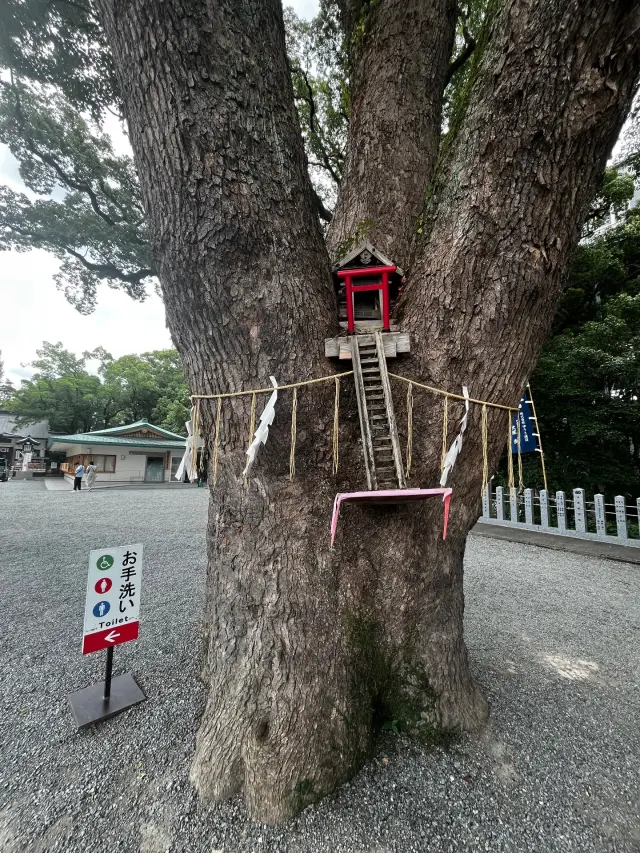
To the right of the approach to the worship hall stands a towering sacred tree. A small shrine and a tiny torii gate have been placed where the trunk splits, giving it a divine presence. The sacred tree symbolizes that the gods are everywhere, inspiring people to feel gratitude and faith toward all things in the world.
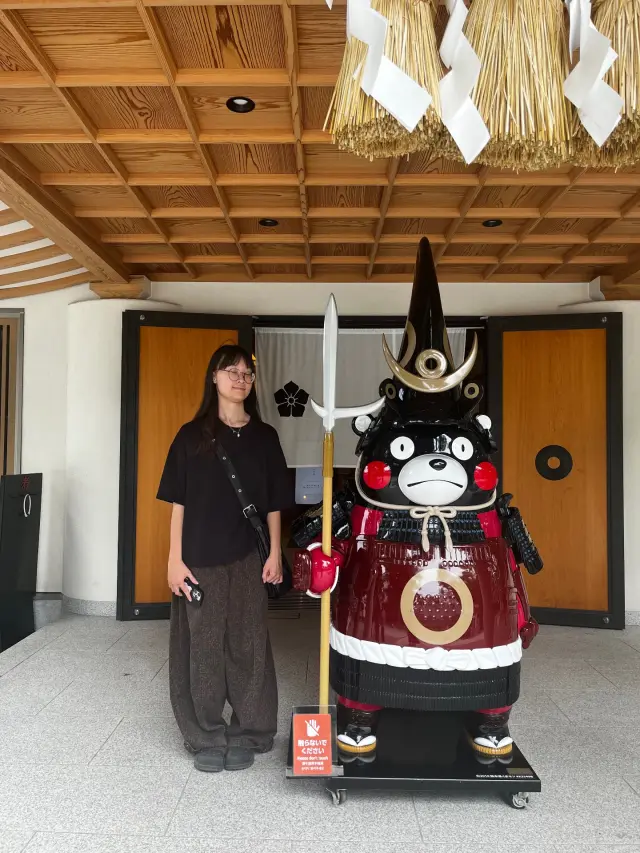
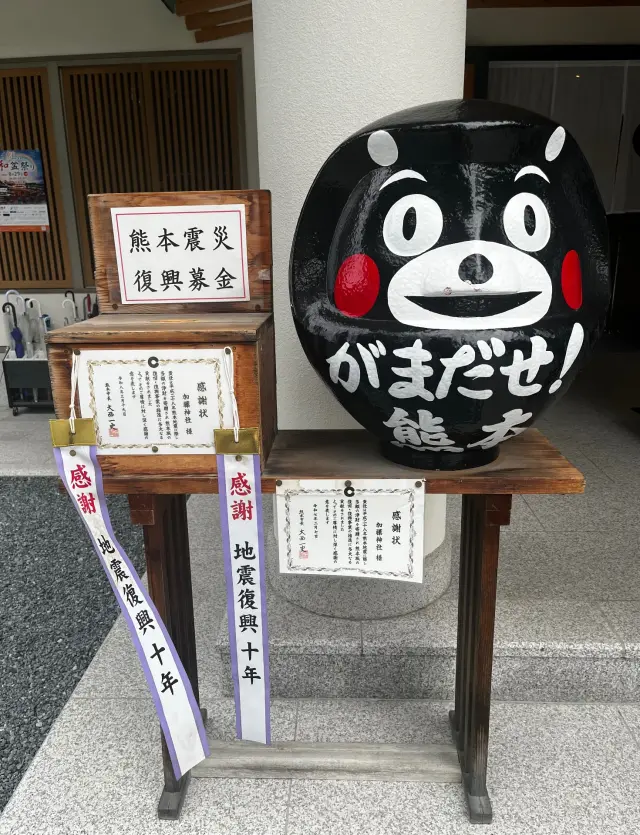
Kato Shrine primarily enshrines Kato Kiyomasa, a renowned general of the Sengoku period who also built Kumamoto Castle. Combining this famous warrior with the widely beloved Kumamon resulted in Samurai Kumamon. Seeing the usually cheerful Kumamon with a serious expression for the first time made me see him in a whole new light and filled me with admiration.
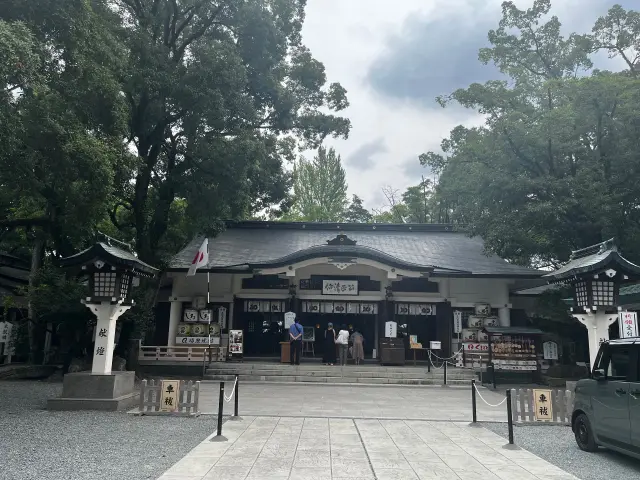
Kato Shrine really isn't very large, but I loved its tranquil atmosphere. After visiting the main hall, you'll find the shrine office nearby filled with all kinds of amulets, ema plaques, and goshuin stamps. You might want to choose one for yourself, with the hope that the gods' blessings will make your wishes come true and your dreams take flight.
Verified [Verified] denotes information that has been published with confirmation of its owing parties.
Kato Shrine at Kumamoto Castle
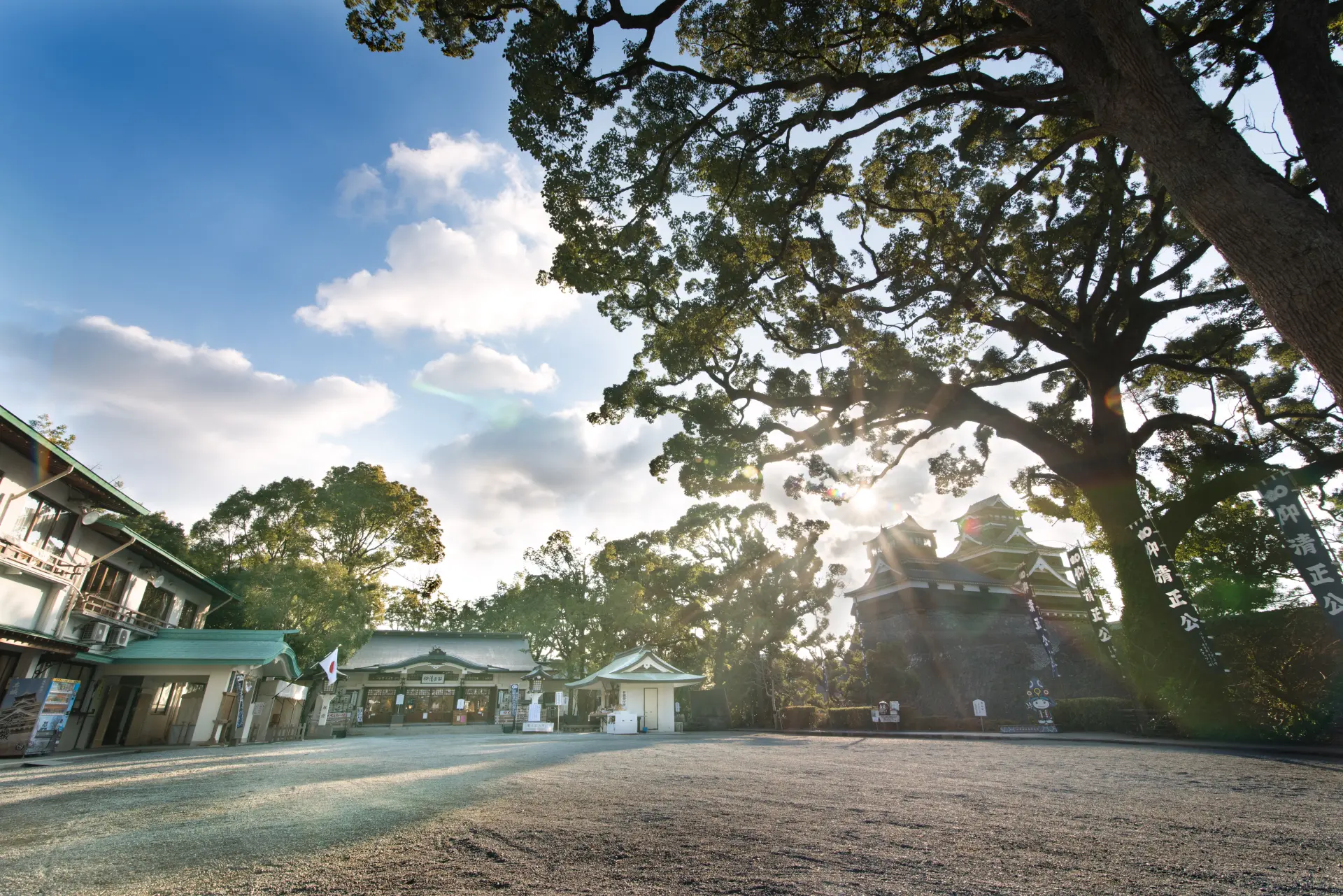
A shrine dedicated to Kato Kiyomasa, a Sengoku-era warlord; from the shrine grounds, you can look up at Kumamoto Castle’s main keep.
This shrine enshrines Kato Kiyomasa (1562-1611) as its principal deity. He was active as a Sengoku warlord and, in the Edo period (1603-1868), ruled Higo Province as the first lord of the Kumamoto Domain, earning the affectionate nickname “Seishoko-san” among the people. It stands in the Honmaru (the castle’s main bailey) of Kumamoto Castle, one of Japan’s Three Great Castles, which Kiyomasa built.
The shrine grounds include several vantage points where you can photograph Kumamoto Castle’s main keep from a beautiful angle, making it a popular photo spot.
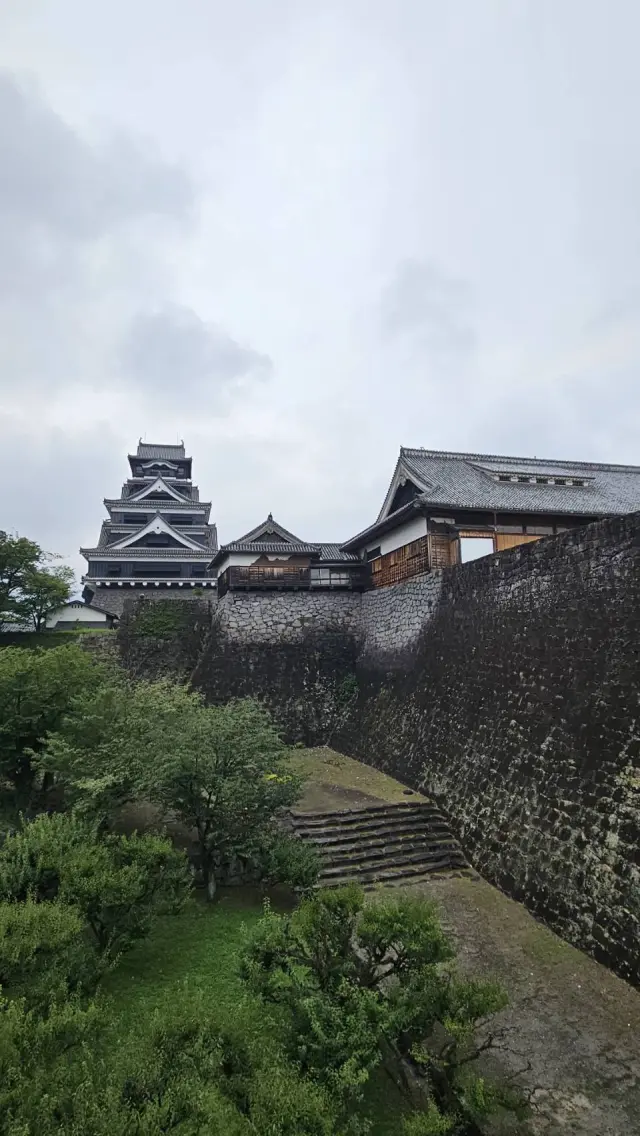
From near the torii gate, you can also see the Uto Turret (Uto Yagura), a surviving Azuchi-Momoyama-period structure designated an Important Cultural Property of Japan (under reconstruction as of December 2025). Other highlights connected to Kiyomasa include the Taiko Bridge, the flag-raising stone, and a tree he is said to have planted.
Also worth seeing is the ceiling painting in the worship hall, dedicated in 2025 and open for general viewing except during weddings and busy prayer times. Spanning about 5 m by 15 m-one of the largest in Japan-the powerful image of Kiyomasa and a tiger is truly impressive.
Because of Kiyomasa’s surname, Kato, the shrine is said to bring blessings for victory, and many visitors come to seek omamori (amulets) said to boost winning luck. Based on Kiyomasa’s life and achievements, it is also believed to grant blessings for work, career advancement, and protection for civil engineering and construction. All goshuin (seal stamps given at shrines), including pre-written ones, are handwritten. Limited designs offered for different seasons and events are also popular.
Highlights
-
This shrine is located in the Honmaru of Kumamoto Castle.
-
It enshrines Kato Kiyomasa as its principal deity.
-
The grounds offer an ideal vantage point for viewing Kumamoto Castle’s main keep.
-
A life-size Kumamon dressed as Kiyomasa is also a photo spot.
-
Omamori said to boost winning luck and handwritten goshuin are popular.
Photos
-
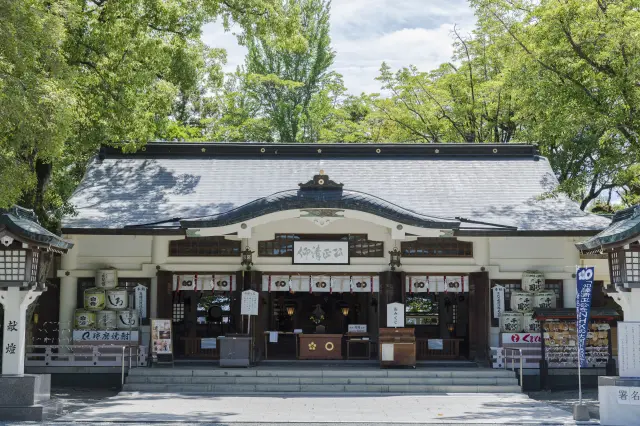
The white-walled shrine building with its black roof harmonizes beautifully with Kumamoto Castle
-
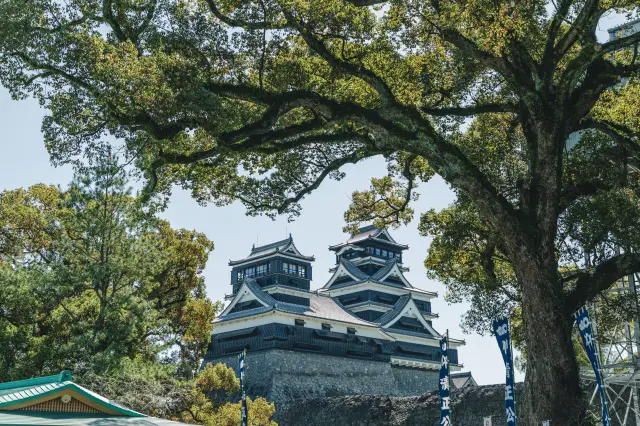
The shrine grounds offer an ideal vantage point for photographing Kumamoto Castle’s main keep from a beautiful angle.
-
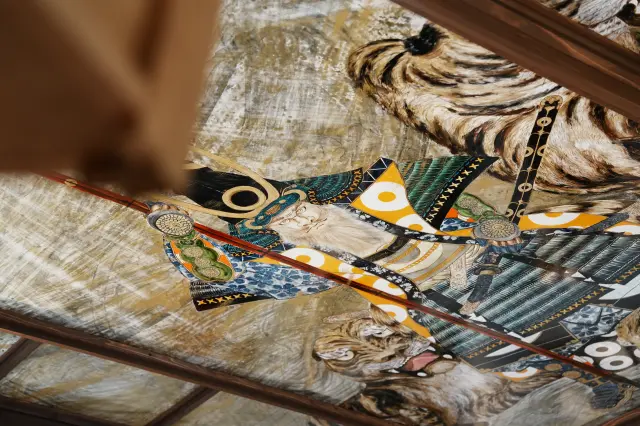
One of Japan’s largest ceiling paintings, created with wishes for peace and coexistence
-
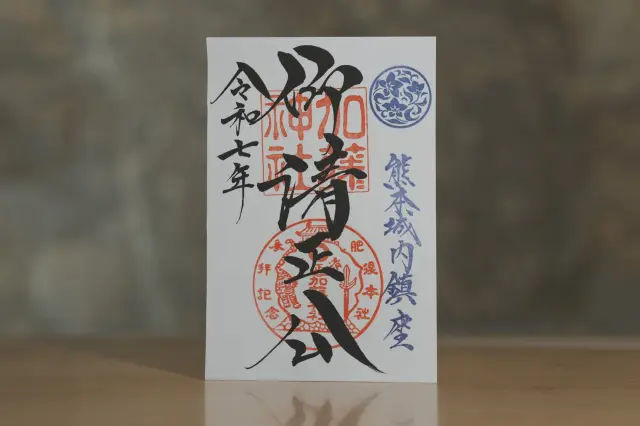
Handwritten goshuin, each made with heartfelt care
-
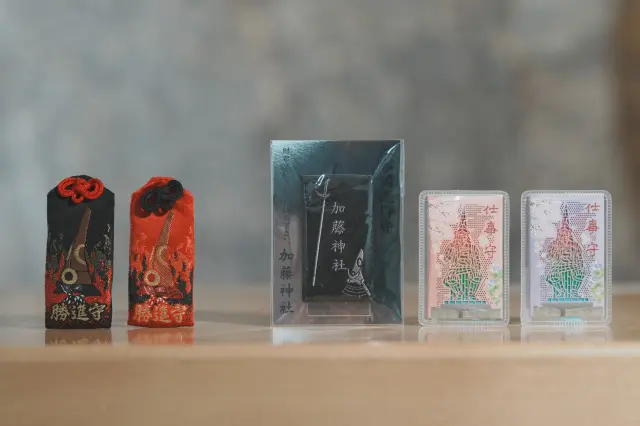
Omamori (amulets) said to boost winning luck and success at work are popular.
-
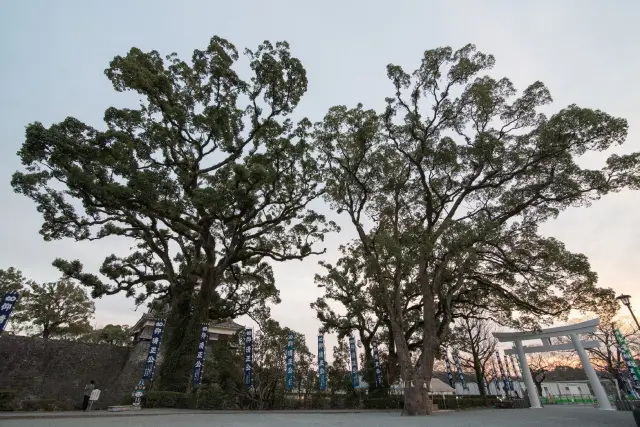
The grounds are also home to a giant camphor tree more than 400 years old.
-
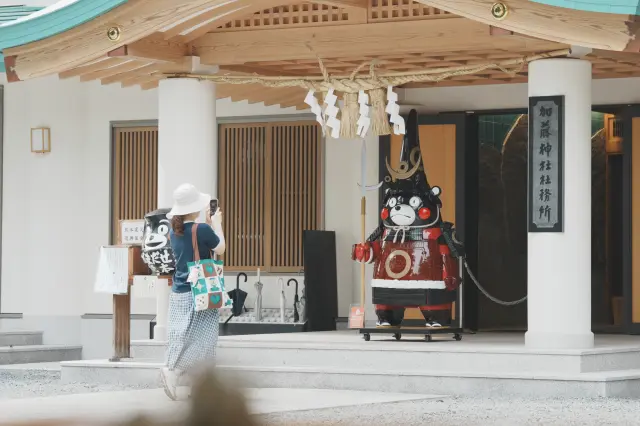
A life-size Kumamon dressed as Kiyomasa, popular as a photo spot
Official FAQs
Frequently Asked Questions have been vetted and answered directly by each listing.
Q
Are there foreign-language brochures or similar materials?
No.
Q
Are goshuin available?
You can receive either a goshuin handwritten on the spot or a pre-written one.
Q
Is there parking?
You may park inside the shrine grounds while you are visiting. If you are also touring Kumamoto Castle, please use nearby parking lots.
Q
Are there coin lockers?
No.
Q
Are there any tourist spots nearby?
Nearby are Kumamoto Castle, Josaien, the Kumamoto Prefectural Museum of Art, and a museum.
Reviews
Some reviews are AI-translated.
-
-
Kumamoto · Kumamoto Castle (Ginkgo Castle)
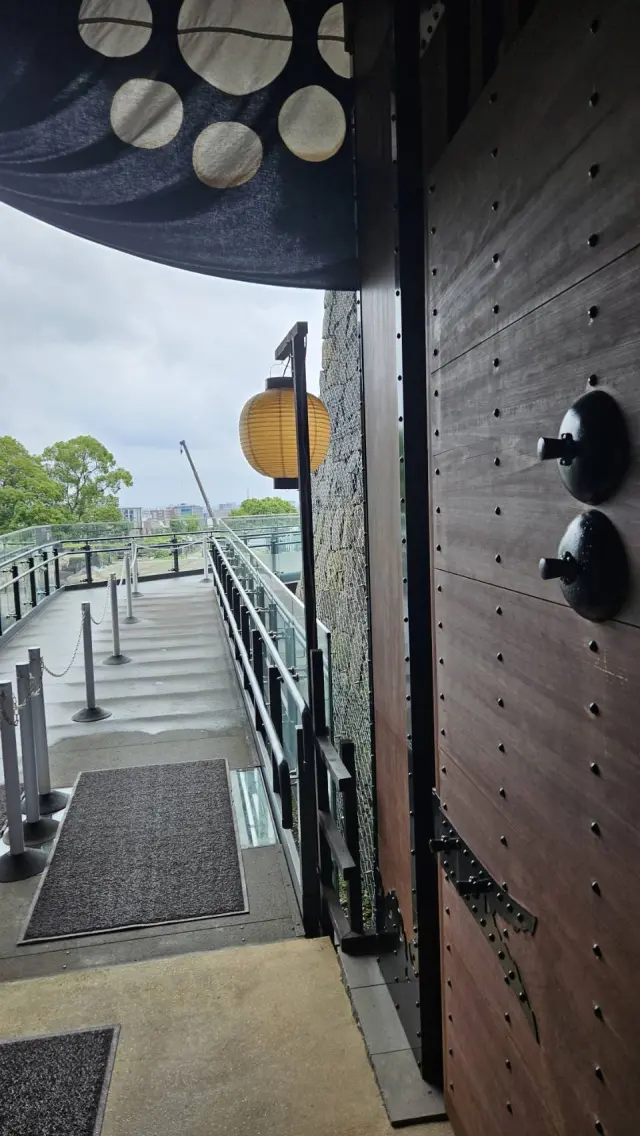
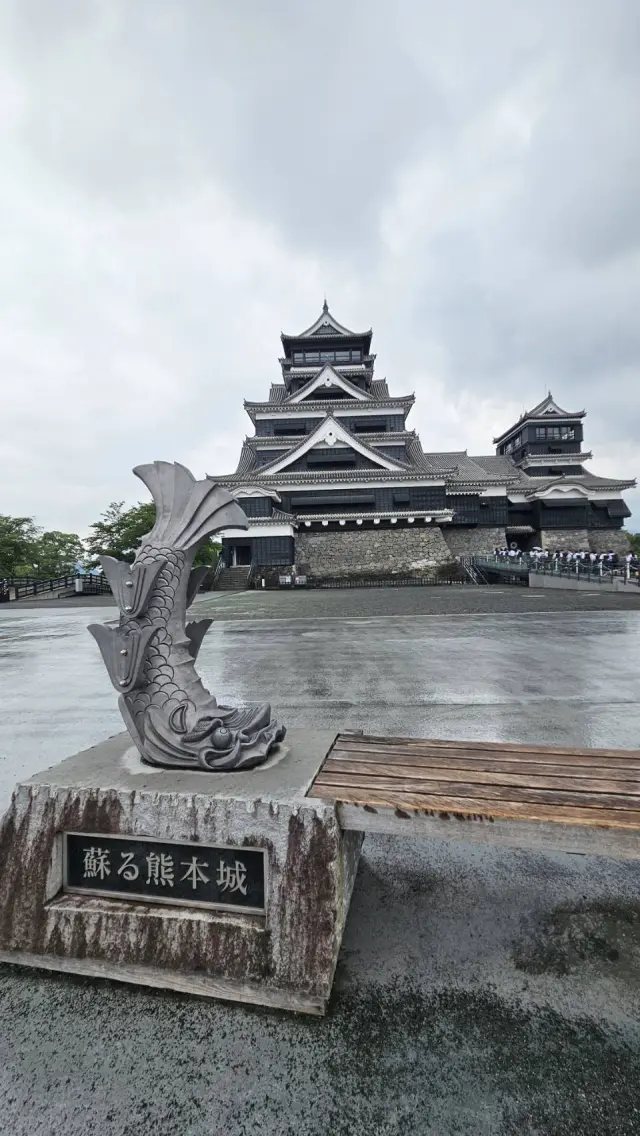
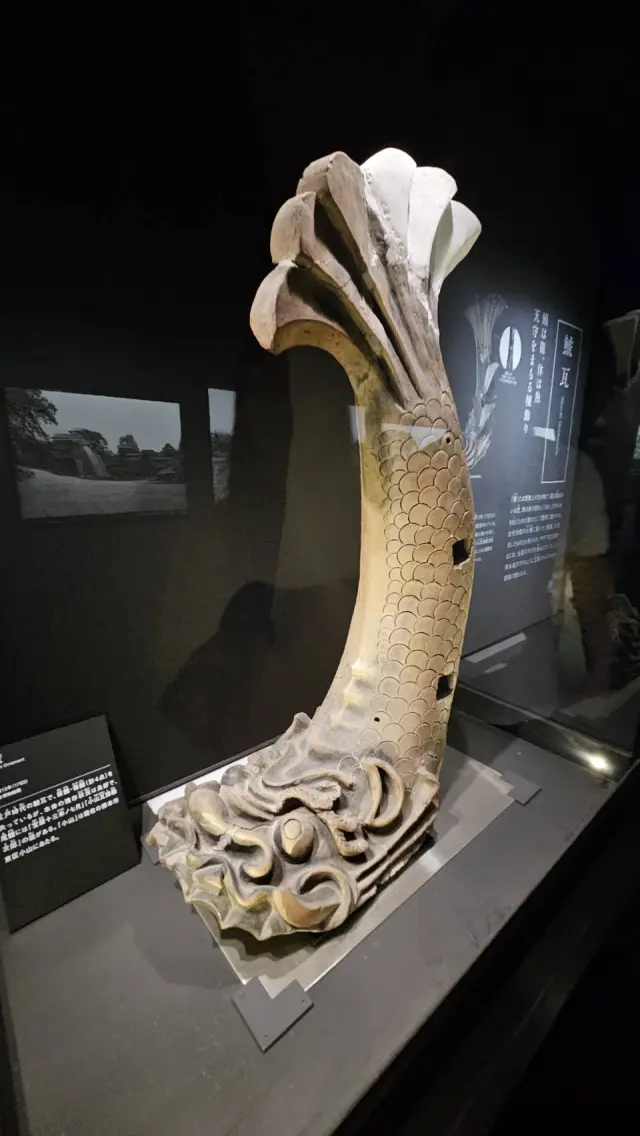
The journey began in Kumamoto and also came to an end there. Standing in front of Kumamoto Castle, looking at the black-and-white keep, the massive stone walls, and the traces of history still being restored, I truly understood that even the strongest fortress is no match for the power of nature. Kato Kiyomasa built this famous castle, which remained standing through wars and fires but was severely damaged in the 2016 Kumamoto Earthquake. Today, it is being rebuilt step by step using historical construction methods so that its cultural legacy can continue.On this journey, I saw not only a magnificent old castle, but also the Japanese people's respect for cultural heritage and their indomitable spirit in the face of disaster. History is not just words in a book, but stories that truly remain in every roof tile, every stone, and every wooden structure. A person's life will eventually become a page in history, and the value of travel lies in broadening one's horizons and gaining knowledge with every stop, making life richer by visiting more places and witnessing more stories.
-
-
The shrine is small, but the atmosphere is very quiet. You can see the main keep of Kumamoto Castle directly, and the view is really nice. A lot of people stop to take a quick photo and pray for good luck, then head out.
It’s mainly to commemorate Kato Kiyomasa, so it’ll resonate more if you’re into history.


Details
- Name in Japanese
- 加藤神社
- Postal Code
- 860-0002
- Address
- 2-1 Honmaru, Chuo-ku, Kumamoto City, Kumamoto
- Telephone
- 096-352-7316
- Closed
- Open every day
- Business Hours
- Open at all times (Prayer services and amulet/goshuin office: 8:00 am-5:00 pm)
- Admission
- Free
- Access
-
(1) From JR Kumamoto Station, take the city tram A Line for 15 minutes, get off at Kumamotojo-Shiyakusho-mae, then walk 10 minutes
(2) 30 minutes by car from Kumamoto IC on the Kyushu Expressway - Credit Cards
- Not accepted
- Official Website
- Official Website (Japanese)