Norton Liang's Reviews Page 4/6

Norton Liang’s Profile Page
  • Kyoto city KYOCERA Museum of Art

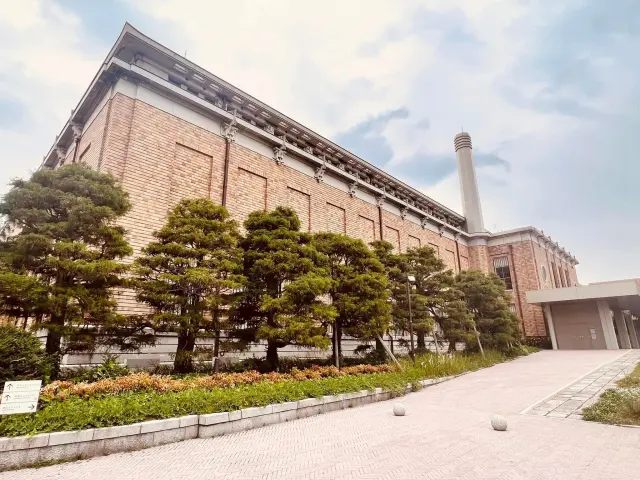
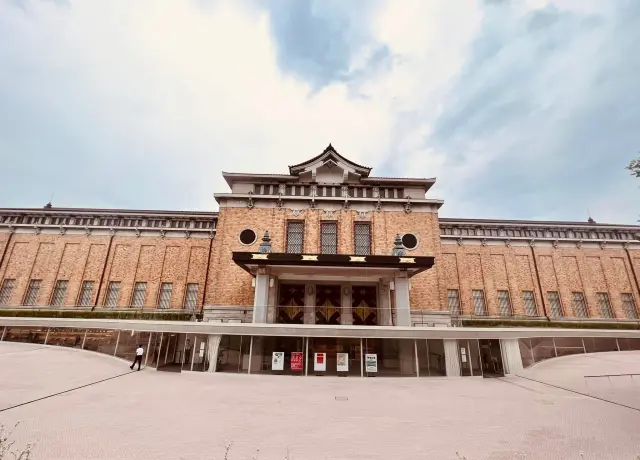
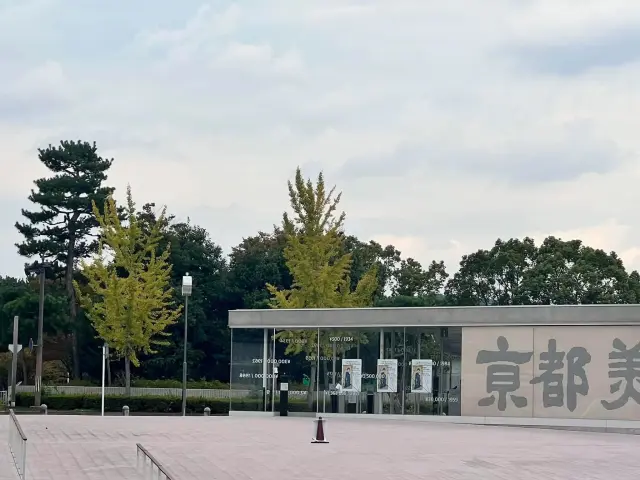
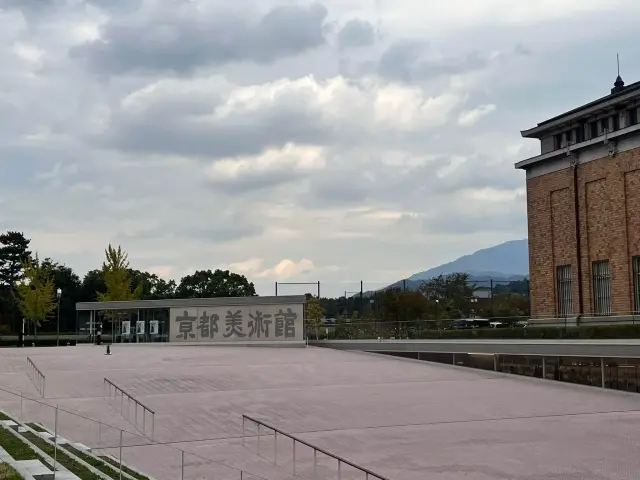
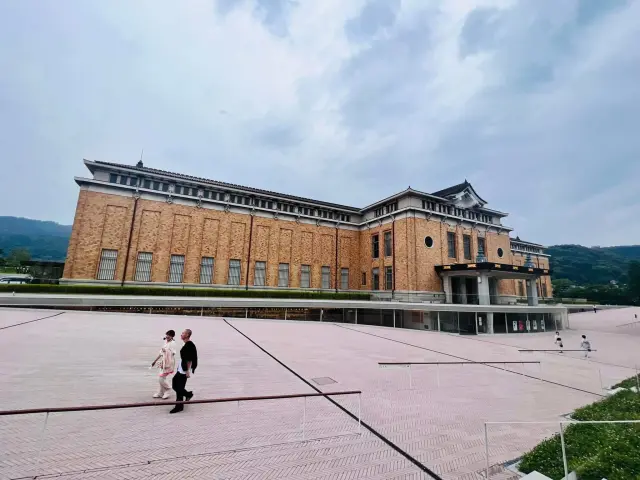
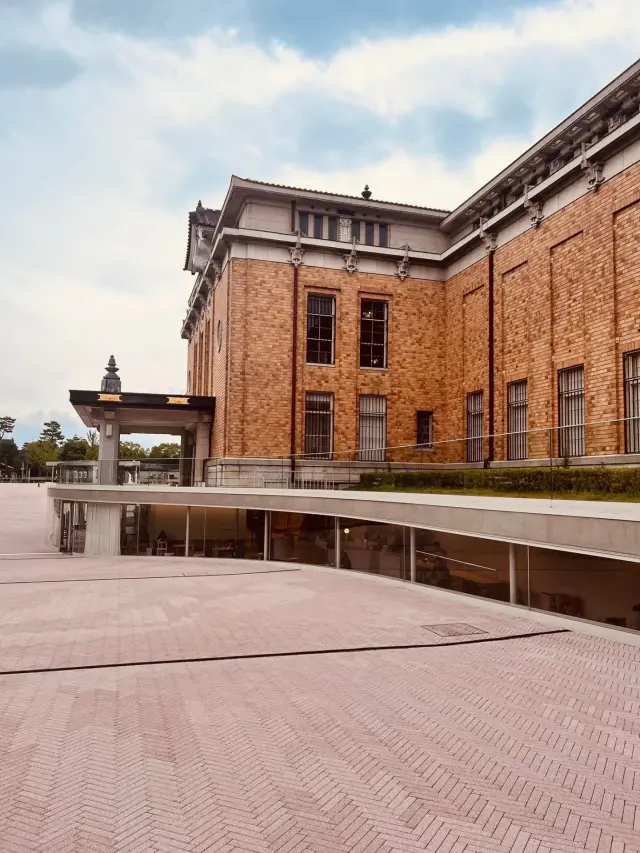
    It started as Japan's second largest public art museum, Tairei Kinen Kyoto Art Museum, that commemorated then-emperor's enthronement, then the name was changed to Kyoto City Art Museum. In spring of 2020 after a renovation, it was reopened as Kyoto City Kyocera Art Museum.

    • Okazaki, Ginkakuji, Ohara
    • Museums
    See More

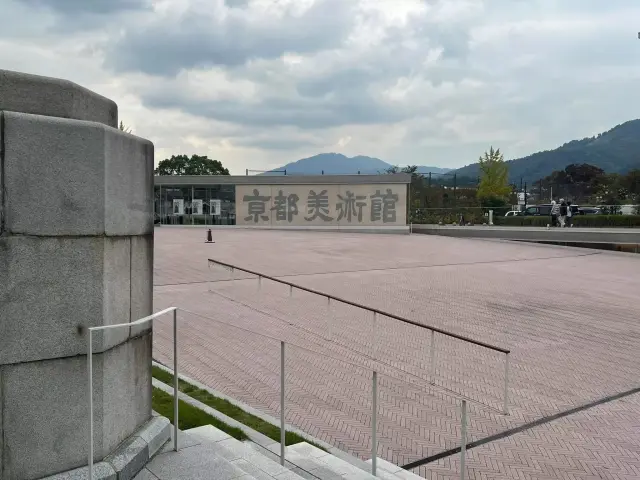
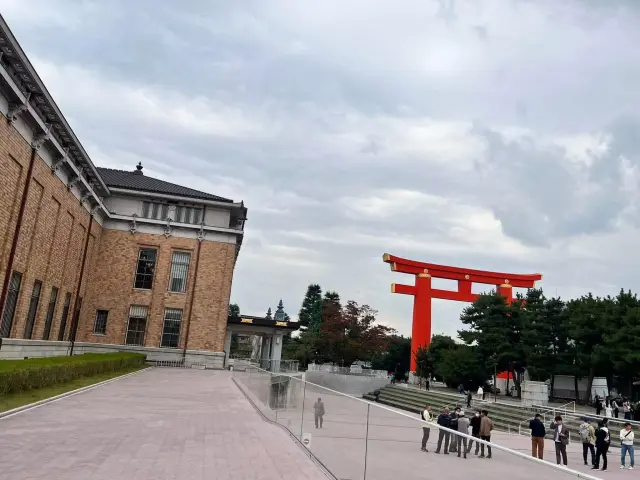
    Recently, the Kyoto City Museum of Art, located next to the large red torii gate of Heian Jingu Shrine and also one of Japan’s oldest public art museum buildings, announced that after three years of renovation, it would reopen to the public in spring 2020 with a new identity as the Kyoto City KYOCERA Museum of Art (京都市京セラ美術館), becoming a new pilgrimage spot for visitors to Kyoto!

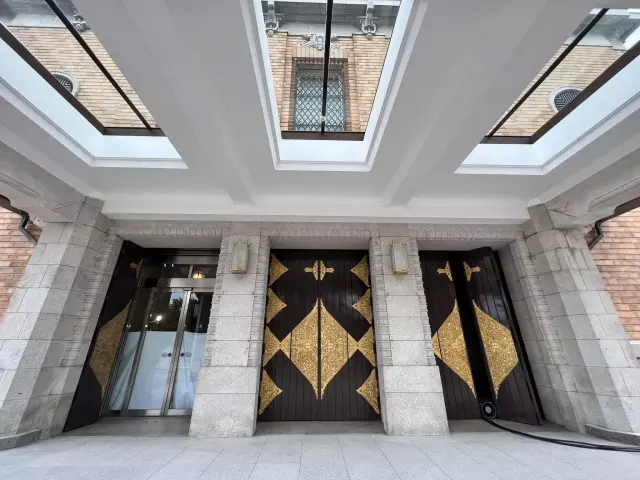
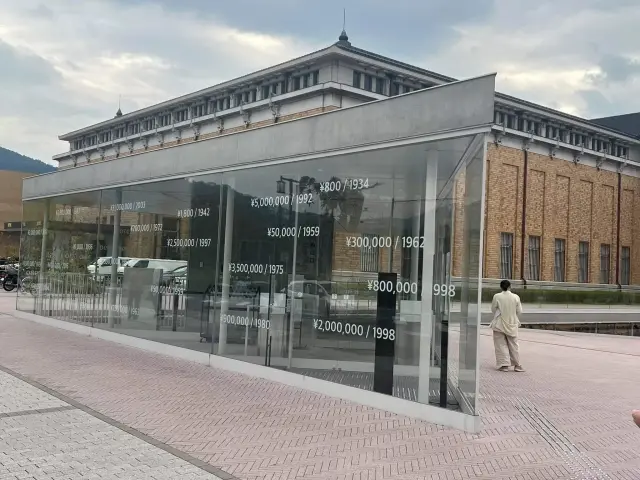
    The Kyoto City Museum of Art has a long history. It was completed in 1933 in Okazaki, one of Kyoto’s most important cultural districts, and its overall exterior was designed in the classic Imperial Crown Style of the time, blending Japanese and Western architectural elements. In 2017, the museum temporarily closed for renovations. The project was officially estimated to cost more than JPY 10 billion, so the government introduced a naming-rights system that allowed the largest corporate sponsor to acquire the naming rights. They were secured by Kyocera Corporation, a major company headquartered in Kyoto.

    Located within Kyoto’s Okazaki Park, the Kyoto City KYOCERA Museum of Art ultimately selected a collaborative proposal by renowned Japanese architects Jun Aoki and Tezzo Nishizawa for its redesign. Jun Aoki remains a well-known architect internationally and is also a noted artist. After participating in the museum’s reconstruction project, he was appointed director of the Kyoto City Museum of Art.

    The Kyoto City KYOCERA Museum of Art is located in the Okazaki area of Kyoto’s Sakyo Ward, while the large red torii gate in the background is a symbol of Heian Jingu Shrine. This area is a well-known center for arts, culture, recreation, and walking in Kyoto.
    Walking route around the Okazaki museum area
    * Where art, culture, and nature come together: Starting from the Kyoto City KYOCERA Museum of Art, nearby attractions include Okazaki Park, Heian Jingu Shrine, and the Lake Biwa Canal. The route features broad walkways, greenery, and waterside scenery, making it ideal for a stroll.
    * Nearby attractions: Within walking distance are Kyoto City Zoo, the Lake Biwa Canal Museum, and Nanzen-ji Temple, a famous spot for autumn foliage.
    Recommended Blue Bottle Coffee location
    The closest and most distinctive location near the museum is:
    * Blue Bottle Coffee - Kyoto Cafe (Nanzenji location):
    * About a 10- to 15-minute walk from the museum and Nanzen-ji Temple.
    * Converted from a century-old traditional Kyoto machiya townhouse, it combines minimalist modern design with the look of a Japanese garden.
    * An excellent place to rest and enjoy a cup of pour-over coffee after walking around Okazaki, visiting the shrine, or touring the museum.
  • Kyoto Modern Terrace

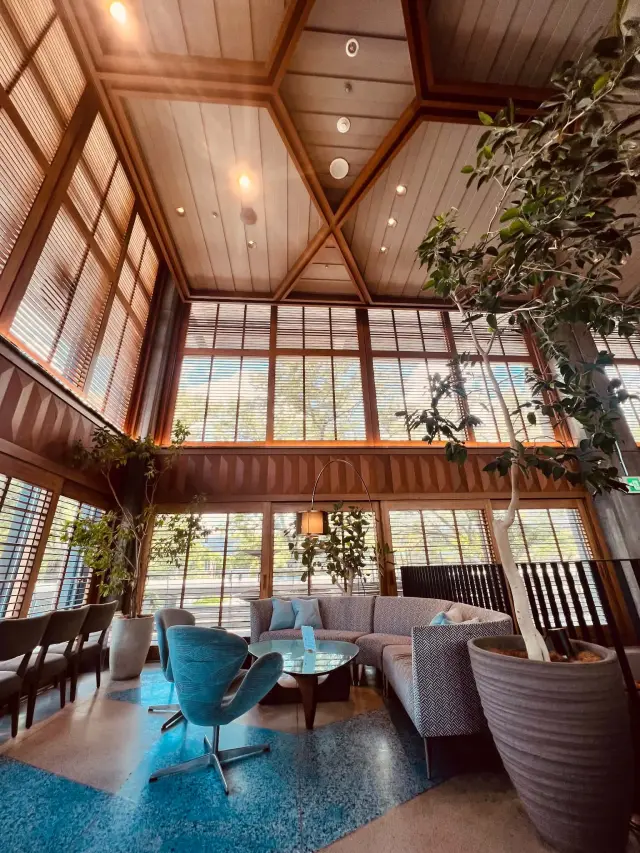
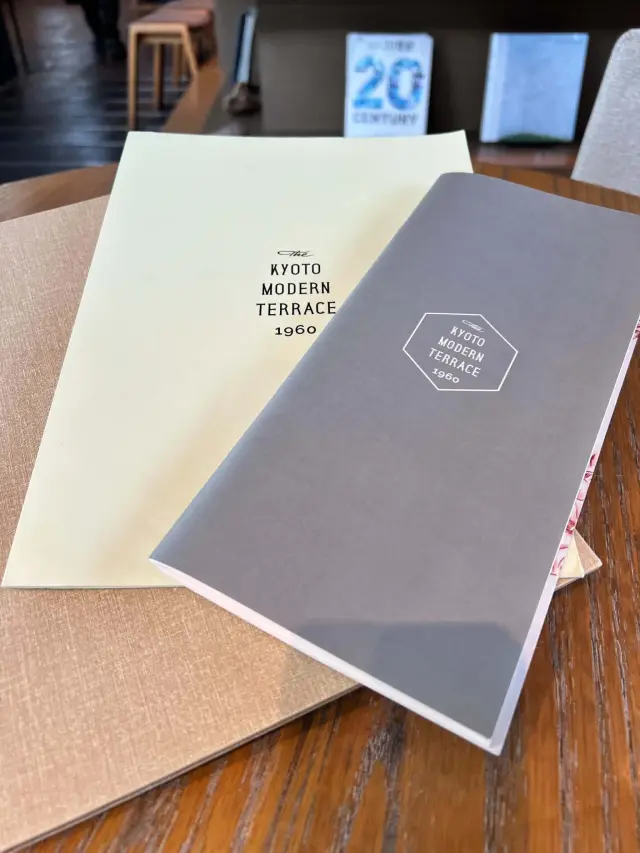
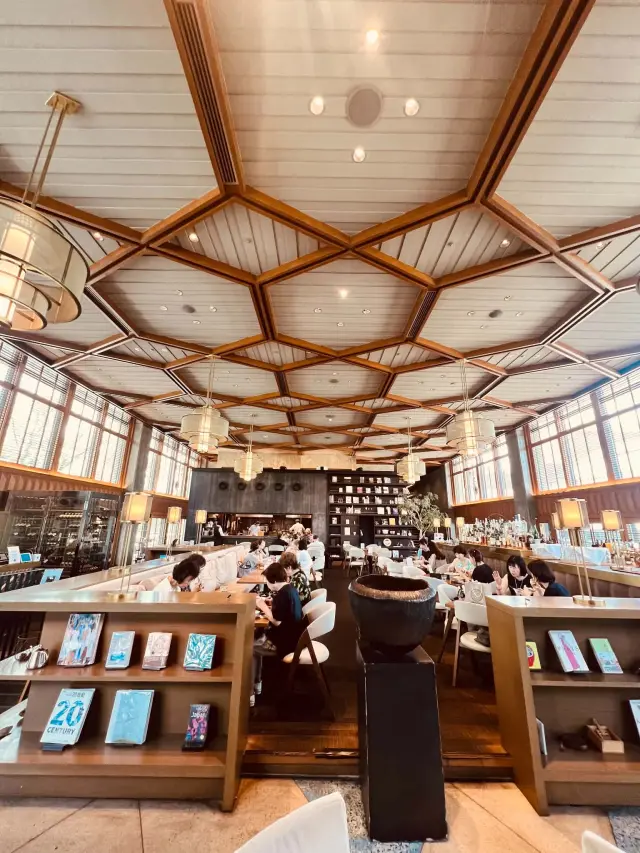
    Situated in the Kyoto Kaikan, built in 1960 and extensively renovated to become the "ROHM Theatre Kyoto" in 2015, the "Kyoto Modern Terrace" is located on the second floor. This cafe and restaurant boasts a space that inherits the features of modernist architecture.

    • Okazaki, Ginkakuji, Ohara
    • Western Restaurants
    See More

    Don’t hesitate.
    If the Starbucks next to the Tsutaya Bookstore in the same building is too crowded, just head straight up to the second floor.
    A masterwork of Japanese modernist architecture with an unbeatable terrace view of Heian Shrine and Higashiyama: “THE KYOTO MODERN TERRACE.”
    “THE KYOTO MODERN TERRACE” (Kyoto Modern Terrace)**.
    Architectural and Interior Design Features
    1. **Masterwork of Japanese Modernist Architecture**
    The restaurant is located on the second floor of Park Plaza at ROHM Theatre Kyoto (formerly Kyoto Kaikan, completed in 1960). The building was designed by **Kunio Maekawa**, one of Japan’s most iconic legendary architects of the postwar era,
    and is a classic masterpiece of early Japanese modernist architecture.
    2. **High Ceiling and Distinctive Wooden Tortoiseshell Ceiling:**
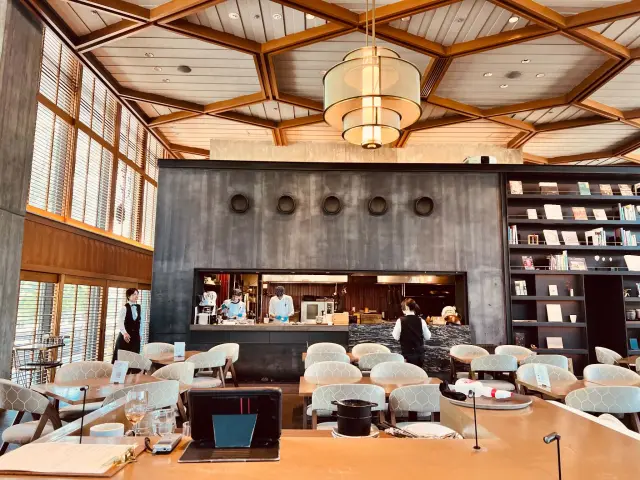
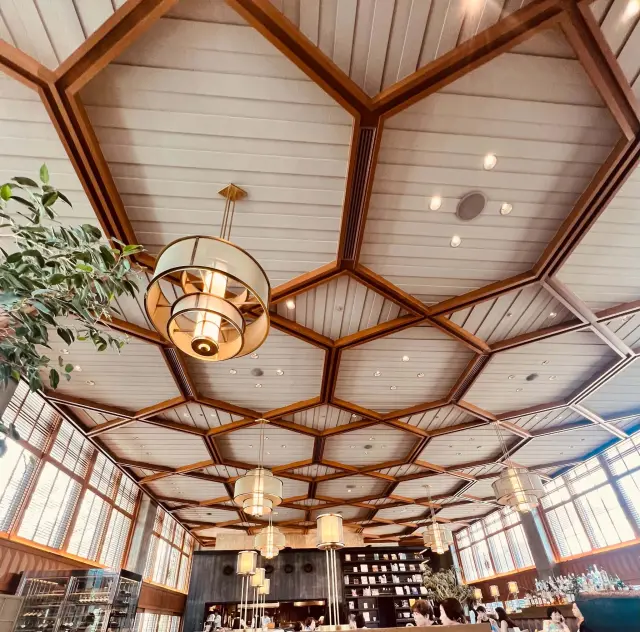
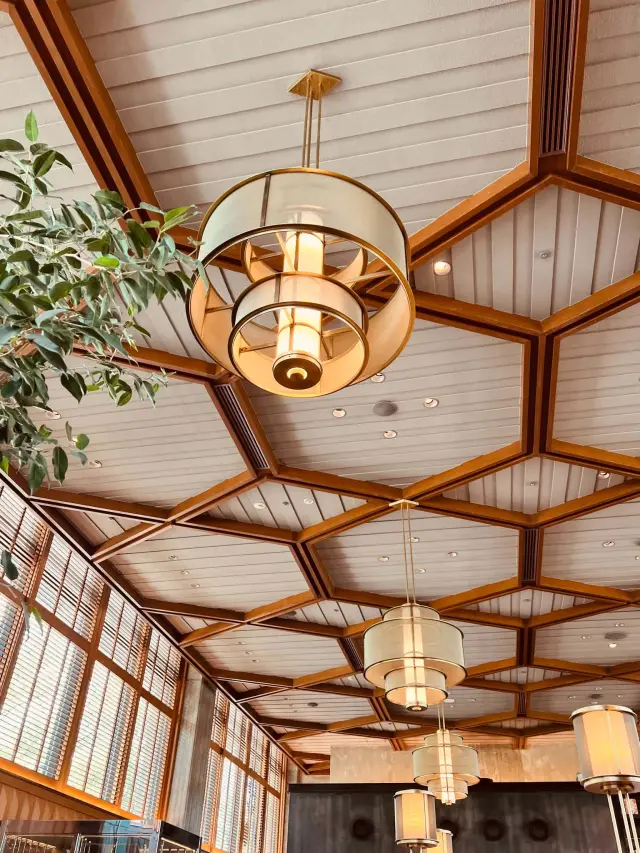
    The first thing that catches your eye when you enter the restaurant is the open space with an impressively high 5.7-meter ceiling. The ceiling is composed of **recessed wooden tortoiseshell-shaped (hexagonal) patterns** with a strikingly beautiful geometric structure, perfectly blending modern Western construction with the refined craftsmanship of traditional Japanese woodworking.
    3. **Large Floor-to-Ceiling Windows and Natural Light**

    The interior is surrounded by large lattice windows and floor-to-ceiling windows, which not only bring in plenty of natural light but also offer direct views of the surrounding Okazaki area, Heian Shrine, and the Higashiyama mountains throughout the seasons.

    4. **Bookish, Modern Arts-and-Culture-Inspired Decor**
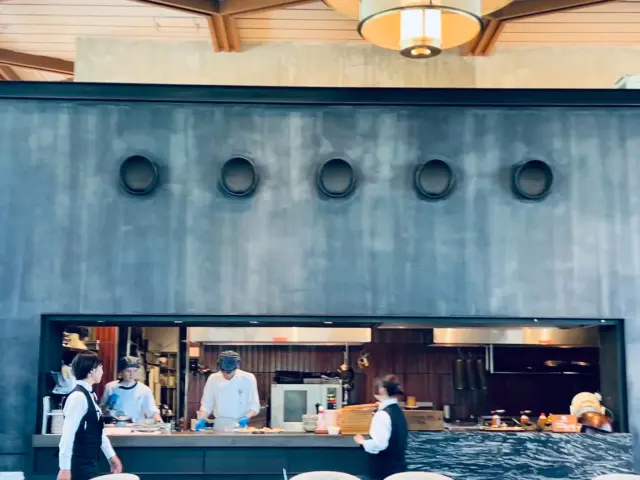
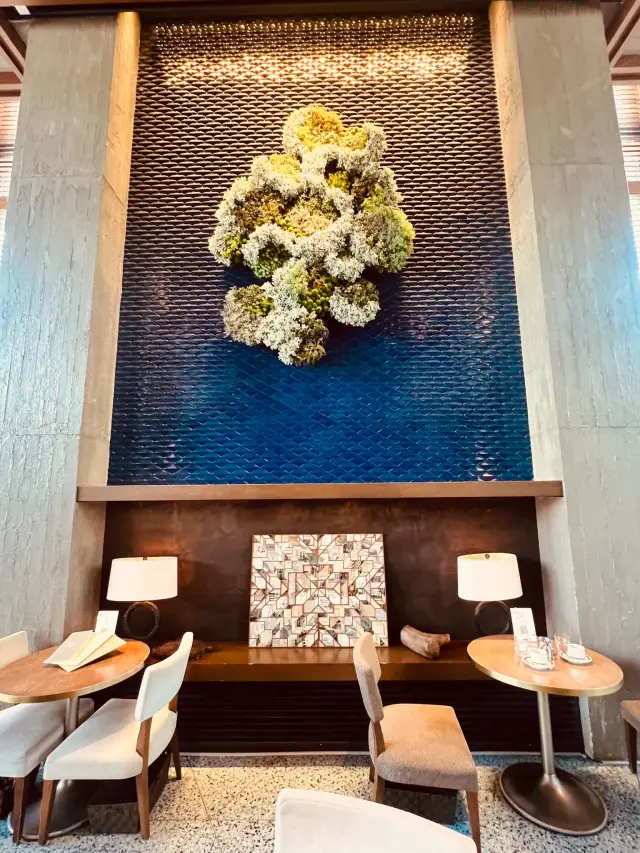
    Echoing Kyoto Okazaki Tsutaya Books downstairs, the restaurant features sophisticated dark wood bookshelves and display cabinets filled with books and artwork related to the arts, architecture, and lifestyle. Combined with suspended geometric modern circular pendant lights, they create a very relaxing modern salon atmosphere that is both retro-chic and cultured.
    This **“THE KYOTO MODERN TERRACE” (Kyoto
    )** is not only architecturally stunning; as an all-day dining restaurant, it is also highly distinctive in terms of its food, atmosphere, and location.

    1. Ingenious cuisine for all five senses: Wood-fire grilling and collaborations with famous local establishments
    The restaurant’s food blends Japanese and Western-style cuisine, and its biggest culinary feature is **wood-fire grilling (wood-grilled meat and vegetables)**. There is an open grill inside, where ingredients are smoked and grilled over firewood, so you can smell a faint wood aroma as soon as you enter the restaurant.

    The restaurant also collaborates across industries with many long-established traditional businesses in Kyoto: 🍚
    * **Rice**: Carefully selected premium rice from **Hachidaime Gihey**, an award-winning, long-established Kyoto rice merchant.
    * **Desserts**: The traditional wagashi served with afternoon tea and set meals were jointly developed with **Kameya Yoshinaga**, a renowned Kyoto shop with more than 200 years of history.
    ☕️
    * **Coffee**: Specialty coffee beans from **Ogawa Coffee**, one of Kyoto’s representative coffee brands.

    2. Popular Signature Dishes You Have to Order

    If you plan to dine here, the following have been extremely popular signature dishes since the restaurant opened:
    ) *: Served in a cast-iron pan, this very photogenic soufflé omelet is incredibly fluffy on the outside and combines cheese with Japanese dashi, accompanied by a rich hayashi sauce.
    🍝
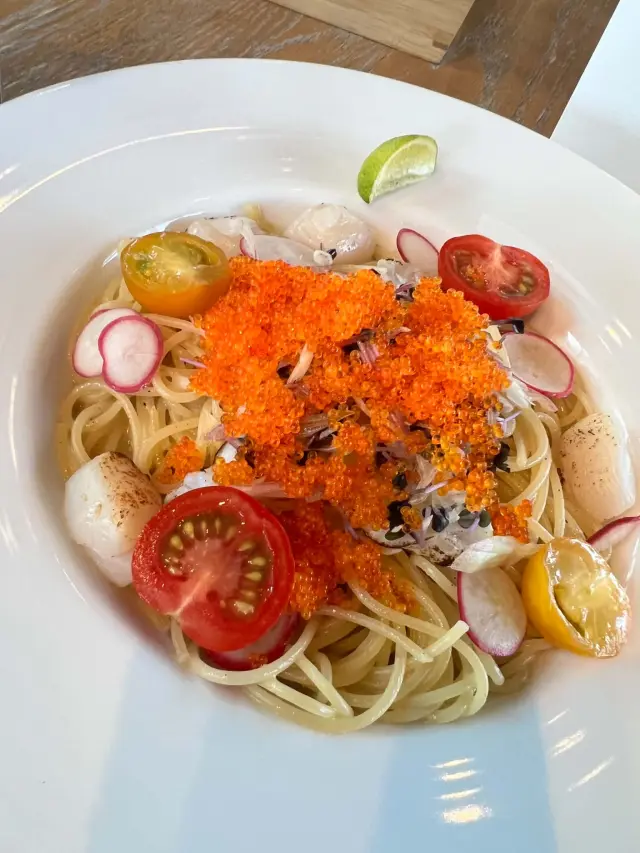
    • **12-Vegetable Pasta (12品目の野菜の
    )** Uses an elegant Japanese dashi to bring out the fresh sweetness of the vegetables. One plate provides a generous variety of seasonal vegetables and is especially popular with women.

    📖3. Collaboration with Tsutaya Books: A Book-Filled Artsy Salon Restaurant
    It is perfectly integrated with **Kyoto Okazaki Tsutaya Books** on the first floor.
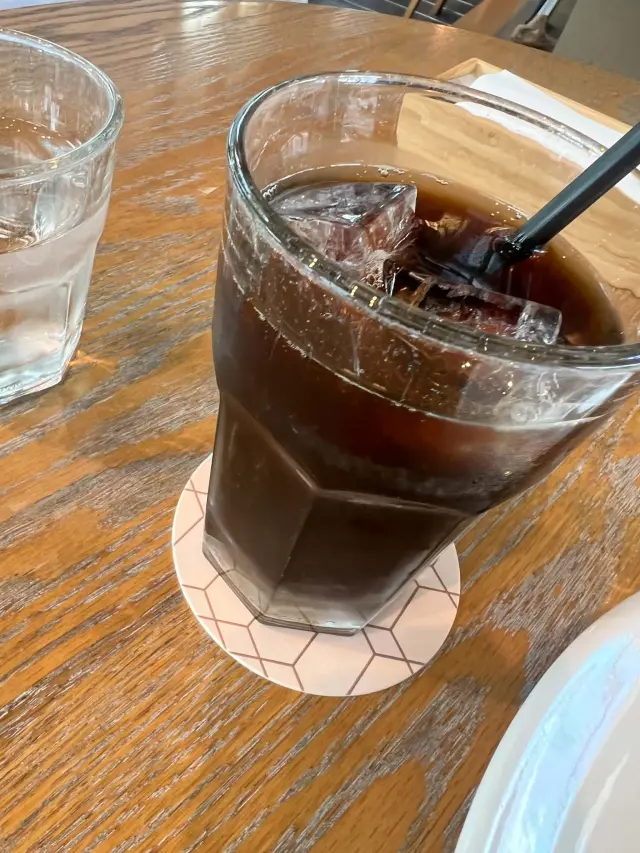
    The interior bookshelves hold a large selection of books on Japanese culture, art, traditional crafts, and architecture. You can order a cup of cold-drip coffee or Kyoto-brewed craft beer and browse these books at your seat, enjoying a quiet and elegant afternoon like one spent in a “literary salon.”

    ⛩️4. An Unbeatable Terrace View of Heian Shrine and Higashiyama
    In addition to the beautiful indoor seating with high ceilings that you photographed, this restaurant lives up to its name, “Terrace,” with a **spacious outdoor terrace area** offering as many as 40 seats.

    This restaurant lives up to its name, “Terrace,” with a **spacious outdoor terrace area** offering as many as 40 seats.
    The terrace is right next to the famous **giant torii gate of Heian Shrine** and **Okazaki Park
    **. On clear days, you can sit outside and look directly out at the Higashiyama mountains and Mount Hiei. In spring, you can look down on the cherry blossoms, and in fall, you can admire the autumn leaves. It is one of the finest locations in Kyoto for enjoying both top-tier modern architectural aesthetics and the natural scenery of the ancient capital.

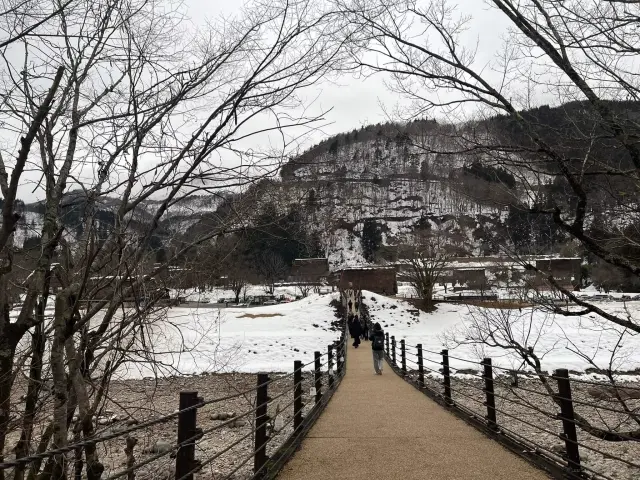
  • Deai Bridge

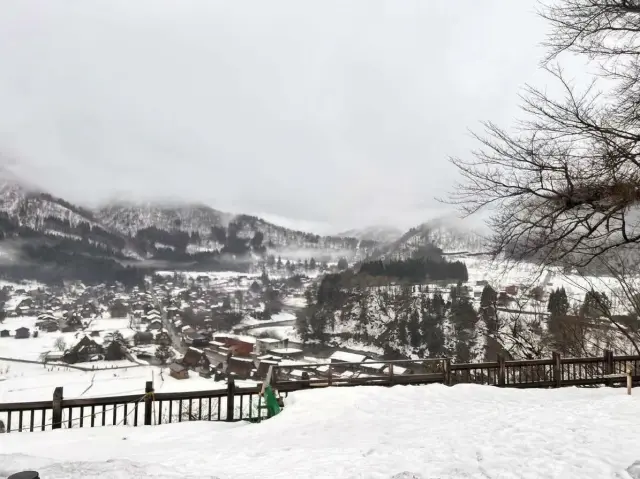
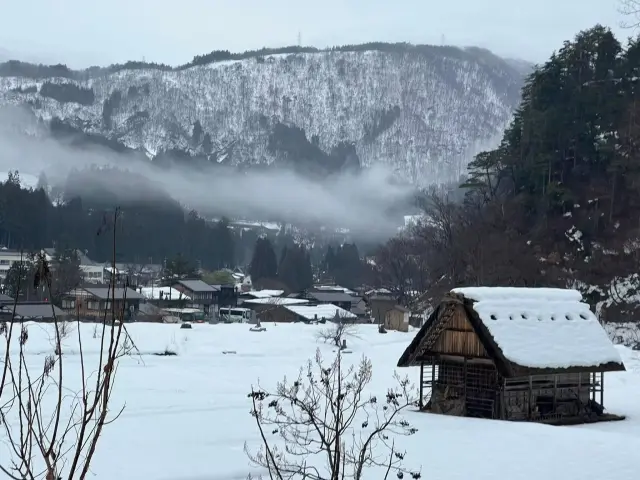
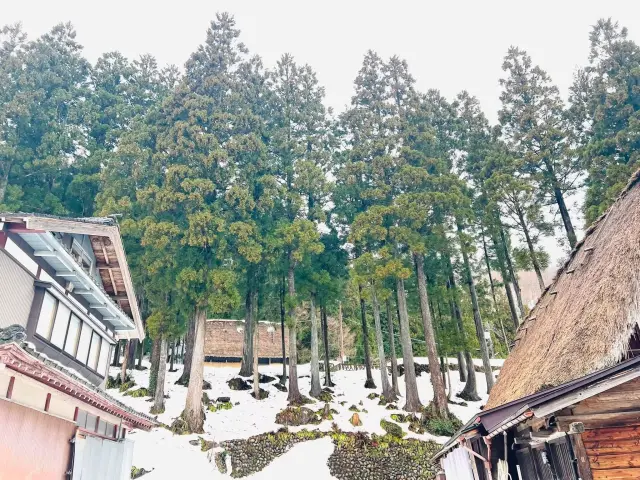
    Deai Bridge is a 107-meter-long suspension bridge that leads to the Shirakawa-go gassho-zukuri village, a registered World Heritage site. The bridge connects the convenient public parking area, 'Village-Operated Sesaragi Park Parking Lot', to the village, and crossing the bridge brings you to the entrance of the village.

    • Gifu
    • Tourist Attractions
    See More

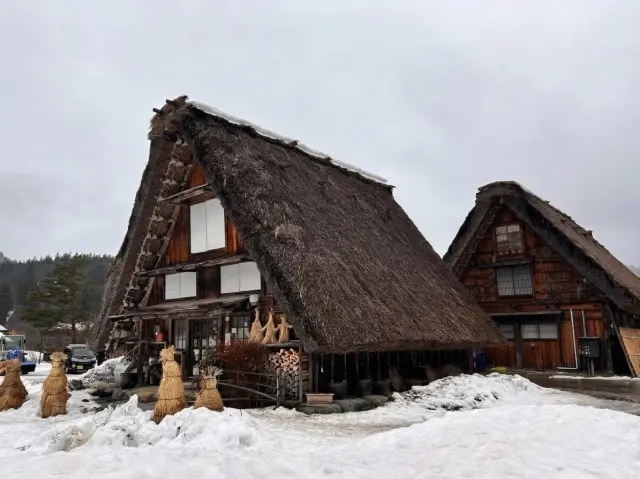
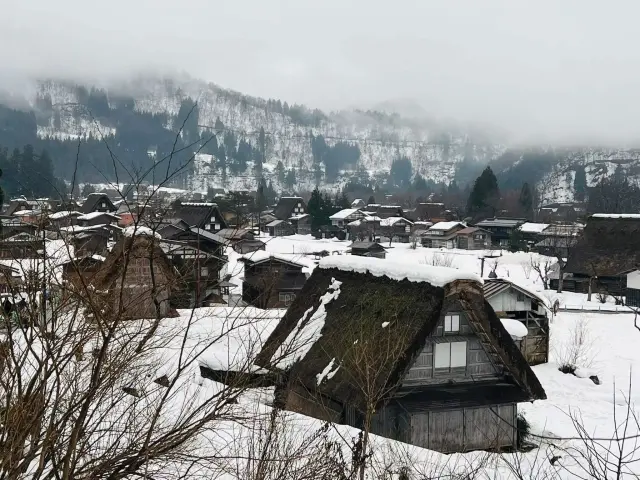
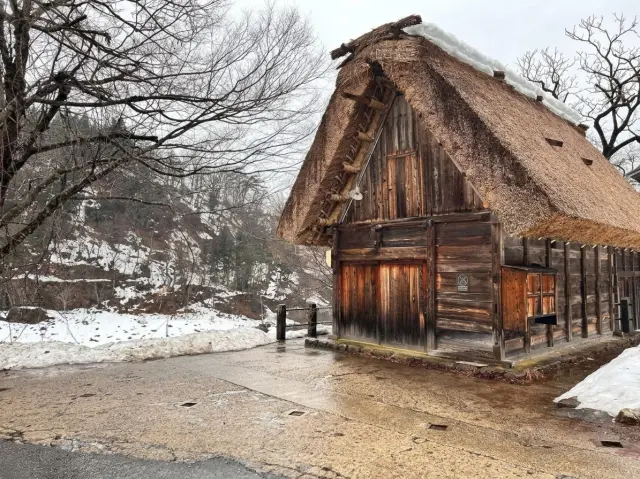
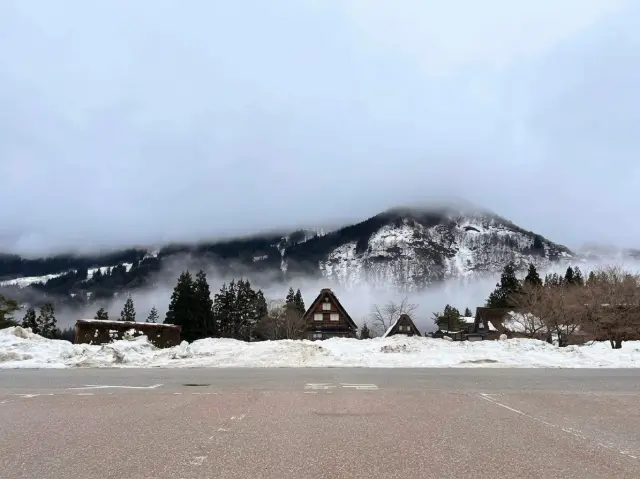
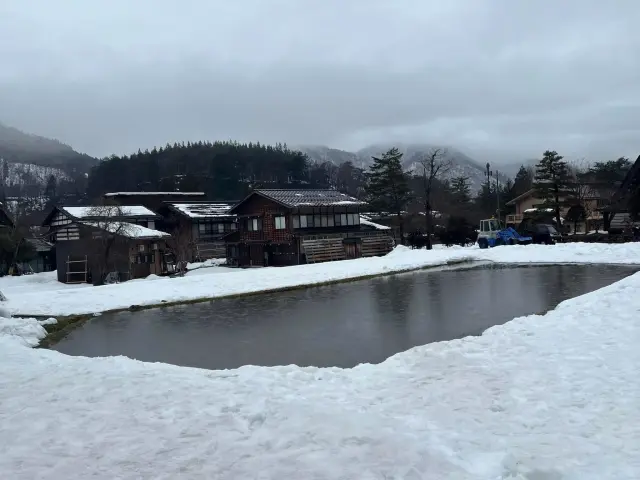
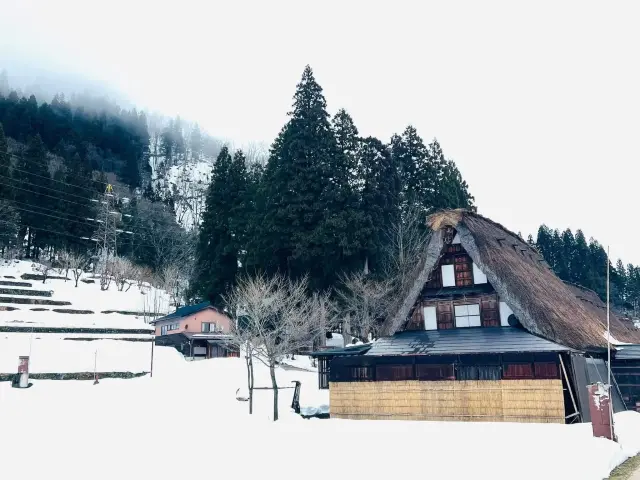
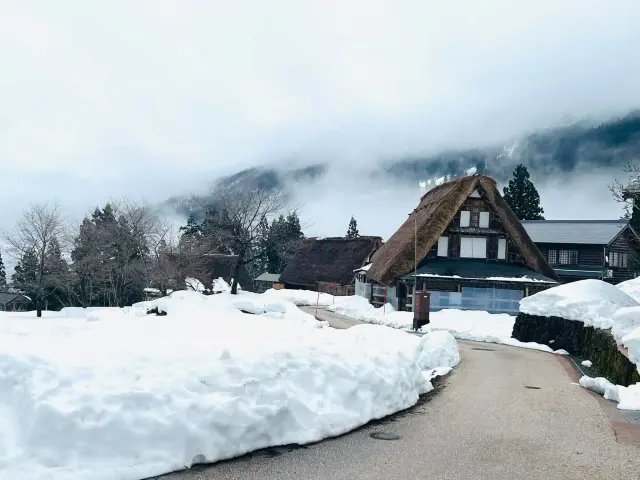
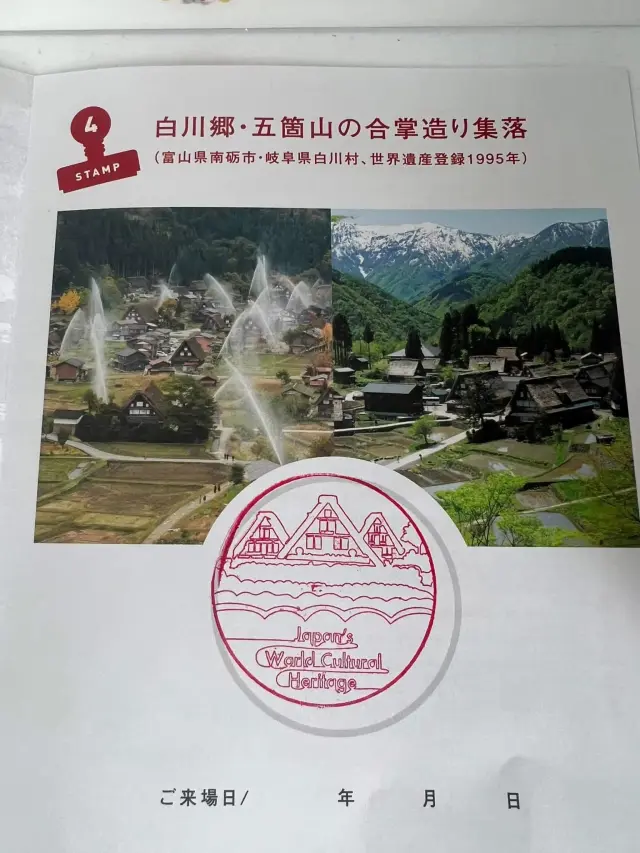
    “Gassho Village” usually refers to the “Shirakawa-go Gassho-Zukuri Village” (Shirakawa-go Gassho-Zukuri Minka-en) in Shirakawa Village, Ono District, Gifu Prefecture, Japan, commonly known as Shirakawa-go. The village is famous for its distinctive gassho-zukuri architecture and was designated a UNESCO World Cultural Heritage Site in 1995 along with the gassho-style villages of Gokayama in Toyama Prefecture.
    Main Features
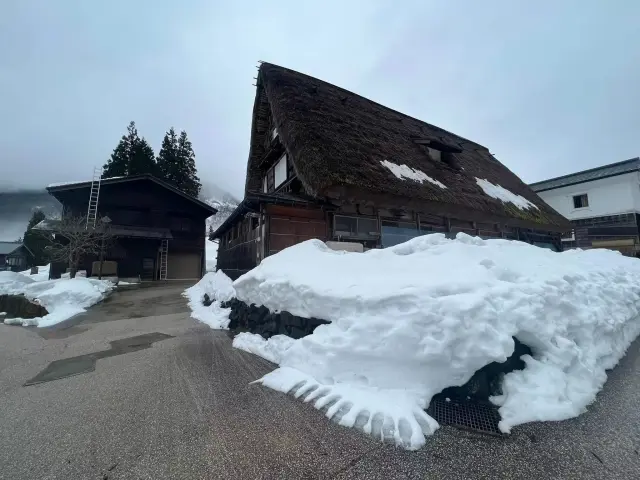
    Architectural style: Gassho-zukuri is a type of traditional Japanese house characterized by thick thatched roofs with steep, triangular slopes resembling hands pressed together in prayer.
    Functional design: This distinctive roof design was developed to accommodate the area's heavy winter snowfall, helping snow slide off efficiently. The attic space was also used for activities such as silkworm farming. The roof thatch needs to be replaced every 30 to 40 years.
    World Heritage Site: The Ogimachi area of Shirakawa-go preserves a large number of gassho-zukuri buildings and is currently the largest and most famous gassho-style village in Japan.
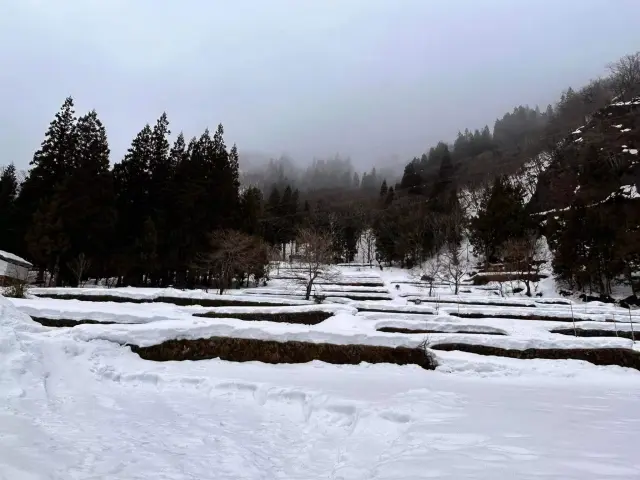
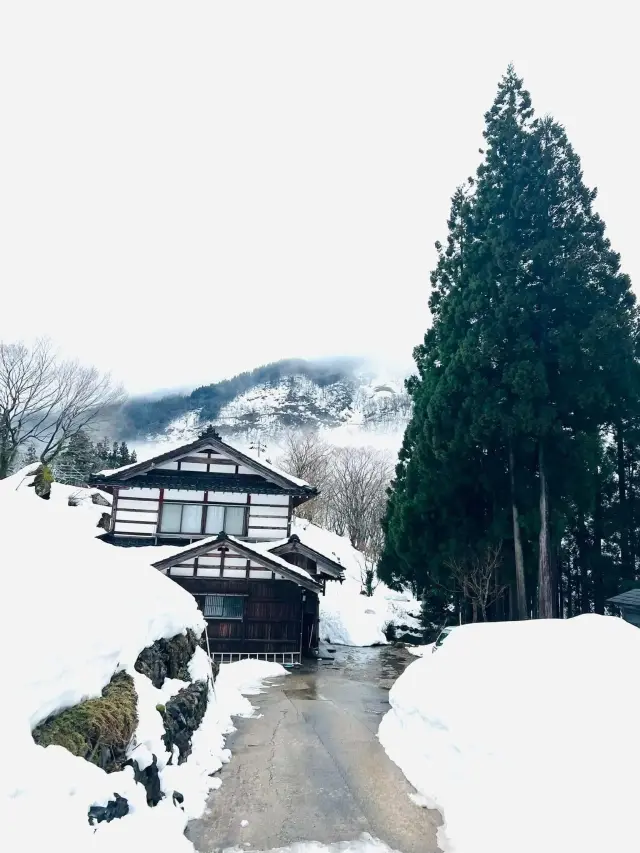
    Beautiful scenery in every season: Gassho Village has a different charm in each season, from fresh greenery in spring and cool weather in summer to red maple leaves in fall and snowy white scenery in winter, attracting large numbers of visitors.
    Winter illumination: A limited-time illumination event is held every winter. The snow-covered gassho-style houses lit up at night create a magical, fairy-tale-like scene. It is an extremely popular tourist event, and reservations are required.

  • Gokayama Ainokura/Suganuma Gassho-Zukuri Village

    In the southwestern tip of Toyama Prefecture, Gokayama consists of 40 small villages scattered across five valleys.

    • Toyama
    • Famous Places
    See More

    Gokayama is a group of gassho-style villages located in Nanto City, Toyama Prefecture, Japan. Together with Shirakawa-go, it is registered as a World Cultural Heritage Site.
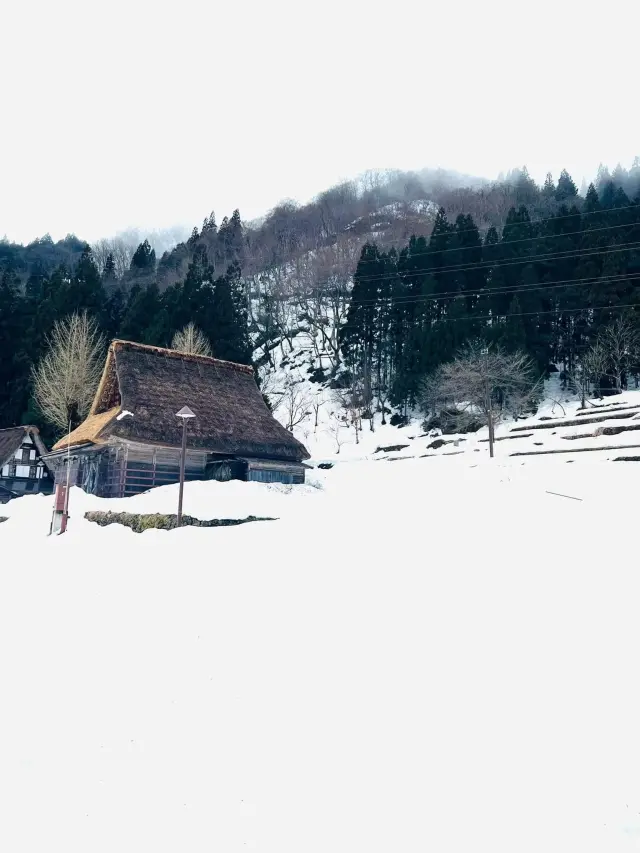
    It includes two main settlements, Ainokura and Suganuma, characterized by their preserved thatched-roof gassho-zukuri houses with steeply pitched roofs. This architectural style was developed to cope with heavy winter snowfall. Compared with the larger Shirakawa-go, Gokayama has relatively fewer visitors and feels more peaceful.
    Main features
    World Heritage Site: In 1995, the Gokayama gassho-style villages and Shirakawa-go in Gifu Prefecture were jointly designated a UNESCO World Cultural Heritage Site.
    Gassho-zukuri architecture: There are many historic thatched-roof houses whose roofs resemble hands pressed together in prayer. This design allows snow to slide off effectively and is well suited to the area's snowy climate.
    Two main settlements:
    Ainokura: The larger settlement, with about 23 gassho-style houses, making it the largest gassho-style village in Gokayama.
    Suganuma: The smaller settlement, with about 9 gassho-style houses, and even more tranquil.
    Relaxed atmosphere: Since there are relatively fewer visitors, Gokayama offers a more peaceful travel experience.
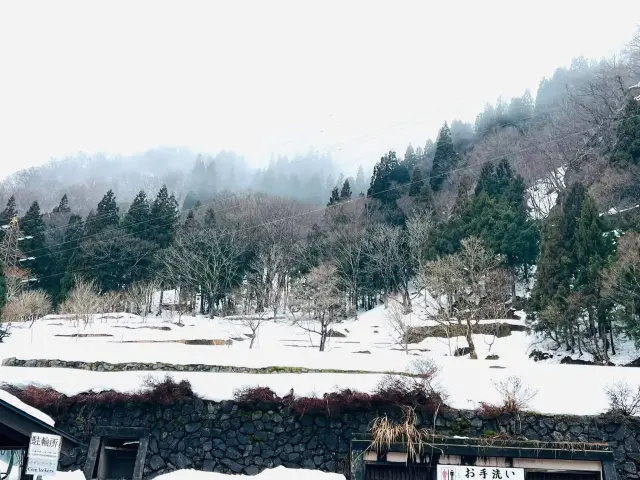
    Beautiful scenery in every season: Each season has its own beauty, such as spring greenery, red maple leaves in fall, and snowy winter scenery.
    Recommended places to visit
    Ainokura Folklore Museum: A place to learn more about life in the village.
    Iwase Residence: About 300 years old, it is one of the largest gassho-zukuri buildings in Gokayama and Shirakawa-go. It is also designated as a National Important Cultural Property, and visitors can tour the interior and learn more about it.
    Haba Residence: It preserves the early style of gassho-zukuri architecture, and its exterior is currently open for viewing.

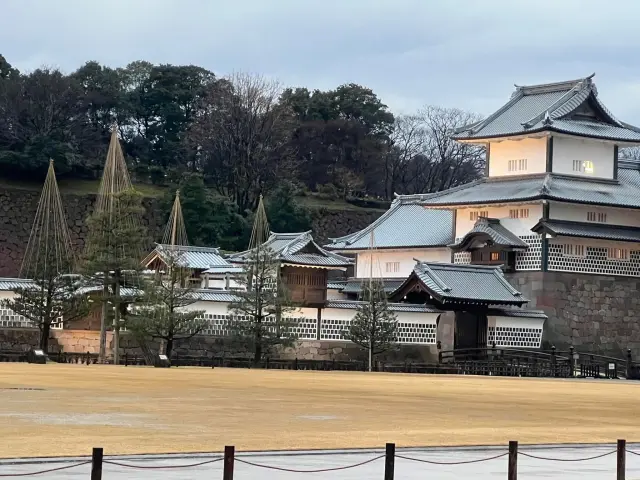
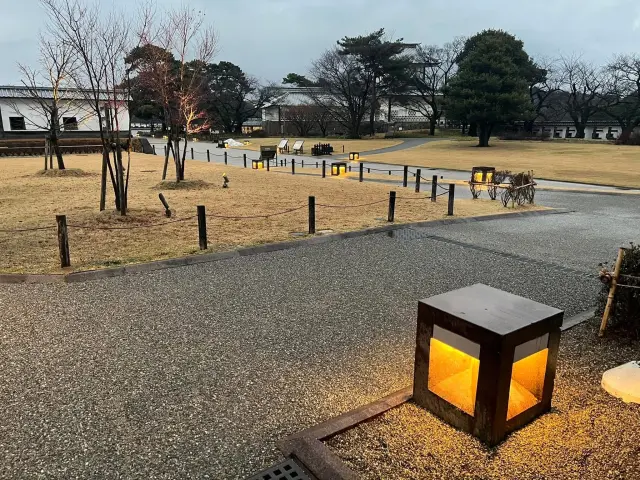
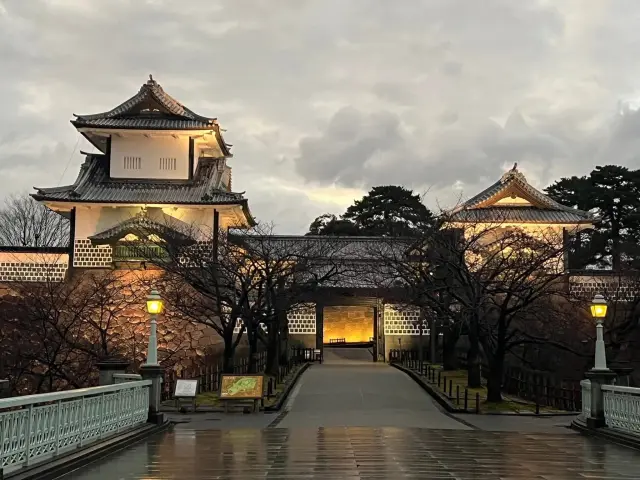
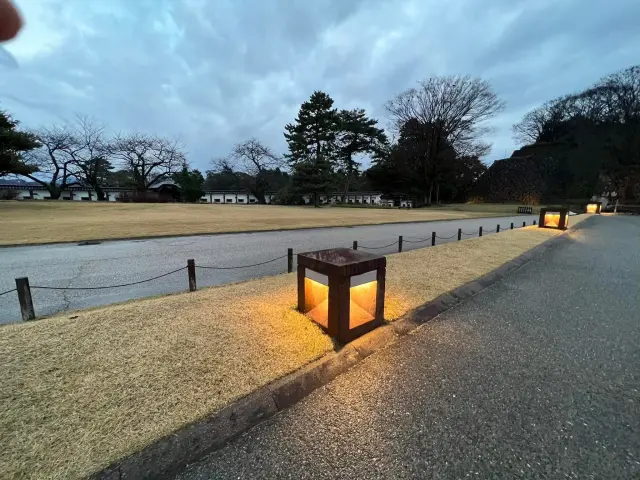
  • Kanazawa Castle Park

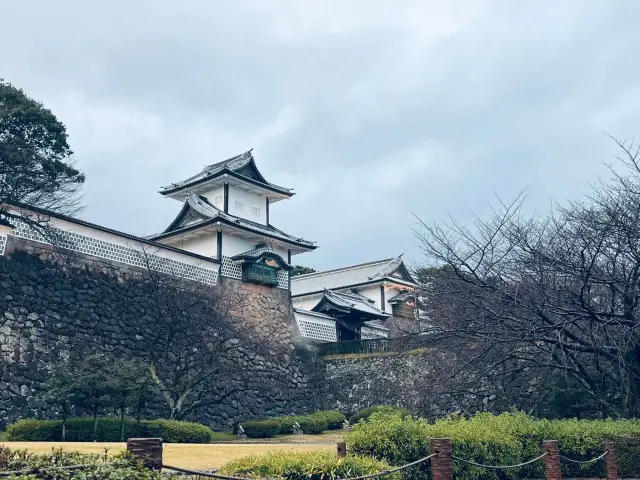
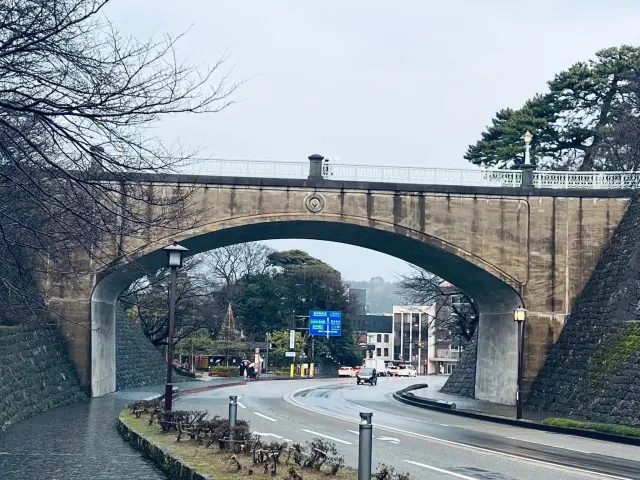
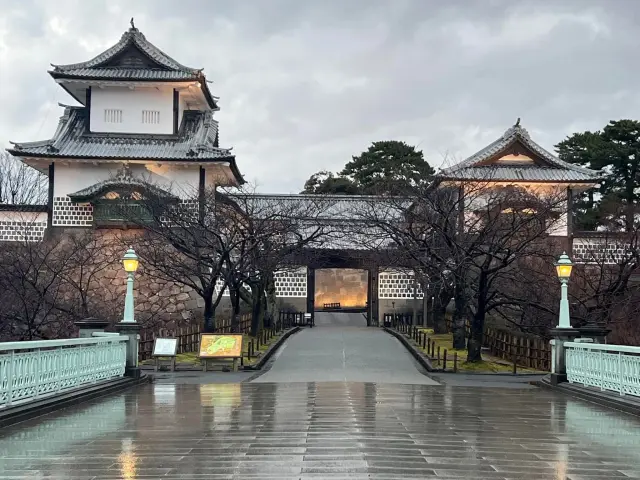
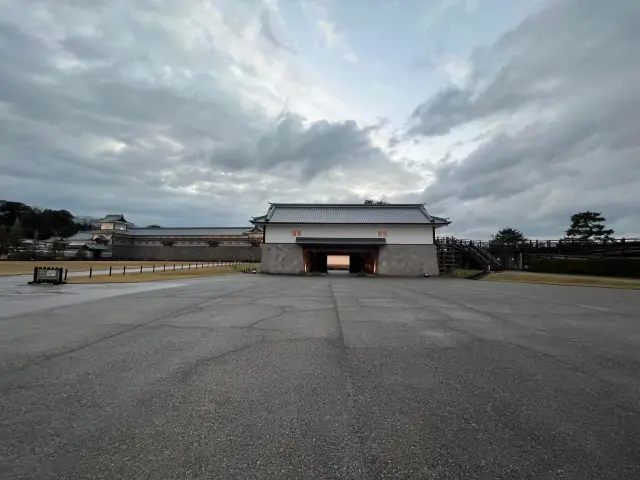
    In 1583 (the period of Tensho 11th), Toshiie Maeda entered this castle as the first feudal lord, since then this castle had been used by the Maeda family of Kaga Domain until the early time of the Meiji, later the ruin of this castle was reconstructed to use as a large park for citizens.

    • Kanazawa
    • Parks & Gardens
    See More

    Kanazawa Castle Park

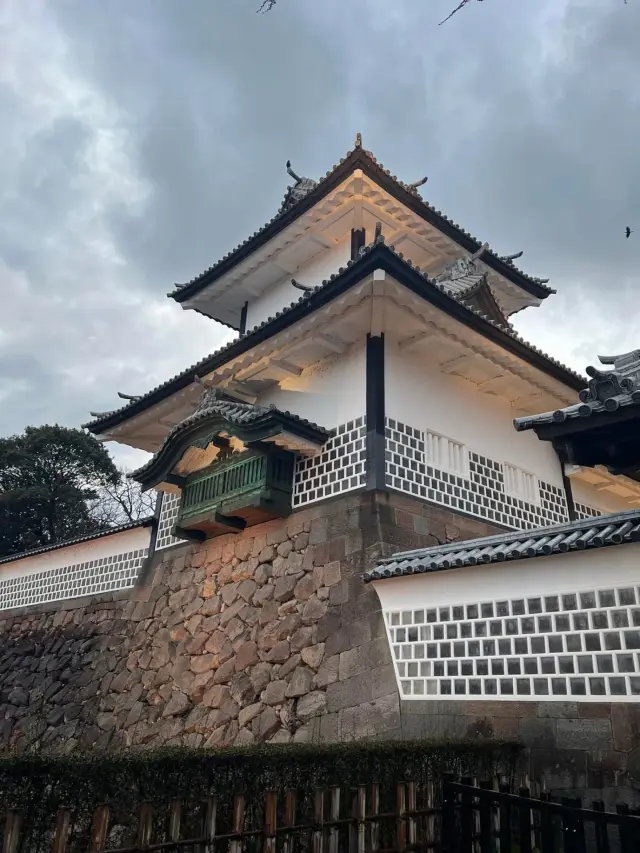
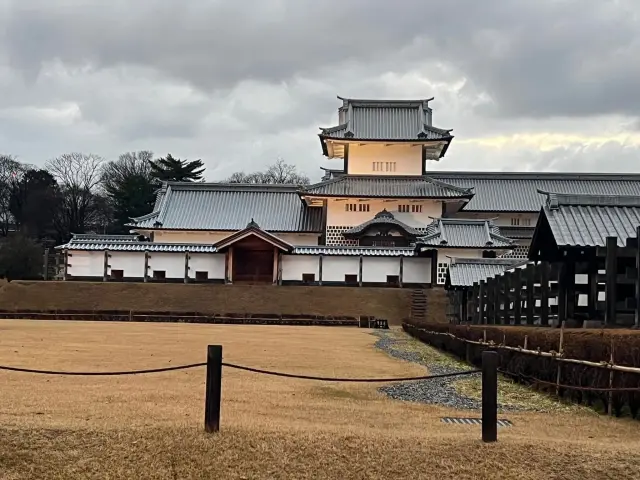
    In Tensho 11 (1583), Maeda Toshiie entered Kanazawa Castle and then began formally constructing the castle. It is said that Toshiie invited the famous Christian daimyo Takayama Ukon to oversee the construction. The Otemon Gate was also moved from Nishichoguchi to Osakaguchi around this time. However, the residences of senior retainers were located within the castle grounds at the time, so the castle itself was not very spacious. After the keep was destroyed by lightning in Keicho 7 (1602), it was never rebuilt. A three-story turret was later built in the Honmaru, while a palace was built in the Ninomaru.
    After a fire in Kan'ei 8 (1631), the castle's layout changed as the Ninomaru was expanded and water was brought in through the Tatsumi Canal, among other projects. The samurai residences were also moved outside the castle. The inner moat was then excavated, and the soil removed from it was used to form the various baileys.
    The fire of Horeki 9 (1759) destroyed nearly the entire castle. The subsequent reconstruction emphasized practicality and focused on the Ninomaru, while the turrets in the Honmaru were not rebuilt. The Saikusho workshops were also moved from Shinmaru to Dogata during this period. The existing Ishikawamon Gate was later rebuilt in Tenmei 8 (1788).
    The Hishi Yagura, Gojikken Nagaya, and Hashizumemon Tsuzuki Yagura, restored in Heisei 13 (2001), recreate the castle's appearance during the Ansei era. The original structures had been rebuilt after the Ninomaru fire of Bunka 5 (1808) and were then destroyed in the fire of Meiji 14 (1881).

  • Shirayama Hime Jinja Shrine

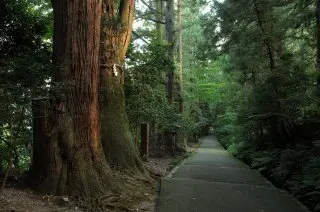
    This is the head shrine of nealy 3,000 Shiraishi / Hakusan Shrines scattered nationwide. Mt. Hakusan provides “Water of Life,” which is vital to all life, and residents at the foot of the mountain have reverenced it as the seat of a god and a holy area. In time, the mountain faith turned into a climbing worship style.

    • Ishikawa
    • Shrines & Temples
    See More

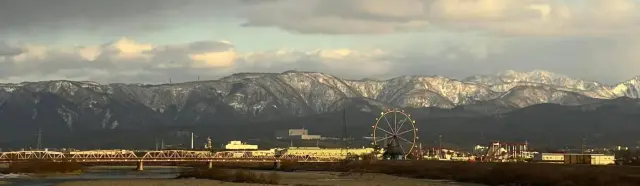
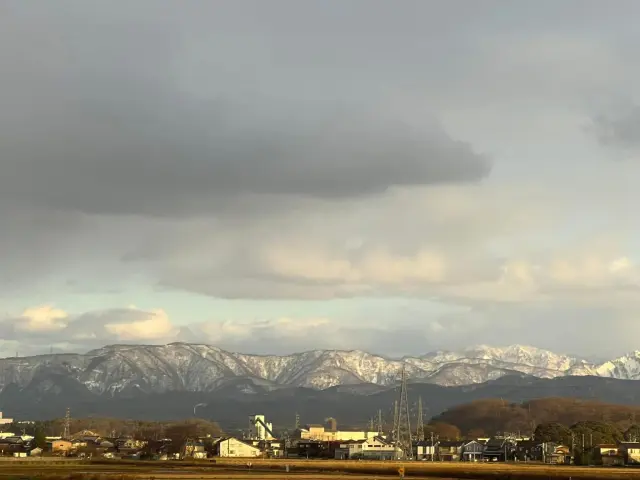
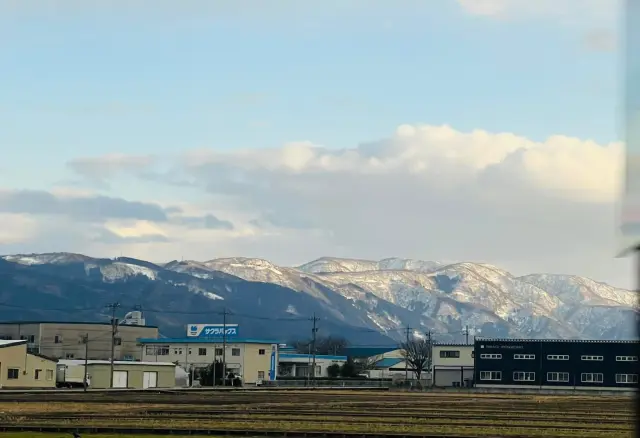
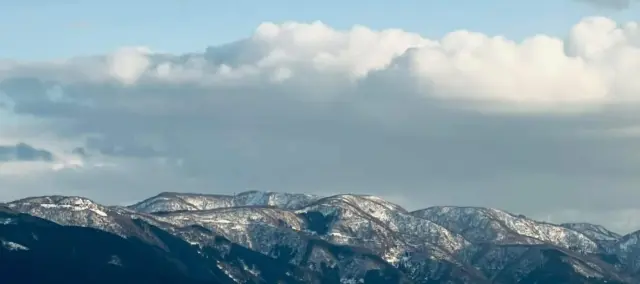
    “Hakusan” is actually not a single mountain, but a mountain range. Its highest peak, Gozengamine, stands at 2,702 meters above sea level. Beautiful alpine plants are scattered across the rugged volcanic terrain, with spectacular views everywhere. Why is it called “Hakusan,” or “White Mountain”? Of course, it’s because this is an area with heavy snowfall, and the summit is often covered in snow. In ancient times, Japan’s Hokuriku region was called the Province of Koshi, so Hakusan was known as “Koshi no Hakusan.” Since white was regarded as a sacred color, Koshi no Hakusan has long been a mountain admired by the Japanese and frequently appeared in waka poetry. Of Japan’s three famous mountains, if you’ve already visited Mount Fuji and Mount Tate, you should make a trip to Hakusan too!

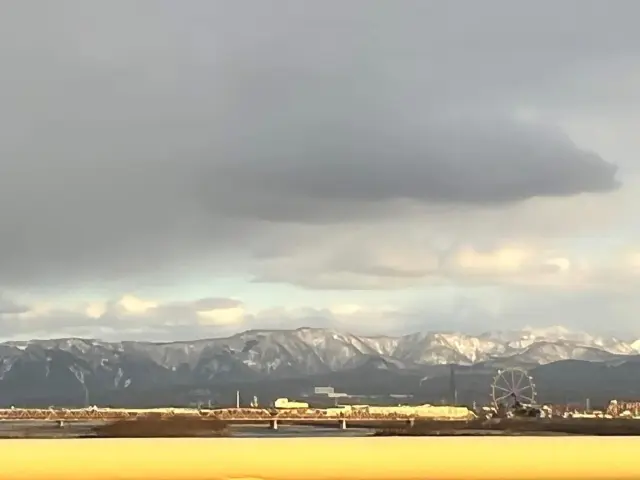
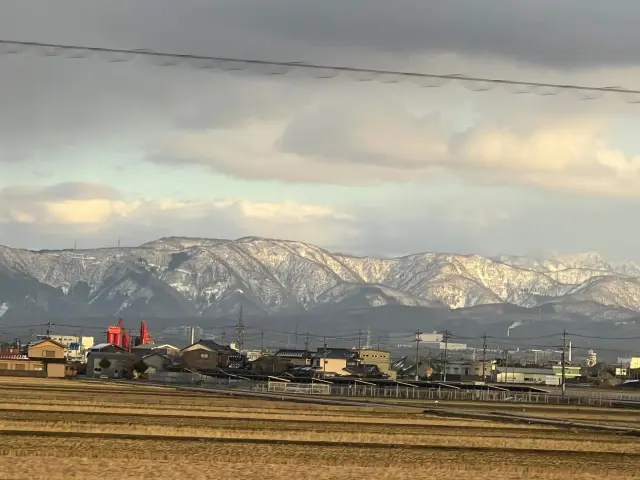
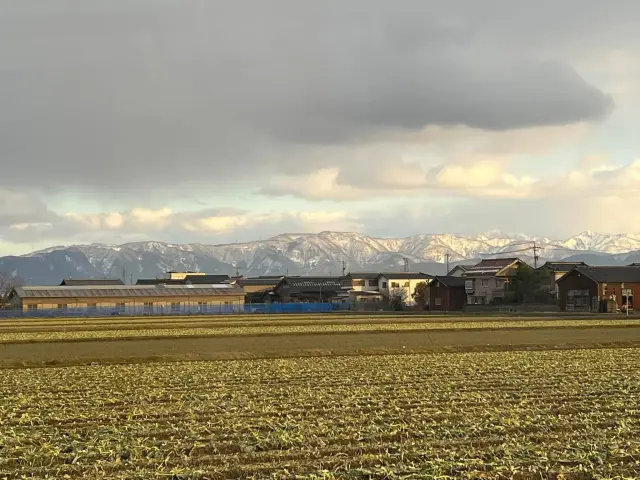
    The photos show the Hakusan range as seen from Kanazawa (January) and from the rooftop parking lot at Costco Kanazawa.

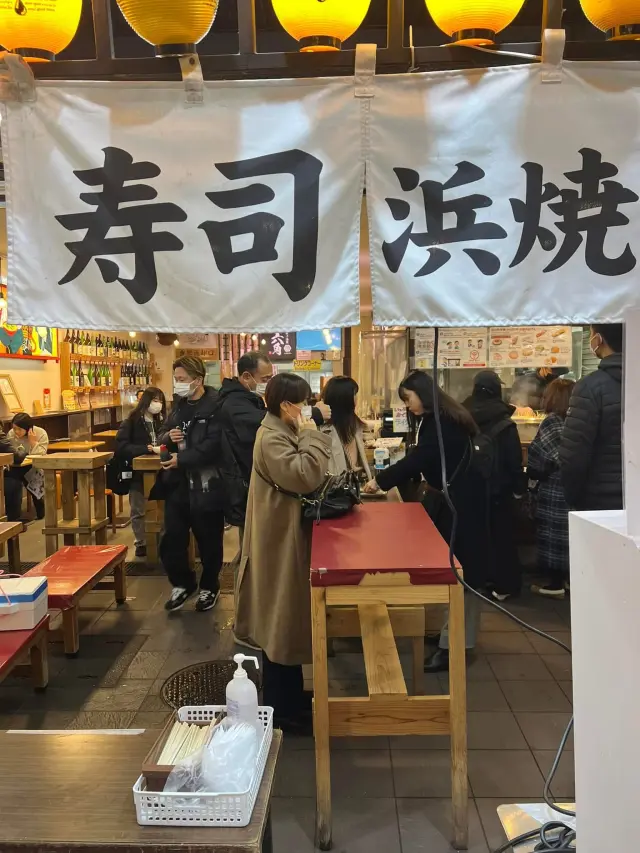
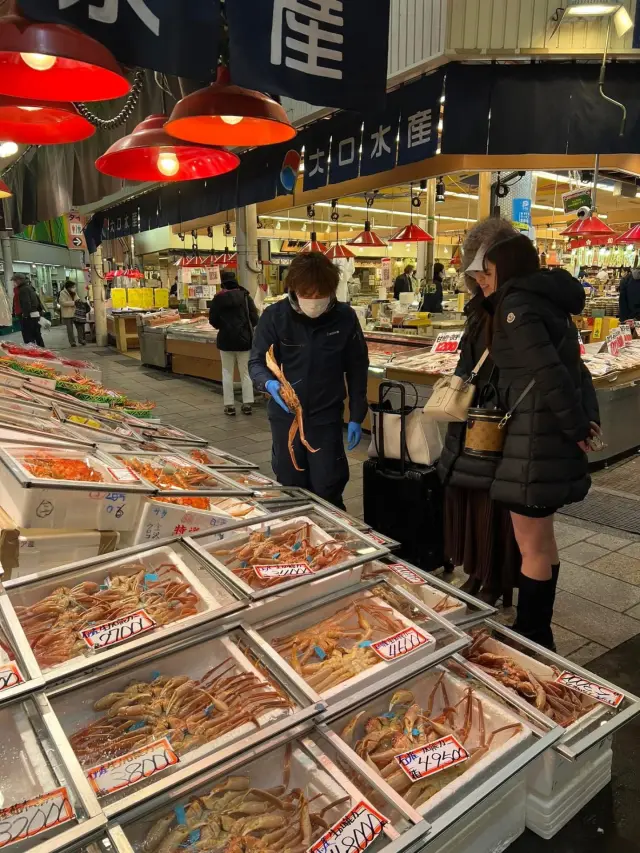
  • Omicho Market

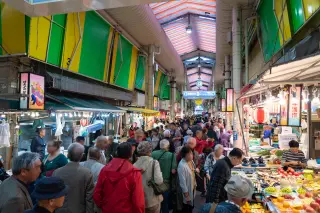
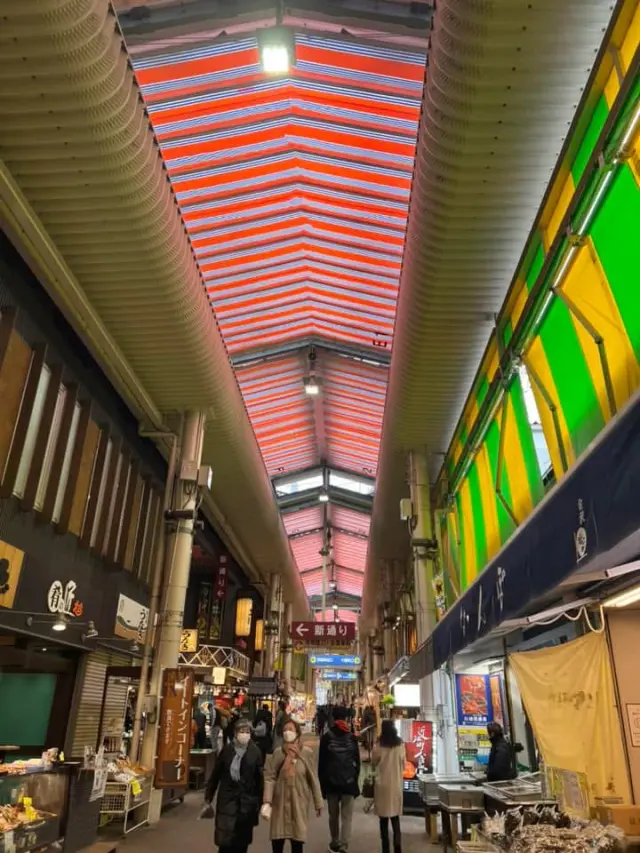
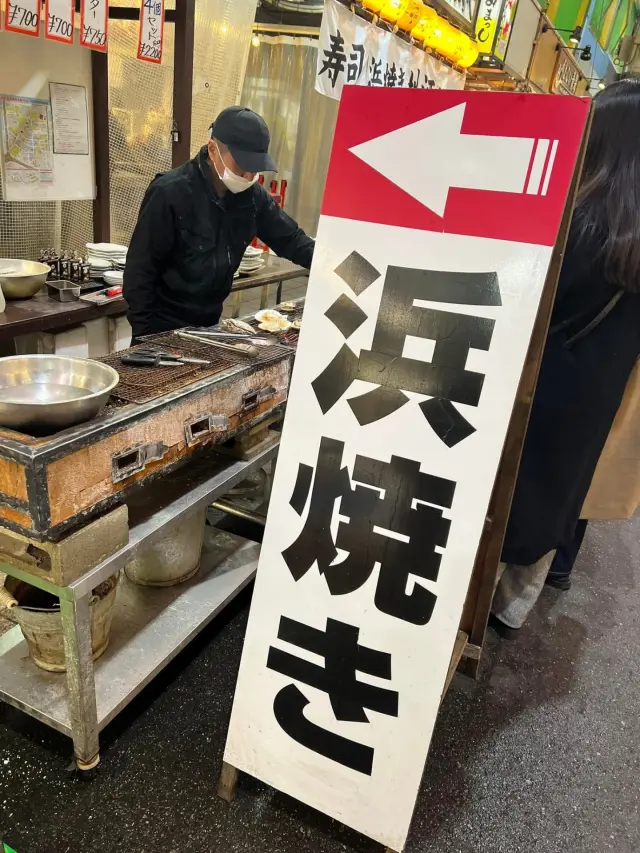
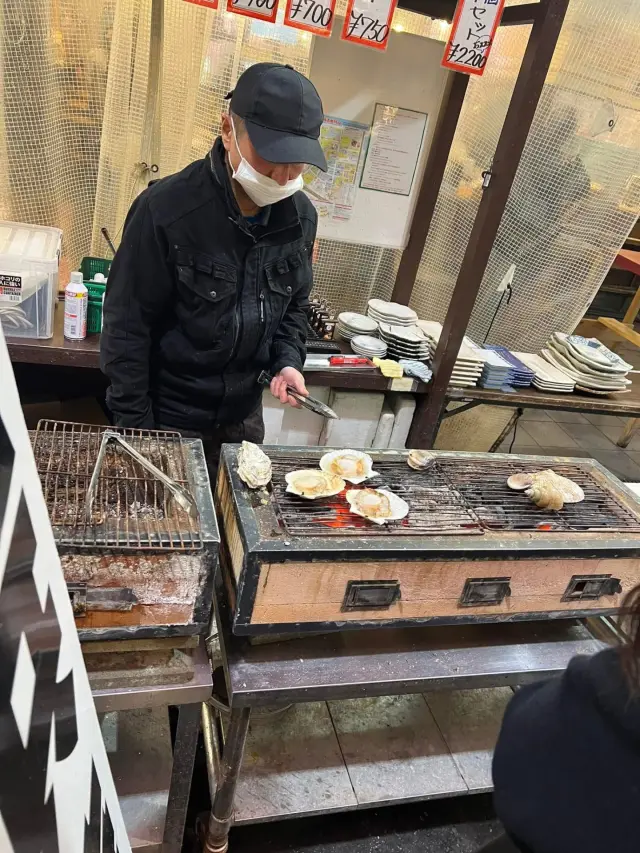
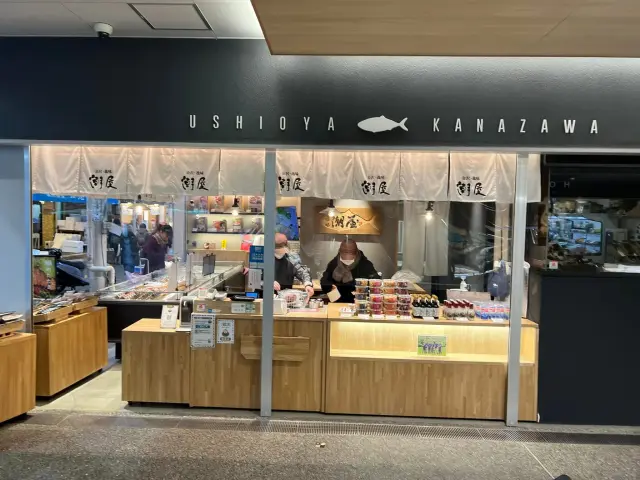
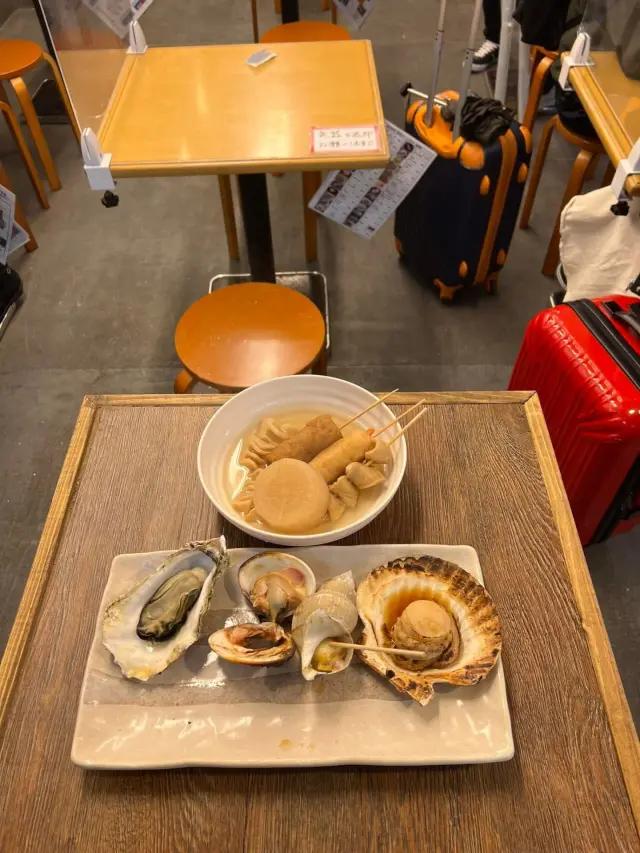
    This is Kanazawa’s kitchen, which has been known as “Omicho” for about 300 years. It is always busy and vibrant, with approximately 170 stores selling fresh seasonal seafood, vegetables, prepared foods, souvenirs, and other items lined up in a narrow arcade.

    • Kanazawa
    • Shopping Streets
    See More

    The essence of Kanazawa’s Omicho Market: it’s not just a traditional market, but also Kanazawa’s “kitchen,” carrying centuries of local food culture and the atmosphere of everyday life.

  • Korinbo ATRIO

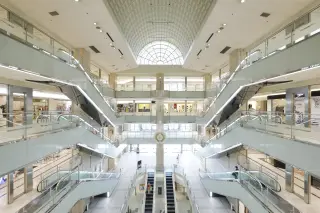
    A multi-purpose complex located in Korinbo, Kanazawa City’s bustling downtown district lined with hotels, department stores, and fashion buildings. Its bright, open atrium space from the basement 1st floor to the 4th floor is home to a wide variety of shops, including international brands such as Gucci, Coach, and Vivienne Westwood, as well as sophisticated, high-quality fashion and lifestyle brands. You can move between each floor and the Daiwa Department Store. On the basement 1st floor, there are also cafes such as the locally popular Ham&Go and Kajitsuen Liber, known for its carefully selected fruit, making it a great place to take a break while shopping.

    • Kanazawa
    • Commercial Buildings
    See More

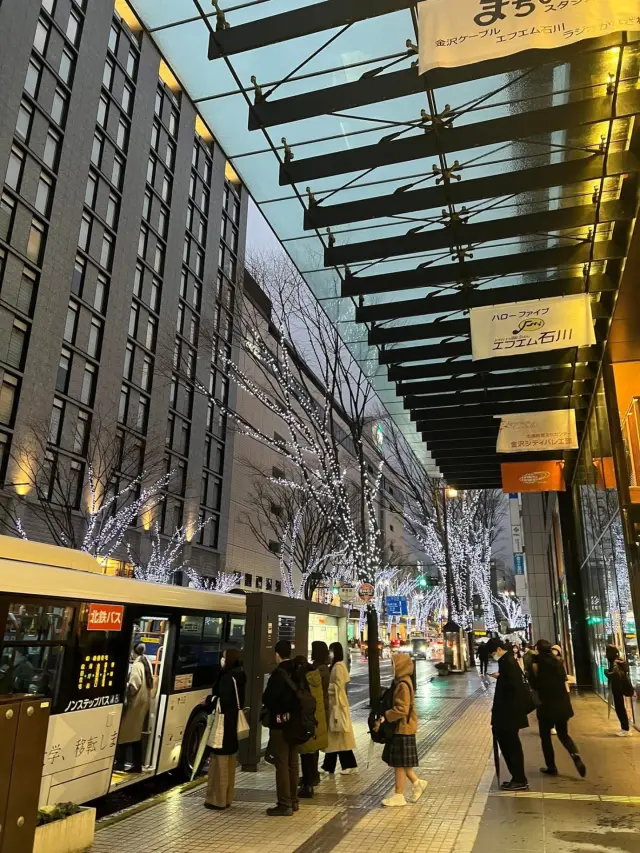
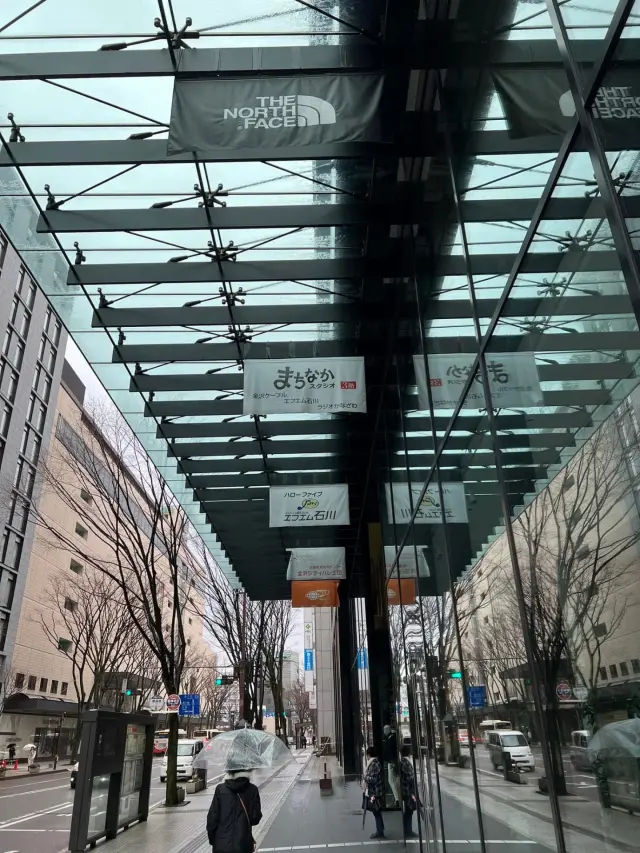
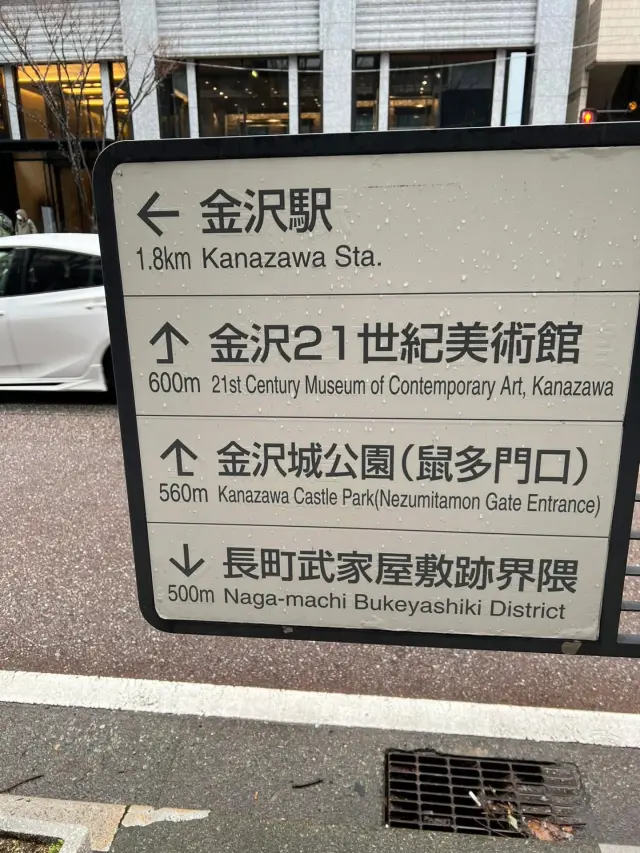
    Korinbo in Kanazawa is the busiest commercial and shopping district in Kanazawa City, Ishikawa Prefecture, just a 10- to 15-minute walk from Kenrokuen Garden, Kanazawa Castle, and the 21st Century Museum of Contemporary Art.
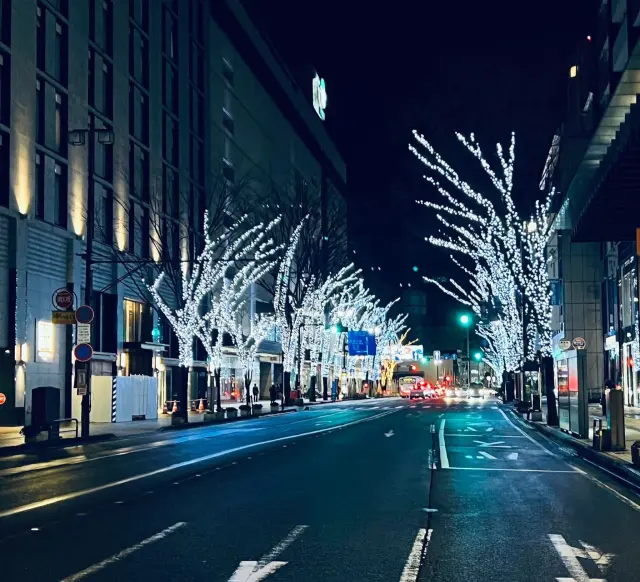
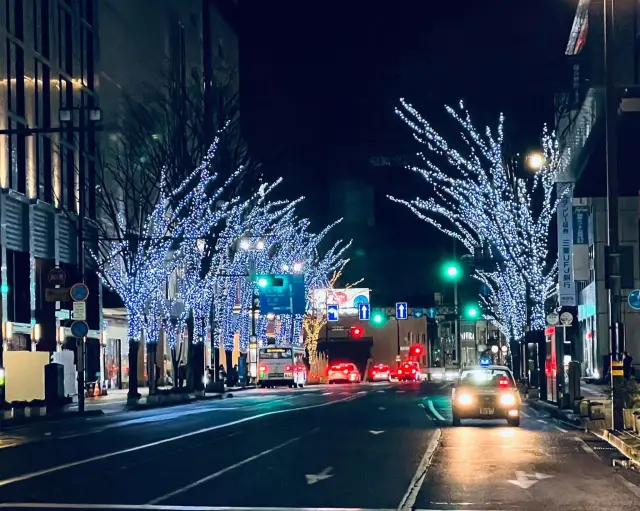
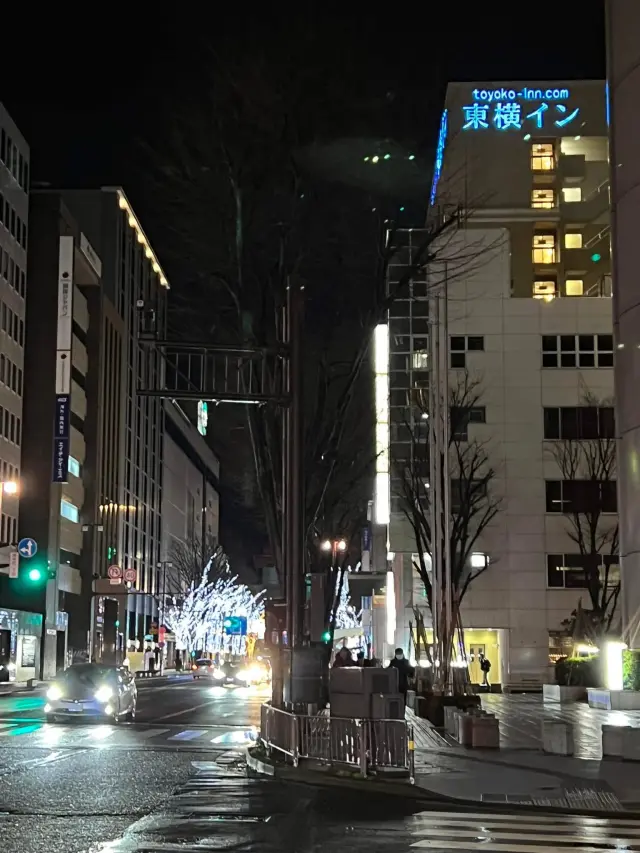
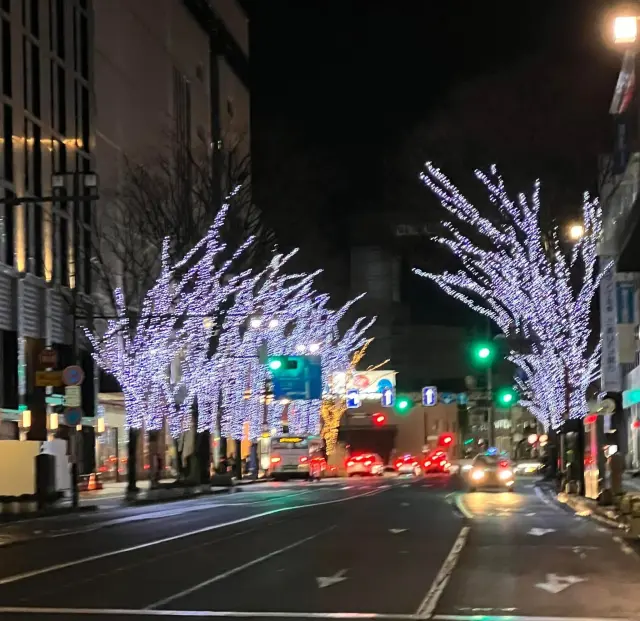
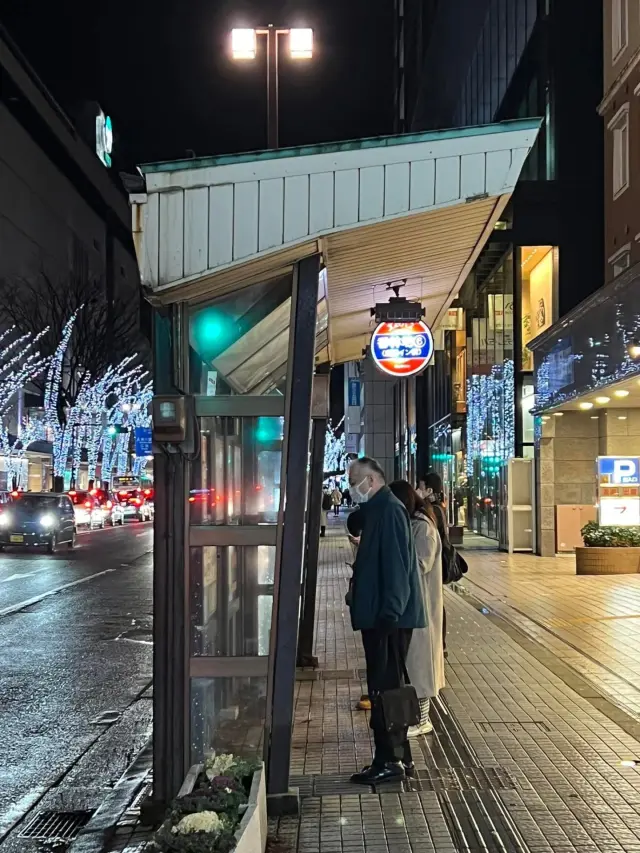
    Korinbo’s enchanting illuminated tree-lined streets: Every year from November 1 to mid-February of the following year, the zelkova-lined streets around Korinbo are lit up with approximately 110,000 LED lights.

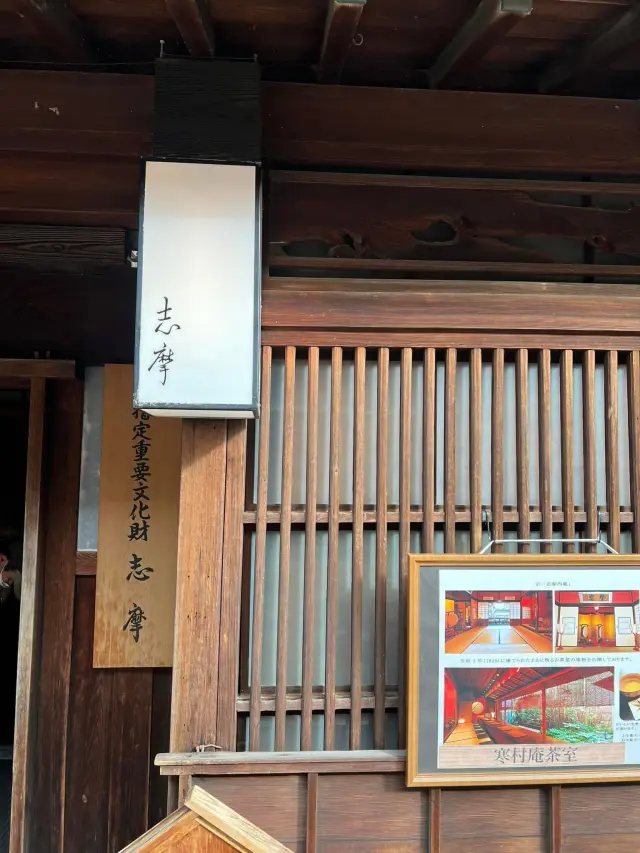
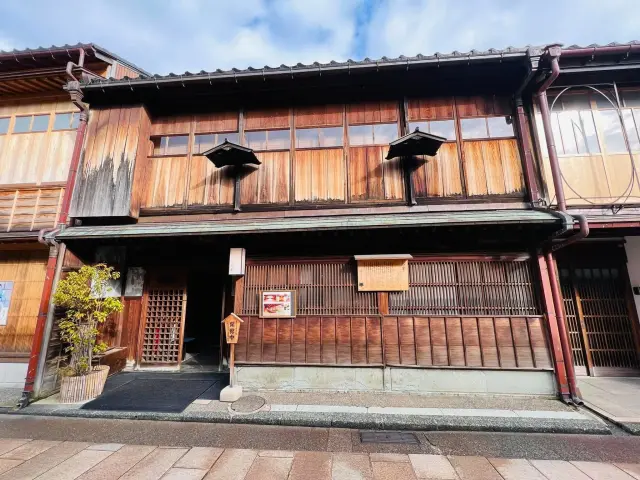
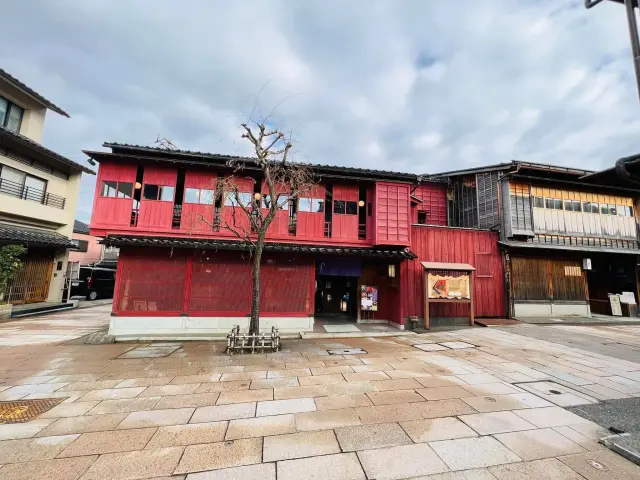
  • National Important Cultural Asset Ochaya SHIMA

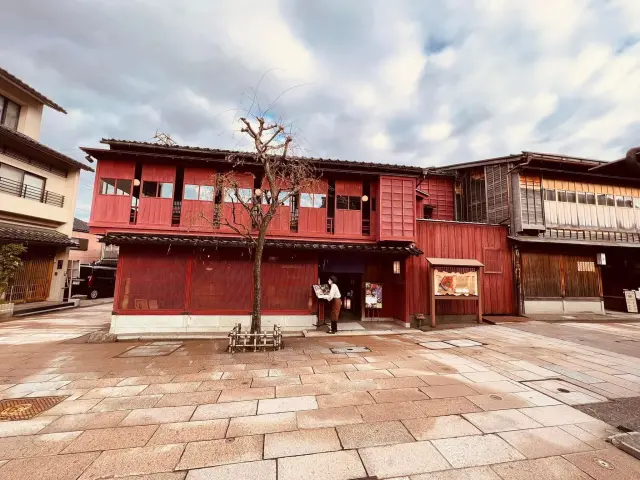
    The tea house, built in 1820, is located on the Higashi Chaya-Gai District and is open to the public in its original state.

    • Kanazawa
    • Experiences Facilities
    See More

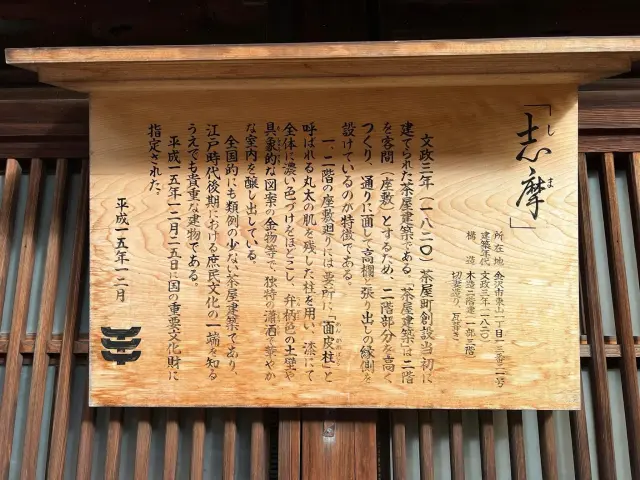
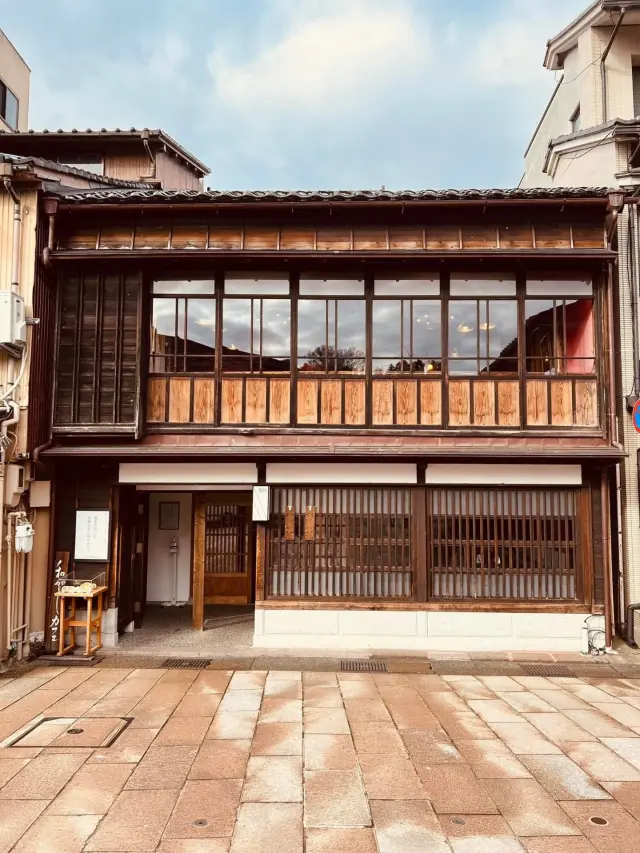
    In Kanazawa’s Higashi Chaya District, “Shima” refers to Ochaya Shima, a historic building designated by the Japanese government as a National Important Cultural Property.
    This teahouse was built in Bunsei 3 (1820) and is one of the buildings that has stood here since the Higashi Chaya District was first established. It is also one of the few teahouse buildings in the area that fully preserves its original appearance from the late Edo period. During the Edo period, teahouses were luxurious entertainment venues where wealthy merchants and aristocrats enjoyed geisha performances, including dance and music. Ordinary people were not allowed to enter.
    Highlights of visiting Shima:
    Experience the atmosphere of the Edo period: The interior has remained almost unchanged, preserving the original layout, including the second-floor banquet hall, guest rooms without closets, the geishas’ preparation room, and an elegant small garden.
    Cultural exhibits: The museum displays instruments used by geishas, such as shamisen, as well as grooming items, lacquerware furniture, and other objects from that time, offering a glimpse into the glamorous world of geisha culture.
    Enjoy matcha: Visitors can enjoy matcha and wagashi at the first-floor tea room, Kanson-an, while looking out at the small garden and spending a peaceful afternoon. An additional fee is required.
    Practical information:
    Hours: Usually around 9:30 a.m. to 5:30 p.m., open year-round.
    Admission: General admission is approximately JPY 500.
    Address: 1-13-21 Higashiyama, Kanazawa, Ishikawa Prefecture.
    Visiting Shima is one of the best ways to gain a deeper understanding of Kanazawa’s distinctive teahouse culture and history.

  • Higashi Chaya District

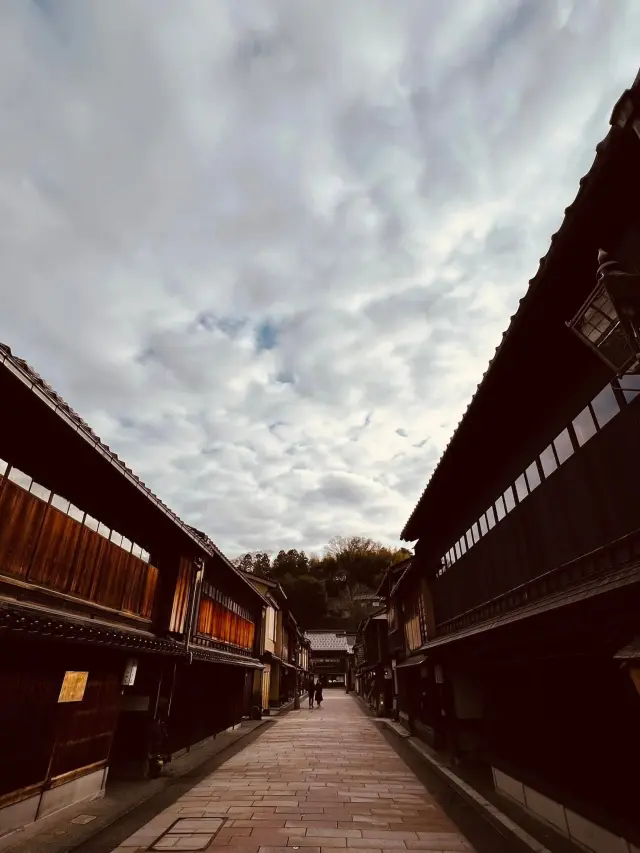
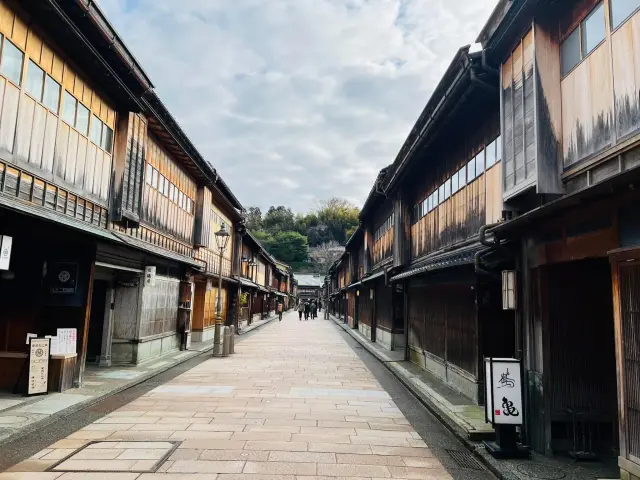
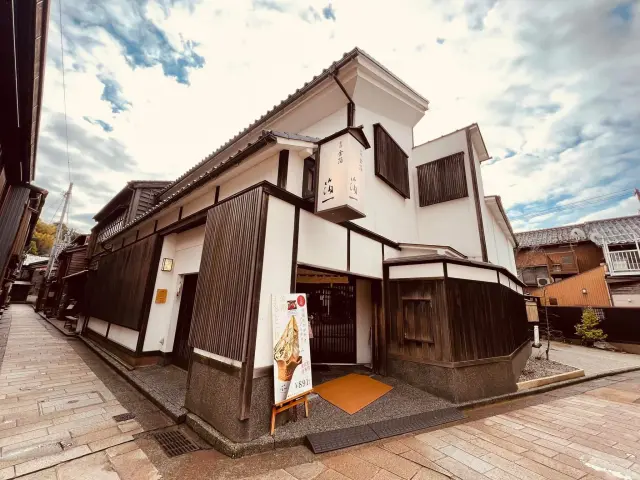
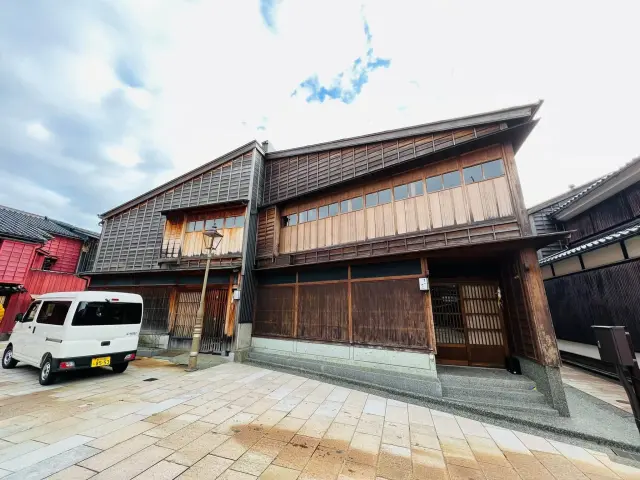
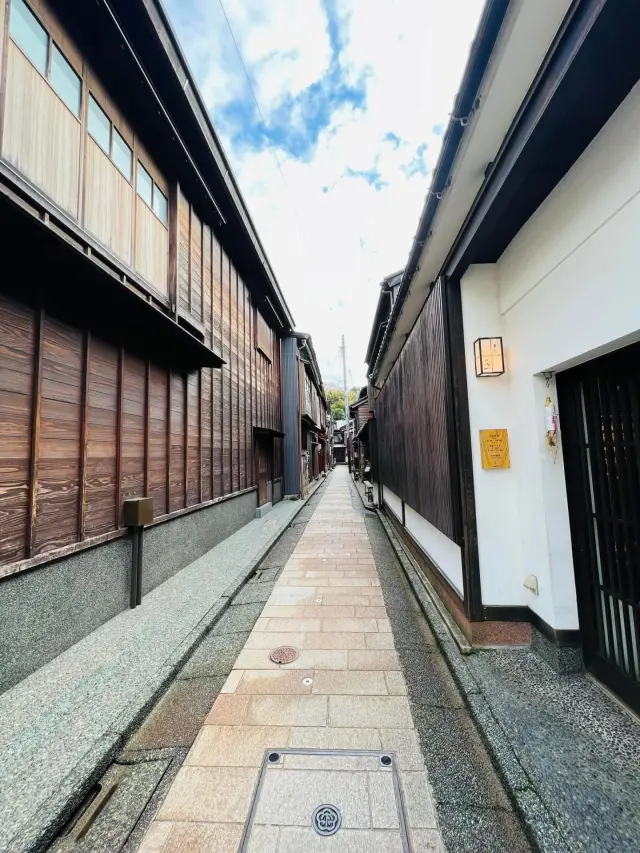
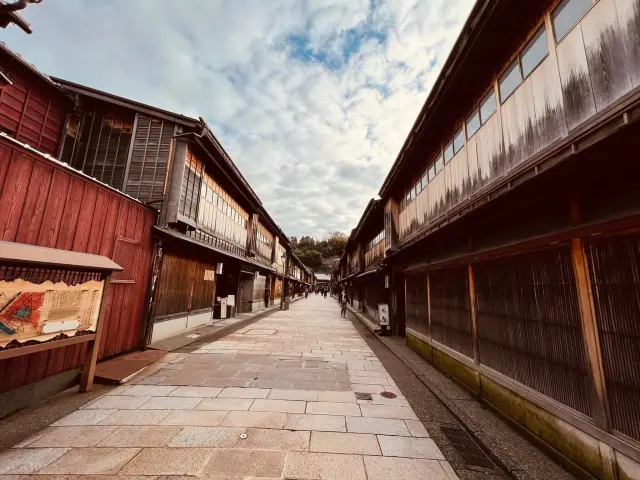
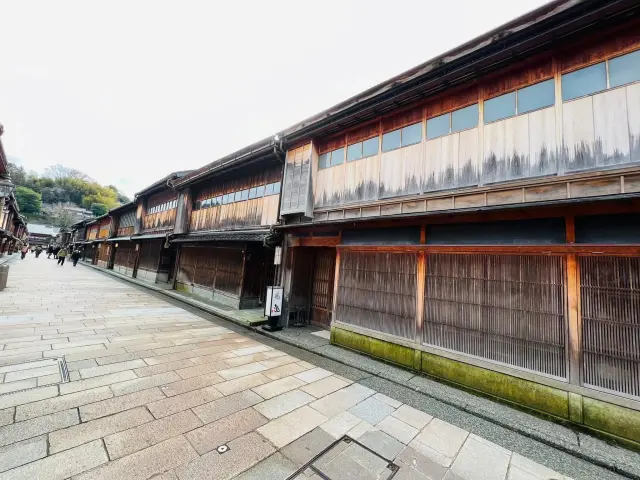
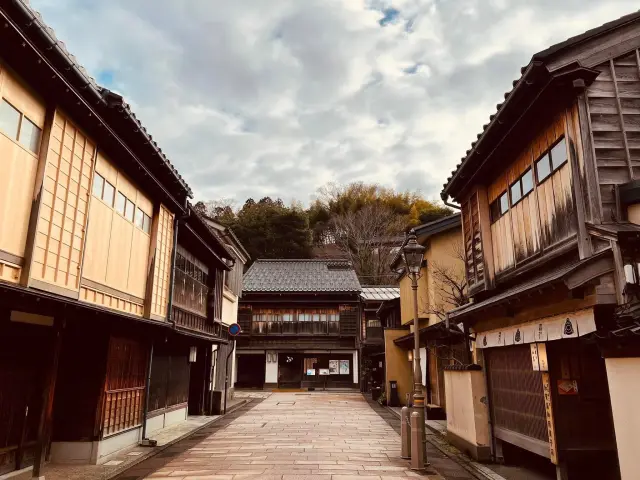
    It is one of Kanazawa's representative tourist attractions. The townscape with its beautiful Degoushi (latticed window) and the stone pavement has been selected as an Important Preservation District for Groups of Traditional Buildings by the national government.

    • Kanazawa
    • Famous Places
    See More

    Higashi Chaya District (ひがし茶屋街) is one of the most representative historic and cultural districts in Kanazawa, Ishikawa Prefecture, Japan. It is also the largest of Kanazawa’s three major teahouse districts.
    Key features and history
    • Historical background: It was established in 1820 (Bunsei 3), when the domain government brought together the teahouses that had been scattered throughout the castle town for centralized management. It has since been designated a National Important Preservation District for Groups of Traditional Buildings.
    • Architectural style: Two-story wooden machiya townhouses dating back to the Edo period line both sides of the street. The first floors feature finely crafted wooden lattice windows known as kimusuko, while the second floors contain traditional Japanese-style rooms.

Hokkaido Tohoku Kanto Chubu Hokuriku Kansai Chugoku Shikoku Kyushu Okinawa