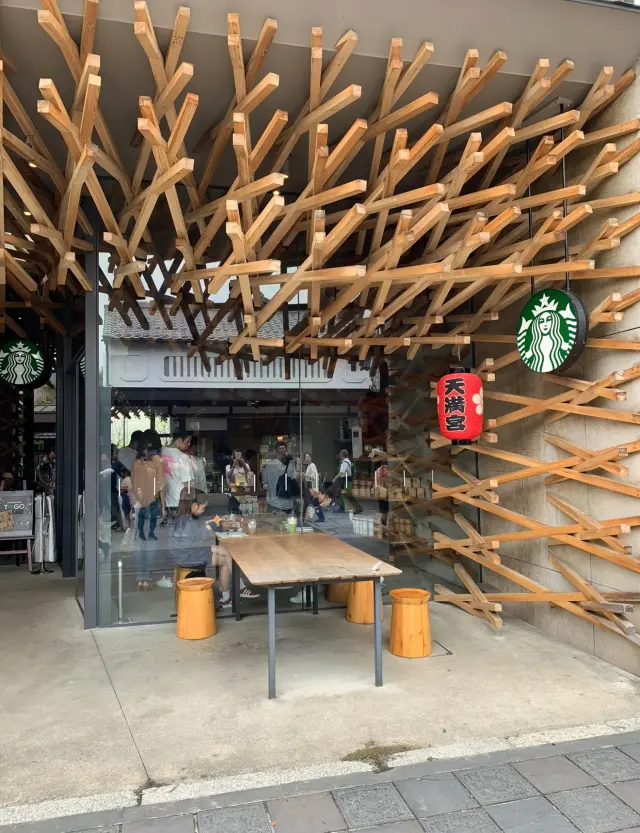
On the approach to Dazaifu Tenmangu Shrine, this very famous Starbucks is sure to catch your eye immediately. The biggest feature of both the storefront and interior is the design made from interlocking, overlapping wooden beams. They extend from the ceiling down the walls, looking like the intricate branches of a forest and creating a stunning visual effect.
The entire building was designed by renowned architect Kengo Kuma. Its geometric design makes extensive use of traditional woodworking techniques while still feeling modern, completely breaking away from the stereotypical look of a chain coffee shop. A small red lantern with “Tenmangu” written on it also hangs inside, paired with the iconic round green Starbucks sign. The blend of old and new gives it a very distinctive local character.
Looking through the large glass windows, the interior is bright, and the wooden tables and chairs perfectly complement the overall wooden structure. It must feel very comfortable to sit inside and drink coffee. Whether you're just passing by to take photos or making a special visit, this Starbucks' one-of-a-kind wooden structural design is definitely a photo spot you shouldn't miss when visiting the approach to Dazaifu Tenmangu Shrine.
Starbucks Coffee Dazaifu Tenmangu Omotesando Store | Review by Jk
Other Reviews by Jk
-

Nara Park
Nara Park is a scenic area surrounded by historical and cultural treasures, including Kasuga Taisha Shrine, Kohfukuji Temple, Todaiji Temple, the Nara National Museum, and Shoso-in. Visitors can enjoy the breathtaking natural beauty of its expansive greenery while exploring these iconic landmarks. The park is located in the center of the city, making it easily accessible to various tourist spots.
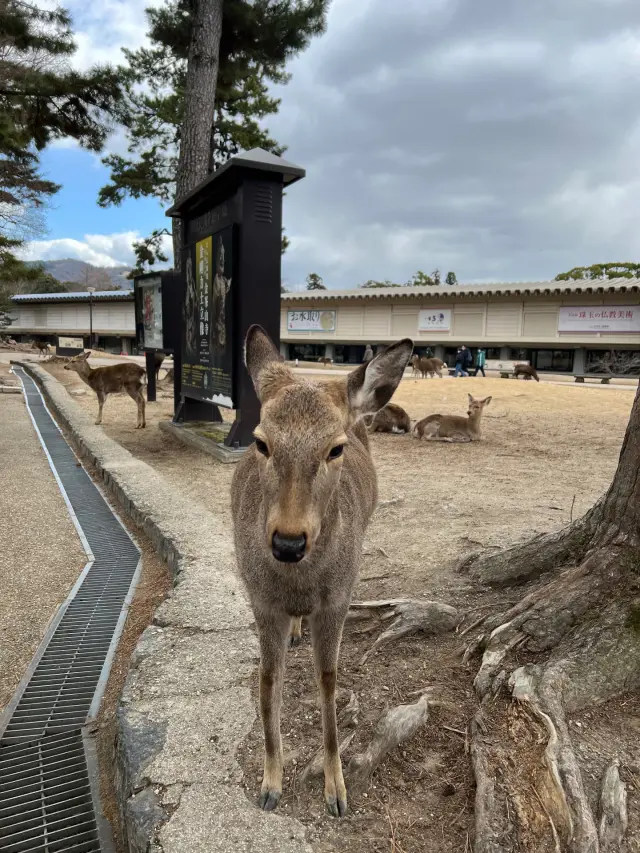
I was completely charmed by the thousands of wild sika deer! Spanning more than 600 hectares, this vast green space completely overturns the usual idea of an urban park. The deer here are regarded as sacred messengers of the gods and have lived in harmony with the ancient shrines and temples for generations. As soon as you hold up some freshly bought deer crackers, deer from all around immediately trot over with their bright, expressive eyes. They even repeatedly bow as if politely asking for a snack, making the interaction incredibly fun!
The park perfectly brings together the World Heritage sites of Todaiji Temple and Kasuga Taisha Shrine with the primeval forest. Walking beneath towering ancient trees, accompanied by the distant ringing of temple bells and the crisp sound of the deer’s footsteps, the peaceful, laid-back atmosphere unique to this ancient capital is completely soothing for the body, mind, and soul.
-
-

Dotonbori
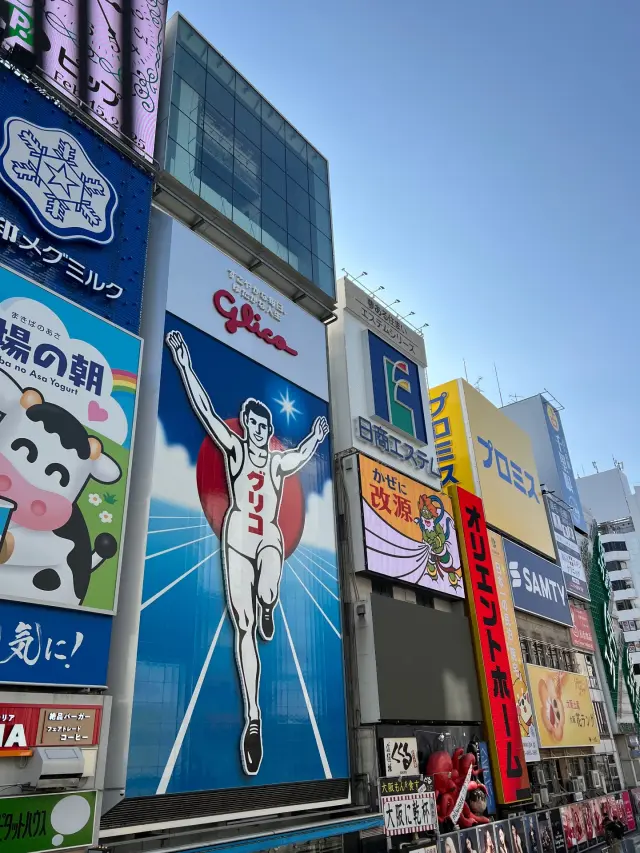
Crab, octopus, cow, crane….these are just a few of the oversized 3D signboards that make up the look and feel of the bustling Dotonbori Area. Its packed with a number of eateries along the northern Dotonbori River and main street along its southern side.
Walking through the streets of Dotonbori, the most immediate impression is that it’s lively, crowded, and intensely touristy. Both sides of the street along the canal are packed with visually striking oversized 3D signs and neon billboards. Large crowds are always gathered in front of the iconic Glico Running Man to take photos, and after dark, the lights reflecting on the water really create that classic Osaka urban nightlife atmosphere.
Restaurants and food stalls are densely packed throughout the area, with takoyaki, kushikatsu, ramen, and okonomiyaki everywhere. Popular places with lines often require quite a long wait. During peak hours, the streets can feel noisy and congested, so travelers who dislike crowds or an overly commercial atmosphere may find it a little tiring. But if you want a quick taste of Osaka’s distinctively outgoing character, some classic street food, or a few iconic city photos, this is still a very representative stop to include in your itinerary.
-
-

Tower of Osaka Castle
Toyotomi Hideyoshi, who unified the country during the Azuchi-Momoyama period (1568-1600), began construction of the tower of Osaka Castle in 1583 and completed it in 1585. The castle was later destroyed during the Osaka Natsu no Jin(summer campaign of Osaka) in 1615, but was rebuilt by the Tokugawa Shogunate in 1626. However, the castle keep was destroyed by lightning in 1665. In 1931, the castle tower of the Toyotomi period was reconstructed with donations from Osaka citizens.
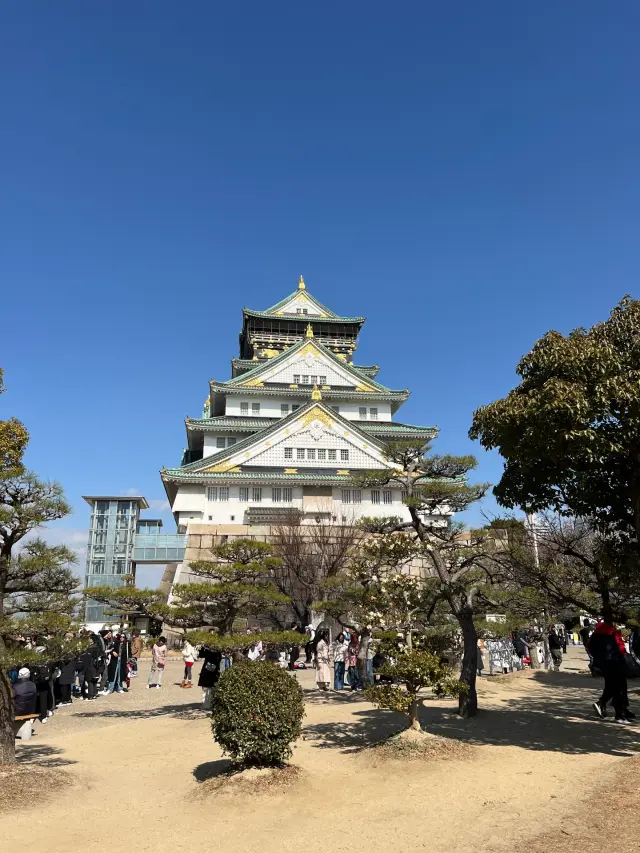
Looking up at the magnificent castle tower glittering in the sunlight, you’re immediately overwhelmed by its commanding, conqueror-like presence! This famous castle was built with the full might of the Warring States ruler Toyotomi Hideyoshi. Its grand white walls are adorned with pure-gold-leaf tigers and golden shachihoko ornaments, while the luxurious black, white, and gold color scheme perfectly showcases the extravagant splendor of the Azuchi-Momoyama period.
Walking beneath the massive granite stone walls and seeing enormous stones several times taller than a person and weighing hundreds of tons fitted neatly together makes you wonder just how incredible castle-building technology was more than 400 years ago! Take the elevator straight to the observation deck on the eighth floor, and you can look out over the surrounding modern skyscrapers and the lush castle park all at once. The expansive view over Osaka’s entire metropolitan skyline feels exhilarating to the max!
-