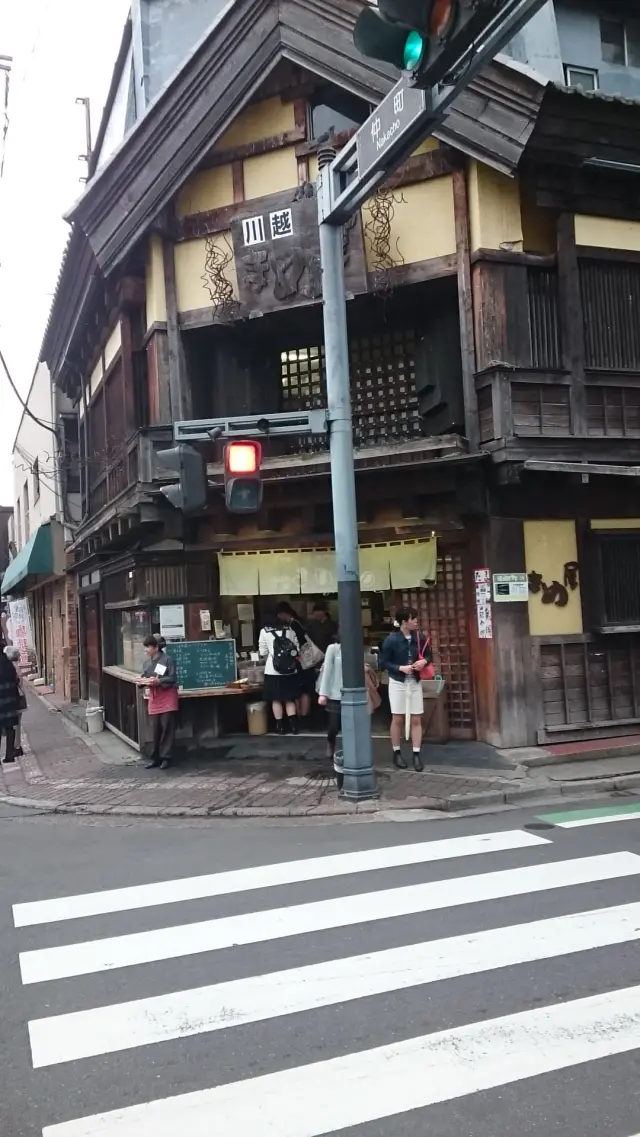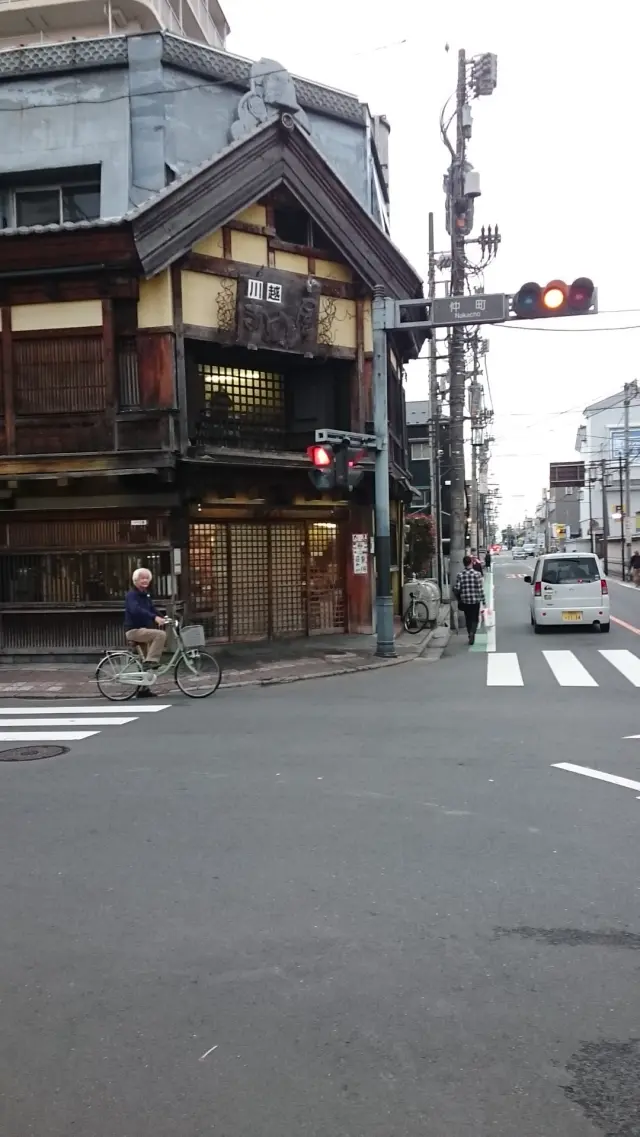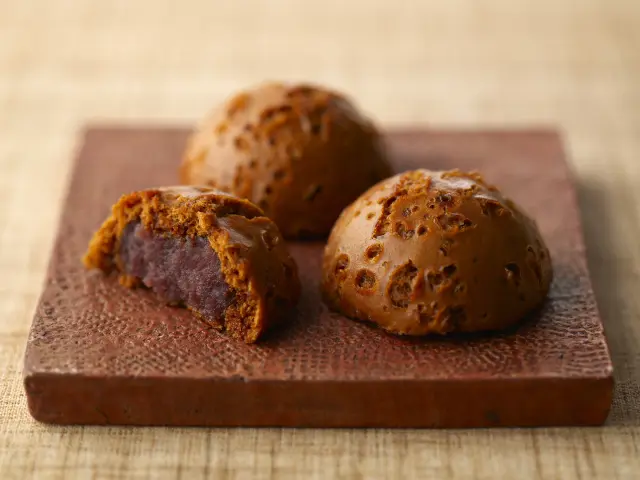
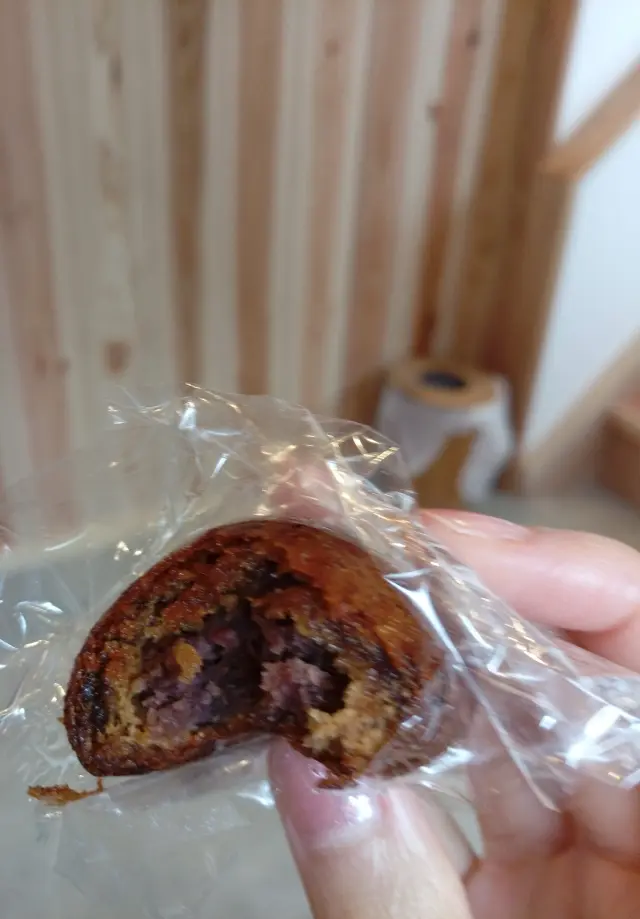
Shunkado, known for its Unagi Pie, also makes a distinctive local Japanese sweet called Hatcho Miso Manju. Traditional Hatcho miso from Okazaki City, Aichi Prefecture, is kneaded into the manju dough and paired with a smooth house-made red bean paste made from Hokkaido-grown azuki beans. It tastes sweet with a subtle savory saltiness, and the rich, mellow miso flavor blends nicely with the sweetness of the red bean paste, making it quite different from ordinary onsen manju. The dough is soft, with a slight graininess from the sugar on the surface that adds more depth to the flavor. Enjoying it with some hot tea balances the sweetness just right.
Other Reviews by Linda Liao
-

Taisho Romantic Dream Street
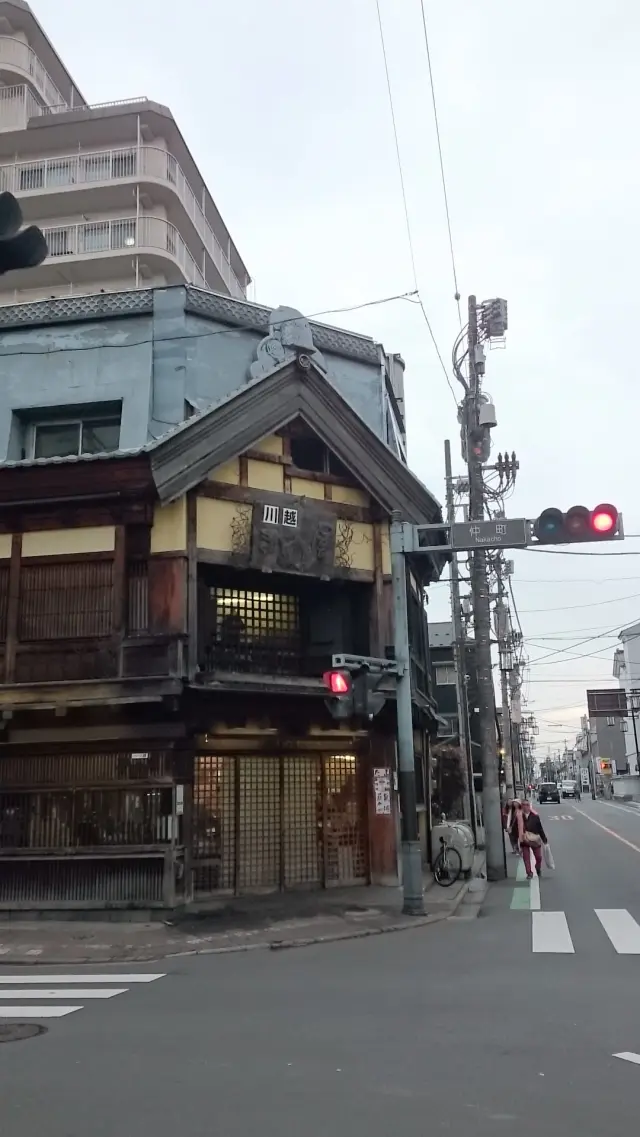
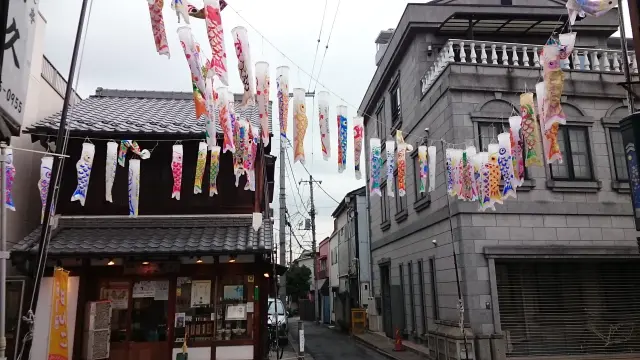
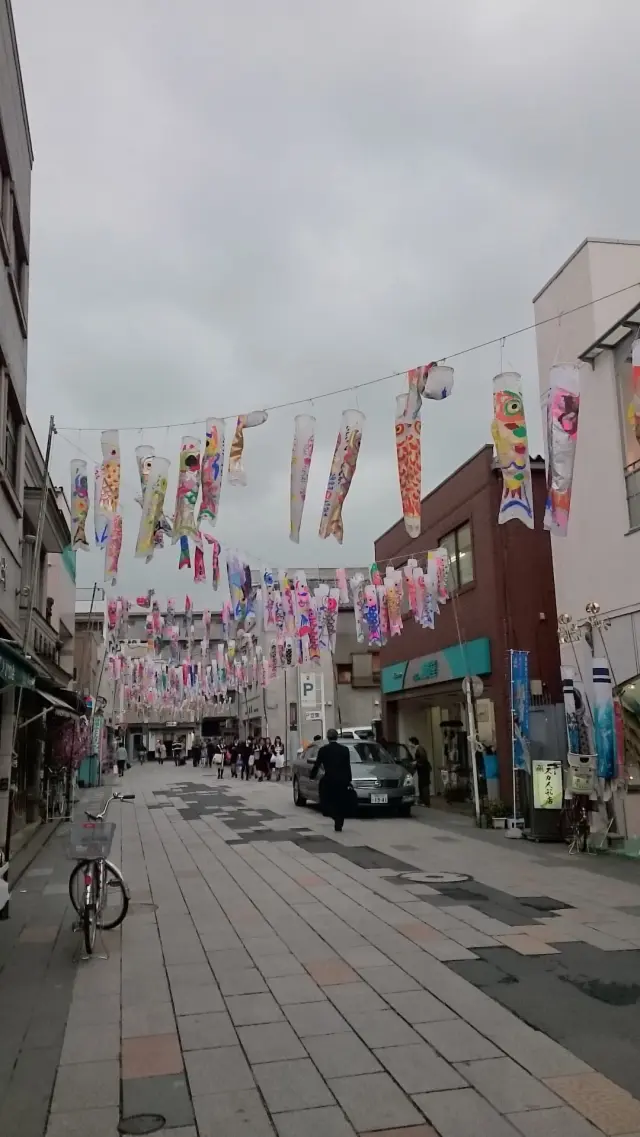
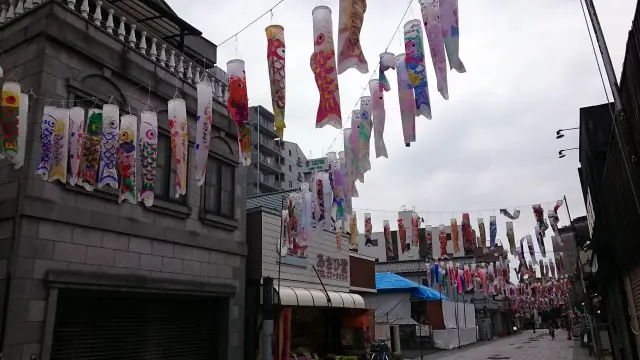
Nestled in the charming streets of Kawagoe, this shopping street exudes a retro ambiance reminiscent of the Taisho era. The street stretches for 160 meters, paved with granite cobblestones, flanked by tiled-roof townhouses, Western-style stone buildings, and traditional storehouses.
Strolling along the retro stone-paved street, I was greeted by one distinctive shop after another. The heavy black kura-style buildings with tiled roofs made me feel as if I had traveled back in time to Japan's Taisho era. Kawagoe was once an important commercial town connecting to Edo and was known as “Little Edo” because of its thriving trade. After a major fire in 1893, many merchants rebuilt their shops as fire-resistant storehouses, gradually creating the distinctive streetscape seen today.
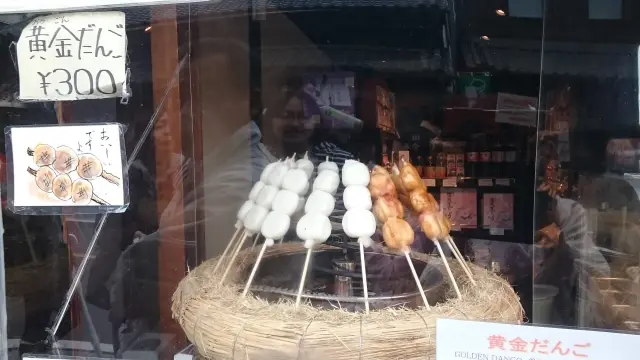
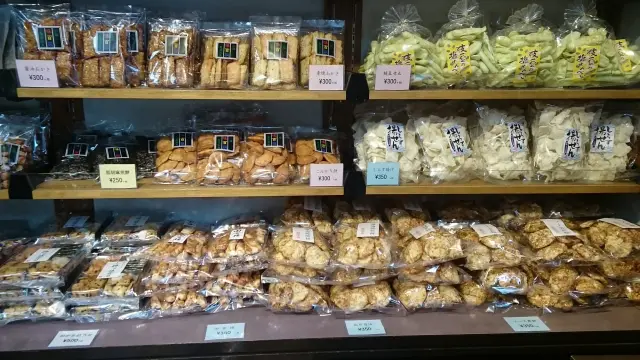
Along Taisho Romantic Dream Street, there are shops selling Japanese snacks such as skewered dango and rice crackers, as well as all kinds of unique goods and souvenirs. There were so many products to see that I wanted to go into almost every shop and hunt for treasures! Thinking back to my last visit in late March, I happened to be there during the season when local carp streamers were displayed. Colorful carp streamers fluttered in the wind, adding a playful touch to the historic street. This tradition is said to have begun when two local shops celebrated the births of their children by stringing ropes between them and hanging carp streamers. It later developed into a special spring event. Every season brings different surprises, and I think that’s what makes Kawagoe a place you want to visit again and again!
-
-
Dazaifu Tenmangu Shrine
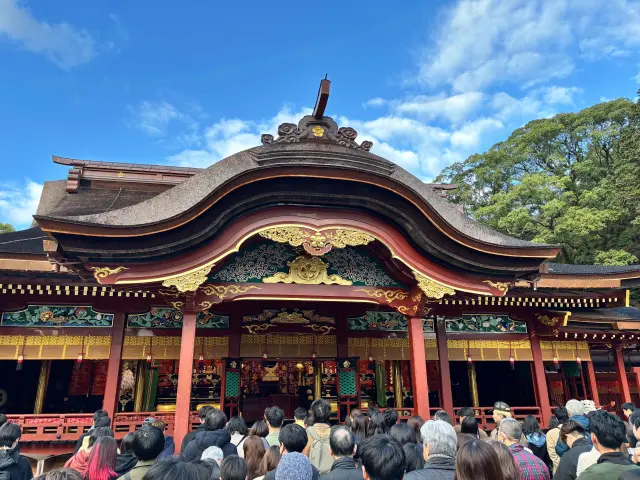
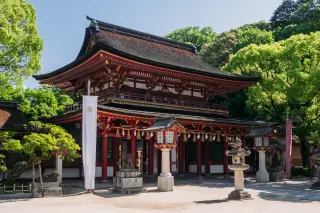
Dazaifu Tenmangu is the head shrine of 10,000 different shrines across Japan dedicated to the spirit of Sugawara Michizane. Sugawara was an acclaimed scholar who was deemed innocent posthumously after being exiled to Dazaifu by Kyoto’s Imperial Court. The main hall was built over his grave and has been preserved as a sacred site of Tenjin worship for over 1100 years.
There are shrines of all sizes dedicated to Sugawara Michizane throughout Japan, reportedly as many as 12,000, and Dazaifu Tenmangu is the head shrine of all these Tenmangu shrines. Sugawara Michizane was exiled to Dazaifu during his lifetime and was buried here after his death in 903. Later generations gradually came to revere him as Tenjin, the deity of learning and examinations, so every year many students and parents come to pray for success on entrance exams.
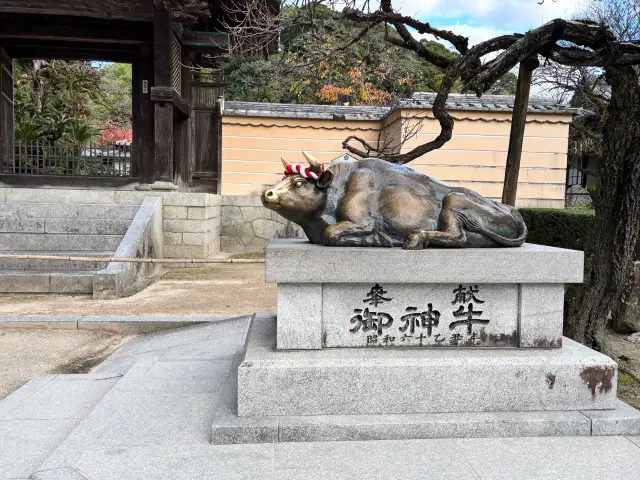
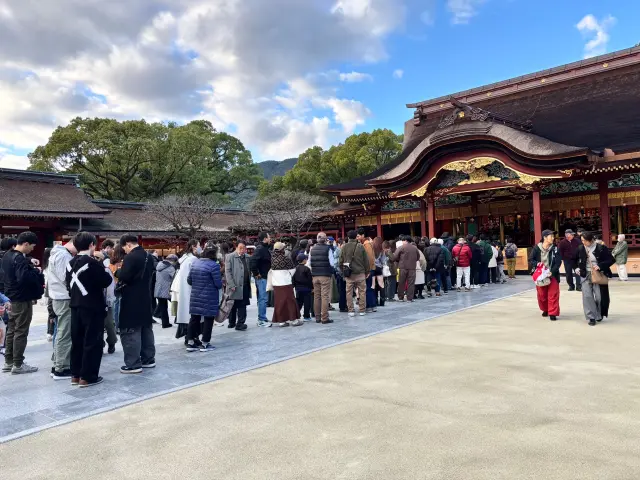
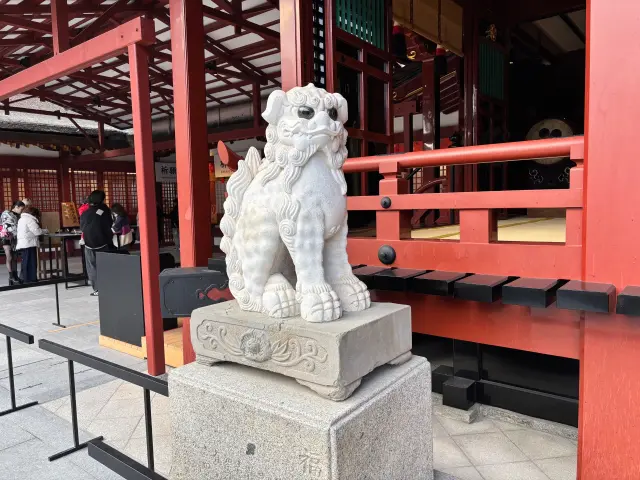
Before entering through the torii gate, the first thing you see is a very eye-catching sacred ox statue. According to tradition, touching the ox's head is believed to bring greater wisdom and academic progress, while touching the part of its body corresponding to where you feel unwell is also associated with prayers for good health. Many Japanese visitors were lining up to touch the ox's head, and of course I joined the line too, hoping to share in some of the sacred ox's good luck!
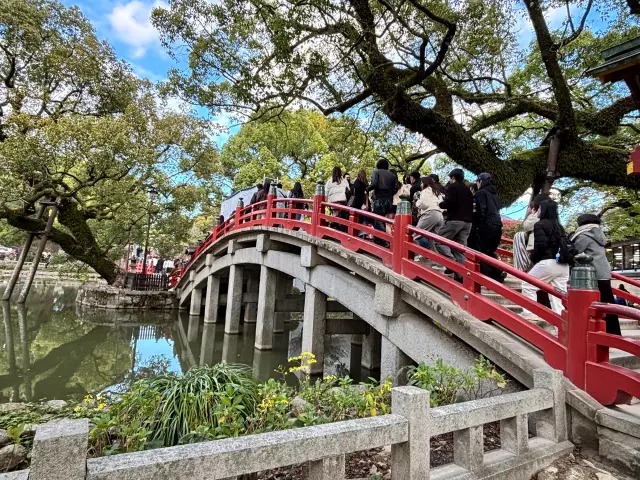
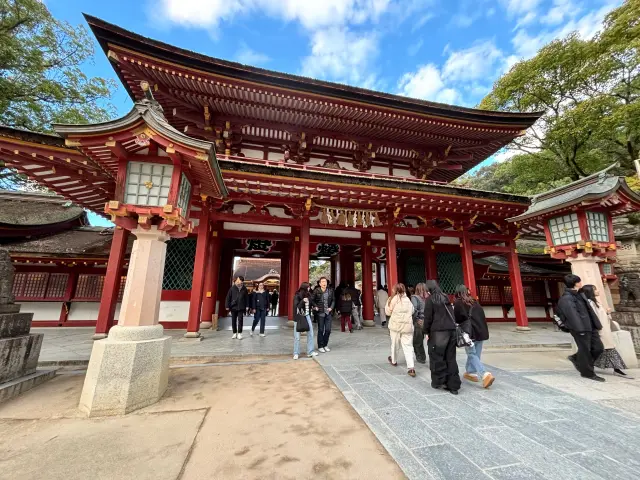
After passing through the torii gate, a vermilion arched bridge spanning Shinji Pond comes into view. Its graceful arch looks beautiful against the lush greenery surrounding it. The bridge is actually divided into three sections, symbolizing the past, present, and future. Crossing it is also said to cleanse the body and mind and lead to a new beginning. The traditional buildings and garden scenery along the way create a strong sense of a traditional Japanese shrine.
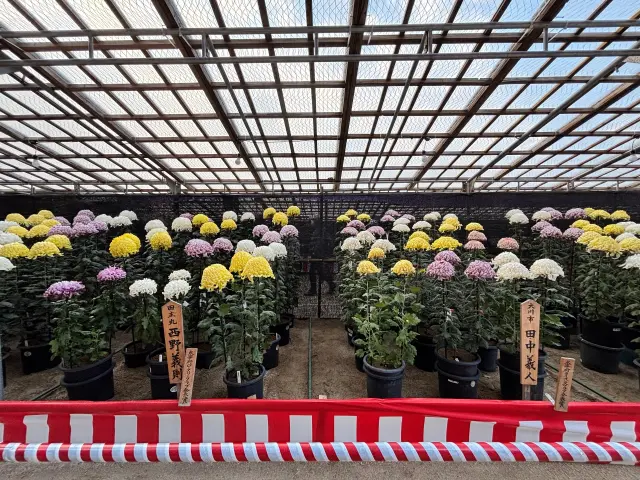
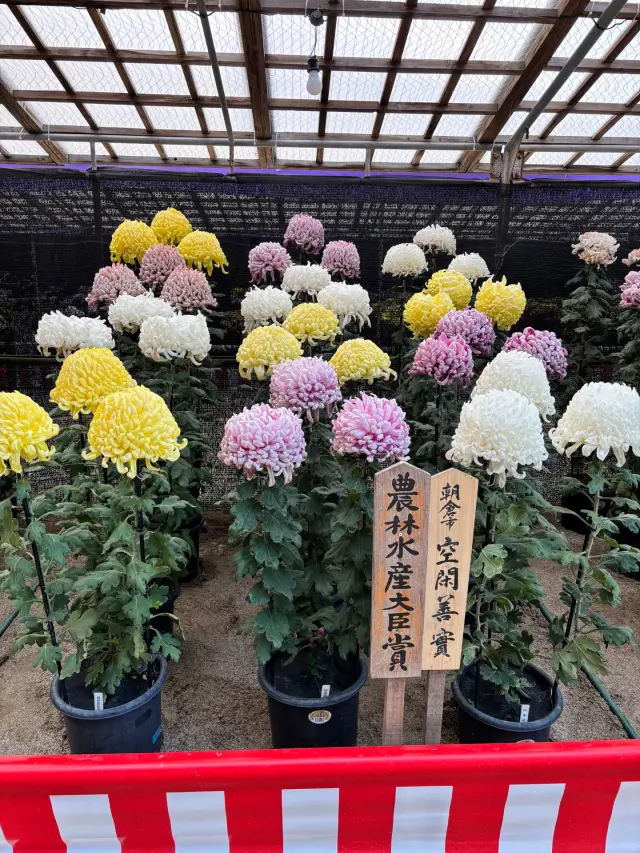
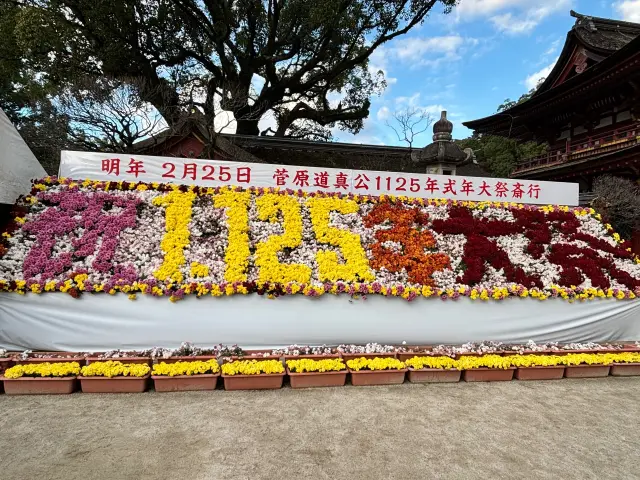
My visit happened to be close to the Autumn Grand Festival on November 25. Flower growers from various regions had sent many large chrysanthemums in full bloom, which were displayed in different sections throughout the shrine grounds. Every pot had been carefully cultivated, with large, colorful blossoms. Many were elaborate works by award-winning growers, making them an unexpected highlight of this visit.
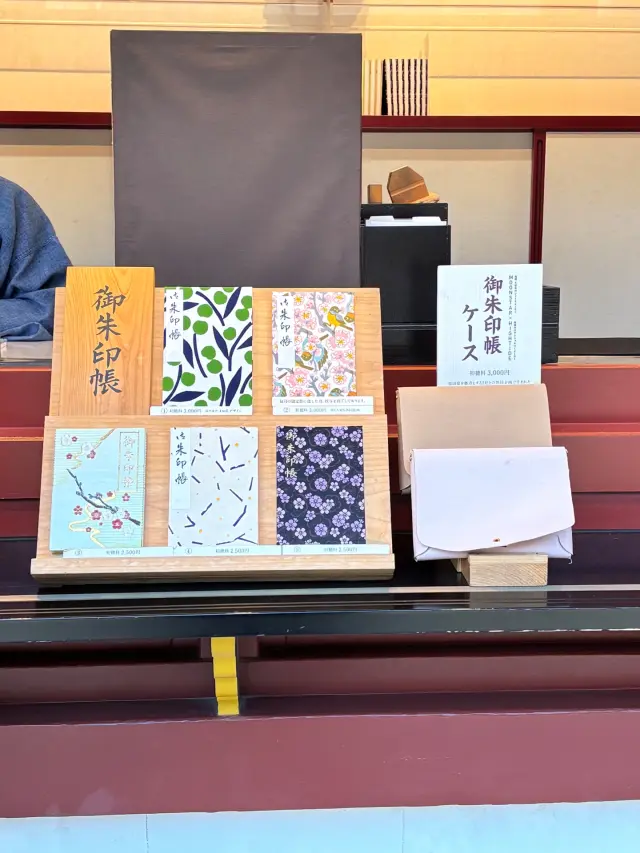
Every time I visit Dazaifu, there is always a steady stream of worshippers. You can prepare a JPY 5 coin in advance because the Japanese words for “five yen” and “good connection” sound the same, symbolizing the forming of a good connection with the deity. Besides visiting the shrine, I also highly recommend the goshuincho sold here. Their designs combine traditional patterns with refined colors, and they are both beautiful and distinctive!
-
-
Kyushu Hakata Daikichi Sushi PREMIUM
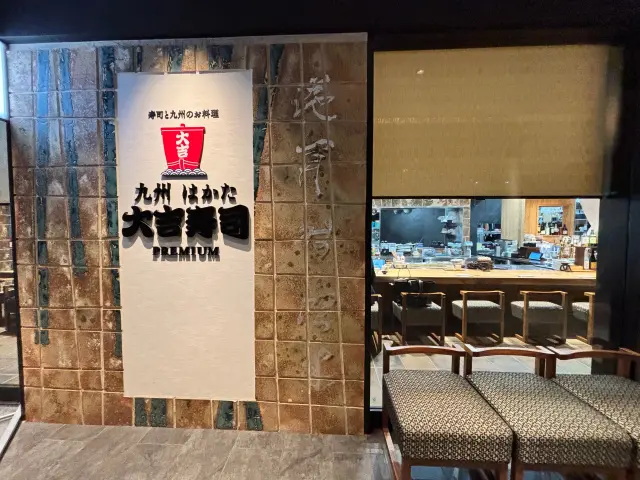
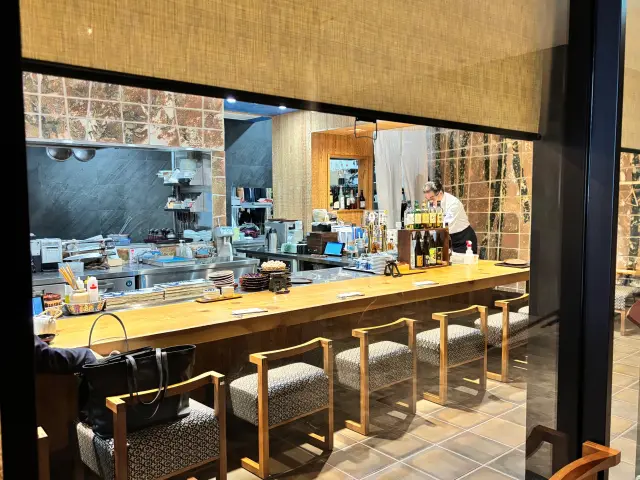
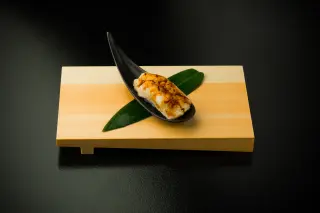
Located in Hakata Ward, Fukuoka City, Kyushu Hakata Daikichi Sushi PREMIUM is a sushi restaurant supervised by the long-established sushi kappo Kawasho and the ikizukuri specialty restaurant Kawataro. Inside, there are only counter seats made from a single slab of Yakusugi cedar. You can enjoy your meal in a lively atmosphere while watching the chefs’ skills up close. One highlight is how easily you can enjoy the flavors of these long-loved restaurants.
When you arrive at Daikichi Sushi in Hakata, you’re greeted by a bright, spotless, and elegantly designed dining space. The refined and comfortable atmosphere gives you a strong sense of Japanese style as soon as you sit down.
The most eye-catching part is the chef behind the center of the counter, preparing each piece of sushi with focus and precision right in front of you. From handling the ingredients to shaping and plating the sushi, every step demonstrates meticulous craftsmanship. The fresh ingredients are paired with perfectly seasoned sushi rice, allowing you to savor their natural sweetness and layers of flavor in every bite. Sitting at the counter not only lets you admire the chef’s impressive skills up close, but also adds to the fun of interacting with the food! From the presentation and flavor to the dining atmosphere, you can feel the care the restaurant puts into everything. It’s a high-quality sushi restaurant.
-