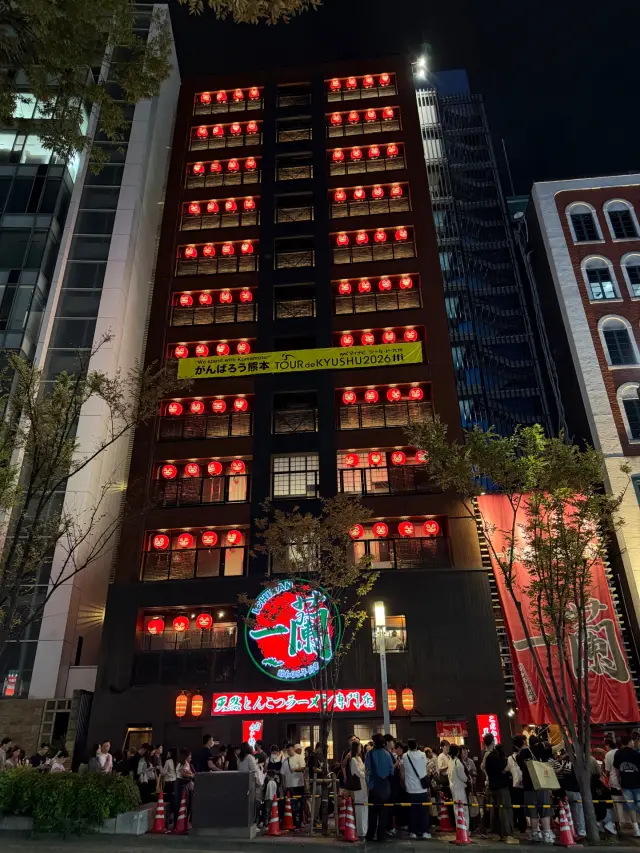
Next to the canal in Nakasu, Hakata, Fukuoka, you can spot this incredible landmark covered in large red lanterns from far away. This is the sacred destination for countless ramen lovers across Japan—ICHIRAN's Main Shop! The entire dedicated building has an impressive presence. At night, rows of large red lanterns light up, reflecting against the canal streetscape and creating a bold and festive sight. As ICHIRAN's global headquarters, it has the signature "Flavor Concentration Booths" everyone knows, where you can focus entirely on savoring the ultimate combination of rich tonkotsu broth, smooth noodles, and secret spicy sauce. The first floor also features the extremely rare "ICHIRAN Yatai" space, where the lively, cheerful izakaya atmosphere lets you slurp noodles while gulping down ice-cold drinks—the satisfaction level is maxed out!
ICHIRAN Souhonten -Headshop & Office- | Review by Jk
Other Reviews by Jk
-

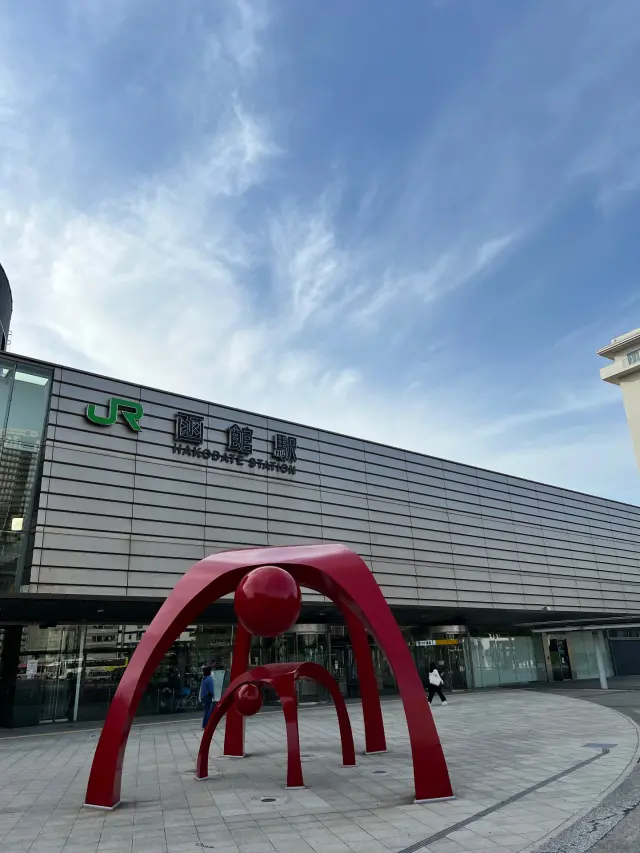
Hakodate Station
Hakodate Station's commercial zone was renovated in 2016 with the opening of the Hokkaido Shinkansen. On the first floor is the "Hokkaido Shikisaikan JR Hakodate Store" offering a variety of local specialties and products, while the second floor features restaurants and an observation deck called the "Rotunda Deck" where visitors can take pictures of trains arriving and departing on the platforms.
This major station, the gateway to southern Hokkaido, has a sleek, modern exterior. The spacious, bright lobby gets plenty of natural light, and the layout is incredibly clean and efficient. Whether you've just arrived by limited express train and are ready to begin your adventure, or you're planning to take the streetcar to the slopes of Motomachi and then Mount Hakodate for the night view, this is the perfect starting point for the entire trip, making you feel both at ease and excited.
The wide, flat, curved plaza in front of the station has an incredibly expansive view. On clear days, you can look up and see blue skies, white clouds, and distant mountains. There's even a faint hint of the fresh, salty sea air unique to this port city, and just taking a deep breath feels refreshing!
-
-

Momijidani Park
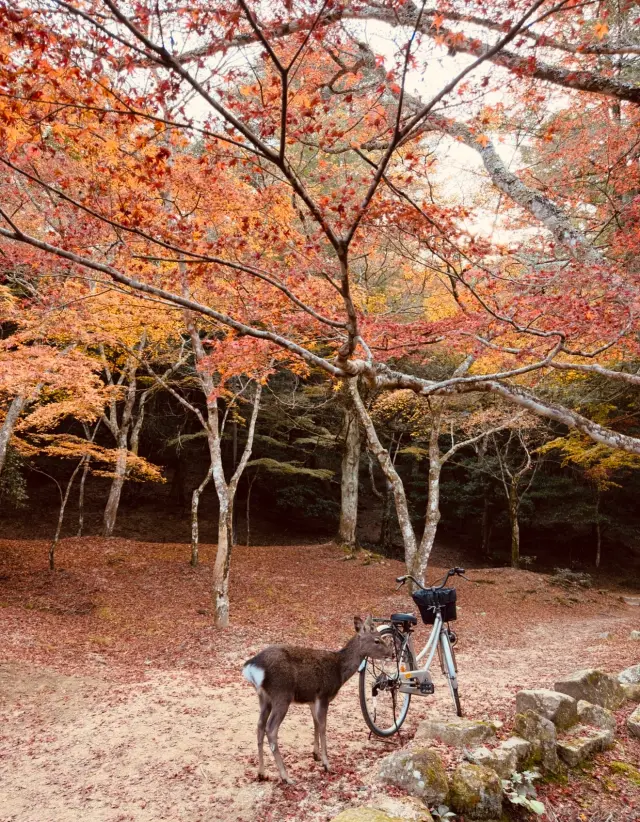
This park is Miyajima's flagship spot for autumn foliage. Every year, around mid to late November, approximately 700 maple trees in the park gloriously change their colors. Of the tree varieties, the Iroha Maple, which turns a brilliant red, is the most predominant with about 560 trees. This is followed by the OoMomiji (Big Maple) with its large leaves, numbering around 100 trees, and then the Urihadakaede and YamaMomiji with about 40 trees combined.
Follow the path behind Itsukushima Shrine toward the mountain and step into Momijidani Park, and it instantly feels like you’ve plunged into a secluded paradise surrounded by lush greenery and red maple leaves! The park sits at the foot of the primeval forest on Mount Misen, Miyajima’s highest peak, with nearly 700 maple trees of all kinds planted along both sides of the Momijidani River. In summer, the mountains are covered in bright, fresh greenery, while the air is filled with the refreshing scent of the forest and the cool mist from the murmuring stream. In fall, it becomes truly spectacular, with the entire valley layered in shades of yellow, orange, and deep red, as breathtakingly beautiful as if nature had spilled its palette! As you walk along the stone path covered in fallen leaves, you may also spot wild deer gracefully strolling and foraging beneath the trees. The scene is so soothing that you won’t want to blink.
-
-

Arima Onsen
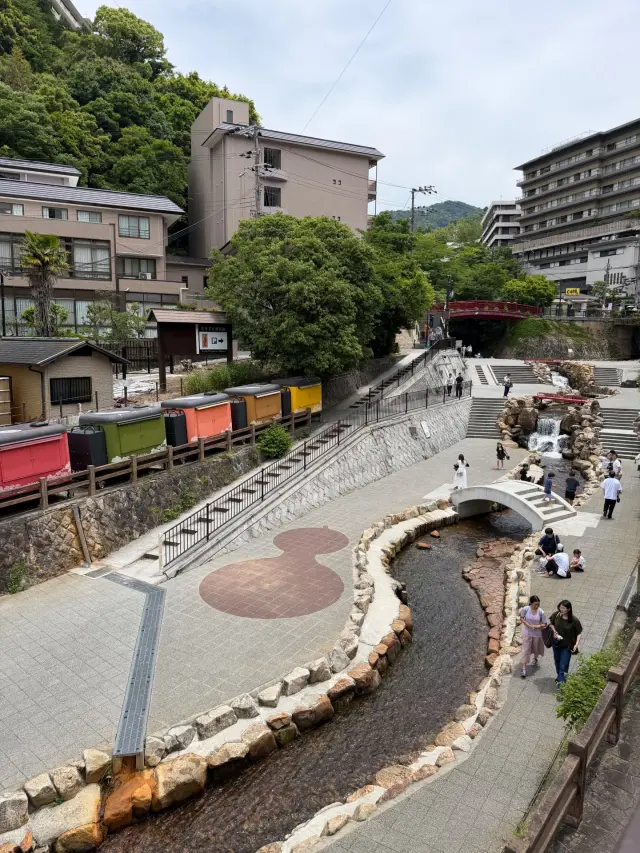
A famous hot spring that represents Kansai, which springs at the northern foot of Mt. Rokko. It is a historical hot spring that appears in "Nihon Shoki" and "Fudoki", and is one of the "Three Ancient Springs of Japan".
Hot white steam and a faint rusty mineral scent immediately drift through the air, making you feel like you’ve stepped into an old-fashioned Japanese movie! Ranked as one of Japan’s Three Ancient Hot Springs, its history goes back so far that even ancient emperors, nobles, and the great Sengoku-era ruler Toyotomi Hideyoshi couldn’t get enough of it, coming here from time to time to soak and recover. The entire hot spring town is built along the mountainside. As you slowly climb the winding, hilly stone-paved path called Yumotozaka, you’ll see old-fashioned wooden machiya townhouses, teahouses, and souvenir shops made of dark wood lining both sides. With the crisp clacking of wooden geta, even just wandering around feels incredibly relaxing and restorative.
The most exciting highlight of Arima is definitely its two magical hot springs with completely opposite qualities—Kinsen and Ginsen! Kinsen is originally clear when it emerges, but because the water contains extremely high concentrations of iron ions and salt, it oxidizes upon contact with the air and turns a rich reddish brown. It looks just like a pool of warm, creamy milk tea. It retains heat extremely well, warming your entire body and really driving away the cold. Even the free public footbath by the entrance is always filled with travelers relaxing and soaking their feet. Ginsen, on the other hand, is a clear and transparent carbonated and radioactive spring. After soaking, your skin feels silky smooth, and the circulation throughout your body feels better. Two kinds of enjoyment, all in one visit!
Besides soaking until every pore in your body feels refreshed, the local street food around the hot spring town is impossible to resist! Freshly made, steaming onsen manju are soft, fragrant, and sweet when you bite into them. The thin, crisp traditional tansan senbei have a light sweetness, and you can also grab a cold, refreshing bottle of local Arima carbonated soda along the way. The moment the refreshing bubbles burst on your tongue, they perfectly balance the lingering warmth from the hot spring. -