
![[1 Night, 2 Days in Fukuoka] A Cultural Walk Through the World Heritage Sacred Sites of Munakata and the Canal Town of Yanagawa](https://static.gltjp.com/glt/data/article/22000/21242/20251213_142757_29fa31c8_w1920.webp)
[1 Night, 2 Days in Fukuoka] A Cultural Walk Through the World Heritage Sacred Sites of Munakata and the Canal Town of Yanagawa
Fukuoka Prefecture, home to Fukuoka City, the largest city in Kyushu, has long flourished as a gateway for continental culture, with port towns, castle towns, and scenic coastlines rich in nature. It is filled with places where you can enjoy history and beautiful scenery, including Dazaifu Tenmangu Shrine, Mojiko Retro, the seaside of Itoshima, and Kokura Castle, each showing a different side with the changing seasons.
In the model course introduced here, Day 1 is based in Hakata and takes you around the World Heritage sacred sites of Munakata before returning to the city to enjoy local specialties. On Day 2, you will experience a river cruise and castle-town culture in the canal town of Yanagawa. Enjoy a 1-night, 2-day Fukuoka trip that lets you experience the history of prayer and the charm of the waterfront.
Day 1 | Head to the Munakata Area, Home to a World Heritage Site
The trip starts at JR Hakata Station. Take the Kagoshima Main Line to Togo Station, transfer to a Nishitetsu bus in front of the station, and get off at the Munakata Taisha-mae bus stop. From there, it is a short walk to the first destination, Munakata Taisha Shrine.
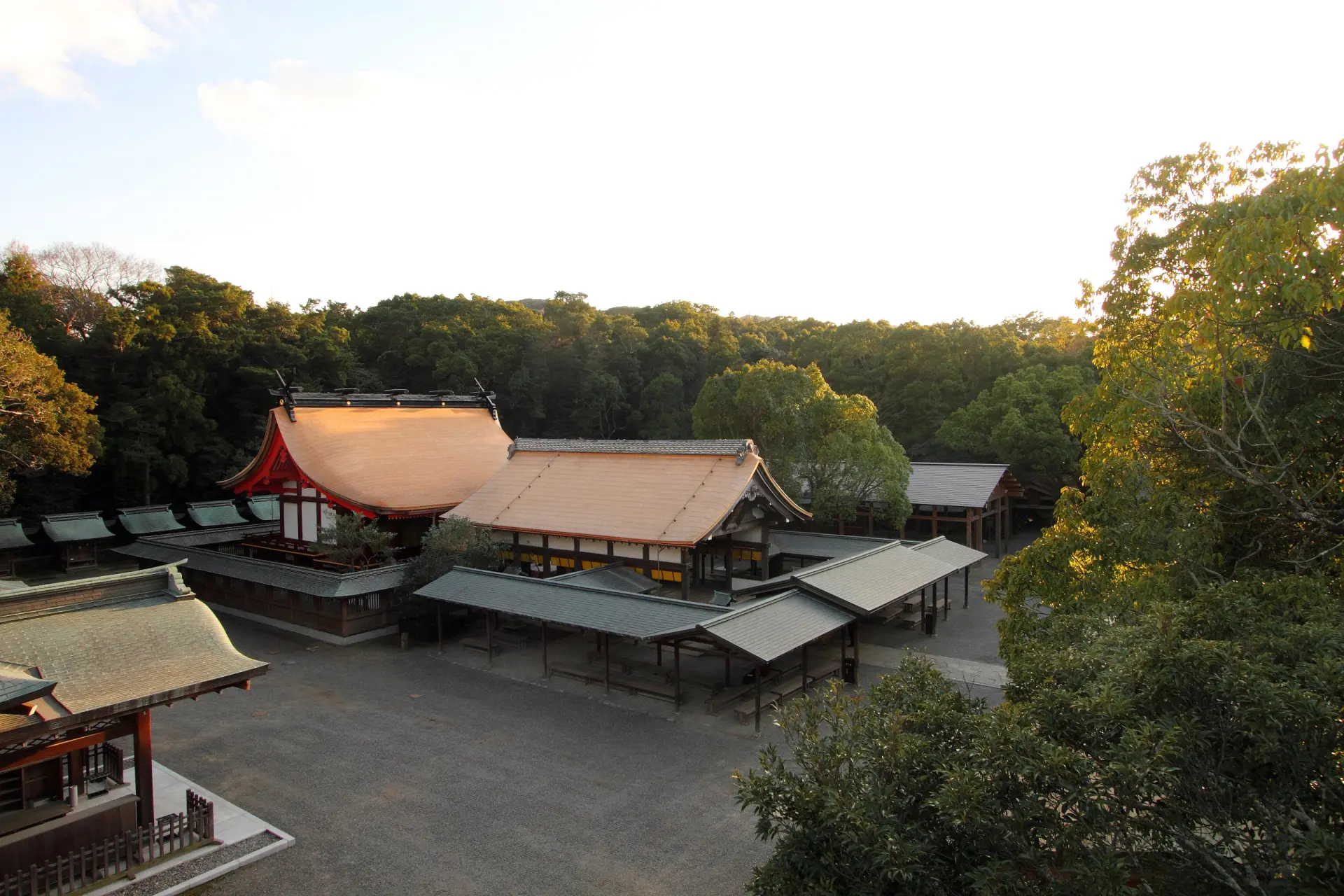
Visit Munakata Taisha Shrine, the World Heritage Sacred Site of Prayer in Munakata
One of Japan’s oldest shrines, it enshrines the Munakata Three Goddesses, who are said to be the daughters of Amaterasu Omikami. It is also registered as a UNESCO World Cultural Heritage site and is a historic shrine made up of three sanctuaries: Okitsu-gu, Nakatsu-gu, and Hetsu-gu.
The place visited on this trip is Hetsu-gu, where many worshippers come. Within the grounds are the Main Hall, designated as an Important Cultural Property of Japan, the Takamiya Saijo said to be the largest power spot, and the Second and Third Shrines, which have old shrine buildings granted by Ise Jingu. The more you walk, the more it feels as if your heart is being cleansed.
Surrounded by the swaying trees and the sound of gravel underfoot, spend time feeling the living spirit of prayer rooted in this place.
Discover the History and Faith of Munakata at Umi no Michi Munakata Hall
After visiting Hetsu-gu of Munakata Taisha Shrine, head to Umi no Michi Munakata Hall located across the street.
This learning facility is themed around the World Heritage site "Sacred Island of Okinoshima and Associated Sites in the Munakata Region." Inside, you will find materials excavated from ruins in the city and a large screen where you can learn about the history and faith of Munakata.
One highlight is the 3D theater. With sound and video, you can vividly experience Okinoshima, a sacred island where entry by the general public is prohibited.
Visiting here together with Munakata Taisha Shrine helps the background of prayer in World Heritage Munakata sink in naturally.

Lunch at Ganso Hakata Mentaiju Nishinakasu, a Popular Restaurant Where You Can Indulge in Hakata’s Famous Mentaiko
After learning all about World Heritage Munakata, return by taxi to Togo Station, about 10 minutes away. From Togo Station, take the JR Kagoshima Main Line to Hakata Station. Then transfer to the subway, get off at Tenjin Station, and walk for about 5 minutes to reach the restaurant you are looking for, Ganso Hakata Mentaiju Nishinakasu.
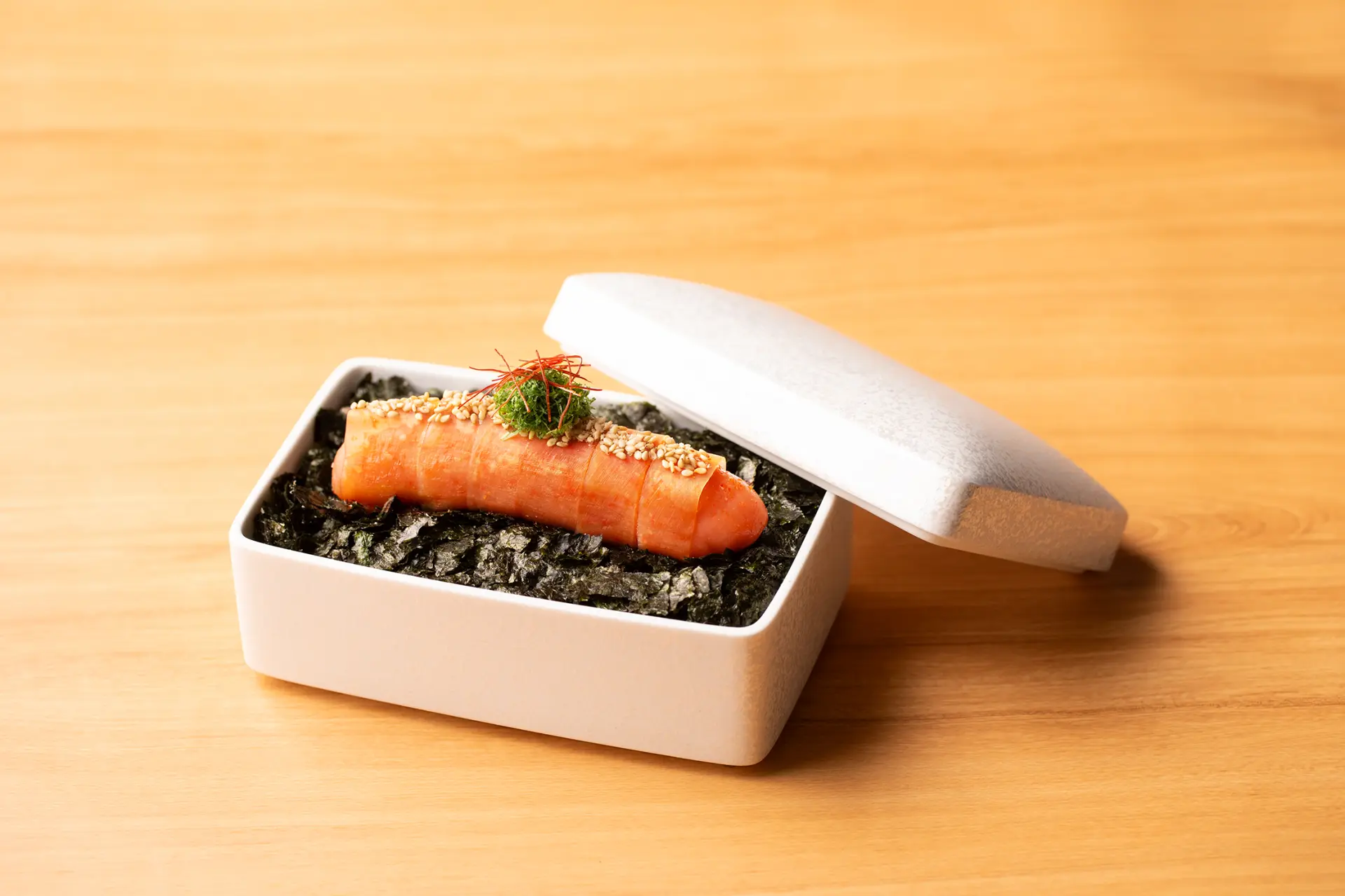
This specialty restaurant in Nishinakasu focuses on mentaiko dishes and is said to be the original restaurant that established the style of enjoying this Fukuoka specialty as a full meal.
For lunch this time, try their signature menu item, Mentaiju. It is a luxurious dish topped with a whole kombu-wrapped mentaiko. The special sauce pairs perfectly with the rice laid over with nori, and you can choose from four spice levels. Take your time enjoying this famous and photogenic local dish.
Check In at Cross Life Hakata Tenjin and Take a Break in a Comfortable Stay Space
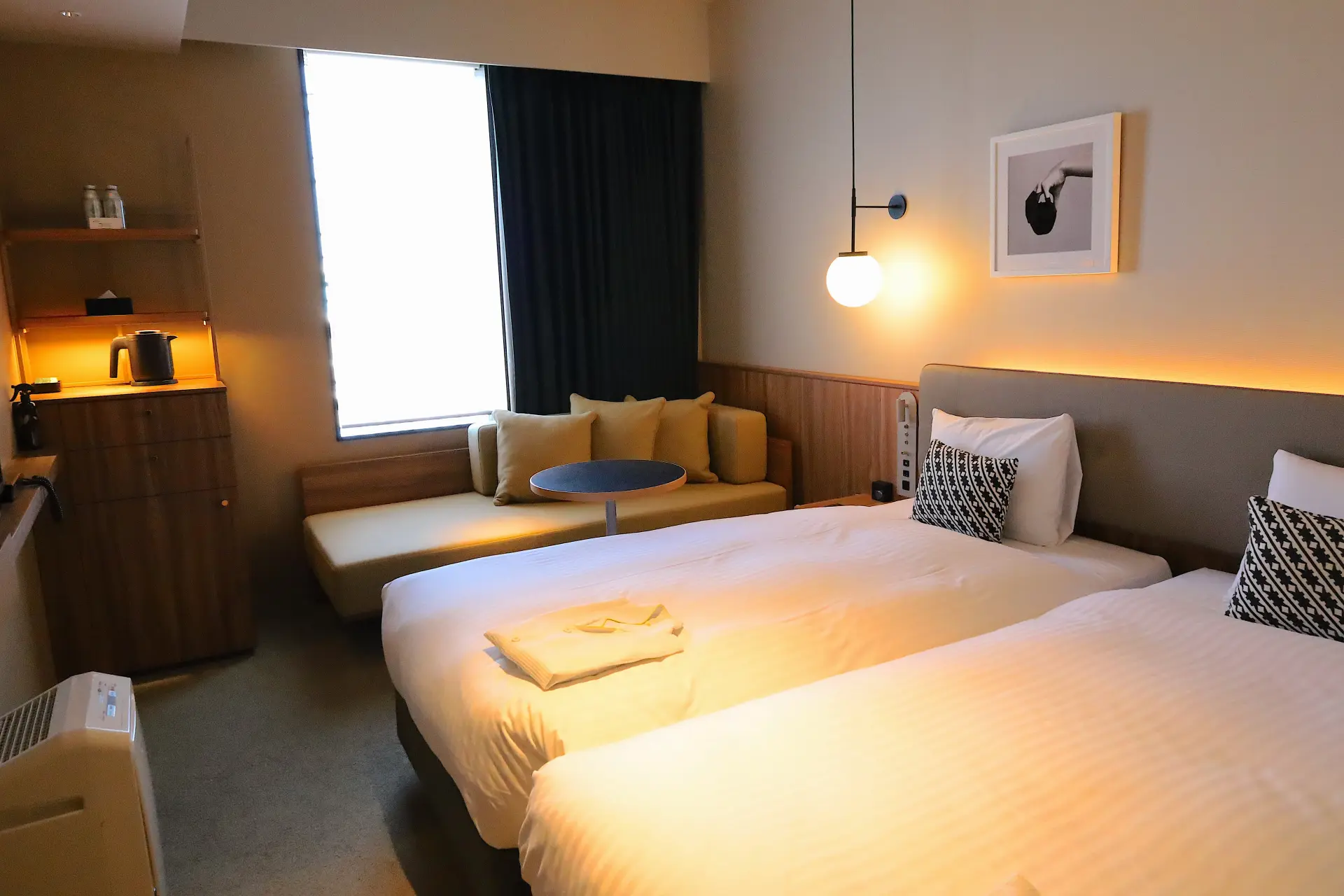
After lunch, walk for about 10 minutes and check in to this trip’s hotel, Cross Life Hakata Tenjin.
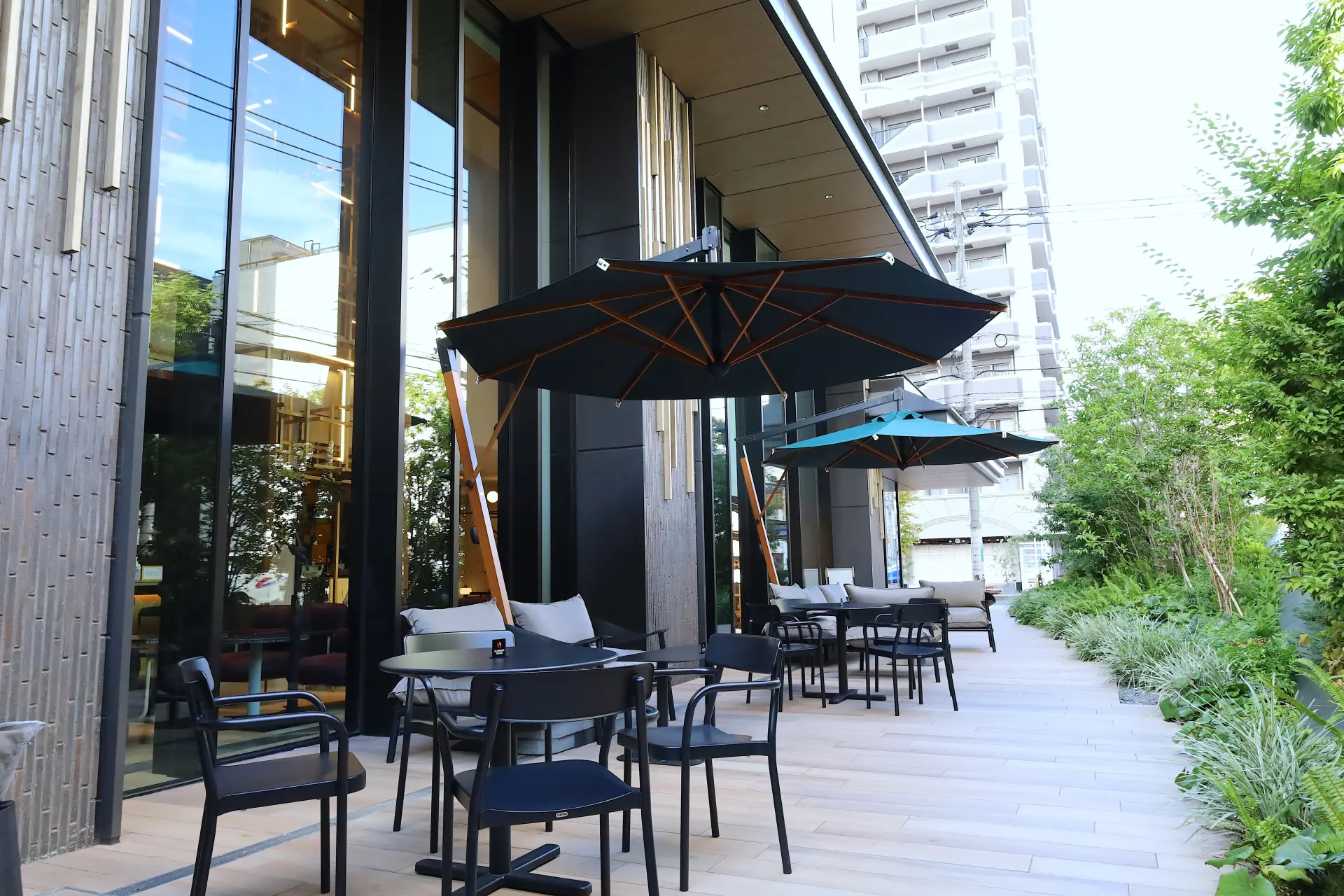
Conveniently located within walking distance of both Hakata and Tenjin, this hotel features comfortable spaces designed around the concept of "My 3rd Place," where you can relax in your own way.
Throughout the building, art themed around Fukuoka adds a stylish atmosphere that reflects the energy of the city. Guest rooms come in a wide variety of types, from solo travelers to groups, which makes it easy to choose one that fits your travel style.
For now, check in and take a short break to get ready for the rest of the trip.
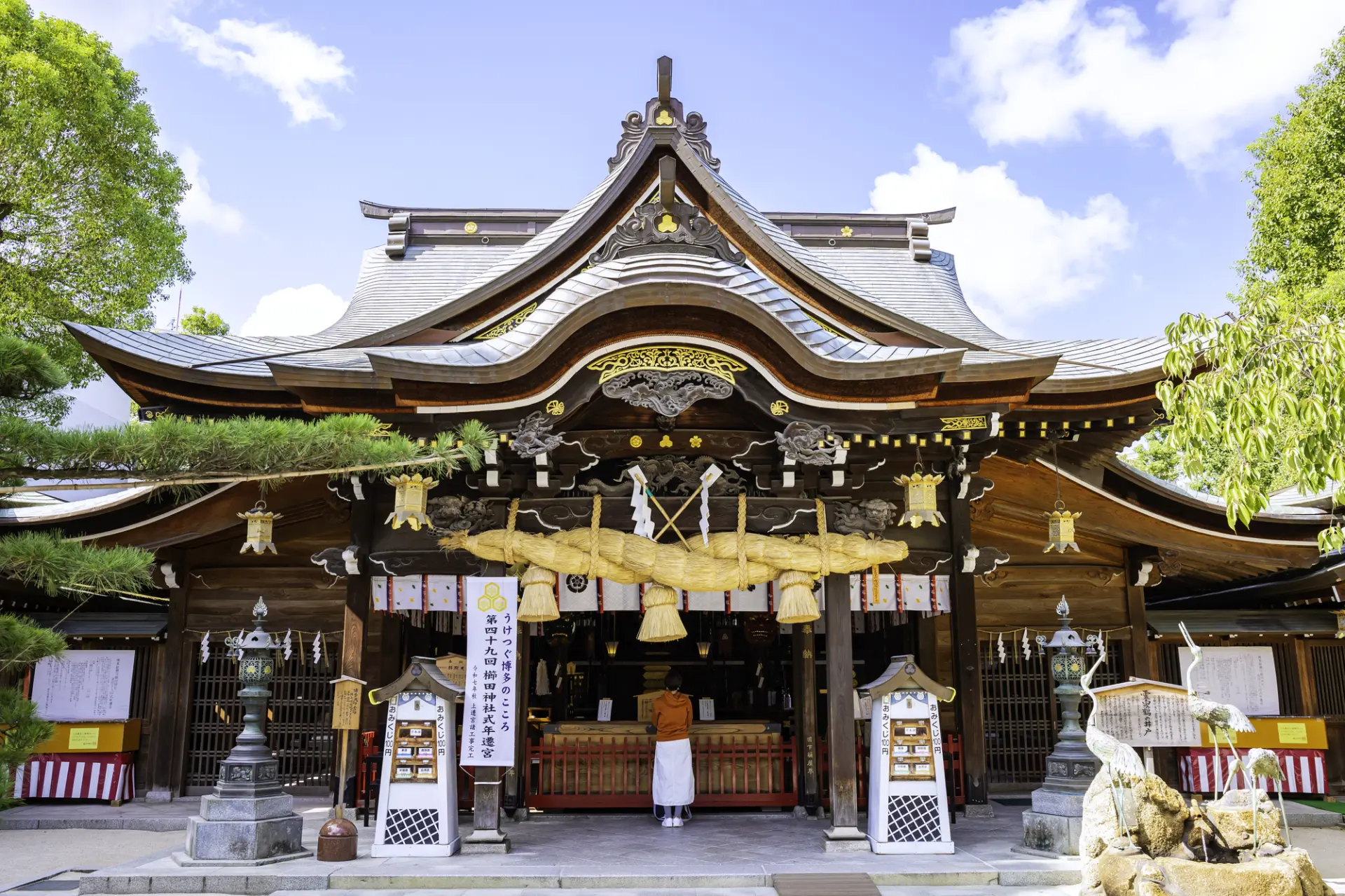
Visit Kushida Shrine, the Guardian Shrine of Hakata
After taking a short break at the hotel, enjoy a little sightseeing before dinner. Walk about 15 minutes from the hotel to Kushida Shrine, the guardian shrine of Hakata.
Said to have been founded in the Nara period, this shrine has long been affectionately called "Okushida-san" by the people of Hakata. It is the shrine where the Hakata Gion Yamakasa festival, held every July, is dedicated, and on the grounds you can view the impressive Kazariyamakasa floats throughout the year except in June.
After your visit, head to Kushida Chaya behind the shrine grounds. While enjoying freshly grilled Kushida no Yakimochi, a Hakata specialty, you can spend a pleasant moment during your walk.
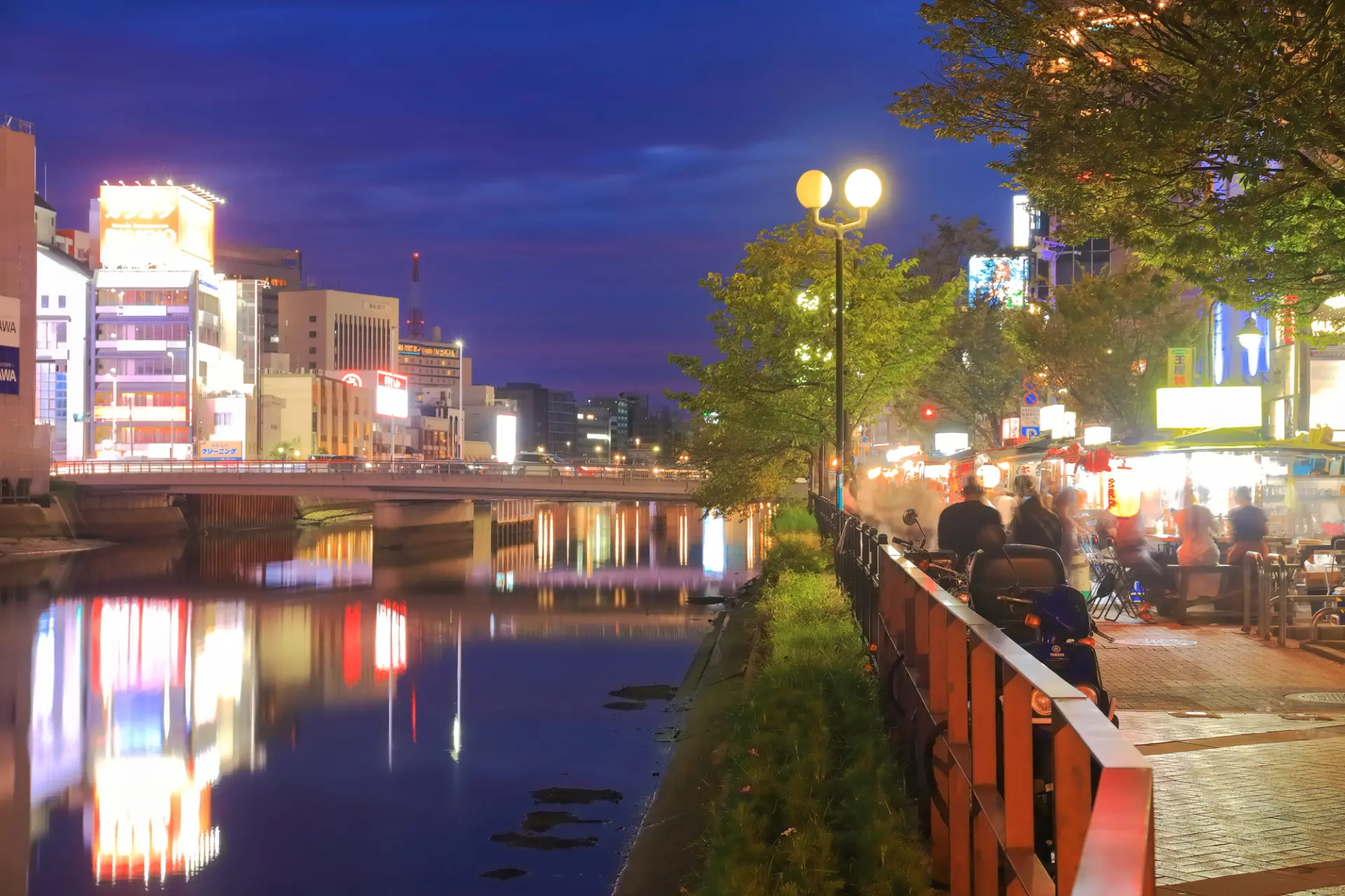
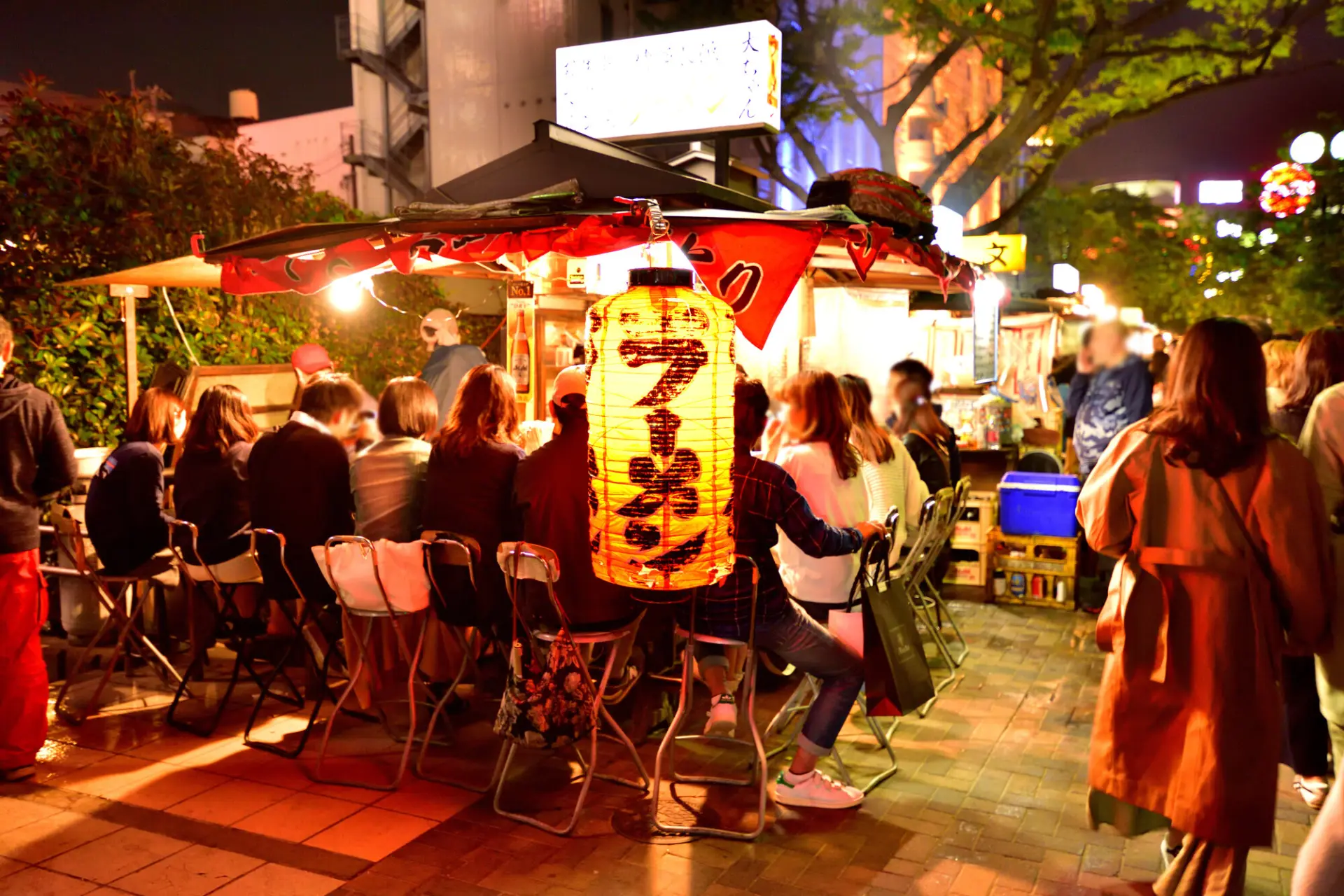
Enjoy Hakata’s Yatai Food Stalls at Nakasu Yatai Street!
After visiting Kushida Shrine, take a stroll through Hakata. Stop by popular spots such as Canal City Hakata, where shops and restaurants line the canal, and enjoy walking around the city before heading to Nakasu Yatai Street for a deeper taste of Hakata gourmet culture.
Nakasu Yatai Street is a Hakata-style gourmet spot where rows of food stalls line the Naka River. You can enjoy a wide variety of specialties such as tonkotsu ramen, yaki ramen, oden, and yakitori, all in the lively atmosphere unique to yatai stalls.
This time, casually drop in at the stalls that catch your eye and sample local specialties little by little in a bar-hopping style. It is a chance to experience yatai culture through conversations with stall owners and interactions with local people.
Day 2 | Enjoy a Boat Stroll in the Canal Town of Yanagawa
On the second day, head to the canal town of Yanagawa. Enjoy a relaxed time as you experience a river cruise and the culture of this former castle town.
In the morning, enjoy the wide breakfast buffet at Cross Life Hakata Tenjin before setting out!
From Nishitetsu Fukuoka (Tenjin) Station, about a 10-minute walk from the hotel, take the Limited Express on the Nishitetsu Omuta Line to Yanagawa. After an Approx. 50-minute train ride, you will arrive at Nishitetsu Yanagawa Station.
Explore the Atmospheric Townscape from the Water on the Yanagawa River Cruise
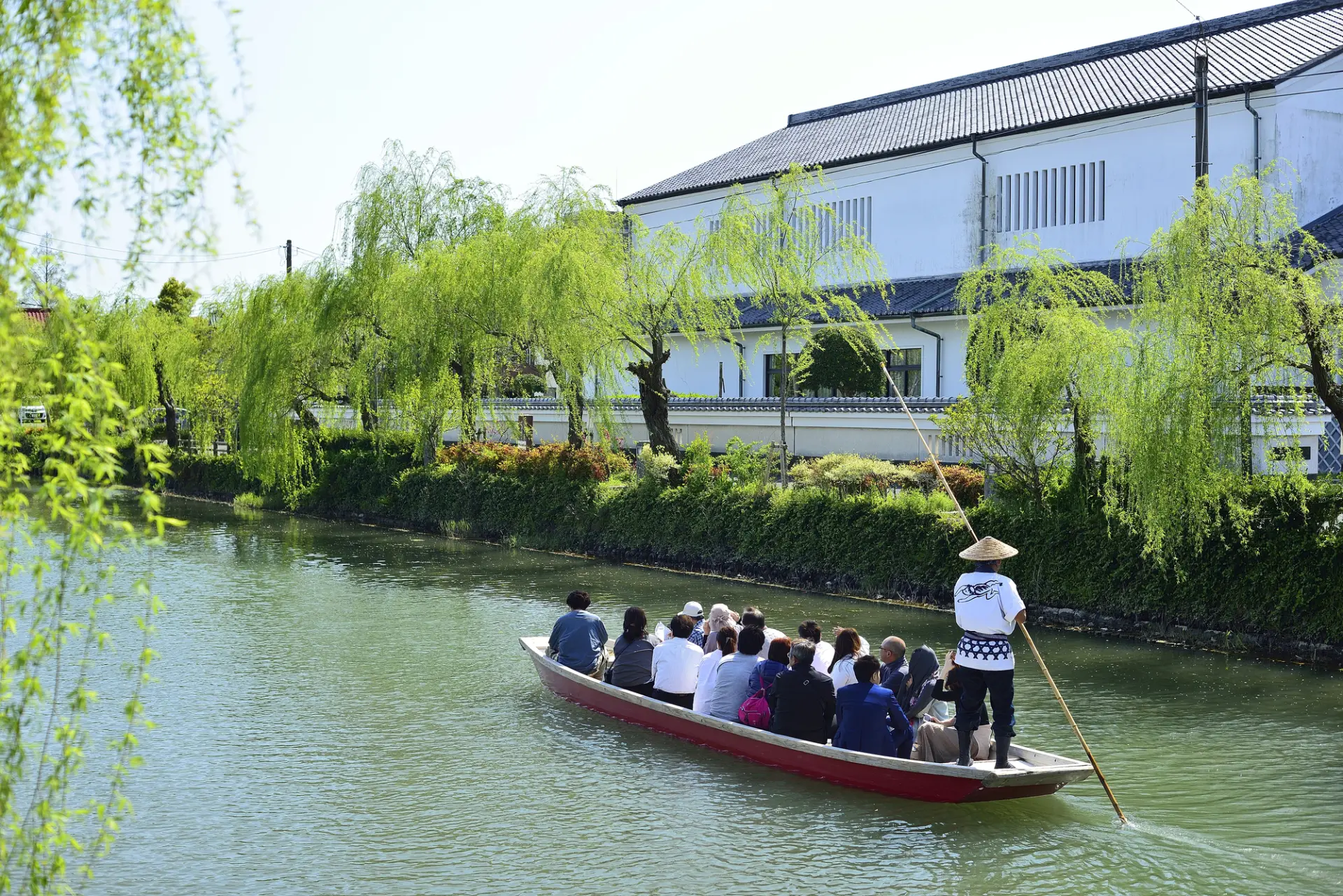
Known as the "town of canals," Yanagawa still has the moats laid out in the Edo period running through the city, and you can experience the famous river cruise on a donko-bune boat around town. The boarding area is within walking distance of Nishitetsu Yanagawa Station, and you can enjoy a waterside stroll as the boat carries you toward the center of the former castle town.
As you listen to the boatman's guidance and songs, the leisurely ride along the waterside lined with weeping willows and seasonal flowers is full of the refined charm that is so typical of Yanagawa. Historic scenery continues along the canal as well, including red-brick namikura storehouses and beautiful black-and-white namako walls, making for a calm and enjoyable boat trip.
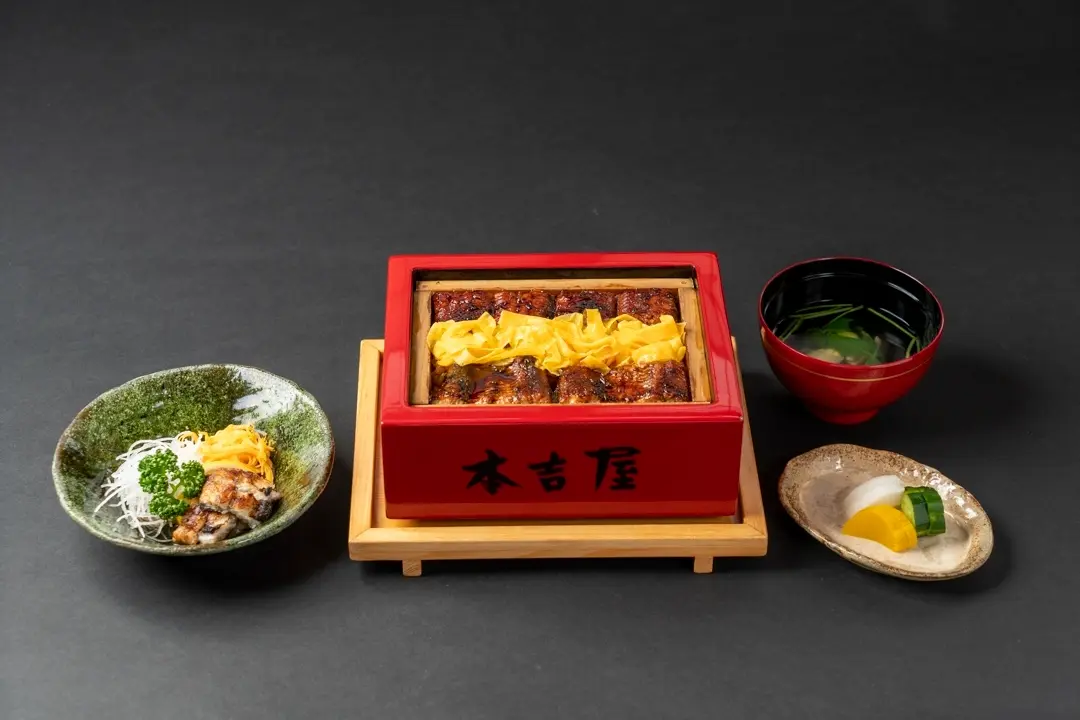
Savor Yanagawa’s Famous Steamed Eel at Ganso Motoyoshiya Okibata Branch
After enjoying the Yanagawa river cruise, head to the long-established Ganso Motoyoshiya Okibata Branch, founded in the Edo period and located about a 2-minute walk from the Okinohata disembarkation point. This historic restaurant is said to be the birthplace of steamed eel, where you can enjoy a specialty dish passed down in the canal town of Yanagawa.
The dish is made by steaming rice seasoned with sauce, layering it with fragrant grilled kabayaki eel and shredded egg, and then steaming it once more. The eel turns out plump and exceptionally tender, and it pairs perfectly with the sweet and savory sauce.
From inside the restaurant, you can also look out over the river cruise route, making it a relaxing lunch time with scenery that feels distinctly Yanagawa.
Stroll Through the Famous Shotoen Garden at Ohana, Former Residence of the Tachibana Lords of Yanagawa
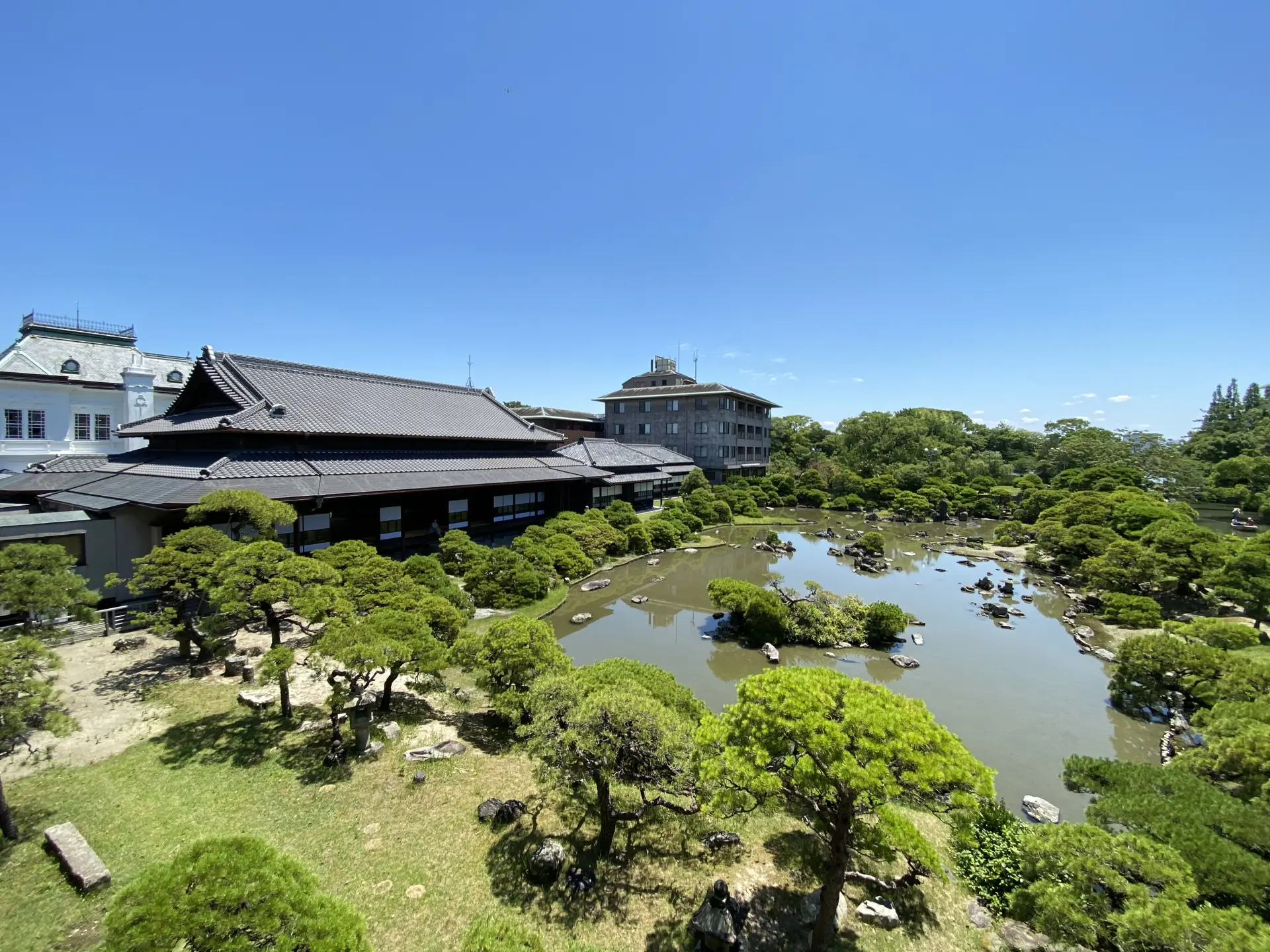
After enjoying Yanagawa’s famous cuisine at Ganso Motoyoshiya Okibata Branch, head just a short walk away to Ohana, Former Residence of the Tachibana Lords of Yanagawa. This historic residence associated with the Tachibana family is one of Yanagawa’s representative heritage spots, and the entire grounds are designated as a National Place of Scenic Beauty.
The grounds are filled with highlights, including the Western-style building constructed as a guest house in the Meiji period and the Tachibana Museum, which displays historical materials passed down through the Tachibana family.
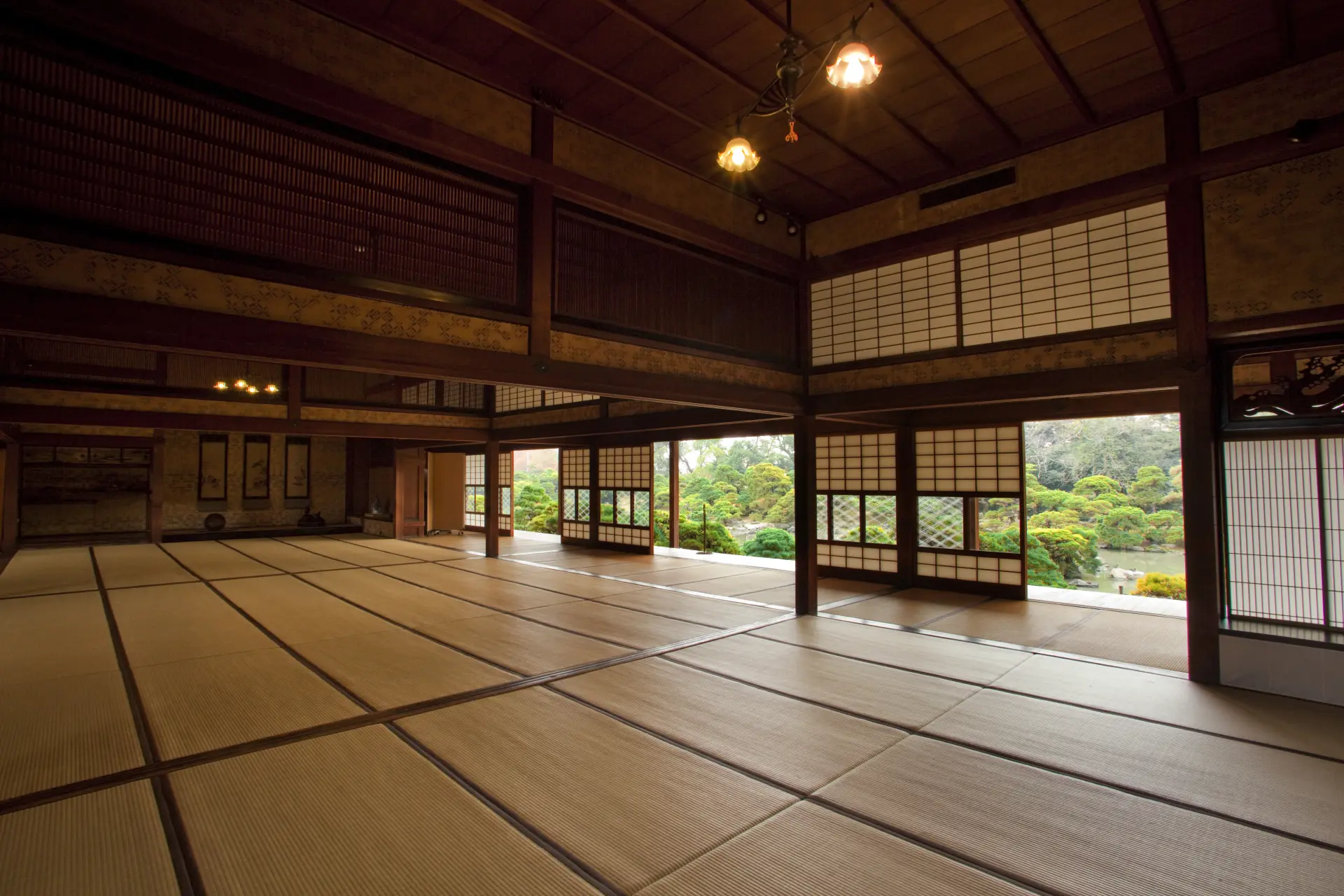
Above all, the pond garden Shotoen, surrounded by Japanese black pines, is not to be missed. While gazing at the graceful view spread out before the Great Hall, enjoy a peaceful moment in touch with the history of castle-town Yanagawa.
Relax at the Free Karatachi Literary Footbath
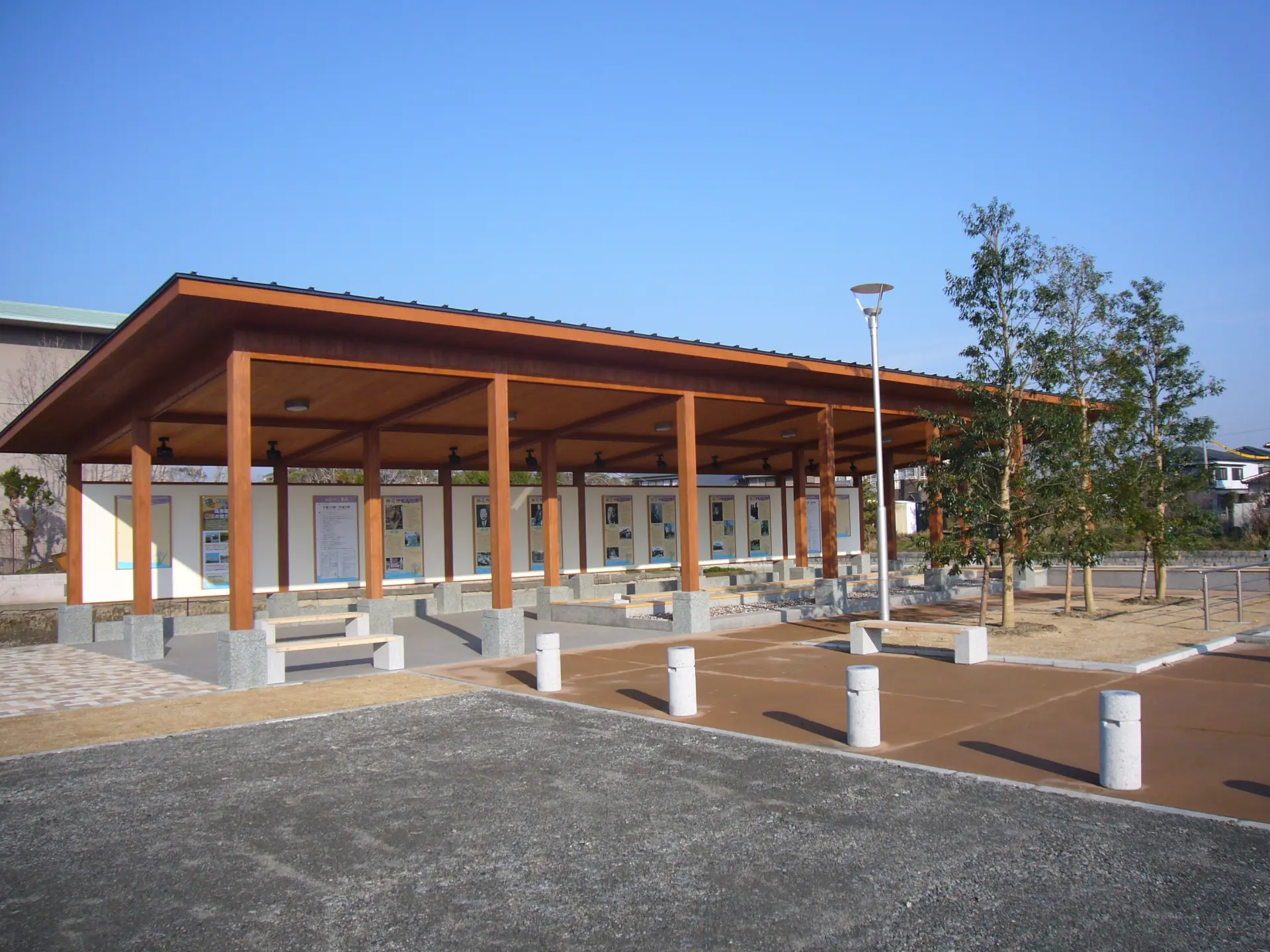
After enjoying Shotoen Garden, take a leisurely walk through an area that still preserves the character of a former castle town. When your feet start to get tired, stop by the free Karatachi Literary Footbath.
Yanagawa is a town that produced many literary figures, including Kitahara Hakushu. Around the footbath, panels introduce their photographs, stories, and works, making it a place where you can take a break while immersing yourself in the world of literature.
The bath uses natural Yanagawa hot spring water and is said to be effective for neuralgia, sensitivity to cold, and recovery from fatigue, making it perfect for a relaxing break during your trip. Take off your shoes, soak your feet, and enjoy a soothing pause during your walk. Surrounded by the warm water, spend a relaxing moment.
Trace the Footsteps of a Leading Modern Japanese Poet at the Kitahara Hakushu Birthplace and Memorial Museum
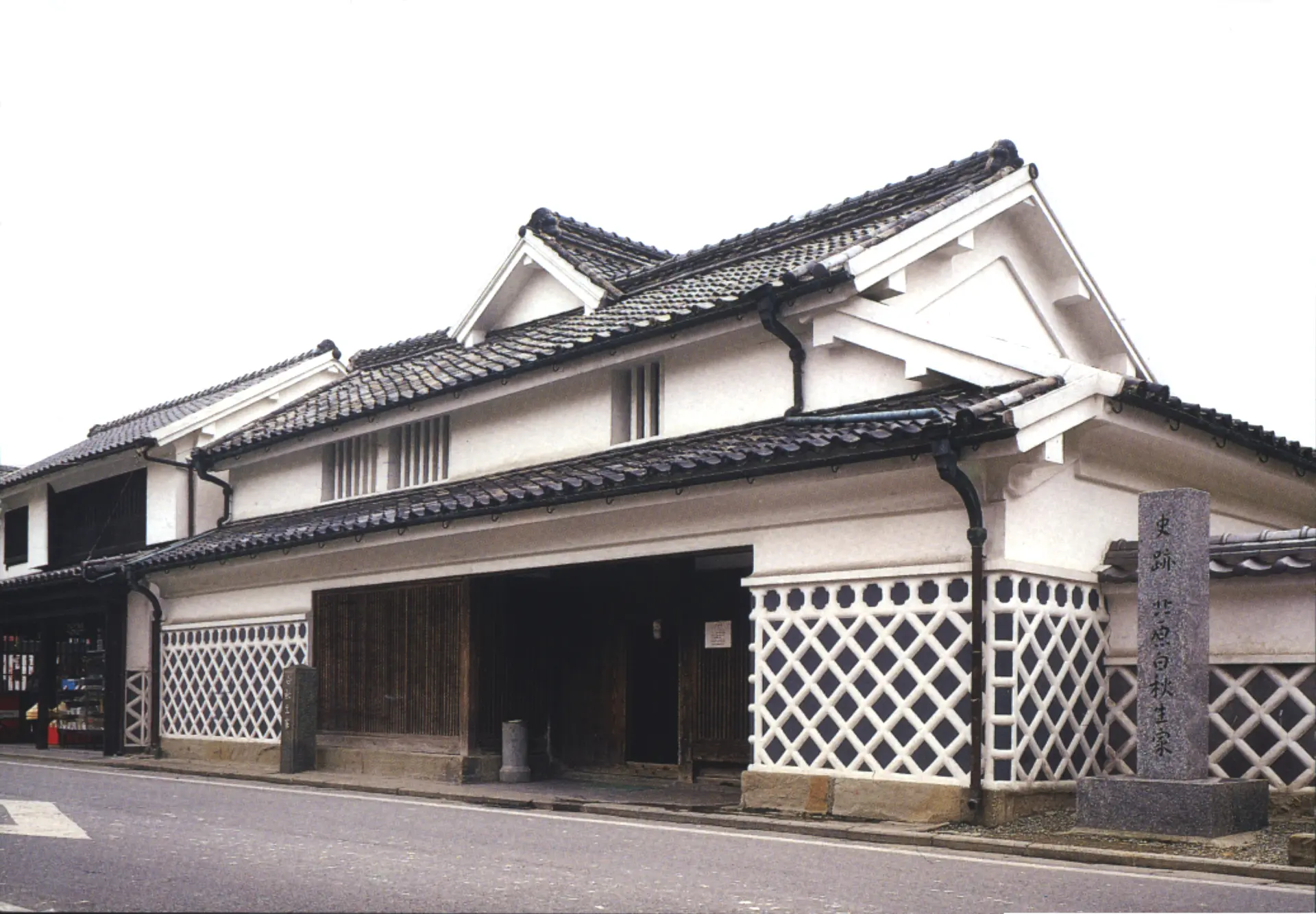
To wrap up your walk around Yanagawa, head to the Kitahara Hakushu Birthplace and Memorial Museum. This facility combines the birthplace of poet Kitahara Hakushu, known for children’s songs such as "Amefuri" and "Kono Michi," with a memorial museum introducing his achievements.
The birthplace had long served as a seafood wholesaler’s residence, but it was destroyed by fire in 1901. The current building was reconstructed in 1969. Inside, you will find Hakushu’s books, personal belongings, and items that convey everyday life of the time, allowing you to trace the poet’s footsteps.
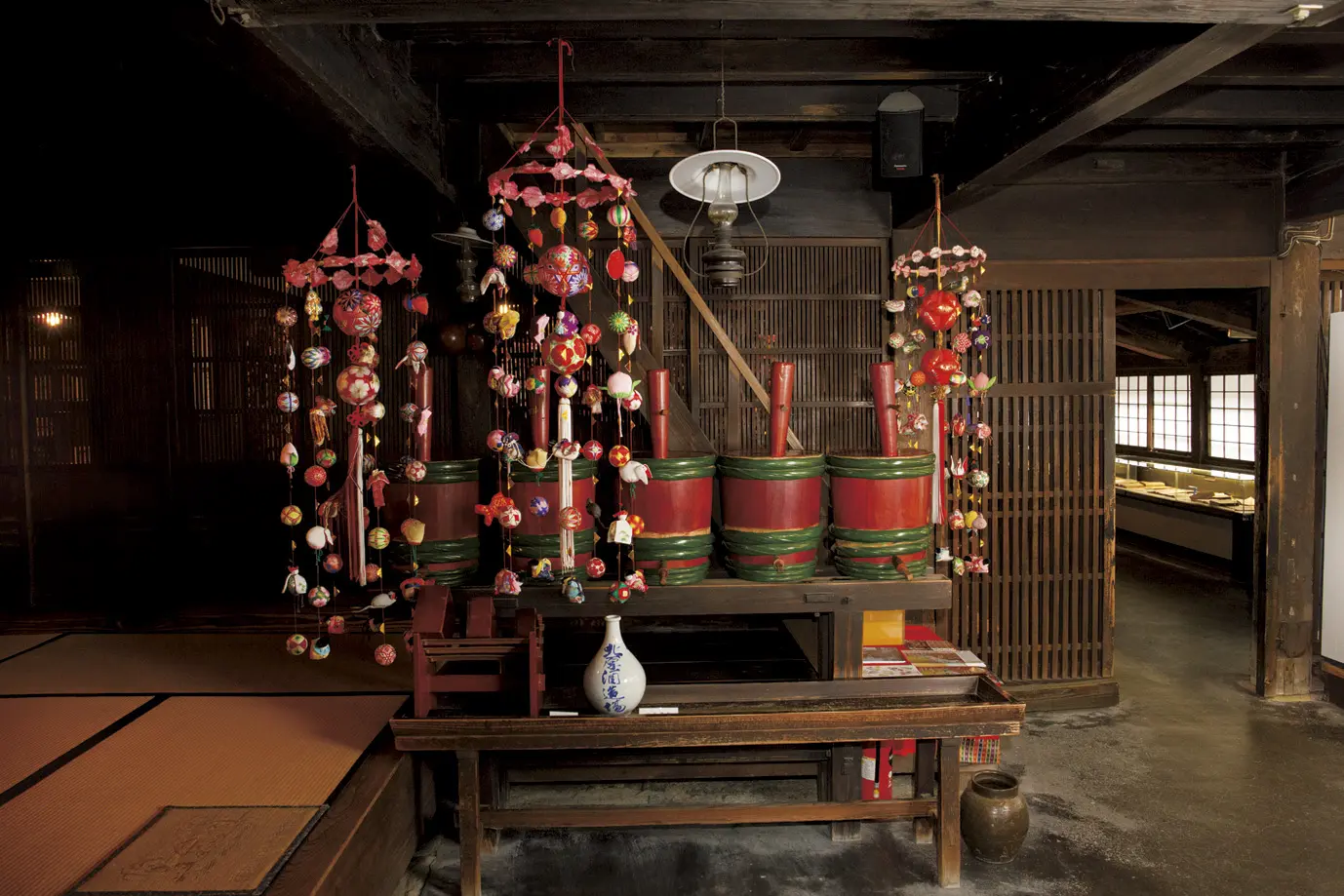
In addition to handwritten manuscripts and cherished items, there is also a corner featuring the famous sake "Ushio," which Hakushu loved to drink, and reprinted editions of his kouta song collections, offering a quiet space to reflect on the era in which his works were created.
1-Night, 2-Day Fukuoka Model Course Schedule
Day 1
- 9:40am Depart from Hakata Station!
- … Approx. 35 min on the JR Kagoshima Main Line Rapid → Togo Station → Togo Ekimae bus stop → Approx. 10 min by Nishitetsu bus → Get off at Munakata Taisha-mae bus stop → 1-min walk
- 10:40am Munakata Taisha Shrine
- … Approx. 4-min walk
- 11:50am Umi no Michi Munakata Hall
- … Approx. 10 min by taxi → Togo Station → Approx. 30 min on the JR Kagoshima Main Line Rapid → Hakata Station → Hakata Station → Approx. 5 min by subway → Get off at Tenjin Station → 5-min walk
- 1:50pm Ganso Hakata Mentaiju Nishinakasu
- … Approx. 10-min walk
- 3:00pm Cross Life Hakata Tenjin
- … Approx. 15-min walk
- 4:30pm Kushida Shrine
- … Stroll around Hakata, including a stop at Canal City Hakata
- 6:30pm Nakasu Yatai Street
Day 2
- 9:30am Nishitetsu Fukuoka (Tenjin) Station → Approx. 50 min by Limited Express on the Nishitetsu Omuta Line → Nishitetsu Yanagawa Station → 10-min walk
- 11:00am Yanagawa River Cruise
- … 2-min walk from the Yanagawa River Cruise Okinohata disembarkation point
- 12:10pm Ganso Motoyoshiya Okibata Branch
- … Short walk
- 1:00pm Ohana, Former Residence of the Tachibana Lords of Yanagawa
- … Stroll around the Yanagawa castle town
- 2:10pm Karatachi Literary Footbath
- … Stroll around the Yanagawa castle town
- 2:40pm Kitahara Hakushu Birthplace and Memorial Museum
Summary
How did you like this 1-night, 2-day trip through Fukuoka’s spirit of prayer and waterfront charm?
This time, we introduced a model course with Day 1 tracing history in the World Heritage area of Munakata and enjoying Hakata’s famous gourmet food, followed by Day 2 experiencing a river cruise and castle-town culture in the canal town of Yanagawa.
Fukuoka Prefecture also offers many other attractions, including Dazaifu Tenmangu Shrine, Mojiko Retro, the seaside of Itoshima, and Kokura Castle.
When planning your trip, be sure to also check out the Complete Guide to Fukuoka Travel, perfect for first-time visitors.

Author
Working at Travel Publishing
mizutama_renga
Based in Kansai, I enjoy visiting temples and art museums, especially around Kyoto, Osaka, and Kobe.