
Do You Need Cash When Traveling in Japan? 7 Situations Where Cash Is Needed and How to Use SMART EXCHANGE
“Japan still uses cash?”
Foreign visitors to Japan sometimes express this kind of surprise.
While credit cards and QR code payments have become more widely accepted, there are still many situations in Japan where cash is needed, such as making offerings at shrines, paying at food stalls, or dining at restaurants in regional areas.
This article introduces situations where it is useful to have cash on hand when traveling in Japan, along with the features of SMART EXCHANGE-an automatic foreign currency exchange service that makes it easy to exchange foreign currency into Japanese yen while traveling-and how to use it.
You will also learn tips for enjoying Japan’s distinctive culture and local attractions without worrying about running short of cash.
7 Situations Where You May Need Cash When Traveling in Japan
While cashless payments are widely accepted in Japan, there are still situations where it is useful to have cash on hand, depending on how you travel.
Even if you suddenly need Japanese yen while traveling, knowing where you can quickly exchange currency will allow you to continue sightseeing with peace of mind.
First, let’s look at seven typical situations where you may need cash when traveling in Japan.
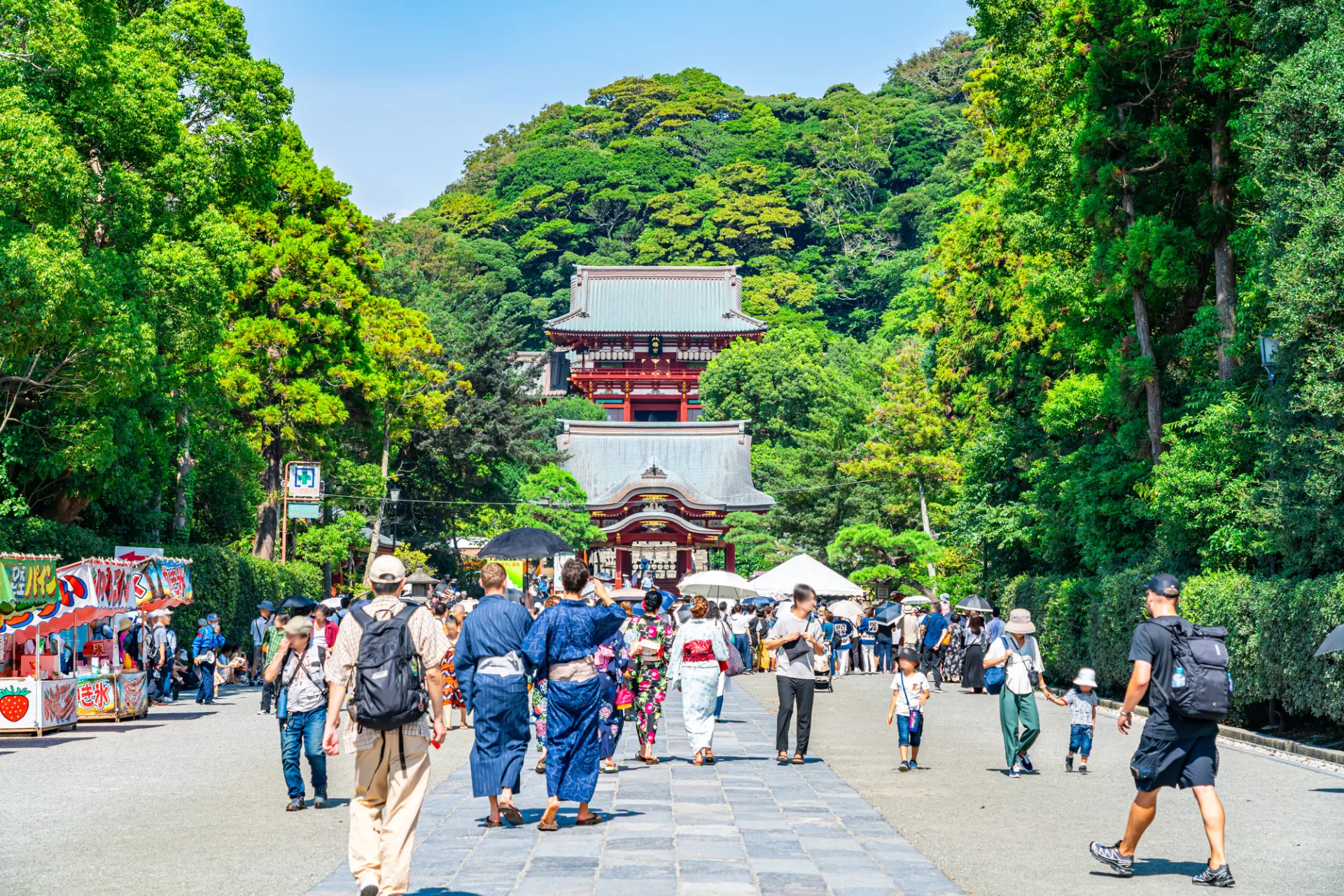
1. If You Want to Visit Shrines and Temples and Collect Shrine and Temple Stamps
Shrines and temples are popular sightseeing spots where visitors can experience Japanese history and culture.
Monetary offerings and fees for receiving goshuin, or shrine and temple stamps, are generally paid in cash.
Having Japanese yen on hand, including coins, will make it easier to visit shrines and temples and collect goshuin.
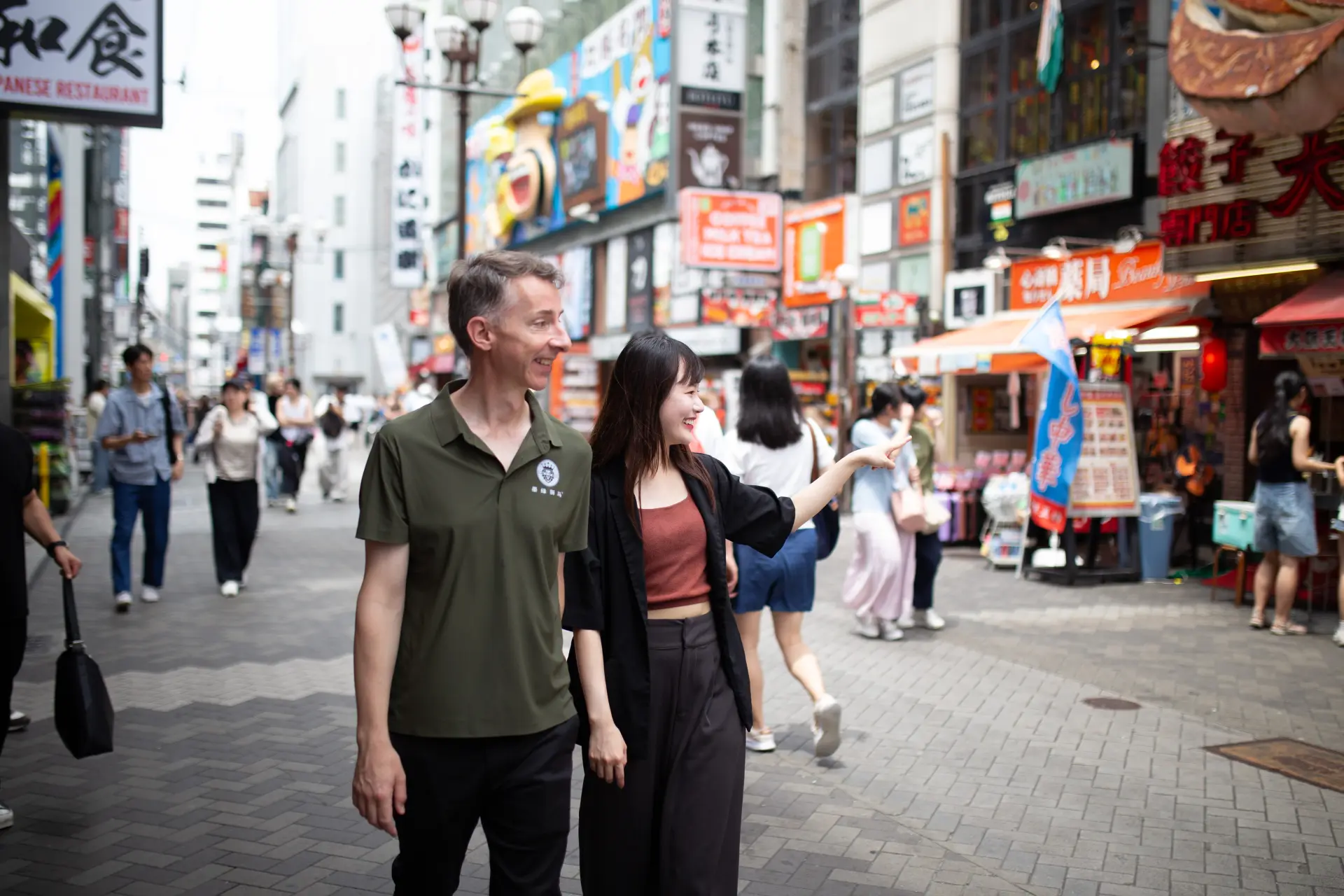
2. If You Want to Enjoy Local Specialties and Japanese-Style Pubs in Regional Areas and Traditional Downtown Neighborhoods
Regional areas and shitamachi, or traditional downtown neighborhoods, are home to many shokudo (casual Japanese eateries), izakaya (Japanese-style pubs), and long-established restaurants that have been popular with local residents for generations.
Some of these establishments are cash only and may not accept credit cards or QR code payments.
Having cash on hand will give you peace of mind and make it easier to enjoy local food unique to your destination.
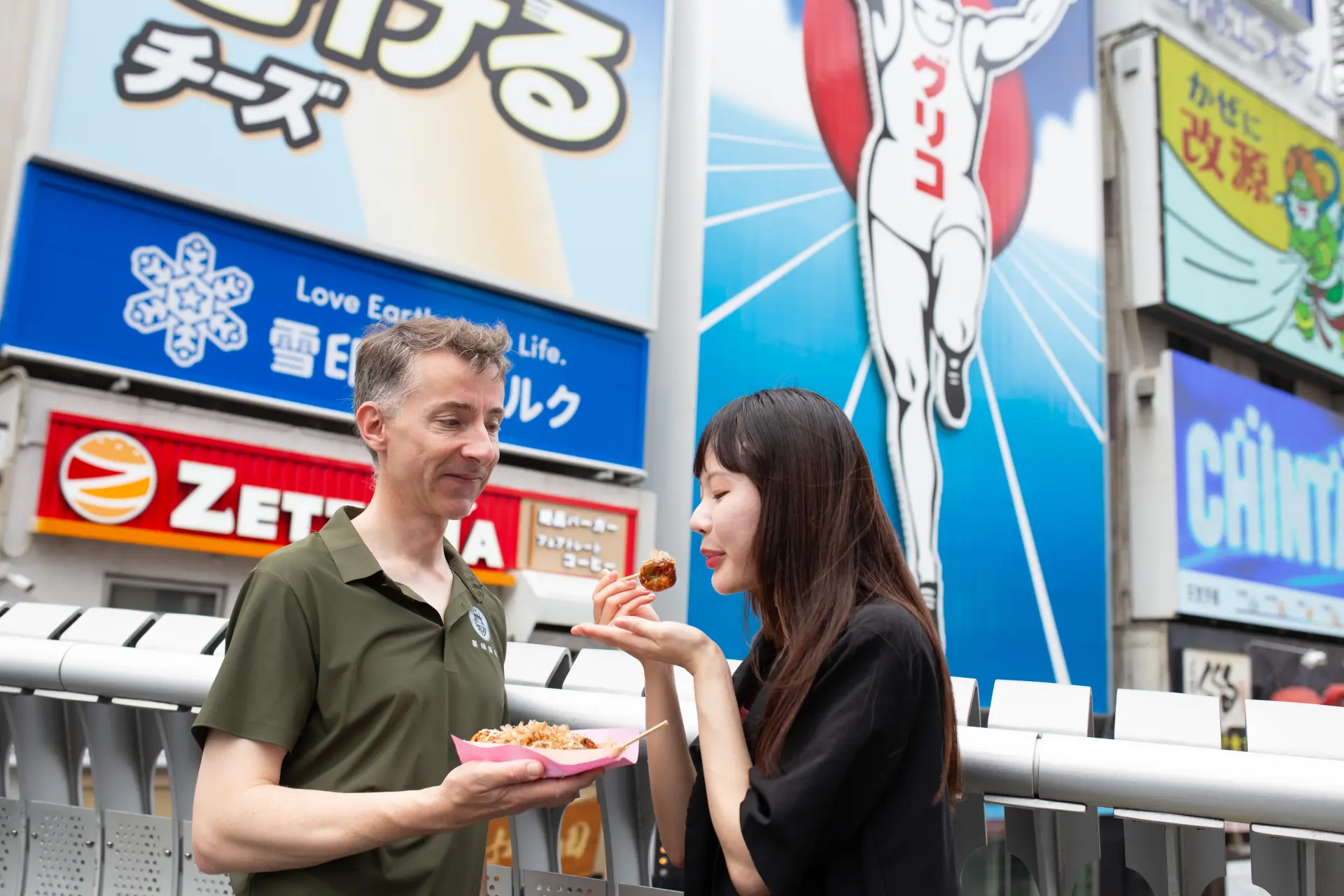
3. If You Want to Experience Japanese Food Culture at Food Stalls, Festival Fairs, and Morning Markets
Festival food stalls, traditional festival fairs, and morning markets are great places to experience the lively atmosphere and food culture unique to Japan.
Many vendors selling street food and local specialties still primarily accept cash. Having Japanese yen on hand is convenient so you can make a purchase right away whenever you find a stall that catches your interest.
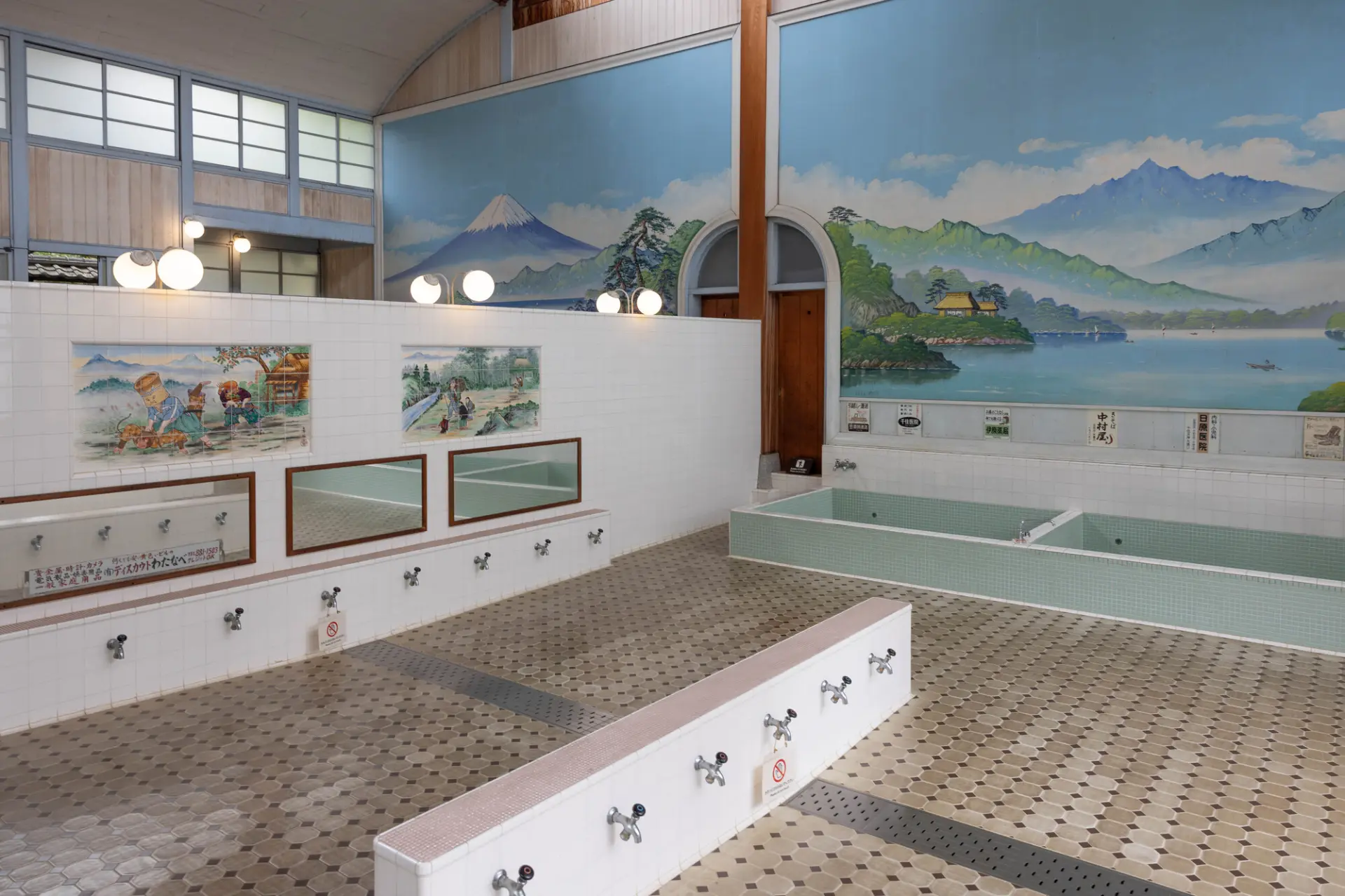
4. If You Want to Experience Japanese Bathing Culture at Public Baths and Saunas
Traditional sento (public baths) and saunas have become popular places to experience Japanese daily life and bathing culture up close.
Depending on the facility, not only the bathing fee but also shoe lockers and other lockers may be coin-operated, so having coins on hand will make your visit smoother.

5. If You Want to Use Coin Lockers to Travel Light
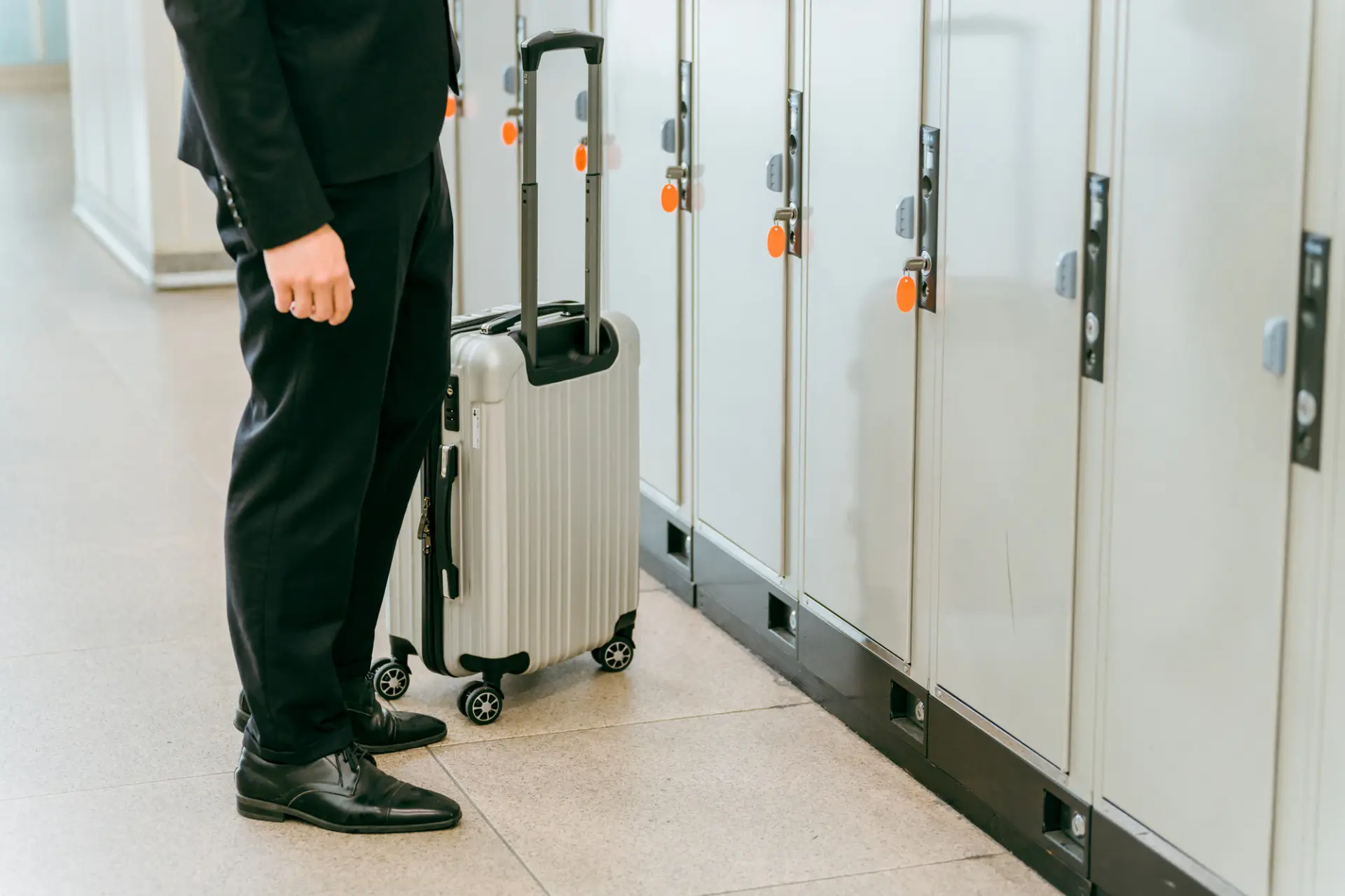
Using coin lockers at stations and sightseeing spots allows you to store large bags and explore the city or go sightseeing without being weighed down by luggage.
Although more lockers now accept IC travel cards and other cashless payment methods, some are still cash only.
If you plan to store a suitcase, having Japanese yen on hand will give you peace of mind.
6. If You Want to Use Taxis and Local Buses in Regional Areas
While more transportation services in urban areas now accept cashless payments, some taxis and local buses in regional areas still accept cash only.
When visiting hot spring areas or sightseeing spots outside city centers, preparing cash in advance will help ensure that you can get around without difficulty and continue your trip with peace of mind.
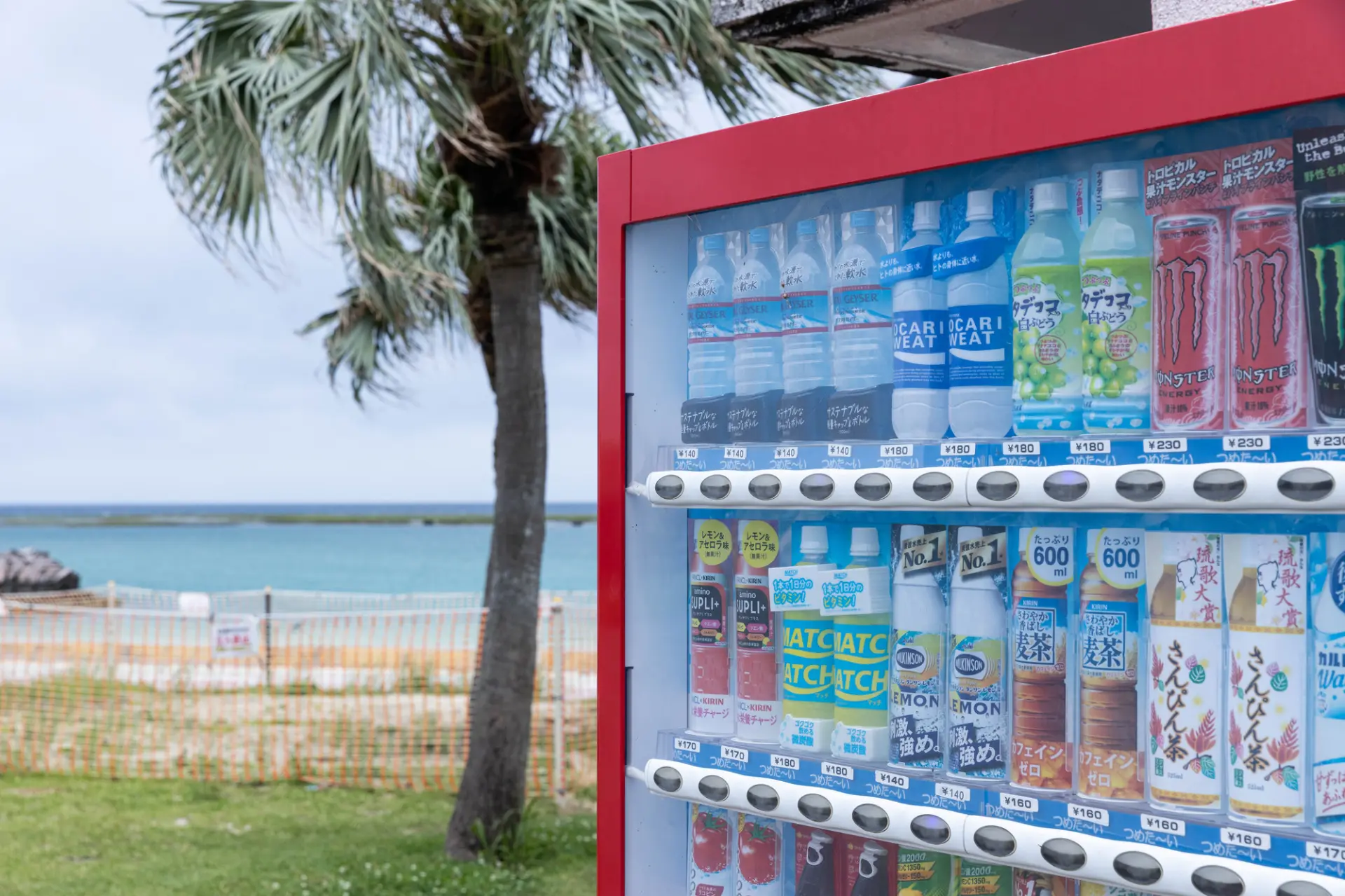
7. If You Want to Buy Drinks from Vending Machines
Vending machines selling drinks, snacks, and other items can be found throughout Japan.
Although more vending machines now accept cashless payments, some machines still accept cash only.
Since you may often want to buy a drink while walking around town or sightseeing, it is useful to carry some coins.
As these examples show, although cashless payments are accepted in more and more places in Japan, there are still many situations where cash is necessary.
Even if you suddenly need Japanese yen during your trip, knowing how to exchange currency quickly will give you peace of mind. Next, let’s look at three common ways to get Japanese yen.
3 Ways to Get Japanese Yen
If you need cash while traveling in Japan, there are several ways to get Japanese yen.
The locations where these services are available, fees, business hours, and other conditions vary, so it is important to choose the method that best suits your travel style.
Here are three common methods and the characteristics of each.
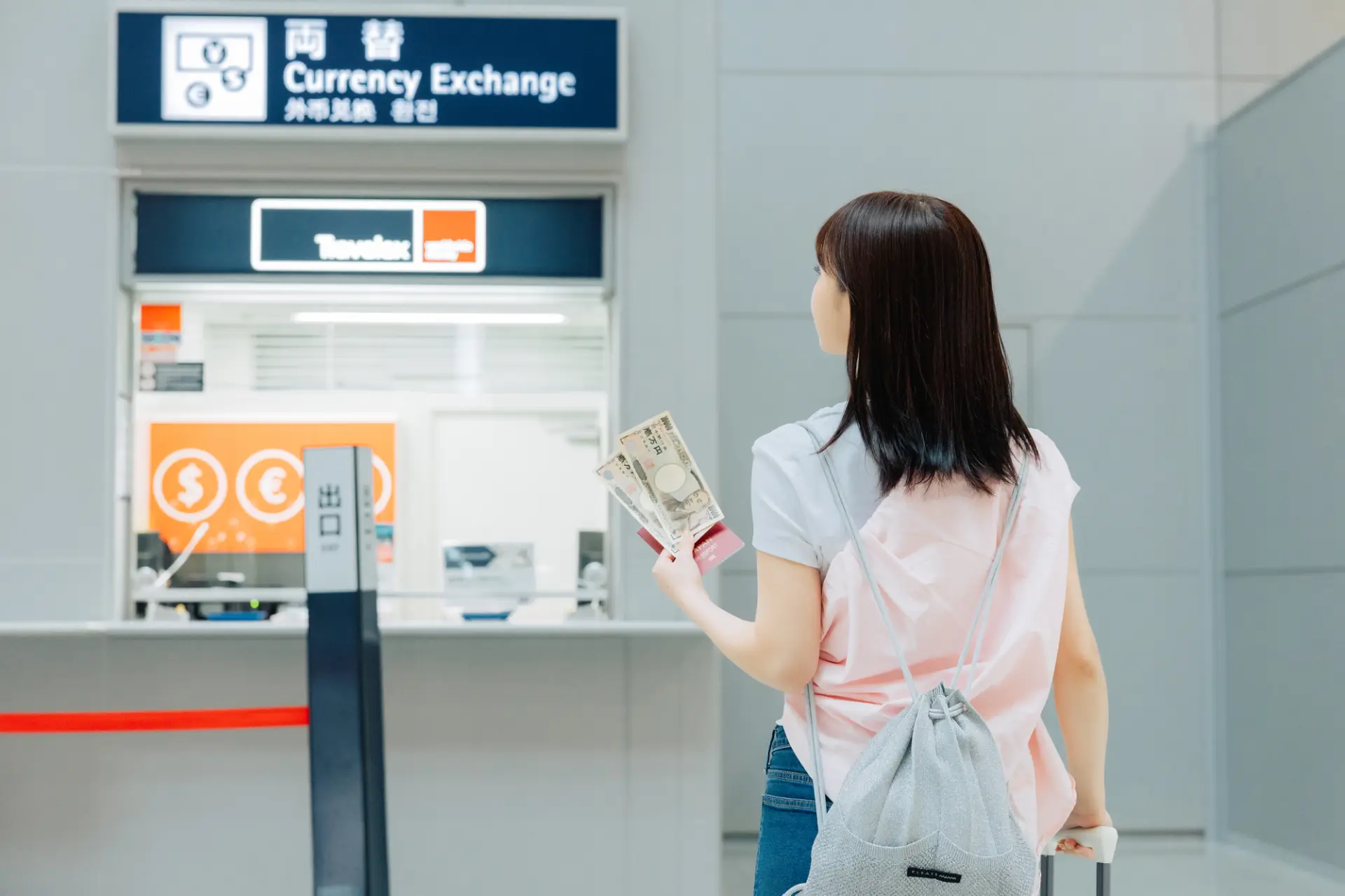
1. Exchange Currency at an Airport Currency Exchange Counter
Major airports in Japan have currency exchange counters where you can get Japanese yen immediately after arriving.
One advantage is that you can exchange the amount you need all at once before starting your trip.
However, depending on your arrival time, the counters may be crowded, and if you run out of cash during your trip, you would need to return to the airport.
2. Exchange Currency at a Bank
Some banks can also exchange foreign currency notes into Japanese yen.
This can be convenient if you want to exchange a relatively large amount, but the number of branches offering the service is limited, and you need to check their business hours and procedures in advance.
It may therefore be less convenient when you need cash quickly while traveling.
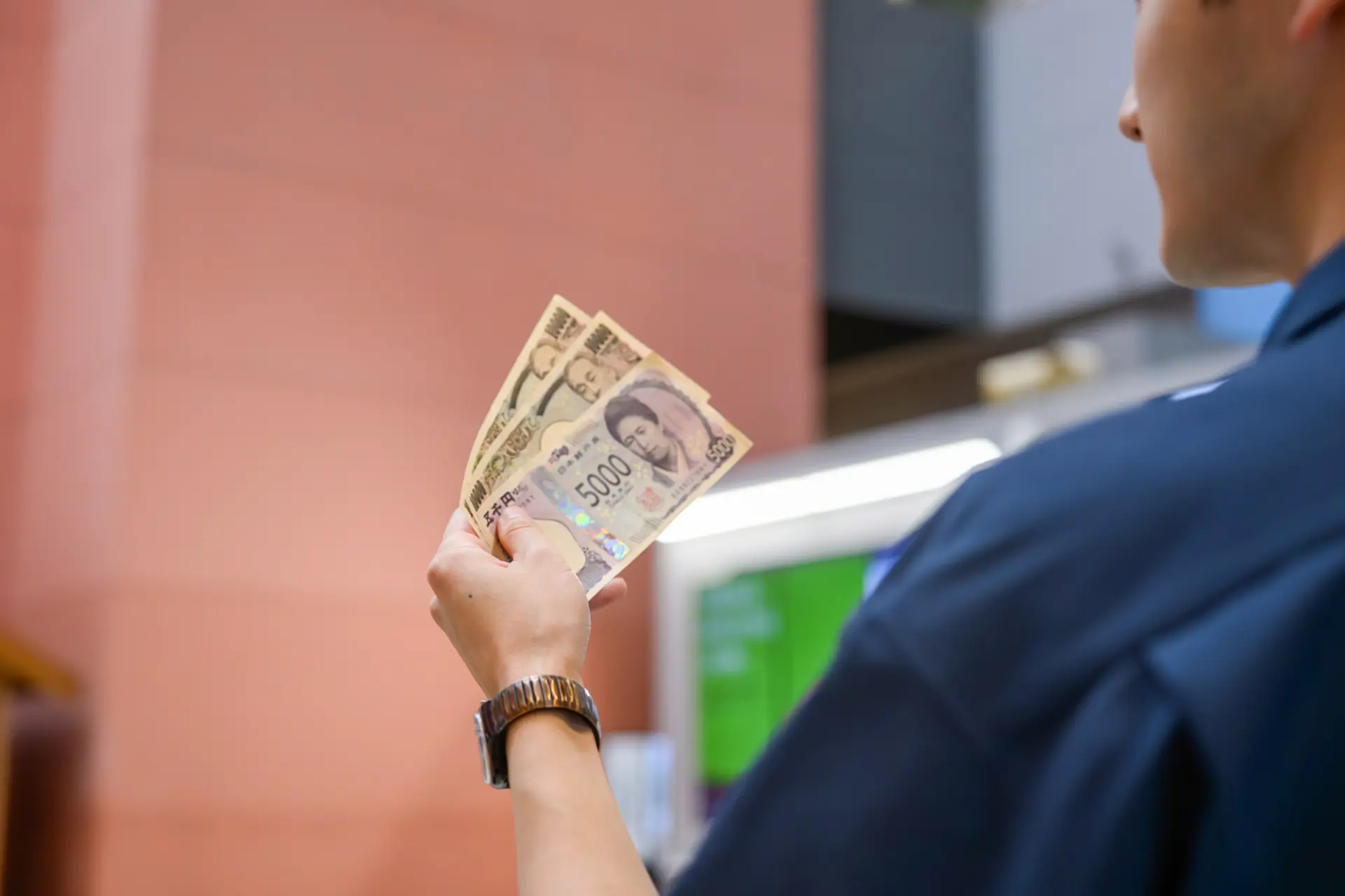
3. Use a Foreign Currency Exchange Service
If you run short of Japanese yen during your trip, another option is to use a foreign currency exchange service in town.
An increasing number of services allow you to exchange currency easily at stations, commercial facilities, sightseeing areas, and, in some cases, convenience stores, without having to return to the airport.
The advantage is that you can get Japanese yen whenever you need it without significantly changing your itinerary.
If you want to exchange foreign currency into Japanese yen while out and about, SMART EXCHANGE is a convenient option.
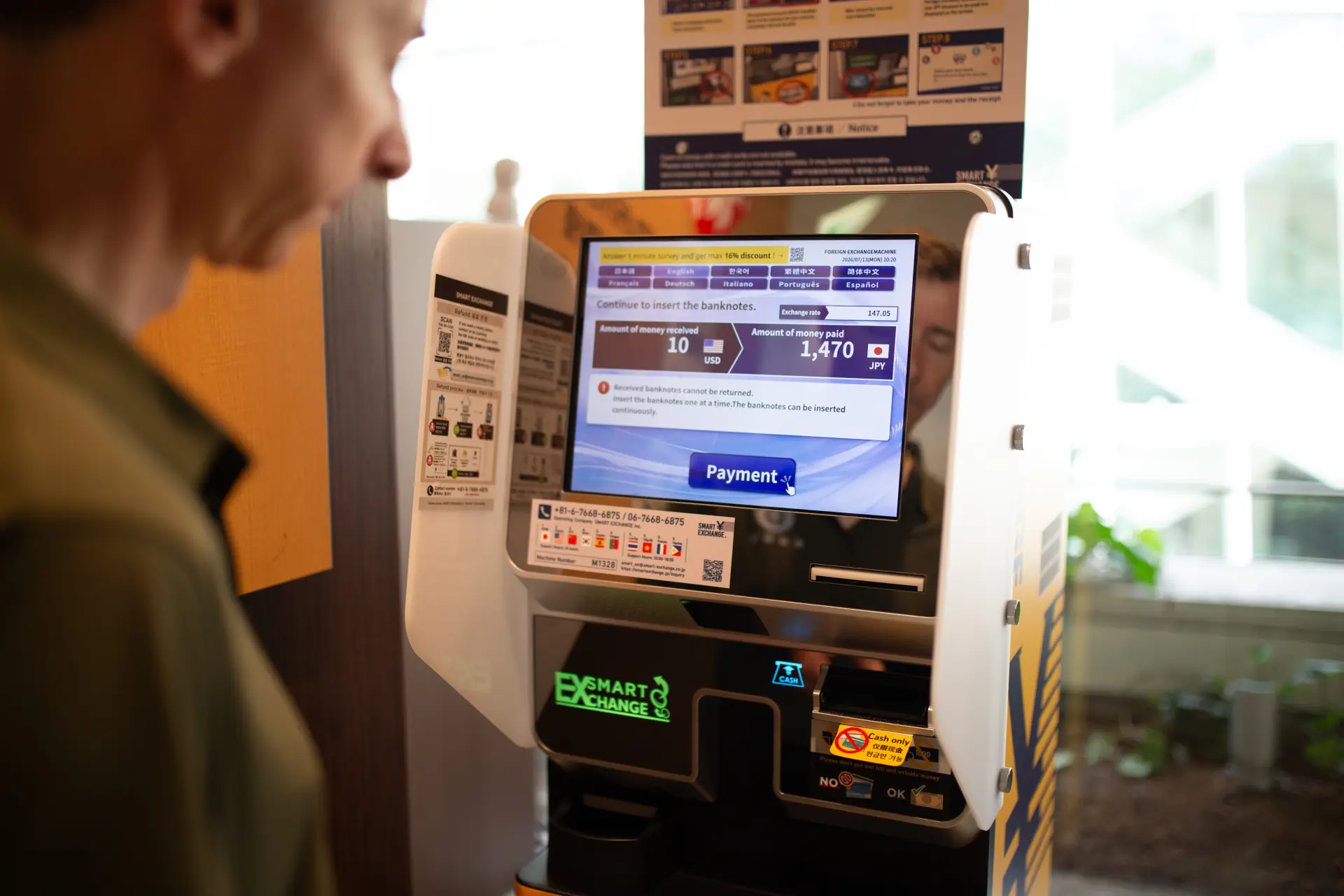
In the next section, we will take a closer look at the features of SMART EXCHANGE and why it is so convenient.
What Is SMART EXCHANGE? Why It Is Convenient for Currency Exchange While Traveling
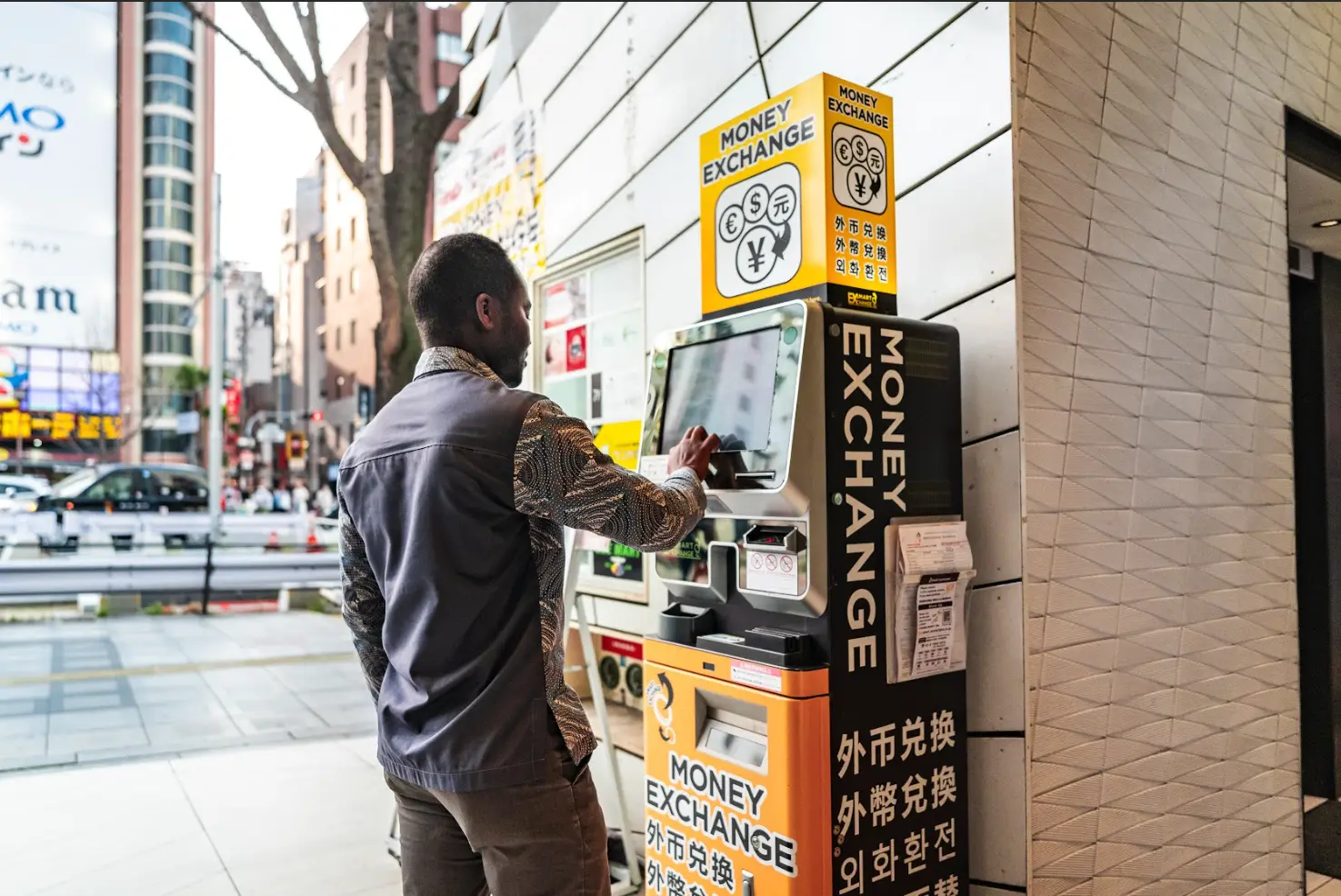
“SMART EXCHANGE” is an unattended currency exchange service that allows you to exchange foreign banknotes for Japanese yen.
With machines installed at more than 1,000 locations across Japan-including train stations, shopping facilities, and airports-you can exchange money whenever you need Japanese yen during your trip. There are more than 400 locations in Tokyo alone, and you can easily find the nearest machine using the map, so be sure to check it out.
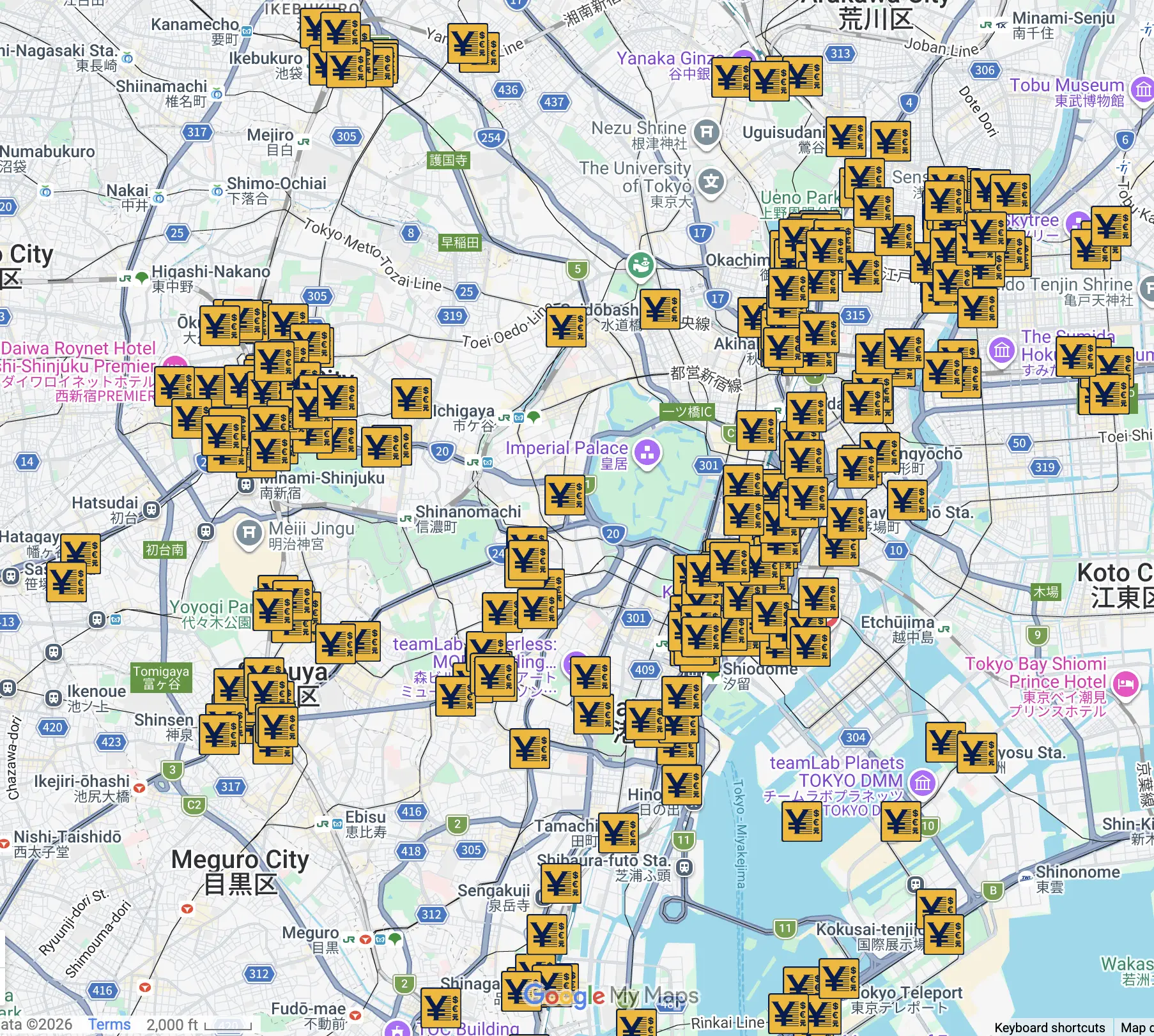
Here, we’ll introduce what makes “SMART EXCHANGE” so convenient and explain how to use the service.
Installed at More Than 1,000 Locations across 40 Prefectures. Easy to Find at Stations and Commercial Facilities
SMART EXCHANGE has more than 1,000 locations across Japan, not only at airports but also inside stations, convenience stores, commercial facilities, sightseeing areas, and other convenient locations.
These locations are easy to access while traveling or sightseeing, and you can use the map on the official website below to find a nearby one.
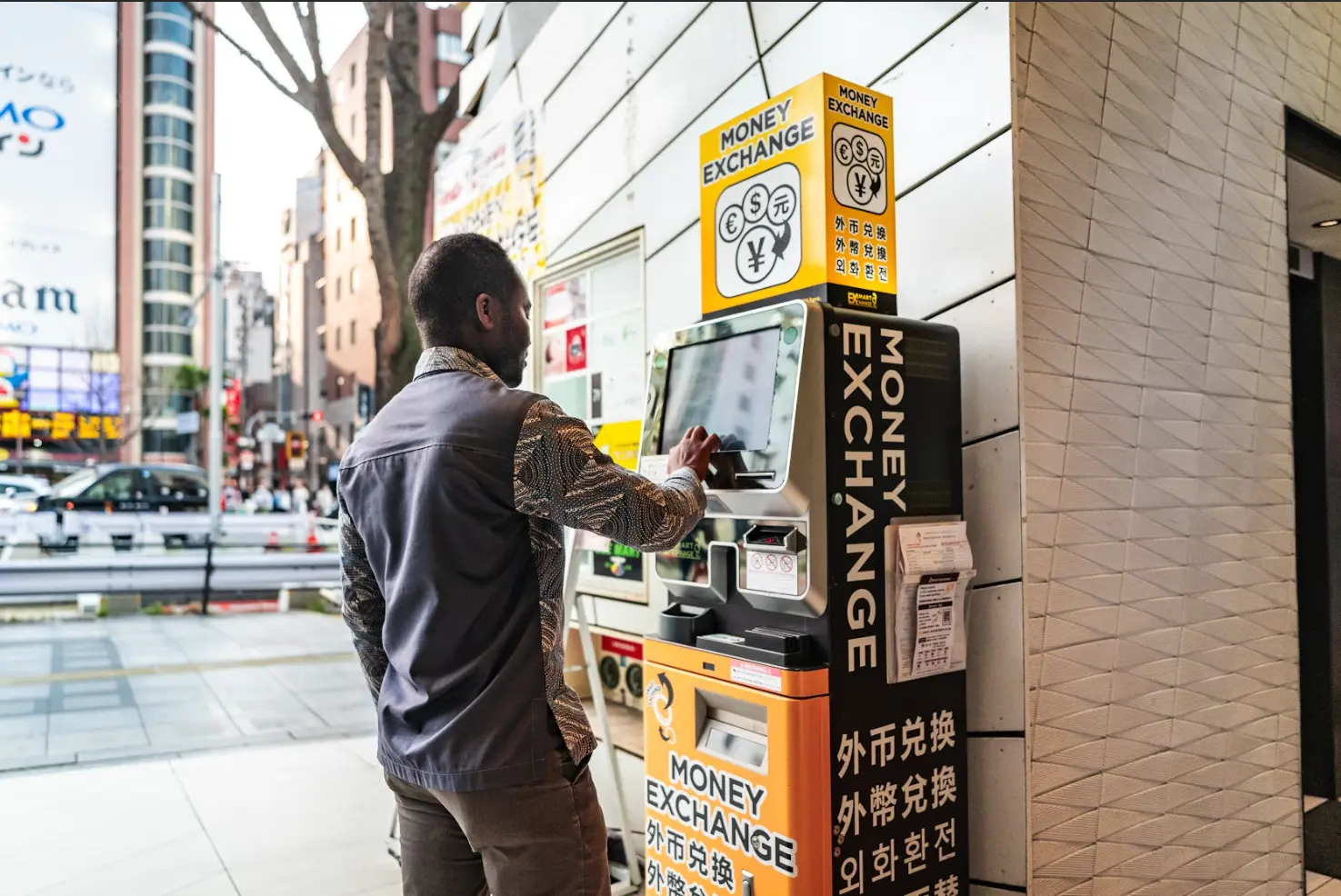
Exchange Currency in Just 3 Steps, in as Little as 1 Minute
Using it is very simple.
Follow the instructions on the screen and insert your foreign currency notes to receive Japanese yen in as little as one minute.
The service supports 10 languages, including Japanese, making it easy to use even for travelers trying it for the first time.
What sets SMART EXCHANGE apart from ATMs and currency exchange counters is how easy it is to use while traveling. ATMs that accept overseas-issued cards may not be usable depending on the card type and conditions of use.
Currency exchange counters at airports and in cities may also have limited business hours.
SMART EXCHANGE, on the other hand, is available at locations throughout Japan, making it easy to stop by while sightseeing or traveling and get Japanese yen whenever you need it.
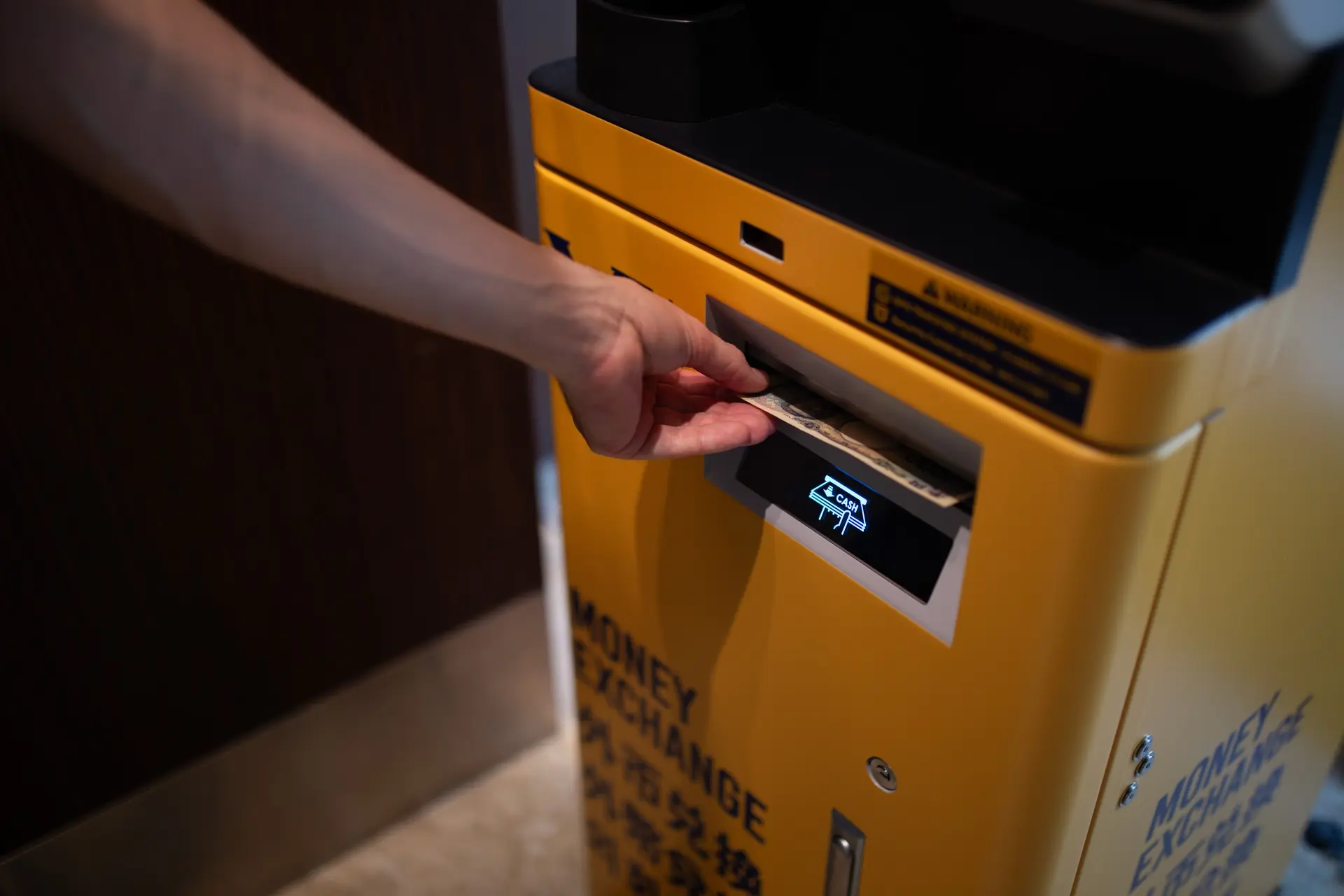
No Need to Worry If You Suddenly Need Japanese Yen While Traveling
For example, suppose you enjoy shopping at a morning market and then realize that you are running low on cash.
Even if you plan to receive a goshuin at a shrine or eat at a cash-only restaurant afterward, you can simply exchange your foreign currency into Japanese yen at a nearby SMART EXCHANGE and continue your trip.
One of the major advantages of SMART EXCHANGE is that you can get the cash you need without significantly changing your travel plans.
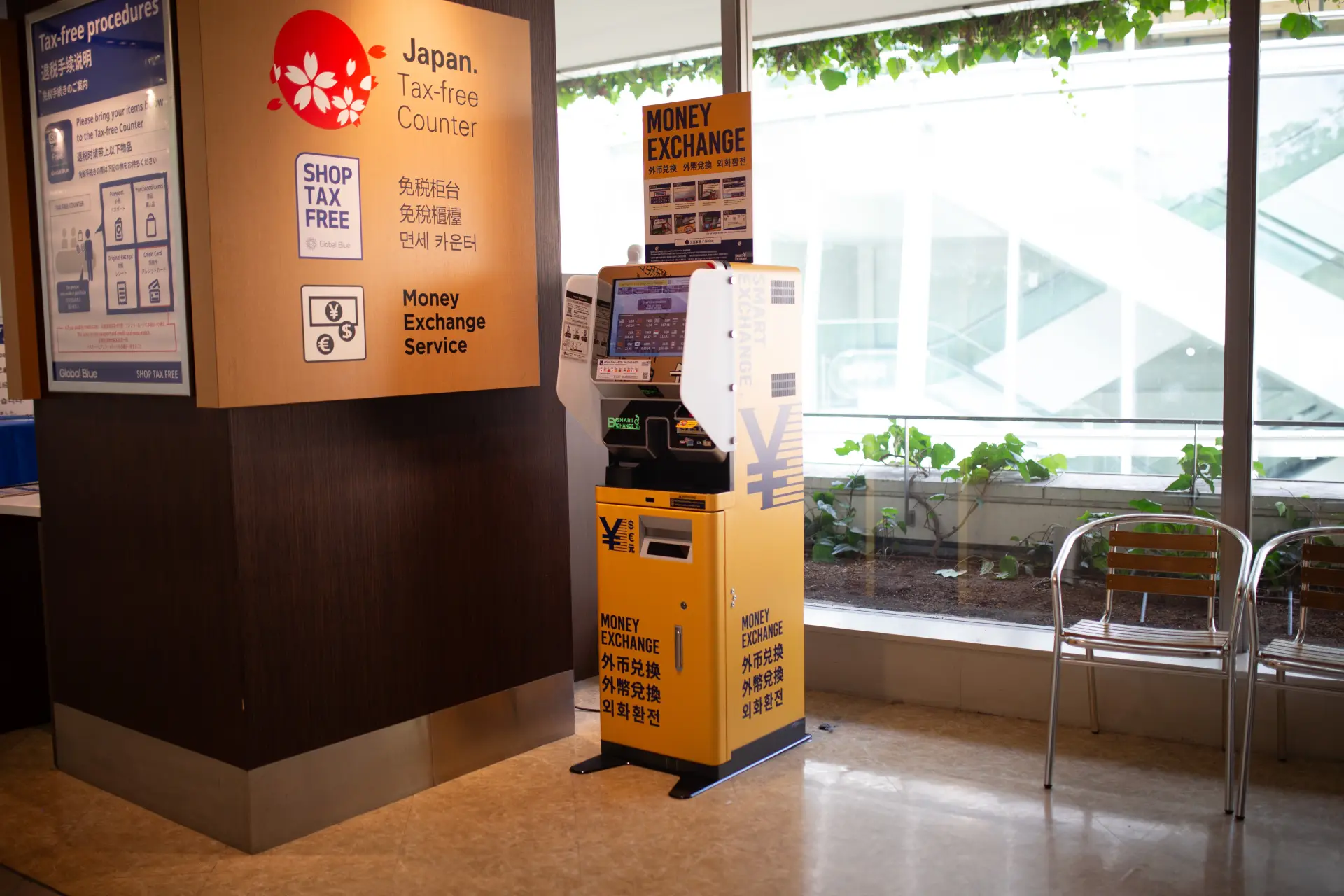
Summary
While cashless payments are becoming increasingly common in Japan, there are still situations where you may need cash during your trip. However, it can be difficult to accurately estimate how much Japanese yen you will need before you leave.
For a trip to Japan, it should generally be sufficient to have an amount equivalent to approximately JPY 20,000 to JPY 30,000 per night in your local currency as a guideline.
Exchange rates in Japan are often relatively reasonable, so there is no need to prepare a large amount of Japanese yen in your home country before departure. Instead, we recommend exchanging money in Japan whenever you need it.
If you need Japanese yen during your trip, you can use SMART EXCHANGE to exchange only the amount you need, whenever you need it. Please note that SMART EXCHANGE accepts foreign currency in cash only and does not accept credit cards.
By keeping this in mind, there is no need to prepare a large amount of Japanese yen in advance. You can exchange only what you need when you need it, allowing you to enjoy Japan's unique culture and local cuisine with greater peace of mind.
In addition, special online coupons are available on the official website. Check the official website before your trip or before exchanging money to take advantage of these offers and enjoy an even better deal.