Omi Merchant Townscape (Shinmachi Street)

Verified [Verified] denotes information that has been published with confirmation of its owing parties.

Omi Merchant Townscape (Shinmachi Street)

A historic townscape known as the birthplace of the Omi merchants.

3.20 3

Last update :
Supervised by :  Omi-Hachiman City

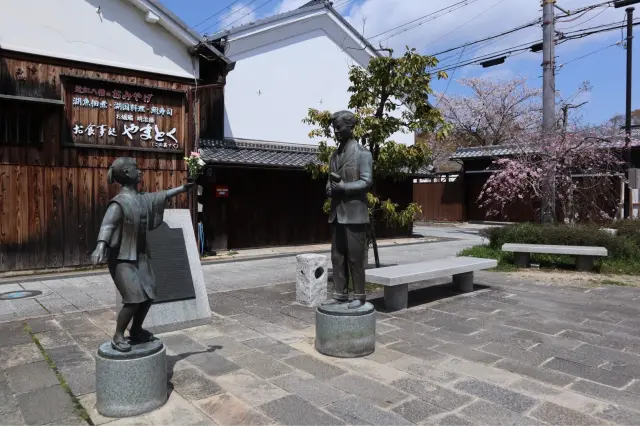
Located about 2 km north of JR Omi-Hachiman Station, the well-preserved historic townscape around Shinmachi is designated as a national Important Preservation District for Groups of Traditional Buildings. Merchant houses built from the late Edo period through the Meiji and Taisho periods have been carefully preserved to the present day. The Former Nishikawa Residence, an Important Cultural Property that once served as the main residence of one of the leading Hachiman merchant families, plays a particularly important role in the historic scenery of Shinmachi Street.

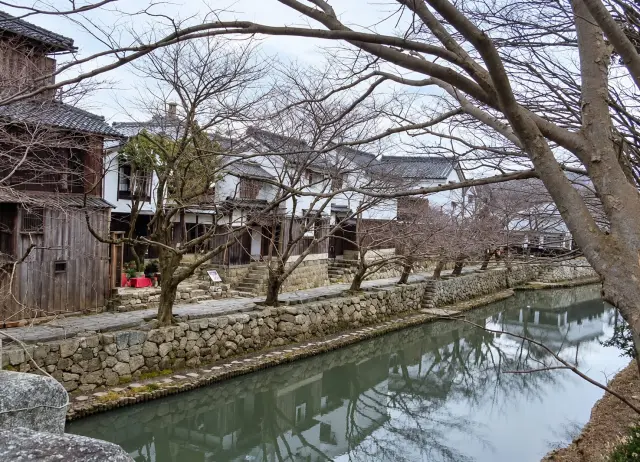
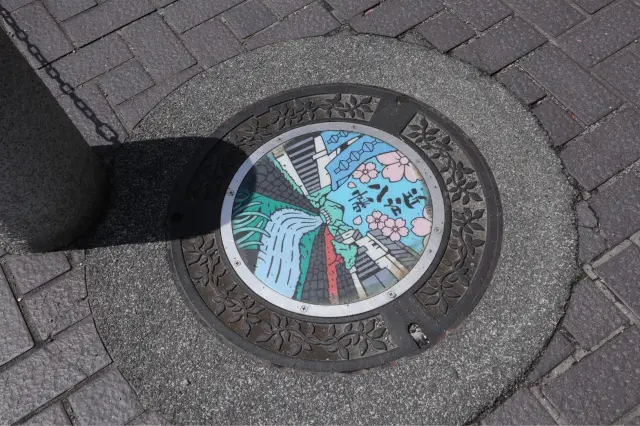
The town retains the distinctive features of Hachiman merchant houses, including latticed doors and pine trees visible above the walls, creating a picturesque row of historic homes. Its peaceful atmosphere makes it an inviting place for a leisurely stroll. Visitors can also look for manhole covers decorated with scenes of Omi-Hachiman.

The Omi-Hachiman City Museum, established on the former site of Nishimura Taroemon's residence, displays farming and production tools from the area's waterside communities, as well as historical documents.

Hachiman-bori Canal, which runs through Omi-Hachiman, is also well worth a visit. Its historic atmosphere has made it a popular filming location for movies and period dramas, including "Rurouni Kenshin." A traditional Japanese boat tour through the waterways offers a relaxing way to take in the scenery.

Highlights

  • Designated as a national Important Preservation District for Groups of Traditional Buildings.
  • Historic features such as latticed doors and pine trees visible above the walls have been preserved.
  • Manhole covers feature designs depicting scenes of Omi-Hachiman.
  • The Omi-Hachiman City Museum displays valuable historical materials from the period.

Photos

  • The townscape along Shinmachi Street

    The townscape along Shinmachi Street

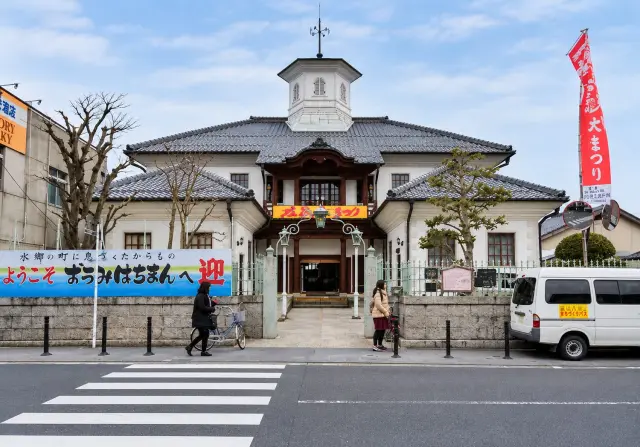
  • In front of the Historical and Folk Museum

    In front of the Historical and Folk Museum

  • Hachiman-bori Canal surrounded by fresh greenery

    Hachiman-bori Canal surrounded by fresh greenery

Reviews

3

Some reviews are AI-translated.

  • See More

    Although Omihachiman isn't very far from the station, we rented bicycles near the JR station to save our legs. Luckily, we did, because the sights in Omihachiman were farther apart than expected, and some stretches were sloped. Even if you take a bus to the sights, the actual area to explore is still fairly large, so walking can be a little tiring. Having bicycles was really much more convenient.
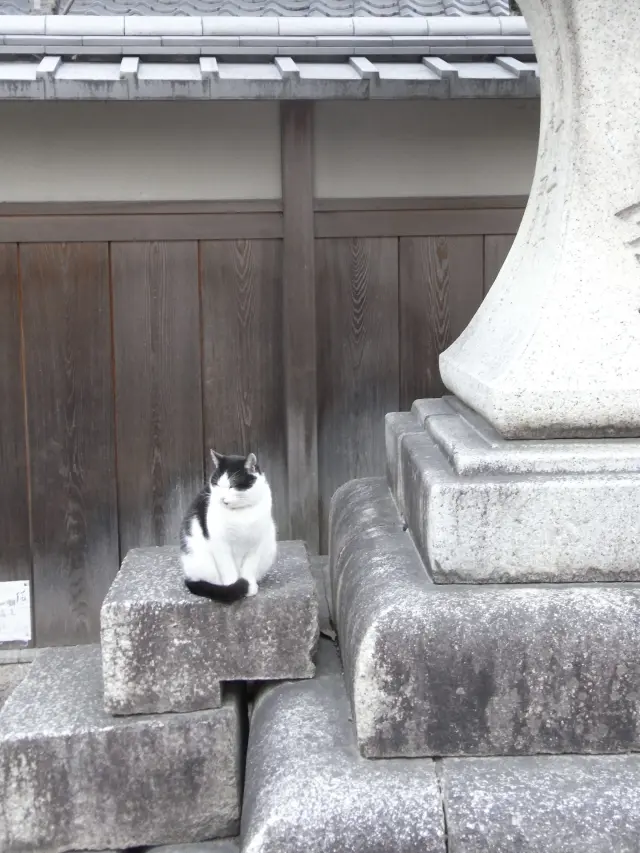
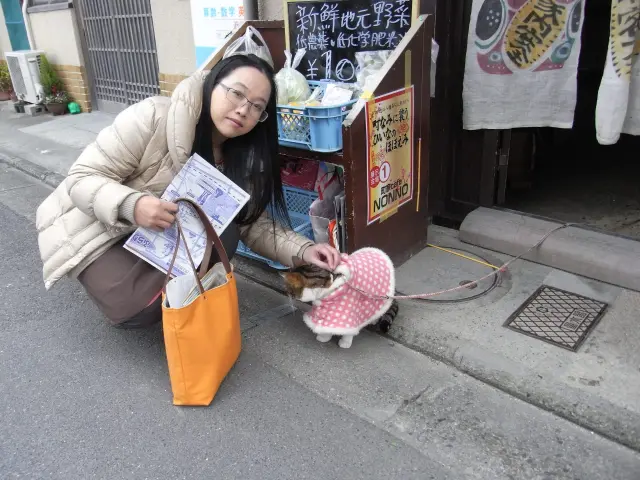
    The white walls, lattice windows, traditional machiya houses, and scenery around Hachiman-bori really give Omihachiman the feel of an Edo-period castle town. Almost any angle makes for an atmospheric photo. Although it looks a little like Kurashiki, the two are still different. There aren't as many businesses here as in Kurashiki, but the smaller crowds give it a character of its own. Since we visited in winter, the trees on both sides of the canal were bare. It wasn't as pretty as in other seasons, but the desolate feeling had its own charm. We also ran into lots of cats along the way. They weren't afraid of people and let us take pictures, which made me very happy.
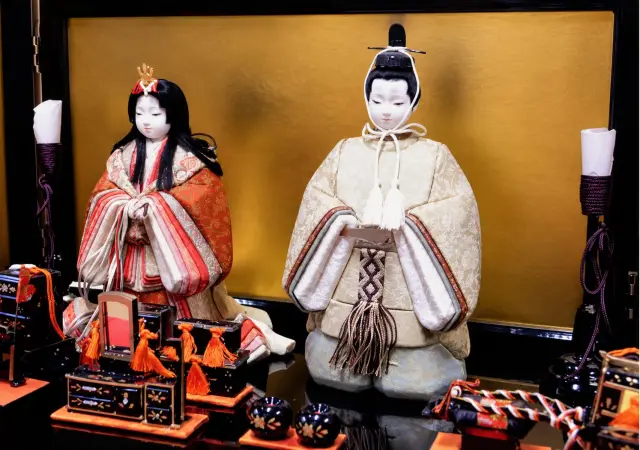
    Another main reason we included Omihachiman in this trip was the “Omihachiman Sekku Doll Tour,” because I wanted to see the Hina dolls displayed by local businesses. After actually visiting, I realized that it was more like individual families displaying their treasured Hina dolls in their own stores or homes and opening the spaces to visitors, rather than the kind of large exhibition I had imagined. Since we would have to enter the stores and would feel awkward leaving without buying anything, we didn't go out of our way to see them. However, the restaurant where we ate also had Hina dolls on display, and we found a style we liked, so it still felt worthwhile.
    We also stopped by Hakuunkan along the way. This building was originally built in 1877 as Hachiman Higashi School. It combines Western architectural styles with traditional Japanese techniques and is a representative example of pseudo-Western architecture. It is now used as a tourist information center and is a convenient place to rest, ask for information, and buy souvenirs while exploring Hachiman-bori and the old town. We bought a postcard made from rush grass here, printed with a very Japanese-style design. I had already planned to buy a postcard to mail to myself, and when I saw this unusual design, I decided this was the one.
    Another thing I was really looking forward to in Omihachiman was CLUB HARIE's baumkuchen. However, the Himure House doesn't directly face the main road, and at first we wandered around for quite a while without finding it. Finally, my friend couldn't take it anymore and rushed straight to Hakuunkan to ask the staff. That's when we learned it was actually nearby. After entering from the road near Hakuunkan, we found it by looking to the left.
    In the end, we bought baumkuchen and pudding. The pudding looked delicious at the time, so I picked it up on impulse, but after eating it, I actually regretted it a little. If I'd known, I would have spent the entire budget on baumkuchen. The baumkuchen itself wasn't too sweet, the kind of flavor Taiwanese people would like.

  • See More

    When visiting Omihachiman, besides seeing the cherry blossoms and taking a boat ride through the waterways, I also recommend strolling through the old Omi merchant district. Many traditional machiya townhouses from the Edo to Meiji periods have been preserved along the way. With their white exterior walls, lattice windows, and quaint streets, walking around feels like traveling back in time to an old merchant town. This was once an area where Omi merchants were active, and many of them set out from Omi to do business throughout Japan, leaving behind numerous historic buildings. There aren't many tourists in the district, which makes it even easier to leisurely enjoy the atmosphere of the old streets.

  • See More

    It's really impressive how well these old wooden buildings have been preserved. Not an easy feat at all.

Details

Name in Japanese
近江商人の町並み(新町通り)
Postal Code
523-0871
Address
Shinmachi, Omi-Hachiman City, Shiga Prefecture
Phone
0748-36-5529 (Culture and Tourism Division, Omi-Hachiman City Hall)
Admission
Free
Closed on
No closures
Hours
No set hours
Access
From Omi-Hachiman Station on the JR Biwako Line, take a bus and get off at Obatacho Shiryokan-mae; the area is just steps from the bus stop.
Official website
Official website (Japanese)
Hokkaido Tohoku Kanto Chubu Hokuriku Kansai Chugoku Shikoku Kyushu Okinawa