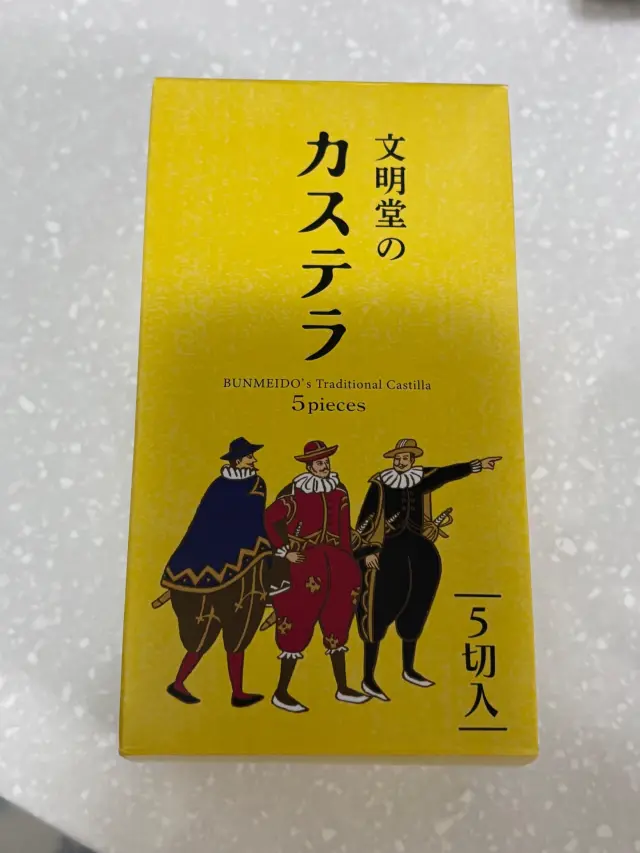
nuevo by BUNMEIDO's Maple Castella is a new product from the long-established castella shop Bunmeido. It has a subtle maple aroma and a slightly sweeter flavor, while retaining the same delicate texture. Although the maple version is distinctive, after trying it, I still prefer the classic original castella. The cake is delicate yet substantial, with a subtle honey aroma and just the right amount of sweetness. The more you eat, the more you appreciate its simple, delicious flavor. A classic is a classic after all—the simple original is the one I can't stop thinking about.
nuevo by BUNMEIDO “Maple Castella” | Review by Linda Liao
Other Reviews by Linda Liao
-
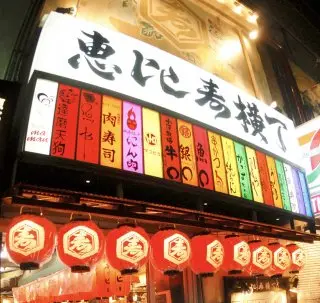
Ebisu Yokocho
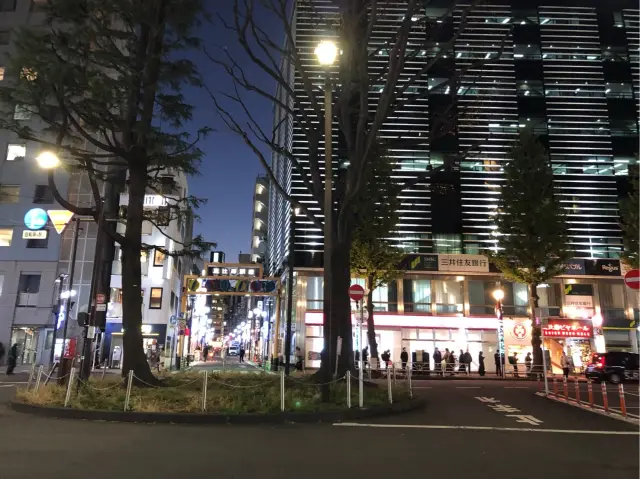
A bar district with 20 restaurants. The former "Yamashita Shopping Center" was a public market, and the sign at the entrance is reminiscent of the Showa period. The stores are small, ranging in size from 10-16m2, and are lined up in a tight row in the alley. This appearance of the market is also nostalgic for the older generation and fresh for the younger generation.
After browsing Atre Ebisu in the evening, if you’re looking for a late-night bite, take a walk around the station. Along Ebisu Ginza Street by the west exit, there are izakayas, seafood restaurants, bars, and other places, creating an especially lively atmosphere at night. Near the east exit, Ebisu Yokocho has even more Showa-era charm, with small eateries clustered together offering everything from grilled skewers and oden to teppanyaki and meat dishes. It’s fun just to walk around and look.
-
-

Piole Himeji
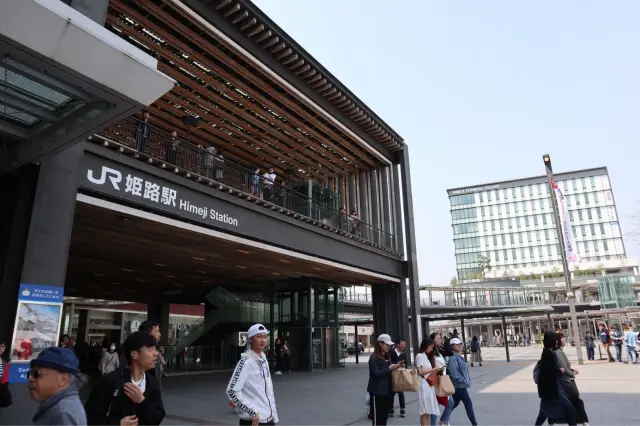
A large shopping complex adjacent to JR Himeji Station. It consists of five sections: Piole 1, Piole 2, Piole 3, the Omiyage-kan, and the Gochiso-kan. Approx. 200 shops across a wide range of categories are gathered here, from popular fashion brands to interior goods, beauty, outdoor gear, miscellaneous goods, and cafe restaurants.
Piole Himeji is located right next to JR Himeji Station and directly connected to it, making it very convenient to get to. It’s also an important shopping destination in central Himeji. The complex has stores selling clothing, household goods, cosmetics, souvenirs, and food, so it’s convenient whether you want to shop, eat, or pick up local Himeji specialties. Since it’s right by the station, it’s a great place to stop by whether you want to grab something to eat after arriving in Himeji or shop before heading back after visiting Himeji Castle.
-
-
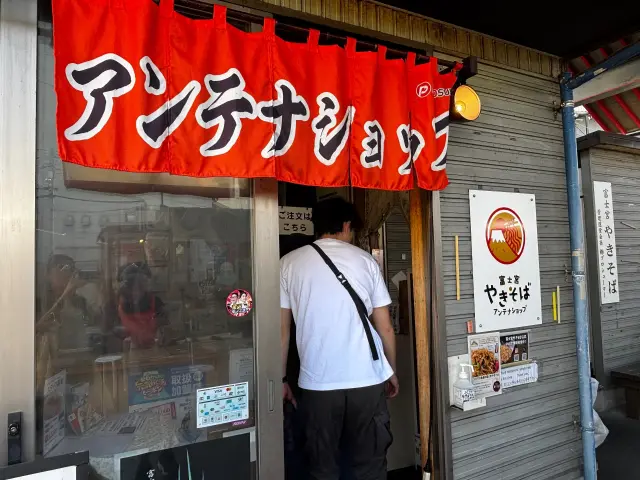
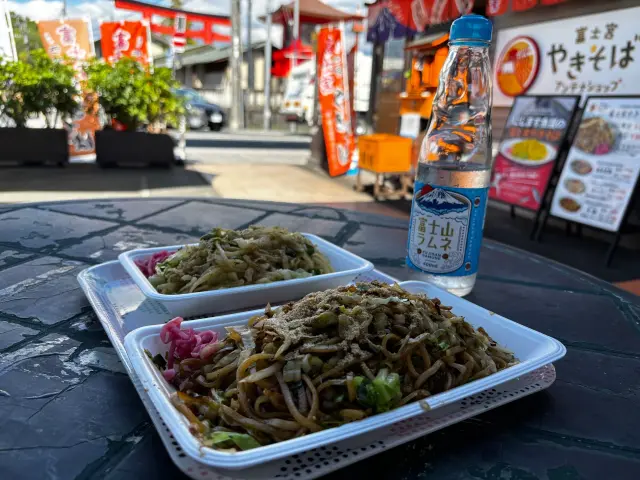
Fujinomiya Yakisoba Antenna Shop
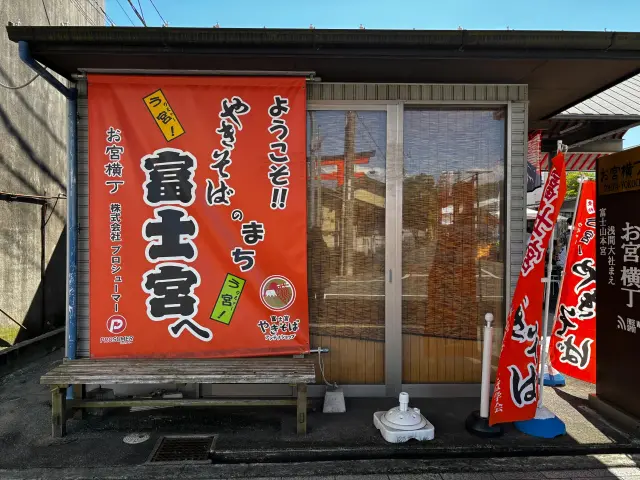
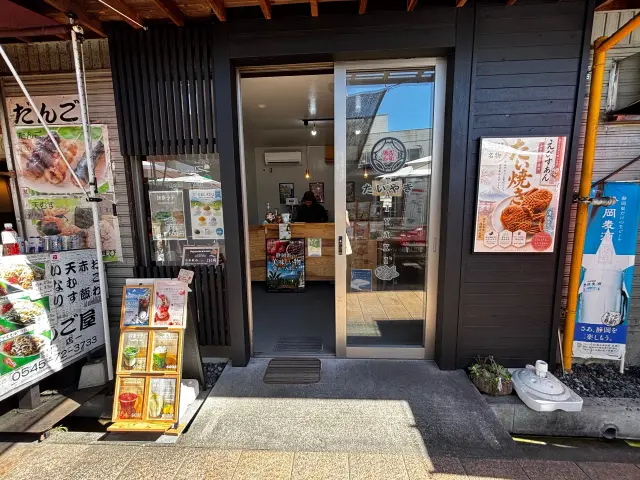
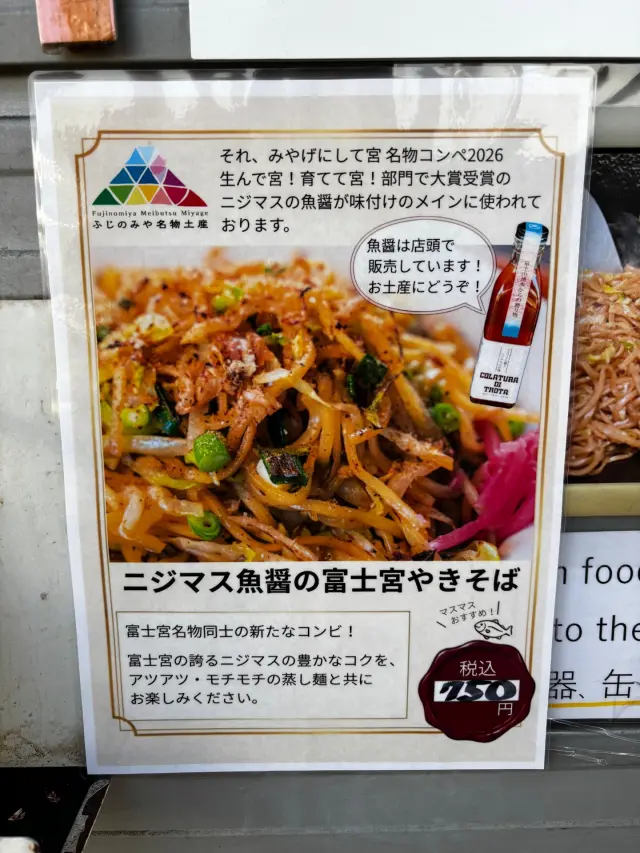
An outpost inside Omiya Yokocho, the place to find regional eats and dishes from Fujinomiya. Fujinomiya Yakisoba is a 2-time champion of the B-1 Grand Prix, which selects the most delicious, wallet-friendly local bites across Japan. The Fujinomiya variety of yakisoba is known for its tried-and-true classic flavor.
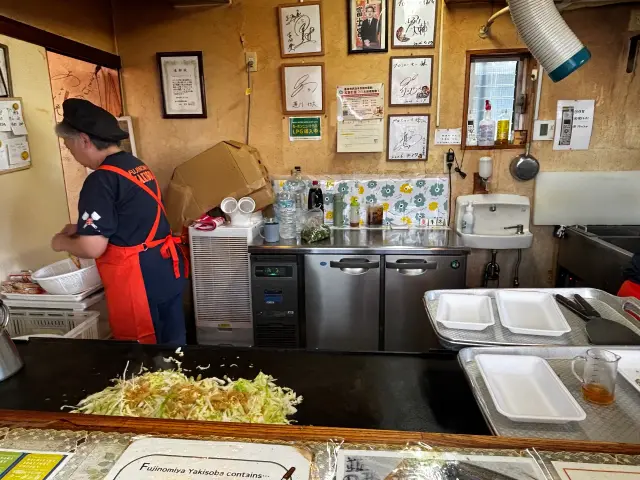
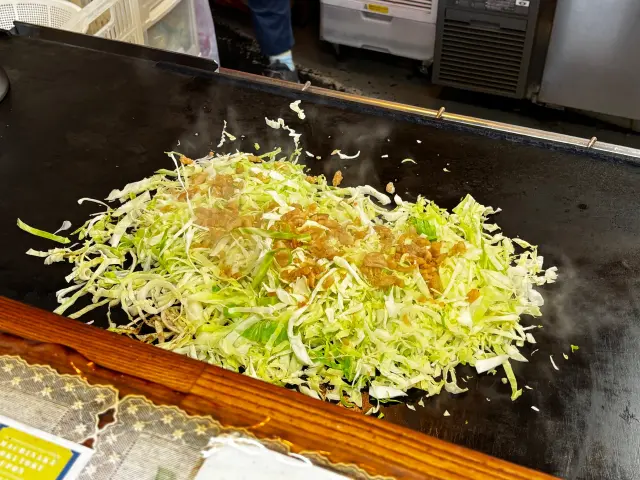
When sightseeing in Fujinomiya, besides taking in the magnificent views of Mount Fuji, you definitely can’t miss the hugely popular local specialty, Fujinomiya Yakisoba! The piping-hot noodles sizzle on the griddle as the woman skillfully stir-fries them with plenty of vegetables. Just watching them make it nearby is enough to work up an appetite! The noodles are springy and chewy, coated in a rich, savory sauce, and every bite is so satisfying. They don’t skimp on the vegetables, either. It’s simple yet so comforting. You have to try it for yourself when visiting Fujinomiya!
-