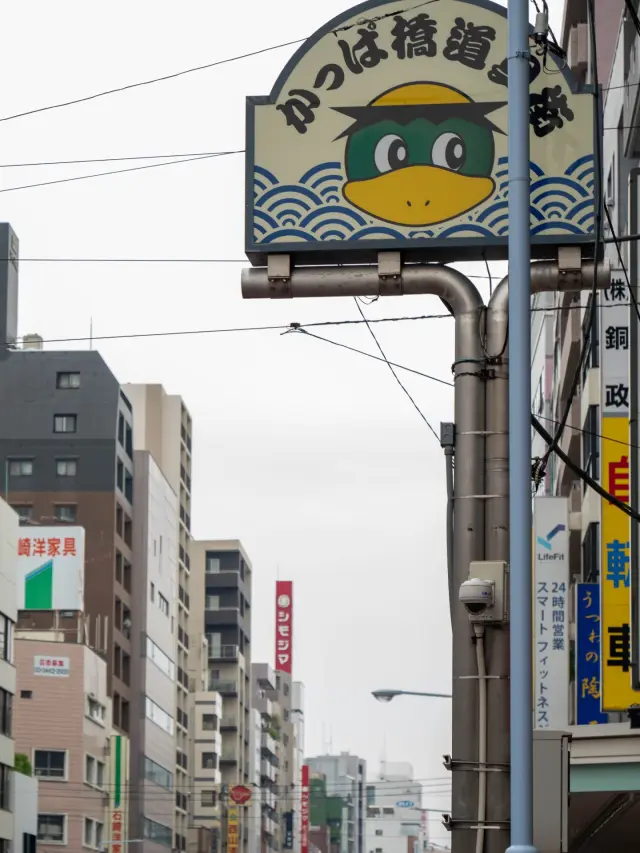
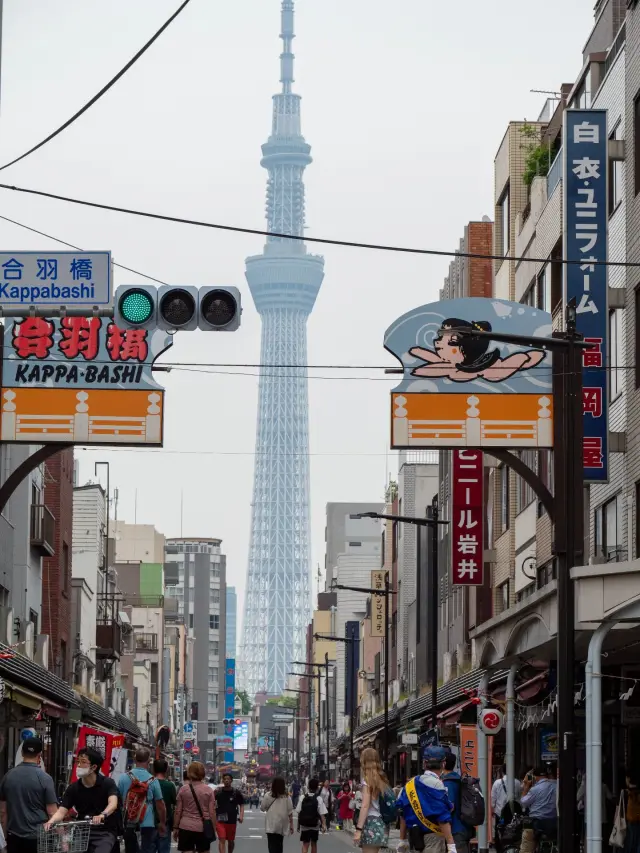
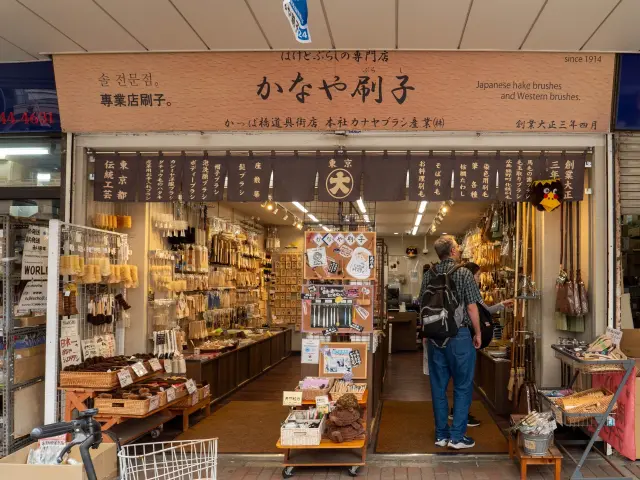
The main reason to visit Kappabashi Dougu Street, rather than low prices, is the complete and diverse selection of products. You can find everything from knives, cookware, tableware, and baking tools to food models, packaging materials, uniforms, store supplies, and even large commercial kitchen equipment. Simply put, if it's related to the food and beverage industry, you can find almost everything you need here, from the dining area to the kitchen. Even if you're just a tourist, it's easy to find tableware or kitchen supplies you normally wouldn't pay much attention to, which is actually pretty interesting.
If you need tax-free shopping, you can also look for the “Smart Refund Kappabashi Tax-Free Counter” on Dougu Street. Since not every store can process tax exemptions directly, you can get relevant information here to help plan your shopping budget. It also offers luggage and merchandise storage, delivery, foreign currency exchange, and other services, making it very convenient for international visitors.
Another small reminder that's easy to overlook is the restrooms. Kappabashi isn't a department store-style shopping mall, and very few stores allow visitors to use their restrooms. It's best to check the locations of nearby public restrooms before you start shopping instead of waiting until you're halfway through.
If you start at the Niimi Tableware Store, which has a giant chef statue on its roof, I personally think the first part of the street is better suited for regular tourists to browse at a leisurely pace. As you go farther, you'll find more commercial-grade, professional cooking equipment. If you only want to buy tableware, knives, baking supplies, or food models, you really don't have to force yourself to walk the entire street.
One more thing: I really don't recommend coming on a Sunday. Although every store has different closing days, I personally felt that more than half the stores were closed on Sunday. Unless you really can't fit it into your schedule otherwise, it's best to avoid Sundays and national holidays. It would be a shame to make a special trip here only to find that many stores are closed.
Kappabashi Dougu Street® | Review by Holly
Other Reviews by Holly
-
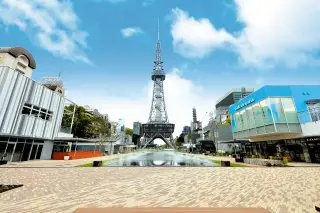
Hisaya-odori Park
Hisaya-odori Park is a long, linear urban park located along Hisaya-odori Avenue, recognized as one of Japan's "100 Best Roads." Combining parkland with commercial amenities, visitors can enjoy shopping and dining amidst lush greenery.
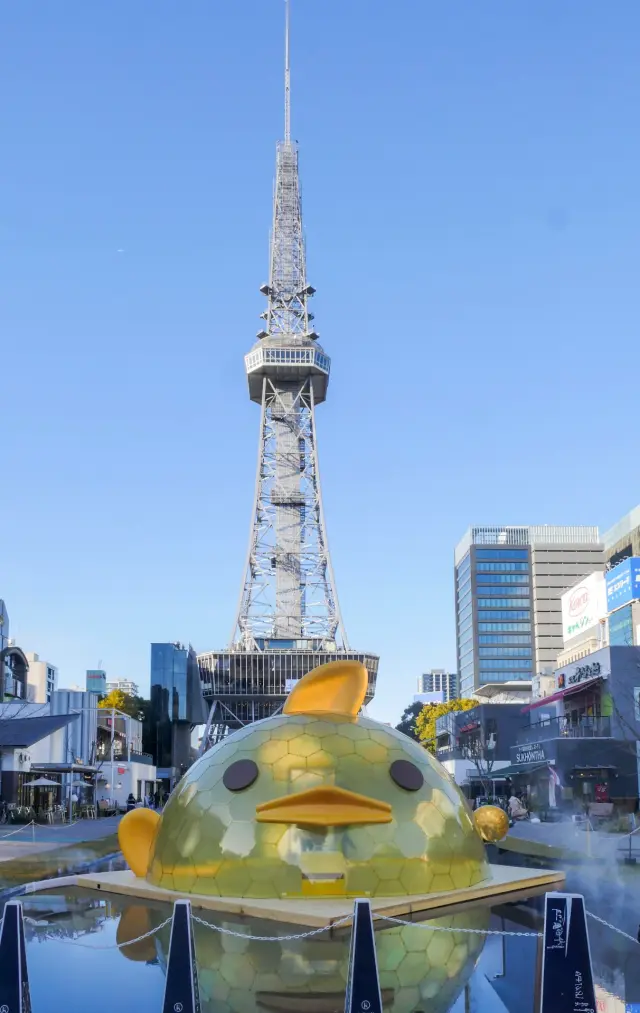
I made a special trip to Hisaya-odori Park this time mainly to see the limited-time event held in collaboration with Nagoya’s popular chick-shaped pudding dessert, Piyorin. There was a large Piyorin-shaped installation featuring a transparent dome design, and visitors could walk right inside to take pictures. Taiwan has similar events, but being able to go inside was still pretty unusual and interesting. Many people took the opportunity to enter and take commemorative photos, so it was hard to get a shot of the chick without anyone inside.
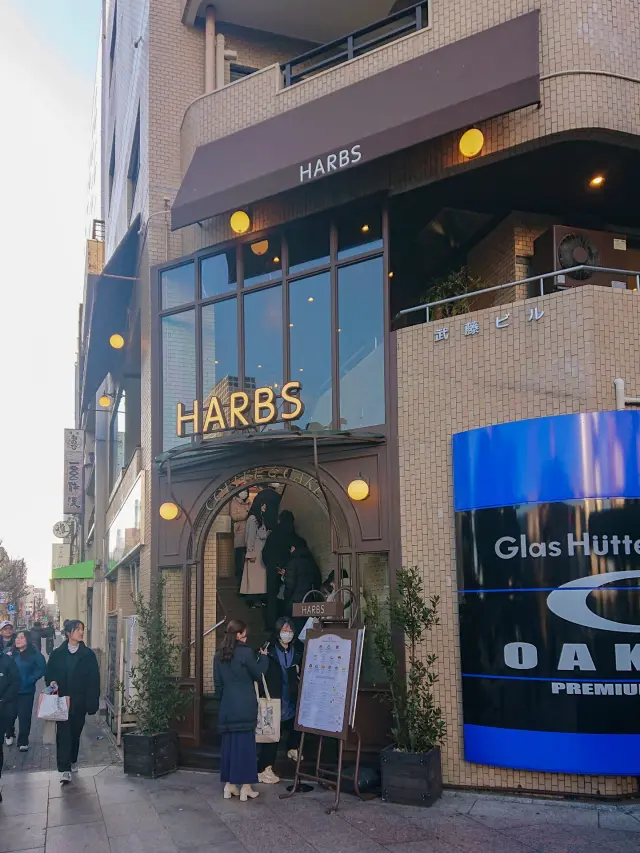
Besides the event itself, the area around Hisaya-odori Park is also quite lively, with many well-known shops and restaurant brands nearby. If you enjoy shopping or looking for unique stores, it might be worth checking in advance to see which places nearby are worth visiting. While walking around this time, I unexpectedly came across the main HARBS store in Nagoya Sakae, which immediately brought back memories of the food. I hesitated and wondered whether I should go in, but when I saw the line outside, I decided to leave it for next time.
Hisaya-odori Park is also conveniently connected to the underground shopping area. Heading downstairs takes you into the Central Park underground mall. I also stopped by a used camera store that a friend had recommended before. There were so many restaurants in the underground mall that I didn’t know what to eat. This area is just as commercially vibrant as Tokyo. -
-

Sarutahiko Shrine
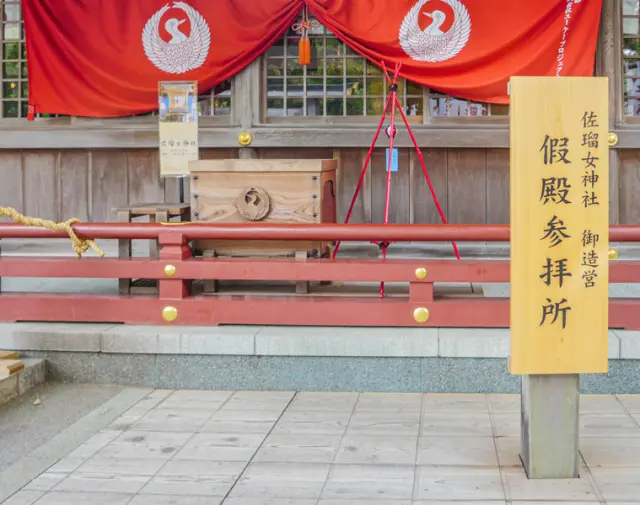
Sarutahiko Shrine enshrines Sarutahiko Ookami, the God who appears at the beginning of things and guides everything in the right direction. The Kojiki (Record of Ancient Matters) and Nihonshoki (Chronicles of Japan) tell us that he "enlightened the first heavenly grandson of the nation to this land." The votive tablet (Ema) depicts the "Michibiki no Mai (Dance of Michibiki)'' unique to the Sarutahiko Shrine, guiding wishes in the right direction.
I really liked the atmosphere of worship here.
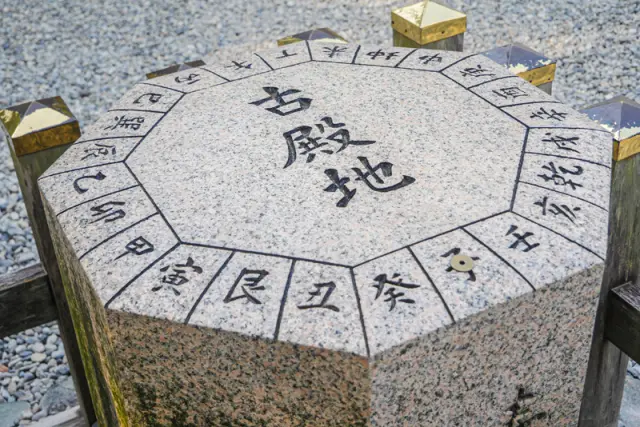
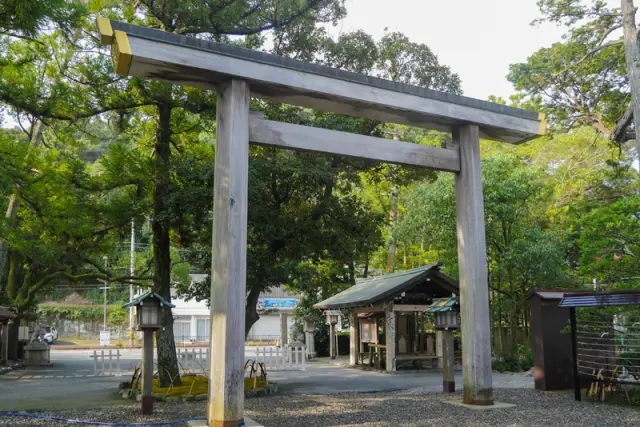
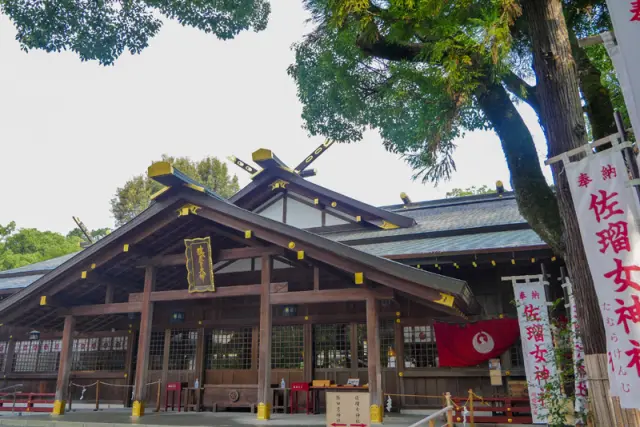
Compared with Ise Jingu, Sarutahiko Shrine has relatively fewer worshippers. It may be less lively, but that makes it easier to appreciate the buildings and every corner of the grounds at your own pace. I was especially impressed by the uncommon octagonal designs found throughout the shrine and the main sanctuary built in the distinctive Satahiko-zukuri style, with its unique double-gabled roof.
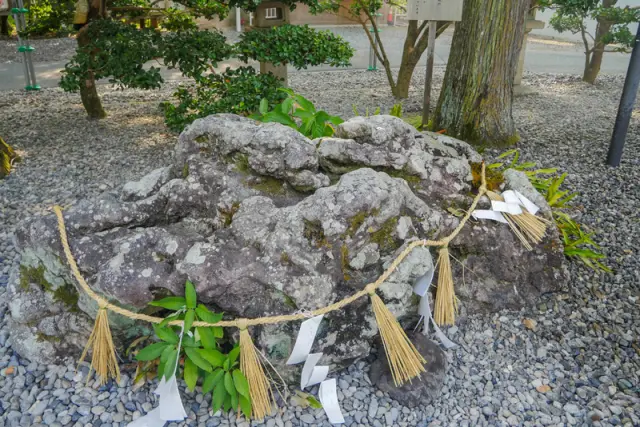
This architectural style, which differs from the forms commonly seen at most shrines, gives the entire shrine a distinct character. The grounds also have places worth seeing, such as the Direction Stone, Takara Stone, and Sarume Shrine. The Direction Stone is one of the features most closely associated with the shrine, giving physical form to the main deity's role in guiding people and providing a more tangible way to pray for good fortune.
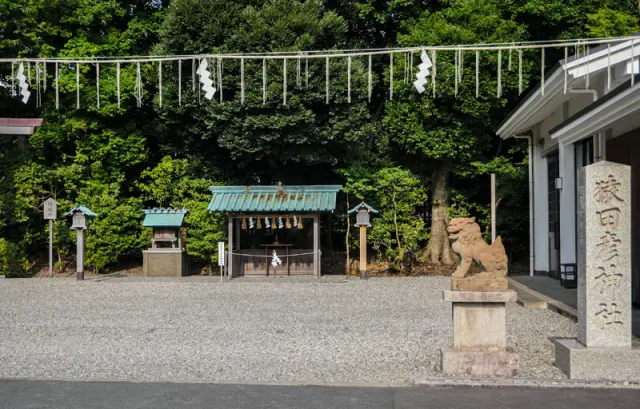
Sarume Shrine, meanwhile, represents beliefs related to the performing arts and the repose of spirits, which showed me that even within the grounds of a single shrine, you can learn about different aspects of Japanese Shinto culture.
Overall, this isn't a particularly large shrine, but it has many details worth taking the time to observe. If you're not in a hurry, you can explore it slowly. It's not far from the Inner Shrine and Okage Yokocho area and can be reached on foot, so you can include them together in your itinerary and experience the character of this rare shrine in Ise that isn't affiliated with Ise Jingu. -
-

Otori Shrine
Otori Shrine, with a history of about 1200 years, is the oldest shrine in Meguro Ward, Tokyo. Founded during the Heian period, it's depicted in the oldest map of Edo, the "Chōroku Edo-zu," created in the Muromachi period. Being one of the only nine shrines featured in this map, it is counted among the "Edo Kyūsha" (Nine Shrines of Edo).
Otori Shrine is located in Zoshigaya, Tokyo, and has deep historical ties to Kishimojin Temple. Its main deity is Yamato Takeru, with Ukanomitama also enshrined here, and it is also the place where Ebisu, one of the Zoshigaya Seven Lucky Gods, is worshipped. The deity here was originally enshrined under the name “Sagi Myojin” within the grounds of Kishimojin Temple. It was moved during the Meiji period due to the order separating Shinto and Buddhism, gradually taking shape as the present-day Otori Shrine.
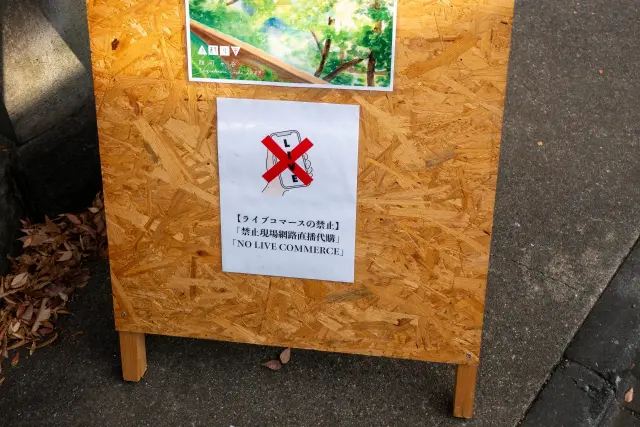
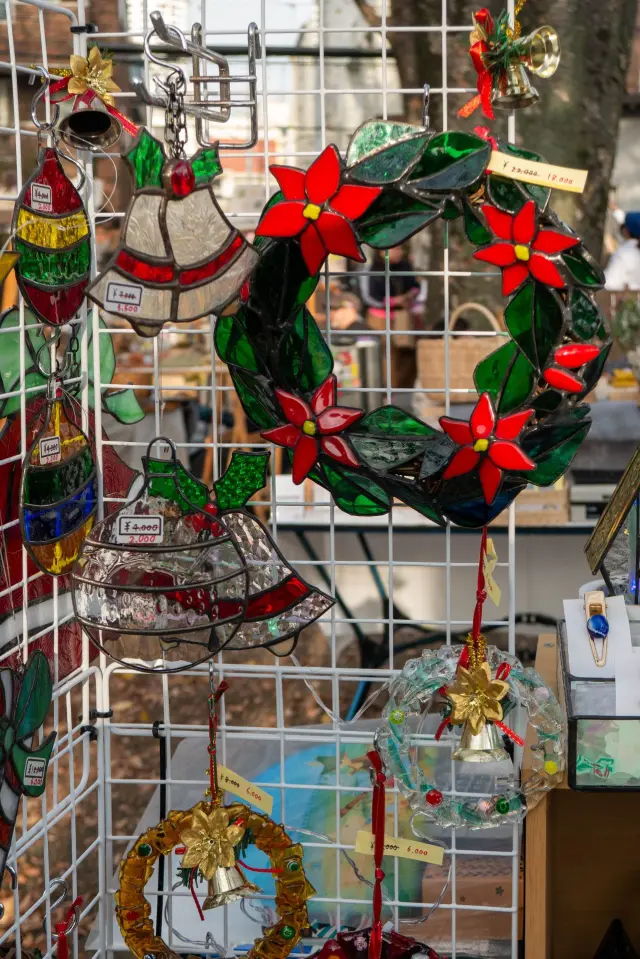
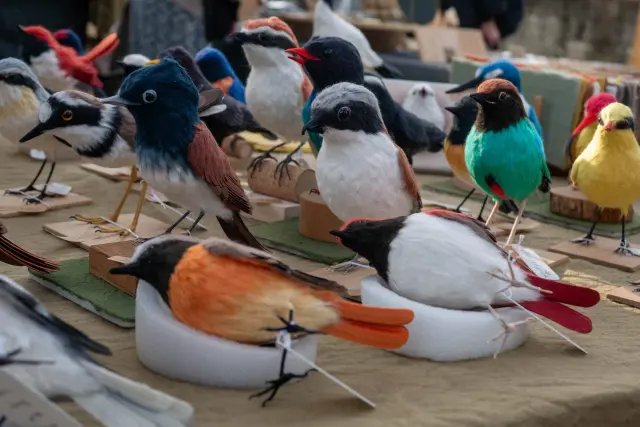
I stopped by Otori Shrine this time because of the Zoshigaya Handmade Market, but after actually walking inside, I unexpectedly came away with a good impression of the shrine itself. The handmade market happened to extend onto the shrine grounds during my visit, making it much livelier than usual, but there were still far fewer people than at Kishimojin Temple. Although the market extended onto the shrine grounds, there were fewer stalls here, and the works were more focused on floral art and handicrafts. I especially liked a Christmas wreath made with stained glass. It was delicate and had a very distinctive style.
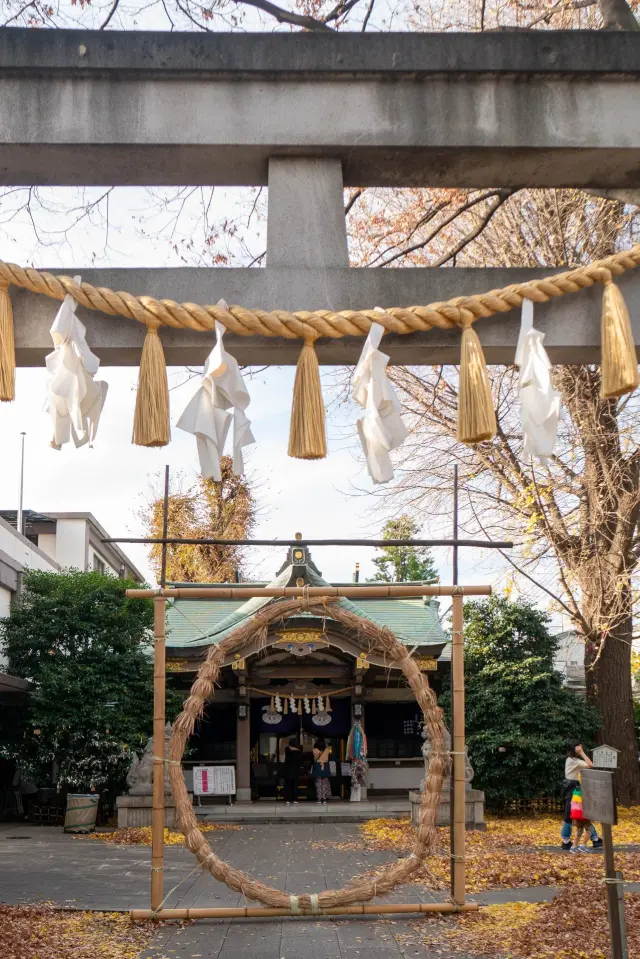
The biggest surprise this time was unexpectedly seeing a chinowa ring being set up for the year-end purification ceremony. I knew there would be a chinowa ring in the summer, but I didn’t expect one at the end of the year. I paused for a moment when I saw the large ring woven from miscanthus reeds, then immediately took out my phone to double-check the correct way to walk through the “chinowa-kuguri.” After all, I had only done it before at Kitano Tenmangu Shrine in Kyoto, and enough time had passed that I had almost completely forgotten. Since it was such a rare opportunity, of course I quickly followed the instructions online and walked through it to cleanse myself of impurities. -