
Japan Supermarket Guide: 15 Recommended Chains, Products to Look For, and How to Shop
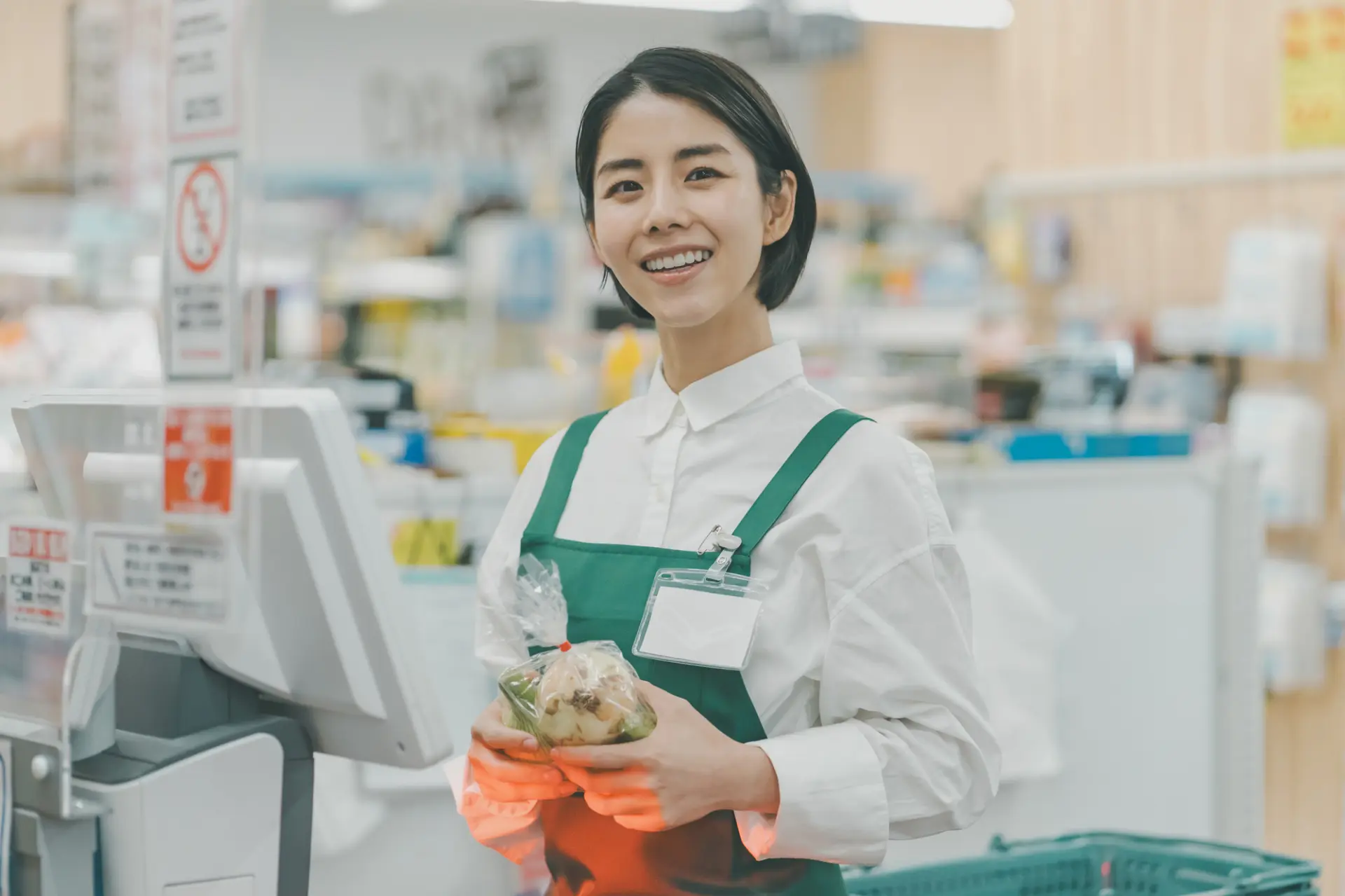
Supermarkets in Japan offer a close-up look at everyday life and local food culture. They have a different appeal from tourist attractions, and simply browsing the aisles filled with a wide variety of products can be enjoyable. Japan has many kinds of supermarkets, from major nationwide chains to community-based stores, each with its own distinct character. This article introduces the different types of supermarkets, recommended chains, sections and products worth checking out, and how to shop. Use it as a guide to finding a store that suits your needs and destination.
What Are Japanese Supermarkets Like?
Japanese supermarkets primarily sell groceries, along with a wide range of products such as daily necessities, household goods, and clothing. Their shelves are stocked with everything from fresh and processed foods to beverages and prepared dishes, making it easy to purchase ingredients and everyday essentials in one place. Most stores are self-service: shoppers place products in a basket and pay for everything together at the checkout. Visiting a supermarket during a trip to Japan offers a glimpse into everyday food culture and local life that differs from what you will find at restaurants in tourist areas.
What Makes Japanese Supermarkets Appealing
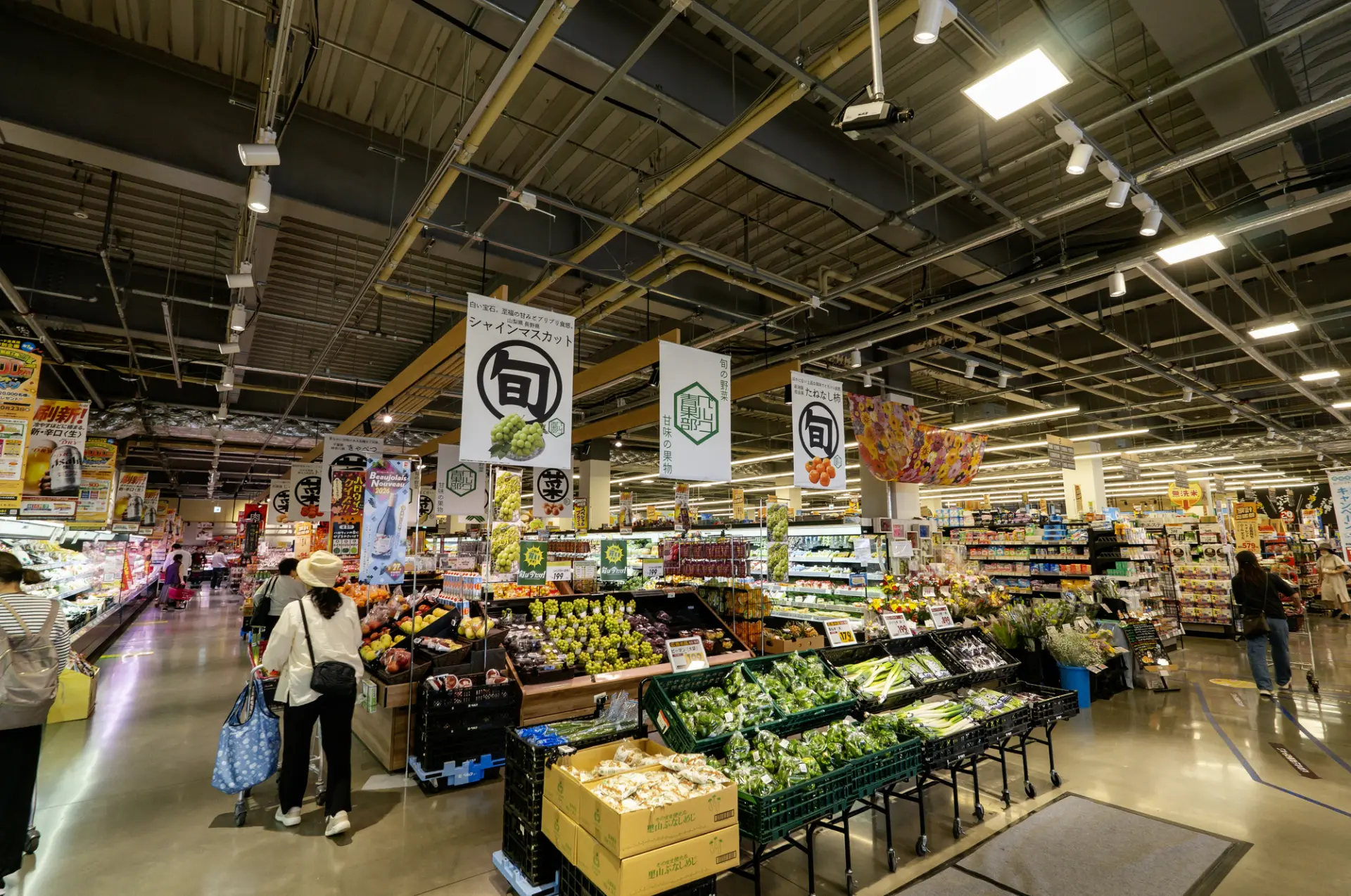
Supermarkets are found throughout Japan and are a familiar part of everyday shopping. According to the National Supermarket Association of Japan's “2026 Supermarket White Paper,” there were 23,264 stores nationwide, with total sales reaching approximately ¥26.6 trillion. Their food selections are particularly extensive, making them useful for everything from everyday meals and snacks during a trip to souvenir shopping. Alongside affordable options, they also carry high-quality products, allowing you to shop according to your budget and preferences. Even major nationwide chains may organize their sales floors differently depending on the region and individual store. Local specialties, seasonal ingredients, and regional dishes offer an accessible way to experience the food culture of your destination.
How They Differ from Convenience Stores and Drugstores
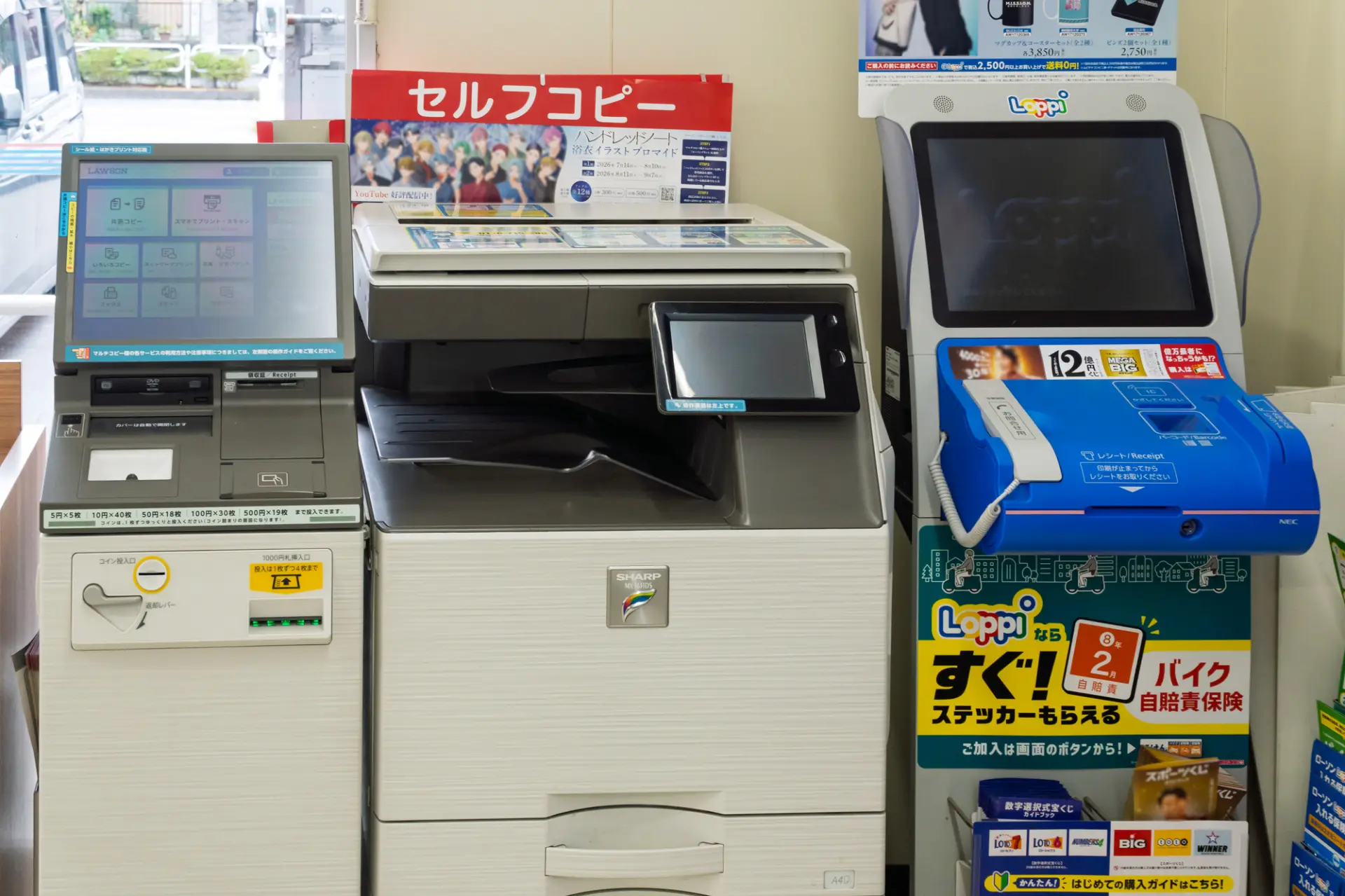
In addition to supermarkets, Japan has many convenience stores and drugstores where you can buy food and daily necessities. Each offers a different selection, area of specialty, and purpose, so understanding their features can make shopping during your trip more convenient.
| - | Main Features | Recommended Uses |
|---|---|---|
| Supermarkets |
Carry a broad selection centered on food, including daily necessities and regional specialties Convenient for everyday shopping, with discounts and special sales available |
When buying ingredients in larger quantities When looking for regional specialties and local foods |
| Convenience stores |
Located in easily accessible places such as near stations, in downtown areas, and in residential neighborhoods Many are open 24 hours, offering high convenience, although prices tend to be higher |
When you need drinks, snacks, or daily necessities right away For shopping early in the morning or late at night |
| Drugstores |
Primarily sell medicine and personal hygiene products, along with daily necessities and food Selections vary considerably by region and store |
When buying medicine, cosmetics, or daily necessities needed during your trip |
Main Types of Supermarkets in Japan
Japanese supermarkets can be divided into several types based on factors such as size, selection, price range, and location. The main types and their features are listed below. However, the categories are not clearly defined, and some stores share characteristics of more than one type.
| Type | Main Features |
|---|---|
| General merchandise stores (GMS) | Large stores carrying a broad range of products, from food and clothing to daily necessities and household goods. They offer one-stop shopping for a variety of needs. |
| Food supermarkets | Stores primarily selling groceries, including fresh and processed foods and prepared dishes. They carry a wide variety of ingredients for everyday meals. |
| Discount supermarkets | Stores focused on selling products at low prices. They use various approaches to purchasing, product selection, and store operations to keep prices affordable. |
| Urban supermarkets | Stores located near stations and in residential or business districts. Their relatively compact sales floors primarily carry everyday essentials such as food and beverages. |
| Premium supermarkets | Offer extensive selections of carefully chosen domestic and imported foods, products made with particular attention to ingredients and production methods, and original products. Prices are generally somewhat higher than at ordinary supermarkets. |
Comparison of 15 Major Japanese Supermarket Chains by Price, Region, and Features
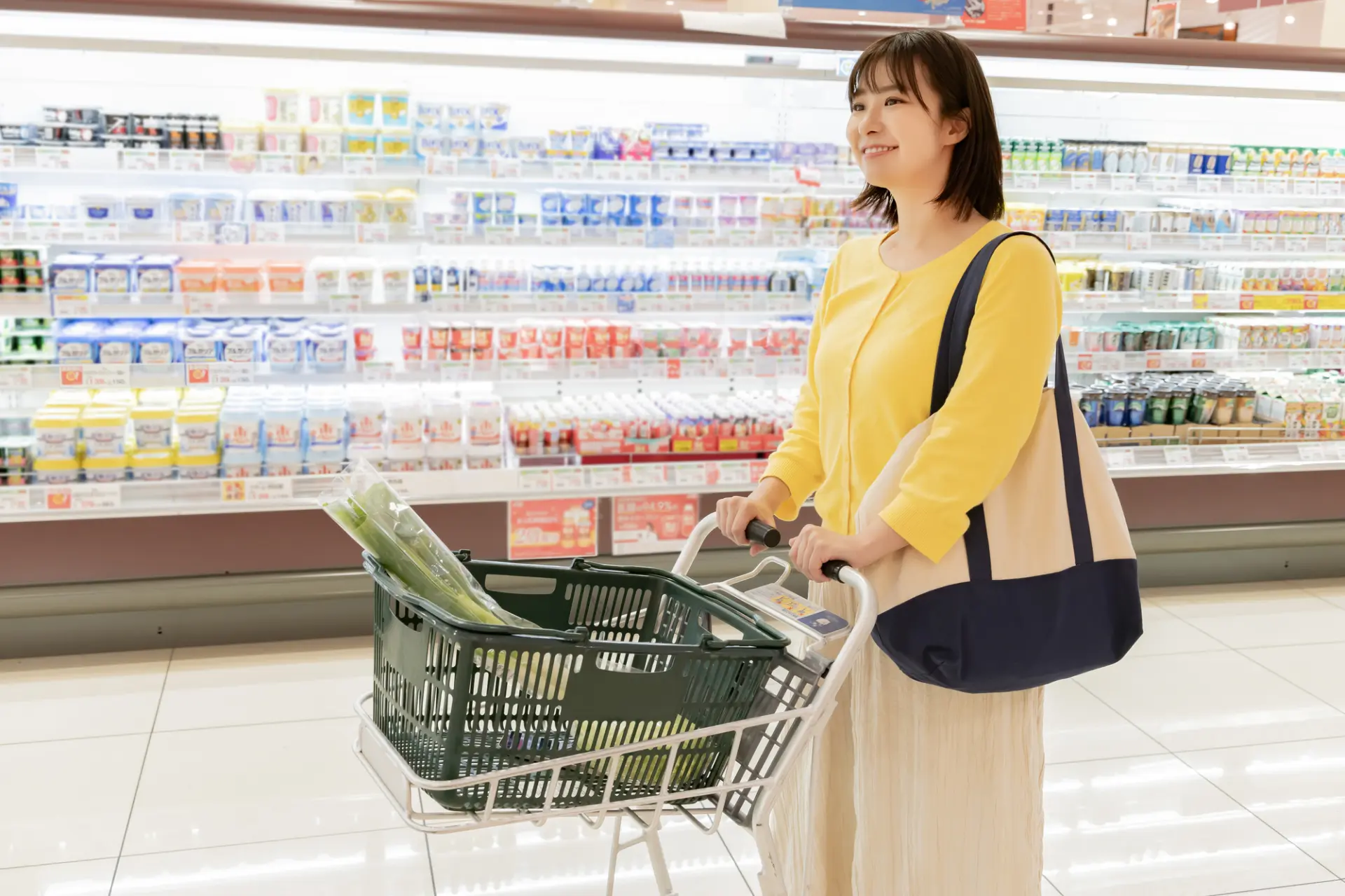
Japan has a wide variety of supermarket chains, from major companies operating nationwide to chains concentrated in particular regions or urban areas. Because store locations vary by chain, it is best to choose one based on your destination and shopping needs. The table below provides an overview of 15 major chains.
| Supermarket | Price Range (Approximate) | Main Areas | Features |
|---|---|---|---|
| AEON | Mid-range | Throughout Japan | A general merchandise store offering food, clothing, daily necessities, and a wide selection of private-label products |
| Ito-Yokado | Mid-range | Primarily the Greater Tokyo Area, with some locations in the Tokai and Kansai regions | A general merchandise store primarily focused on food while also offering clothing, daily necessities, and other products |
| Valor | Mid-range | Primarily the Tokai and Hokuriku regions, with some locations in the Kinki, Koshin regions | A food supermarket with a strong selection of fresh and prepared foods |
| Heiwado | Mid-range | Primarily Shiga Prefecture, with locations in parts of the Kinki, Hokuriku, and Tokai regions | A general merchandise store offering food, clothing, and household products |
| Life | Mid-range | Greater Tokyo and Kinki regions | A food supermarket offering original brands tailored to different priorities, including price, quality, and health-conscious options |
| SEIYU | Affordable to mid-range | Parts of the Tohoku, Kanto, Chubu, and Kinki regions | A general merchandise store with convenient locations for everyday shopping |
| Gyomu Super | Affordable | Throughout Japan | A food supermarket offering bulk products and food-service ingredients |
| OK | Affordable | Greater Tokyo Area, Osaka, and Hyogo | A discount supermarket selling high-quality products at low prices |
| TRIAL | Affordable | Throughout Japan, with a strong presence in Kyushu | A discount supermarket that also uses IT to improve the shopping experience |
| LOPIA | Affordable to mid-range | Locations from Hokkaido to Kyushu | A food supermarket known for meat, fresh foods, and prepared dishes |
| My Basket | Mid-range | Tokyo, Kanagawa, Chiba, and Saitama | A small-format food supermarket primarily operating in urban areas |
| Ozeki | Mid-range | Primarily Tokyo, with some locations in Kanagawa and Chiba | A food supermarket offering fresh products purchased directly from markets |
| Tokyu Store | Mid-range | Primarily Tokyo and Kanagawa, with some locations in Saitama and Shizuoka | A food supermarket primarily operating along Tokyu railway lines |
| Seijo Ishii | Moderately expensive | Primarily the Kanto region, with some locations in the Tohoku, Chubu, Kinki, and Chugoku regions | A premium supermarket focused on developing original products and importing goods directly |
| KINOKUNIYA | Moderately expensive | Primarily within Tokyo | A premium supermarket offering carefully selected, high-quality domestic and imported foods |
Prices are approximate and based on each chain's product selection and sales policies. They may vary by region and store.
Six General Merchandise and Food Supermarkets with Wide Selections
General merchandise stores and food supermarkets are two of the main retail formats supporting Japan's retail industry. They primarily sell food, while some stores also offer clothing, daily necessities, and household goods, serving everyone from families to people living alone. Here are six leading chains.
1. AEON
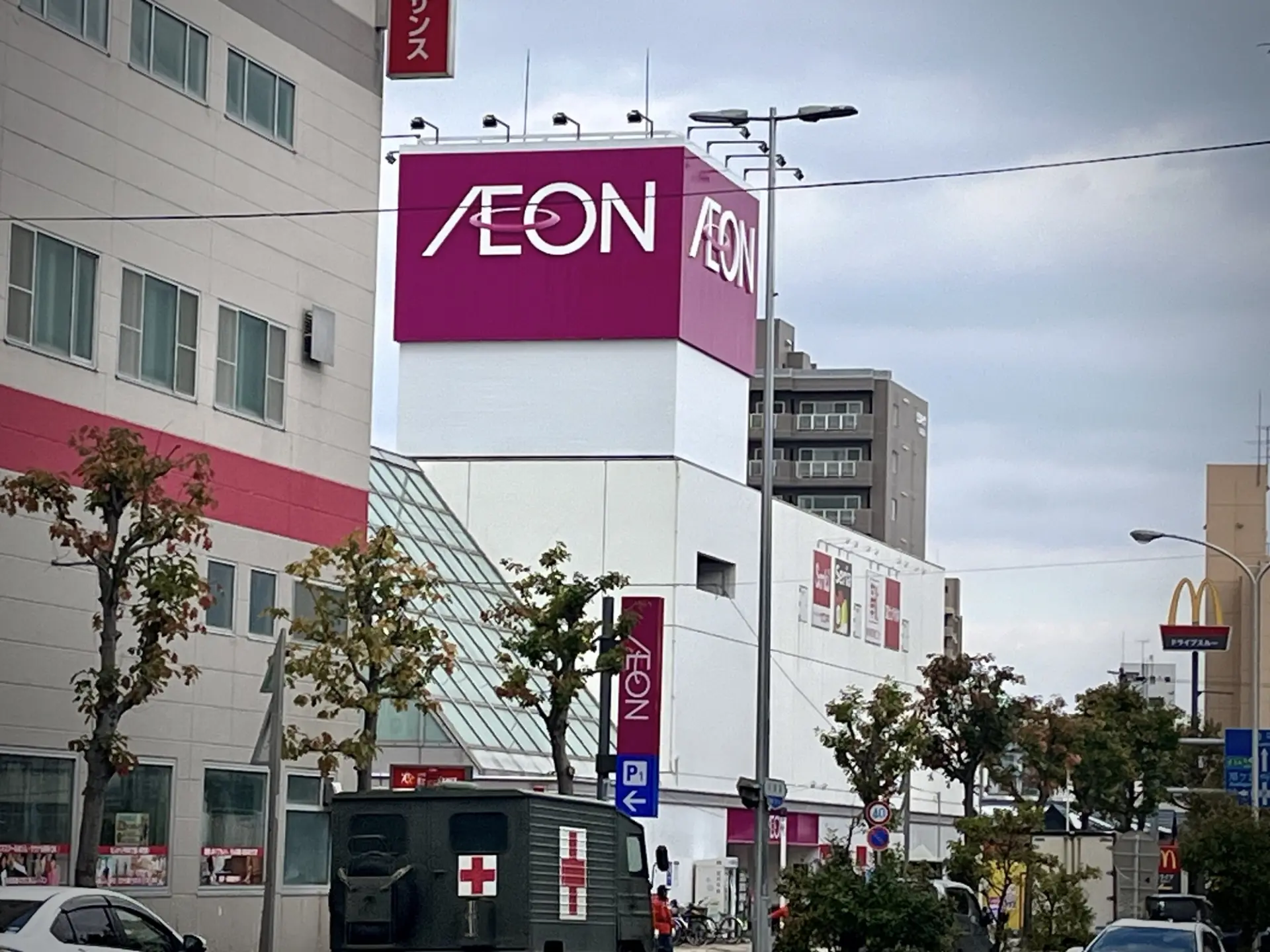
AEON is one of Japan's leading general merchandise store chains, with locations throughout the country. Its broad selection includes food, clothing, cosmetics, household goods, and appliances, making it easy to buy everyday essentials in one place. Although it is a nationwide chain, each store also tailors its sales floor to local needs. Another highlight is TOPVALU, the AEON Group's private label. Its food range alone includes approximately 3,500 products, including many high-quality options. Some large AEON MALL shopping centers include the general merchandise store AEON STYLE as an anchor tenant, along with stores operated by other companies in the group.
2. Ito-Yokado
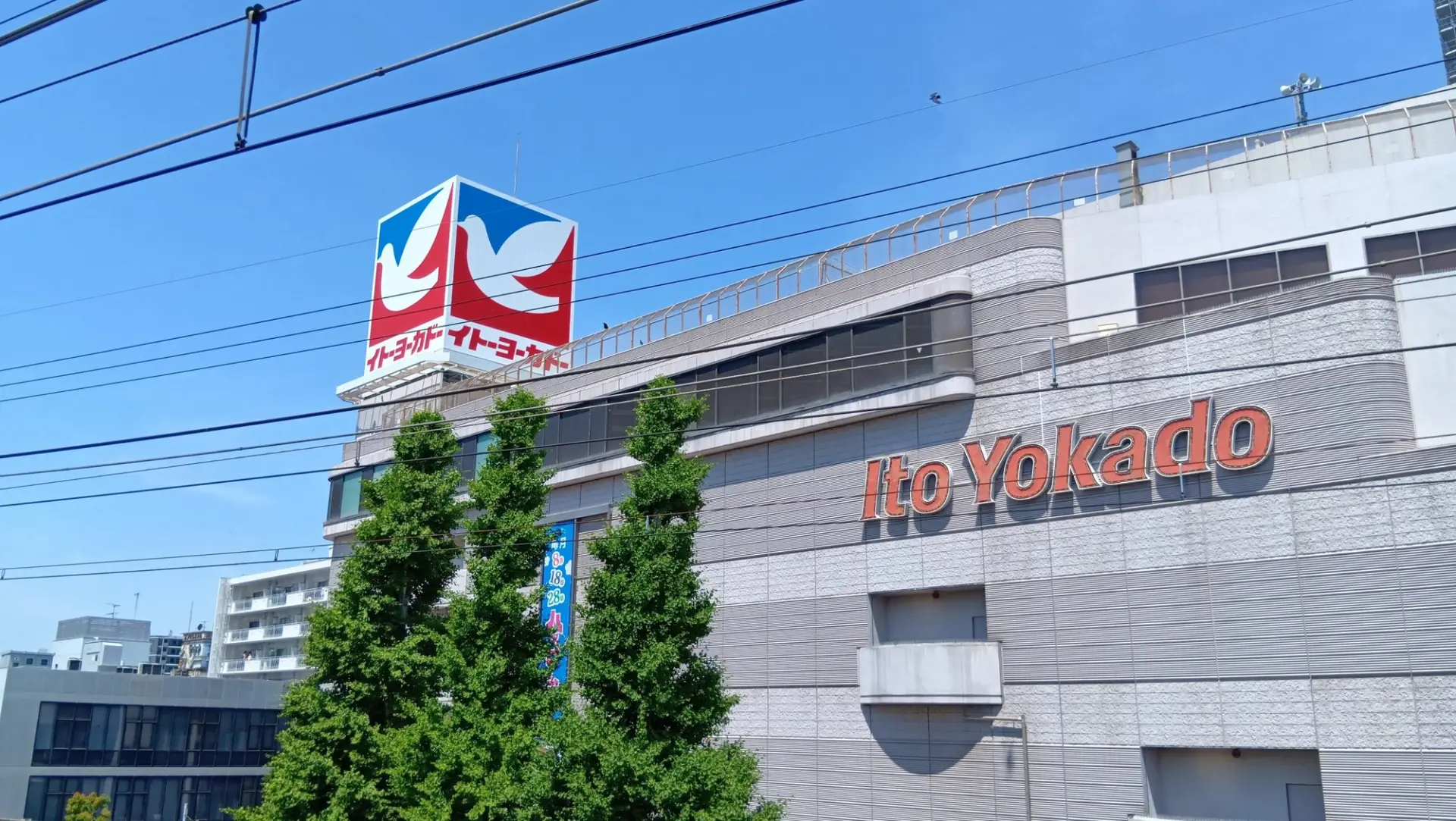
Ito-Yokado is a general merchandise store chain primarily operating in the Greater Tokyo Area. Following a group reorganization in September 2025, its operating structure moved from Seven & i Holdings to York Holdings. It is currently investing more heavily in its food supermarket business while reforming existing stores. Its seafood and meat sections in particular are being redesigned to resemble specialty stores, with greater emphasis on freshness, selection, and in-store preparation. The original prepared-food brand YORK DELI offers staple items made with carefully selected ingredients and seasonings, as well as seasonal dishes using ingredients at their peak.
Poppo, its food-court brand, is a fast-food chain with a history of approximately 50 years. Its standard menu includes takoyaki and french fries, making it convenient for a quick meal while traveling.
3. Valor
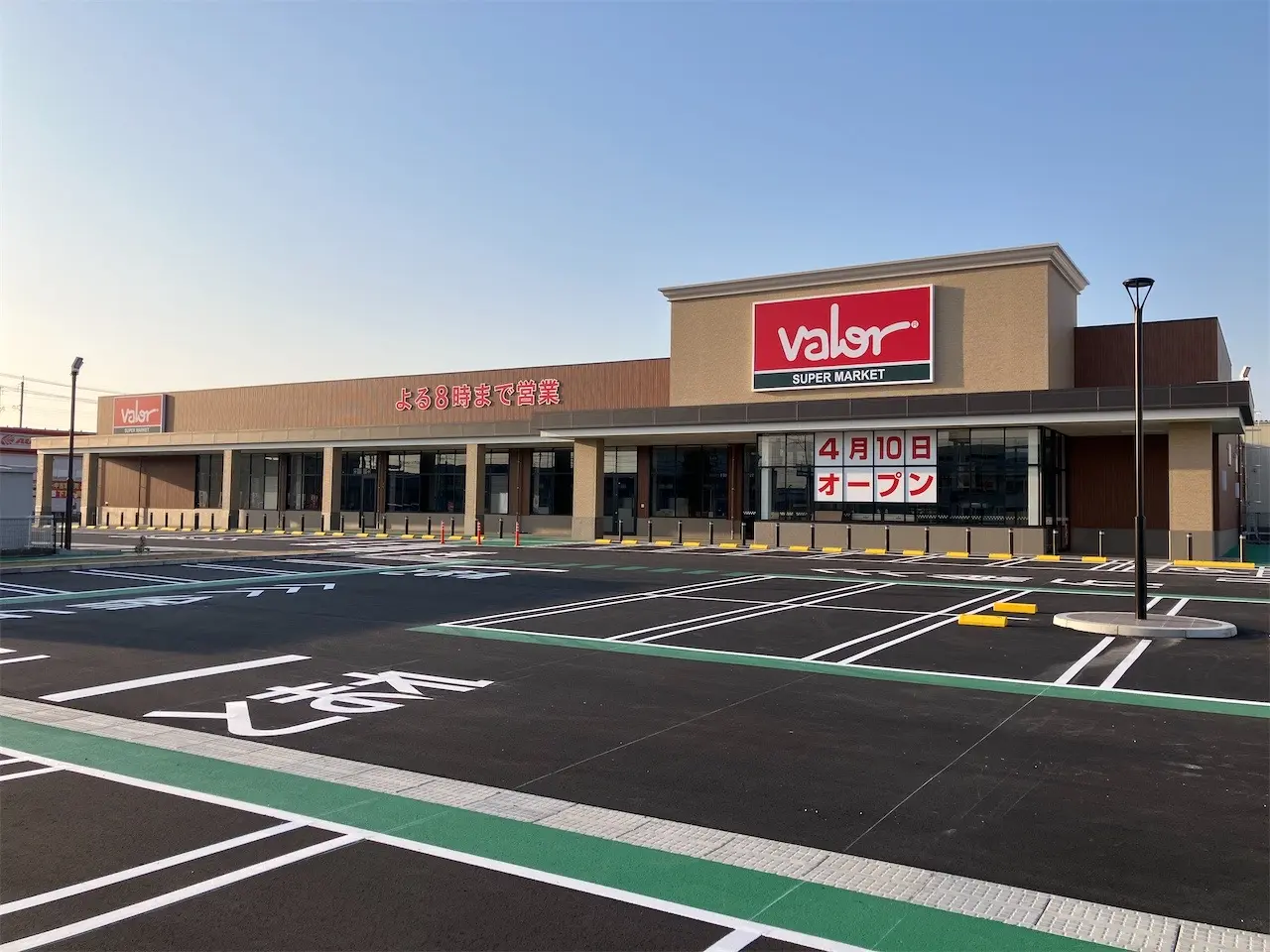
Valor is a food supermarket chain operated by Valor Holdings, which is headquartered in Tajimi, Gifu Prefecture.
Its main features include lively fresh-food sections reminiscent of a market, attention to quality and freshness, and an everyday low price, or EDLP, strategy. Its meat, seafood, and produce sections place particular importance on seasonality, taste, and freshness, with displays designed to resemble specialty stores. In addition to products suited to everyday meals, the selection is adapted to local needs. The group also has its own food manufacturing and processing capabilities and actively develops original products.
4. Heiwado
Heiwado is a general retailer primarily operating in the Kinki, Hokuriku, and Tokai regions. Shiga Prefecture, where the company is headquartered, accounts for approximately half of all its stores. Many products reflect local character, including Hikone pear candy and Moriyama melon cream soda. Depending on their size and location, stores operate under several brands, including AL.PLAZA, Friend Mart, and Friend Town, each designed for different shopping needs. Another feature is E-WA!, Heiwado's own specialty brand. It offers a carefully selected range of products developed with an emphasis on quality, production methods, and ingredients. In recent years, the company has focused particularly on parents in their 30s and 40s.

5. Life
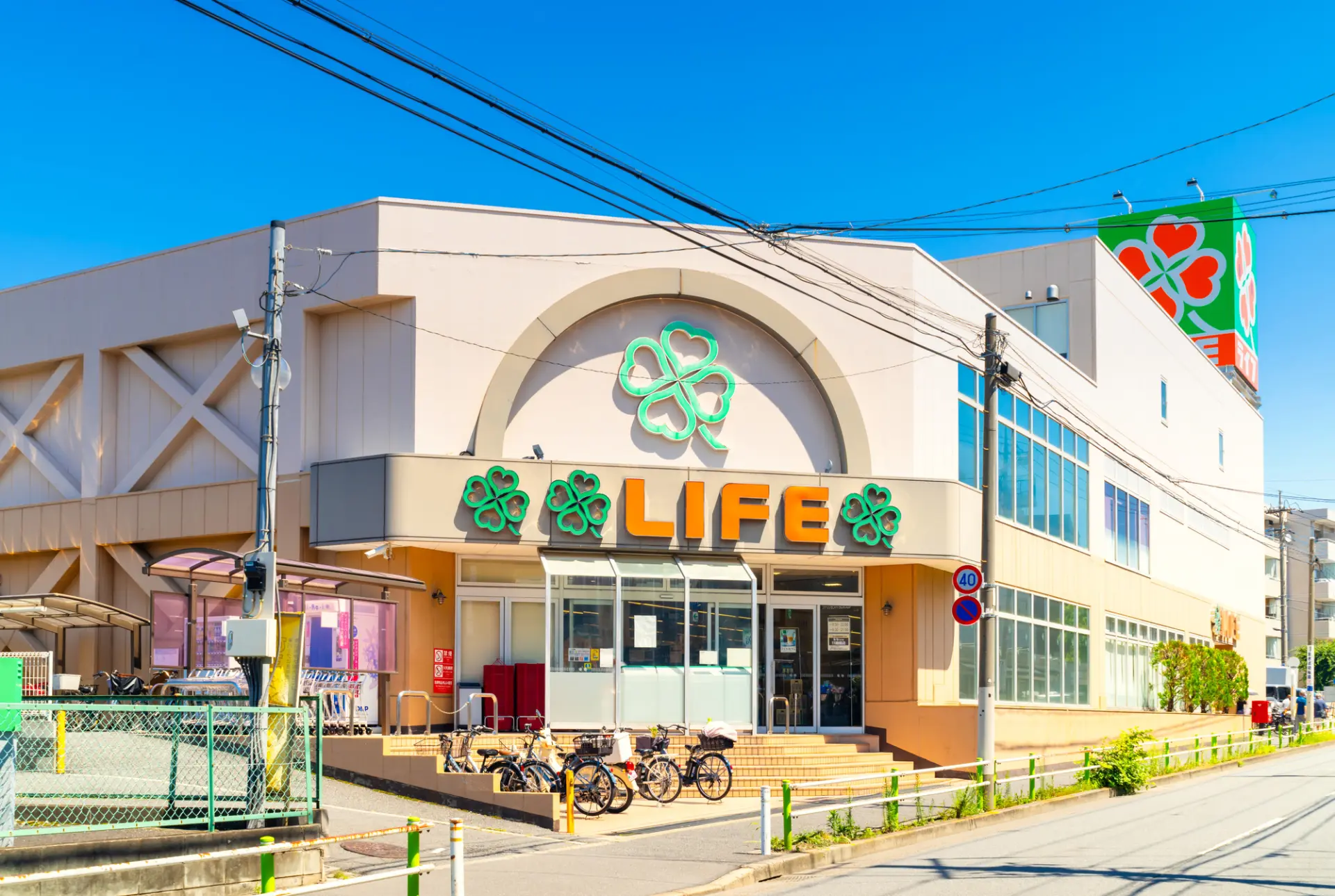
Life is a food supermarket chain primarily operating in the Greater Tokyo and Kinki regions. In addition to groceries, it carries household goods and essential clothing, providing extensive support for daily life. A defining feature is its original product strategy, which does not compete on price alone. It offers four private labels with different concepts, including Life Premium, which focuses on ingredients and production methods, and Star Select, jointly developed with Yaoko. By addressing the needs of a broad customer base, it distinguishes itself from competing chains. BIO-RAL, based on the four concepts of organic, local, healthy, and sustainable, has become increasingly prominent as interest in health-conscious lifestyles grows.
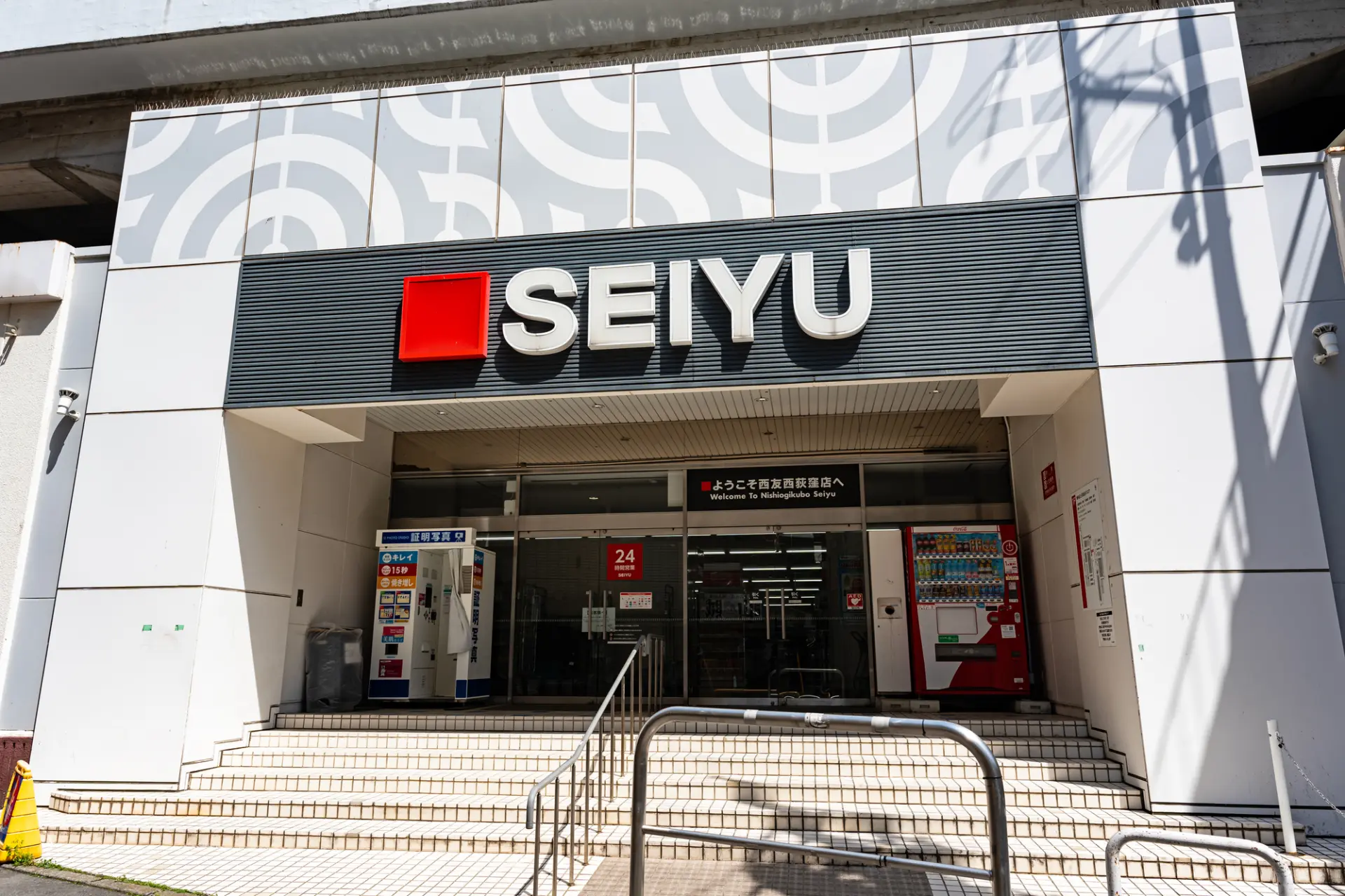
6. SEIYU
SEIYU is a general merchandise store chain operating in parts of the Tohoku, Kanto, Chubu, and Kinki regions. It grew as a core company of the former Saison Group and became part of Trial Holdings in July 2025.
In the Kanto region, many stores are located near train stations or in residential neighborhoods, making them convenient to visit on the way home from work or school. One of the chain's strengths is its private label, Minna no Osumitsuki. Under its distinctive system, only products receiving an approval rating of at least 80% in consumer tests conducted by an independent organization are sold in stores. The brand emphasizes a balance between quality and price, with a diverse lineup ranging from food to daily necessities.
Four Value Supermarkets Known for Low Prices and Generous Portions
Next are supermarkets recommended for price-conscious shoppers. Although they all emphasize low prices, each has its own distinct character. They are useful not only for everyday shopping but also for picking up food and drinks during a trip or browsing when you have some time to spare.
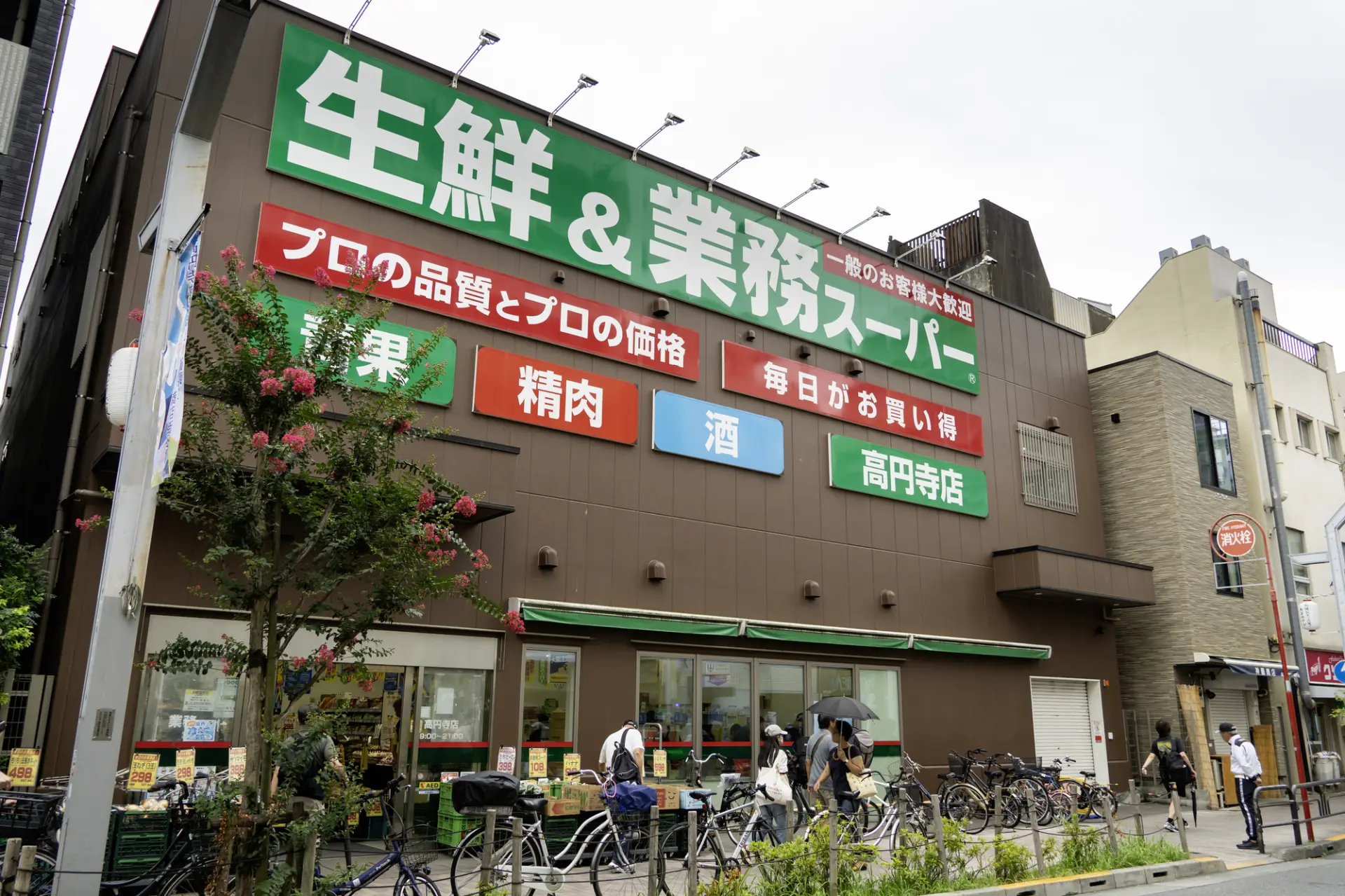
7. Gyomu Super
Gyomu Super is a food supermarket chain operated as a franchise by Kobe Bussan Co., Ltd. It keeps costs down by manufacturing products at its own group factories in Japan, importing directly from overseas manufacturers, and purchasing in bulk, under the slogan “Every Day Is a Bargain.” The stores are open to general consumers, who can purchase bulk products and food-service ingredients at affordable prices. Gyomu Super also carries a broad range of imported foods from around the world, including halal products, serving people from diverse food cultures. Another distinctive feature is hakochin, a display method in which products remain in their cardboard shipping boxes. This creates a warehouse-like atmosphere and gives the practical, unadorned sales floor its own character.
8. OK
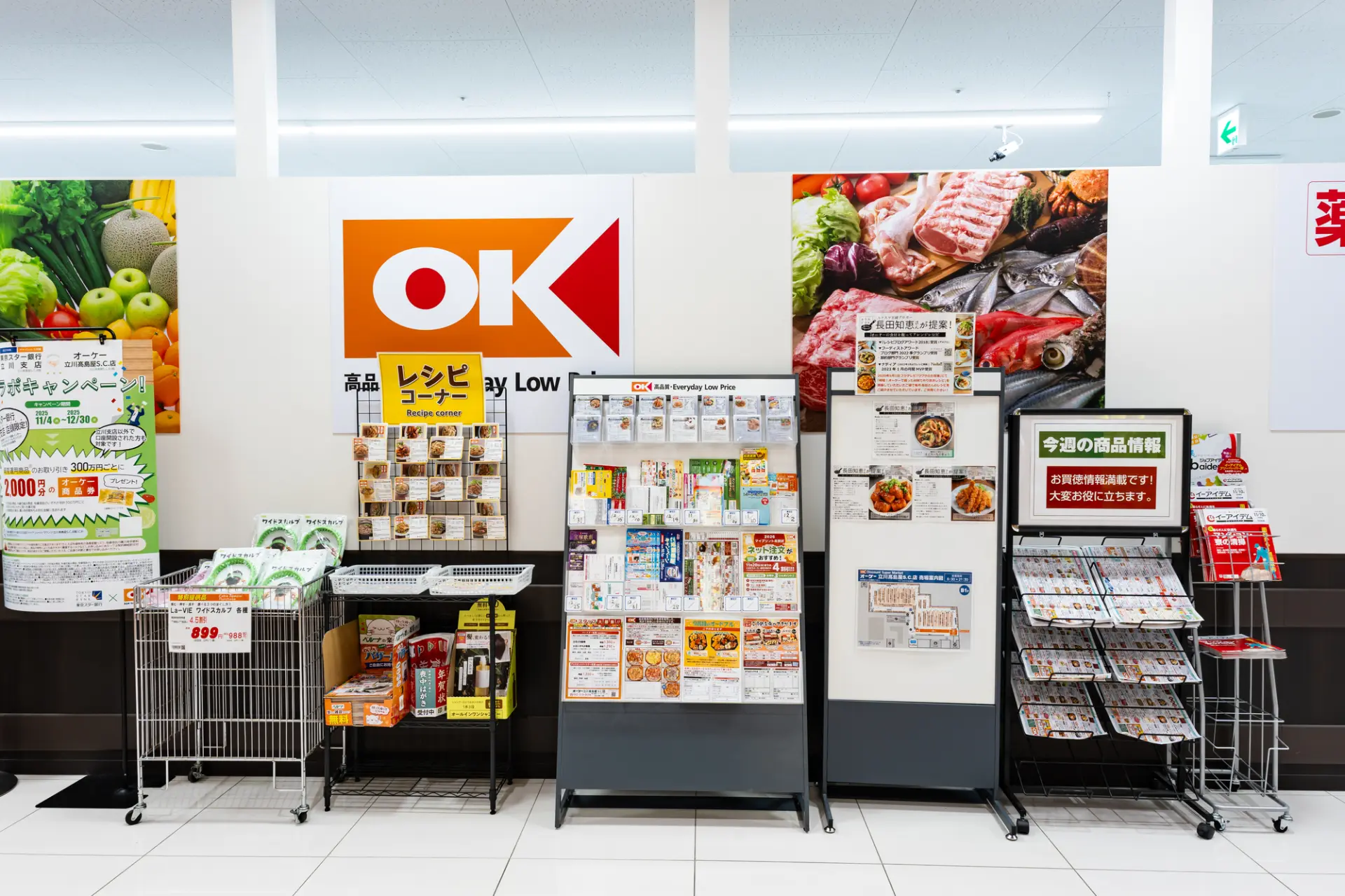
OK is a discount supermarket chain primarily operating in the Kanto region. Its management policy is “High Quality, Everyday Low Price,” emphasizing the regular sale of quality products at affordable prices. One distinctive feature is its policy of not holding special sale days. The company also surveys competitors' prices and may reduce the prices of national-brand products if they are more expensive than at other stores. Look for the informational signs known as Honest Cards on the sales floor. They openly provide information about product quality and pricing, allowing customers to check details such as planned price reductions, product condition, and points to note before making a purchase.
9. TRIAL
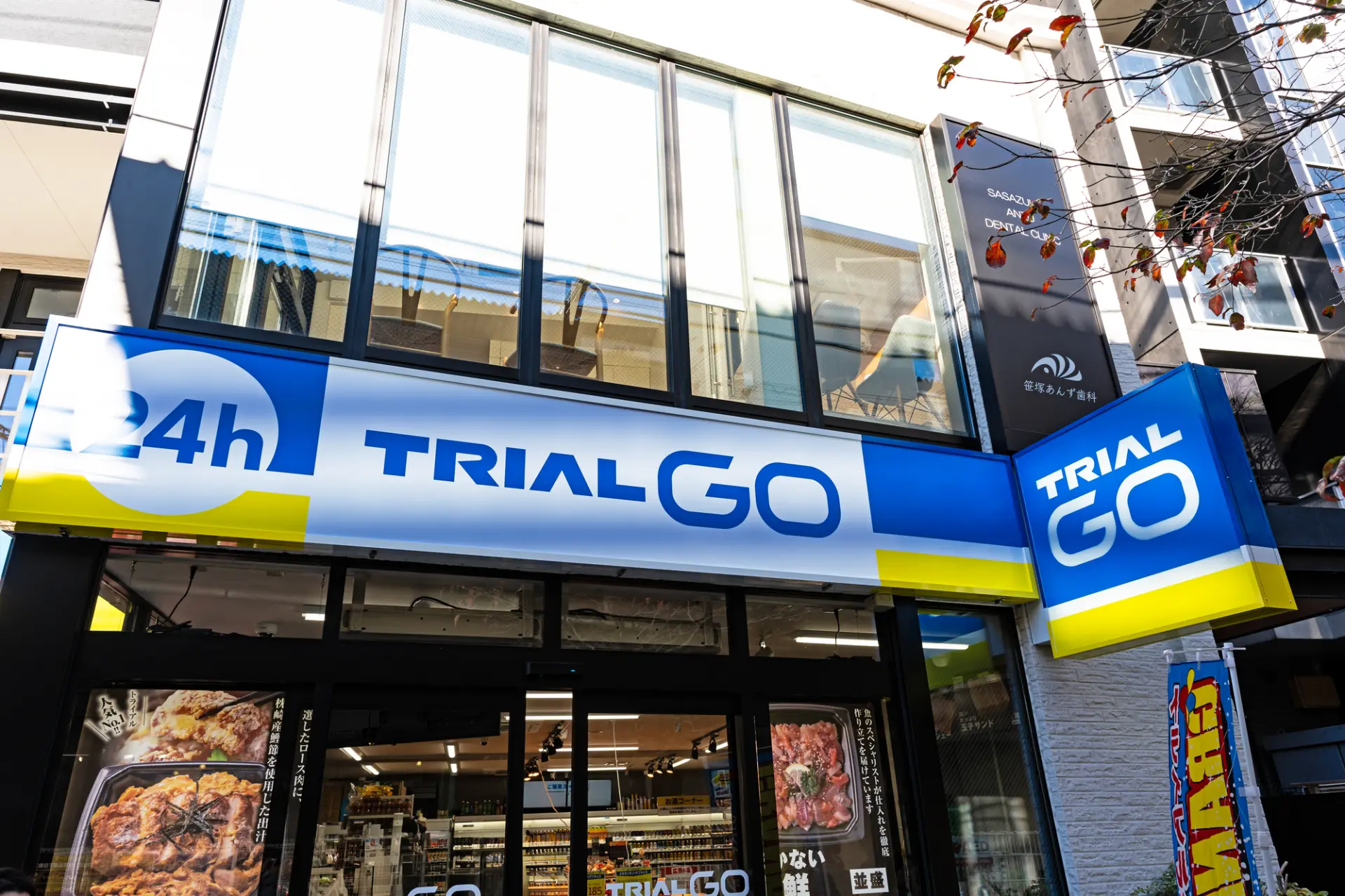
TRIAL is a discount supermarket chain originating in Fukuoka Prefecture. It operates stores of various sizes and formats throughout Japan, including supercenters, megacenters, and food supermarkets. Some locations are open 24 hours a day. Its use of IT in store development is particularly notable. For example, Skip Cart shopping carts have a built-in self-checkout function, allowing shoppers to scan products as they shop. At checkout, cashless payment is completed simply by passing through a dedicated gate.
Some stores also use AI cameras and digital signage to improve operational efficiency and customer convenience.
10. LOPIA
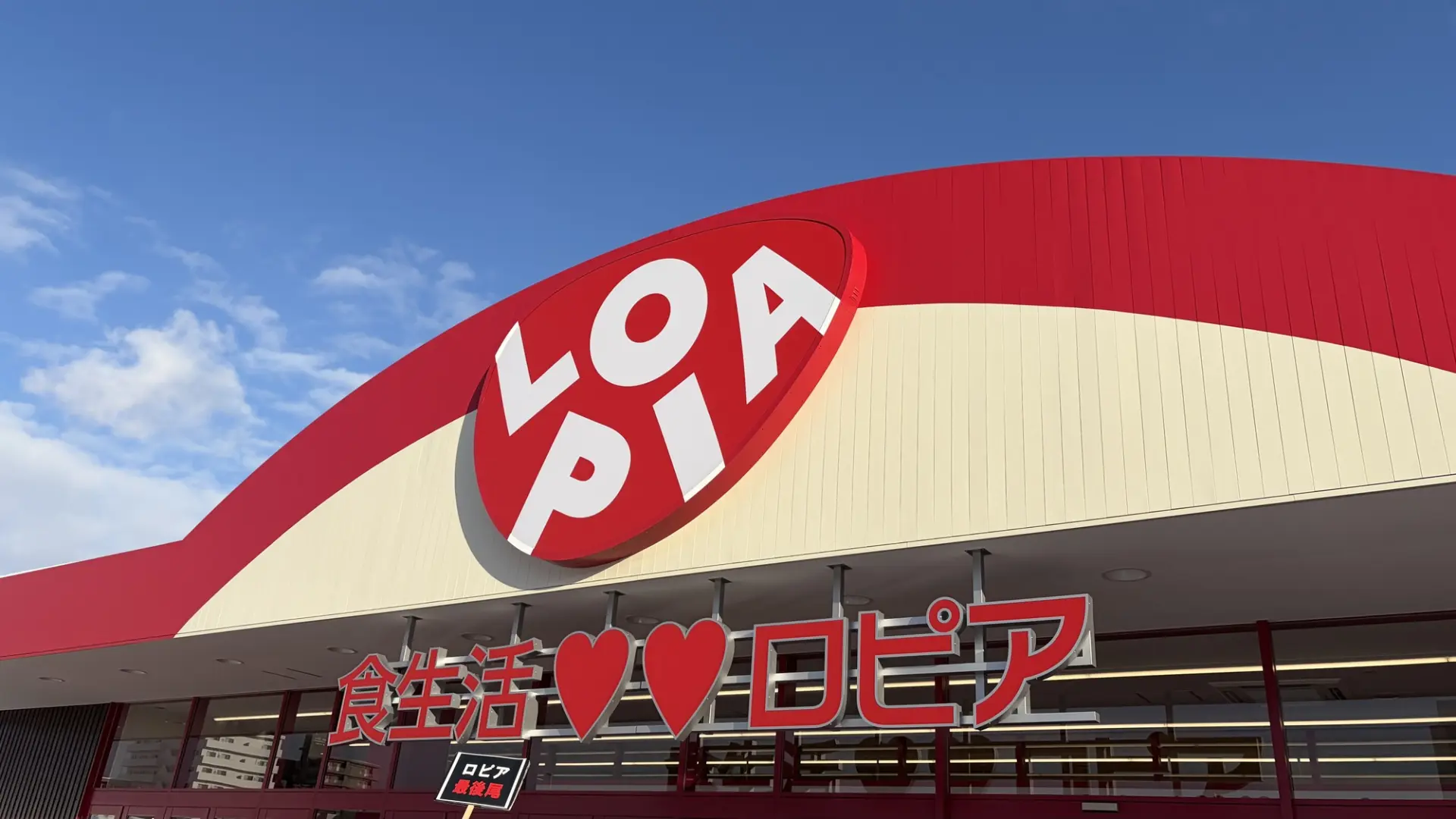
LOPIA is a food supermarket chain founded as a specialty butcher shop in Fujisawa, Kanagawa Prefecture, in 1971. Its defining feature is a department-led management policy in which the chief responsible for each section handles purchasing, product development, and pricing. Each department has the character of an individual specialty store, with names such as Niku no Lopia for meat, Yaomono-ya Azuma for produce, and Nihonbashi Uoman for seafood. LOPIA also emphasizes quality and value under the motto, “If it is the same product, sell it for less; if it is the same price, offer something better.” Because each manager develops the selection based on local demand, the products available can vary from one store to another.
Three Convenient Supermarkets in the Greater Tokyo Area
The Greater Tokyo Area has many supermarkets located near stations and in residential neighborhoods. They are convenient for buying drinks and snacks or picking up additional bento and prepared foods to eat at your accommodations. Here are three chains that are easy to use near many places travelers stay.
11. My Basket
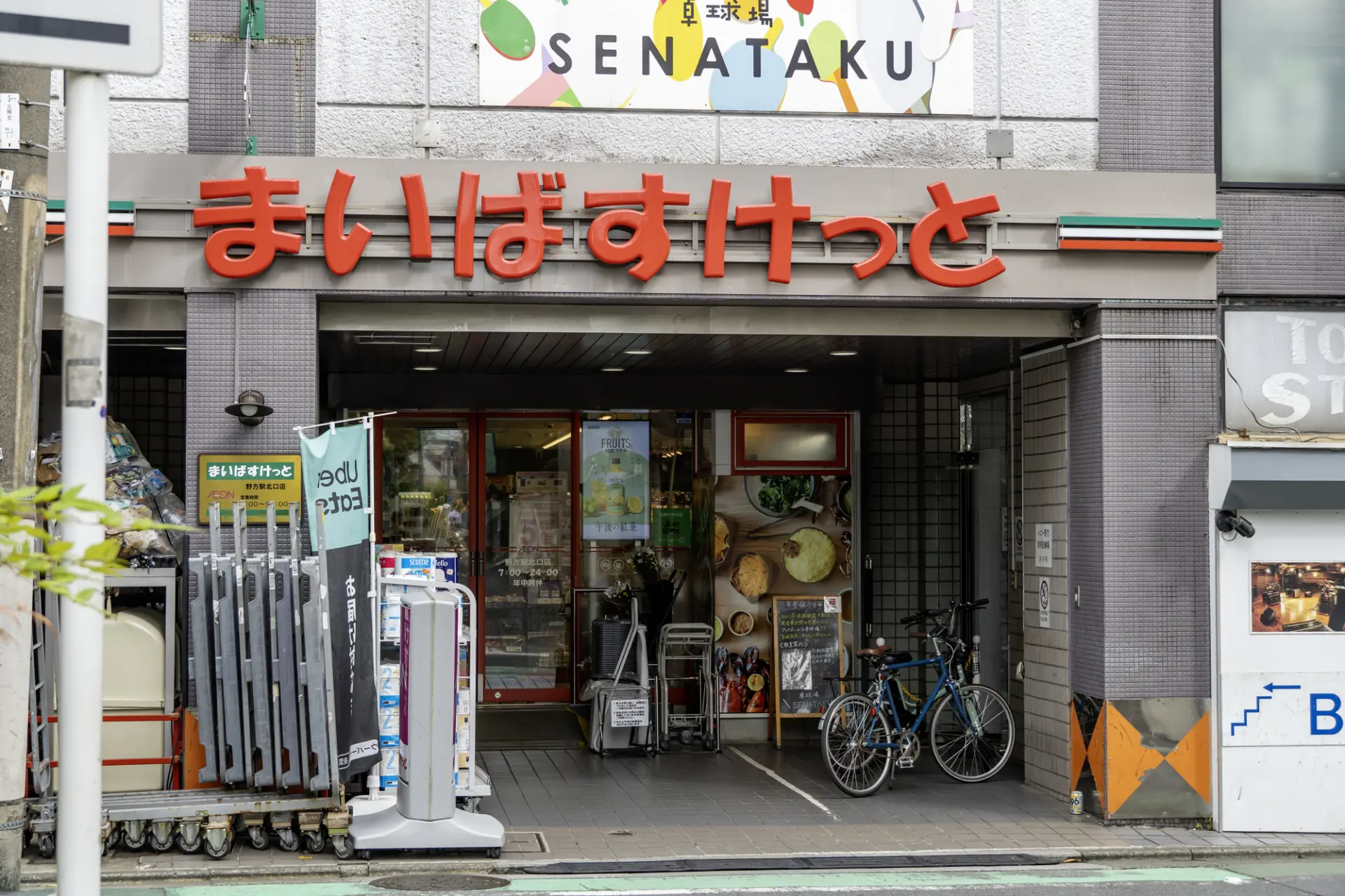
My Basket is a small urban supermarket chain founded in Yokohama, Kanagawa Prefecture, in 2005. Primarily operating in the Greater Tokyo Area, its stores are often found in convenient everyday locations such as residential neighborhoods, near train stations, and in business districts. Under the concept of being “close, affordable, clean, and friendly,” it focuses on creating stores that serve their local communities. Although a standard sales floor is compact at approximately 1,780 square feet, stores offer a broad selection that includes fresh foods, prepared dishes, processed foods, and daily necessities. Their convenience lies in allowing shoppers to purchase groceries nearby without traveling to a large supermarket. In recent years, the chain has continued opening more than 100 stores annually.
12. Ozeki
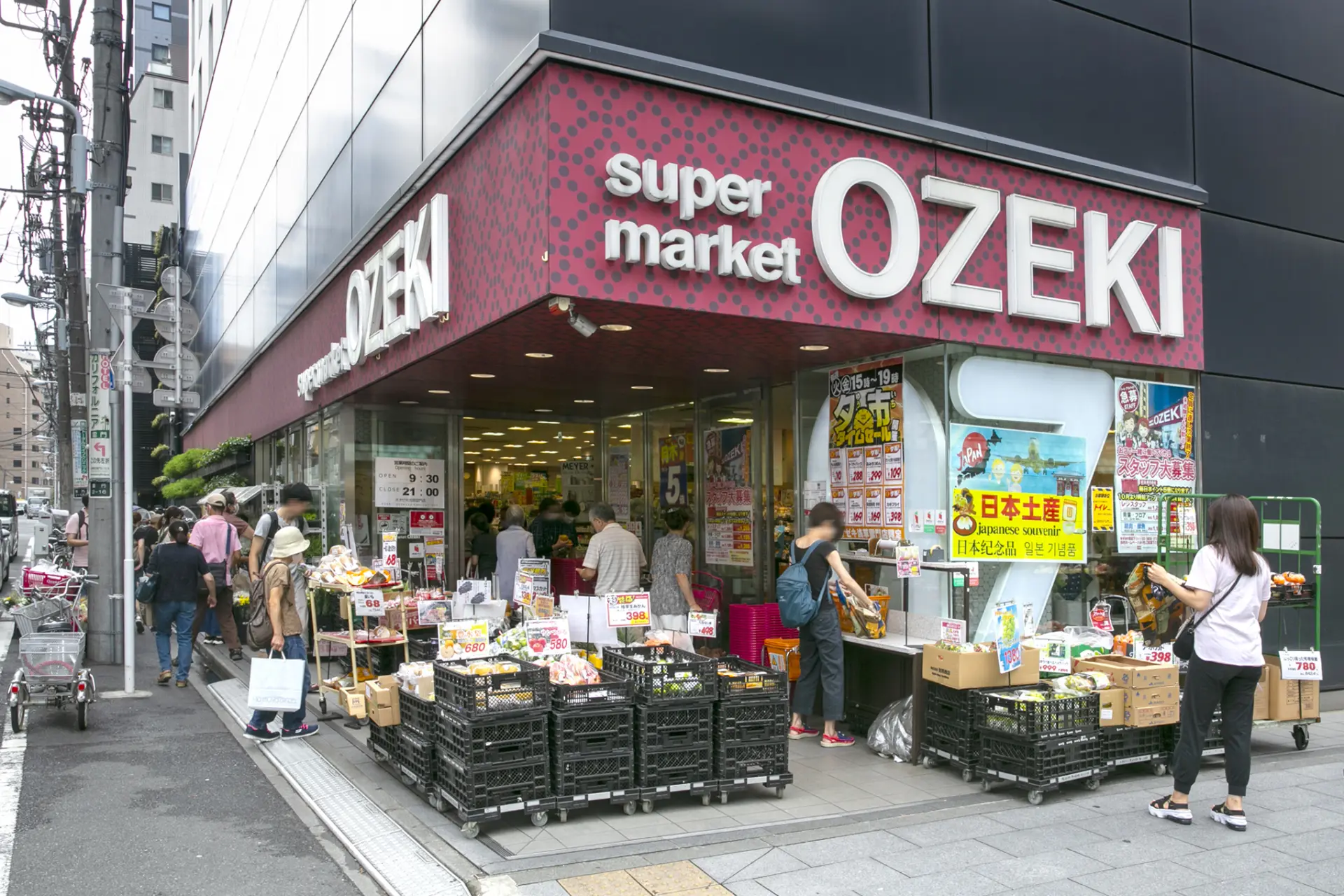
Ozeki is a community-based supermarket chain operating in Tokyo. One distinctive feature is that each store's buyers visit markets directly to purchase products. The items selected by these experienced buyers are known for their reliable quality, giving customers confidence when shopping. The company also follows the motto, “If a customer requests something, we will use every possible method to provide it, even if it is only one item.” Despite the compact size of its stores, each carries an impressive selection of approximately 20,000 products.
Particularly recommended are the snacks and seasonings carefully selected from across Japan. With so many products lining the shelves, take some time to look for one that suits your tastes.
13. Tokyu Store
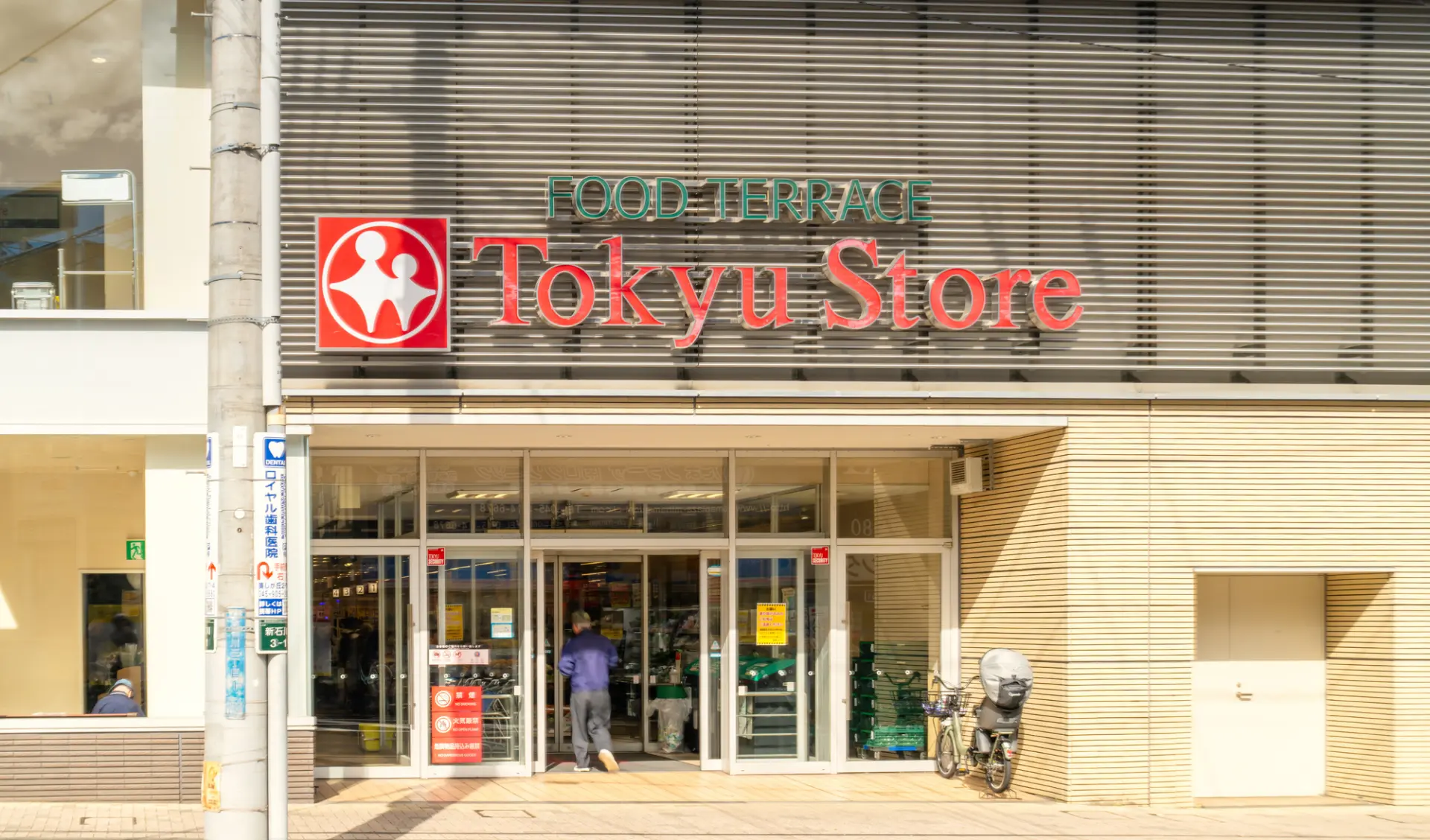
Tokyu Store is a food supermarket chain operating in Tokyo and Kanagawa, primarily along Tokyu railway lines. Its distinctive store-by-store management approach tailors each sales floor to the character and customer base of the surrounding neighborhood, even among stores along the same railway line. Its in-store prepared bento and side dishes are particularly worth checking out. In addition to freshly made items, stores offer convenient foods that reduce preparation time and products for health-conscious shoppers, providing options ranging from full meals on busy days to simple additions to a meal. The chain also operates several formats to meet different customer needs, including Precce, known for its more upscale service and selection, and the convenience-focused compact format Tokyu Store Food Station.
Two Premium Supermarkets with Specialty Ingredients and Imported Foods
If you are looking for imported foods or originally developed products that are difficult to find at ordinary supermarkets, premium supermarkets are a good choice. Their shelves feature unusual items, including carefully selected domestic and imported ingredients and original products, expanding your shopping options. Prices are relatively high, but part of the appeal is the opportunity to discover something new.
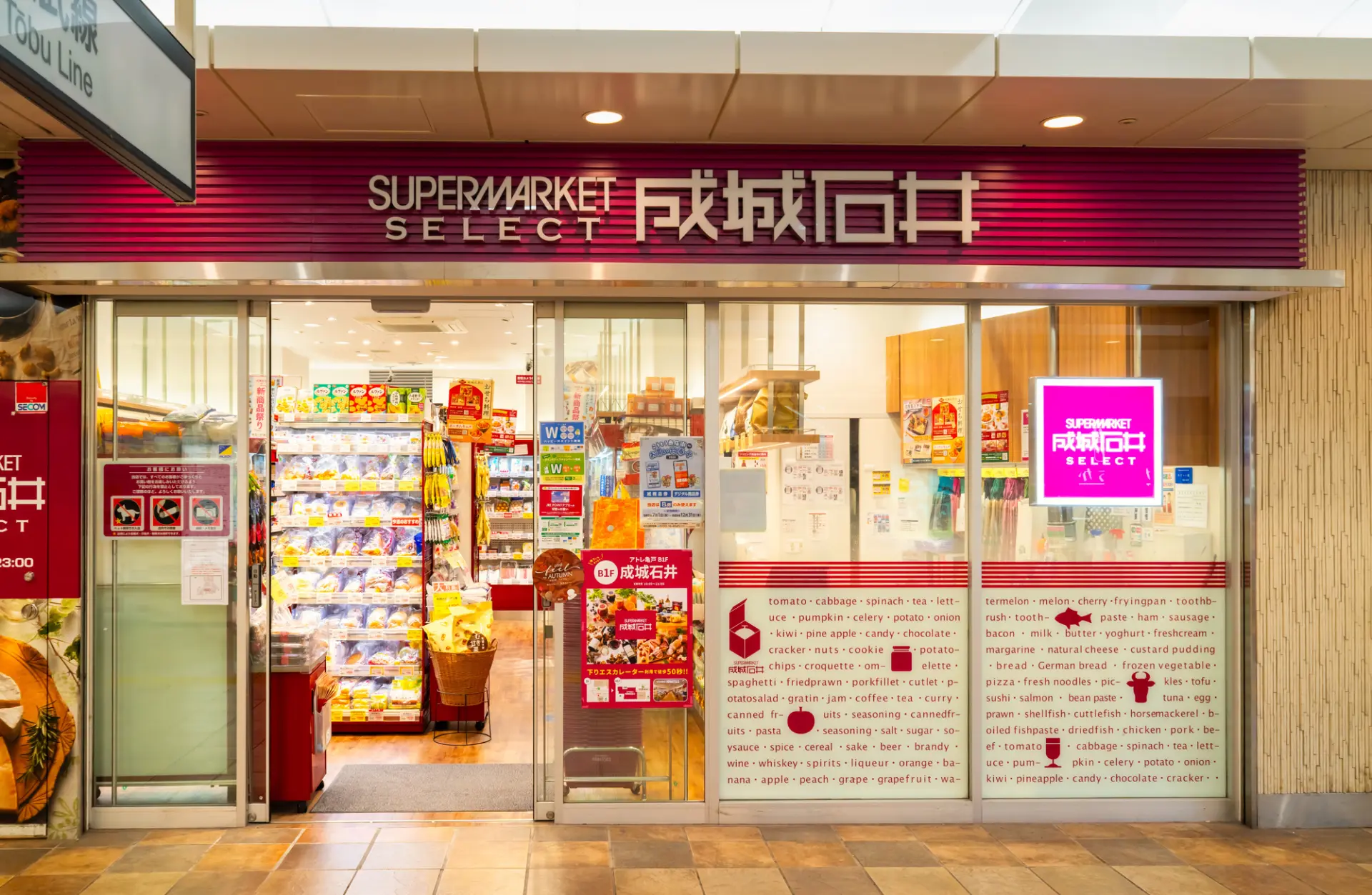
14. Seijo Ishii
Seijo Ishii is a premium supermarket offering carefully selected foods from Japan and overseas. It has stores in a wide variety of locations, including station buildings, inside train stations, and in shopping centers, making it easy to stop by while traveling. Its distinctive selection includes imported wine, cheese, international seasonings, and snacks sourced by buyers through their own channels. The company also focuses on developing original products, carefully considering everything from ingredients and place of origin to production methods. At its central kitchen, skilled professionals participate in recipe development and produce prepared dishes, desserts, ham, and sausages. With such an extensive range of original products, simply browsing the store can be enjoyable.
15. KINOKUNIYA
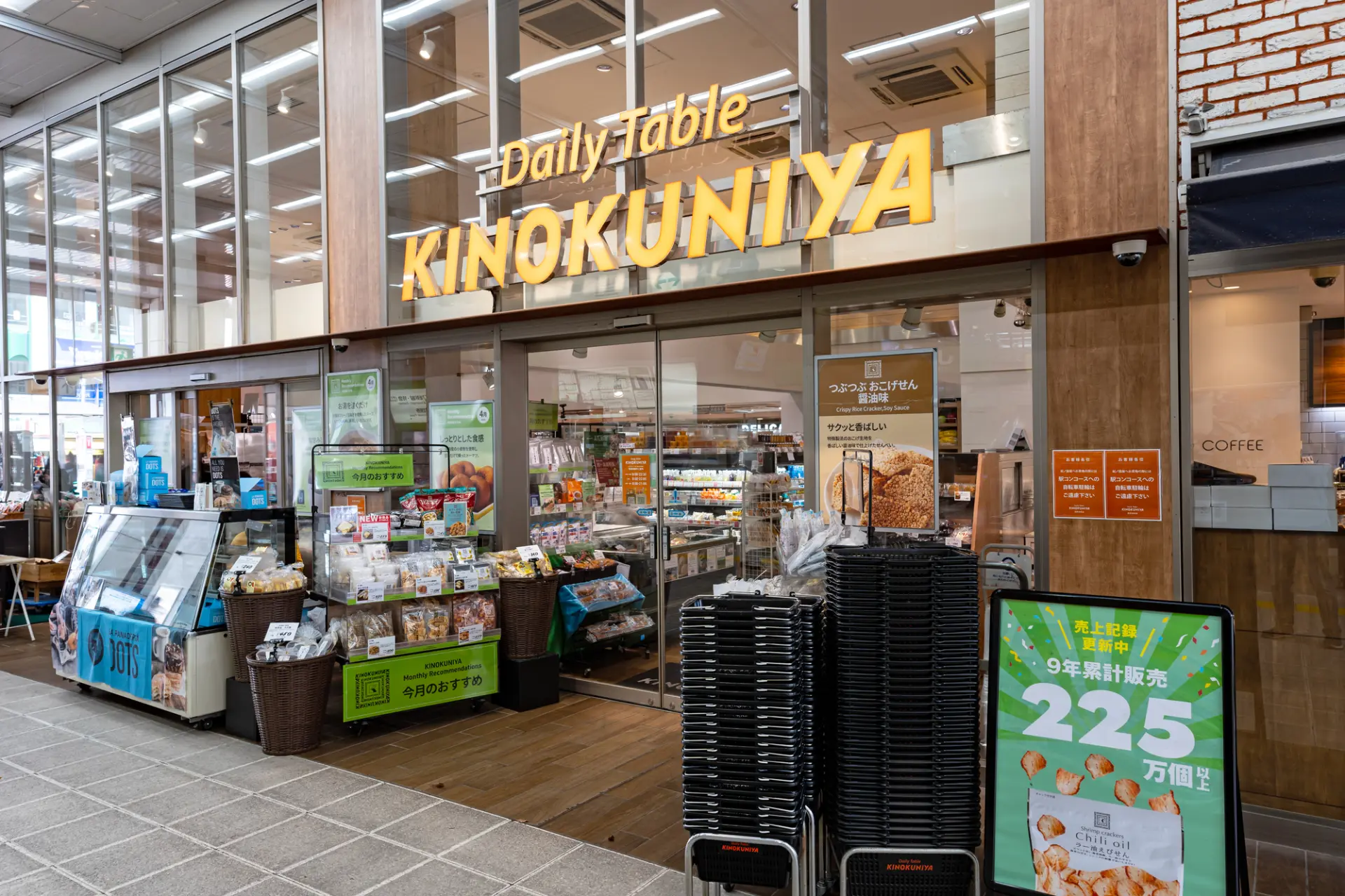
KINOKUNIYA is a long-established food supermarket founded as a fruit shop in Aoyama, Tokyo, in 1910. In 1953, it opened Japan's first self-service supermarket. Today, it carries carefully selected foods from Japan and overseas, offering a broad range of products chosen with an emphasis on quality, flavor, and safety. It also has an extensive selection of household goods, including reusable bags featuring the KINOKUNIYA logo and the convenient OBENTO Shopper for carrying bento. In addition to food, shoppers can enjoy looking for practical everyday items.
Local Supermarkets Worth Visiting Around Japan
Local supermarkets generally refer to chains founded locally or primarily operating within a specific region. Unlike major chains, they offer the chance to discover products distinctive to the area, including foods that local residents have enjoyed for many years. Visiting one during your trip can provide a glimpse of local life that you may not experience by touring sightseeing attractions alone. The article below provides more details on the appeal of local supermarkets, how to enjoy them, and recommended stores.
Four Products and Sections to Check Out at Japanese Supermarkets
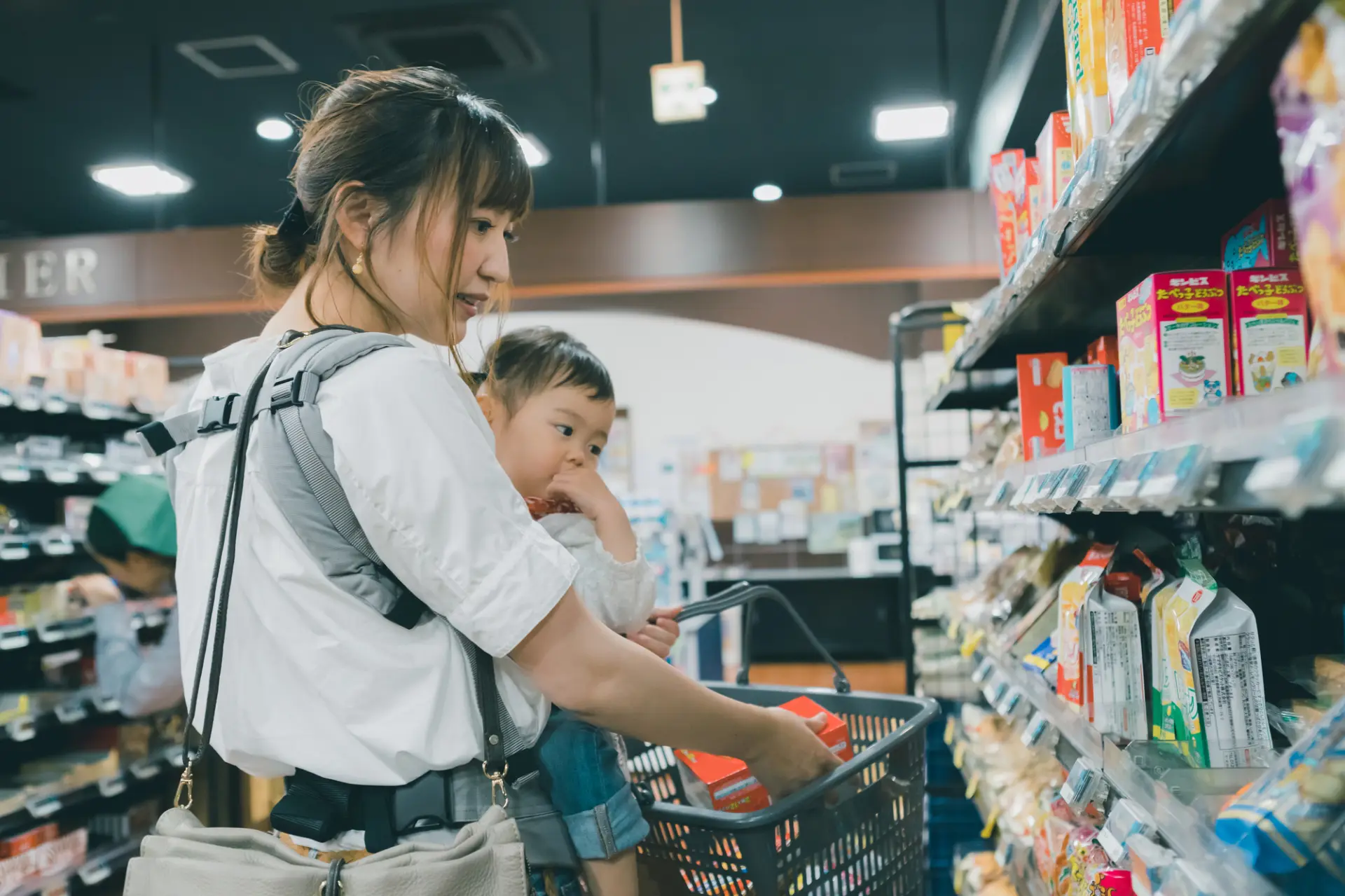
Supermarkets are not simply places to buy groceries. They also offer an accessible way to experience Japanese food culture, the seasons, and distinctive regional characteristics. You can sample Japanese flavors at affordable prices and shop for souvenirs such as regional snacks and seasonings. Here are the sections to check out when visiting a supermarket during your trip.
1. A Wide Selection of Bento, Sushi, and Prepared Foods
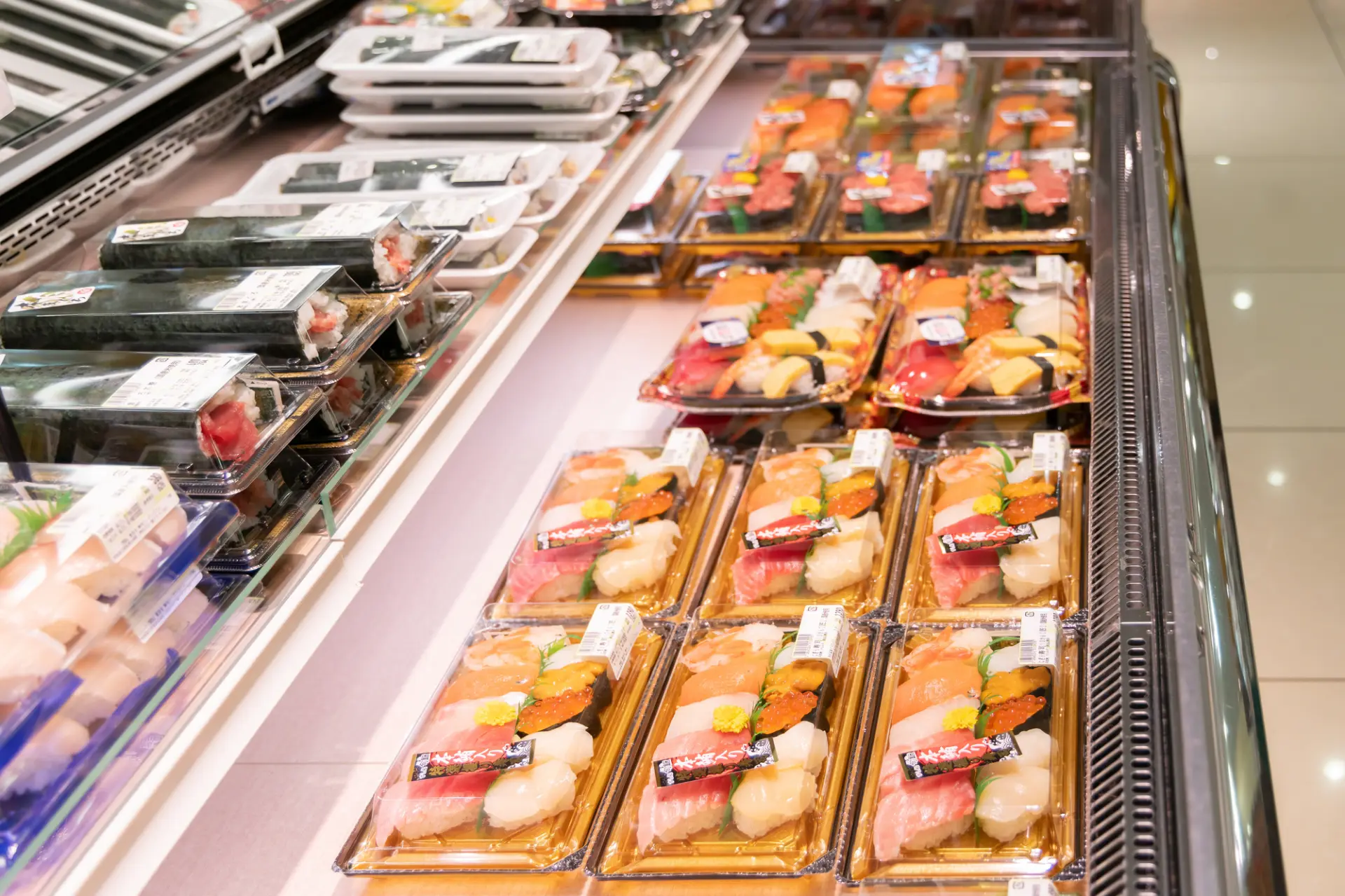
The bento, sushi, and prepared-food sections are among the main highlights of Japanese supermarkets. Bento options range from filling meals such as fried chicken bento and katsudon to health-conscious choices made with multigrain rice and vegetables. Sushi sections offer nigiri, rolls, and chirashi sushi, and you may also find products made with seafood distinctive to the region. The prepared-food section is another area not to miss. Croquettes, yakitori, salads, simmered dishes, and other items prepared in-store are available at relatively affordable prices. These sections are useful in many situations, whether you need a snack at your hotel, lunch while sightseeing, or something to enjoy with a drink.
2. Fresh Seafood, Vegetables, and Fruit
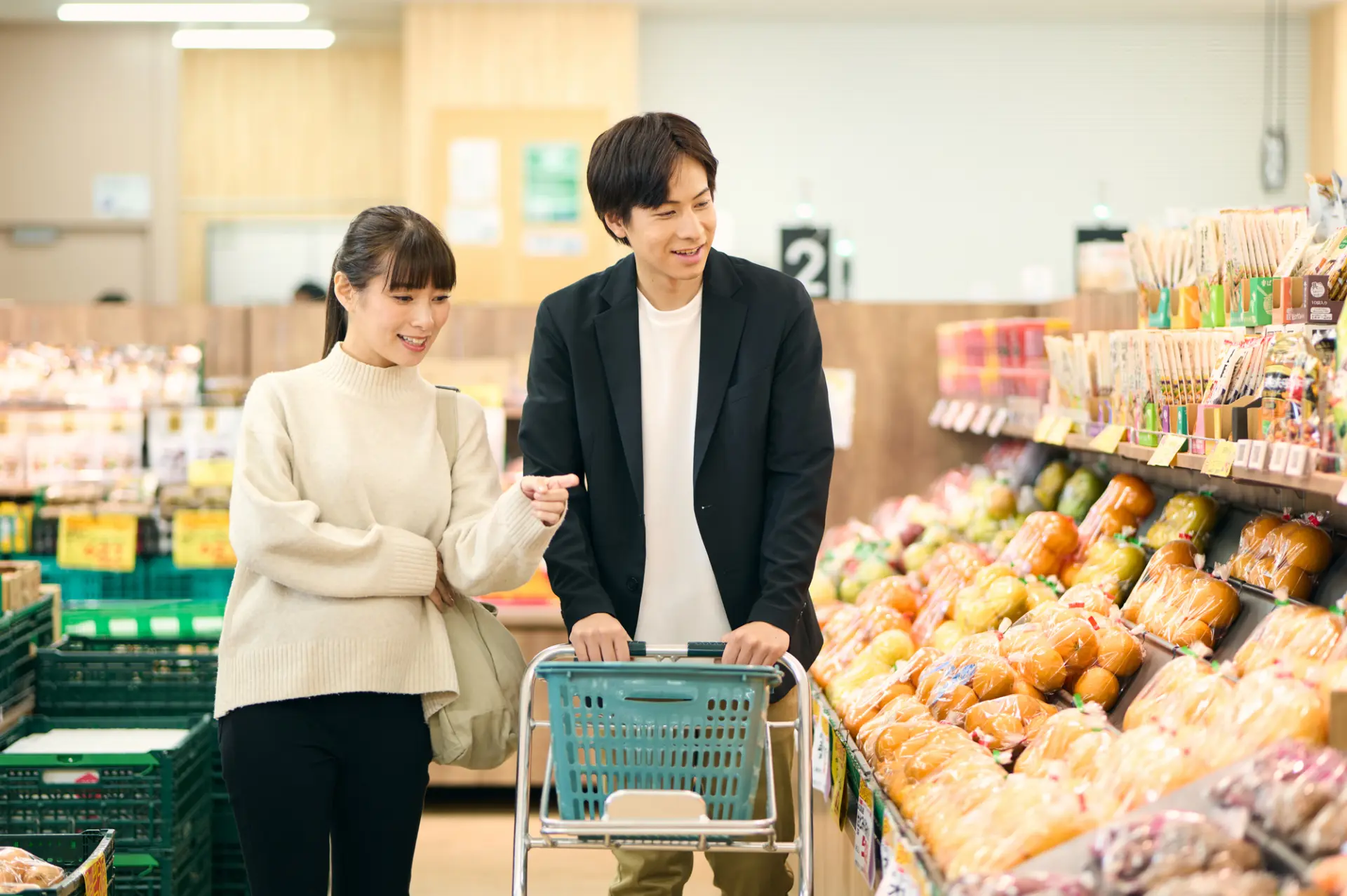
Japanese supermarkets also have extensive selections of fresh foods, including seafood, vegetables, and fruit. Seafood sections carry fish and shellfish such as tuna, salmon, sea bream, and mackerel, with options ranging from blocks for sashimi to individual fillets for different uses. Some stores also sell seafood landed at local fishing ports, providing an accessible way to experience Japan's rich food culture. The produce section changes with the seasons. Ingredients at their peak appear throughout the year, such as strawberries and bamboo shoots in spring, peaches and watermelon in summer, pears and persimmons in fall, and mikan oranges in winter. Some stores also sell cut fruit and small packages of vegetables and fruit, which are convenient for travelers who only want to buy what they can finish.
3. Distinctively Japanese Snacks and Seasonings
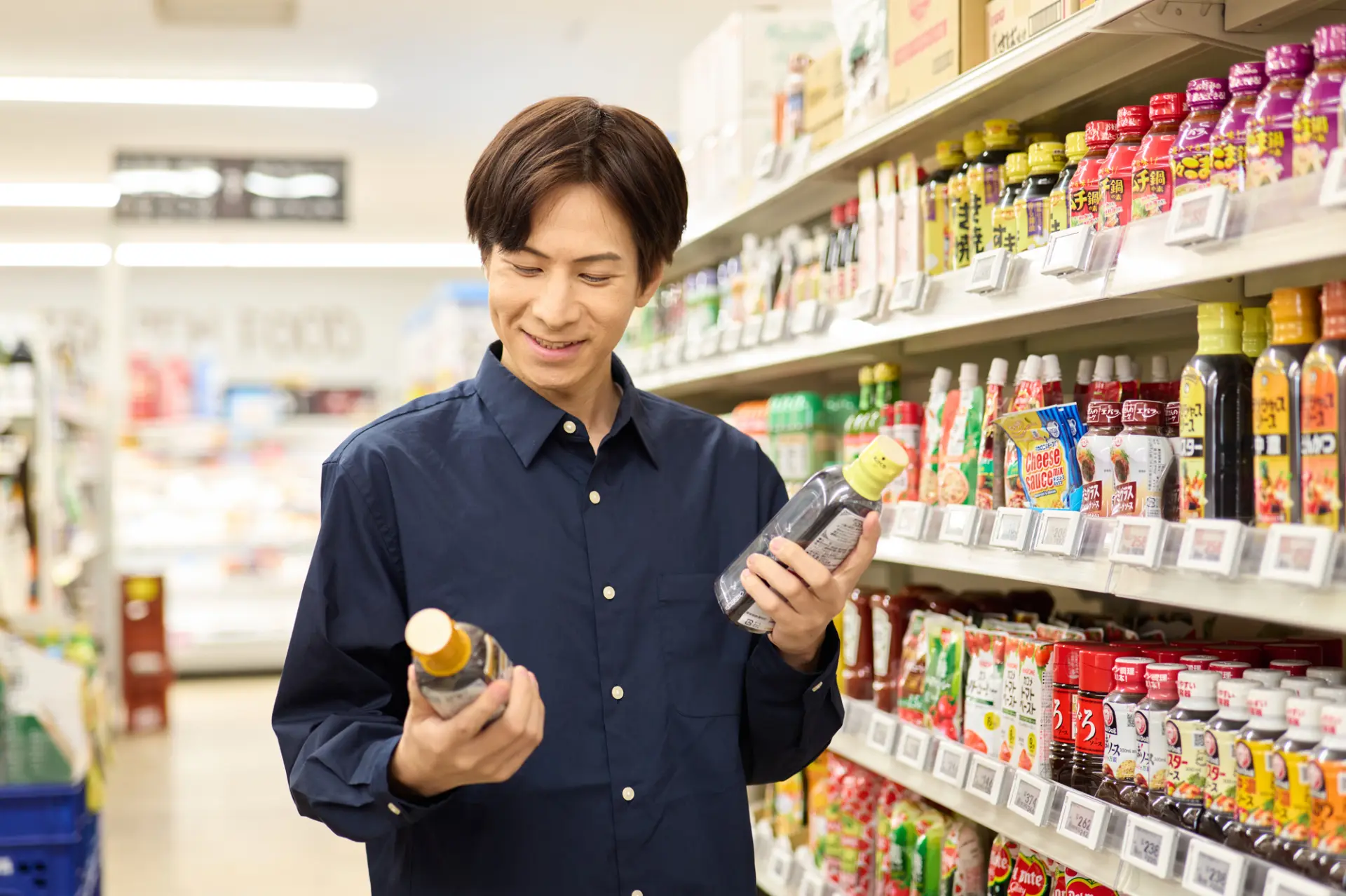
Snacks and seasonings make good souvenirs because many products are lightweight and have a long shelf life. Snack sections carry products in distinctly Japanese flavors such as matcha, hojicha roasted green tea, and cherry blossom, along with many seasonal limited-edition items. There is also an extensive selection of potato chips, chocolate, rice crackers, gummy candy, and more, making it easy to choose according to your preferences. In the seasoning section, you can find essentials of Japanese home cooking, including soy sauce, miso, ponzu, dashi, and shichimi seven-spice seasoning. Flavors and characteristics may differ by region, offering discoveries specific to your destination.
4. Private-Label Products Showcasing Each Chain's Approach
Private-label products developed and sold by each chain under its own concept are also attracting attention at Japanese supermarkets. Examples mentioned above include AEON's TOPVALU, SEIYU's Minna no Osumitsuki, and Life's BIO-RAL. These brands cover a broad range of products, including seasonings, beverages, frozen foods, snacks, and daily necessities. Many emphasize a balance between quality and price, and they are generally easy to identify because the packaging displays the brand name or logo. Because each product reflects the chain's policies and priorities, comparing similar products from different brands can be interesting. Trying something you would not ordinarily choose may also lead you to a new favorite.
A Beginner's Guide to Shopping at Japanese Supermarkets
Understanding the different types of checkouts, payment methods, and food labels can help you shop confidently at a Japanese supermarket, even on your first visit. This section explains the process from entering the store to checking out, along with other useful information.
From Entering the Store to Checking Out
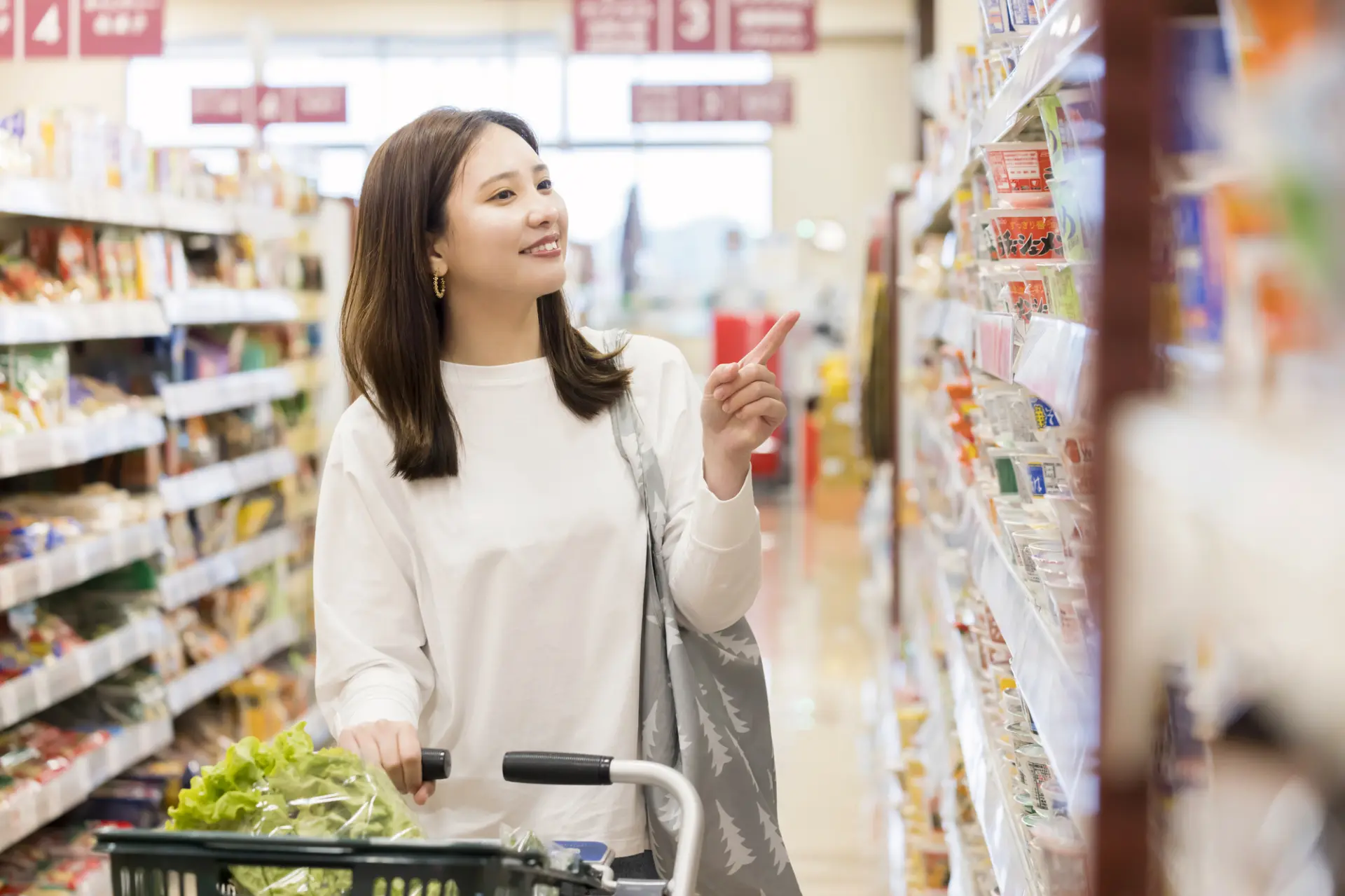
Shopping at a Japanese supermarket generally involves the following five steps. Although details vary somewhat by store, the basic process is largely the same throughout Japan.
1. Pick up a shopping basket or cart near the entrance, or enter without one if you do not need it
2. Browse the store and select the products you want
3. Once you have finished shopping, proceed to the checkout
4. Pay at a staffed checkout, semi-self-checkout, or self-checkout
5. After paying, place your purchases in a plastic or reusable bag at the bagging counter. At some self-checkouts, you may bag items as you scan them
Types of Checkouts and Payment Methods
Japanese supermarket checkouts can generally be divided into the following three types.
Staffed checkout: An employee scans your products and processes payment at the same register
Semi-self-checkout: An employee scans your products, and you pay at a separate payment terminal
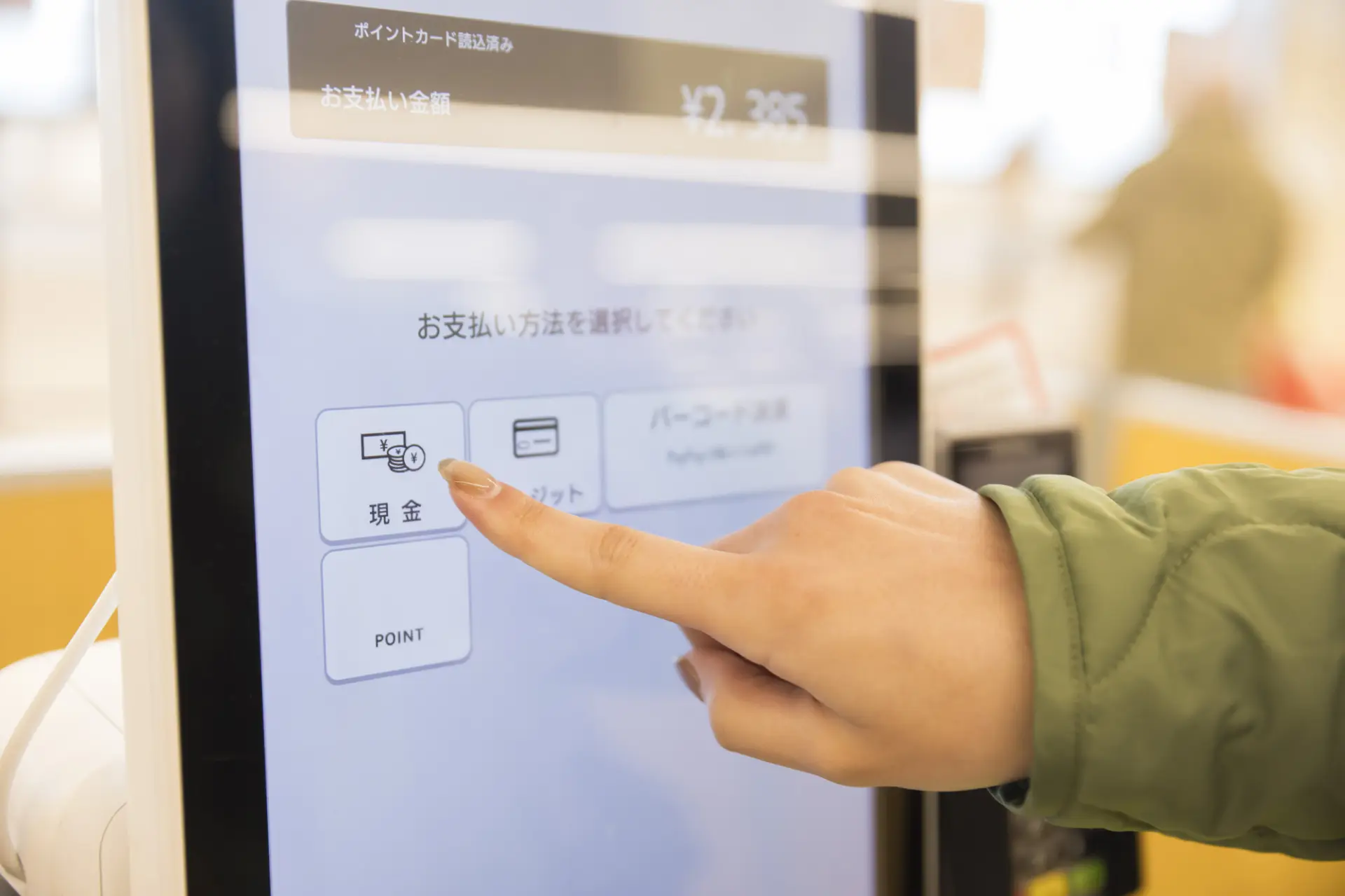
Self-checkout: You scan the products and complete the payment yourself
At a staffed checkout, place your shopping basket in the designated area on the counter and allow the employee to scan your products. At a semi-self-checkout, proceed to the payment terminal indicated by the employee after your products have been registered, then follow the on-screen instructions to pay.
Payment methods include cash, credit cards, electronic money, and QR code payments. Accepted payment methods and card brands vary by store, so carrying cash is advisable. Plastic shopping bags are also subject to a fee at many supermarkets. If you need one, tell the employee before paying or select the number of bags on the self-checkout screen.
How to Use a Self-Checkout
At a self-checkout, follow the on-screen instructions to scan your products and pay.
The basic procedure is as follows.
1. Go to an available self-checkout and begin the transaction
2. Scan each product's barcode. For products without barcodes, select the item on the screen or ask an employee for assistance. Place products in the designated area as needed
3. Select an available payment method, such as cash, credit card, or electronic money
4. Confirm the total and complete the payment
5. Place your purchases in a reusable bag or other bag at the bagging counter or designated space beside the checkout
Operating procedures vary by machine, and some offer an English-language display. If you are unsure what to do or encounter a scanning error, ask a nearby staff member for help.
How to Read Discount Stickers and When Discounts Are Applied
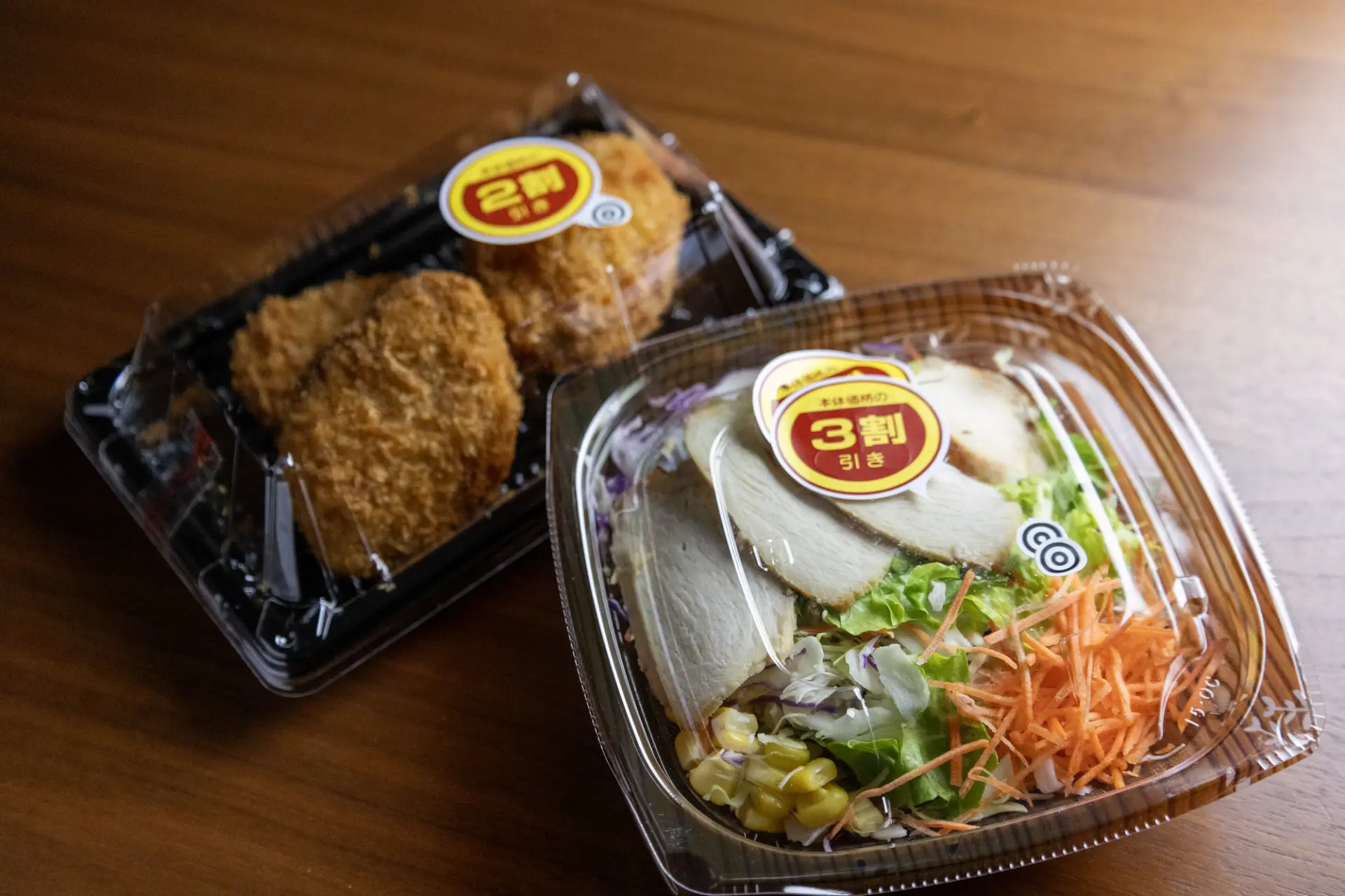
At Japanese supermarkets, you may find discount stickers on products such as bento, prepared foods, sushi, and sashimi. These stickers indicate that products approaching their use-by date or remaining in excess of expected daily sales are being sold below their regular price. The stickers display either a percentage or a fixed discount, such as “20% off,” “half price,” or “¥100 off,” making it easy to see how much you will save. There is no fixed discount schedule, and timing varies by store, but discounts generally become more common from the evening onward.
How to Check Food and Allergen Labels
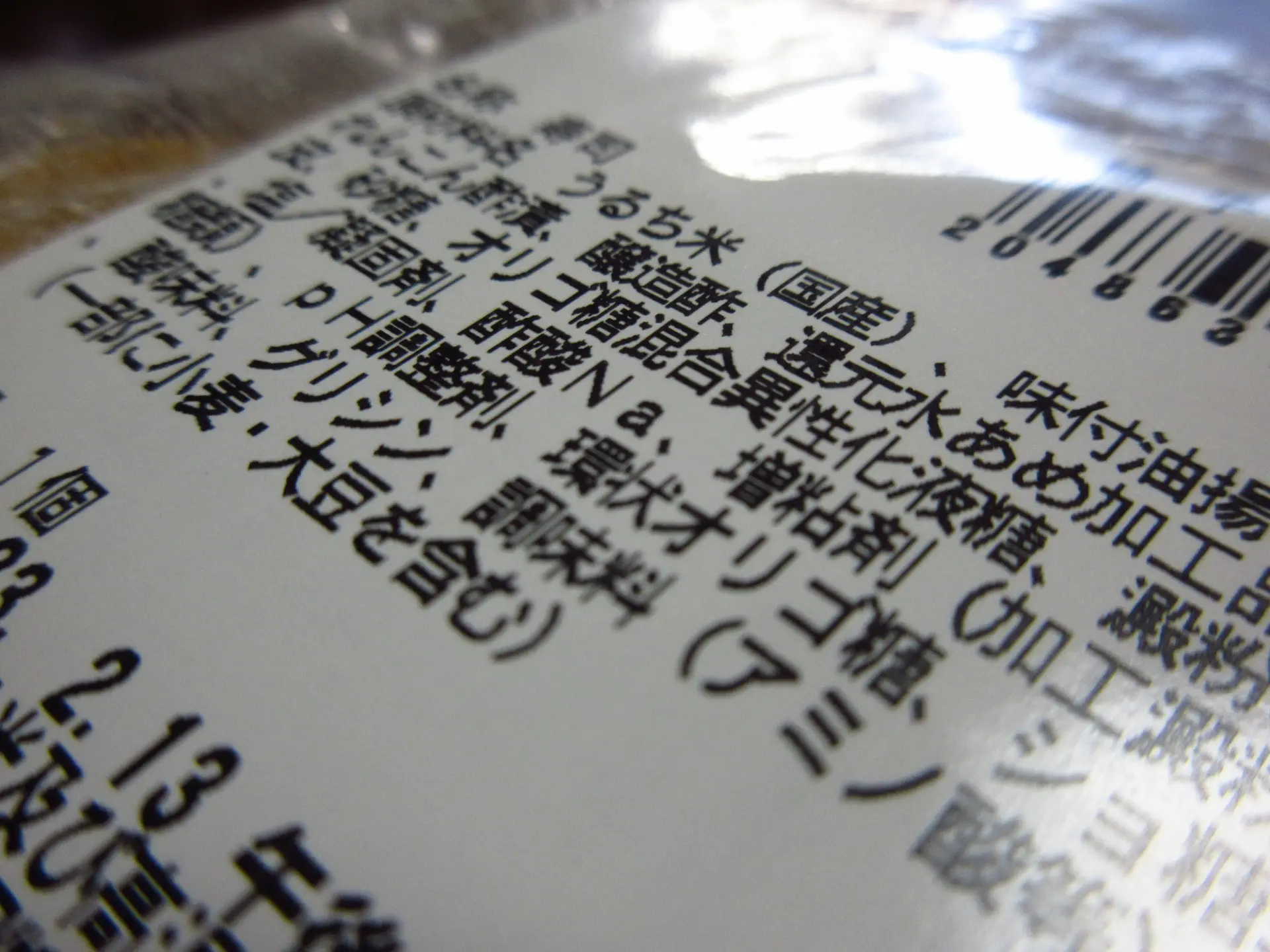
Depending on the type of food, Japanese labels provide information such as the product name, place of origin, net quantity, storage instructions, expiration date, and nutritional content. People with food allergies should pay particular attention to the ingredients, additives, and allergen information on processed foods. Packaged processed foods containing specified allergenic ingredients are legally required to state this on the label. Following a regulatory revision in April 2026, the following 9 ingredients became subject to mandatory labeling.
Shrimp
Crab
Walnuts
Wheat
Buckwheat
Eggs
Milk
Peanuts
Cashews
A transition period for cashews runs through March 31, 2028. Products manufactured, processed, or imported before then may use labels based on the previous standards.
Japanese food labels also use two types of expiration dates: “use by” and “best before.” The use-by date indicates the period during which the food can be eaten safely, while the best-before date indicates how long the product is expected to retain its intended quality and flavor.
Useful Japanese and English Shopping Phrases
Some supermarkets provide multilingual signs and guidance, but English may not be understood at every store, so learning a few simple phrases can be helpful. If communication remains difficult, try using a translation app on your smartphone.
| Japanese | English |
|---|---|
| 〇〇はどこにありますか? | Where can I find 〇〇? |
| これはいくらですか? | How much is this? |
| クレジットカードは使えますか? | Do you accept credit cards? |
| レジ袋を1枚ください | Can I have a plastic bag, please? |
| 〇〇は入っていますか? | Does this contain 〇〇? |
Frequently Asked Questions About Japanese Supermarkets
Q
Are Japanese supermarkets cheaper than convenience stores?
In many cases, supermarkets are cheaper than convenience stores. They also offer plenty of sale items and bulk products, making them useful when you want to shop economically. Prices vary by store and product.
Q
What time do Japanese supermarkets close?
Hours vary by region and store, but supermarkets generally open at around 9:00 or 10:00 a.m. and close at around 9:00 or 10:00 p.m.
Q
Can I use credit cards or electronic money at supermarkets?
Many supermarkets accept cashless payments. However, accepted card brands and payment types vary, so carrying some cash is advisable.
Q
Are plastic shopping bags free at supermarkets?
Plastic shopping bags have been subject to a fee since July 2020 and generally cost a few dozen yen each. If you need one, tell the employee when checking out.
Q
Can I shop tax-free at supermarkets?
You can shop tax-free at authorized supermarkets if you meet the applicable conditions. The tax-free shopping system changed in November 2026, and food and beverages consumed in Japan are not eligible.
Summary
Japan has many types of supermarkets, including general merchandise stores with broad food selections, community-based chains, and discount stores known for low prices. They also offer many products that appeal to travelers, including bento, prepared dishes, snacks, and seasonings. Choosing a store based on your destination and purpose should help you purchase what you need efficiently. In addition to visiting tourist attractions, consider stopping by a supermarket during your trip to experience local flavors and scenes from everyday life.
Author
Writers & Editors
GOOD LUCK TRIP Editors
Sharing lesser-known ways to experience Japan with the world!