
Spring Kyoto Prefecture Travel Guide: Spectacular Spring Views Where Cherry Blossoms Meet Fresh Greenery
Kyoto Prefecture is where the charm of Japan’s ancient capital and lush nature come into harmony.
From the Higashiyama and Kitayama ranges surrounding the city to Uji in the south, known for tea, Kameoka, famed for the Hozugawa River boat ride, and Amanohashidate facing the Sea of Japan, a diverse range of scenery stretches out.
In places across the prefecture—along with Kiyomizu-dera, Arashiyama, the Philosopher’s Path, and Maruyama Park, plus spots like Miyama and Amanohashidate—you can encounter views where nature and culture sit side by side.
Spring is when pale cherry blossoms wrap temples, shrines, and gardens, and fresh green light filters into streets and mountains. As you travel through breathtaking spring scenes where blossoms meet new leaves, you can savor Kyoto in spring, when time seems to slow down.
How to enjoy a Kyoto trip while touring spectacular spring scenery woven by flowers and greenery
From city strolls to nature walks, spring in Kyoto is filled with scenery woven by flowers and fresh greenery.
At popular spots like the Philosopher’s Path and Kiyomizu-dera, cherry blossoms and new leaves add a vivid touch to the city, creating spring scenes you’ll want to capture in photos.
Meanwhile, the nature that spreads across mountains, sea, and countryside—places like Miyama’s thatched-roof village and Amanohashidate—also has its own rich character. Whether you’re spending time visiting temples, shrines, and gardens or taking a quiet walk through rural satoyama landscapes, you’ll be surrounded by spring-only light and color.
As you tour the many breathtaking views created by flowers and greenery, you can enjoy a trip that lets you feel the season shifting.
A spring travel classic! 3 cherry blossom viewing spots in springtime Kyoto
Spring in Kyoto, when cherry blossoms are in full bloom, is a season that makes both city walks and countryside strolls feel extra special. From soft cherry hues that wrap historic temples, shrines, and gardens to wild cherry blossoms along rivers and in satoyama hills, each area offers a different look.
The typical best time to see them is around late March to early April. In this season, when the city and nature feel like one, why not take a walk through springtime Kyoto colored by cherry blossoms?
There are plenty of other spots too, so check the article below for more details on Kyoto’s cherry blossom viewing locations.
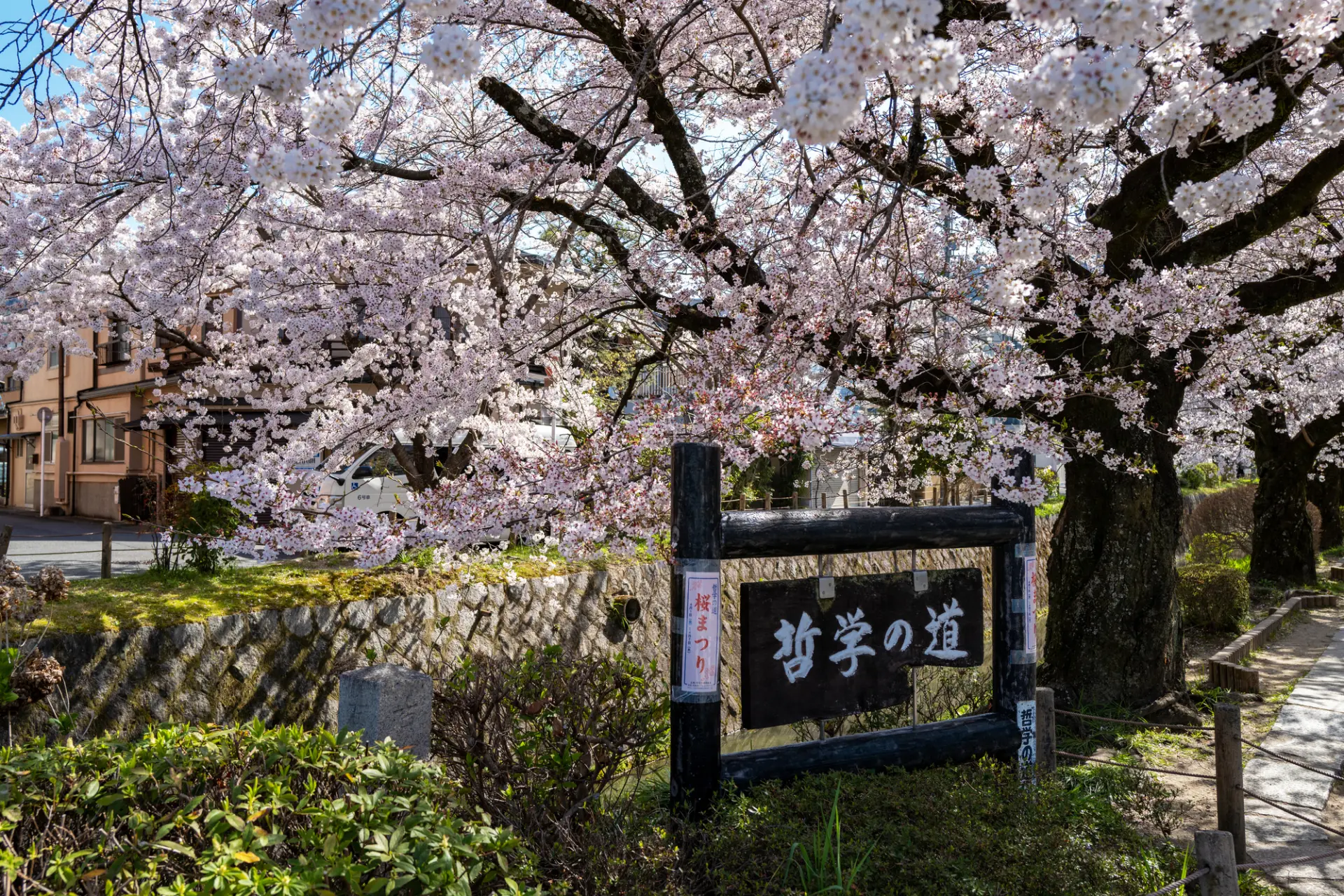
1. Philosopher’s Path (Kyoto City)
A walking path of Approx. 2 km stretching from Ginkaku-ji Temple to Kumano Nyakuoji Shrine.
It’s called the “Philosopher’s Path” after Kitaro Nishida, a philosopher and Kyoto University professor in the early 20th century, who is said to have walked here while lost in thought. It’s also selected as one of Japan’s “100 Best Roads.”
In spring, cherry trees—mainly Somei Yoshino—line the canal, and you can enjoy hanami as you quietly walk beneath rows of blossoms stretching their branches over the water.
2. Maruyama Park (Kyoto City)
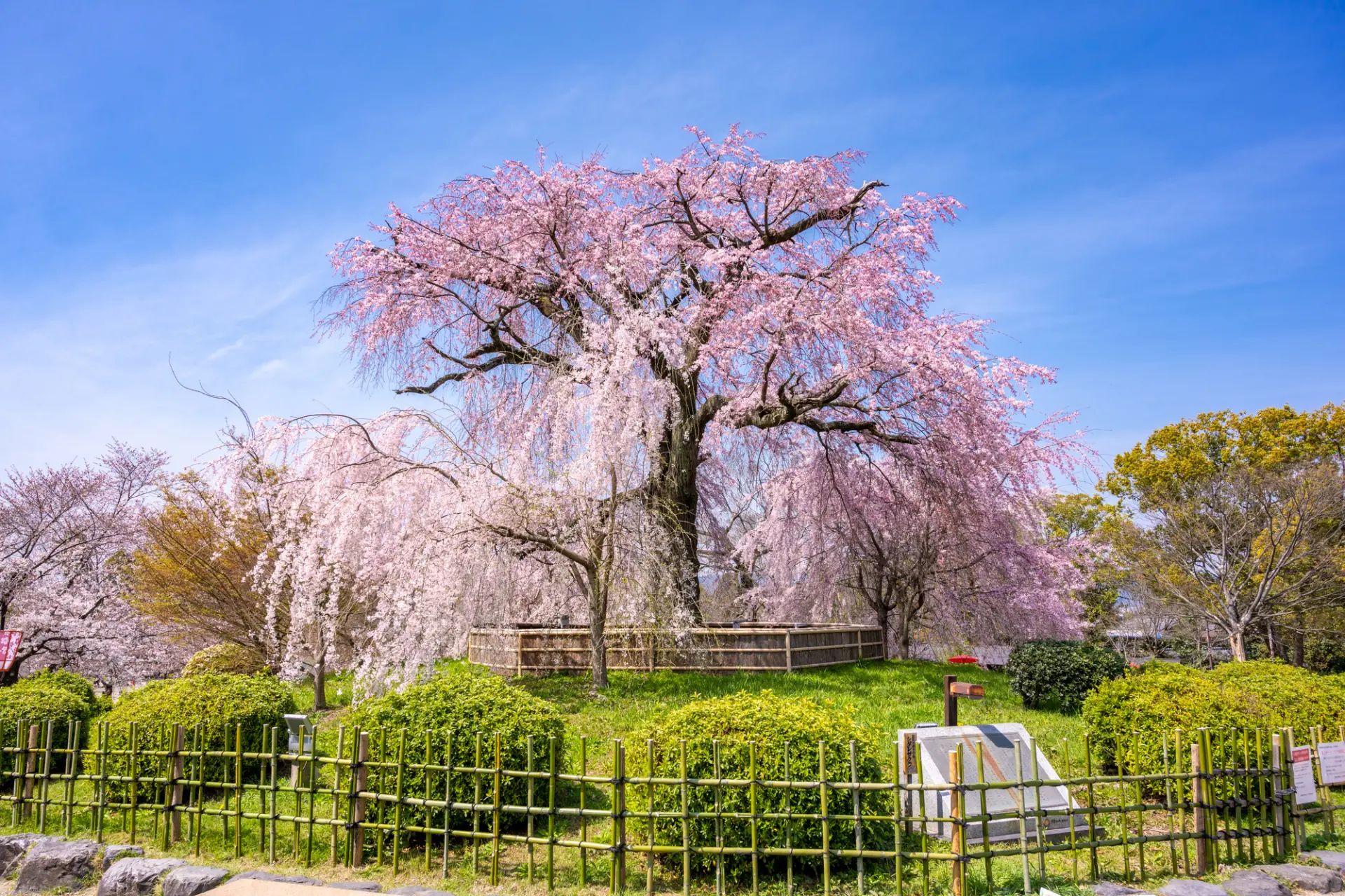
Kyoto’s oldest park, lined with traditional restaurants and tea houses around a strolling-style garden. The Gion weeping cherry tree by the pond is one of Kyoto’s top photo spots.
Areas around Hyotan Pond and the stone bridge offer beautiful waterside scenery, and in spring you can enjoy a calm atmosphere as you walk under the blossoms. It’s also close to Yasaka Shrine and Chion-in Temple, so you can pair cherry blossom viewing with visits to famous temples.
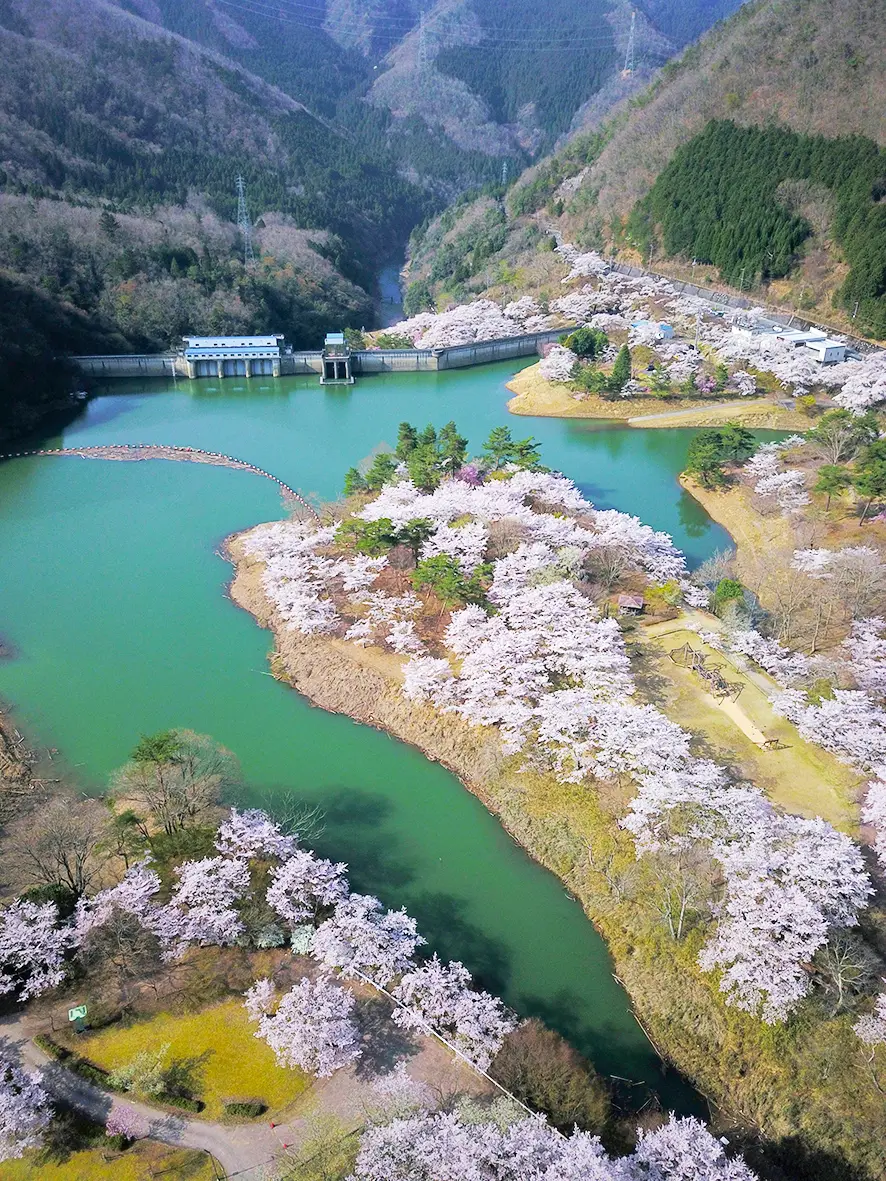
3. Nantan City Miyama Ono Dam Park (Nantan City)
A nature-rich park spread along the shore of Lake Ono Dam, where you can enjoy beautiful scenery that changes with each season.
In spring, Approx. 1,000 cherry trees planted by local residents bloom in spectacular fashion, and one highlight is driving through a tunnel of blossoms.
There are also spacious lawns and walking paths where you can relax by the lakeside, spending peaceful time with mountain quiet and fully blooming cherry blossoms.
7 Kyoto sightseeing spots where you can find scenic views with a rich springtime feel
If you’re traveling in Kyoto in spring, it’s fun to tour scenic spots where blossoms and fresh greenery sparkle.
Temples, shrines, gardens, and nature stretching across the sea and mountains all take on spring colors, showing special expressions found only in this season. In this time when the atmosphere of the ancient capital meets the breath of nature, here are a variety of sightseeing spots across Kyoto Prefecture.
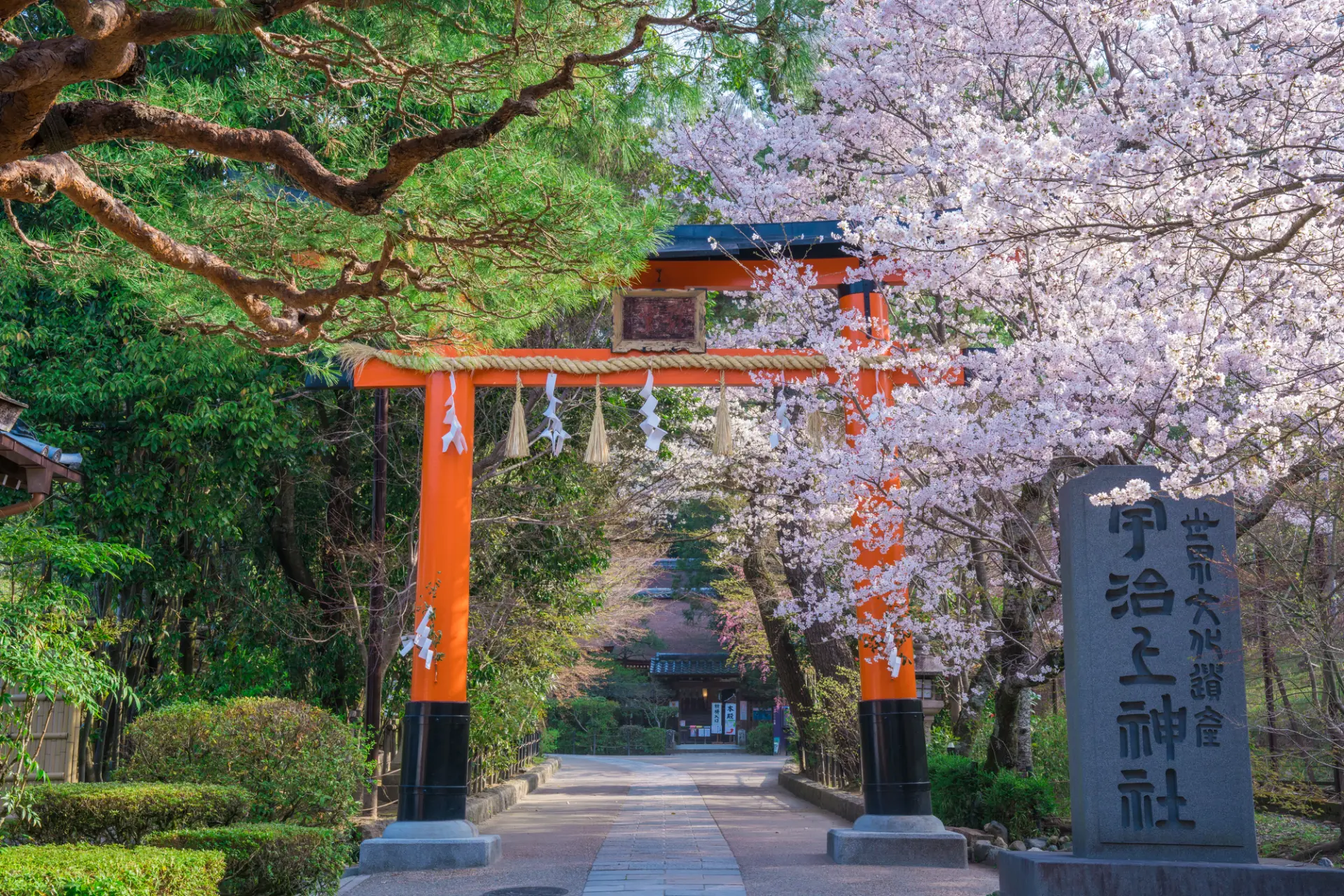
1. Ujigami Shrine (Uji City)
A sacred power spot revered since ancient times. This historic shrine is registered as a World Heritage Site as part of the “Historic Monuments of Ancient Kyoto,” and both its main hall and worship hall are designated National Treasures.
The main hall, in particular, is said to be Japan’s oldest surviving Shinto shrine architecture, and the grounds, quietly set in a forest, strongly retain the atmosphere of earlier times. It’s an easy stop during a spring walk around Uji.
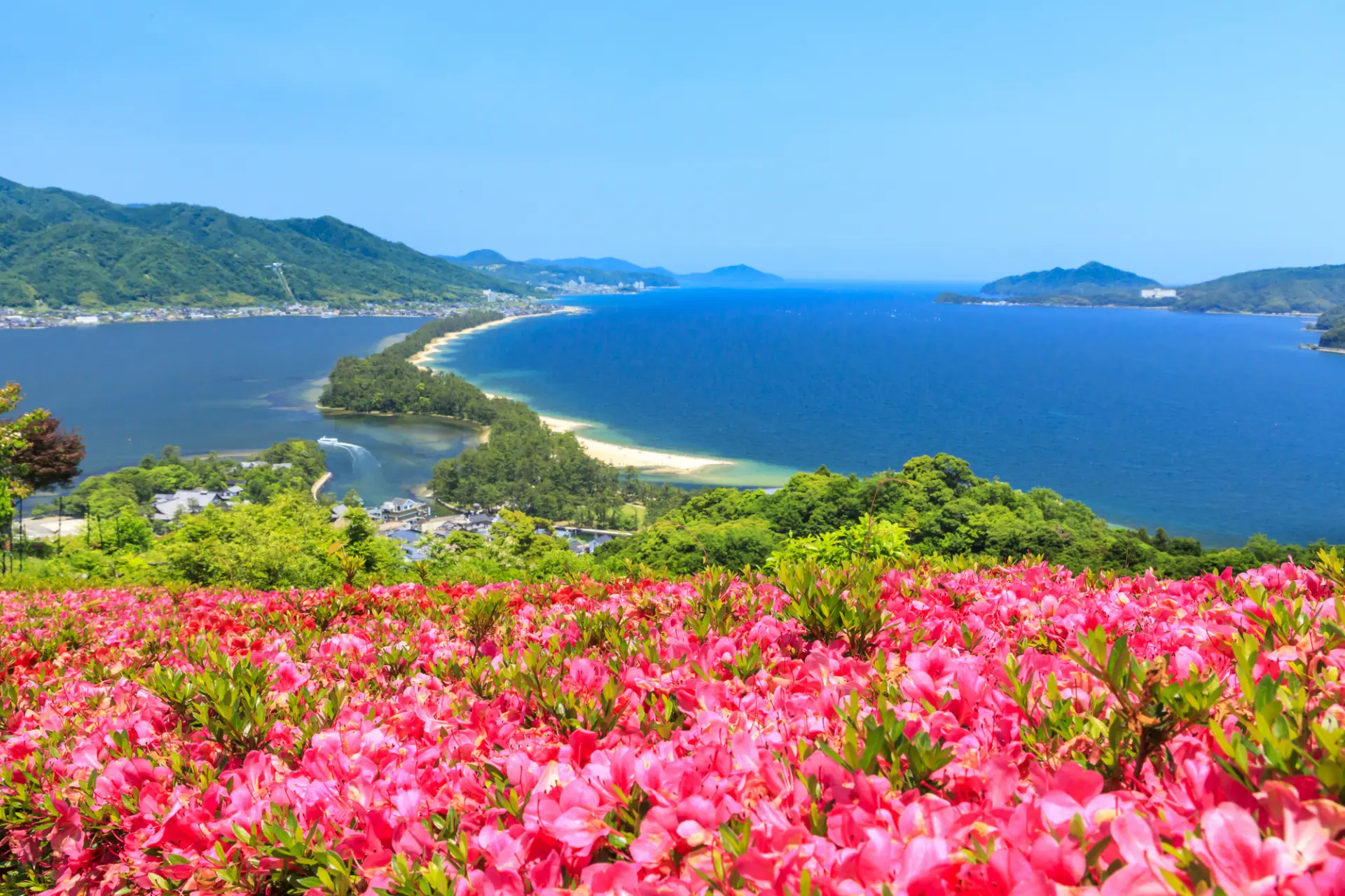
2. Amanohashidate (Miyazu City)
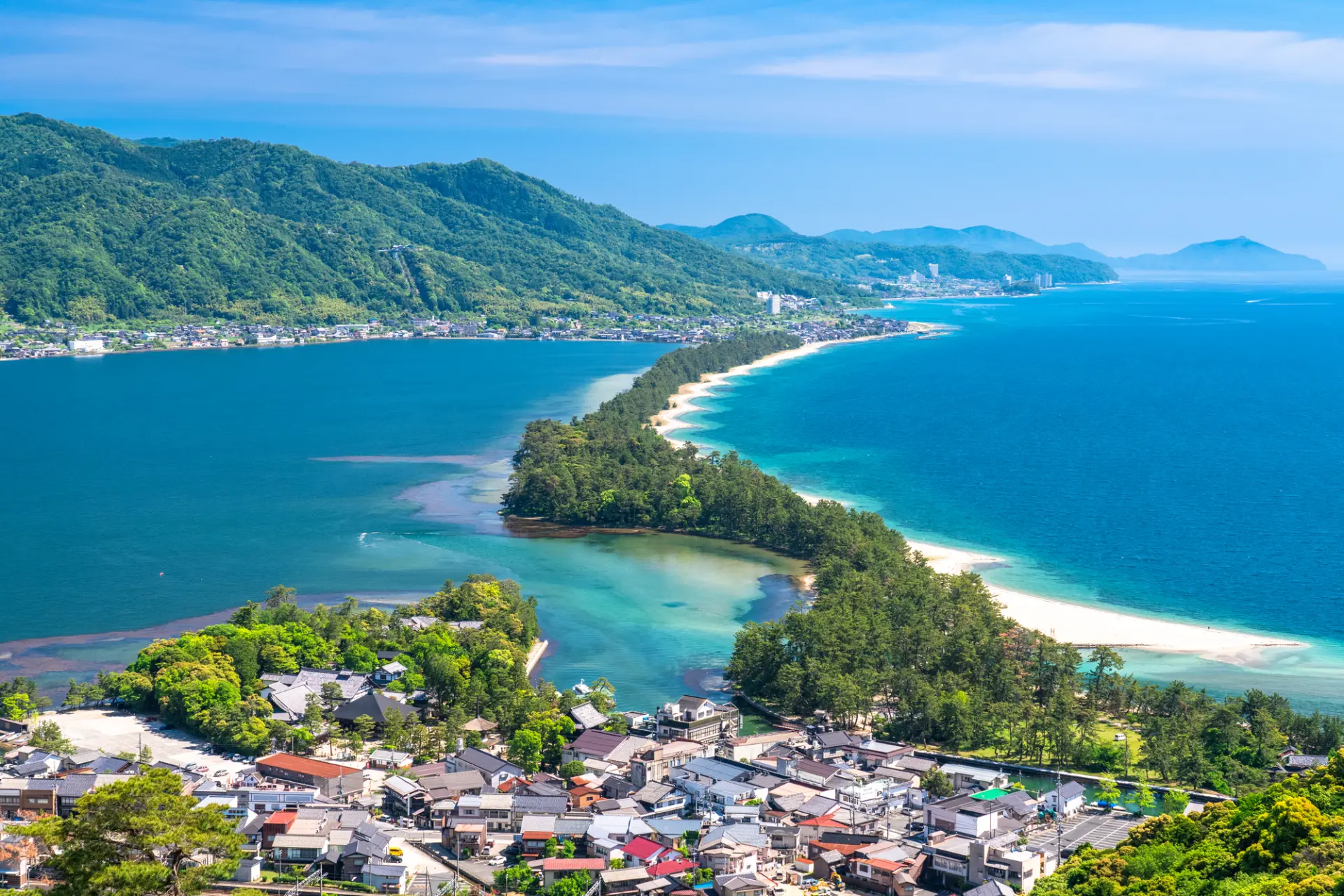
Amanohashidate is counted as one of Japan’s Three Scenic Views, alongside Matsushima in Miyagi Prefecture and Miyajima in Hiroshima Prefecture.
Approx. 5,000 pine trees stretch along a sandbar of Approx. 3.6 km, creating a landscape woven by sea and pines. Observation points are scattered around the area, and it’s also appealing that you can enjoy a variety of views, including “Shoryukan.” As you walk along Miyazu Bay in spring, take in this beautiful natural formation.
3. Hozugawa River Boat Ride (Kameoka City)
Ride a small flat-bottomed boat down Approx. 16 km of the Hozu River’s mountain stream, from Kameoka to Saga-Arashiyama, over Approx. 2 hours.
Skilled boatmen expertly navigate between rocks, letting you enjoy both thrilling currents and calmer scenery. The mountain ranges along both banks are beautiful in spring, not only with cherry blossoms but also with fresh greenery, so you can fully enjoy nature’s beauty from the river.

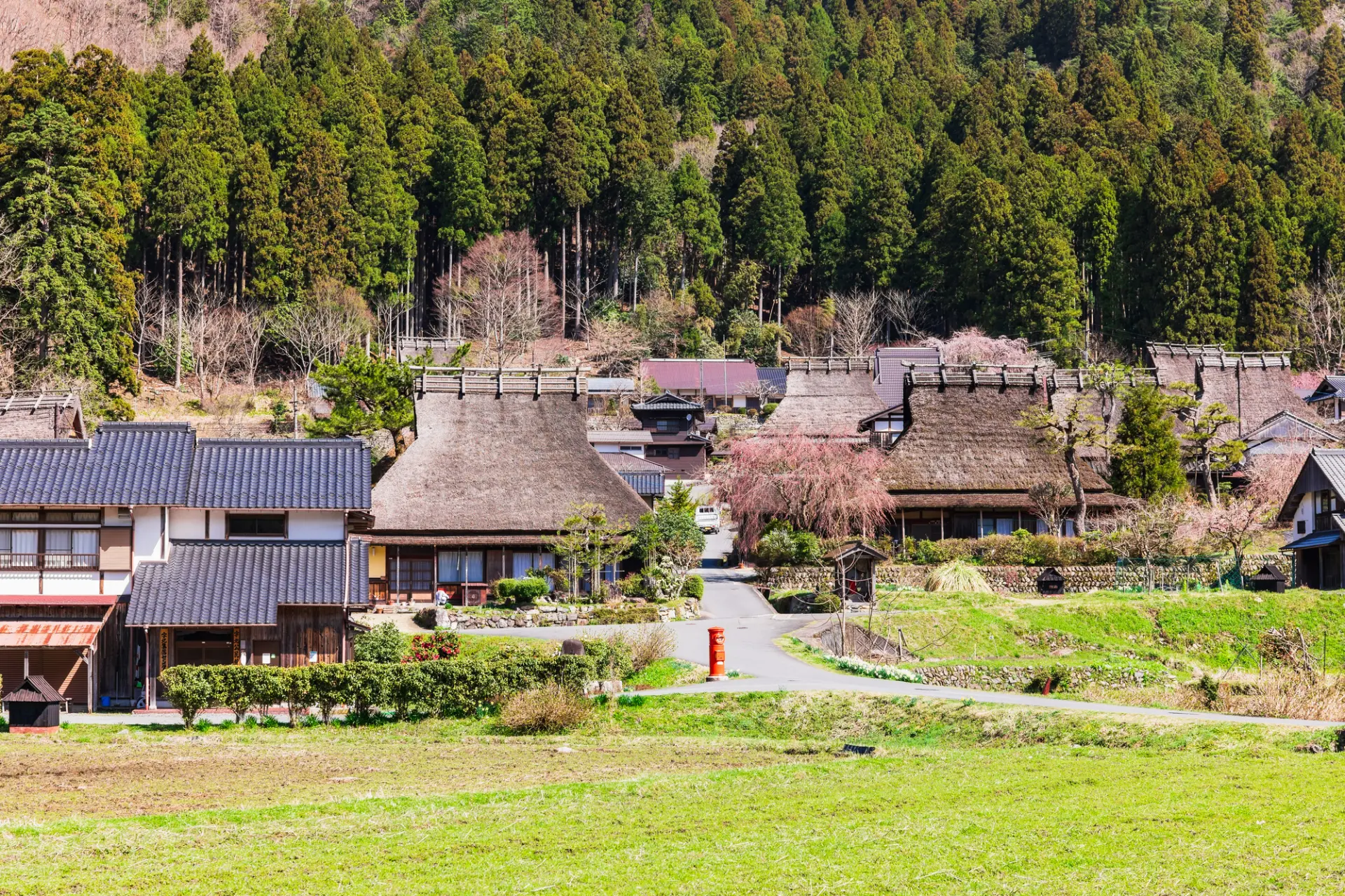
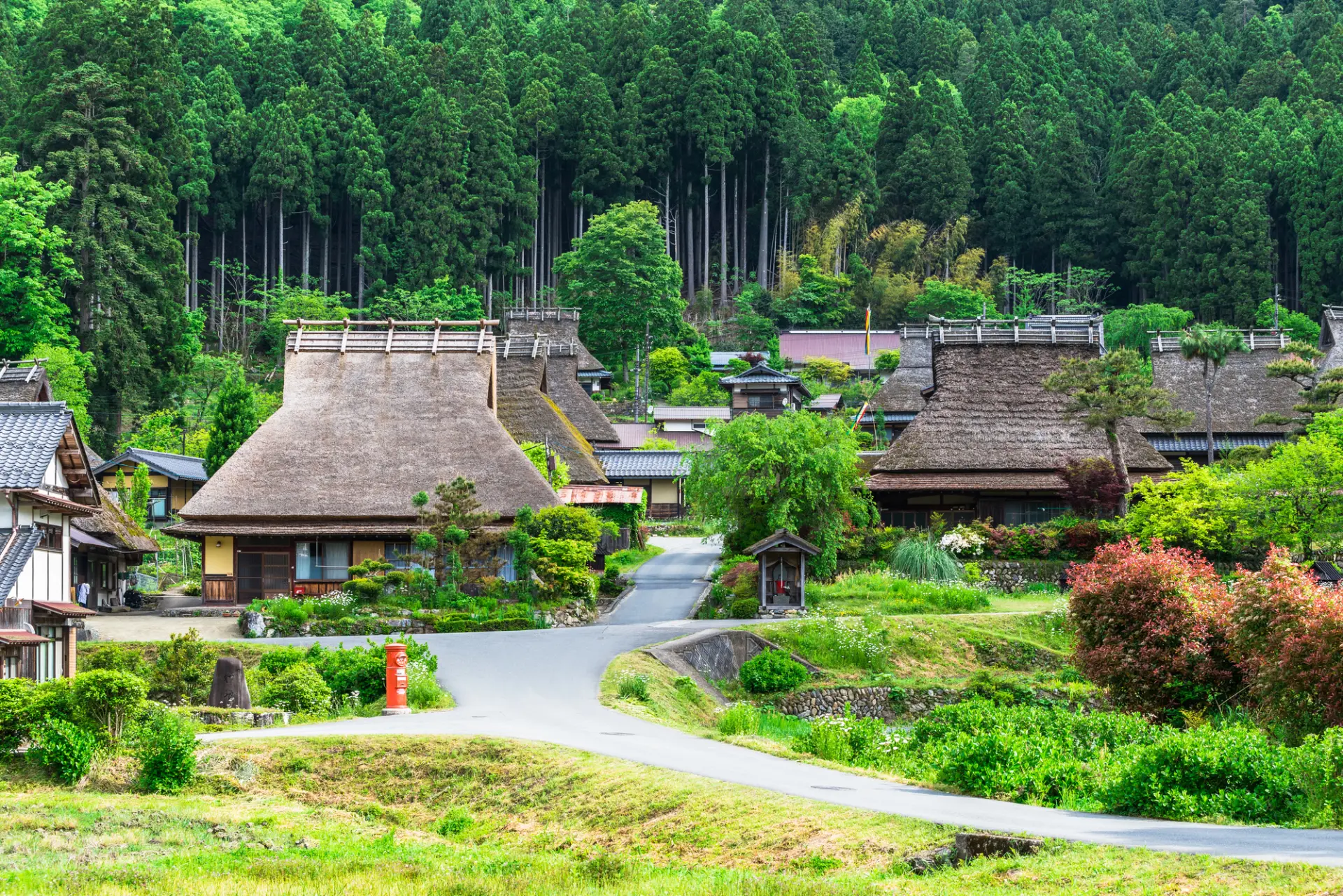
4. Miyama Kayabuki no Sato (Nantan City)
Miyama Town is home to rare thatched-roof houses. In particular, the Kita hamlet, where 39 thatched-roof homes still remain, offers a classic Japanese countryside landscape colored by nature through the seasons, and it’s designated as an Important Preservation District for Groups of Traditional Buildings.
In the village, you can experience traditional culture while visiting places like a folk museum and an indigo-dyeing exhibition hall, and in spring you can stroll through peaceful satoyama scenery in Miyama.
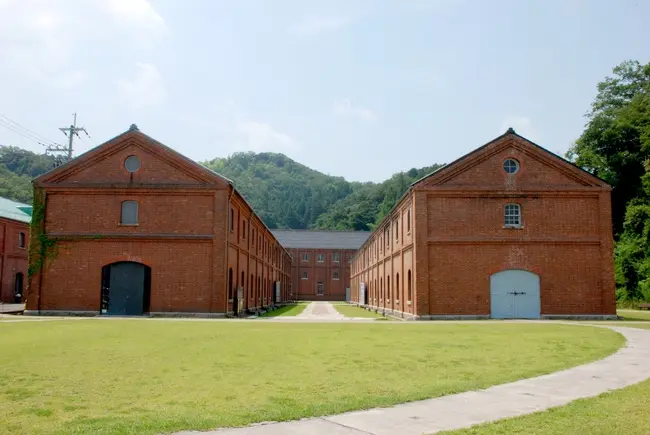
5. Maizuru Red Brick Park (Maizuru City)
A group of eight red-brick warehouses once used as facilities such as the navy’s fish-shaped torpedo storage. All are designated Important Cultural Properties of Japan, and Building No. 1 is preserved and utilized as one of the oldest surviving steel-framed brick structures.
Inside are a museum, restaurants, and shops, and in spring you can enjoy the red-brick architecture and harbor scenery as you walk along the waterfront.
6. Sanzen-in Temple (Kyoto City)
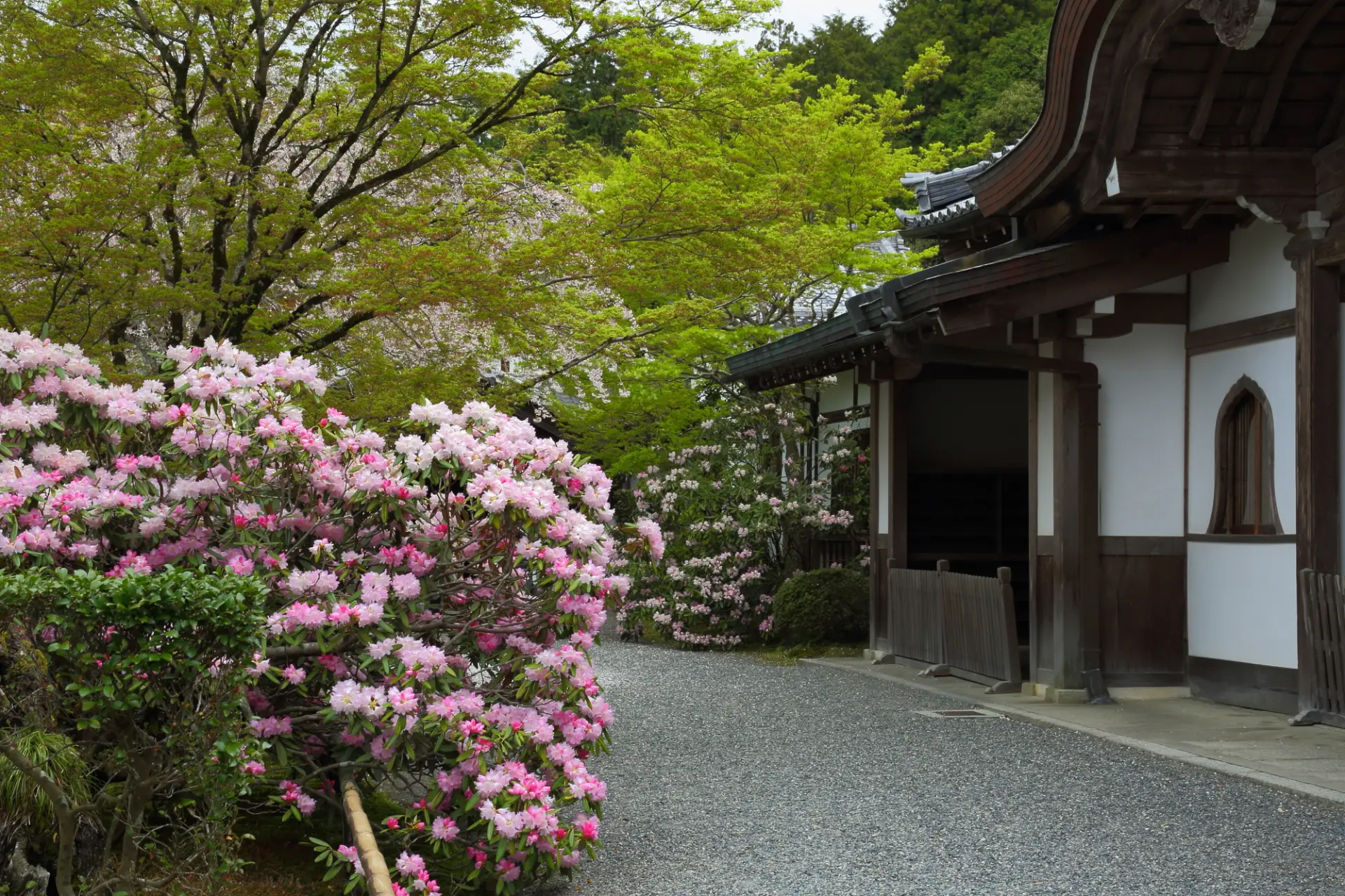
Sanzen-in is known as a Tendai sect monzeki temple. Majestic halls are scattered across the grounds, and gardens spread out, offering beautiful scenery in every season.
The pond gardens, such as Shuheki-en and Yusei-en, are a highlight, and the warabe jizo statues standing in mossy gardens are also memorable.
In spring, you can take a relaxed stroll amid the calm, Ohara-like scenery.
7. Nagaoka Tenmangu Shrine (Nagaokakyo City)
A historic shrine enshrining Sugawara no Michizane, the deity of learning.
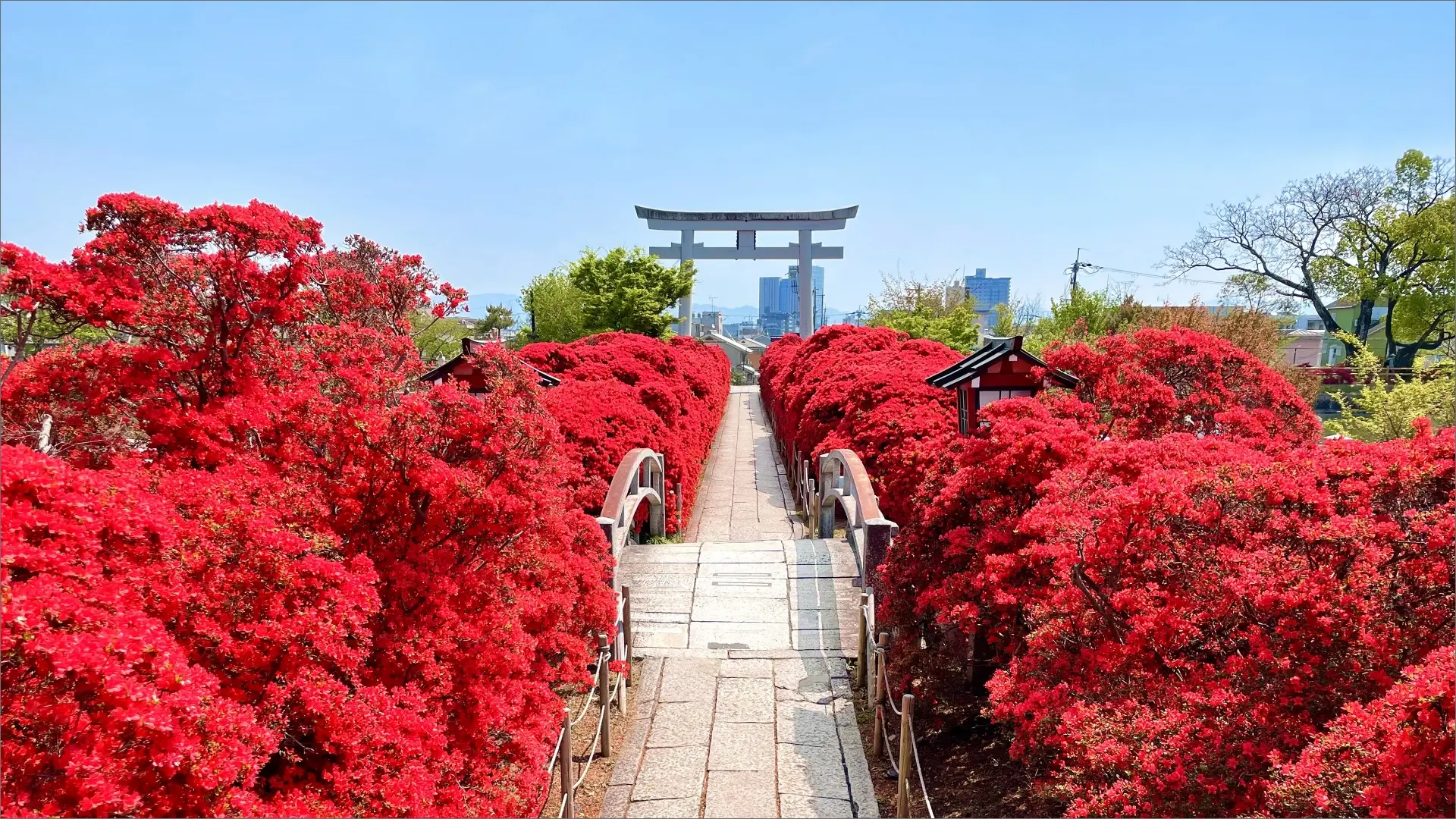
In spring, Kirishima azaleas that color the grounds reach their peak, dyeing the approach a deep crimson.
The scenery around Hachijogaike Pond, with its Taiko Bridge and Suijo Bridge, is also beautiful, and walking through the flower-filled grounds lets you feel spring’s unique vibrancy.
Make spring sightseeing in Kyoto even more fun! 3 must-see events
In spring, Kyoto hosts lively seasonal events across the region, including processions and festivals held at temples and shrines. From flower festivals that brighten cherry blossom season to traditional rites that evoke Heian elegance, the highlights are diverse. If you time your visit to match your travel plans, you’re sure to experience spring Kyoto even more deeply.
1. Hirano Shrine: Ouka-sai (Cherry Blossom Festival)
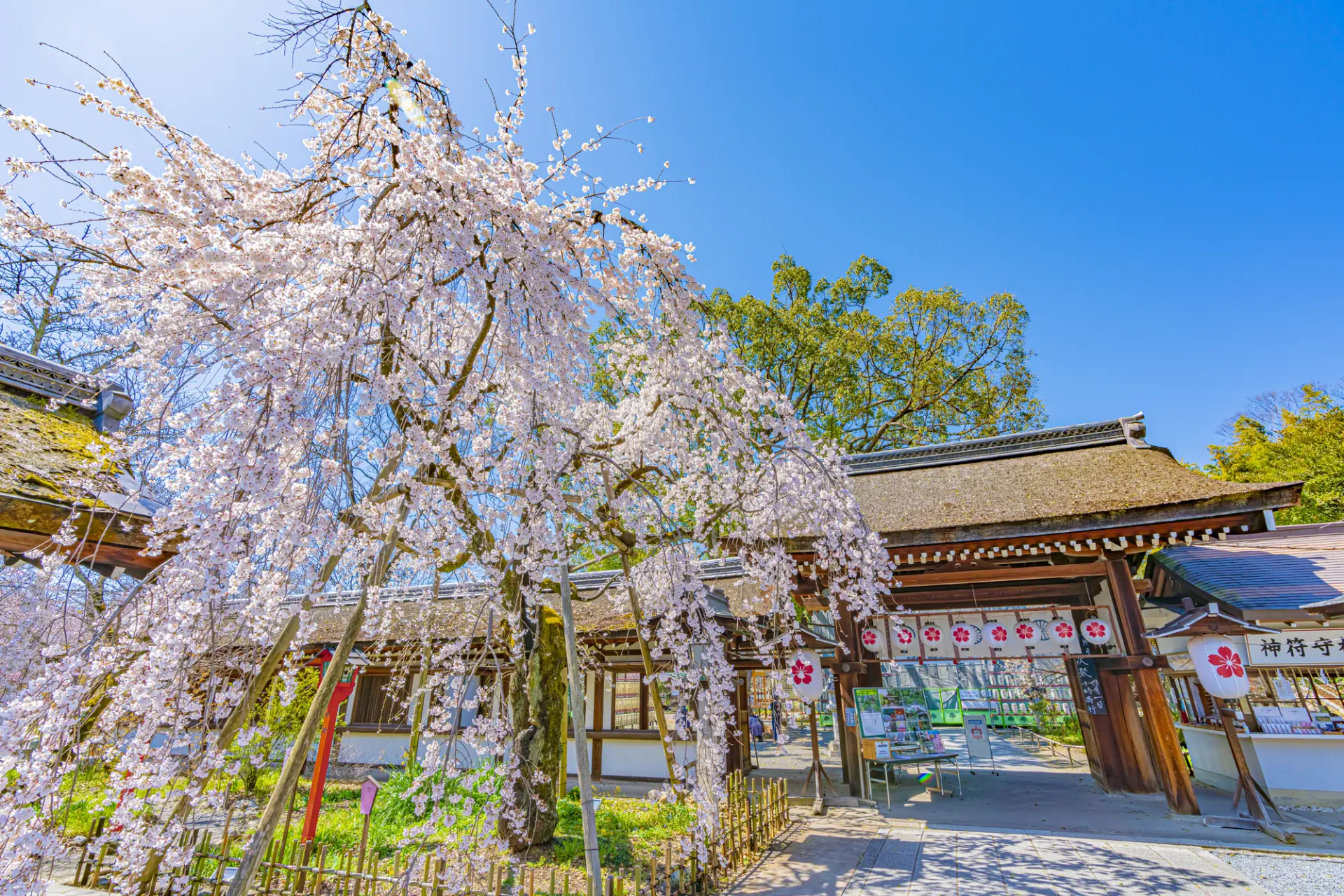
A historic shrine with a long tradition of planting cherry trees on its grounds, where Approx. 60 varieties and 400 trees bloom one after another.
At the “Ouka-sai” held on April 10, rituals and a historical parade rooted in Emperor Kazan’s imperial visit are performed, adding color and excitement to spring in Kyoto.
In the grounds, where many varieties bloom, you can feel both spring’s vivid colors and the unique atmosphere of an auspicious day of Shinto rites.
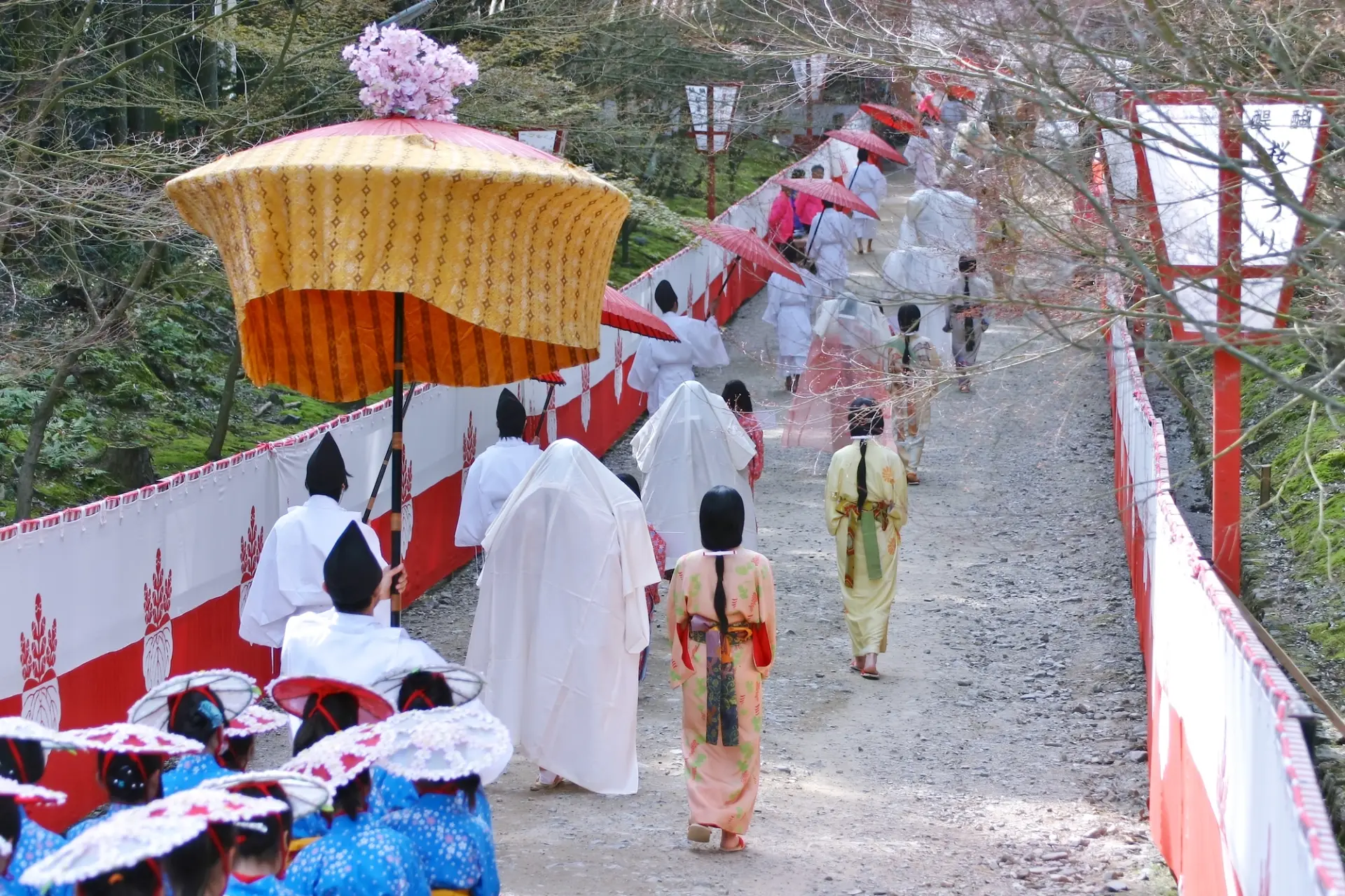
2. Daigo-ji Temple: Taiko Hanami Gyoretsu (Kyoto City)
Daigo-ji, the head temple of the Daigo school of Shingon Buddhism, has a vast temple precinct stretching from Kami-Daigo to Shimo-Daigo and many halls and pagodas. It’s registered as a World Cultural Heritage Site as part of the “Historic Monuments of Ancient Kyoto.” It’s known as the site where Toyotomi Hideyoshi held the grand “Daigo Hanami,” and it has long been loved as a cherry blossom spot.
In honor of that story, the “Taiko Hanami Gyoretsu” is held every year on the second Sunday of April, and the day draws many visitors.
3. Aoi Matsuri (Kyoto City)
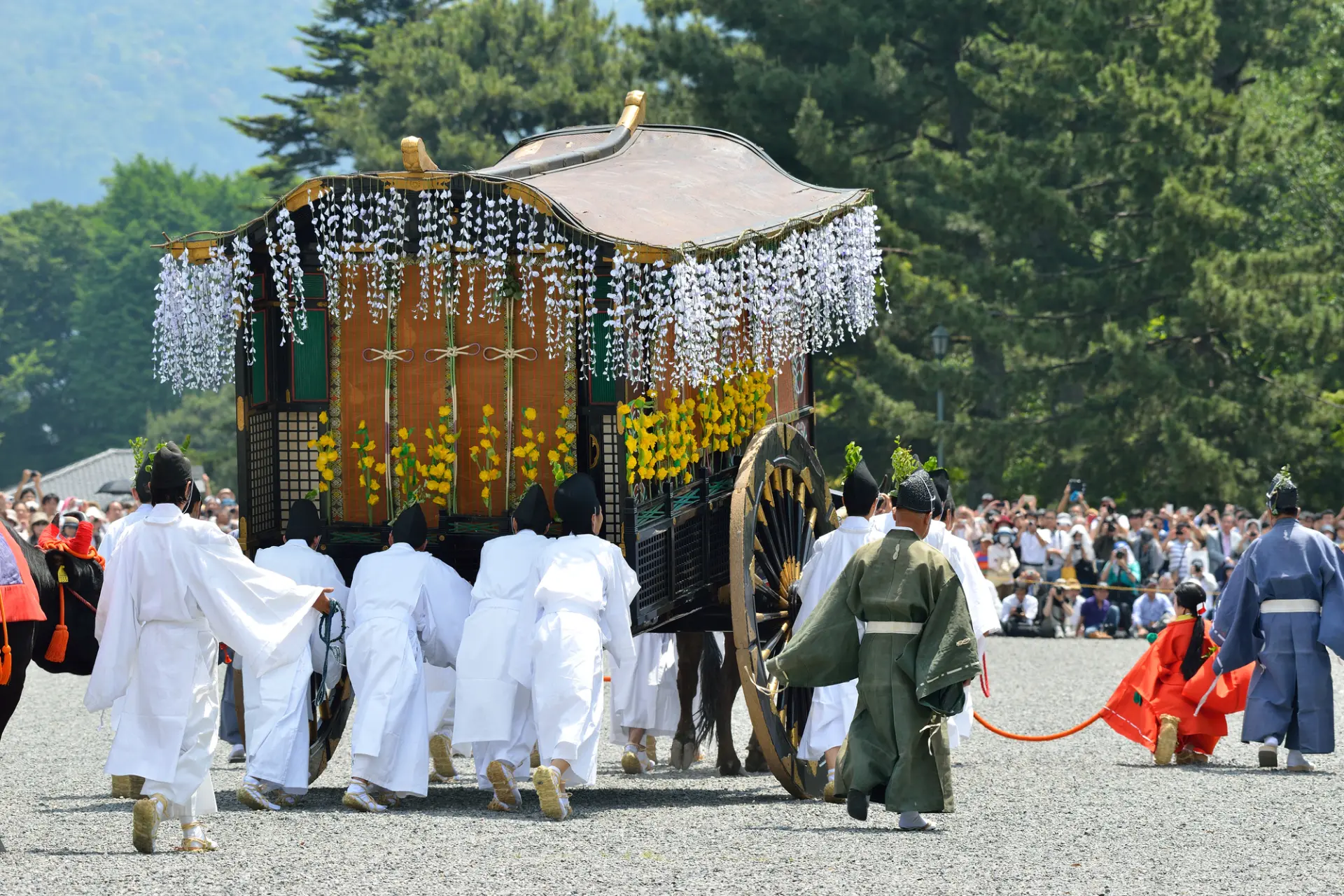
An annual festival held every May 15 at Shimogamo Shrine (Kamomioya-jinja) and Kamigamo Shrine (Kamowakeikazuchi-jinja) in Kyoto. Along with the Gion Matsuri and Jidai Matsuri, it’s known as one of Kyoto’s three major festivals and is a beloved early-summer tradition.
A historic festival that appears in classical literature, its official name is “Kamo Matsuri.” The highlight is the “Roto no Gi,” a procession that departs from the Kyoto Imperial Palace with participants in Heian-era attire, bringing the elegant world of the Heian period to life today.
5 gourmet spots in spring Kyoto to enjoy with the scenery
When sightseeing in Kyoto in spring, there are also many great gourmet spots you’ll want to stop by while touring famous cherry blossom and fresh greenery areas.
From long-established sweets shops and Uji tea cafes to satoyama and seaside restaurants, enjoy springtime moments paired with beautiful views.
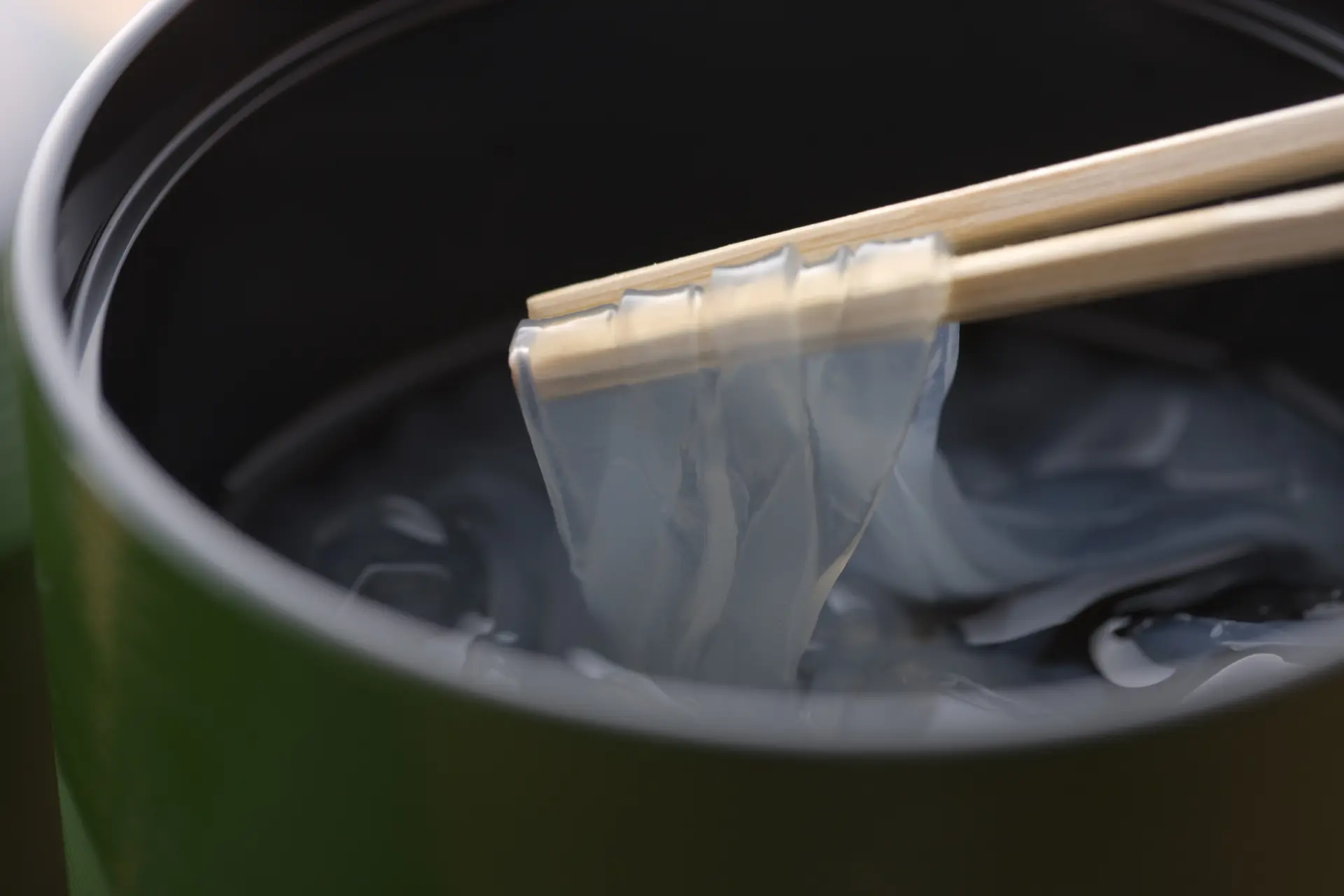
1. Kagizen Yoshifusa Shijo Main Store (Kyoto City)
A long-established sweets shop in Gion, said to have been founded over 300 years ago during the Kyoho era of the Edo period.
Its signature sweet is “kuzukiri,” loved for its smooth, slippery texture and perfectly springy bite. Made with Yoshino kuzu from Ouda in Nara, it’s elegantly highlighted by the clean sweetness of kuromitsu (brown sugar syrup). Another specialty, “Kikujuto,” is memorable for its gentle melt-in-your-mouth texture unique to wasanbon sugar. Between walks around Maruyama Park, you’ll want to relax in the calm space and savor flavors from a true Kyoto mainstay.
2. Oshokujidokoro Kitamura (Nantan City)
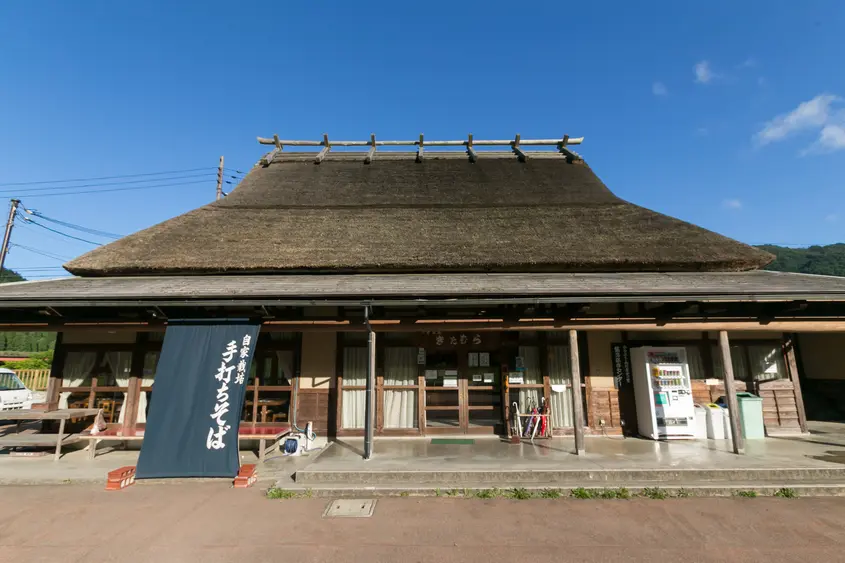
A dining spot right in front of Miyama Kayabuki no Sato, where you can enjoy soba made from Miyama-grown buckwheat, stone-milled and finished by artisans as hand-cut noodles.
With over 30 years of experience, the artisan prepares soba with care every day, offering smooth slurpability plus rich aroma and sweetness. Since quantities are limited, be sure to watch out for sellouts.
From inside the restaurant, you can look out on thatched-roof scenery and spend a calm break between satoyama walks.
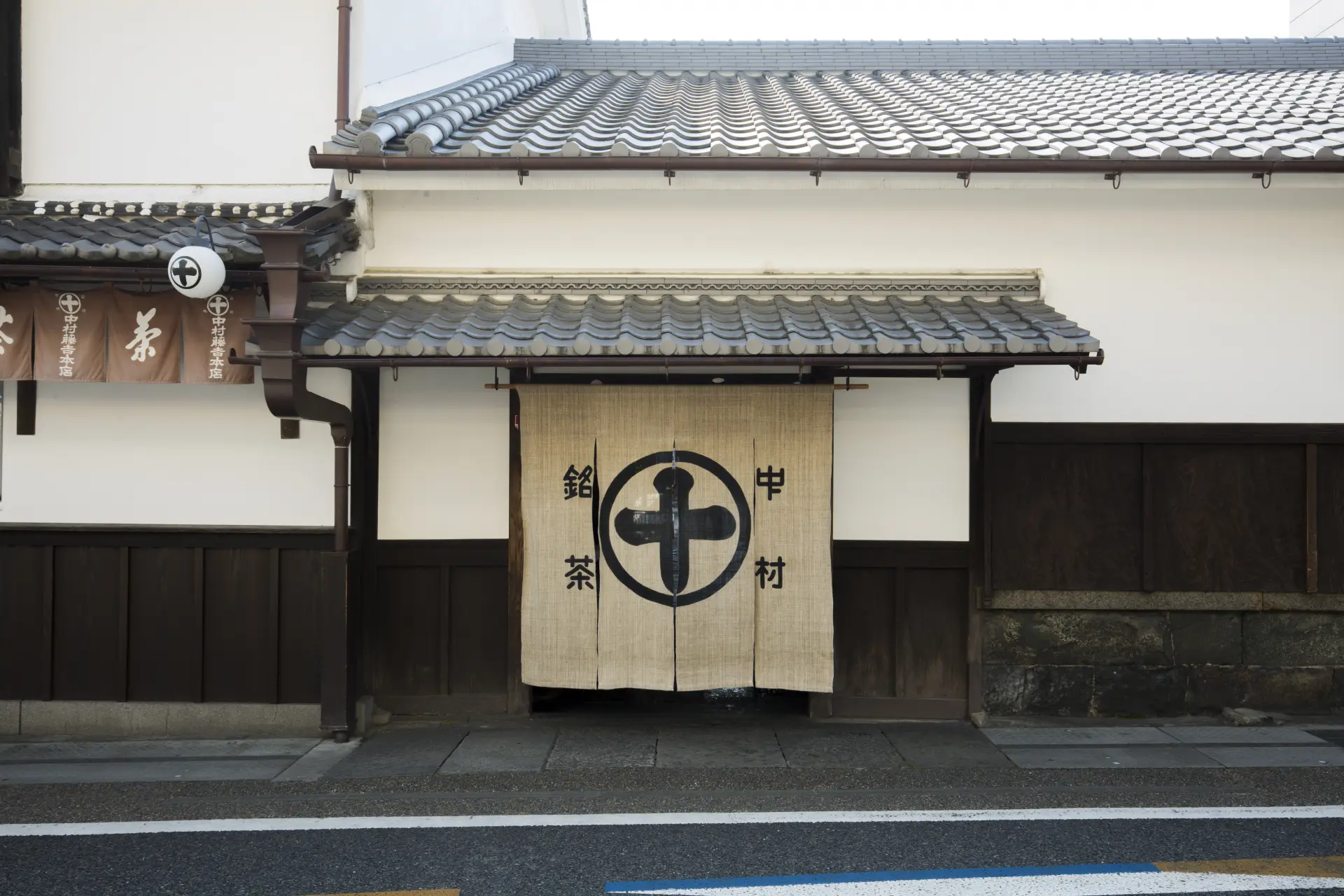
3. Nakamura Tokichi Honten (Uji City)
A Japanese tea specialty shop founded in 1854 in Uji, a nationwide-famous region for high-quality Japanese tea. In its cafe—making use of a former tea factory building—you can enjoy sweets made with Uji tea. The signature sweet “Nama Cha Jelly (Matcha)” features a smooth, jiggly jelly packed with the rich umami and aroma of premium tea leaves, perfectly paired with lightly sweetened azuki and shiratama mochi.
Surrounded by Uji’s calm atmosphere, you can take your time enjoying flavors that only a long-established shop can offer.
4. Kyoto Cuisine Matsumasa (Kameoka City)
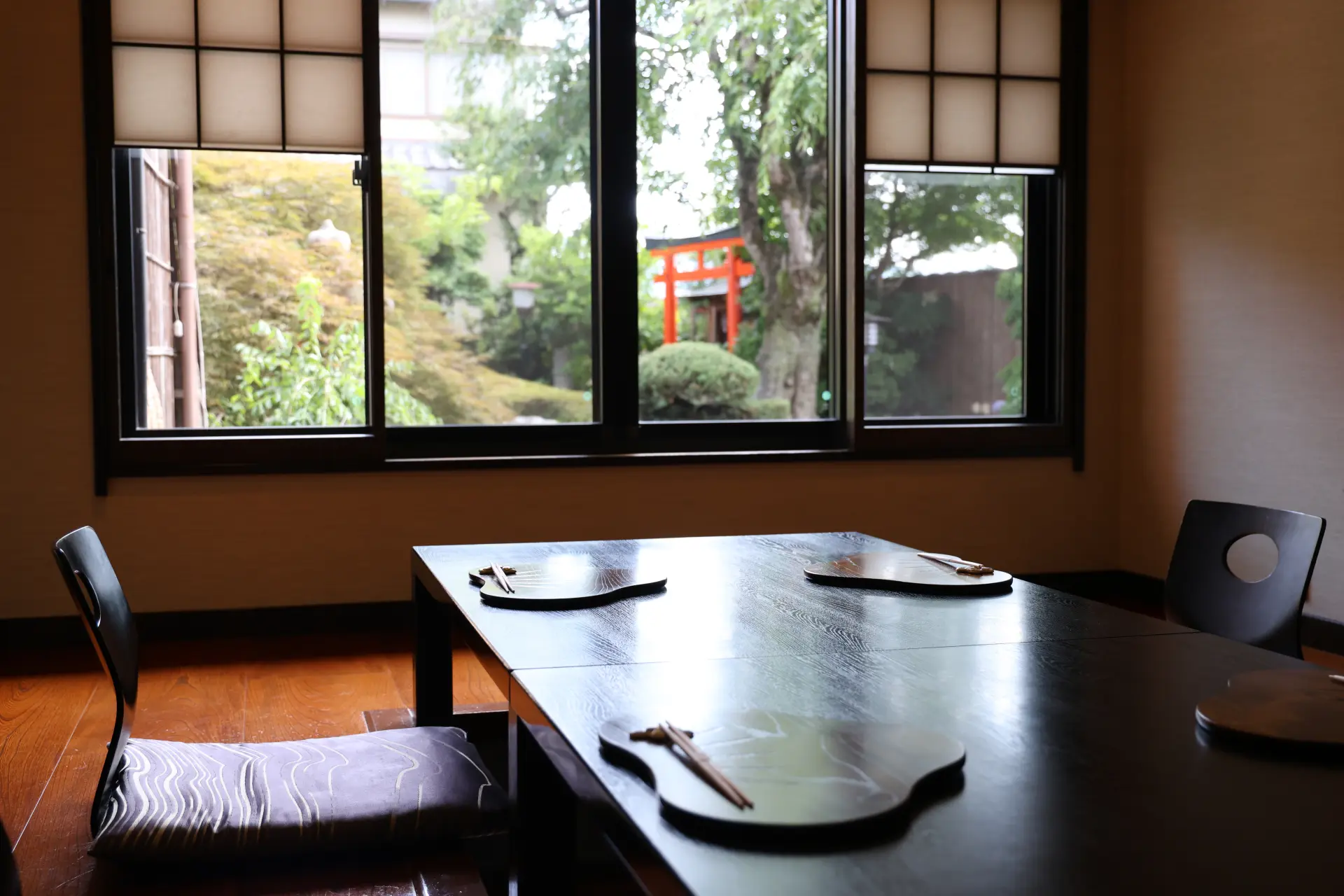
Founded in 1936 in Kyoto City as a catering business, it later moved to Kameoka and has carried on its noren for four generations as a long-established kaiseki restaurant. Here you can enjoy dishes unique to the restaurant, made with ingredients from nature-rich Kameoka. With seasonal kaiseki and chef’s choice courses, you can savor items that showcase the chef’s skill. Private rooms overlooking a Japanese garden are also available, offering a calm place to linger. It’s a great choice to pair with the Hozugawa River boat ride in spring.
5. Amanohashidate Winery (Miyazu City)
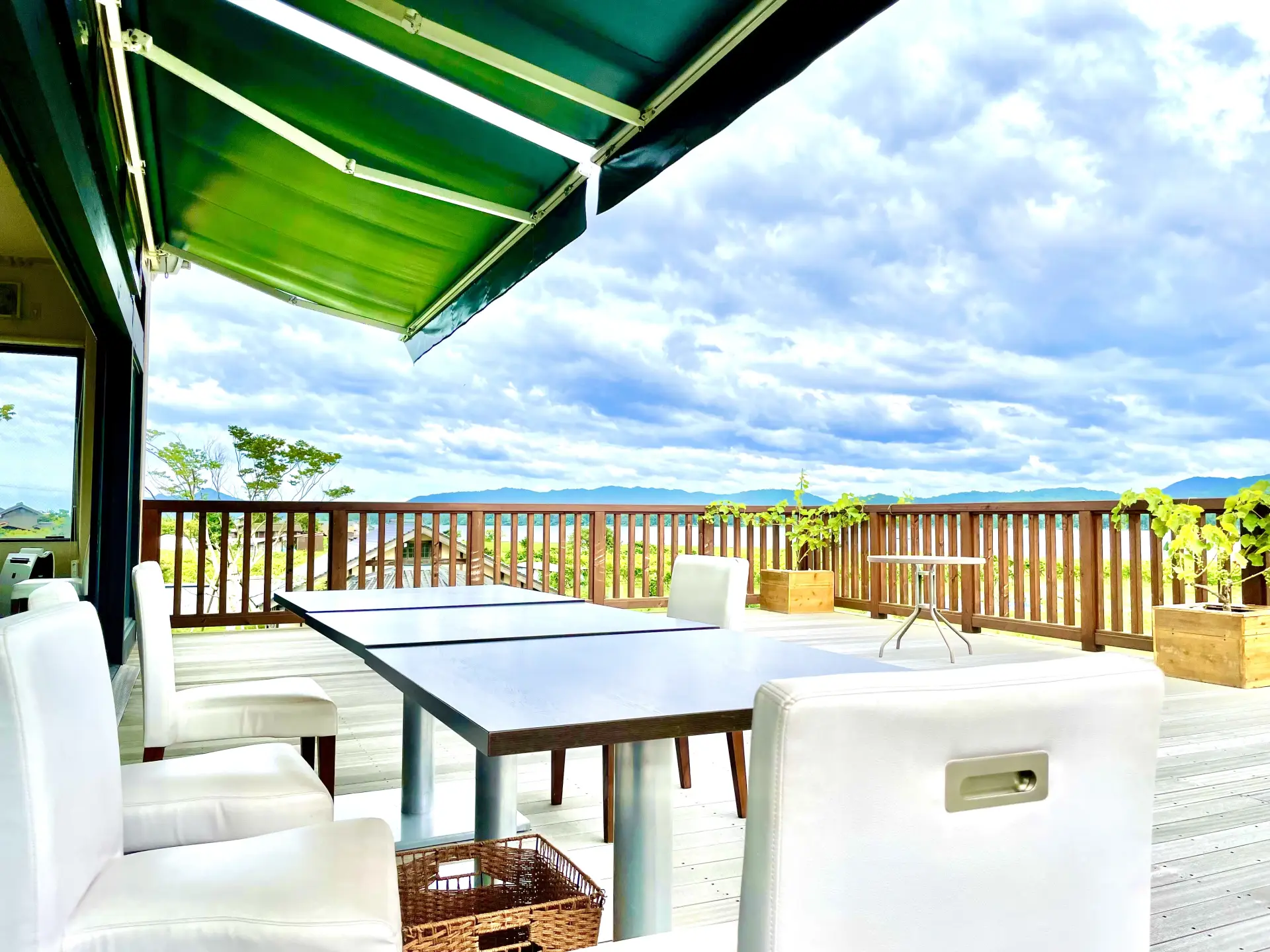
“Amanohashidate Winery” is dedicated to winemaking using Tango-grown grapes from its own vineyards and state-of-the-art brewing techniques. At the on-site restaurant, you can enjoy a buffet featuring ingredients from Tango, and you’ll also find a wide range of wines (additional charge), including red and white as well as sweet and dry. Sweets are also available during cafe time, making it perfect for a break during sightseeing.
The gentle view of Amanohashidate from the seating area is soothing, making it a great place to stop along your journey.
3 convenient hotels to use as a sightseeing base for a spring trip in Kyoto
If you want to enjoy spring sightseeing in Kyoto and cherry blossom walks, a great location is one factor that can shape overall trip satisfaction. From the city area filled with seasonal charm to quiet stays in the outskirts, choosing accommodations that harmonize with spring scenery makes it possible to savor Kyoto in spring to the fullest.
1. Shijo Kawaramachi Onsen SORANIWA TERRACE KYOTO Bettei (Kyoto City)
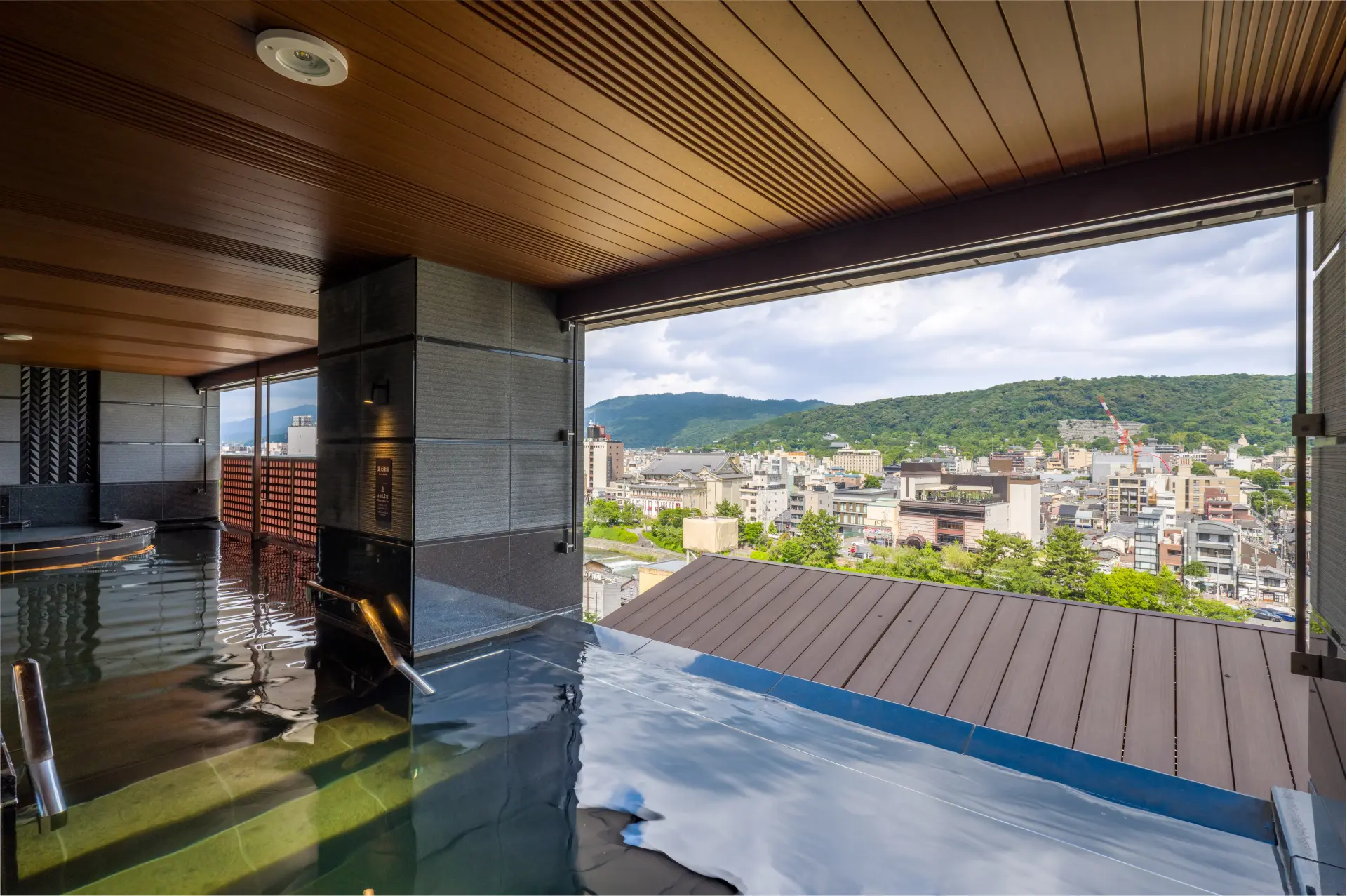
A hotel in an easy-to-use location as a base for sightseeing around Kyoto City, with calming views of the Kamo River and the Higashiyama mountains.
All 32 guest rooms come with open-air baths fed by the property’s own hot spring source. As you relax in a Japanese-modern space, you’ll find a quiet that feels surprising for the middle of the city. On-site facilities are also well equipped, including large public baths with different styles of tubs and a rooftop terrace footbath, enriching your time during your stay.
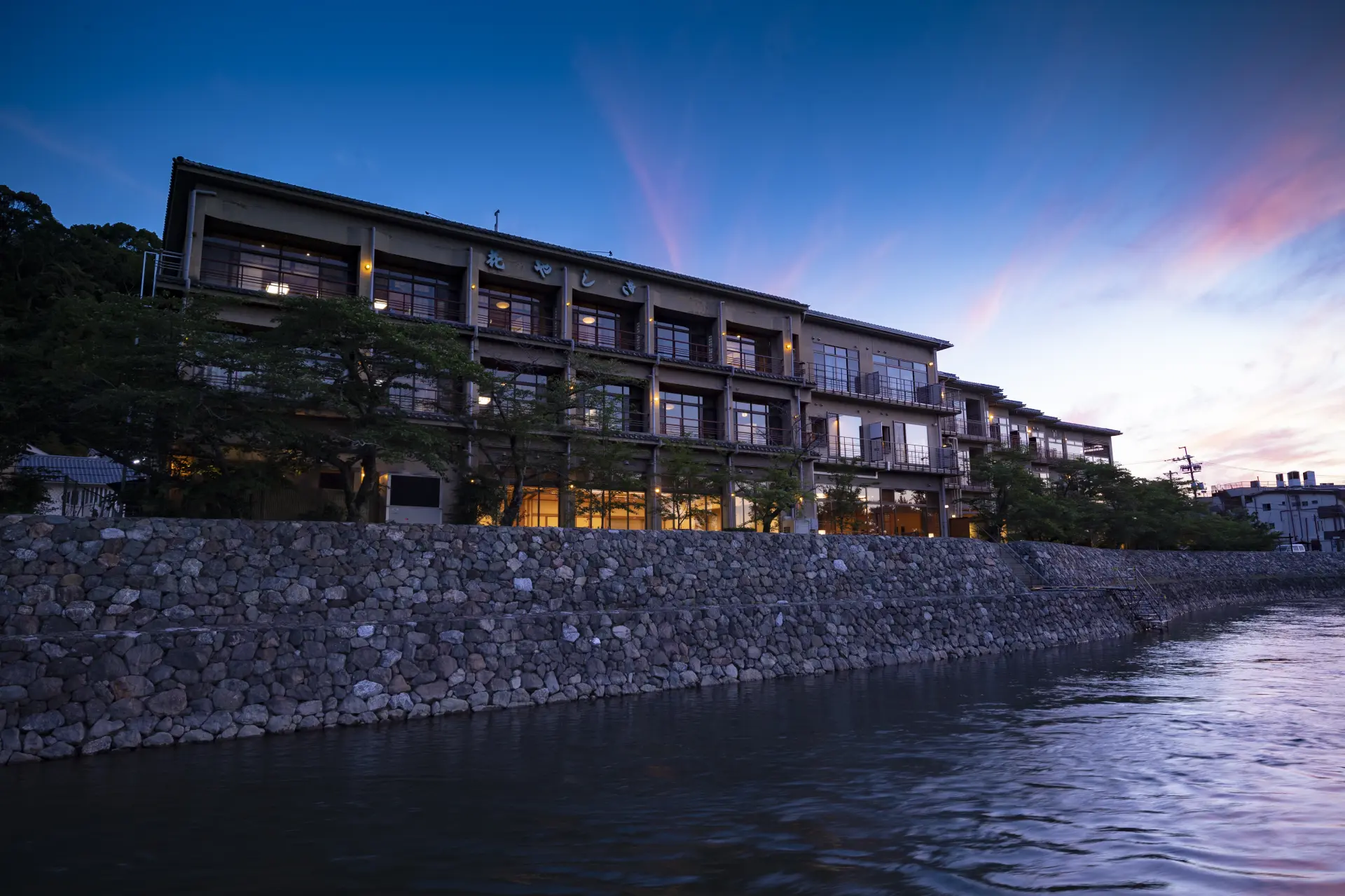
2. Hanayashiki Ukifune-en (Uji City)
Located along the Uji River, it’s a convenient base with easy access to Ujigami Shrine and Byodoin Temple.
All guest rooms are designed to overlook the Uji River, and you can also view “To-no-shima,” a sandbar island in the river. While taking in the riverside scenery from your room, you can enjoy Uji’s calm, relaxed pace. With on-site facilities including a scenic-view bath and sauna, it’s a place that comfortably supports both sightseeing and your stay.
3. Amanohashidate Onsen Monjusou (Miyazu City)
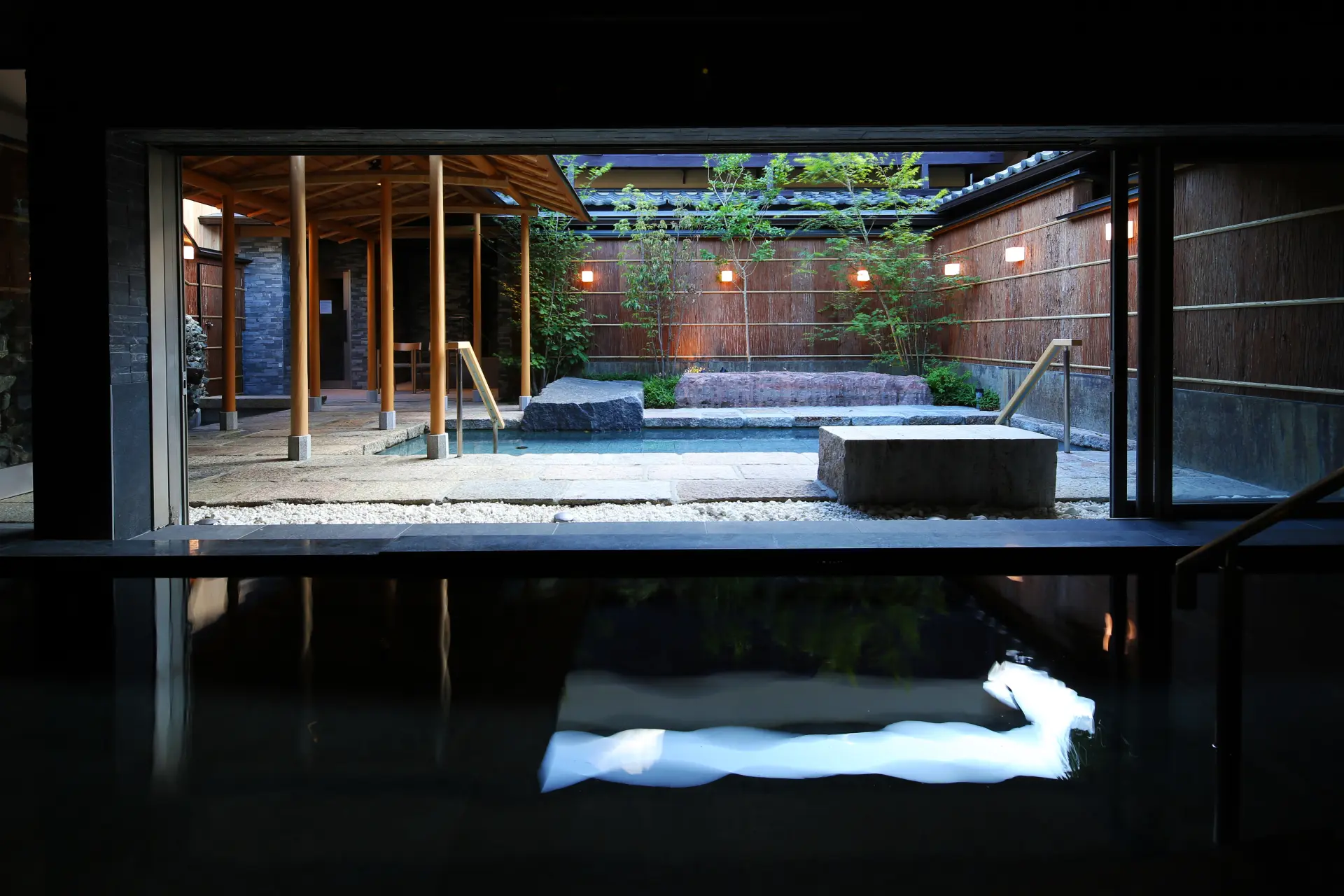
A ryokan nestled along the Amanohashidate Canal, with the appealing location that lets you feel one of Japan’s Three Scenic Views up close.
All rooms are designed to borrow the scenery of the pine grove and Amanohashidate Canal, so you can enjoy Amanohashidate’s landscape without leaving your room. The interior balances Japanese character with modern comfort, and the bathing facilities—including a large public bath and sauna—are also well equipped, making for a stay where you can slowly reset both body and mind along your journey.
Recommended model itinerary to enjoy Kyoto’s spring scenery and history
Spring in Kyoto is the season when historic streetscapes are dyed in cherry blossom pink, adding a bright touch to the scenery.
Visit temples, shrines, and gardens, then take a break in a park in bloom... Here’s a 2-day model itinerary to enjoy photogenic spring scenery.
- Day 1
- JR Kyoto Station → Enjoy spring scenery at “Kiyomizu-dera” → Walk around Sannenzaka and Ninenzaka to Gion → Lunch around Gion → Cherry blossom viewing at “Maruyama Park” → Stay at “Shijo Kawaramachi Onsen SORANIWA TERRACE KYOTO Bettei”
- Day 2
- JR Kyoto Station → Take a bus to Ohara and stroll through spring gardens at “Sanzen-in Temple” → Take the JR Nara Line to Uji → Lunch at “Nakamura Tokichi Honten” → Visit the World Heritage Site “Ujigami Shrine”
Average temperatures in Kyoto in spring
March still has many chilly days, but in April the average temperature rises to around 59°F, making it a pleasant season for walking around the city.
In May, it’s around 68°F, and there are many days when it feels warm enough to work up a light sweat during the day—perfect for outdoor sightseeing. Since mornings and evenings can still get cold in inland areas, it’s reassuring to have a light outer layer.
| Month | March | April | May |
|---|---|---|---|
| Temperature | 8.8 | 14.4 | 19.5 |
Source: Japan Meteorological Agency
What to wear in Kyoto in spring: tips for staying comfortable
Spring in Kyoto comes with big temperature swings between daytime and mornings/evenings, so what you wear really matters. Lightweight knits or long-sleeve shirts with an easy-to-layer jacket feel comfortable. From April onward, there are many warm days, but for early-morning temple and shrine visits or nighttime cherry blossom viewing, it helps to have an extra layer you can throw on.
FAQ about spring sightseeing in Kyoto
Q
When is the best time to see cherry blossoms in Kyoto?
A
The typical best time is around late March to early April. In central Kyoto, early April is the peak, and you can enjoy cherry blossoms in full bloom at places like Maruyama Park, around Kiyomizu-dera, and Heian Shrine. In northern areas such as Ohara and Arashiyama, the peak tends to come around one week later.
Q
Is it still cold in the mornings and evenings in spring?
A
Yes. Since Kyoto is an inland basin, mornings and evenings can get fairly chilly, and in March there are days when the low temperature drops into the single digits (°C). In April and May, the difference between daytime and nighttime temperatures is larger, so we recommend easy-to-adjust clothing such as a light coat or a stole.
Summary
From temples and shrines to gardens, parks in bloom, and riverside scenery, spring in Kyoto is packed with things to see.
From the city to the outskirts, you can experience a special trip wrapped in soft spring air while enjoying a wide range of landscapes and history. Head out on a journey through Kyoto’s spring-colored scenery.