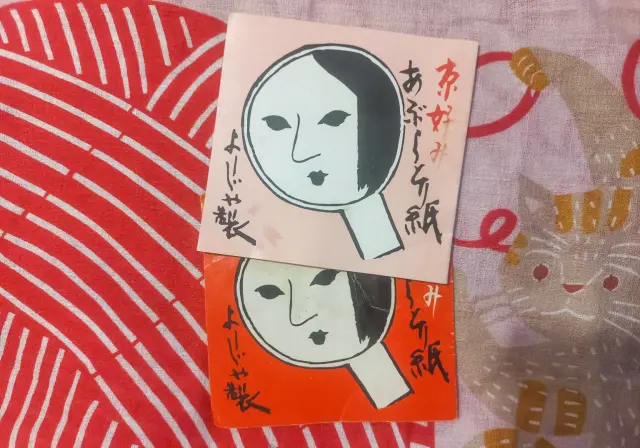
A friend gave me these as a souvenir from Kyoto. You really have to admire how the Japanese can make an ordinary little item feel so refined. They're just blotting sheets, but the quality feels completely different. And it's not just that they look nice—they also work very well. I think their biggest advantage is that they absorb enough oil without leaving your face too dry. Just press them lightly to remove excess shine without disturbing your base makeup too much, so they're great to use before touching up your makeup during the day.
Yojiya Blotting Sheets | Review by Holly
Other Reviews by Holly
-

Otori Shrine
Otori Shrine, with a history of about 1200 years, is the oldest shrine in Meguro Ward, Tokyo. Founded during the Heian period, it's depicted in the oldest map of Edo, the "Chōroku Edo-zu," created in the Muromachi period. Being one of the only nine shrines featured in this map, it is counted among the "Edo Kyūsha" (Nine Shrines of Edo).
Otori Shrine is located in Zoshigaya, Tokyo, and has deep historical ties to Kishimojin Temple. Its main deity is Yamato Takeru, with Ukanomitama also enshrined here, and it is also the place where Ebisu, one of the Zoshigaya Seven Lucky Gods, is worshipped. The deity here was originally enshrined under the name “Sagi Myojin” within the grounds of Kishimojin Temple. It was moved during the Meiji period due to the order separating Shinto and Buddhism, gradually taking shape as the present-day Otori Shrine.
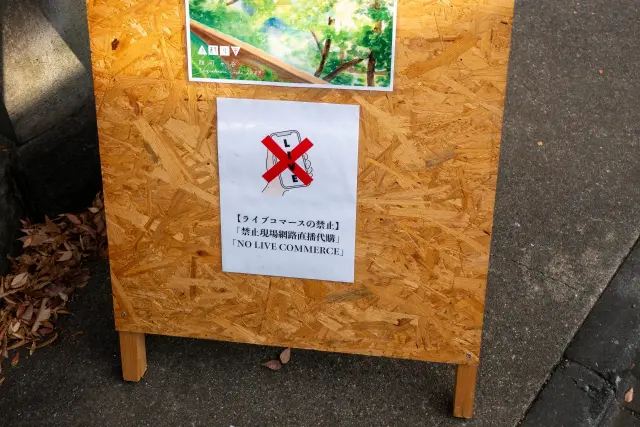
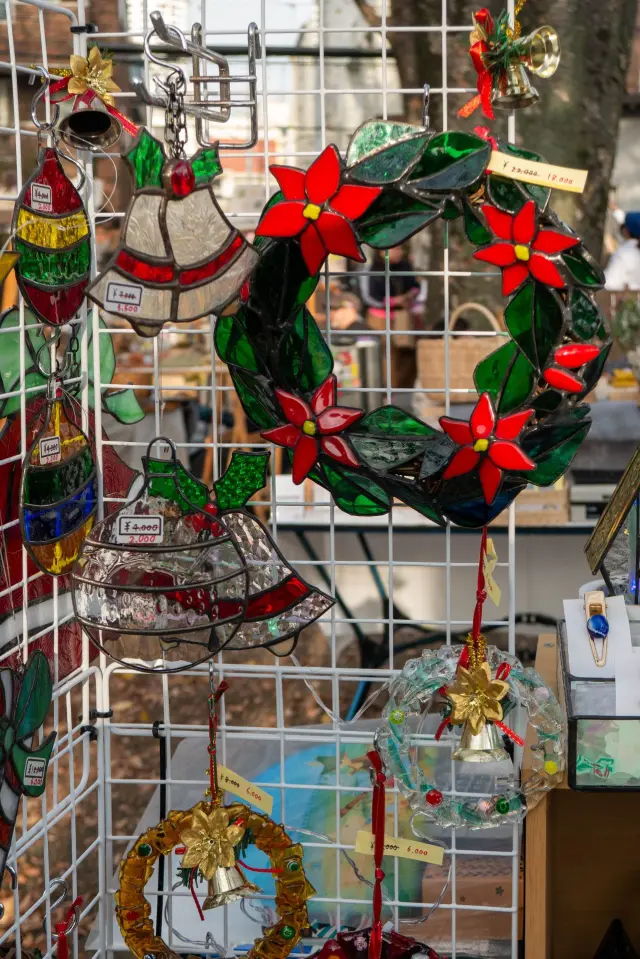
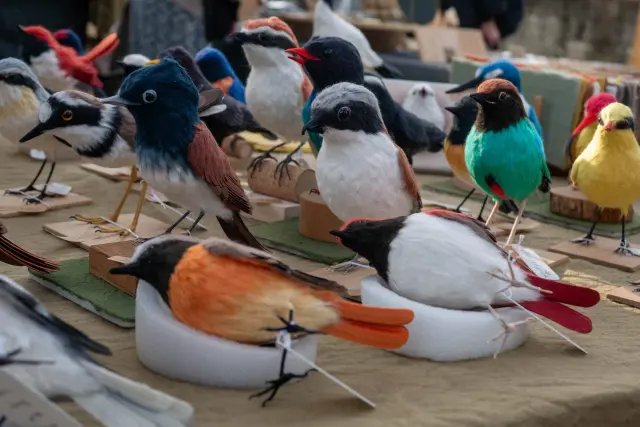
I stopped by Otori Shrine this time because of the Zoshigaya Handmade Market, but after actually walking inside, I unexpectedly came away with a good impression of the shrine itself. The handmade market happened to extend onto the shrine grounds during my visit, making it much livelier than usual, but there were still far fewer people than at Kishimojin Temple. Although the market extended onto the shrine grounds, there were fewer stalls here, and the works were more focused on floral art and handicrafts. I especially liked a Christmas wreath made with stained glass. It was delicate and had a very distinctive style.
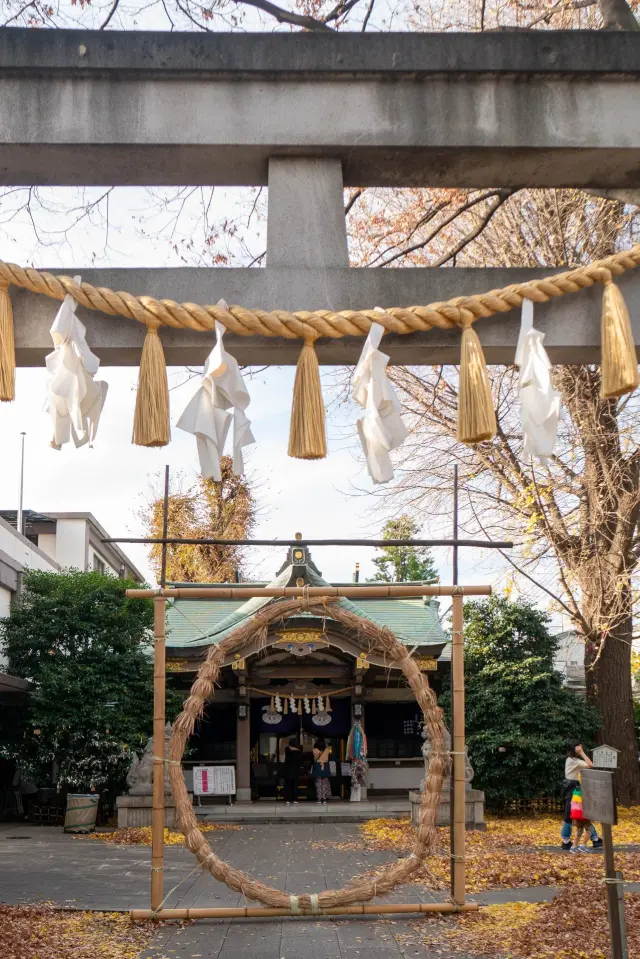
The biggest surprise this time was unexpectedly seeing a chinowa ring being set up for the year-end purification ceremony. I knew there would be a chinowa ring in the summer, but I didn’t expect one at the end of the year. I paused for a moment when I saw the large ring woven from miscanthus reeds, then immediately took out my phone to double-check the correct way to walk through the “chinowa-kuguri.” After all, I had only done it before at Kitano Tenmangu Shrine in Kyoto, and enough time had passed that I had almost completely forgotten. Since it was such a rare opportunity, of course I quickly followed the instructions online and walked through it to cleanse myself of impurities. -
-

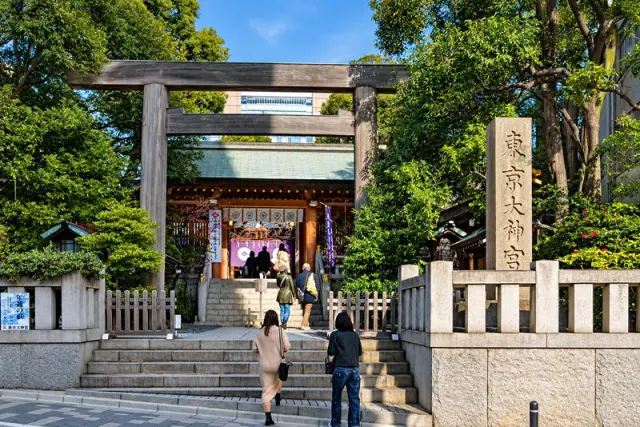
Tokyo Daijingu Shrine
Founded as a place in Tokyo to worship Ise Jingu remotely, this shrine is affectionately known as “Tokyo’s Ise Jingu.” It was the first shrine to hold a Shinto wedding ceremony, and in recent years, many women have visited to pray for luck in love.
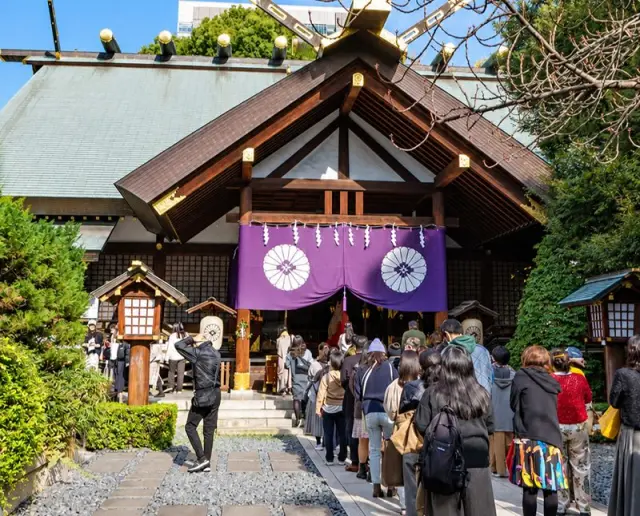
I included Tokyo Daijingu Shrine in this trip mainly because it is quite well known among Tokyo’s shrines for finding love. It also has deep historical ties to Ise Jingu, so since I was already planning to visit Ise Jingu, I wanted to stop by here first and pray for good luck in love. I was also scheduled to attend a handicraft market in Zoshigaya that day, so after considering transportation and the direction of my itinerary, I decided to visit the shrine in the morning.
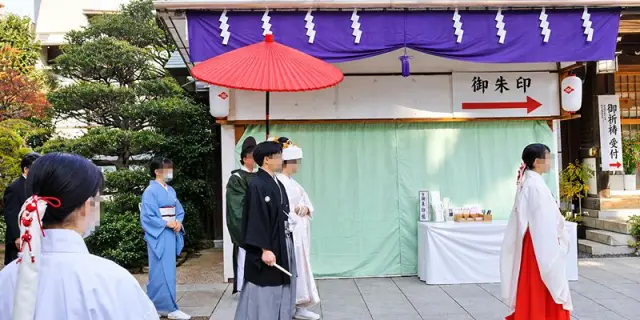
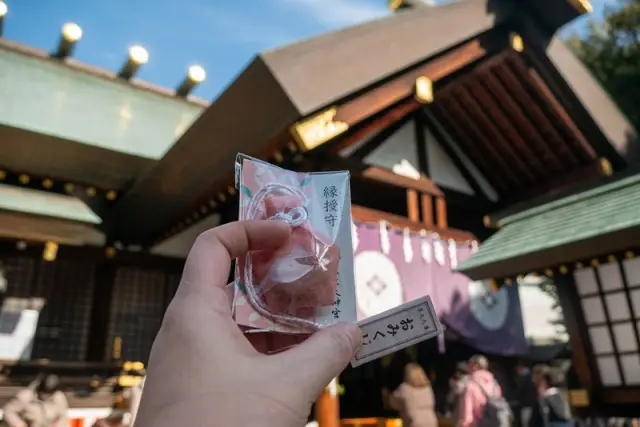
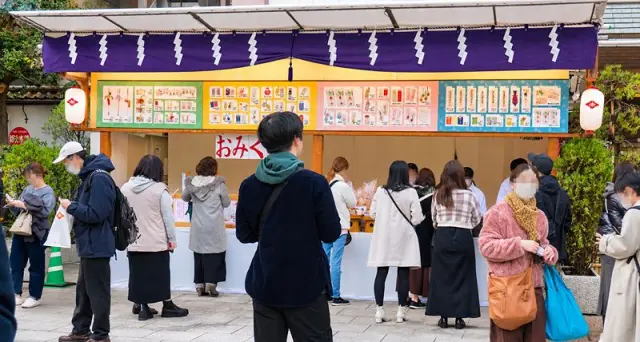
When I arrived, I found that the shrine grounds were a little smaller than I had imagined, but there were quite a lot of visitors. I also happened to see a couple holding a Shinto wedding ceremony that day, which was an unexpected bonus. There was a wide variety of love-themed omikuji, including basic love and matchmaking fortunes, as well as flower fortunes, blood type fortunes, and lucky matchmaking fortunes, so you can choose according to your preference. The shrine office also sold a wide selection of charms. The most famous is the “Enmusubi Suzuran Mamori,” but after looking for quite a while, I ultimately chose the “Enju Mamori,” which I personally preferred. The outer layer of this charm is made from a special cocoon silk, giving it a very delicate texture. It suited my taste better than the cute lily-of-the-valley charm.
There were also seats made from wooden posts next to the amulet office, allowing visitors to take a short break. It was a very thoughtful design. Perhaps because it was a holiday, there were consistently many visitors. By the time I was getting ready to leave, the line to pray at the main hall was several times longer than when I had arrived, showing just how popular this place really is.
One distinctive point is that although the shrine grounds are not large, the buildings are constructed in the shinmei-zukuri architectural style. The roofs and buildings themselves have a very strong presence, which made the space feel slightly oppressive to me. If buildings of the same scale were placed in a spacious setting like Ise Jingu, perhaps the feeling would not be as noticeable.
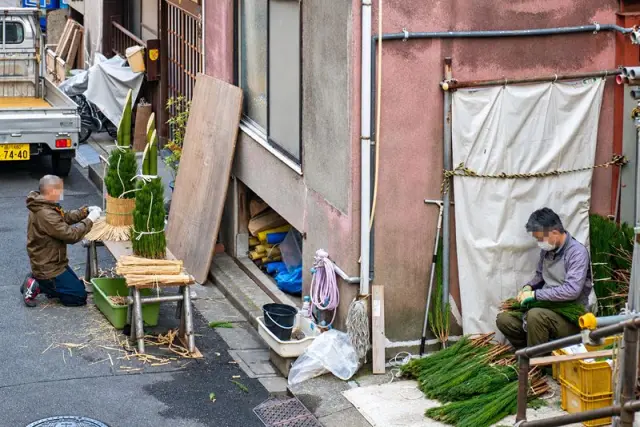
Also, my visit happened to be close to the Japanese New Year, and I unexpectedly saw craftspeople nearby making New Year’s pine decorations. It was my first time seeing the process of making this kind of traditional New Year’s decoration in person, and I found it quite interesting. Overall, the grounds of Tokyo Daijingu Shrine are not large, and around 20–40 minutes should be enough to pray, enjoy the surroundings, and shop for charms. If you happen to be planning an itinerary around Iidabashi, it may be worth stopping by. -
-
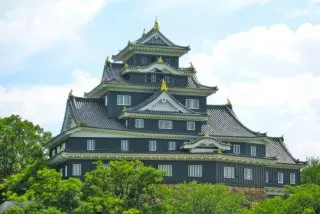
Okayama Castle
This castle was created by Warlord Hideie Ukita in 1597. The main castle was built on top of a hill named Okayama, and the Tensyu (castle tower), was built in front of the Asahikawa River. The adjacent castle town was created with merchants and craftsmen.
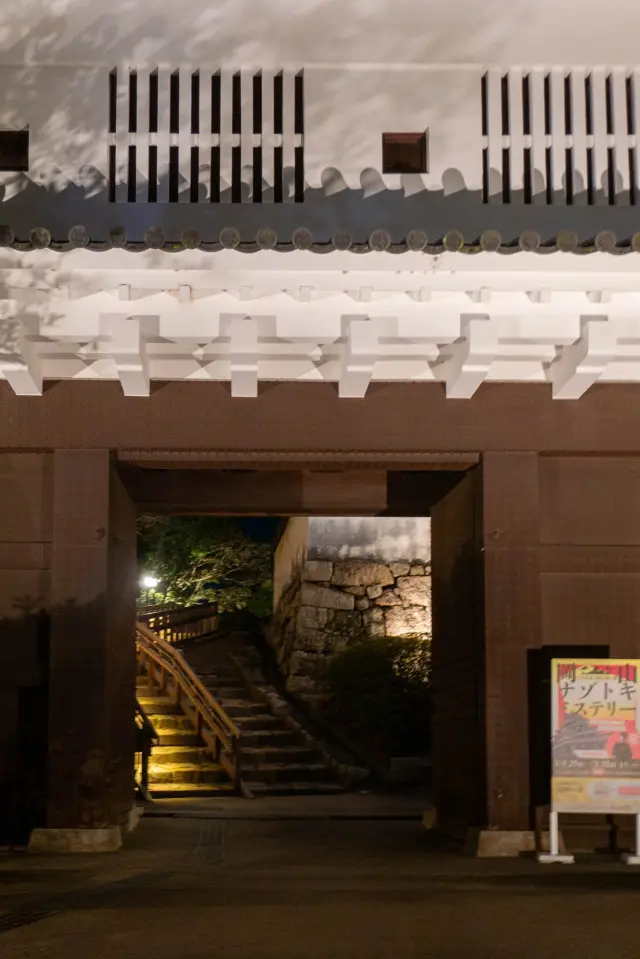
The main reason I visited Okayama Castle this time was to attend a local sake event held inside the castle at night. You can take the streetcar to Shiroshita Station and then walk about 10 minutes to Okayama Castle. However, if you come at night, the route from Shiroshita Station to the castle isn’t particularly well lit. I found this stretch of the walk a little scary, and the lighting only noticeably increased after I actually entered the Okayama Castle and Ujo Park area. If you’re visiting at night, I recommend having your phone’s flashlight ready so you can at least feel safer while walking.
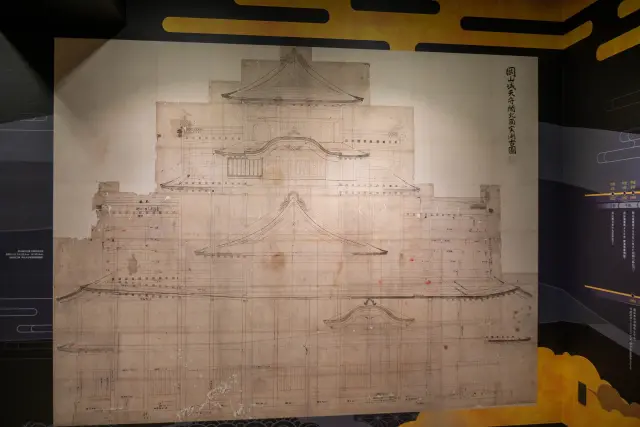
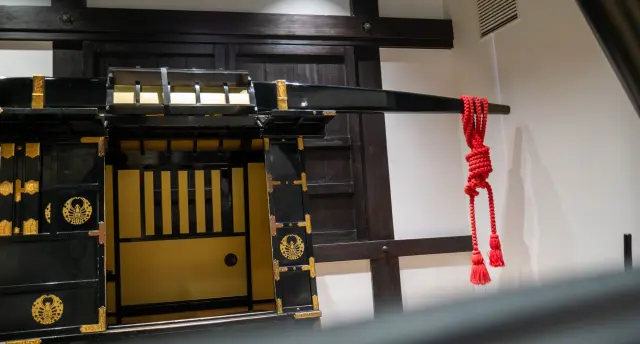
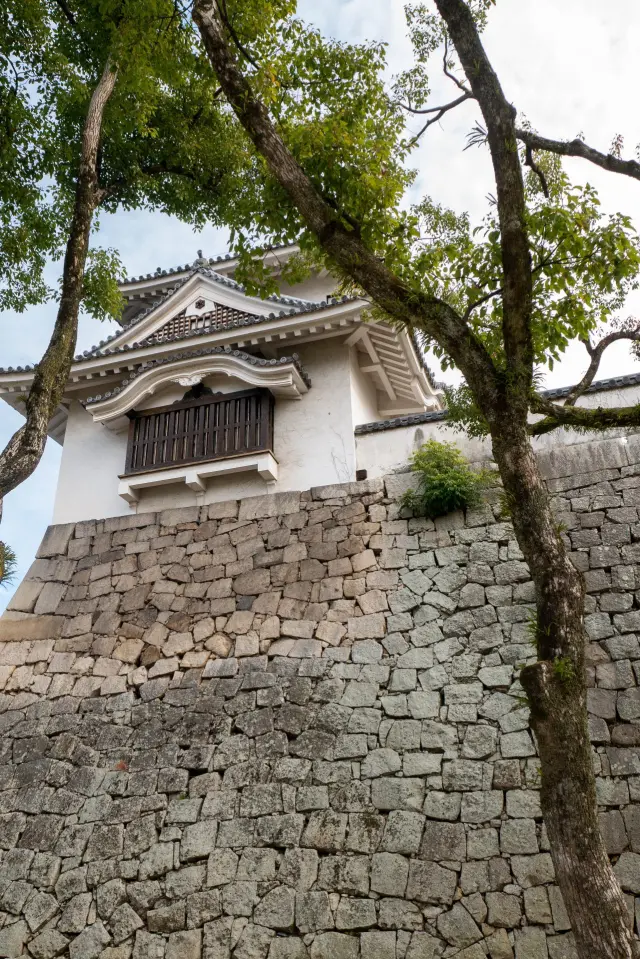
The castle tower you see at Okayama Castle today is a reconstruction. The original tower was destroyed in the 1945 air raid on Okayama and wasn’t rebuilt until 1966. Once inside, I felt it was more like a history museum themed around Okayama Castle. In addition to historical exhibits, there are also plenty of interactive activities and experiences, such as trying on samurai and princess costumes and riding in an Edo-period palanquin.
If you collect stamps from Japan’s 100 Famous Castles, you can get the Okayama Castle stamp here as well. The stamp is currently located near the reception area on the first basement floor. However, since it’s inside the paid area, you still need to purchase admission to use it. If you have the Okayama Enjoy Pass, you can use it here to redeem a package that includes admission to the Okayama Castle tower and a seasonal fruit parfait at Ujo Cafe.
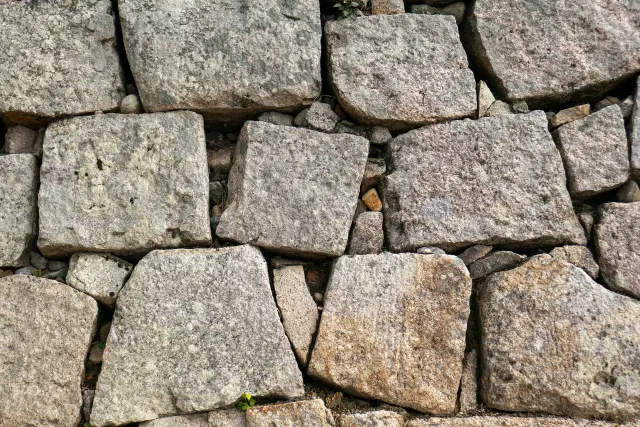
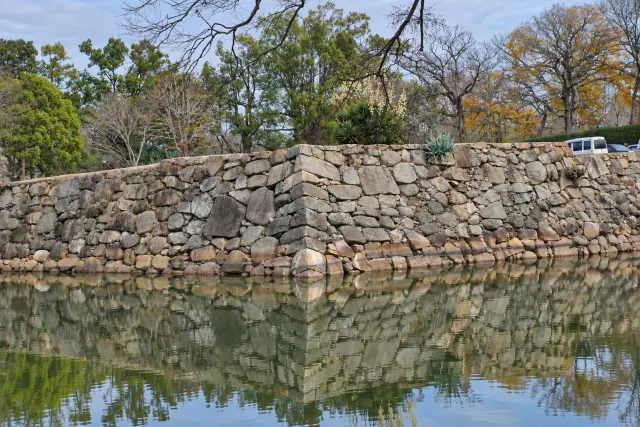
However, rather than the castle tower itself, I found the truly interesting parts of Okayama Castle to be the remaining stone walls and castle ruins around it. The honmaru still has stone walls from different periods. You can see traces of the castle construction from the time of Ukita Hideie, sections left from later expansions by the Ikeda clan, and even excavated stone walls and markings left by stonemasons. Looking closely at the stone walls actually gives you a stronger sense of how Okayama Castle changed under different lords and through different eras. Compared with the reconstructed castle tower, I personally felt that these unassuming stone walls and ruins were more distinctive of Okayama Castle. -