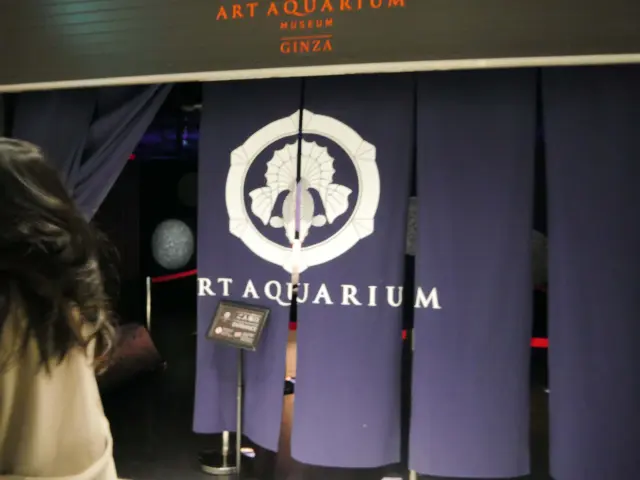
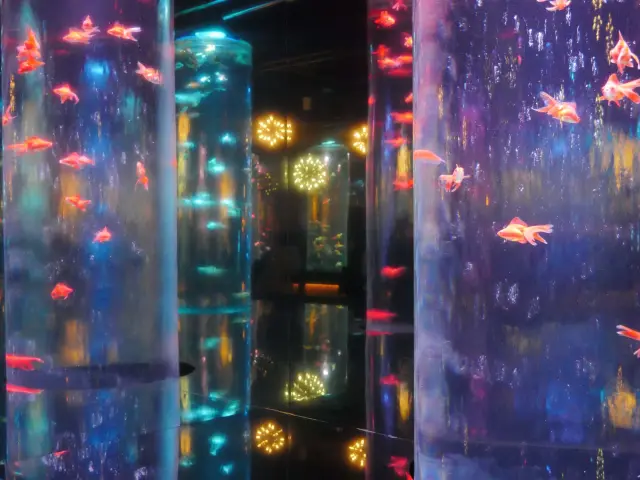
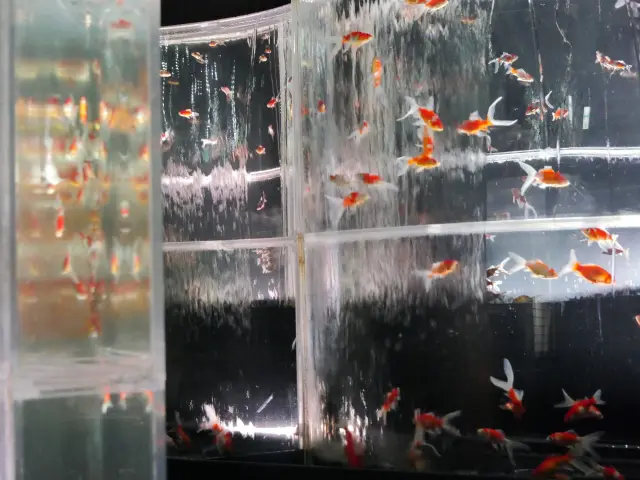
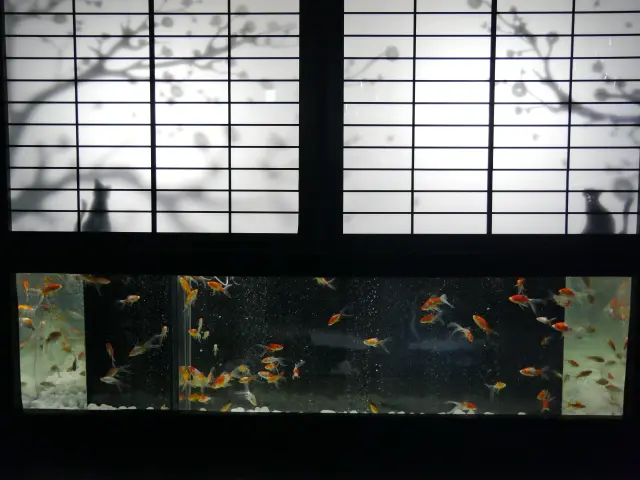
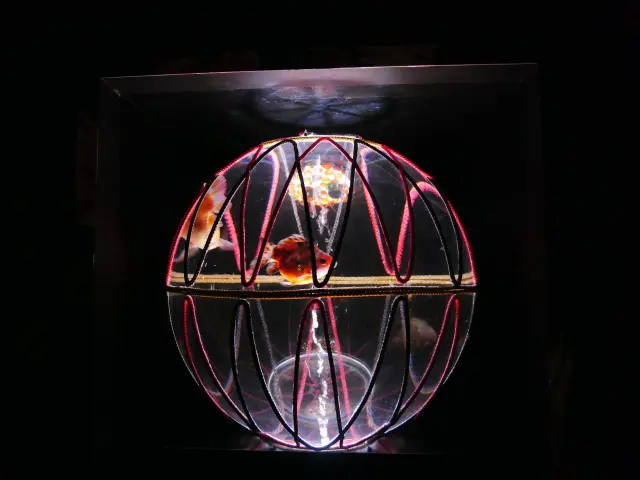
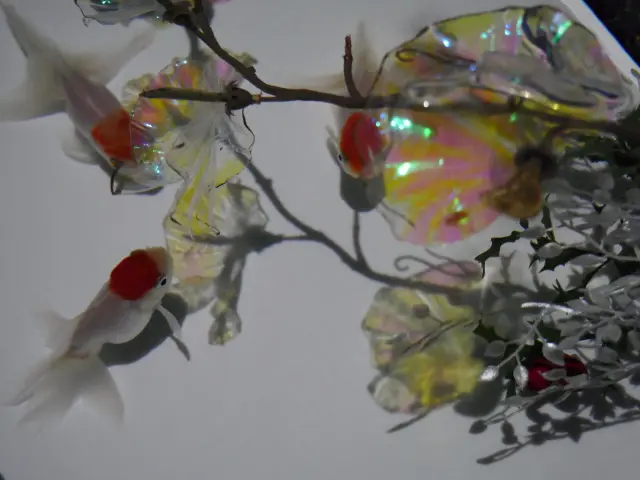
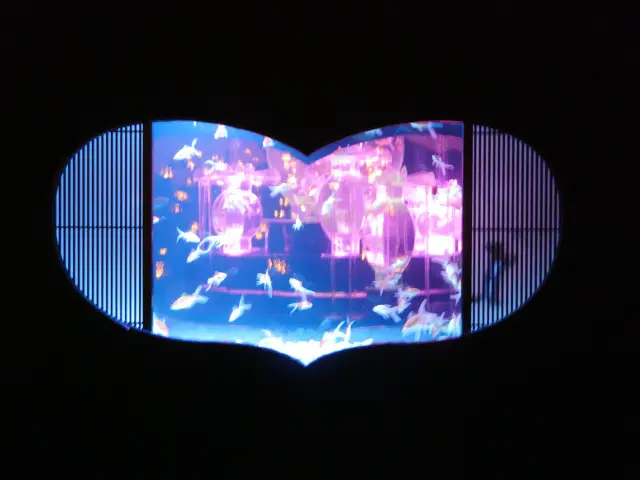
The Art Aquarium Museum GINZA is somewhere I'd wanted to visit for a long time. When I actually walked in, my first impression was that it was very lavish, with a touch of the splendor and allure of an oiran procession. The lighting, music, tanks, and decorations all blend together, but what I think was done especially well is that the lighting doesn't overshadow the goldfish themselves. Instead, it acts like stage lighting for them, ensuring that the goldfish remain the true stars of the exhibition.
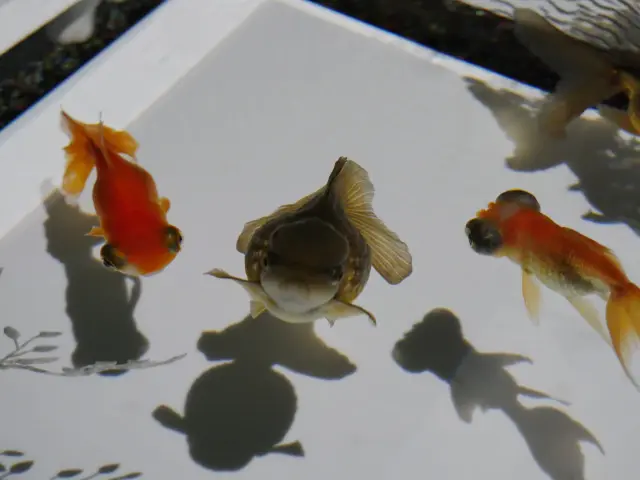
I especially liked the area where you can view the goldfish from above. Goldfish originated in China, and when they were first kept in containers such as bowls and jars, they were generally viewed from above. This top-viewing style later spread to Japan and also influenced the appreciation of goldfish in terms of their back patterns, body shapes, and the way their tail fins spread out. Today, we're mostly used to viewing fish from the side through glass, so in everyday life there are very few opportunities to appreciate them from this traditional perspective. Being able to experience this ancient way of appreciating the beauty of goldfish here felt quite special.
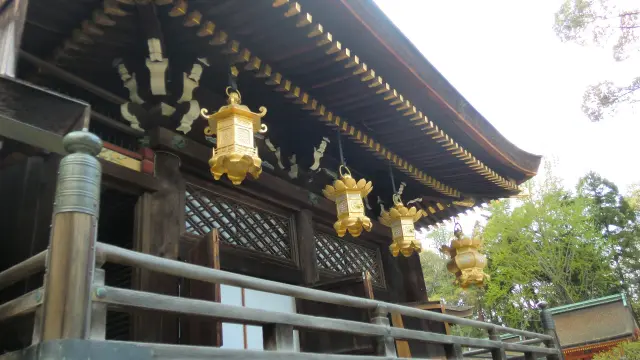
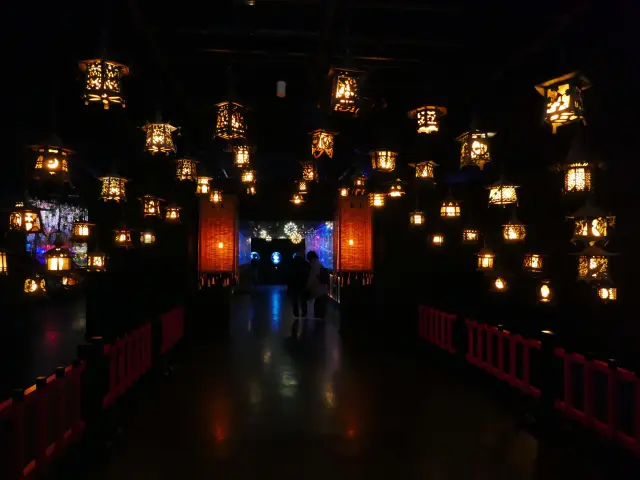
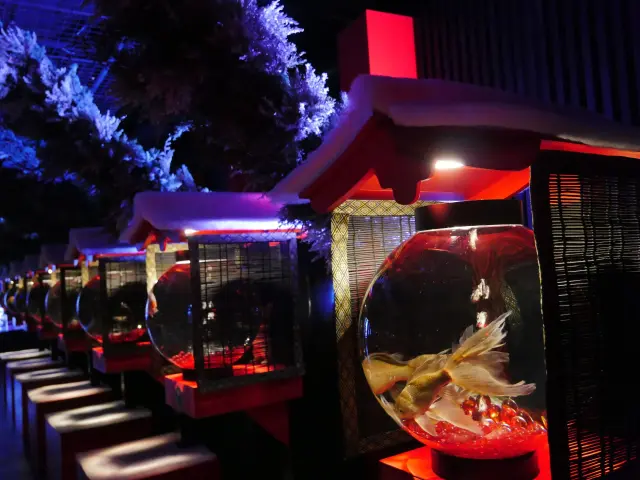
Another area uses a large number of Japanese lanterns to create the atmosphere, and at first glance it reminded me of the densely arranged lanterns at Kasuga Taisha Shrine in Nara. The other areas make extensive use of light and shadow, reflections on the water, flowers, and traditional Japanese elements to create different moods. Some of the decorations clearly use artificial flowers, but with the lighting and colors of the water, they don't look cheap. Instead, they give the whole space a feeling somewhere between a stage and a dream.
They also offer different seasonal themes, with the flowers, lighting, and some of the exhibits changing accordingly. As a result, the scenery may look completely different depending on when you visit. This time, I happened to catch the end of the winter exhibition. I'm really looking forward to summer, since summer is the season for goldfish, and I hope I'll have a chance to come back and see it.
Art Aquarium Museum GINZA | Review by Holly
Other Reviews by Holly
-
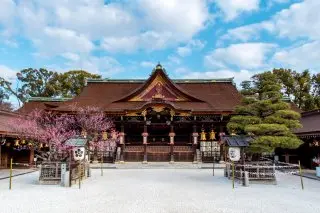
Kitano Tenmangu Shrine
Since built in 947, this 1000-year-old edifice is the head of 12,000 Tenmangu / Tenjin shrines nationwide dedicated to Sugawara no Michizane. Tenjin worship has begun here. Locals call it Tenjin-san of Kitano or Kitano-san.
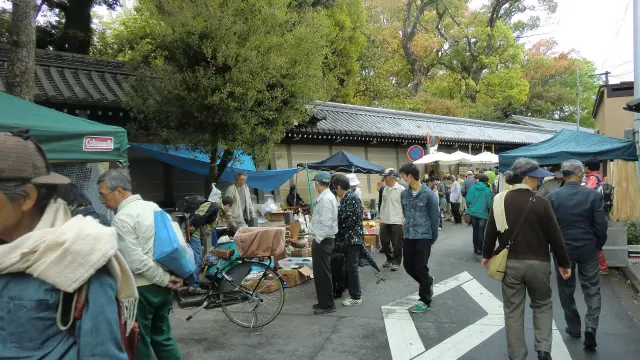
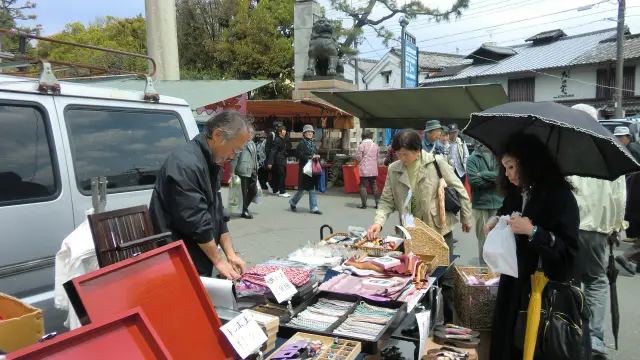
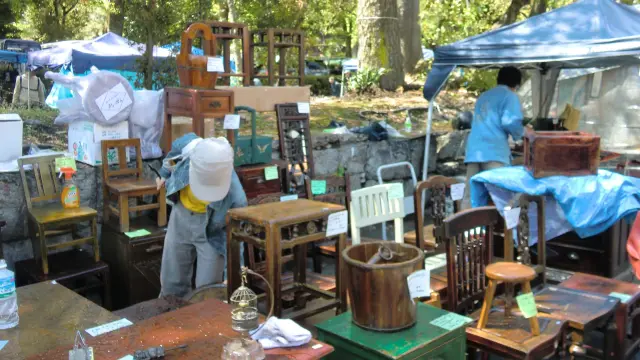
Every time I visit Kitano Tenmangu Shrine, my main reason is the Tenjin Market held on the 25th of each month. If you like kimono, vintage clothing, or kimono accessories, I personally really recommend checking it out. Kyoto has quite a few antique markets, but based on my experience visiting several times, this one has an especially large number of kimono-related stalls. They carry everything from kimono, haori, and obi to obijime and all kinds of kimono accessories, with a very wide selection. Some undergarments and consumable items are even sold new, and the prices are much lower than in stores. For people who are genuinely interested in kimono, this is a great place to hunt for treasures.
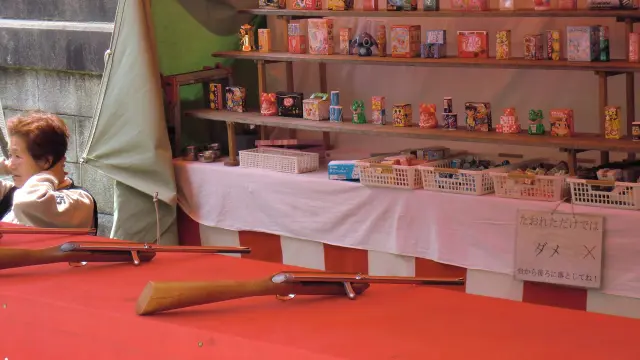
The Tenjin Market itself is huge. Besides kimono, there are antiques, old tools, tableware, miscellaneous goods, plants, and all kinds of snacks. The food stalls are mainly concentrated around the main gate. There aren’t many of them, and they’re pretty ordinary, but they’re just there to fill your stomach and give you some energy, so the taste isn’t that important. It’s easy to lose track of time while browsing here. Especially if your main goal is to buy kimono, I recommend coming early because the good items really do get picked out quickly.
Although the market mainly operates in cash, on my later visits I noticed that some stalls had started accepting credit cards. I usually skip the stalls that accept cards, since they mainly sell antiques and similar items, so I assume they offer card payments because the transaction amounts can be quite high. But if you do find something you really want, being able to pay by card is quite convenient, since it’s hard to carry that much cash with you.
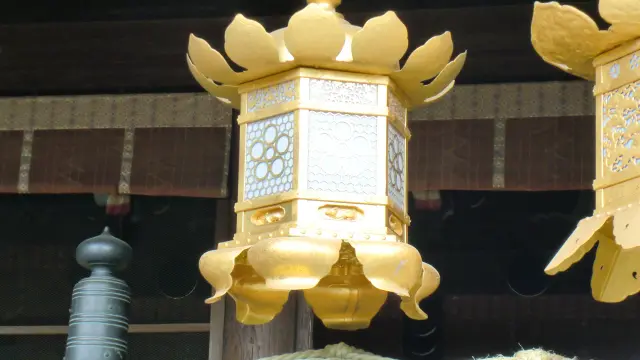
Kitano Tenmangu Shrine itself is also well worth visiting. I’ve been here many times, and it feels a little different each time. If you come in February, you can enjoy the plum blossoms while visiting the Tenjin Market. If you happen to come on the 25th, you can also attend the Plum Blossom Festival. In addition to the festival, there is also a grand outdoor tea ceremony served by geiko and maiko from Kyoto’s Kamishichiken district, held among the blooming plum trees. During the Setsubun Festival in early February, geiko and maiko from the Kamishichiken Kabukai also perform a Japanese dance offering at the Kagura Hall. If you want to experience Kyoto’s traditional performing arts, all of these events have their own distinctive character.
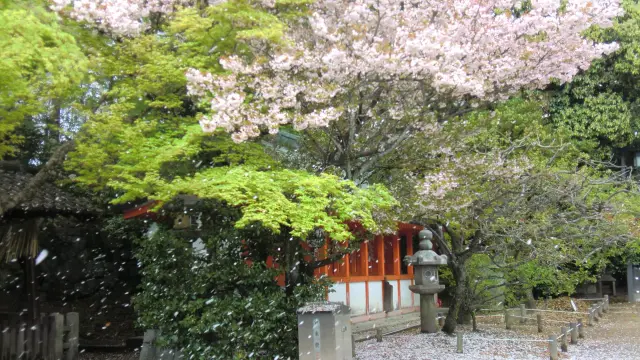
I also visited once in April. The cherry blossom season was already nearing its end, so I wasn’t expecting much, but I was very lucky and happened to see a shower of falling cherry blossoms. It was incredibly romantic and ended up becoming one of my strongest memories of Kitano Tenmangu Shrine. After visiting Kitano Tenmangu Shrine, you can continue on to Hirano Shrine, which is also one of Kyoto’s well-known cherry blossom viewing spots. The two places work very well together in one itinerary. -
-
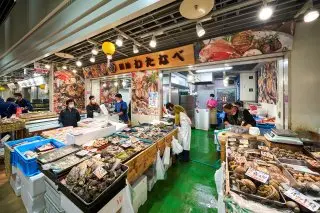
Tsukiji Outer Market
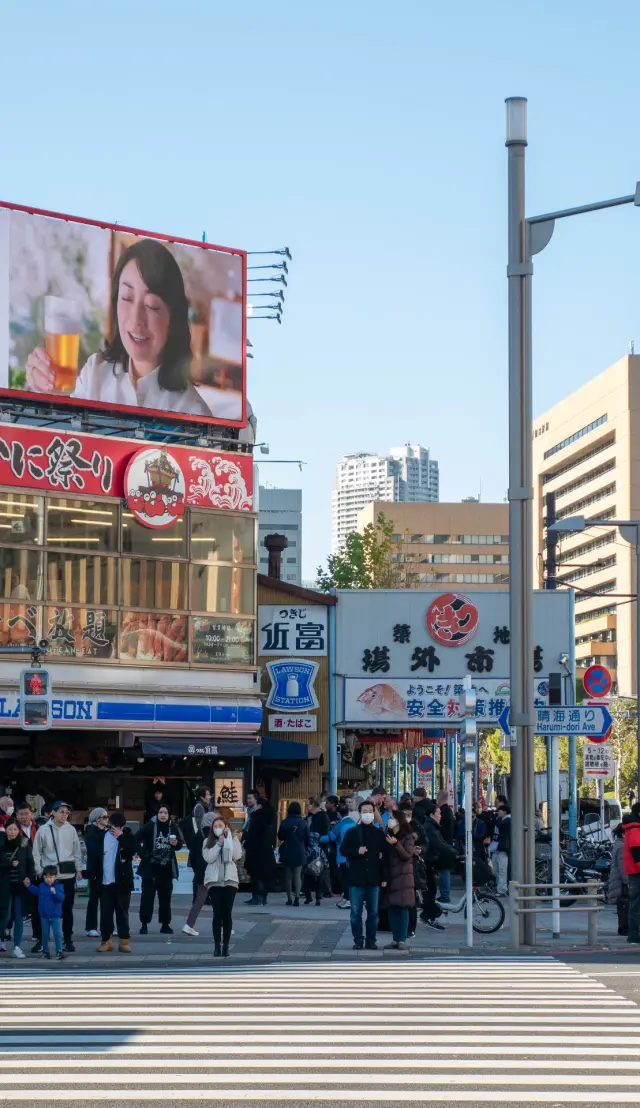
Over 400 food shops and restaurants gather speciality shops. Suppliers, general shoppers for daily food, and tourists searching for specialty food always crowd even though after a change of the location of the central wholesale market from Tsukiji to Toyosu in October, 2018.
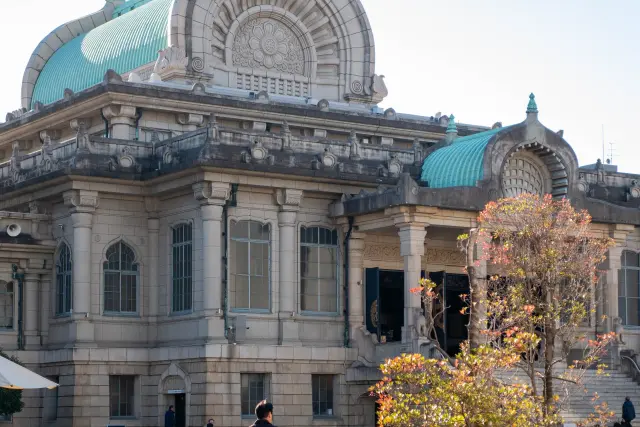
I recommend visiting Tsukiji Outer Market together with Tsukiji Hongwanji, since the two are very close to each other. You can visit Hongwanji first and then walk over to the outer market. Tsukiji Hongwanji itself is quite distinctive, so you can look at the architecture first and then head to the market to eat. It makes for a very smooth itinerary.
If you're visiting Tsukiji, I recommend not arriving too late. When I got there a little after 9:00, I could already clearly feel large numbers of tourists pouring in, and the market was quite lively. In particular, quite a few people were pulling luggage around with them. I personally don't really recommend doing that, because the market aisles aren't very wide to begin with, and once it gets crowded, large pieces of luggage really take up a lot of space.
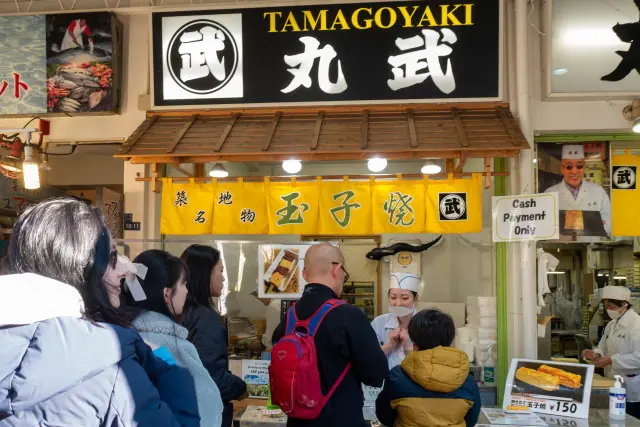
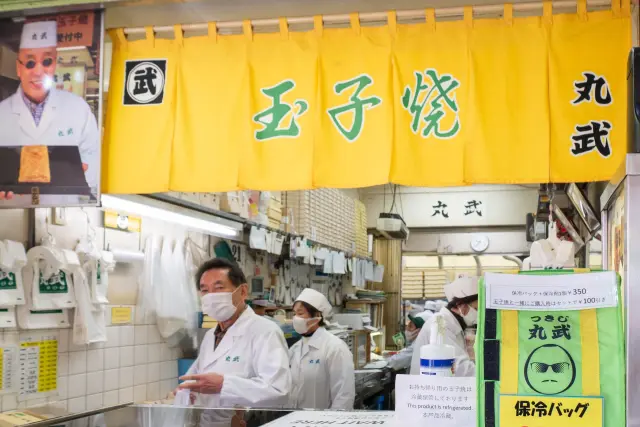
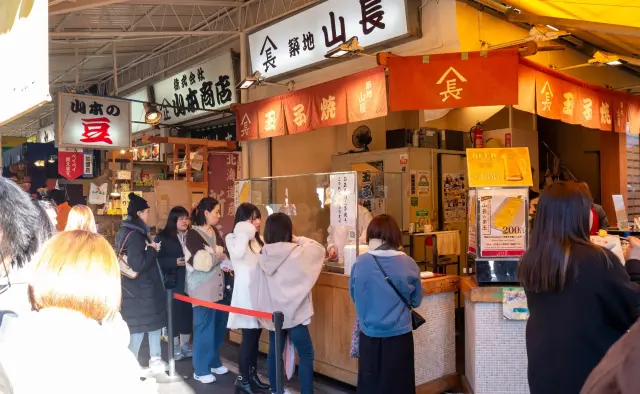
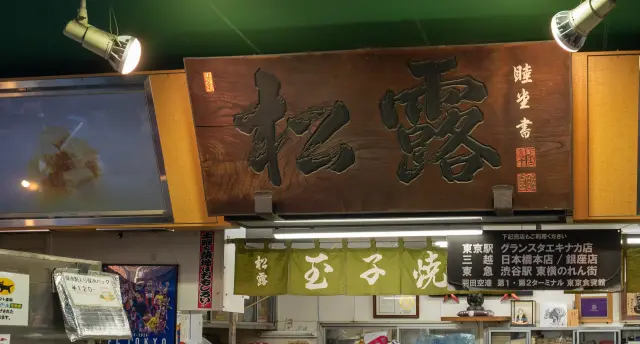
Because I didn't stay very long this time, I wasn't able to fully explore all the food in the market. I just picked a few tamagoyaki shops to try. Once again, it proved that my stomach prefers Kanto-style tamagoyaki, and I had a very enjoyable time eating my way through them.
Although seafood is the first thing many people think of when visiting Tsukiji, once you actually walk into the outer market, you'll find so many choices that it can be a little overwhelming. In addition to fresh fish, sushi, and seafood bowls, there are also tamagoyaki, dried goods, fruits and vegetables, meat, and more. Although the main market has moved to Toyosu, even a skinny camel is still bigger than a horse, and the location is convenient, so there are still many shops operating here. If it's your first visit, I actually recommend looking up several places you genuinely want to try beforehand. There are simply too many choices, and with the crowds, it's easy to see one place you want to try and then another, until you end up not knowing what to eat at all.
Also keep in mind that Tsukiji isn't simply a tourist food street. It's a district of specialty shops that developed out of a working market, so it's better not to eat while walking. -
-
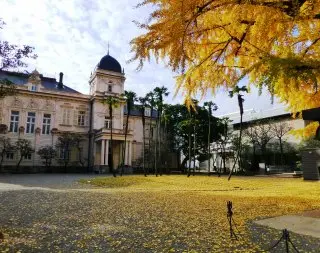
The former Iwasaki House Garden
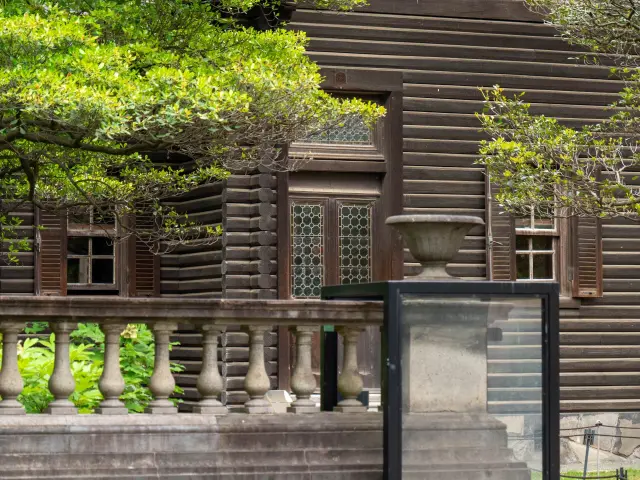
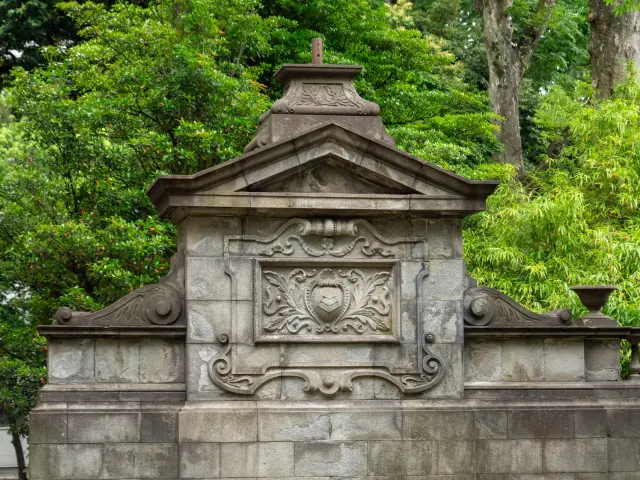
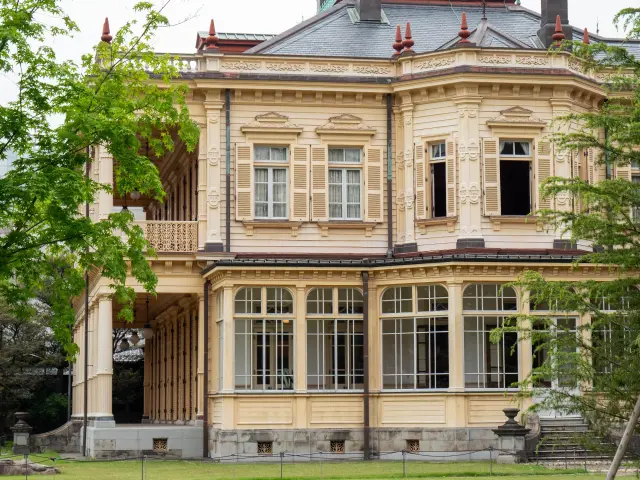
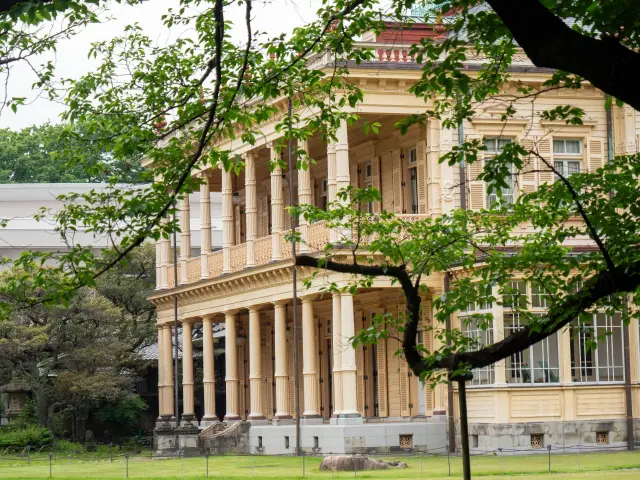
The Iwasaki Family founded Mitsubishi. These buildings and garden were built in 1896 as a residence for Hisaya, Iwasaki Family’s third head, and were later restructured as Tokyo’s garden. The 12-acre premises used to have 20 buildings. Today, the western-style hall, the Japanese-style hall, the pool hall and the garden are preserved.
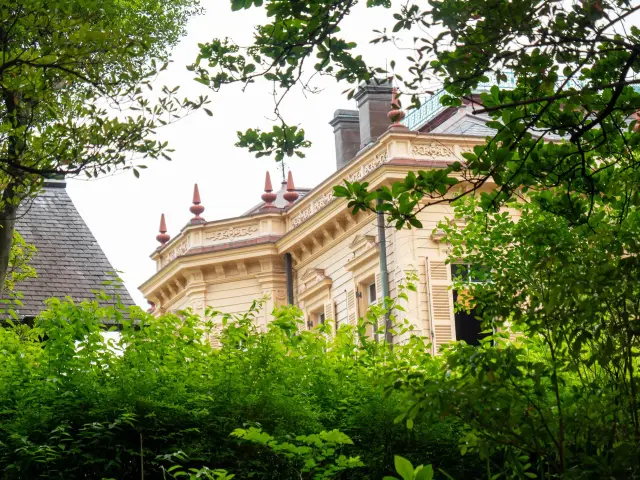
The Former Iwasaki House Garden is a place that I think is well worth taking the time to explore. It was originally the main residence of Hisaya Iwasaki, the third president of Mitsubishi, and was completed in 1896 (Meiji 29). The most interesting thing about the estate is that you can see both an extremely ornate Western-style building and a traditional Japanese-style residence in the same space. This combination of Japanese and Western styles is also a representative feature of upper-class residences from the Meiji era.
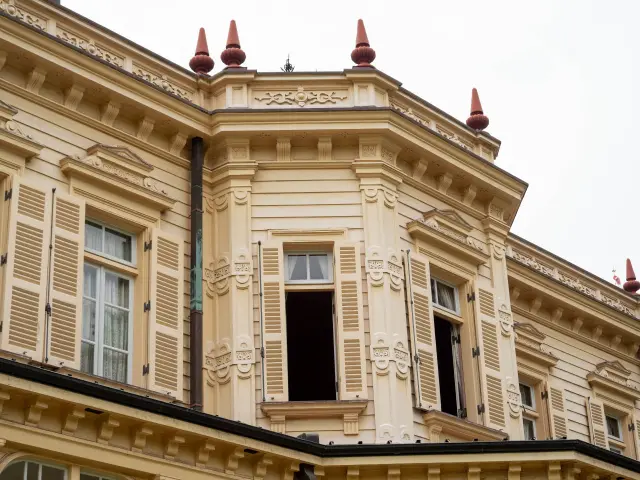
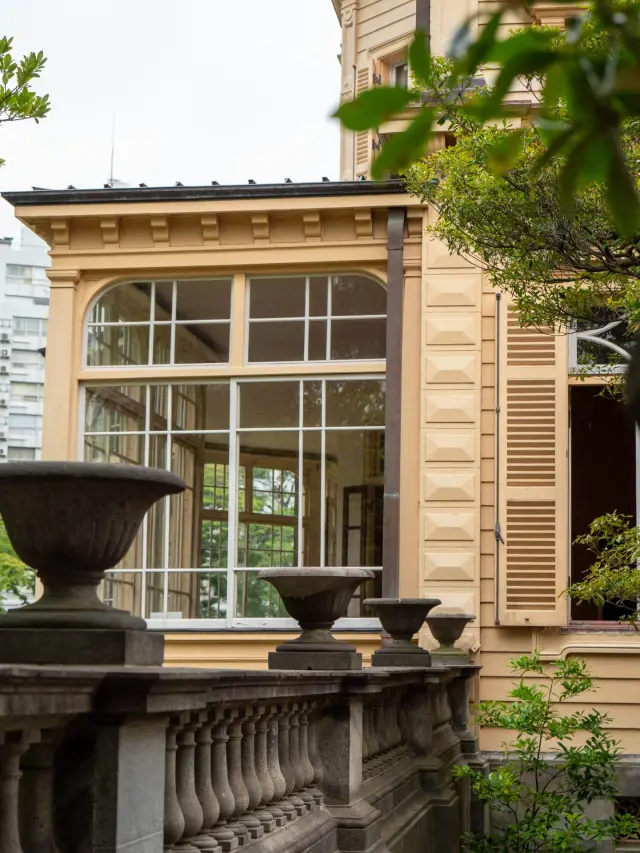
The Western-style building is based on the Jacobean style of 17th-century England, with Renaissance, Islamic, and other design elements incorporated into it. Everything from the exterior to the interior details is quite impressive. What particularly stood out to me was the “kinkarakawa-shi” wallpaper inside, which uses washi paper, metal foil, and embossing techniques to create the look of leather wallpaper. It was a very valuable form of interior decoration at the time. Different patterns of kinkarakawa-shi wallpaper can still be seen on the second floor. Unfortunately, photography isn't allowed inside, which was a bit disappointing for me.
The Western-style building was mainly used for receiving guests and social gatherings, while the adjacent Japanese-style building served as the Iwasaki family's more everyday living space. Seeing two completely different architectural styles side by side really gives you a sense of how Japanese homes changed after Japan began widely adopting Western culture during the Meiji era. In addition to the Western-style building and the main hall of the Japanese-style building, the surviving structures include a very distinctive billiards room. It is a wooden building designed to resemble a Swiss mountain lodge and is connected to the Western-style building by an underground passage.
Another thing I really liked here was how distinctive the souvenirs related to kinkarakawa-shi wallpaper were. The bookmarks, card holders, and other items sold on-site aren't exactly cheap, but they may appeal to anyone interested in architecture, paper goods, or historically significant crafts like these. Snacks are also available, so you can take a break while enjoying something to eat.
However, don't underestimate the size of the garden. I felt that it took about five or six minutes just to walk from the ticket booth to the entrance of the residence, and part of the route is uphill. The entire grounds are also much larger than you might imagine from looking at the buildings alone. Although only about one-third of the original property remains today, some elements of a daimyo garden and a large lawn have been preserved.
So, if you want to thoroughly explore the Western-style building, Japanese-style building, and garden, I would recommend allowing at least two to three hours. I was honestly a little tired by the time I finished walking around, but fortunately there is a rest area near the exit. That was very thoughtful for people who have just walked all the way around the grounds.
-