
Enjoy Kagoshima’s Spectacular Scenery, History, and Culture! A Guide to Visiting Sengan-en
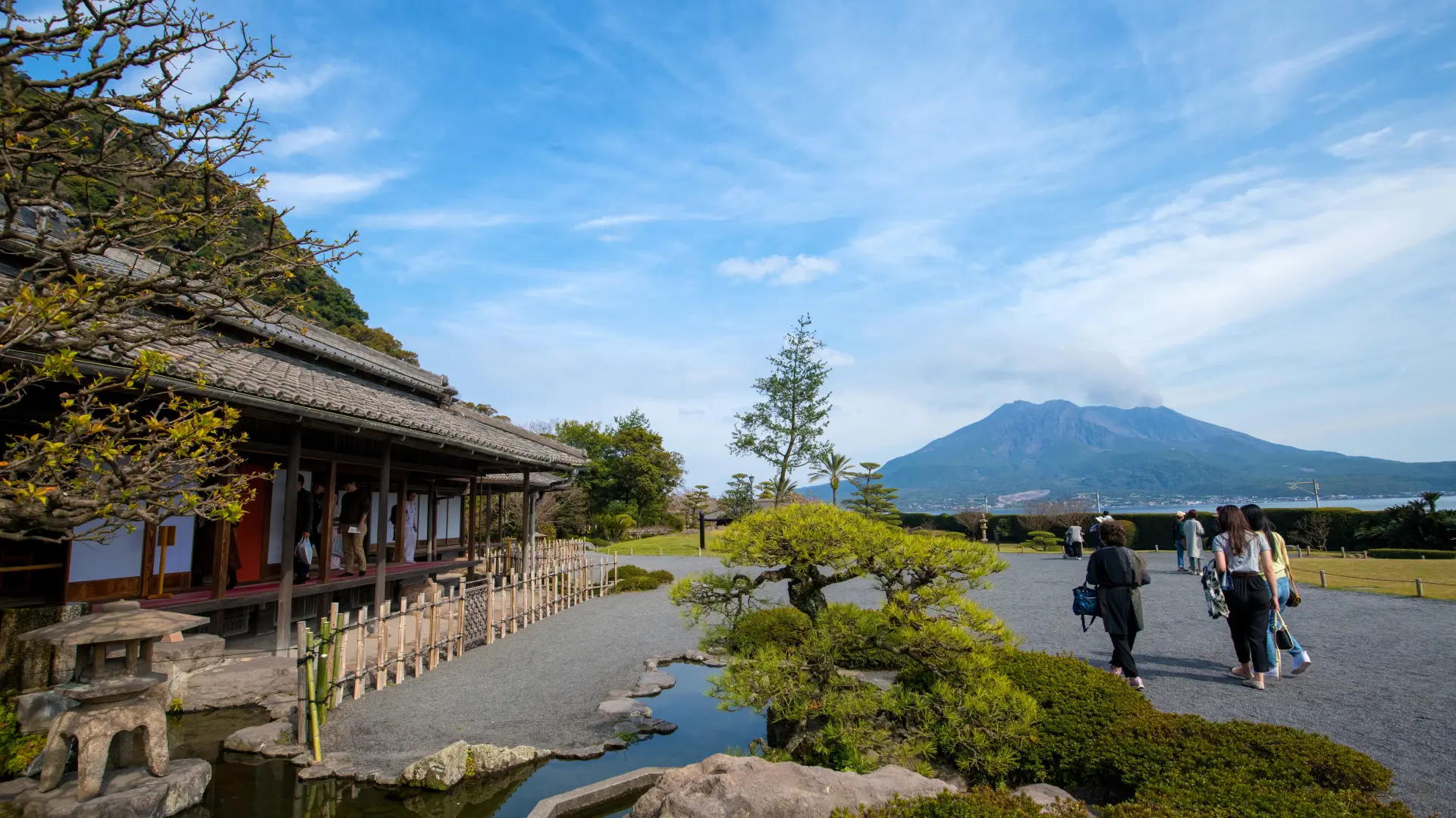
Sengan-en offers spectacular views full of Japanese charm, where Kagoshima’s grand natural scenery blends beautifully with a traditional Japanese garden.
In addition to the garden, this popular sightseeing spot is packed with highlights, including a World Cultural Heritage site, facilities where you can experience traditional culture, and restaurants serving local cuisine.
This article introduces access to Sengan-en, the best seasons to visit, and helpful points to know before your trip.
Use this guide to enjoy Sengan-en even more deeply.
What is Sengan-en Like?
Sengan-en is located along the coast of Kagoshima City in Kagoshima Prefecture.
It was built during the Edo period (1603-1868) by Shimazu Mitsuhisa, the second lord of the Satsuma Domain, as a villa for the Shimazu family.
Typical daimyo gardens feature a large pond at the center, with paths designed for strolling around it.
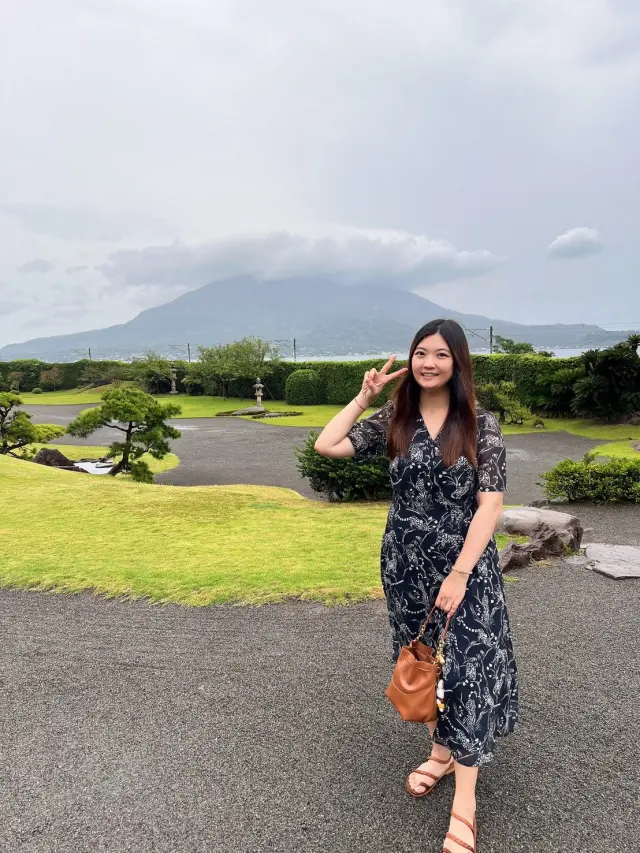
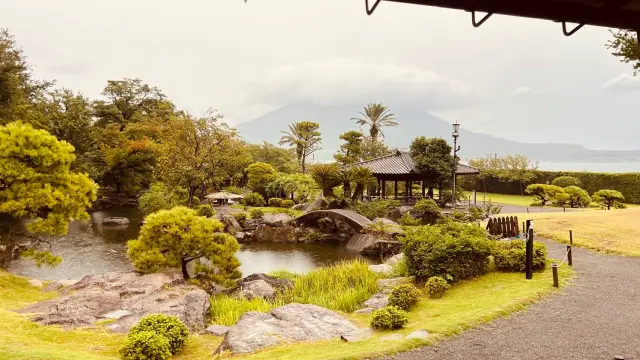
Sengan-en, however, has neither a large pond nor an artificial hill. Instead, its distinctive design incorporates the surrounding scenery of Kinko Bay and Sakurajima into the garden.
Visitors can enjoy a dynamic landscape in which the garden blends seamlessly with Kagoshima’s magnificent natural surroundings and appreciate the beauty of nature.
Simply strolling leisurely through the garden while admiring Sakurajima or taking photos is an enjoyable experience in itself.
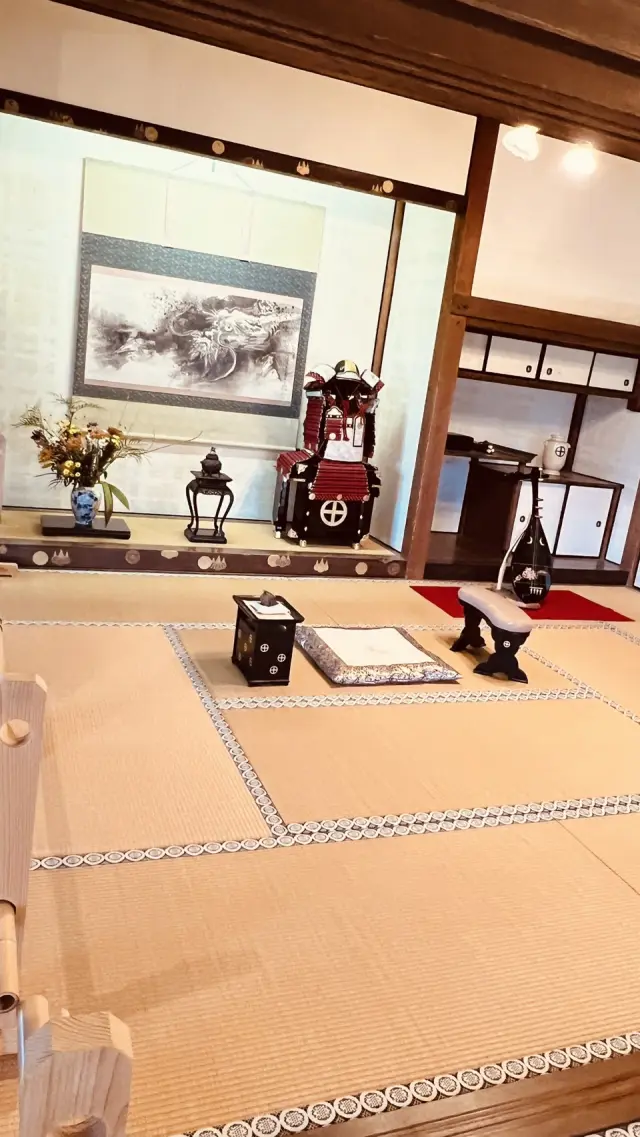
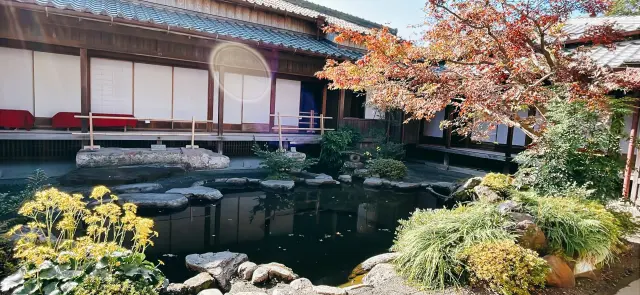
The Goten, which was once used as the family’s main residence and also as a guest house, retains much of the atmosphere of the Edo period, offering visitors a glimpse into life at the time.
The expansive 50,000-square-meter grounds also contain facilities related to projects carried out from the late Edo period through the Meiji period (1868-1912) that contributed to Japan’s modernization.
The Shoko Shuseikan Museum and the Reverberatory Furnace Ruins, which were recognized for these contributions and registered as part of a UNESCO World Cultural Heritage Site, are also not to be missed.
There is also a factory where visitors can observe up close the production process of the traditional craft Satsuma Kiriko, making Sengan-en a destination filled with fascinating sights.

Access to Sengan-en
Here is how to get to Sengan-en from Kagoshima Airport, which is often the starting point for sightseeing in Kagoshima.
Kagoshima Airport also operates international flights, making access excellent from both within Japan and overseas.
- Route
-
1. From Bus Stop No. 8 at the Kagoshima Airport bus terminal, take the Kagoshima Kotsu bus bound for “Shiyakusho-mae” and get off at “Kagoshima-Chuo Station”
2. Immediately outside Sengan-en Station on the JR Nippo Main Line - Travel Time
- Approx. 1 hour 10 minutes
Sengan-en Hours and Admission
Please refer to the table below for Sengan-en’s Hours and Admission.
- Hours
- 9:00am–5:00pm
- Admission
-
・Adults: 1,600 yen
・High school students, elementary and junior high school students: 800 yen
What Is the Best Season to Visit Sengan-en?
Sengan-en offers beautiful scenery in every season, but spring and fall are especially recommended times to visit.
The grounds are planted with various cherry trees, including Kanhizakura, and from early February to early April, different varieties reach their peak bloom one after another.
The view of Sakurajima through the cherry blossoms is truly spectacular.
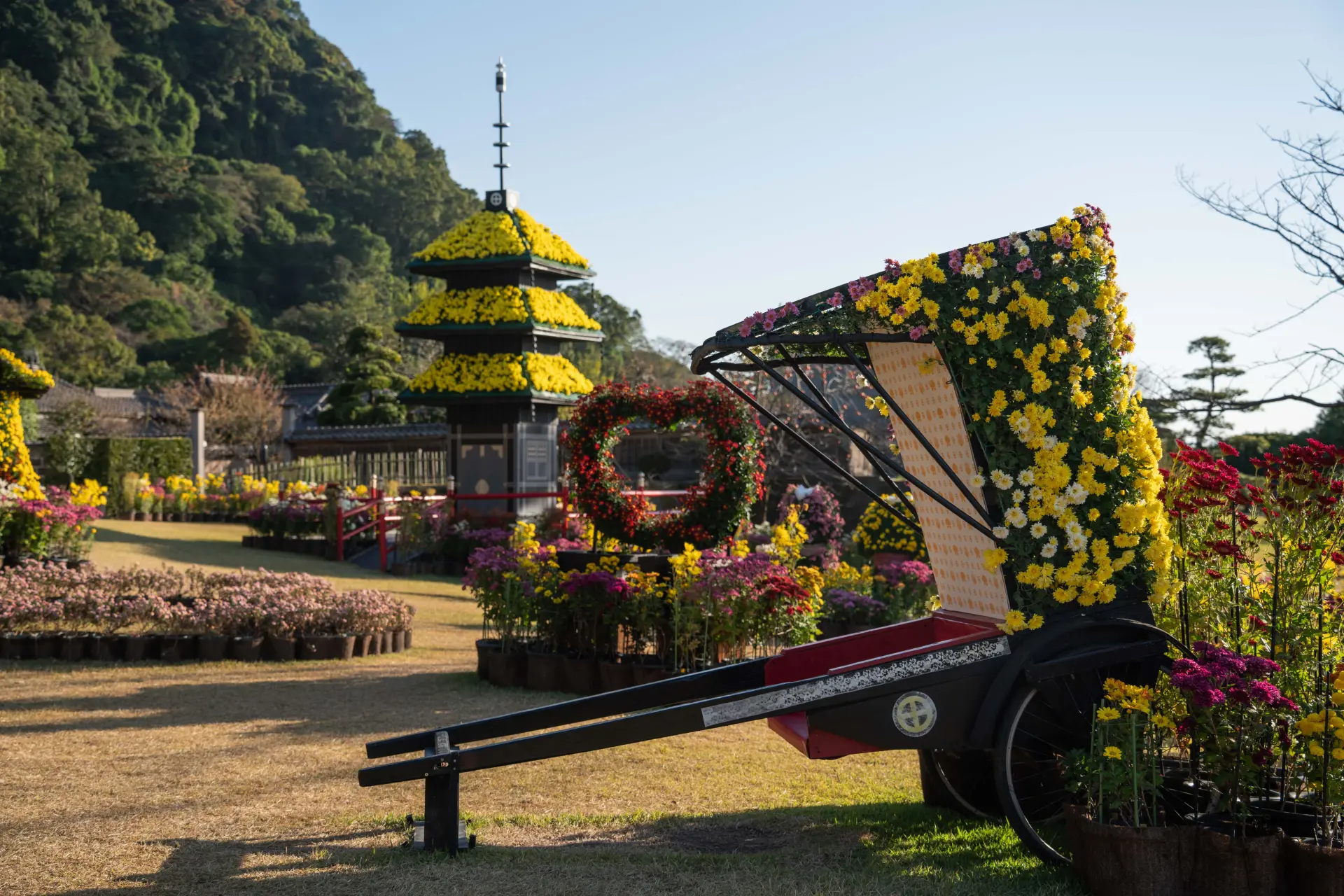
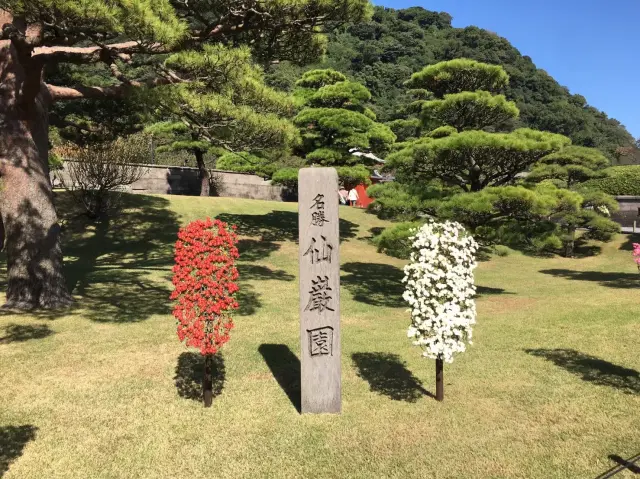
In fall, the Chrysanthemum Festival is held, adding splashes of color throughout the grounds with chrysanthemums in a variety of hues.
Be sure to visit in spring or fall and enjoy the beautiful scenery unique to Japan.
Enjoy Kagoshima’s History and Culture! 5 Must-See Spots at Sengan-en
Sengan-en is famous for its garden, which makes use of magnificent natural scenery such as Sakurajima and Kinko Bay, but there is much more to see as well.
What all of its facilities and highlights have in common is that they let you experience Kagoshima’s traditional culture and history.
Some are even registered as World Heritage sites, so when you visit, be sure to see the following five spots.
1. Daimyo Garden
One of Japan’s representative daimyo gardens, created in 1658 by Shimazu Mitsuhisa, the 19th head of the Shimazu family.
Its grand scenery, with Sakurajima likened to an artificial hill and Kinko Bay to a pond, allows visitors to enjoy Kagoshima’s rich natural beauty as it changes with the seasons and leaves a lasting impression.
Another distinctive feature is the influence of Chinese culture seen throughout the garden, including Senjingan, a massive rock carved with characters.
The Suzumon Gate, which served as the main gate during the Edo period, is the only gate in Japan with a roof made using tin, a specialty of Kagoshima, and its elegant appearance has been preserved to this day.

2. Goten
The Goten has been passed down through generations.
It served as the main residence of Shimazu Tadayoshi, the final lord of the Satsuma Domain, as well as a guest house for distinguished visitors from Japan and abroad.
In addition to the spectacular view of Sakurajima from the Goten, one of its attractions is the opportunity to experience the lifestyle of a feudal lord through rooms such as the Audience Room, designed so that many people could be received at once, and the Oima Room, where Shimazu Tadayoshi spent most of his day.
Inside the residence are 11 types of kugikakushi, traditional Japanese decorative fittings used to conceal the heads of nails, revealing the attention to detail of the people of the time.
When you visit the Goten, be sure to look for the kugikakushi.

3. Shoko Shuseikan Museum
Shimazu Nariakira, the 11th lord of the Satsuma Domain, was a wise ruler who promoted the construction of a group of modern Western-style factories, including a reverberatory furnace for casting cannons, as well as facilities for shipbuilding, glassmaking, and spinning. These modernization efforts were known as the Shuseikan Project.
In 1865, a machine factory for producing parts for ships and other items was completed.
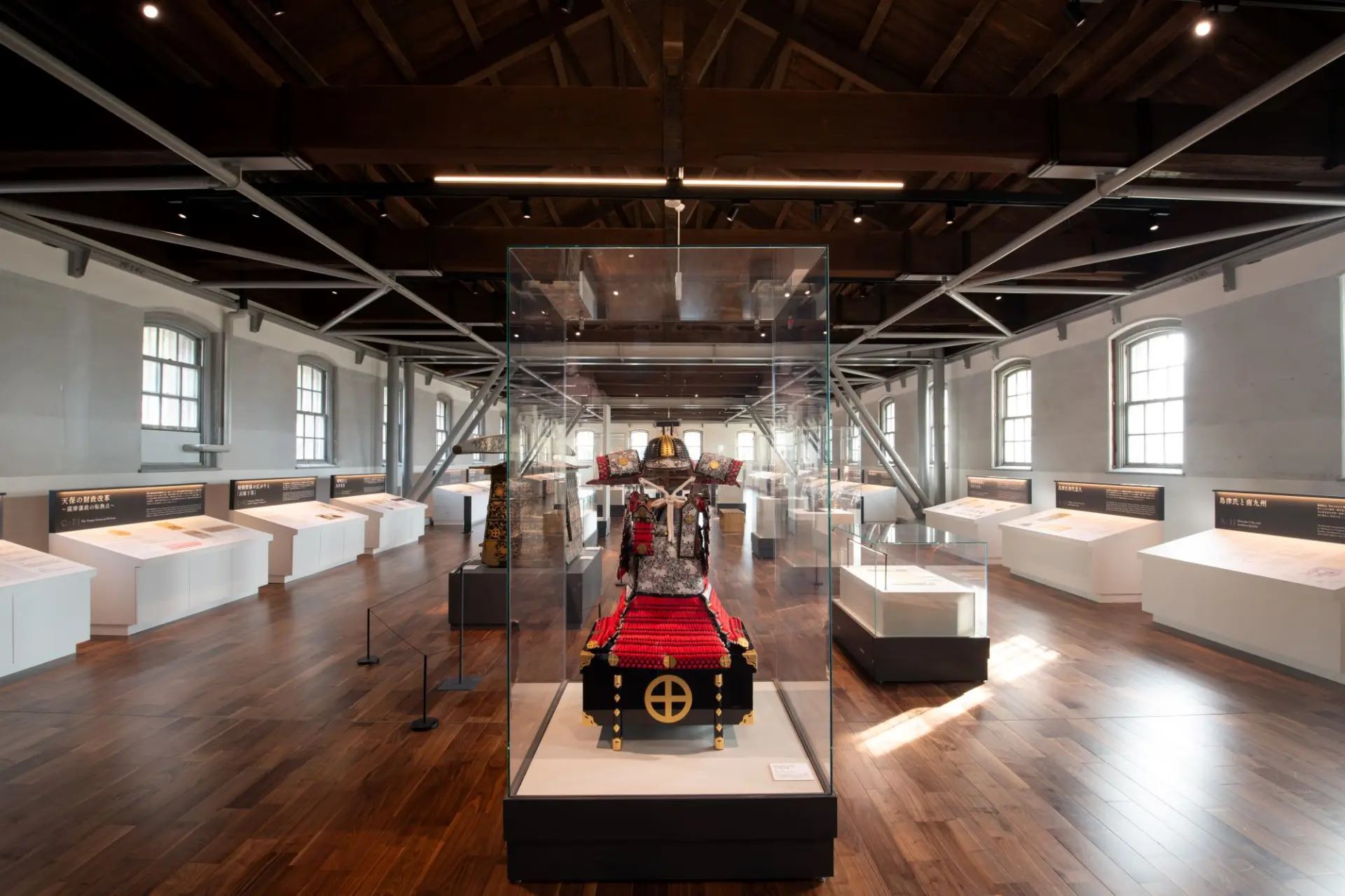
That factory is now the Shoko Shuseikan Museum, which introduces the 800-year history and culture of the Shimazu family.
The museum exhibits machinery that was in operation at the time and helped lay the foundations of modern Japan, historical materials passed down through the Shimazu family, and items associated with Nariakira.
In 2015, together with part of Sengan-en, it was registered as part of the UNESCO World Cultural Heritage Site “Sites of Japan’s Meiji Industrial Revolution.”
4. Reverberatory Furnace Ruins
Shuseikan was a group of Western-style factories built to strengthen the nation and military power.
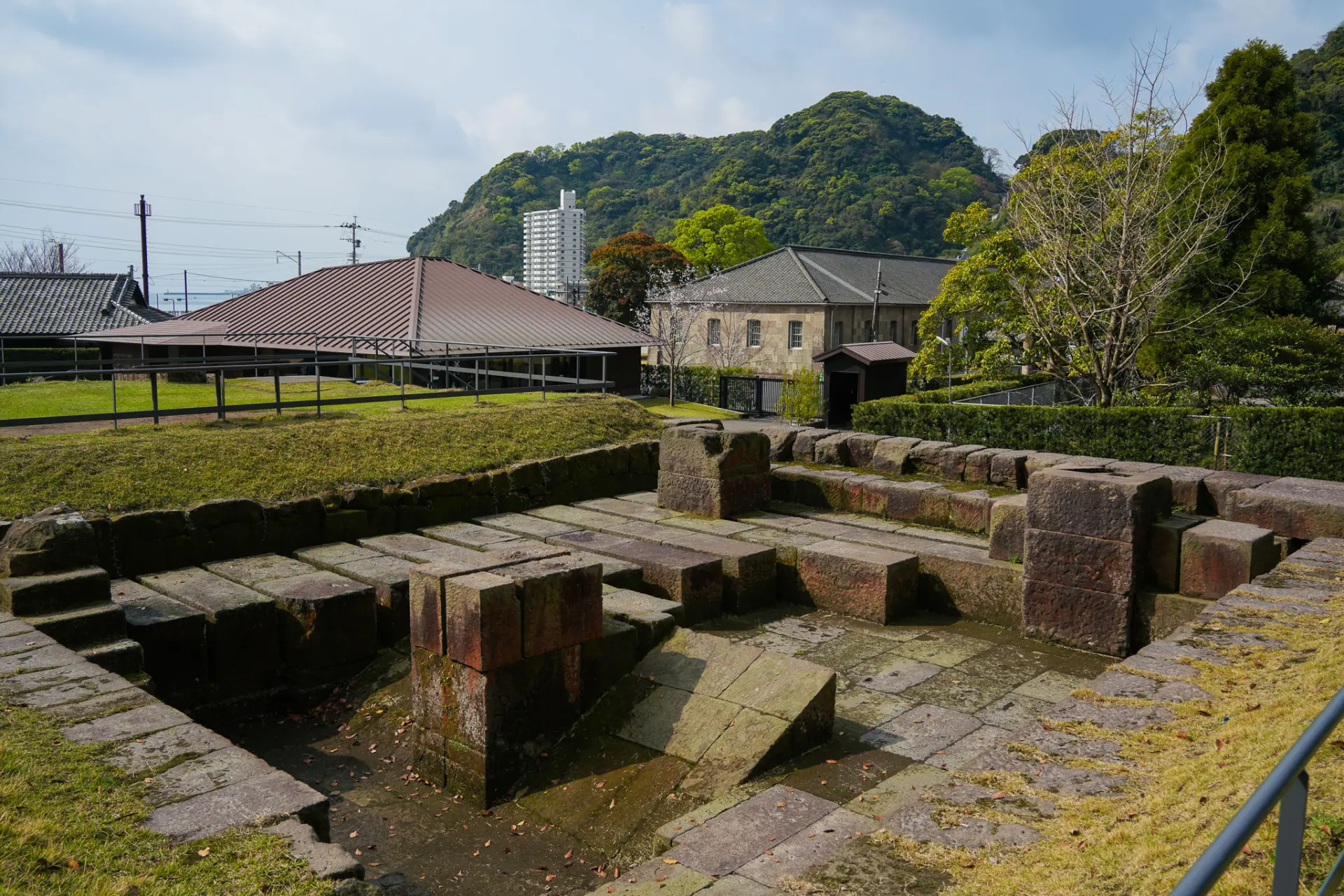
At its heart was the reverberatory furnace, and today its foundation remains at Sengan-en. A reverberatory furnace is a facility necessary for smelting metal.
You can see this valuable historic site, which played a major role as a center that accelerated Japan’s modernization.
The Reverberatory Furnace Ruins are also registered as part of the World Cultural Heritage site “Sites of Japan’s Meiji Industrial Revolution.”
5. Satsuma Kiriko Factory
Satsuma Kiriko developed under the leadership of the great Edo-period ruler Shimazu Nariakira.
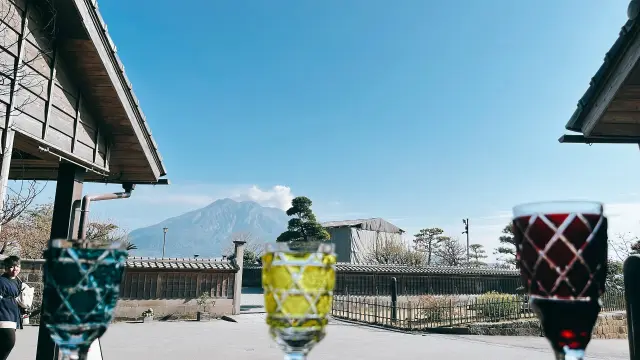
These finely cut glass pieces, made by layering various colors of glass over clear glass, are highly regarded in the history of crafts for both their beauty and their advanced technique.
Approx. 100 years after production ceased, the Shimazu family took the lead in efforts to revive it, and today it is once again produced as one of Kagoshima’s traditional crafts.
At the Satsuma Kiriko Factory, you can closely observe the superb skills of artisans who make these traditional crafts by hand.

Experience Kagoshima’s Traditional Culture at Sengan-en
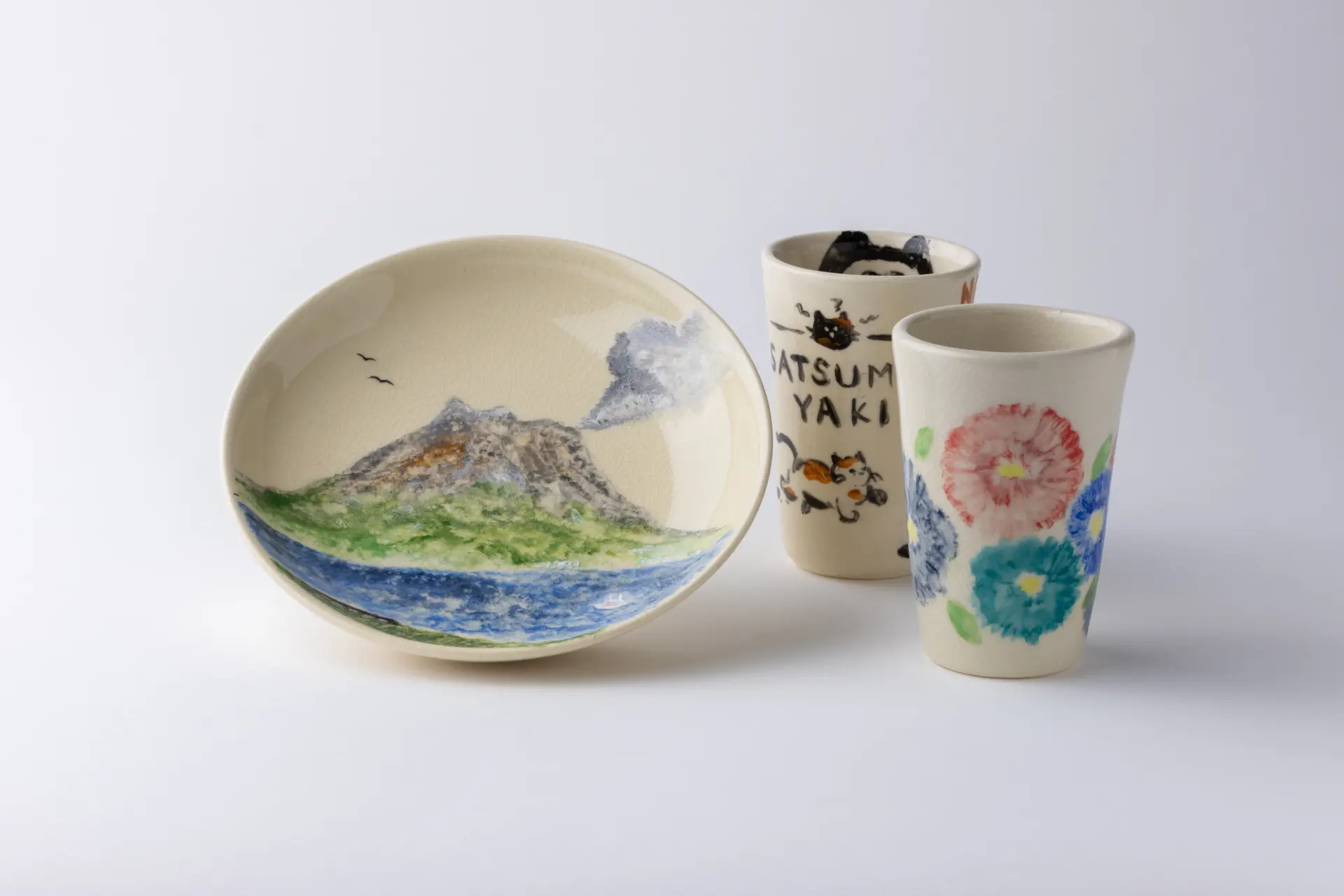
At Sengan-en, you can experience a variety of Kagoshima’s traditional culture, including Kiriko glass-cutting workshops where you can try advanced techniques under the guidance of skilled artisans, as well as casual painting workshops for Satsuma ware, a traditional craft.
You can also rent costumes such as samurai armor and formal warrior attire, stroll through the garden, and take commemorative photos for a samurai-style experience.
When you visit Sengan-en, don’t just enjoy the spectacular views, be sure to experience Kagoshima’s traditional culture as well.
Enjoy Kagoshima’s Local Cuisine at Sengan-en
The grounds also offer a wide range of dining options, including restaurants and cafés.
At Oukatei, located in the center of Sengan-en, visitors can enjoy a variety of Kagoshima local dishes, including Satsuma regional cuisine set meals prepared with carefully selected local ingredients.
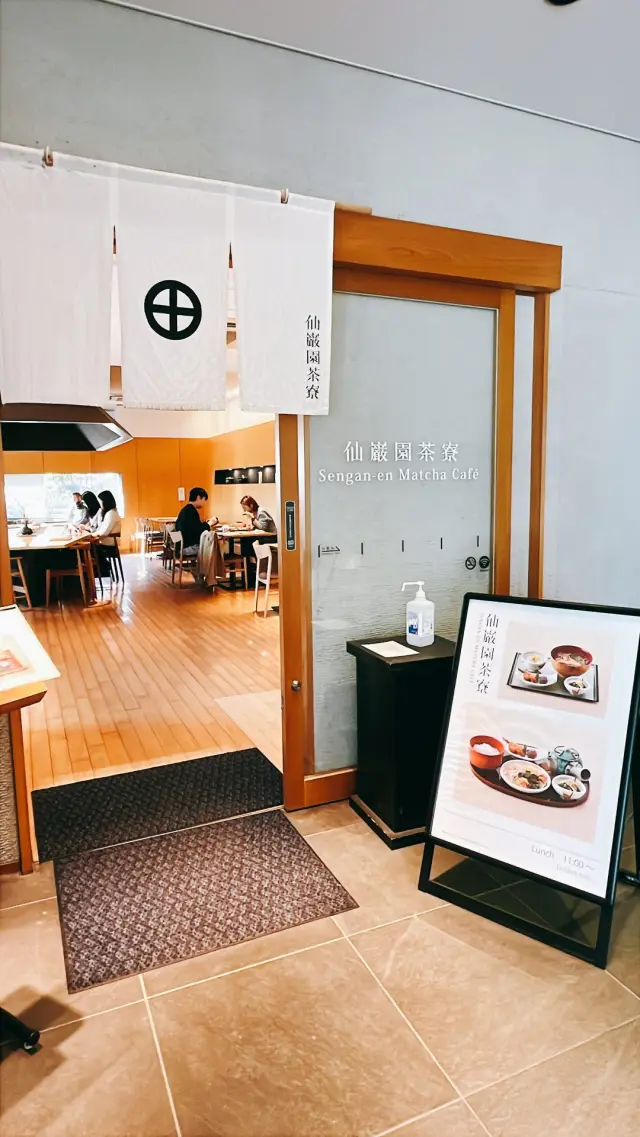
Adjacent to Oukatei is the Japanese-style café Sengan-en Saryo, where guests can enjoy Kagoshima specialties such as matcha and sencha, as well as karukan, a traditional sweet from Satsuma.
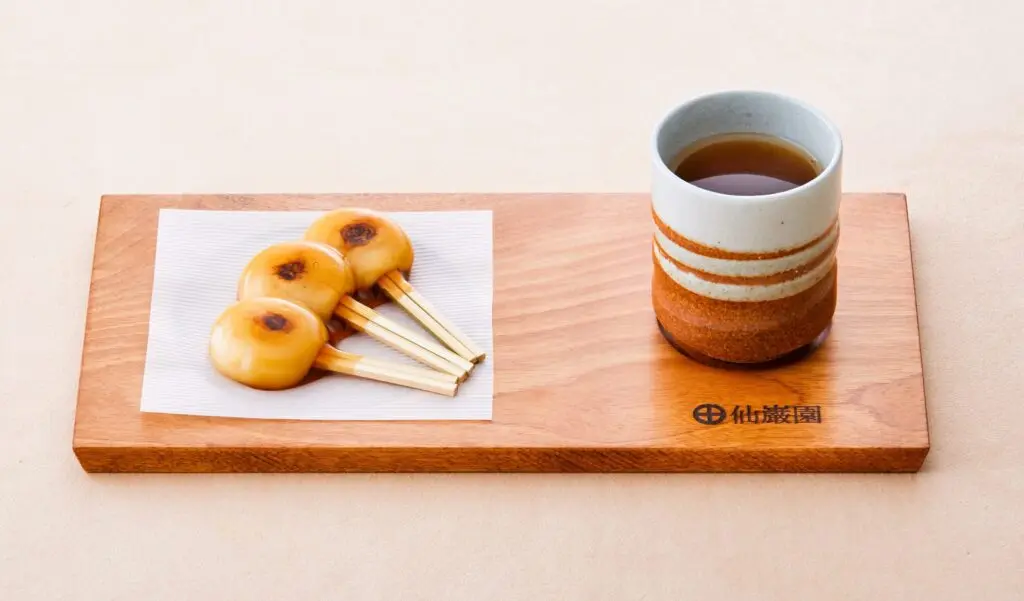
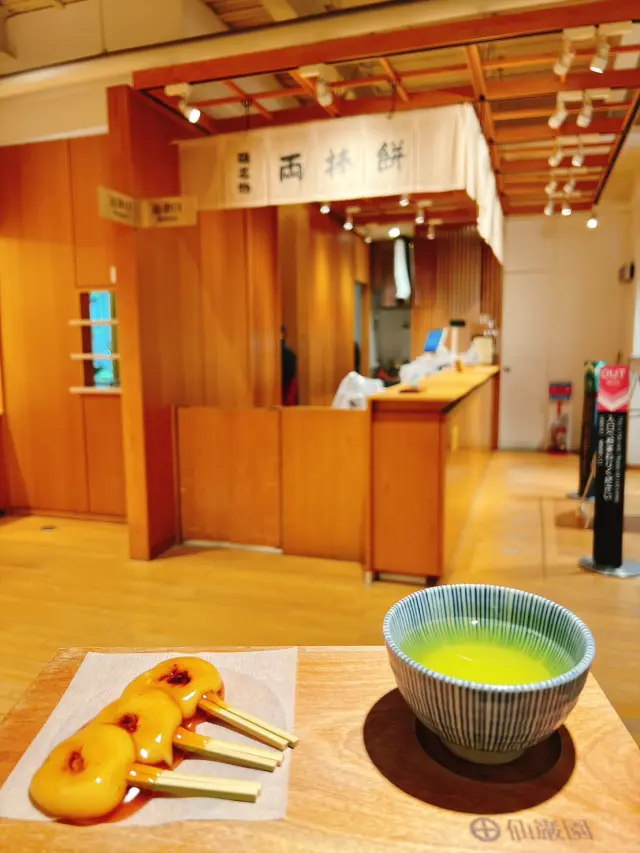
Near the Reverberatory Furnace Ruins is Ryobo Mochiya, where visitors can try Jambo Mochi, a treat that has been enjoyed since the Edo period. These bite-sized rice cakes are served on two skewers and are a local specialty of the Iso area.
While admiring the magnificent views of Sakurajima and Kinko Bay, enjoy Kagoshima’s local cuisine, regional specialties, and Sengan-en’s signature foods.
Take Home Kagoshima’s Traditional Crafts and Famous Sweets! Shops at Sengan-en for Souvenir Shopping
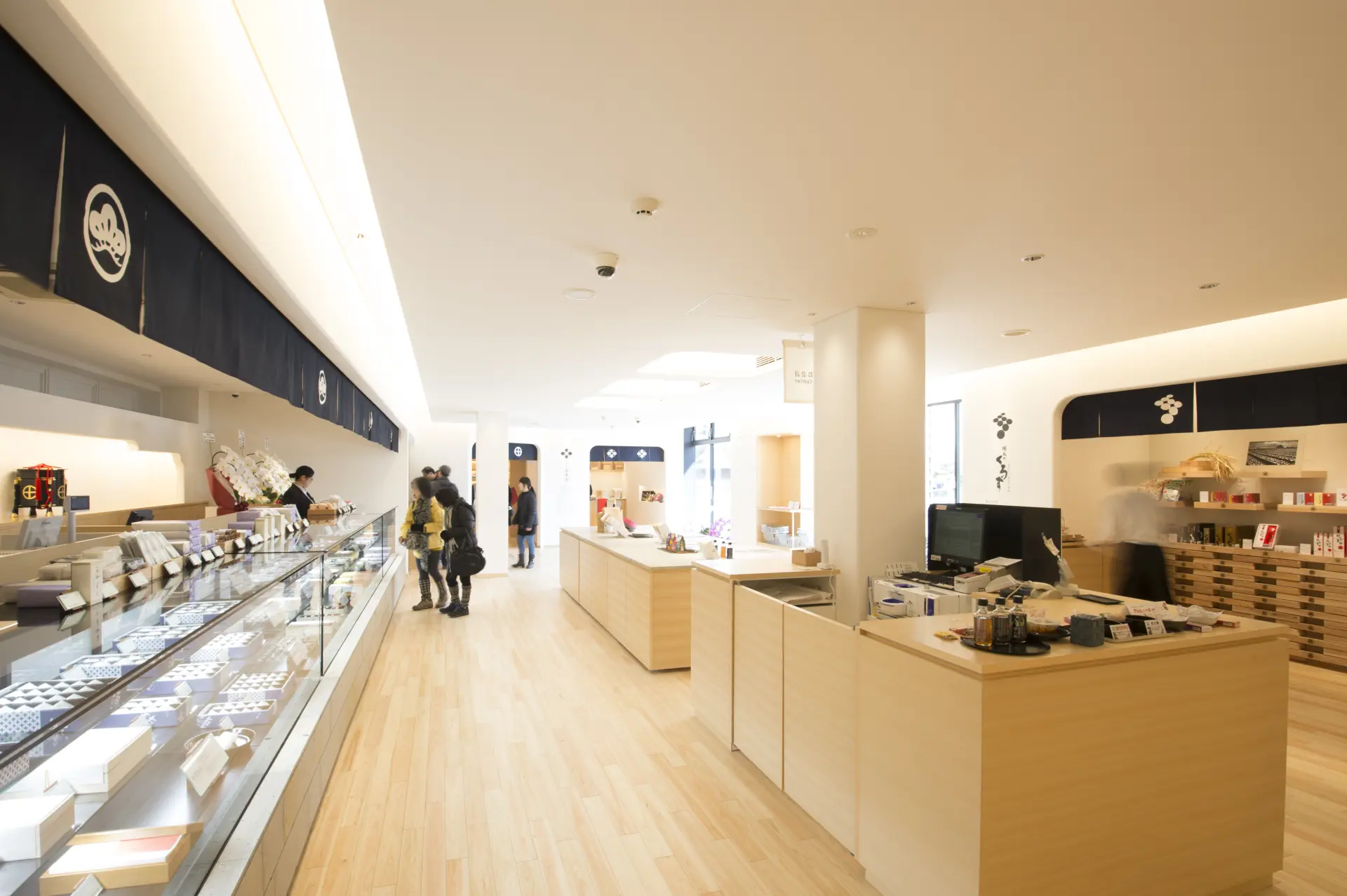
Sengan-en has several shops where you can enjoy souvenir shopping, including Souvenir Shop Satsuma Noren and Souvenir Shop Shimazu Noren.
At Satsuma Noren, you’ll find a wide selection of Kagoshima sweets and traditional crafts, including Oshima Tsumugi, and sweets available only at Sengan-en.
Meanwhile, Shimazu Noren offers famous sweets and specialty items closely connected to the Shimazu family and Satsuma, such as karukan, Kagoshima tea, and black vinegar.
At Souvenir Shop Satsuma Noren and Souvenir Shop Shimazu Noren, you’re sure to find items that make perfect gifts for family and friends.
3 Sightseeing Spots Near Sengan-en
The area around Sengan-en is full of sightseeing spots where you can enjoy Kagoshima’s natural beauty.
Learn about the history of Sakurajima or soak in a footbath while looking out at the volcano to fully appreciate its charm.
After enjoying Sengan-en, be sure to visit the sightseeing spots introduced below as well.
1. Shiroyama Park
A natural park located on Shiroyama, a small hill in central Kagoshima City. At about 107 meters above sea level, it is easy to reach by bus or on foot.
From the observation deck at the top, you can enjoy panoramic views of Sakurajima, the symbol of Kagoshima, and Kinko Bay, as well as the cityscape, making the night view beautiful too.
Despite being close to the downtown area, it is also a treasure trove of nature where temperate and subtropical plants such as large camphor trees, ferns, and coral ardisia grow naturally, and in 1931 it was designated both a National Natural Monument and a Historic Site.

2. Sakurajima Visitor Center
The Sakurajima Visitor Center is located Approx. a 10-minute walk from the Sakurajima Port ferry terminal.
Through exhibits such as videos and dioramas, it introduces Sakurajima, recognized as part of the Sakurajima-Kinko Bay Geopark, as well as Kirishima-Kinko Bay National Park. The facility is made up of seven sections.
You can learn in detail about the history and nature of Sakurajima and its surrounding area through a wide range of displays.

3. Sakurajima Lava Nagisa Park & Footbath
A seaside park popular for its free footbath.
The natural hot spring that wells up from 1,000 meters underground contains abundant iron and minerals, and soaking your feet in its reddish-brown water will warm your body pleasantly.
Stretching for Approx. 100 meters, one of the largest footbaths in Japan, it offers a relaxing time while you look out over Kinko Bay in front of you and Sakurajima behind you.

3 Popular Restaurants Near Sengan-en
Around Sengan-en, a scenic site with magnificent views of Sakurajima, you’ll find popular restaurants where you can enjoy flavors unique to Kagoshima.
There are plenty of appealing gourmet spots worth stopping by during your sightseeing.
Be sure to check out a place that will make your stroll even more satisfying.
1. Kaya Cafe Beachside
A café located near Sengan-en, the World Cultural Heritage daimyo garden.
The location is excellent, standing along a roadside with views of Sakurajima and Kinko Bay beyond the windows, and in seasons with pleasant weather, you can relax while feeling the refreshing sea breeze.
The cozy interior, with sofa seating throughout, serves dishes made with ingredients from Kagoshima Prefecture, so you can enjoy not only café offerings but also a satisfying meal.

2. CHIN JUKAN POTTERY Café
Satsuma ware is pottery long treasured as one of Japan’s representative exports for its simple yet delicate craftsmanship.
This gallery and café showcases works from CHIN JUKAN POTTERY, a ceramic brand created by Chin Jukan Kiln, a pottery studio preserving that history, in collaboration with Landscape Products, a team aiming to create new craftsmanship.
The menu features items with a strong Kagoshima focus, including locally loved sweets such as sweet potato cheesecake and Ponkichi shortcake.

3. Oniku to Wine Kuronosu (Kronos)
Oniku to Wine Kuronosu (Kronos) is located in the Tenmonkan area. It is an observation restaurant on the 15th floor of CenTerrace Tenmonkan.
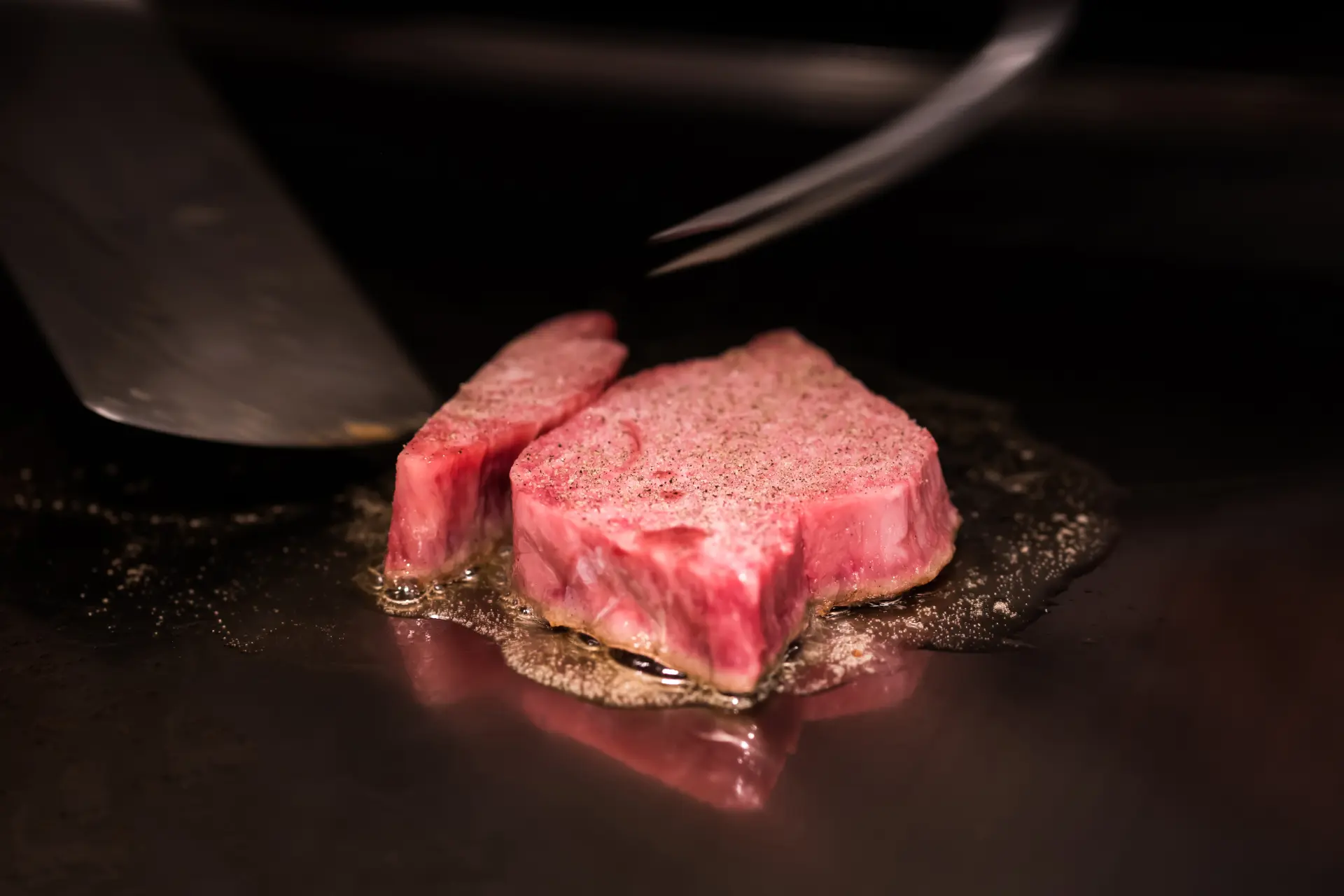
Its menu makes the most of ingredients from Kagoshima, one of Japan’s leading livestock-producing prefectures, and it is popular with both business travelers and tourists.
The concept of Oniku to Wine Kuronosu (Kronos) is meat dishes.
You can enjoy richly flavored meat dishes that make full use of techniques refined in hotels.
Reviews
Some reviews are AI-translated.
-
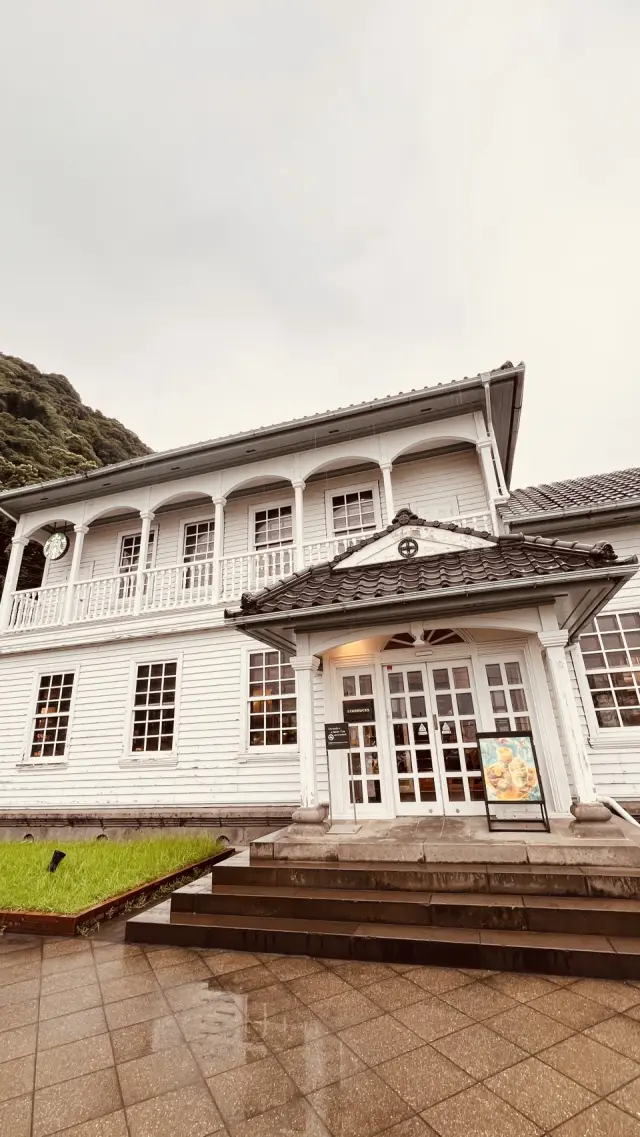
Finally made it to Kagoshima’s famous Sengan-en, the former estate of the feudal lord Shimadzu family. We strolled through the Japanese garden and tried jambo mochi. Besides the garden, the grounds also have restaurants, shops, and a Satsuma kiriko cut-glass experience. It was really quite fun. You can also see Sakurajima in the distance from the garden. It’s a really great place. Nearby, there is also a Starbucks in a white building, which was voted one of the most beautiful Starbucks locations in Japan.
-
-
When visiting Kagoshima, don't miss Sengan-en, the Shimadzu family's garden from the Satsuma Domain that uses borrowed scenery. You can get there directly from downtown by bus or streetcar, making it very convenient.
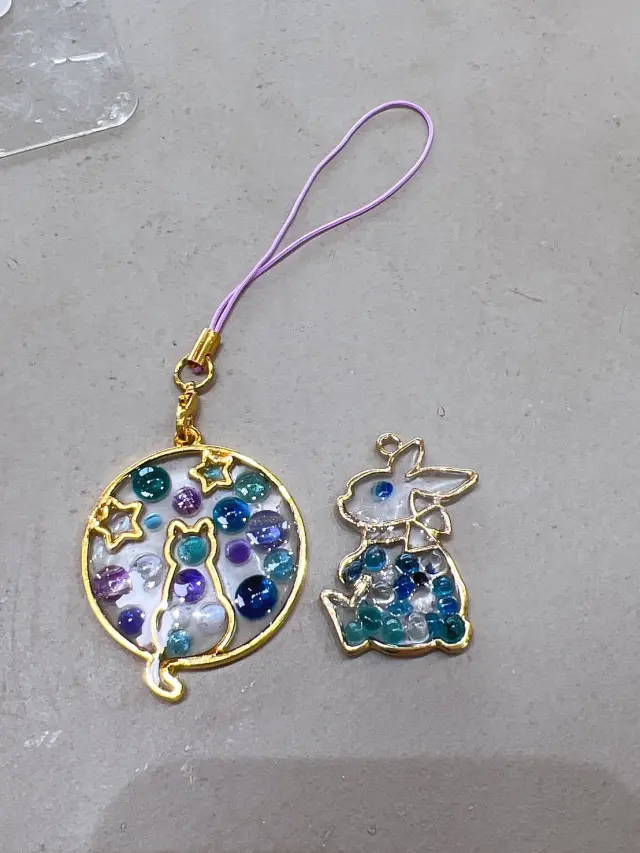
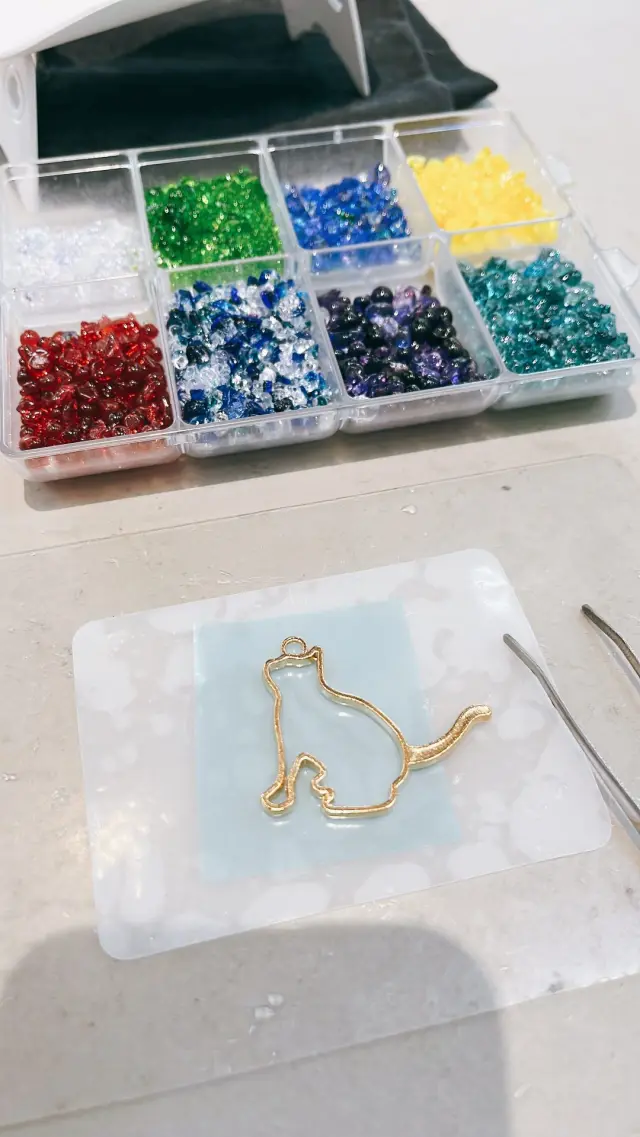
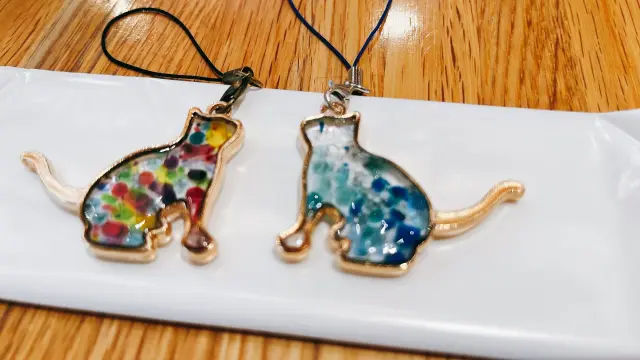
I recommend buying an experience package so you can enjoy the thrill of archery and the fun of making your own Satsuma kiriko glass charm. You can also feast on local specialties and jambo mochi in the garden. It's well worth setting aside an entire afternoon to explore at a leisurely pace. This Japanese garden uses Kinko Bay as its pond and Sakurajima as its artificial hill. As you stroll around, you can sometimes see the active volcano across the bay billowing white smoke. The view is breathtaking.
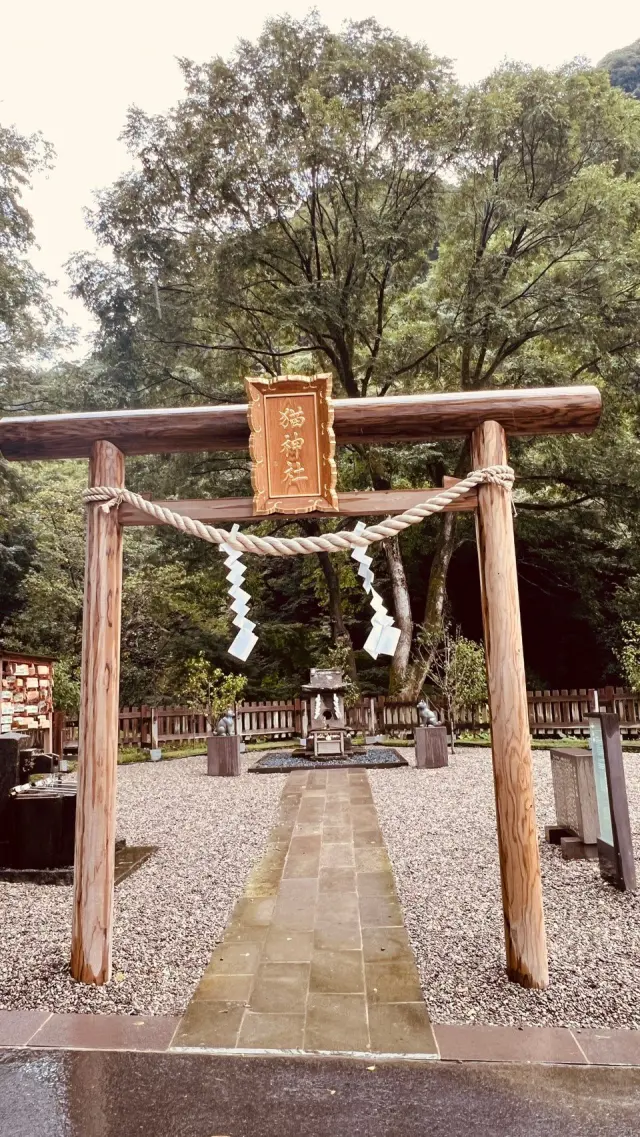
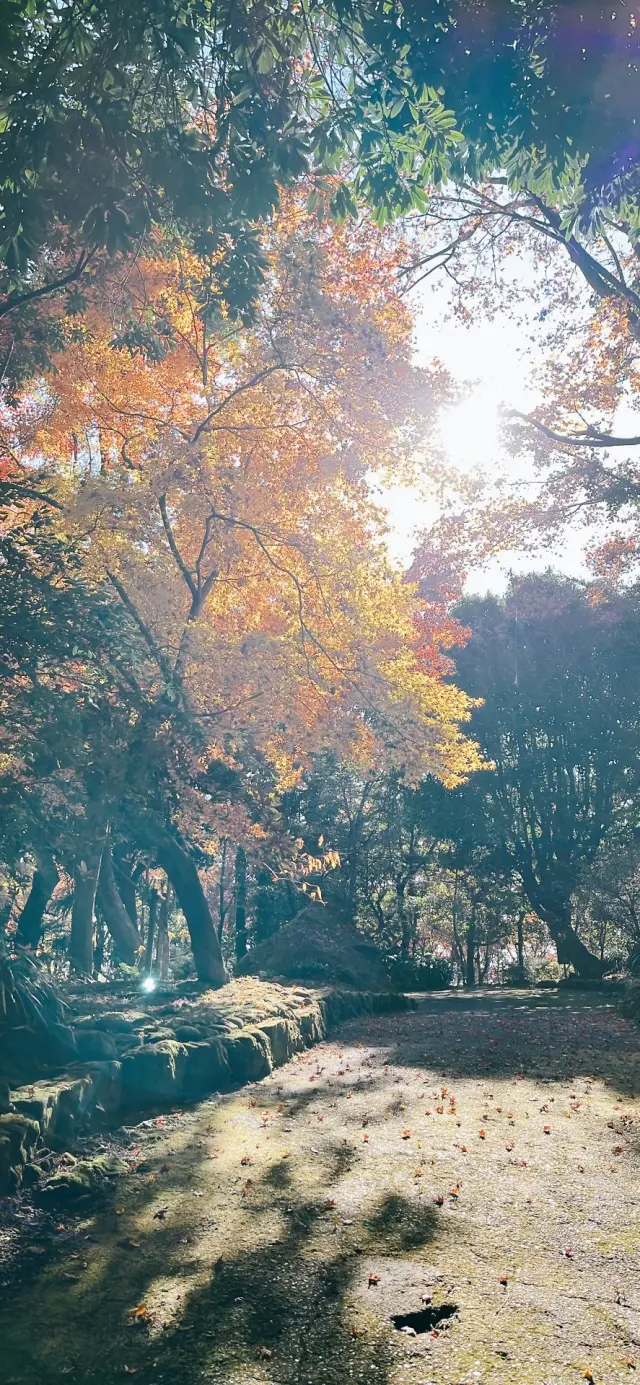
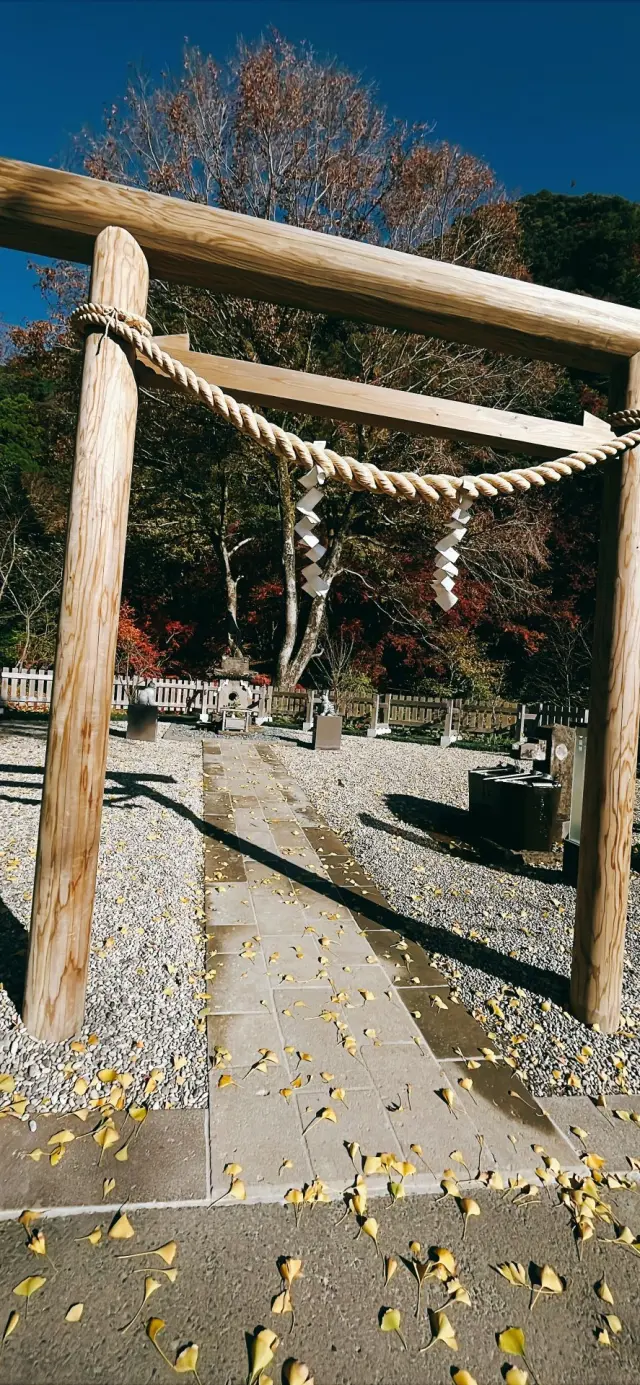
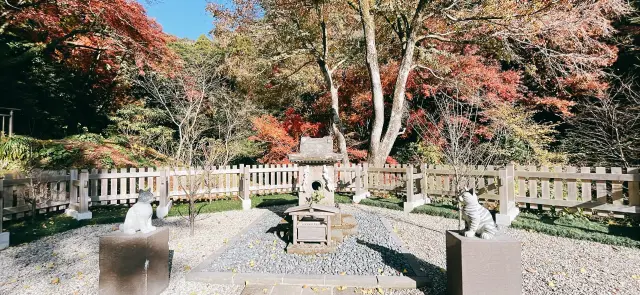
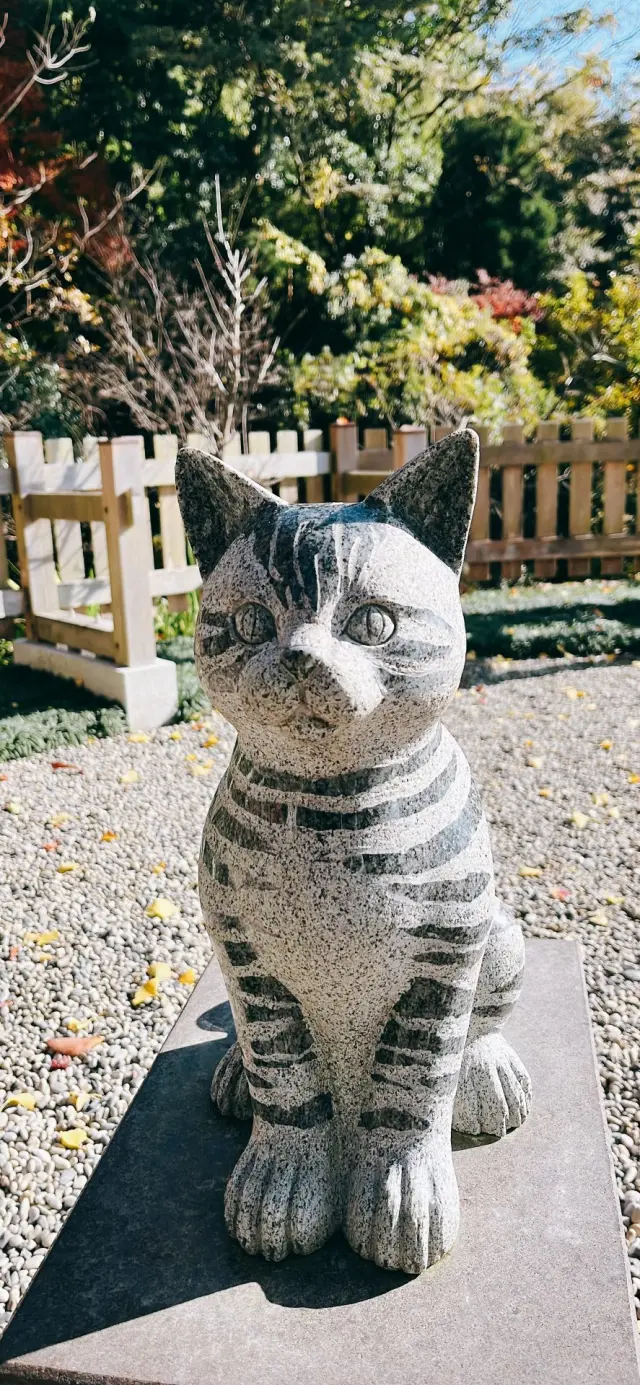
After entering, I recommend first heading all the way toward the wooded area at the far end. Even in December, we were lucky enough to catch the beautiful sight of golden ginkgo leaves intertwined with deep-red late-season maple leaves. Along the way, don't forget to visit the Cat Shrine, a rare shrine in Japan where people pray for their cats' safety and health. Next to it is a unique little shop selling elegant Japanese-style goods and small cat-themed crafts, making it a great place to pick out souvenirs and preserve warm memories of this garden visit filled with history, nature, and hands-on fun.
-
-
Sengan-en is one of Kagoshima's most iconic gardens, with Sakurajima behind it and Kinko Bay in front, creating magnificent scenery. The grounds preserve many historic buildings and Japanese garden landscapes, with different flowers to enjoy in every season. Strolling through the garden feels especially relaxing. You can also enjoy beautiful views of the Sakurajima volcano!
-



FAQ about Sengan-en
Q
Are there shrines at Sengan-en as well?
Yes, there are Tsurugane Shrine and Oniwa Shrine.
Q
Is Sengan-en registered as a World Heritage site?
Sengan-en itself is not registered, but the Shoko Shuseikan Museum and the Reverberatory Furnace Ruins within the grounds are registered as World Cultural Heritage sites.
Summary
We’ve introduced the must-visit spots inside Sengan-en, how to get there, and the best seasons to visit.
Sengan-en is filled with attractions, from a Japanese garden offering spectacular scenery in harmony with Kagoshima’s grand natural beauty to facilities where you can experience the region’s traditional culture and history.
If you’re sightseeing in Kagoshima, it would be no exaggeration to say this is a must-visit destination.
Kagoshima, blessed with abundant nature, has many other appealing spots besides the ones introduced in this article.
If you want to make the most of your trip to Kagoshima, be sure to check out this article as well, which carefully selects and introduces sightseeing spots, restaurants, shopping areas, and more.