
Gotokuji Temple Travel Guide: Highlights, Access, and Suggested Itinerary
Gotokuji Temple in Tokyo's Setagaya Ward is a historic temple known for its tranquil atmosphere.
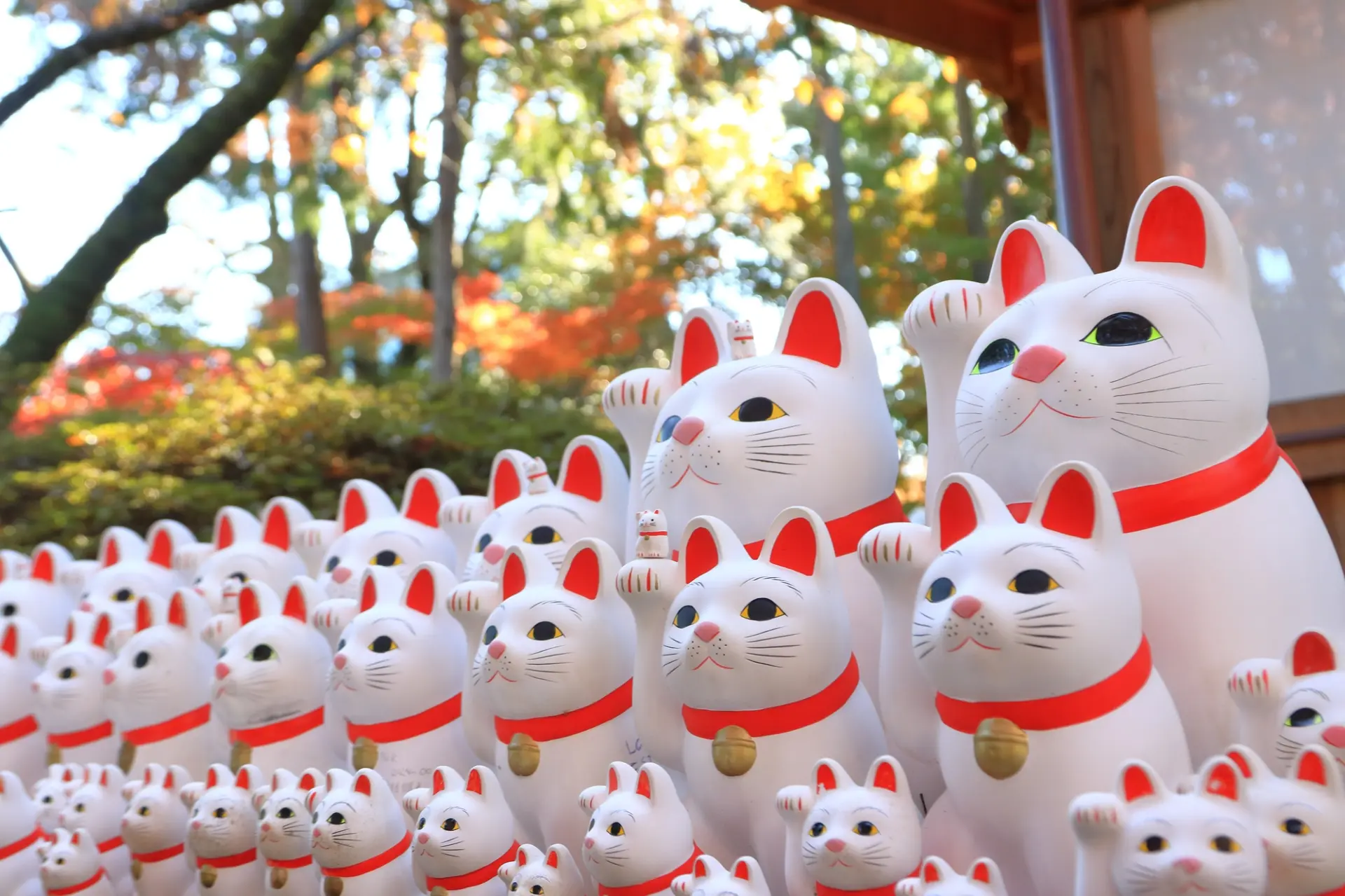
Considered one of the birthplaces of the maneki-neko, or beckoning cat, the temple grounds feature more than 1,000 figures donated by worshippers.
This striking, otherworldly sight has made it a popular destination for visitors from Japan and abroad.
This article introduces Gotokuji Temple, its highlights, and a suggested day-trip itinerary.
Read on for everything first-time visitors need to make the most of their trip.
What Is Gotokuji Temple Like?
Gotokuji Temple is a renowned Soto Zen temple in Tokyo's Setagaya Ward.
Its official name is Daikeizan Gotokuji, and it is known as the family temple of the Ii clan, a daimyo family of the Edo period (1603–1868), where generations of the family are buried.
Its most distinctive feature is its reputation as one of the birthplaces of the maneki-neko.
Countless beckoning cat figures donated by people whose wishes came true line the temple grounds, creating a scene found only at Gotokuji.
In recent years, the temple has attracted attention on social media and in the press, becoming particularly popular with international visitors.
Visitors appreciate the distinctive combination of a historic Zen temple's tranquil atmosphere and maneki-neko culture.
Despite its location in central Tokyo, the temple is also rich in greenery and offers seasonal scenery throughout the year.
History of Gotokuji Temple
Gotokuji Temple traces its origins to Kotoku-in, founded in 1480 by Masatada Kira, lord of Setagaya Castle.
It began as a small hermitage of the Rinzai school, converted to the Soto school in 1584, and became the Ii clan's family temple in Edo after Setagaya came under the Hikone Domain in 1633.
A turning point came when Naotaka Ii, the second lord of the domain, was reportedly beckoned into the temple by a white cat while returning from falconry, allowing him to avoid a thunderstorm.
Because of this encounter, Naotaka became the temple's patron. After his death, it was renamed Gotokuji in 1659 after his posthumous Buddhist name.
The temple complex was subsequently developed to reflect its status as a daimyo family's temple, taking the form seen today.
The Ii family cemetery on the grounds also preserves the layout of an Edo-period daimyo cemetery and is the area's largest National Historic Site.
How to Get to Gotokuji Temple
The nearest stations to Gotokuji Temple are Miyanosaka Station on the Tokyu Setagaya Line and Gotokuji Station on the Odakyu Odawara Line.
Miyanosaka Station is about a 5-minute walk away, making it convenient for those who want to visit efficiently.
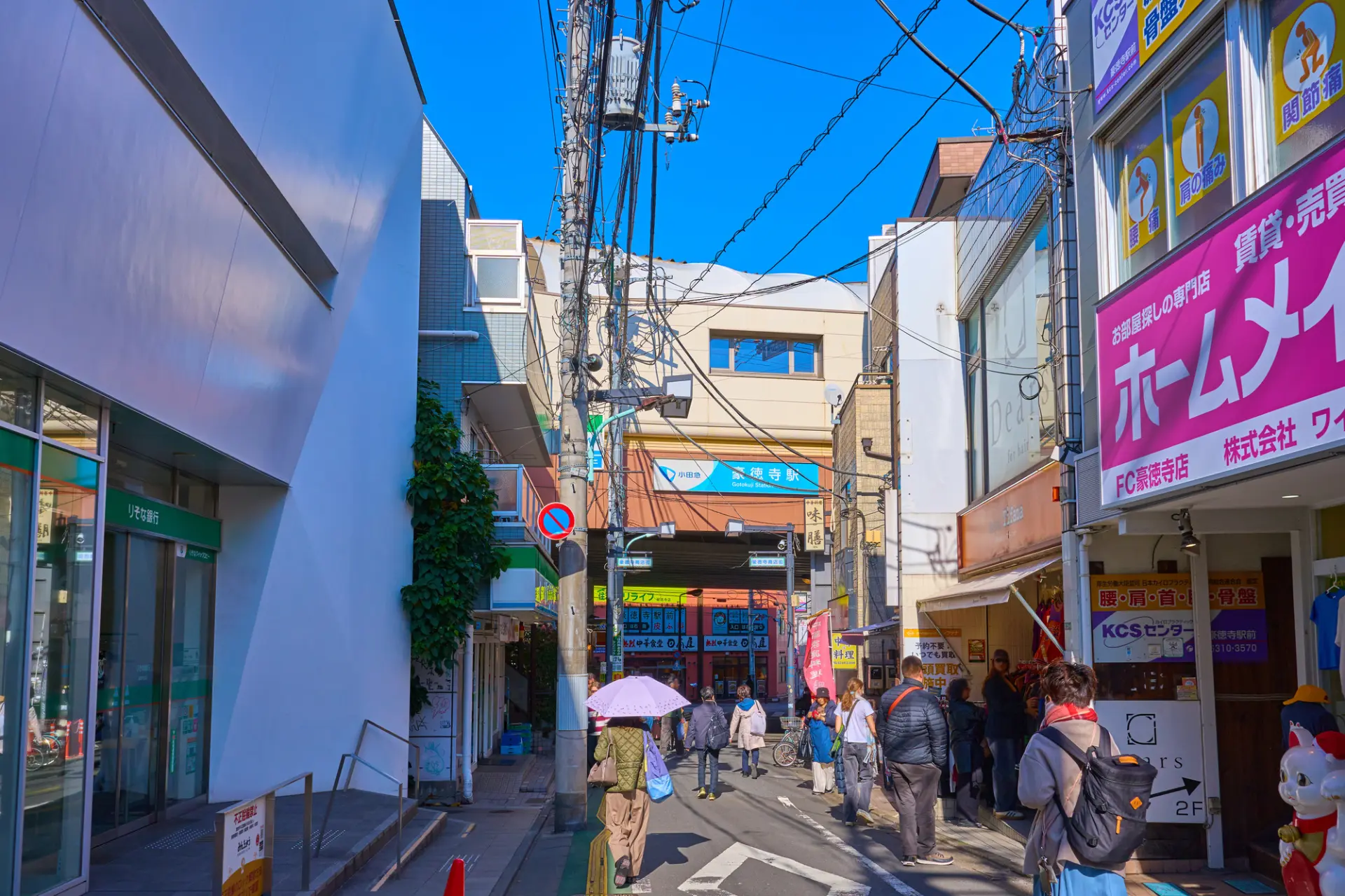
Gotokuji Station is about a 15-minute walk away, but the route offers a beckoning cat monument and the shops of Gotokuji Shopping Street.
Below are routes from Shinjuku and Shibuya stations, both easily accessible from around Tokyo.
| Starting Point | Route | Travel Time |
|---|---|---|
| Shinjuku Station | Take the Odakyu Odawara Line from Shinjuku Station and get off at Gotokuji Station | Approx. 15 minutes |
| Shibuya Station |
1. Take the Tokyu Den-en-toshi Line from Shibuya Station and get off at Sangen-jaya Station 2. Take the Tokyu Setagaya Line from Sangen-jaya Station and get off at Miyanosaka Station |
Approx. 30 minutes |
Gotokuji Temple Hours and Admission
Gotokuji Temple's visiting hours are listed below.
Admission is free, and the temple is open year-round, making it easy to fit into your sightseeing schedule.
It tends to be relatively crowded around noon on weekends and holidays, while weekday mornings are quieter and better suited to a leisurely visit.
For a peaceful atmosphere, consider arriving between opening time and 9:00 a.m.
- Hours
- 6:00 a.m.–5:00 p.m.
- Temple Office
- 8:00 a.m.–3:00 p.m.
When Is the Best Time to Visit Gotokuji Temple?
Surrounded by seasonal vegetation, Gotokuji Temple presents a different appearance throughout the year.
It is worth visiting in any season, but spring and fall are particularly recommended.
In spring, the cherry blossoms on the grounds reach full bloom, complementing the temple's serene atmosphere with colorful floral scenery.
The combination of cherry blossoms and rows of white beckoning cats at the dedication area is especially photogenic.
In fall, the maple and ginkgo trees change color, adding rich hues to the quiet surroundings.
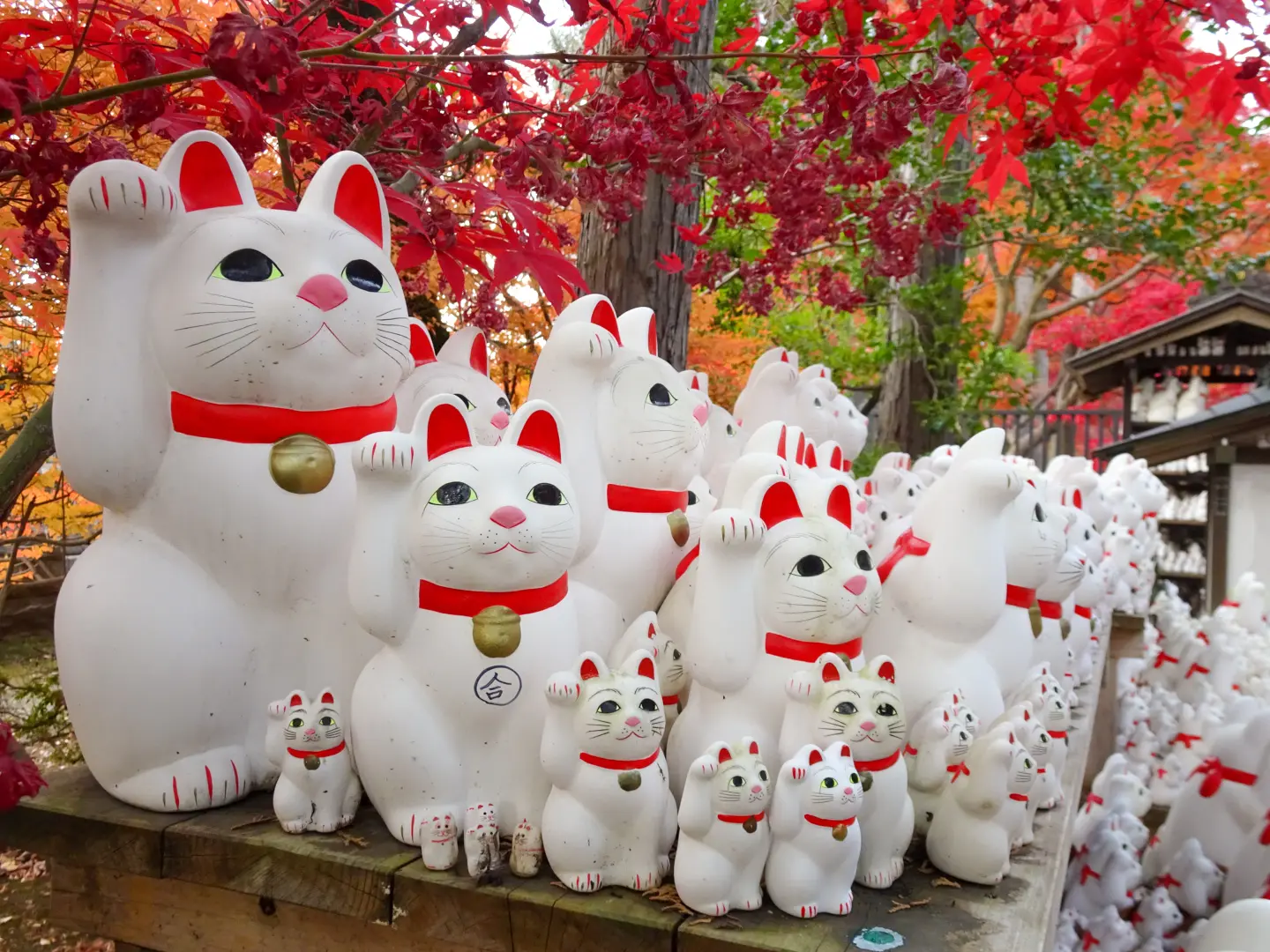
The fall foliage viewed alongside the beckoning cats and three-story pagoda is one of Gotokuji Temple's signature autumn scenes.
The mild weather also makes this a comfortable season for worship and strolling.
5 Highlights of Gotokuji Temple
Here are five highlights of Gotokuji Temple.
Each is closely connected to the Ii clan, and the temple's history as their family temple in Edo remains clearly visible throughout.
Together, they lend the grounds a serene character and convey Gotokuji's distinctive history and tranquility, making them excellent places to begin your visit.
1. Shofukuden Hall, Watched Over by Beckoning Cats
Shofukuden Hall, a place associated with the beckoning cat and good fortune, is the symbol of Gotokuji Temple.
Based on the legend of the white cat described above, the hall enshrines maneki-neko as figures that invite good fortune. Visitors continually come to pray for family safety, business prosperity, luck, and happiness.
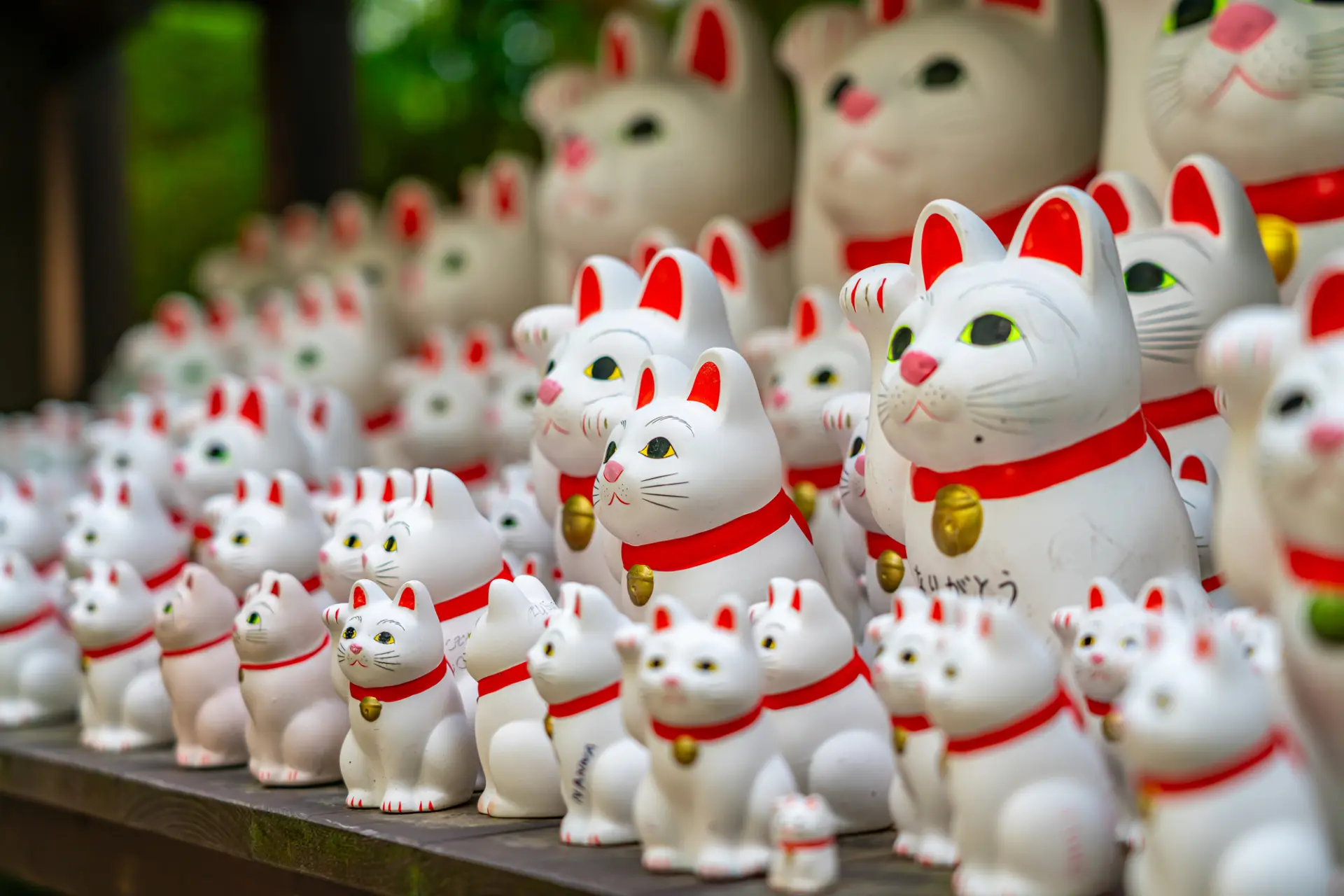
White beckoning cats of all sizes are neatly arranged around the hall. Thousands have been donated in gratitude by people whose wishes came true.
The striking and photogenic sight is particularly popular with international visitors.
Gotokuji Temple's beckoning cats are distinctive because they carry no koban coin and raise only their right paw.
They are believed to invite favorable connections rather than fortune itself, reflecting the idea that it is up to each person to make the most of those connections.
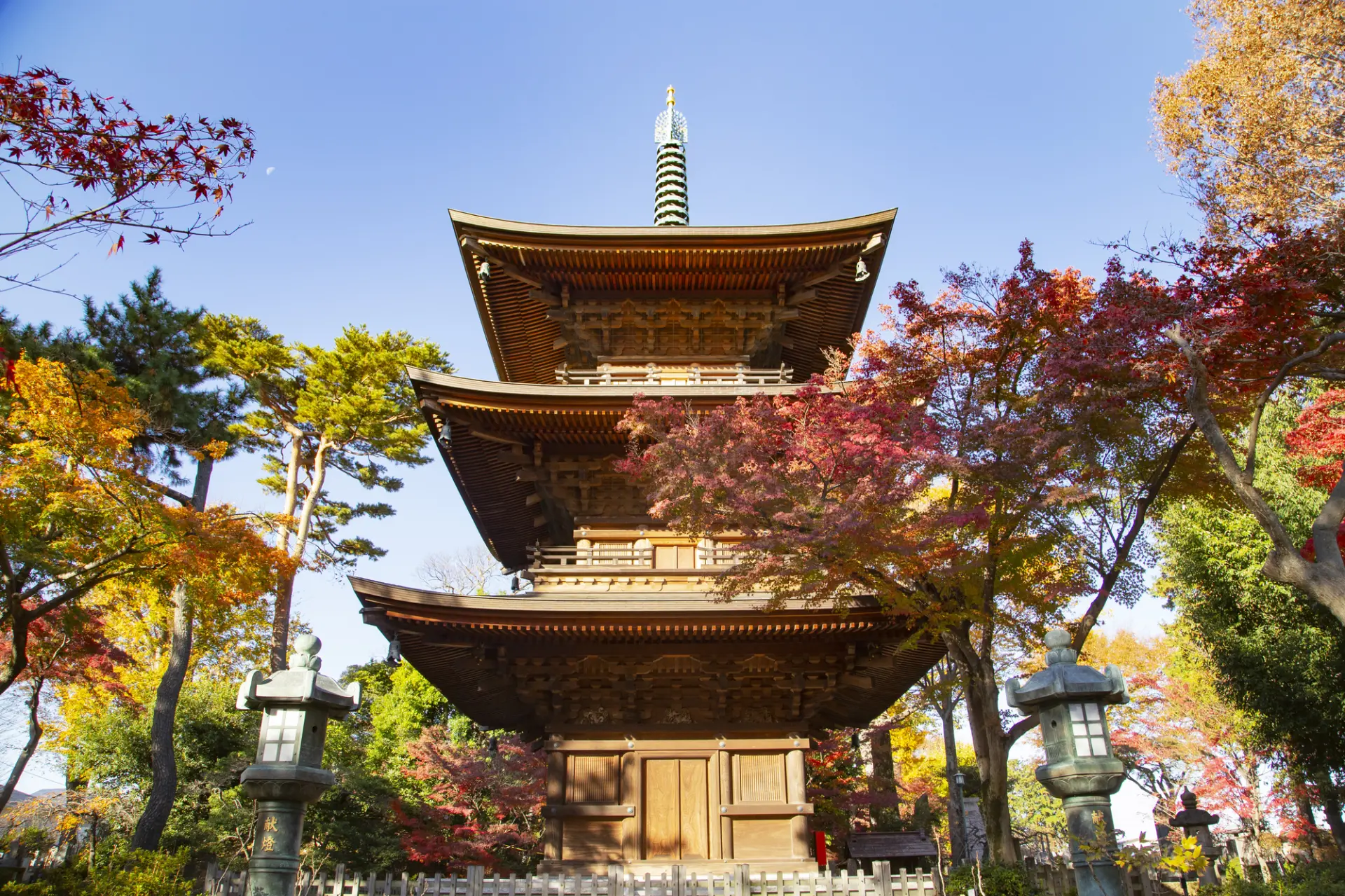
2. The Vermilion Three-Story Pagoda
The three-story pagoda is a prominent symbol of Gotokuji Temple.
Built in 2006, it stands approximately 25.5 meters tall and has an elegant appearance that blends traditional wooden architectural design with modern technology.
Each level features intricate carvings of peonies, camellias, and the Chinese zodiac. One playful detail shows a cat alongside a rat in the position of the Rat sign.
Several more cats are hidden in the details, making it fun to search for them while viewing the pagoda.
The pagoda's contrast with the surrounding greenery and seasonal scenery also makes it a popular photo spot.
3. Sanmon Gate, an Entrance to History and Tranquility
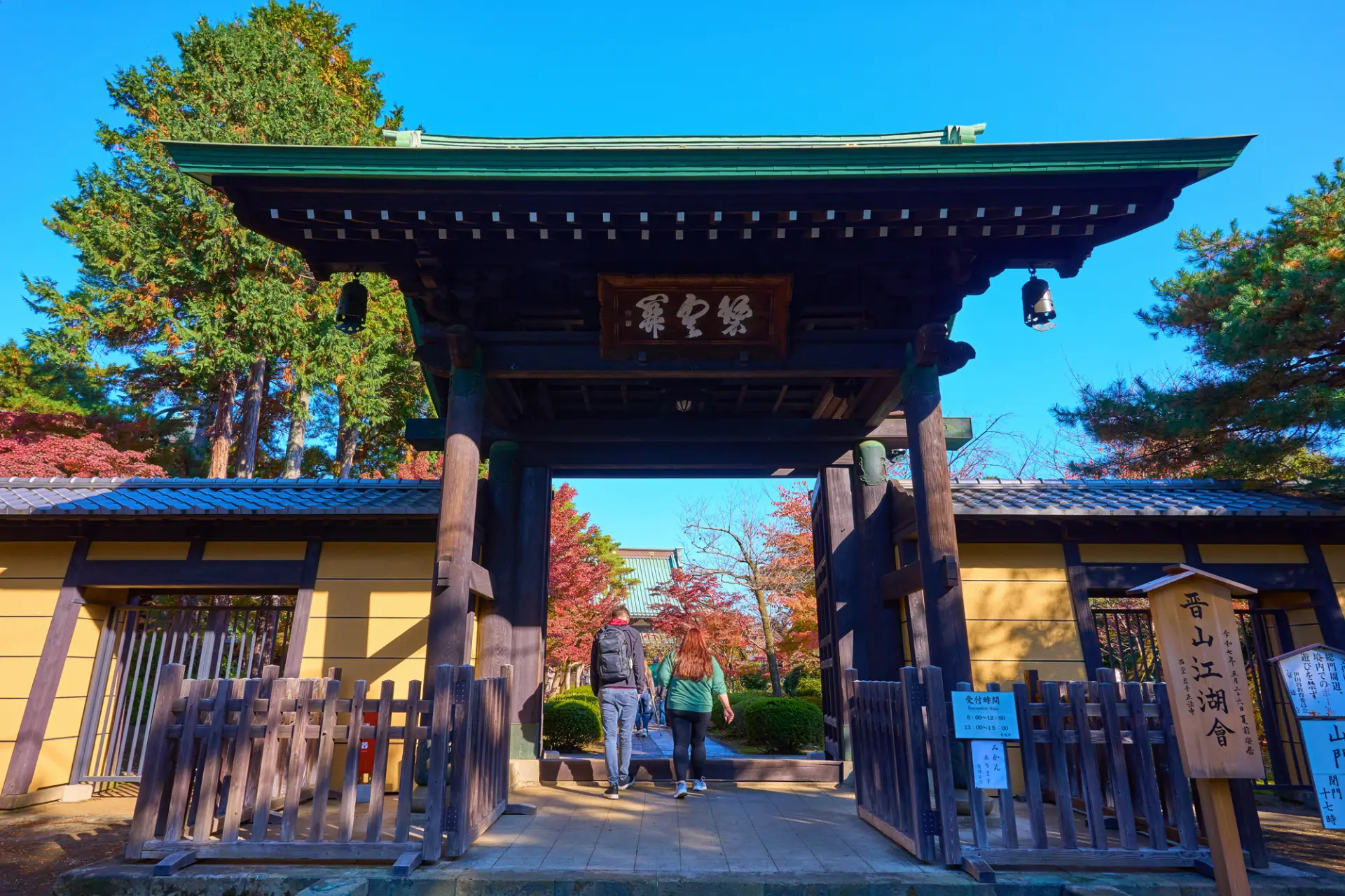
The first structure visitors encounter along the approach to Gotokuji Temple is the Sanmon Gate at the entrance to the grounds.
Built in a traditional temple architectural style, this historic gateway leads visitors into a world of tranquility.
Its substantial wooden construction and refined roof are impressive, harmonizing with the temple's historic grounds.
The present gate is a four-legged gate reconstructed in the early Showa era, and the inscription Hekiunkan displayed above it is particularly striking.
The name is said to mean “a gate built to separate the temple grounds from the outside world.” Passing through it, you may sense an immediate change in the atmosphere as the city's bustle seems to recede.
4. Butsuden Hall, a Place to Experience the Spirit of Zen
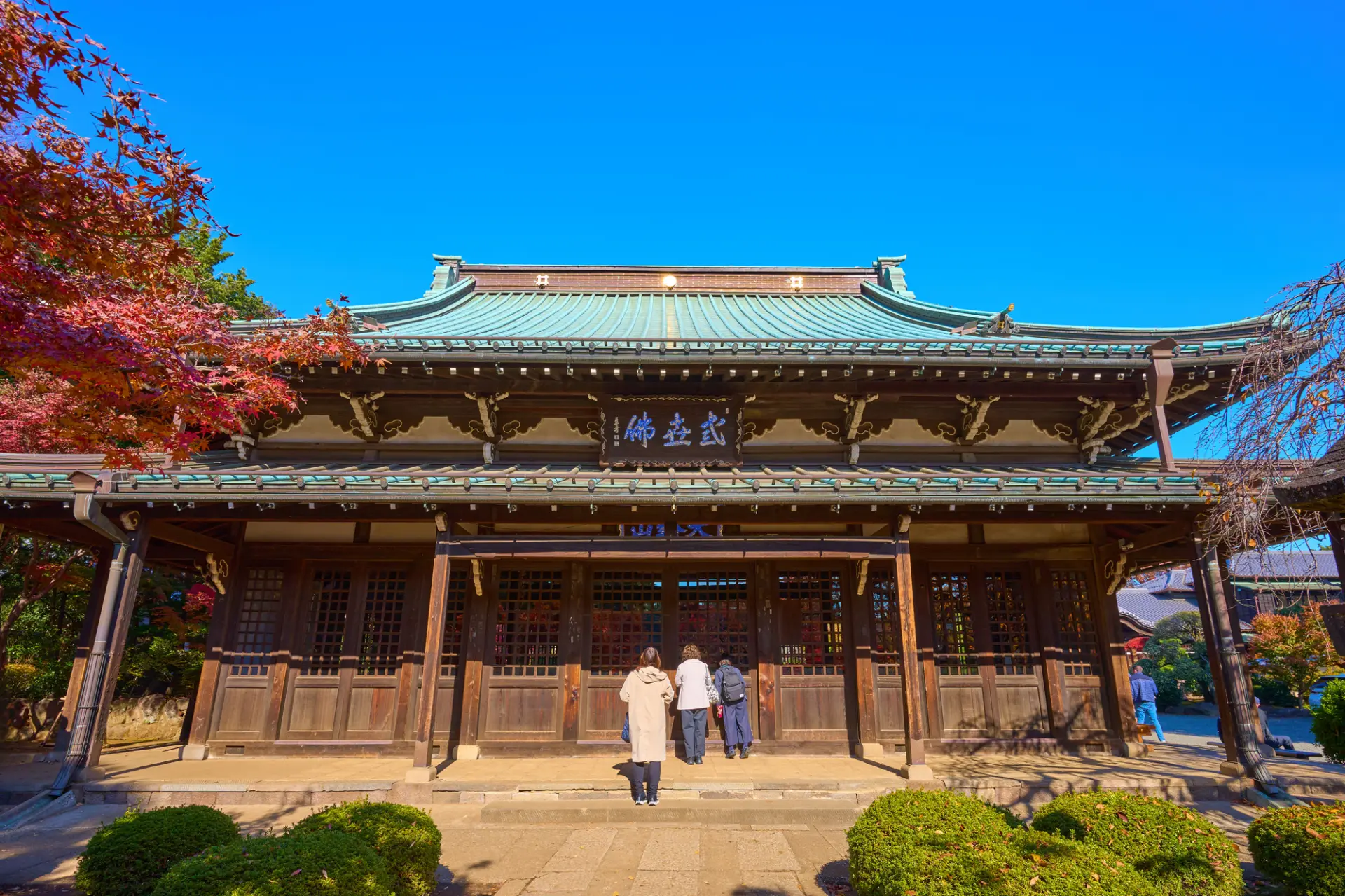
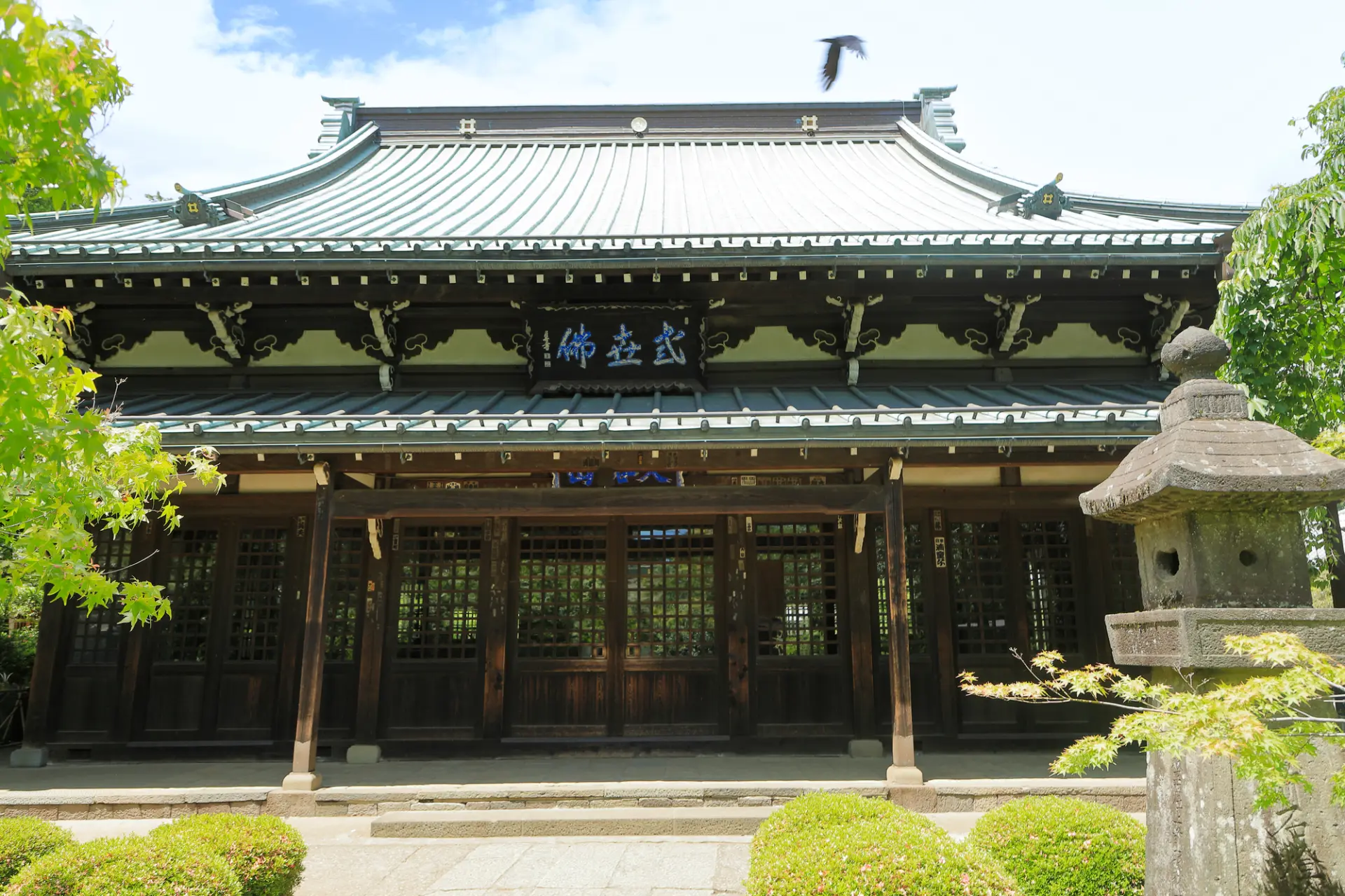
Proceed through the Sanmon Gate and along the approach to reach Butsuden Hall, the heart of Gotokuji Temple.
Built in 1677, it is a Tangible Cultural Property designated by Setagaya Ward. Soun-in, daughter of Naotaka Ii, is said to have donated it to pray for her father's repose.
The building has a hip-and-gable roof with a single-story pent roof, and its stately yet elegant bronze-colored roof is a defining feature.
A plaque reading “Buddhas of the Three Ages” hangs at the front, while seated statues of Amida Nyorai, Shaka Nyorai, and Miroku Bosatsu are enshrined inside.
The solemn space, where the three Buddhist figures quietly watch over worshippers, conveys the stillness of a Zen temple amid rustling trees and birdsong.
5. The Ii Family Cemetery, Resting Place of the Lords of Hikone Domain
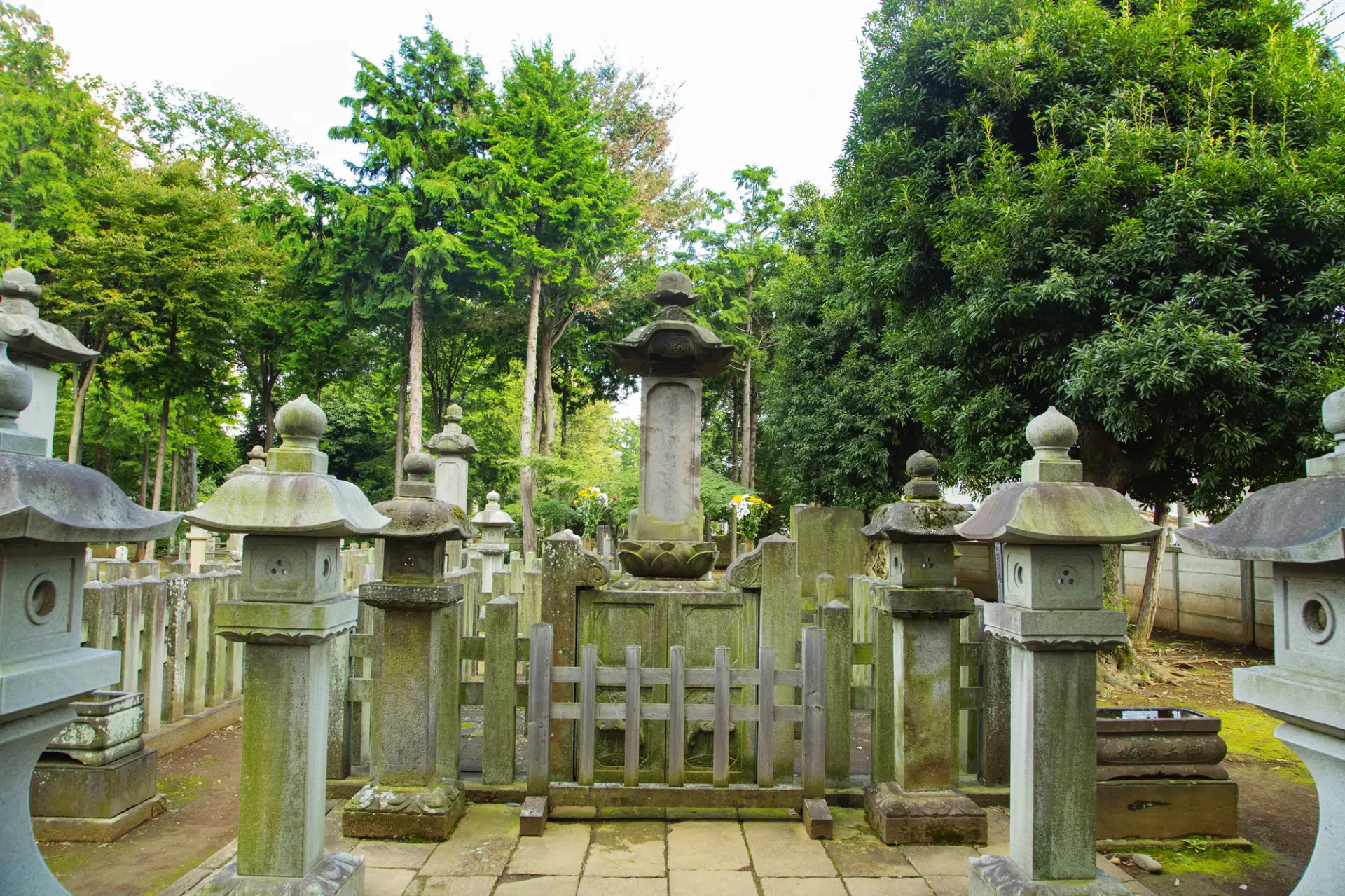
The Ii family cemetery at the rear of the grounds contains the graves of generations of Ii clan heads, who served as lords of the Hikone Domain.
Since Gotokuji became the Ii clan's family temple in Edo in 1633, graves have been established here for the domain's lords and their relatives. The cemetery still clearly preserves the appearance of an Edo-period daimyo burial ground.
Its considerable historical value has earned it designation as a National Historic Site. The orderly rows of stone monuments and memorial towers retain a dignified atmosphere despite the passage of time.
One of the most notable graves is that of Naosuke Ii, a chief minister during the final years of the Tokugawa shogunate.
Here, visitors can feel close to the legacy of this important historical figure, who led the signing of the Treaty of Amity and Commerce between Japan and the United States and carried out the Ansei Purge.
Goshuin at Gotokuji Temple
Gotokuji Temple's goshuin features the name of the principal image, Shakyamuni Buddha, written prominently in the center. A red seal in the upper right reads “Birthplace of the Beckoning Cat,” while one in the upper left reads “Grave of Chief Minister Ii.”
The design reflects both the temple's history and its connection to beckoning cat culture, and is distinguished by bold, graceful calligraphy.
The goshuin costs approximately ¥300–¥500 and is available at the temple office. Note that the office closes at 3:00 p.m., earlier than the temple grounds.
Gotokuji's original goshuincho stamp books are also popular, with beckoning cat designs serving as memorable keepsakes of a visit.
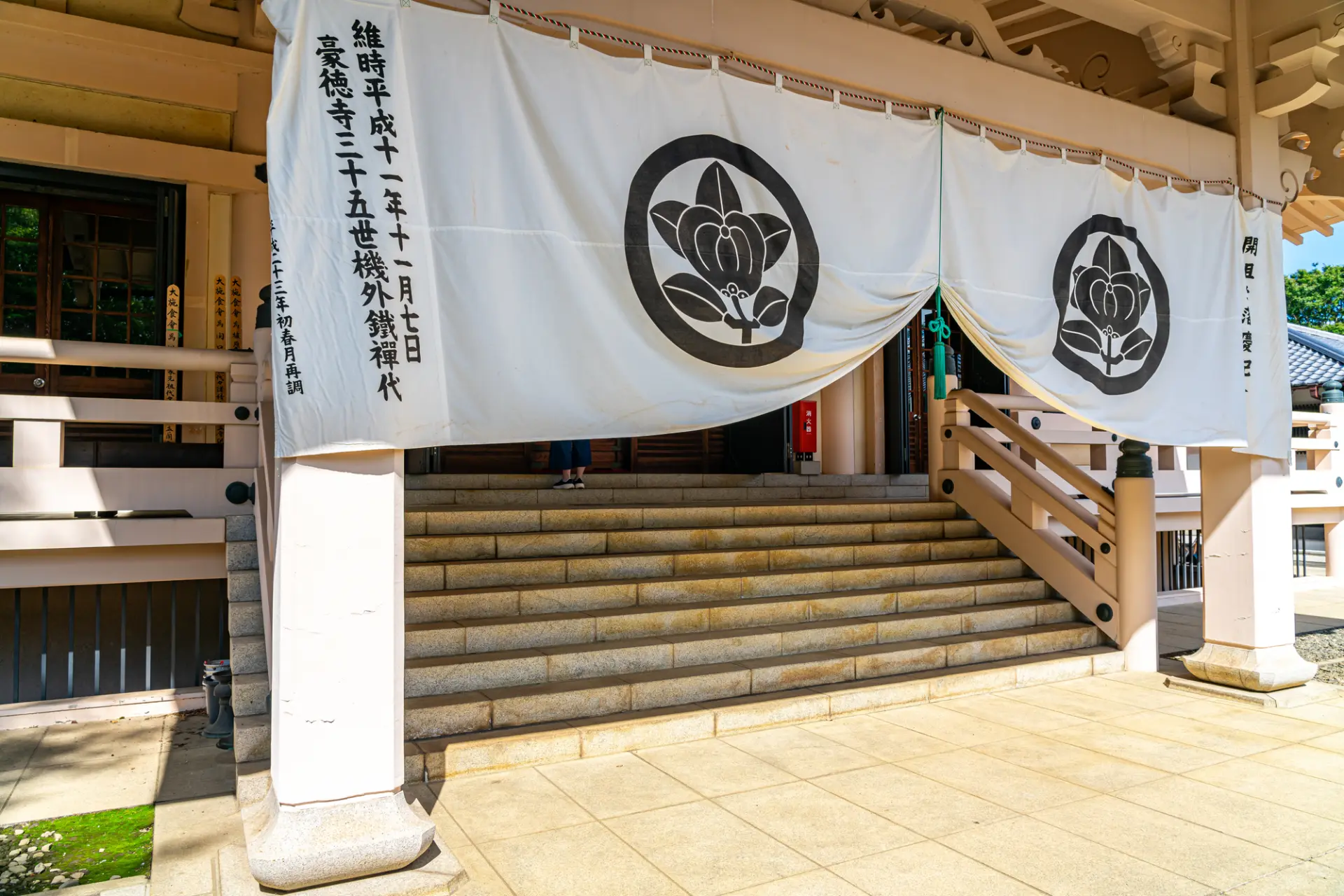
Maneki-neko-Themed Items at Gotokuji Temple
Gotokuji Temple offers a variety of items suitable as keepsakes, good-luck charms, or souvenirs for someone special.
The best known is the beckoning cat figure that symbolizes the temple.
Available in multiple sizes ranging from tiny bean-sized figures to large ones, it is a popular item distinctive to Gotokuji Temple.
Depending on the season, figures may sell out or purchase limits may apply, so visit early if you hope to obtain one.
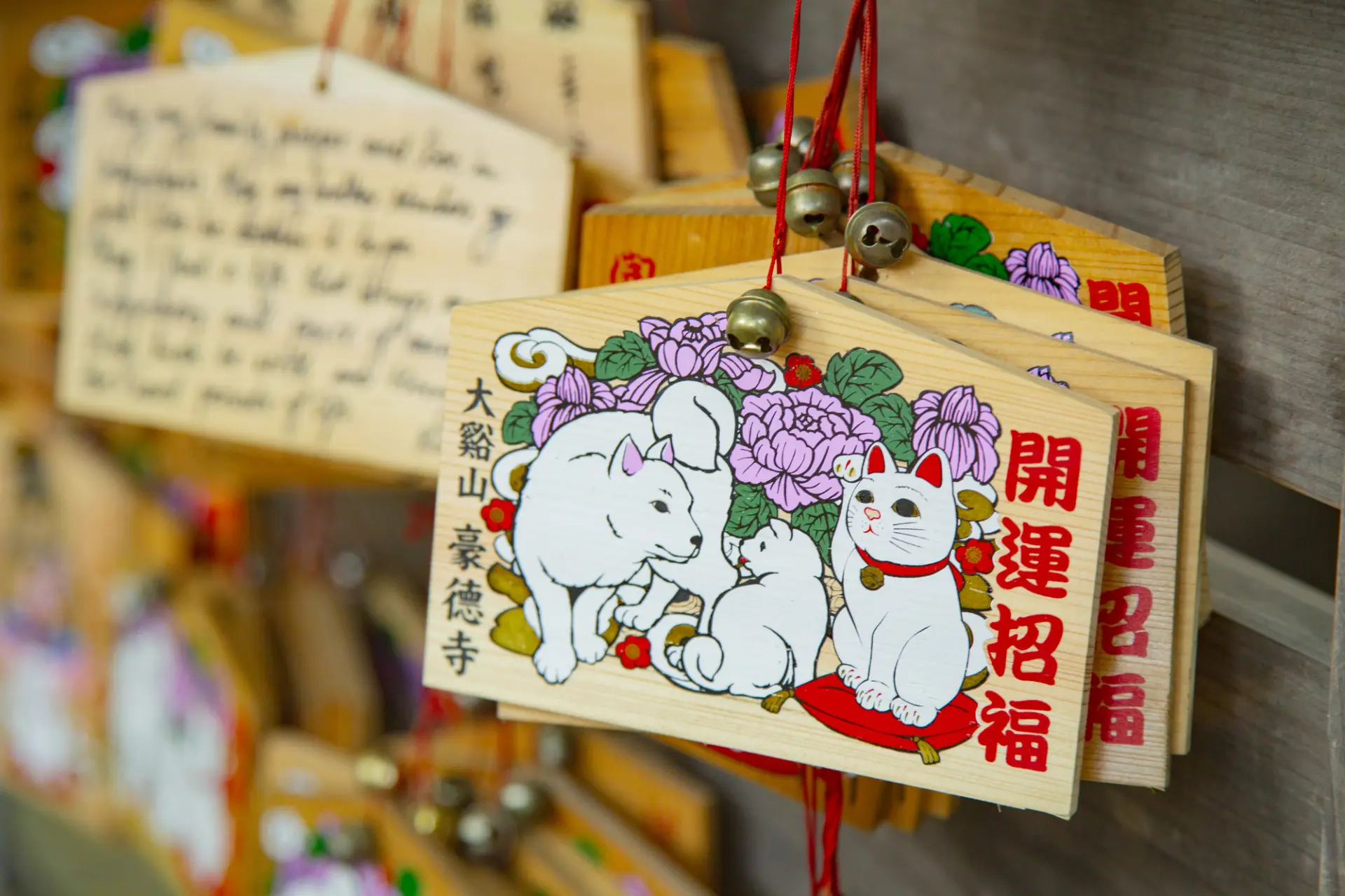
Other distinctive items include beckoning cat charms, ema prayer plaques, and reusable bags, allowing visitors to choose according to their needs.
Two Annual Festivals Near Gotokuji Temple
If your schedule allows, consider attending one of the festivals held around Gotokuji Temple in spring and fall.
The first is the Gotokuji Tamanyan Festival, held every May along Gotokuji Shopping Street.
This community festival centers on Tamanyan, the shopping street's official mascot.
With beckoning cat-themed activities, food stalls, food trucks, a flea market, and more, the festival offers plenty for families to enjoy.
The second is the annual Akisamiyo Gotokuji Okinawa Festival, held every October.
Traditional eisa dance, sanshin performances, and concerts by local artists offer visitors a close-up experience of Okinawan culture without leaving Tokyo.
The shopping street takes on a cheerful atmosphere, revealing a different side of the neighborhood.
3 Popular Cafes Near Gotokuji Temple
Distinctive cafes and dessert shops are scattered around Gotokuji Temple, adding another dimension to a neighborhood stroll.
Here are three popular establishments that are easy to visit while exploring the area.
Each offers something different, and time spent there may become another memorable part of your trip.
1. IRON COFFEE
IRON COFFEE is a discreet coffee stand tucked away on a corner of the shopping street, just a few minutes' walk from Gotokuji Station.
Its rugged iron-accented exterior makes an impression, while the compact 10-square-meter space serves specialty coffee roasted in-house.
The wide selection includes drip coffee, Americanos, espresso, homemade ginger ale, and seasonal beverages to suit different tastes.
If you are unsure what to order, try the popular cafe latte.
Takeout is also available, making it an ideal stop while exploring Gotokuji.

2. RARASAND
RARASAND on Gotokuji Shopping Street is a cafe and gallery with a modern Japanese aesthetic.
Crafts, sundries, and artwork displayed inside offer visitors a glimpse of Japanese craftsmanship.
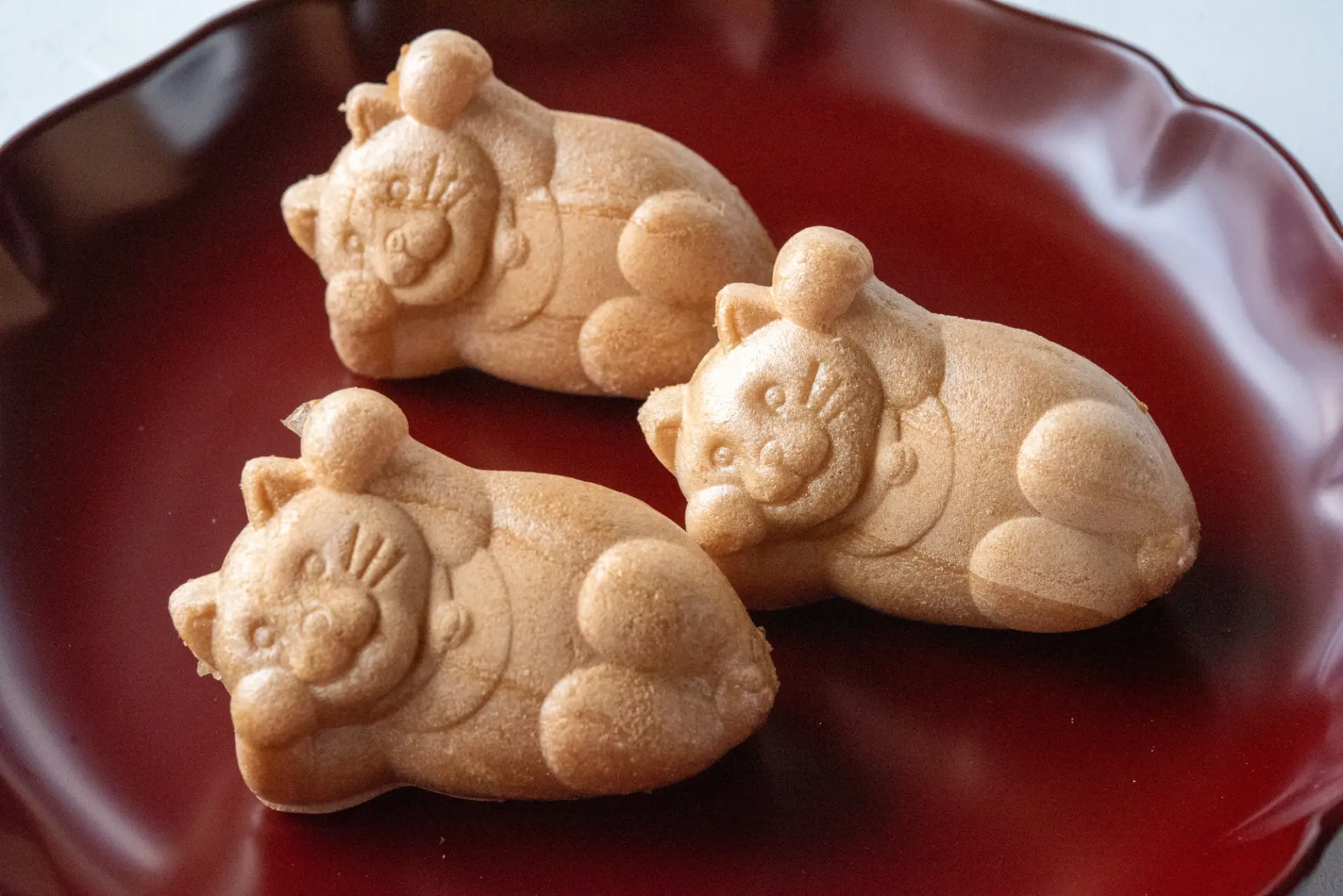
Its signature item is the playfully named “Overly Assertive Monaka,” a beckoning cat-shaped wafer filled with sweet bean paste to order.
Besides its cute, photogenic appearance, it offers a crisp texture and authentic flavor.
With a shelf life of approximately three months, it also makes a fitting gift from Gotokuji, a place associated with the beckoning cat.
Popular cafe offerings include the Matcha and Beckoning Cat Monaka Set and Shofukuyaki, a filled cake featured in numerous media outlets.
3. AMAZING COFFEE TOKYO GOTOKUJI
AMAZING COFFEE is a coffee shop produced by EXILE performer TETSUYA.
Its Gotokuji location, which held its grand opening in 2024, is the brand's first special location with both a roastery and dine-in area.
Created around a train theme to express the hope that AMAZING COFFEE will continue moving toward the future, the interior features a colorful design.
Its playful pop atmosphere and friendly service make for an uplifting visit.
A popular menu item exclusive to this location is the Beckoning Cat Latte, made with roasted soybean flour and brown sugar.
This Japanese-inspired cafe latte reflects Gotokuji in both its appearance and flavor.

3 Nearby Attractions to Visit with Gotokuji Temple
Here are several recommended attractions near Gotokuji Temple.
Their peaceful atmosphere differs from the bustle of major tourist destinations, offering a balanced experience of Setagaya's history, culture, and nature.
All are within walking distance and are popular additions to neighborhood strolls, so consider visiting them together.
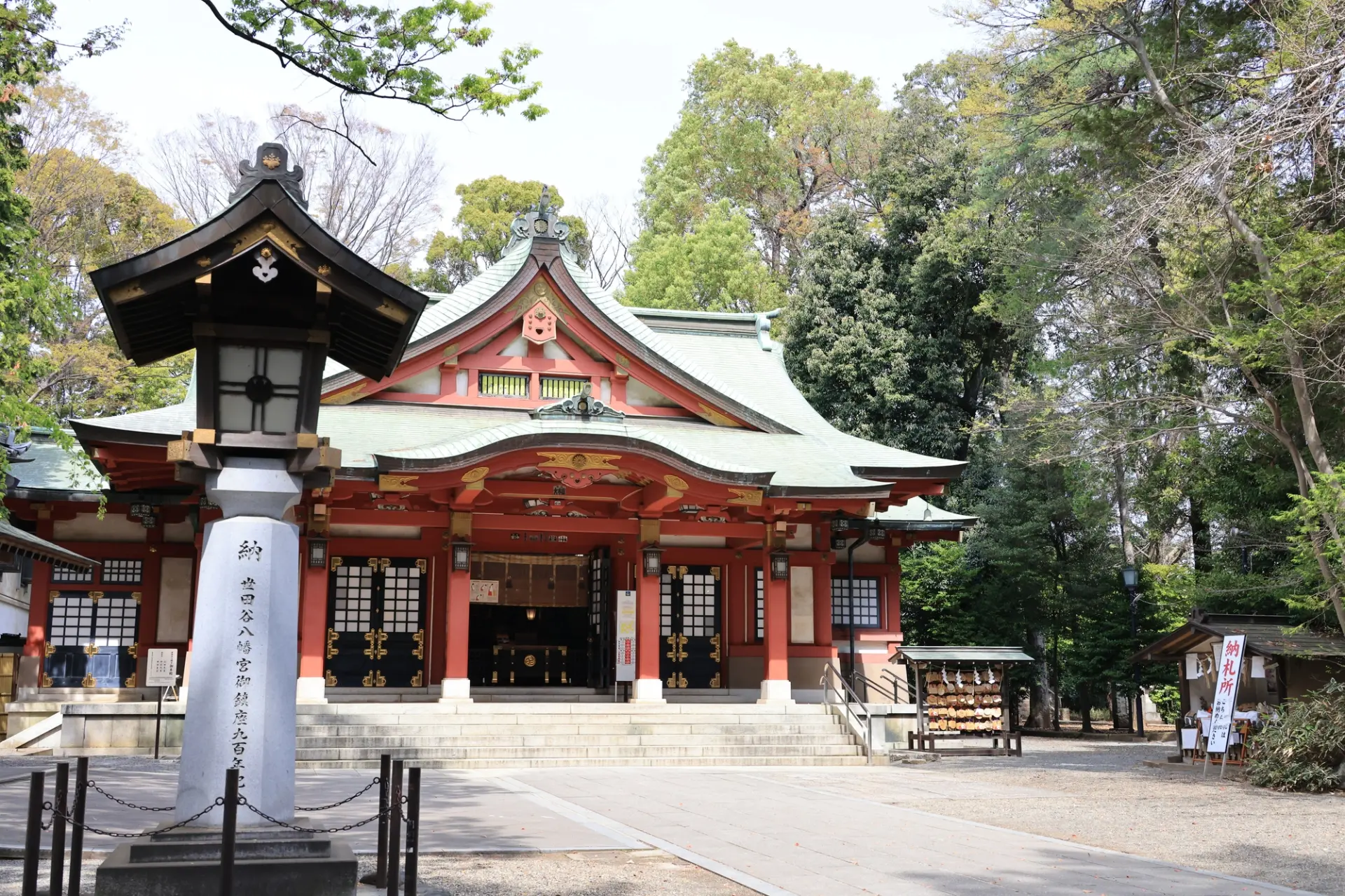
1. Setagaya Hachimangu Shrine
Setagaya Hachimangu Shrine has long been cherished as the guardian shrine of Setagaya.
This venerable shrine traces its origins to Minamoto no Yoshiie, who attributed his victory in the Later Three-Year War to the protection of the deity Hachiman and enshrined the deity here upon his return.
The tranquil grounds offer a place of rest with a sense of serenity and sanctity despite their urban location.
Historic highlights include the large torii gate, stately shrine buildings, and Benten Pond. Many worshippers visit to pray for luck and victory in competition.
The grounds also retain a sumo ring once known as one of Edo's three major sumo venues. Ritual sumo is still held during the annual grand festival each fall, preserving a local tradition that remains alive today.
2. Sakura Jingu Shrine
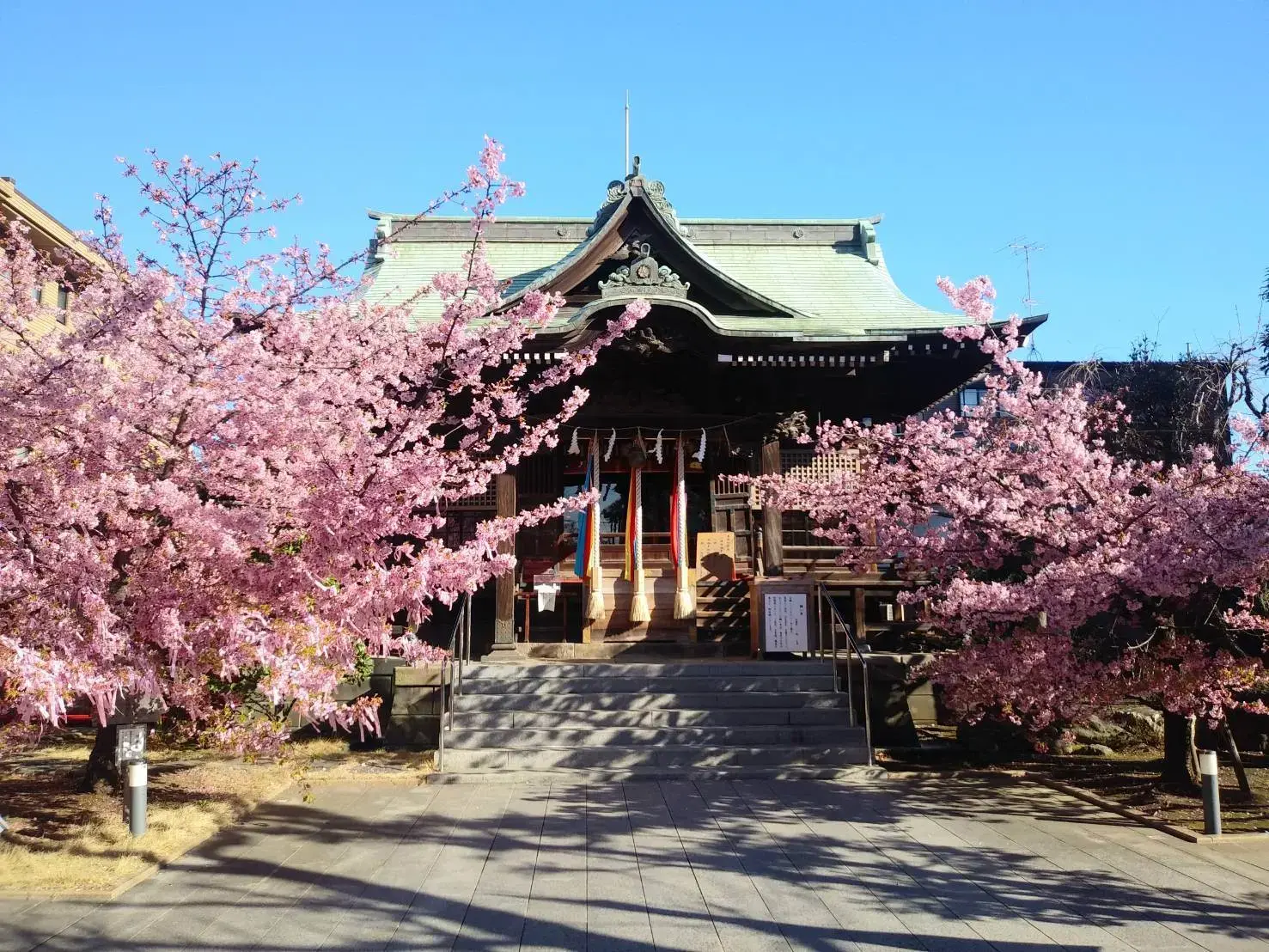
Sakura Jingu Shrine was founded in Kanda, Tokyo, in 1882 to revive ancient Shinto traditions passed down through generations. Ancient Shinto refers to beliefs that arose naturally in Japan in antiquity. Unlike the two bows, two claps, and one bow practiced at many shrines, the proper worship procedure here is two bows, four claps, and one bow.
Because the shrine enshrines numerous deities from Japanese mythology, it is believed to offer blessings for all kinds of wishes.
3. Hanegi Park
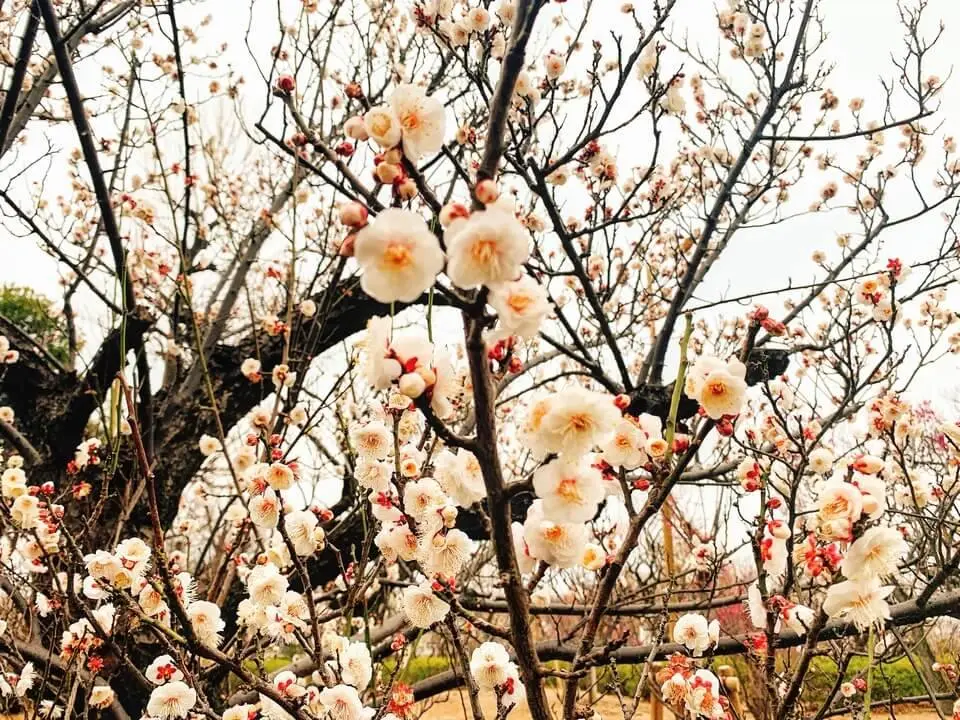
Situated on a small hill in a residential neighborhood, this park has an impressive plum grove with approximately 650 trees representing 60 varieties. The Plum Blossom Festival, held in the grove from early February to early March, is a local spring tradition that draws many visitors from farther afield.
The outdoor play facility known as the Play Park includes open spaces where children can play freely and is particularly popular with families.
Suggested Day-Trip Itinerary for Gotokuji Temple
Based on the highlights introduced above, the following is a suggested day-trip itinerary for experiencing Gotokuji Temple.
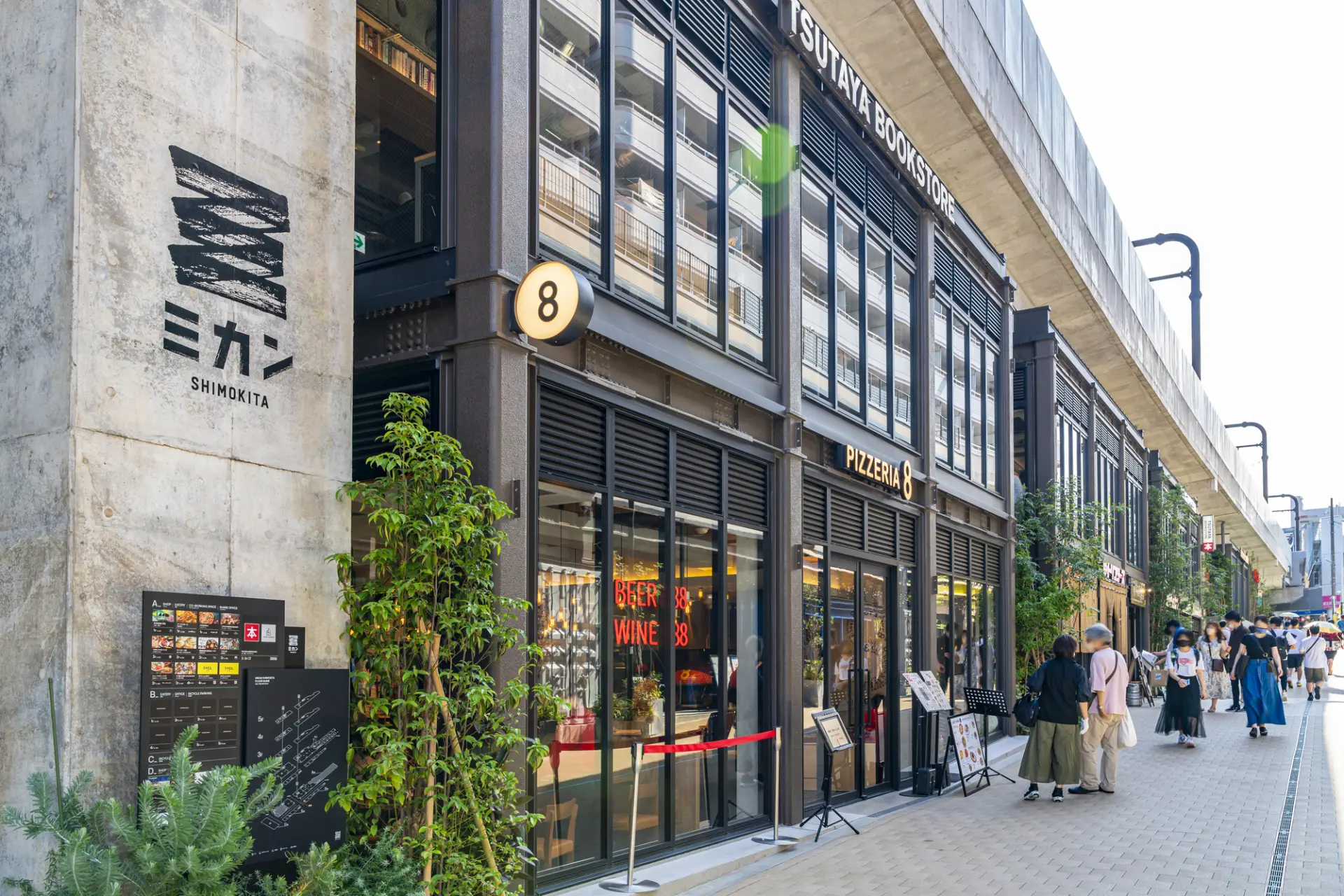
The temple itself takes about one hour to explore, so visit in the relatively quiet morning, then spend the afternoon in nearby Shimokitazawa.
| Approximate Time | Location | Overview |
|---|---|---|
| 9:00 a.m. | Gotokuji Station | Walk to Gotokuji Temple while taking in the neighborhood atmosphere |
| 9:20 a.m. | Sanmon Gate | Pass through the gate marking the boundary between the outside world and sacred grounds |
| 9:25 a.m. | Three-Story Pagoda | Admire the approximately 25.5-meter-tall pagoda, take photos, and search for cat carvings |
| 9:40 a.m. | Butsuden Hall | Worship and experience the tranquility of a Zen temple |
| 9:50 a.m. | Shofukuden Hall | View the countless rows of beckoning cats |
| 10:10 a.m. | Ii Family Cemetery | Explore one of Tokyo's foremost daimyo cemeteries |
| 10:20 a.m. | Temple Office | Receive a goshuin and purchase temple items |
| 10:40 a.m. | Setagaya Hachimangu Shrine | Visit this spiritual site, which retains a sumo ring and a history of ritual sumo dating back to the Edo period |
| 11:20 a.m. | Shoin Shrine | Explore a site associated with Yoshida Shoin |
| 11:45 a.m. | Hanegi Park | Stroll through the lawns and walking paths surrounded by nature |
| 12:30 p.m. | Shimokitazawa Station | Take the Odakyu Line from Umegaoka Station to Shimokitazawa Station |
| 12:40 p.m. | Lunch | Have lunch at a restaurant of your choice |
| 1:40 p.m. | Shimokitazawa Area | Explore a neighborhood filled with distinctive vintage clothing, sundry, and record shops |
| 4:00 p.m. | Shimokitazawa Station | Head home |
Frequently Asked Questions About Gotokuji Temple
Q
How long does it take to visit Gotokuji Temple?
Allow approximately 45 minutes to 1 hour to explore the highlights at a leisurely pace.
Q
Why is Gotokuji Temple famous for beckoning cats?
It comes from the legend of a white cat that saved Naotaka Ii, lord of the Hikone Domain, from a thunderstorm and lightning. Out of gratitude, the Ii clan protected the temple, and Gotokuji became known as one of the birthplaces of the beckoning cat.
Q
Where can I buy a beckoning cat figure, and are there purchase limits?
They are available at Gotokuji Temple's office. Demand has increased in recent years, so purchases may be limited to one per person at certain times.
Summary
This article has introduced Gotokuji Temple's basic information, highlights, and recommended nearby attractions.
From the many beckoning cat figures lining the grounds to the Ii family cemetery and Butsuden Hall, every site has a meaningful story behind it.
The grounds offer a surprising sense of tranquility for an urban location, along with seasonal natural scenery.
They provide visitors with a peaceful break from the bustle of daily life.
Use the following article on Shimokitazawa's attractions and popular shopping areas to help plan your visit to both Gotokuji and Shimokitazawa.