
Matsumoto Castle Travel Guide: Highlights, Local Food, and Suggested Itinerary
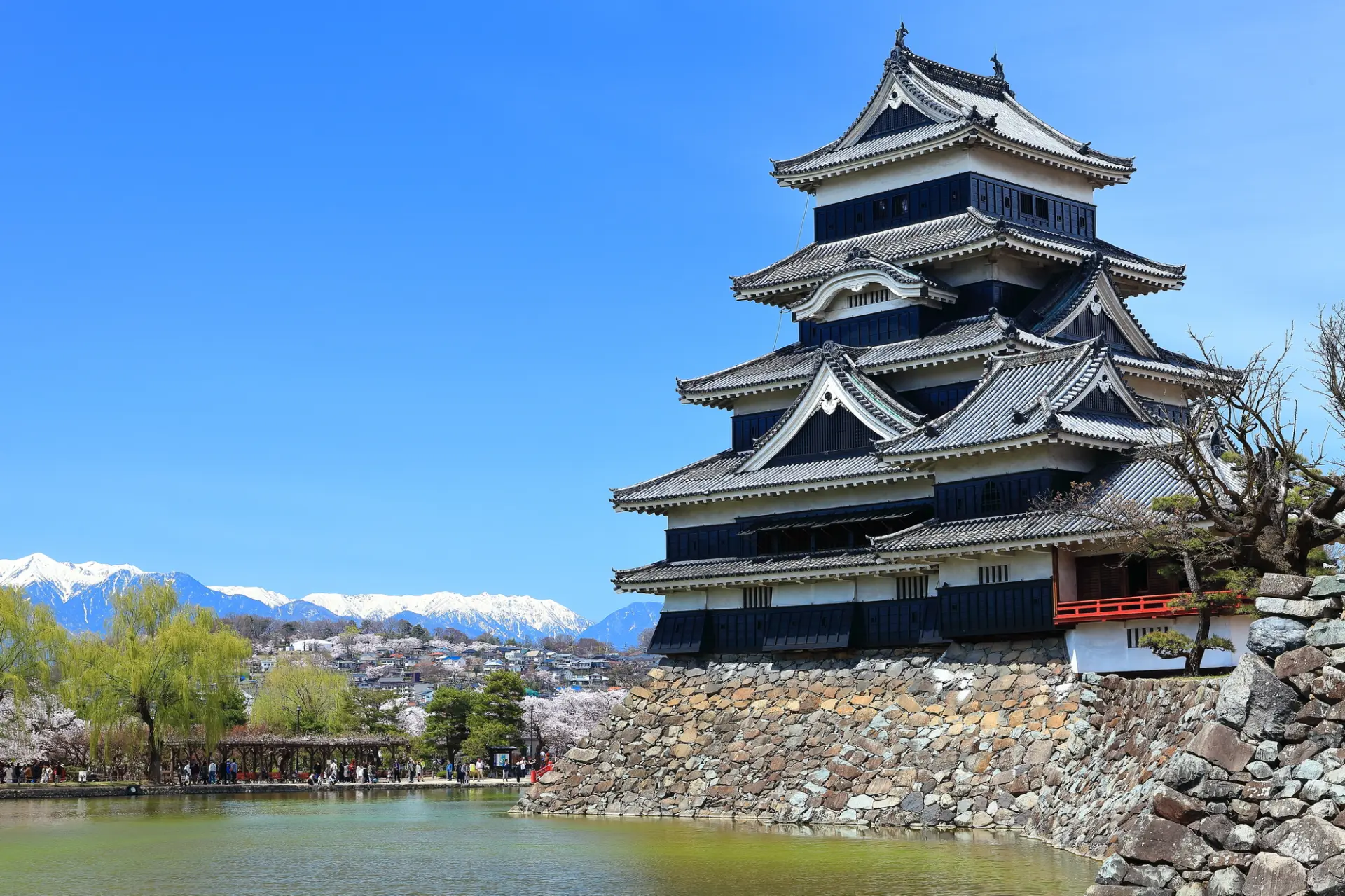
Matsumoto Castle, located in Matsumoto, Nagano Prefecture, is a National Treasure that retains traces of Japan’s Warring States period.
The sight of its black keep set against the Northern Alps leaves a lasting impression, even on first-time visitors.
From its architecture and scenery to the surrounding castle town, the castle offers plenty to discover from many different perspectives.
This article covers essential information about Matsumoto Castle, its highlights, popular local food, and more.
It also provides an easy-to-follow suggested itinerary and important tips for visitors, even if you are not familiar with Japanese history.
What Is Matsumoto Castle Like?
Matsumoto Castle is a renowned National Treasure located in central Matsumoto, Nagano Prefecture.
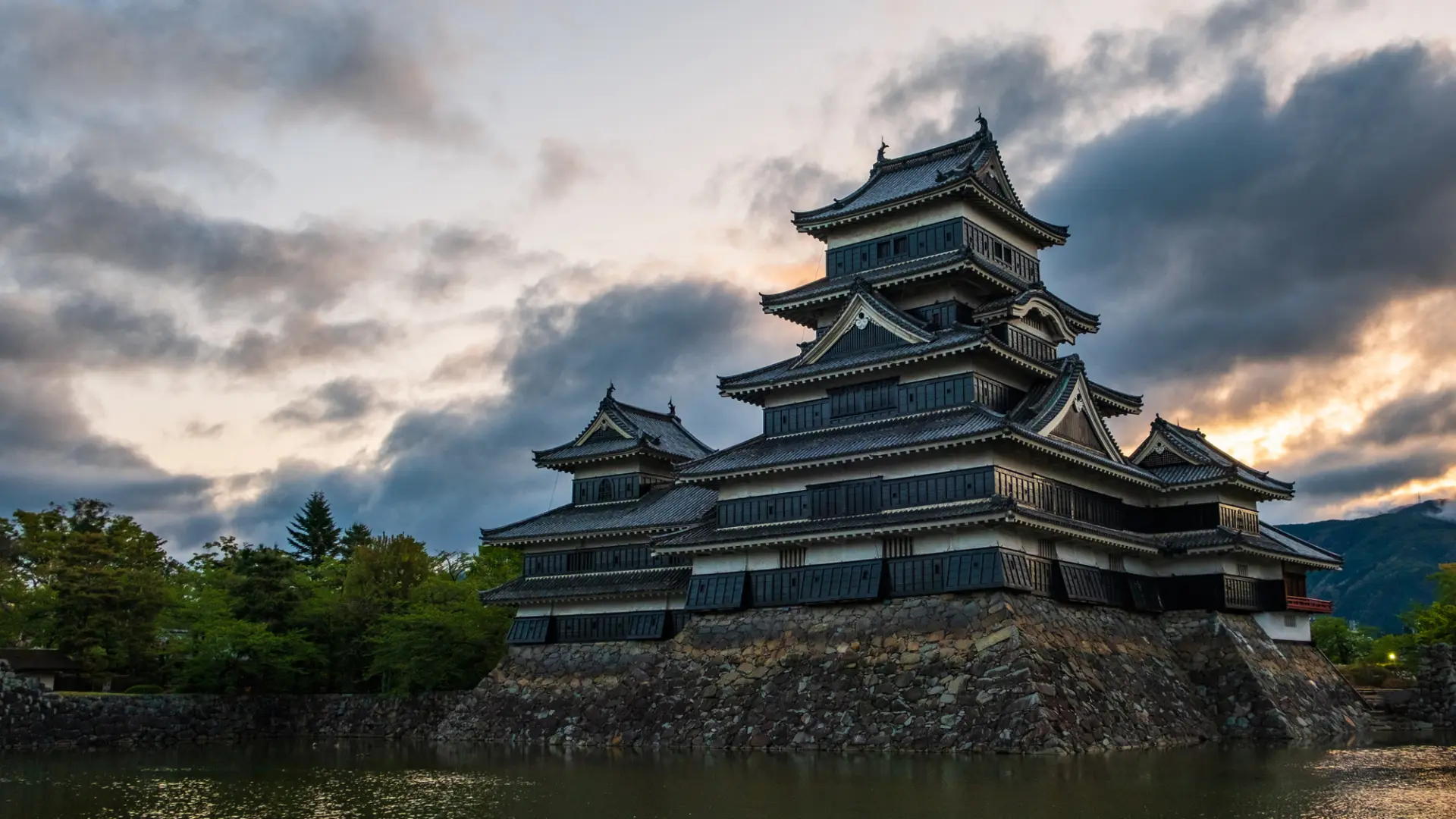
Its striking exterior, also known as the “Black Castle,” features a distinctive contrast between black-lacquered wooden siding and white plaster.
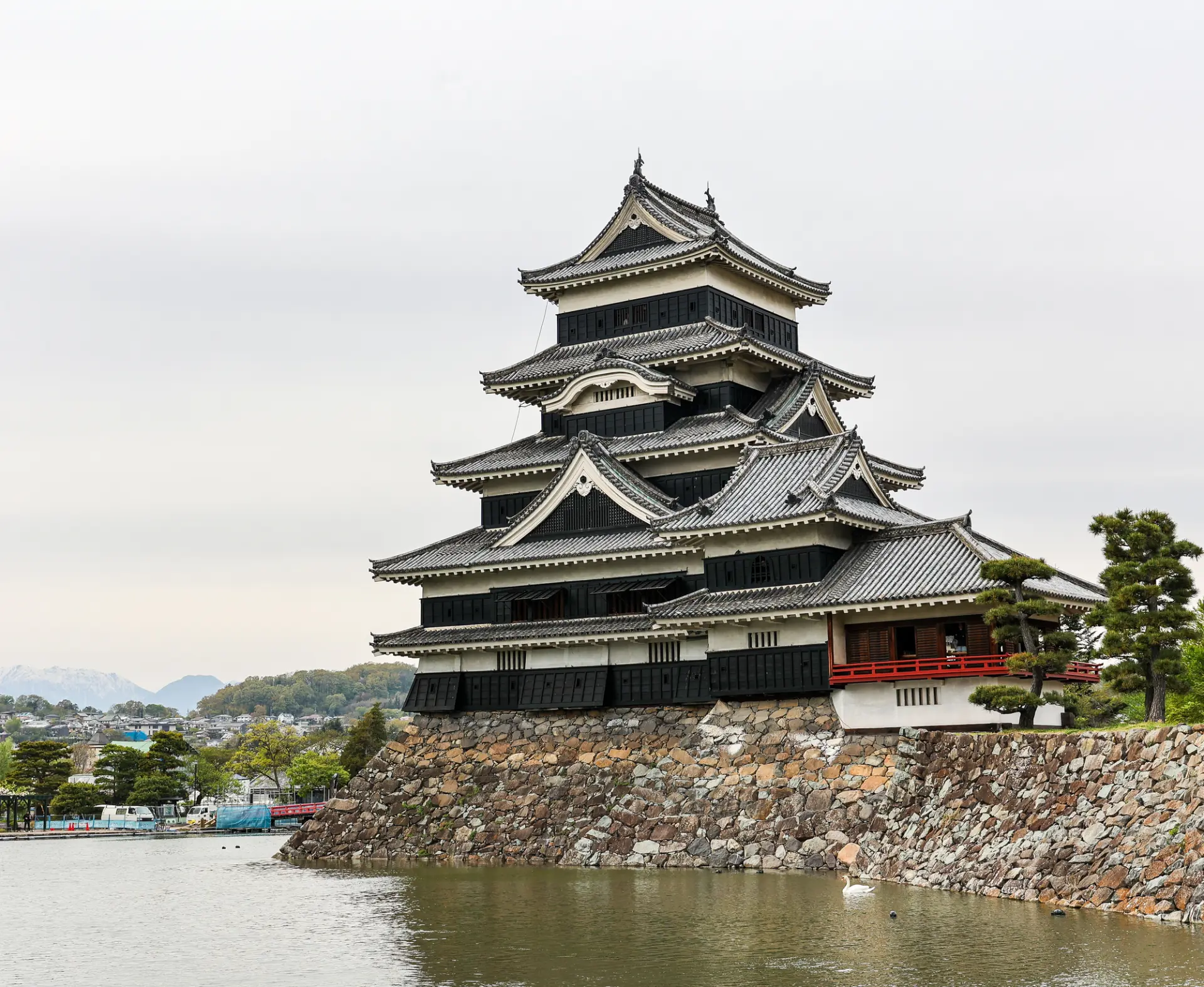
It is Japan’s oldest surviving castle keep with five exterior tiers and six interior floors, as well as the only flatland castle among the country’s 12 surviving original keeps.
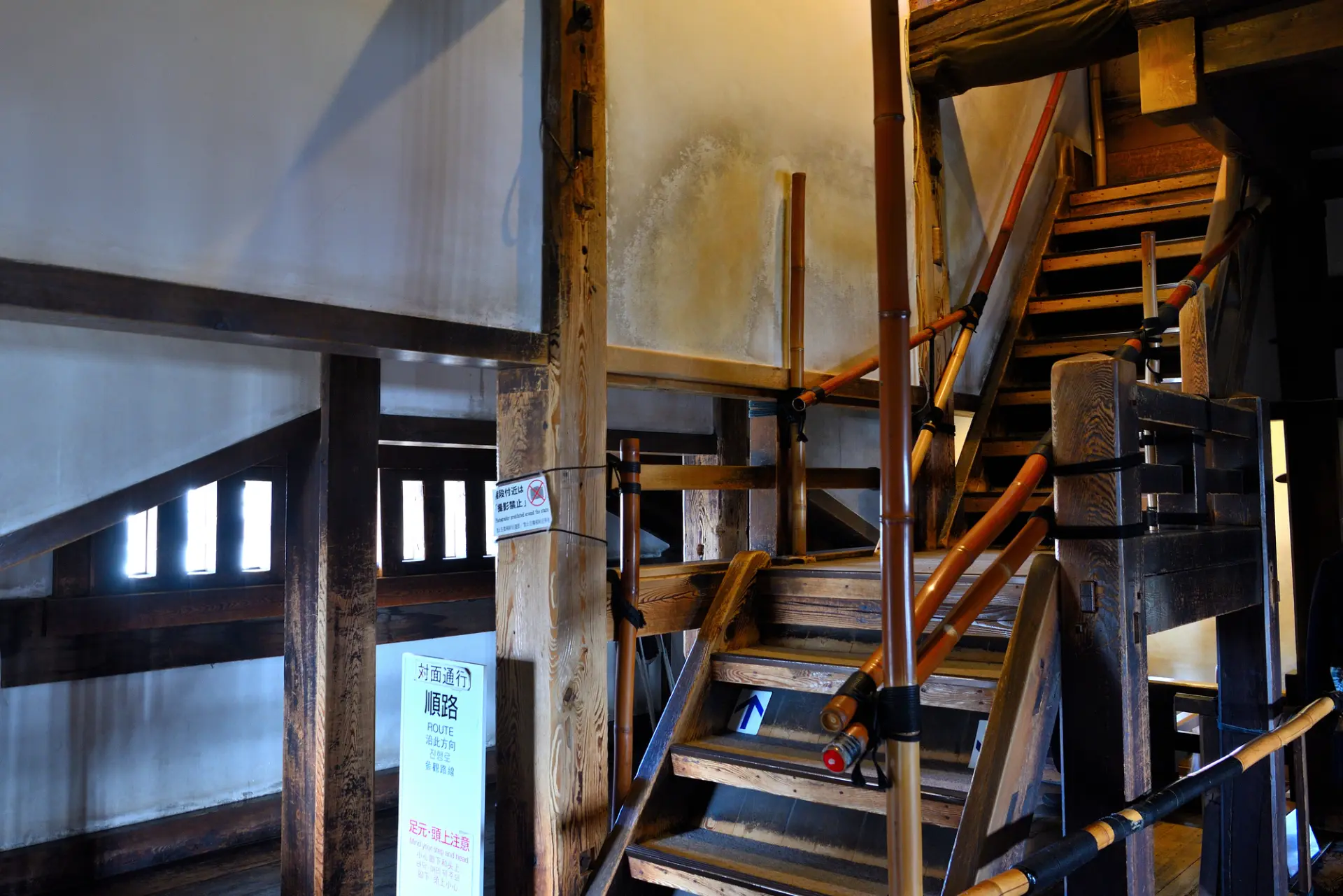
Inside, visitors can see steep staircases, gun loopholes, stone-dropping openings, and other defensive features up close, making it easy to imagine what the castle was like at the time, even without an extensive knowledge of history.
In contrast, the Tsukimi-yagura moon-viewing turret features the refined design of a more peaceful era. Water-filled moats and stone walls also remain around the castle, offering different views from every angle.
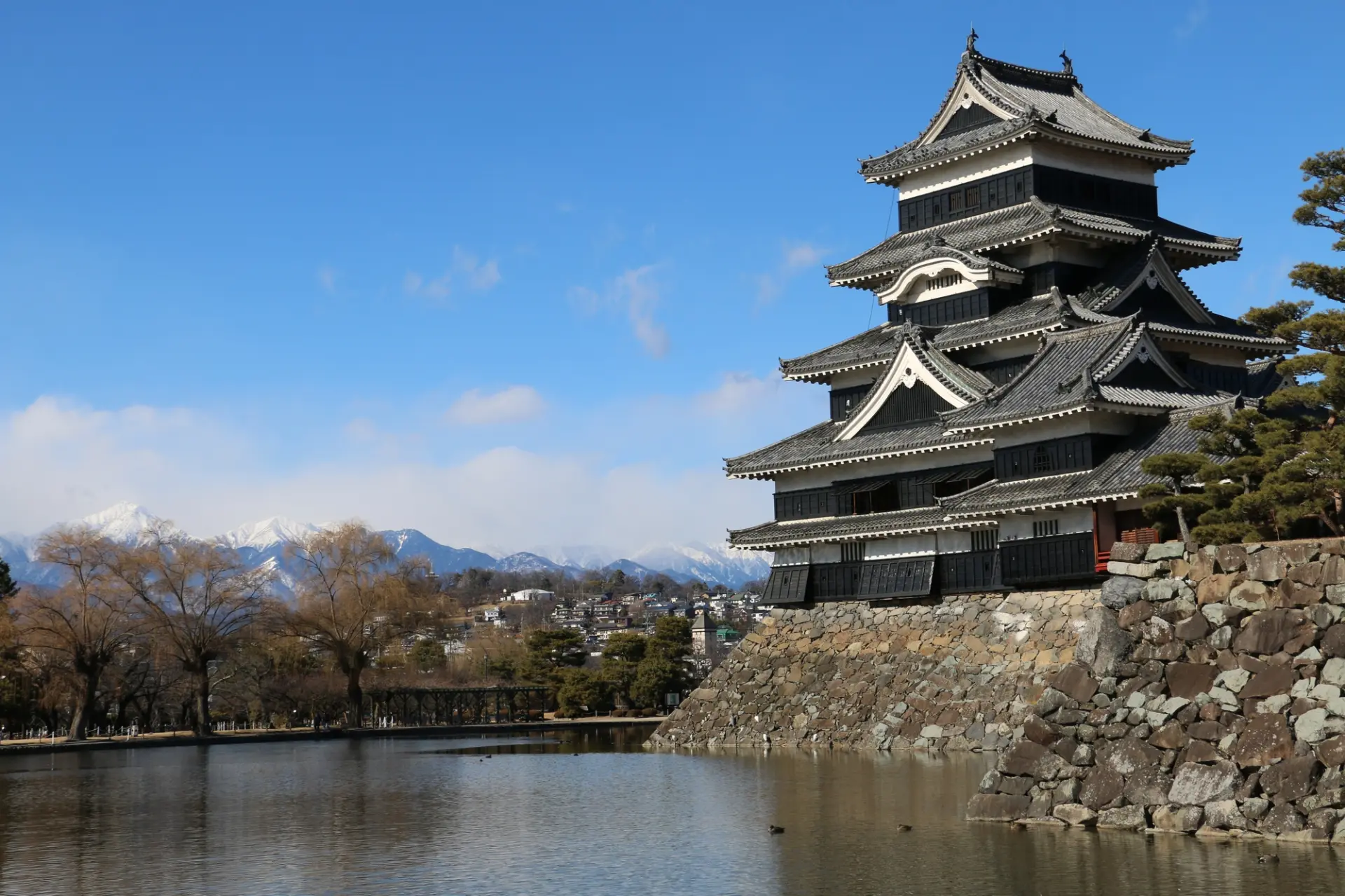
Other highlights include views of Matsumoto from inside the castle, the Northern Alps visible on clear days, and the reflection of the keep in the moat, known as the “Upside-Down Matsumoto Castle.”
The History of Matsumoto Castle
Matsumoto Castle originated as Fukashi Castle, built by a branch of the Ogasawara clan in the early 16th century.
Fukashi Castle is said to have been constructed in 1504. When Ogasawara Sadayoshi recaptured it in 1582, he renamed Fukashi “Matsumoto.”
After Ishikawa Kazumasa became lord of the castle in 1590, he began extensive improvements to the grounds, while his son Yasunaga continued construction of the keep.
The present main keep, Inui small keep, and connecting turret are believed to have been built during the 1590s.
Successive castle lords continued to develop the castle and surrounding town, and structures including the Tsukimi-yagura moon-viewing turret and Tatsumi auxiliary turret were added during the 1630s.
The keep was restored during the Meiji period (1868–1912) and designated a National Treasure under the former system in 1936.
A major restoration project began in 1950, and in 1952 the castle was designated a National Treasure under the current Law for the Protection of Cultural Properties.
How to Get to Matsumoto Castle
The nearest station to Matsumoto Castle is Matsumoto Station on the JR Shinonoi Line.
The castle is about 1.5 km away, or around a 20-minute walk. Although this is some distance, the route passes traditional streets and shopping areas that make the walk enjoyable.
The route is relatively flat and easy to walk, with signs along the way, so first-time visitors should have little trouble finding the castle.
If you are short on time or carrying a lot of luggage, take the Gurutto Matsumoto Bus and get off at Matsumotojo-Shiyakushomae. The ride takes around 10 minutes.
Municipal paid parking lots are also available near the castle, making a rental car another option.
The table below shows routes from Nagano, Shinjuku, and Nagoya stations.
| Departure Point | Route | Travel Time |
|---|---|---|
| Nagano Station | Take the JR Limited Express Shinano from JR Nagano Station and get off at Matsumoto Station | Approx. 55 minutes |
| Shinjuku Station | Take the JR Limited Express Azusa from JR Shinjuku Station and get off at Matsumoto Station | Approx. 2 hours 40 minutes |
| Nagoya Station | Take the JR Limited Express Shinano from JR Nagoya Station and get off at Matsumoto Station | Approx. 2 hours 5 minutes |
Matsumoto Castle Hours and Admission
Matsumoto Castle’s hours and admission fees are listed below.
If you already know when you plan to visit, purchasing an electronic ticket is recommended. It costs ¥100 less and can reduce your wait when entering.
Hours are extended during Golden Week and the summer extended-hours period, but crowds are expected and admission may be restricted depending on conditions.
Hours
- Regular Hours
- 8:30 a.m.–5:00 p.m. (last admission at 4:30 p.m.)
- Golden Week Extended-Hours Period (mid-August)
- 8:00 a.m.–6:00 p.m. (last admission at 5:30 p.m.)
- Summer Extended-Hours Period (mid-August)
- 8:00 a.m.–6:00 p.m. (last admission at 5:30 p.m.)
- First Three Days of the New Year (January 1–3)
- 10:00 a.m.–3:30 p.m. (last admission at 3:00 p.m.)
Open year-round except December 29–31
Admission
| Ticket Type | Adults | Elementary and Junior High School Students | Preschool Children | Notes |
|---|---|---|---|---|
| Electronic Ticket | ¥1,200 | ¥400 | Free | Designated date and time |
| Paper Ticket | ¥1,300 | ¥400 | Free | Same-day ticket |
1. Group rates are available for groups of 20 or more
2. Electronic tickets cannot be canceled or changed after purchase
3. Admission is free for visitors wearing traditional Japanese clothing during the summer extended-hours period
When Is the Best Time to Visit Matsumoto Castle?
Spring and fall are particularly recommended for a visit to Matsumoto Castle.
Cherry blossoms usually begin blooming in early April, creating a festive atmosphere around Matsumoto Castle Park and the Honmaru Garden.
The contrast between approximately 300 cherry trees and the jet-black keep creates a distinctive spring scene.
Events such as evening cherry blossom viewing are held to coincide with the blooming season, offering an enchanting view of the castle that differs from its daytime appearance.
In fall, the colorful foliage takes center stage.
From late October to early November in a typical year, trees turn red and yellow around the moat and keep, creating a calm landscape with a character quite different from spring.
5 Highlights of Matsumoto Castle
Here are five highlights that will help you appreciate Matsumoto Castle more fully.
As you walk through the grounds, you will find traces of history and ingenious features created by those who built and defended the castle.
Knowing what to look for in advance can lead to even more discoveries during your visit.
1. The Original Keep with Five Exterior Tiers and Six Interior Floors
Matsumoto Castle’s National Treasure keep has five exterior tiers and six interior floors and is considered Japan’s oldest surviving structure of its kind.
It has an unusual interconnected compound layout in which the main keep is joined to the Inui small keep and connecting turret, preserving castle-building techniques from the final years of the Warring States period (1467–1573).
Defensive features designed to repel intruders, including gun and arrow loopholes and stone-dropping openings, are also worth seeing.
Walking through the interior allows you to view the narrow, steep staircases, thick walls, and massive pillars up close and experience how the castle was fortified.
From the top floor, visitors can overlook Matsumoto and, in good weather, see the Northern Alps.
2. Kuromon Gate
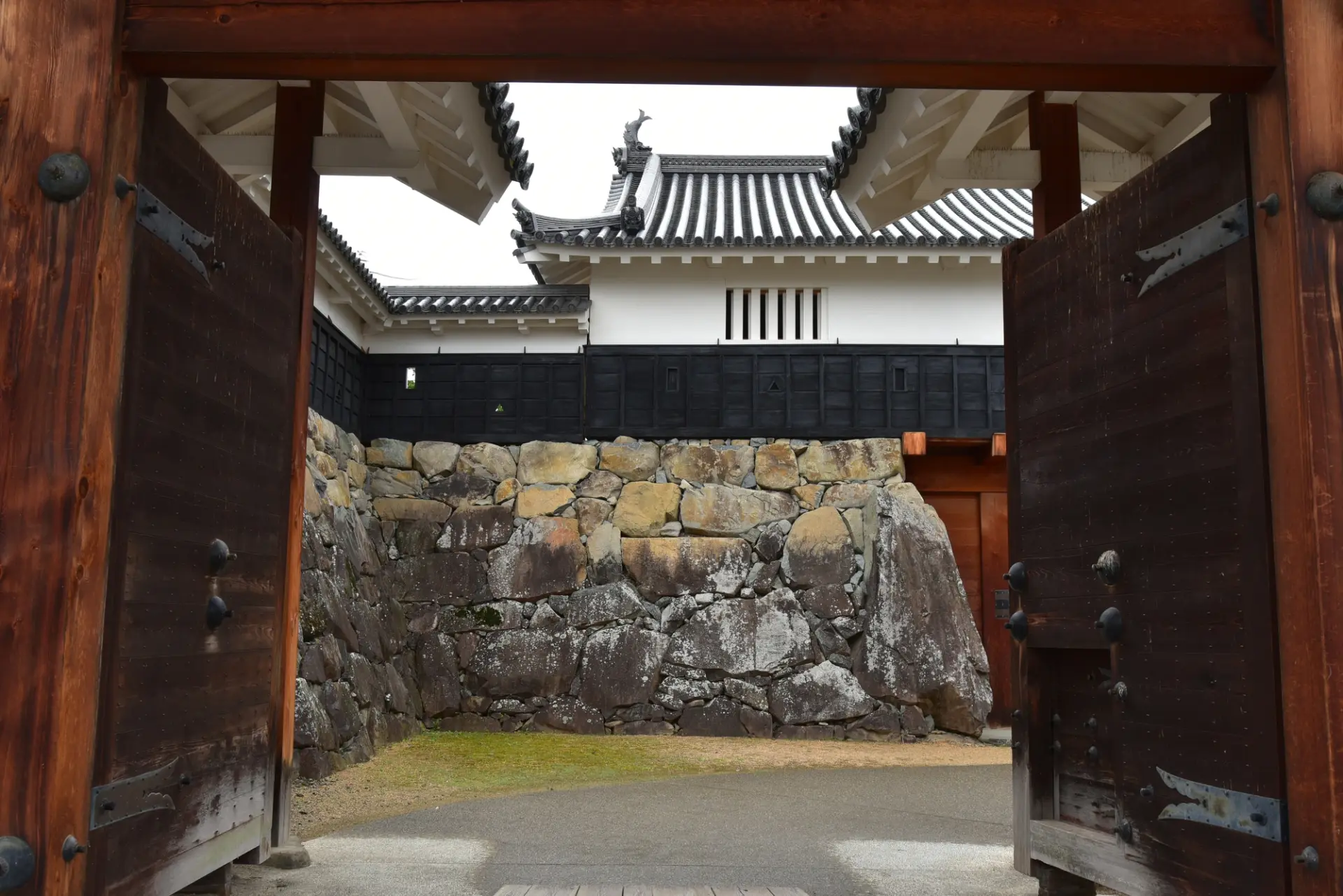
Kuromon Gate is the main entrance to Matsumoto Castle’s inner bailey.
Because it was once the formal gateway to the Honmaru Palace, it is thought to have been named Kuromon, or “Black Gate,” after the color associated with its high status.
The present gate consists of the First Gate, Second Gate, and a defensive wall, forming a square-shaped defensive enclosure. After crossing the inner moat and passing through the Second Gate followed by the First Gate, visitors enter the Honmaru Garden.
The defensive wall connected to the Second Gate has loopholes used to aim matchlock guns at enemies across the moat, demonstrating the castle’s defensive ingenuity.
A highlight is the row of round eave-end tiles on the roof of the First Gate bearing the family crests of successive castle lords.
These tiles were preserved during the dismantling and restoration of the keep and later reused. Looking for the crests of the different ruling families adds interest as you pass through the gate.
3. Tsukimi-yagura Moon-Viewing Turret
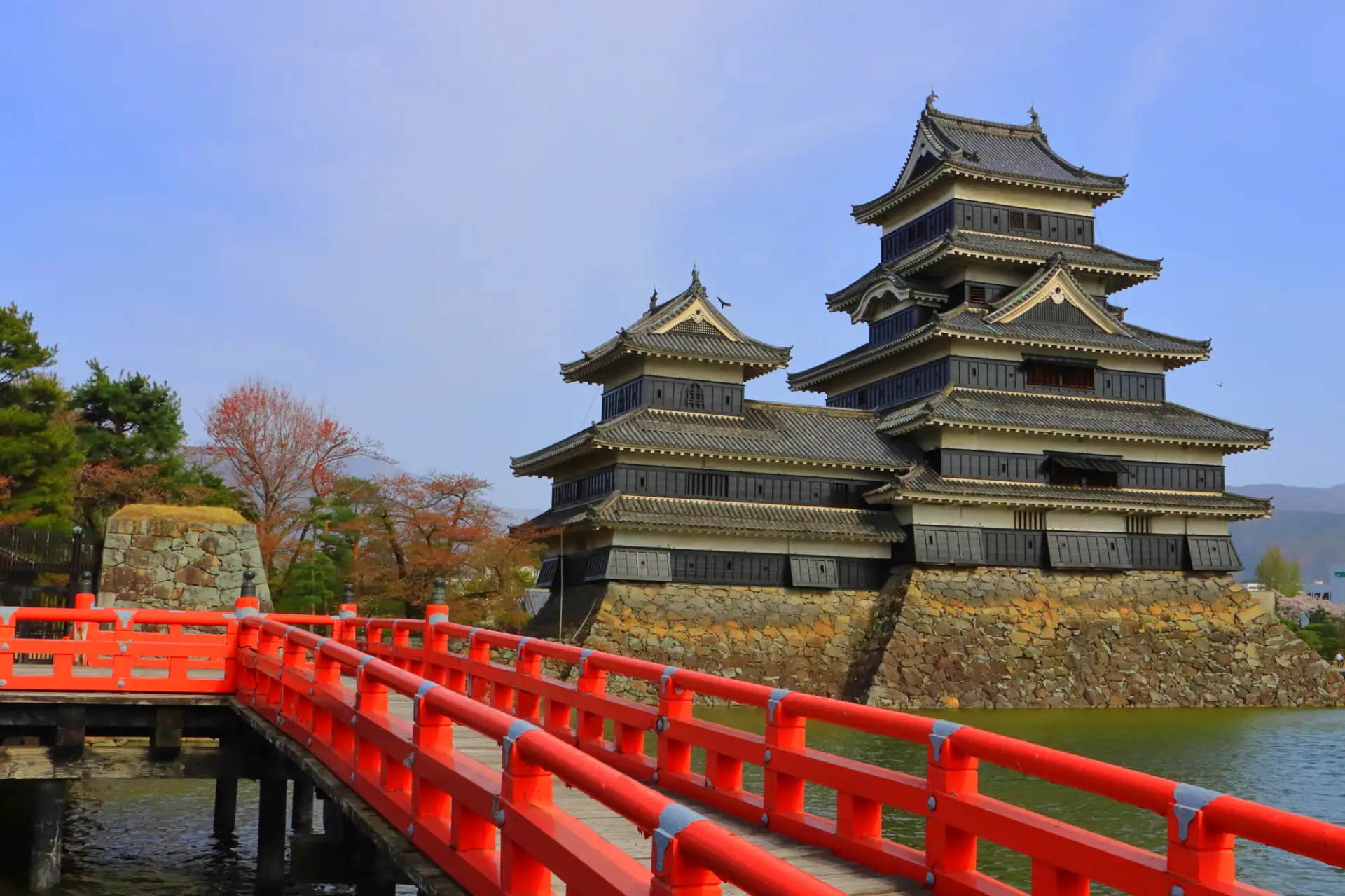
The Tsukimi-yagura moon-viewing turret is attached to the southeast side of Matsumoto Castle’s main keep and is distinguished by its eye-catching vermilion balcony.
Because it was built during the peaceful early Edo period (1603–1868), it has few military features such as gun loopholes or stone-dropping openings.
Its appeal lies in the refined atmosphere it adds to a castle built for warfare.
While the keep was designed with battle in mind, the moon-viewing turret has openings on its north, east, and south sides. It is an elegant, simple structure enclosed by thin wooden sliding doors called mairado, reinforced with horizontal strips.
It is believed that the doors were removed during moon-viewing gatherings, allowing people to admire the moon rising in the east from a tatami-floored room.
The contrast between these designs reflects the changing eras through which Matsumoto Castle passed.
4. Honmaru Garden
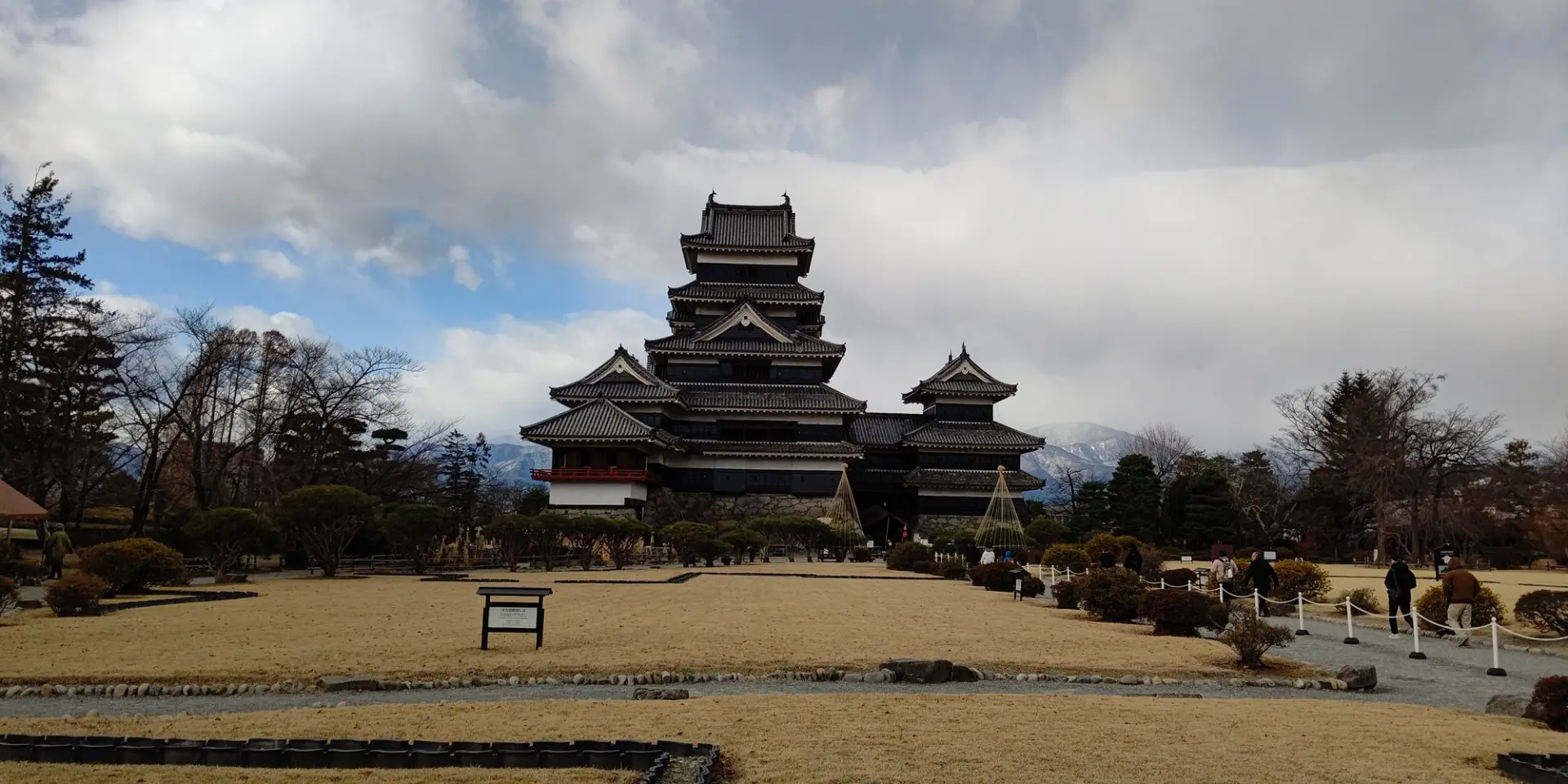
The Honmaru Garden spreads out directly in front of Matsumoto Castle’s keep on the former site of the Honmaru Palace.
After passing through Kuromon Gate, visitors are greeted by the National Treasure castle complex centered on the main keep.
The garden provides an excellent vantage point for taking in the beauty of the keep’s exterior.
Seasonal scenery includes cherry blossoms in spring and fresh greenery in early summer, and the garden is also ideal for commemorative photos with the keep in the background.
The garden also contains the Koma-tsunagi Cherry Tree and stone lanterns associated with the Toda and Mizuno families, offering insights into aspects of Matsumoto Castle’s history beyond the keep itself.
Consider taking a leisurely walk through the garden before or after touring the keep.
5. Water-Filled Moats and Stone Walls
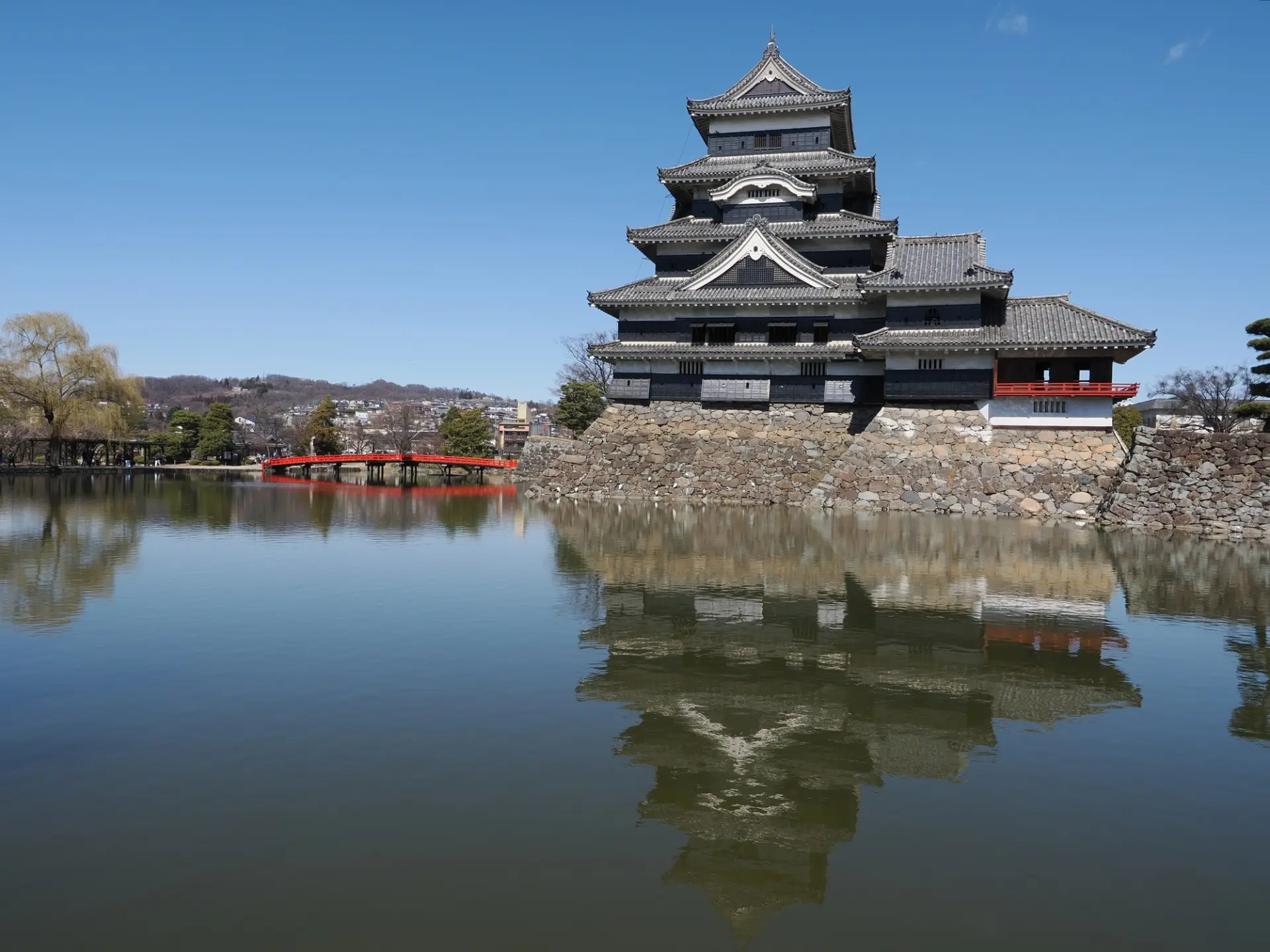
The water-filled moats and stone walls surrounding Matsumoto Castle’s keep are also well worth a closer look.
The black keep creates a striking reflection on the moat’s surface, and under the right conditions, visitors can see the “Upside-Down Matsumoto Castle.”
The stone walls supporting the keep served both as the building’s foundation and as a defensive feature protecting the castle.
They demonstrate techniques including nozura-zumi, in which natural stones are stacked with little processing, and sangi-zumi, in which long and short stones are alternated to reinforce corners. These walls preserve castle-building techniques from more than 400 years ago.
Viewing the castle from a short distance makes it easier to appreciate the functional beauty created by the moats, stone walls, and keep as a unified whole.
3 Local Foods to Try When Visiting Matsumoto Castle
A visit to Matsumoto Castle is also an opportunity to explore the local food scene.
The area offers a wide range of specialties, including dishes associated with the historic castle town and cuisine long enjoyed throughout Shinshu.
Here are three representative local foods to try.
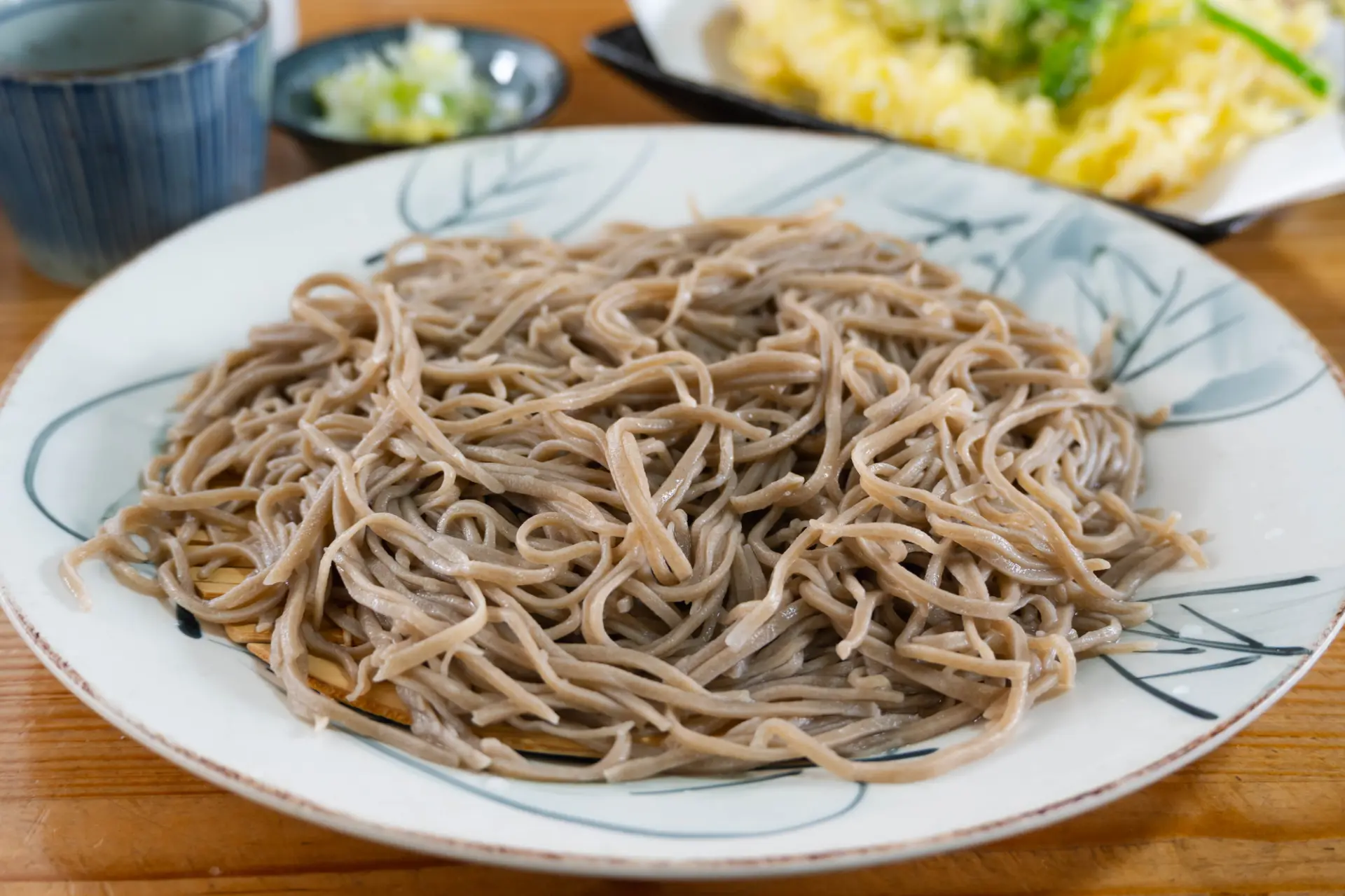
1. Shinshu Soba
Shinshu soba, one of Nagano Prefecture’s best-known regional foods, is an excellent choice for lunch during a visit to Matsumoto Castle.
Shinshu’s cool climate and large temperature differences between day and night make it well suited to growing buckwheat, and Matsumoto is also known for its soba.
Soba restaurants are scattered throughout the castle town area, making it easy to stop for a meal between sightseeing activities.
Shinshu soba also varies by restaurant, with styles including nihachi soba made with 80% buckwheat flour, juwari soba made entirely from buckwheat flour, and noodles made with flour milled in-house.
Recommended Restaurants Serving Shinshu Soba
- Sobadokoro Yoshikuni
- Known for Sarashina-style nihachi soba made with buckwheat flour from Hakuba. Signature dishes include duck dipping soba and earthenware pot soba.
- Nomugi
- Serves thin, dark, handmade soba prepared with locally grown buckwheat from the Ono district of Tatsuno and ground in a stone mill. Recommended for those who want to appreciate soba’s natural aroma and smooth texture.
- Soba Club Sasaki
- A well-regarded restaurant where diners are encouraged to begin by tasting the soba with salt to appreciate its natural flavor. The noodles have a pleasant firmness and clean finish.
Check business hours and closing days in advance
2. Sanzoku-yaki
Sanzoku-yaki is a regional dish traditionally enjoyed in central Nagano Prefecture, particularly around Matsumoto and Shiojiri.
A whole piece of chicken thigh or breast is marinated in a sauce containing ginger, garlic, and other seasonings, coated with potato starch, and deep-fried.
Although yaki in its name means “grilled,” the dish is actually fried, giving it a crisp, savory exterior and a juicy center.
The flavorful marinade stimulates the appetite, making the dish a good match for both rice and alcoholic drinks.
Recommended Restaurants Serving Sanzoku-yaki
- Izakaya Ippo
- This specialty is prepared by the restaurant’s owner, who heads a local organization promoting Matsumoto sanzoku-yaki. The dish features plenty of ginger and a lighter amount of garlic.
- Hyakuroutei
- A long-established Chinese restaurant founded in 1971. Its menu includes fried rice topped with sanzoku-yaki and a version inspired by Chinese-style fried chicken with scallion sauce.
- Matsumoto Karaage Center
- A chicken restaurant serving sanzoku-yaki, karaage fried chicken, chicken liver, and more. Directly connected to Matsumoto Station, it is convenient to visit before or after sightseeing.
Check business hours and closing days in advance

3. Basashi
The tradition of eating horse meat has long been part of the food culture of the Shinshu region, including Matsumoto.
The vivid, cherry-pink lean meat is tender, and different cuts such as marbled meat and mane offer a variety of textures and flavors.
It is also considered high in protein and relatively healthy, with a light texture and rich umami flavor.
Basashi, or raw sliced horse meat, pairs well with local sake and is a regional specialty worth trying during an evening in Matsumoto.
Recommended Restaurants Serving Basashi
- Horse Meat Bar Shin Miyoshi
- A horse meat specialty restaurant founded in 1899. Its signature sakura-sashi platter includes lean meat, marbled meat, liver, heart, and other cuts.
- Kikuzo
- A Japanese restaurant near Matsumoto Castle serving locally sourced premium basashi. Diners can also try horse tongue and raw horse liver, which is available only a few times a year.
- Soba Izakaya Kura no Mukou
- The restaurant purchases whole Dosanko horses, a native breed from Hokkaido, allowing diners to sample rare cuts. Handmade soba prepared by skilled artisans is also available at lunchtime.
Check business hours and closing days in advance

3 Nearby Attractions to Visit with Matsumoto Castle
Within walking distance of Matsumoto Castle are historic streets and cultural attractions that offer a deeper look at Matsumoto.
Exploring the surrounding castle town is also recommended.
Here are three particularly worthwhile places to visit.
1. Nawate Street
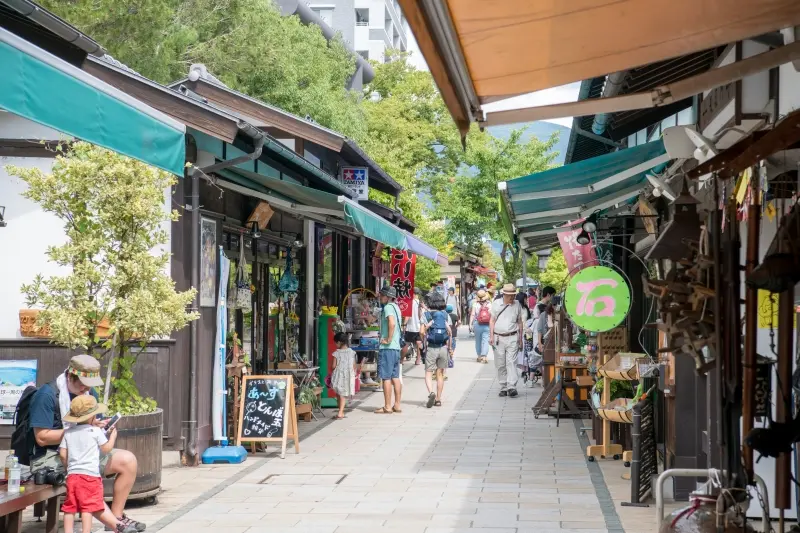
Located a 10-minute walk from JR Matsumoto Station, this shopping street is lined with distinctive stores in row-house-style buildings.
It originated along the banks of the Metoba River and came to be called Nawate, meaning “rope-like bank,” because of the long, narrow embankment.
It developed as the approach to Yohashira Shrine, which was established in 1879 (Meiji 12), and its proximity to Matsumoto Castle makes it popular with tourists.
Wooden shops line the approximately 150-meter street, creating the nostalgic atmosphere of a traditional downtown neighborhood from a period drama.
- Name in Japanese
- なわて通り
- Postal Code
- 390-0874
- Address
-
Ote, Matsumoto City, Nagano
Google Maps - Telephone
- 0263-34-8307 (Matsumoto City, Tourism Promotion Division)
- Closed
- Varies by store
- Hours
- 24 hours (Business hours vary by stores)
- Directions
- About a 10-min walk from JR Matsumoto Station
- Credit Cards
- Varies by store
- Website
- Official Website (Japanese)
2. Matsumoto City Museum of Art
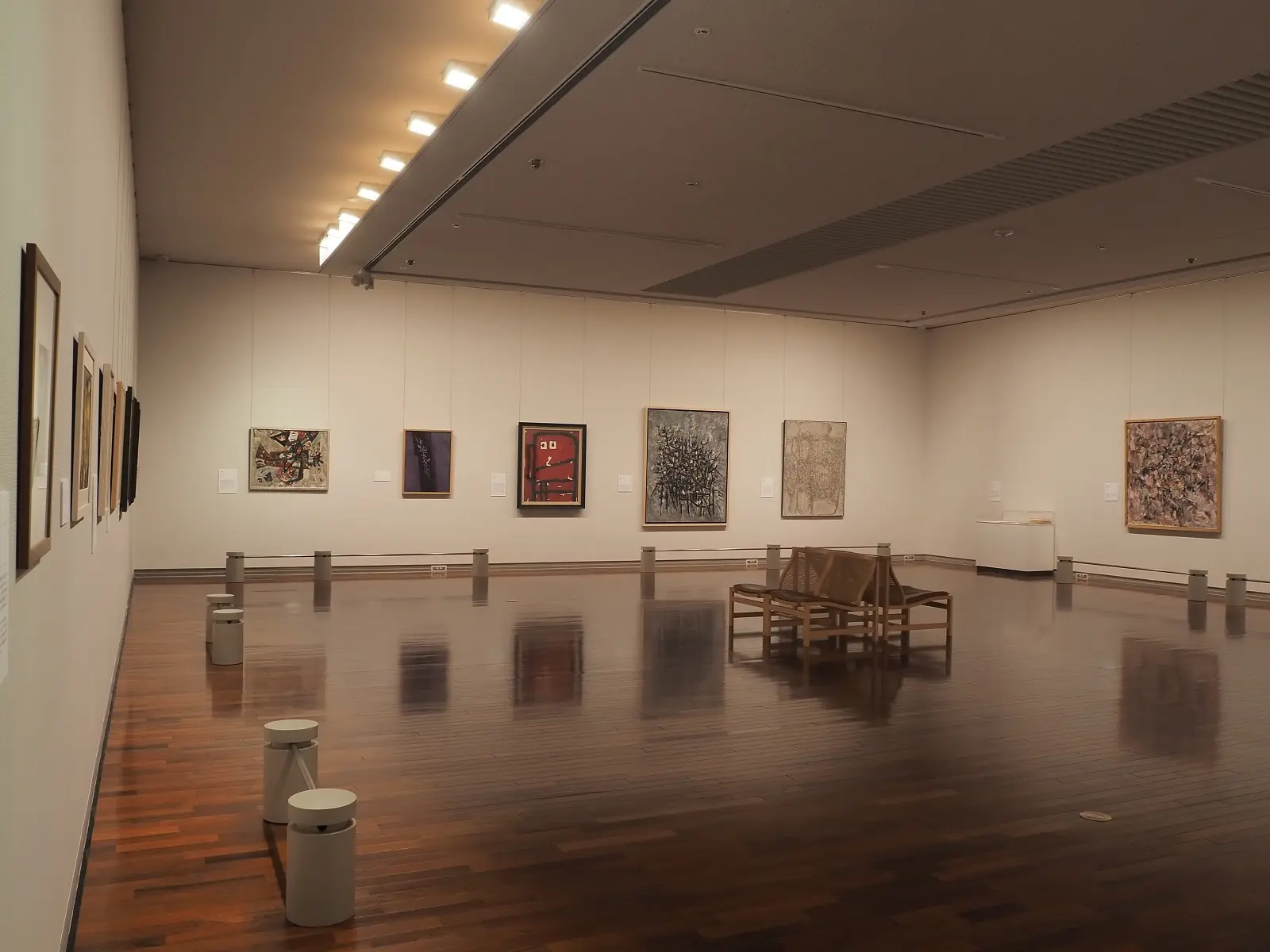
Opened in April 2002, this museum has a striking polka-dot exterior and features “The Visionary Flowers,” a work by internationally renowned avant-garde artist and Matsumoto native Yayoi Kusama.
After approximately one year of extensive renovations, it reopened in April 2022, the year of its 20th anniversary.
In addition to works ranging from Kusama’s early career to her latest series, the museum presents permanent displays by calligrapher Shinzan Kamijo and Western-style painter Kazuo Tamura, as well as exhibitions from its own collection.
- Name in Japanese
- 松本市美術館
- Postal Code
- 390-0811
- Address
-
4-2-22 Chuo, Matsumoto City, Nagano
Google Maps - Telephone
- 0263-39-7400
- Holiday
-
Monday (the next day when Monday is a National Holiday)、December 29- January 3
※open every day in August - Business Hours
- 9:00am-5:00pm(Admission allowed until 4:30pm)
- Admission
-
E-ticket: General admission 700 yen, University student 950 yen
At the counter: General admission 800 yen, University student 400 yen - Access
-
(1) From JR Matsumoto Station, take the Alpico Transit Bus "Yokota Shinnai Circulation Line" and get off at "Matsumoto Museum", then it's a short walk.
(2) From JR Matsumoto Station, take the Town Sneaker (a city loop bus) East Course to "Iori Reisui (Museum North)", then it's about a 5-minute walk.
(3) Approximately 12 minutes on foot from JR Matsumoto Station. - Credit Cards
- Accepted
- Official Website
- Official Website (English)
3. Yohashira Shrine
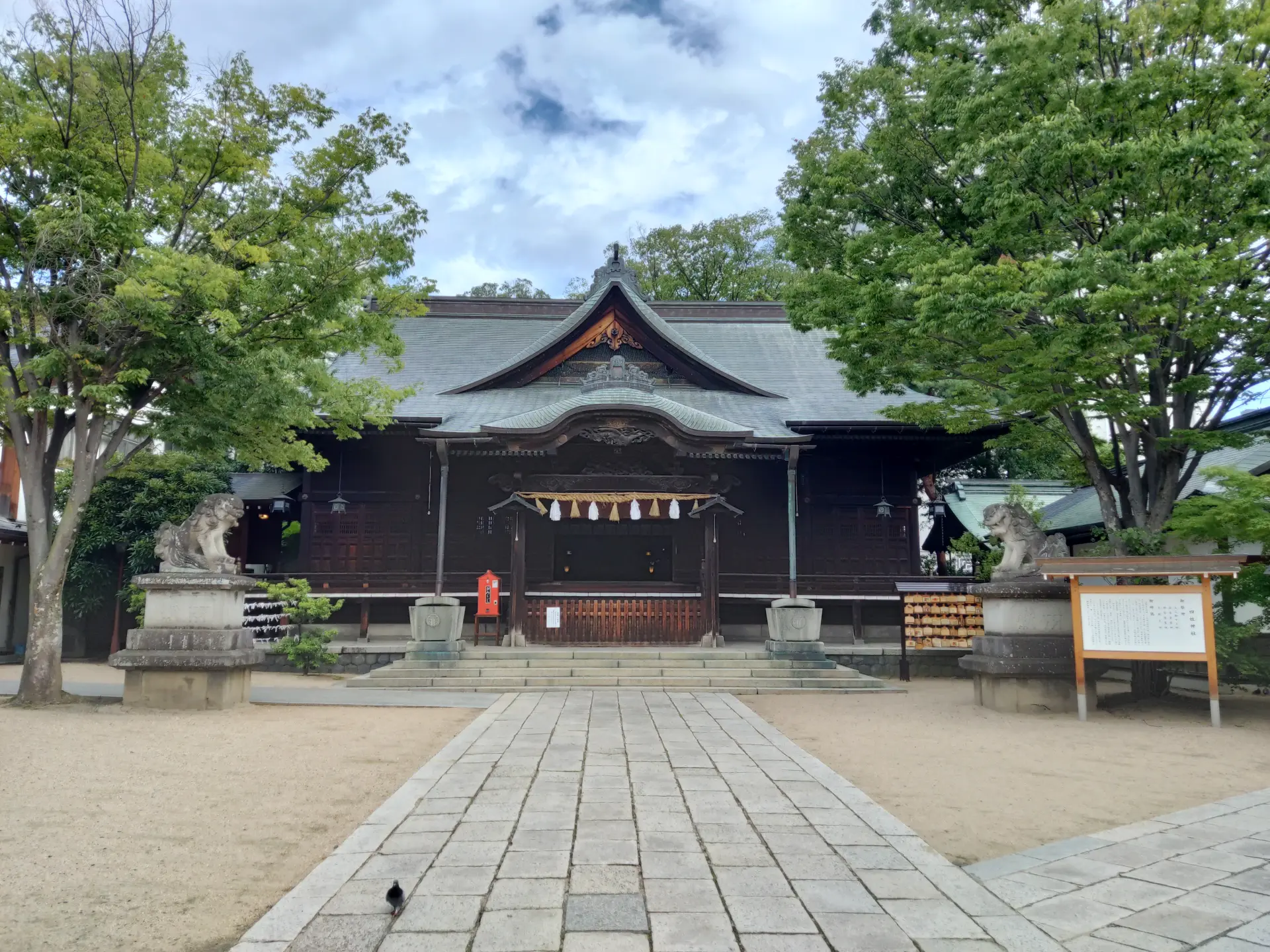
Located in the Ote district of Matsumoto, Yohashira Shrine enshrines four deities from Japanese mythology: Amenominakanushi-no-Kami, Takamimusubi-no-Kami, Kamimusubi-no-Kami, and Amaterasu Omikami. Because each is believed to possess exceptional divine power, the shrine is known as a place where all wishes can be fulfilled and as the “deity who connects wishes.”
It is regarded as one of Nagano Prefecture’s leading spiritual sites and attracts many worshippers seeking blessings.
The annual Shinto Festival, held from October 1–3, is a seasonal tradition in Matsumoto.
- Name in Japanese
- 四柱神社(よはしらじんじゃ)
- Postal Code
- 390-0874
- Address
-
3-3-20 Ote, Matsumoto City, Nagano
Google Maps - Telephone
- 0263-32-1936
- Closed
- Open every day
- Business Hours
-
Free to visit any time
※Amulet reception 9:00am - 4:30pm, Prayer reception 9:00am - 4:00pm - Admission
- Free
- Access
-
(1)About 10 minutes walk from JR any Line’s Matsumoto Station.
(2)About 3 km by car from Nagano Expressway Matsumoto Interchange. - Official Website
- Official Website (Japanese)
Important Tips Before Your Visit
Before visiting Matsumoto Castle, check how tours of the keep work and familiarize yourself with the rules inside.
Keeping the following points in mind will help ensure a smooth visit.
- Stairs Inside the Keep
- There are approximately 140 steps, with a maximum incline of about 61 degrees. The passageways are narrow and some staircases are steep, so proceed slowly while using the handrails.
- Shoes and Clothing
- Outdoor shoes are not permitted inside the keep. Visitors must remove their shoes at the entrance, place them in a provided bag, and carry them, so footwear that is easy to take on and off is recommended.
- Photography Inside
- Photography is prohibited near the staircases inside the keep. Follow the posted instructions while touring.
- Smoking Facilities
- Smoking is prohibited in the keep, Honmaru Garden, and Matsumoto Castle Park. Use the designated smoking area at the northwestern corner of Matsumoto Castle.
- Wheelchairs
- Wheelchairs cannot enter the keep. Wheelchairs are available to borrow free of charge at locations including the Kuromon Gate ticket office.
- Strollers
- Strollers cannot be brought into the keep. They can be left at the administrative office or the entrance to the keep.
- Pets
- Pets are prohibited in paid areas, including the Honmaru Garden and keep. Visitors with assistance dogs must contact the castle in advance.
Suggested One-Day Matsumoto Castle Itinerary
Based on the information above, the following is a suggested one-day itinerary for visiting Matsumoto Castle.
This standard plan covers the main attractions primarily on foot.
Depending on your interests, you can also add the Matsumoto City Museum of Art, Nakamachi Street, or Matsumoto Marunouchi Museum to the itinerary.
- 10:00 a.m. Depart from Matsumoto Station and head to Matsumoto Castle
- 10:25 a.m. Walk around Matsumoto Castle and view the keep from along the moat
- 10:45 a.m. Enter through Kuromon Gate and take time to explore the Honmaru Garden, the keep with five exterior tiers and six interior floors, the Tsukimi-yagura moon-viewing turret, and other highlights
- 12:10 p.m. Have lunch in the castle town area and try local specialties such as Shinshu soba or sanzoku-yaki
- 1:10 p.m. Stroll along Nawate Street, which retains a traditional atmosphere, and enjoy snacks and shopping
- 1:50 p.m. Visit Yohashira Shrine, which enshrines four major deities
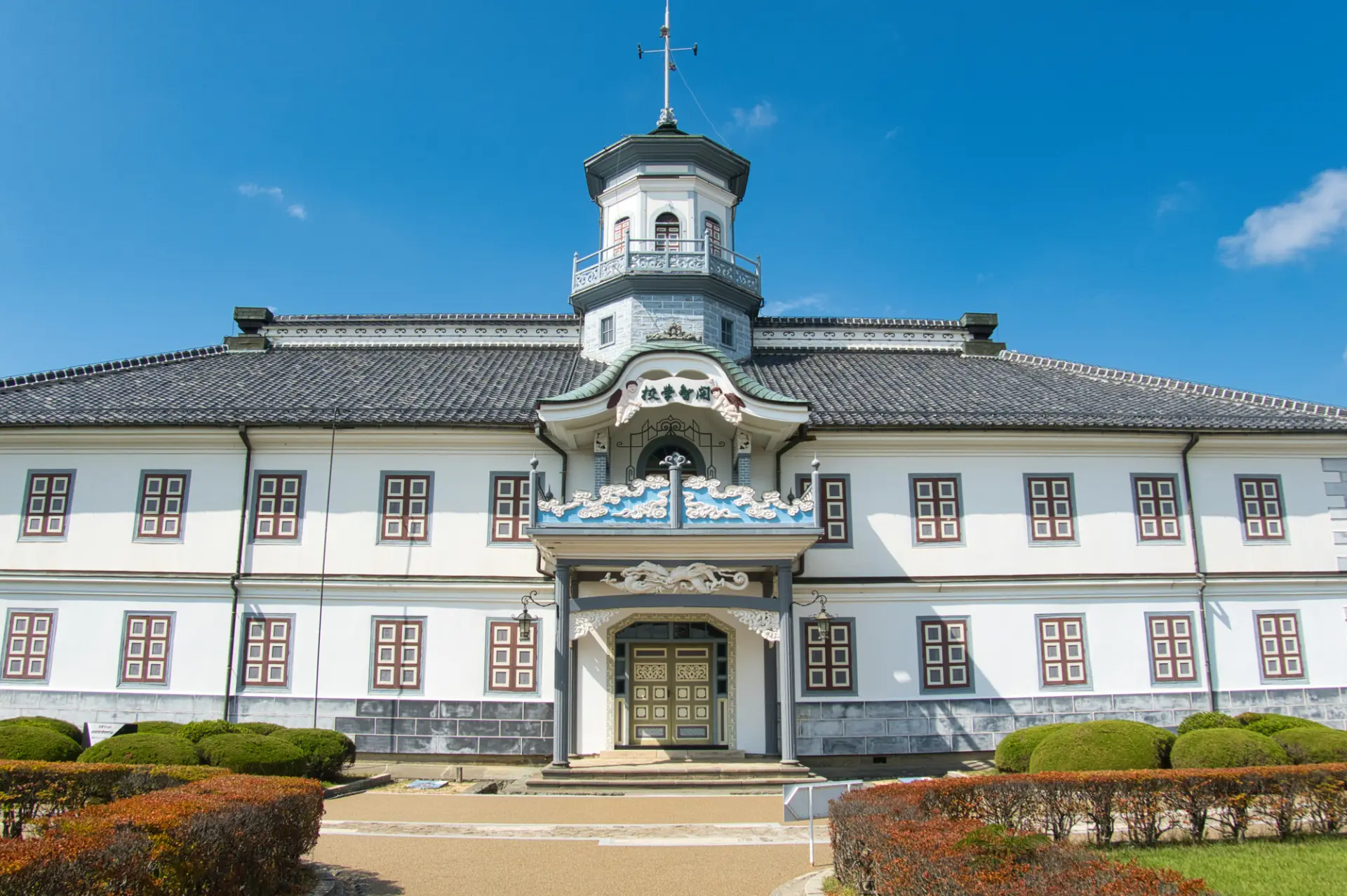
- 2:20 p.m. Tour the Former Kaichi School, a National Treasure with a surviving Meiji-period school building
- 4:20 p.m. Return to Matsumoto Station, shop around the station, and begin your journey home
Times are approximate and may vary depending on how long you spend at each location and your walking speed
Frequently Asked Questions About Matsumoto Castle
Q
How long does it take to explore Matsumoto Castle?
Touring the interior of the keep takes about 45 minutes to 1 hour. Allow around half a day if you also plan to walk through the Honmaru Garden and visit nearby attractions.
Q
Does Matsumoto Castle have many stairs?
There are no elevators inside the keep, and visitors must climb and descend approximately 140 steps. The staircases are narrow, and the steepest section has an incline of about 61 degrees, so watch your footing carefully.
Q
How late is the keep illuminated?
The keep is illuminated from sunset until 10:00 p.m. throughout the year.
Summary
This article has introduced Matsumoto Castle’s essential information, main highlights, and a suggested sightseeing itinerary.
From its keep with five exterior tiers and six interior floors to Kuromon Gate, the Tsukimi-yagura moon-viewing turret, and Honmaru Garden, Matsumoto Castle offers plenty to see.
Another distinctive feature is the coexistence of battle-oriented architecture and the elegant designs added during the peaceful early Edo period.
When you visit, take time to explore the castle grounds as well as the surrounding castle town and its local food.
Be sure to also check out the following article for more useful information about sightseeing in Nagano.