
Japan’s Expressway Rest Stops: 14 Expert Picks That Bring Local Culture to Life
Whether you’re traveling by car or on a tour bus, service areas (SAs) and parking areas (PAs)-Japan’s expressway rest areas-are an essential part of the journey. Chances are you’ve stopped at one to use the restroom, take a break, eat, or shop.
But Japan’s SAs and PAs offer much more than a convenient stop along the way. They can be destinations worth making a special trip for.
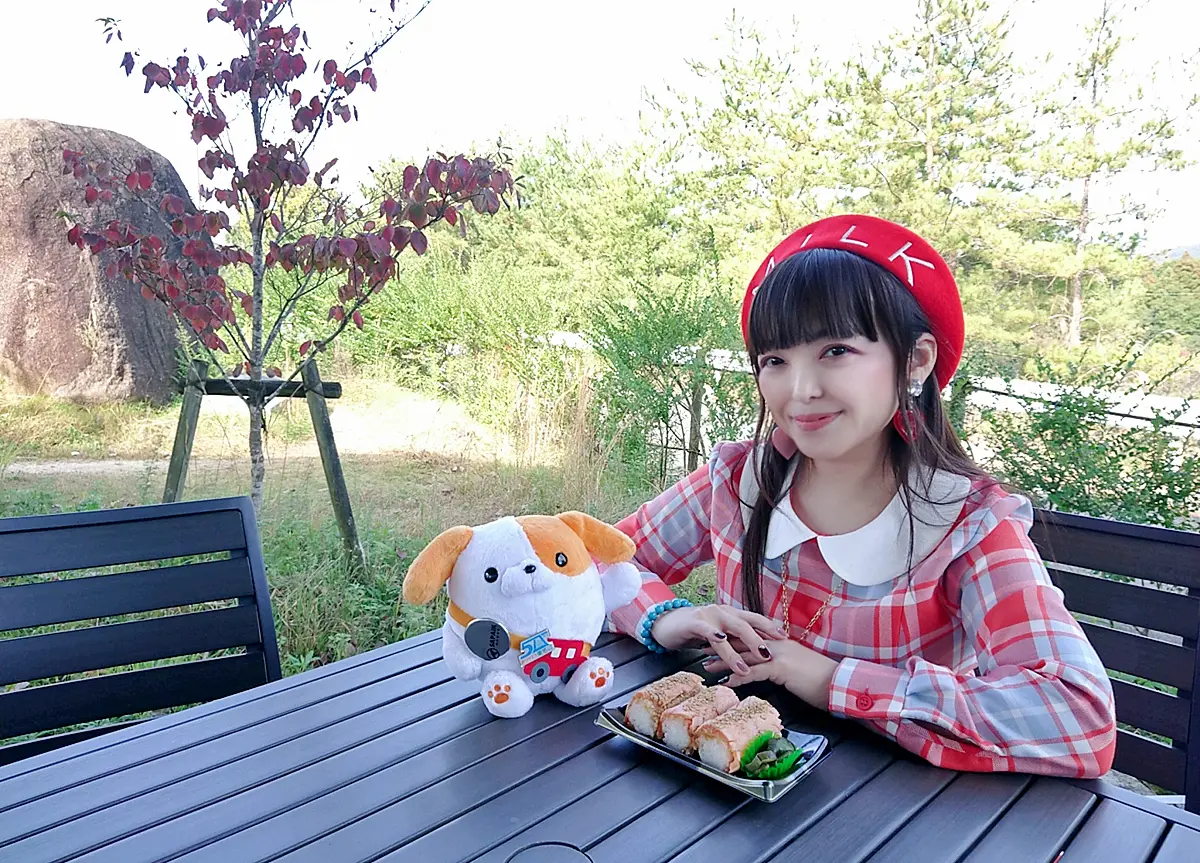
That’s the view of Mirai Yamagata, an intercity expressway researcher and president of the Nihon Service Area & Parking Area Association (N-SAPA). This one-of-a-kind media personality specializing in expressways has spent more than 15 years visiting all 891 SAs and PAs across Japan. We asked her to share their lesser-known attractions and her favorite stops around the country.
A Media Personality with a Passion for Expressways and Their Rest Stops
I’m Mirai Yamagata: an intercity expressway researcher, president of N-SAPA, and a media personality specializing in expressways. Those titles probably leave you wondering what exactly I do, so let me explain.
First, “intercity expressways.” Japan’s expressways fall into two broad categories: urban expressways and intercity expressways. Urban expressways, such as the Metropolitan Expressway and Hanshin Expressway, serve metropolitan areas. Intercity expressways, such as the Tomei, Meishin, and Chuo expressways, connect cities. My research focuses mainly on the latter.
Then there’s N-SAPA. The Japanese name includes “sapa,” a word combining SA and PA. We started as an informal association where people who loved expressways and their rest areas could get together. But once the secretary-general and I began our activities, expressway operators started seeing us as more than just a fan group-partly because I was already somewhat known for my media work. (laughs) Before we knew it, we had become something of an unofficial support group for expressway operators, as well as a link between them and the public.
These days, I talk passionately about expressways and their rest areas, but I originally preferred national highways. I explored them by car, on foot, and by bicycle, including the rougher, poorly maintained routes jokingly called kokudo-a play on the Japanese word for “national highway.” Once I’d worked my way through those roads, I wondered what to explore next. That’s when I turned to expressways, about 15 years ago.
What’s the Difference Between an SA and a PA?
Now, let’s get into SAs and PAs, our main topic. I’d like to start with the basics: do you know what distinguishes a service area from a parking area?
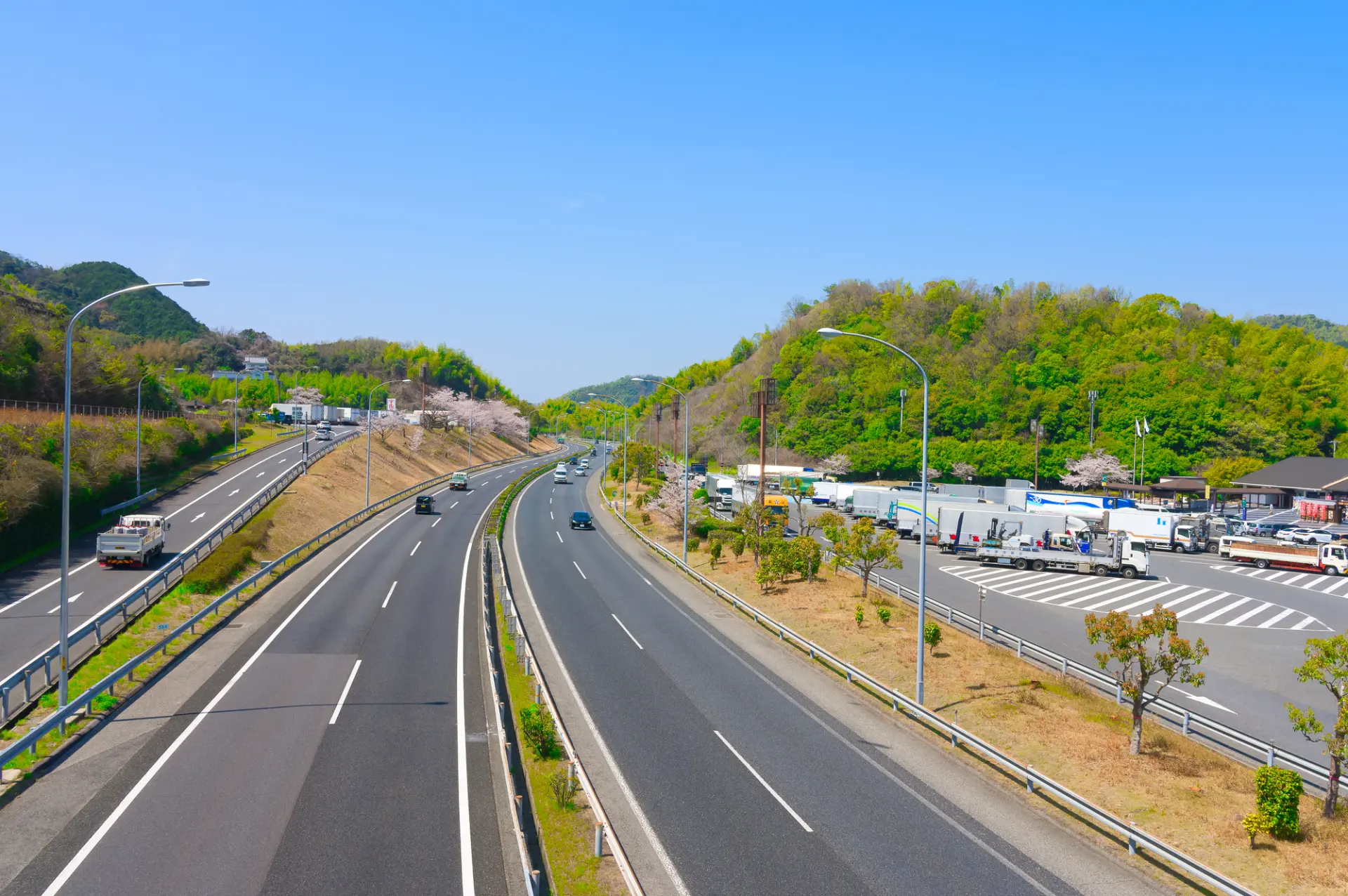
SAs are rest facilities spaced approximately 50 km apart, with shops, restrooms, restaurants, gas stations, and other amenities. You’ll also see them labeled “inbound” or “outbound,” directions determined by each expressway’s designated starting and ending points.
When the Meishin Expressway was built, cars weren’t as capable as they are today. Gas stations and vehicle repair facilities were placed at 50 km intervals, establishing a national standard that is still followed. I think the original emphasis was on keeping vehicles fueled and in good working order. By that calculation, you could theoretically refuel at one of the next two SAs even after the low-fuel warning light came on. On newer roads built with more advanced technology, such as the Shin-Tomei Expressway, or on sections with a speed limit of 120 km/h, however, you cover 50 km very quickly. In some cases, the spacing has therefore been extended to 60-70 km.
PAs, meanwhile, are spaced approximately 15-25 km apart to provide additional places to stop between SAs. People often assume that SAs are large and PAs are small, but that isn’t always true. A PA might have a gas station because it sits just before a tunnel, or larger facilities because it is close to a major city. Their layouts and amenities are adapted to the needs of each route.
A highway oasis (HO), by the way, is a recreational complex integrated with a park or similar public space and accessible from both the expressway and local roads. Most are run by public-private companies rather than expressway operators. They sit alongside an SA or PA, with access between the two, but are a separate type of facility. Apart from rare exceptions such as Kawaguchi Highway Oasis, incorporating Kawaguchi PA on the Metropolitan Expressway, they are generally treated as park facilities run by public-private operators.
SAs and PAs: Pavilions Showcasing Local Culture
As of September 2026, there are 891 SAs and PAs across Japan. Even the Ministry of Land, Infrastructure, Transport and Tourism doesn’t maintain an exact, continuously updated count, so we count them at N-SAPA and publish the figures.
I call these rest areas “expressway pavilions showcasing local culture.” Imagine Japan’s expressway network as one vast world’s fair, with each SA and PA a pavilion presenting its region. The dedication and enthusiasm of the businesses operating there are remarkable. Ask about a product that catches your eye, and you’ll hear all sorts of stories: “We source that from over there. I negotiated directly with the producer to get it into our shop.”
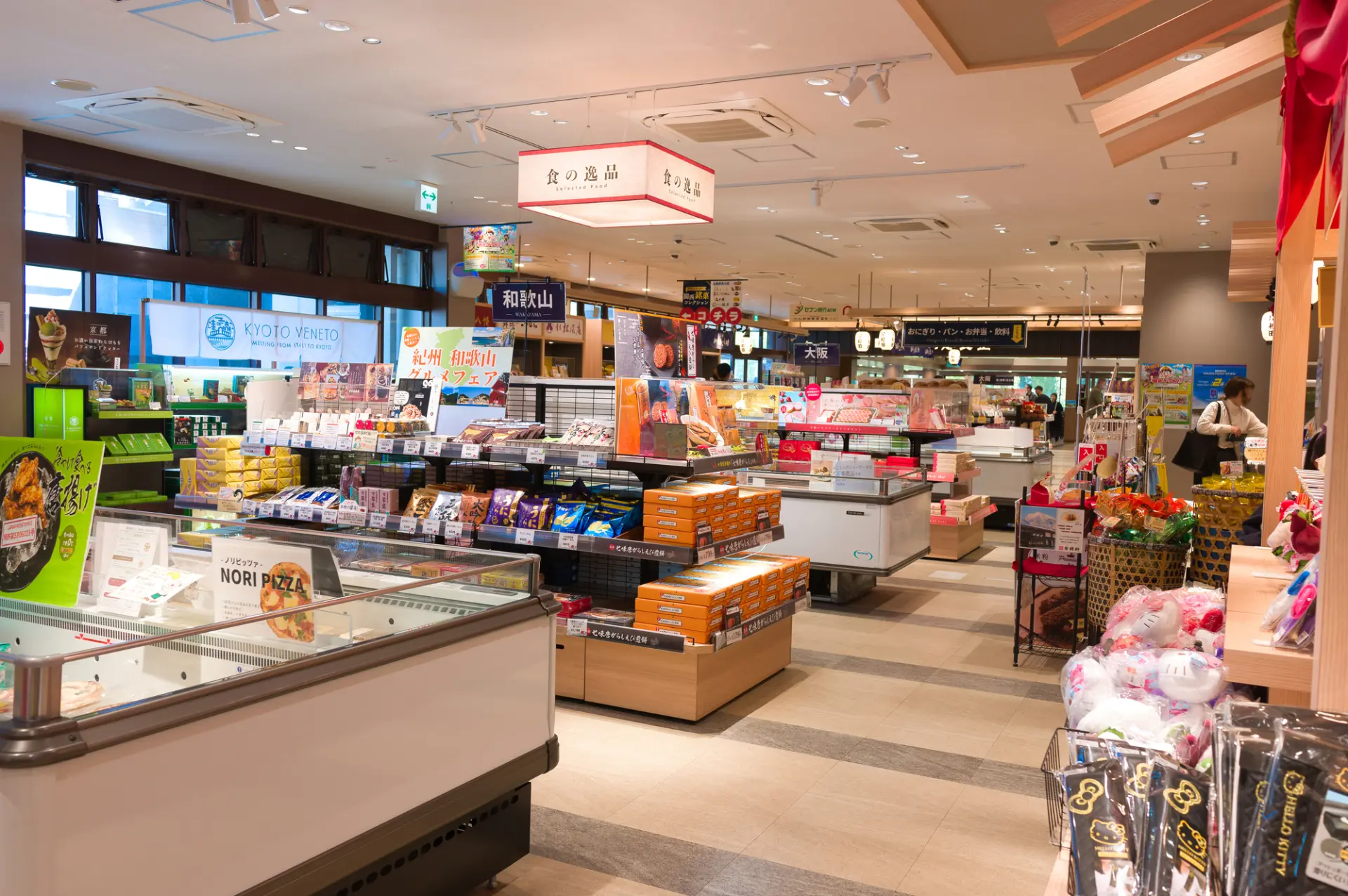
In the past, you might have thought every SA and PA had much the same souvenirs and cafeteria food. That has changed completely. Displays and product selections shift with the seasons, of course, but also with the interests of individual shop and facility managers. Apart from the souvenir staples, things are constantly changing. That’s why we like to say that SAs and PAs are living, evolving places.
Shops, Restrooms, and More: What an Expert Looks For
Given what I do, I’m often asked what I look for when visiting an SA or PA. My three main interests are the restrooms, the views, and the shops. The shops are particularly revealing: I can often tell at a glance that the shop or facility manager has changed. Their personality comes through strongly in the retail space.
Restrooms are probably something many travelers care about, too. Personally, I’m confident in saying that Japan’s finest restrooms are at SAs and PAs! Each expressway operator-NEXCO EAST, NEXCO CENTRAL, and NEXCO-West-has its own approach, but I think those in the NEXCO CENTRAL area are especially impressive for their cleanliness. They are so thoroughly cleaned and maintained that calling them cleaner than the restrooms in luxury department stores or famous theme parks would hardly be an exaggeration.
I even look at how the fixtures are arranged inside each stall, along with the position and height of the bag hooks. Everything is carefully considered, including whether shorter visitors and older people can hang up a bag without bending down. I think that level of thoughtfulness is wonderful.
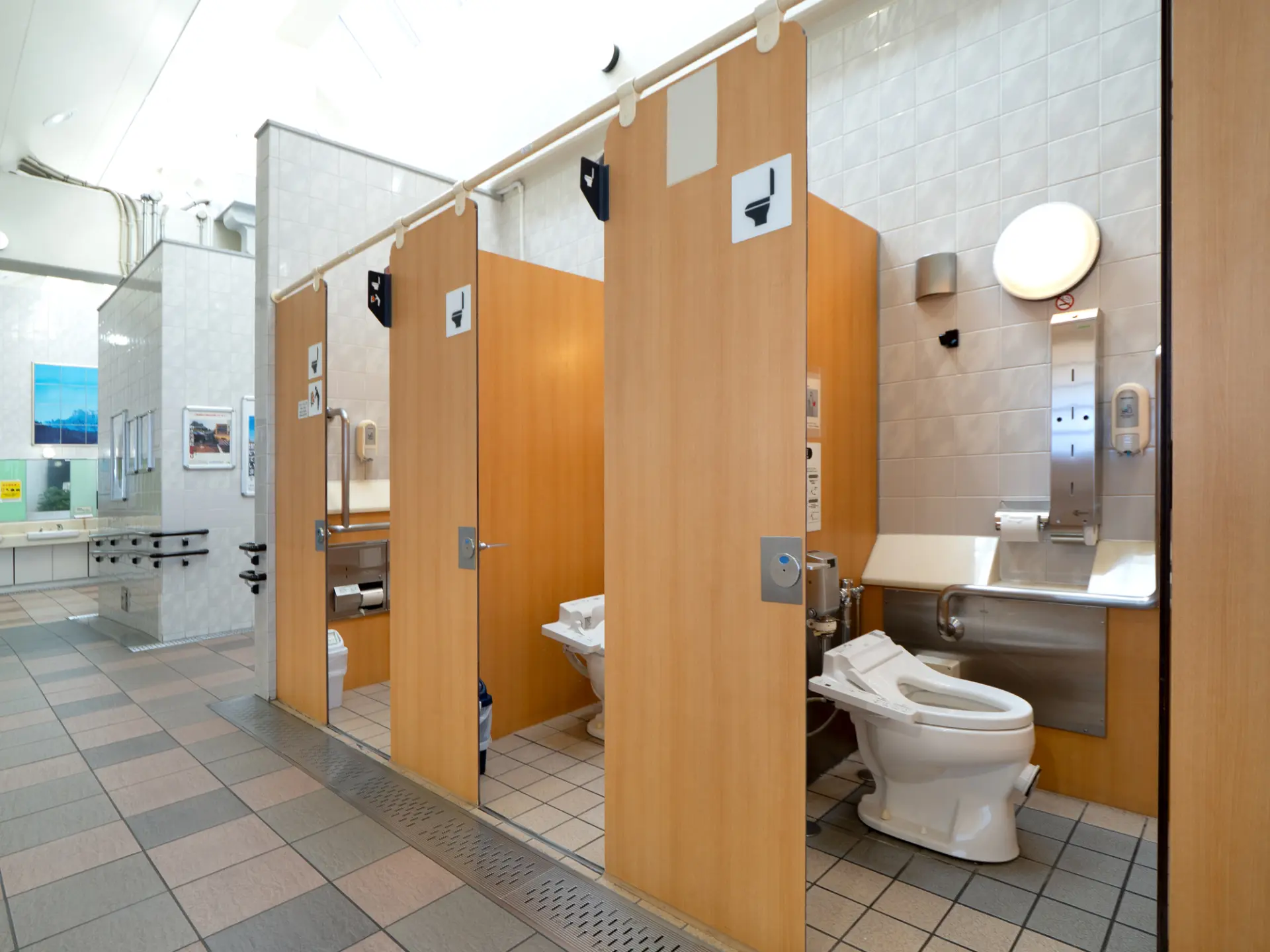

Food is another major attraction at SAs and PAs.
Of all 891 rest areas around Japan, I actually think the PAs on the Metropolitan Expressway serve the best food. Their staffed facilities are used every day by truck drivers, sales representatives, and others on the road for work. To give these regular customers delicious meals they won’t tire of, the menus are developed mainly by homemakers drawing on their everyday cooking experience. The result is comforting, home-style food that really tastes wonderful.
Worth a Special Trip: My 14 Favorite SAs and PAs Across Japan
Now, let me introduce my favorites from Japan’s 891 SAs and PAs. These are personal choices based entirely on my own experiences, so think of them as suggestions. When you visit, you might see exactly what I mean-or come away with a different impression. Either way, I hope you’ll trust your own tastes and enjoy exploring these rest areas.
1. Tohoku: Tsugaru Service Area (Outbound), Tohoku Expressway - Hirakawa, Aomori Prefecture
Pick Your Own Apples in Tsugaru’s Apple Country
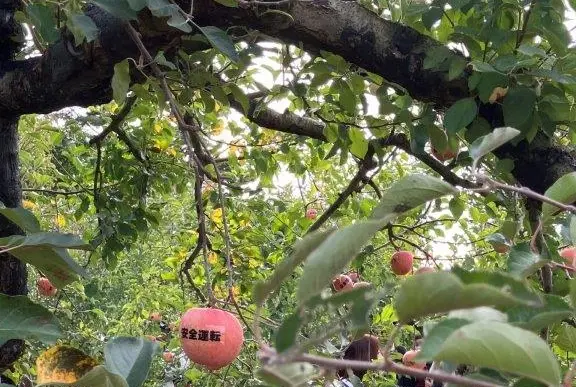
Let’s start in Tohoku with the northernmost service area on Honshu: Tsugaru SA on the outbound Tohoku Expressway. It usually feels fairly simple and quiet, but for a short period each year, you can pick your own seasonal produce here. And in Tsugaru, that means apples. For about a week in late October, the apple orchard on the grounds opens to the public for apple picking. What’s more, it’s free! There’s a limit on how many you can pick, of course, but picking apples at an SA is an experience you’ll hardly find anywhere else.
2. Tohoku: Chojahara Service Area (Outbound), Tohoku Expressway - Osaki, Miyagi Prefecture
A Taste of Miyagi, from Beef Tongue to Local Treats
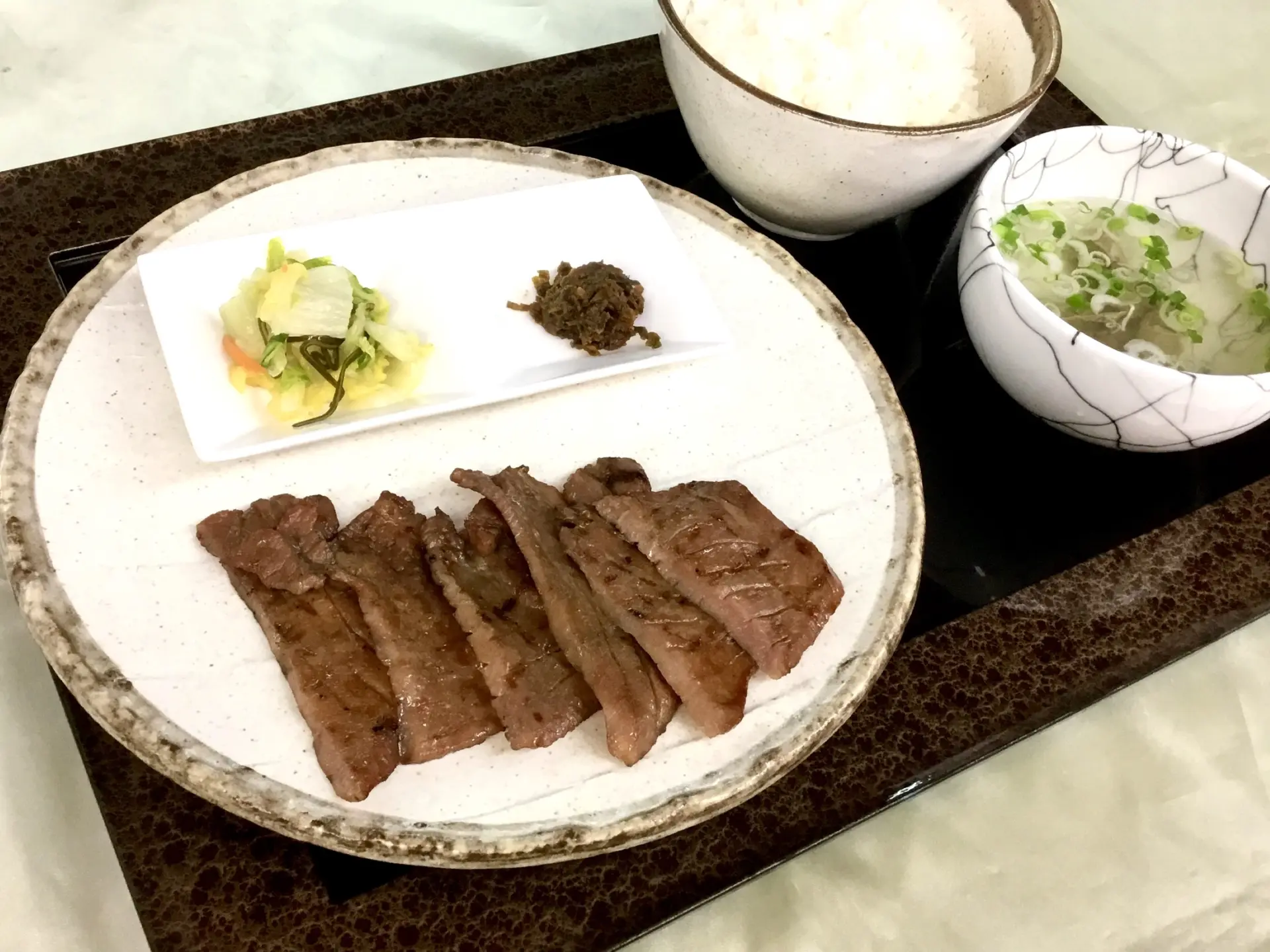
Staying in Tohoku, let me introduce Chojahara SA in Miyagi Prefecture, starting with the outbound side. You can try the region’s famous beef tongue dishes at the food court and other dining spots, while the shops offer an extensive selection of local sweets, specialties, and souvenirs. For me, its greatest appeal is the chance to discover Miyagi’s food culture. It’s a stop that gives you a real sense of both Miyagi and the wider Tohoku region during a journey along the Tohoku Expressway.
3. Tohoku: Chojahara Service Area (Inbound), Tohoku Expressway - Osaki, Miyagi Prefecture
Unwind with Wetland Views and Remarkable Waterbirds
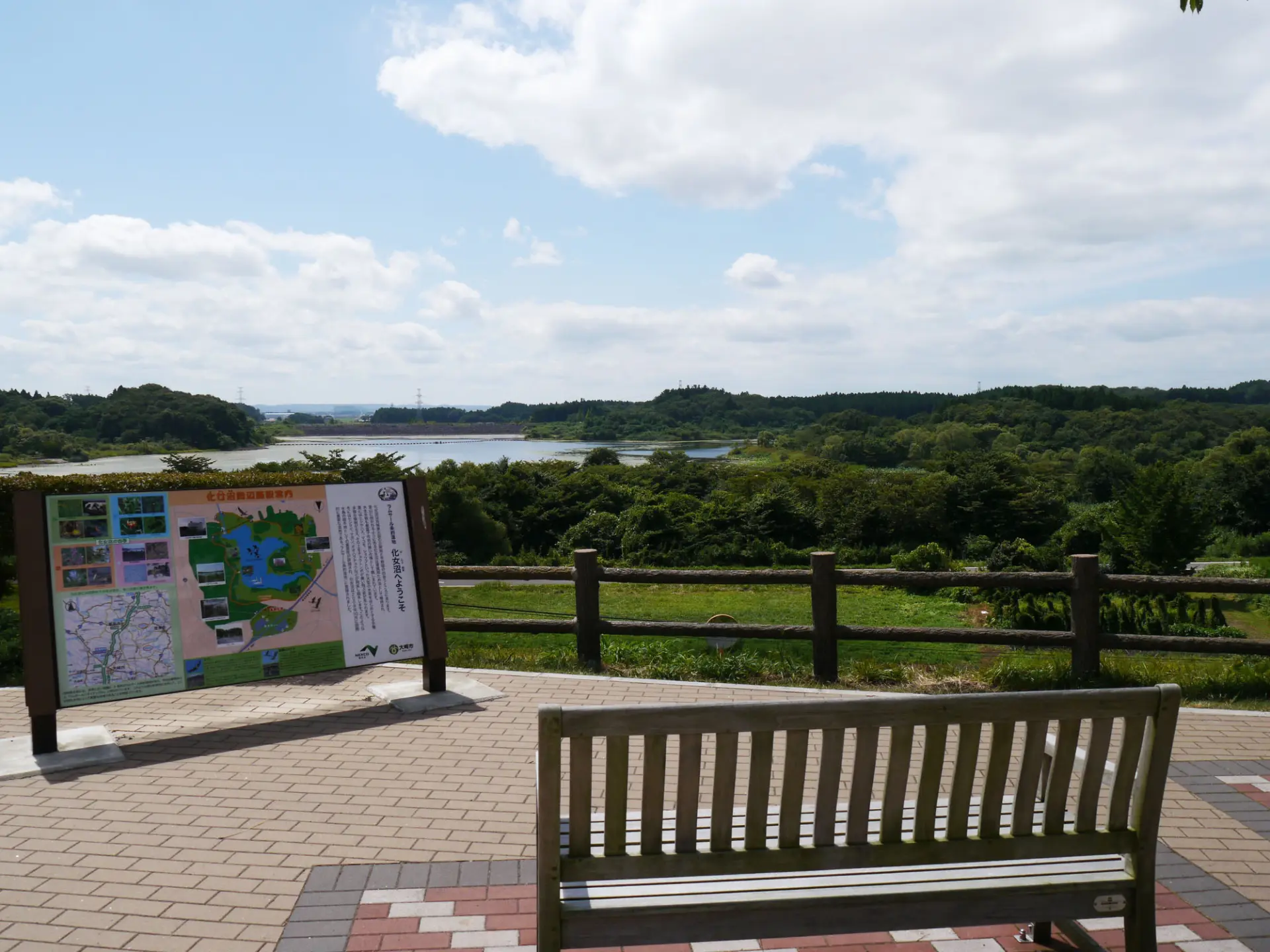
The inbound side, meanwhile, offers a wonderful natural setting beside Kejo-numa, a lake designated as a Ramsar Site under the international convention protecting wetlands, particularly important waterbird habitats. Lotus flowers bloom across the water in summer, while winter brings waterbirds such as bean geese, greater white-fronted geese, and whooper swans to rest here. There’s also an observation area, making this an unusual SA where you can enjoy some serious birdwatching while taking a break from driving.
4. Kanto: Sano Service Area (Both Directions), Tohoku Expressway - Sano, Tochigi Prefecture
Walk Between Both Sides for Twice the Discoveries
Next, in Kanto, is Sano SA. Its layout is particularly interesting. The facilities serving both directions are grouped on one side of the expressway, but the inbound and outbound buildings are separate. You can walk between them, which means you can enjoy what both sides have to offer.
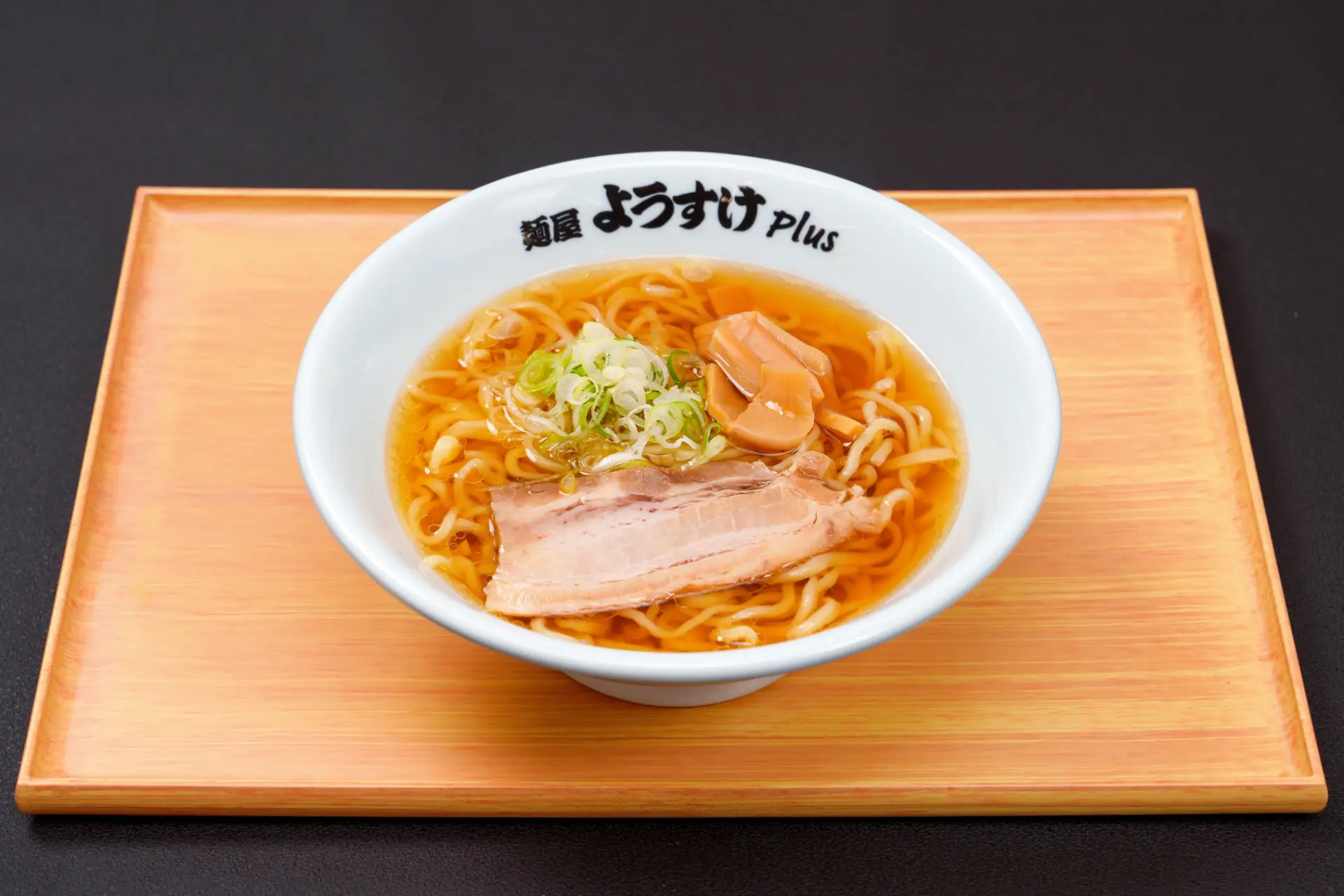
The outbound side was renovated in summer 2022, and the inbound side in spring 2026. The inbound facilities were developed under the supervision of internationally renowned architect Kengo Kuma. And, of course, Sano is famous for Sano ramen. Different restaurants serve it on each side, so I recommend walking between them and comparing bowls.
5. Kanto: Kawaguchi Highway Oasis - Kawaguchi, Saitama Prefecture
Great Food and Family Fun at the Metropolitan Expressway’s First Highway Oasis
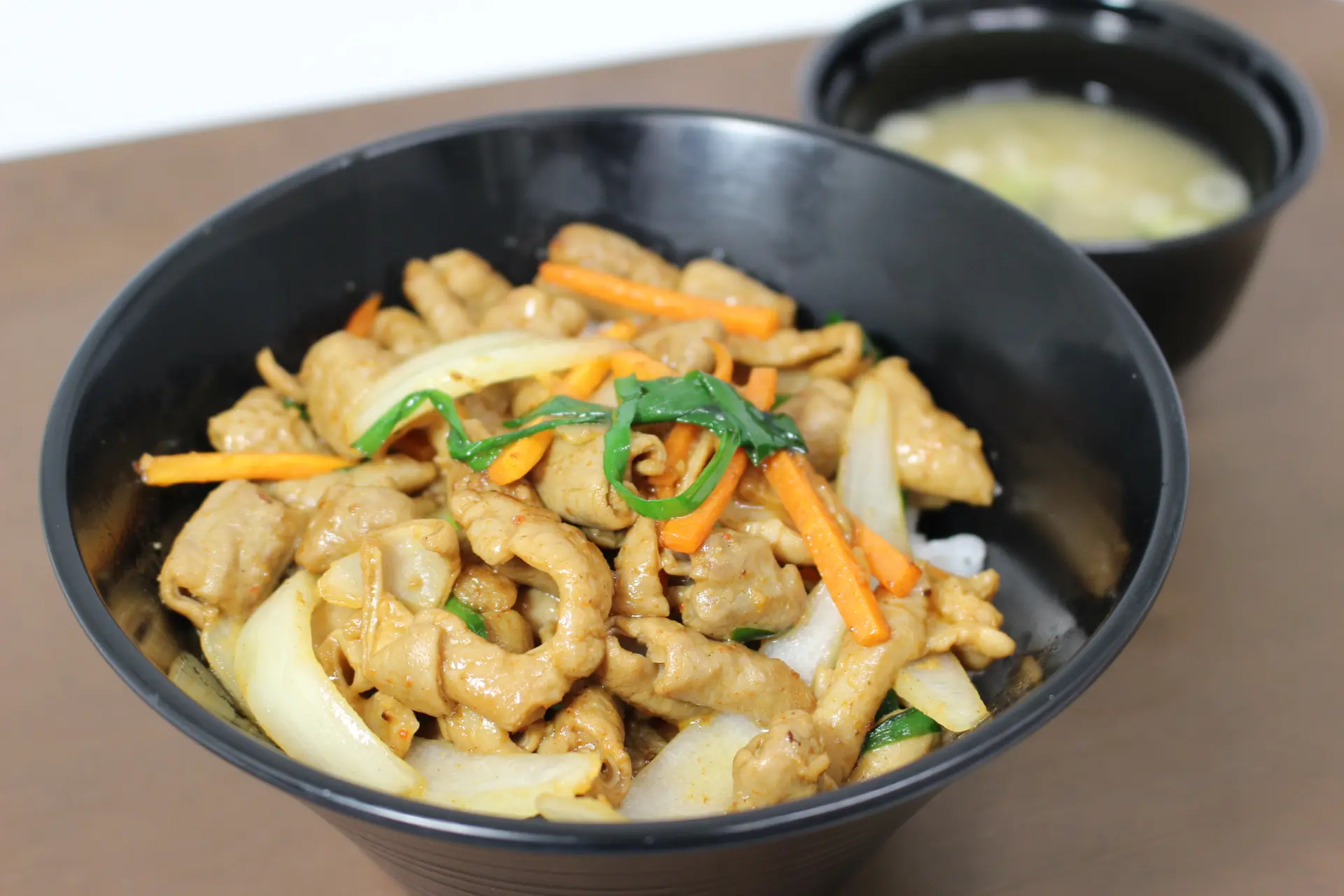
My other Kanto pick is Kawaguchi Highway Oasis. It opened in spring 2022 when the city-run IINA Park Kawaguchi was linked with Kawaguchi PA on the Metropolitan Expressway’s Kawaguchi Line, creating the network’s first highway oasis. Access from both the expressway and local roads is convenient, of course, but what really stands out is the food! Of all the dishes on the menu, I can’t recommend the rice bowl topped with grilled offal highly enough. It has been a signature dish with a devoted following since the Kawaguchi PA days, and it’s something I’d love everyone to try.
There’s also ASOBooN, a large indoor play facility that can be enjoyed in any weather, making this a place where the whole family can spend the day.
6. Chubu: Fujikawa Service Area (Outbound), Tomei Expressway - Fuji, Shizuoka Prefecture
My Top Rest Stop for Views of Mt. Fuji
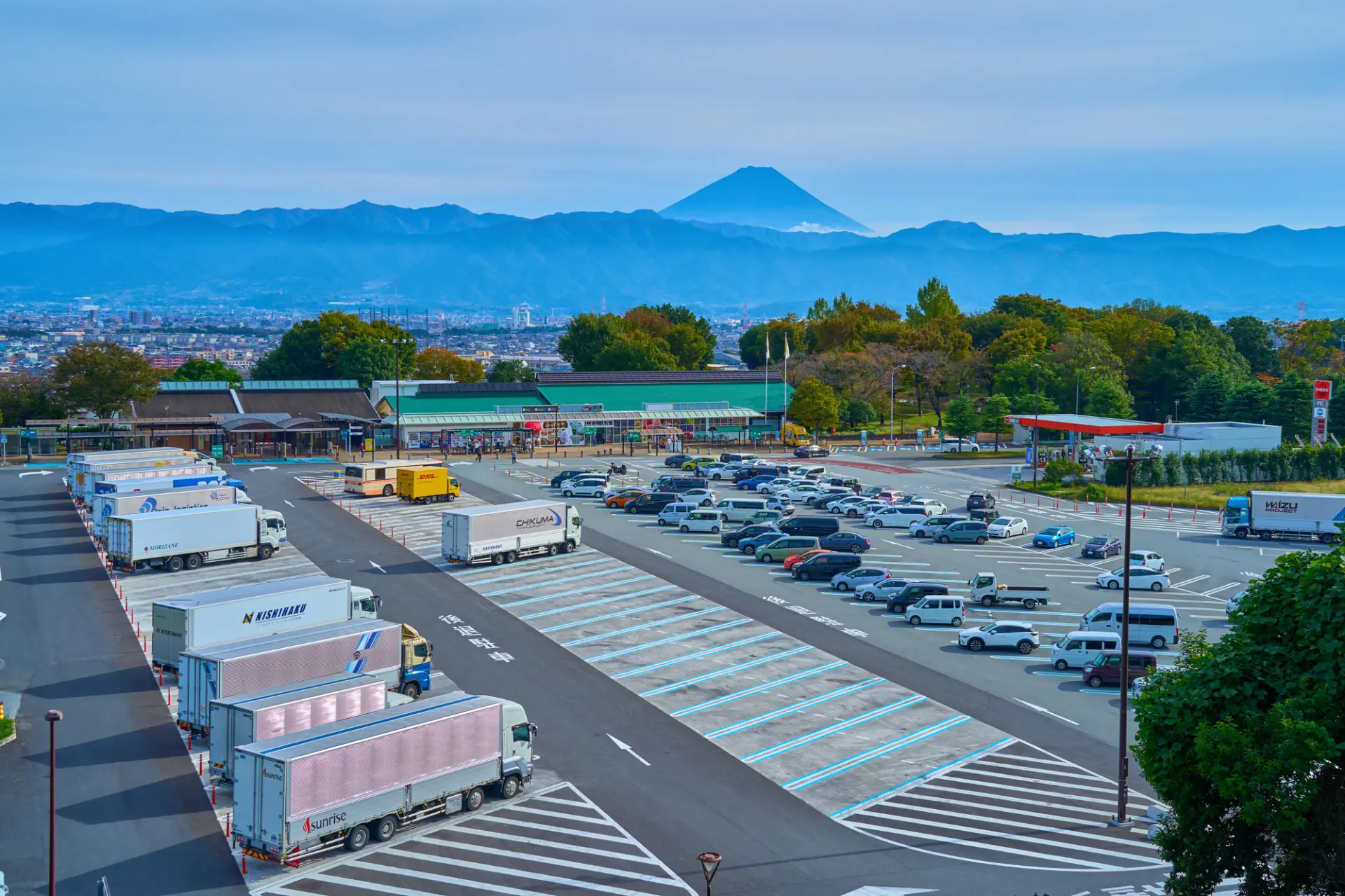
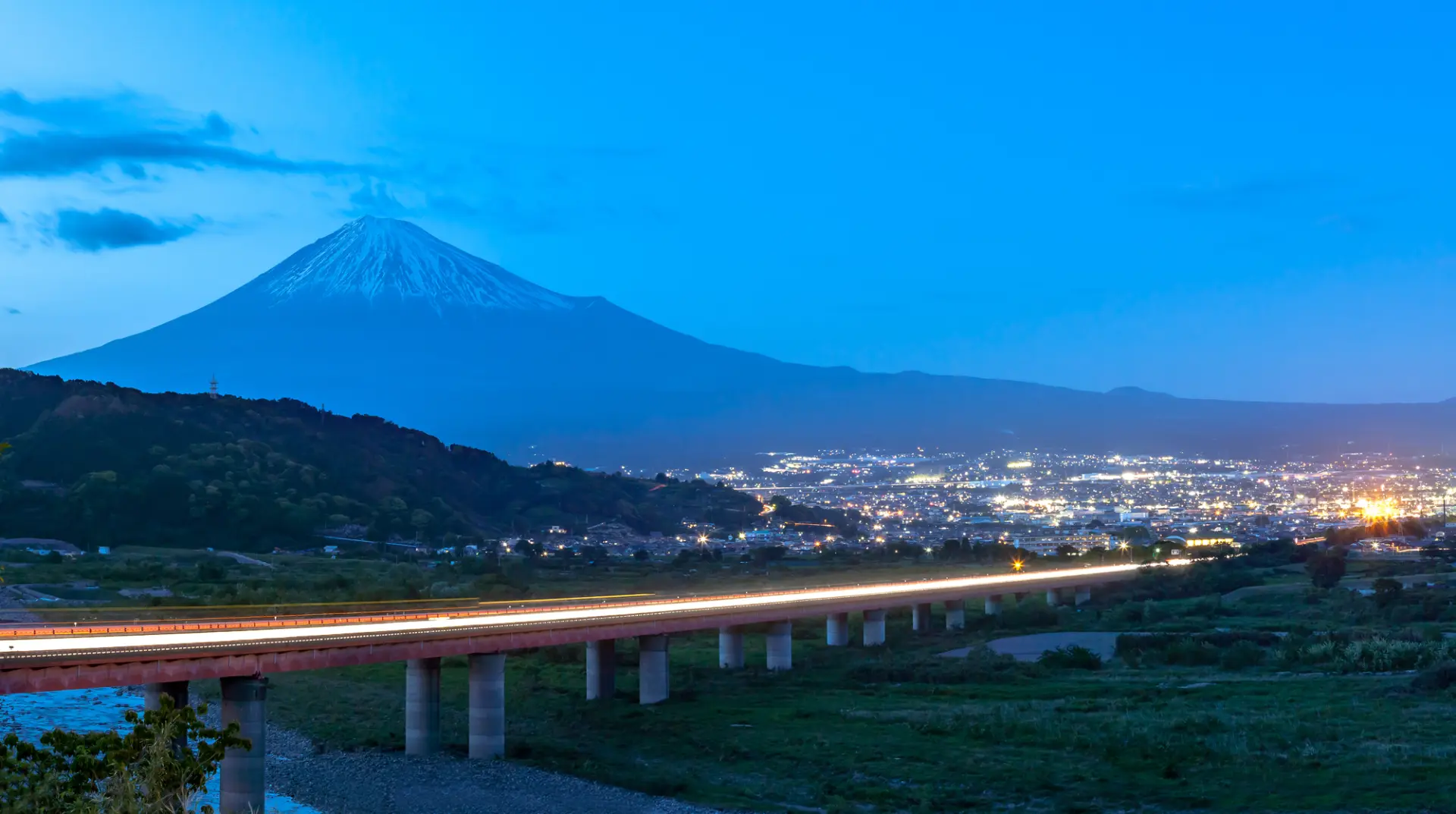
Now let’s move to Chubu and the NEXCO CENTRAL area, starting with Fujikawa SA on the outbound Tomei Expressway. If you want to admire or photograph Mt. Fuji from an SA or PA, this is the best spot! The combination of majestic Mt. Fuji and Fujikawa Bridge, known as “the red bridge,” looks like a postcard. The scene changes with the season and time of day, so come back more than once and see if you can capture your perfect shot.
7. Chubu: Fujikawa Service Area (Inbound), Tomei Expressway - Fuji, Shizuoka Prefecture
Take In Mt. Fuji and the Expressway from a Ferris Wheel
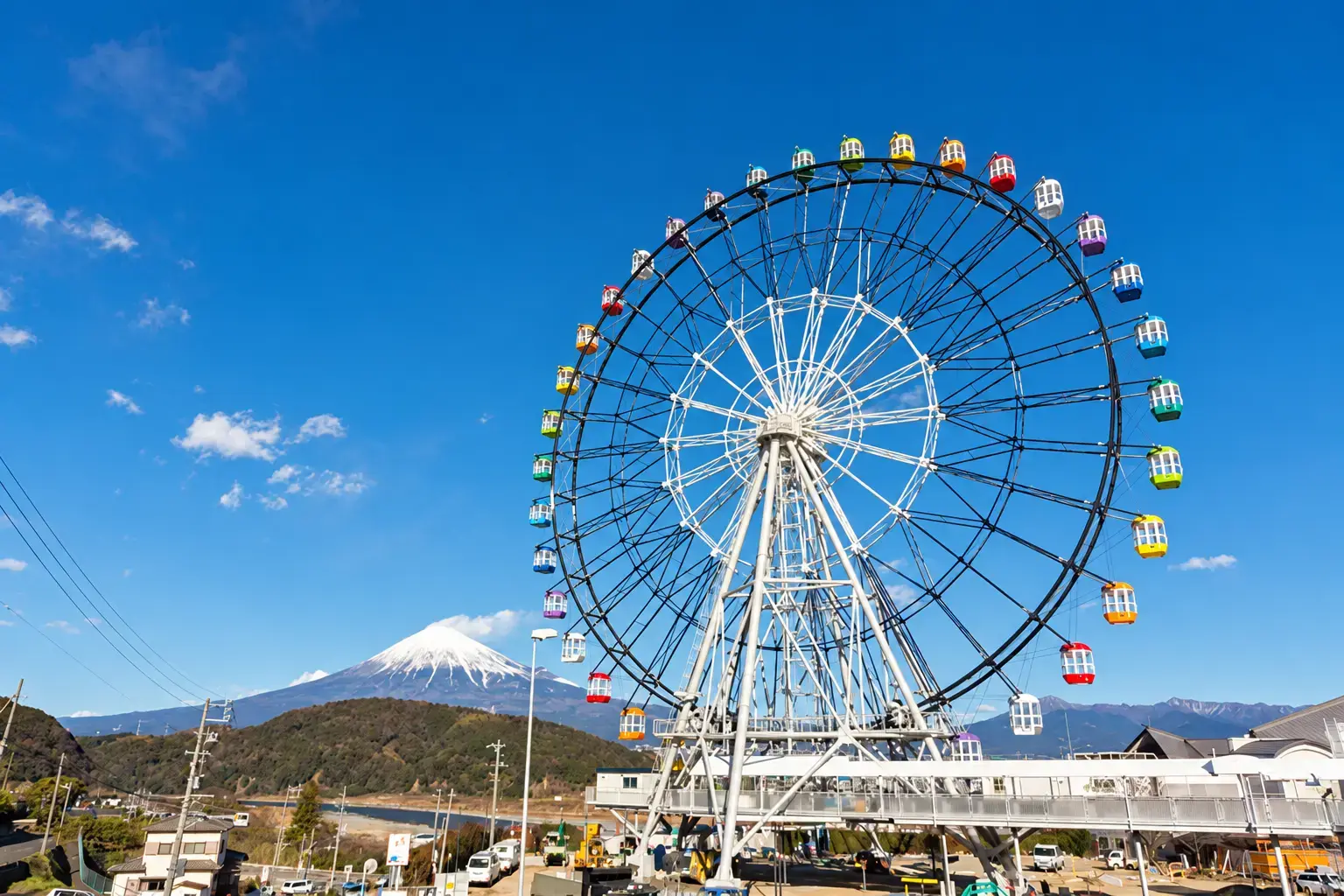
On the inbound side, my recommendation is the Ferris wheel. I’ll admit that I used to think, “A Ferris wheel? Really?” But seeing Mt. Fuji from up there is actually quite fun. And that’s not all: I love looking down at the expressway and the SA’s parking lots. I’ll watch the traffic and say things like, “Oh, the outbound side is busy today!” (laughs) The wheel operates until 7 pm on weekends and public holidays, so you can also enjoy watching the headlights moving along the expressway.
There’s even a planetarium at the adjoining michi-no-eki, or roadside station.
8. Chubu: Futaba Service Area (Outbound), Chuo Expressway - Kai, Yamanashi Prefecture
Outstanding Food with Flavors from Near and Far
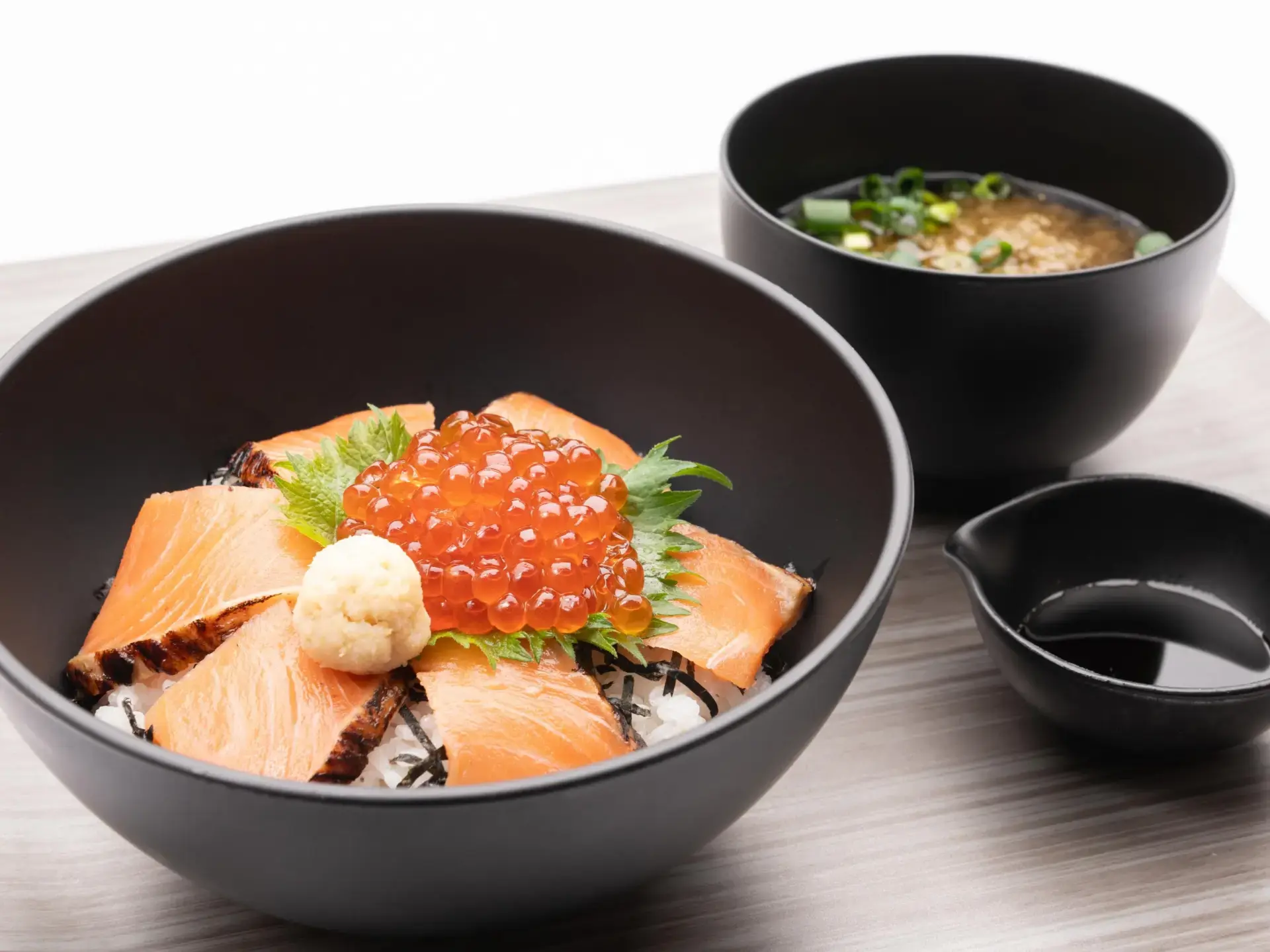
My other Chubu recommendation is the outbound Futaba SA on the Chuo Expressway. It’s operated by local transportation company Yamanashi Kotsu and serves as something of a gateway to Yamanashi Prefecture. What makes it so interesting is how far the menu reaches beyond regional boundaries. Alongside dishes made with local ingredients, you’ll find options featuring basmati rice and even seafood from Shiretoko in Hokkaido-despite being in a landlocked prefecture. I was invited to a tasting when they were updating the menu, and the food was incredibly good. The dishes are outstanding-the kind that make you want another helping of rice.
You can also catch a glimpse of Mt. Fuji, although it’s quite far away.
9. Kansai: Takarazuka-kita Service Area (Both Directions), Shin-Meishin Expressway - Takarazuka, Hyogo Prefecture
Step into the World of Takarazuka at One of Western Japan’s Largest SAs
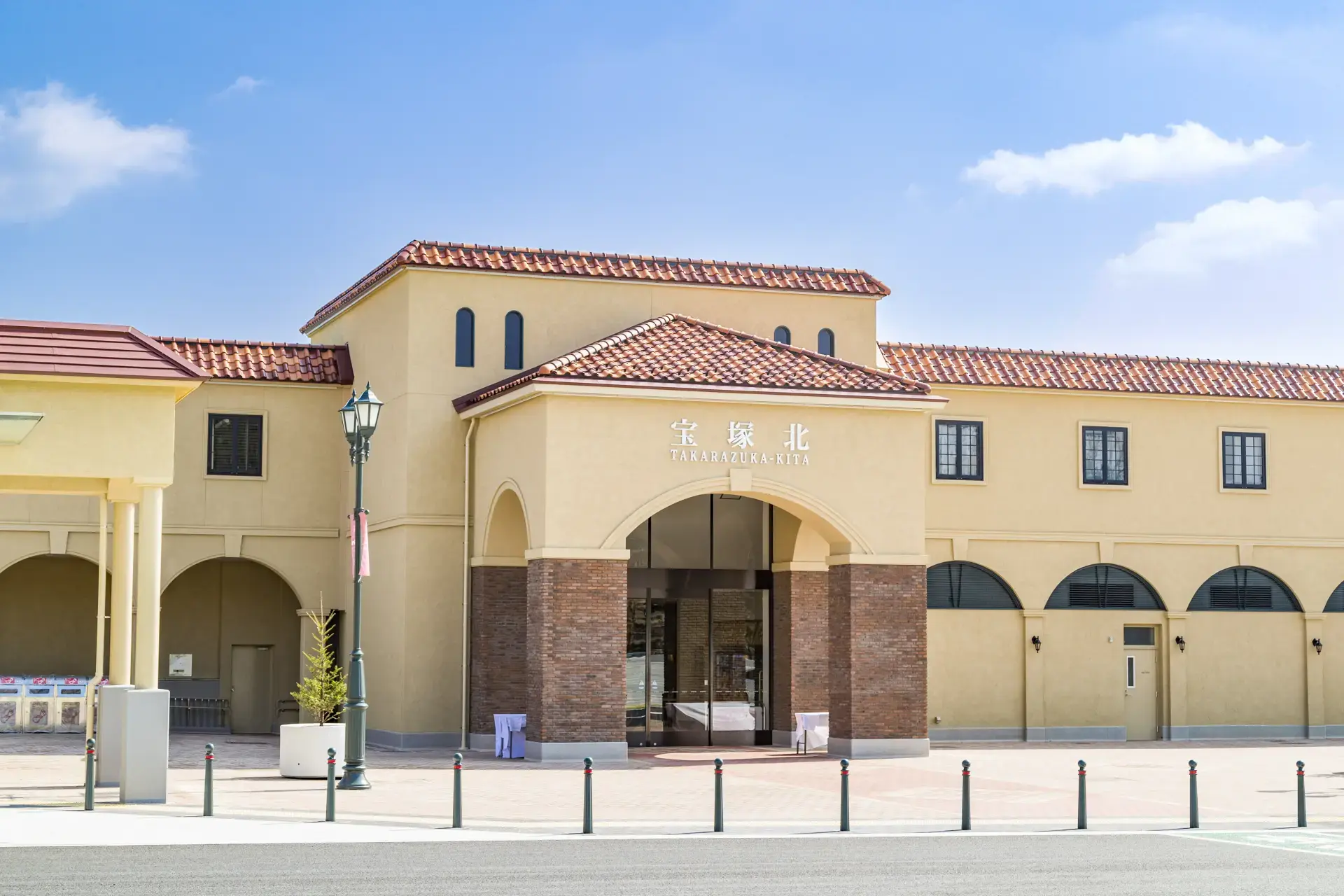
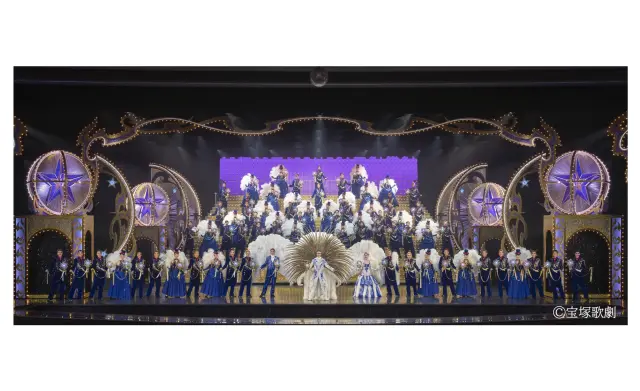
My first Kansai pick is Takarazuka-kita SA on the Shin-Meishin Expressway. Opened in spring 2018, this shared facility serves both directions and is one of the largest SAs in western Japan. It captures the character of Takarazuka, a city famous for musical theater, so well! Under the “Takarazuka Modern” design concept, the buildings share a Southern European look, while merchandise and displays celebrate internationally renowned manga artist Osamu Tezuka, who had close ties to the city. It feels almost like visiting a theme park devoted to Takarazuka. An entertainment company operates the facility, so there are all sorts of events and creative touches to keep visitors entertained.
10. Kansai: Miki Service Area (Outbound), Sanyo Expressway - Miki, Hyogo Prefecture
Italian Food That Could Win Over a Picky Eater
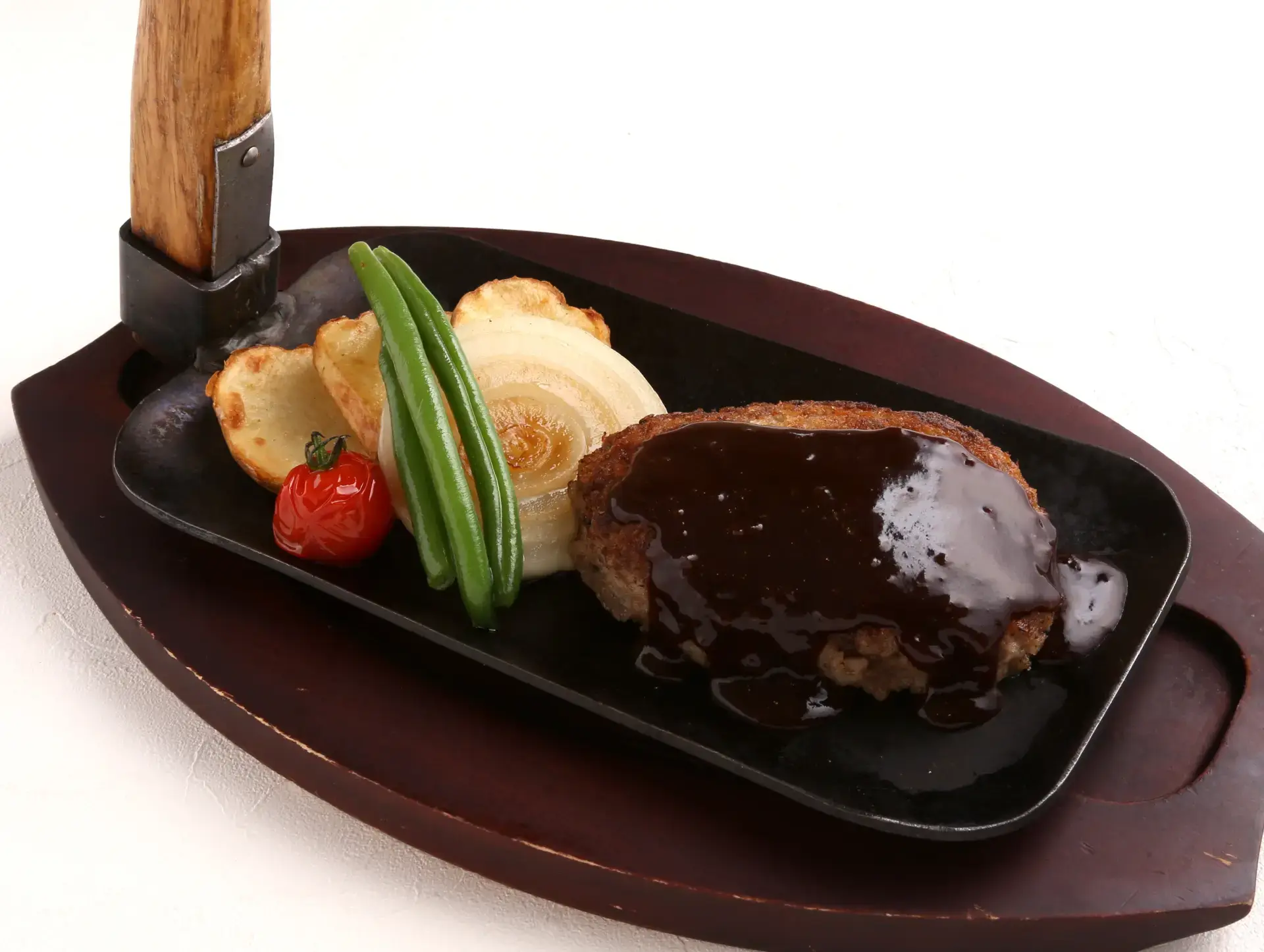
My second Kansai choice is the outbound Miki SA, which I adore for a very personal reason. The Italian restaurant here serves exceptionally good food, attracting fans from across Japan. The ingredients mainly come from the surrounding area and nearby Awaji Island. Now, despite loving food, I used to have quite a few ingredients I disliked. But after eating eggplant and asparagus here, something miraculous happened: I didn’t just stop disliking them-I came to love them! (laughs) They were that fresh and delicious. I really hope you’ll try the food here, too.
11. Kansai: Amagasaki Parking Area (Osaka-bound), Hanshin Expressway Route 3 (Kobe Route) - Amagasaki, Hyogo Prefecture
An Unexpected Urban Oasis with a Futuristic Feel
Let me squeeze in one more from Kansai: Amagasaki PA on the Hanshin Expressway. It’s no exaggeration to say that this is one of my top two favorites among Japan’s 891 SAs and PAs. It’s an unstaffed facility, which might make you imagine somewhere small, lonely, and bare. But this place is completely different. Among unstaffed PAs, it feels remarkably advanced-almost as though it has leaped into the future. It makes clever use of a former toll plaza site and feels wonderfully calm despite sitting right beside the expressway. With green trees and a design that brings in the warmth of wood throughout, it’s like an oasis on an urban expressway. I also love the evening sunlight reflected on the wood and the beauty of the moonlight at night.
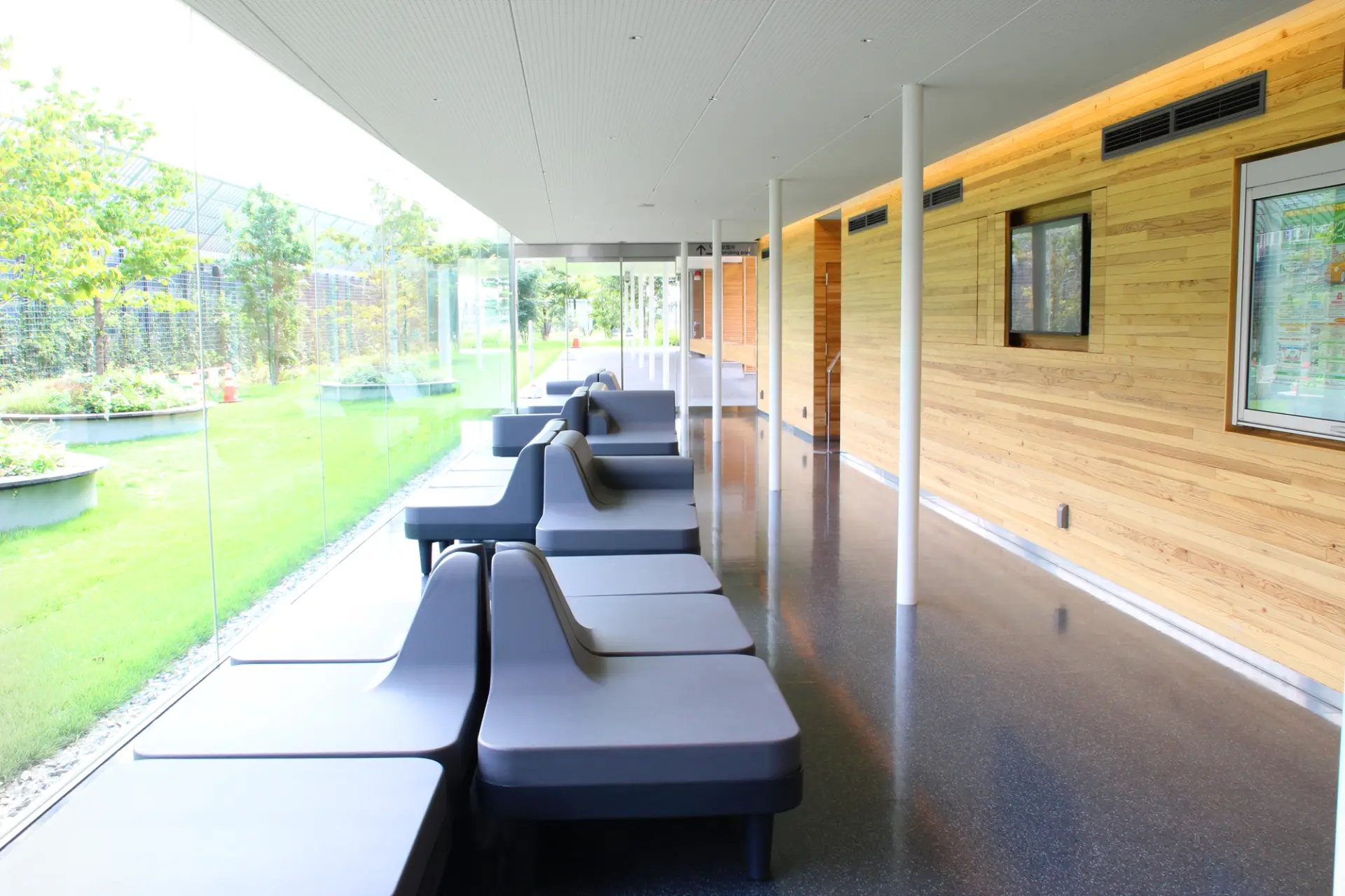
12. Chugoku & Shikoku: Kurushima Kaikyo Service Area (Both Directions), Nishi-Seto Expressway - Imabari, Ehime Prefecture
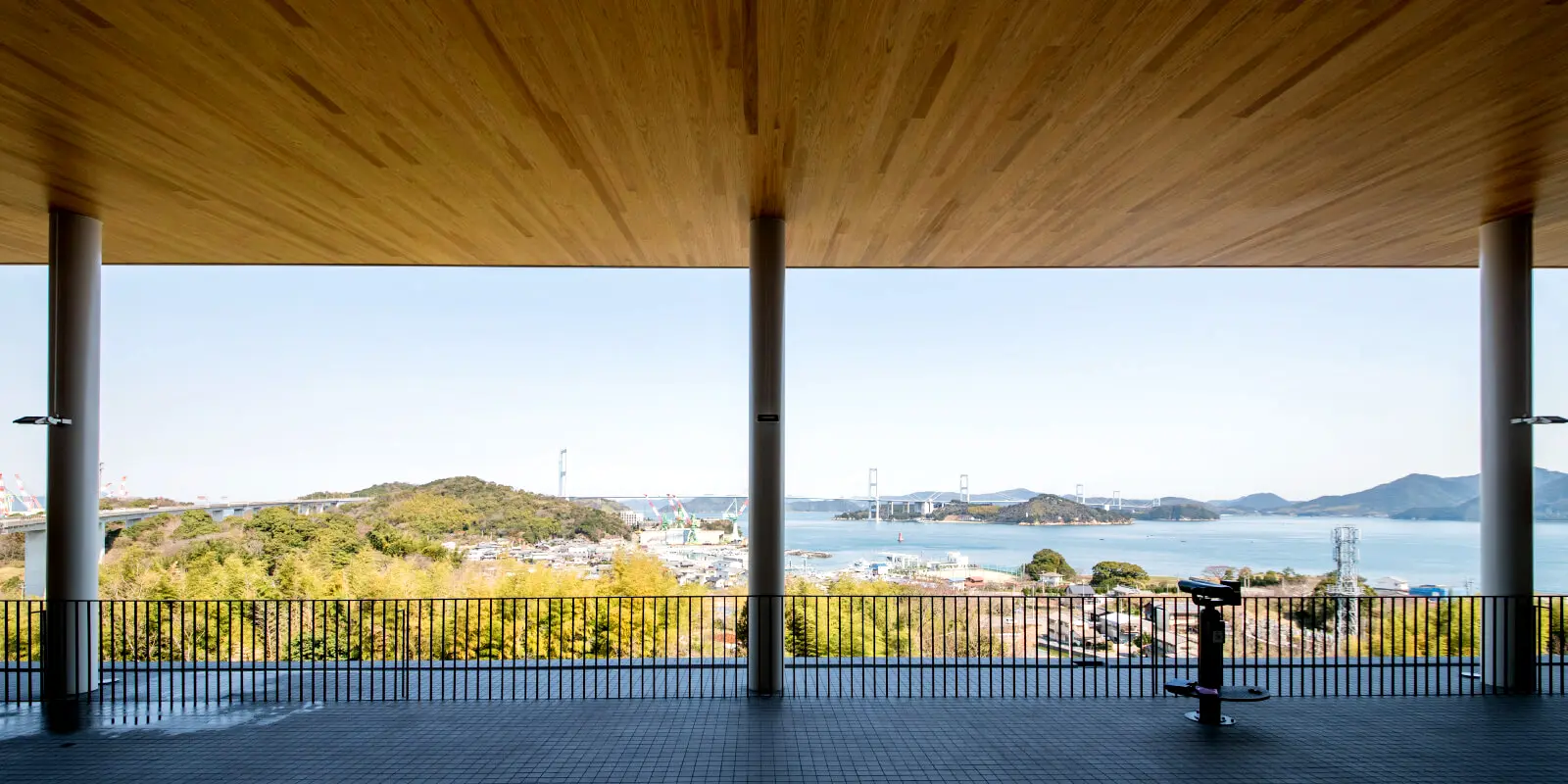
The King of Service Areas, from the Views to the Food
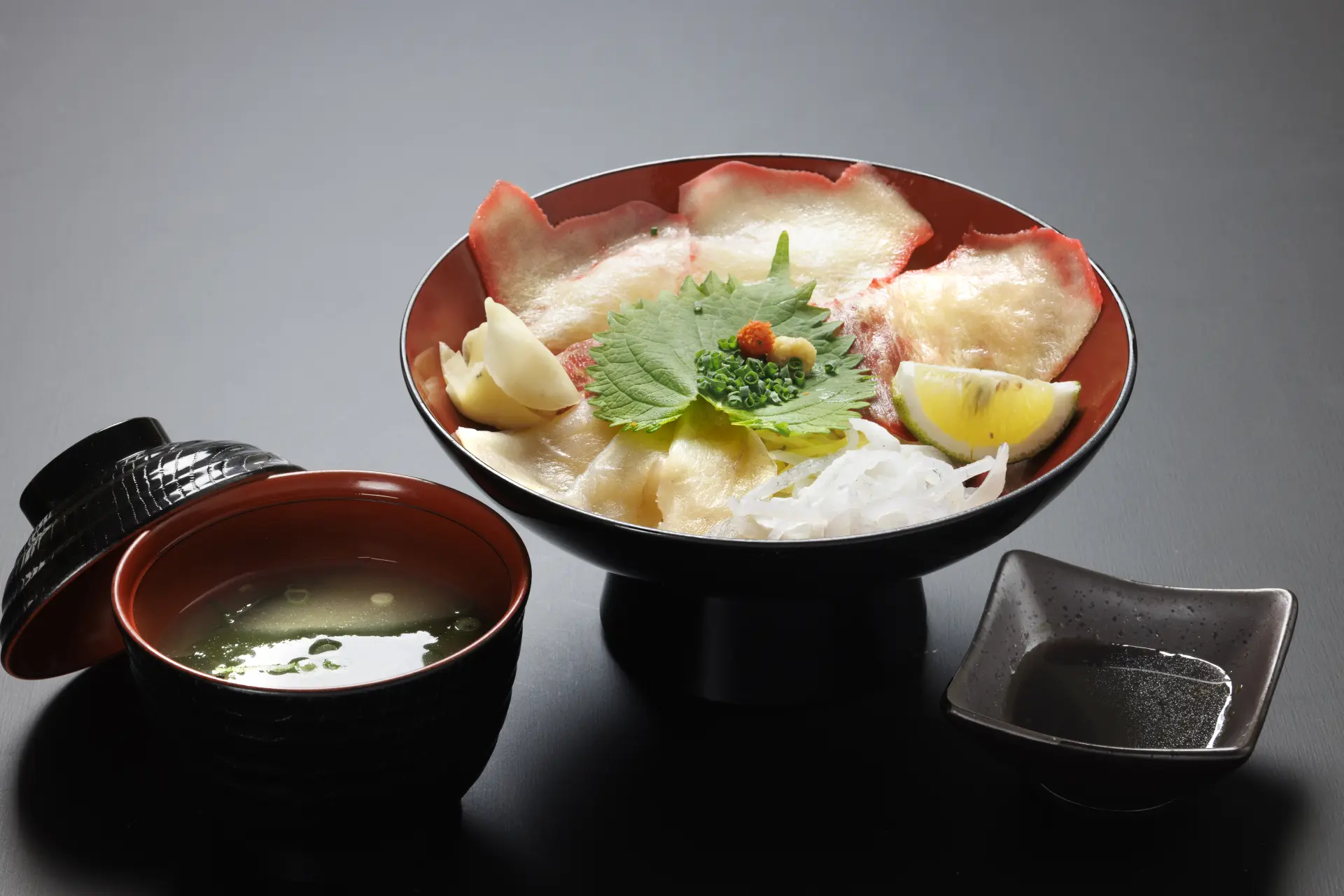
For Chugoku and Shikoku, I simply have to recommend Kurushima Kaikyo SA on the Nishi-Seto Expressway, part of the Shimanami Kaido-a favorite route for driving, motorcycle touring, and cycling. It’s my absolute favorite, the king of service areas! First, there’s the dramatic cliffside setting and the views of islands, sea, and bridges. Then there’s the wide range of local food, including "taimeshi", or sea bream rice. And on top of all that, there’s a beautiful modern building designed to take you out of the everyday. Once I stop here, I don’t want to leave. (laughs) Honestly, it’s worth making this place the sole purpose of a trip.
Since it’s one shared facility serving both directions, you can stop on both the outward and return legs of a round trip along the Shimanami Kaido.
13. Chugoku & Shikoku: Dannoura Parking Area (Outbound), Kanmon Expressway - Shimonoseki, Yamaguchi Prefecture
Savor Shimonoseki’s Pufferfish and Views of the Kanmon Straits
My second pick for Chugoku and Shikoku is Dannoura PA, at the western end of Honshu just before you enter Kyushu. Here, it’s all about seafood! Shopping for dried fish and other local products is fun, but my ideal plan is to sit down to a hearty seafood meal before heading into Kyushu. And if there’s one thing you should order, it’s Shimonoseki’s famous fuku, the local name for pufferfish. Places serving proper fuku dishes at expressway rest areas are a rare find.
The scenery is another attraction. From the deck, you can take in the imposing Kanmon Bridge and Moji Port on the opposite shore. Being able to enjoy both in one view is a big part of the appeal.
Oh, and there’s a hotel on the grounds, too. You could enjoy a seafood feast, stay the night, and cross into Kyushu the following morning.
14. Kyushu & Okinawa: Beppuwan Service Area (Both Directions), Higashi-Kyushu Expressway - Beppu, Oita Prefecture
A Little Luxury, with Spectacular Views and Food to Savor
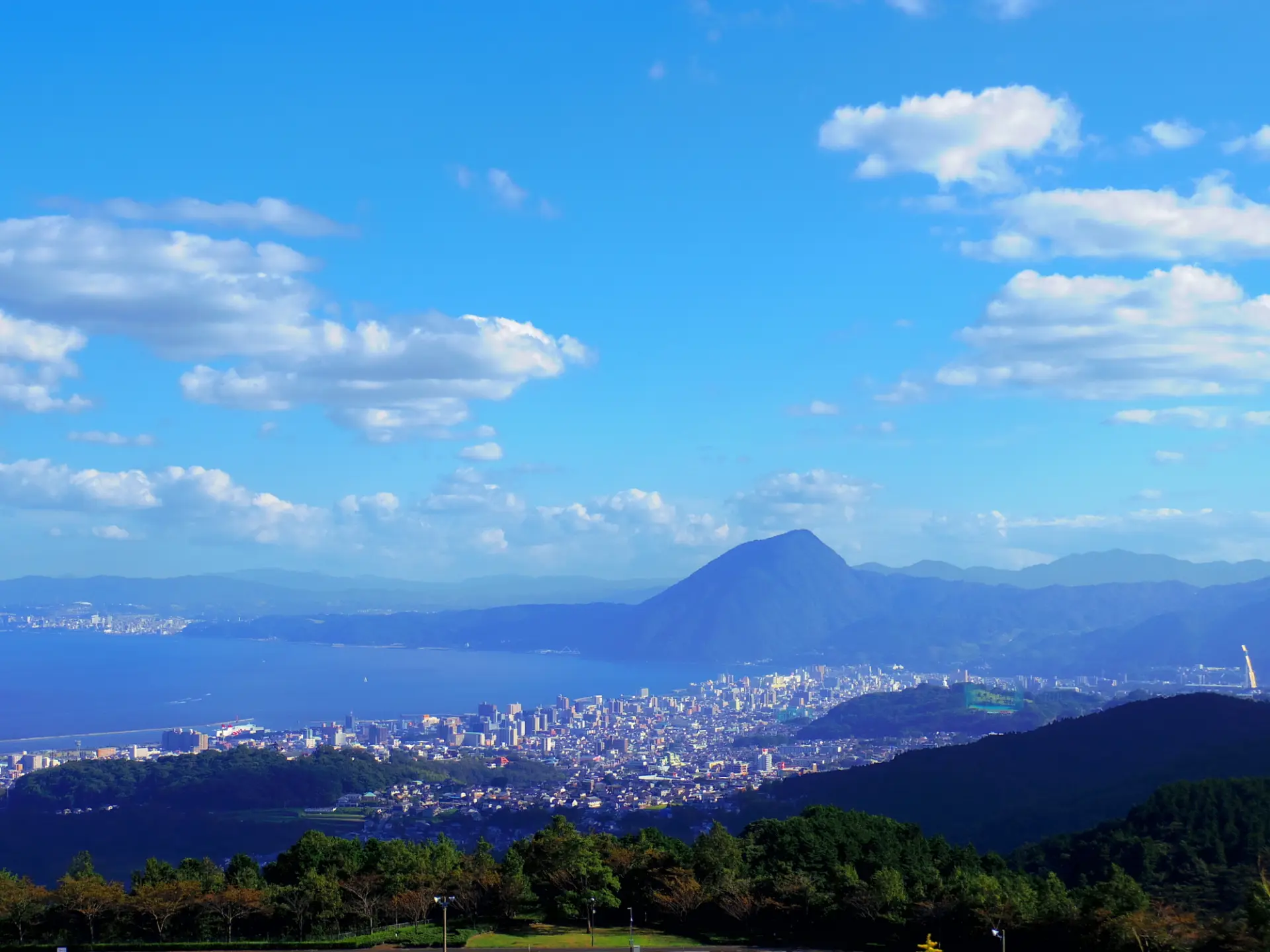
At last, we’ve reached Kyushu and Okinawa. My recommendation from Kyushu is Beppuwan SA on the Higashi-Kyushu Expressway. A walking path connects the inbound and outbound facilities, so you can explore both on foot. From its hillside setting approximately 380 meters above sea level, the view over Beppu Bay is truly spectacular. It’s well known not just in Kyushu but across Japan. With wood-fired pizza, afternoon tea, and other food experiences to savor, this SA offers a little luxury along the way.
How to Get Even More out of SAs, PAs, and Expressway Travel
1) Choose a Nearby PA over a Distant SA
Travelers who don’t regularly drive on expressways tend to aim for SAs when they need a break, assuming they’ll be larger and have everything they need. During busy travel periods such as Golden Week, Obon, and the New Year holidays, that concentrates traffic at SAs and creates serious congestion. Pushing yourself to reach an SA farther ahead can also leave you stuck in traffic or increase the risk of an accident caused by fatigue. I’d like people to take frequent breaks at the PAs they reach first, both to help prevent accidents and to enjoy their trip to the fullest. Keep this in mind: “Choose a nearby PA over a distant SA.” Better yet, avoid packing your itinerary so tightly that you couldn’t stop at every SA and PA along the way.
2) Ask the People Who Work There
Whenever you stop at an SA or PA, try asking the staff a question. What products do they recommend? What tastes best at this time of year? Where would they suggest visiting nearby? Anything goes. The people working in these shops and facilities are excellent guides who know their area inside out. Beyond whatever is trending on social media, they can give you firsthand advice: “This is actually the tastiest thing here,” or “This is in season right now.” The conversations and connections that grow from those questions can make your trip all the more rewarding.
Summary
Today, SAs and PAs are destinations with a wealth of attractions.
Through Yamagata’s guidance and her love of roads, expressways, and rest areas, we’ve discovered just how much these places offer. They certainly provide somewhere to take a break, but their appeal extends far beyond that basic role. On your next trip, why not make an SA or PA the destination itself? It could be the start of a deeper connection with the region you’re visiting.
Author
Writers & Editors
GOOD LUCK TRIP Editors
Sharing lesser-known ways to experience Japan with the world!
Supervising Editor
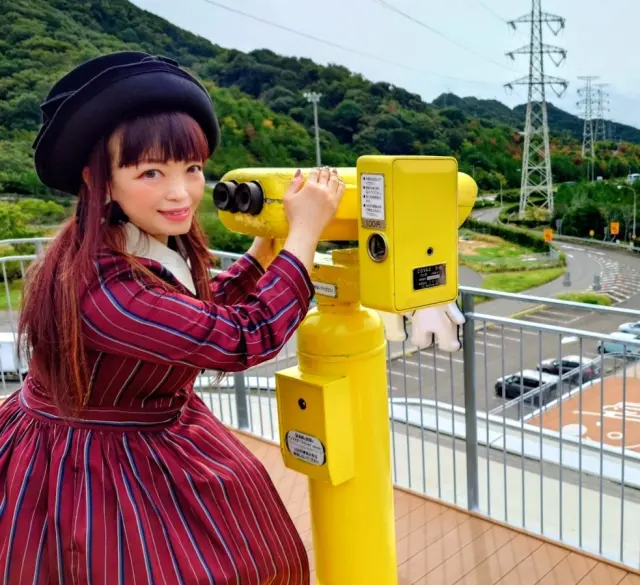
Intercity Expressway Researcher / President of N-SAPA / One-of-a-Kind Media Personality Specializing in Expressways
Mirai Yamagata
SAs and PAs Are Pavilions Showcasing Expressway Culture!