Holly's Reviews Page 6/9

Holly’s Profile Page
  • Atami Heiwa Street Shopping District

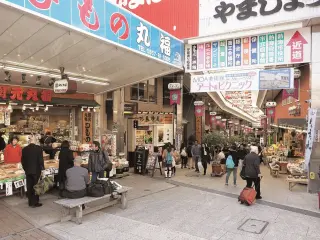
    Atami City, one of Japan's premier hot spring destinations, is renowned for its abundant natural hot spring water. Located right outside JR Atami Station, this shopping district serves as the city’s welcoming gateway.

    • Shizuoka
    • Shopping Streets
    See More

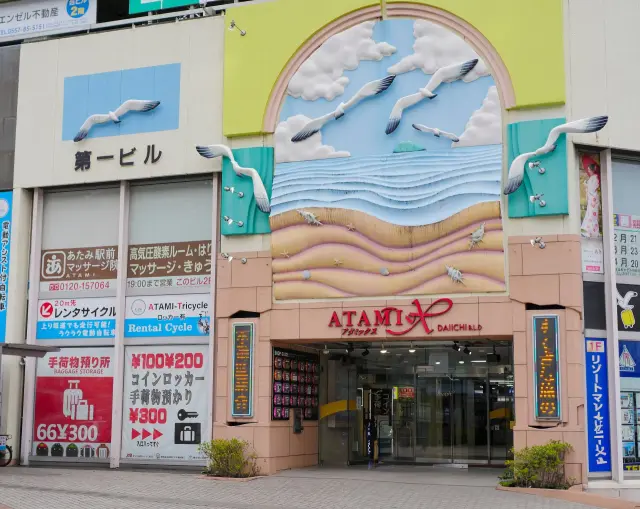
    If you're coming with luggage, I'd recommend storing it before exploring. There are several coin lockers around Atami Station, as well as staffed luggage storage services. I left mine at ATAMIX before walking around the shopping streets. Otherwise, with the crowds and stopping to browse the shops, dragging luggage around would be really tiring.

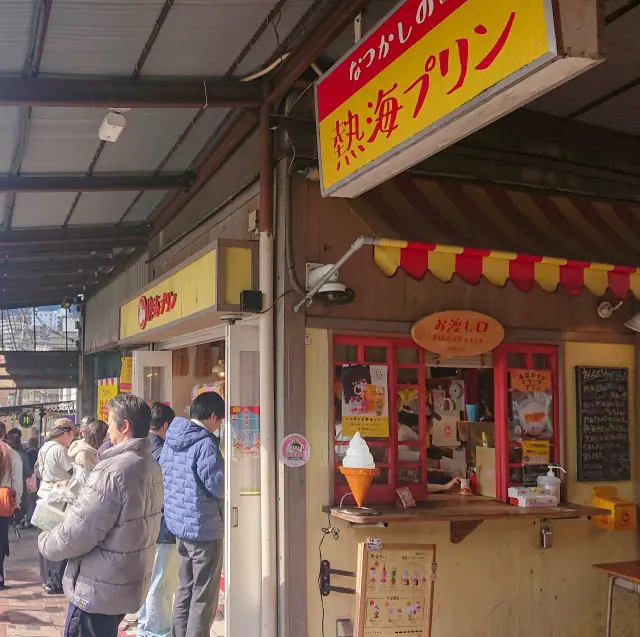
    The shopping streets in front of the station, Heiwa Street and the neighboring Nakamise Shopping Street, are packed with stores, but their biggest feature is the huge amount of food. In addition to Atami's signature onsen manju and dried fish, as well as Atami Pudding, which has practically become synonymous with the city, there are also dessert shops that have become popular in recent years. Still, Atami Pudding remains the most popular dessert.

    I originally wanted to try Atami Pudding too, but gave up as soon as I saw the line. I had more plans afterward and didn't want to spend too much time waiting. As I walked around, I noticed that it wasn't just the pudding—many famous shops can have long lines during peak hours, so I canceled my plan to eat here.

    Overall, Atami Heiwa Street Shopping District has the lively atmosphere of a hot spring tourist destination, with long-established shops, souvenirs, and modern desserts all mixed together. It's quite a good place to buy souvenirs, so I'd recommend stopping here for some final shopping before leaving Atami.

  • Kanazawa FORUS

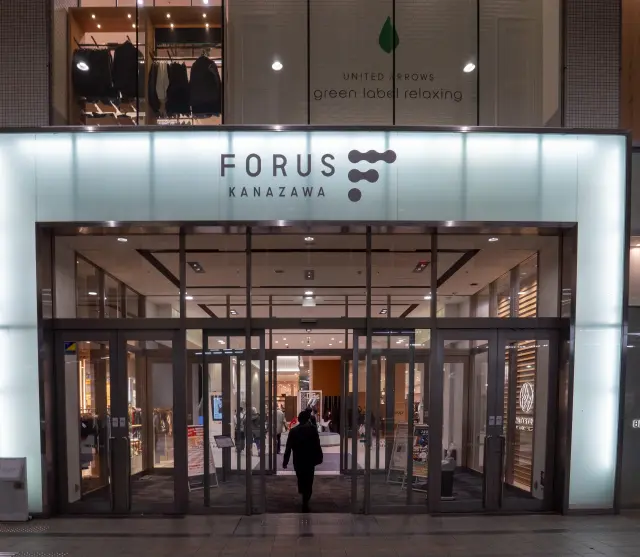
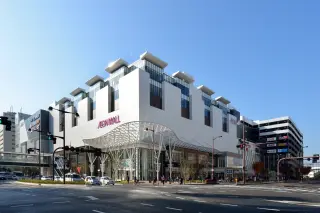
    Located only a 1-minute walk from JR Kanazawa Station, this commercial facility operated by OPA features approximately 190 stores on each of its eight floors, offering a wide variety of goods from fashion items to interior goods, lifestyle goods, cosmetics, jewelry, etc. The lineup of stores has been renewed with the opening of new stores and the renewal of existing stores, and upgraded to the latest contents that show the "present" of Kanazawa.

    • Kanazawa
    • Commercial Buildings
    See More

    At first, I actually only came to Kanazawa FORUS to buy shoes. The sole of my shoe suddenly came unglued during my trip, and if I didn't replace them, I probably wouldn't be able to keep walking for the rest of my itinerary. I asked some experienced travelers where they recommended buying shoes, and they mainly suggested this place because it had lots of styles at reasonable prices. That's why I came here. I never expected that what was supposed to be just an emergency stop would turn out to be such a surprisingly great place to shop.

    First, I definitely have to praise the staff at ABC-MART. I have fairly large feet, so women's sizes aren't easy to find. A staff member told me that certain symbols on the labels of women's shoes indicate styles that come in larger sizes, so I could focus on those first. I ended up finding a pair that fit me really well. I relied on them for the rest of the trip, and they didn't rub my feet at all. They saved my itinerary.

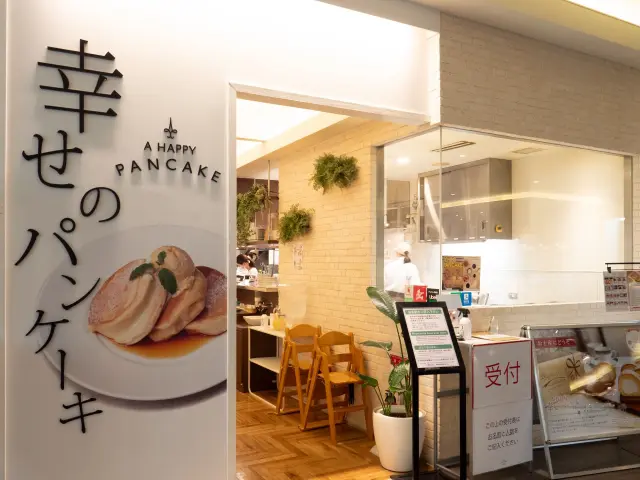
    After buying the shoes, I originally just wanted to find something to eat, but when I looked at the floor guide, I discovered that A Happy Pancake, which was very popular and always hard to book at the time, also had a location here. I could even be seated right away without a reservation, so I really felt lucky. Unfortunately, it's closed now, so there's one less place where you can easily enjoy A Happy Pancake.

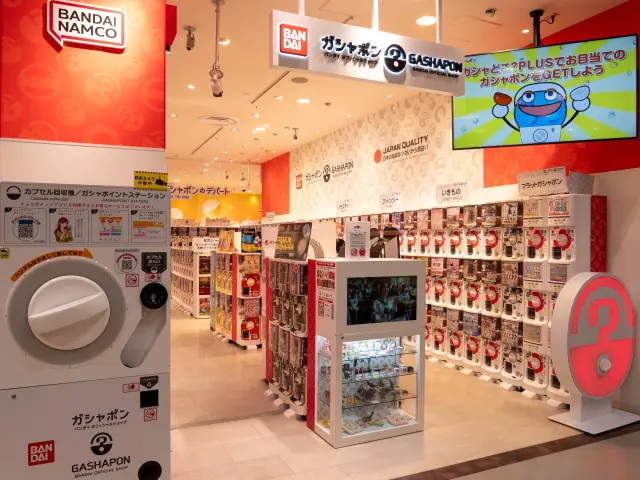
    The truly dangerous part was realizing after buying my shoes that you can't just casually browse this building. Besides the Pokémon Center on the 5th floor, there's also a large capsule toy and Ichiban Kuji area nearby, along with stores like MUJI, LOFT, JINS, and Sanrio. On other floors, you'll also come across familiar brands such as UNIQLO, KIDDY LAND, and L'OCCITANE.

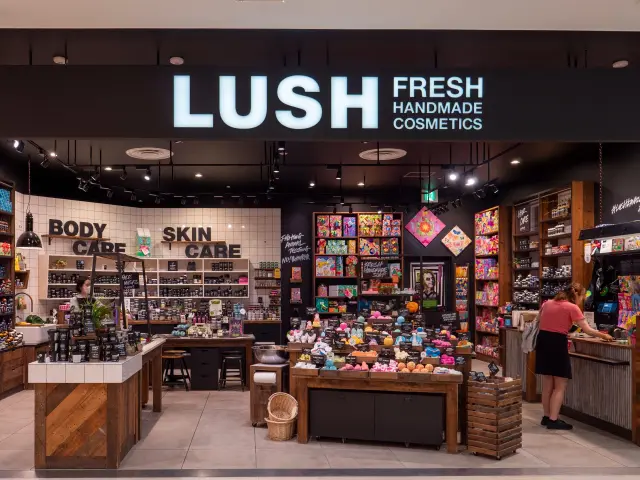
    I almost couldn't tear myself away from the capsule toy area next to the Pokémon Center. Then I went downstairs and saw LUSH, so of course I had to go in and restock my favorite shampoo bar. LUSH also offers tax-free shopping. Finally, there was a Starbucks on the first floor, but they didn't have the limited-edition Frappuccino I wanted at the time, so I managed to protect the last bit of money in my wallet.
    Kanazawa FORUS is right next to Kanazawa Station, so it's very convenient to get to, and it has a fairly complete selection of brands. I only wanted to buy a pair of shoes in an emergency, but I ended up going from shoes and pancakes to Pokémon, capsule toys, and LUSH. This place nearly drained my wallet dry. It's kind of dangerous.

  • AEON MALL Okayama

    This large shopping mall opened in 2014 and spans multiple levels from Basement 2 up to the seventh floor above ground. Located in the center of Okayama City, it is a rare urban-style mall for AEON MALL, which more often operates suburban locations.

    • Okayama
    • Commercial Buildings
    See More

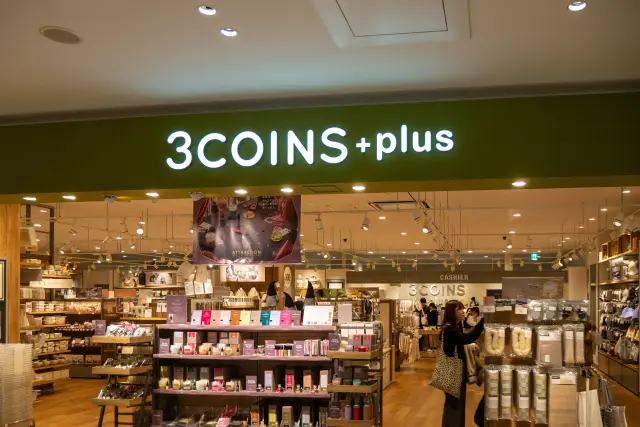
    AEON MALL Okayama is really huge. If there are specific brands you want to visit, I recommend checking the floor and location before going in, or you can easily wear yourself out walking around inside. But its size also has advantages: the selection of brands is very comprehensive. You can shop at brands familiar to Taiwanese travelers, such as DAISO, 3COINS, JINS, and MUJI, all in one place. I especially thought the MUJI here was very large.

    Compared with running around different areas of Osaka or Tokyo for different brands, here you can get almost all your household goods, clothing, glasses, drugstore items, and souvenirs in one place. It’s a great stop for getting all your shopping done at once. Another especially traveler-friendly feature is that many specialty stores offer tax-free shopping, and the official website lists which stores provide it. There’s no need to check each brand’s website, which saves a lot of trouble. Definitely a plus.
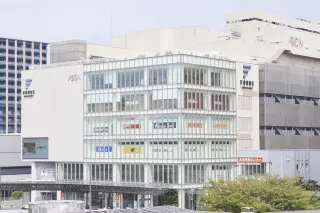
    For the best shopping order, I also recommend visiting the individual stores first and then shopping at the supermarket on the first floor last. The supermarket stays open until 23:00, much later than the other stores in the mall, which close at 21:00. Besides the timing, if you buy a lot of food at the supermarket first, carrying it all around while shopping can be pretty tiring.

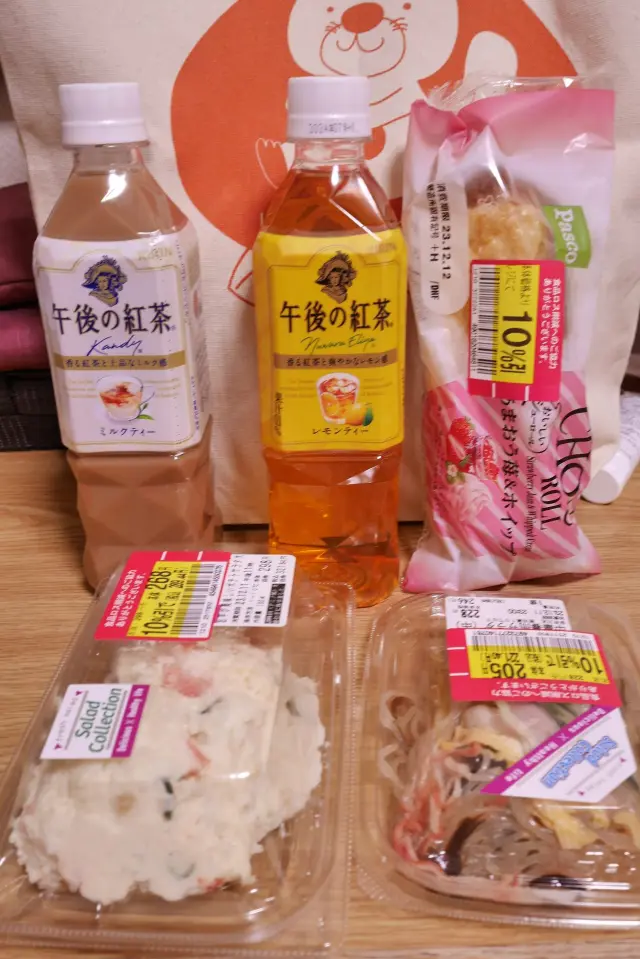
    Discounts on prepared foods starting in the evening are also very popular. When I went close to 8:00 p.m., there was still food available, but many popular items were already gone. Since the supermarket itself is large enough, it usually won’t be completely cleaned out, but if there’s something in particular you want to eat, don’t wait too late.

    Also, after arriving in Okayama on Tigerair Taiwan and getting into the city, many tourist attractions are already about to close, so AEON MALL is actually a great option at that time. You can also use it as a one-stop shopping destination on your last day. For me, AEON MALL Okayama’s biggest advantage is being able to buy everything in one place, with a comprehensive selection of brands and a supermarket that stays open later. The shopping convenience is even better than in many major cities.

  • SOU-SOU Isemomen

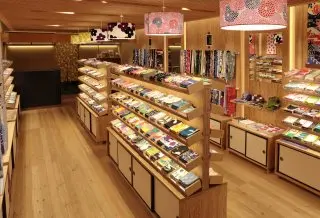
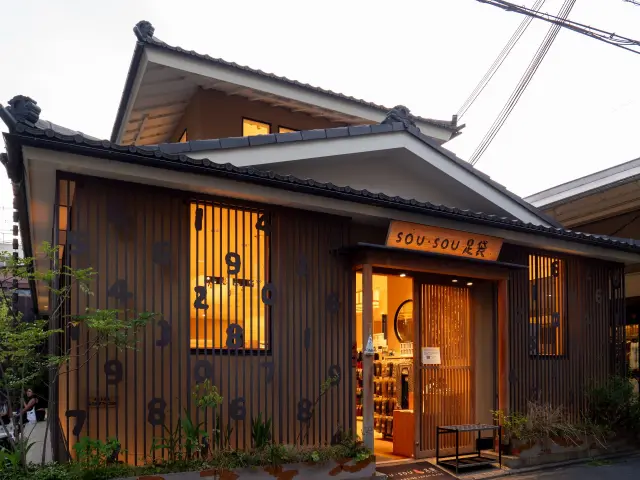
    SOU-SOU is a textile design brand born in Kyoto. Focusing on lifestyle items that fit modern Japanese life, the brand focuses on using traditional materials and methods while upholding the concept of “creating a new kind of Japanese culture”. Inside you’ll find a wide range of items including jikatabi, kimono, Japanese sweets and furniture.

    • Kyoto Station, Shijo Kawaramachi, Kyoto Imperial Palace
    • Miscellaneous Goods
    See More

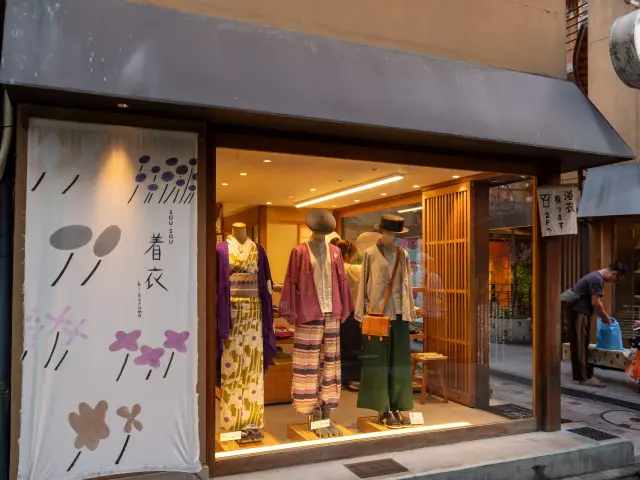
    When I visited Kyoto before the pandemic, I happened to wander near the SOU・SOU Kyoto store. It wasn't open yet, but the brightly colored, distinctive patterns in the window made my friend and me stop and look for a long time. I later learned that SOU・SOU is one of Kyoto's most iconic design brands.

    This time, I mainly came to restock on their “tabi socks,” or split-toe socks. I especially recommend them for women with larger feet—not because the women's socks come in especially large sizes, but because their men's socks are just as colorful as the women's, with lots of patterns to choose from. So even if you need men's sizes, you aren't limited to black, gray, and blue. They're also made in Japan, aren't as expensive as you might expect, and have a split-toe design. After buying a pair myself, I became a loyal customer.

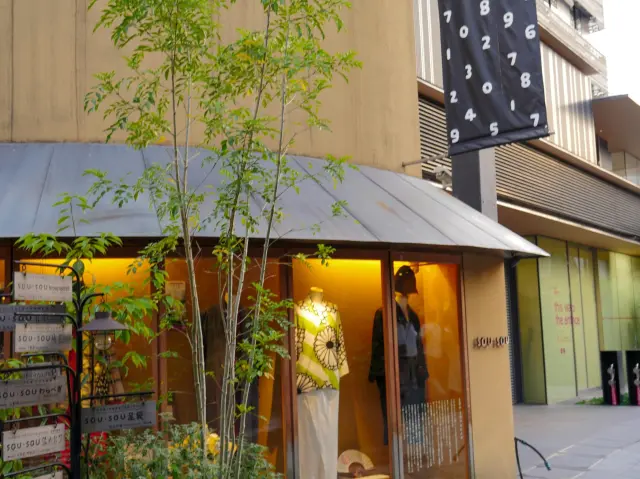
    Another unique thing about SOU・SOU is that different stores carry different items. When I visited the Tokyo location before, I searched the men's section for a long time but couldn't find any women's clothing. I thought it had sold out, but when I finally asked a staff member, I learned that the women's store was across the street, not where I was. Kyoto has a similar setup. The stores are concentrated in the same area, but clothing, tabi, and different collections are sold separately. So if you can't find what you want, the quickest thing to do is ask a staff member. It may not actually be out of stock—you may just be in the wrong store.

    There was also a funny little incident this time. When I was passing through the area the next day, some international travelers suddenly stopped me to ask for directions. I was wondering what to do because my English isn't very good, but it turned out they were looking for SOU・SOU. I immediately realized, I know this one! I could open the map without a translation app and take them to an easy-to-recognize intersection so they could walk there. It was a sweet little travel moment.

  • Okinawa World

    This theme park condenses the charms of Okinawa and is very popular among tourists from both inside and outside Japan. The largest limestone cave in Okinawa, Gyokusendo Cave, was created over 300,000 years ago, and it's more than one million stalactites reaffirm the mystery and grandeur of nature.

    • Naha, Shuri, Itoman, Nanjo
    • Amusement Parks & Theme parks
    See More

    I actually came this time entirely for Gyokusendo Cave. I originally thought I could leave after seeing the limestone cave and checking out some traditional Okinawan buildings, but once I went in, I realized the layout of Okinawa World is incredibly well designed. There's basically no way to pick and choose only what you want to see.

    The route through the park starts with Gyokusendo Cave. After exiting the cave, it naturally leads to the tropical fruit garden, traditional craft experiences, the Ryukyu Kingdom Castle Town, shops, performance areas, and other facilities, one after another. You basically follow the route through the entire park. I thought three hours would be enough, but everything flowed so smoothly that I ended up staying for the performance too. I arrived a little after 1 p.m., and by the time I left, it was almost closing time.

    That said, Gyokusendo Cave itself is definitely worth making a special trip for. The cave is about 5 kilometers long, with around 890 meters currently open to visitors, and it contains over one million stalactites. Walking through it is truly spectacular. Along the way, you can see the many different forms created by the stalactites, and even small stalagmites slowly forming where water has been dripping near the walkway for years.

    I really liked the lighting inside. It illuminates the cave clearly without giving it that cheap tourist-attraction feel from excessive lighting. Instead, it beautifully brings out the layers and shapes of the different stalactites. There are a few things to keep in mind when visiting, though. The cave has plenty of ups and downs, and the ground can get wet. Some stalactites hang so low over the walkway that protective padding has been installed. Taller visitors really need to watch their heads, because if you hit one, people might be more worried about the stalactite than your head.

    Also, Gyokusendo Cave is not wheelchair accessible, and the public route is nearly 900 meters long. If you're traveling with seniors or children, or if you have difficulty with stairs and wet, slippery surfaces, it's best to consider your stamina beforehand.

    Overall, the admission isn't exactly cheap, but the scale and scenery of Gyokusendo Cave are impressive. Along with the traditional Ryukyu buildings, craft experiences, tropical plants, and live performances afterward, I still recommend setting aside half a day if it's your first time in Okinawa. The overall atmosphere really doesn't feel like Japan.

  • Naha City Tourist Information

    Inside the center, you’ll find a wide range of pamphlets, guidebooks, and event flyers featuring sightseeing spots not only in Naha City but across Okinawa Prefecture. At the information counter, travelers can get up-to-date recommendations on local restaurants serving Okinawan gourmet and traditional cuisine, souvenir shops, and the latest event information.

    • Naha, Shuri, Itoman, Nanjo
    • Stations & Roadside Stations & Tourist Information Centers
    See More

    When I travel on my own, I usually stop by tourist information centers to pick up materials. They’re useful for my current trip, and I often find inspiration for my next one too. The Okinawa Tourist Information Center at Asahibashi is in a great location, right above the Naha Bus Terminal. It’s easy to get to from either Asahibashi Station or the bus terminal. I went by scooter, though, so it was a bit of a walk from the parking lot. Hoshino Coffee is right next door, so you can grab something to eat if you’re hungry.

    I was honestly surprised when I arrived. This is one of the largest tourist information centers I’ve visited in Japan, and it has a very comprehensive selection of materials covering not only Naha City but also attractions, transportation, and events throughout Okinawa’s main island. The counter offers multilingual assistance. While I was resting inside, I happened to hear the staff helping travelers directly in Chinese and Japanese.

    In addition to travel information, you can purchase some transportation tickets and sightseeing products. Luggage storage is also available, currently for JPY 500 per item per day, with same-day pickup required. They also offer luggage delivery, which is really thoughtful. There are also some Okinawan cultural exhibits inside. The space is roomy and comfortably air-conditioned, making it a good place to rest and look through materials while waiting for a bus or during a break in your itinerary.

  • Kayanoya COREDO Muromachi Nihonbashi Store

    A former soy-sauce storehouse turned specialty ingredients shop. Kayanoya has spent 120 years helping more people enjoy “Washoku”, the world-recognized intangible cultural heritage of Japanese cuisine, with easy to use ingredients.

    • Tokyo Station, Nihonbashi, Marunouchi
    • Miscellaneous Goods
    See More

    This time, a classmate dragged me along to browse Kayanoya. Their family had asked them to stock up all at once on enough dashi packets and seasonings for chawanmushi to last the next six months. Since I usually don’t have much opportunity to cook, I could only look at most of the products and put them back. Then I happened to spot the “だしふりかけ” at the end. It didn’t require cooking and wasn’t too expensive, so I bought the bonito and plum bonito flavors to try back in Taiwan.

    After actually trying them, they changed the way I think about furikake. This kind is moister, and the flavor is more deeply absorbed. Comparing the two, the bonito flavor is milder, with the savory taste of dashi and dried bonito as the main notes. The plum bonito has the added tart aroma of plum and red shiso, making it more refreshing and appetizing. I especially like the plum bonito. When it’s hot in the summer and I don’t feel like eating much, something slightly tart really can make me eat another bowl of rice.

    I originally thought Kayanoya was mainly suited to people who cook regularly, but even someone like me who rarely cooks can find suitable products there. It’s really nice.

  • Samuhara Shrine

    A quietly standing shrine in Osaka City's business district. Said to have its roots in Samuhara-sha Okunomiya, located deep in the mountains of Kamo, Tsuyama City, Okayama Prefecture, it enshrines the three creator deities known as Zoka Sanshin: Amenominakanushi-no-Okami, Takamimusubi-no-Okami, and Kamimusubi-no-Okami, who are said to have created all things.

    • Hommachi, Yodoyabashi, Kitahama
    • Shrines & Temples
    See More

    One of the most famous items offered at Samuhara Shrine is the ring-shaped “Goshinkan Mamori.” Before the pandemic, you had to try your luck at the shrine office and could only get one if it was in stock, so they often ran out quickly. After the pandemic, they switched to an application system, with an offering of at least JPY 10,000, and a domestic Japanese address is required. Since they are made to order, there is also a wait before completion. Even so, they remain extremely popular, so as of August 2026, new production applications are temporarily suspended.

    I had visited Samuhara Shrine before the pandemic, and the amulet I received then was also the one I kept with me the longest. During the pandemic, many people around me tested positive one after another. I even worked closely with someone who tested positive for two or three days, and everyone took turns taking long periods off, but I stayed safe the whole time. There was a period when I was coughing badly, but all my rapid tests were negative. There were also several moments when it looked like a serious traffic accident was about to happen, but I somehow managed to avoid them each time. I never knew my reaction speed could rival an athlete’s. Looking back now, it still feels incredible.

    Of course, these things may not really have been directly related to divine protection, and there may have been some psychological effect, but for me, they definitely left me with the feeling that I had somehow been protected all along.

    So when I came to Osaka again after the pandemic, I made a special trip back to give thanks, return the old amulet that had been with me for years, and receive a new one, hoping to continue living safely and smoothly, free from illness and misfortune.

  • Meoto Iwa (Ise, Mie Prefecture)

    Futamiura's coastline is famous for the Meoto Iwa (Married Rocks) - two large rocks, one 9 meters tall and the other 4 meters, standing side by side like a couple, symbolizing marital harmony. This famed destination draws women and couples seeking good relationships. Located 700 meters offshore, the Oki-no-shima (a sacred stone) and a torii gate are seen as places to worship the sunrise, attracting devotion since ancient times. The rocks can be viewed from the approach to Futami Okitama Shrine.

    • Mie
    • Nature Spots
    See More

    What I most wanted to see was the sunrise between the Meoto Iwa. This view isn't visible year-round, only around May to July each year, with the best time being around the summer solstice. If you're lucky and the weather and visibility are good enough, you may even see the distant Mount Fuji overlapping with the rising sun.

    However, the biggest problem with seeing the sunrise is transportation. Sunrise is very early, and it's basically impossible to get there from central Ise by public transportation. The more practical option is to stay near Futamiura the night before, but accommodations in the area are limited. Since my trip was very last-minute, I couldn't find anywhere I liked, so I had to give up on the sunrise for now. Instead, I went to worship in the afternoon and also visited the nearby Hinjitsukan, which was originally a lodging for members of Japan's Imperial Family when they visited Ise Jingu. I have to say, a royal inn really does have a different presence.

  • Ise Jingu

    Known affectionately as "Oise-san," the shrine is usually called "Ise Jingu-Shrine," but officially, it is called "Jingu-Shrine".

    • Mie
    • Shrines & Temples
    See More

    Ise Jingu is mainly divided into the Outer Shrine and Inner Shrine. The traditional order of worship is “Outer Shrine first, then Inner Shrine,” but if you only have time for a day trip, most travelers usually prioritize the livelier Inner Shrine, since afterward they can go straight to Okage Yokocho. However, the Outer Shrine is closer to Iseshi Station and can be reached on foot. Since there are fewer visitors, walking among the tall trees in the sacred grounds is very relaxing. Compared with the liveliness of the Inner Shrine, the Outer Shrine feels quieter and more serene, allowing you to better sense the gentleness of the deities.

    I also highly recommend the Sengukan Museum next to the Outer Shrine. It explains the Shikinen Sengu ceremony, which takes place every 20 years. What makes it especially interesting is the full-scale model of the Outer Shrine’s main sanctuary. Since visitors cannot approach the innermost area of the main sanctuary during an actual visit, seeing the model in the museum helped me better understand the true scale and architectural details of the deities’ dwelling. There are also many exhibits on the tools and craftsmanship used during the rebuilding ceremony. If you are not in a hurry, there are videos to watch as well. I really recommend it.

    The Inner Shrine is larger and draws more worshippers than the Outer Shrine. After crossing Uji Bridge, you walk along the Isuzu River toward the main sanctuary, and the entire experience feels more ceremonial. The routes going in and coming back are separated, mainly because the worship route at the Inner Shrine is quite long. Getting there is not a problem, but on the way back I was truly grateful for the Sanshuden rest area. When you get tired, you can sit down and rest, and free drinking water is available inside. There are vending machines if you want another drink, and you can also purchase amulets and other shrine items here.

    If your schedule allows, I still highly recommend visiting both the Outer Shrine and Inner Shrine in the traditional order. The Inner Shrine is more impressive and lively, with Okage Yokocho nearby to explore, while the Outer Shrine is much quieter. I actually preferred its forest atmosphere and feeling of worship. The two have completely different atmospheres and character, and only after visiting both can you get a fuller sense of Ise Jingu.

    One reminder: the Inner Shrine has coin-operated luggage lockers, but the Outer Shrine does not, so keep that in mind if you have luggage. When I visited, I saw a traveler who had no way to store their luggage and had to drag it along. Since the sacred grounds are covered with gravel, it looked quite difficult.

Hokkaido Tohoku Kanto Chubu Hokuriku Kansai Chugoku Shikoku Kyushu Okinawa