Holly's Reviews Page 7/9

Holly’s Profile Page
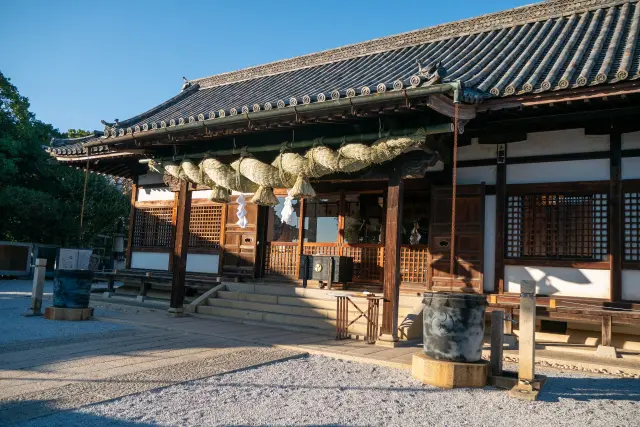
  • Shitennoji Temple

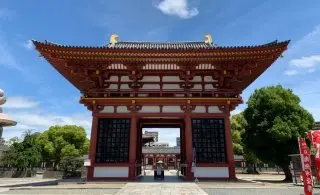
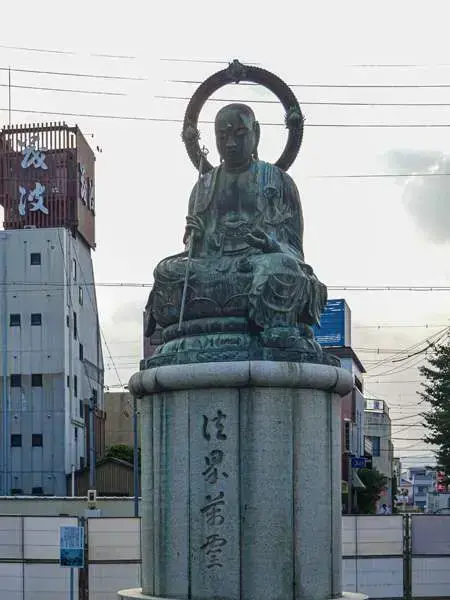
    Prince Shotoku, the father of Japan’s Buddhism, had this first Japanese Buddhism temple built in 593. In the 8th century, the respect for him has changed into a religion, which is still active to this day. Since the temple was built by Prince Shotoku, it was reestablished as Washu (Japanese religion) in 1949.

    • Tennoji, Shinsekai
    • Shrines & Temples
    See More

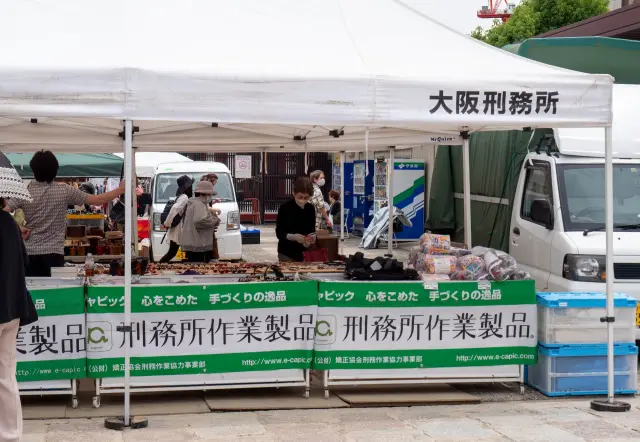
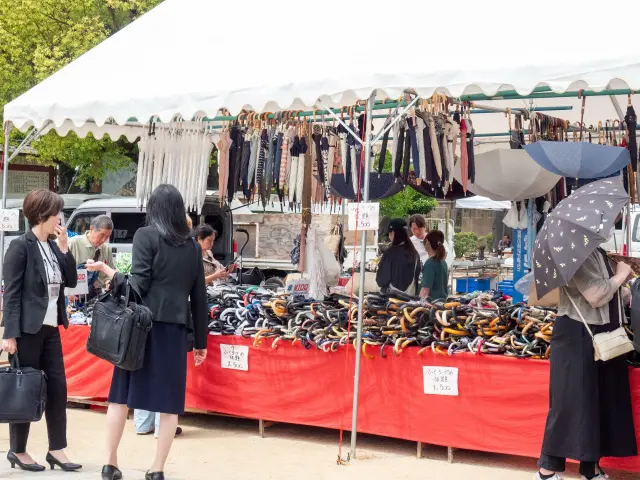
    If you like antiques, secondhand kimono, vintage household items, or flea markets full of everyday character, the market at Shitennoji Temple in Osaka is worth planning a special trip for. While researching, I found that there are markets on both the 21st and 22nd. I originally thought they would be about the same, but after visiting, I found clear differences in the crowds, number of stalls, and overall atmosphere.

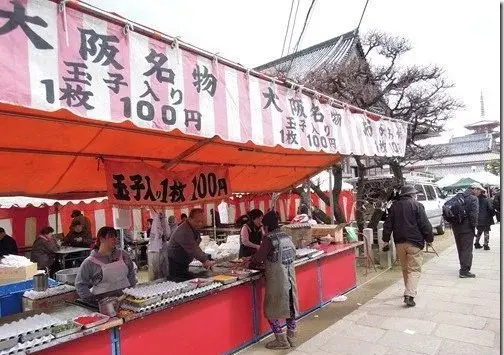
    The Daishi-e on the 21st is the largest. It has almost everything, including antiques, vintage items, secondhand kimono, clothing, household goods, and food stalls. The temple grounds are packed with stalls and people, like a large flea market combined with a festival. The atmosphere is lively and energetic, but it's also more crowded, so you may not always be able to stop and look closely at something you like. To see everything, it's best to allow at least half a day, or even plan to spend the entire day there.

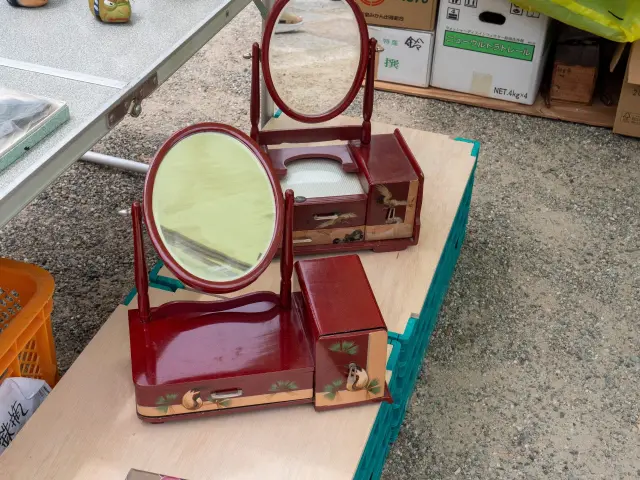
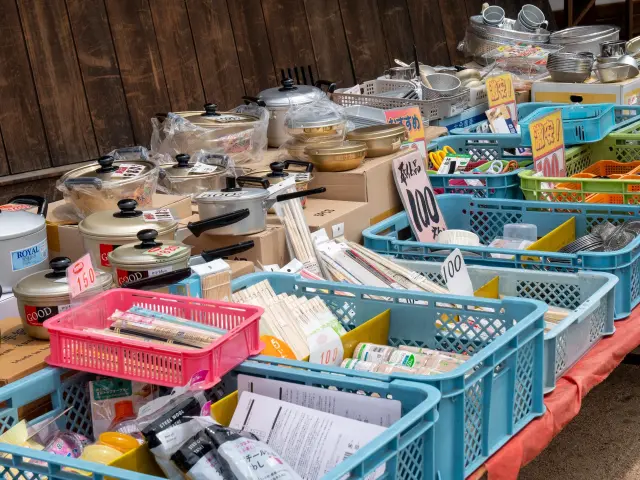
    The Taishi-e on the 22nd has a completely different feel. The first time I went, I briefly wondered if the event had been canceled because the crowd was so much smaller than on the 21st. You can sense the difference even on the way there. After shopping there twice, I feel this is probably what the Taishi-e is normally like. Although there isn't as much variety as on the 21st, there are still plenty of antiques, vintage items, and secondhand goods. Without the crowds pushing around you, you can take your time and make several rounds. However, there are far fewer food vendors, so I recommend bringing some snacks just in case.

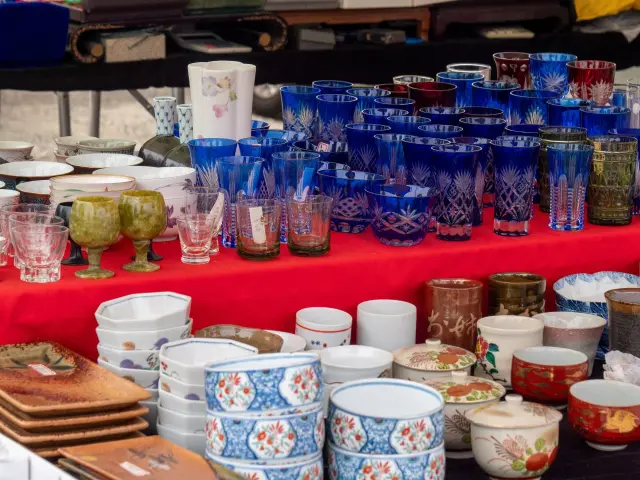
    Although the 22nd is less crowded, I actually bought even more things that day than on the 21st. I think it's probably because my view wasn't constantly blocked by people, and I could crouch down and slowly look through the old items laid out on cloth, making it easier to find things I truly liked. I've found reasonably priced Edo Kiriko glassware, vintage tableware, and a maxi dress that suited me here. I had more fun treasure hunting than on the 21st.

    If you want a lively market with a full range of stalls and a festival-like atmosphere, I recommend going on the 21st. If you prefer quietly hunting for treasures and don't want to squeeze through crowds, the 22nd is actually more comfortable. Each day's market has its own appeal. For anyone who likes antiques, kimono, and vintage items, Shitennoji Temple is worth a special trip for a leisurely visit, no matter which day you happen to go.

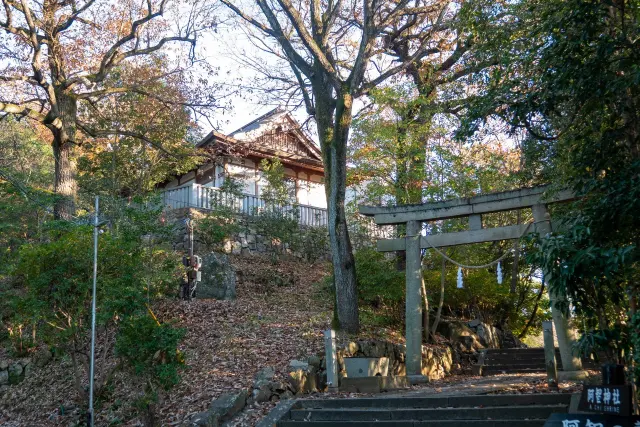
  • Achi Shrine

    Worshiping the “Three Goddesses of Munakata”, the god of the sea and transportation / trading safety, this shrine sits atop the summit Mt. Tsurugata Yama, which is a part of Kurashiki Bikan Historical Quarter (Kurashiki Beautiful Sight Quarter). The name “Achi”, is derived from the Achino-omi tribe who migrated from afar and lived in this space. The name of the shrine comes from the tribe as well.

    • Okayama
    • Shrines & Temples
    See More

    Achi Shrine is located on Mt. Tsurugata next to the Kurashiki Bikan Historical Quarter. Getting there from the foot of the mountain requires walking up a slope or stone steps. If you don't want to climb too many steps right away, I recommend taking the gentler slope from the shopping street, then heading down the front stone steps. It's an easier walk, and you'll also pass the wisteria area along the way. The wisteria blooms in early May and is one of Achi Shrine's most famous sights. Unfortunately, I visited twice and missed the full bloom both times. I missed the flowering season the first time, and on my second visit, I also happened to miss the limited-edition goshuin and exhibition, which left me a little disappointed.

    The shrine's charms and other items are also very distinctive, such as the delicately crafted Hanamatoi charms in soft colors and the original “Irohaura” fortunes. The paper, illustrations, and color combinations used for the fortunes are very beautiful, making them nice keepsakes even after you've drawn one.

    After visiting the shrine, you can look back over the streets of Kurashiki from the higher ground nearby. The view isn't especially expansive, but you can see the white walls, black roof tiles, and streets intersecting below. Although I prefer the view from Kuniyoshi-kan, the scenery from Achi Shrine is also lovely.

  • Tsukannon Temple (Enichizan Kannonji Daihoin)

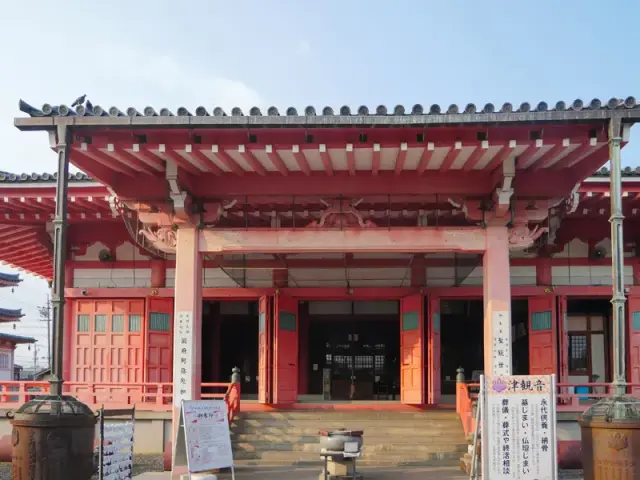
    This historic temple is said to have been founded in 709, and its official name is “Enichizan (Enichizan) Kannonji Daihoin.” Locals have long affectionately called it “Kannon-san.” The principal image, “Sho Kannon Bosatsu,” is known as “Tsukannon,” and is counted as one of Japan’s Three Great Kannon temples alongside Tokyo’s “Asakusa Kannon” and Aichi’s “Osu Kannon.” It is said to bring a wide range of blessings, including good fortune and success in business.

    • Mie
    • Shrines & Temples
    See More

    I took a ninja-themed high-speed ferry from Chubu Centrair International Airport to Tsu, then caught a taxi from Tsu Port. The shopping streets around Tsukannon Temple were quite quiet, completely unlike the lively areas around Sensoji Temple and Osu Kannon. Once inside the temple grounds, however, the vermilion five-story pagoda, main hall, Kannon statue, and ceiling paintings were all impressive, lending the temple an even more solemn atmosphere.

    The decorations and ceiling paintings inside the main hall are also worth examining closely. The colorful celestial maiden paintings on the ceiling add a gentle, sacred feeling to the space. Other details include a dragon-shaped purification fountain, elements related to devotion to Kobo Daishi, and rubbing stones associated with the pilgrimage. They would be easy to miss on a quick visit.

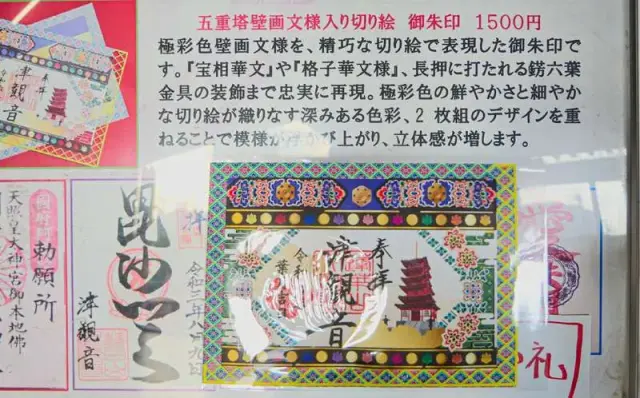
    The biggest surprise for me was the intricate paper-cut goshuin featuring patterns from the five-story pagoda’s murals. Its design draws from paintings and decorations inside the pagoda that are normally difficult to see. It is ornate yet dignified. I usually keep paper mementos from my travels in my journal, but this goshuin felt too special for that, so I chose to display it separately on my desk.

    Tsukannon Temple may not be the liveliest temple, but it is where I most strongly felt a sense of peace and solemnity. Of the three major Kannon temples, this was the most personal and memorable stop for me.

  • Kansai WIDE Area Pass

    This money-saving pass, available exclusively to international visitors to Japan, greatly expands your travel options. It provides convenient access to Osaka, Kyoto, Kobe, Nara, and sightseeing destinations in Shiga such as Lake Biwa, and offers unlimited travel for five consecutive days within the valid area on the Shinkansen and Limited Express trains including the Kansai-airport Express HARUKA; Special Rapid Services, Rapid Services, and Local trains on JR-WEST Conventional lines; and WEST JAPAN JR BUS route buses.

    • Kansai Region
    • Okayama
    • Tickets & Passes
    See More

    The KANSAI WIDE AREA PASS is ideal for traveling between cities such as Kyoto, Osaka, Himeji, Okayama, and Kurashiki. However, you should calculate your actual itinerary beforehand to determine whether it will save you money. On this trip, I traveled from Kyoto to Okayama and also visited Himeji and Kurashiki, so the pass did reduce my overall transportation costs.

    The most confusing part is the Shinkansen coverage. The pass covers the Sanyo Shinkansen between Shin-Osaka and Okayama. However, the Tokaido Shinkansen between Kyoto and Shin-Osaka is operated by JR Central and is not included. To travel from Kyoto to Okayama, take a Special Rapid train on the JR Kyoto Line to Shin-Osaka, then transfer to the Sanyo Shinkansen.

    There is another important point to keep in mind when visiting Kurashiki. Shin-Kurashiki Station is not the closest station to the Kurashiki Bikan Historical Quarter, and the pass's Shinkansen coverage ends at Okayama. Traveling to Shin-Kurashiki requires paying the fare difference, followed by another transfer back to Kurashiki, so it is not any more convenient. The easiest option is to take the Shinkansen to Okayama, then transfer to the JR Sanyo Main Line for Kurashiki Station.

    Overall, the pass offers an extensive travel area and access to the Sanyo Shinkansen. The downside is that the route restrictions are not as intuitive as they appear on the map. Once you understand that the Shinkansen between Kyoto and Shin-Osaka is excluded, as well as the difference between Shin-Kurashiki and Kurashiki stations, the pass is quite convenient to use.

  • Nagoya Castle

    One of the largest castles in Japan, built in the early Edo period on the orders of Tokugawa Ieyasu, the founder of the Edo shogunate, the five-story castle tower is topped with shining two Kinshachi, one male and one female that has become a symbol of Nagoya.

    • Nagoya
    • Tourist Attractions
    See More

    I wasn't particularly interested in Nagoya Castle until I learned that the city had faithfully reconstructed Honmaru Palace—including spaces such as Jorakuden Hall and Yudono Shoin—using surviving prewar plans, photographs, measurements, and wall paintings. In other words, Nagoya Castle offers more than just a castle keep; you can also visit the shogun's residence. Once I learned that, I was determined to go.

    Honmaru Palace was what I looked forward to most, and it was every bit as breathtaking as I expected. From the entrance and Omote Shoin to Jorakuden Hall, there was a succession of gold-leaf wall paintings, carved transoms, decorative metalwork, and elaborately designed ceilings. It was so lavish that my neck started to ache from constantly looking up. I could also hear other visitors gasping in amazement.

    Yudono Shoin was equally fascinating. This was the shogun's private bathing and relaxation area. Rather than a bathtub, it featured a steam bath. The craftsmanship of the woodwork was exquisite, and even the bathing area had the refinement expected of a facility reserved for the shogun.

    Because the palace contains almost no furniture or household items, some rooms can look similar, making it difficult to immediately imagine how they were used. However, by closely observing differences in floor height, the subjects of the wall paintings, ceilings, transoms, and seating arrangements, you can still see how each space reflected status and hierarchy.

    If time allows, I highly recommend visiting Nagoya Castle and the Tokugawa Art Museum together. Honmaru Palace showcases the architectural spaces and formal order of the samurai class, while the museum preserves armor, tea utensils, paintings, calligraphy, and everyday objects from the Owari Tokugawa family. Together, they provide a much clearer understanding of daimyo culture and daily life at the time.

    I used to have low expectations for Nagoya Castle, but now I feel that simply being able to walk through such a meticulously reconstructed palace makes the visit worthwhile—even without access to the castle keep.

  • Museum Meiji Mura Village

    This open-air museum first opened its doors in 1965, the artistically and historically valuable buildings, including 11 important cultural properties, mostly from the Meiji period, were relocated, preserved, and exhibited here.

    • Aichi
    • Museums
    See More

    Museum Meiji Mura is much larger than I expected. I strongly recommend arriving right when it opens, or it will be difficult to explore everything thoroughly in one day. I arrived after 11:00 a.m. Even with the village bus saving me some walking, I only managed a quick look around three of the five districts and never reached the other two.

    The museum preserves a huge collection of Meiji-era buildings, including churches, schools, hospitals, prisons, and the main entrance hall of the Imperial Hotel. Every building is worth exploring in detail. If you enjoy modern architecture, history, or photography, even a full day may not be enough.

    You will also need to choose your visit date carefully. Weekends generally offer more activities, dining options, and transportation, making them better for riding the steam train or Kyoto streetcar. Weekdays are quieter and ideal for taking your time, but some restaurants and facilities may be closed. I had hoped to enjoy dessert inside the Imperial Hotel, but the tearoom happened to be closed that day. Be sure to check the hours for any restaurants and transportation you want to use before visiting.

    I wore a Taisho-era-inspired kimono that blended Japanese and Western styles. Staff members complimented me from the moment I reached the ticket booth, which made getting up early to change completely worthwhile. Walking among the historic buildings in vintage clothing truly felt like stepping back in time. If you do not have your own outfit, I highly recommend the museum’s paid costume experience.

    Meiji Mura is somewhat remote, so pay attention to transportation for the return trip. Evening departures can get crowded, and each form of transportation within the museum has its own last departure time. If you plan to stay until closing, calculate how long it will take to return from the far end of the grounds to the exit.

    Overall, Meiji Mura is much more than a collection of old buildings. It is an incredibly rich open-air museum. One day is barely enough if you only want to see the major buildings. If you want to explore at a relaxed pace, take photos, ride the trains, dress up, and enjoy a meal, even two days might not be enough.

  • Okayama Momotaro Airport

    An airport conveniently located 18 km from central Okayama City, Approx. 30 minutes by car to the city center and Approx. 10 minutes from the nearest interchange. Direct domestic flights operate to three cities: Tokyo, Sapporo, and Okinawa, while direct international flights serve four cities: Seoul, Shanghai, Taipei, and Kaohsiung. Convenient as a gateway for access within Japan and overseas, it is used by many travelers not only from Okayama Prefecture but also from outside the prefecture.

    • Okayama
    • Airplanes & Airport
    See More

    Okayama Momotaro Airport is not very large, but the layout is easy to navigate. The airport buses to and from Okayama Station and Kurashiki are also straightforward. Buses heading toward Okayama may adjust their departure times depending on how quickly international passengers clear customs. On the return trip from Okayama Station, buses may leave early once they are full. Overall, the transportation arrangements are more traveler-friendly than I expected.

    Most of the airport’s dining and shopping options are located before security. The second floor has restaurants, cafés, capsule toy machines, and souvenir shops. Restaurant prices are quite reasonable, and the selection of Okayama souvenirs is better than at the duty-free store in the departure lounge. Most importantly, the capsule toy machines are dangerously tempting—I could not resist spending all my spare change! Once inside the international departure lounge, there are very few shops or facilities and no full-service restaurant. I recommend eating, buying souvenirs, and getting drinking water before going through security.

    Although this is a regional airport, the customs and baggage inspections are quite strict—even stricter than at some major airports. Do not cut it too close for your return flight. For international departures, arriving about 2.5 hours early is best. One unusual feature is that checked baggage must go through an X-ray inspection before check-in, which can really slow things down.

    Overall, Okayama Momotaro Airport is not a place for extensive shopping, but it is easy to navigate, close to the city, and very convenient as a gateway to Okayama, Kurashiki, and western Japan. As long as you eat and shop before security and allow enough time for inspections, it is a genuinely great airport.
  • Osu Shopping Street

    Nagoya‘s biggest arcade is surrounded by Wakamiya, Fushimi, Osu and Minami-Otsu Streets. Almost 1,200 stores and facilities in all kinds of genres are clustered - restaurants, second-hand, general, and appliance stores, etc. are creating a unique atmosphere.

    • Nagoya
    • Shopping Streets
    See More

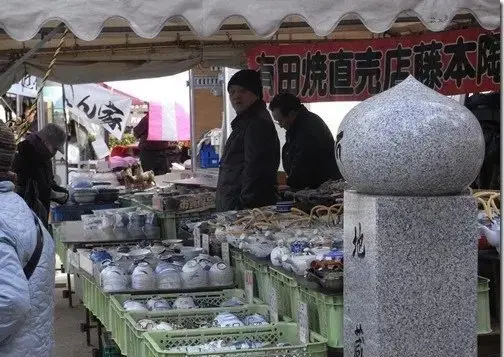
    Osu Shopping Street blends vintage clothing shops, traditional temples, long-established stores, secondhand kimono, subculture, international cuisine, and everyday local life. Alongside tourist-oriented businesses, there are supermarkets and food stores used by residents. What surprised me most was the number of shops selling secondhand kimono, hakama, and vintage clothing. It’s perfect for anyone who enjoys taking their time hunting for unique retro finds. Some of the vintage clothing isn’t cheap, but the pieces are genuinely beautiful, and browsing alone is fun.
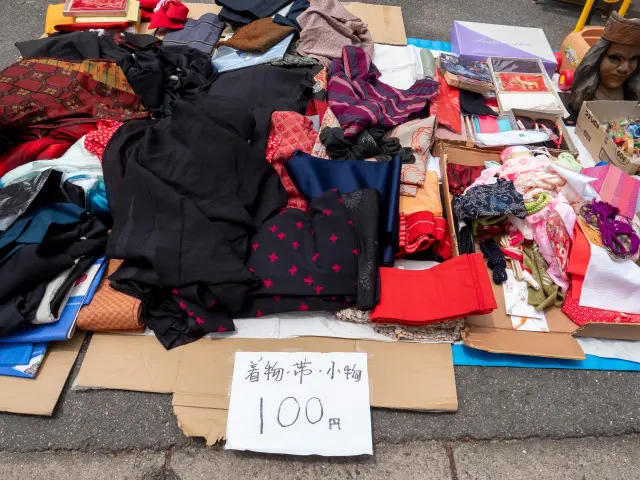
    Along the way, you can grab a soy sauce-glazed grilled dango from Shinsuzume Honten on Niomon Street. The savory soy sauce and charcoal-grilled aroma make it a great snack while exploring. If you arrive early, you can also have breakfast at the old-school café Hayashi Coffee Il Fiore, across from Osu Kannon Temple. I especially love their scrambled eggs.
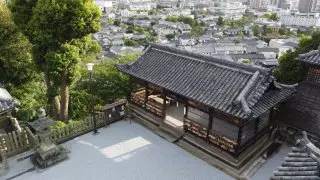
    Overall, Osu Shopping Street offers a great mix of tourism, local life, and treasure hunting, plus a few attractions to explore. I’d recommend setting aside an entire afternoon. It’s just as enjoyable to browse as the shopping street near Senso-ji.

  • Tsuruya Yoshinobu TOKYO

    This long-standing Wagashi shop first opened in 1803 in Kyoto, known for its yuzu citrus infused yuzu mochi.

    • Tokyo Station, Nihonbashi, Marunouchi
    • Experiences Facilities
    See More

    The highlight of Tsuruya Yoshinobu is definitely its Kayu Chaya counter. Guests can sit at the counter and watch wagashi artisans up close as they shape nerikiri into exquisite seasonal jonamagashi. Their movements are precise, and every detail—from the colors and shaping to the final decorations—is carefully considered. It’s essentially a small artisan performance.

    Even if you aren’t familiar with wagashi, watching them being made helps you appreciate the thought behind every shape and detail. The freshly prepared jonamagashi is delicate and soft, with a sweetness that pairs beautifully with matcha. It isn’t just visually stunning; the flavor also lives up to the standards of this long-established shop.

    If you’re making a special trip, I recommend prioritizing Kayu Chaya. Rather than simply buying something to go, watching the jonamagashi take shape right before your eyes is the most memorable and worthwhile part of the experience.

  • Yasui Konpiragu

    Located in Kyoto's Higashiyama district, the shrine venerates Emperor Sutoku, Minamoto no Yorimasa, and the major deity from Kotohira Shrine in Sanuki. It has long been affectionately known as "Yasui no Konpira-san."

    • Gion, Higashiyama, Yamashina
    • Shrines & Temples
    See More

    I’ve been to Yasui Konpiragu three times, and I have to say, at least from my own experience, it really does feel quite powerful. Because of that, I think it’s important to be very clear when making a wish here. It’s best to write down exactly what bad ties you want to cut, and what kind of outcome you hope to welcome afterward.

    The first two times I visited, I happened to be in situations where I wanted to leave my job but couldn’t seem to make it happen. After visiting the shrine, I was able to resign successfully in about two weeks. Of course, it may have just been a coincidence in timing, but having similar experiences twice in a row left a strong impression on me.

    That said, Emperor Sutoku, who is enshrined at Yasui Konpiragu, is also strongly associated with vengeful spirits in Japanese history and legend, so the atmosphere of the shrine definitely feels unique. If you’re sensitive to the energy or atmosphere of shrines and spaces, it may be worth checking in with yourself before visiting.

    For me, Yasui Konpiragu is not just Kyoto’s famous “shrine for cutting ties.” It’s also a place to visit when you want to end a relationship, job, or phase of life and open the door to new connections. So whenever I have time in my Kyoto itinerary, I make a point of going there to pray.

Hokkaido Tohoku Kanto Chubu Hokuriku Kansai Chugoku Shikoku Kyushu Okinawa